Sacred place · Medieval
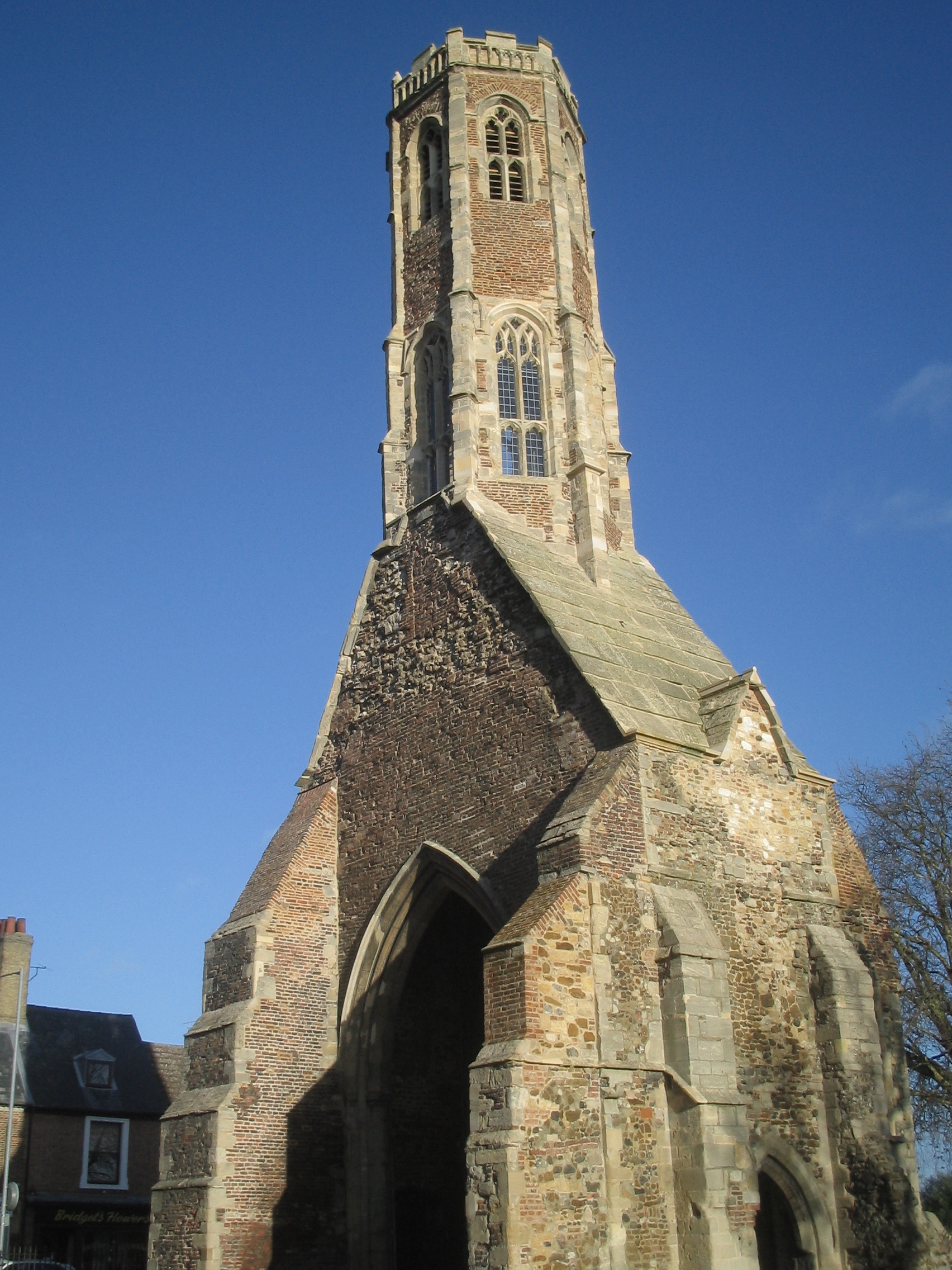
Great Yarmouth Grey Friary
Norfolk
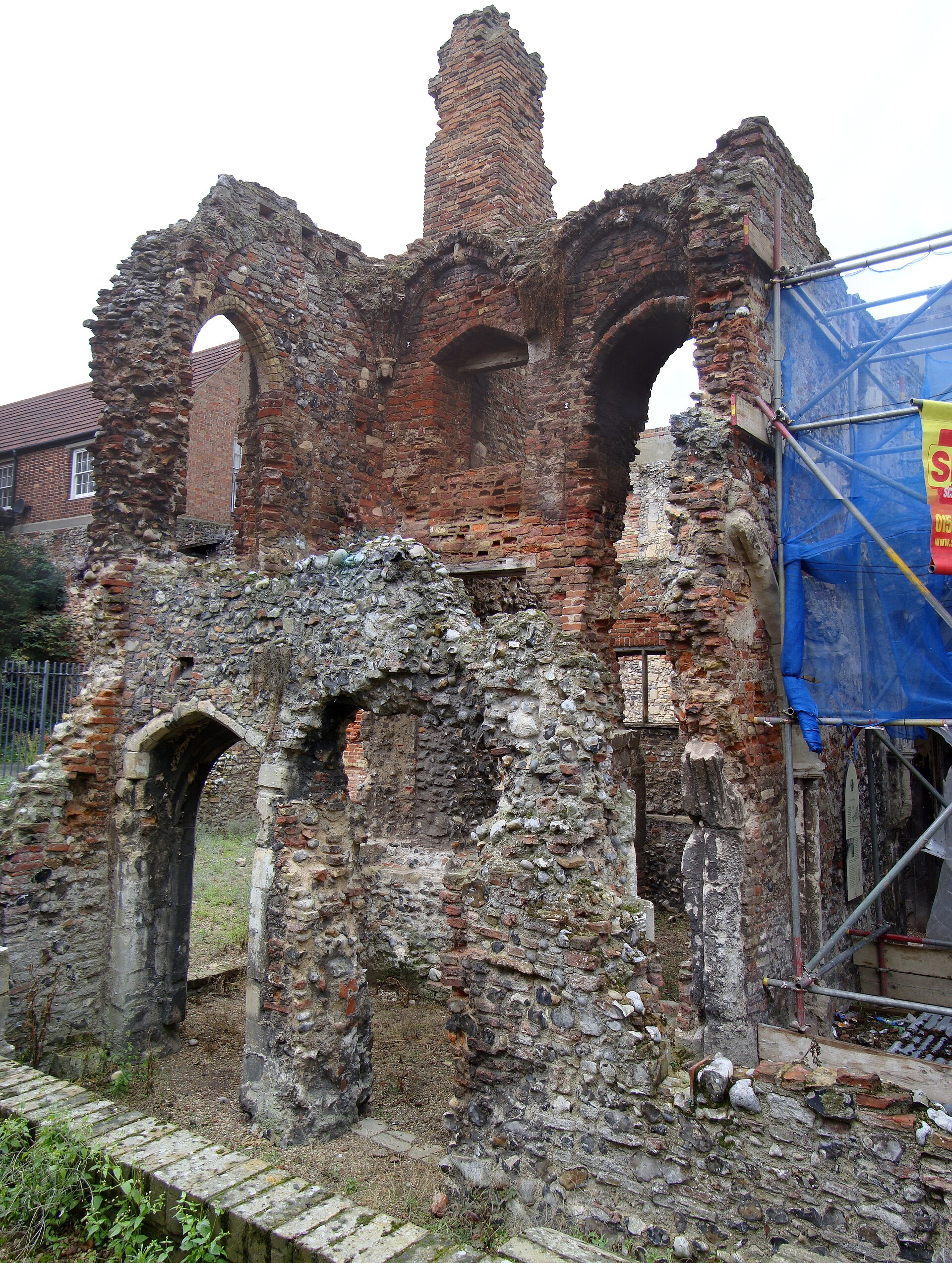
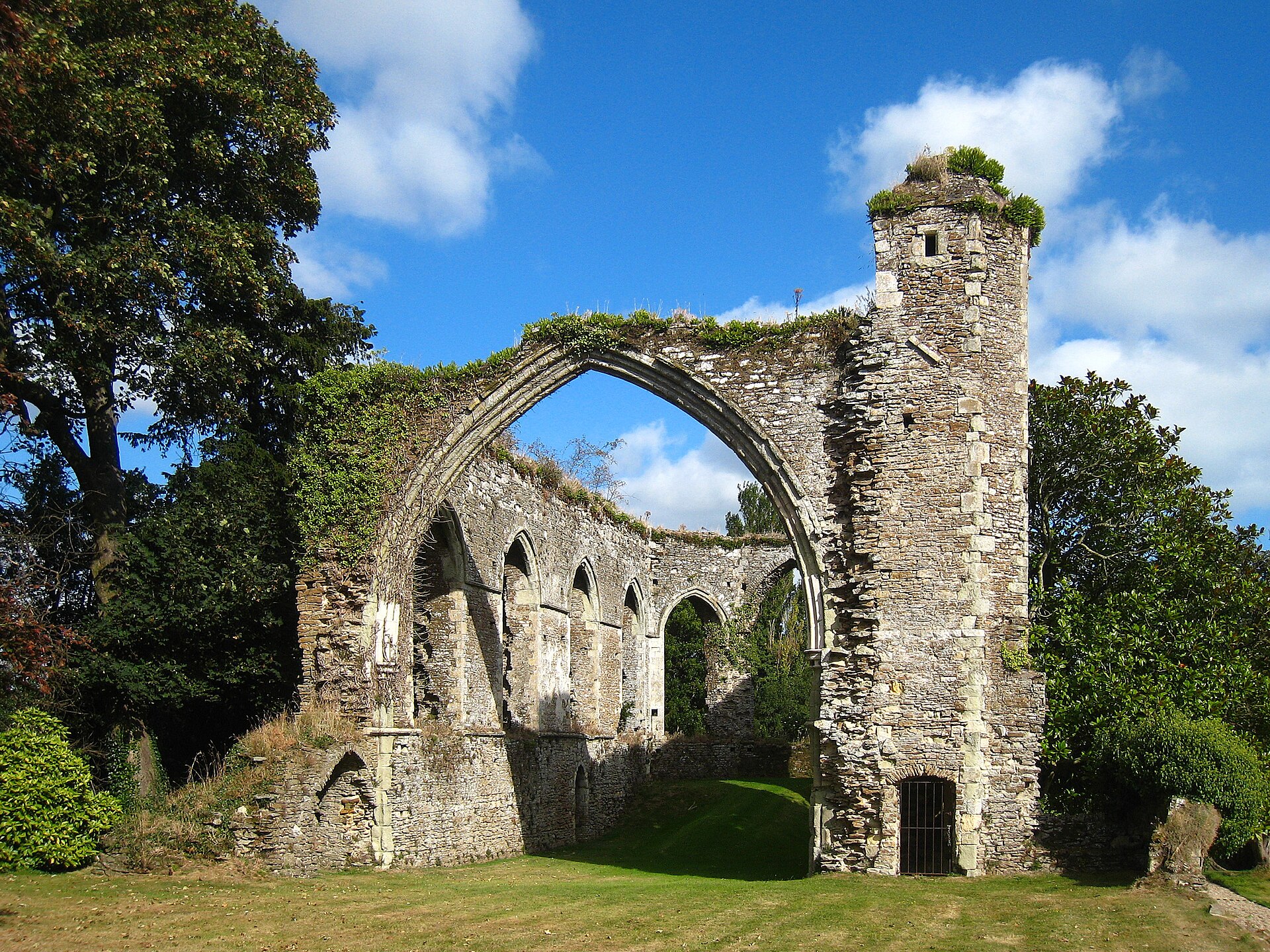
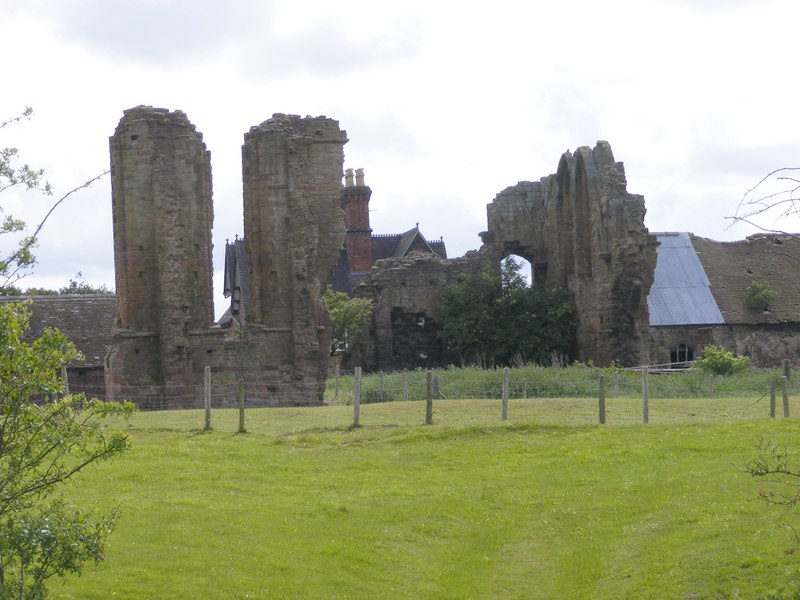
Great Yarmouth Grey Friary preserves Grade I fragments of a Franciscan house founded around 1226, whose covered walkway survived through later reus…
- Near Great Yarmouth
The directory
Page 22 of 47 in the full directory.
Browsing 100 places — search and the map cover the whole directory.
Sacred place · Medieval
Norfolk
Great Yarmouth Grey Friary preserves Grade I fragments of a Franciscan house founded around 1226, whose covered walkway survived through later reus…
Fortified place
Dorset
Green Island combines protected Poole Harbour habitat with archaeological evidence of former trading activity, making a small private island import…
Fortified place · Medieval
South Ayrshire
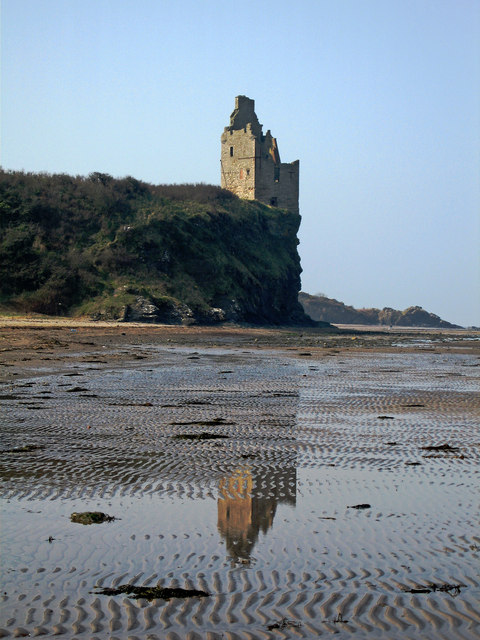
A sixteenth-century tower on a headland fortified since before the Romans, and the place a Kennedy set out from on the morning he was murdered.
Sacred place · Medieval
Lincolnshire
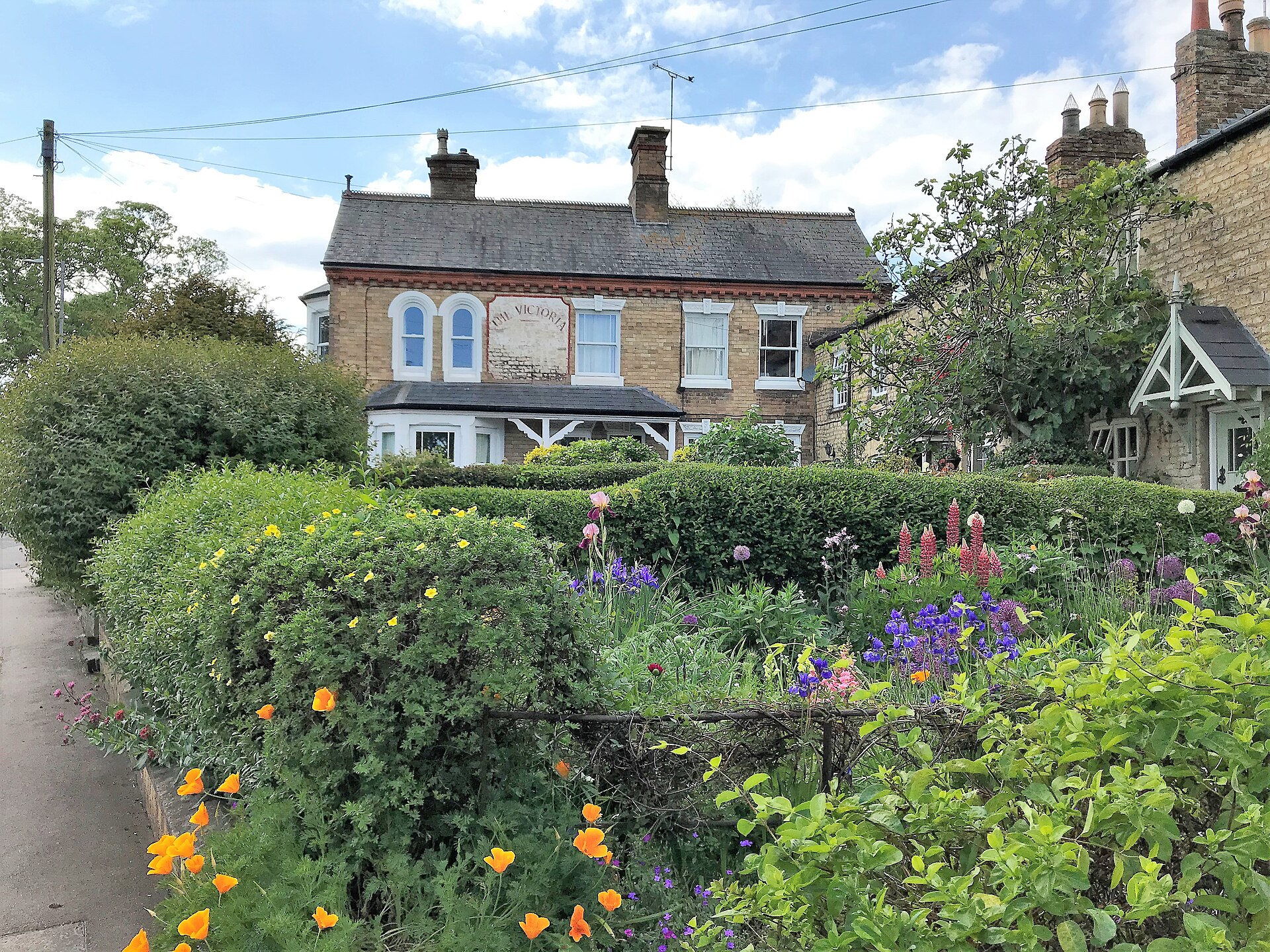
Two generations of the Barons Welles were buried here, while surviving bishops' records lay bare a small nunnery repeatedly failing to keep its own…
Fortified place · Medieval
Lancashire
One of the last two Royalist strongholds left standing in Lancashire, held through a bitter siege until May 1645, its towers pulled down soon after…
Fortified place · Medieval
Scottish Borders
Built for comfort rather than combat, its four-storey L-plan shell still carries an original iron yett, corbelled turrets and a kitchen with meat h…
Sacred place · Pictish & early medieval
Essex
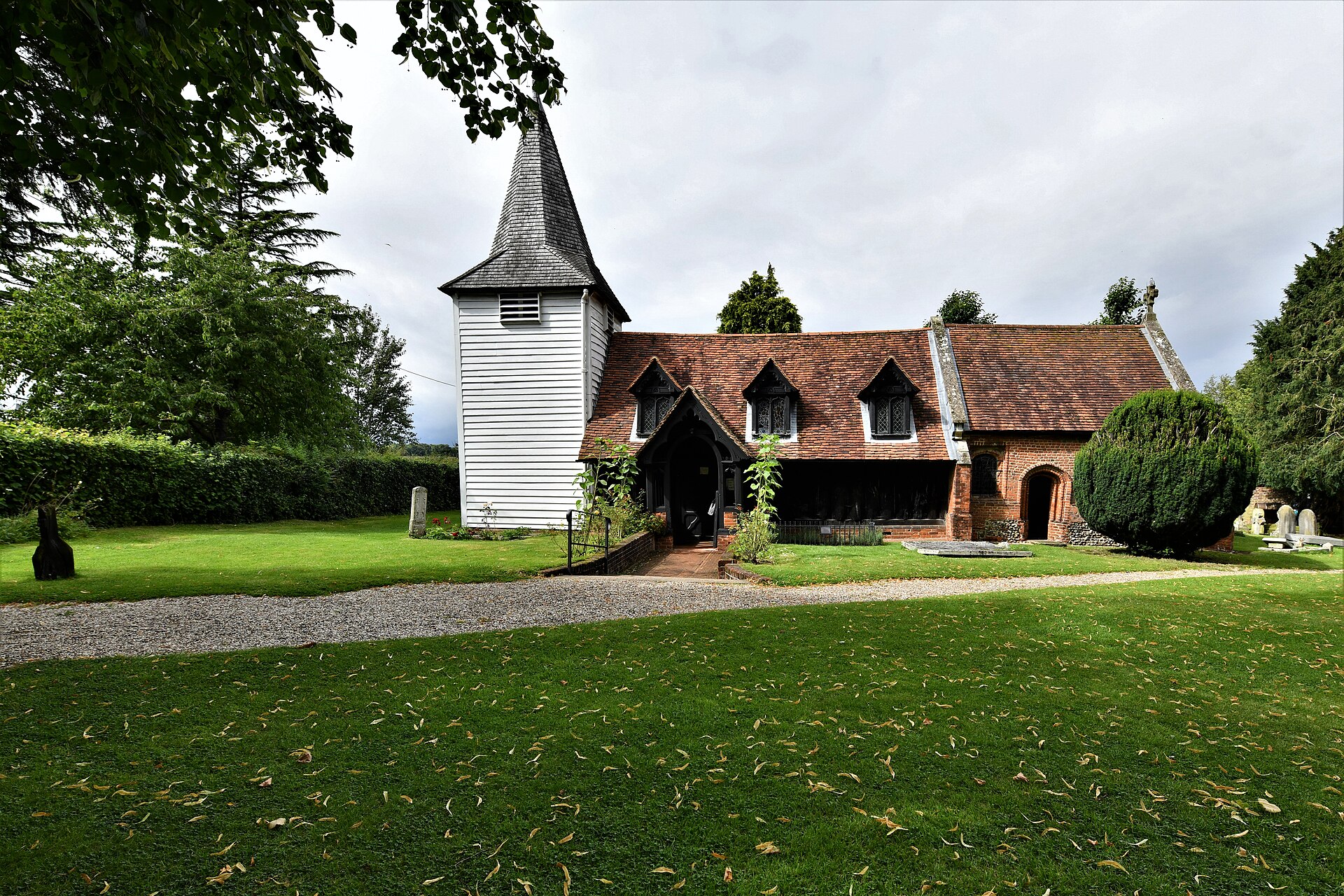
Greensted Church retains rare oak-wall construction from the late Anglo-Saxon or early Norman period, making it an exceptional survivor in debates…
Fortified place · Iron Age
Devon
Greenway Camp is a recorded Iron Age promontory fort: a coastal spur defended by banks across its neck: above the Dart Estuary, showing how elevate…
Fortified place · Medieval
County Clare
A Cromwellian land grant handed the O'Lochlainn chief's tower house to the Martyn family, whose descendants steered the estate through farming decl…
Fortified place · Iron Age
Dumfries and Galloway
Grennan Hill rises outside the village of Penpont in Dumfries and Galloway, and it carries on its summit the remains of an Iron Age (from about 800…
Fortified place · Medieval
Norfolk
Gresham Castle is a moated fortified manor whose disputed fifteenth-century possession, vividly recorded in the Paston Letters, connects Norfolk ea…
Sacred place · Medieval
Derbyshire
A small Augustinian house so thinly staffed it once had only four canons, yet its church survived the Dissolution (Henry VIII's closure of the mona…
Sacred place · Prehistoric
Cumbria
Ten upright stones stand today only because a 1949 dig found and re-set nine of them after a farmer toppled and buried the circle in 1820.
Building or ruin · Roman
Derbyshire
A rare dated boundary earthwork (banks and ditches raised from the earth rather than quarried stone) of the post-Roman centuries, cut across the ol…
Sacred place · Medieval
Berkshire
A church that has been a friary, a town hall, a poorhouse, a house of correction and a jail before ever returning to worship: the only Franciscan c…
Sacred place · Medieval
Bedfordshire
Two rival medieval sources credit different founders: one a noblewoman, one a knight: and its church became the resting place of a medieval baron o…
Sacred place · Medieval
East Riding of Yorkshire
A Franciscan friary (the base of a mendicant order, whose members worked in the streets rather than behind walls) rebuilt on a knight's money after…
Sacred place · Medieval
Kent
England’s first Franciscan friary (a house of friars, who worked among townspeople rather than withdrawing from them) preserves rare traces of medi…
Sacred place · Medieval
West Midlands
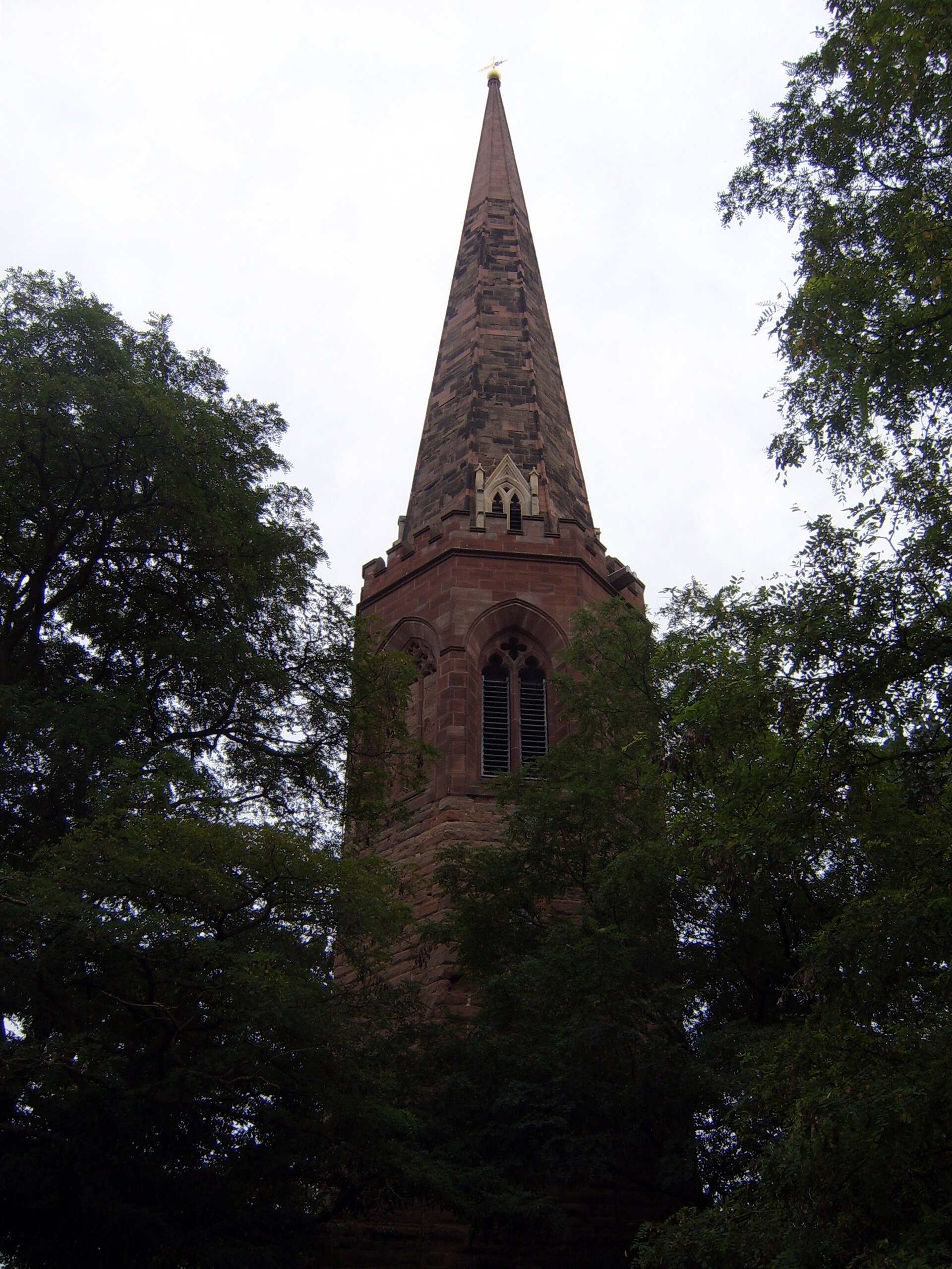
A single medieval spire still rises where an entire Franciscan priory once stood: the only fragment to survive dissolution, a Victorian rebuilding,…
Sacred place · Medieval
Leicestershire
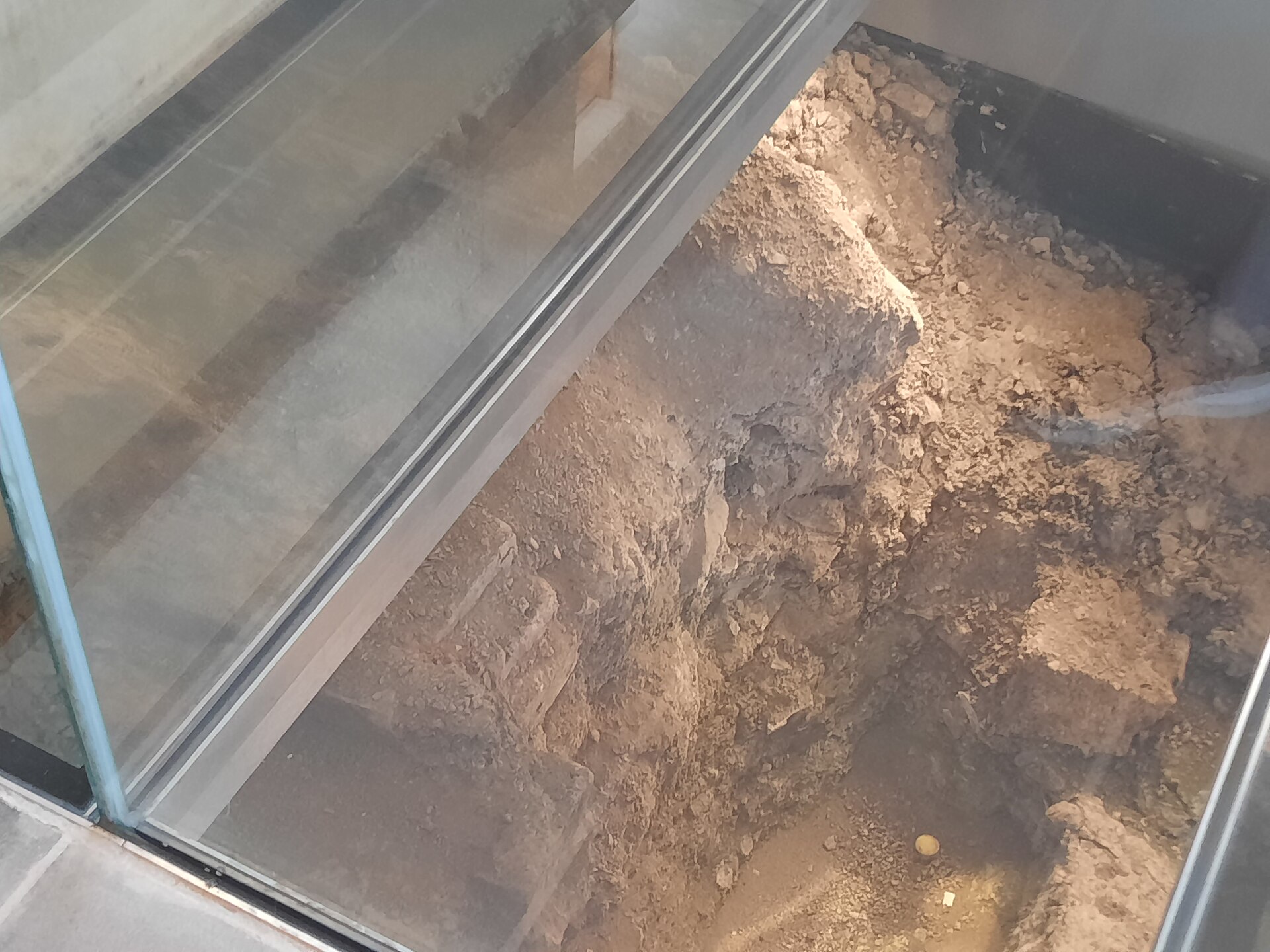
A car park in Leicester concealed an undisturbed medieval church floor for centuries: including the grave of a king whose bones were long rumoured,…
Sacred place · Medieval
Lincolnshire
A single friary building carried four wholly different institutions across seven centuries: friary, grammar school, Mechanics' Institute, and count…
Sacred place · Medieval
City of London
A friary (a community of friars, an order that lived among the towns instead of apart from them) church so richly endowed by queens that it became…
Sacred place · Medieval
Nottinghamshire
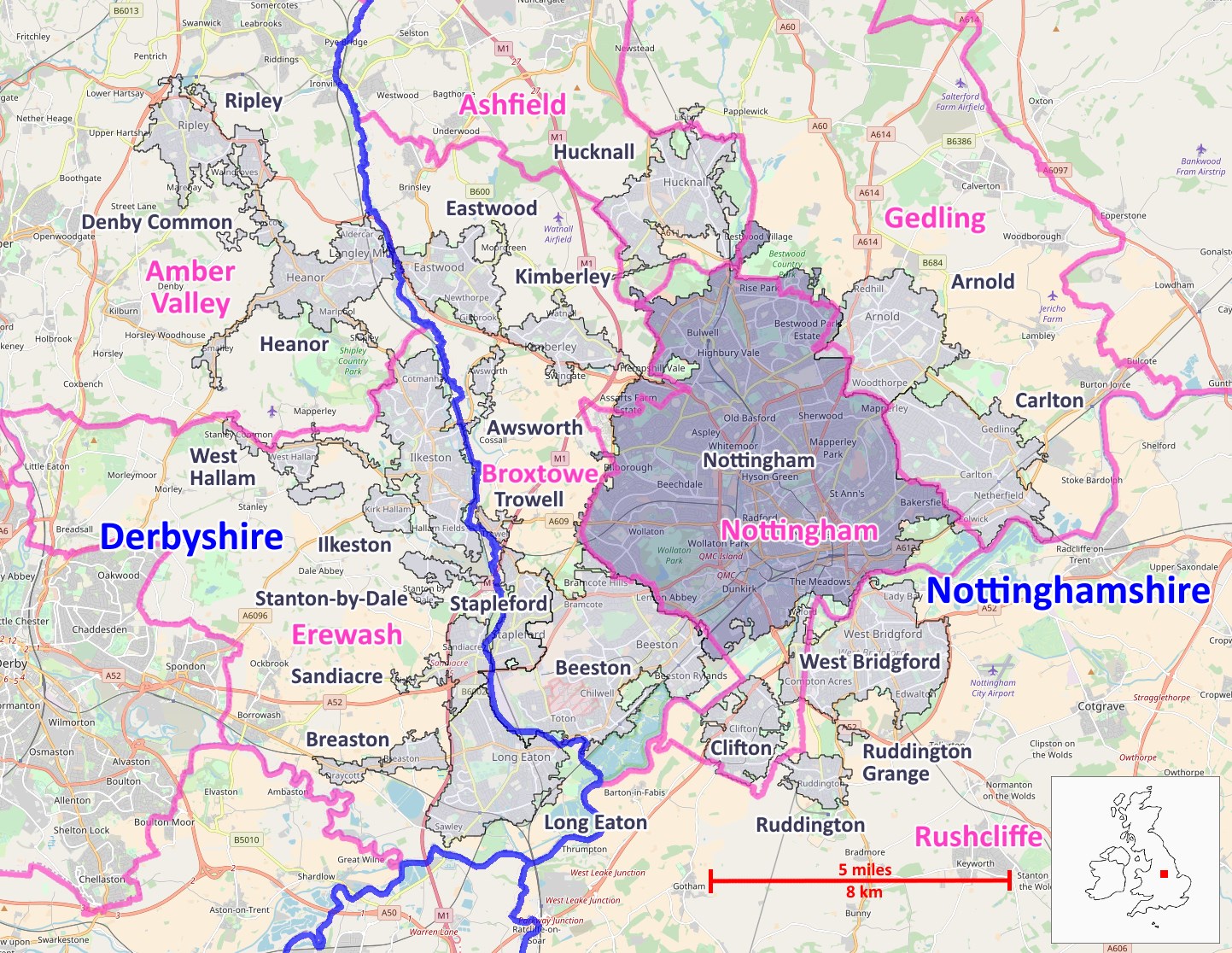
Greyfriars reveals medieval Nottingham’s lost Franciscan presence: a church rebuilt in stone for nearly a century, now erased beneath Broadmarsh.
Sacred place · Medieval
Lincolnshire
A royal cortège carrying the exhumed Duke of York rested here in 1476, and the friary (the base of a mendicant order, whose members worked in the s…
Sacred place · Medieval
East Sussex
One of England's best-preserved Franciscan friary, a religious house for a preaching order, stands beside a Gothic country house raised four centur…
Building or ruin · Roman
Dorset
Greyhound Yard preserves evidence of a late Stone Age timber henge: a prehistoric earthwork of bank and ditch enclosing a circular space, with the…
Fortified place · Medieval
Cumbria
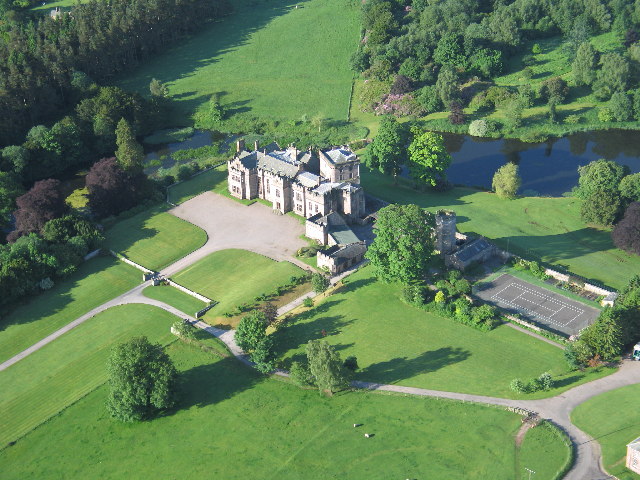
A working private estate rather than a ruin, Greystoke traces an unbroken line of ownership back to a wooden tower raised within a year of the Norm…
Crossing or structure · Medieval
Cornwall
Greystone Bridge is a rare surviving medieval Tamar crossing: a four-arch, Grade I listed bridge whose narrow carriageway still demands careful mod…
Building or ruin · Prehistoric
Norfolk
Grime’s Graves is Britain’s largest known Neolithic (the closing Stone Age, roughly 4000–2500 BC) flint-mining complex, with at least 433 shafts th…
Fortified place · Iron Age
Berkshire
A hillfort (a hilltop enclosure ringed by earth ramparts) built around a spring said to have never run dry, its ramparts so imposing that Saxon set…
Settlement · Prehistoric
Devon
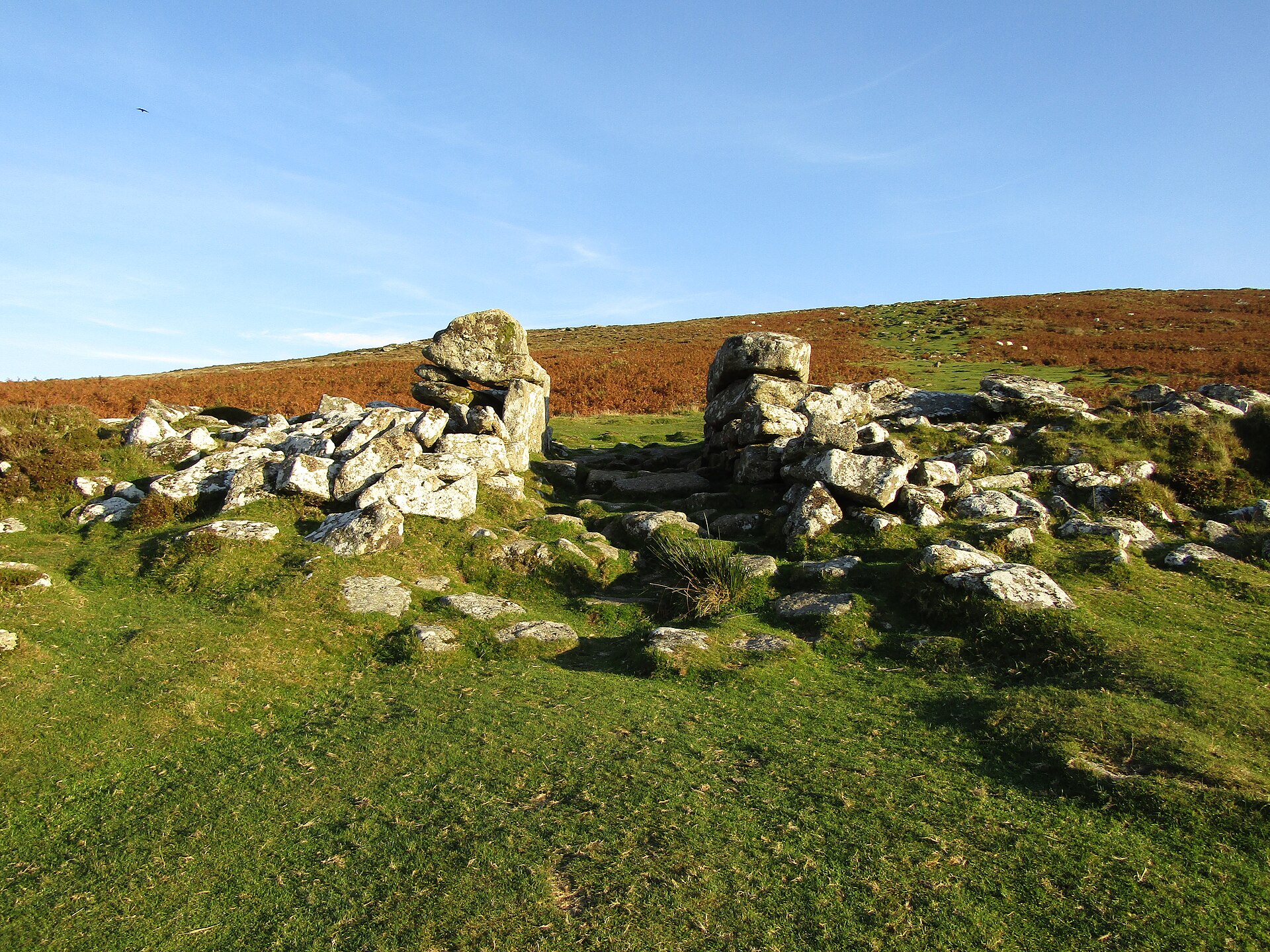
Grimspound is a scheduled late Bronze Age (roughly 2500–800 BC, when metal tools first spread) Dartmoor settlement whose hut circles, enclosing wal…
Fortified place · Medieval
Leicestershire
A 1960s excavation found a stone tower built inside the earthen mound itself: evidence this ruined Leicestershire manor was once important enough f…
Fortified place · Medieval
Monmouthshire
One of only three castles ever bound into a single Marcher lordship, its stone hall building was modelled so closely on a lord's residence in Dorse…
Sacred place · Medieval
Bedfordshire
One of only four English houses of the Order of Fontevrault, and the only one entirely destroyed by a sand quarry: rescued from oblivion by a decad…
Fortified place · Iron Age
Wiltshire
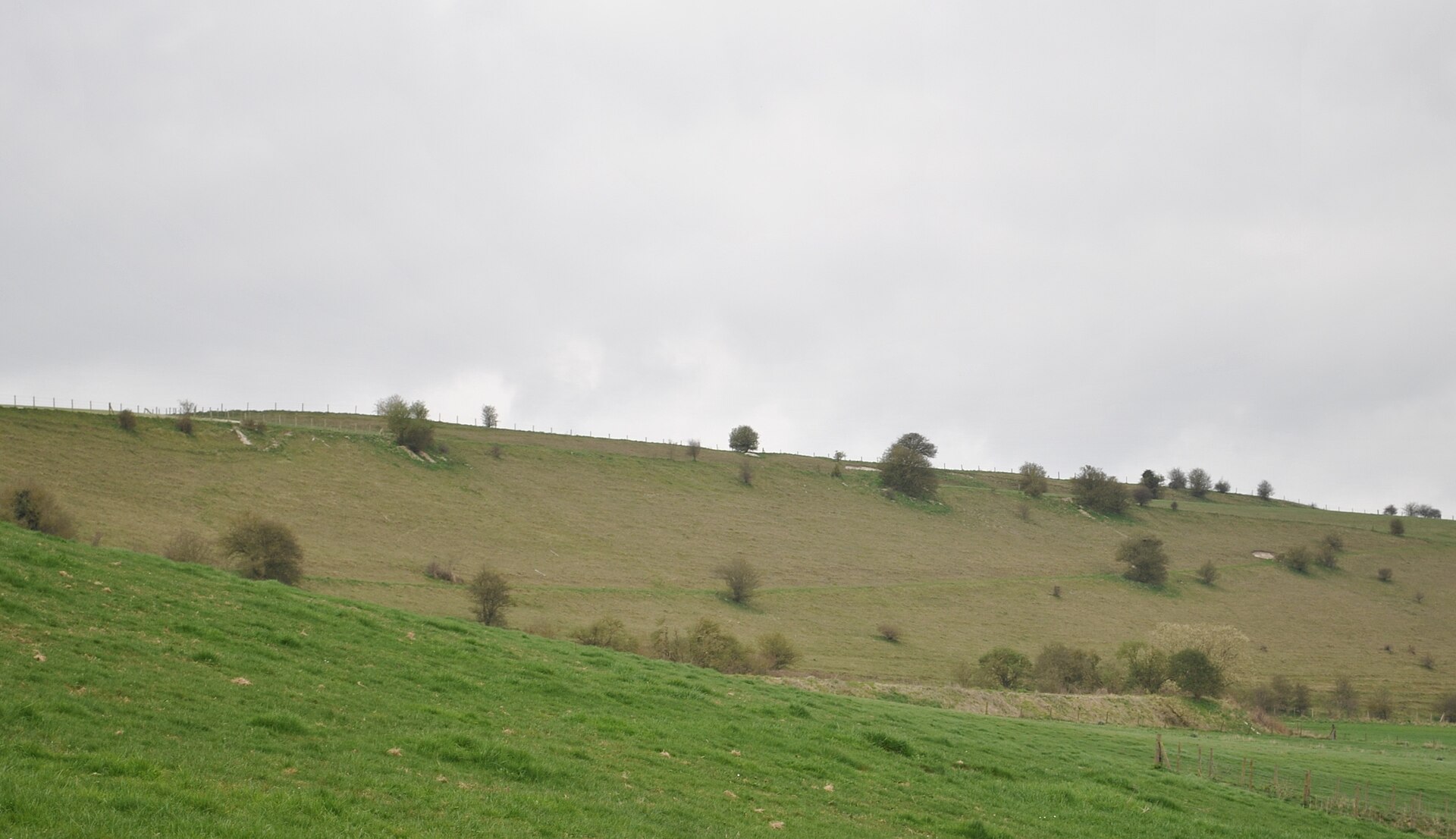
Five human skeletons were found inside its banks, and a circular enclosure shows within it on aerial photographs.
Sacred place · Prehistoric
West Yorkshire
Someone built an orgone accumulator into it in the twentieth century: a mound meant to collect a life force that does not exist.
Sacred place · Medieval
Surrey
The graves of plague victims, buried together in communal pits beneath the choir, are among the clearest human traces excavation found only a metre…
Fortified place · Medieval
Surrey
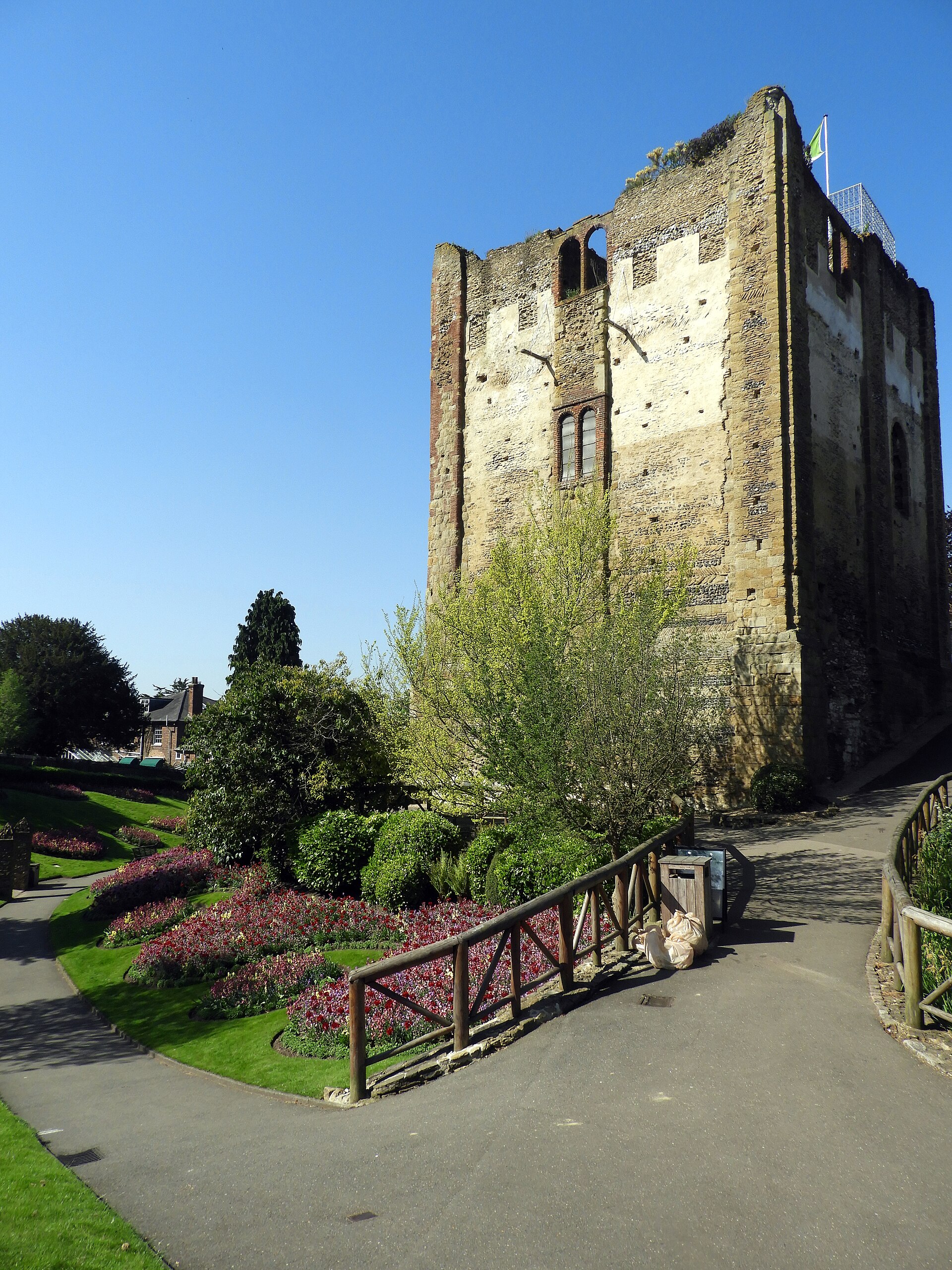
A Norman keep that became a royal palace under Henry III, painted green with gold and silver stars: then quietly served two centuries as the shared…
Building or ruin · Roman
City of London
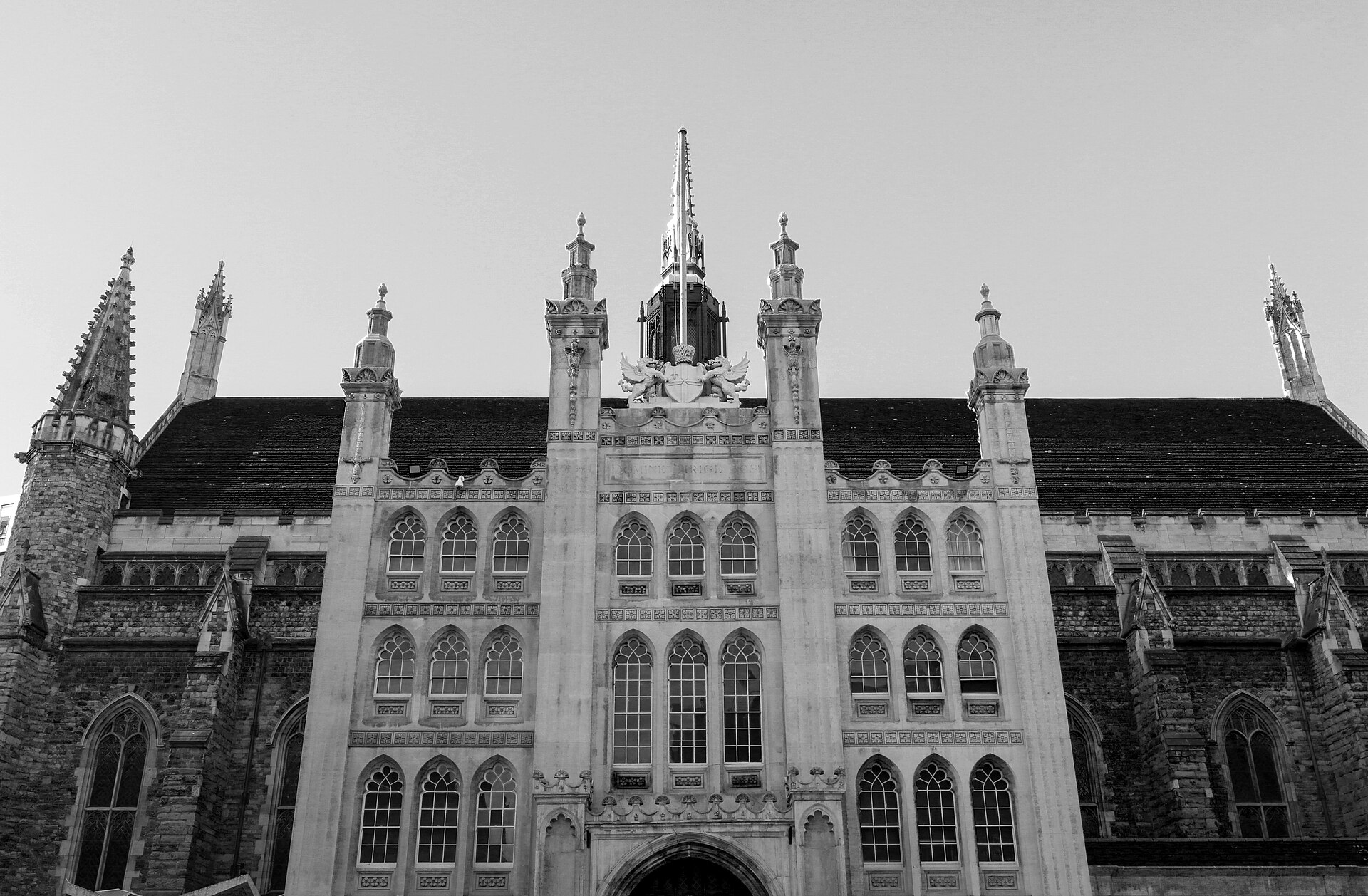
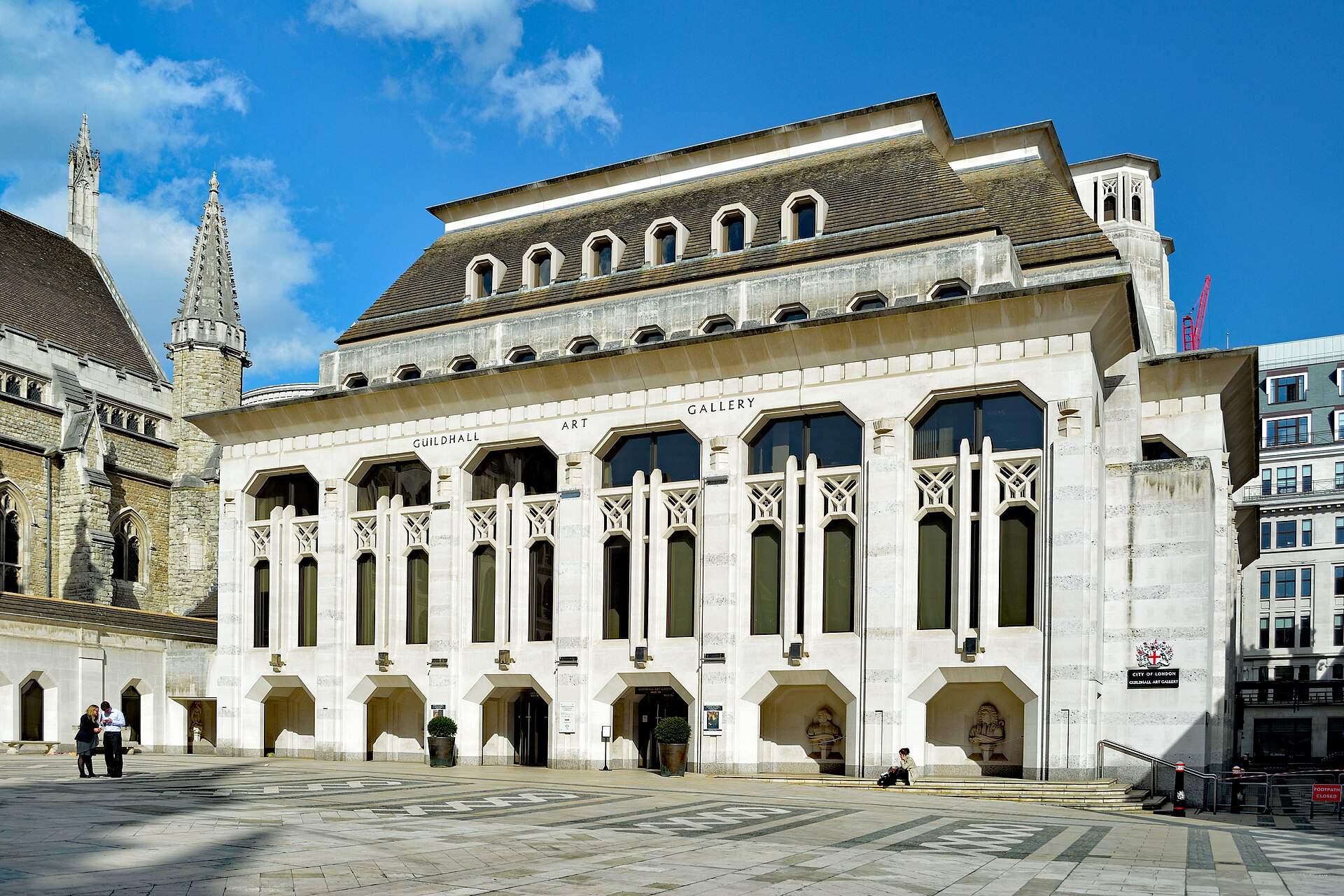
The City of London's medieval civic heart, built over Britain's largest Roman amphitheatre and still used for ceremony, administration and public m…
Building or ruin · Roman
Gloucestershire
A working blast furnace of the 1620s survives here complete with its original lining and covered charging platform, called by specialists the oldes…
Fortified place · Iron Age
Cornwall
Gurnard's Head is a geologically ancient Penwith headland whose Iron Age (roughly 800 BC until the Roman conquest) fort, medieval chapel, fishing e…
Fortified place · Medieval
Conwy
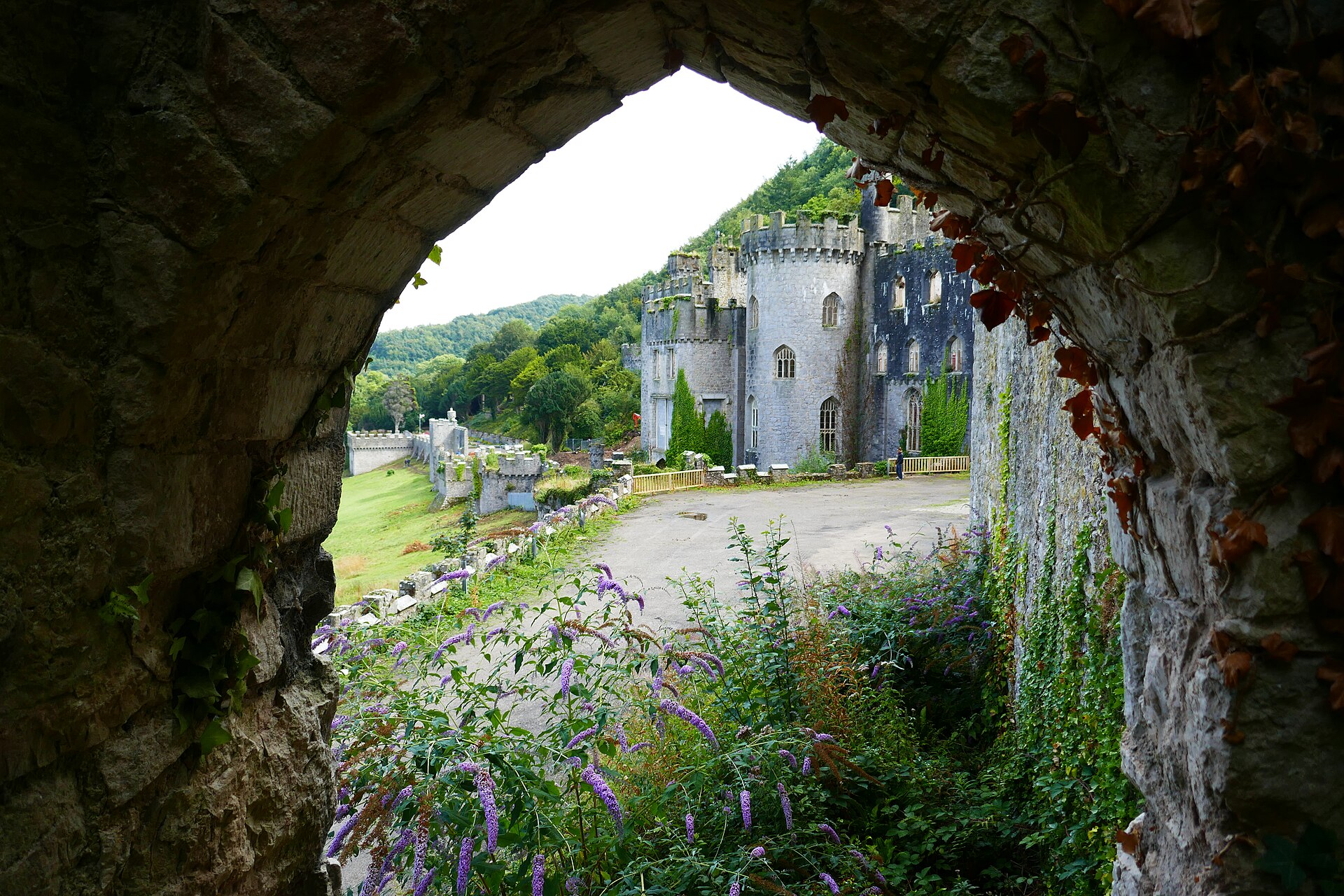
Gwrych Castle is a Grade I listed Gothic Revival country house whose dramatic nineteenth-century design, Kindertransport refuge and near-loss befor…
Fortified place · Medieval
Conwy
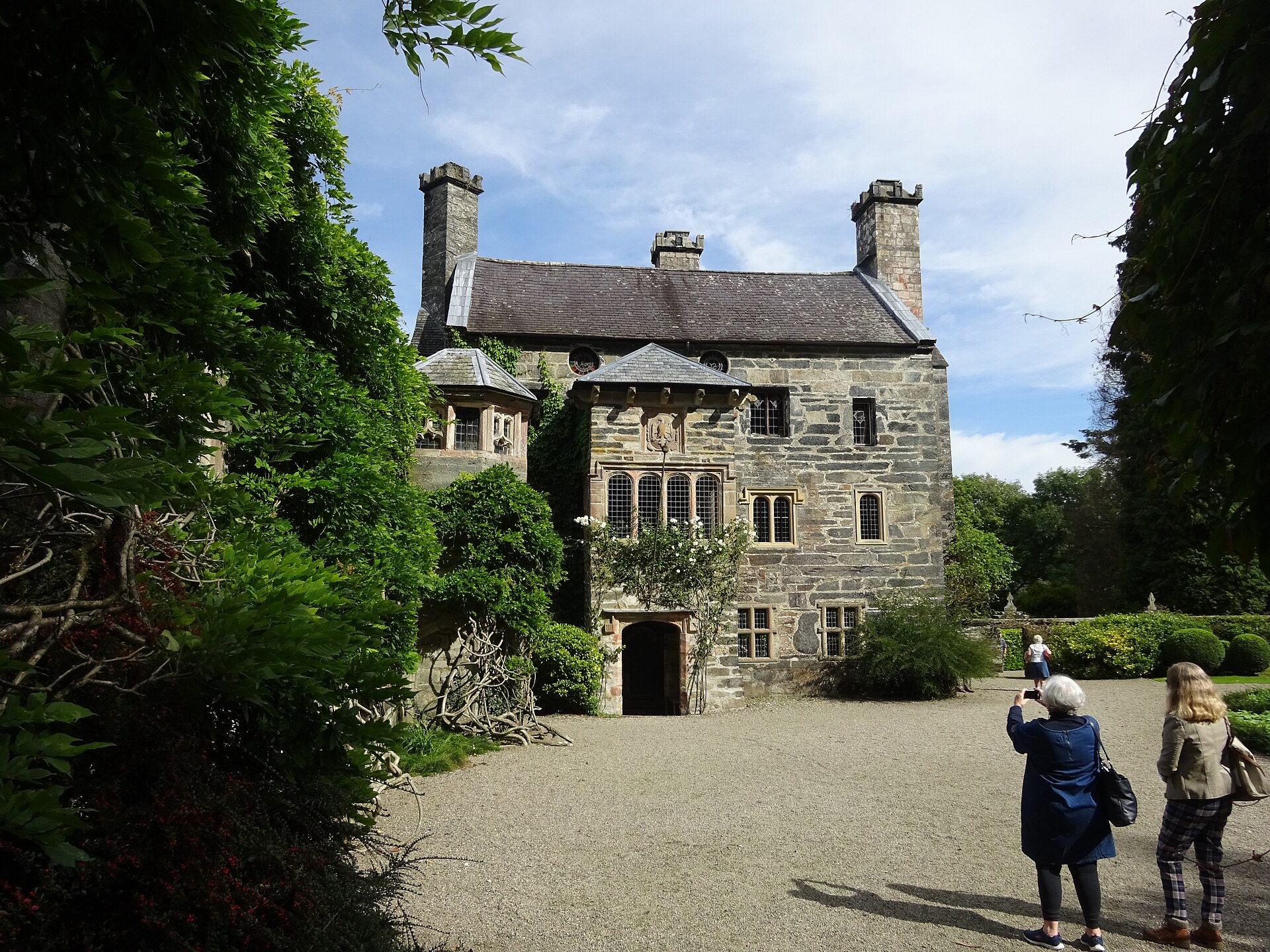
Gwydir Castle is a fortified Tudor manor in the Conwy valley whose reused abbey (a religious community led by an abbot) fabric and powerful Wynn fa…
Building or ruin · Medieval
Norfolk
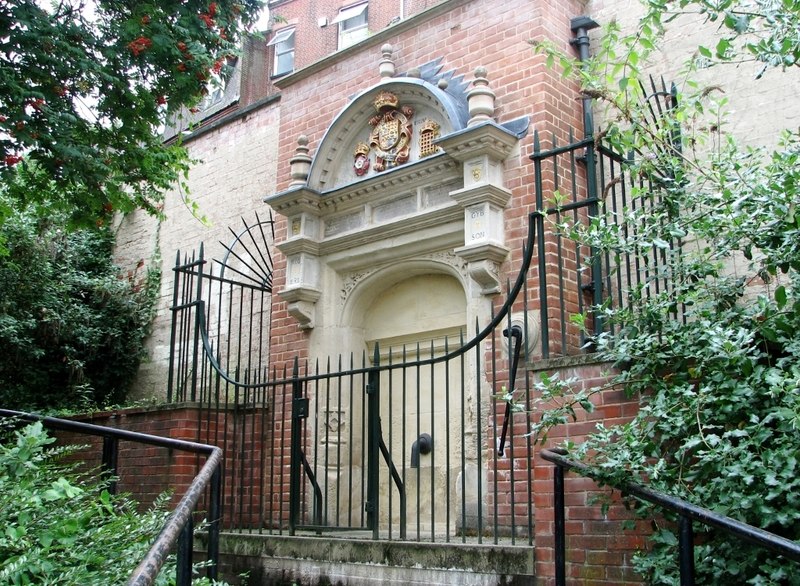
Gybson’s Conduit is a scheduled Early Renaissance water monument in Norwich, showing how Robert Gybson turned a public spring into a display of civ…
Fortified place · Medieval
Argyll and Bute
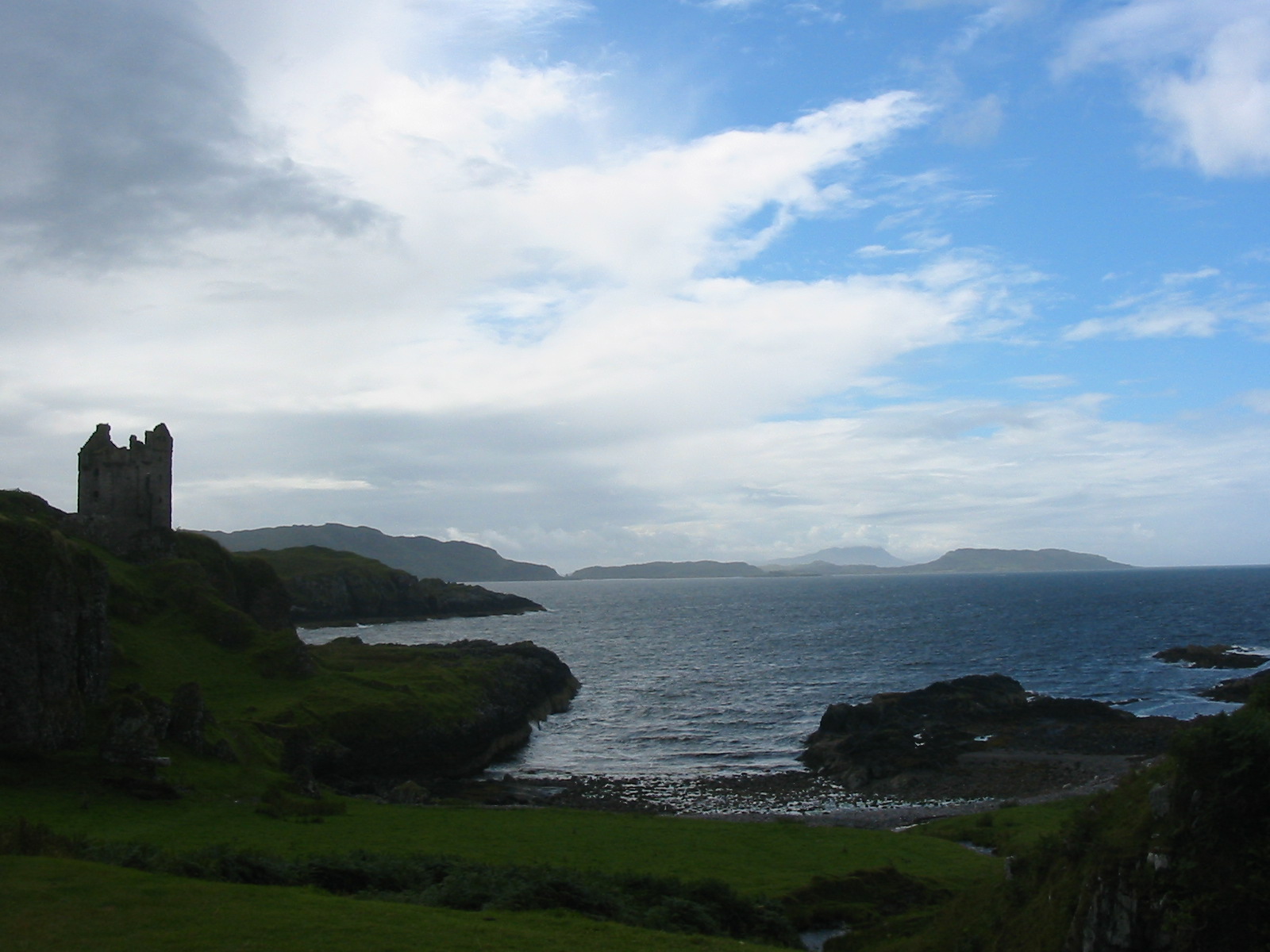
A tower house burnt in a single 1647 siege and left roofless for nearly 360 years, until a worldwide clan fundraising effort helped bring the ruin…
Building or ruin · Roman
Northumberland
Habitancum is a repeatedly rebuilt Roman fort on Dere Street, whose surviving ditches and settlement traces record centuries of frontier instabilit…
Ancient place · Prehistoric
Oxfordshire
Seventy-one hectares of protected biological downland at Letcombe Bassett.
Fortified place · Medieval
Essex
Hadleigh Castle is a Thames-side royal fortress whose dramatic ruins record medieval power, Edward III’s architectural ambition, long-term coastal…
Building or ruin · Roman
Northumberland
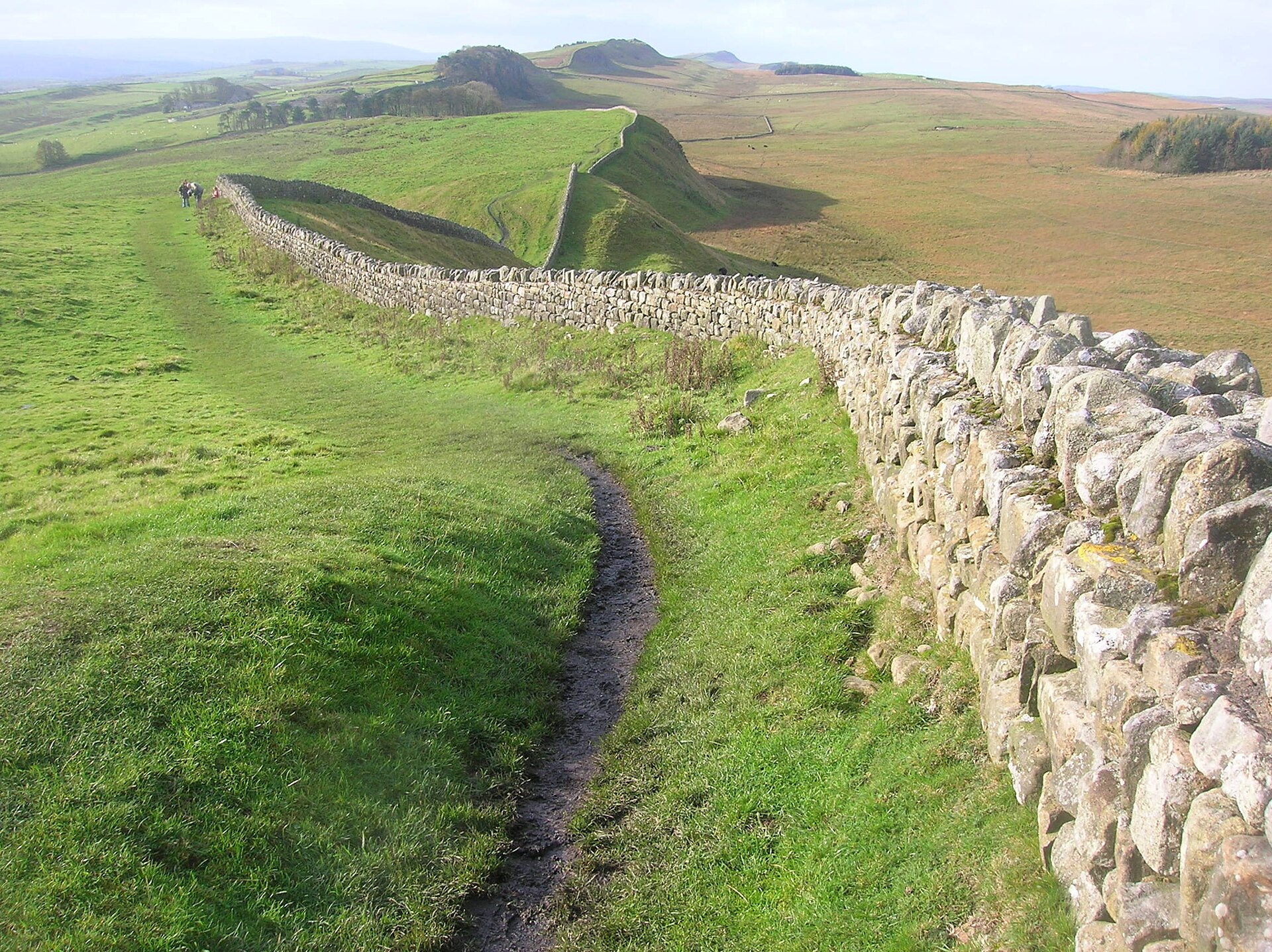
Hadrian’s Wall was Rome’s most monumental frontier in Britain: a 73-mile system of walls, forts, milecastles, turrets, and controlled gates that re…
Building or ruin · Medieval
gwynedd
A mid-fourteenth-century hall house on Anglesey, first built in timber and re-cased in stone, still in Bulkeley hands after five centuries and carr…
Sacred place · Medieval
Lincolnshire
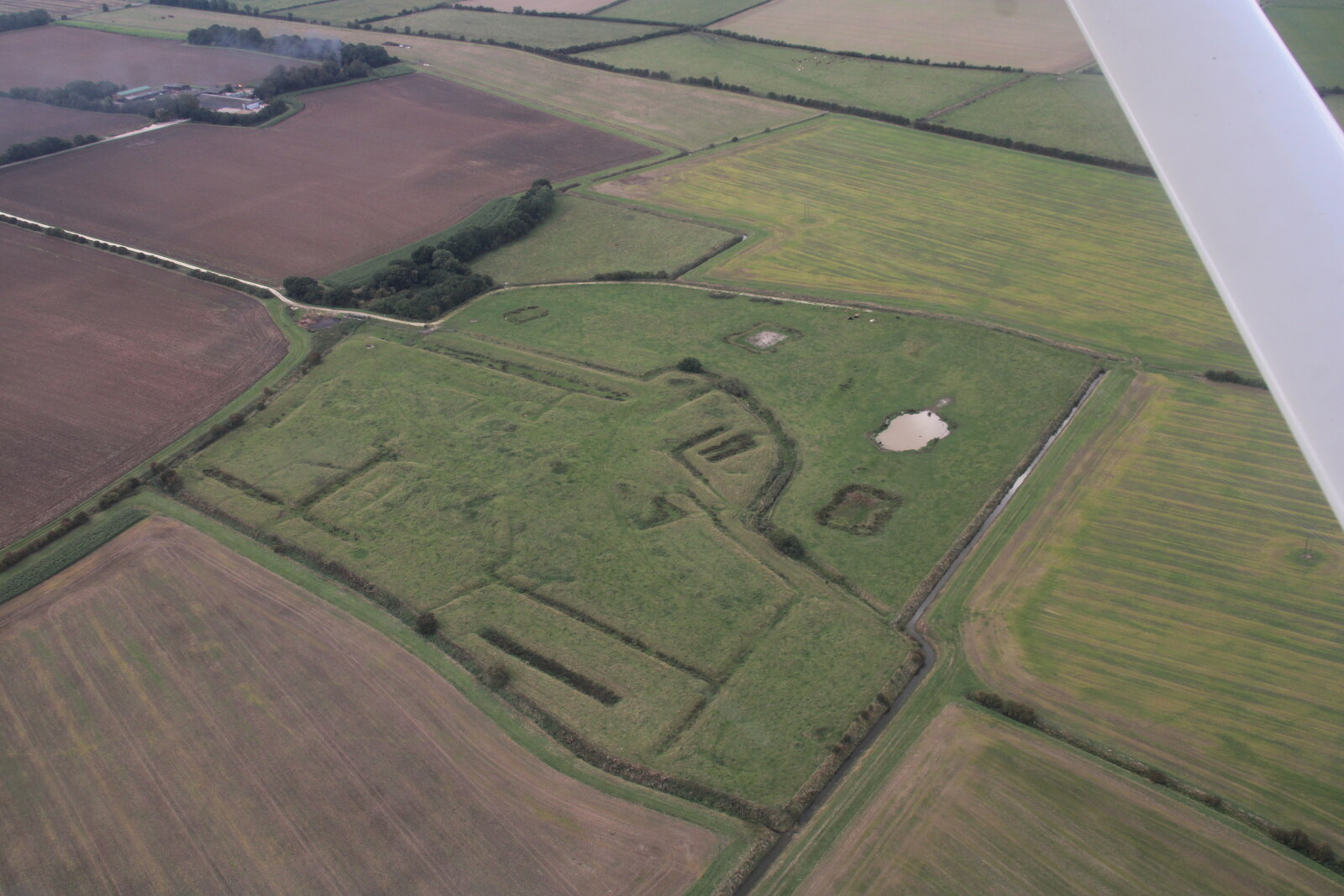
A widow's grief founded it, Becket's memory named it, and eight decades of dependency ended in full abbey status: a rare, well-documented Premonstr…
Sacred place · Medieval
Gloucestershire
A phial said to hold Christ's blood turned this Cistercian house into a major pilgrimage site: its exposure as a fake later helped seal the abbey (…
Fortified place · Medieval
East Lothian
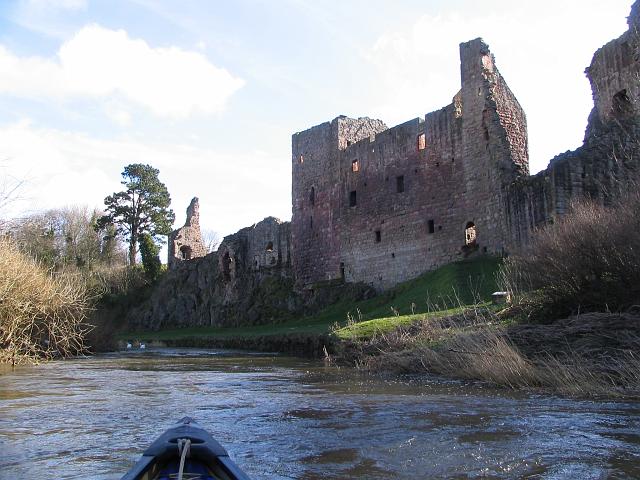
Hailes Castle is a riverside Hepburn stronghold whose fourteenth-century towers, chapel and service rooms record border warfare and late medieval l…
Fortified place · Medieval
Gloucestershire
A stronghold raised for one purpose and cleared for another: reinforced during the Anarchy, then likely dismantled within a century to make room fo…
Minor monument · Medieval
Cheshire
One of England's few surviving duck decoys still holding its original form: five pipes radiating from a central pond in a pentagon shape used to tr…
Fortified place · Medieval
Somerset
A Norman ringwork above Frome whose bailey was never finished: built to hold a river and a Roman road.
Sacred place · Medieval
West Midlands
Its manorial court rolls survive in unusual depth, recording three centuries of tenants openly defying a monastic landlord: a rare surviving voice…
Fortified place · Medieval
Leicestershire
Hallaton Castle survives as a remarkably large castle mound and enclosed yard, preserving a Norman estate centre long after its buildings disappeared.
Fortified place · Iron Age
Cornwall
Halliggye Fogou is Cornwall's largest and best-preserved subterranean Iron Age (from around 800 BC up to the Roman conquest) passage complex, later…
Sacred place · Prehistoric
Shetland Islands
Thirty-eight stones once ringed this patch of ground on Fetlar, Shetland; twenty-two of them still stand fixed in the soil, describing a circle ele…
Sacred place · Medieval
East Riding of Yorkshire
A powerful baron moved an entire monastery two miles across country to outwit English inheritance law, and its farmhouse successor still stands, re…
Fortified place · Medieval
Cheshire
A castle that hosted a king, imprisoned Catholic recusants, and ended its working life as a Georgian courtroom now serving pints as The Castle pub.
Fortified place · Medieval
Northumberland
Halton Castle preserves a four-storey pele tower beside Hadrian’s Wall, adapted through manor-house rebuilding into the long-held residence of the…
Carved stone · Pictish & early medieval
Lancashire
A dismantled Anglo-Saxon cross reused as a sundial for two centuries, its surviving shaft carries what one archaeologist called the clearest carved…
Fortified place · Iron Age
Devon
Halwell Camp marks an Iron Age hillfort: a settlement defended by banks and ditches on high ground: on a pass above the Devon village of Halwell, p…
Fortified place · Medieval
Worcestershire
A hoard of gold and silver, hidden in an earlier alarm and forgotten, lay buried beneath the vaults of this Worcestershire stronghold until a 17th-…
Fortified place · Iron Age
Somerset
A defended hilltop occupied across several early periods and again in Roman and medieval times.
Building or ruin · Roman
Somerset
A 210-acre hillfort taken by the future emperor Vespasian around AD 45: and quarried ever since for the stone that bears its name.
Fortified place · Iron Age
Hampshire
A single stretch of heathland carries a defensive ditch from the Iron Age, a Tudor coastal castle now eaten by the sea, and gun platforms from two…
Fortified place · Iron Age
Dorset
Hambledon Hill is a major Dorset landscape with causewayed enclosures and long burial mounds from the late Stone Age, later overlaid by an extensiv…
Fortified place · Medieval
Berkshire
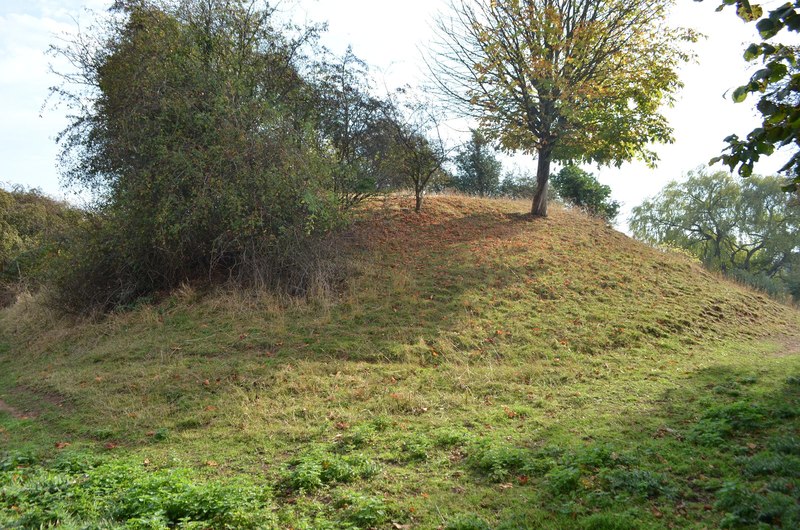
A chalk mound long mistaken for a prehistoric (before written records reached Britain) burial mound turned out, on closer inspection, to be the ear…
Crossing or structure · Medieval
West Midlands
At under six feet wide and still standing after five centuries, it is reckoned the longest surviving packhorse bridge in England.
Crossing or structure · Roman
Greater Manchester
Hanging Bridge is Manchester’s partly exposed 1421 medieval bridge, preserving a crossing over the former defensive watercourse now buried beneath…
Building or ruin · Medieval
Essex
Hangman’s Wood combines ancient oak woodland, more than seventy former chalk- and flint-mining shafts and Essex’s most important underground bat hi…
Fortified place · Medieval
South Yorkshire
A grass-grown mound and its water-filled ditch are all that remain of a Norman lord's stronghold, abandoned within two centuries for a fortified ho…
Fortified place · Medieval
Worcestershire
The fortress that gave a Worcestershire village its name has vanished so completely that a stand of conifers and a dry ditch are all that mark wher…
Fortified place · Medieval
Northumberland
Harbottle Castle is a Coquet Valley border stronghold repeatedly captured, rebuilt, and used by March wardens, with a direct connection to the Tudo…
Sacred place · Medieval
West Sussex
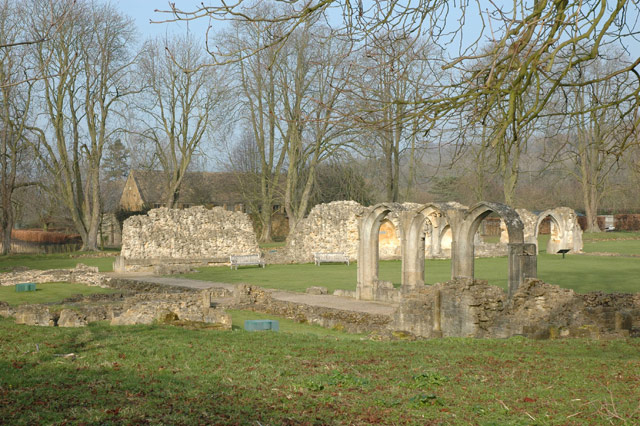
A house of Black Canons in the water meadows of the Arun, whose refectory: the monks' dining hall: survives because somebody turned it into a farmh…
Building or ruin · Roman
Cumbria
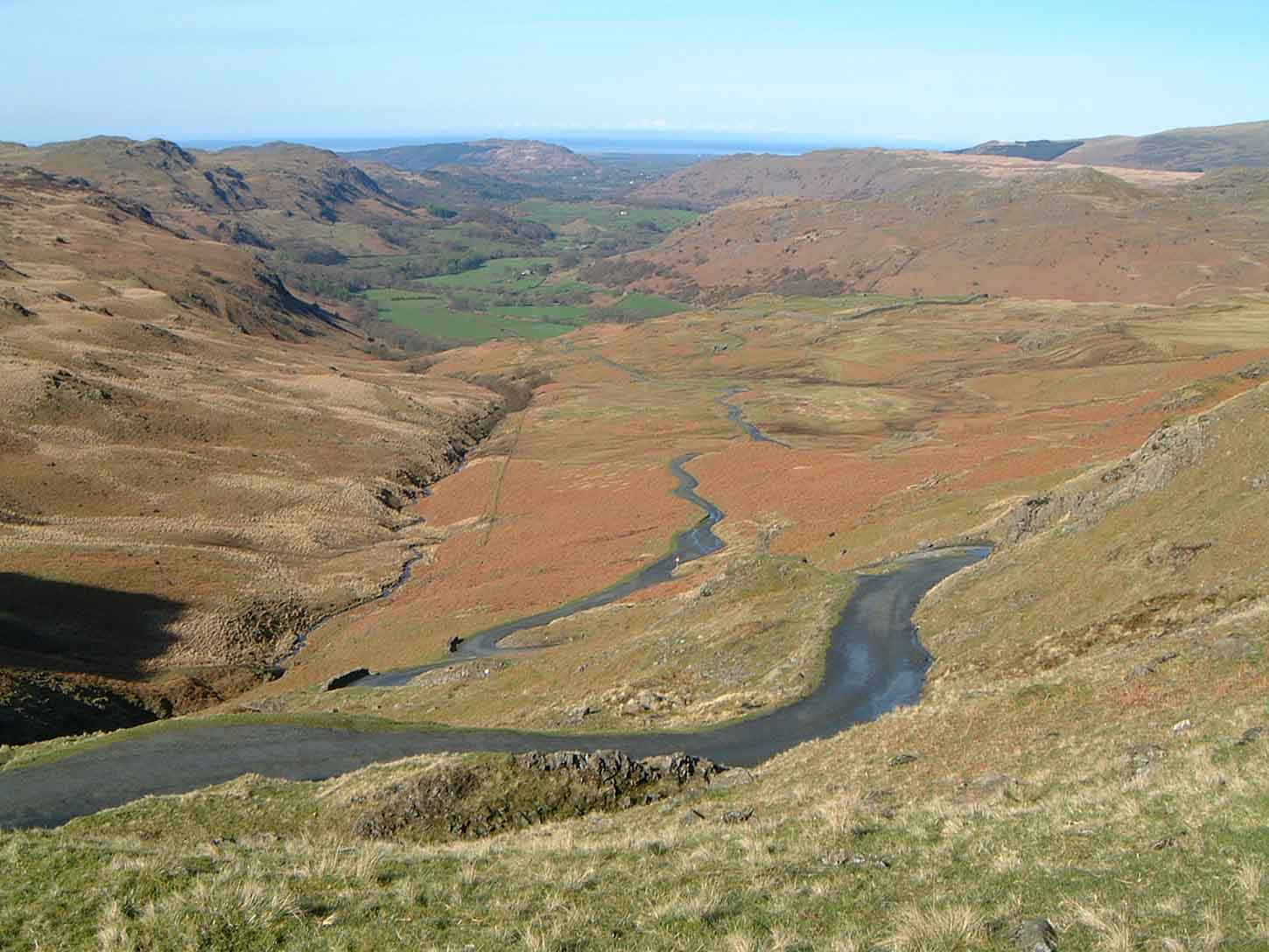
A Roman military road laid down around AD 110 still runs beneath a modern tarmac lane so steep it shares the title of England's toughest climb.
Briefer entries: recorded and worth knowing, with fuller pages to come.
Sacred place · Medieval
Norfolk
Great Yarmouth Carmelite Friary represents the town’s medieval White Friars community, whose 1276 foundation, 1509 fire and 1538 suppression are no…
Fortified place · Iron Age
Pembrokeshire
A promontory framed by sandstone cliffs on the Pembrokeshire south coast, some five kilometres from the nearest village.
Fortified place · Medieval
County Down
Greencastle guards Carlingford Lough’s narrow entrance, where a thirteenth-century stone castle, earlier motte (a steep artificial mound built to c…
Sacred place · Medieval
Berkshire
A working house of the crusading Knights Hospitaller stood here for over three centuries, yet today not one stone of it can be pointed to.
Fortified place · Medieval
Greater London
Greenwich Castle marks the hilltop predecessor of the Royal Observatory: a royal hunting lodge linked to Duke Humphrey of Gloucester and Henry VIII…
Building or ruin · Medieval
County Down
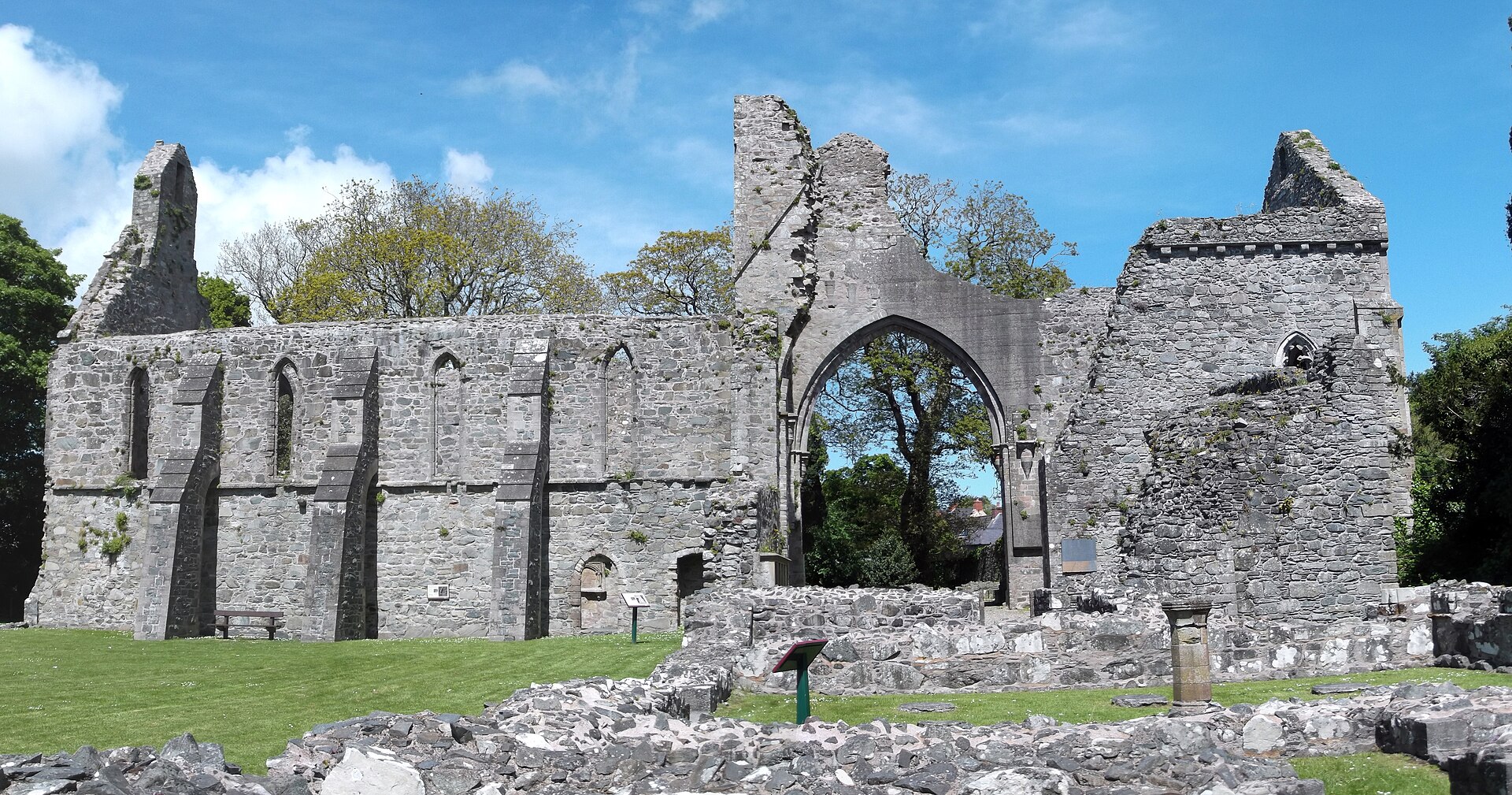
Grey Abbey preserves a Cistercian foundation with a rare female patron and some of the earliest Early Gothic pointed arches in Ireland.
Sacred place · Medieval
County Kildare
Grey Abbey joins a 1260 Franciscan foundation to the likely manuscript source of the Kildare poems, giving its ruined fabric a rare literary signif…
Sacred place · Prehistoric
Devon
Grey Wethers is an unusually well-defined pair of prehistoric (predating the written record in Britain) stone circles on Dartmoor, with surviving l…
Sacred place · Medieval
Gloucestershire
Of Gloucester's three medieval friaries, only Greyfriars kept a standing church above ground - the Berkeleys' Perpendicular Gothic rebuild of about…
Sacred place · Medieval
Norfolk
Greyfriars Tower is one of only three surviving Franciscan monastic towers in England, retained after the Dissolution (Henry VIII's closure of the…
Sacred place · Medieval
Tyne and Wear
Charles I was held prisoner by the Scots in the mansion built out of the Franciscans' own stone. The whole thing came down to make way for Grey Str…
Sacred place · Medieval
Shropshire
A house of friars where Owen de la Pole, the last Prince of Powys, was buried alongside his daughters.
Fortified place · Roman
Greater London
Grim’s Ditch is a surviving London earthwork (banks and ditches raised from the earth rather than quarried stone) whose ridge-top line, possible la…
Building or ruin · Roman
Warwickshire
A circular wooden temple stood here before the conquest. Stone temples of the Roman period replaced it, in two phases.
Building or ruin · Roman
City of London
The City of London's art collection displayed above the remains of Britain's largest Roman amphitheatre, joining Victorian paintings to Roman archa…
Building or ruin · Roman
Northumberland
Hadrian’s Wall Path turns the Roman frontier into an 84-mile National Trail, connecting urban Tyne-side sites, exposed Wall country, and the Solway…
Building or ruin · Iron Age
Cornwall
Halangy Down condenses five centuries of prehistoric (before written records reached Britain) and Romano-British (Britain under Roman rule, AD 43–4…
Fortified place · Medieval
Devon
The Haldon Hills are a long Devon ridge where prehistoric (before any written account of Britain existed) monuments, historic routes, extraction, c…
Fortified place · Medieval
Northumberland
Nothing of it stands. What survives is a street called Castle Hill, a drive of the same name, and some possible remnants of a fortified bank.
Sacred place · Prehistoric
Dorset
Hampton Down’s reconstructed stone circle offers a rare case study in how excavation corrected centuries of disturbance and revealed a much smaller…
No places match those filters.
Kinds of place
Ages



















.JPG?width=800)




.jpg?width=800)

_(14780060514).jpg?width=800)

.JPG?width=800)


_02.jpg?width=800)