Sacred place · Medieval
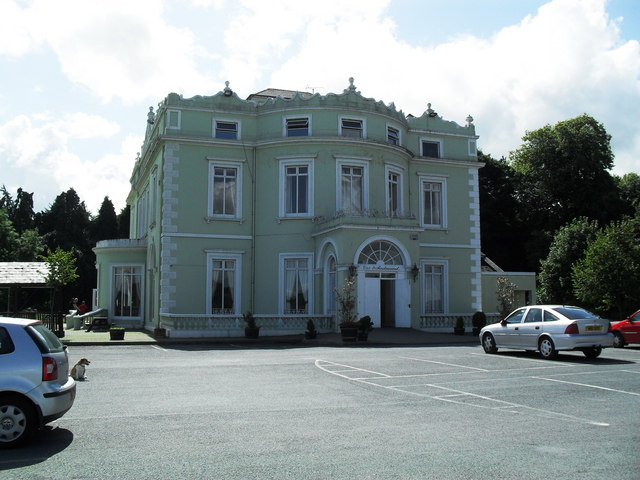
Hitchin Priory
Hertfordshire
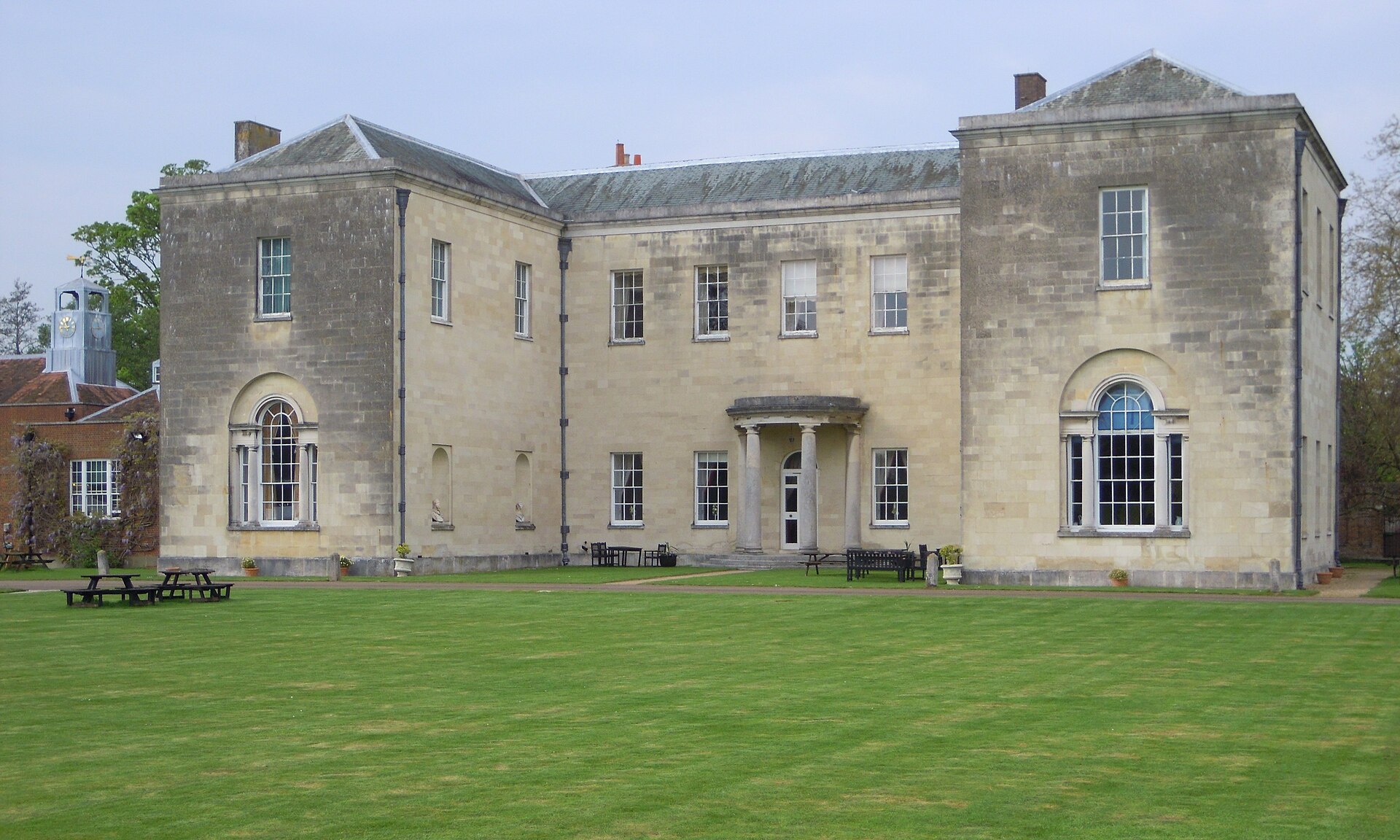
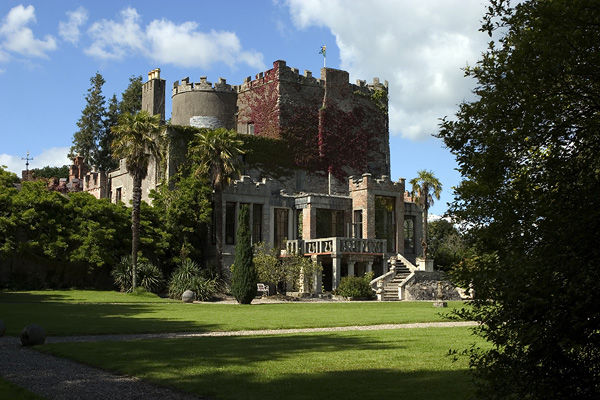
A Palladian-fronted hotel wraps around a genuine medieval cloister (the covered walkway round a monastery's central courtyard) garth, its blocked m…
The directory
Page 24 of 47 in the full directory.
Browsing 100 places — search and the map cover the whole directory.
Sacred place · Medieval
Hertfordshire
A Palladian-fronted hotel wraps around a genuine medieval cloister (the covered walkway round a monastery's central courtyard) garth, its blocked m…
Sacred place · Prehistoric
Shropshire
A stone circle in the parish of Chirbury with Brompton, known also as Hoar Stone Circle.
Tomb or burial place · Prehistoric
Derbyshire
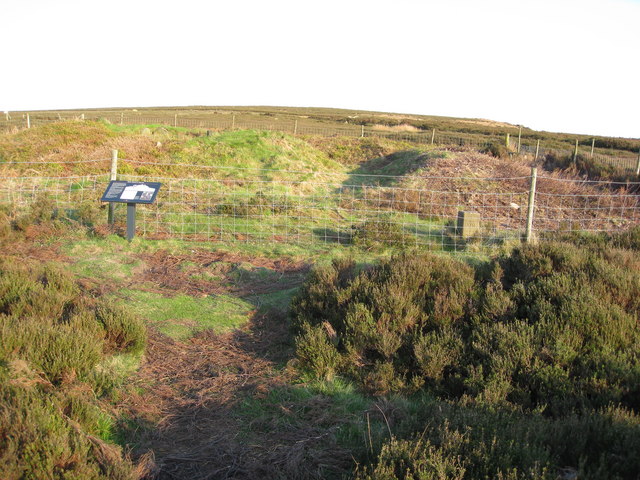
Almost every burial mound in Britain from the Bronze Age, the period from about 2500 to 800 BC, is round; this one on Beeley Moor is rectangular, a…
Fortified place · Medieval
West Midlands
A fortified manor house reduced to bare earthworks, its true age still argued over: traditionally 12th century, yet the pottery and stonework found…
Building or ruin · Medieval
Cambridgeshire
A working four-way water-splitting system engineered in 1610 still carries chalk-spring water through open street gutters past Cambridge's oldest c…
Fortified place · Medieval
Dumfries and Galloway
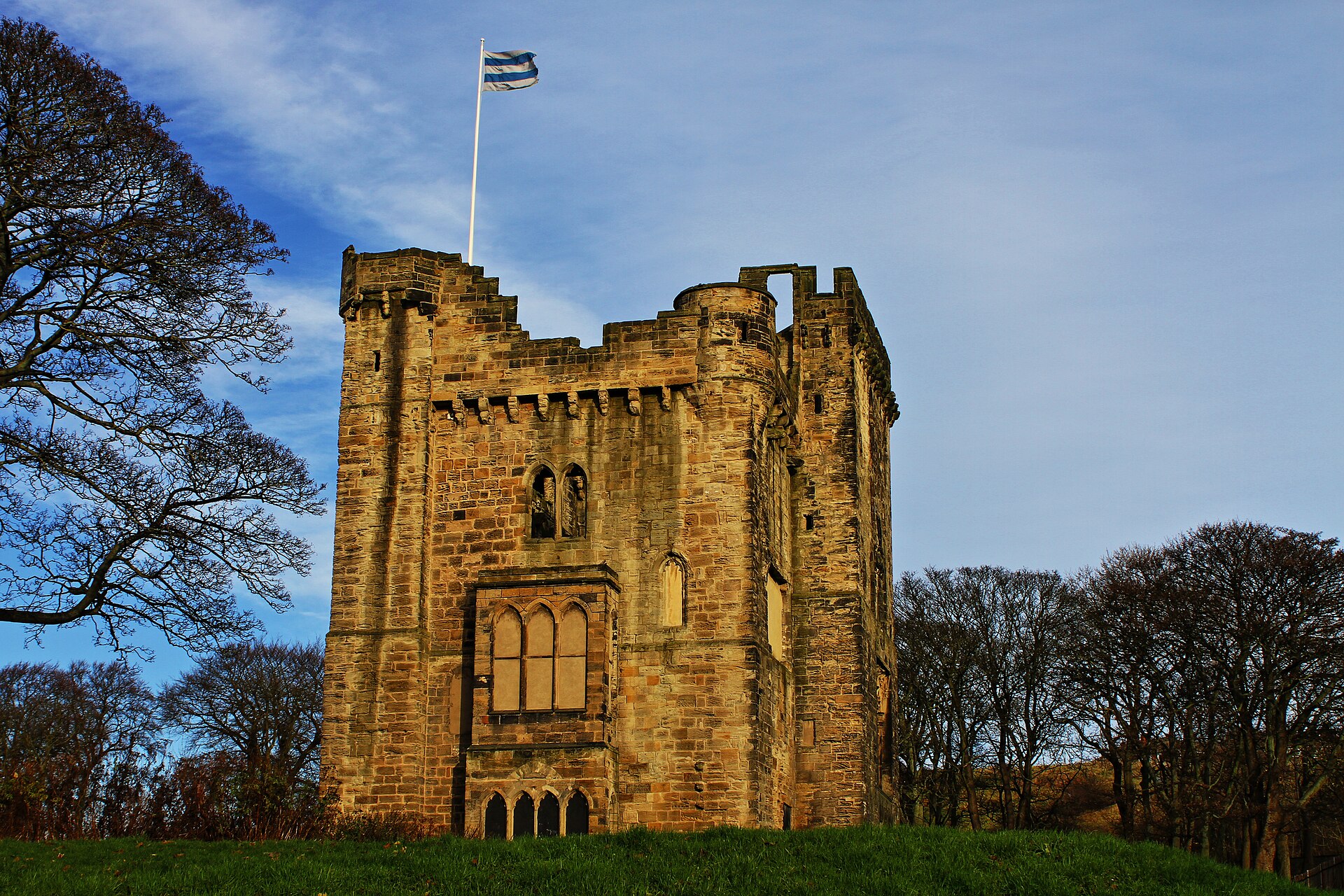
Hoddom Castle is a large Annandale tower house whose Marian-era sieges, later courtyard expansion and surviving watchtower show how Border fortific…
Fortified place · Medieval
Shropshire
A Domesday castle that housed a college of clergy for over a century: and whose one surviving tower is now part of a farmhouse.
Building or ruin · Medieval
Cheshire
Holford Hall is a rare surviving fragment of a richly decorated 1601 timber-framed manor, still standing within its moated setting beside the separ…
Fortified place · Medieval
Greater London
Holland House is a rare London ruin where a Jacobean country estate, a 19th-century Whig intellectual salon and the destructive legacy of the Blitz…
Fortified place · Iron Age
East Sussex
Hollingbury preserves a substantial defended settlement dating from from around 800 BC up to the Roman conquest on Brighton’s edge, where later exc…
Tomb or burial place · Prehistoric
Orkney Islands
A chambered cairn twenty metres long: a burial tomb of stone-built compartments under a mound: on an uninhabited islet of twenty-one hectares off P…
Fortified place · Iron Age
Surrey
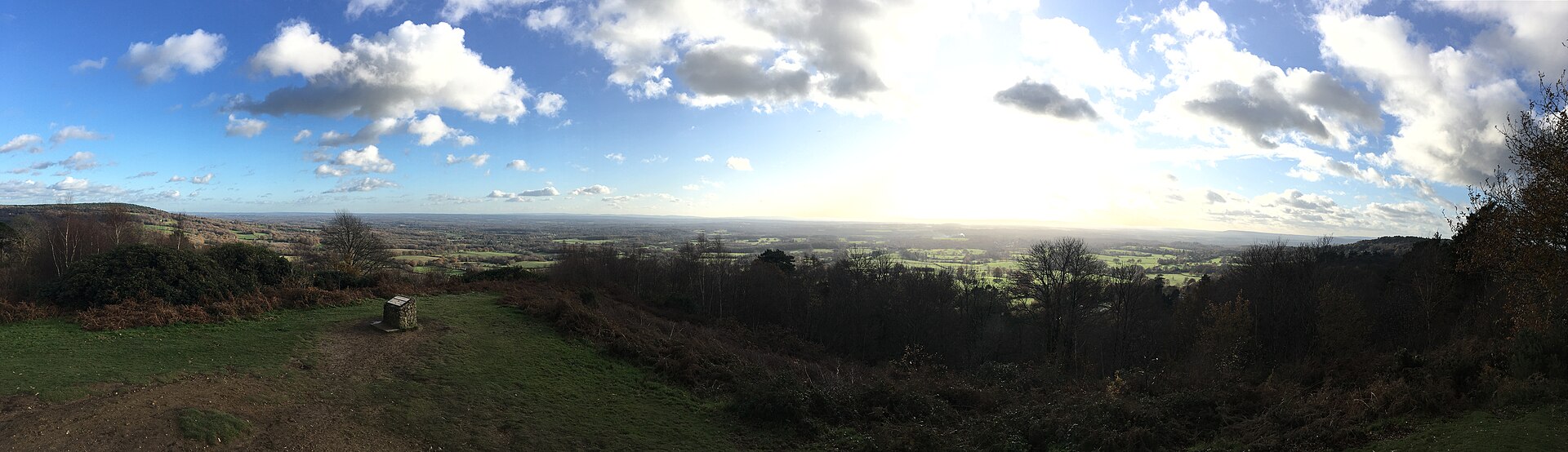
Its double ramparts were cut not just to defend the summit but to announce control over the trade routes through the Weald below.
Sacred place · Medieval
Cumbria
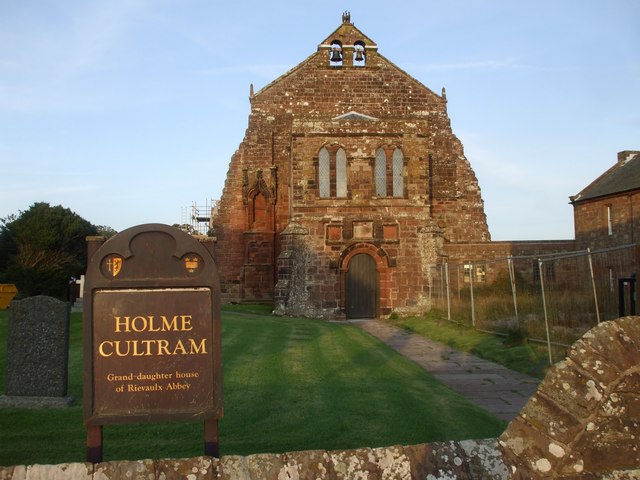
Founded on land that belonged to Scotland before England reclaimed it, the abbey (a self-governing monastery, its head an abbot) was raided by Robe…
Fortified place · Iron Age
Devon
Holne Chase Castle preserves a defended hilltop position above the River Dart on the northern slopes of Holne Chase in Devon.
Fortified place · Medieval
Wrexham
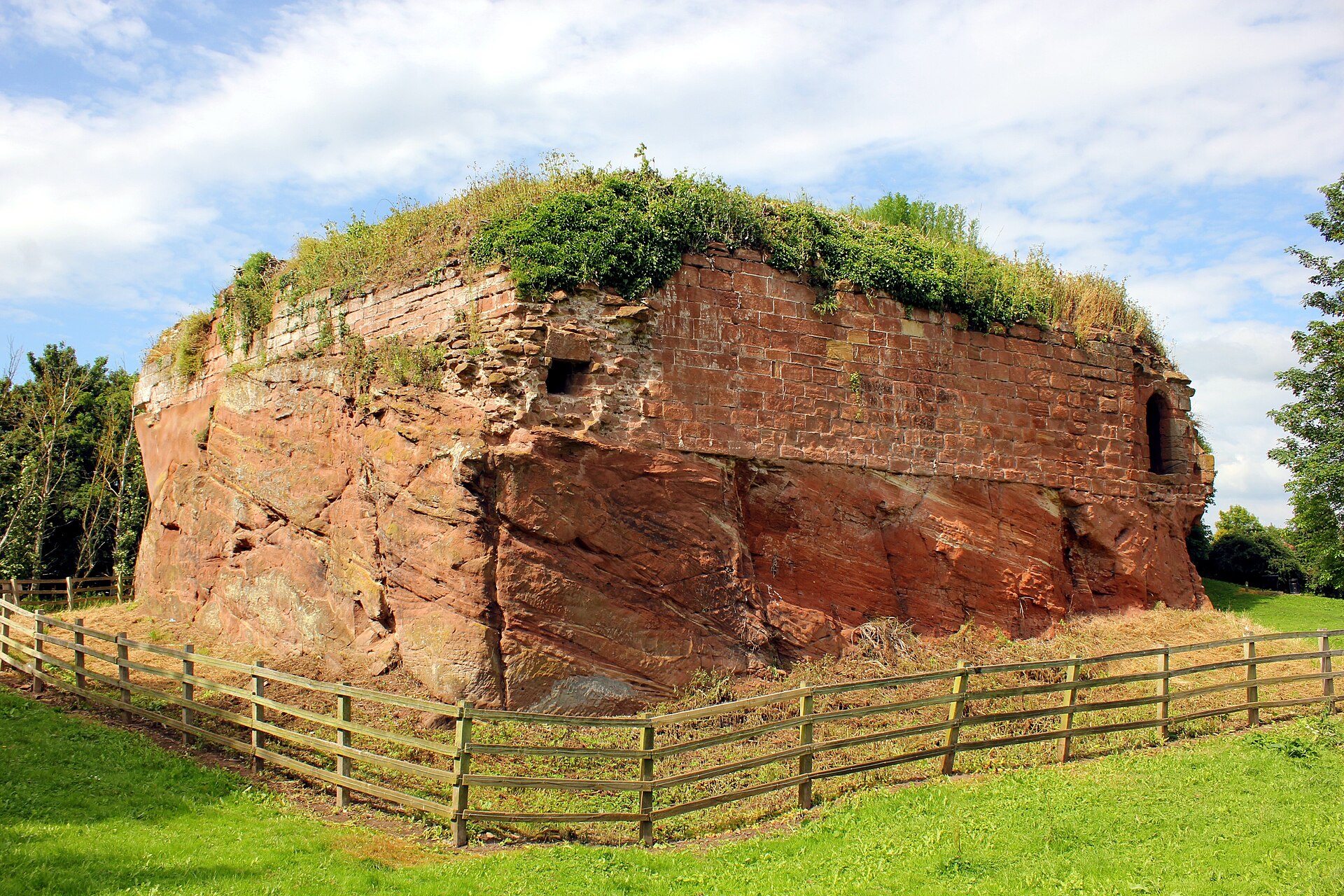
Barely a fragment of its sandstone base survives, yet Holt once formed a five-towered, moat-ringed pentagon on the Dee: fierce enough in appearance…
Sacred place · Medieval
Norfolk
Holy Sepulchre Priory preserves the only surviving English remains of a Canons of the Holy Sepulchre priory, linking a fourteenth-century Thetford…
Sacred place · Medieval
County Roscommon
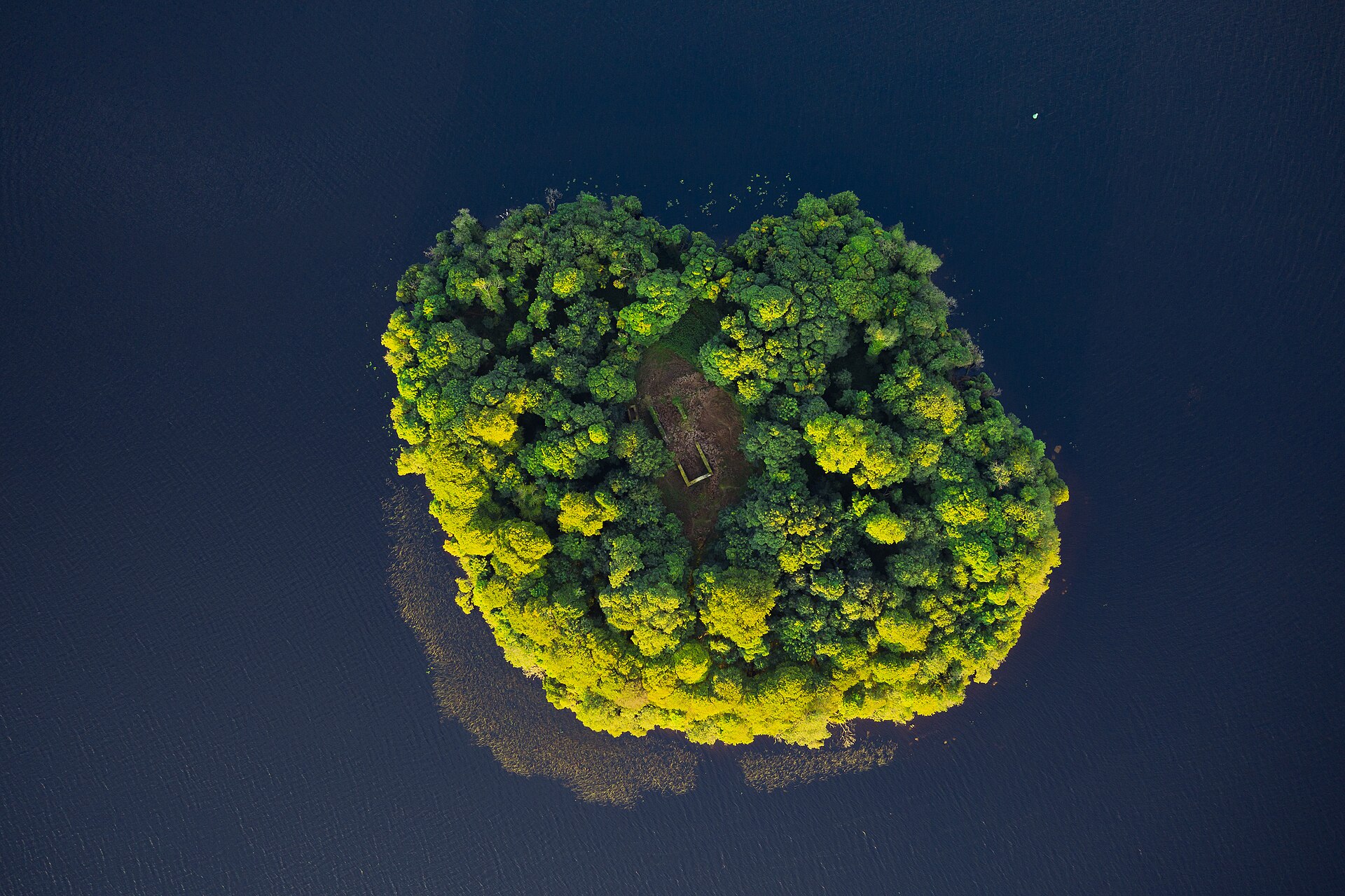
A canon-scribed chronicle of Irish history and the tomb behind one of Connacht's best-known tragic love stories both survive on this one small lake…
Sacred place · Pictish & early medieval
Essex
Holy Trinity Church is Colchester’s oldest standing building and its only surviving Anglo-Saxon structure, preserving a rare Saxon tower, later med…
Sacred place · Medieval
County Cork
A single-parish campaign of ordinary Corkonians, spread across sixty years and a famine, finally raised a tapering Gothic spire on marshy quayside…
Sacred place · Medieval
Bristol
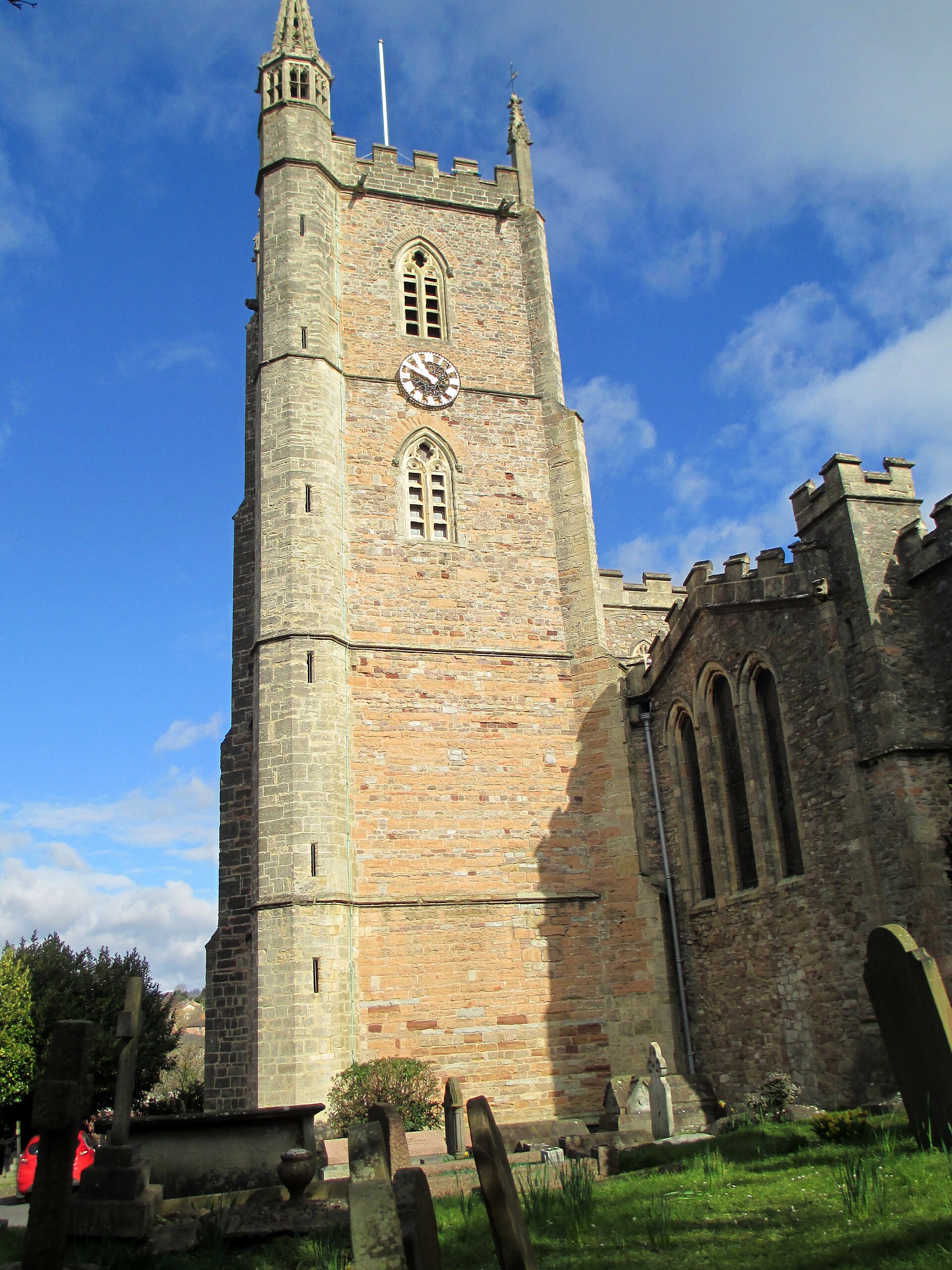
Its 10th-century Benedictine community, briefly reformed by Bishop Oswald, was the seed from which Ramsey Abbey grew after Oswald relocated its mon…
Sacred place · Medieval
City of London
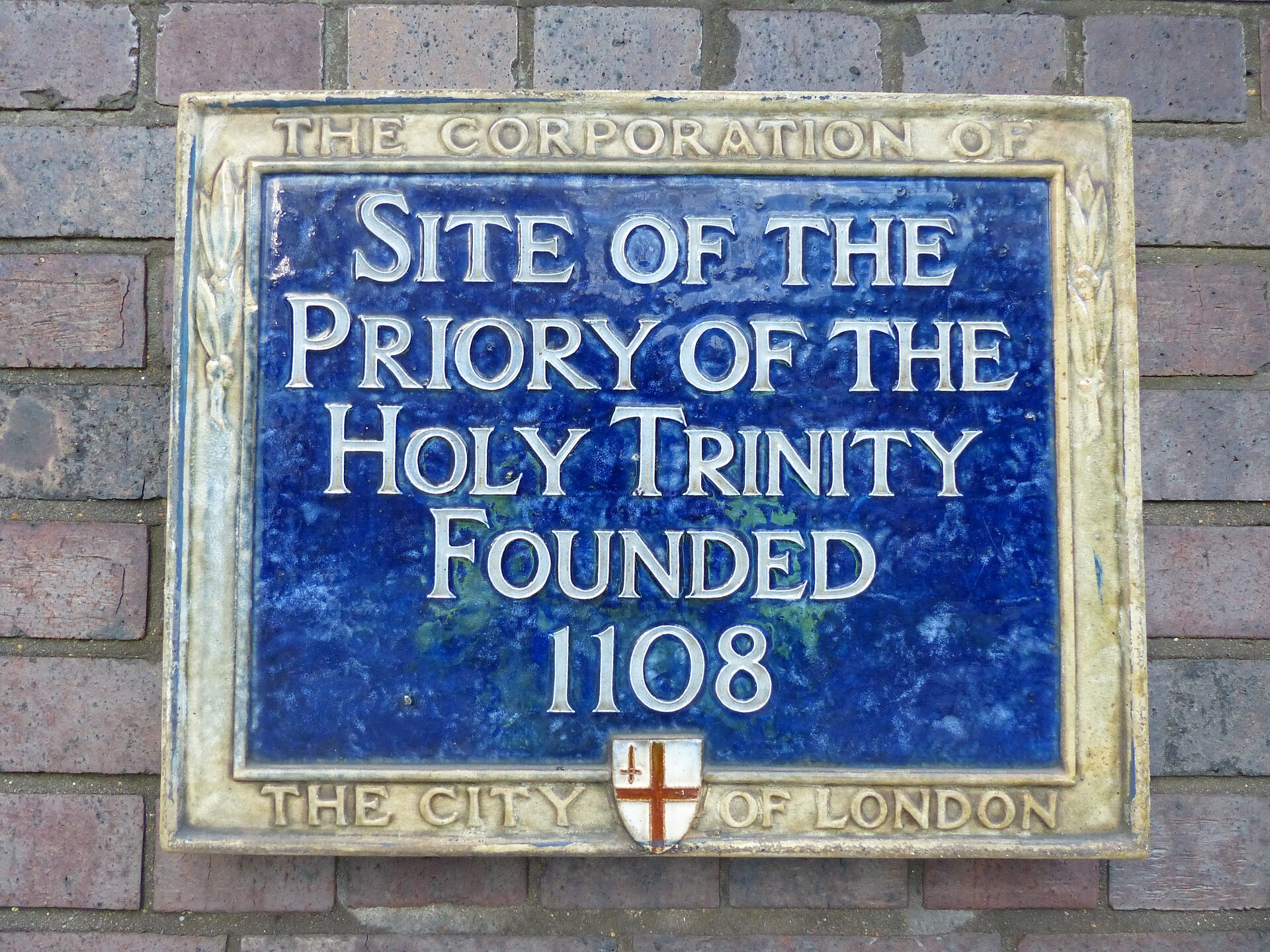
A queen's own foundation that grew powerful enough for its prior to sit as an Alderman of London, yet vanished so completely that only a few pointe…
Sacred place · Medieval
Worcestershire
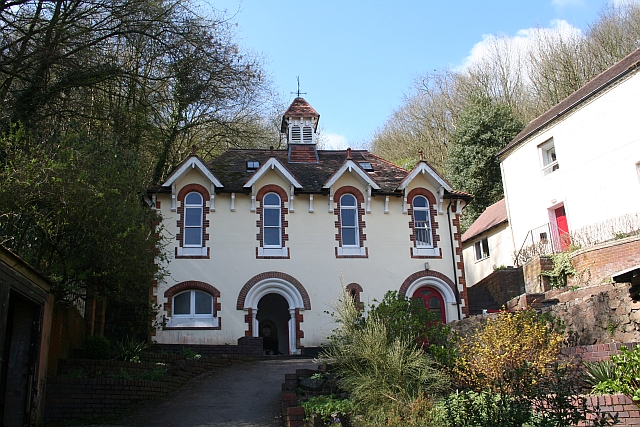
Believed to be the site of the world's oldest commercial water-bottling operation, with production recorded here since 1622 and revived again in 2009.
Settlement · Prehistoric
Isle of Anglesey
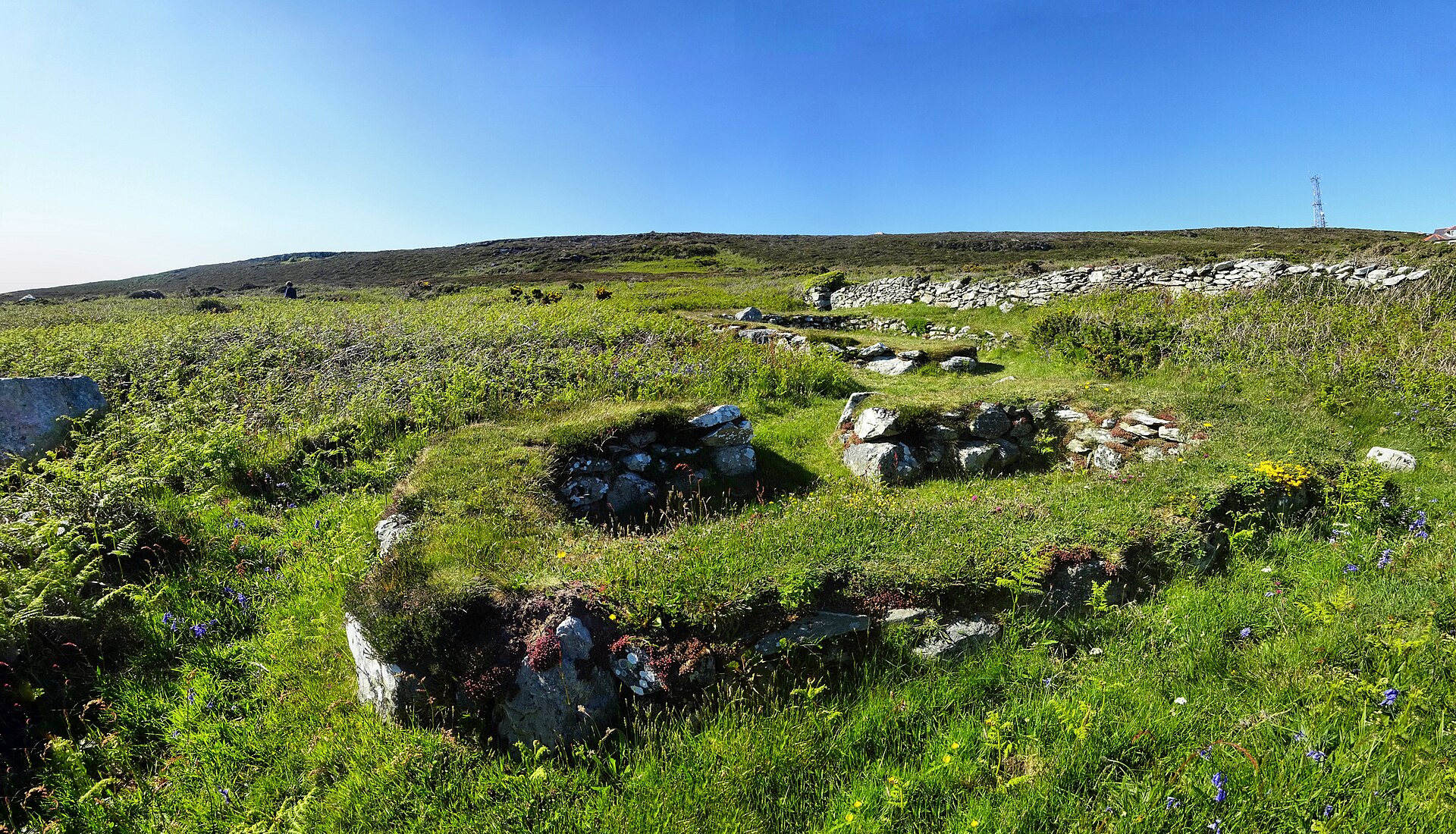
Holyhead Mountain Hut Circles are one of Wales’s best-preserved prehistoric (predating the written record in Britain) settlement groups, with recon…
Sacred place · Medieval
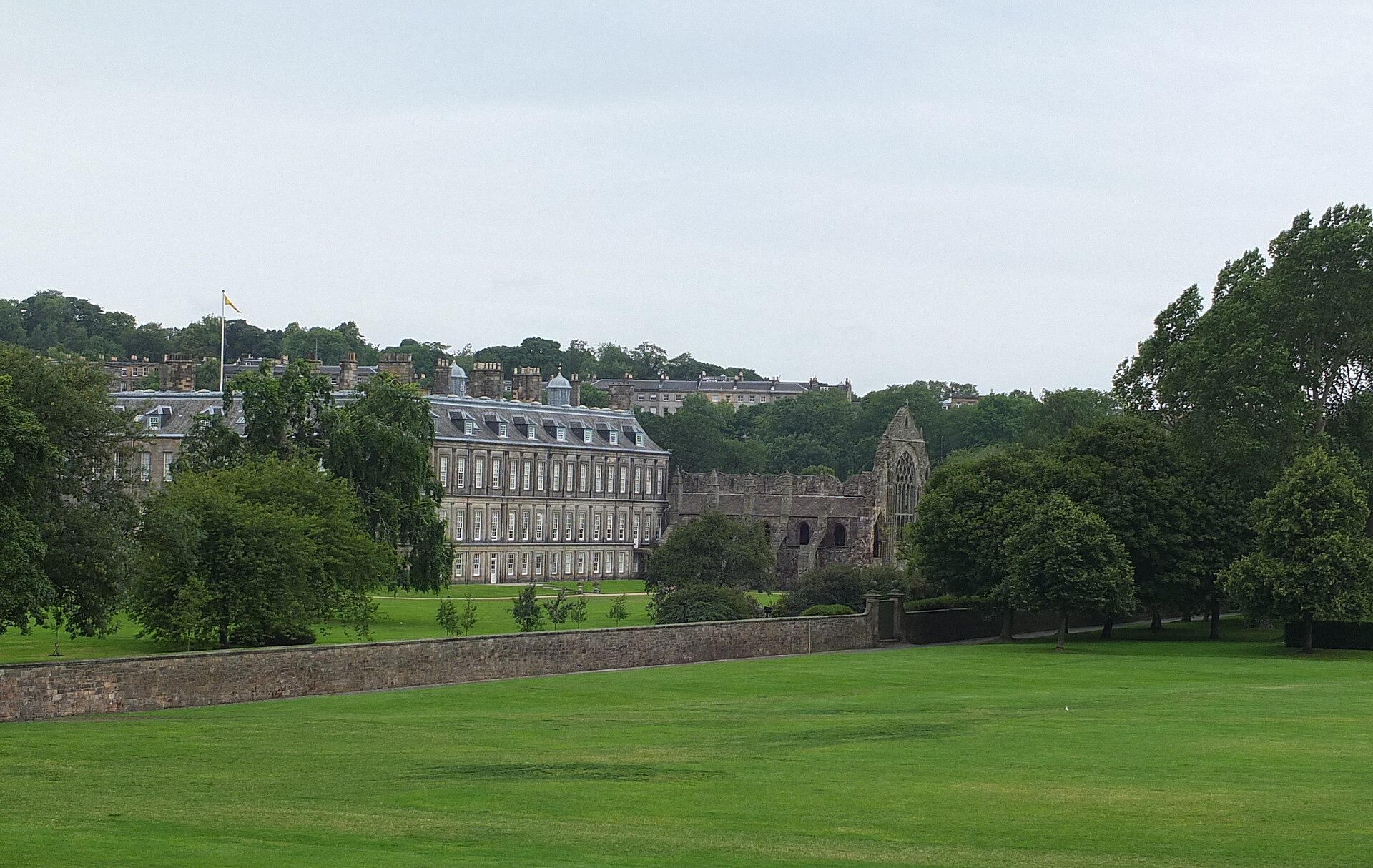
City of Edinburgh
Holyrood Abbey is Edinburgh's ruined royal abbey, founded by David I and central to Scottish parliaments, coronations and palace life before a cata…
Fortified place · Medieval
County Monaghan
A Georgian mansion that passed from a Welsh baron to a diamond-owning banking dynasty to a royal duke, only to be gutted by an arson attack after d…
Sacred place · Medieval
Kent
This Romney Marsh church ruin offers physical evidence of a lost medieval parish and possible deserted village, now interpreted through a sculpture…
Fortified place · Medieval
Shropshire
A castle midway between Knighton and Craven Arms, a ruin since the early eighteenth century and since partly repaired.
Sacred place · Prehistoric
Derbyshire
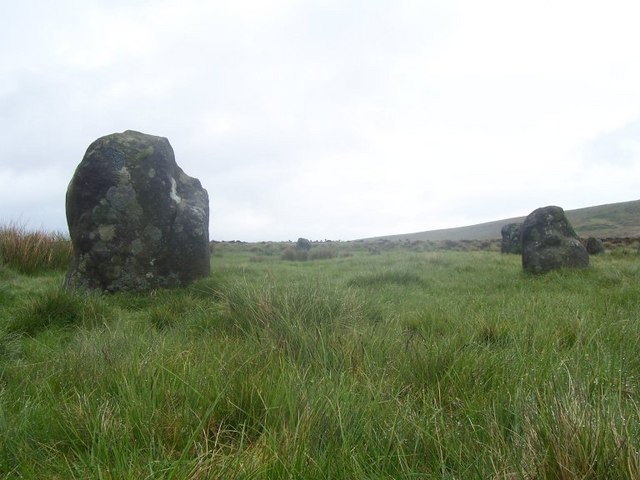
Only ten of a ring some believe once held 26 stones survive above Ladybower reservoir: three of them lying hidden and unnoticed until 1992.
Sacred place · Medieval
County Tipperary
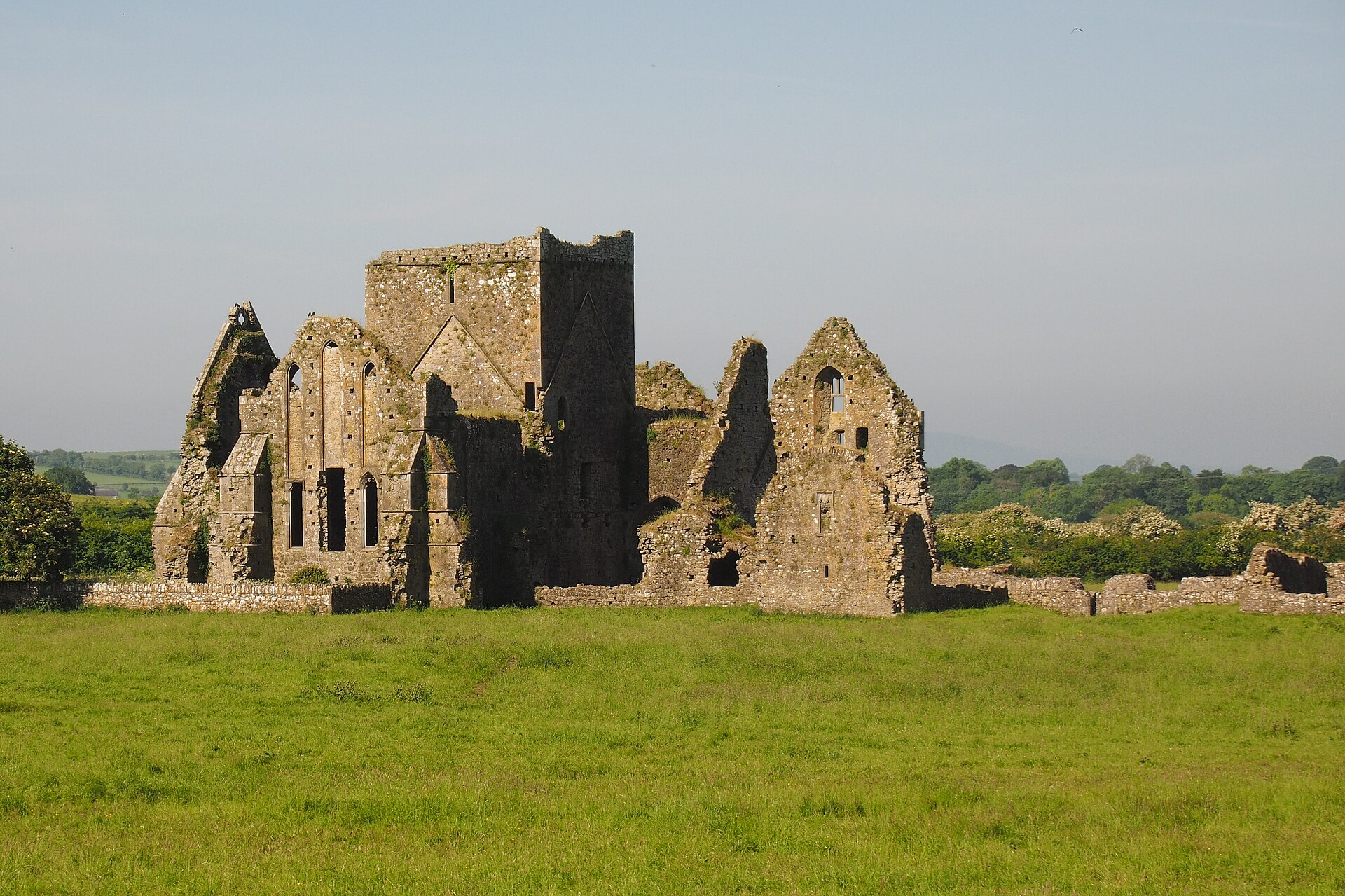
The last Cistercian house founded in Ireland before the monasteries closed under Henry VIII, Hore Abbey sits beside a ridge whose medieval cathedra…
Building or ruin · Roman
Lincolnshire
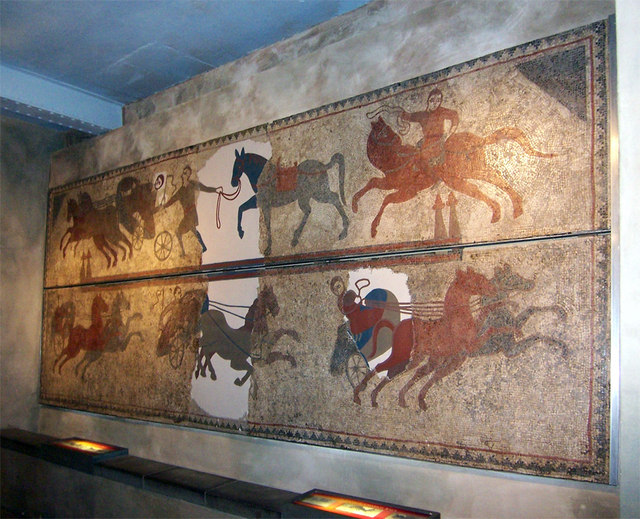
Its buried pavement yielded one of only thirteen known Orpheus mosaics from Roman Britain, and one of just two found this far north.
Fortified place · Medieval
Lancashire
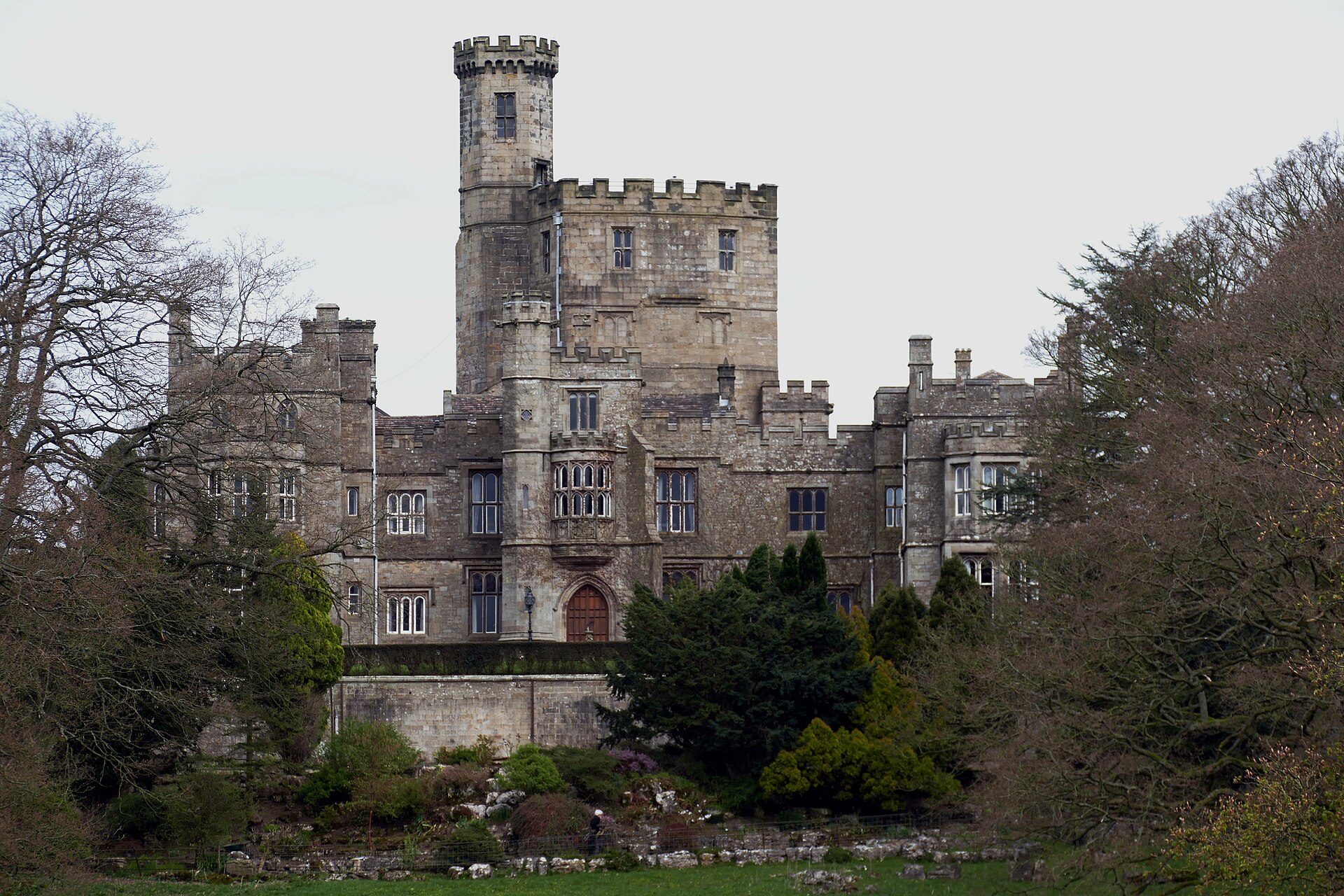
A single peer's forgotten warning about the Gunpowder Plot in 1605 links this Lune Valley house directly to the most notorious conspiracy in Englis…
Fortified place · Medieval
North Yorkshire
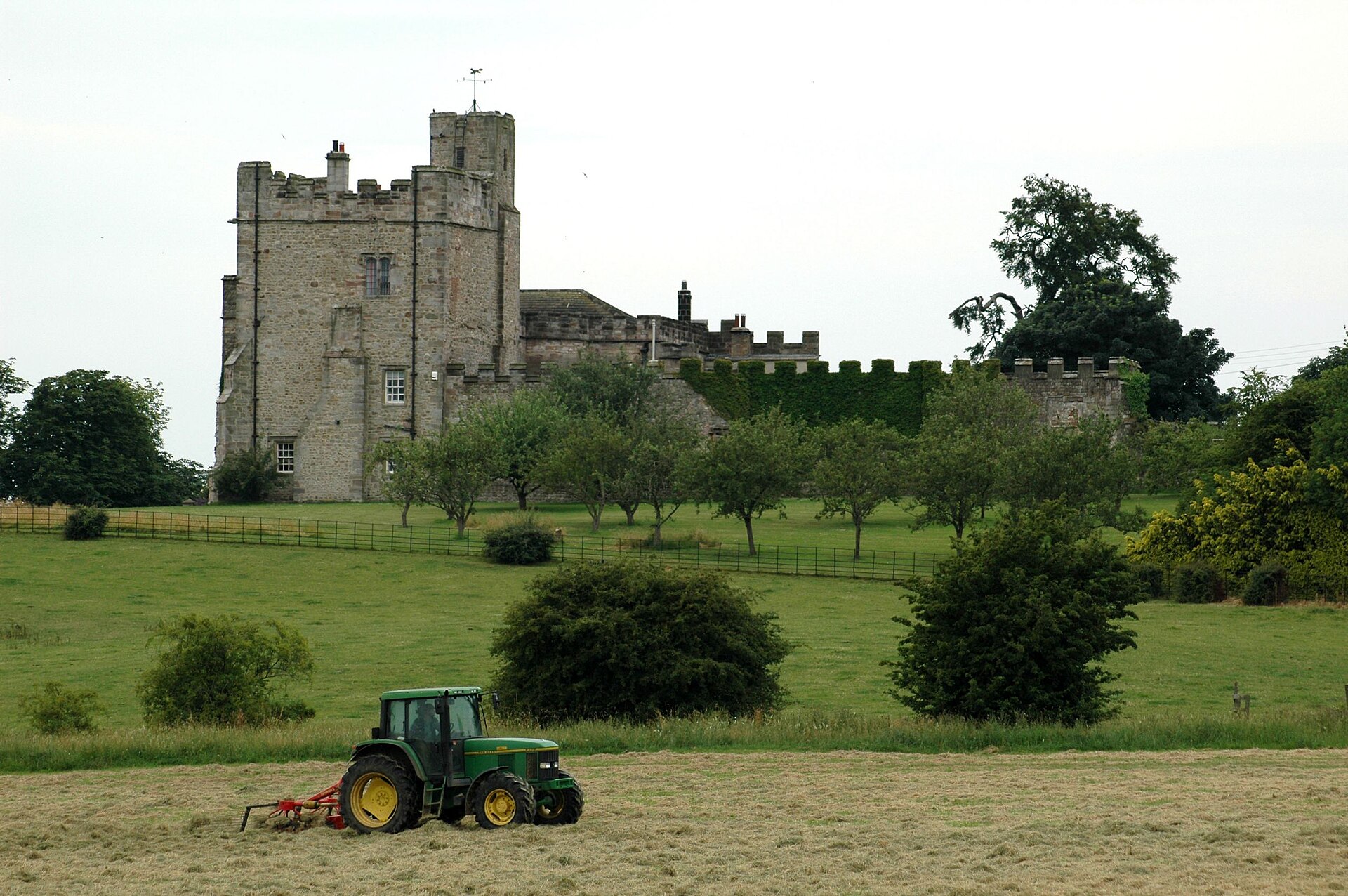
A Yorkshire seat passed by marriage through five families in six centuries, from the St Quintins to the Dukes of Leeds, before three-quarters of th…
Sacred place · Medieval
Lancashire
A small Premonstratensian cell answering to Croxton Abbey nearly 150 miles away, its founding credited across three generations of one family befor…
Fortified place · Iron Age
Somerset
An oval hillfort twice as long as it is wide, on the Devon border: and almost nothing else is recorded about it.
Fortified place · Medieval
Norfolk
Horsford Castle is a low but significant castle mound and enclosed yard whose post-Conquest foundation, deliberate placement in pastureland, linked…
Sacred place · Medieval
Gloucestershire
A tiny Norman-founded cell built for just a prior, a monk and a chaplain, traded between two mother houses and then erased from record before 1380…
Fortified place · Medieval
Derbyshire
A royal stone castle reduced to a single overgrown keep by centuries of quarrying: and now formally listed among England's heritage most at risk of…
Sacred place · Medieval
Buckinghamshire
A 12th-century almshouse chapel became, without ever moving site, the seedbed of a Royal Grammar School still teaching boys eight centuries later.
Building or ruin · Medieval
West Yorkshire
The ruins of an Elizabethan country house between Batley and Morley, scheduled since 1997.
Sacred place · Medieval
Suffolk
Built at what was held to be the place where Edmund, king of East Anglia, was martyred. The chapel came first, around 950, and a priory: a monaster…
Fortified place · Roman
Northumberland
Huckhoe Settlement records at least four occupation phases across more than a millennium, from one of the region’s earliest defended enclosures to…
Fortified place · Medieval
East Riding of Yorkshire
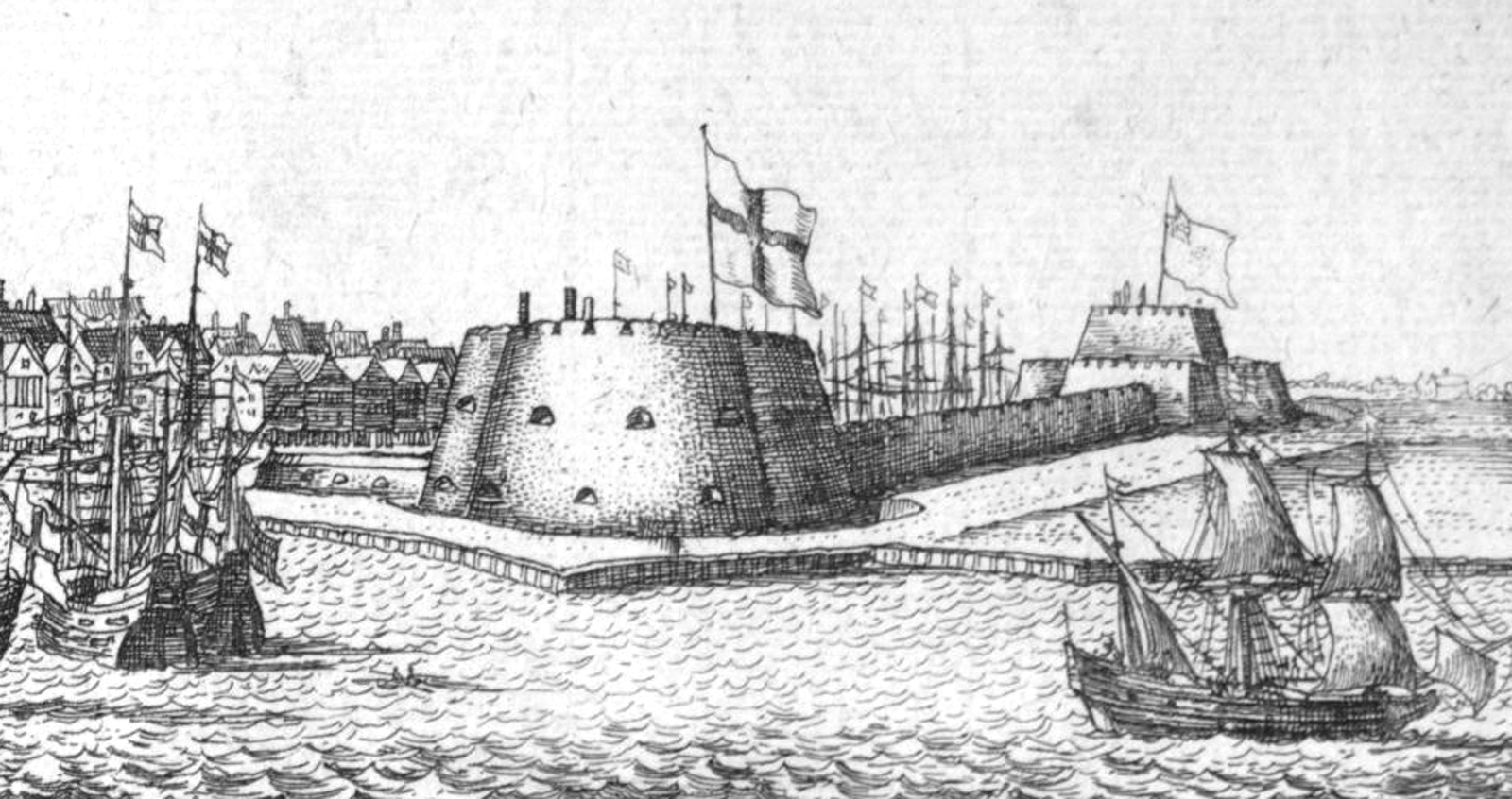
An entire Tudor artillery fortress, built partly with stone stripped from dissolved monasteries, has vanished beneath a working dockyard, leaving o…
Sacred place · Medieval
Northumberland
Hulne Priory is a rare Northumberland Carmelite foundation whose substantial ruins combine contemplative friary, a religious house for the order, l…
Sacred place · Medieval
Staffordshire
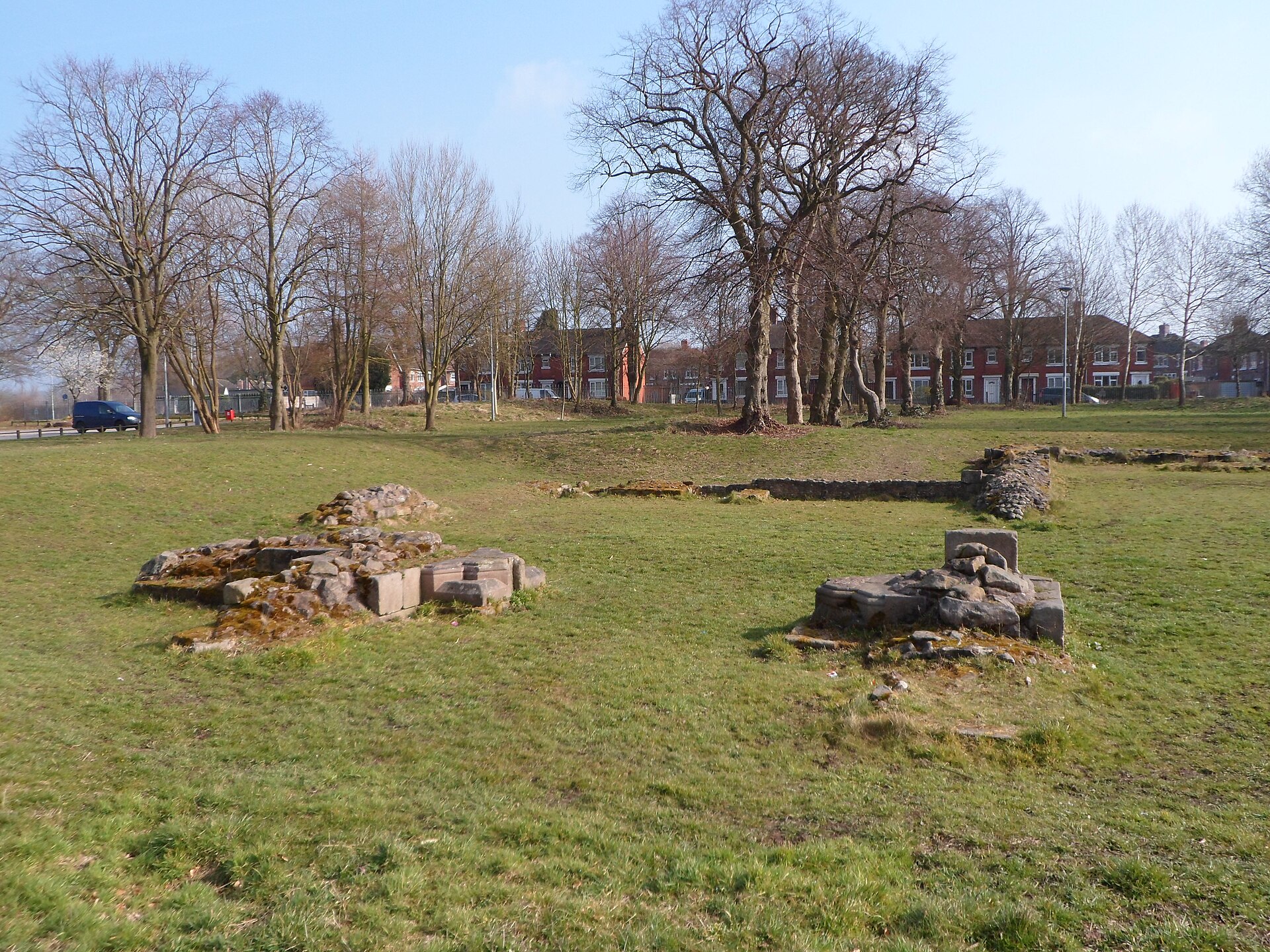
A former monastery in Stoke-on-Trent, now protected by law for its archaeology.
Sacred place · Medieval
Lincolnshire
A rare case where a bishop's own 1422 testimony ties an English abbey (a monastic house under the rule of an abbot)'s monks directly back to a name…
Ancient place · Iron Age
Northumberland
Humbleton Hill combines a long settlement sequence from before written records with the site of the 1402 Battle of Homildon Hill, layering early, l…
Building or ruin · Medieval
Devon
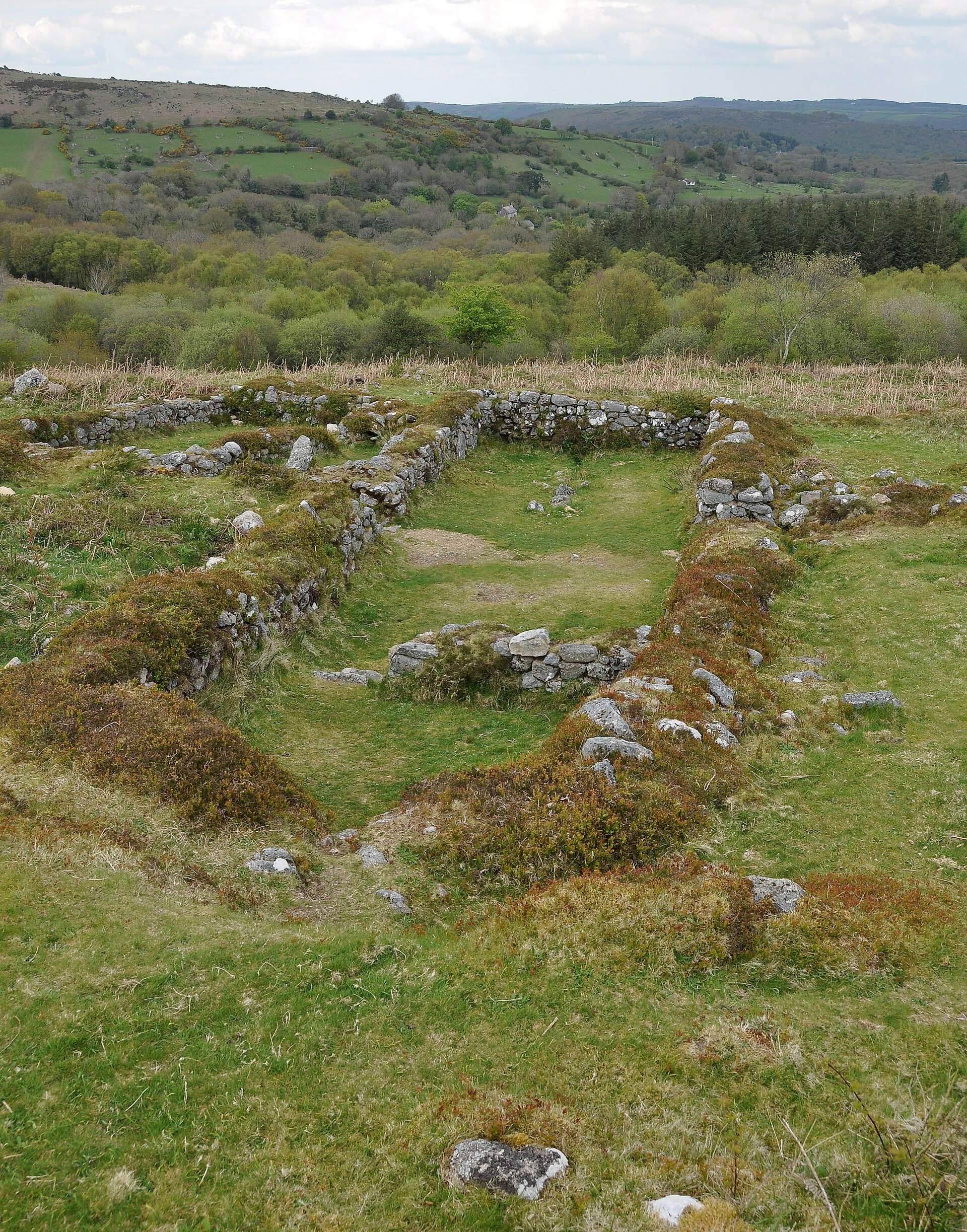
Hundatorra is a rare Dartmoor landscape where Bronze Age (roughly 2500–800 BC, when metalworking spread) settlement, a medieval farming hamlet and…
Building or ruin · Roman
Northumberland
Hunnum, or Halton Chesters, is a Hadrian’s Wall cavalry fort whose unusual L-shaped expansion and internal bath complex reveal changing garrison ne…
Fortified place · Iron Age
Northamptonshire
Its inner ramparts were burned so fiercely that timber-laced stone fused together: vitrification almost never found on an English hillfort (a defen…
Carved stone · Pictish & early medieval
Angus
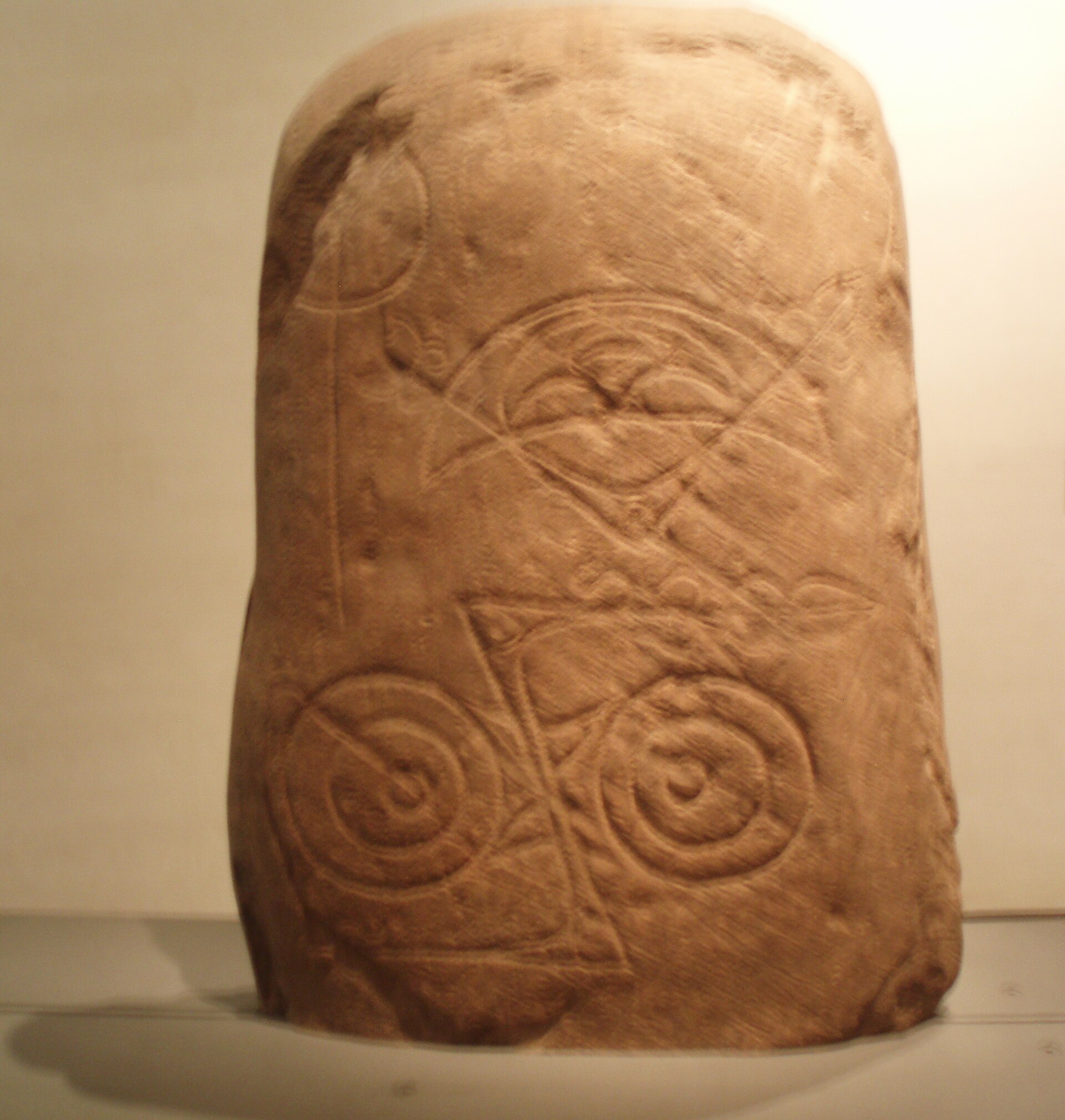
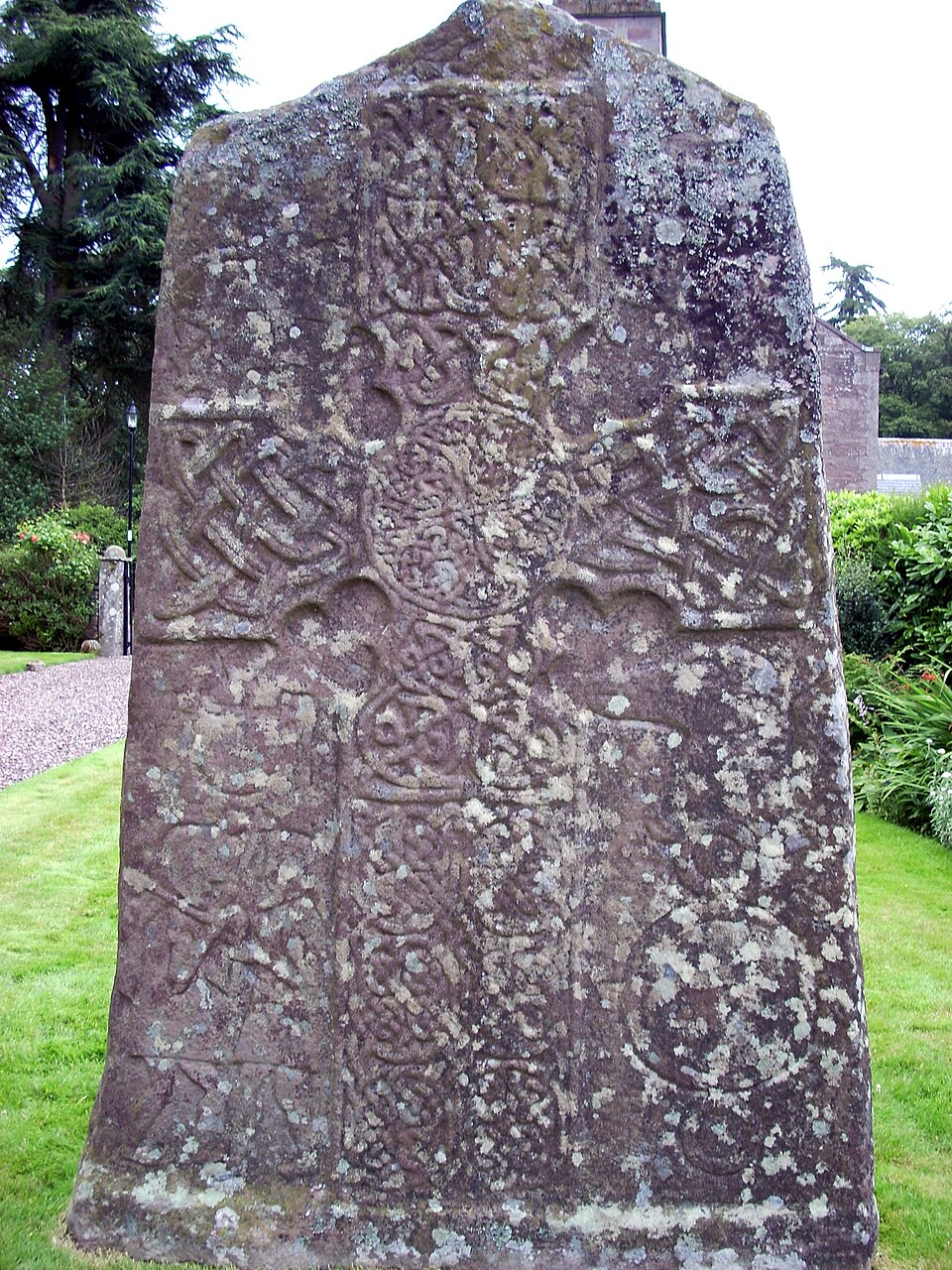
Its rear face still carries an older set of incised symbols beneath a later relief-carved cross: one of only two stones nearby known to have been r…
Fortified place · Iron Age
Devon
Hunter’s Tor combines a granite Dartmoor viewpoint with an Iron Age (from around 800 BC up to the Roman conquest) hillfort (a hilltop enclosure rin…
Tomb or burial place · Prehistoric
Orkney Islands
An exceptionally rare two-storey tomb, its opposed entrances and flooded lower chamber reveal two burial spaces stacked within one small Eday mound.
Fortified place · Medieval
Cambridgeshire
A royal stronghold once held by the kings of Scotland themselves, deliberately torn down on Henry II's orders after a rebellion: leaving only its m…
Fortified place · Medieval
Herefordshire
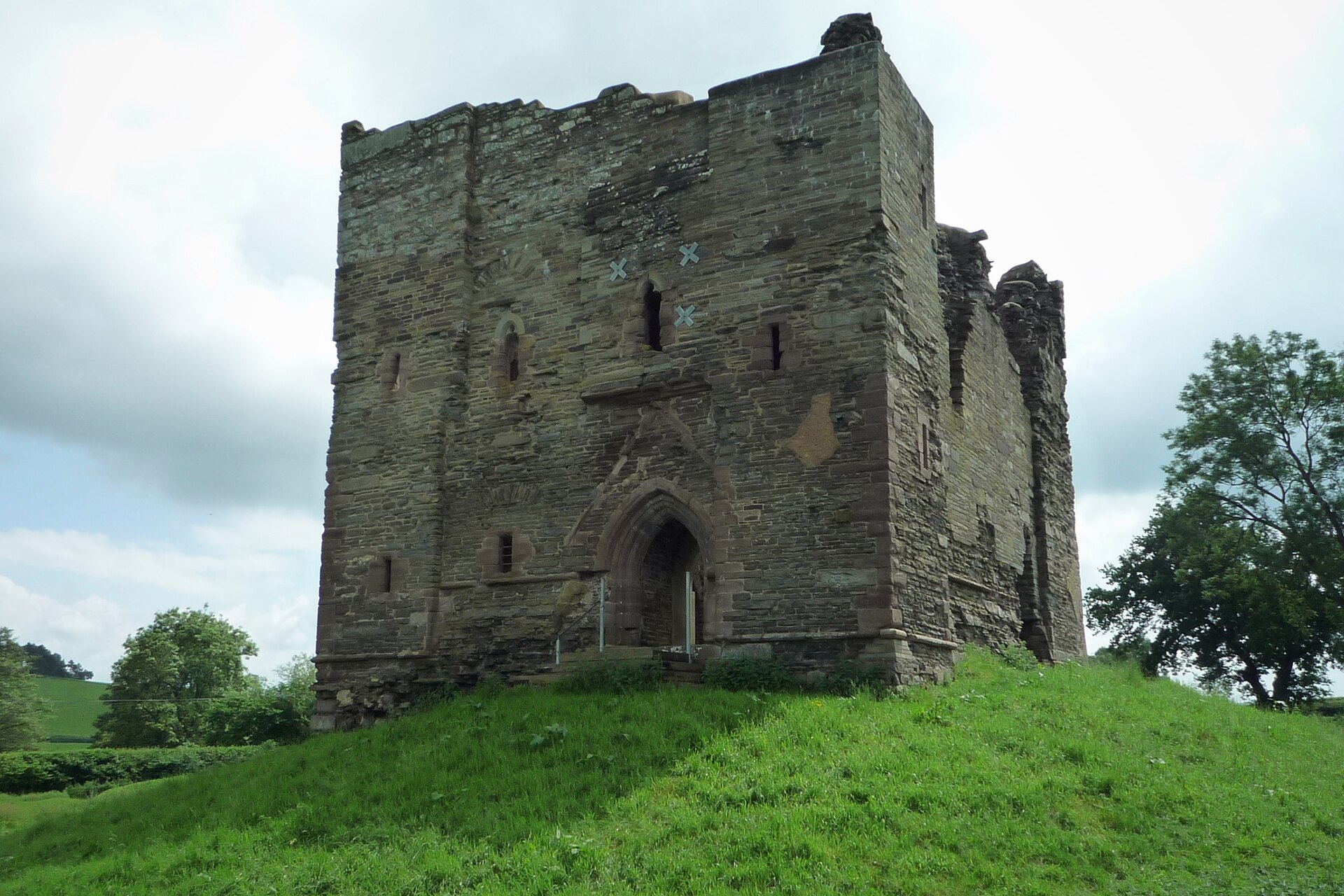
A Marcher stronghold that changed hands by conquest, marriage and royal seizure for two centuries, ending as a ruin still listed at risk today.
Fortified place · Medieval
Perth and Kinross
The Ruthven name was suppressed by Act of Parliament in 1600, and the castle had to be renamed. It had been Ruthven Castle for centuries.
Fortified place · Iron Age
Devon
Huntsham Castle is a well-defined hillfort, a hilltop enclosure from the Iron Age, the centuries before Rome arrived, above the Lowman tributary va…
Sacred place · Medieval
Berkshire
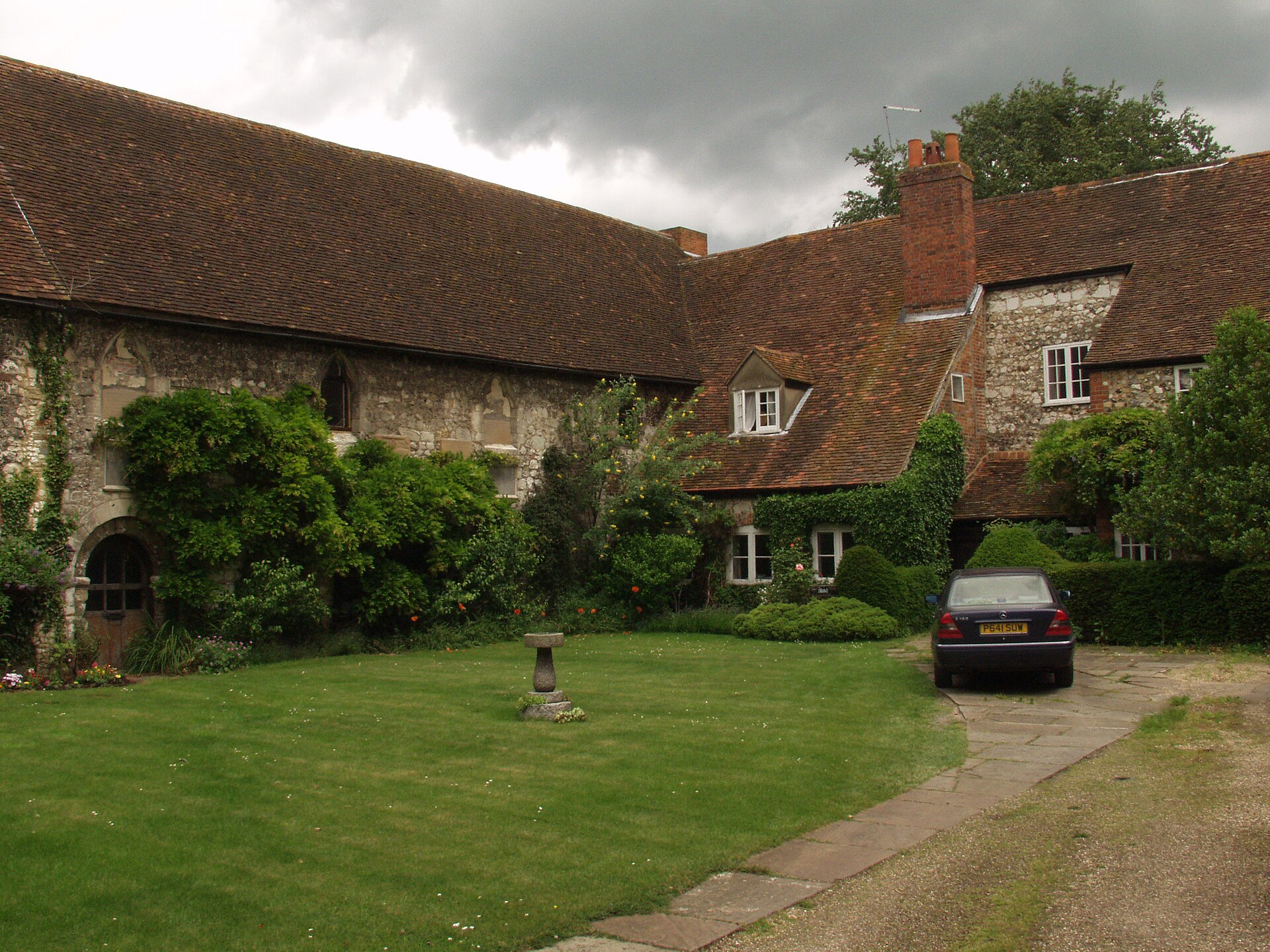
A Norman priory church still in parish use stands beside a working medieval dovecote, barn and inn: a rare case where almost every part of a monast…
Fortified place · Medieval
Hampshire
A single shingle spit carries four centuries of continuous coastal defence, from Henry VIII's Device Fort to Victorian rifled monster guns to Secon…
Sacred place · Medieval
Hampshire
A Winchester prison's foundation trenches once turned up stone coffins, a gilded crozier and the disturbed grave of England's most famous early kin…
Building or ruin · Medieval
Monmouthshire
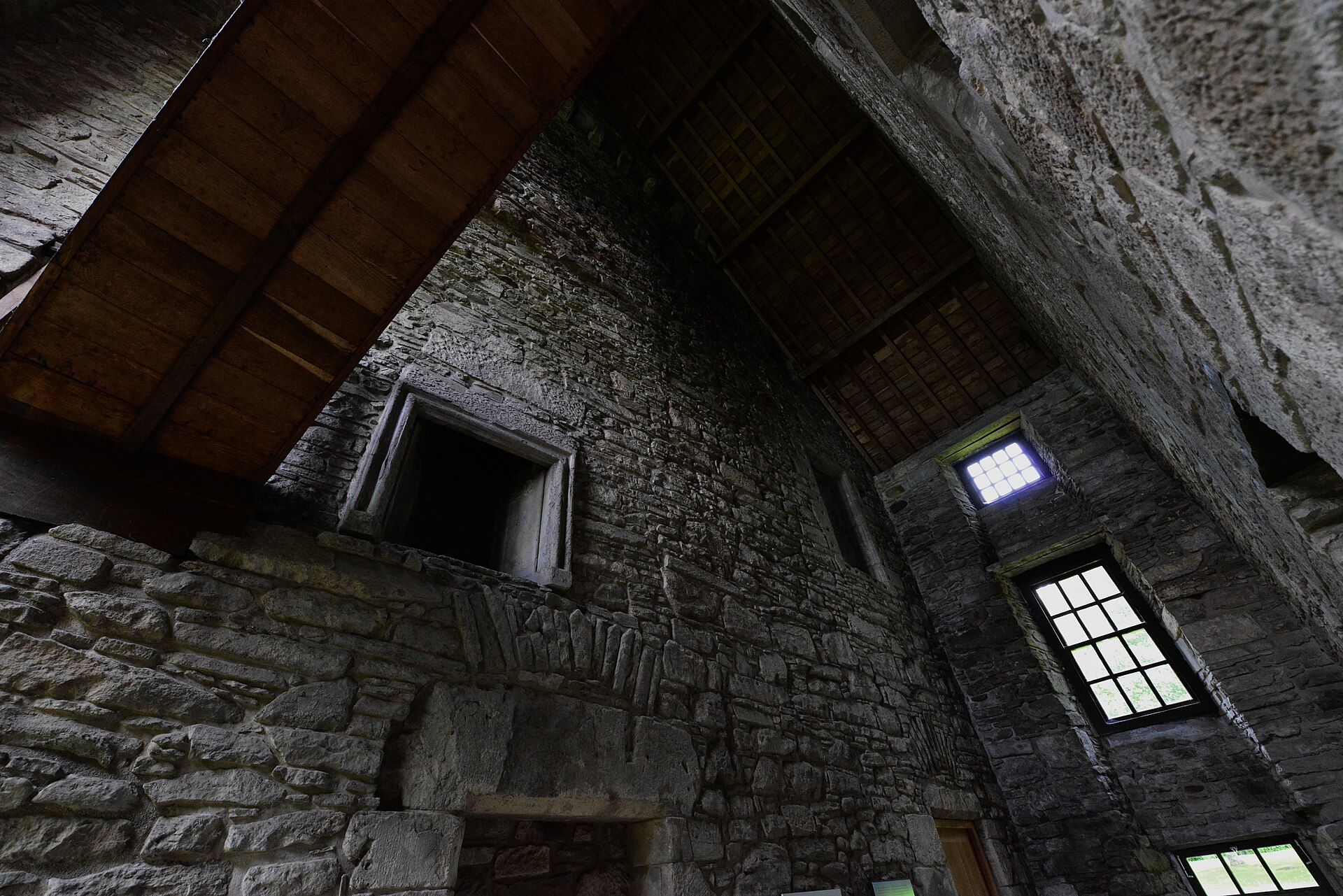
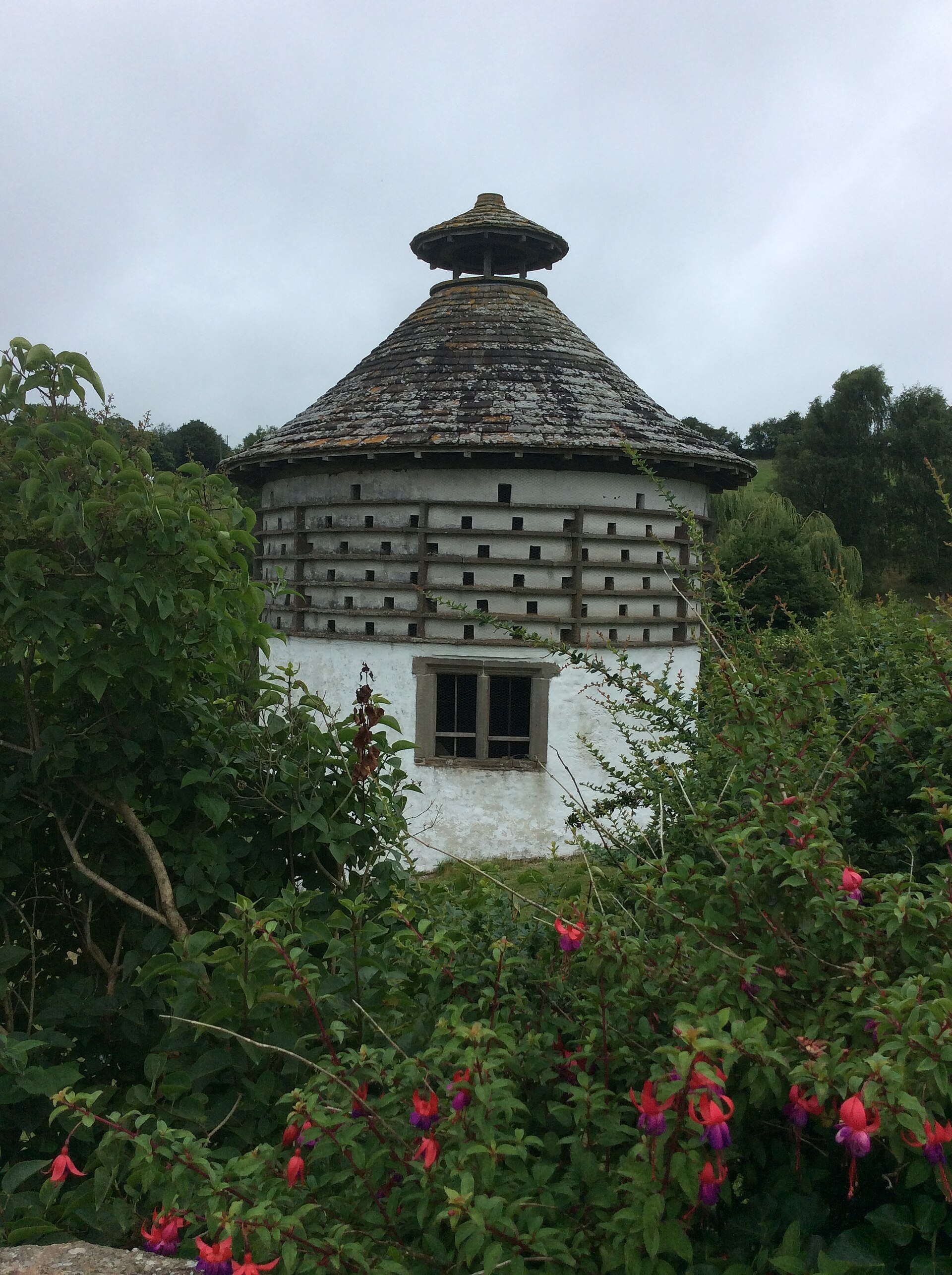
This unusually complete late-sixteenth-century dovecote preserves the scale and organisation of a gentry estate, and scholars identified it as one…
Fortified place · Medieval
Tyne and Wear
A castle datable only by the coats of arms carved along its west front.
Building or ruin · Roman
Hertfordshire
A Roman underfloor heating system preserved exactly where excavators found it, and unlike its counterpart at Welwyn, one that warmed a house rather…
Building or ruin · Medieval
Kent
Ightham Mote is an exceptionally complete medieval moated manor, whose inward-facing courtyard plan and original features reveal how a defended hou…
Building or ruin · Roman
West Yorkshire
Its Roman name is disputed. Ptolemy's Olikana may be corrupt, may belong to another fort entirely, or the place may have been called after the rive…
Sacred place · Prehistoric
County Kerry
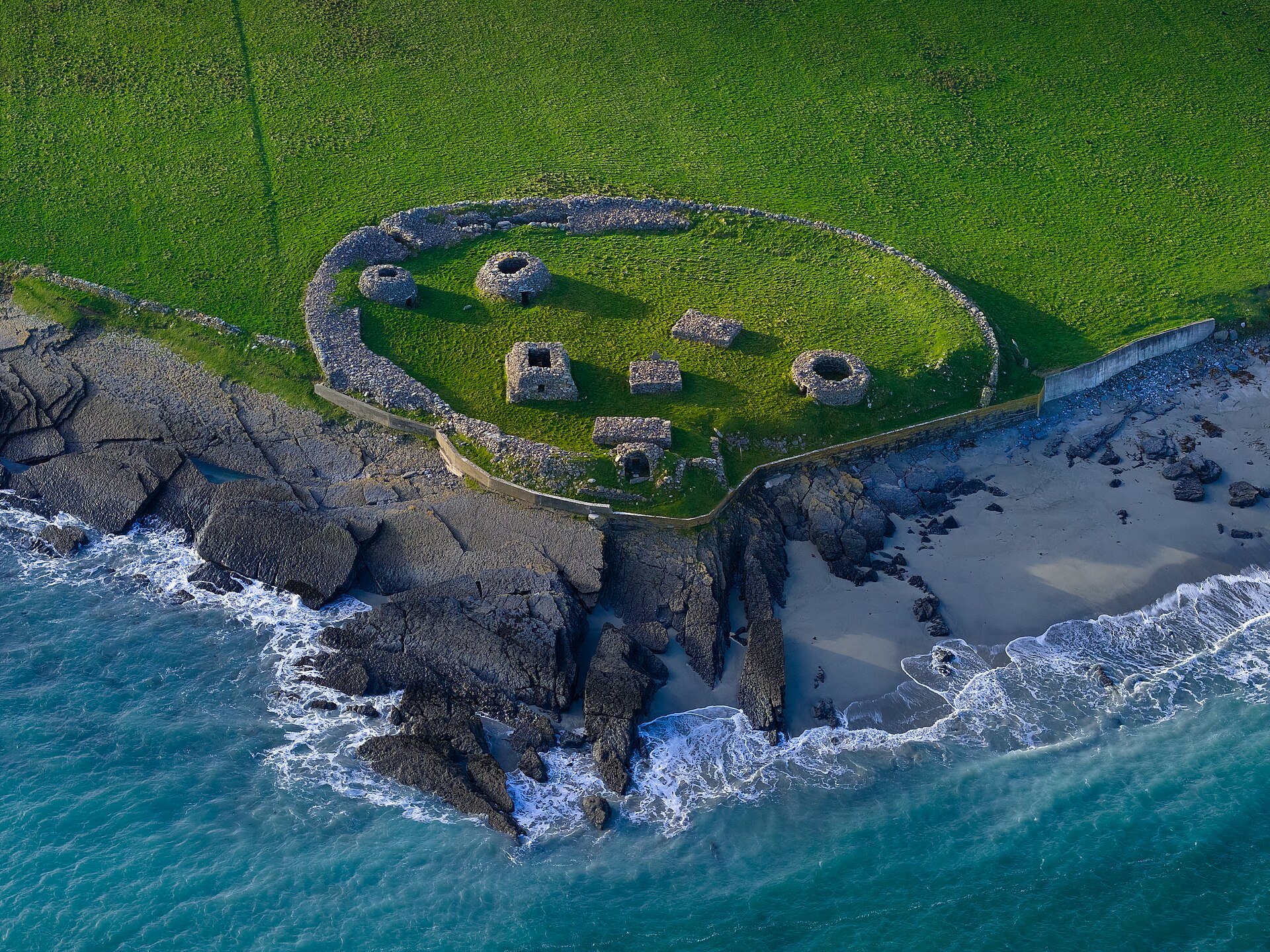
A cluster of beehive cells, oratories and a carved stone cross survives almost whole inside a drystone island wall: a rare complete early Christian…
Building or ruin · Medieval
Cheshire
One of only two surviving monastic manor buildings left in Cheshire, its stone hall and cottages saved from ruin by a 1990s-2002 restoration after…
Fortified place · Medieval
County Donegal
Built by a son-in-law for his own father-in-law, the ruin sealed a marriage alliance between two of Gaelic Ulster's most powerful clans: and is sti…
Sacred place · Medieval
Fife
Inchcolm Abbey is Scotland’s most complete surviving monastic complex, preserving an Augustinian island community whose buildings also reveal the F…
Sacred place · Medieval
County Roscommon
A monastery reputedly founded by Columba on its own island in Lough Key, later refounded as an Augustinian priory, a monastery headed by a prior an…
Fortified place · Roman
Perth and Kinross
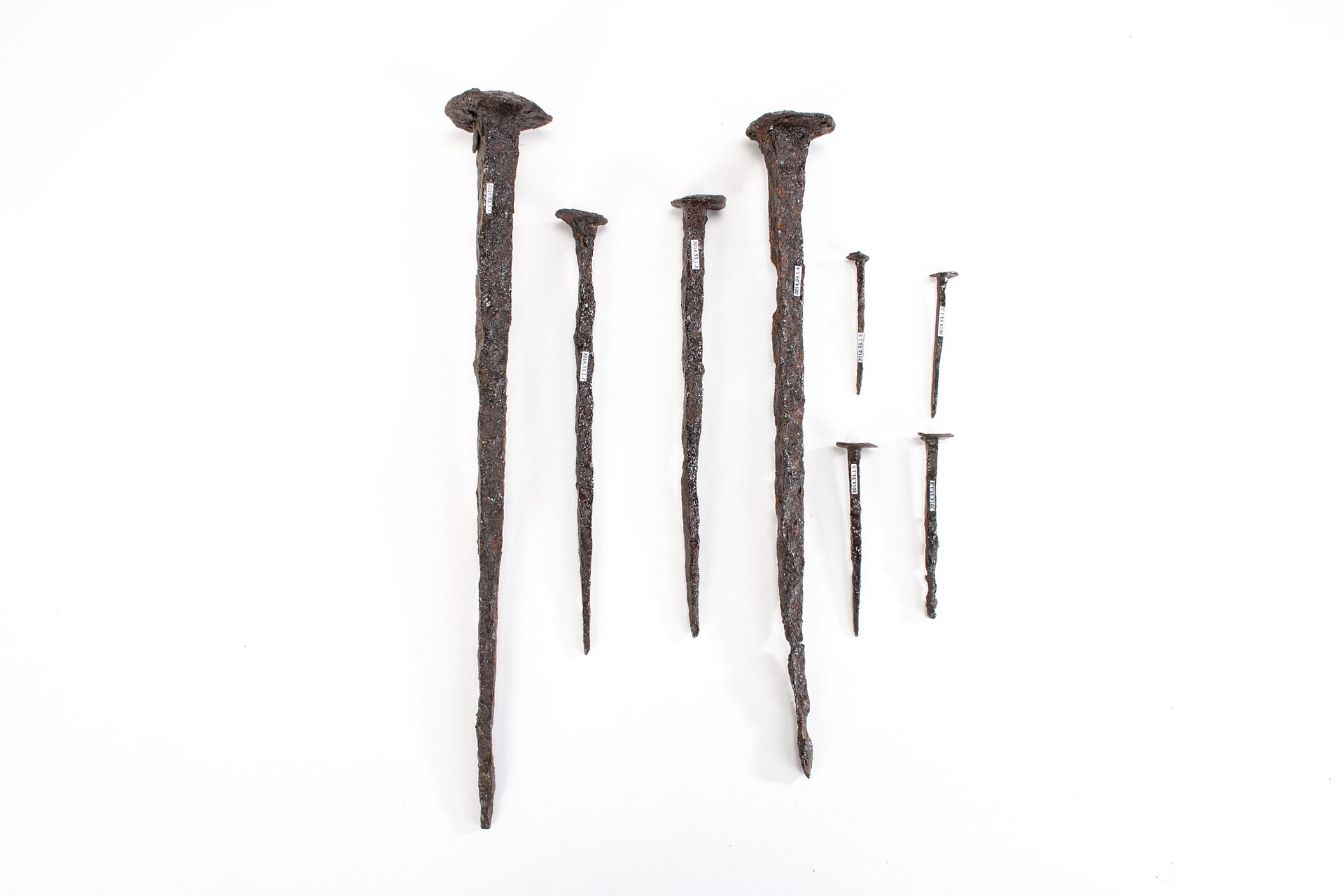
The only legionary fortress in the Roman empire whose complete plan survives: abandoned after four years, with 875,400 nails buried in a pit so the…
Fortified place · Roman
Moray
A Roman fortress whose longest day Ptolemy recorded as 18.5 hours, one of only four such observations he held from Britain.
Settlement · Medieval
Leicestershire
One of England's best-preserved deserted medieval villages, its earthworks tracing streets abandoned when the abbey (a religious community led by a…
Sacred place · Medieval
County Donegal
A monastery reachable only by a sandy tidal path once held the bell of its founding saint: now in the British Museum, an ocean's width from the rui…
Sacred place · Medieval
County Mayo
Refounded for an Augustinian community of nuns after 1223, on the site of a seventh-century monastic foundation, this Lough Mask ruin was later dis…
Sacred place · Medieval
County Sligo
A monastery founded by Saint Columba's own confessor, raided twice by Vikings, then resettled, farmed and finally evacuated entire in 1948: the isl…
Sacred place · Medieval
County Tipperary
Its dismantled stone still stands elsewhere: reused in Clonmel's Main Guard and in local mills: while the abbey (a religious community led by an ab…
Fortified place · Medieval
Worcestershire
A castle raised sometime under the Angevin kings and pulled down within a lifetime: its true walls now reduced to a moat whose very origin is dispu…
Fortified place · Medieval
Argyll and Bute
A rival Highland clan once held this island fortress against Robert the Bruce himself, and a captive heir to the Lordship of the Isles later spent…
Sacred place · Prehistoric
Aberdeenshire
Only three stones survive from a ring that once spanned some 27 metres: a fragment of Aberdeenshire's rare recumbent stone circle tradition, now le…
Fortified place · Iron Age
Highland
A drystone tower mound perched between two ravines above the river Naver, ringed by cairns, hut circles and settlement traces that together form on…
Fortified place · Medieval
Argyll and Bute
One of the first Gothic Revival buildings anywhere, raised by a Highland clan chief to replace a medieval stronghold rather than restore it.
Fortified place · Roman
Falkirk
Inveravon is one of the Antonine Wall’s most uncertain fort sites, where limited excavation, geophysics and aerial photography reveal faint foundat…
Fortified place · Roman
East Lothian
Inveresk is a large Antonine-period fort with a civilian settlement, cavalry evidence and Britain’s earliest dated Mithraeum, making it one of Scot…
Briefer entries: recorded and worth knowing, with fuller pages to come.
Building or ruin · Roman
Dorset
Hod Hill is a large Iron Age (roughly 800 BC until the Roman conquest) fort with a short-lived Roman camp inside it, combining Durotrigan settlemen…
Sacred place · Medieval
Buckinghamshire
A modest Buckinghamshire nunnery that, by the 15th century, had been recast as a commandery bearing the name of the Knights Templar.
Fortified place · Iron Age
Devon
Holbury records an Iron Age hillfort: an upland enclosure defended by earthen banks: overlooking the Erme Estuary, preserving a strategically place…
Building or ruin · Prehistoric
norfolk
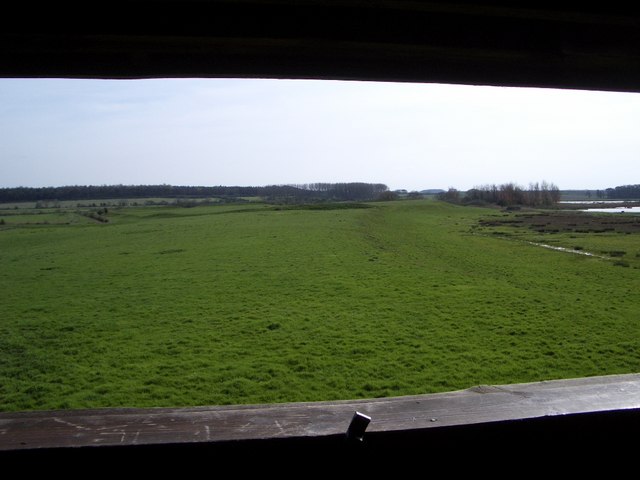
An oval enclosure on a sandy spit, reachable only by eye: the site is not normally walkable, and is watched from a bird hide in the woods to the no…
Fortified place · Iron Age
Herefordshire
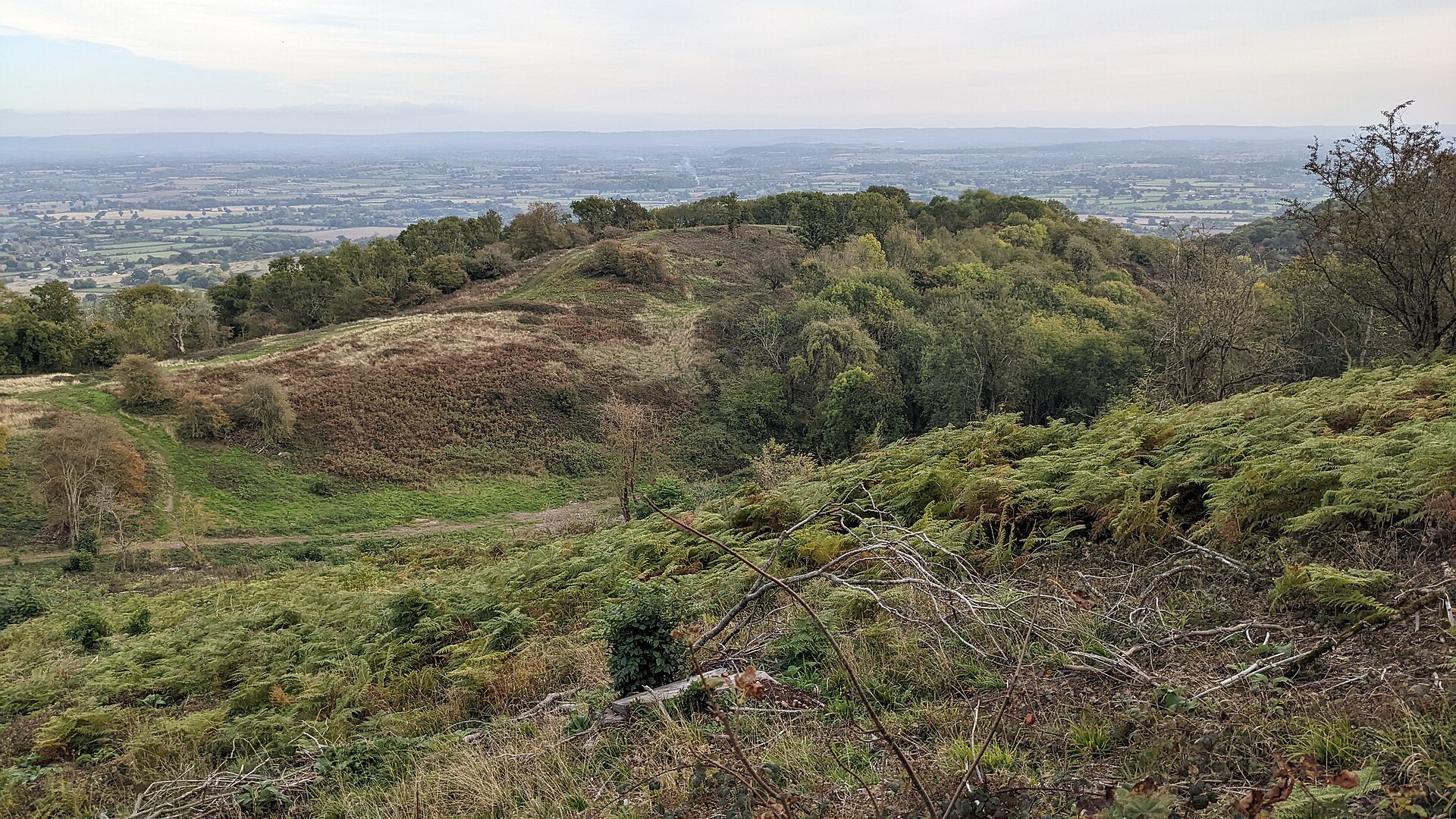
One hillfort spans two summits: its earthworks run unbroken from Hollybush Hill onto neighbouring Midsummer Hill, binding the pair into a single de…
Sacred place · Medieval
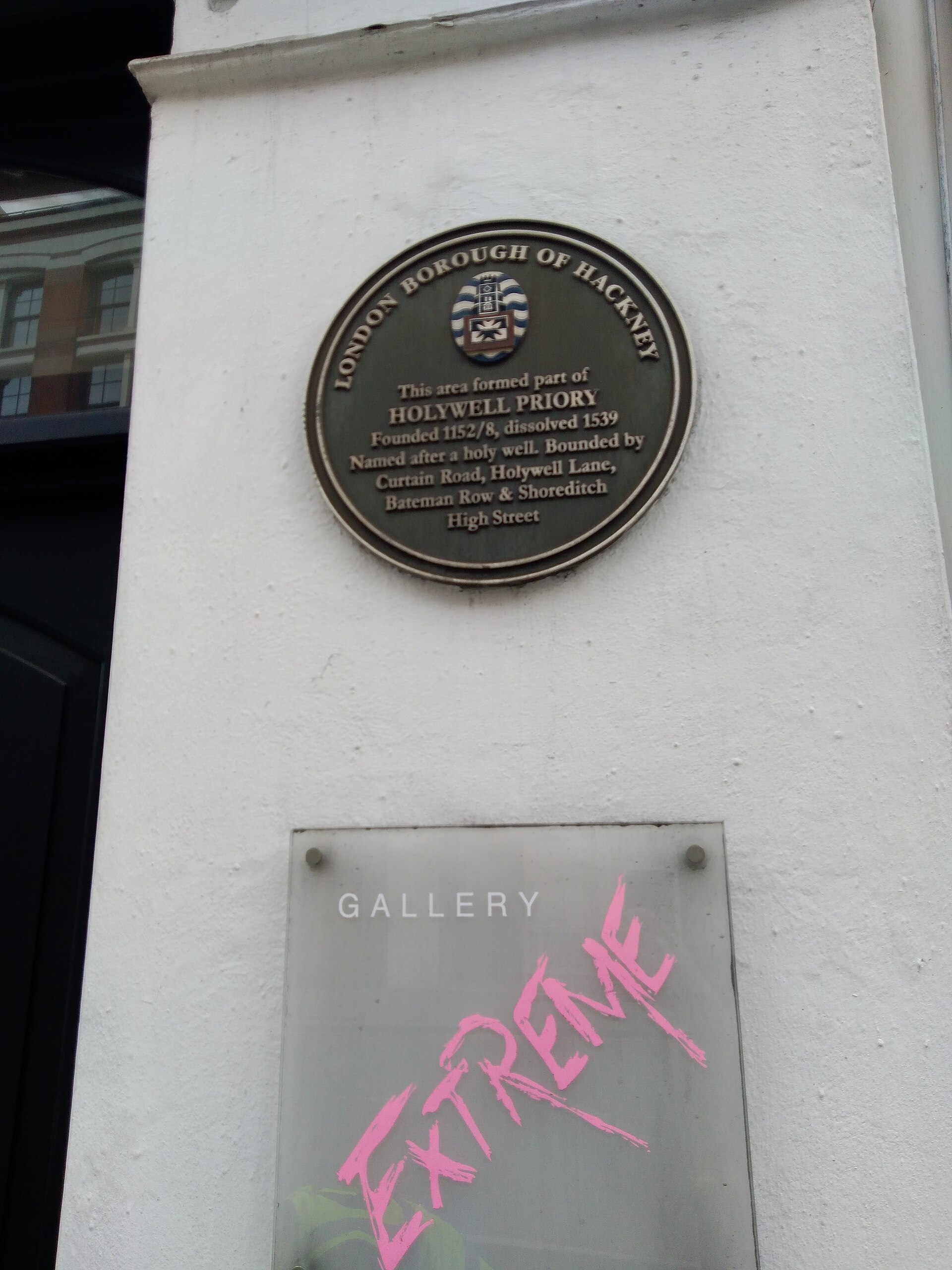
Greater London
Holywell Priory was a long-lived Augustinian house of women in Shoreditch whose former precinct later hosted The Theatre, the playhouse whose timbe…
Building or ruin · Medieval
County Down
Holywood Priory layers a pre-640 monastic foundation with Anglo-Norman, Franciscan and parish-church phases, preserving a rare long religious conti…
Sacred place · Medieval
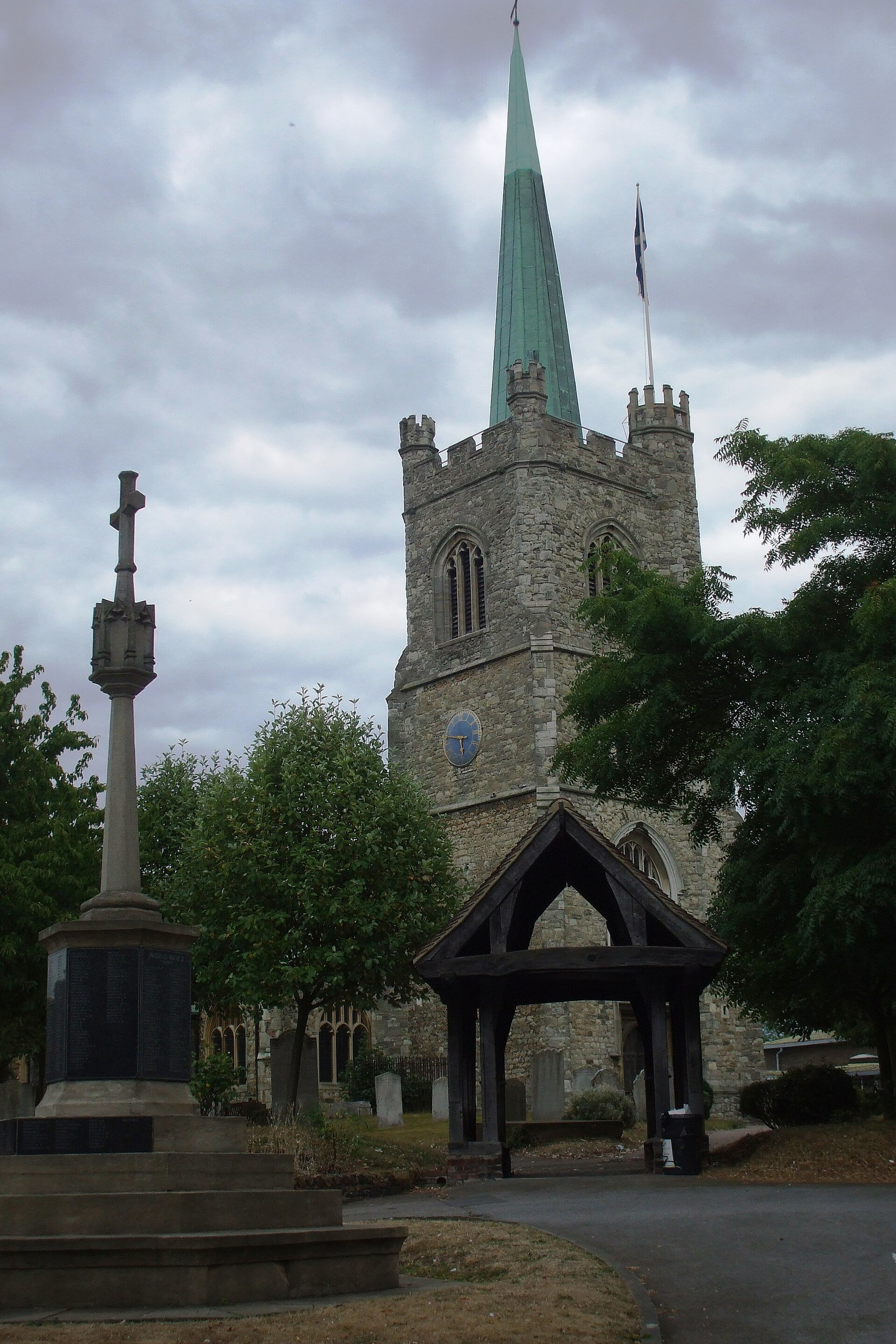
Greater London
Hornchurch Priory was a small alien house that shaped the spiritual and landholding life of Havering for more than two centuries before its estates…
Building or ruin · Medieval
Devon
Hound Tor brings together a weathered Dartmoor granite tor, a deserted medieval settlement and nearby prehistoric (from the era before writing arri…
Building or ruin · Roman
Northumberland
Housesteads is one of Hadrian’s Wall’s best-preserved forts, dramatically placed on the Whin Sill and revealing nearly three centuries of garrison…
Ancient place · Prehistoric
Northumberland
Howick House is an exceptionally early Mesolithic (the middle Stone Age, roughly 9000–4000 BC) dwelling site whose substantial post holes, hearths,…
Fortified place · Medieval
County Carlow
Huntington Castle layers a fifteenth-century Irish tower house, seventeenth-century plantation history and a later country-house landscape into one…
Sacred place · Medieval
County Down
Inch Abbey preserves a Cistercian refoundation on an older Quoile monastery site, linking Viking attack, Anglo-Norman penance, English monastic net…
Tomb or burial place · Prehistoric
Cornwall
Innisidgen preserves two Bronze Age entrance graves: roughly 2500–800 BC, when metalworking spread: on St Mary's, Isles of Scilly, where well-prese…
Carved stone · Pictish & early medieval
Highland
Invereen’s accidental discovery saved a precisely carved Pictish stone: of the Picts, the people of northern and eastern Scotland from about AD 300…
No places match those filters.
Kinds of place
Ages













.jpg?width=800)















.JPG?width=800)