Sacred place · Medieval
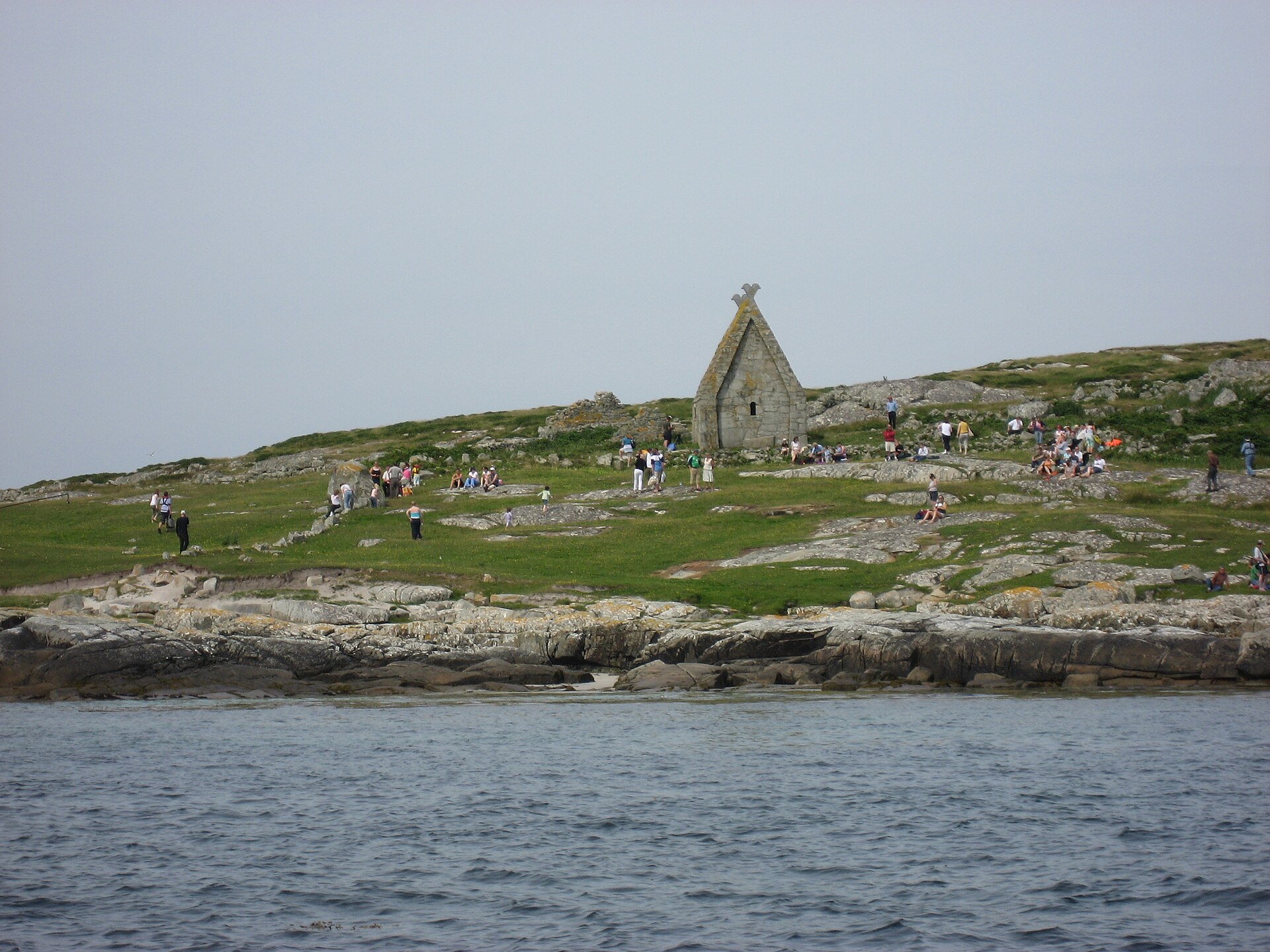
Saint Macdara's Island
County Galway
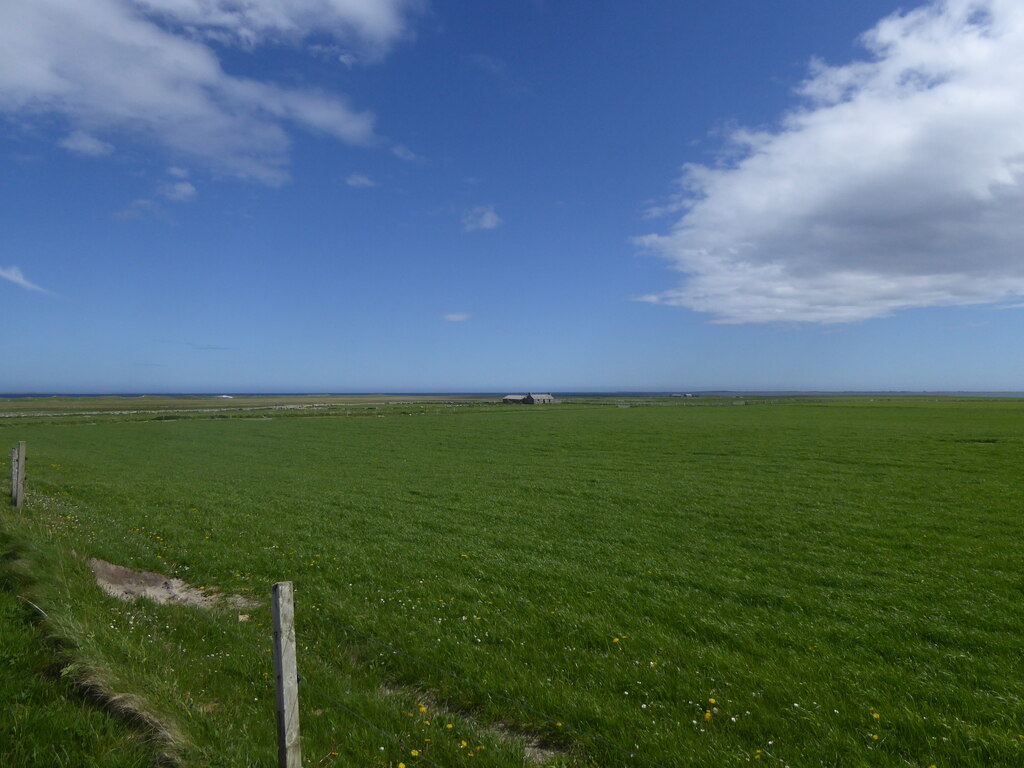
A patron saint of seafarers whose shrine, still reached only by open boat, has drawn a pilgrimage every 16 July for generations - a crossing so exp…
- Near Carna
- Rough ground
The directory
Page 38 of 47 in the full directory.
Browsing 100 places — search and the map cover the whole directory.
Sacred place · Medieval
County Galway
A patron saint of seafarers whose shrine, still reached only by open boat, has drawn a pilgrimage every 16 July for generations - a crossing so exp…
Fortified place · Medieval
Devon
Salcombe Castle is a tide-accessible coastal gun battery whose Civil War siege and ruined towers preserve a dramatic defensive landmark on the Sout…
Sacred place · Medieval
Wiltshire
A royal-backed Dominican house that vanished so completely that only chance building work in 1978 proved where its dead once lay.
Sacred place · Medieval
Wiltshire
A Franciscan house built with timber from Henry III himself, erased so completely by the Dissolution (Henry VIII's closure of the monasteries in th…
Ancient place · Medieval
West Midlands
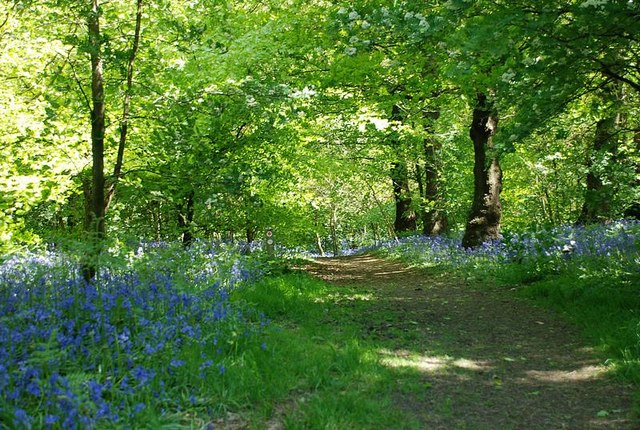
Beneath the bluebells and gorse of a Black Country nature reserve lie the buried workings of medieval coal miners and a spring once bottled as a cu…
Fortified place · Medieval
Kent
A private home whose gatehouse still shelters descendants of the family that owned it since the 1950s, on a site where four knights are presumed to…
Fortified place · Medieval
West Yorkshire
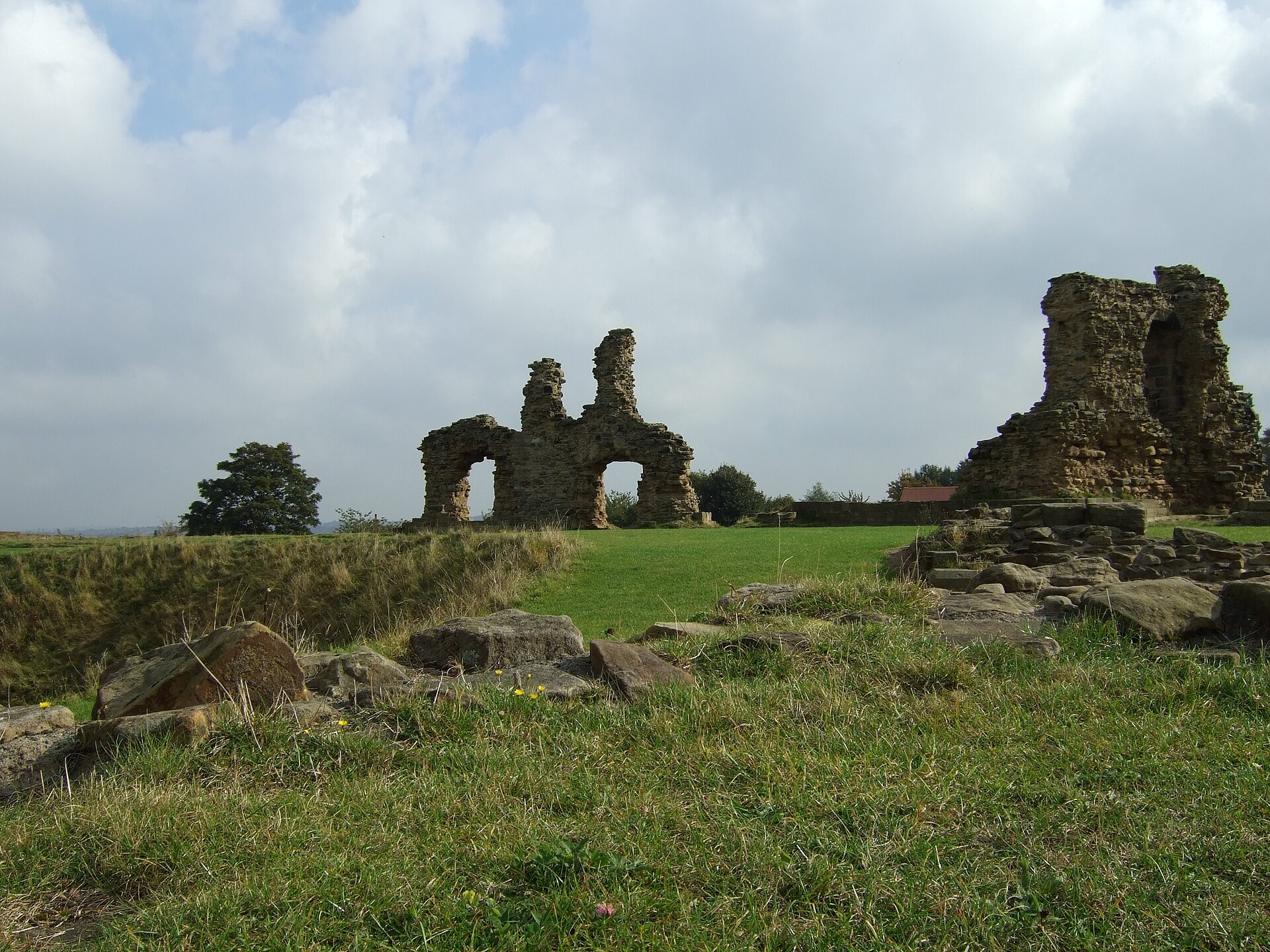
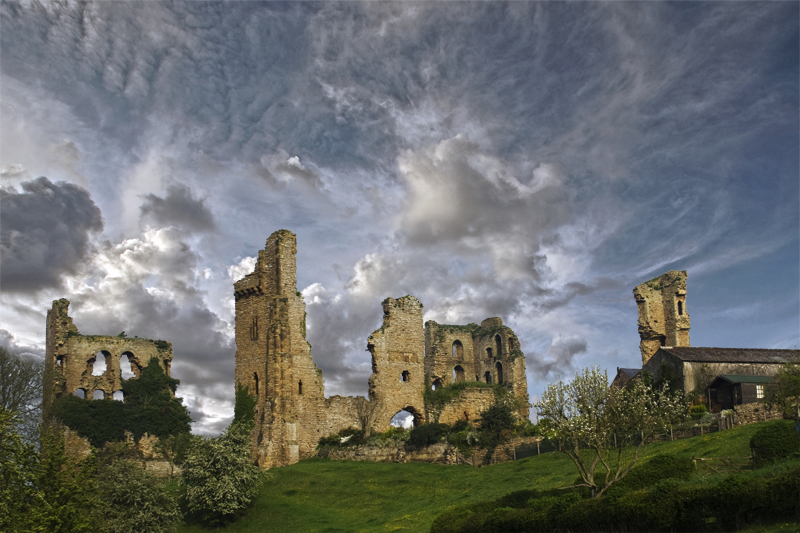
A ruined castle above the Calder, begun in timber by the Warennes and rebuilt in stone, and the setting of a scene in Shakespeare.
Sacred place · Pictish & early medieval
Cheshire
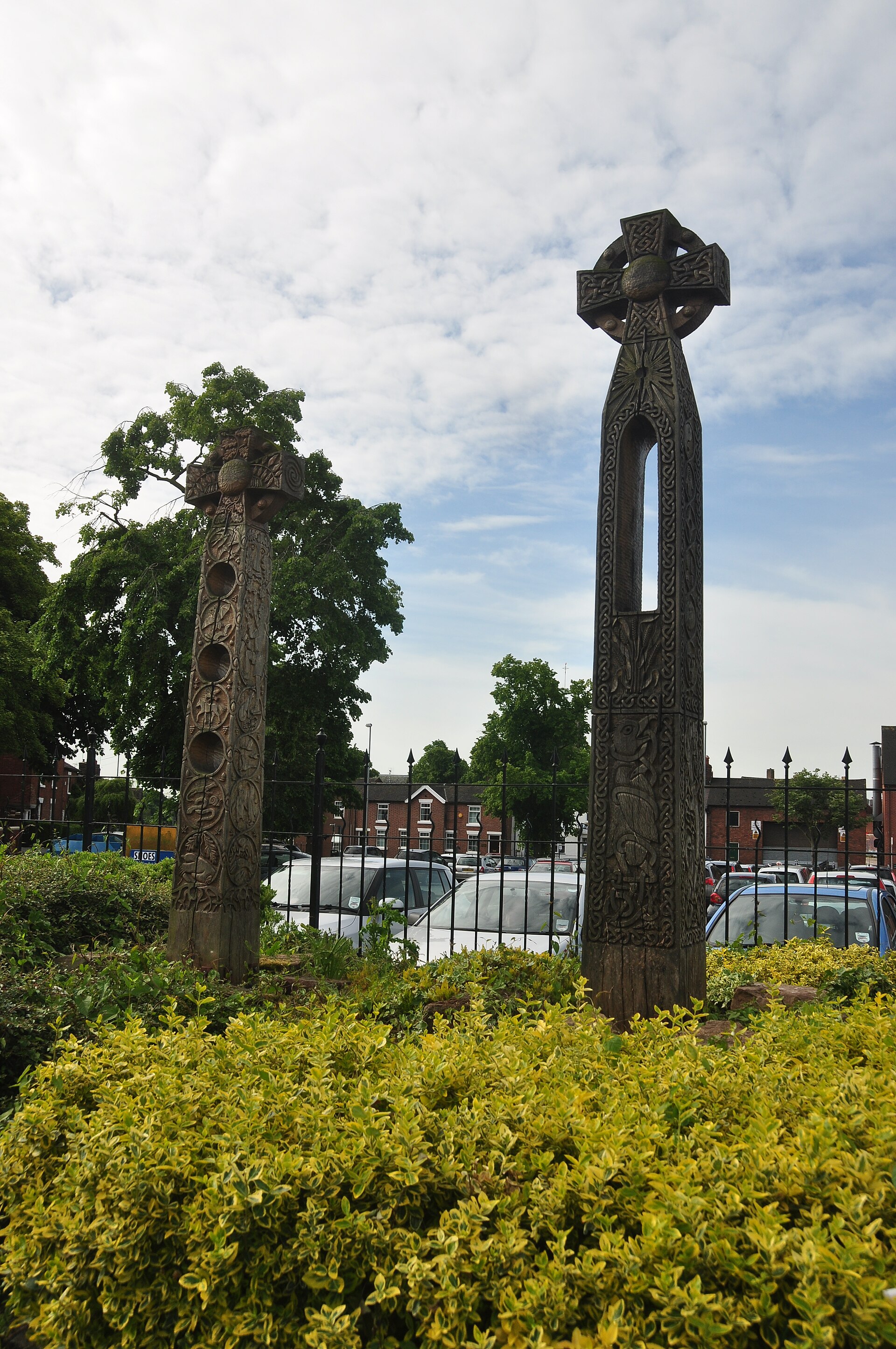
Sandbach’s paired ninth-century Anglo-Saxon crosses are an extraordinary public survival: carved with biblical scenes and interlace, dispersed afte…
Fortified place · Medieval
Kent
Two surviving Tudor ledger books, 350 pages long, record its construction in such detail that a historian has called them the most complete buildin…
Sacred place · Medieval
Berkshire
One of its priors, William Westbury, went on to save Eton College from being folded into St George's Chapel, Windsor: an unlikely brush with histor…
Fortified place · Medieval
Kent
A Parliamentarian prisoner died here in 1664 after months of what his wife called inhumane confinement in a fort already being described as ruinous…
Fortified place · Medieval
Dorset
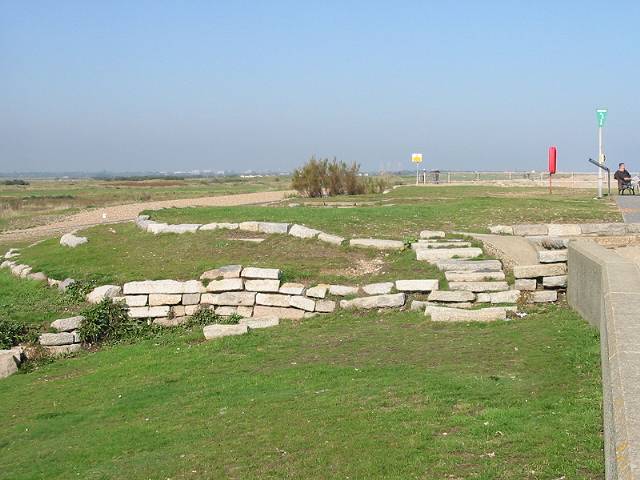
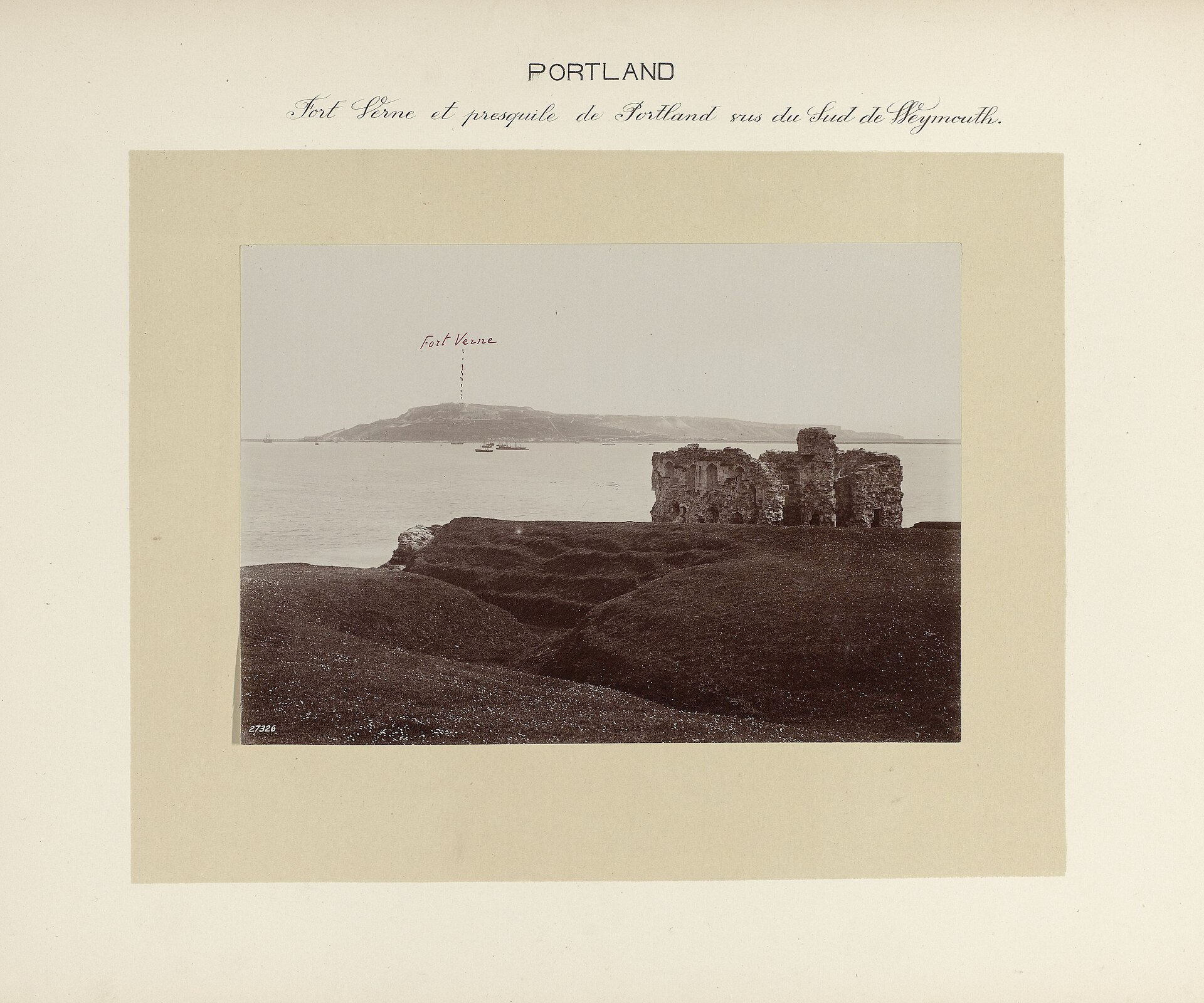
Sandsfoot Castle is a major Henry VIII coastal artillery fort whose Civil War service, cliff erosion and recent stabilisation illustrate both Tudor…
Sacred place · Medieval
West Midlands
Suppressed in 1525 at Cardinal Wolsey's request to help fund his new Oxford college, more than a decade before Henry VIII's own dissolution: his cl…
Fortified place · Medieval
Dumfries and Galloway
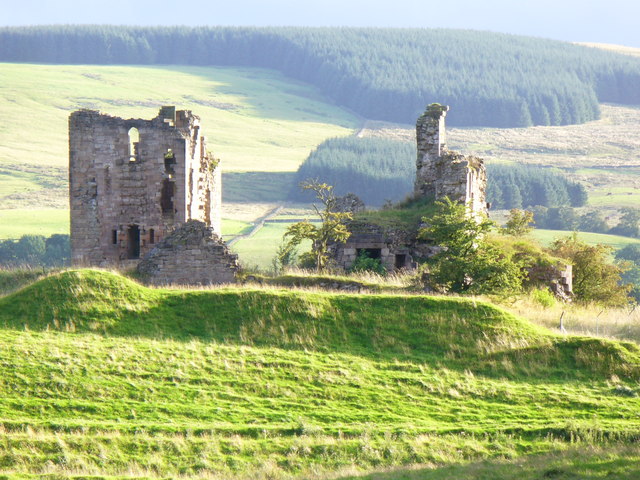
Sanquhar Castle is a thirteenth-century Nith Valley stronghold whose Crichton ownership, ruinous decline and incomplete nineteenth-century restorat…
Tomb or burial place · Pictish & early medieval
Kent
Described after its 1863 excavation as arguably the richest Anglo-Saxon burial ground yet discovered, it was later found to be far larger than the…
Fortified place · Medieval
Leicestershire
A royal hunting lodge whose builders flooded the valley to surround it with an artificial lake: earthworks Historic England says have few parallels…
Sacred place · Medieval
Lancashire
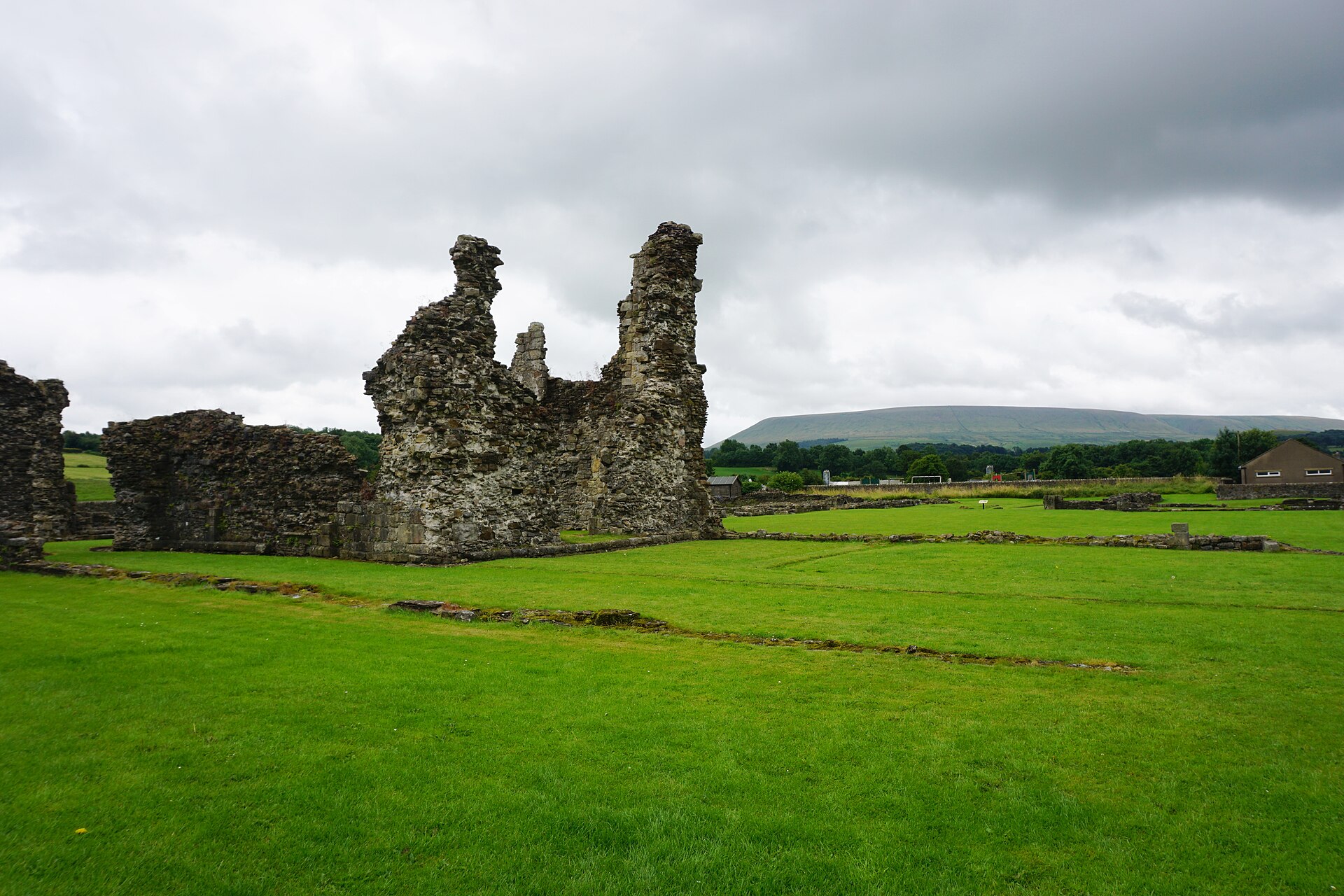
One of only three surviving books from its library became the Sawley Map, the earliest English world map in the same tradition as the Hereford Mapp…
Sacred place · Medieval
Cambridgeshire
Cambridgeshire's only Cistercian house, and the last resting place of a Scottish earl whose family tied the abbey, a monastery headed by an abbot,…
Building or ruin · Medieval
Suffolk
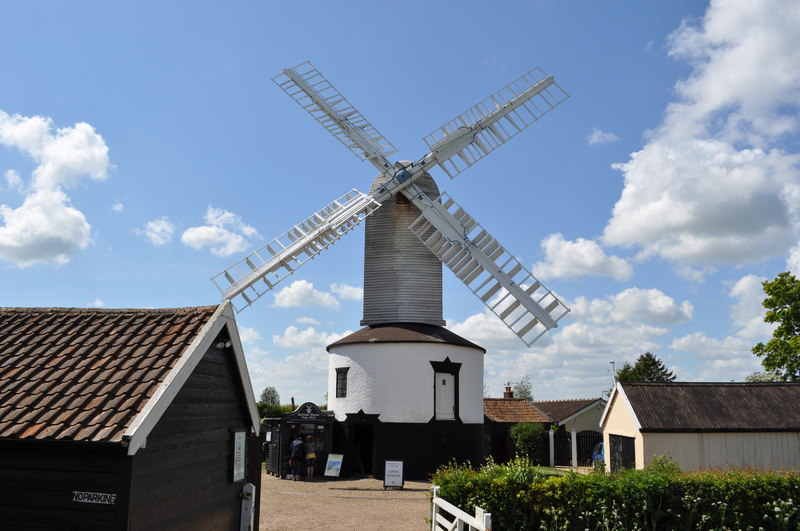
Raised three times during its working life, and rebuilt entirely between 1957 and 1960 using a crowntree salvaged from a demolished mill at Wetheri…
Fortified place · Medieval
Cumbria
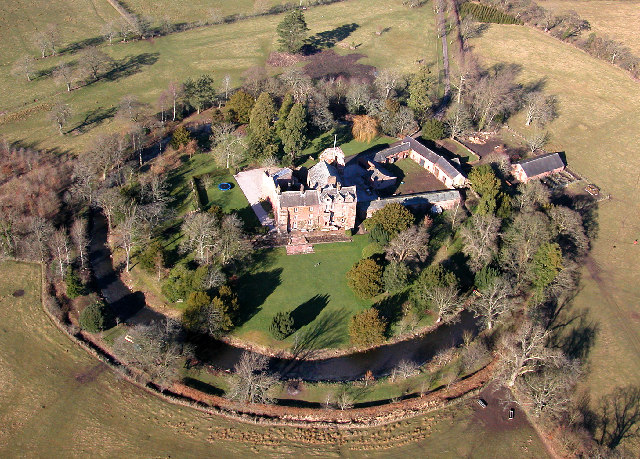
A working private home built inside a genuine medieval war-castle: moated, twice besieged and burned in the Civil War, yet still lived in today.
Fortified place · Medieval
Shetland Islands
Built by unpaid workers summoned from the parishes of Shetland, for an earl who was executed for misrule eight years after it was finished.
Tomb or burial place · Prehistoric
Orkney Islands
A Viking boat burial on Sanday, dating from between 875 and 950.
Fortified place · Prehistoric
North Yorkshire
A single headland was fortified and refortified for over two thousand years running, from an early defended settlement to a Second World War listen…
Fortified place · Iron Age
South Yorkshire
A double bank and ditch enclose a wooded hilltop above Rotherham with no obvious way in: an Iron Age (the centuries before Rome arrived, from about…
Fortified place · Medieval
Dorset
Scoles Manor combines a thirteenth-century medieval structure with a 1635 farmhouse and a long, documented chain of Dorset families, making it an u…
Sacred place · Medieval
Perth and Kinross
The crowning place of forty-two Kings of Scots and the site of Scotland's first parliament: now a Gothic Revival house with nothing left standing o…
Fortified place · Roman
North Yorkshire
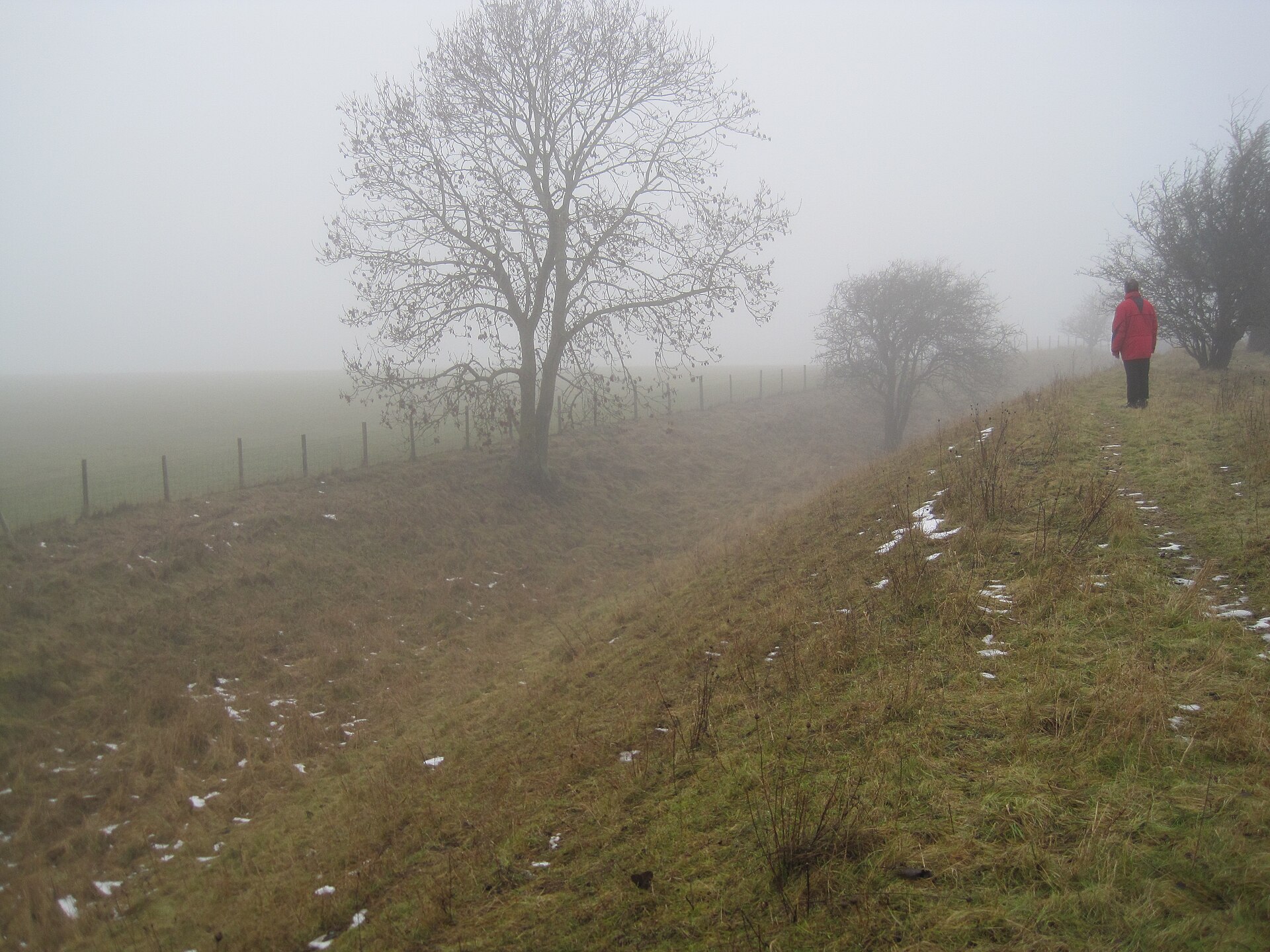
Each stretch of bank and ditch differs enough in height and width to show separate work-gangs dug it, not one planned scheme.
Fortified place · Medieval
Fife
Scotstarvit Tower is a remarkably intact six-storey Fife tower house, recording the transition from an Inglis family residence to Sir John Scot’s l…
Fortified place · Medieval
Cornwall
Scraesdon Fort is a Grade II listed Palmerston fort built to defend Plymouth's naval base, preserving the scale and strategic anxieties of nineteen…
Fortified place · Iron Age
Wiltshire
A defended settlement on high ground, raised around 100 BC, encloses a smaller, far older bank-and-ditch enclosure that three separate excavation t…
Fortified place · Iron Age
Oxfordshire
A round barrow: a prehistoric burial mound of earth: whose name records a king's killing, a shire's assembly point, and a Viking army's superstitio…
Fortified place · Roman
Falkirk
Seabegs Wood preserves a fortlet on the Antonine Wall, with excavated rampart (a defensive bank of earth or stone) foundations and a position betwe…
Fortified place · Medieval
North Ayrshire
Seagate’s scheduled ruin preserves Irvine’s former harbour route and the sixteenth-century Montgomerie town house, where defence, aristocratic disp…
Sacred place · Medieval
Cumbria
A nunnery so poor it depended on grants from an archbishop, a duke and a neighbouring abbey just to survive: yet its ruined chancel (the eastern en…
Fortified place · Medieval
West Sussex
A double concentric moat in a former deer park, 140 metres across at the outer ring, whose stone went into the foundations of a house in 1600.
Building or ruin · Roman
Gwynedd
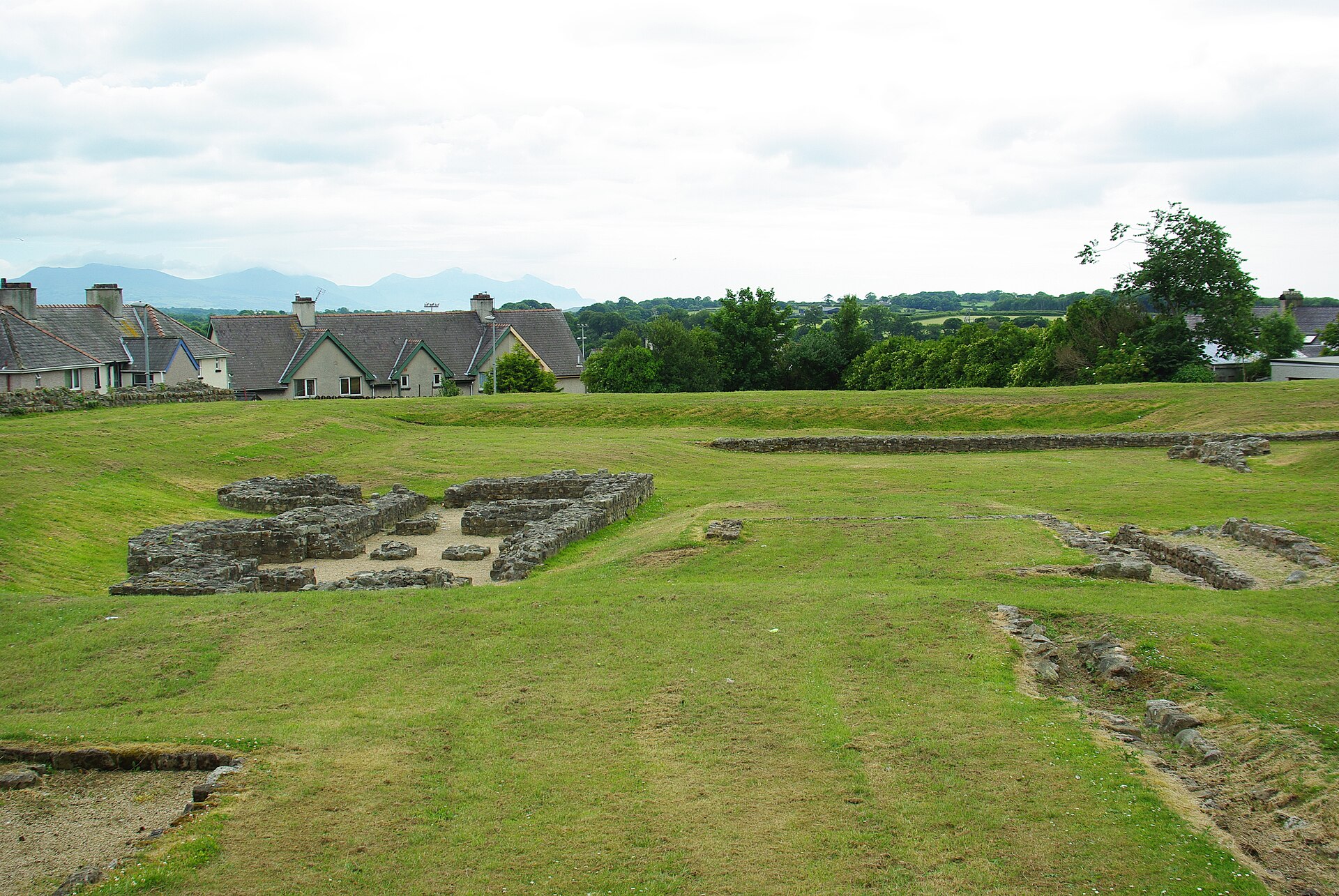
Segontium was the main Roman fort of north Wales, a thousand-man auxiliary base above the Menai Strait whose settlement, Mithraic temple and later…
Fortified place · Iron Age
Oxfordshire
A Victorian excavation into the rampart turned up a shield boss and urn fragments beside human bone: a burial that may have been slipped into the e…
Sacred place · Medieval
Hampshire
Nothing of its buildings shows above ground today, yet twentieth-century digging recovered one of the most complete documentary archives of any Eng…
Sacred place · Medieval
North Yorkshire
A fifteenth-century window in the quire carries the heraldic arms of George Washington's ancestors: reputedly among the oldest depictions of the Am…
Sacred place · Medieval
West Sussex
A Benedictine priory: a religious house led by a prior, a rank below an abbot: dependent on Saumur, cut loose from France in 1396 for an annual pay…
Sacred place · Medieval
West Sussex
Founded by St Wilfrid in 681 on land from the king of the last mainland English kingdom to be converted, and marked by the freeing of 250 slaves.
Sacred place · Medieval
County Wexford
Ireland's first Anglo-Irish peace treaty was signed on this ground in 1169: decades before the stone priory, a monastery headed by a prior and usua…
Sacred place · Medieval
Lincolnshire
The mother house of the only religious order ever founded by an Englishman, governing dozens of double communities of monks and nuns until its ston…
Sacred place · Medieval
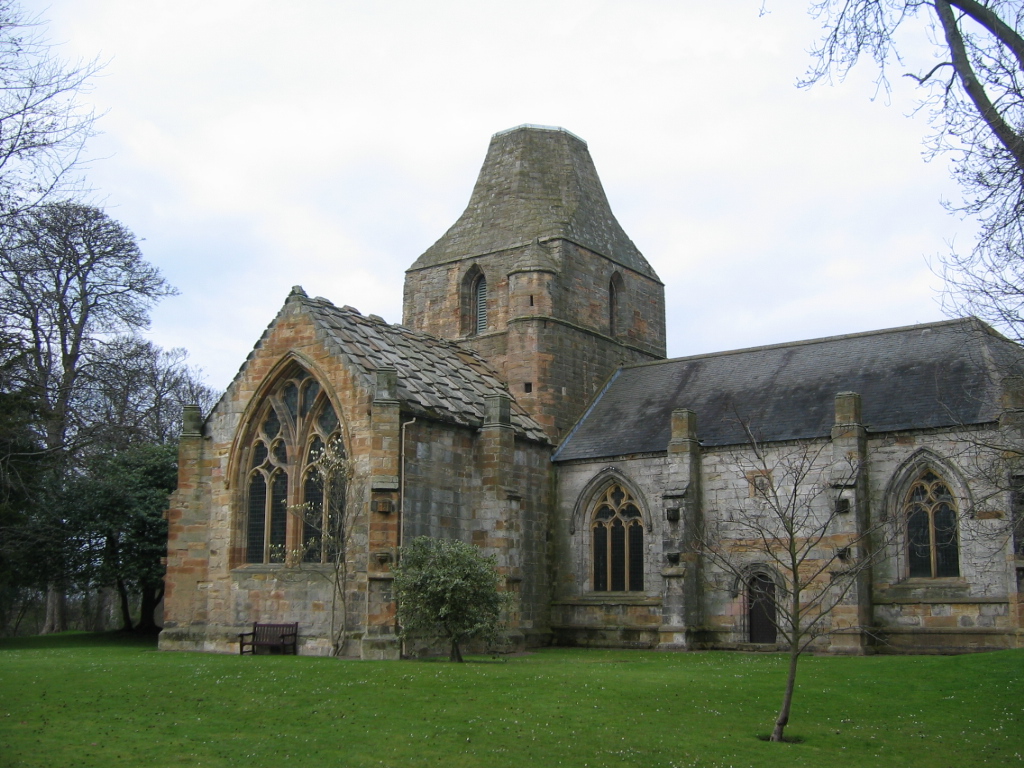
East Lothian
Seton Collegiate Church is an unusually legible unfinished late-medieval church, preserving its choir, transepts and tower alongside the absent nav…
Tomb or burial place · Prehistoric
Berkshire
A cemetery of Bronze Age (roughly 2500–800 BC, when metal tools first spread) burial mounds also shelters one of Berkshire's richest surviving frag…
Fortified place · Medieval
Greater London
Severndroog Castle is a striking 18th-century memorial folly that links Britain’s imperial naval history with the surveys that helped create the Or…
Sacred place · Medieval
Dorset
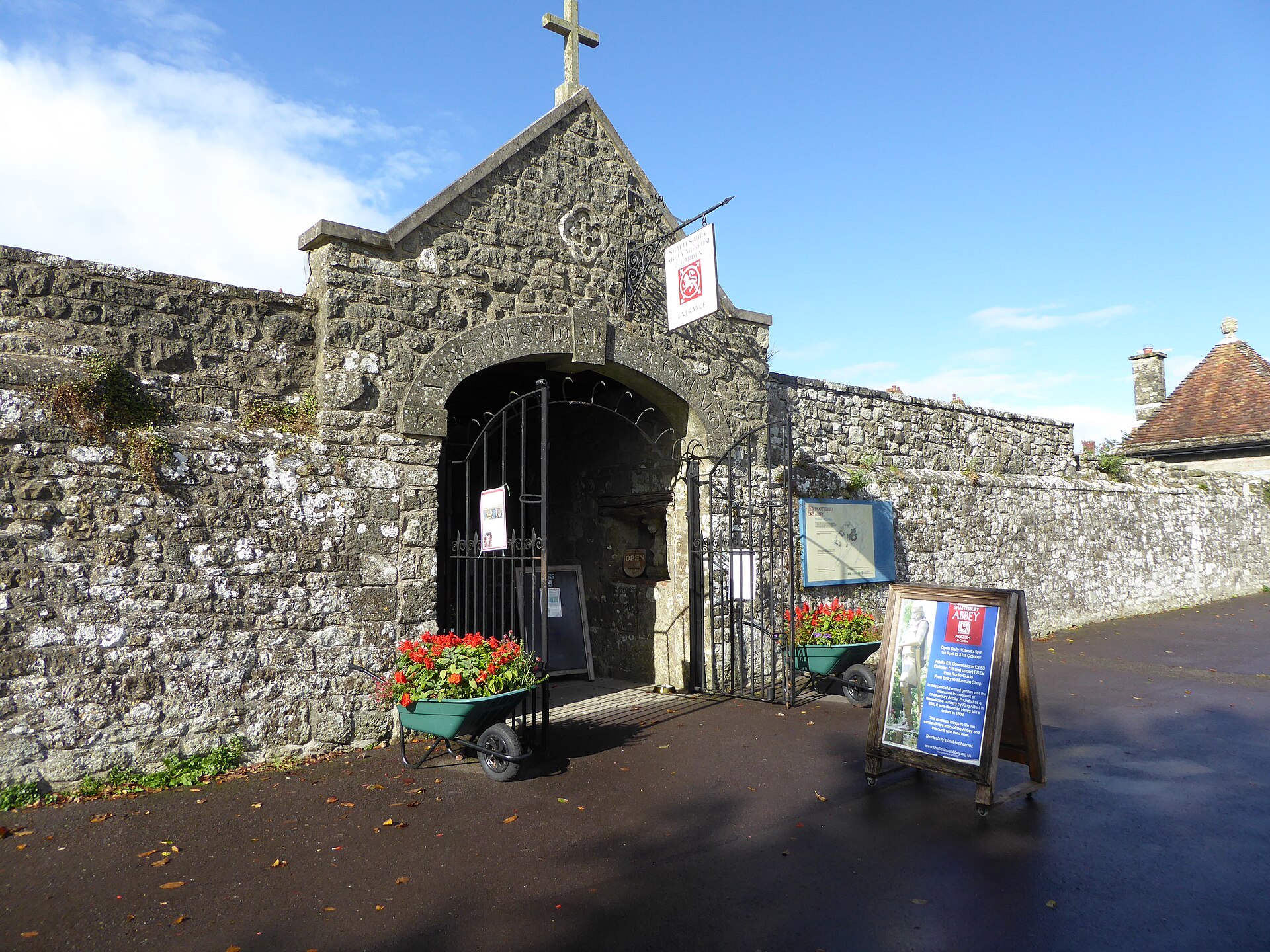
Shaftesbury Abbey was one of medieval England’s richest nunneries, shaped by royal foundation and the cult of St Edward the Martyr before its 1539…
Ancient place · Roman
Northumberland
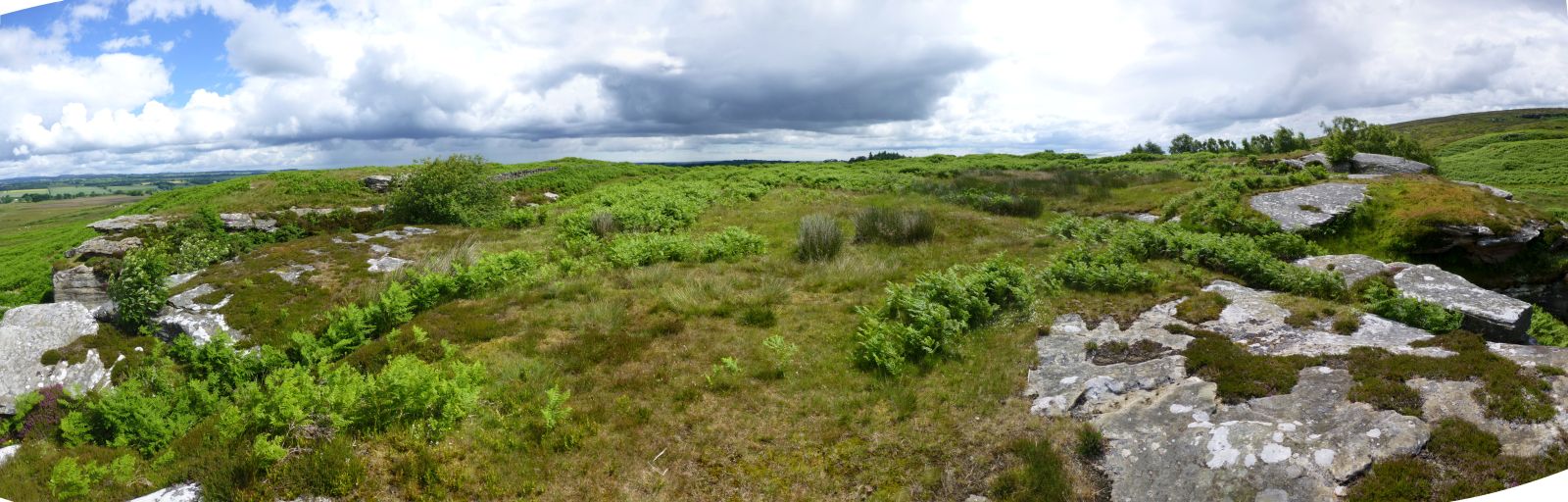
Shaftoe Crags preserves Iron Age, the period before Roman rule, enclosures and later Romano-British: a period when local people lived under Roman r…
Sacred place · Medieval
Berkshire
A Knights Hospitaller estate reduced to a single building: its medieval chapel, which quietly served as a farm barn for centuries before its histor…
Fortified place · Medieval
Somerset
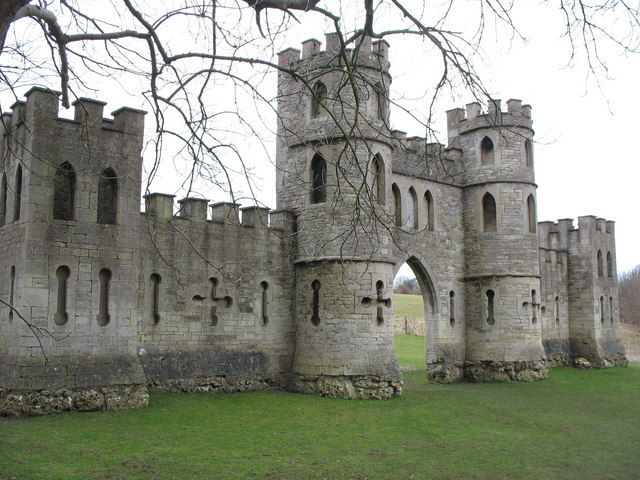
A folly on Claverton Down above Bath, its screen wall pierced by a pointed arch between turrets and towers.
Fortified place · Medieval
County Tipperary
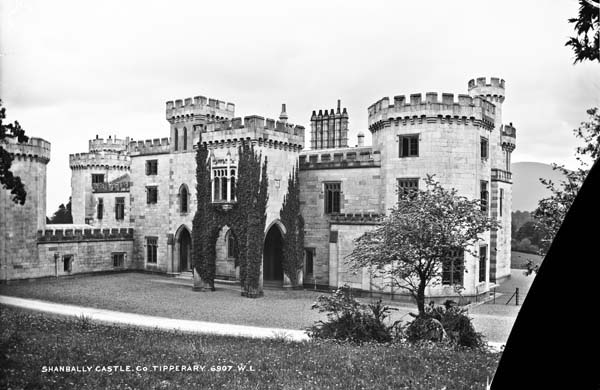
Shanbally was the grandest private house the English architect John Nash ever built in Ireland: and within 150 years the state itself dynamited it…
Fortified place · Medieval
County Antrim
Shane’s Castle layers medieval O’Neill power, John Nash’s unrealised rebuilding, destructive fires, and a later tourist railway on the shores of Lo…
Sacred place · Medieval
Cumbria
One of its own abbots rose to become Bishop of Ely, and his memory still links this remote Cumbrian ruin to the great cathedral where his monument…
Sacred place · Prehistoric
Cumbria
Antiquarians once ranked this Cumbrian avenue with Avebury as one of Europe's largest stone monuments: now a scatter of boulders and a circle half-…
Settlement · Prehistoric
Dorset
Shearplace Hill Enclosure is a scheduled Bronze Age (the period from about 2500 to 800 BC) farmstead where excavated round houses, trackways and do…
Sacred place · Medieval
Greater London
Sheen Priory was Henry V’s ambitious Carthusian foundation beside his rebuilt royal palace, a lost monastery whose foundations survive beneath Rich…
Fortified place · Medieval
South Yorkshire
Buried beneath a demolished 20th-century market, its foundations still trace the medieval castle where Mary, Queen of Scots spent fourteen years a…
Crossing or structure · Medieval
Berkshire
An early-18th-century canal lock still doing its original job, its scalloped brick chamber and paddle gearing protected as a scheduled monument (le…
Building or ruin · Medieval
South Yorkshire
For nearly fifteen years this lodge and its neighbouring castle held Mary, Queen of Scots captive, making it one of the best-documented settings fo…
Sacred place · Prehistoric
Aberdeenshire
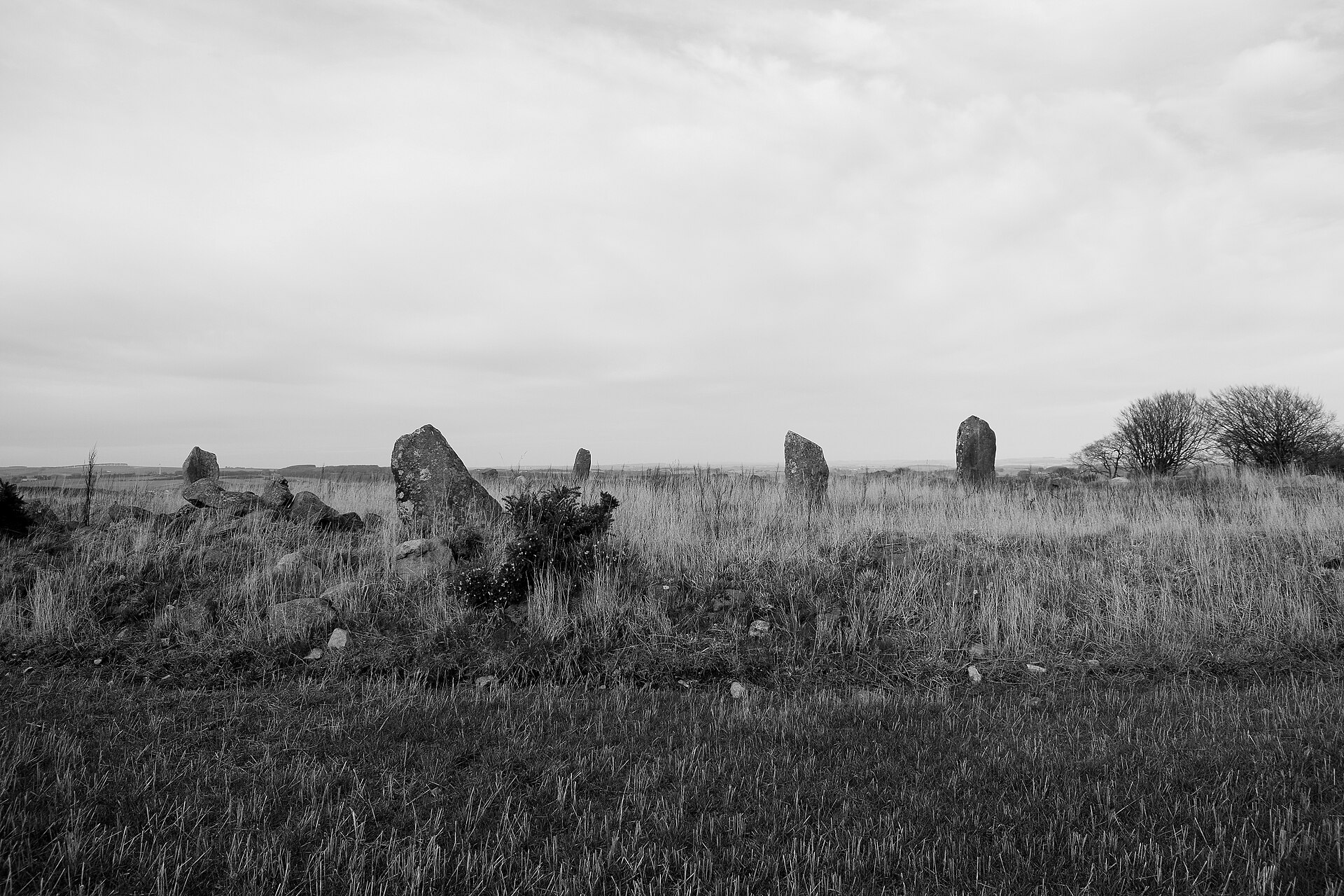
Long classified as a recumbent stone circle despite no recumbent stone ever being found here, Sheldon has recently had that identity questioned by…
Sacred place · Medieval
Nottinghamshire
Shelford brings contested patronage, royal visits and a later transformation into a fortified manor to one site that began as a small Augustinian c…
Ancient place · Medieval
South Yorkshire
One of the last complete water-powered grinding workshops on the River Porter, still turning where dozens once ground Sheffield's blades.
Sacred place · Medieval
Dorset
Sherborne Abbey is a thousand-year religious landmark that evolved from Saxon cathedral to Benedictine abbey and parish church, preserving exceptio…
Fortified place · Medieval
Dorset
Sherborne Castle combines Sir Walter Raleigh’s Tudor lodge, the ruins of a powerful twelfth-century bishop’s palace and a major eighteenth-century…
Fortified place · Medieval
North Yorkshire
For a century and a half this was the seat of the Council of the North, and briefly a residence of Richard III himself, before its stone was carted…
Building or ruin · Medieval
Argyll and Bute
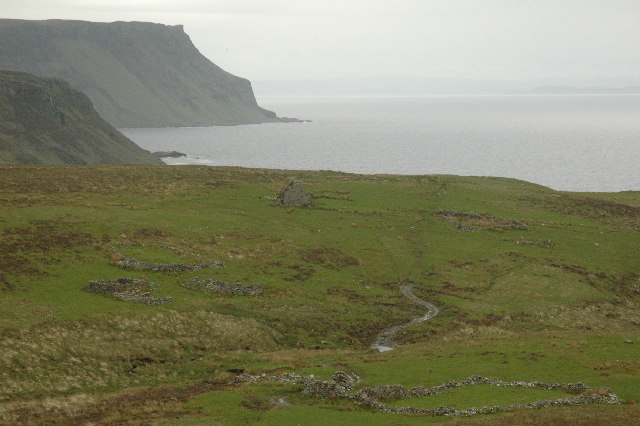
A cleared crofting township on the Ross of Mull whose stone walls, kilns and mill remains survive well enough to trace the whole shift from run rig…
Sacred place · Medieval
Cambridgeshire
A water-filled moat in open Cambridgeshire farmland is almost all that survives of a Hospitaller estate nearly nine centuries old, its buildings go…
Settlement · Iron Age
Dorset
Shipton Hill Settlement is a rare small Iron Age (roughly 800 BC until the Roman conquest) defended community, whose natural slopes, banks and dome…
Fortified place · Medieval
Oxfordshire
A supposed visit by Dante's tutor, quoted in Victorian sources, turned out to be a forgery in a book published in 1948.
Sacred place
Kent
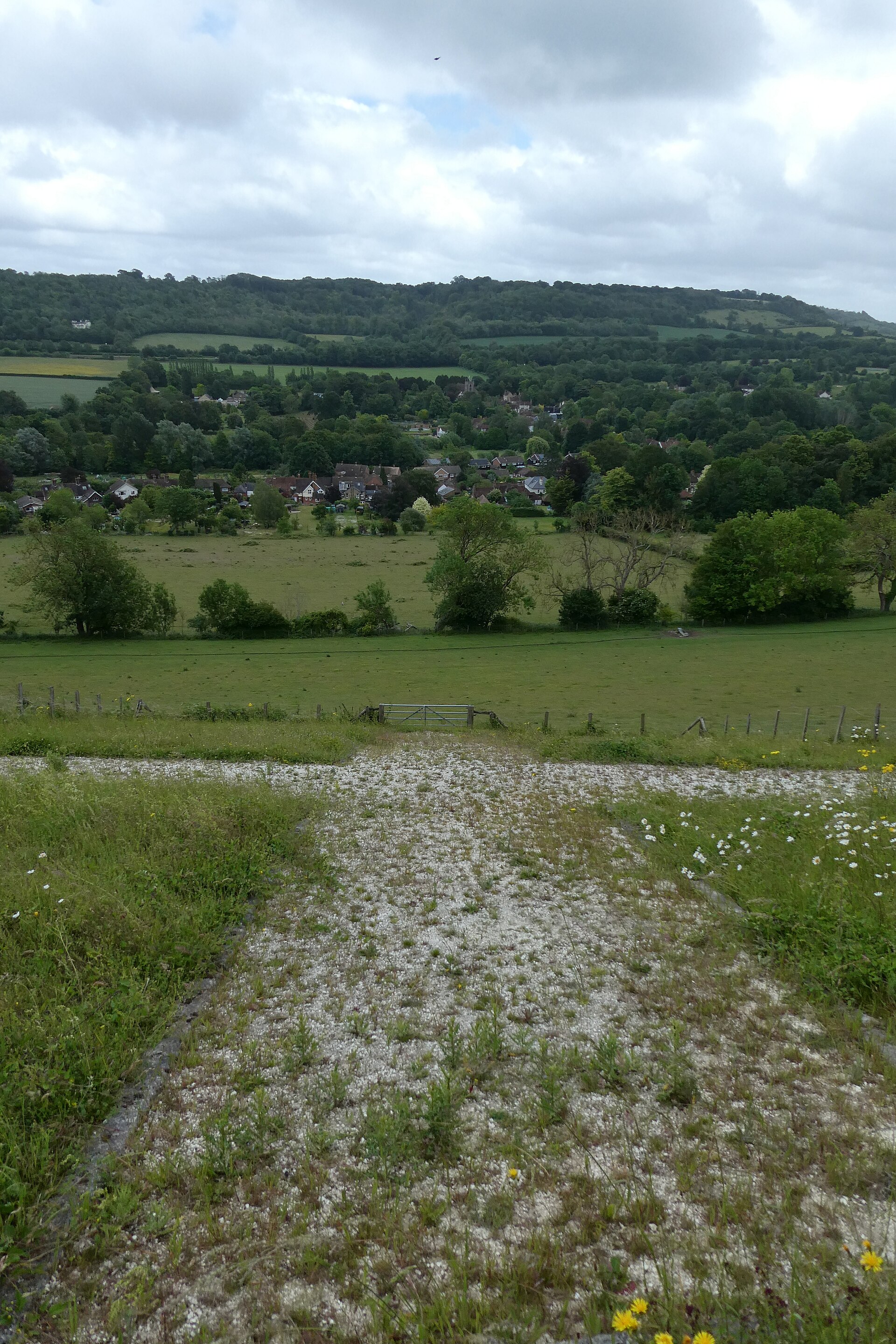
Shoreham Memorial Cross is a near-unique chalk hillside war memorial created by a bereaved local father and village community in 1920, transforming…
Fortified place · Medieval
Cheshire
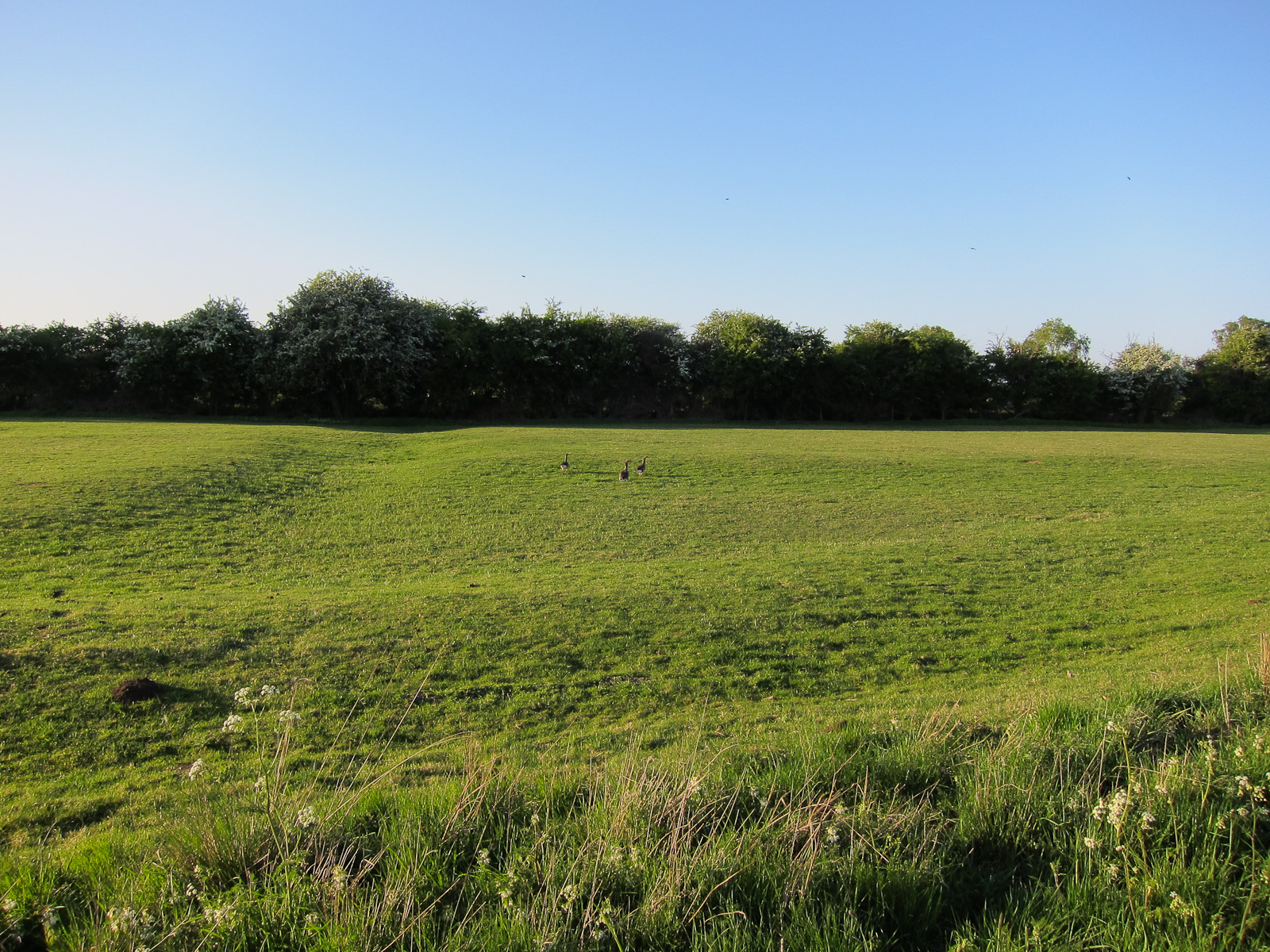
A Norman river-crossing castle whose flooded ditches defended the Dee ford before the fort became a royal hunting lodge and then earthworks.
Building or ruin · Medieval
Cheshire
A 1662 brick manor whose Grade II* house, garden and nearby moat preserve the shift from a fortified home to a post-medieval (after about 1500) est…
Sacred place · Medieval
Shropshire
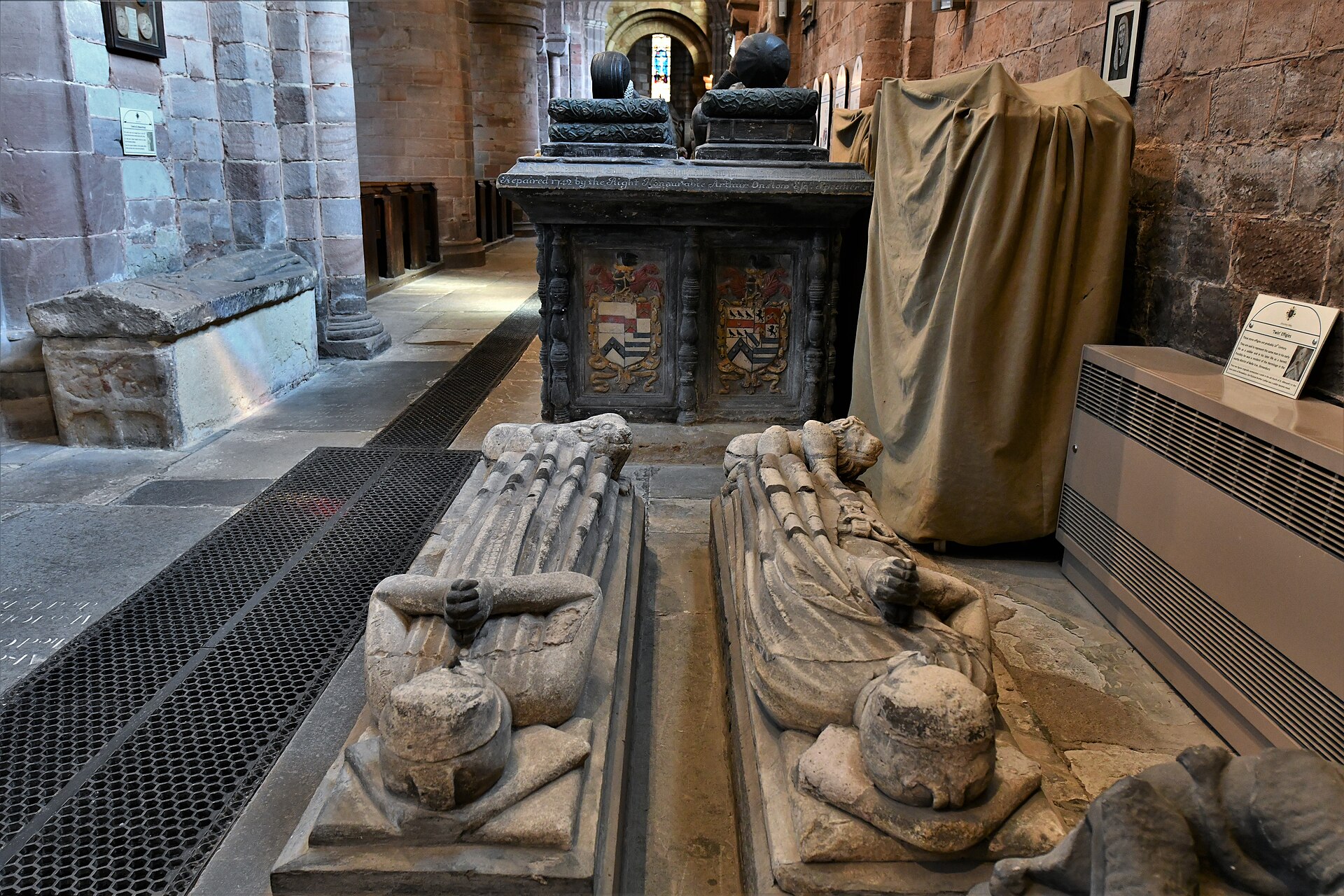
Shrewsbury Abbey turned a Norman foundation into a major pilgrimage centre around St Winifred, then survived dissolution (Henry VIII's closure of t…
Tomb or burial place · Prehistoric
Greater London
Shrewsbury Barrow is the sole survivor of a cluster of Bronze Age (roughly 2500–800 BC, when metal tools first spread) burial mounds once visible o…
Fortified place · Medieval
Shropshire
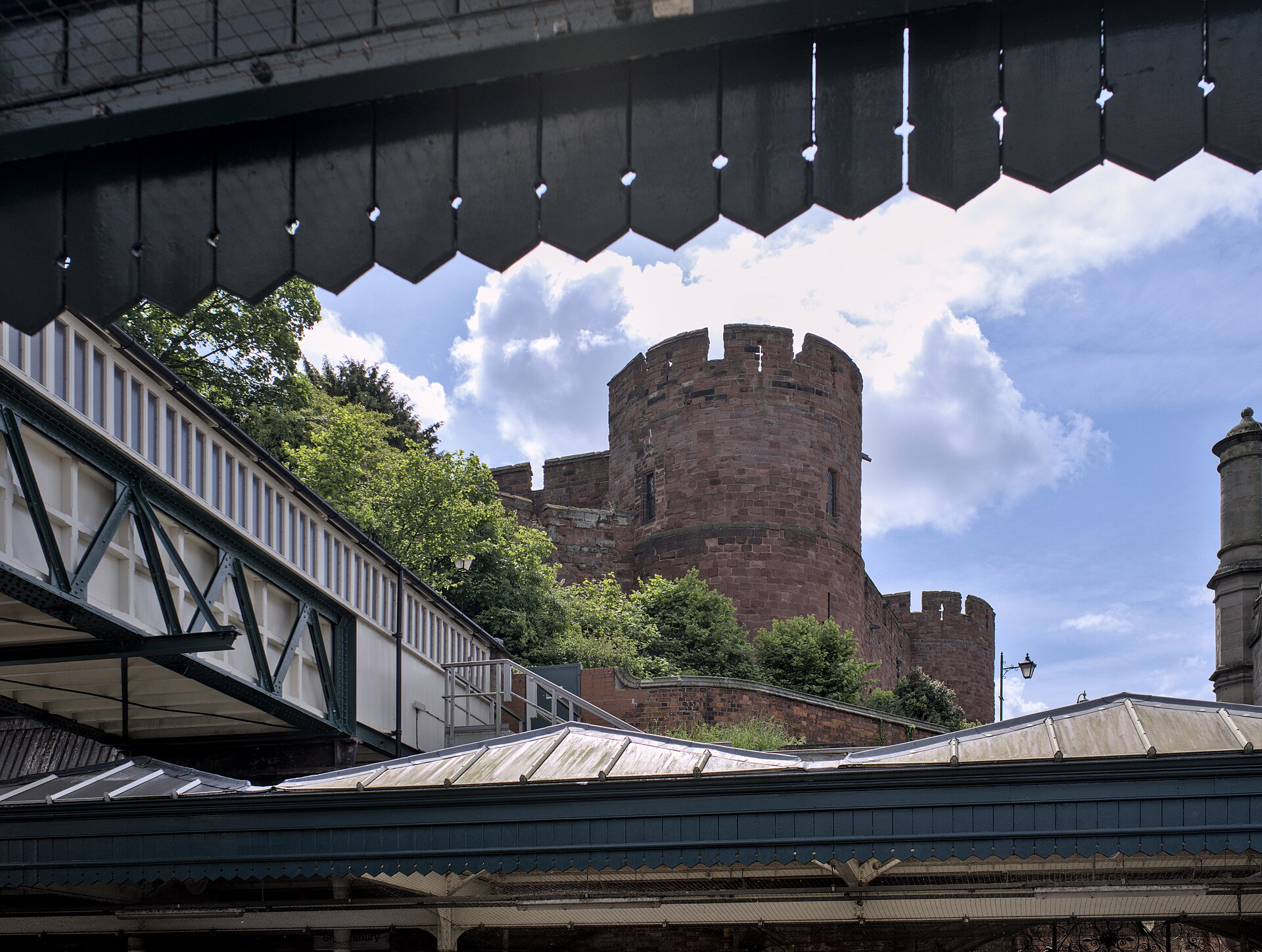
Shrewsbury Castle began as William I’s Welsh-border command and became a civic, military and museum landmark; excavated ditches, high-status feasti…
Tomb or burial place · Prehistoric
Kent
English Heritage counts it among the finest surviving oval barrows in south-east England, yet as of 2007 no archaeologist had ever formally excavat…
Sacred place · Medieval
County Mayo
A grassy mound carries thirteen centuries of memory: a saint's disciple, two changes of overlord, a 1306 tax record: with almost nothing built left…
Fortified place · Medieval
County Mayo
A river-crossing stronghold on the Mayo–Galway border whose 1570 siege killed a gallowglass chief and left the man who took it wounded in the face.
Sacred place · Medieval
West Sussex
A medieval monastic house that became the home of the Ponsonby family, and is listed Grade I.
Sacred place · Medieval
Suffolk
A monastery under an abbot of the early Cistercian order, founded about 1150 by William de Chesney, High Sheriff of Norfolk and Suffolk.
Fortified place · Iron Age
Devon
Sidbury Castle is a substantial Iron Age hillfort: an Iron Age settlement defended by banks and ditches on high ground: whose large summit setting…
Fortified place · Iron Age
Wiltshire
A far older settlement was found sealed beneath the bank in the 1950s. Access is difficult: the ground carries tank tracks and occasional artillery…
Briefer entries: recorded and worth knowing, with fuller pages to come.
Fortified place · Iron Age
Cornwall
Sancreed Beacon is a Bronze Age (roughly 2500–800 BC, when metalworking spread) hilltop landscape in Penwith where cists, burial mounds and a hut s…
Fortified place · Medieval
Isle of Wight
Sandown Castle was Henry VIII’s short-lived Device Fort, a hybrid coastal artillery design whose construction was interrupted by French attack and…
Building or ruin · Roman
Conwy County Borough
Sarn Helen is not a single monument but a name attached to several stretches of Roman road threading through Wales, the principal route running som…
Sacred place · Medieval
County Down
Saul Monastery brings Saint Patrick tradition, Viking and medieval disruption, and a surviving Augustinian abbey (a self-governing monastery, its h…
Sacred place · Medieval
Cornwall
Sclerder Abbey is a Grade II listed nineteenth-century former Carmelite monastery whose successive religious communities and current ecumenical lif…
Sacred place · Prehistoric
Devon
Scorhill is one of Devon’s largest and best-preserved Bronze Age (roughly 2500–800 BC, when metalworking spread) stone circles, where damaged but u…
Sacred place · Prehistoric
Norfolk
Seahenge is a uniquely preserved early Bronze Age (roughly 2500–800 BC, when metal tools first spread) timber circle, built in 2049 BC, whose ritua…
Sacred place · Medieval
County Tipperary
A Georgian country house whose grounds hold a ruined medieval abbey, an unmarked burial ground for over a thousand children, and the real story beh…
Fortified place · Iron Age
Devon
Seaton Down is an unusual Iron Age promontory fort: a headland cut off by a bank to make a defensible enclosure: whose long linear barrier demonstr…
Building or ruin · Roman
Tyne and Wear
Five places in the Roman empire were called Segedunum. Nobody agrees what the name means.
Sacred place · Medieval
Northamptonshire
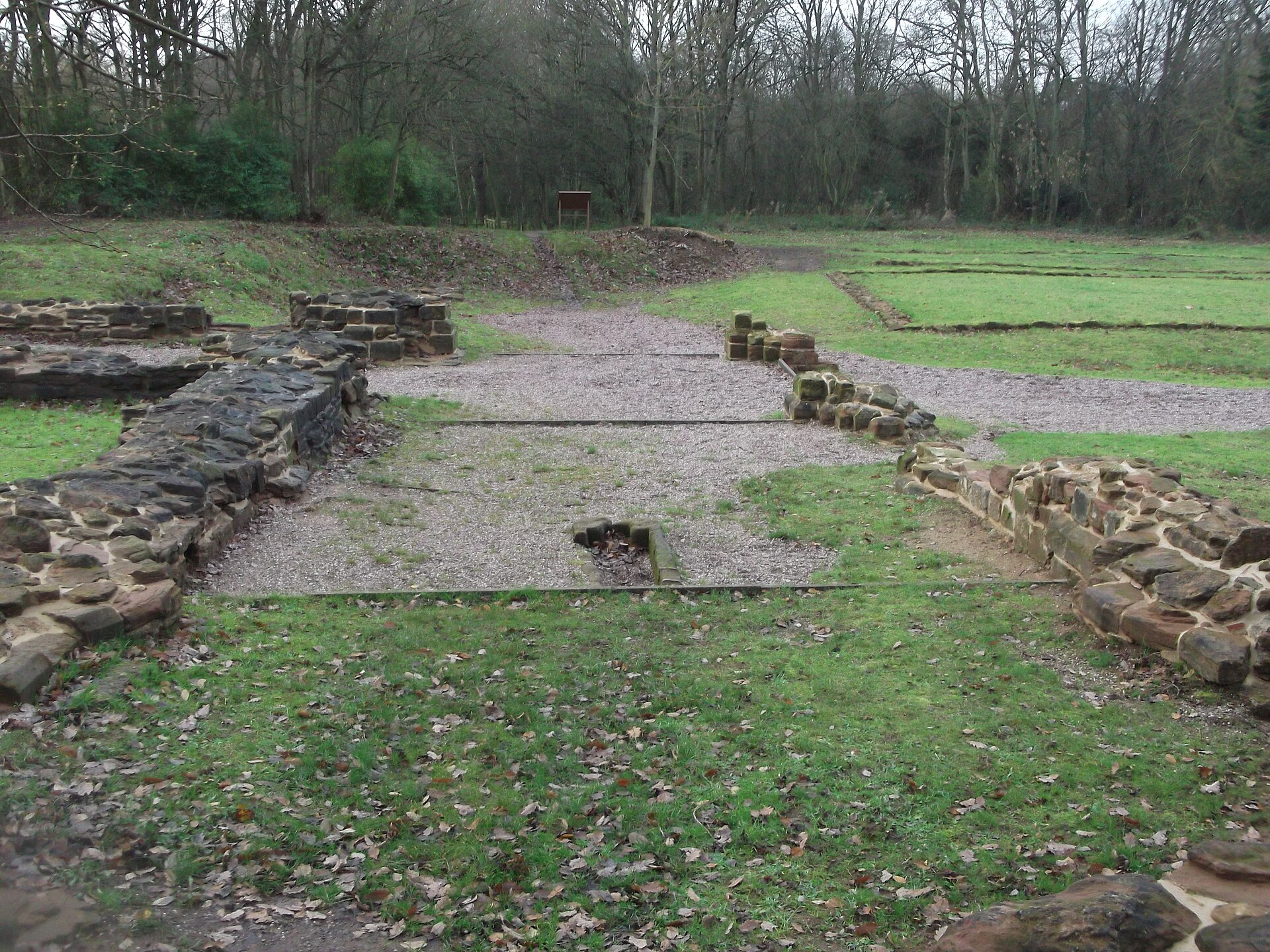
Sewardsley Priory links a twelfth-century Cistercian nunnery to the 2006 archaeological rediscovery that restored its lost location and plan to pub…
Fortified place · Medieval
County Kilkenny
Shankill Castle joins a Butler tower-house core to Georgian and Victorian landscape design, now animated by a living artist's home, gardens and an…
Fortified place · Medieval
County Clare
Shanmuckinish Castle preserves the near-full height of a fifteenth-century Irish tower house, its collapsed wall exposing vaulted rooms, passages a…
Sacred place · Medieval
Herefordshire
A 12th-century church at a Herefordshire priory: a monastic house under a prior rather than an abbot: whose entire fabric was pulled down in the 17…
Sacred place · Medieval
Norfolk
Shouldham Priory was a rare Gilbertine double house for canons and nuns, founded around 1190 and now preserved as buried remains, earthworks and fi…
Fortified place · Iron Age
Devon
Shoulsbury Castle is Exmoor’s largest and best-known hillfort: a defended hilltop settlement: with an unusual rectangular plan that has prompted de…
Sacred place · Prehistoric
Devon
Shovel Down is a concentrated Dartmoor prehistoric (predating the written record in Britain) landscape, combining probable Bronze Age (roughly 2500…
Tomb or burial place · Prehistoric
Cornwall
Showery Tor is a distinctive Bodmin Moor outcrop wrapped in a large artificial cairn (a mound of piled stones, often covering a burial), preserving…
No places match those filters.
Kinds of place
Ages

















.jpg?width=800)




_(geograph_5829222).jpg?width=800)