Fortified place · Medieval
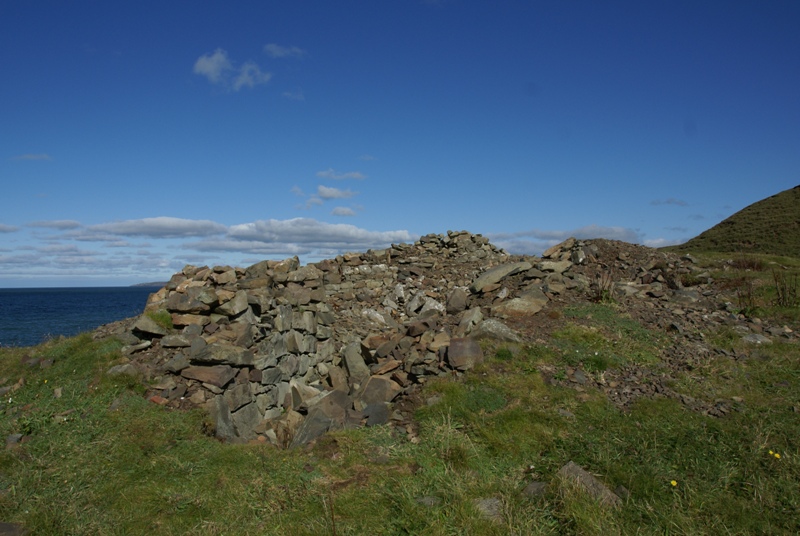
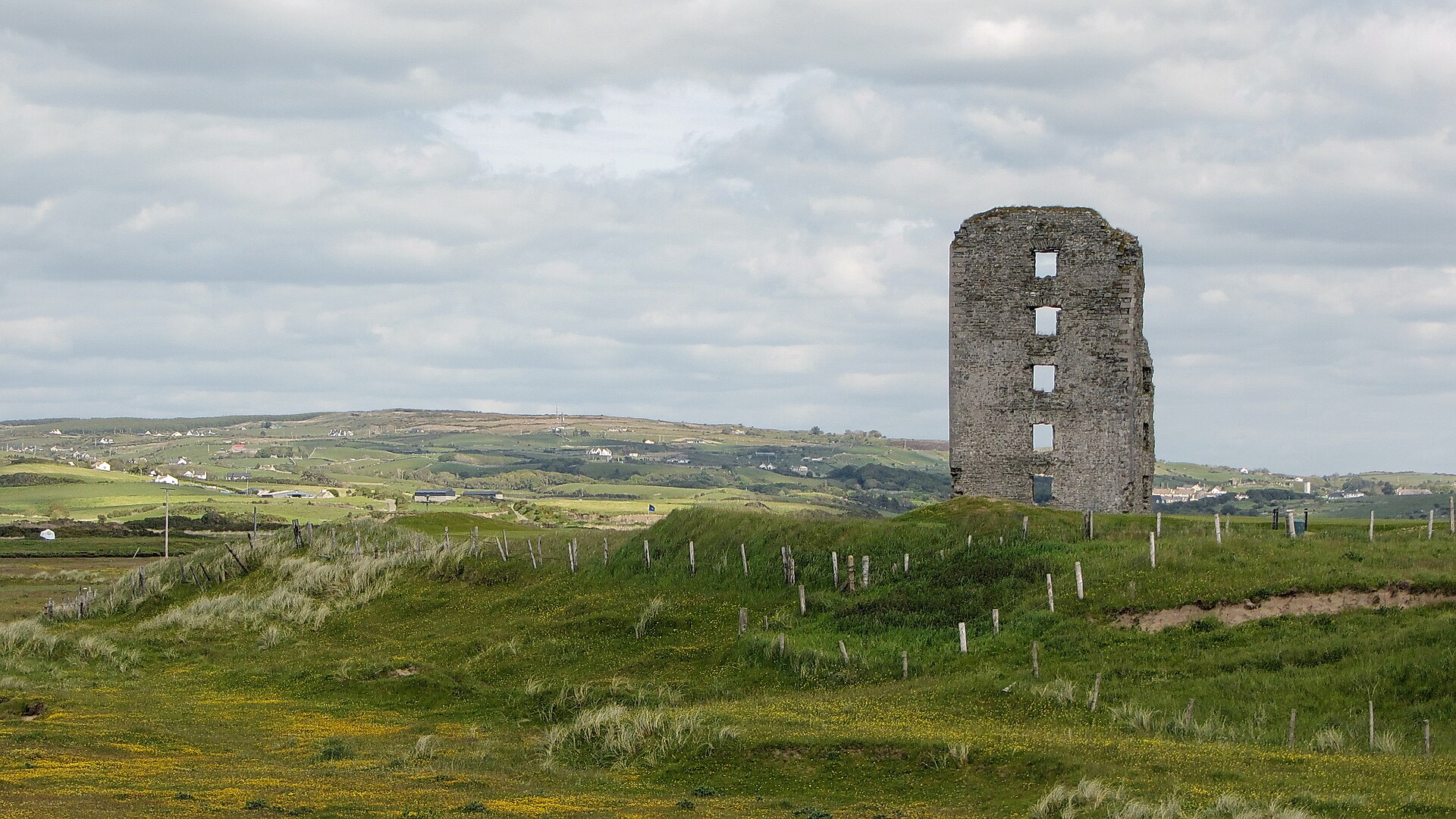
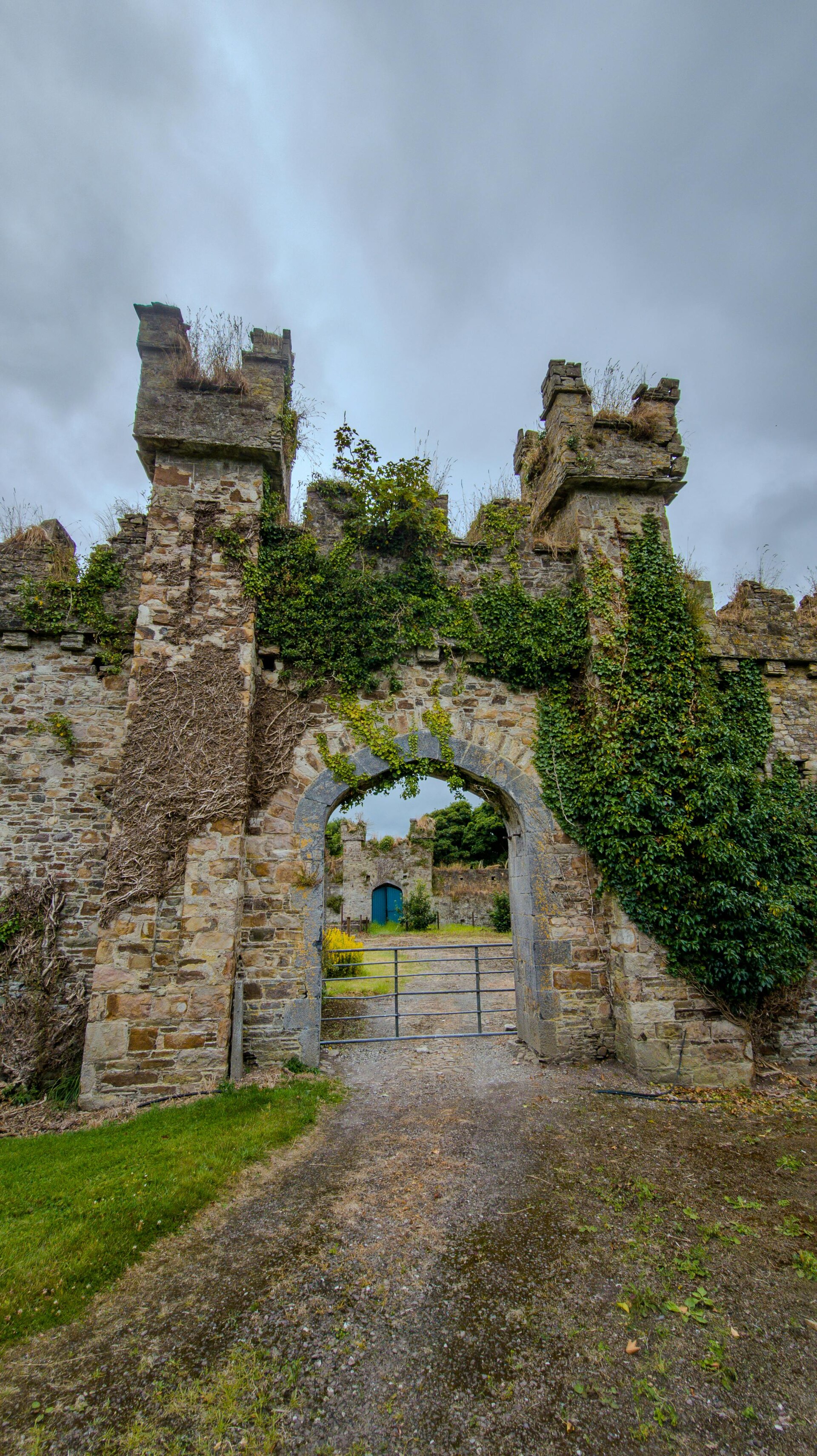
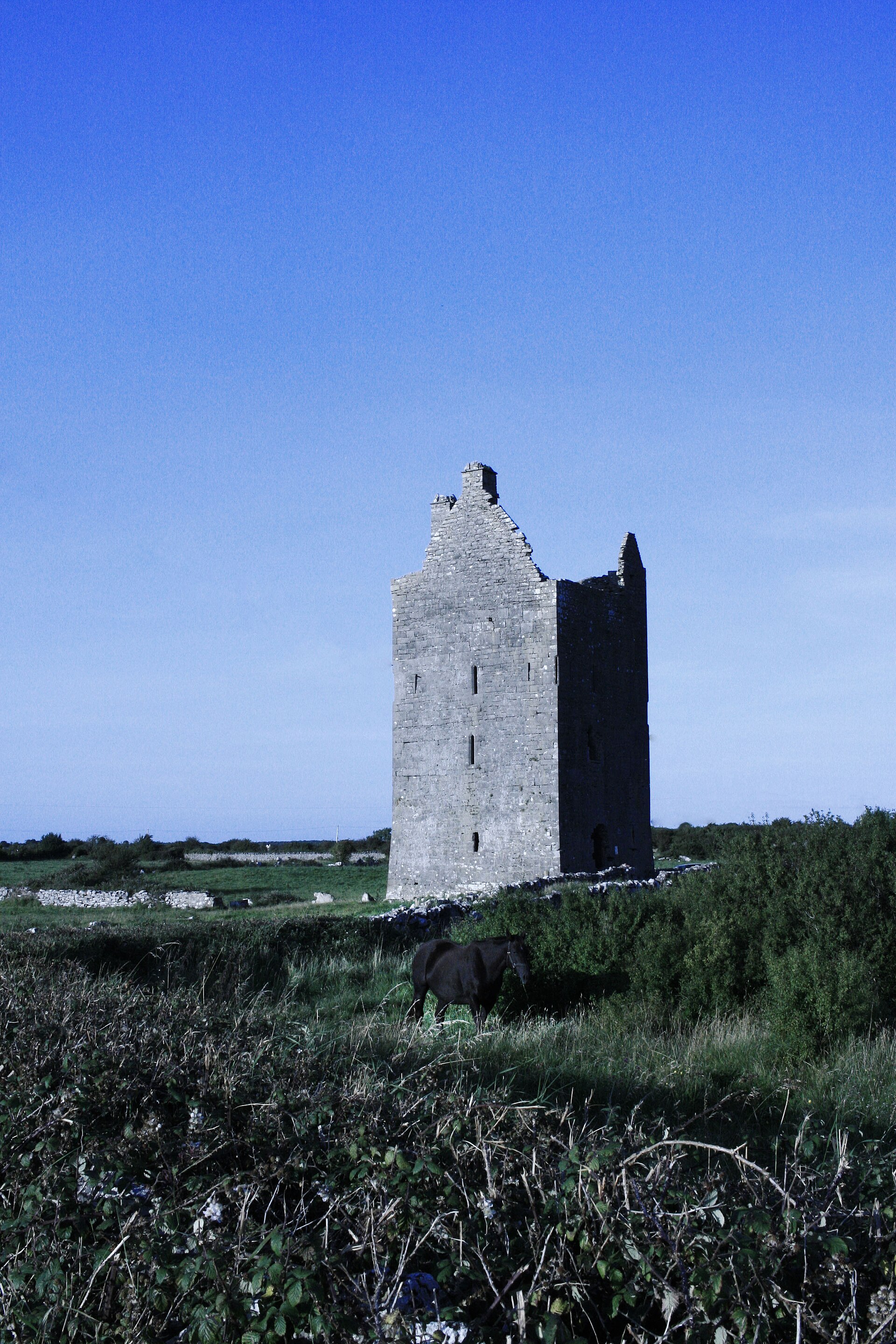
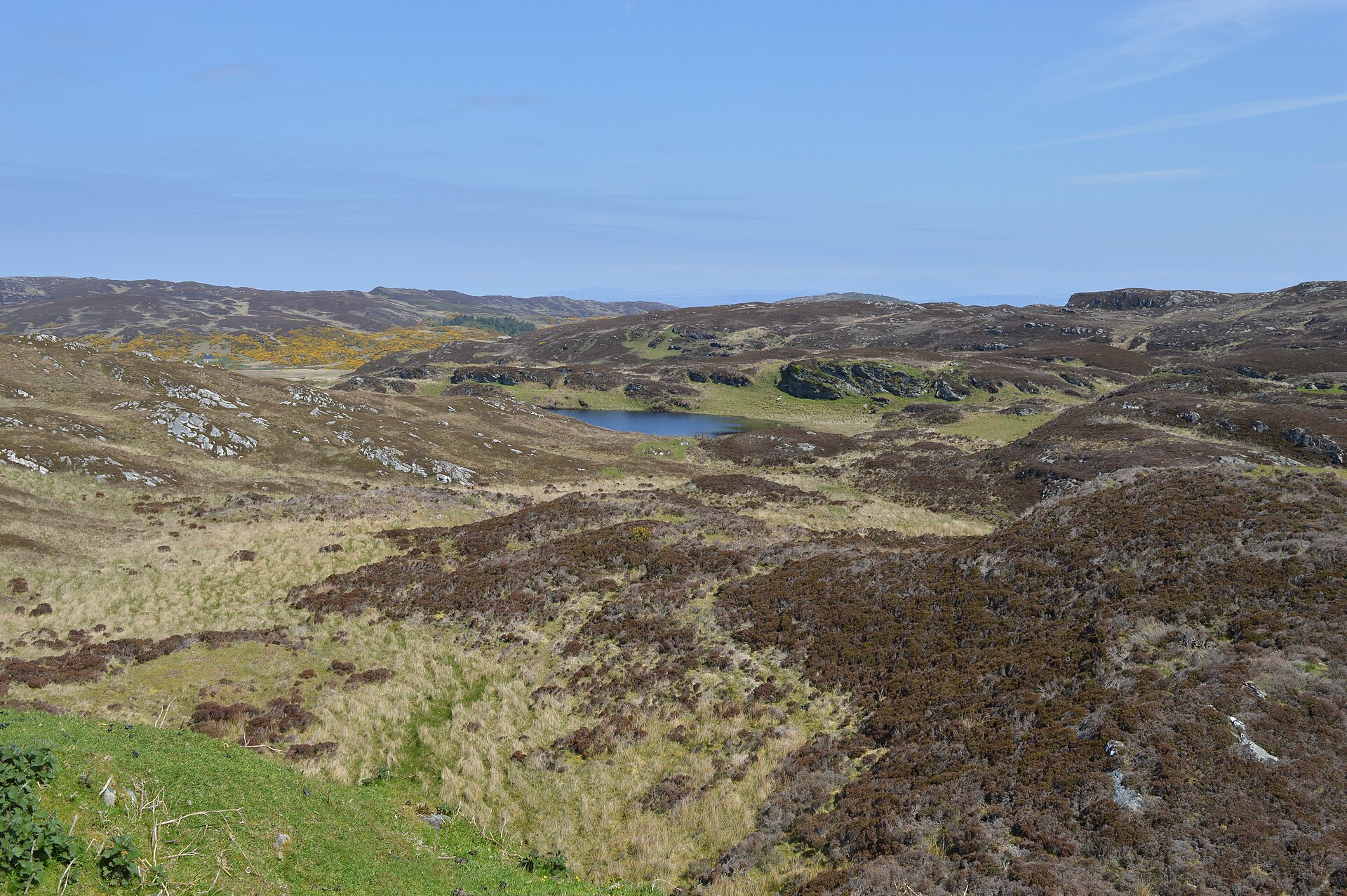
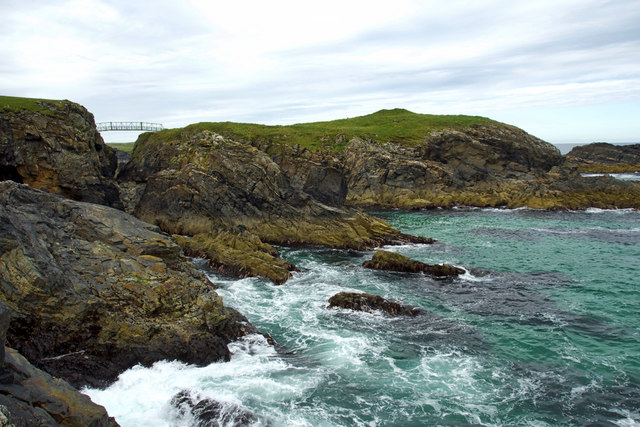
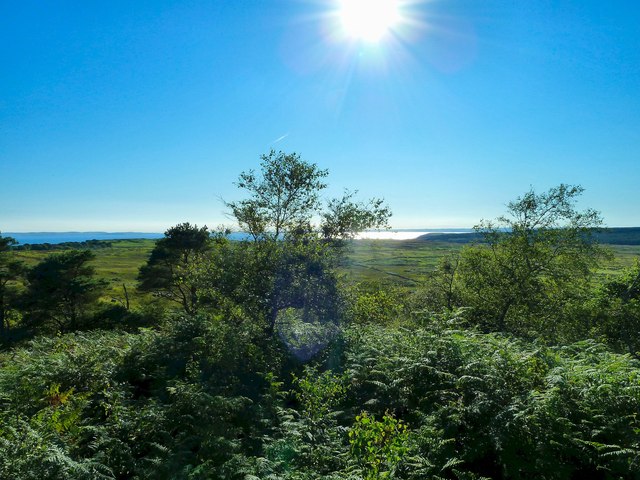
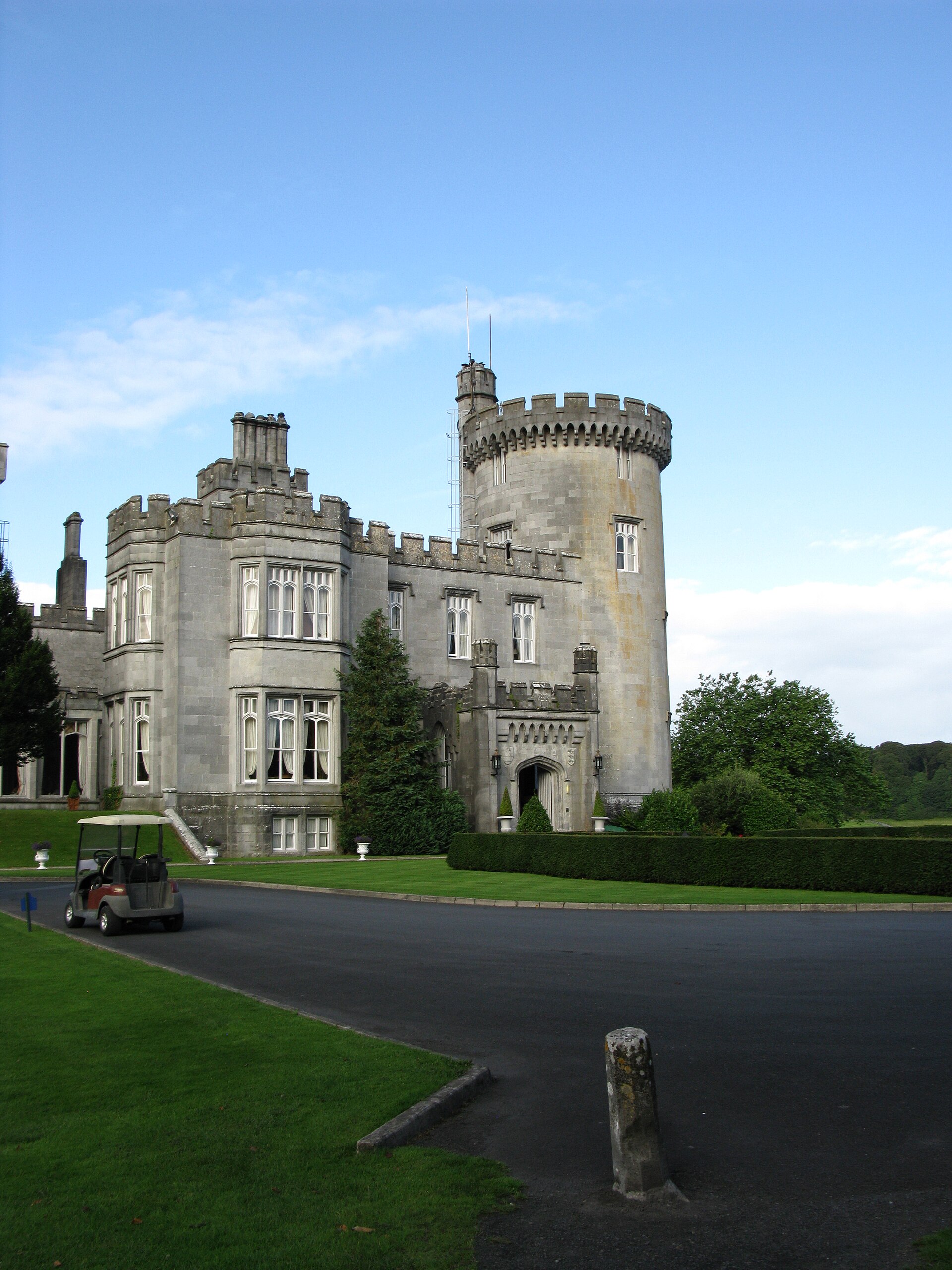
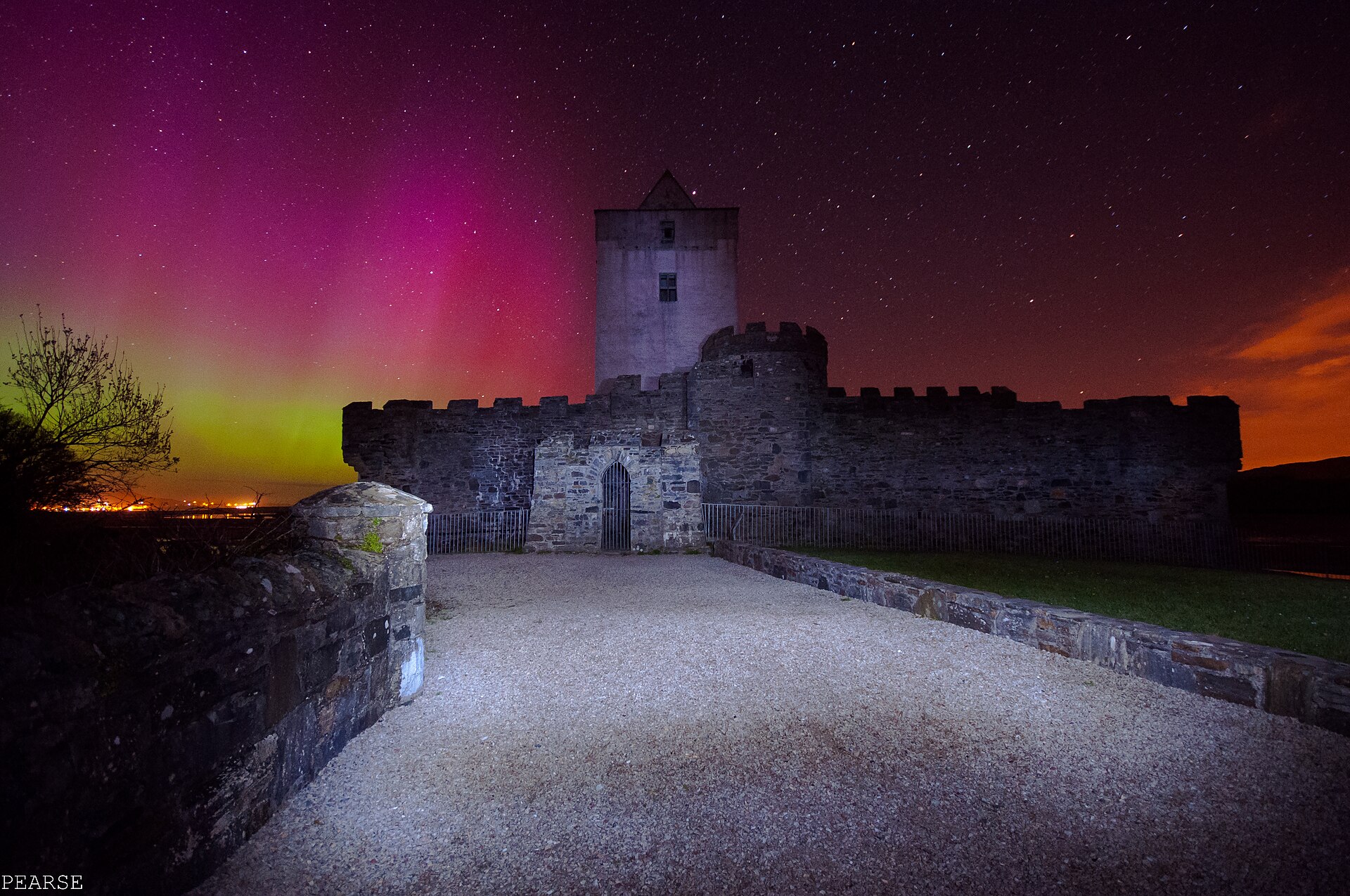
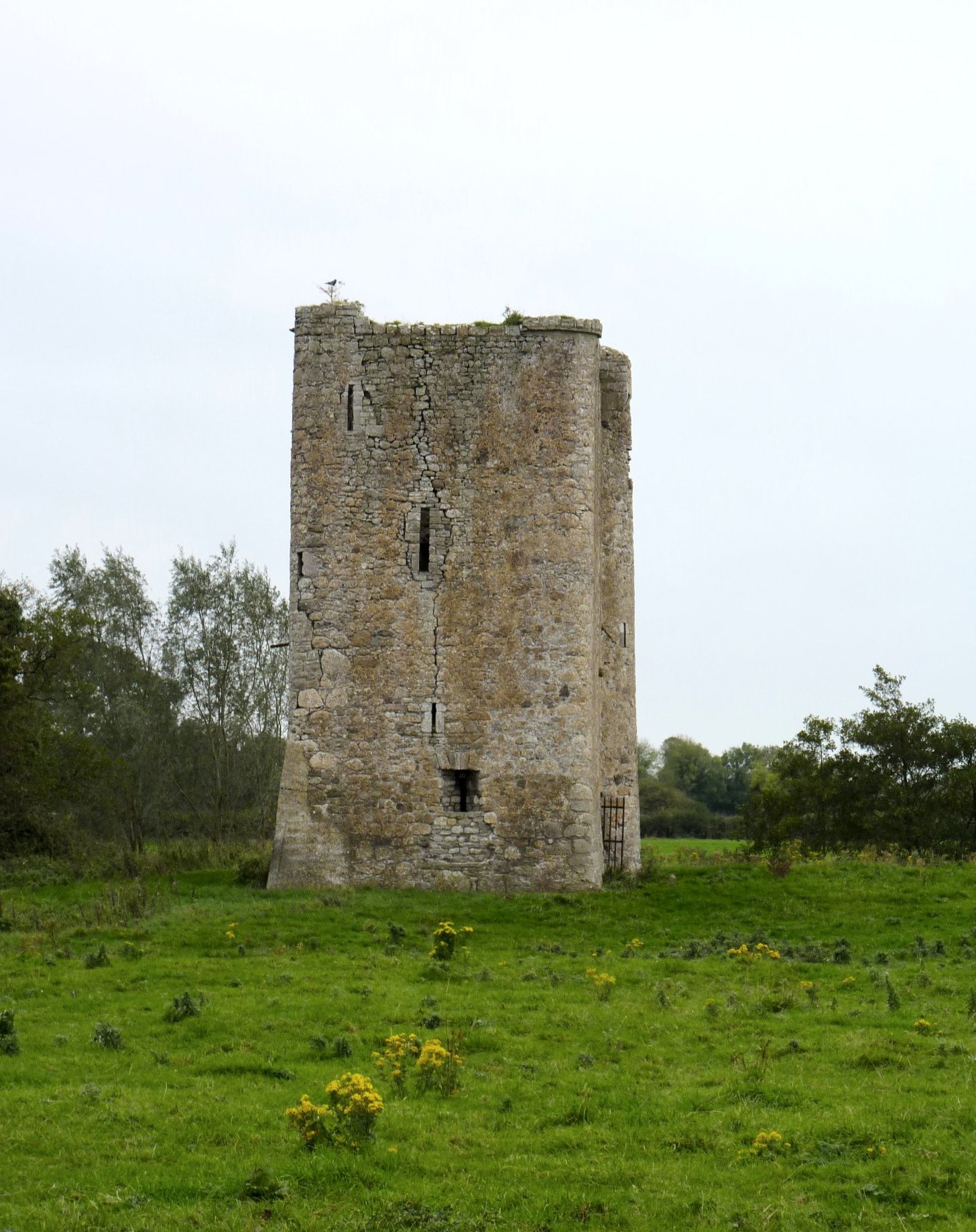
Doe Castle
County Donegal
A tower house held by hereditary gallowglass warriors for two centuries, then forfeited to the Crown, sold to a settler, and used by an Irish Confe…
- Near Creeslough
- Easy path
The directory
Page 17 of 47 in the full directory.
Browsing 100 places — search and the map cover the whole directory.
Fortified place · Medieval
County Donegal
A tower house held by hereditary gallowglass warriors for two centuries, then forfeited to the Crown, sold to a settler, and used by an Irish Confe…
Building or ruin · Roman
Carmarthenshire
The only confirmed Roman gold mines in Britain, worked with aqueducts run for miles to unleash sudden floods that stripped hillsides bare in search…
Fortified place · Medieval
Gwynedd
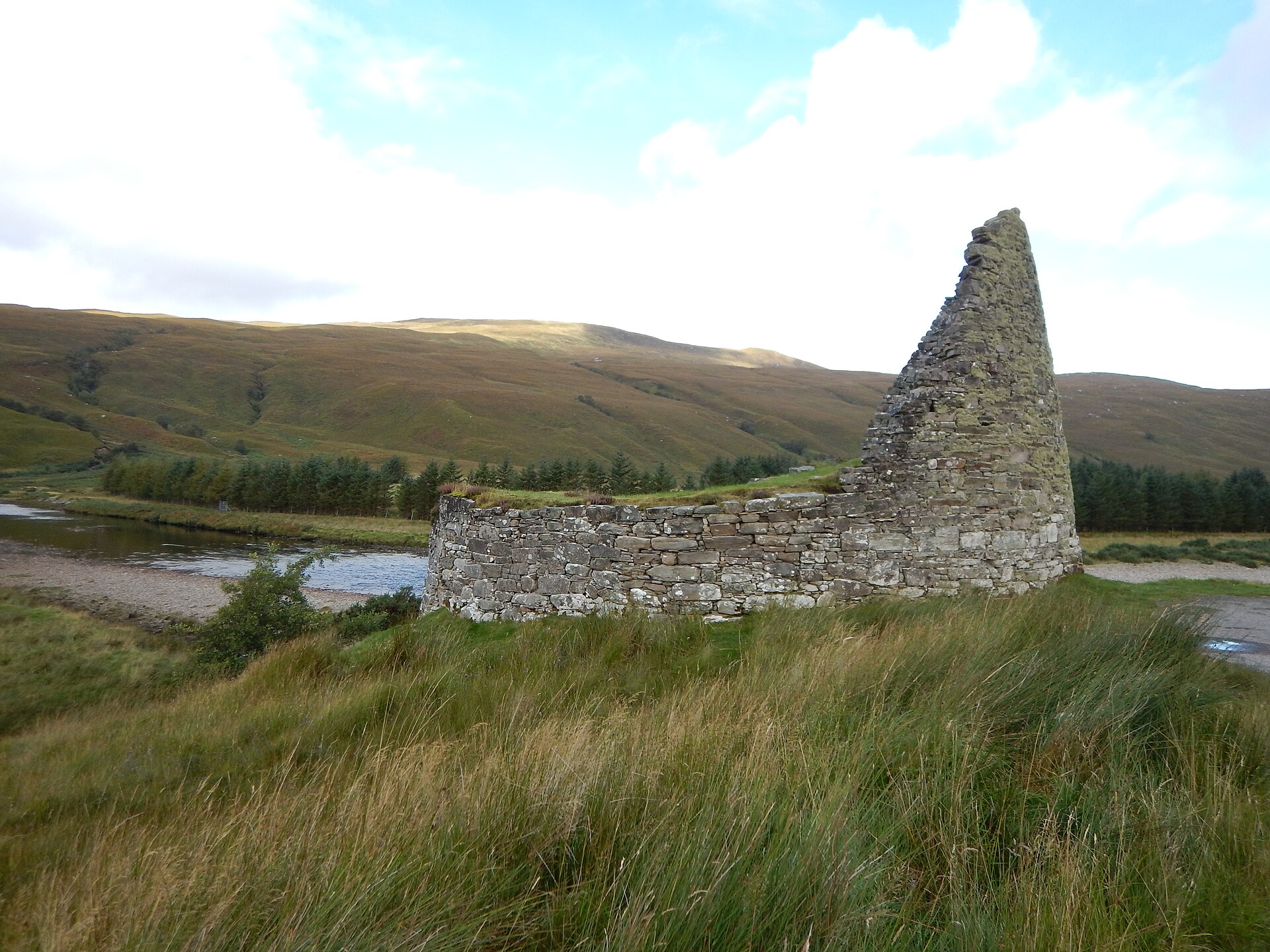
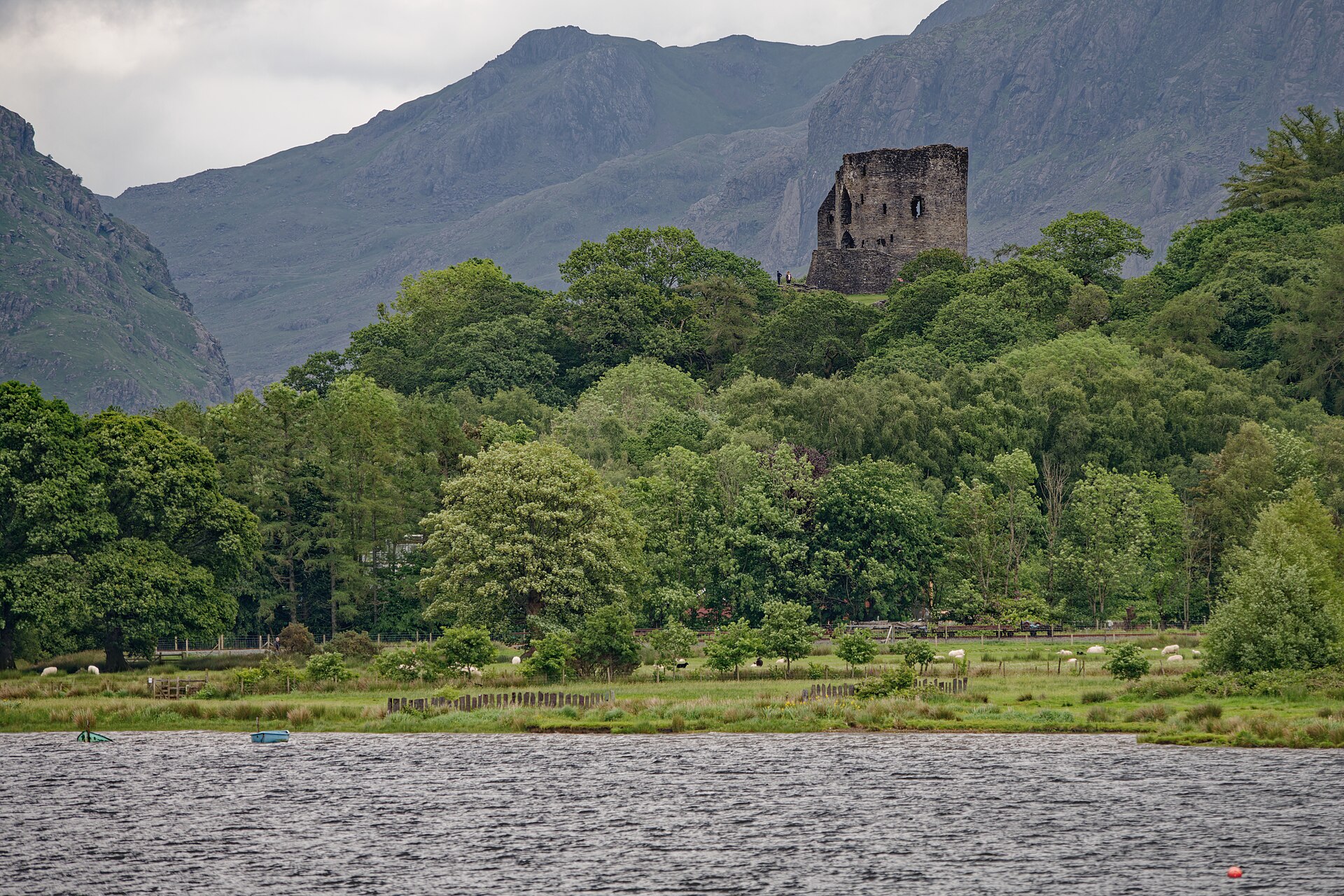
Dolbadarn Castle was Llywelyn the Great’s pass-side symbol of princely power, preserving one of the finest surviving Welsh round towers above Llyn…
Fortified place · Iron Age
Somerset
A hillfort of the Iron Age whose ramparts made a perfect rabbit warren: and whose name may mean the idol hill.
Fortified place · Medieval
Powys
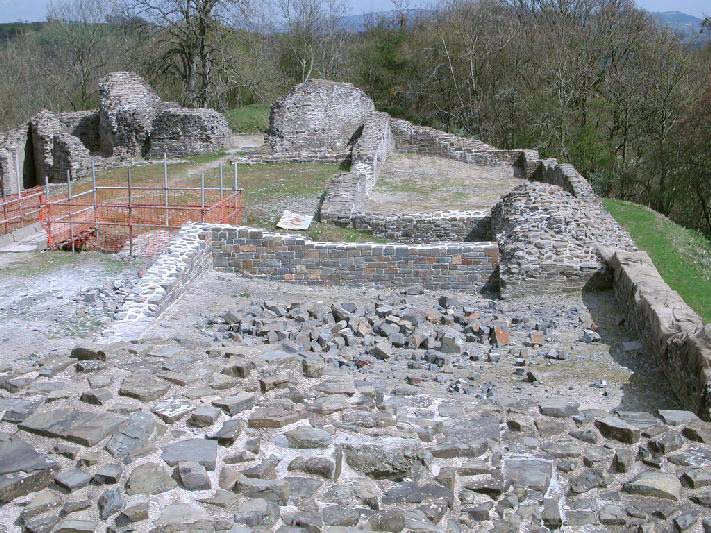
A Welsh prince's castle that fell in 1277 because nobody had dug a well: and whose siege may have brought Edward I's master castle-builder to Wales.
Sacred place · Prehistoric
Derbyshire
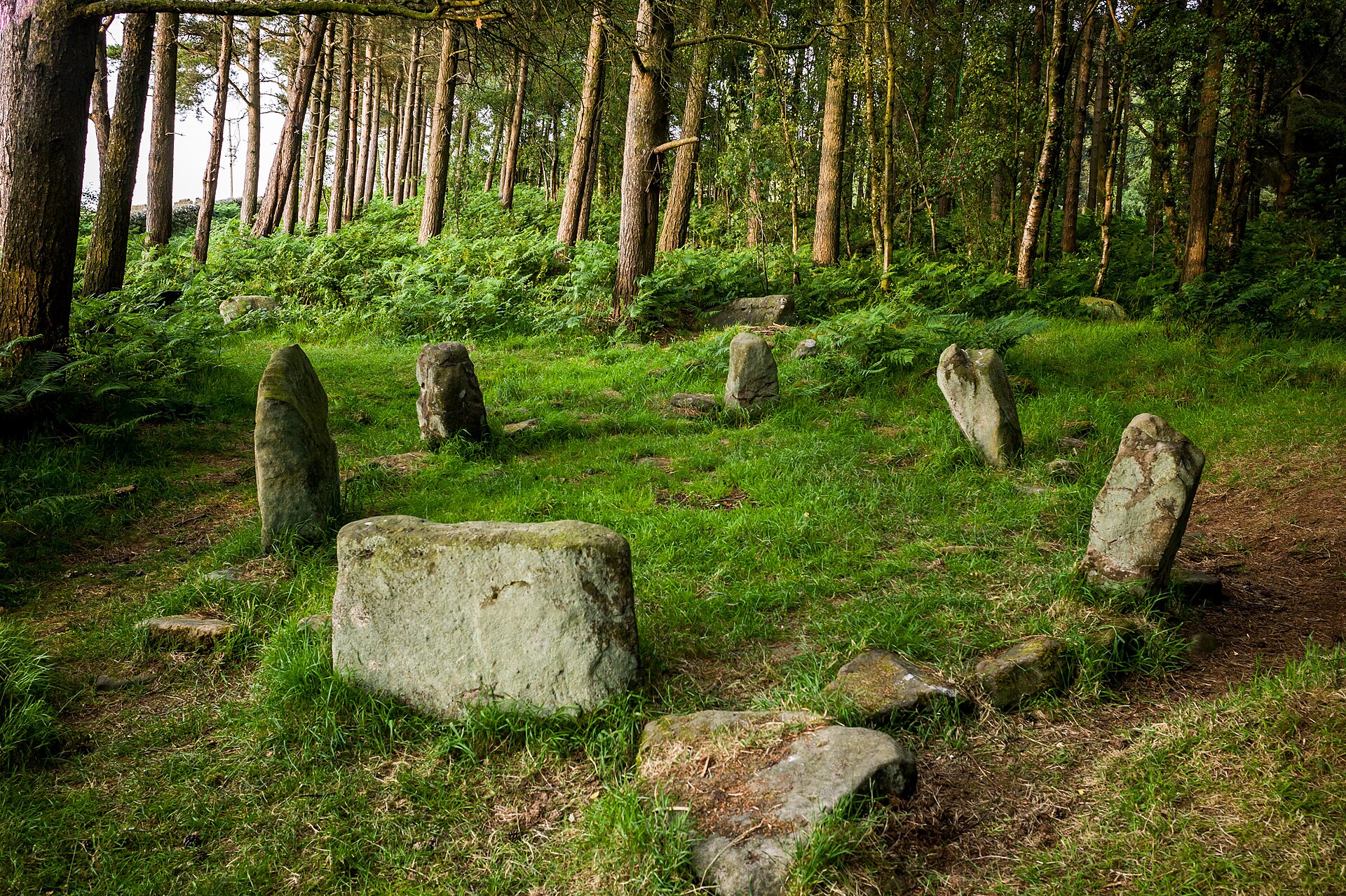
A small ring of six stones on Stanton Moor doubled, over generations, into a burial ground holding cremated adults and children alongside bronze fr…
Tomb or burial place · Prehistoric
County Mayo
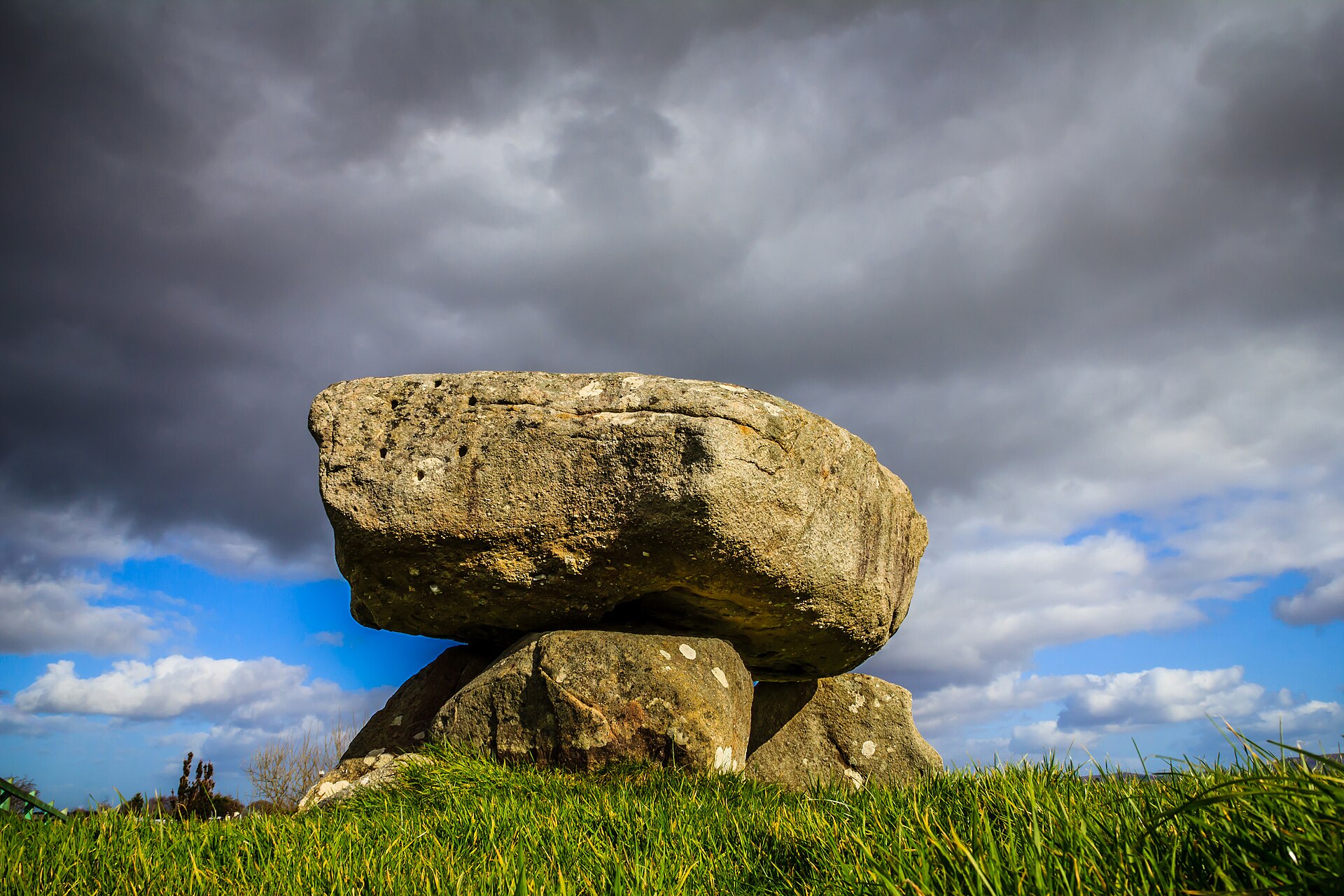
A Neolithic tomb wearing the name of a seventh-century murder story: four student-monks executed for killing their own bishop, remembered forever i…
Fortified place · Medieval
Conwy
Dolwyddelan Castle is a Welsh princes’ stronghold guarding a key Snowdonia route, with its earlier tower and later history still legible on the Lle…
Fortified place · Medieval
Powys
A Welsh prince's motte, the earthen mound a castle was raised on, between two rivers, fought over twice by Welshmen and last heard of in 1244 with…
Sacred place · Medieval
Hampshire
One of the earliest Dominican houses established in England, founded within a few years of the order's first arrival on English soil: though nothin…
Fortified place · Medieval
County Roscommon
Continuously inhabited since at least 1154, Donamon passed from Gaelic chiefs through Norman knights, Burke lords and missionaries: and now shelter…
Sacred place · Medieval
County Donegal
A Franciscan foundation of the O'Donnell rulers, destroyed in 1601 but whose friars later created the Annals of the Four Masters.
Fortified place · Medieval
County Donegal
The O'Donnell stronghold at Donegal Town, combining a fifteenth-century Gaelic keep with a Jacobean wing and a major twentieth-century restoration.
Fortified place · Medieval
Leicestershire
Donington Castle is a lost early-twelfth-century Leicestershire fortress whose political history survives through its de Lacy ownership and later i…
Sacred place · Medieval
Berkshire
At its 1538 suppression the last two friars here are recorded as having relabelled their own order, quite possibly to help secure their pensions.
Fortified place · Medieval
County Meath
A rare survivor of Henry VI's 1429 scheme to subsidise defensive towers on the edge of the Pale, later the site of a McGeoghegan family massacre du…
Tomb or burial place · Prehistoric
County Antrim
Behind its roofless chamber lies a passage found nowhere else in Ireland's 400 court tombs: a corridor built specifically for cremating the dead.
Fortified place · Medieval
County Mayo
Almost nothing remains of this MacPhilbin stronghold except its shape in the ground: the clearest local proof that Lord Sligo's Westport House was…
Fortified place · Iron Age
Dumfries and Galloway
On the south side of Ardwell Point, where the land juts into the North Channel on the Rhins of Galloway, the remains of Doon Castle broch (a tall c…
Sacred place · Medieval
Oxfordshire
A parish church built as a Norman abbey (a religious community led by an abbot) on the site of a Saxon cathedral, its rich 1330 sanctuary and Jesse…
Sacred place · Medieval
Herefordshire
A Cistercian church built to rival the great abbeys of France now survives folded inside a small parish church, its 13th-century transepts and colu…
Sacred place · Medieval
Highland
Burned by feuding clansmen in 1570 and rebuilt on a narrower plan in the 1830s, it still holds the graves of earls, dukes and the bishop-saint who…
Building or ruin · Prehistoric
Dorset
The Dorset Cursus is Britain’s longest known cursus monument, a ten-kilometre Neolithic (the late Stone Age, about 4000–2500 BC in Britain) earthwo…
Fortified place · Medieval
Herefordshire
Raised by a knight serving under the Norman conqueror of Brecknock, this border stronghold was later singled out by a king for reinforcement agains…
Building or ruin · Roman
Bedfordshire
A working sand pit that turned up a Roman well and pottery beneath it, then went on to expose one of the best geological cuttings through the Lower…
Fortified place · Medieval
County Clare
A single Cromwellian officer's decision to spare it from demolition is the reason any of this sand-founded tower house survives at all.
Fortified place · Medieval
Stirling
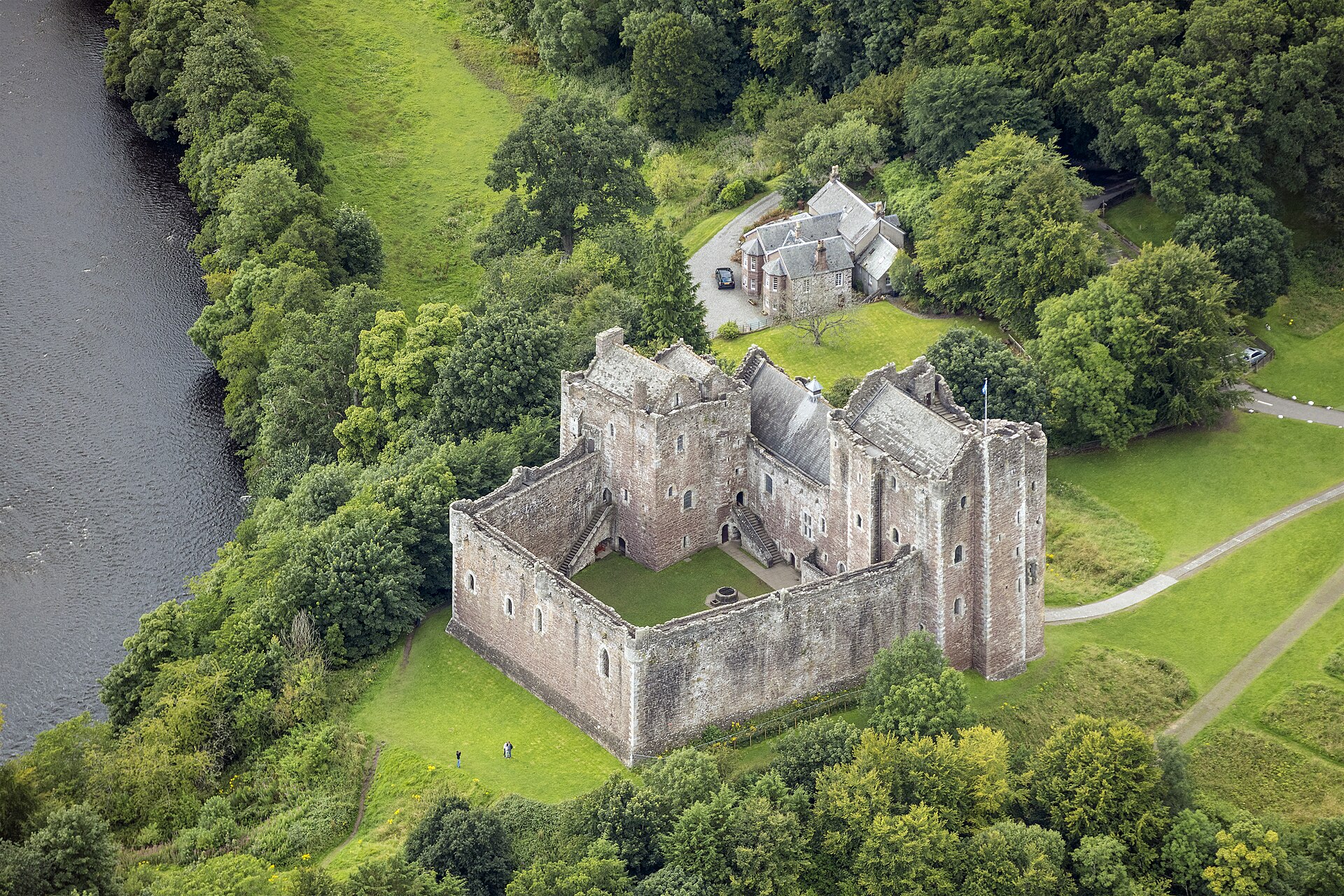
Only two ranges of the intended courtyard were ever finished, and the stonework is almost all late fourteenth century: repaired, but never replaced.
Fortified place · Iron Age
Moray
Doune of Relugas is a long-occupied promontory hillfort, a hilltop enclosure ringed by earth ramparts, overlooking the Findhorn valley, where a tim…
Crossing or structure · Medieval
Staffordshire
Four pointed medieval arches and two rounded later ones, on a crossing used since before Domesday - and since the 1970s it has carried nothing but…
Building or ruin · Medieval
Pembrokeshire
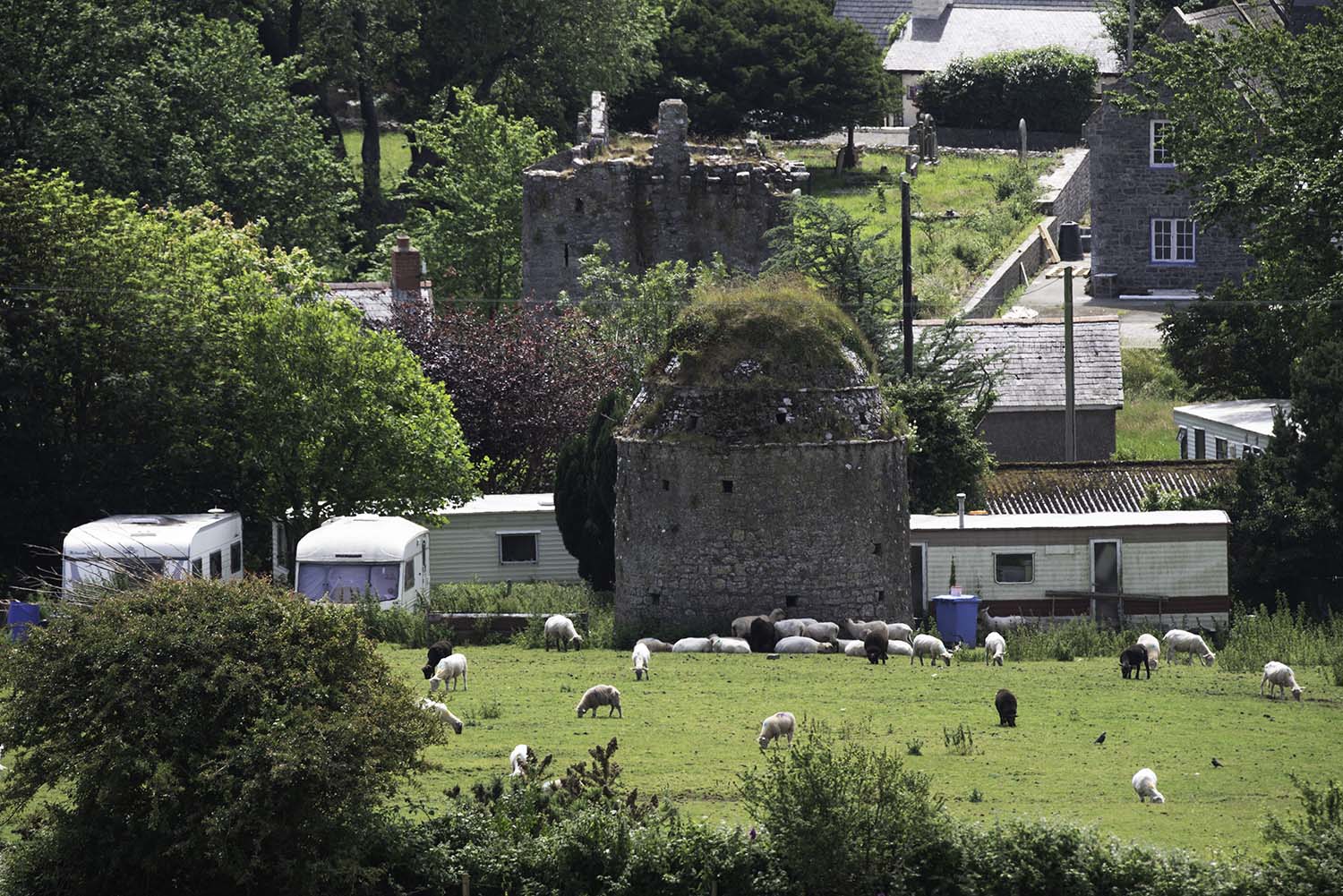
A rare surviving example in Wales of a Cornish-type circular dovecote: a 15th-century pigeon house of sandstone, its walls still holding hundreds o…
Fortified place · Medieval
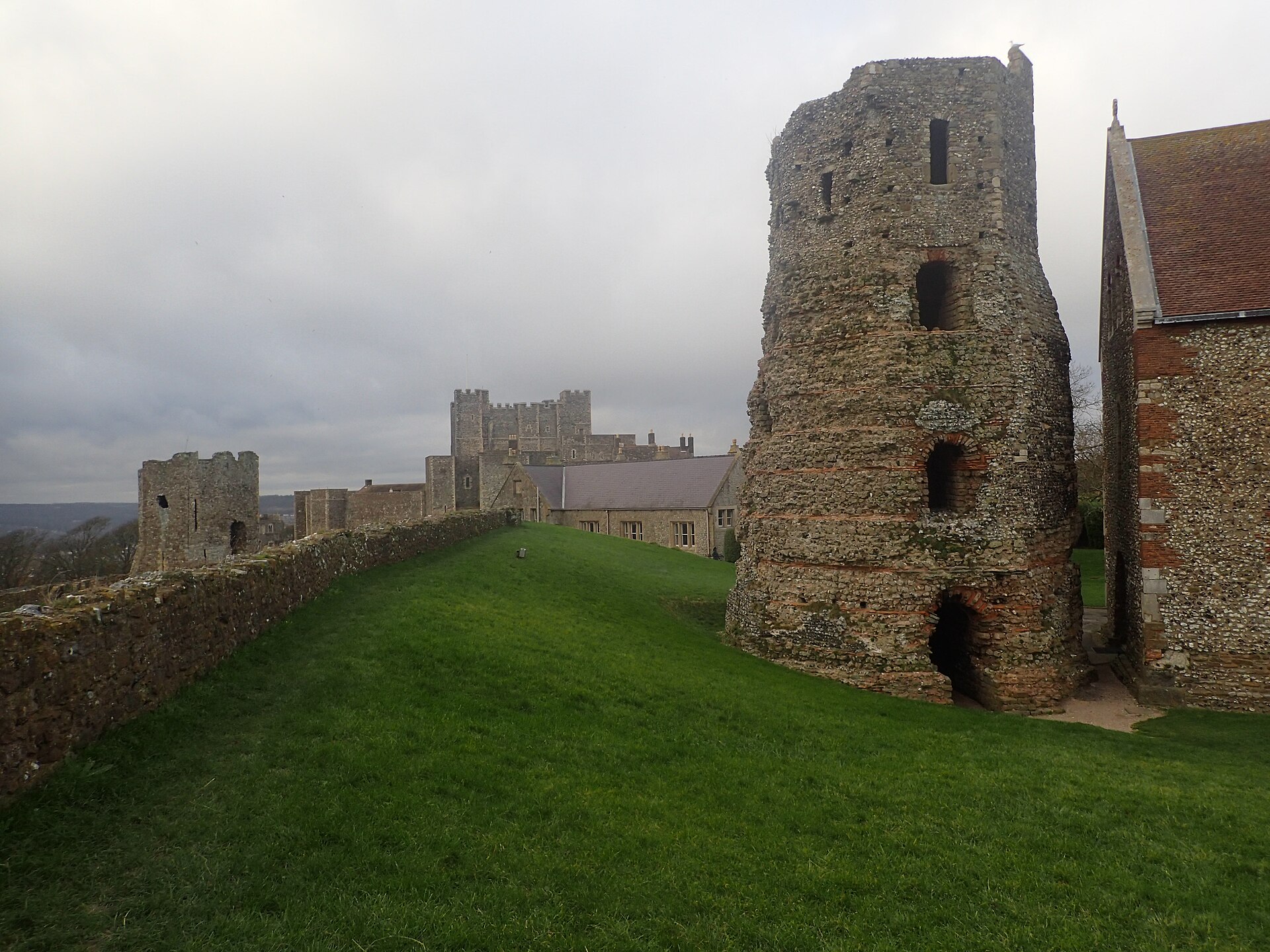
Kent
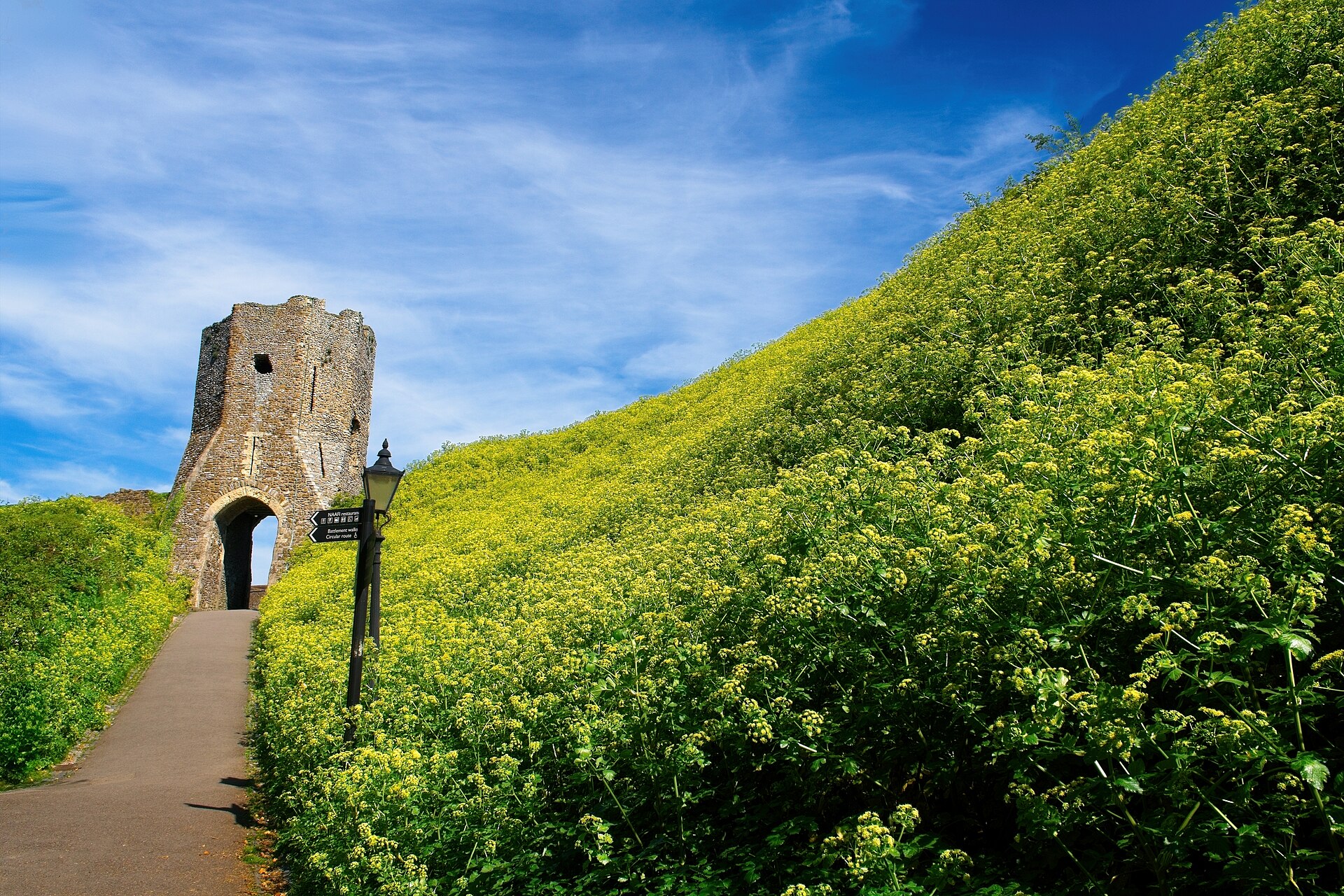
Dover Castle is England’s long-defended Channel stronghold, where a Roman lighthouse, Henry II’s great keep, Napoleonic tunnels and Operation Dynam…
Sacred place · Medieval
Kent
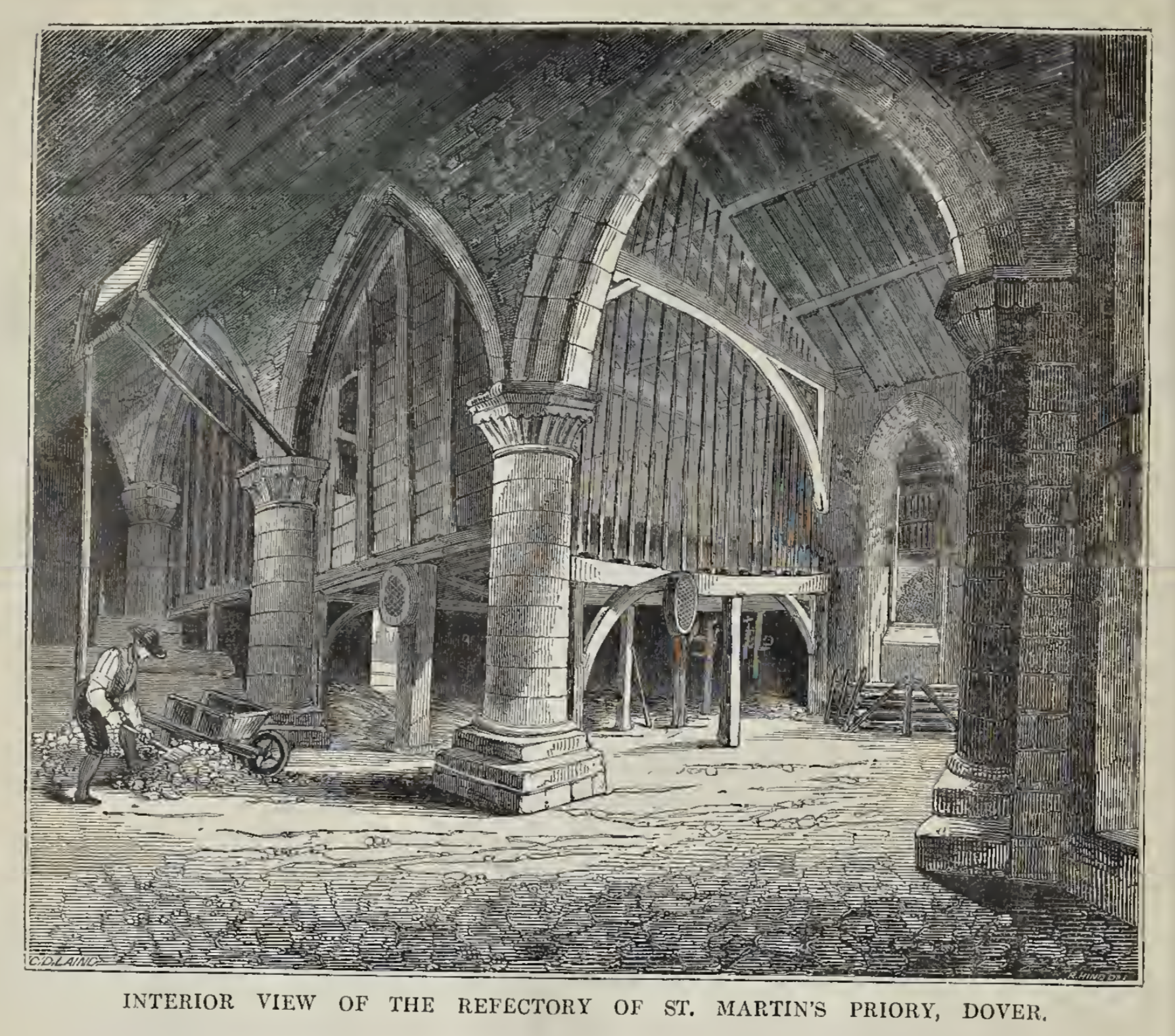
Dover Priory was a major Benedictine house whose church, scriptorium and hospitality shaped medieval Dover; its surviving refectory (the monks' din…
Settlement · Medieval
Greater London
Excavated twice in the twentieth century, the finds from the site still contradict themselves: pottery once read as Saxon is now judged prehistoric…
Fortified place · Medieval
Somerset
A castle of earth mound and walled yard near Puriton, known also as Chisley Mount and Chidley Mount.
Fortified place · Iron Age
Somerset
An Iron Age fort above the Bristol Channel that a corrupted place-name suggests was still being used as a lookout in Alfred's time.
Tomb or burial place · Prehistoric
County Meath
An 1847 excavation left Dowth's mound scarred, but its passage tombs retain chambers, late Stone Age rock art and a winter-solstice beam of sunlight.
Fortified place · Iron Age
Oxfordshire
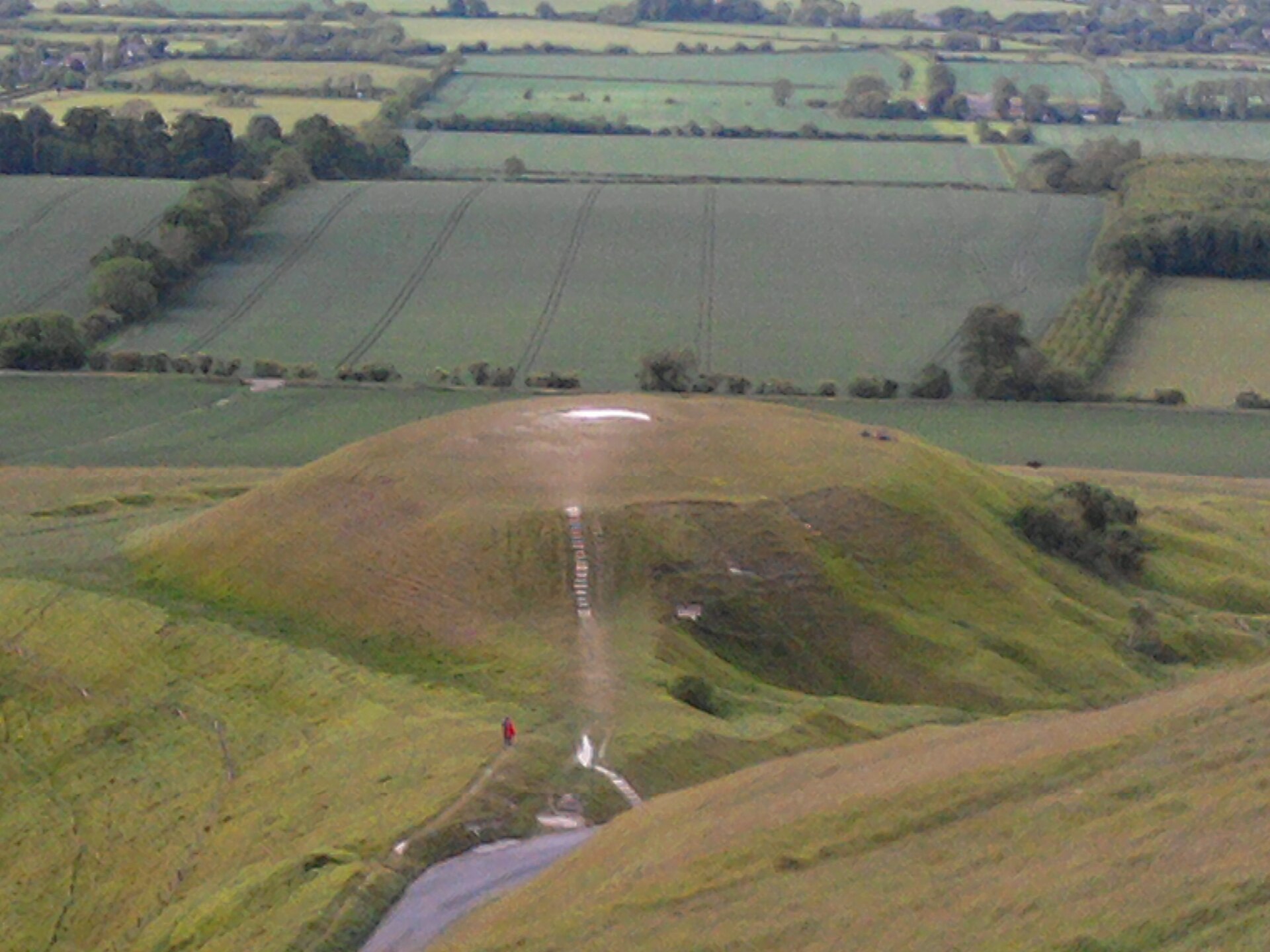
A flat-topped chalk hillock beneath the Uffington White Horse where a bare, grassless scar is said to mark the spot a dragon died.
Fortified place · Iron Age
Worcestershire
One of a scatter of small Iron Age (from about 800 BC until the Romans came) promontory forts along the Kinver Edge ridge, defended by more than on…
Fortified place · Medieval
East Riding of Yorkshire
Driffield’s Moot Hill compresses Roman, possible Northumbrian royal and Norman castle history into an earthwork (banks and ditches raised from the…
Fortified place · Medieval
County Cork
A MacCarthy stronghold confiscated and restored twice over two centuries, later reused as a convent school, a film set and a home for asylum seekers.
Fortified place · Medieval
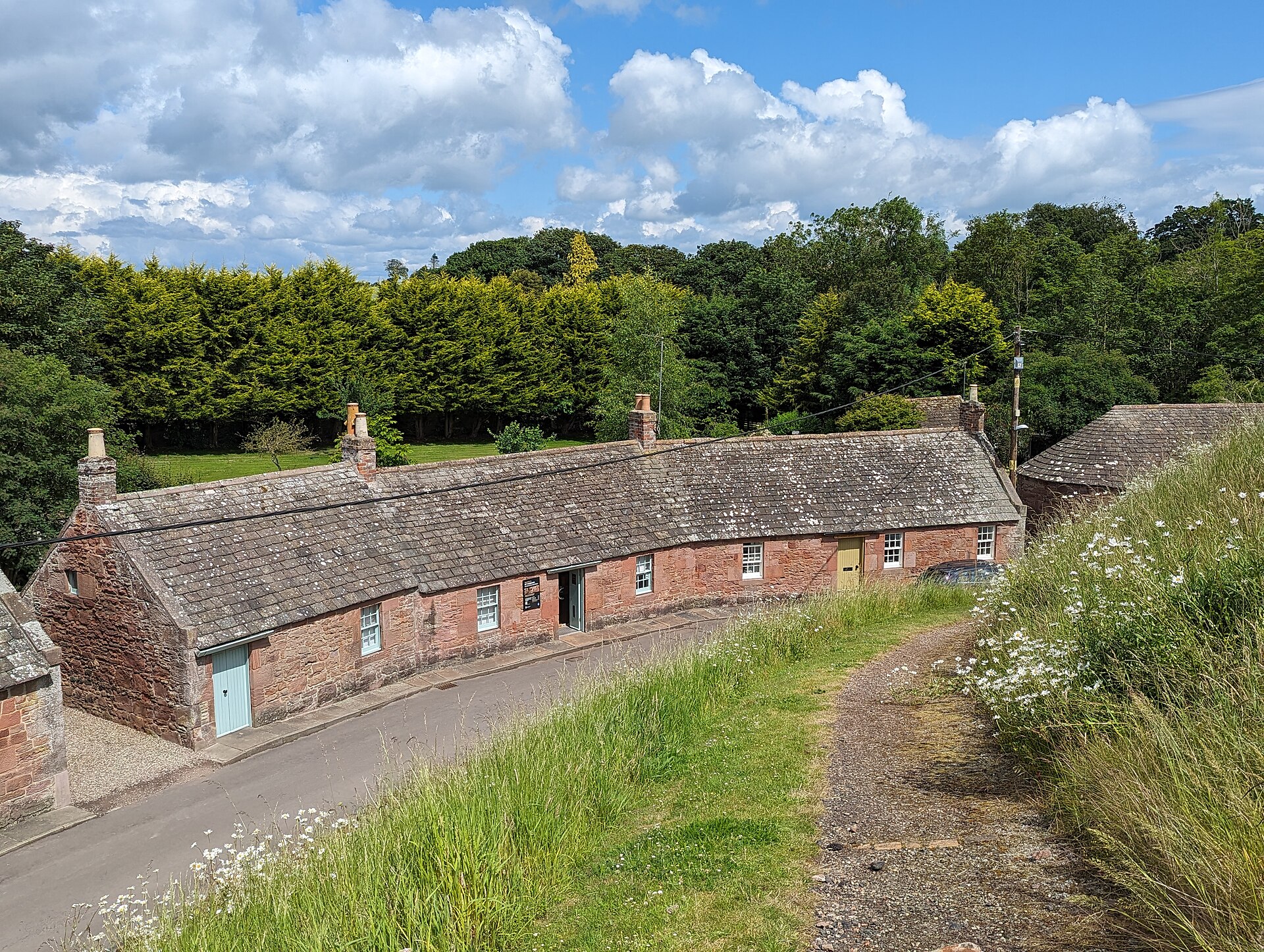
Scottish Borders
A palace-like fortress with a corridor running the full length of every floor: its builder's execution left the ambitious design frozen half-finish…
Fortified place · Medieval
County Cork
A tower house rebuilt twice over: once as a Big House with false battlements, once by fire in 1921: leaving four round towers standing sentry over…
Fortified place · Medieval
County Cork
One of just three strongholds raised by the O'Callaghan clan, this Jacobean mansion hosted a Papal Nuncio in 1642 and lay in ruins within a decade.
Tomb or burial place · Prehistoric
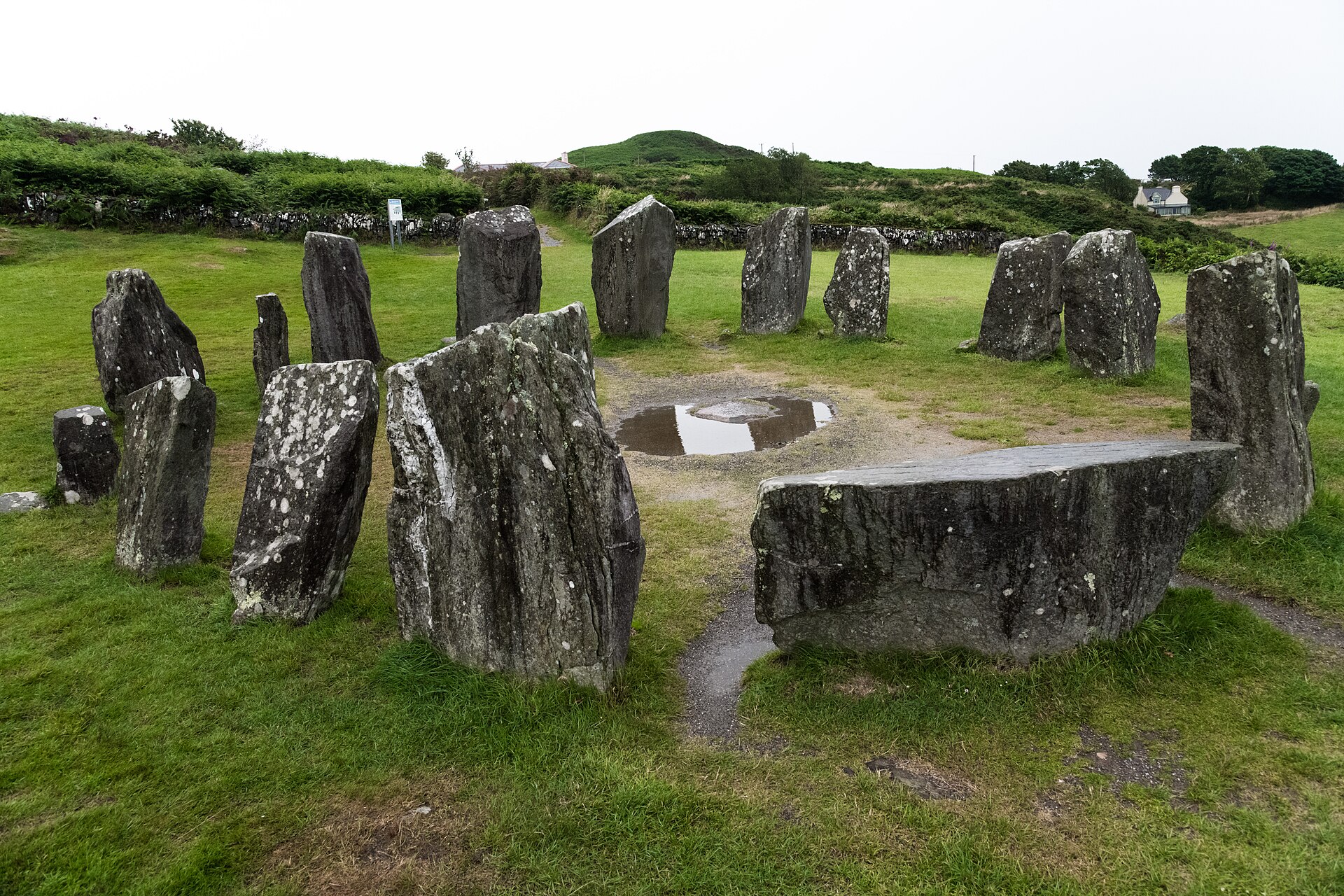
County Cork
A compact ring of seventeen stones aligned on the midwinter sunset, where excavation recovered the cremated remains of an adolescent from the centre.
Sacred place · Medieval
County Louth
A round tower, high cross and ruined church survive together on one small site: rare continuity for a monastery plundered by Vikings and Irish raid…
Fortified place · Medieval
County Clare
Dromore Castle is a National Monument tower house in a Clare nature reserve, preserving the O'Brien family's sixteenth- and seventeenth-century str…
Carved stone · Pictish & early medieval
Angus
One of the few Pictish (of the Picts, the people of northern and eastern Scotland from about AD 300 to 900) stones datable to a precise reign, its…
Sacred place · Prehistoric
Somerset
One of only about 80 henges in England: an earthwork, a bank and ditch dug and heaped from the ground itself, whose ditch lies inside its bank, so…
Fortified place · Medieval
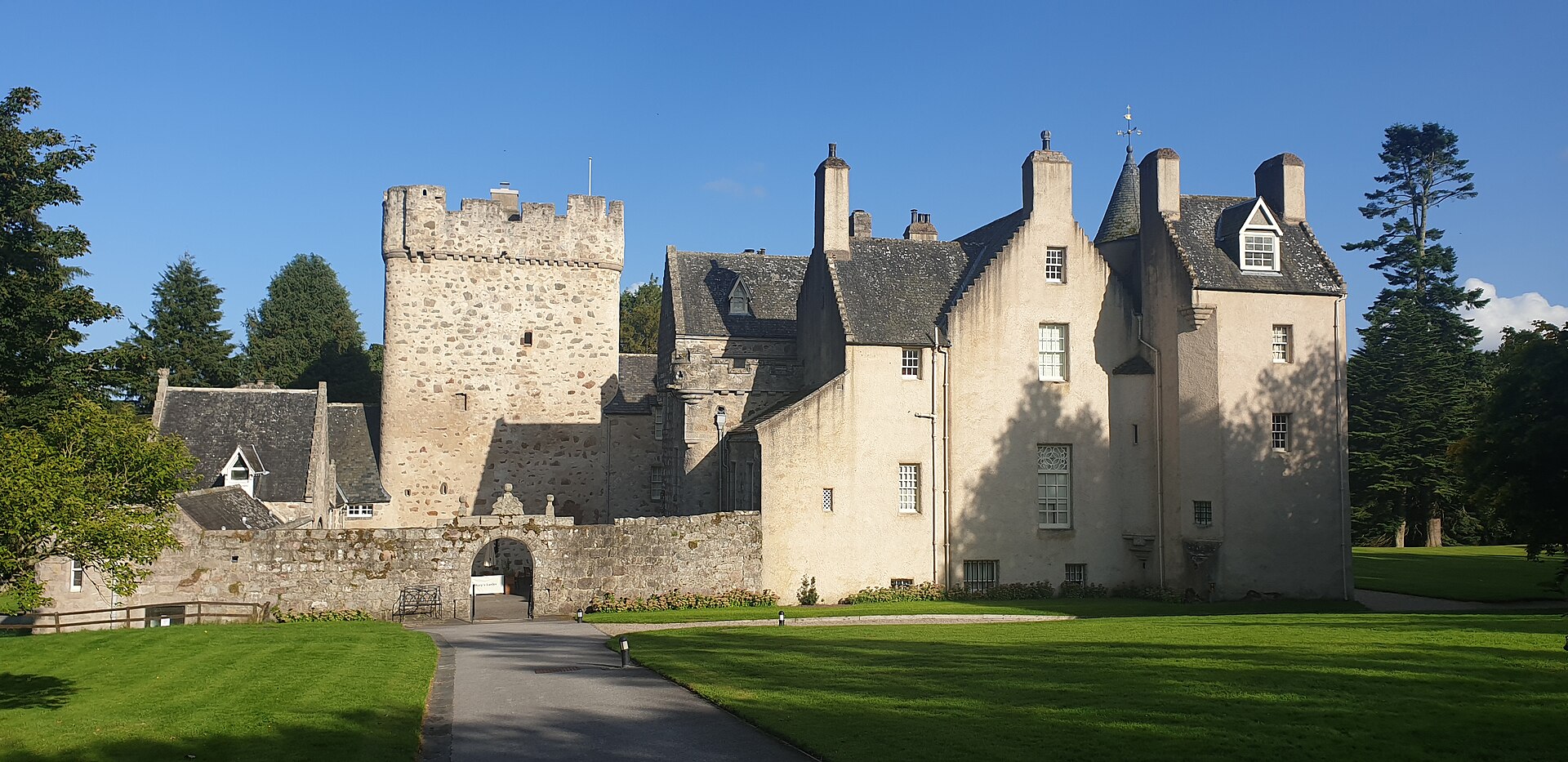
Aberdeenshire
One of only three 13th-century tower houses in Scotland to survive largely unaltered, and held unbroken by one family, the Irvines, for roughly 650…
Sacred place · Medieval
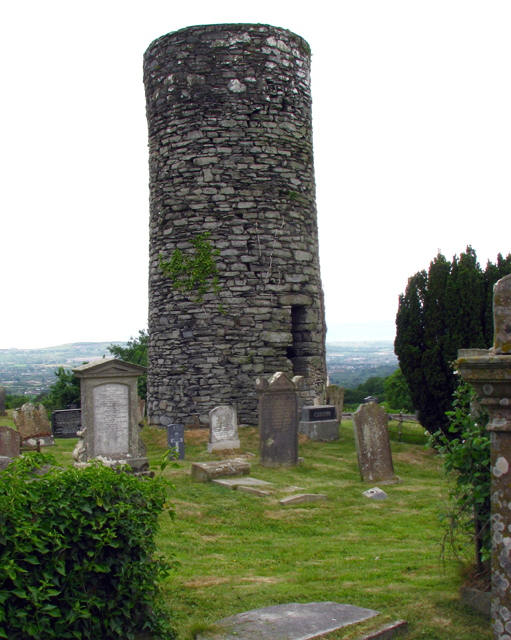
County Down
Drumbo round tower preserves a rare early medieval (roughly AD 400–1100, between the Romans and the Normans) lookout and monastic remnant, with tim…
Fortified place · Medieval
County Galway
A tower house whose stones bore witness to one of the Irish War of Independence's most notorious atrocities: the torture and murder of the Loughnan…
Building or ruin · Medieval
Dumfries and Galloway
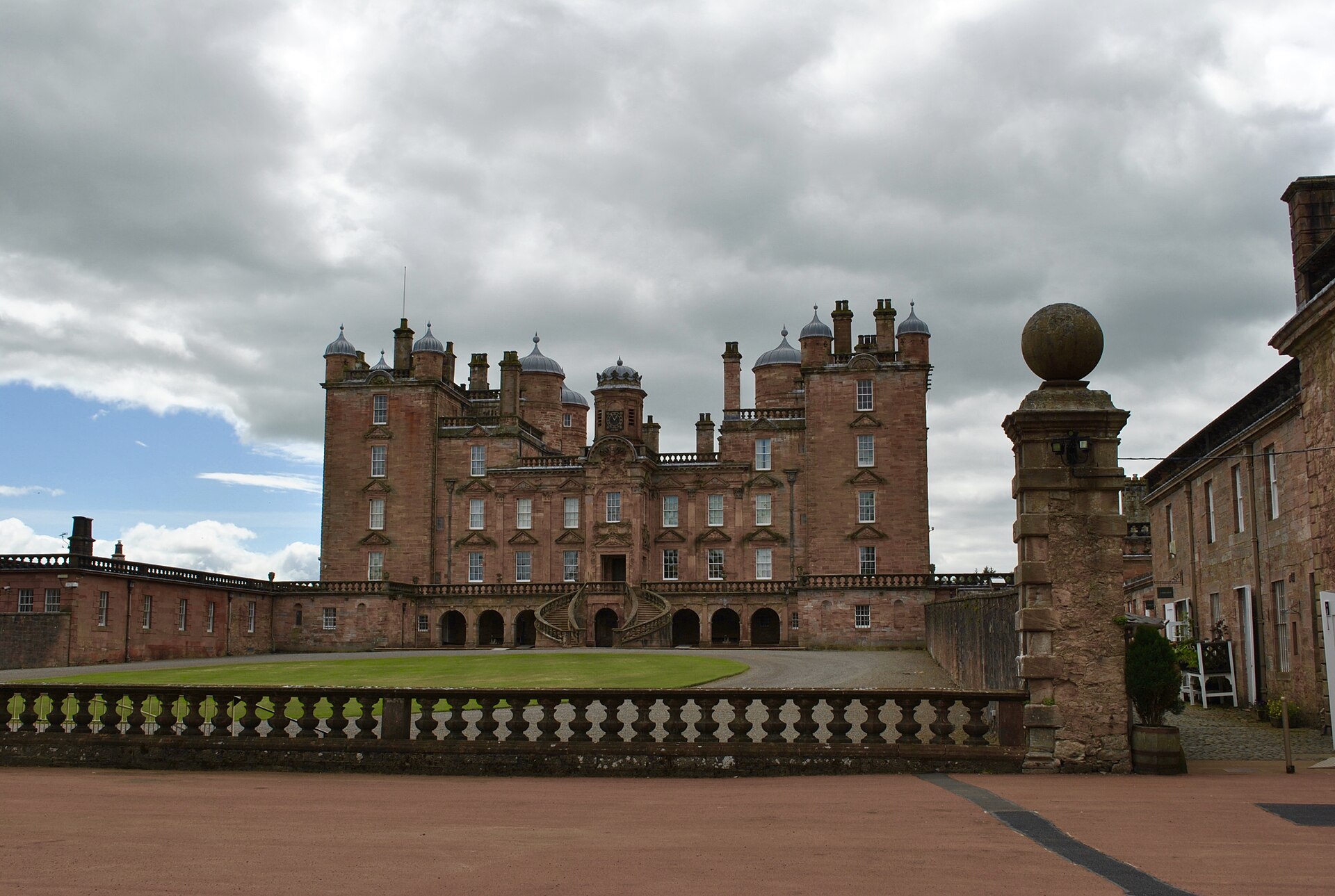
Drumlanrig Castle is a major late-seventeenth-century Scottish Renaissance house whose pink sandstone architecture, designed landscape, art collect…
Fortified place · Roman
Stirling
A Flavian glen-blocker fort found from the air in the 1970s: and given a name chosen to be hard for the English to say.
Sacred place · Prehistoric
Dumfries and Galloway
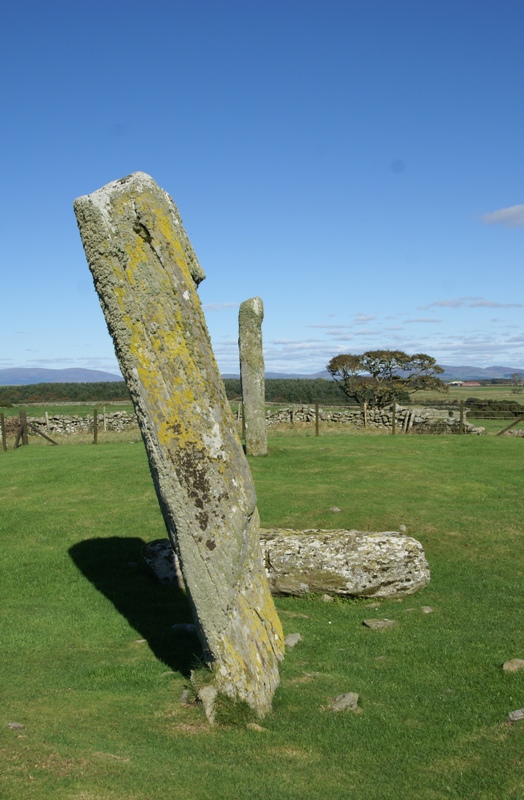
Of the three stones that once formed the alignment at Drumtroddan, only one still stands. The others lie fallen on the ground, set in a line runnin…
Fortified place · Medieval
Carmarthenshire
The only native Welsh castle known to have grown to three full wards: a stronghold built, expanded and finally besieged by its own former builders'…
Fortified place · Medieval
Argyll and Bute
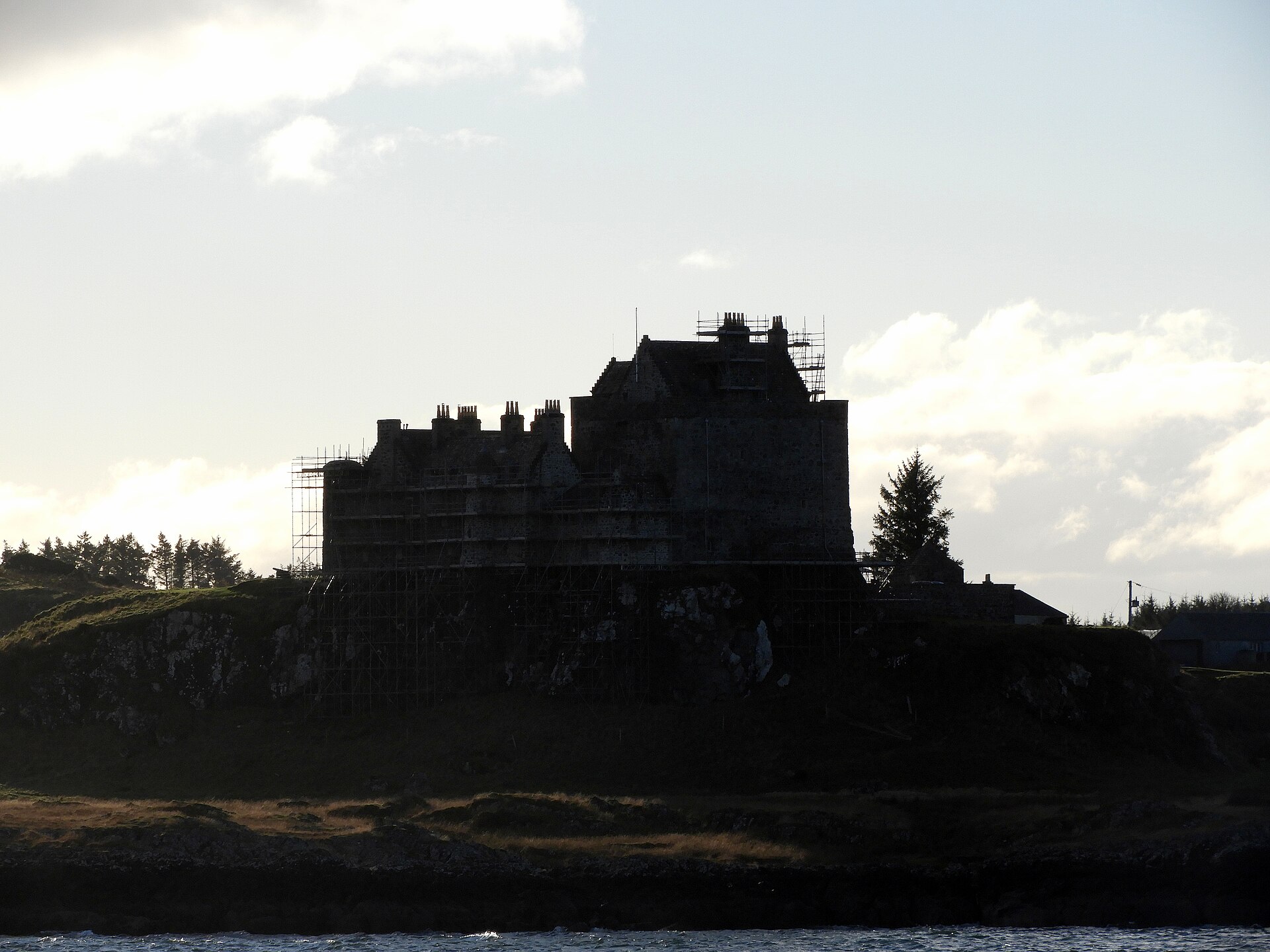
A ruin stripped to its foundations after 1691 and rebuilt two centuries later by the very chief's descendant who lost it: a rare case of a clan sea…
Crossing or structure · Medieval
North Yorkshire
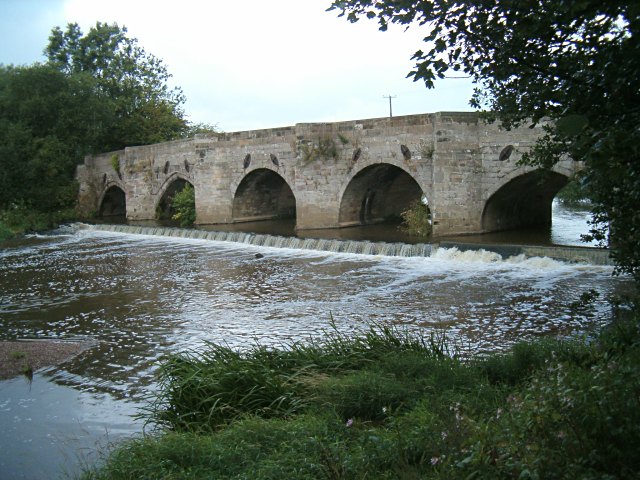
Duck Bridge is a likely fourteenth-century River Esk crossing whose 1717 rebuilding gave it its enduring name and whose listed sandstone form and c…
Sacred place · Prehistoric
Northumberland
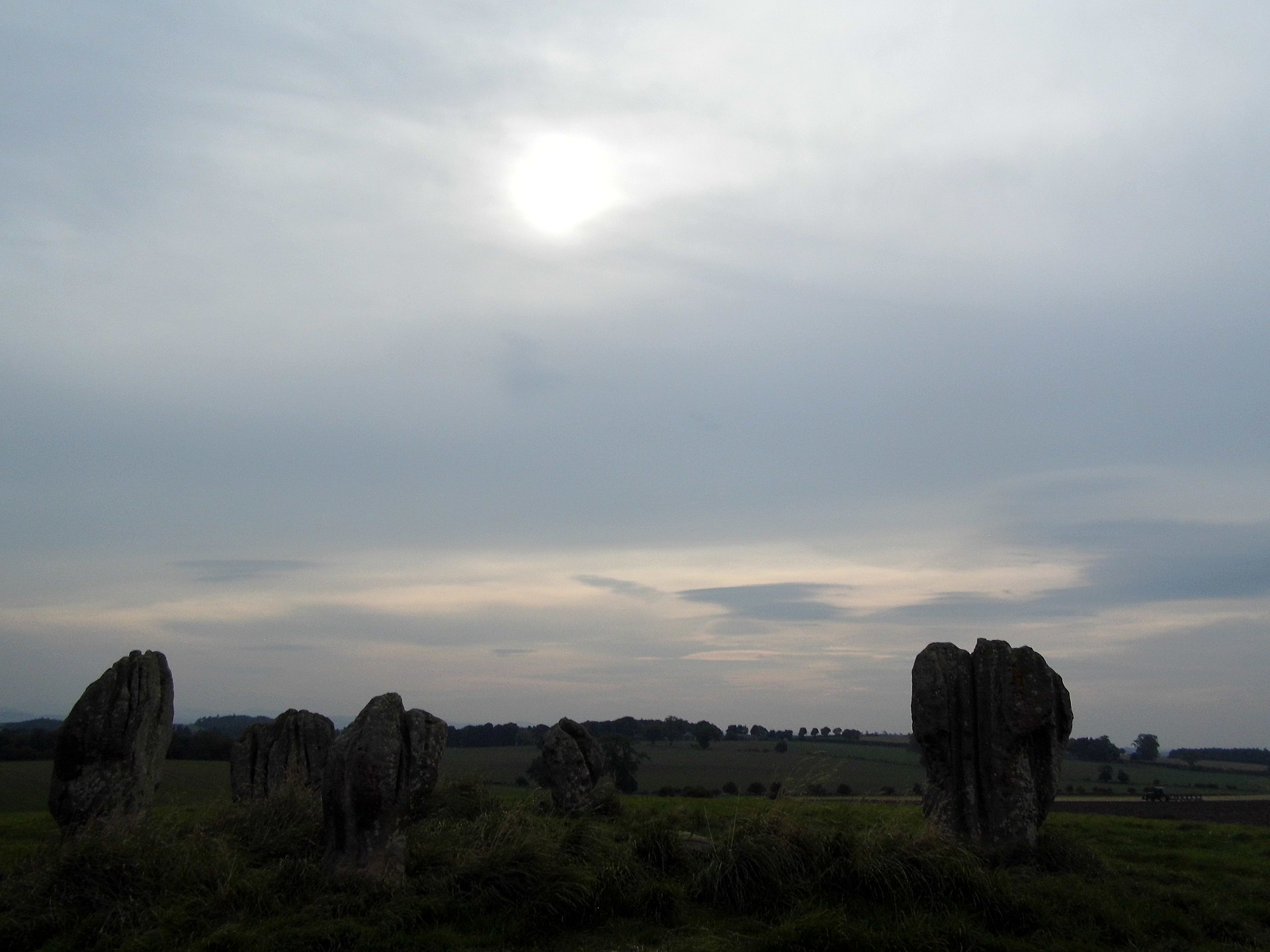
Duddo Five Stones is a weathered Northumberland stone circle whose surviving pink sandstone pillars and recovered sockets reveal a larger original…
Fortified place · Medieval
Northumberland
Duddo Tower preserves the ruin of a border manor whose medieval pele was destroyed in a Scottish attack and replaced by a sixteenth-century Claveri…
Fortified place · Medieval
West Midlands
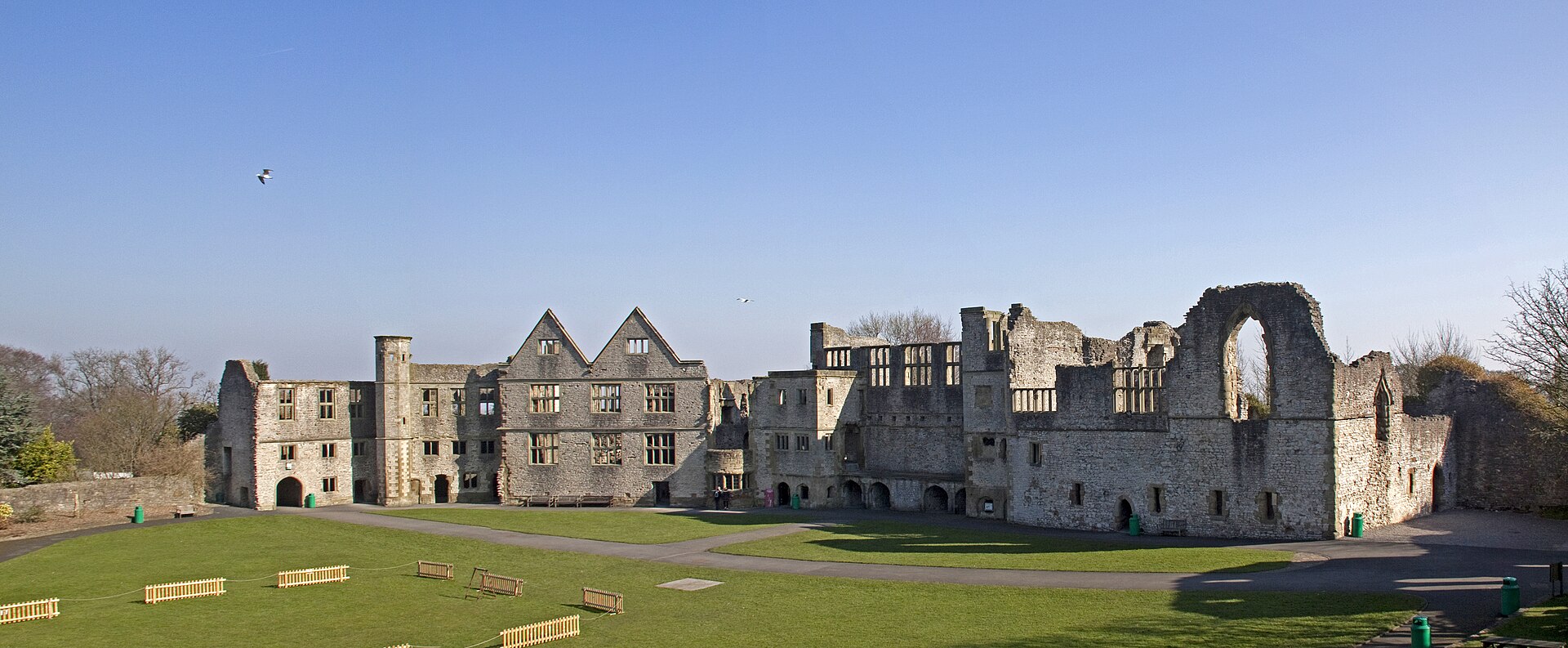
A Norman castle of mound and walled yard, rebuilt in stone in the twelfth century and now a ruin above the town.
Sacred place · Medieval
West Midlands
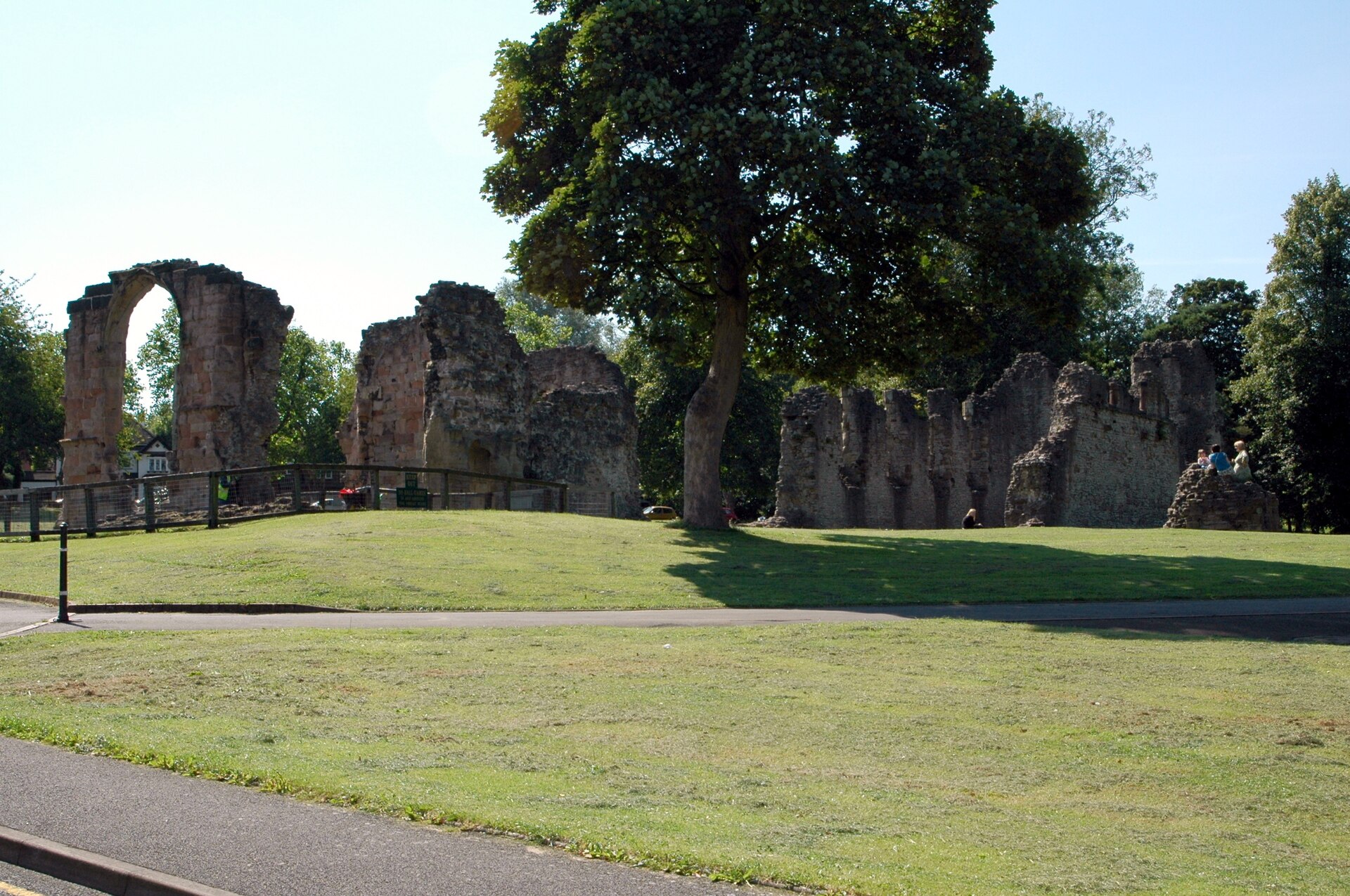
A Cluniac house whose 1939 excavation left medieval floor tiles exposed at ground level in a public park, still walked past daily.
Fortified place · Iron Age
Dorset
Dudsbury Camp is a three-hectare defended settlement on the River Stour, dating from the period from roughly 800 BC to the Roman conquest. It retai…
Fortified place · Medieval
Derbyshire
Excavation uncovered a keep almost the footprint of the White Tower of London: a Norman statement of power so thoroughly demolished by 1269 that on…
Fortified place · Medieval
Moray
Its stone tower still leans bodily off the earthen motte it was built on, frozen mid-collapse: a rare, visible lesson in why timber-age mounds made…
Tomb or burial place · Prehistoric
North Yorkshire
Beneath the mound lie five distinct burial phases: a shaft grave, infant burials, fifty-three cremations: one of the most complex Neolithic (the la…
Sacred place · Medieval
County Kilkenny
Duiske Abbey is one of Ireland's greatest Cistercian churches, restored as Graiguenamanagh's parish church while retaining medieval stonework, tile…
Sacred place · Prehistoric
Cornwall
Duloe stone circle is an unusual oval of eight white quartzite stones, moved and partly damaged in 1861 but still defining a distinctive Cornish pr…
Fortified place · Iron Age
Perth and Kinross
A burial cairn - a mound of stones raised over a grave - sits inside the ramparts of the fort on this summit.
Fortified place · Iron Age
Devon
Dumpdon Hill is one of Devon’s largest and clearest Iron Age (the centuries before Rome arrived, from about 800 BC) earthworks, where a prominent s…
Fortified place · Medieval
Argyll and Bute
Its Gaelic name preserves a guardian-dog legend rather than any battle record, and its ridge commands an open sightline across four separate lands.
Fortified place · Medieval
Argyll and Bute
Scorch marks still visible on its foundations appear to confirm a local legend of islanders burning out a tyrannical Norse chief's son from Coll's…
Fortified place · Iron Age
Outer Hebrides
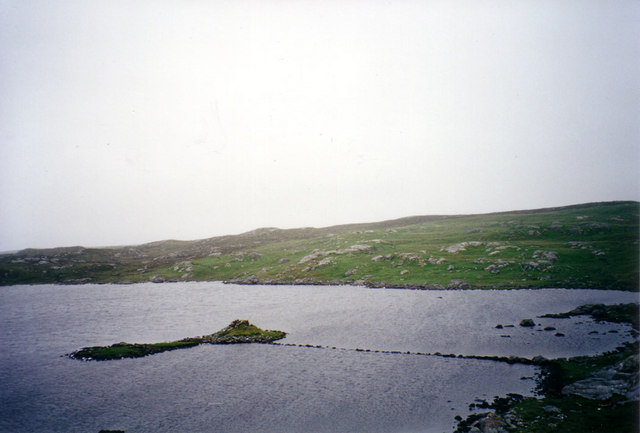
Three stone causeways lace across Loch an Sticir on North Uist, carrying a single line of dry ground from the B893 road to a broch (a tall circular…
Fortified place · Medieval
Argyll and Bute
Reachable only by boat or cliff path, this ruined castle stands atop an earlier Gaelic fort and may have guarded a harbour built for Norse-age ships.
Fortified place · Iron Age
Highland
A countess spent six years hand-sifting its spoil heaps, and coins running from Henry II to George III show this Skye tower stayed in use long afte…
Fortified place · Iron Age
Outer Hebrides
A thirty-metre stone causeway crosses the water of Loch Bharabhat to reach the islet on which Dun Bharabhat stands, its walls rising above the loch…
Fortified place · Iron Age
Highland
A drystone tower on Skye's Waternish coast still stands over two and a half metres high, with its internal gallery wall exposed to view along the e…
Fortified place · Iron Age
Outer Hebrides
On the south side of Dun Carloway the original wall still stands to 9.2 metres, and on the east side sections of the old wall reach close to nine m…
Fortified place · Medieval
Argyll and Bute
Tradition ties this hilltop fort to an exiled Irish king and to Columba's first Scottish church: one summit knotted into two founding legends.
Fortified place · Iron Age
Highland
A smaller broch or dun was built inside the ruins of an earlier hillfort on the same rocky knoll: two separate strongholds, one after the other, on…
Fortified place · Iron Age
Highland
Above its blocked doorway, Dun Dornaigil's wall still climbs to nearly seven metres: among the tallest surviving drystone tower stonework anywhere…
Fortified place · Iron Age
Argyll and Bute
The name Dùn Dubh renders from Scottish Gaelic as "the black dun", and the early 20th-century antiquary Erskine Beveridge counted it among the four…
Fortified place · Medieval
Argyll and Bute
A hilltop stronghold on Colonsay carries a Norse name to this day: Fort of Eyvind: a rare physical trace of Viking-era rule surviving in the Hebrides.
Fortified place · Iron Age
Outer Hebrides
On an inter-tidal sea stack off the north-east coast of the Isle of Lewis, near the village of Knockaird (Cnoc Àrd) in the district of Ness (Nis),…
Briefer entries: recorded and worth knowing, with fuller pages to come.
Fortified place · Iron Age
Devon
Dolbury is the local name for a hillfort: a settlement defended by banks and ditches on high ground between roughly 800 BC and the Roman conquest:…
Tomb or burial place · Medieval
County Tyrone
Doocrock is a 426-acre County Tyrone townland where a Scheduled court tomb gives prehistoric depth to a landscape named “Black Hill.”
Fortified place · Iron Age
Dumfries and Galloway
The facing stones of the wall have almost entirely gone, but the heat that once fused the rampart (an encircling bank built for defence) still show…
Fortified place · Medieval
County Clare
Doonagore Castle is a rare cylindrical Burren tower house whose hilltop setting, Spanish Armada tragedy and twentieth-century restoration make it a…
Fortified place · Medieval
Dorset
Dorchester Castle was a medieval motte-and-bailey (an early Norman castle of a timber tower on an earth mound, with a walled yard alongside) fortif…
Sacred place · Medieval
Dorset
Dorchester Friary was a substantial Franciscan community beside the River Frome, shaped by royal, episcopal and local patronage before its 1538 sup…
Settlement · Prehistoric
Dumfries and Galloway
Dorman's Island is a crannog (a dwelling built on an artificial island in a loch) in Whitefield Loch, in the parish of Old Luce in the Machars peni…
Building or ruin · Prehistoric
Devon
Drizzlecombe gathers one of Dartmoor’s richest prehistoric (predating the written record in Britain) landscapes: Bronze Age (roughly 2500–800 BC, w…
Fortified place · Medieval
County Clare
Dromoland Castle is the former ancestral home of the O'Briens of Inchiquin, a Gaelic royal lineage, whose conversion to a luxury hotel preserved th…
Fortified place
County Armagh
Drumbanagher House shows how a grand nineteenth-century country house could vanish by choice, leaving one triumphal porte-cochère to carry its memory.
Fortified place · Medieval
County Donegal
A Plantation-era castle at a River Finn ford, remembered above all as the site of the 1923 Drumboe massacre during the Irish Civil War.
Building or ruin · Medieval
County Fermanagh
Drummacoorin links a sword dating roughly 2500–800 BC, when metal tools first spread and late Stone Age axe heads to a Boho landscape whose Irish n…
Fortified place · Medieval
County Tyrone
Drumsonnus gives an otherwise ordinary townland a formally protected ancient enclosure, tying a small rural landscape to Northern Ireland’s archaeo…
Building or ruin · Roman
Kent
Dubris was Roman Dover’s cross-Channel port and military base, where lighthouses, forts and the Roman Painted House preserve a strategic gateway be…
Fortified place · Medieval
North Yorkshire
Duffield Castle survives as earthworks on the River Derwent floodplain, preserving the location of a documented medieval castle after its buildings…
Fortified place · Iron Age
Clackmannanshire
Dumyat’s Castle Law preserves an excavated hill fort with evidence for occupation from around 500 BC and again in the fifth to seventh centuries AD.
Fortified place · Iron Age
Highland
A cliff-edge Skye fort twice built and twice destroyed by fire: one of the clearest examples anywhere of the transitional "semi-broch (a tall circu…
No places match those filters.
Kinds of place
Ages





Jun2008.jpg?width=800)