
Of the three stones that once formed the alignment at Drumtroddan, only one still stands. The others lie fallen on the ground, set in a line running northeast to southwest across a ridge in the parish of Mochrum, in what was the old county of Wigtownshire, Dumfries and Galloway. The two end stones measure 3m in length; the middle stone is roughly 2.7m long. It is a modest monument, but the height of its stones is one of the few clues to its age.
Of the three stones that once formed the alignment at Drumtroddan, only one still stands. The others lie fallen on the ground, set in a line running northeast to southwest across a ridge in the parish of Mochrum, in what was the old county of Wigtownshire, Dumfries and Galloway. The two end stones measure 3m in length; the middle stone is roughly 2.7m long. It is a modest monument, but the height of its stones is one of the few clues to its age.
The alignment is Neolithic or Bronze Age, likely raised during the third or second millennium BCE, though sites of this kind resist precise dating. Short stone rows are generally regarded as relatively late constructions, yet the tallness of the stones at Drumtroddan hints that it may belong to an earlier period than its form alone would suggest. What the row was for remains unknown; one suggestion is that it served in observations of the sun or moon.
Drumtroddan does not stand alone. It sits within a wider landscape of prehistoric monuments, close to the Drumtroddan cup and ring marked rocks and the Big Balcraig cup and ring marked rocks. Alignments of this type cluster in south-west Ireland, south-west Scotland, and along the western seaboards of Scotland.
What follows is drawn from published sources, with each claim labelled by how firmly it is established.
The name
Drumtroddan is a Gaelic name meaning 'ridge of the quarrel', from druim, 'ridge', and trodan, 'quarrel' or 'contention'.
History
The stones were most likely set up during the third or second millennium BCE, in the Neolithic or Bronze Age. Monuments of this type are difficult to date with any confidence, and Drumtroddan is no exception. Short stone row alignments such as this are generally considered relatively late constructions. The height of the stones at Drumtroddan, however, may point the other way, suggesting the monument could date from an earlier period than its form would otherwise imply.
By the time the site was recorded, only one of the three stones remained upright; the other two had fallen. The alignment, running northeast to southwest, could still be traced from the stones' positions, with the two end stones each 3m long and the middle stone roughly 2.7m.
Cultural influences
-
The standing-stone row forms part of the wider Drumtroddan prehistoric landscape, alongside nearby cup-and-ring marked rocks.
Connections
-
Drumtroddan cup and ring marked rocks
Nearby prehistoric carved rocks forming part of the same landscape of monuments.
-
Big Balcraig cup and ring marked rocks
Nearby prehistoric carved rocks within the wider prehistoric landscape around Drumtroddan.
What to look for
-
The single standing stone
One of the three original stones remains upright; the other two lie fallen where they once stood in the line.
-
The northeast-southwest alignment
The three stones were set in a row running northeast to southwest, a linear arrangement still readable from the stones' positions.
-
The stones' scale
The two end stones are 3m in length and the middle stone roughly 2.7m, a height unusual for a short stone row.
-
The wider prehistoric landscape
The nearby Drumtroddan and Big Balcraig cup and ring marked rocks place the alignment within a broader scatter of prehistoric sites.
Plan your visit
- Location
- 54.7669°N · 4.5438°W
- Access
- Open access
- Terrain
- Easy going
- Time needed
- About 45 minutes
- Best time
- Visit in daylight and dry conditions, when the standing stones and surrounding landscape can be viewed safely.
- What survives
- Three tall standing stones remain at Drumtroddan, with two fallen stones beside the upright monument; the tallest standing stone is about three metres high.
- Facilities
- No dedicated visitor facilities are documented at the stones; plan to use facilities in nearby settlements.
Opening & admission
Free to visit and open year-round.
- Access is through a farm with livestock; wear strong footwear and follow on-site guidance.
Nearby places
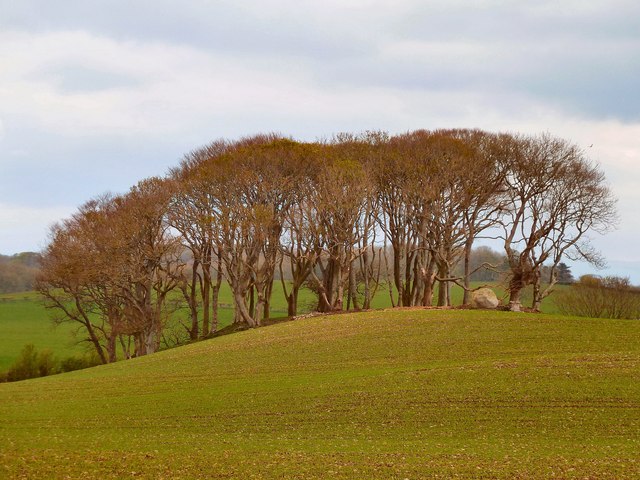
Sacred place · Prehistoric
Wren's Egg
Dumfries and Galloway
A large glacial erratic sits in a field in the parish of Glasserton, in what was historically Wigtownshire, and gives its name to the whole monumen…
- Easy path
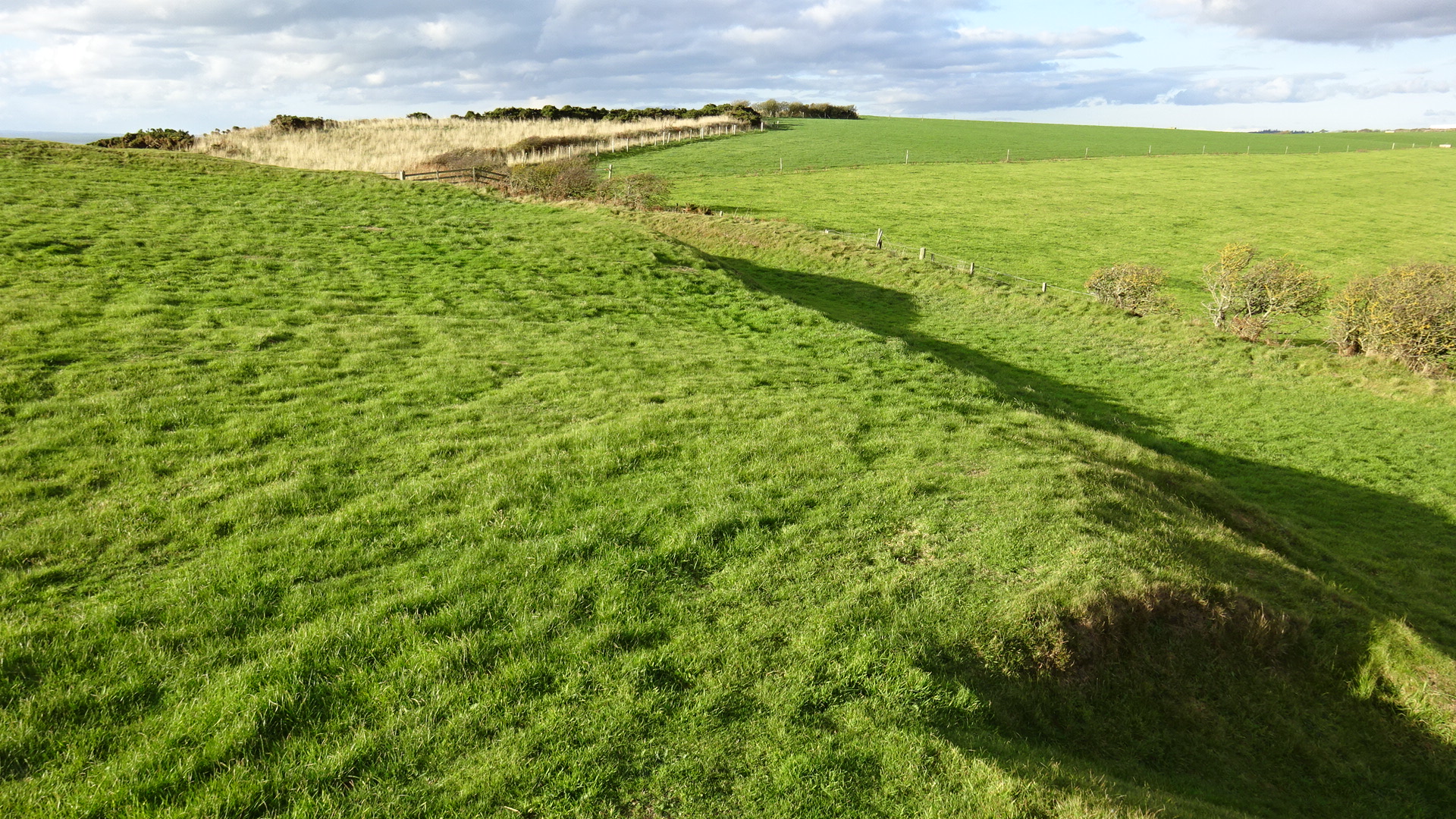
Fortified place · Prehistoric
Barsalloch Fort
Dumfries and Galloway
The site carries two widely separated chapters of the human past. Aspects of Barsalloch Fort are thought to date to the Mesolithic period, placing…
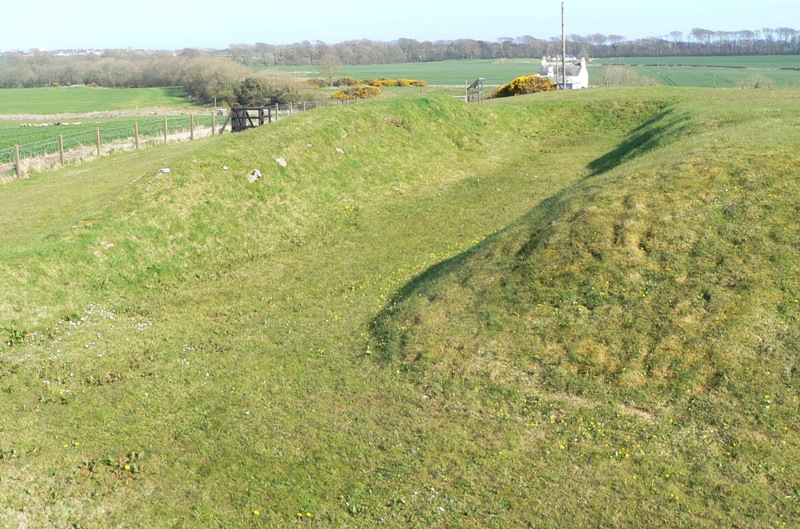
Settlement · Medieval
Rispain Camp
Dumfries and Galloway
Rispain Camp is one of Scotland’s major Iron Age (from about 800 BC until the Romans came) sites, where unusually well-preserved ramparts and excav…
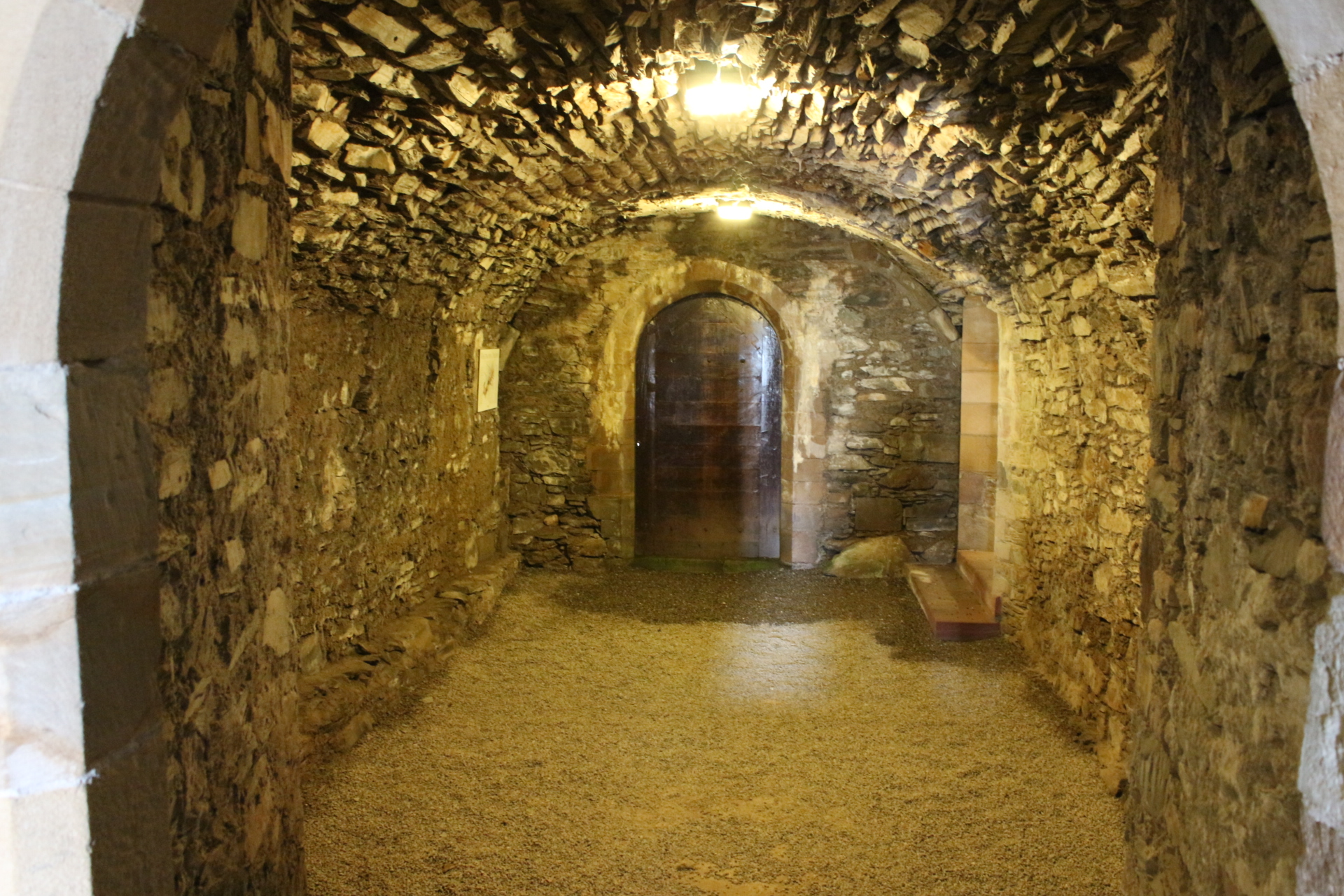
Sacred place · Pictish & early medieval
Whithorn Priory and Museum
Dumfries and Galloway
Whithorn was the location of the first recorded Christian church in Scotland: Candida Casa, the 'White/Shining House': built by Saint Ninian around…
- Near Newton Stewart
Questions people ask
- How old are the Drumtroddan standing stones?
- The alignment was most likely set up in the third or second millennium BCE, in the Neolithic or Bronze Age, though monuments of this type are difficult to date precisely. The height of the stones may indicate an earlier date than the short-row form would usually suggest.
- How many stones are there and are they still standing?
- There are three stones, aligned northeast to southwest. Only one of them is now standing; the other two have fallen.
- What does the name Drumtroddan mean?
- It is a Gaelic name meaning 'ridge of the quarrel', from druim, 'ridge', and trodan, 'quarrel' or 'contention'.
- What was the monument for?
- Its original purpose is unclear. One suggestion is that it may have been used in observations of the sun or moon.
- What else is nearby?
- The stones sit within a wider landscape of prehistoric sites, including the nearby Drumtroddan cup and ring marked rocks and the Big Balcraig cup and ring marked rocks.
Sources
- Drumtroddan standing stones — Wikipedia
- Canmore — National Record of the Historic Environment
Explore more: Sacred places · Prehistoric · Dumfries and Galloway
The Ancient Codex, in your pocket
Get the Pocket Codex app
Carry the directory with you — Drumtroddan standing stones and thousands of ancient places across Britain and Ireland, offline, wherever you roam.