A large glacial erratic sits in a field in the parish of Glasserton, in what was historically Wigtownshire, and gives its name to the whole monument around it: the Wren's Egg. The boulder was carried here by ice and left stranded, and at some point a farmer tried to shift it out of his field and failed, so it no longer rests where the glacier abandoned it. Around it stand two pairs of low standing stones, none taller than 0.6 metres, set to the north and south of the erratic.
A large glacial erratic sits in a field in the parish of Glasserton, in what was historically Wigtownshire, and gives its name to the whole monument around it: the Wren’s Egg. The boulder was carried here by ice and left stranded, and at some point a farmer tried to shift it out of his field and failed, so it no longer rests where the glacier abandoned it. Around it stand two pairs of low standing stones, none taller than 0.6 metres, set to the north and south of the erratic.
The grouping is dated to the late Neolithic or Bronze Age. The northern pair remain in their original settings, oriented east to west, roughly 1.5 metres apart and about 18 metres from the boulder. A second pair lies 405 metres away to the south, again aligned east to west and standing about 1 metre apart. Pairs of stones that seem to have been raised as an intervisible and deliberate group are relatively uncommon in Scotland, where standing stones otherwise cluster in the Western and Northern Isles, Caithness, Aberdeenshire, Perthshire and Dumfries and Galloway.
For a long time the erratic was believed to sit at the centre of two concentric stone circles, but that reading did not survive investigation. The site occupies ground crowded with contemporary and near-contemporary monuments, and its value lies partly in what that concentration might reveal about how this landscape developed over the prehistoric centuries.
What follows is drawn from published sources, with each claim labelled by how firmly it is established.
History
The standing stones and the boulder they surround belong to the late Neolithic or Bronze Age, when the two pairs of low stones were raised on either side of the glacial erratic. The northern pair were set east to west about 1.5 metres apart, some 18 metres from the boulder, while the southern pair were placed 405 metres away in the same alignment, roughly 1 metre apart.
At some later date a farmer attempted to remove the Wren's Egg from his field and failed, leaving the erratic displaced from its original resting position even as the smaller stones stayed put. In 1882 the Ancient Monuments Act was passed, and the Wren's Egg became one of the first monuments in the country to be brought under its protection. In 1887 the site was scheduled by the archaeologist Augustus Pitt Rivers while he was staying with Sir Herbert Maxwell. That Pitt Rivers chose to schedule the Wren's Egg rather than the nearby Torhouse Stone Circle has been called notable and puzzling.
In 1890 Maxwell offered the monument into guardianship, and it passed into state care, among the earliest sites to be taken on in this way. Excavations in 1975, later published by Lionel Masters, tested the old belief that the erratic lay at the centre of two concentric stone circles and showed that it did not. In 2012 three cists dating to the Bronze Age were discovered 155 metres to the north-east of the Wren's Egg. One of them held skeletal remains, adding a burial dimension to a landscape already dense with prehistoric monuments.
People
-
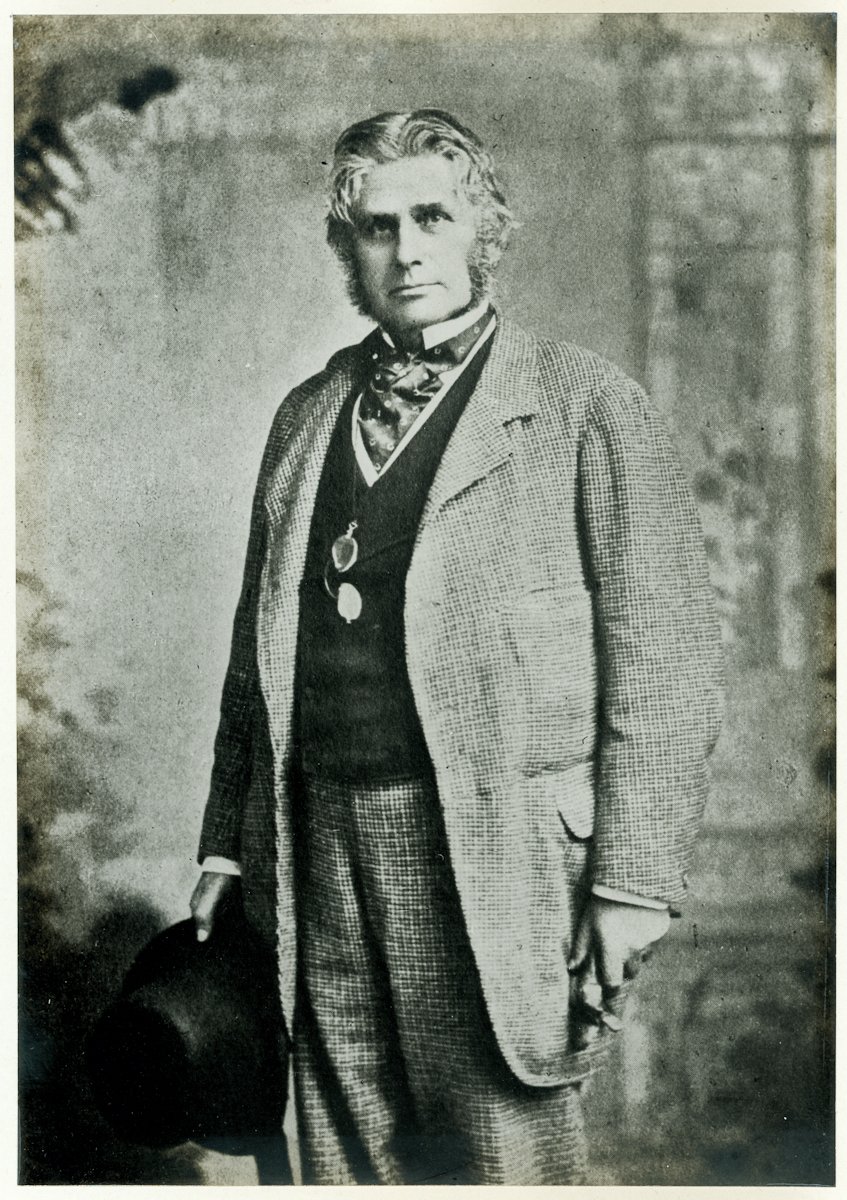
Portrait: Unknown author / Wikimedia Commons / Public domain Augustus Pitt Rivers
The archaeologist who scheduled the Wren's Egg and its standing stones in 1887 while visiting Sir Herbert Maxwell.
-
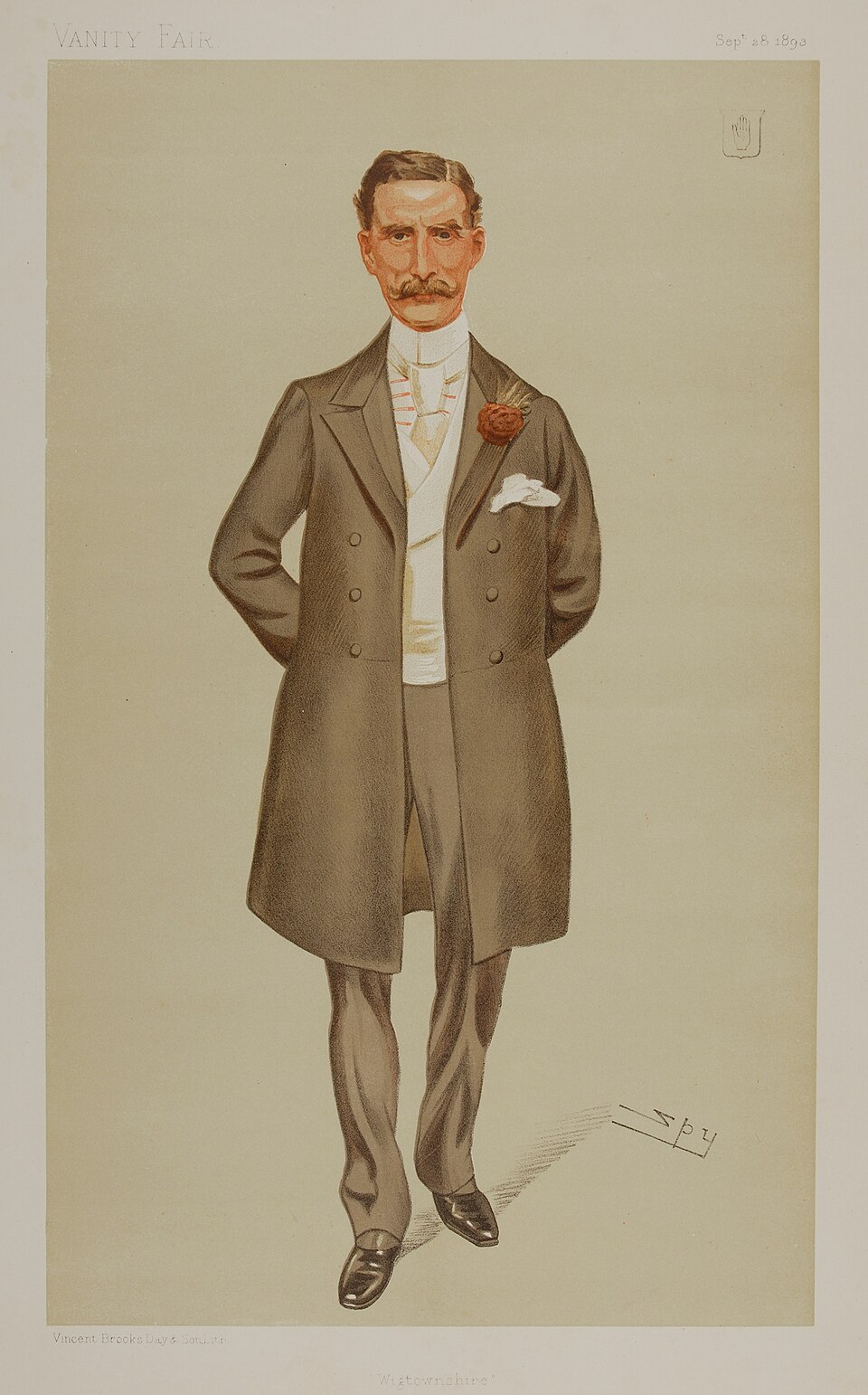
Portrait: Leslie Ward / Wikimedia Commons / Public domain Sir Herbert Maxwell
The landowner who hosted Pitt Rivers and in 1890 offered the monument into guardianship, bringing it into state care.
-
Lionel Masters
The archaeologist who excavated the Wren's Egg and published the findings in the Transactions of the Dumfriesshire and Galloway Natural History and Antiquarian Society in 1976–1977.
Cultural influences
-
The Wren’s Egg standing stones form a rare intervisible group within a landscape containing other contemporary or near-contemporary monuments.
Connections
-

Photo: Otter / Wikimedia Commons / CC BY-SA 3.0 Torhouse Stone Circle
A nearby prehistoric monument that Pitt Rivers notably did not schedule when he scheduled the Wren's Egg in 1887.
Discovery & excavation
Excavations in 1975 disproved the long-held idea that the Wren's Egg stood at the centre of two concentric stone circles. The results were published by Lionel Masters as "Excavations at The Wren's Egg" in the Transactions of the Dumfriesshire and Galloway Natural History and Antiquarian Society. In 2012, further discovery came from 155 metres to the north-east, where three Bronze Age cists were found, one of them containing skeletal remains.
What to look for
-
The Wren's Egg boulder
The large glacial erratic that names the site, no longer in its original position after a farmer's failed attempt to move it from the field.
-
The northern pair of stones
Two standing stones in their original settings, oriented east to west, roughly 1.5 metres apart and about 18 metres from the erratic. Neither stands taller than 0.6 metres.
-
The southern pair of stones
A second pair sited 405 metres from the northern stones, also aligned east to west and about 1 metre apart, again low stones no more than 0.6 metres tall.
Plan your visit
- Location
- 54.7461°N · 4.5479°W
- Access
- Open access
- Terrain
- Easy going
- Time needed
- About 30 minutes
Nearby places
Fortified place · Prehistoric
Barsalloch Fort
Dumfries and Galloway
The site carries two widely separated chapters of the human past. Aspects of Barsalloch Fort are thought to date to the Mesolithic period, placing…
Sacred place · Prehistoric
Drumtroddan standing stones
Dumfries and Galloway
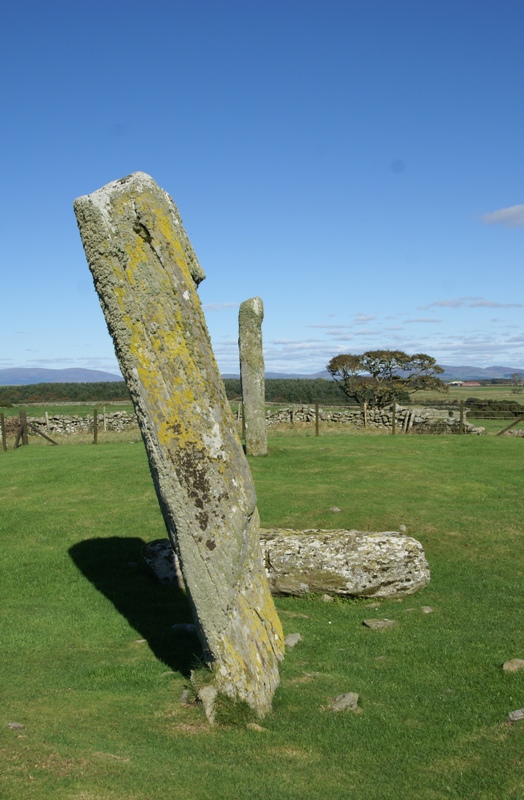
Of the three stones that once formed the alignment at Drumtroddan, only one still stands. The others lie fallen on the ground, set in a line runnin…
- Easy path
Settlement · Medieval
Rispain Camp
Dumfries and Galloway
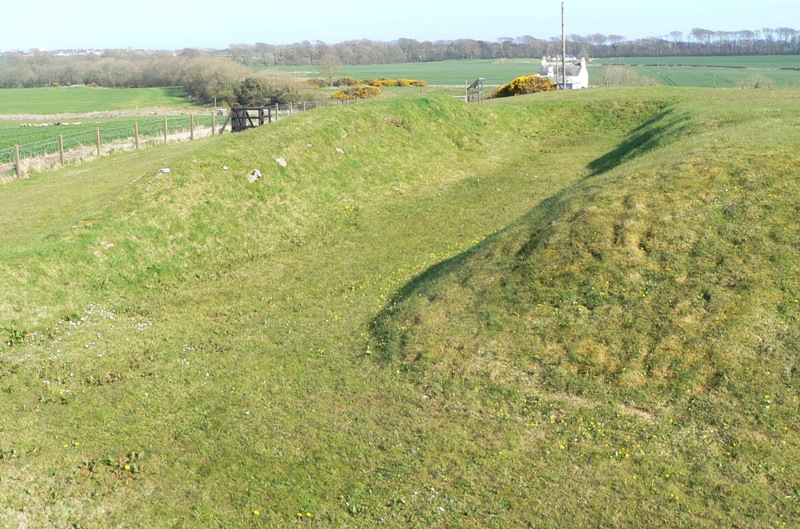
Rispain Camp is one of Scotland’s major Iron Age (from about 800 BC until the Romans came) sites, where unusually well-preserved ramparts and excav…
Sacred place · Pictish & early medieval
Whithorn Priory and Museum
Dumfries and Galloway
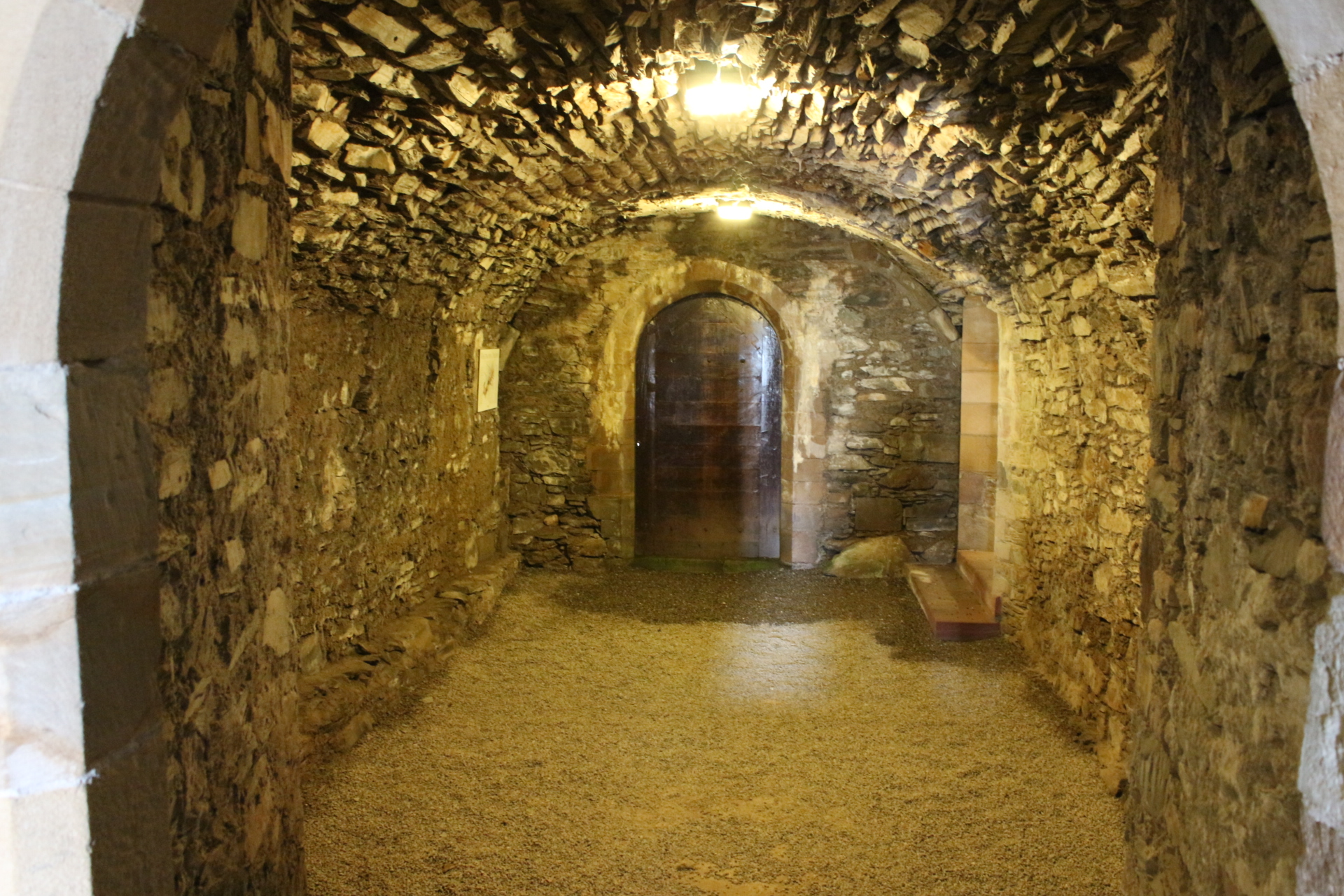
Whithorn was the location of the first recorded Christian church in Scotland: Candida Casa, the 'White/Shining House': built by Saint Ninian around…
- Near Newton Stewart
Questions people ask
- What is the Wren's Egg?
- It is a set of late Neolithic or Bronze Age stone monuments in the parish of Glasserton, historically Wigtownshire, in Dumfries and Galloway. The name refers both to a large glacial erratic and to the two pairs of standing stones set to its north and south.
- Is the large boulder in its original position?
- No. The Wren's Egg erratic is not where the glacier left it; a farmer appears to have tried and failed to move it out of the field. The smaller standing stones of the northern pair, by contrast, remain in their original settings.
- Did the Wren's Egg once stand within stone circles?
- It was previously thought to lie at the centre of two concentric stone circles, but excavations in 1975 showed that this was not the case.
- Why is the site historically important to conservation?
- It was one of the first monuments taken into state care after the Ancient Monuments Act of 1882. It was scheduled by Augustus Pitt Rivers in 1887 and offered into guardianship by Sir Herbert Maxwell in 1890.
- Have any burials been found nearby?
- Yes. In 2012 three Bronze Age cists were discovered 155 metres to the north-east of the Wren's Egg, one of which contained skeletal remains.
Sources
- Wren's Egg — Wikipedia
- Wikidata: Wren's Egg (Q56661670)
- Historic Environment Scotland — scheduled monument designation
- Masters, Lionel (1976–1977). "Excavations at The Wren's Egg", Transactions of the Dumfriesshire and Galloway Natural History and Antiquarian Society, 52: 28–43.
Explore more: Sacred places · Prehistoric · Dumfries and Galloway
The Ancient Codex, in your pocket
Get the Pocket Codex app
Carry the directory with you — Wren's Egg and thousands of ancient places across Britain and Ireland, offline, wherever you roam.