Fortified place · Iron Age
Knowle Hill Castle
Devon
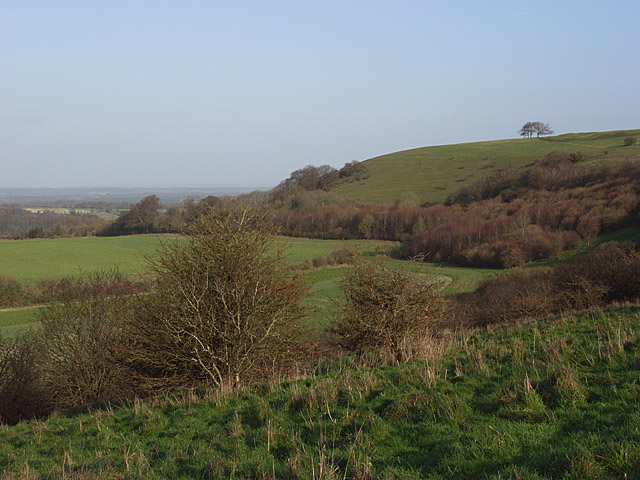
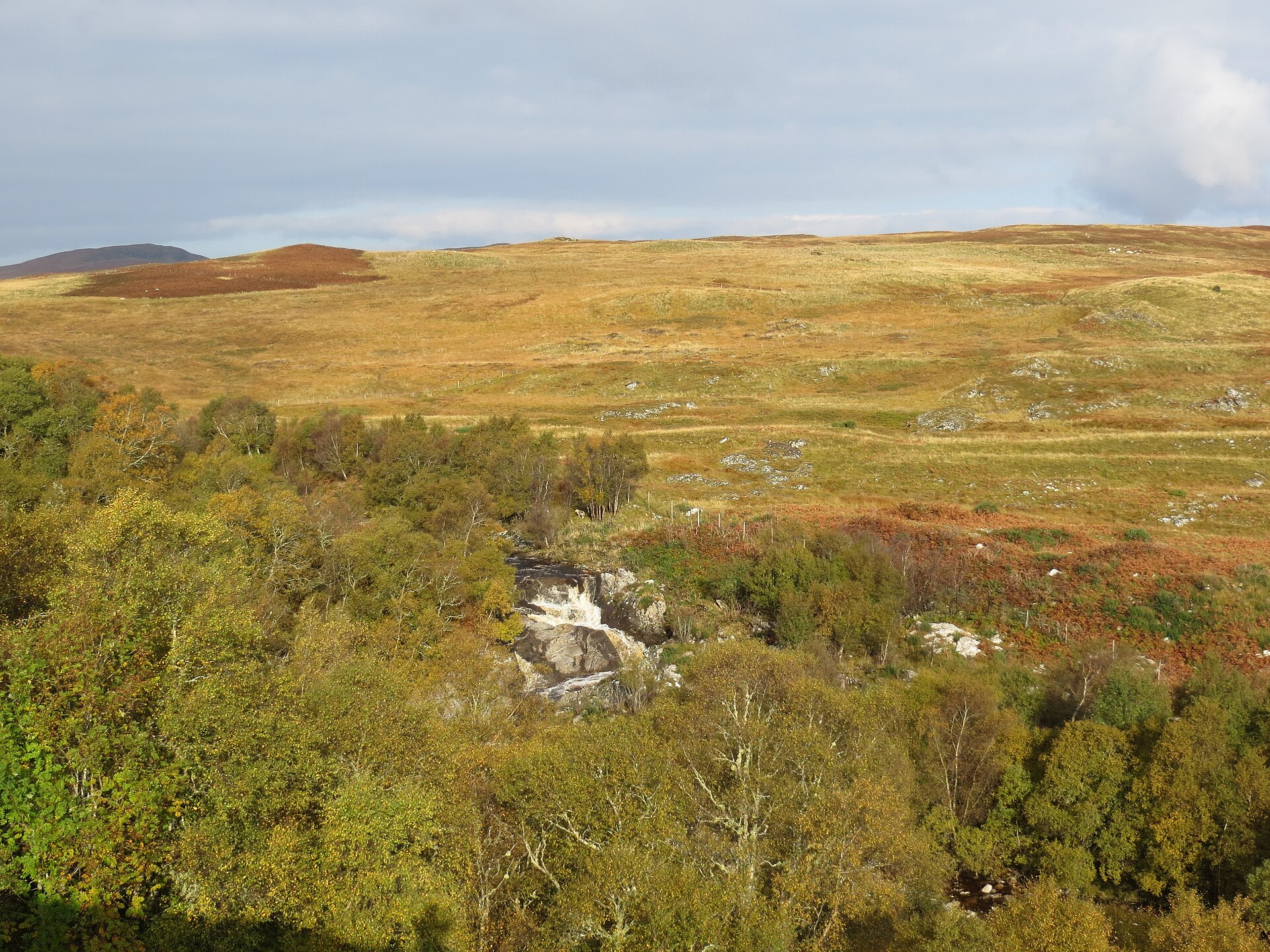
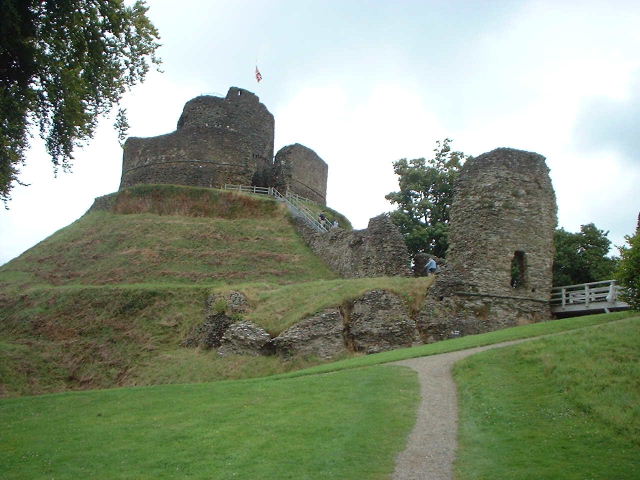
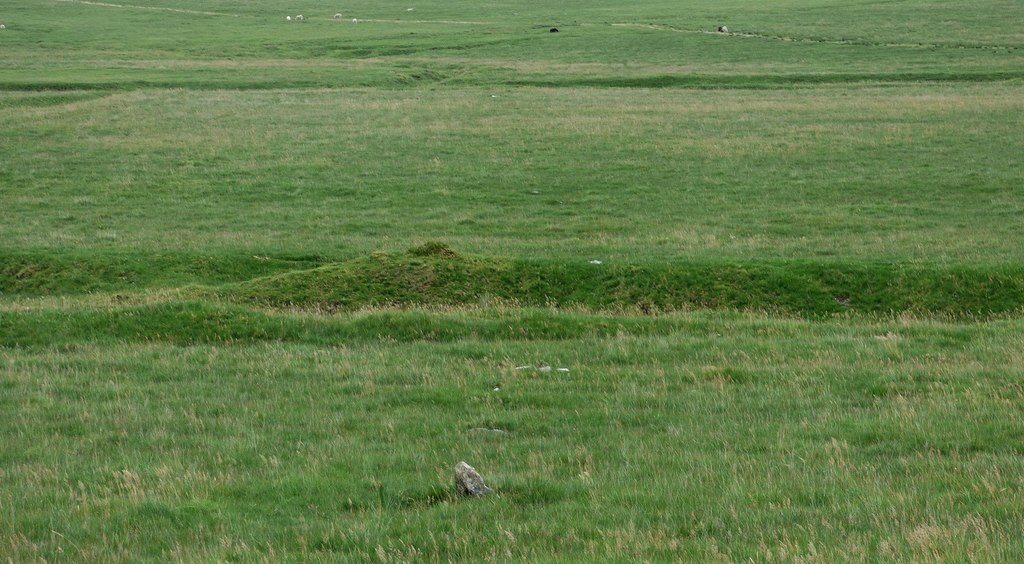
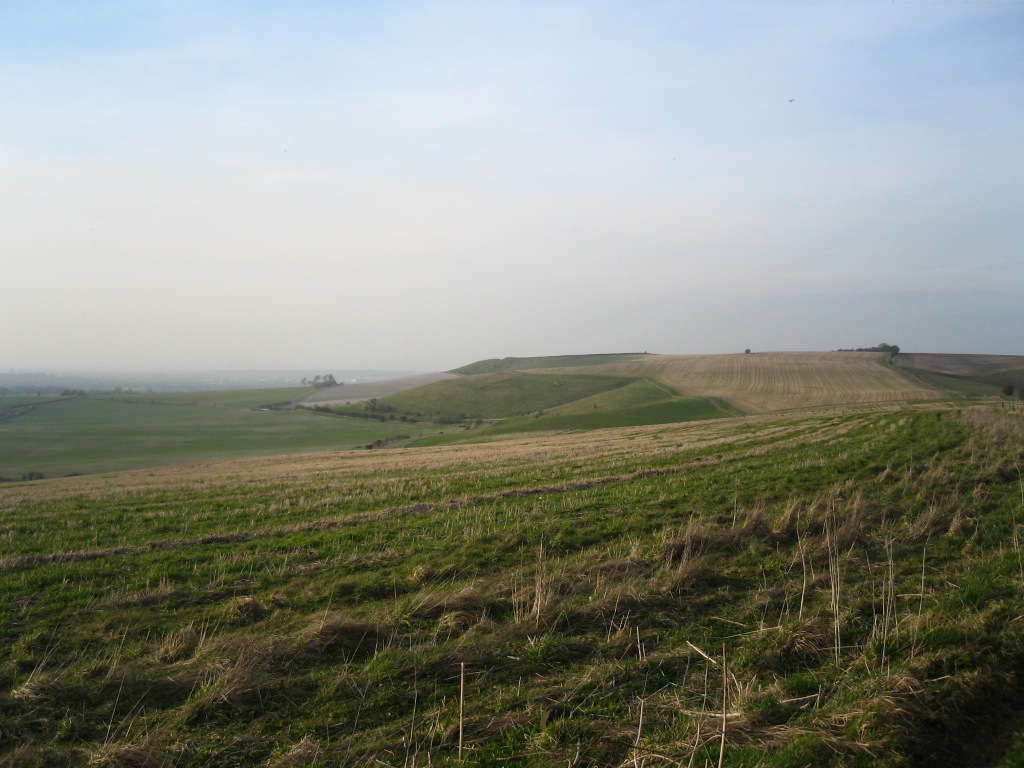
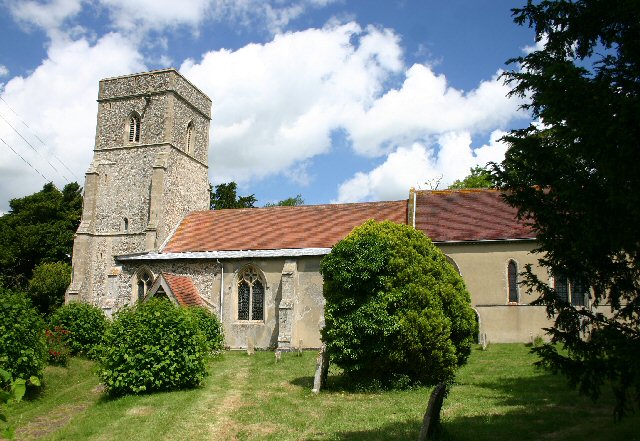
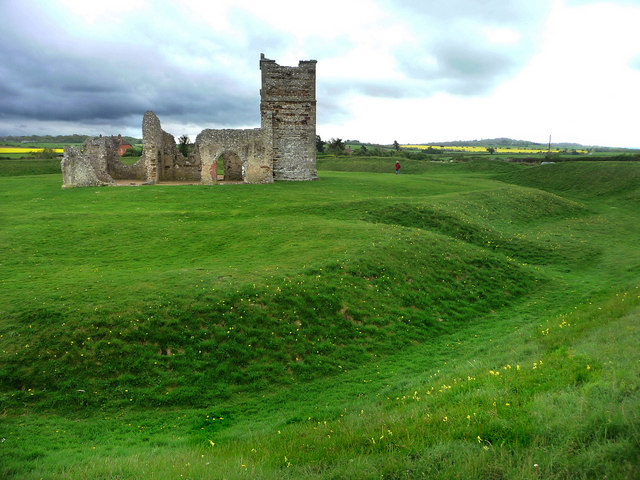
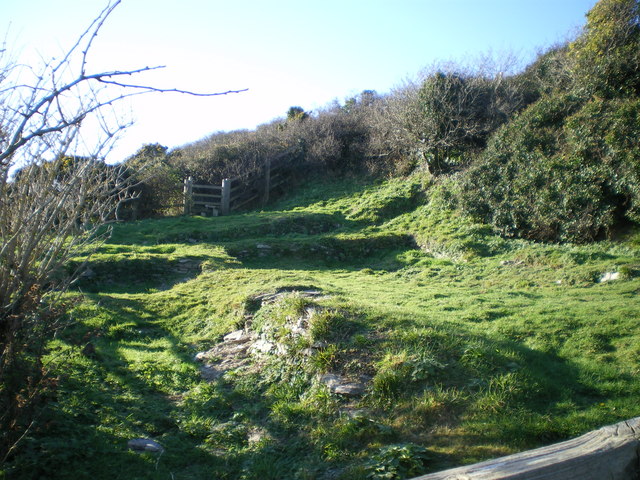
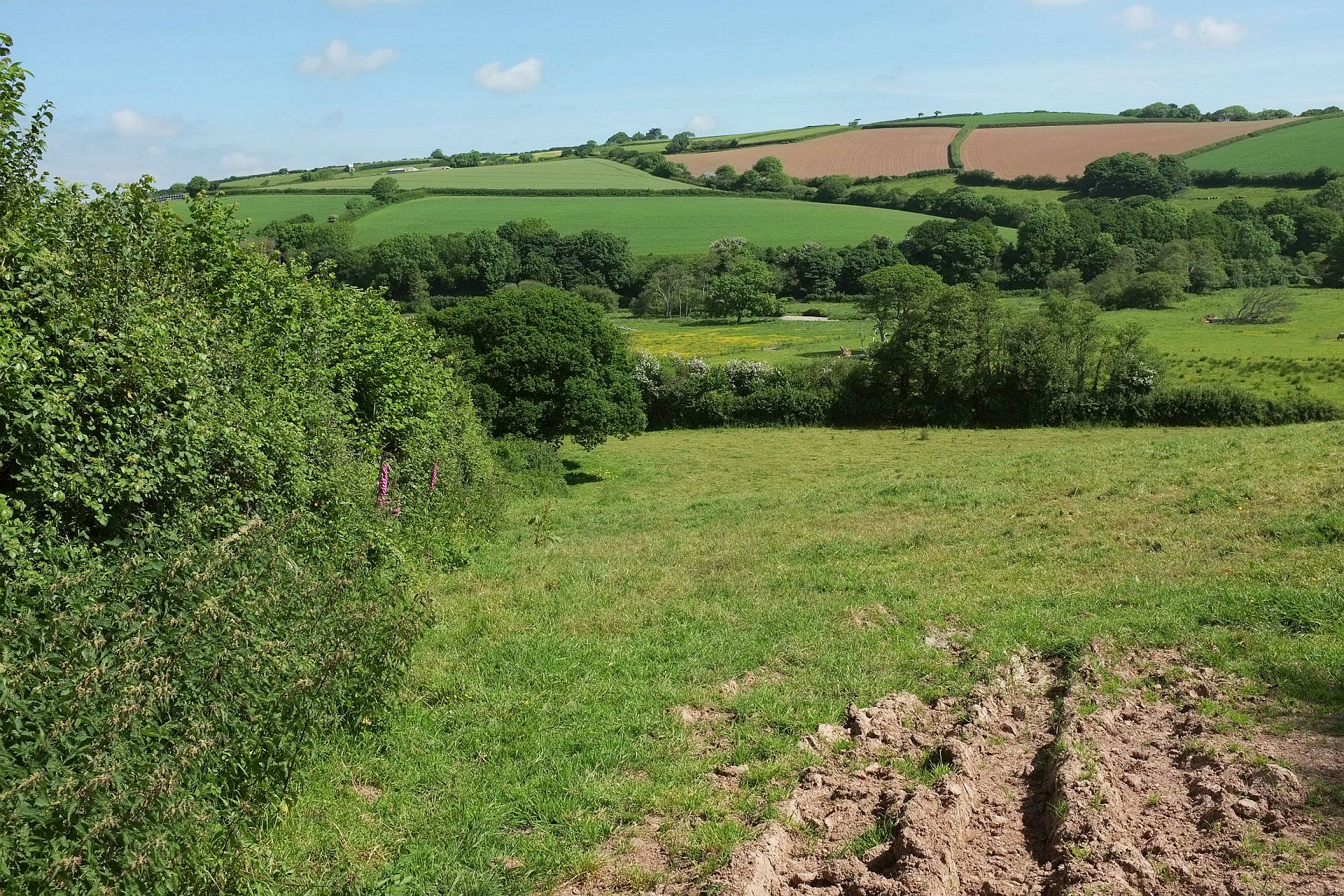
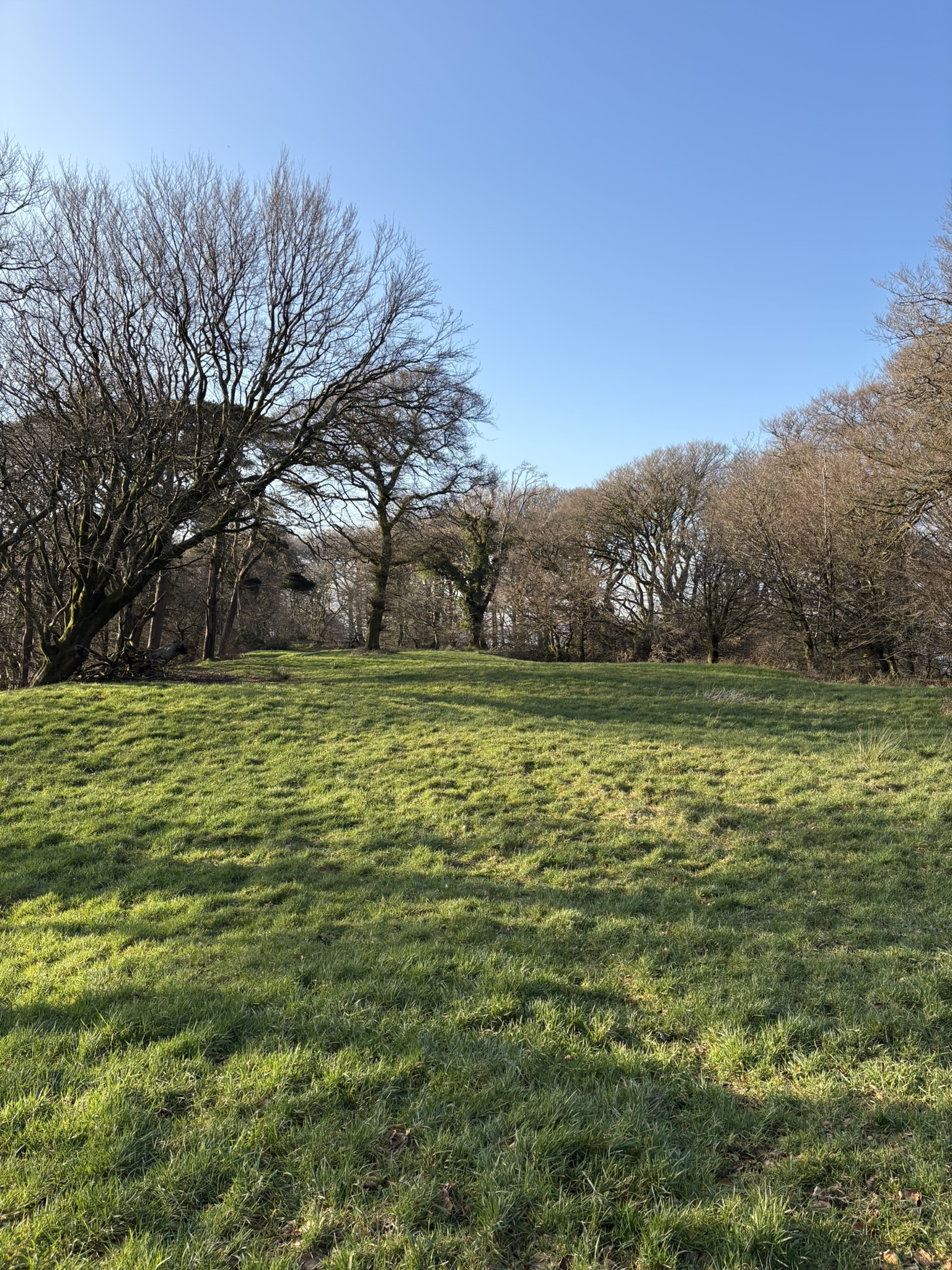
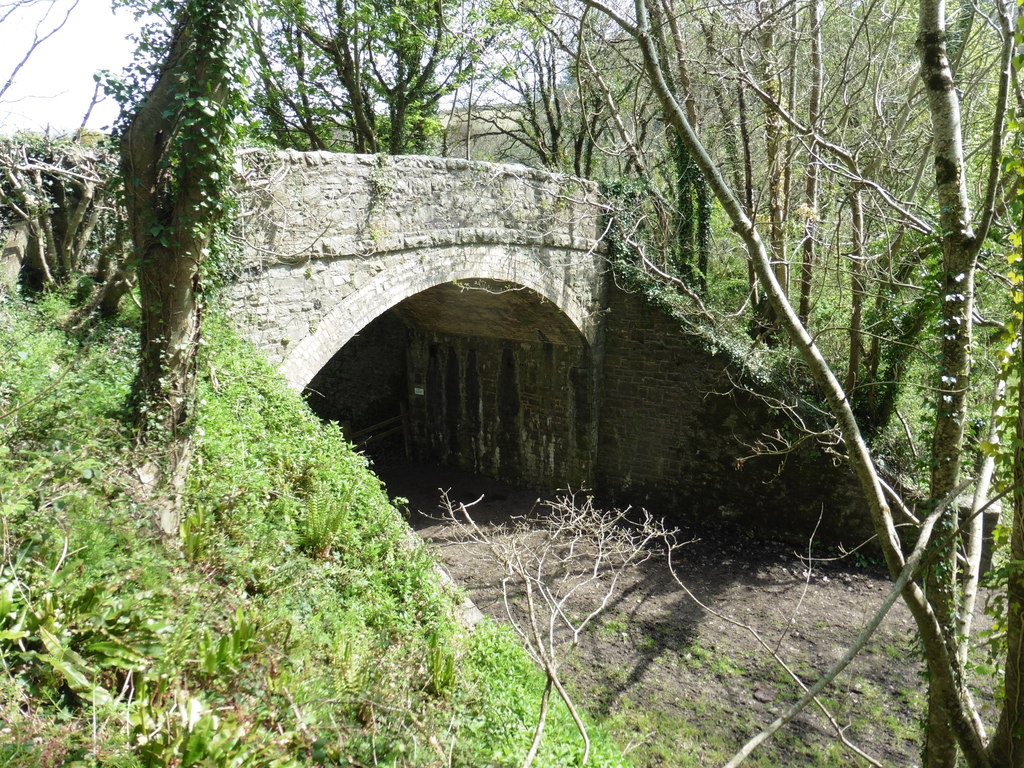
Knowle Hill Castle is a compact example of an Iron Age (the period from roughly 800 BC to the Roman conquest) hillfort (a hilltop enclosure ringed…
- Some walking
The directory
Page 27 of 47 in the full directory.
Browsing 100 places — search and the map cover the whole directory.
Fortified place · Iron Age
Devon
Knowle Hill Castle is a compact example of an Iron Age (the period from roughly 800 BC to the Roman conquest) hillfort (a hilltop enclosure ringed…
Fortified place
Devon
Knowles Battery is a surviving Palmerston-era defence of Plymouth’s landward approaches, later transformed from artillery position into a scheduled…
Tomb or burial place · Prehistoric
County Meath
One mound was a tomb, a Bronze Age ritual ground, a hill fort, a royal capital, a Norman motte and a Cistercian farm in turn: each layer built over…
Sacred place · Medieval
Lincolnshire
A community of twelve Augustinian canons that clung to its way of life so hard it paid the Crown as much as it earned rather than close early: and…
Tomb or burial place · Prehistoric
County Cork
Labbacallee is Ireland’s largest wedge tomb, a c.2300 BC burial monument whose massive stones, excavated remains and later folklore show how one pl…
Fortified place · Medieval
County Tipperary
A modest tower house in a quiet Tipperary townland turns out to be the hiding place of one of Ireland's oldest surviving illuminated manuscripts, t…
Sacred place · Medieval
Wiltshire
A single noblewoman's grief founded a working nunnery of landowners' daughters that ran sheep flocks 2,000 strong and kept its own scriptorium: not…
Building or ruin · Roman
Northamptonshire
Beneath the streets of modern Towcester lies a walled Roman roadside town whose shops, bathhouse and stone-towered defences grew directly from a si…
Fortified place · Iron Age
Hampshire
Begun in the Iron Age and abandoned mid-build, its bank and ditch still show the uneven work of several separate labour gangs: a rare freeze-frame…
Fortified place · Iron Age
Devon
Lambert’s Castle unites a hillfort, a defended hilltop settlement from the Iron Age, the period before the Roman conquest, with a rare protected mo…
Fortified place · Medieval
County Durham
A Victorian-era vision of a Norman stronghold, built by a future governor-general of Canada and still the private seat of an earldom nearly two cen…
Fortified place · Medieval
Ceredigion
A Norman motte (the earthen mound a castle was raised on) beside a key Welsh trade route, whose surviving mound records a frontier castle fiercely…
Building or ruin · Medieval
Pembrokeshire
A ruined medieval complex that served high-ranking clergy, known also as Lamphey Court.
Fortified place · Roman
South Lanarkshire
A royal castle that gave Lanark its shape and then vanished entirely: leaving a hill, a name and a town plan.
Fortified place · Medieval
Lancashire
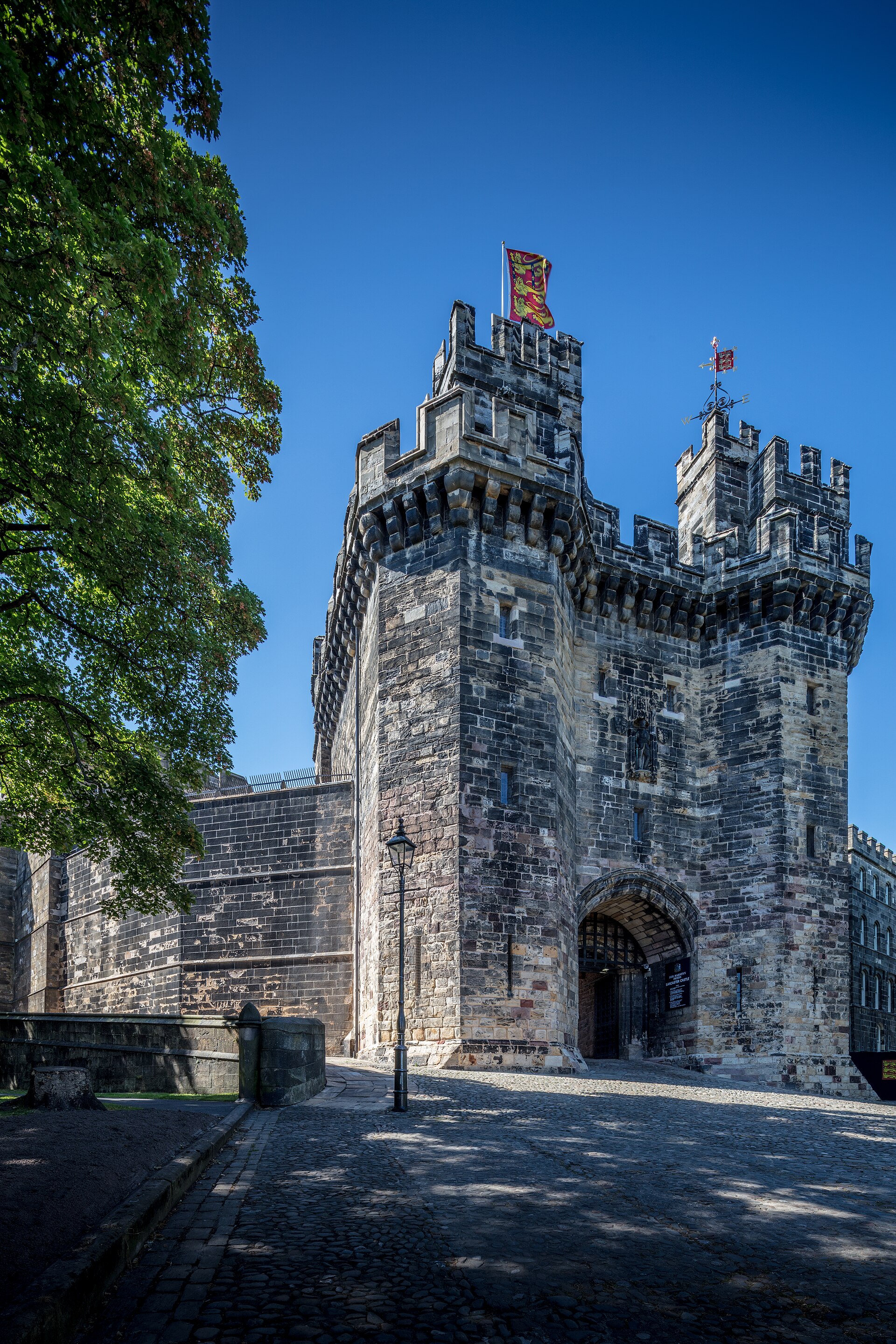
One office held courtroom, garrison and gaol together for eight centuries, trying the Pendle witches in 1612 and sending some 265 people to the gal…
Sacred place · Medieval
Lancashire
Its oak choirstalls, carved in 1340, are the third oldest in England, and beneath the chancel (the part of a church around the altar) lie the burie…
Building or ruin · Roman
Lancashire
A single fragment of massive Roman wall, reused as the foundation stone of a name: Lancaster itself grew from the fort that once stood on this hill.
Fortified place · Medieval
Suffolk
A fort at the mouth of the Orwell outside Felixstowe, built to guard the river entrance.
Sacred place · Medieval
Cumbria
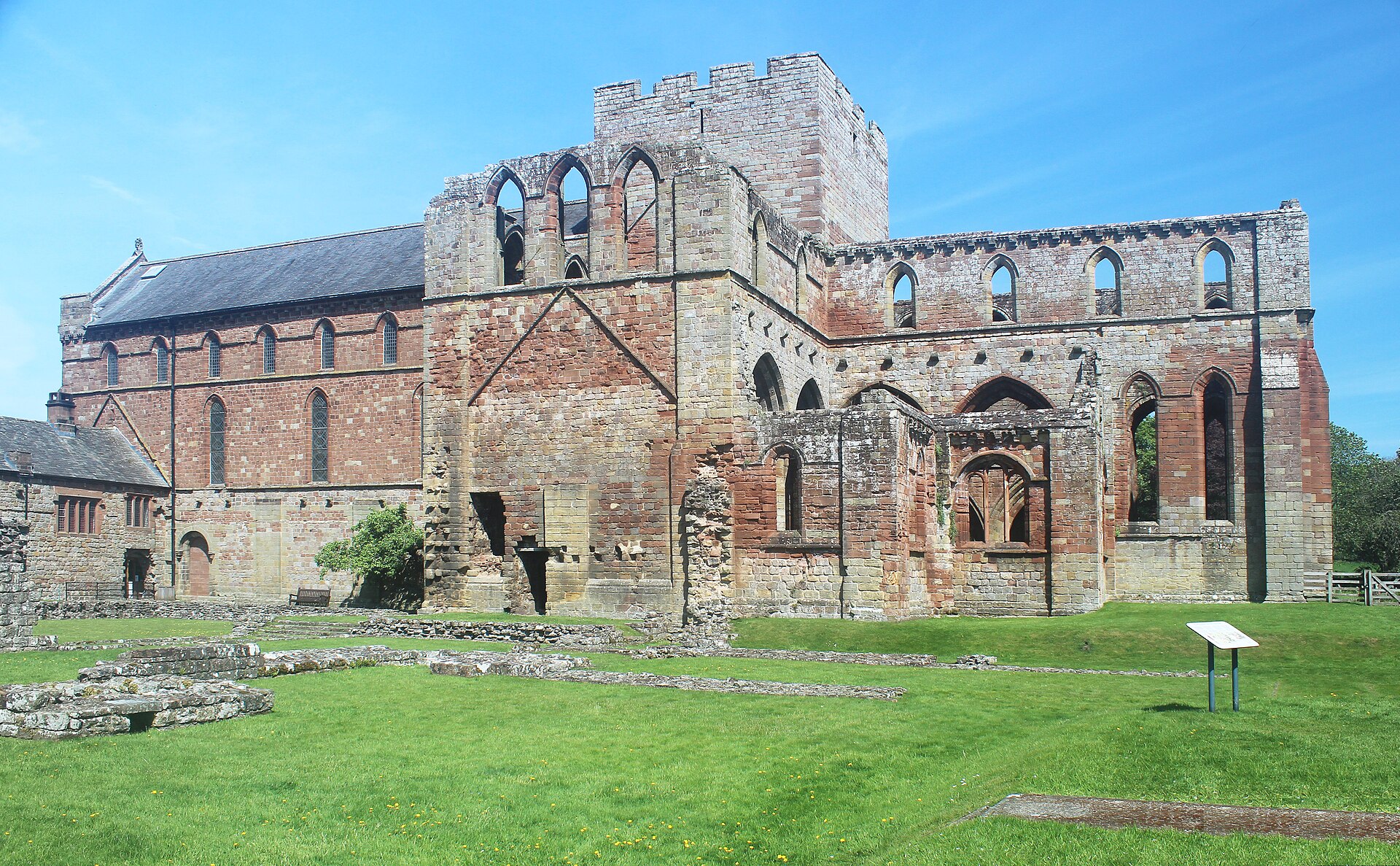
Its walls were built from plundered Hadrian's Wall stone, including Roman inscriptions, and its monks wrote the Lanercost Chronicle, a key source f…
Carved stone · Pictish & early medieval
Aberdeenshire
Carved in Ogam: an alphabet devised for Irish, not Pictish, speech: the stone has anchored more than a century of scholarly argument over how far I…
Sacred place · Prehistoric
Aberdeen City
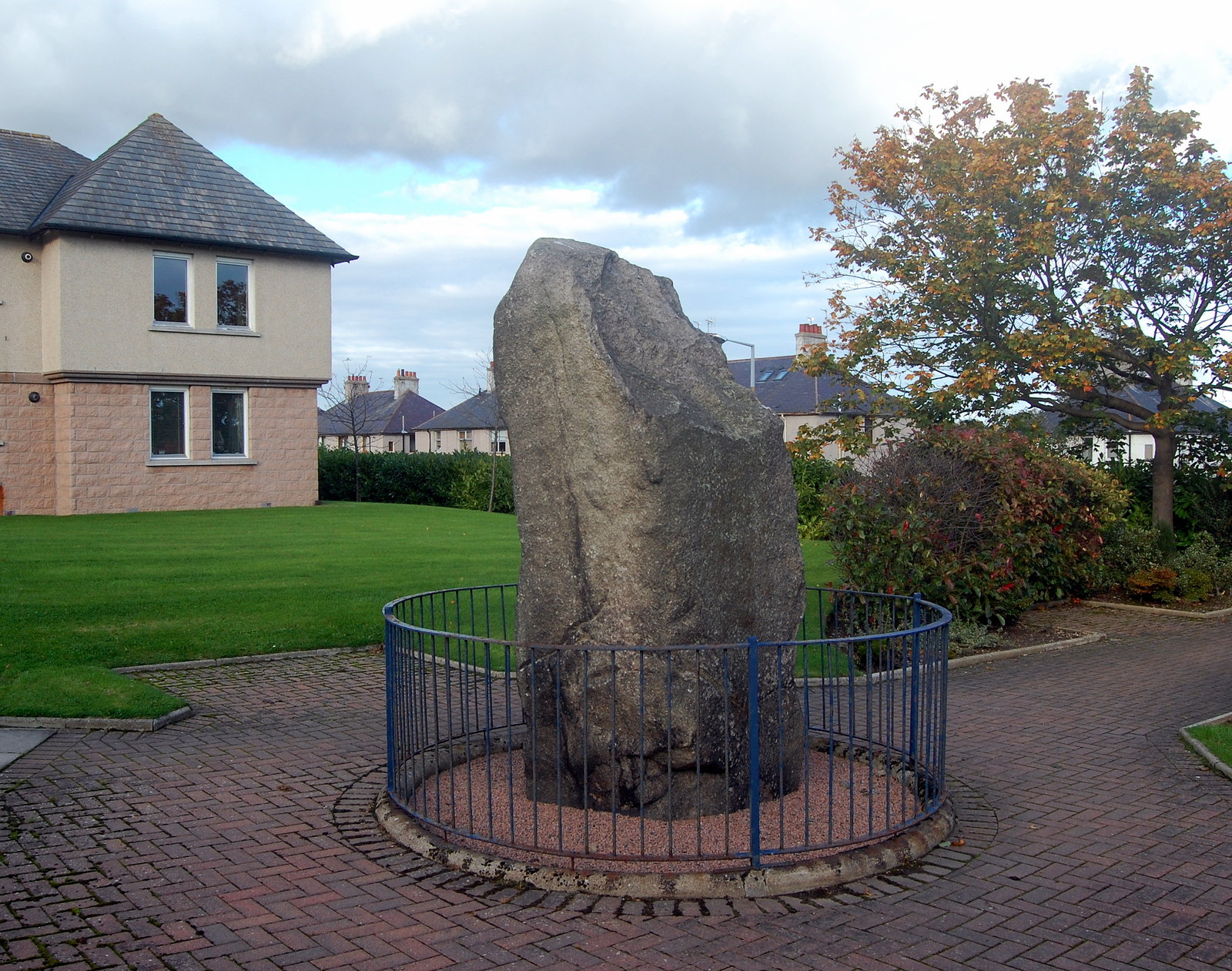
A granite monolith nearly three metres tall standing in Hilton, one of several Aberdeen stones sharing the name Lang Stane: Scots for long stone.
Sacred place · Prehistoric
Aberdeen City
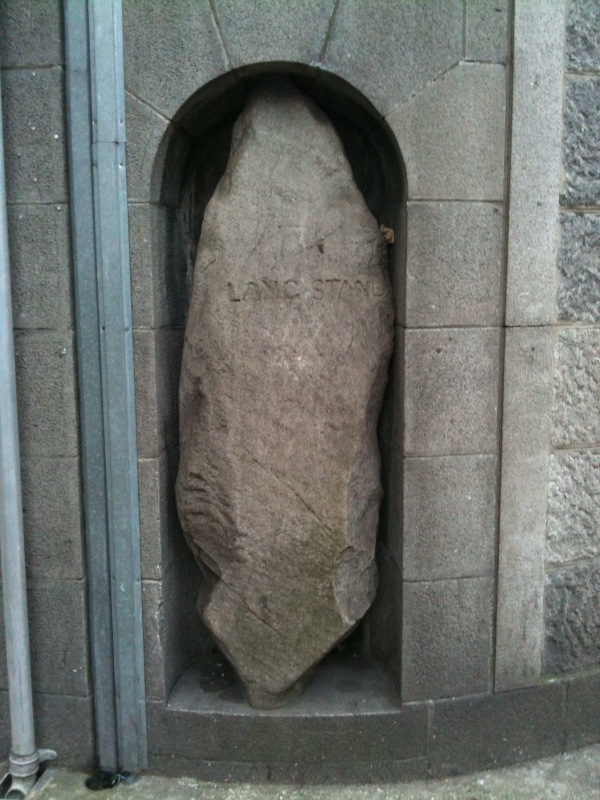
A keel-shaped base ties this Union Street stone to Aberdeenshire's recumbent circles: raised around 3000 BC, before writing reached Britain: long b…
Building or ruin · Prehistoric
Cumbria
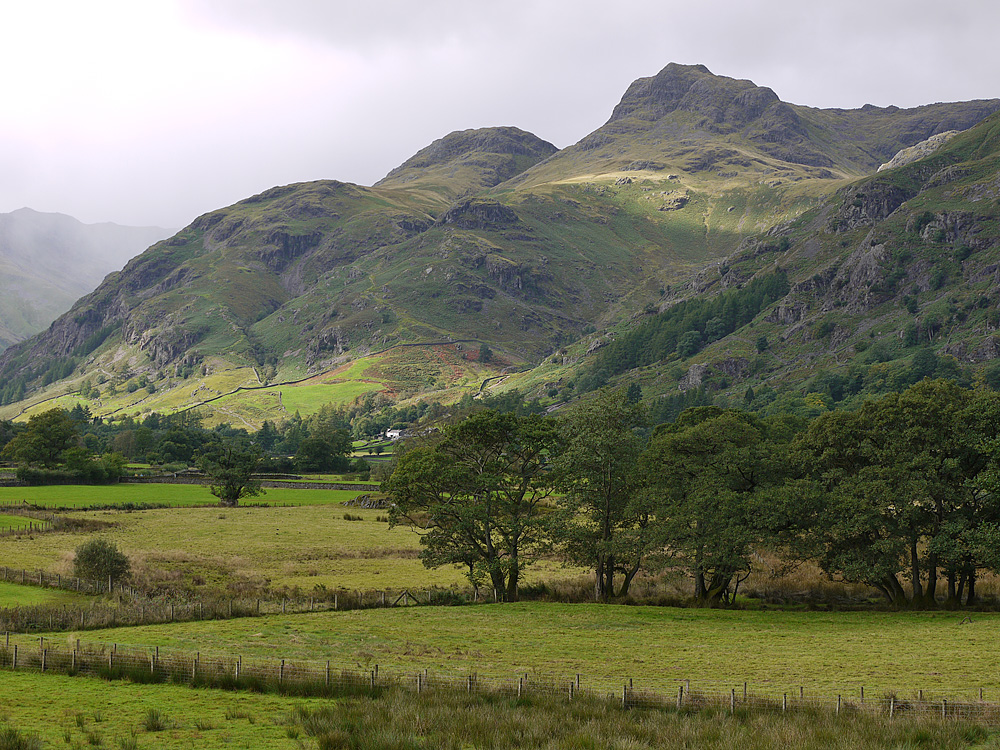
One in four polished stone axes ever examined in Britain was made from rock quarried on these fells: a single Neolithic (the late Stone Age, about…
Fortified place · Iron Age
Highland
The rock knoll the tower crowns may itself be an older monument: quite possibly the buried remains of a chambered burial mound built around a stone…
Sacred place · Medieval
Norfolk
Langley Abbey preserves a Premonstratensian foundation where church and barn ruins, earthworks and fish ponds reveal the wider working landscape of…
Fortified place · Medieval
Northumberland
Langley Castle is a restored fourteenth-century upper-floor hall house whose fire-damaged ruin, twentieth-century rescue, and remarkable garderobes…
Sacred place · Medieval
Leicestershire
For a few decades in the late 1200s the nuns here tried to pass themselves off as Cistercians rather than Benedictines, purely to dodge a tithe bil…
Sacred place · Medieval
East Sussex
Langney Priory is the surviving grange of Lewes Priory: a working agricultural estate whose threatened fabric preserves the economic infrastructure…
Tomb or burial place · Prehistoric
Cornwall
A great Cornish dolmen transformed by an 1815 storm collapse, then rebuilt by local effort into the three-legged monument seen today.
Sacred place · Medieval
Staffordshire
A late Anglo-Saxon monastery dependent on the Benedictine house of Saint-Remi at Reims.
Fortified place · Iron Age
Cornwall
A compact Iron Age hillfort: an Iron Age settlement defended by banks and ditches on high ground, the centuries before Rome arrived, from about 800…
Sacred place · Medieval
Essex
Latton Priory preserves the footprint of a small moated Augustinian house whose church and cloister (the covered walkway round a monastery's centra…
Fortified place · Medieval
Carmarthenshire
A single stronghold at Laugharne hosted a royal peace treaty, a rebel's costly defeat, and the writers who shaped modern Welsh literature.
Fortified place · Medieval
Cornwall
Cornwall's Norman administrative castle, whose high tower, deer park and long prison afterlife make it a record of power, display and confinement.
Sacred place · Medieval
Leicestershire
The chapel's monument to Gregory Cromwell, son of Henry VIII's chief minister, was singled out by Nikolaus Pevsner as one of the purest early Renai…
Sacred place · Medieval
Leicestershire
The Tudor secretary who dismantled England's monasteries kept this one for himself, building his family's manor house directly over the vanished ch…
Building or ruin · Roman
County Durham
A Roman fort guarding the eastern gateway to the Stainmore Pass, later reoccupied so directly that a medieval castle rose inside its own perimeter…
Sacred place · Medieval
Buckinghamshire
Its buildings have vanished completely, yet the abbey (a religious community led by an abbot)'s earthworks, field system and two fishponds survive…
Fortified place · Medieval
Buckinghamshire
A pipe roll of 1192–3 is the only documentary trace of this vanished stronghold: its motte (the great earth mound at the heart of an early castle)…
Sacred place · Medieval
Suffolk
Henry VIII's Comptroller is said to have fined the owner the equivalent of a million pounds for displaying too much ostentatious wealth.
Fortified place · Medieval
Nottinghamshire
Laxton preserves two unusually complete Norman castle courts, making its earthworks a rare long-term archaeological laboratory rather than a merely…
Fortified place · Medieval
County Laois
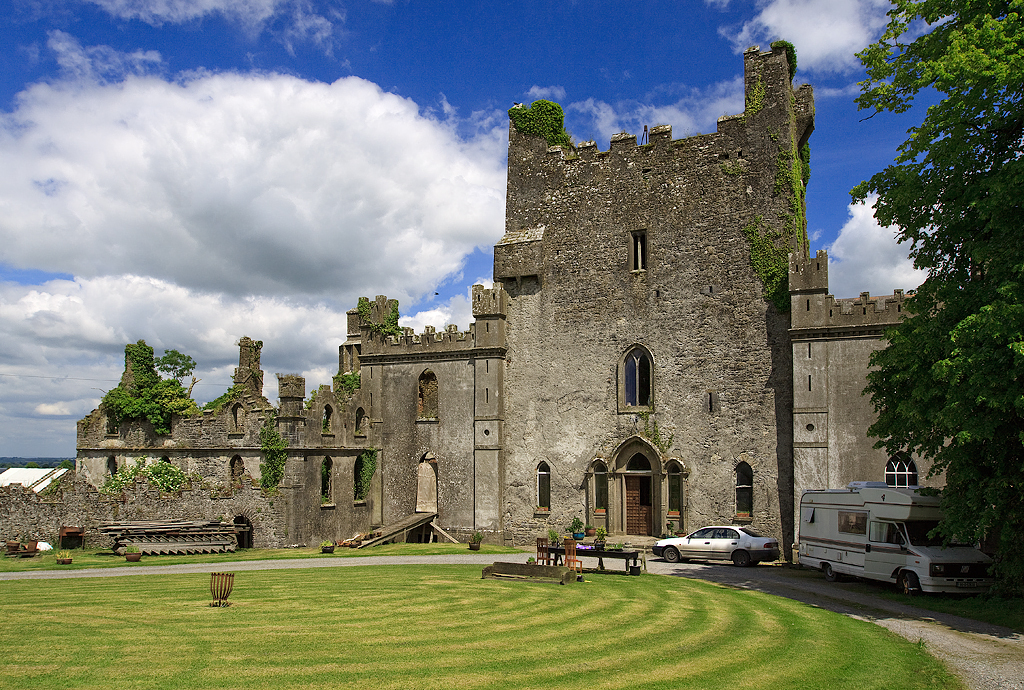
Lea Castle’s river-crossing stronghold held Richard de Burgh prisoner in 1294–95, making its powerful four-storey tower a witness to medieval Irish…
Fortified place · Prehistoric
Oxfordshire
An 1828 dig into the mound turned up ancient coins, giving this quiet earthwork (a bank, ditch or mound shaped from soil rather than built in stone…
Building or ruin · Roman
Cumbria
A Roman lookout tower whose stone walls, floor and even a soldier's skeleton lay hidden beneath a Cumbrian road until 1927, when excavation exposed…
Fortified place · Medieval
County Offaly
Restored from a 1922 burning by two generations of private owners, the castle stands on ground in continuous use since the Iron Age: long before th…
Sacred place · Medieval
Gloucestershire
Its hospital wing survives disguised as a riverside pub - one of the few tangible links to a priory, a monastery run by a prior, whose real busines…
Fortified place · Iron Age
Stirling
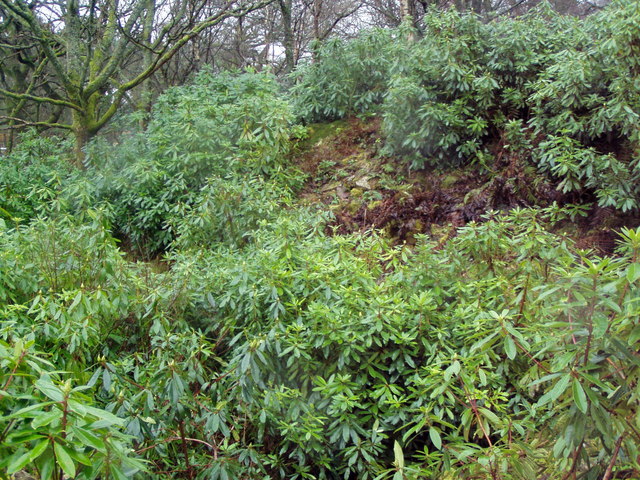
An Iron Age broch: a drystone tower unique to Iron Age Scotland: that rhododendrons closed off entirely until they were cleared in 2020.
Crossing or structure · Medieval
Cardiff
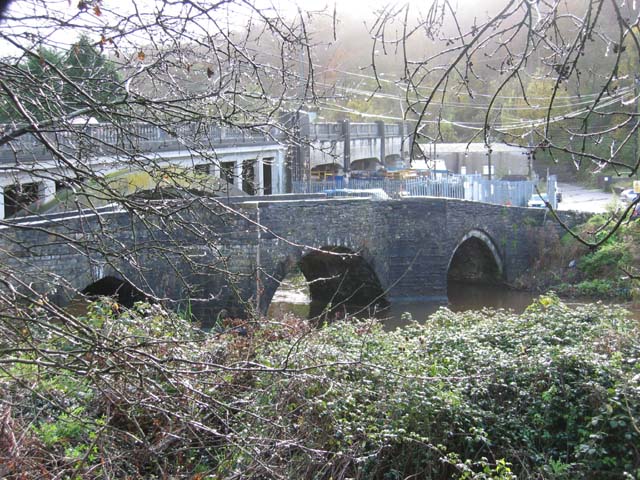
A working medieval bridge still carrying goods vehicles after five centuries, built alongside: not replaced by: its 1935 concrete successor.
Sacred place · Medieval
Devon
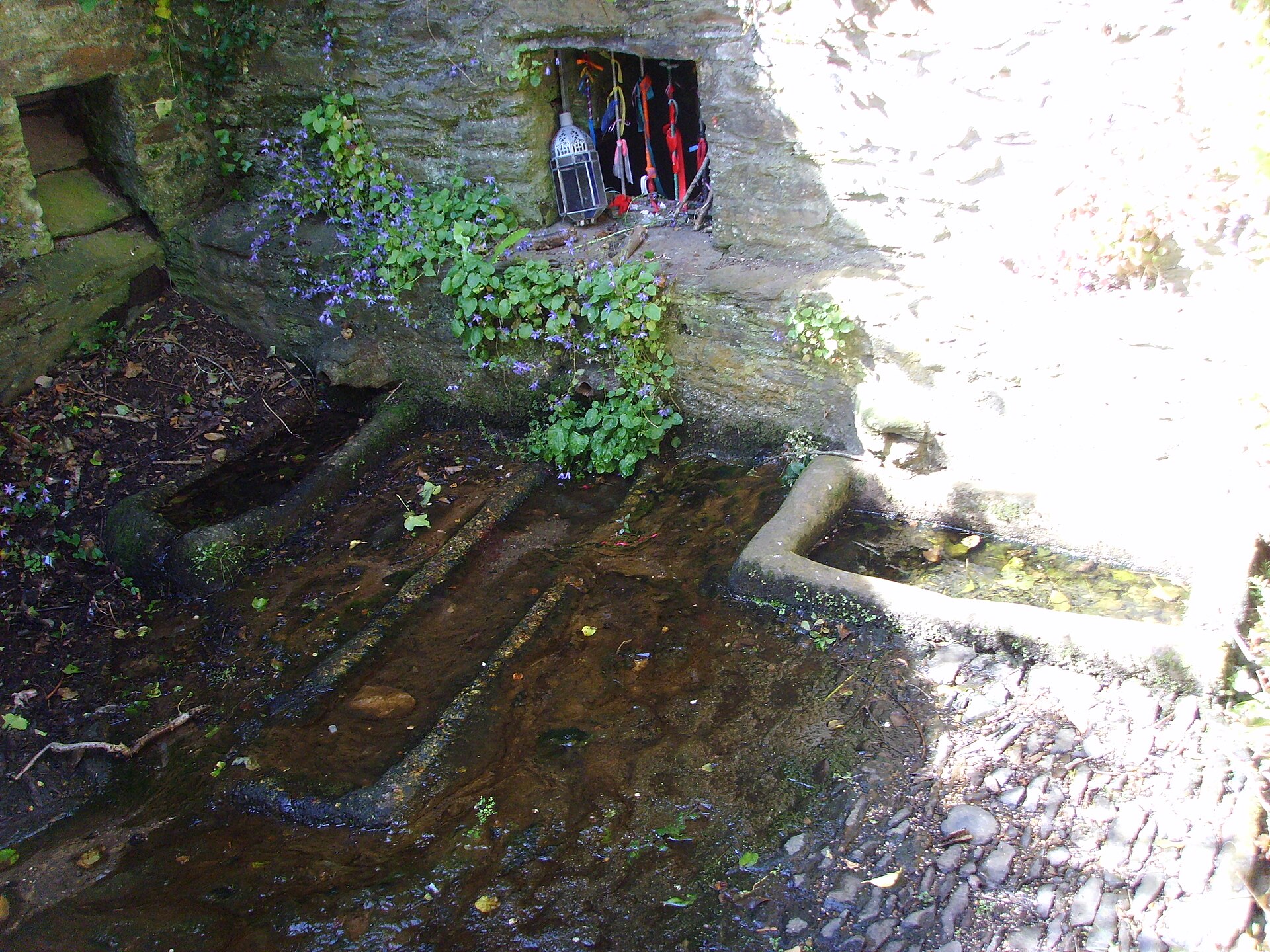
Totnes’s Leechwell preserves a long healing tradition around three springs, while its lanes, troughs and rediscovered immersion pool show how water…
Fortified place · Medieval
Kent
Leeds Castle’s island setting contains more than a millennium of Kent history, from a Saxon stronghold to royal residence and public charitable trust.
Building or ruin · Roman
Northumberland
Lees Hall Roman Camp is an unusually fortified temporary camp near Hadrian’s Wall, with an outer work suggesting repeated or extended military use…
Sacred place · Medieval
Derbyshire
Its blurred status between a dependent monastic cell and a formally styled priory, a monastery headed by a prior and usually smaller than an abbey,…
Sacred place · Medieval
Essex
Leez Priory combines an Augustinian foundation with a major Tudor mansion, retaining monastic drains, ponds and walls within a Grade I-listed Essex…
Tomb or burial place · Prehistoric
County Down
Its name may preserve the memory of the goddess Áine, and its granite frame has stood on this Down mountainside since long before Ireland had a wri…
Sacred place · Medieval
Lincolnshire
A small nunnery whose one detailed record survives almost by accident: a bishop's 1440 inspection that caught its prioress entertaining relatives o…
Sacred place · Roman
County Durham
The carved lettering that gave this Anglo-Saxon cross its name survived a thousand years only to be chiselled away after 1966, leaving historians a…
Sacred place · Medieval
Leicestershire
Leicester Abbey was the county’s wealthiest Augustinian house, home to Henry Knighton’s chronicle and the place where Cardinal Wolsey died in 1530.
Fortified place · Medieval
Leicestershire
A working Great Hall, a mound, a ruined gatehouse and a chapel together trace nine centuries of continuous use, from Norman stronghold to Crown Cou…
Sacred place · Medieval
Leicestershire
One of only a handful of English houses of the Friars of the Sack, a mendicant order so obscure that its Leicester friary (the base of a mendicant…
Sacred place · Medieval
Denbighshire
A vast Elizabethan preaching-house left roofless when its patron's money and his only son both ran out: the sole attempt at a new Protestant cathed…
Fortified place · Medieval
County Carlow
Leighlinbridge Castle records eight centuries of defence beside the Barrow, a river whose name also survives in prehistoric burial mounds: from pre…
Sacred place · Medieval
Nottinghamshire
Lenton’s Cluniac monastic house connected Nottingham with France, Peak District wealth, royal travel and a major market before Henry VIII’s closure…
Sacred place · Medieval
Herefordshire
An abbess abducted from her own convent in 1046 and a prayer book copied almost entirely by an anonymous nun are the two threads that survive to na…
Sacred place · Medieval
Herefordshire
No wall or door of it has ever been found: an Anglo-Saxon nunnery that vanished so completely its ground may lie hidden beneath a later religious h…
Sacred place · Medieval
Gloucestershire
A single roof once held both a working parish church and a private monastic choir: a rare Augustinian-turned-Benedictine arrangement whose carvings…
Fortified place · Iron Age
Cornwall
Lescudjack Hill Fort preserves a three-acre Iron Age enclosure: dating from roughly 800 BC until the Roman conquest: within Penzance, where a survi…
Fortified place · Iron Age
Cornwall
Lesingey Round is a scheduled Cornish ringfort whose substantial bank and ditch preserve a late Iron Age (from around 800 BC up to the Roman conque…
Building or ruin · Prehistoric
Cornwall
Leskernick Hill preserves an exceptionally well-preserved Bronze Age (roughly 2500–800 BC) settlement landscape of houses, fields, cairns, stone ci…
Sacred place · Medieval
Greater London
Lesnes Abbey is a rare London ruin where a small 12th-century canons’ house, Peasants’ Revolt episode and former marshland landscape are preserved…
Sacred place · Medieval
Suffolk
A small outlying cell of the Augustinian house at Ipswich, founded at the end of the twelfth century.
Building or ruin · Roman
Staffordshire
A Roman posting station that outlived its own fortress, lost its bath house and inn to fire around 300, and gave the modern village its name - Wall…
Fortified place · Medieval
East Sussex
Two earthen mounds rise on either side of its bailey, a doubled-mound plan shared with only one other castle in England: Lincoln.
Sacred place · Medieval
East Sussex
The Mise of Lewes, a step toward England's Parliament, was settled here in 1264, and it was a Victorian railway cutting, not archaeology, that firs…
Fortified place · Medieval
Outer Hebrides
A private retreat built on an opium-trade fortune ended up given whole to the town it once stood apart from: a rare reversal for a Highland laird's…
Fortified place · Medieval
Kent
Leybourne Castle preserves a rare thirteenth-century twin-towered gatehouse, absorbed into a later farmhouse but still legible as a fortified entra…
Tomb or burial place · Prehistoric
County Meath
A modest standing stone credited in tradition with the power to make or unmake the High Kings of Ireland, and claimed by rival legends as the very…
Fortified place · Medieval
Cumbria
A minor border castle whose fall in 1346 ended in the strangling of two sons before their father's eyes, on earthworks some believe are far older t…
Fortified place · Iron Age
Wiltshire
Excavation dated first occupation to the 7th century BC, making this one of the earliest hillforts built anywhere in Britain.
Ancient place · Prehistoric
Orkney Islands
An excavated cooking complex where a huge watertight tank, heated stones and animal bones make an otherwise disputed type of Bronze Age site unusua…
Fortified place · Medieval
Suffolk
An unusual quadrangular design, probably raised about 1143 as part of Stephen's campaign against the rebel baron Geoffrey de Mandeville.
Carved stone · Medieval
North Yorkshire
A stone cross on a windswept moorland burial mound marks where four ancient parishes meet, a boundary charter first named it in 1109, and it still…
Sacred place · Medieval
Shropshire
Lilleshall was England’s rigorist Arrouaisian Augustinian abbey, built from a disputed royal-collegiate transfer and sustained by wide estates befo…
Briefer entries: recorded and worth knowing, with fuller pages to come.
Sacred place · Prehistoric
Dorset
One of Dorset's greatest ceremonial landscapes, prehistoric (from the era before writing arrived in these islands), where Stone Age henges and a de…
Building or ruin · Roman
West Yorkshire
Castleford is built on it. The name may come from a Brittonic word carrying the sense of spear or blade.
Sacred place · Medieval
Cornwall
A small Benedictine priory: a monastery headed by a prior rather than an abbot: linking Looe Island to the mainland, where two monks served chapels…
Sacred place · Medieval
Lancashire
Lancaster Blackfriars marks the former site of a medieval friary (a house of friars, who worked among townspeople rather than withdrawing from them…
Sacred place · Medieval
Cornwall
An Augustinian priory: a monastery headed by a prior rather than an abbot: whose lost buildings were proposed for a Cornish cathedral, then redisco…
Fortified place · Medieval
County Clare
Leamaneh combines a late-medieval O'Brien tower house with the ruined shell of a seventeenth-century mansion, making its changing fabric a record o…
Sacred place · Prehistoric
Cornwall
Leaze stone circle is a fragmentary Bodmin Moor ring whose surviving granite stones, lost elements and nearby prehistoric (predating the written re…
Fortified place · Iron Age
Devon
Lee Wood is an unexcavated Devon hill-slope enclosure where finds and a partly exposed hearth point to activity across several early periods.
Sacred place · Medieval
Kent
Leeds Priory was a major Augustinian house on the River Len, whose excavated footprint documents more than four centuries of religious and economic…
Tomb or burial place · Prehistoric
County Down
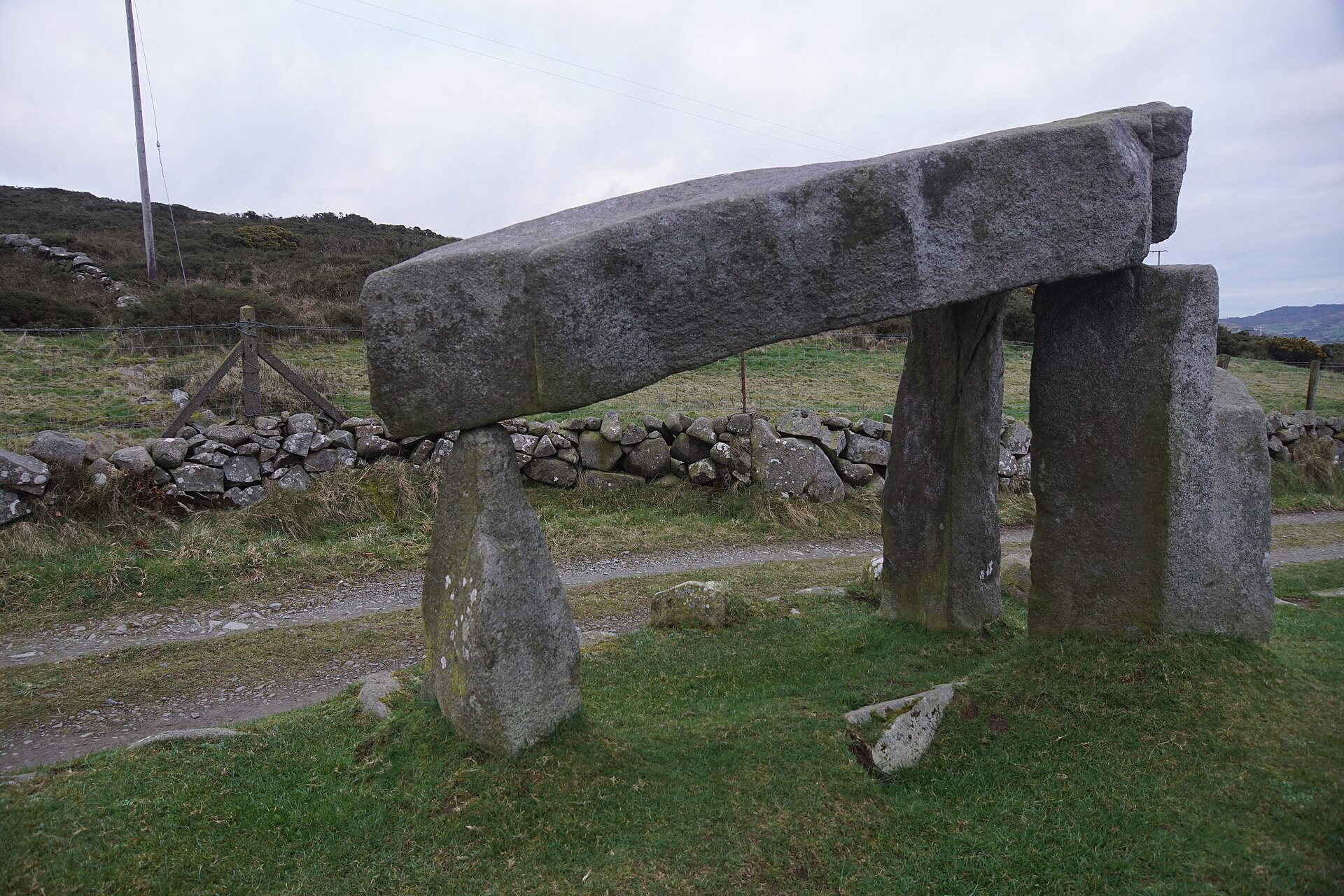
Legananny Dolmen is a State Care Neolithic portal tomb, a tomb of upright stones carrying a single great capstone, whose tall tripod supports a cap…
Sacred place · Medieval
Leicestershire
Leicester Austin Friars was a modest Augustinian Hermit priory, a monastery run by a prior, with the unusual feature of two cloisters and a documen…
Sacred place · Medieval
Devon
A recorded monastic site near Churchstow, and almost the only evidence of a religious presence in this part of south Devon: though what survives of…
Carved stone · Prehistoric
Essex
The Leper Stone is a large sarsen near Newport whose association with a medieval leper hospital and possible prehistoric (predating the written rec…
Sacred place · Medieval
Norfolk
Lessingham Priory is a 1090 Norfolk foundation known almost entirely through the record of its existence, illustrating how completely a medieval ho…
Tomb or burial place · Medieval
County Tyrone
Letterbrat combines a Tyrone townland’s portal tomb, a Stone Age tomb of upright stones carrying a single great capstone, with a working quarry exp…
Building or ruin · Roman
Swansea
Beneath the streets of Loughor, at the mouth of the River Loughor where it meets the estuary that carries its name, lie the buried defences of a Ro…
Fortified place · Iron Age
Dorset
Lewesdon Hill is Dorset’s highest point, pairing wide landscape views with a disputed hillfort, an Armada beacon site and a remembered Second World…
Sacred place · Medieval
Greater London
Lewisham Priory connects early medieval (roughly AD 400–1100, between the Romans and the Normans) landholding across the Channel with Henry V’s sup…
No places match those filters.
Kinds of place
Ages