A private retreat built on an opium-trade fortune ended up given whole to the town it once stood apart from — a rare reversal for a Highland laird's house.
Sir James Matheson had already bought the whole of Lewis before construction began on a house built to match his new position. Between 1844 and 1851 masons and craftsmen raised Lews Castle on rising ground west of Stornoway, working to a design by the Glasgow architect Charles Wilson and funded by a fortune Matheson had made trading opium into China.
The castle’s status changed dramatically within decades of its completion. In 1918 the industrialist Lord Leverhulme bought the Lews Estate from the Matheson family, and in 1923 he gave the castle outright to the people of Stornoway parish, ending its life as a private house for good. During the Second World War it took on a very different role, housing the air and ground crew of 700 Naval Air Squadron — known as HMS Mentor — whose Supermarine Walrus aircraft flew from a slipway at Cuddy Point in the grounds.
Peacetime brought further changes of use. Students of Lews Castle College were housed there in the 1950s, but once that accommodation closed the building stood empty for decades, its rooms unused even as it remained a category A listed structure. Restoration finally came in 2011, when a £4.6 million Heritage Lottery Fund grant financed its conversion into a bilingual museum and cultural centre; the ground floor, including a restored ballroom and cafe, reopened to the public in 2016, and Natural Retreats opened holiday apartments within the castle the following year.
What follows is drawn from published sources, with each claim labelled by how firmly it is established.
The name
The castle's Gaelic name, Caisteal Leòdhais, simply means the Castle of Lewis, taking its name from the island Sir James Matheson had bought in full before building his country house upon it.
History
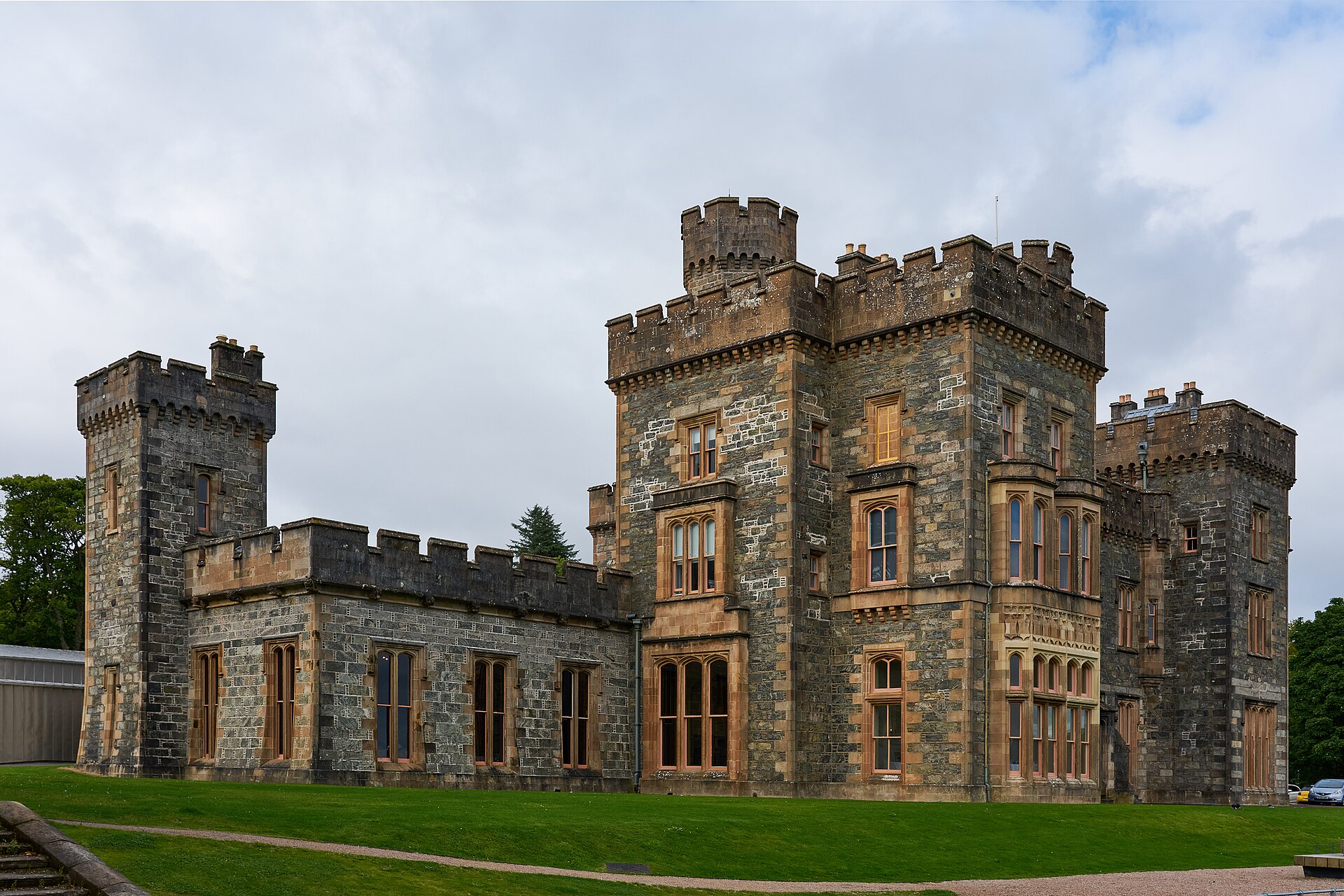
Sir James Matheson had already bought the whole of Lewis with the fortune he made in the Chinese opium trade when, between 1844 and 1851, he had a country house built west of Stornoway to serve as his island seat. He commissioned the Glasgow architect Charles Wilson to design the building, which took shape over seven years of construction as Lews Castle.
In 1918 the industrialist Lord Leverhulme, who had made his fortune in soap manufacturing, bought the Lews Estate, including the castle and its grounds, from the Matheson family. The purchase brought the island under new ownership for the first time since Matheson had acquired it decades earlier, and set the stage for the castle's transfer out of private hands altogether.
In 1923 Leverhulme gave Lews Castle to the people of Stornoway parish, ending private ownership of the building for good. The gift turned what had been built as a wealthy man's country retreat into a community asset, a shift in status that shaped how the castle would be used, occupied and eventually restored over the following century.
During the Second World War the castle was requisitioned as accommodation for the air and ground crew of 700 Naval Air Squadron, whose base was known as HMS Mentor. The squadron operated a detachment of six Supermarine Walrus amphibious aircraft from a slipway at Cuddy Point in the grounds, putting the castle's parkland to a wartime use far removed from its original purpose.
After the war the castle found a new institutional role, housing students of Lews Castle College during the 1950s. Once that accommodation closed, the building was left disused for several decades, its rooms empty even as it retained its category A listed status as one of the most significant buildings on Lewis.
On 22 November 2011 Lews Castle was awarded £4.6 million by the Heritage Lottery Fund, money earmarked to convert the long-empty building into a bilingual museum and cultural centre. The grant, secured by the local council Comhairle nan Eilean Siar which by then owned the castle, set in motion the restoration that would finally bring the building back into public use.
In 2016 the ground floor of the castle reopened to the public, including a restored ballroom and a cafe, delivering on the museum and cultural centre project the Heritage Lottery Fund grant had financed. The following year, in 2017, the luxury holiday property company Natural Retreats opened apartments within the castle, adding a residential visitor use alongside the museum below.
People
-
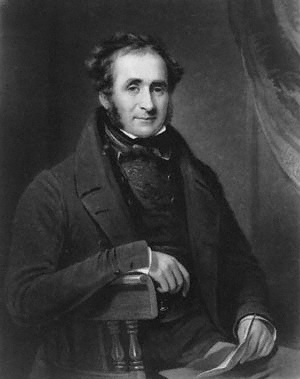
Portrait: Henry Cousins / After James Lonsdale / Wikimedia Commons / Public domain Sir James Matheson
Built Lews Castle as his country house between 1844 and 1851, funded by his fortune from the Chinese opium trade, after buying the whole of Lewis.
-
Charles Wilson
Glasgow architect commissioned by Sir James Matheson to design Lews Castle.
-
Lord Leverhulme
Industrialist who bought the Lews Estate, including the castle, from the Matheson family in 1918 and gave it to the people of Stornoway parish in 1923.
Cultural influences
-
Public heritage restoration
A Heritage Lottery Fund grant enabled Lews Castle’s conversion from a disused private estate building into a bilingual museum and cultural centre for Stornoway.
Connections
-
700 Naval Air Squadron (HMS Mentor)
Used the castle as accommodation during the Second World War, operating Supermarine Walrus aircraft from a slipway at Cuddy Point in its grounds.
-
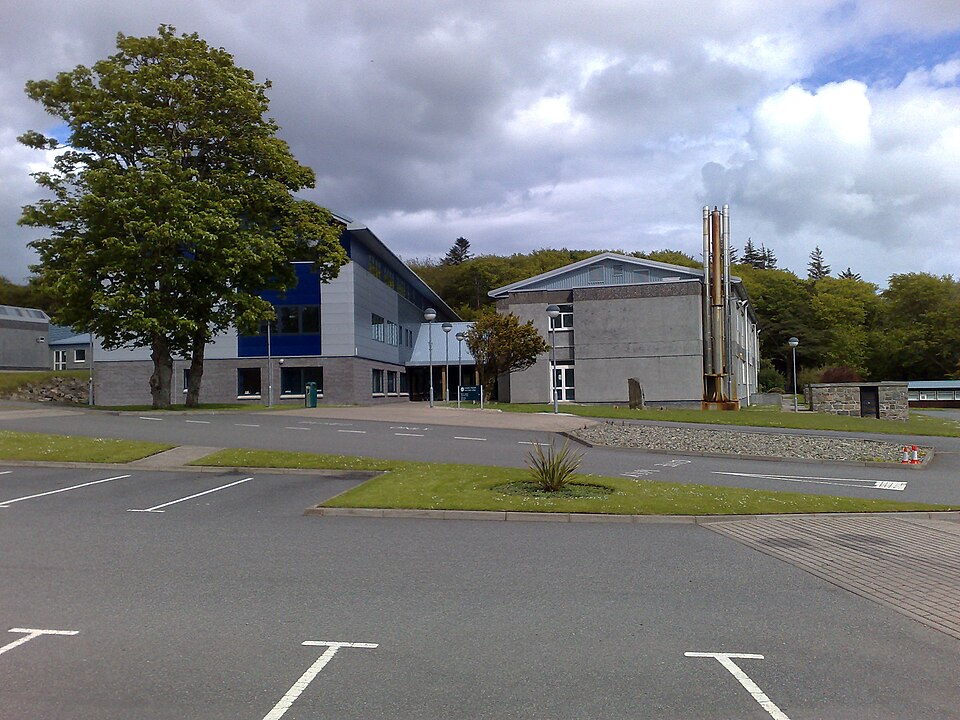
Photo: JamesMorrison / Wikimedia Commons / CC BY-SA 3.0 Lews Castle College
Housed in the castle in the 1950s, when the building provided student accommodation before falling into disuse.
-
Comhairle nan Eilean Siar
The local council that now owns Lews Castle and secured the 2011 Heritage Lottery Fund grant for its restoration.
-
Natural Retreats
Luxury holiday property company that opened apartments within the castle in 2017, alongside the museum and cultural centre.
-
Heritage Lottery Fund
Awarded Lews Castle £4.6 million in 2011 to fund its conversion into a bilingual museum and cultural centre.
What to look for
-
Restored ballroom
The ground floor includes a restored ballroom, reopened to the public in 2016 as part of the castle's conversion into a museum and cultural centre.
-
Ground-floor cafe
A cafe on the ground floor opened alongside the ballroom in 2016, part of the same public restoration.
-
Cuddy Point slipway
In the grounds, Cuddy Point marks the site of the slipway from which Supermarine Walrus aircraft of 700 Naval Air Squadron operated during the Second World War.
-
Category A listed exterior
The building itself is protected as a category A listed structure, reflecting its status as one of the most significant Victorian buildings on Lewis.
-
Castle apartments
Upper floors of the castle now contain holiday apartments let by Natural Retreats, opened in 2017.
Plan your visit
- Location
- 58.2116°N · 6.3944°W
- Access
- Paid entry — managed visitor site
- Terrain
- Easy going
- Time needed
- About 60 minutes
- Best time
- Visit during published museum, castle or grounds opening periods and check current arrangements before travelling.
- What survives
- A restored Gothic Revival castle with public ground-floor rooms, museum and café; upper floors now contain self-catering apartments.
- Facilities
- Visitor facilities depend on the current estate and museum operation; check before travelling.
Opening & admission
The ground floor, including the museum and cafe, is open to the public, though some areas operate as paid holiday apartments — check the official site for current admission and opening details.
- Ground floor museum, ballroom and cafe reopened to the public in 2016
- Upper floors converted to holiday apartments by Natural Retreats in 2017
Nearby places

Sacred place · Prehistoric
Callanish IV
Outer Hebrides
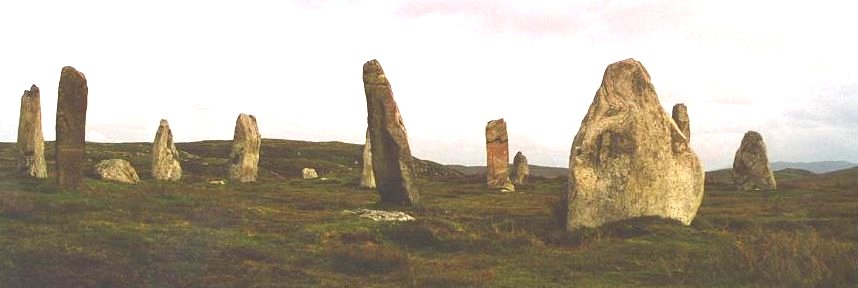
Five stones stand today at Callanish IV, arranged in a pronounced oval measuring 13.3 by 9.5 metres on open moorland southeast of the main Callanis…
- Easy path
Sacred place · Prehistoric
Callanish III
Outer Hebrides
Two concentric ellipses of stone stand on the moor above Loch Roag on the Isle of Lewis, forming Callanish III: Gaelic name Cnoc Fillibhir Bheag. T…
- Easy path

Sacred place · Prehistoric
Callanish II
Outer Hebrides
Seven thin standing stones rise from a ridge overlooking Loch Roag, on the western side of Lewis, set out in an ellipse measuring 21.6 by 18.9 metr…
- Easy path
Sacred place · Prehistoric
Calanais Standing Stones
Outer Hebrides
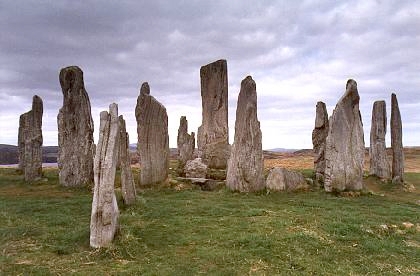
Erected around 2750 BC, before Stonehenge, and laid out so that none of its three stone rows actually points at the centre of its own circle.
- Near Calanais
- 107 metres from car park
- Easy path
Questions people ask
- Who built Lews Castle and why?
- Sir James Matheson, who had bought the whole of Lewis, built it as his country house between 1844 and 1851, funded by his fortune from the Chinese opium trade.
- What was Lews Castle used for during the Second World War?
- It housed air and ground crew of 700 Naval Air Squadron, known as HMS Mentor, which flew Supermarine Walrus aircraft from a slipway at Cuddy Point in the grounds.
- Who owns Lews Castle today?
- Comhairle nan Eilean Siar, the local council, owns the castle. Lord Leverhulme gave it to the people of Stornoway parish in 1923 after buying the estate in 1918.
- Can the public visit Lews Castle?
- Yes. The ground floor, including a restored ballroom and cafe, reopened in 2016 as a bilingual museum and cultural centre funded by a 2011 Heritage Lottery Fund grant.
- Is Lews Castle a listed building?
- Yes. Lews Castle is protected as a category A listed building, now owned by the local council, Comhairle nan Eilean Siar.
Sources
- Lews Castle - Wikipedia
- Lews Castle - Wikidata
- Lews Castle official website
- Overview of Lews Castle, The Gazetteer for Scotland
- History of Lews Castle, Stornoway Historical Society
Explore more: Fortified places · Medieval · Outer Hebrides
The Ancient Codex, in your pocket
Get the Pocket Codex app
Carry the directory with you — Lews Castle and thousands of ancient places across Britain and Ireland, offline, wherever you roam.