

Sacred place · Medieval
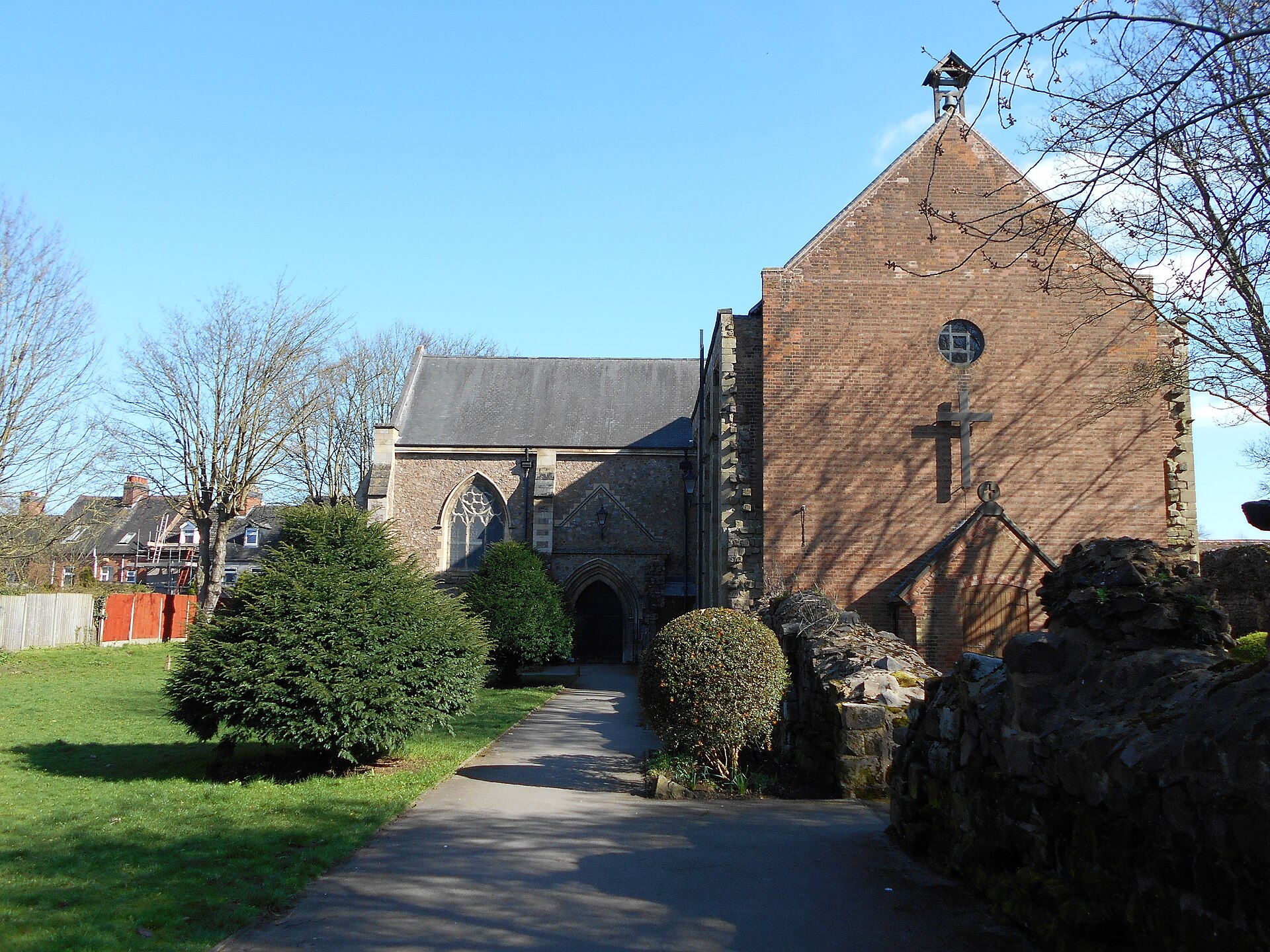
Newminster Abbey
Northumberland
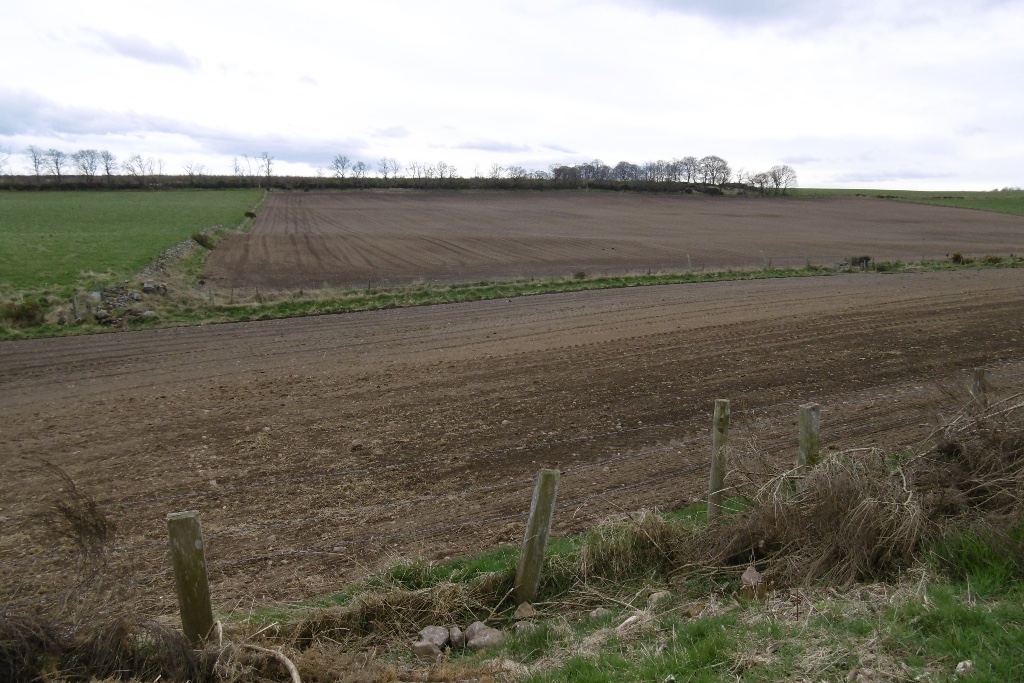
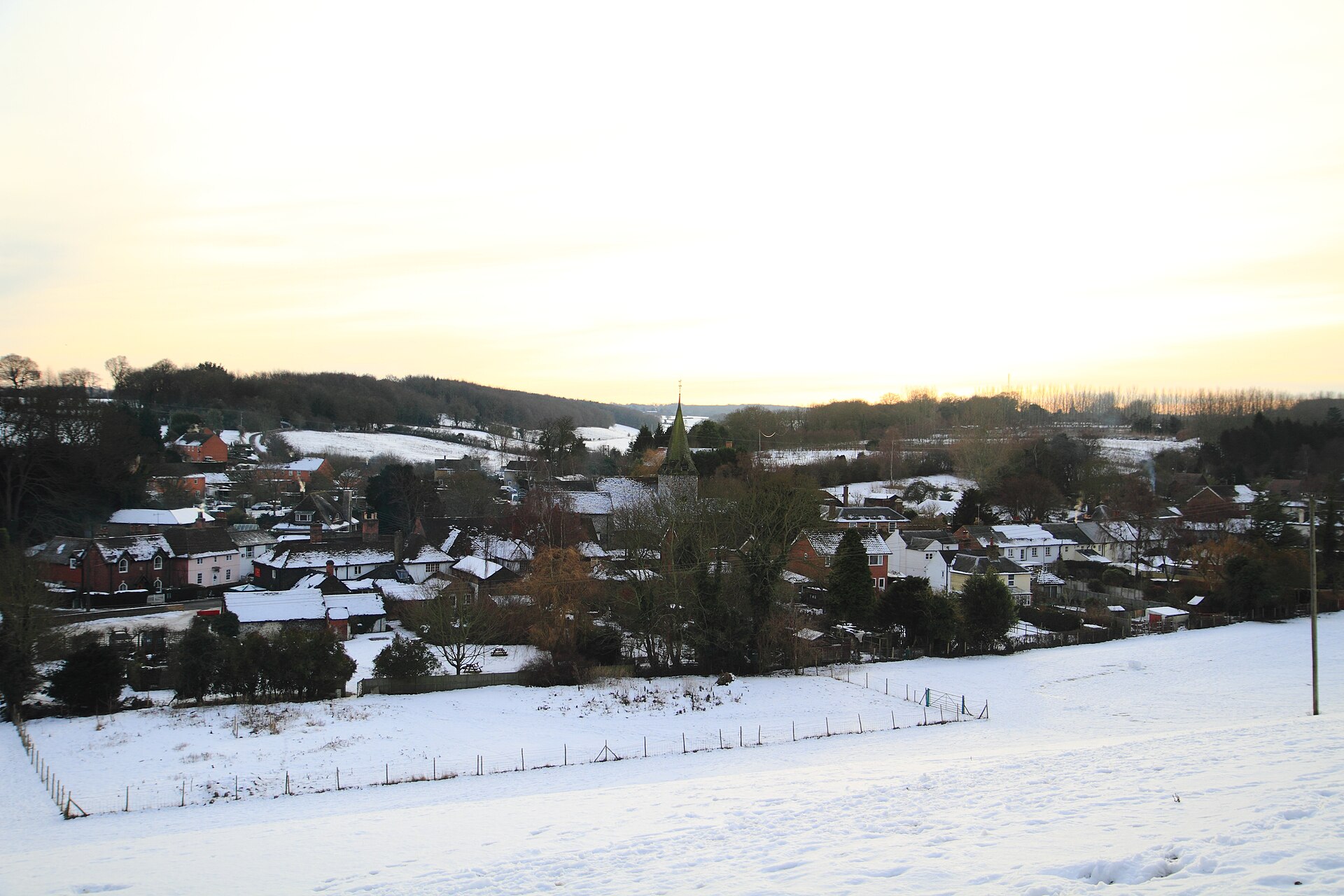
Newminster was more than a lost Cistercian monastery: its founding abbot’s shrine, vast estate and three daughter houses made it a northern powerho…
- Some walking
The directory
Page 33 of 47 in the full directory.
Browsing 100 places — search and the map cover the whole directory.
Sacred place · Medieval
Northumberland
Newminster was more than a lost Cistercian monastery: its founding abbot’s shrine, vast estate and three daughter houses made it a northern powerho…
Sacred place · Medieval
Bedfordshire
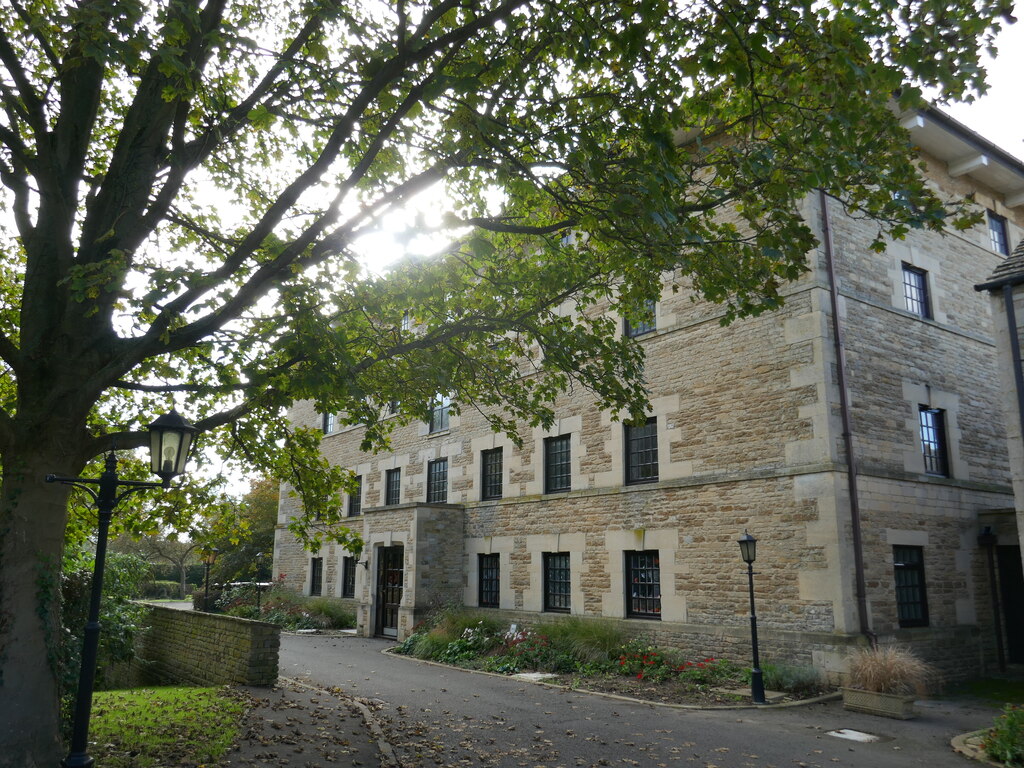
Bedfordshire's oldest religious foundation, tracing an unbroken line from pre-Conquest secular canons to a dissolved Augustinian priory: a monaster…
Building or ruin · Roman
Lincolnshire
A working Roman gate that traffic still passes beneath today, its limestone ring still carrying the road it was built to carry eighteen centuries ago.
Fortified place · Medieval
Newport
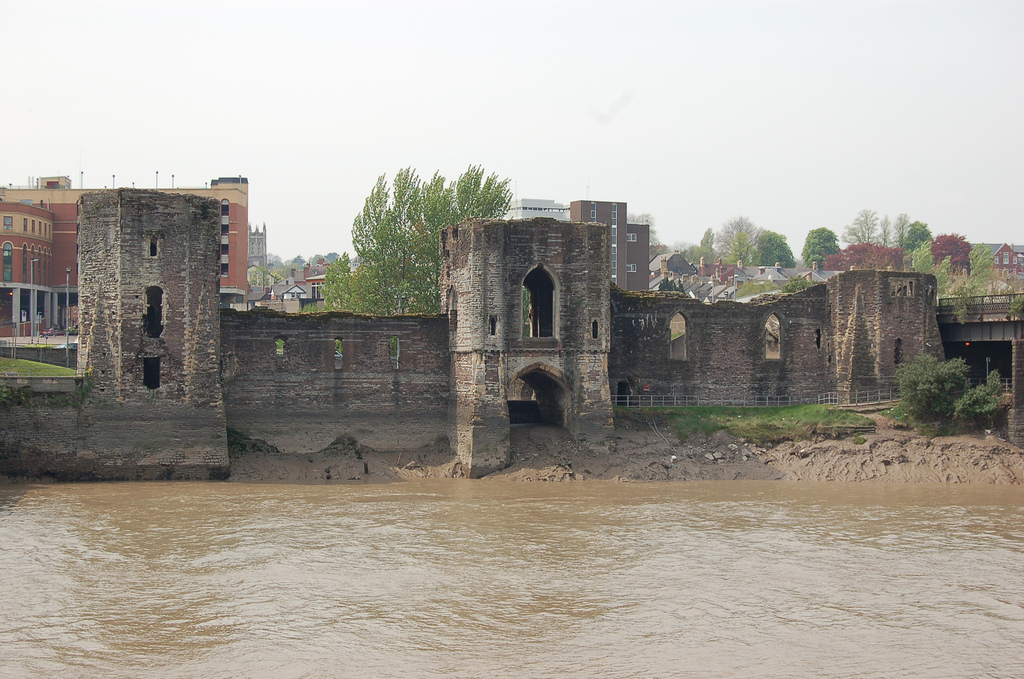
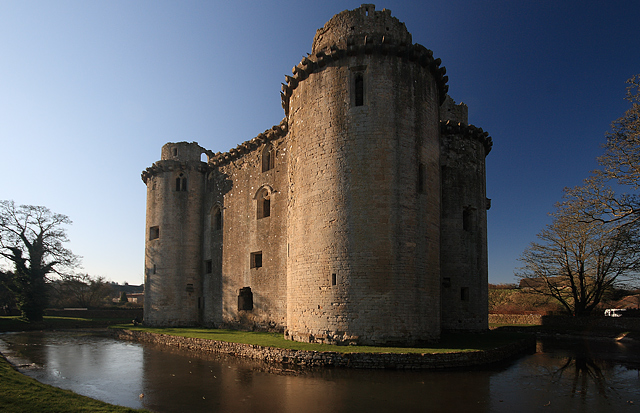
Newport Castle’s surviving river façade shows how a fourteenth-century Marcher stronghold controlled the Usk crossing, collected dues and served a…
Fortified place · Medieval
Pembrokeshire
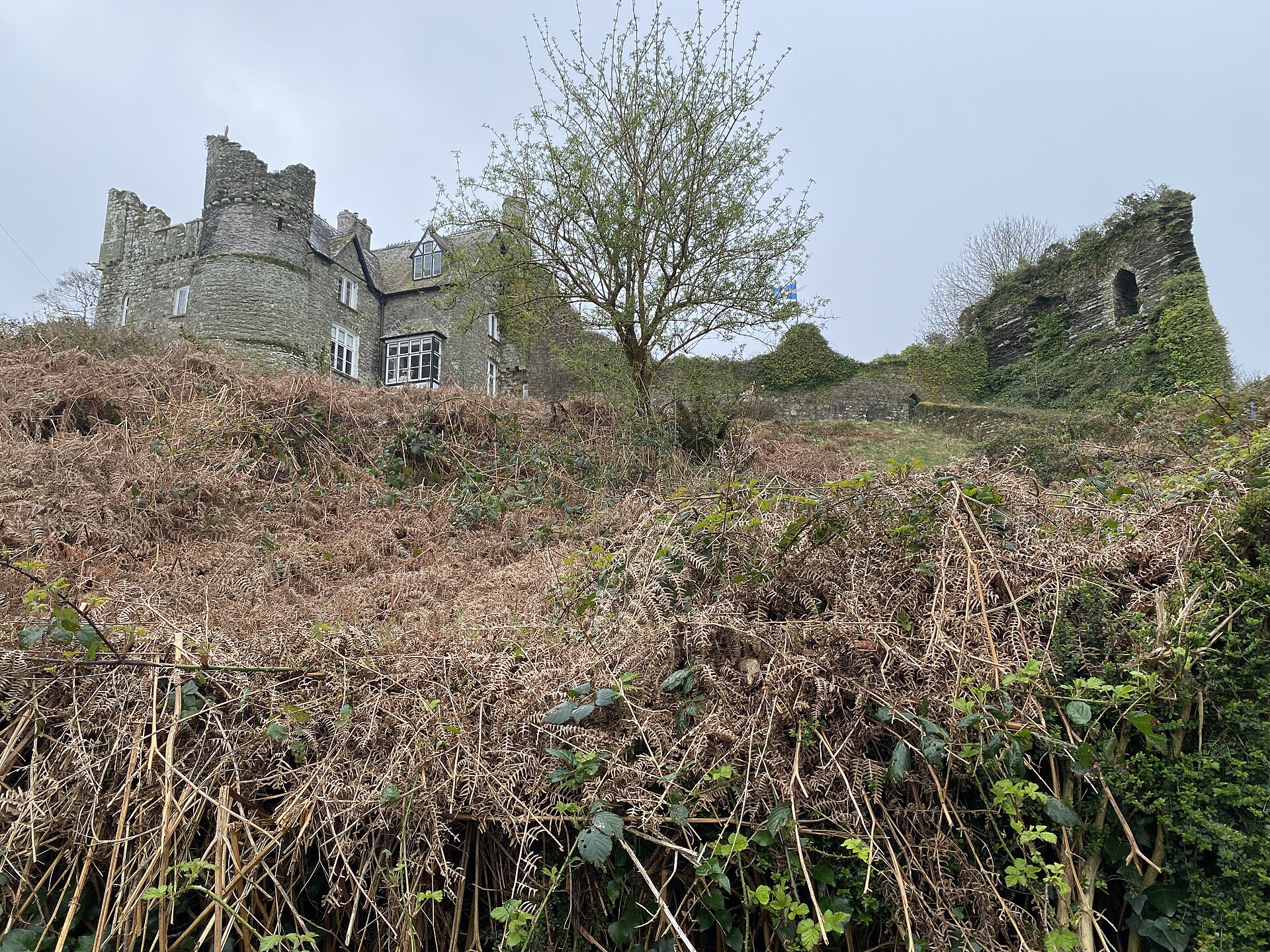
A castle first raised in the thirteenth century, with a later house built into the surviving fabric.
Building or ruin · Roman
Isle of Wight
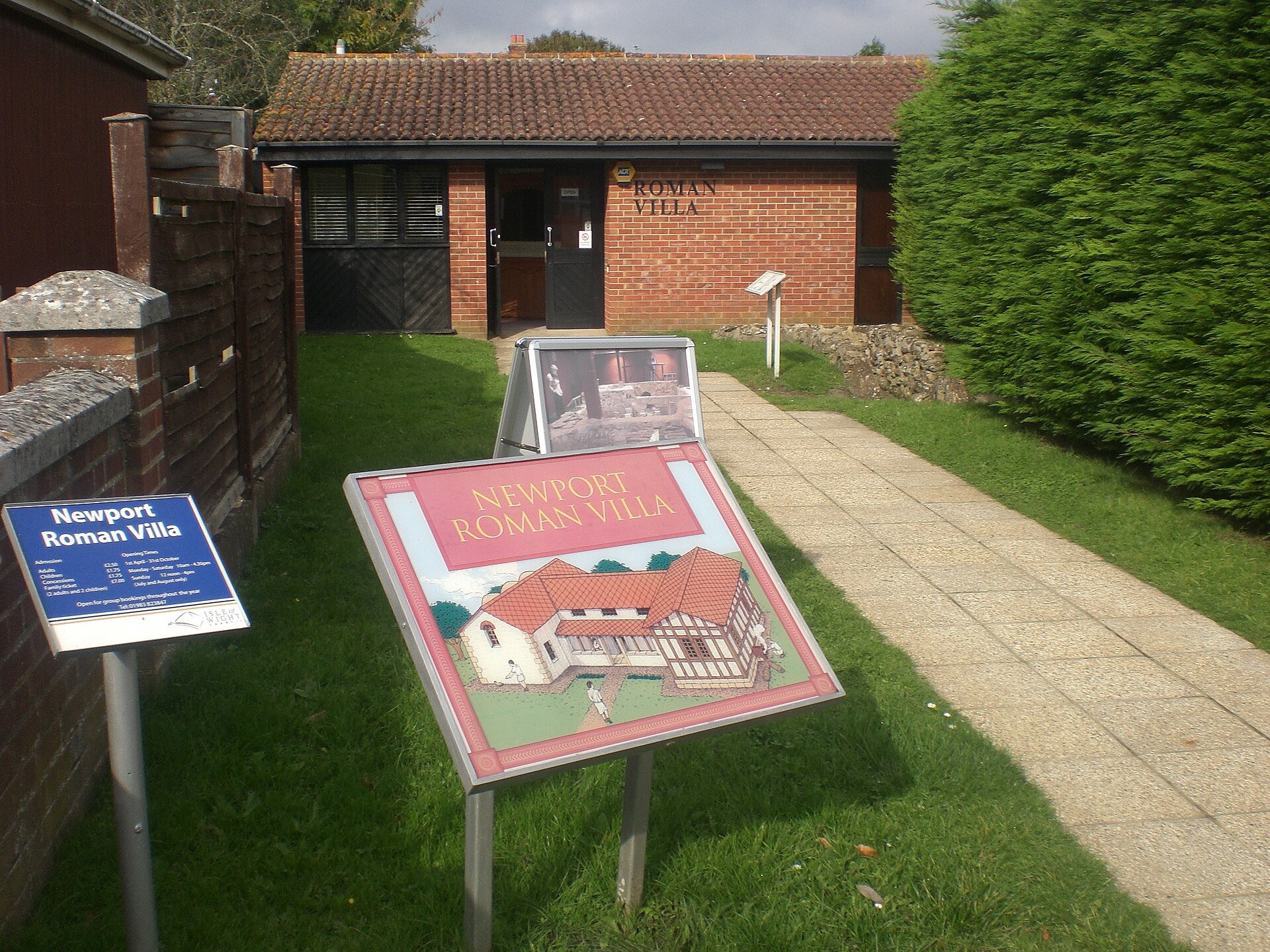
Newport Roman Villa is a well-preserved late Romano-British (Britain under Roman rule, AD 43–410) farmhouse whose bath suite, decorated rooms and r…
Sacred place · Medieval
Nottinghamshire
Newstead layers Henry II’s penitent Augustinian foundation, its conversion after Henry VIII’s closure of the monasteries in the 1530s, Lord Byron’s…
Sacred place · Medieval
Buckinghamshire
A tiny Cluniac outpost whose loyalty to a French mother house made it a target in wartime, and whose estates ultimately built the foundation of an…
Fortified place · Medieval
Somerset
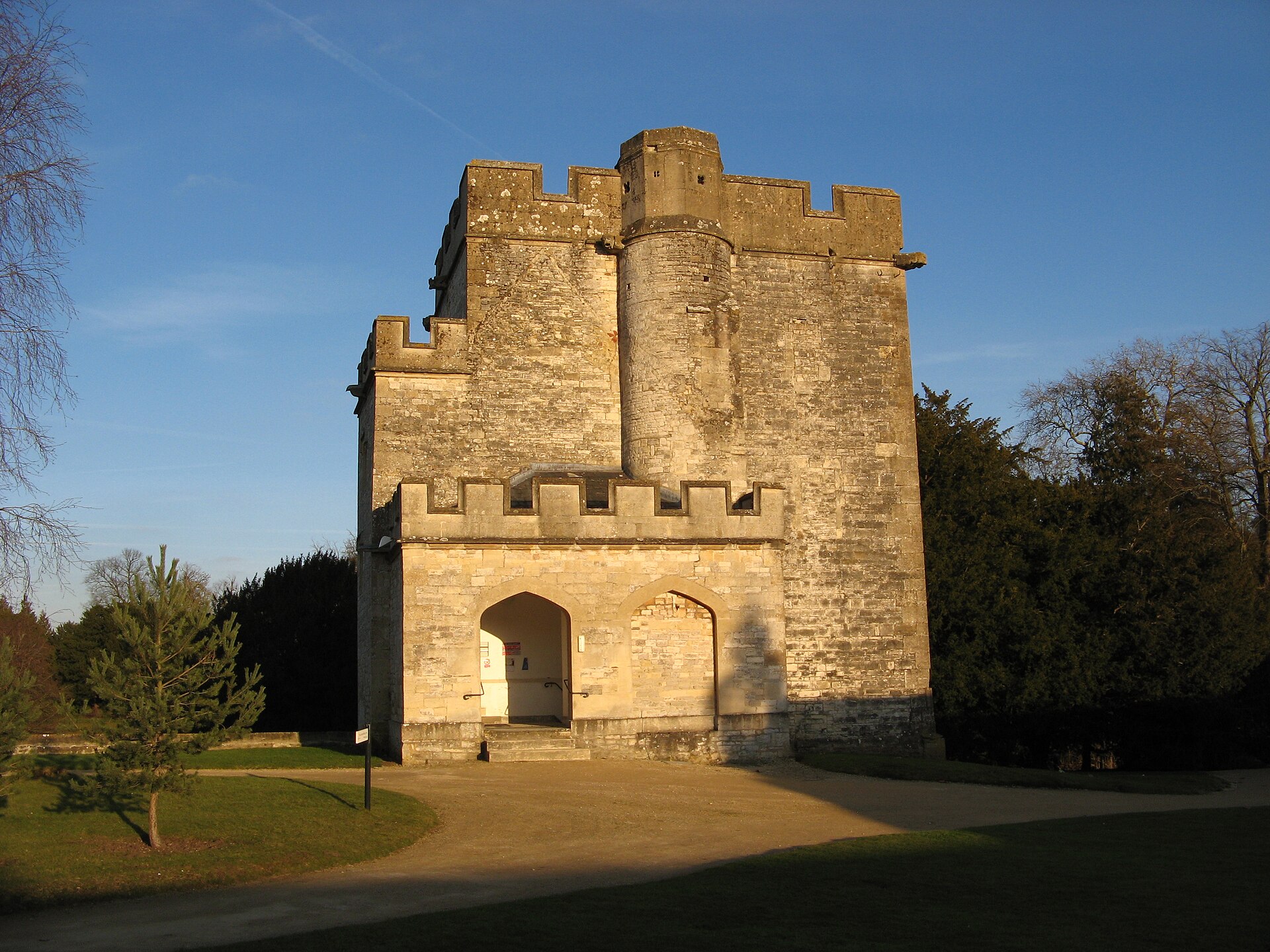
A fortified manor said to have held King John under arrest: with an early gunport in its gatehouse and a university in its grounds.
Sacred place · Medieval
County Meath
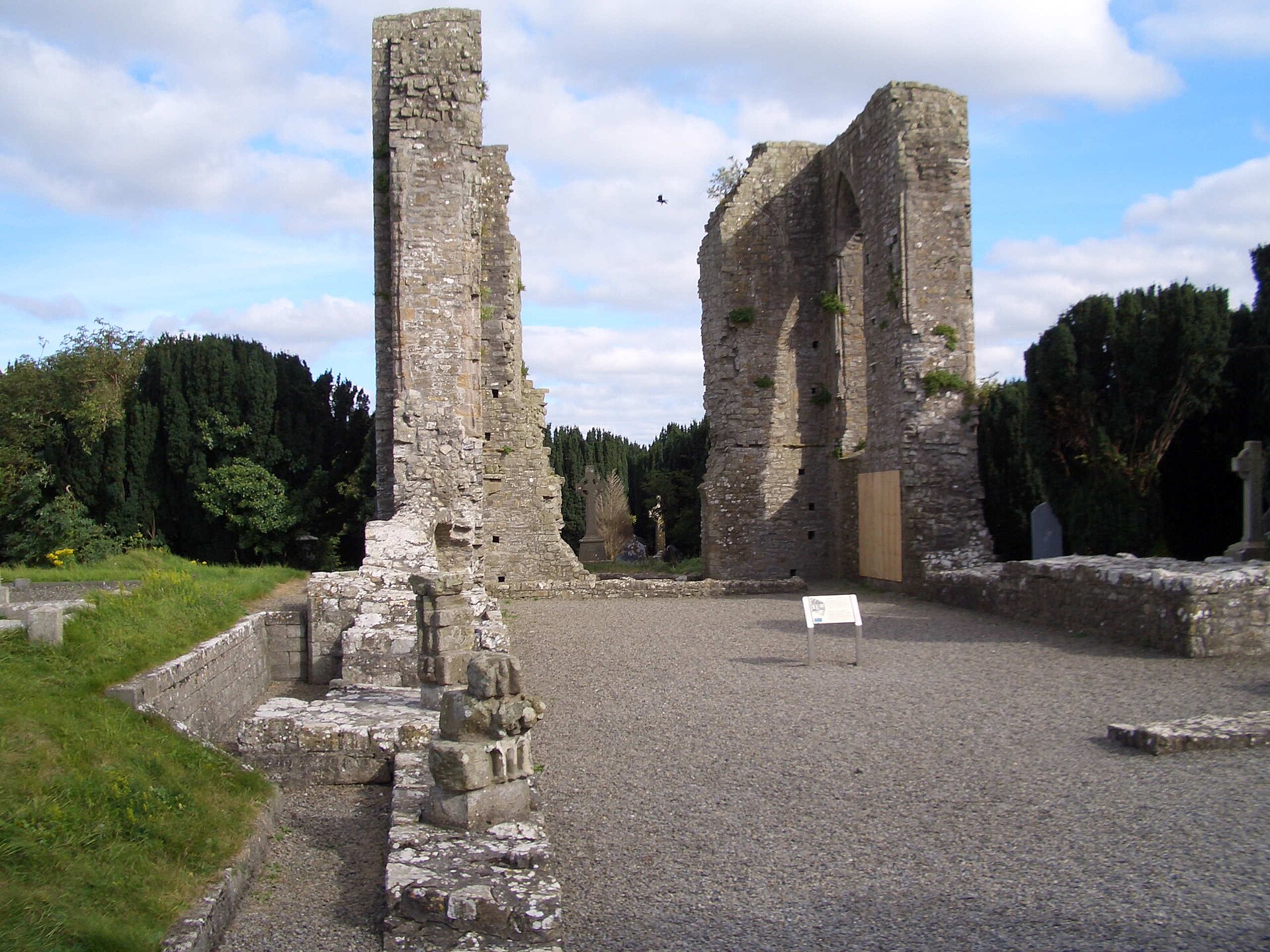
The Augustinian house on the Boyne east of Trim, founded about 1206, where a synod reordered five Meath sees in 1216 and a prior stood accused of m…
Fortified place · Pictish & early medieval
Greater Manchester
Nico Ditch is a six-mile early-medieval earthwork (a bank, ditch or mound shaped from soil rather than built in stone) crossing Greater Manchester…
Building or ruin · Roman
Neath Port Talbot
Nidum is a repeatedly occupied Roman auxiliary fort beneath modern Neath whose changing size, stone rebuilding, road-network position and uniquely…
Carved stone · Pictish & early medieval
Highland
A shattered, staple-mended slab carries the oldest known depiction of a European triangular harp alongside carving so fine it is thought to share c…
Sacred place · Prehistoric
Derbyshire
Ten weathered stones pretending to be nine, watched over by a leaning outlier scratched with a conman's graffiti, and defended for a decade by a pr…
Building or ruin · Prehistoric
Cornwall
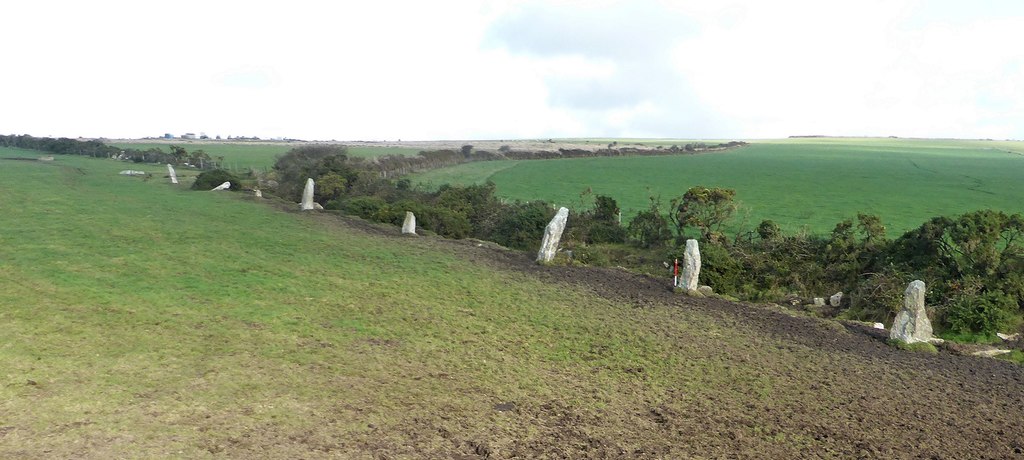
Nine Maidens is a late Neolithic (the first farming period in Britain, roughly 4000–2500 BC) Cornish stone row whose nine irregular stones align to…
Sacred place · Prehistoric
Derbyshire
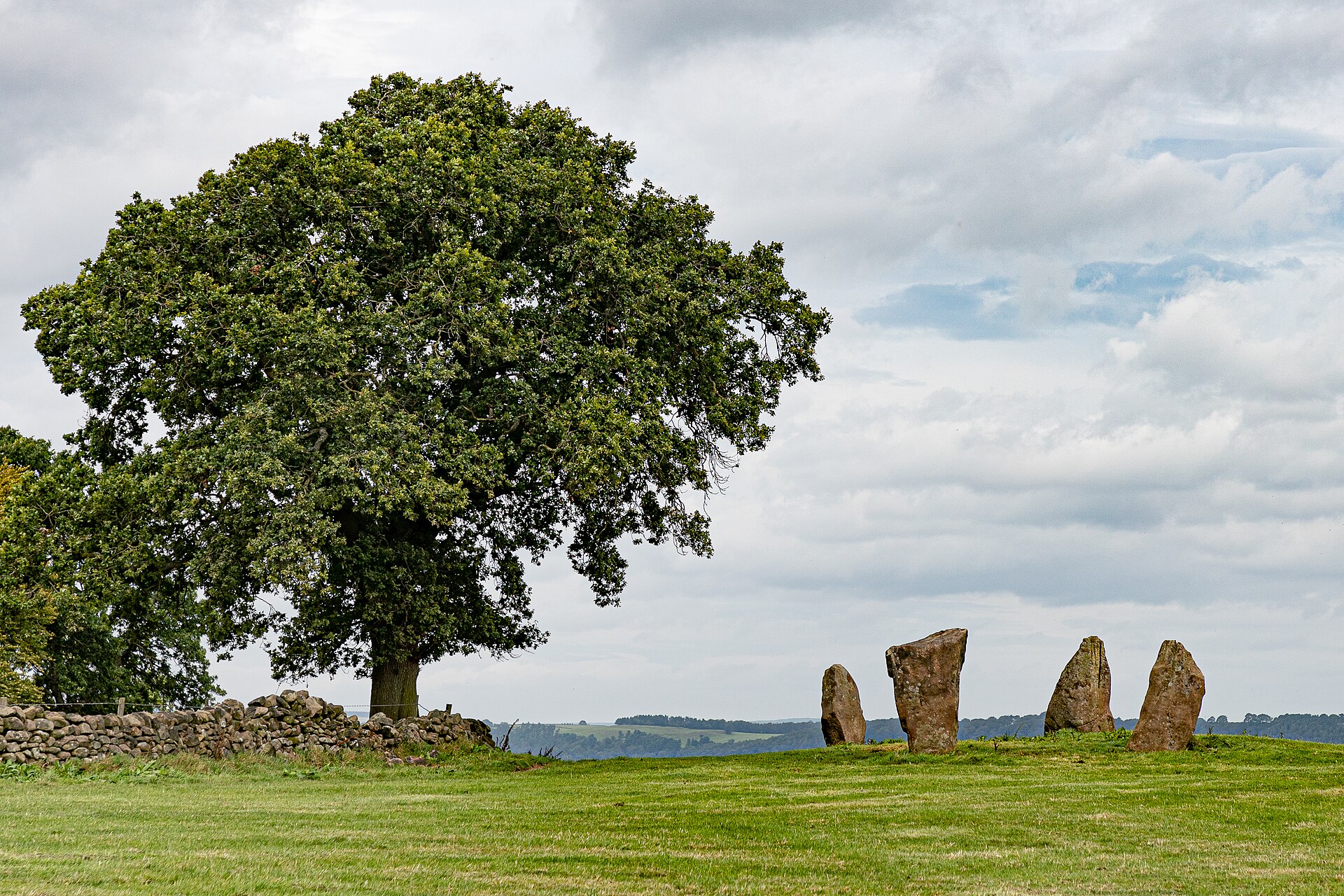
Four surviving stones on Harthill Moor retain two shallow cup marks, while the lost uprights explain the traditional name Nine Stones Close.
Sacred place · Prehistoric
Cornwall
Nine Stones is Bodmin Moor’s smallest stone circle, restored from near collapse in 1889 and retaining an unusual central granite post.
Sacred place · Prehistoric
Dorset
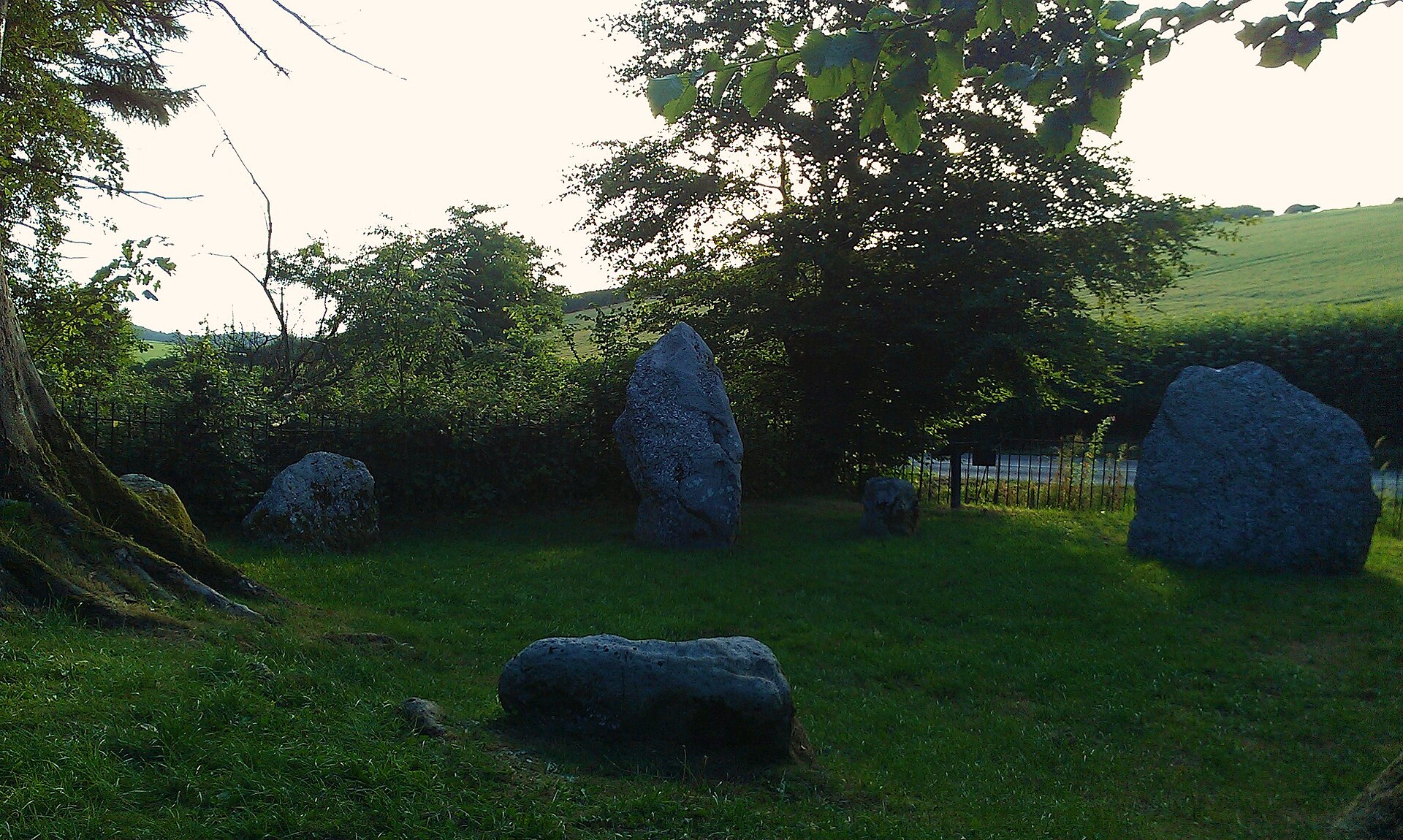
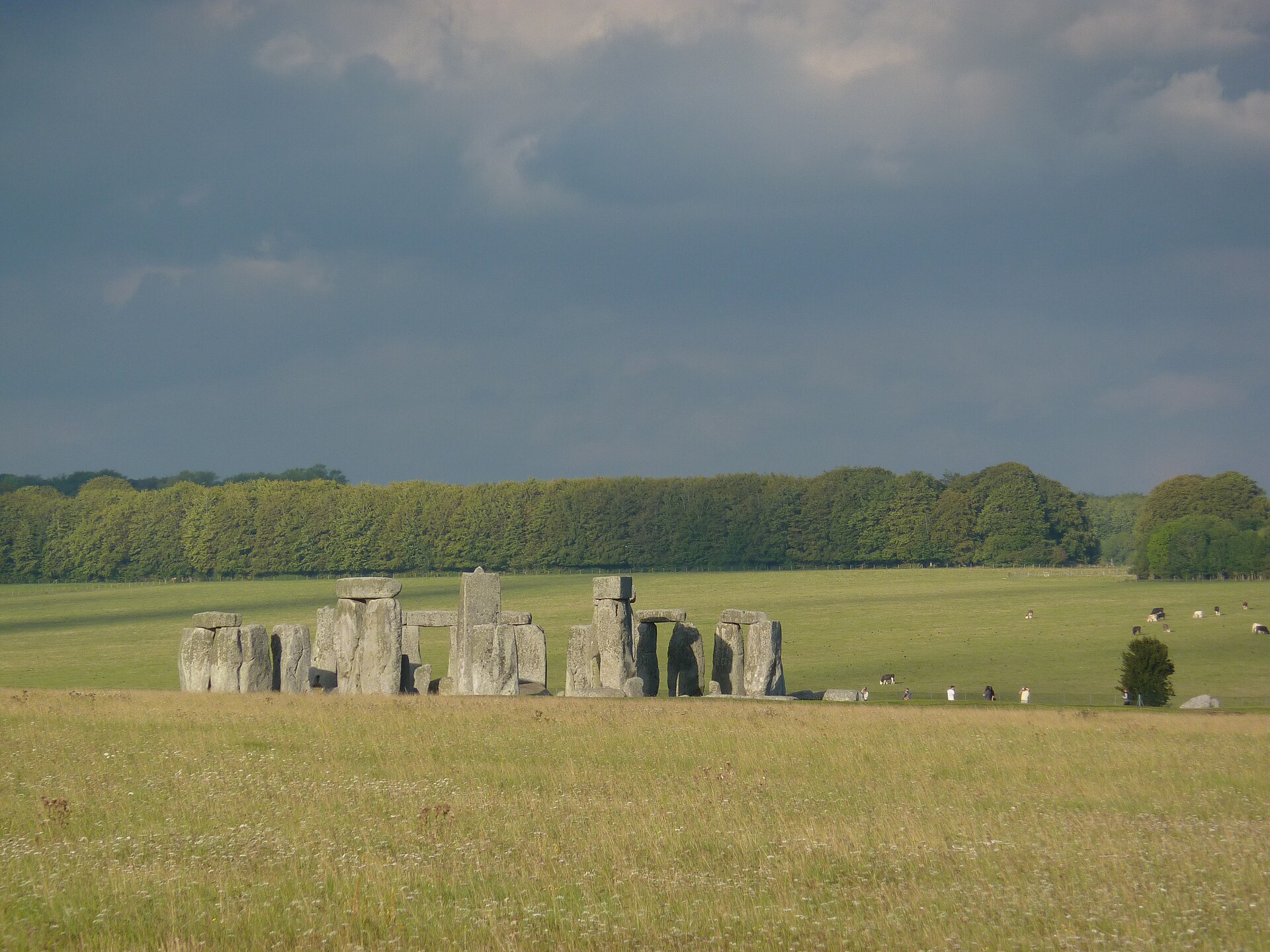
The Nine Stones is a small Bronze Age (roughly 2500–800 BC, when metal tools first spread) Dorset circle whose unusual pair of tall stones, long an…
Sacred place · Prehistoric
Scottish Borders
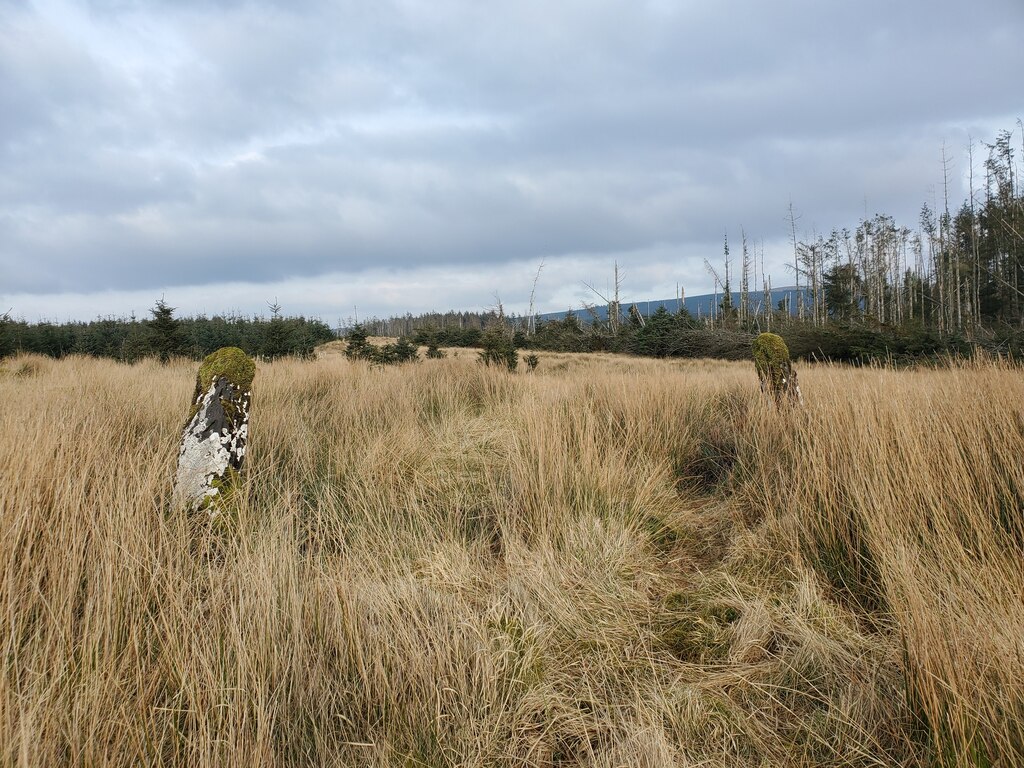
Legend says the lord of Hermitage Castle was boiled alive here in 1320, in a cauldron slung between the two big stones.
Sacred place · Medieval
Lincolnshire
A monastic house whose stone was recycled twice over: first into a Tudor-era mansion, then into nothing at all: leaving only earthworks on Abbey (a…
Building or ruin · Medieval
Orkney Islands
A castle of the later sixteenth century near Pierowall on Westray, never fully completed.
Fortified place · Iron Age
Shropshire
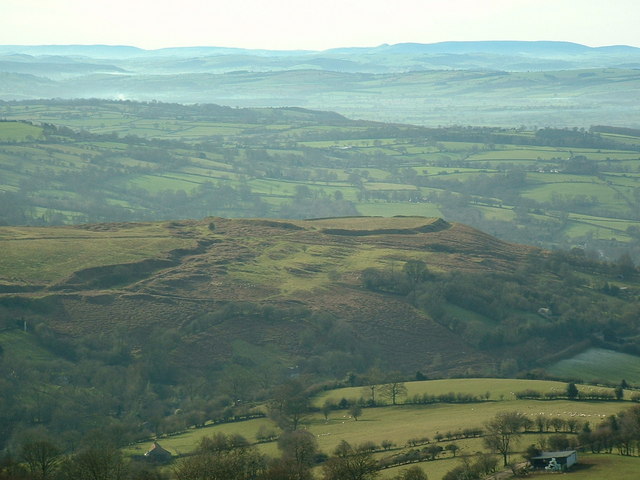
A single bank rings ground on Brown Clee Hill near Clee St Margaret, enclosing a settlement defended between about 800 BC and the Roman conquest. I…
Fortified place · Medieval
Northumberland
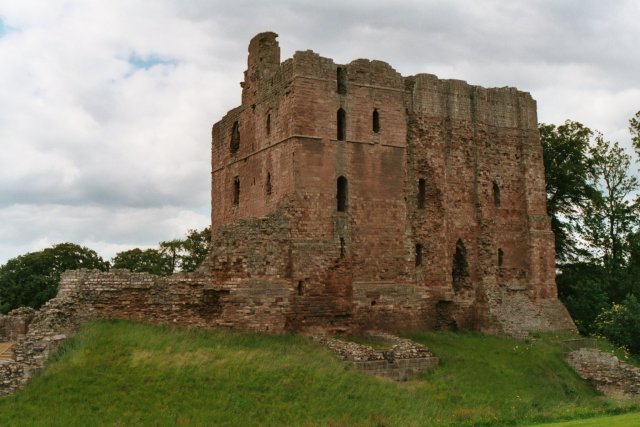
Norham’s keep stands where the Tweed itself became a border, a bishops’ fortress repeatedly taken, rebuilt and later immortalised by Turner.
Building or ruin · Medieval
Cambridgeshire
Tens of thousands of carved bone ships, dominoes and straw-work marquetry made by bored, ingenious captives survive in museums today: the largest b…
Building or ruin · Roman
Aberdeen City
A Roman marching camp misread for fifty years as a Danish fort, its true imperial origin restored only when its rectangular plan gave the game away.
Tomb or burial place · Prehistoric
Wiltshire
One grave here held a gold lozenge, a bronze dagger and a mace among the richest Bronze Age (roughly 2500–800 BC, when metal tools first spread) bu…
Fortified place · Iron Age
Hampshire
Its name sounds Norse but has nothing to do with Vikings, and its buried inner enclosure may echo the shrine once dug up at nearby Danebury.
Sacred place · Medieval
County Cork
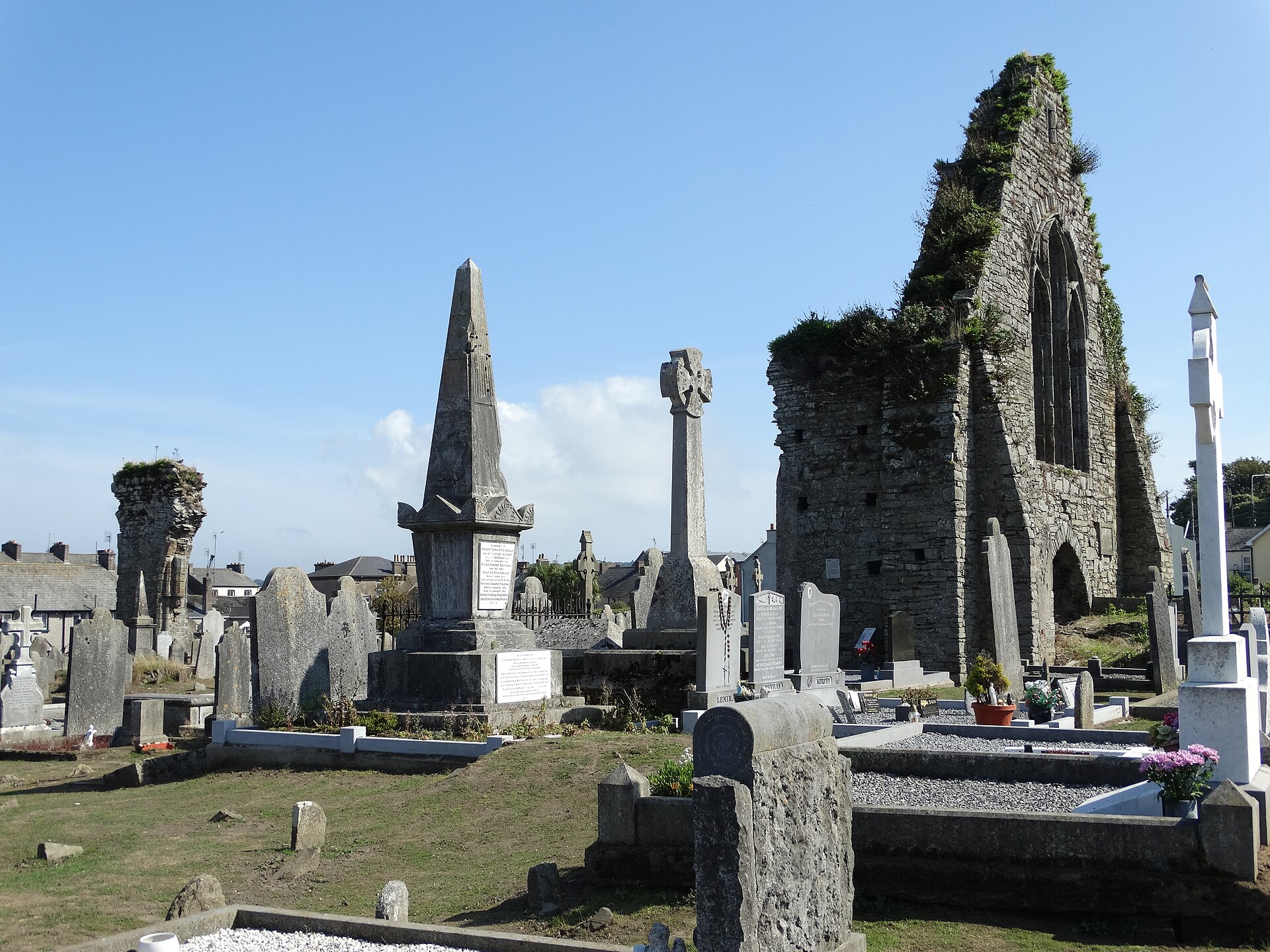
A thirteenth-century Dominican priory: a monastery headed by a prior rather than an abbot: whose Marian image made Youghal a centre of devotion unt…
Fortified place · Medieval
Norfolk
North Elmham Castle is a rare bishop’s fortified church site where an Anglo-Saxon cathedral tradition, an eleventh-century Norman church, Henry le…
Building or ruin · Roman
Oxfordshire
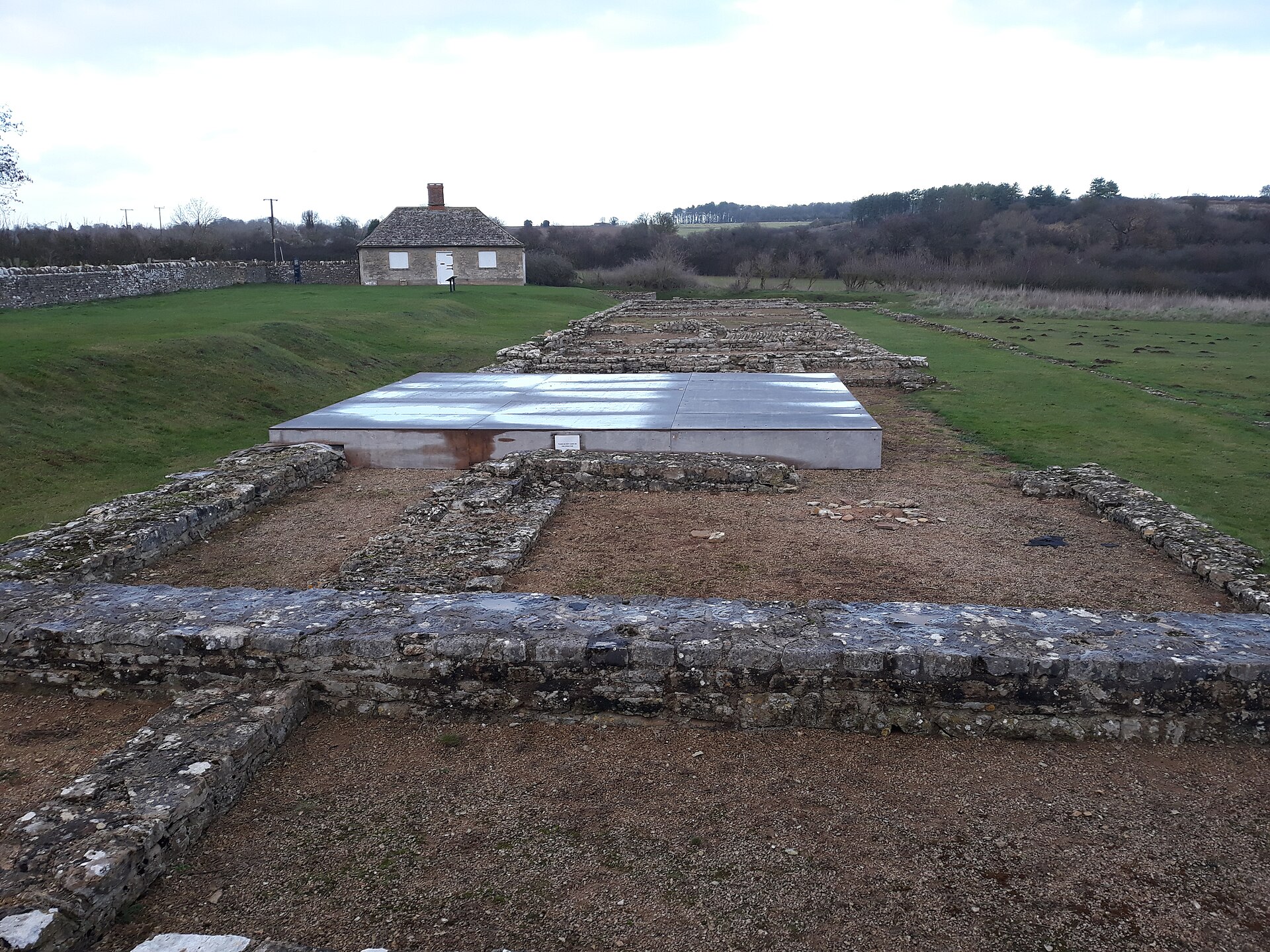
The only Roman building left standing and open to visitors anywhere in Oxfordshire, with sixty rooms and nineteen mosaic floors surviving from a ho…
Sacred place · Prehistoric
Perth and Kinross
Two pits and a cremation were placed here before the henge was built: a prehistoric earthwork of bank and ditch enclosing a circular space, with th…
Sacred place · Medieval
Lincolnshire
A double house of nuns and canons under the rare Gilbertine order, its enclosure of a hundred women and fifty men now reduced to grass-grown earthw…
Fortified place · Medieval
North Yorkshire
Seized by a Scottish claimant in the 1140s and rebuilt by a rebel bishop, this timber stronghold was destroyed on a king's direct order: and the ra…
Fortified place · Medieval
Northamptonshire
A stage for a state trial of Thomas Becket and two baronial wars, obliterated so completely by a Victorian railway that only a gatehouse and some e…
Fortified place · Medieval
County Donegal
Its design deliberately echoes Edward I's conquest castles in Wales: a calculated political statement in stone by the Anglo-Norman earl who built it.
Building or ruin · Medieval
Greater London
Northolt Manor preserves the archaeological footprint of a moated medieval manor on a site occupied from at least the 7th or early 8th century, whi…
Fortified place · Iron Age
Scottish Borders
A hillfort whose outer defences are stronger than its inner ones: and an eight-metre gap that shows which were built first.
Fortified place · Iron Age
Somerset
A defended hilltop at Norton Fitzwarren near Taunton, raised in the age of the first metalworkers.
Sacred place · Medieval
Cheshire
Excavated from 1971 over twelve years by modern archaeological methods on a scale unmatched anywhere in Europe, this is the most thoroughly underst…
Fortified place · Medieval
Norfolk
Norwich Castle is a richly ornamented Norman royal keep whose long afterlife: from Conquest stronghold and refuge amid anti-Jewish violence to coun…
Sacred place · Medieval
Norfolk
Norwich Cathedral is one of England’s most complete Norman cathedrals: a vast flint-and-Caen-stone church whose towering spire, exceptional cloiste…
Sacred place · Medieval
West Yorkshire
A Palladian house of 1733 built for the Winn family on the site of a twelfth-century Augustinian priory: a monastic house under a prior rather than…
Tomb or burial place · Prehistoric
Gloucestershire
A chambered long barrow, a communal burial mound, whose stone passage and side chambers stood open to the sky for millennia before being sealed shu…
Sacred place · Medieval
Buckinghamshire
A private house built from the bones of one of the Oxford region's richest Augustinian monasteries, later home to Laurence Olivier and Vivien Leigh…
Fortified place · Medieval
Nottinghamshire
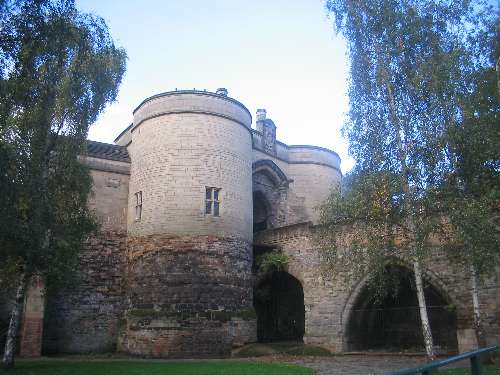
Nottingham Castle layers William’s 1068 conquest stronghold, Civil War destruction and a Restoration mansion above the city’s defining sandstone rock.
Building or ruin · Roman
West Sussex
The Roman town beneath Chichester, almost nothing of which stands above ground: and whose very name is a modern reconstruction from five scraps of…
Sacred place · Medieval
Warwickshire
Nuneaton was one of only four English nunneries of Fontevraud, a large female religious community whose surviving church plan and precinct gave the…
Fortified place · Medieval
Somerset
A castle that escaped deliberate demolition after the Civil War because the besiegers' cannon had already wrecked it.
Tomb or burial place · Prehistoric
Gloucestershire
Excavators found red ochre in this barrow, a burial mound of heaped earth, prehistoric in date: possibly face-paint to make the dead look alive: an…
Fortified place · Medieval
County Galway
A carved human face still watches from a stone bracket projecting from the tower wall, while the ground beneath the castle's main tower hides a muc…
Fortified place · Medieval
County Leitrim
A survivor of the doomed March to Leitrim died within its walls' shadow: this small tower house witnessed the last act of Gaelic Ulster's resistanc…
Sacred place · Medieval
Rutland
A sixteenth- or seventeenth-century market cross, of the kind that served as a gathering point and market venue.
Tomb or burial place · Prehistoric
Dorset
Oakley Down is a scheduled Cranborne Chase cemetery whose thirty Bronze Age, the period from about 2500 to 800 BC, mounds and early excavated buria…
Fortified place · Iron Age
Cheshire
One of only seven Iron Age hill forts in Cheshire, and the only one built low beside water rather than on a hilltop: its ramparts once met the shor…
Fortified place · Roman
Scottish Borders
A cohort fort and the builders' camp that put it up, both found from the air in 1949: and abandoned because of a war on the Danube.
Fortified place · Medieval
Hampshire
One of only three castles King John built himself, and the probable departure point for his ride to seal Magna Carta in 1215.
Building or ruin · Roman
Derbyshire
Trading on a name possibly given by Danish settlers, this is the oldest documented lead mine in Derbyshire: worked, on and off, for over five centu…
Fortified place · Medieval
Powys
An earthwork whose ditch faces Wales along its whole length: and whose radiocarbon dates now run from three centuries before Offa to two centuries…
Sacred place · Medieval
Wiltshire
A Benedictine priory, a monastery headed by a prior, that spent much of its two-century life not as a monastery but as the paper name for a Norman…
Fortified place · Medieval
Northumberland
Ogle Castle shows why a Northumbrian manor needed crenellations: a captured Scottish king was held here, and its earthworks still surround a Grade…
Fortified place · Medieval
Vale of Glamorgan
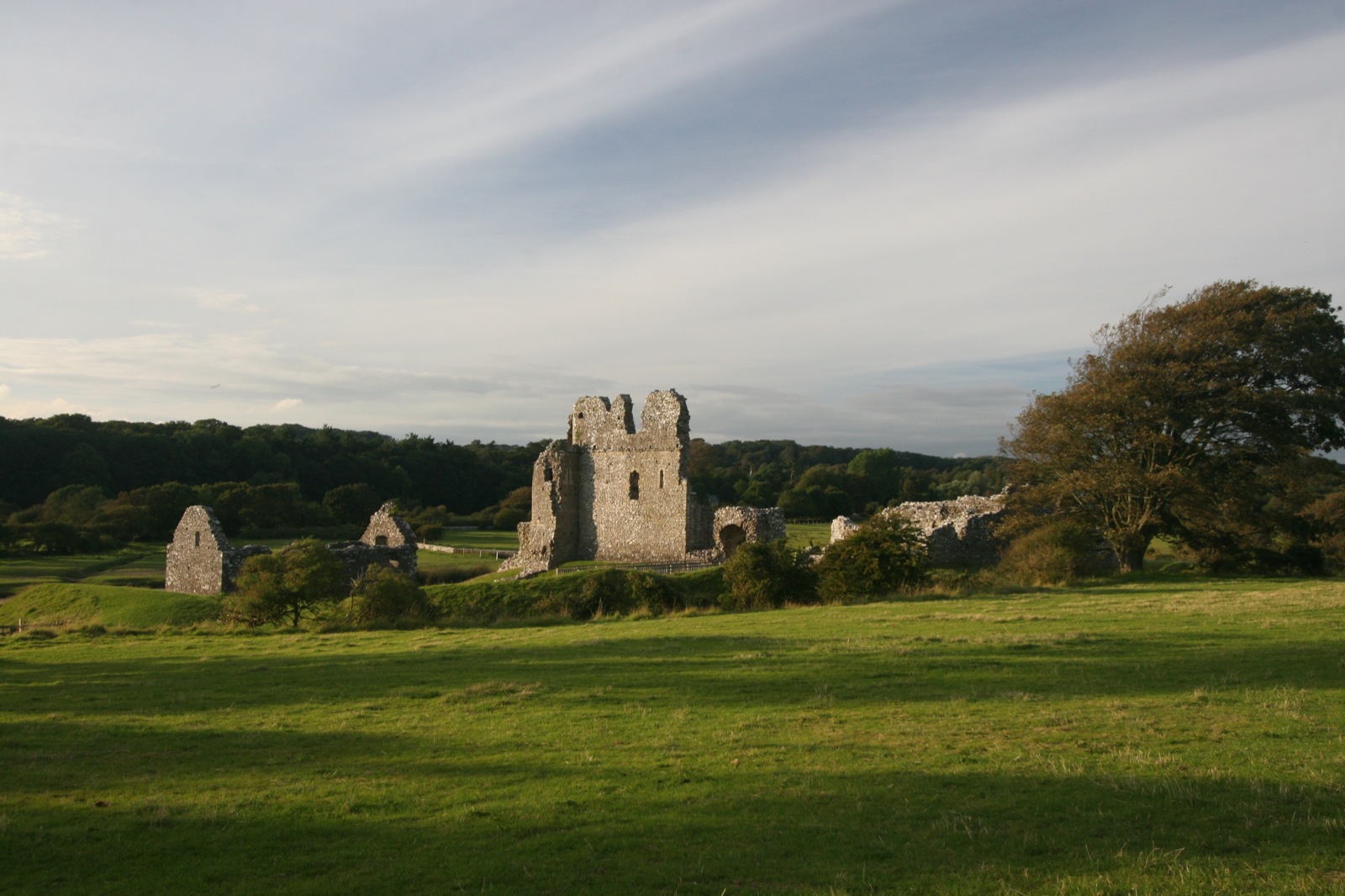
A butler held it against the Welsh in 1116 while its lord was away, and was knighted and given a castle of his own for it.
Fortified place · Medieval
Devon
Okehampton Castle charts the transformation of a Norman stronghold guarding a Devon crossing into a luxurious Courtenay hunting lodge, followed by…
Fortified place · Medieval
Vale of Glamorgan
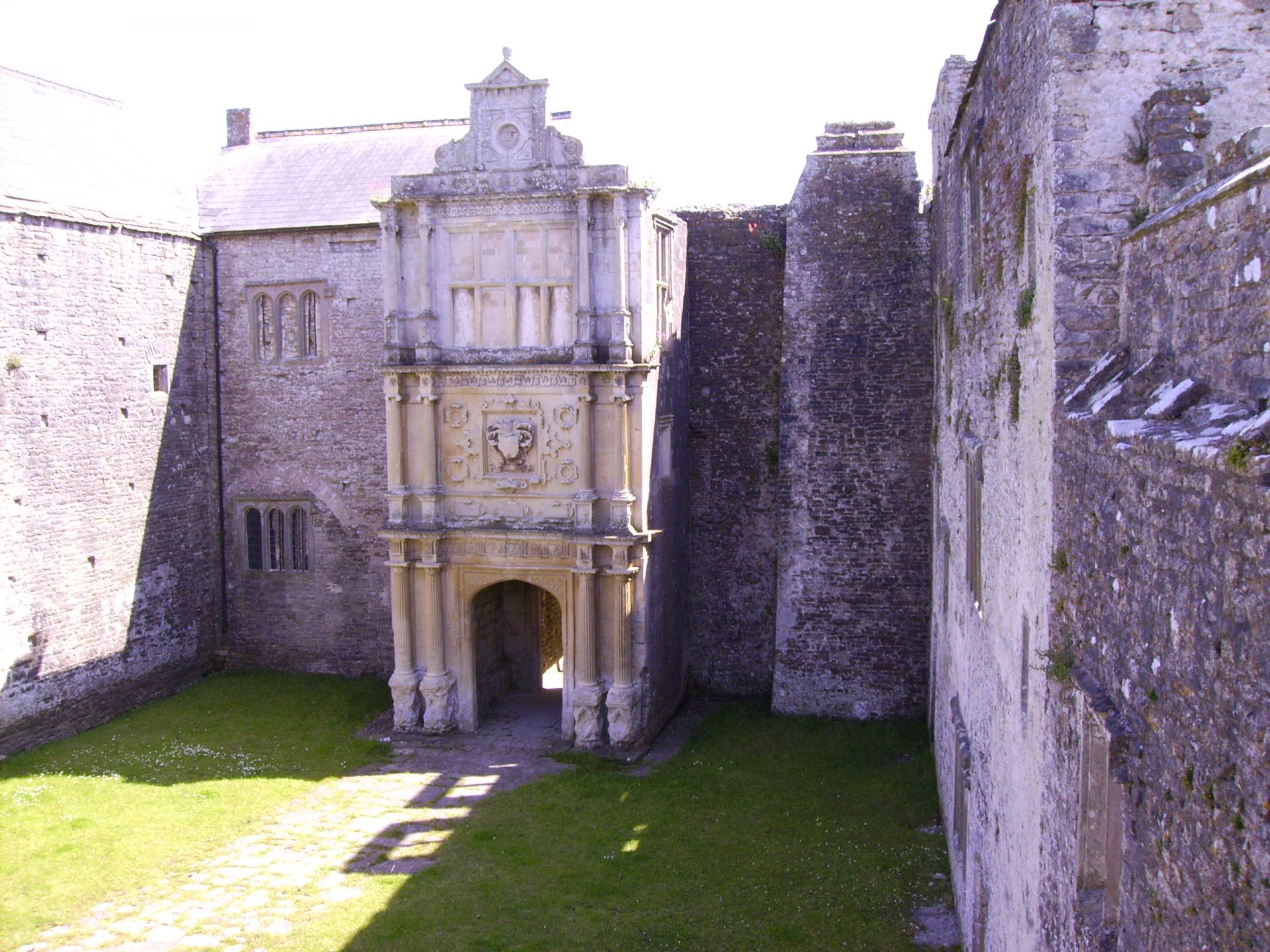
Windows and fireplaces were blocked up here, most likely to reduce the tax owed on them. Water still flows along the drain the privies emptied into.
Crossing or structure · Medieval
Bridgend
Only two of its five original medieval arches are visible; a third is walled into a shop, and a fourth lay hidden until a chance discovery in 2015.
Crossing or structure · Medieval
Cambridgeshire
Its central pier still carries a visible kink from 1332, when two building crews working from opposite banks failed to meet in a straight line.
Crossing or structure · Medieval
Rhondda Cynon Taf
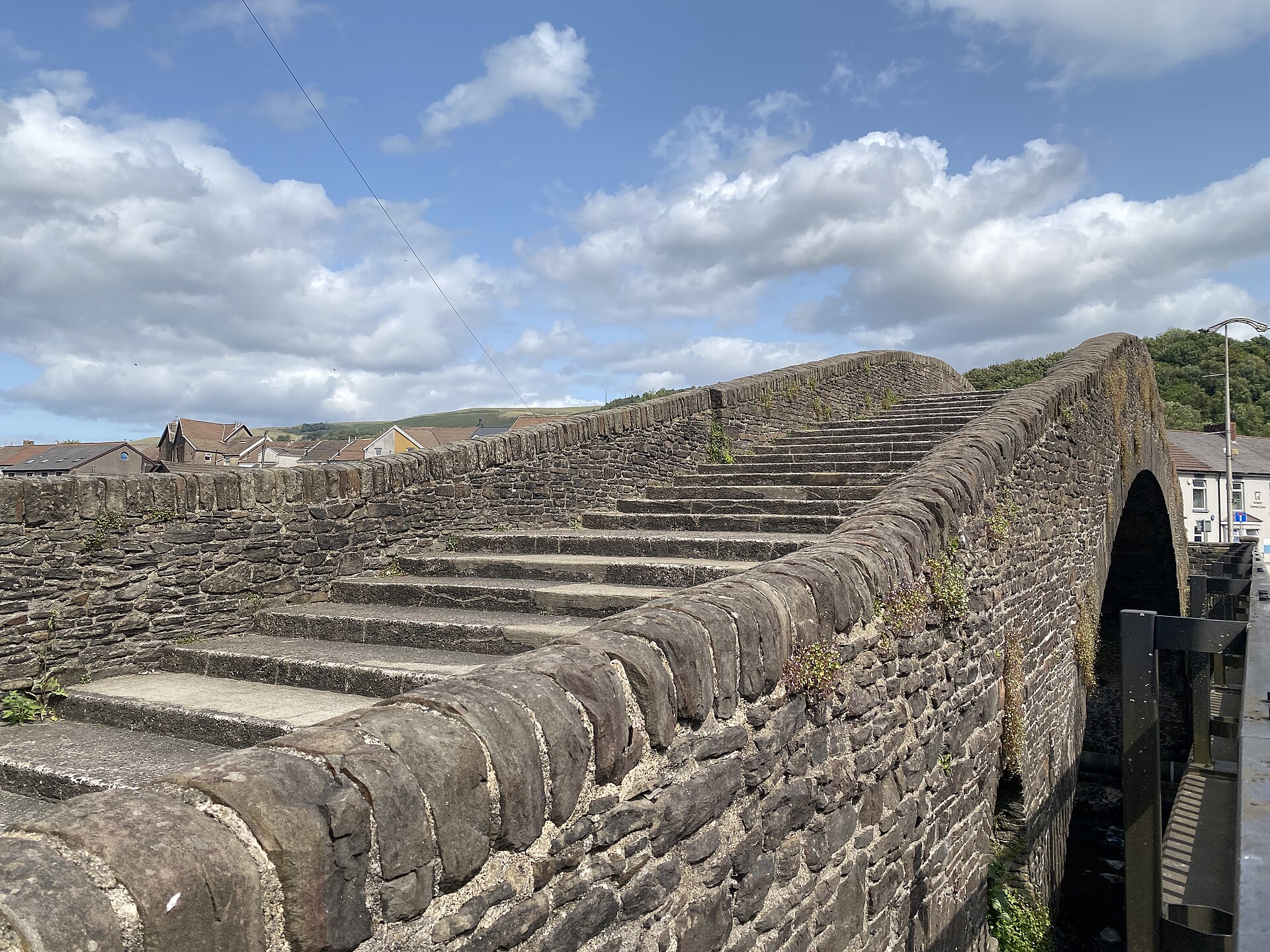
William Edwards's single-span arched footbridge over the Taff at Pontypridd.
Sacred place · Medieval
Norfolk
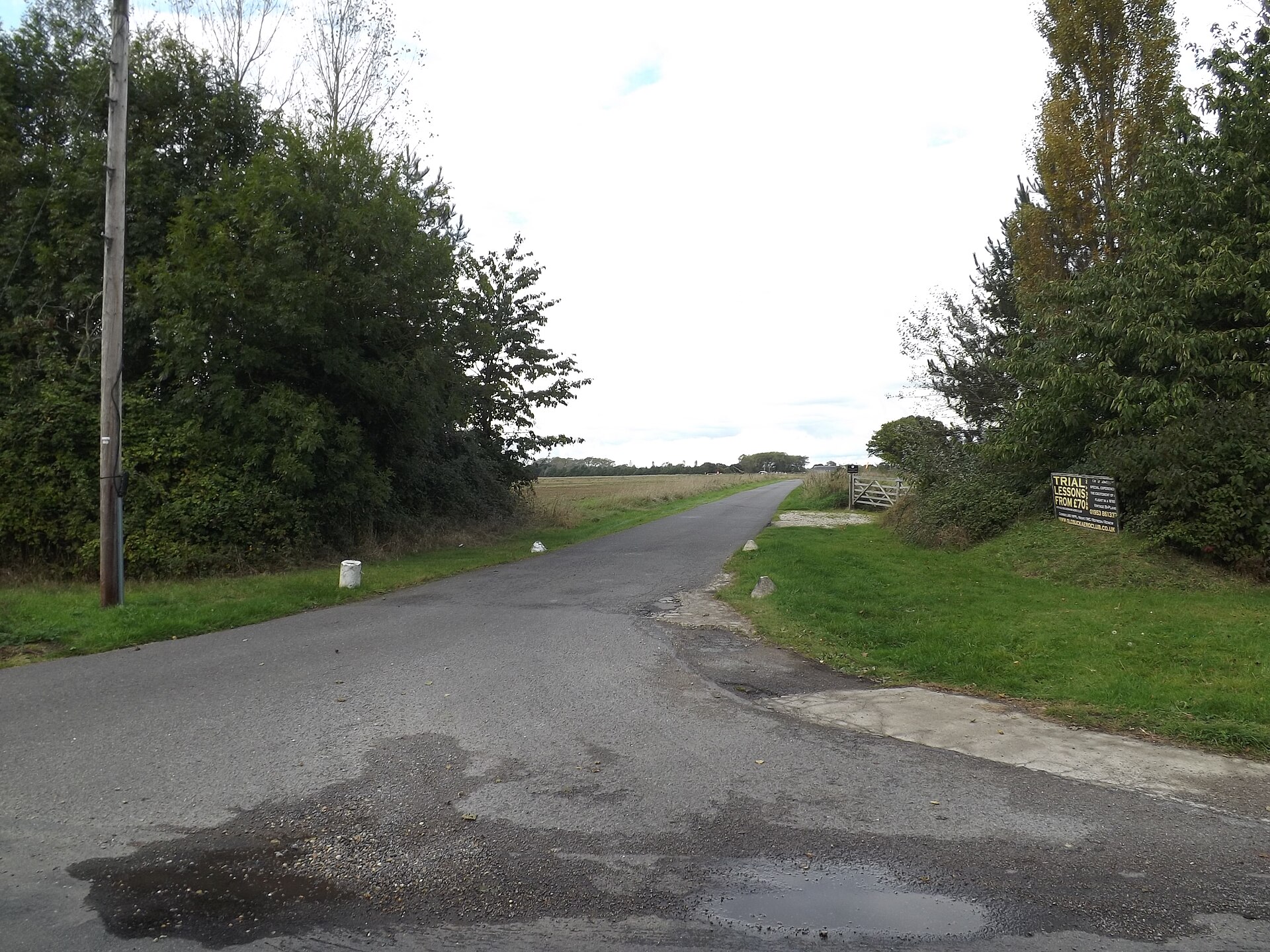
Old Buckenham Priory transformed an abandoned Norman castle site into an Augustinian house with estates in 42 Norfolk parishes, showing how monasti…
Crossing or structure · Medieval
Warwickshire
Half its width was already in ruins by 1373, and it was repaired by charity. A flood swept most of the rest away in 1795.
Fortified place · Medieval
Argyll and Bute
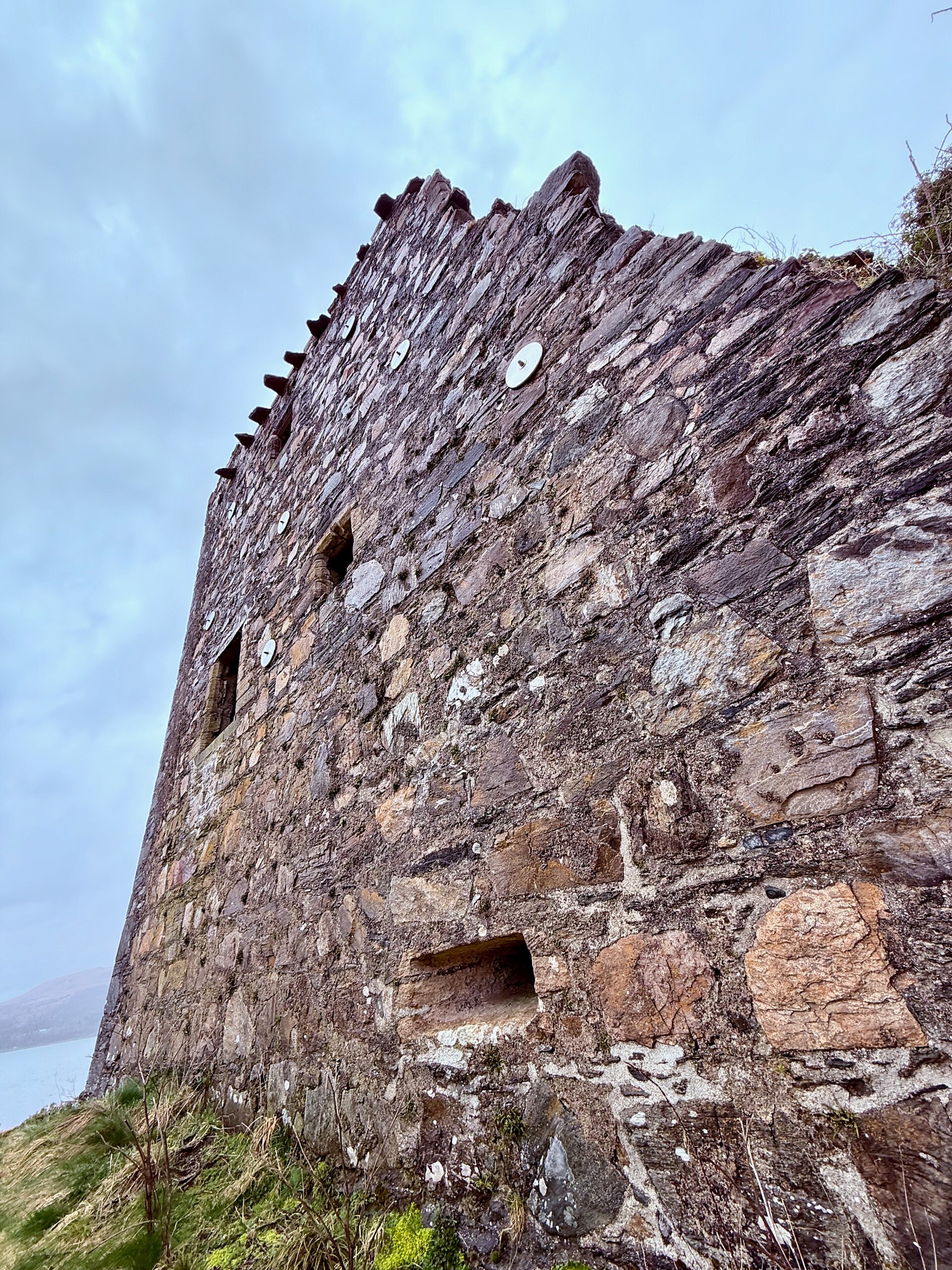
A clan stronghold bombarded into ruin by government order after Culloden: its fall traces the collapse of Jacobite Cowal in a single act of naval g…
Sacred place · Medieval
Isle of Anglesey
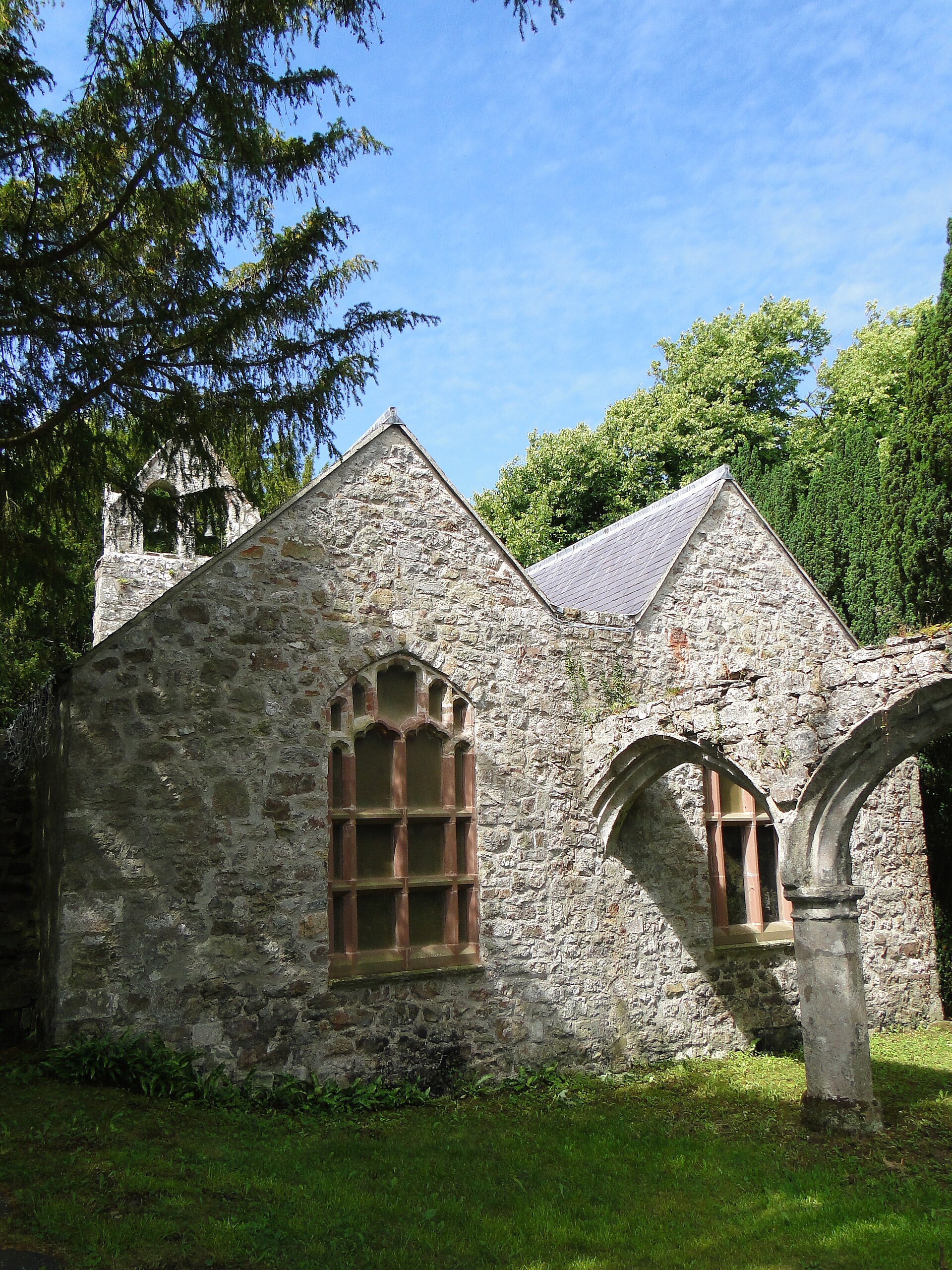
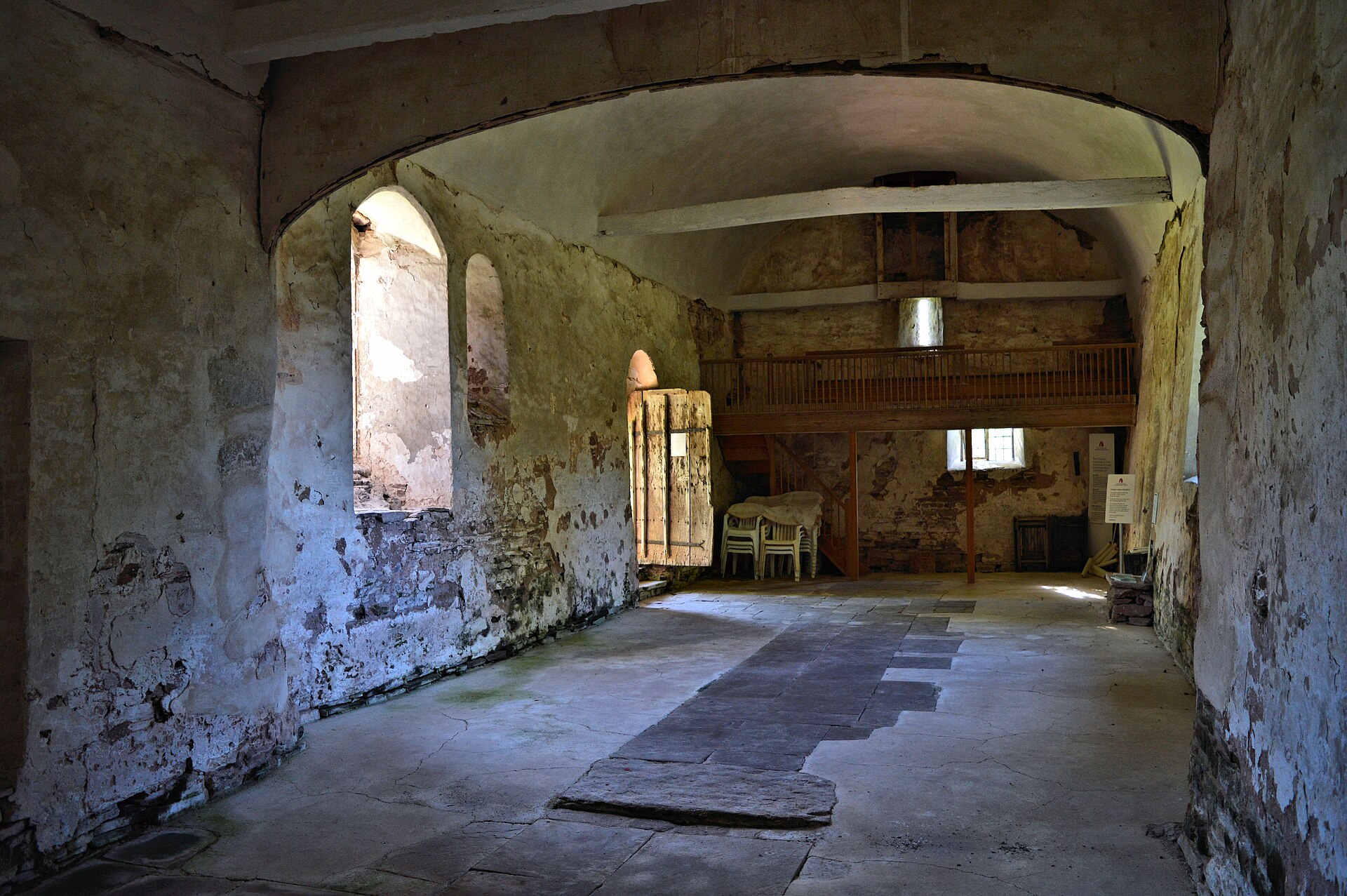
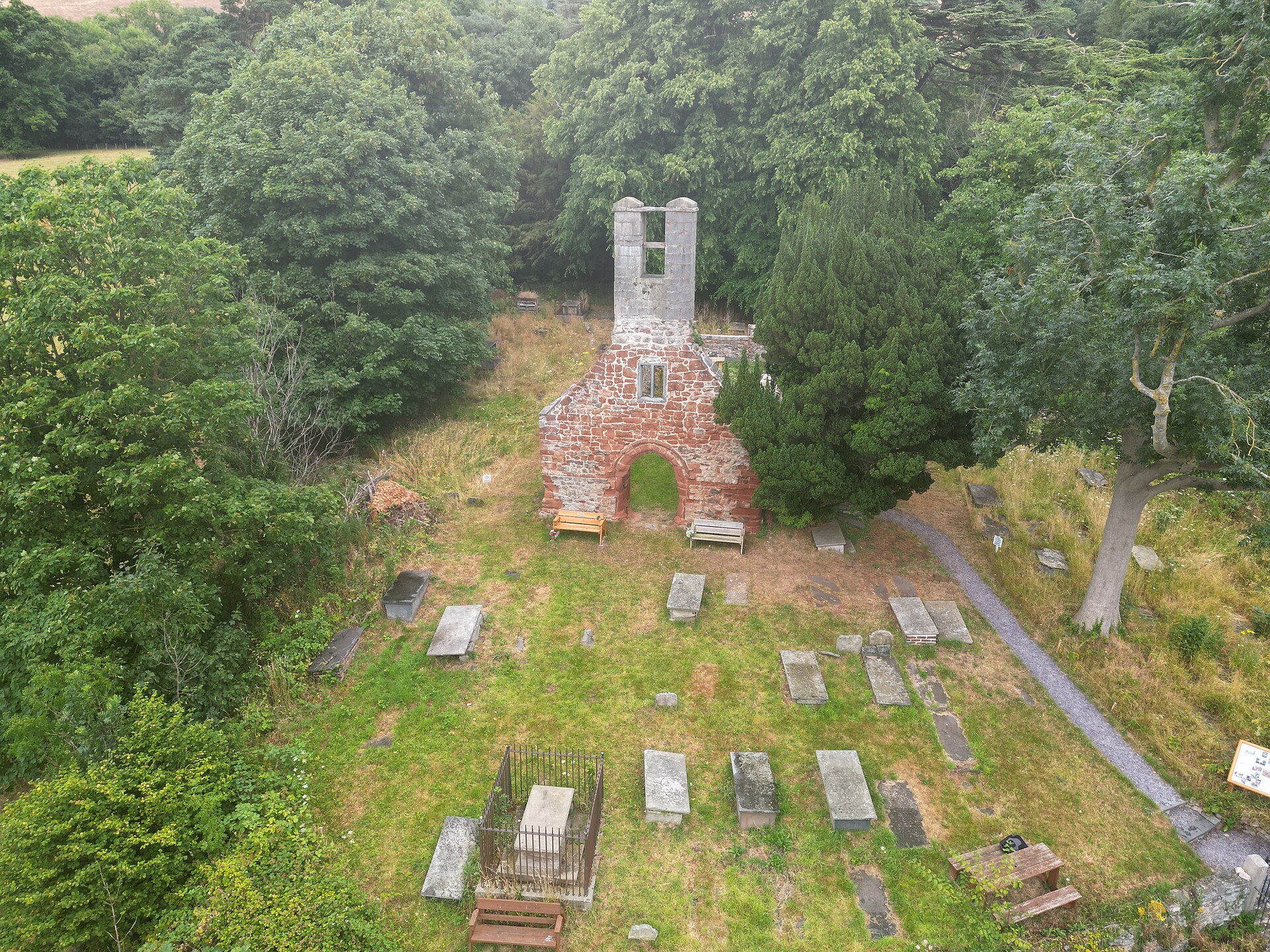
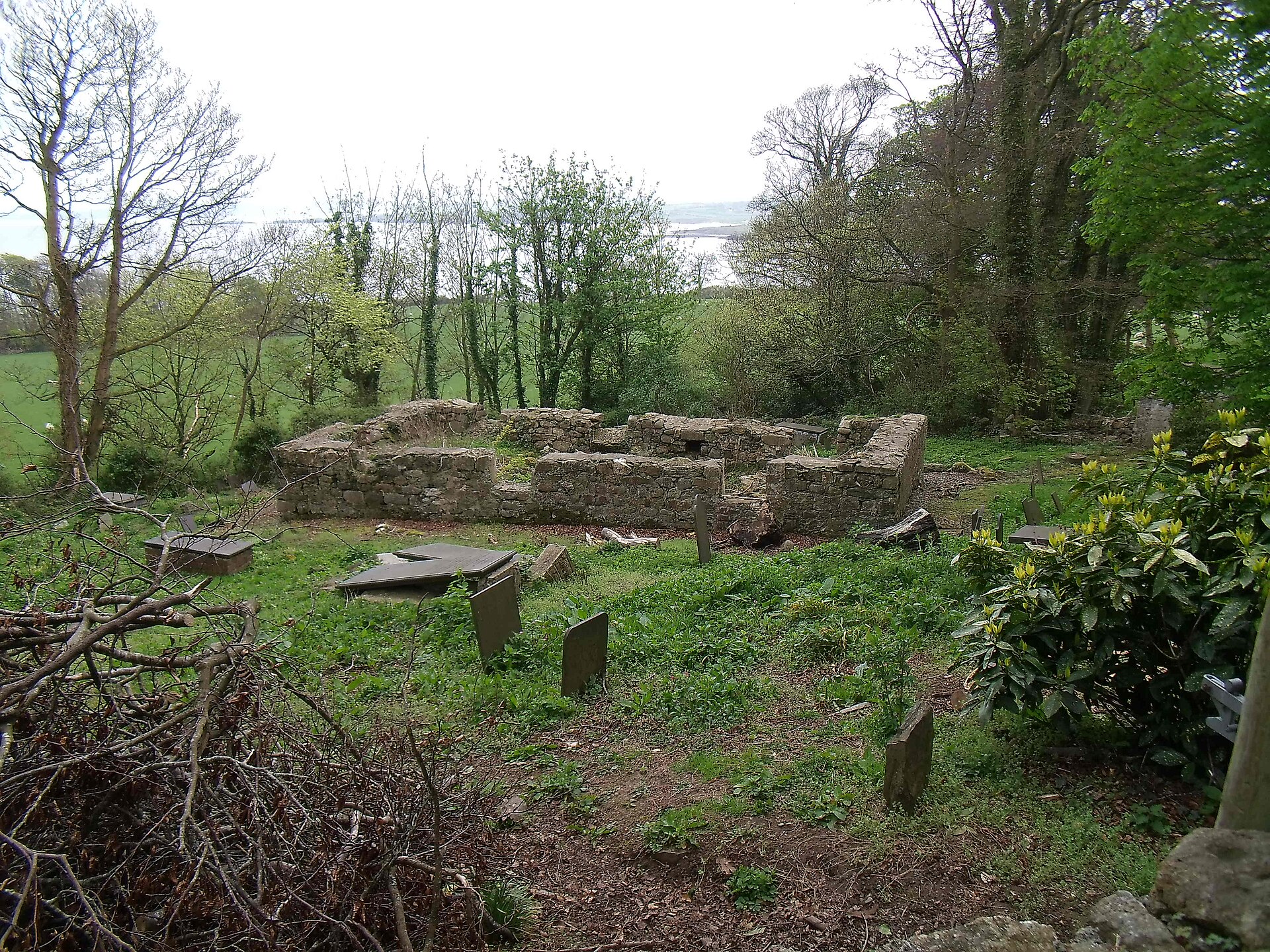
Old St Nidan’s is a partly ruined double-naved medieval church near the Menai Strait, preserving a six-arch arcade and relic traditions despite 19t…
Crossing or structure · Roman
Cheshire
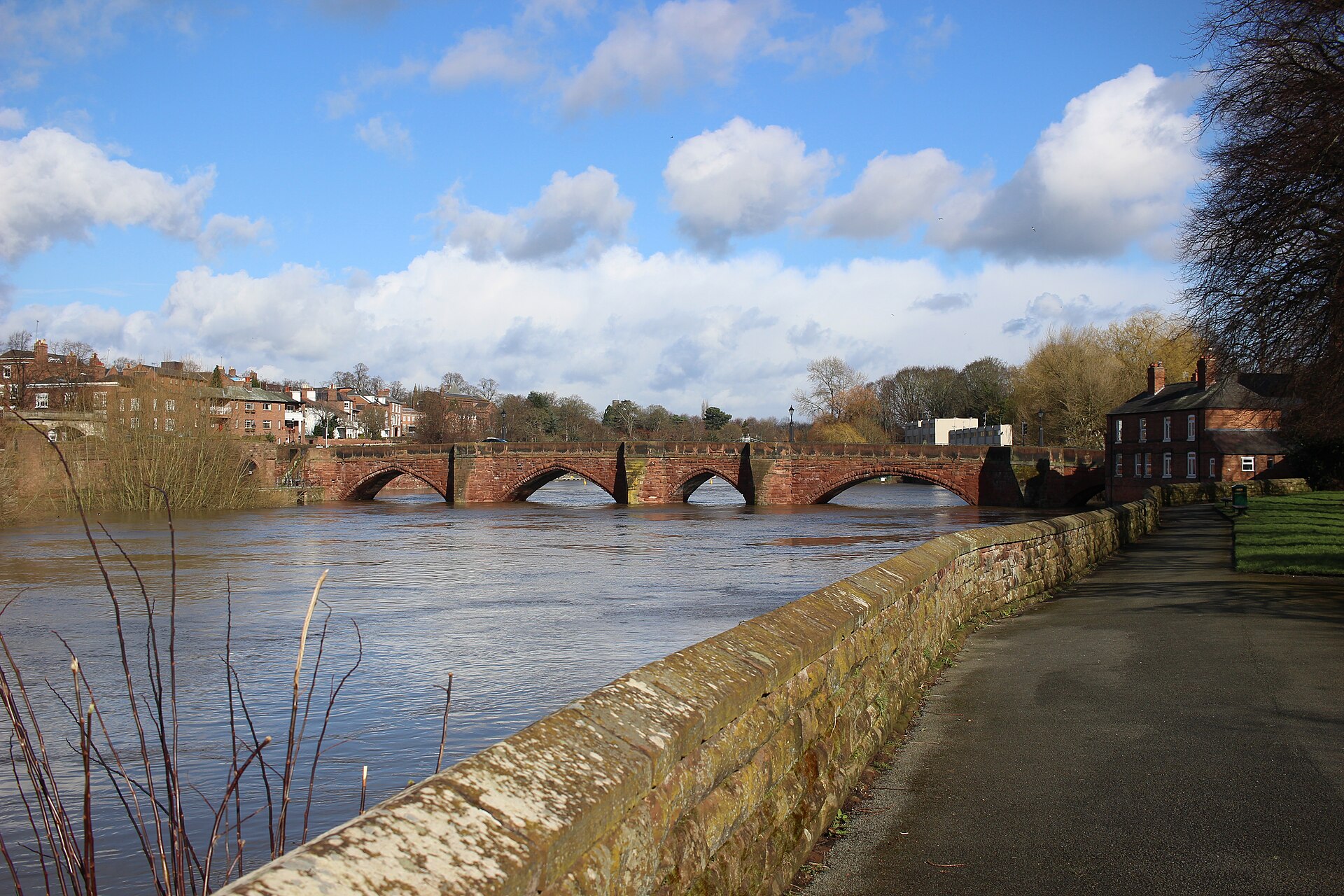
Chester's oldest crossing survived a Roman timber-and-stone original, a 14th-century royal rebuilding order, and a fortified gatehouse before losin…
Crossing or structure · Medieval
Devon
The Old Exe Bridge is England’s oldest surviving bridge of its scale and Britain’s oldest bridge with a chapel still on it, preserving Exeter’s med…
Building or ruin · Medieval
Hertfordshire
A working Elizabethan statesman's house reduced to a porch, a chapel and a clock tower, built in part from the stones of a dissolved abbey (a relig…
Sacred place · Pictish & early medieval
Hampshire
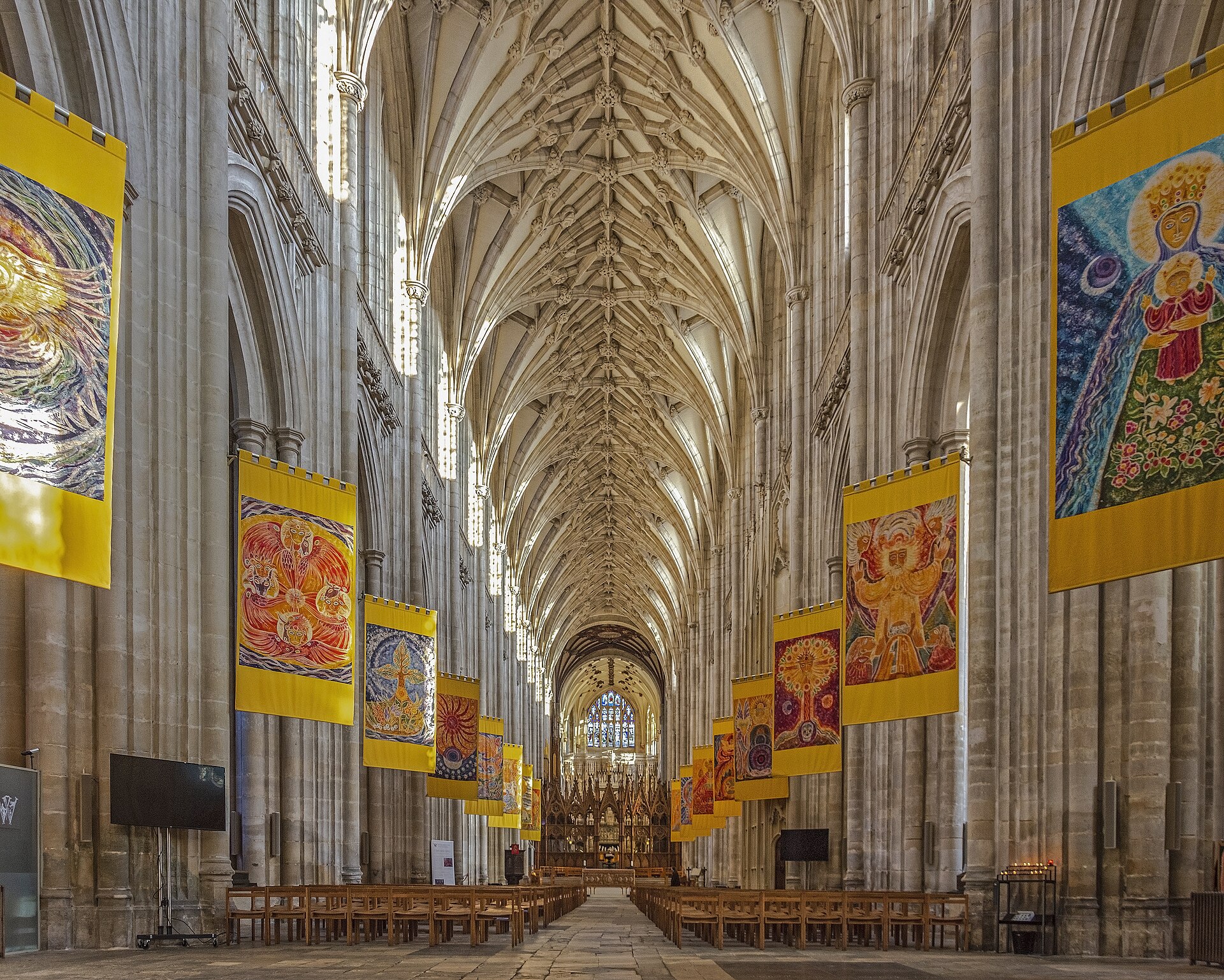
For over a century this was reputedly the largest church in Europe, and the resting place of Anglo-Saxon kings whose bones now lie in chests around…
Fortified place · Iron Age
Shropshire
Old Oswestry is one of Britain’s best-preserved Iron Age (from about 800 BC until the Romans came) hillforts, where four defensive phases and later…
Building or ruin · Medieval
Lancashire
A 14th-century rector's house standing to almost its full gable height, its private hall, kitchen courtyard and even a well still traceable on the…
Fortified place · Prehistoric
Wiltshire
A Norman castle with a timber tower on an earth mound and a walled yard, raised inside a defended hilltop settlement dating from 400 BC, it once he…
Sacred place · Medieval
Worcestershire
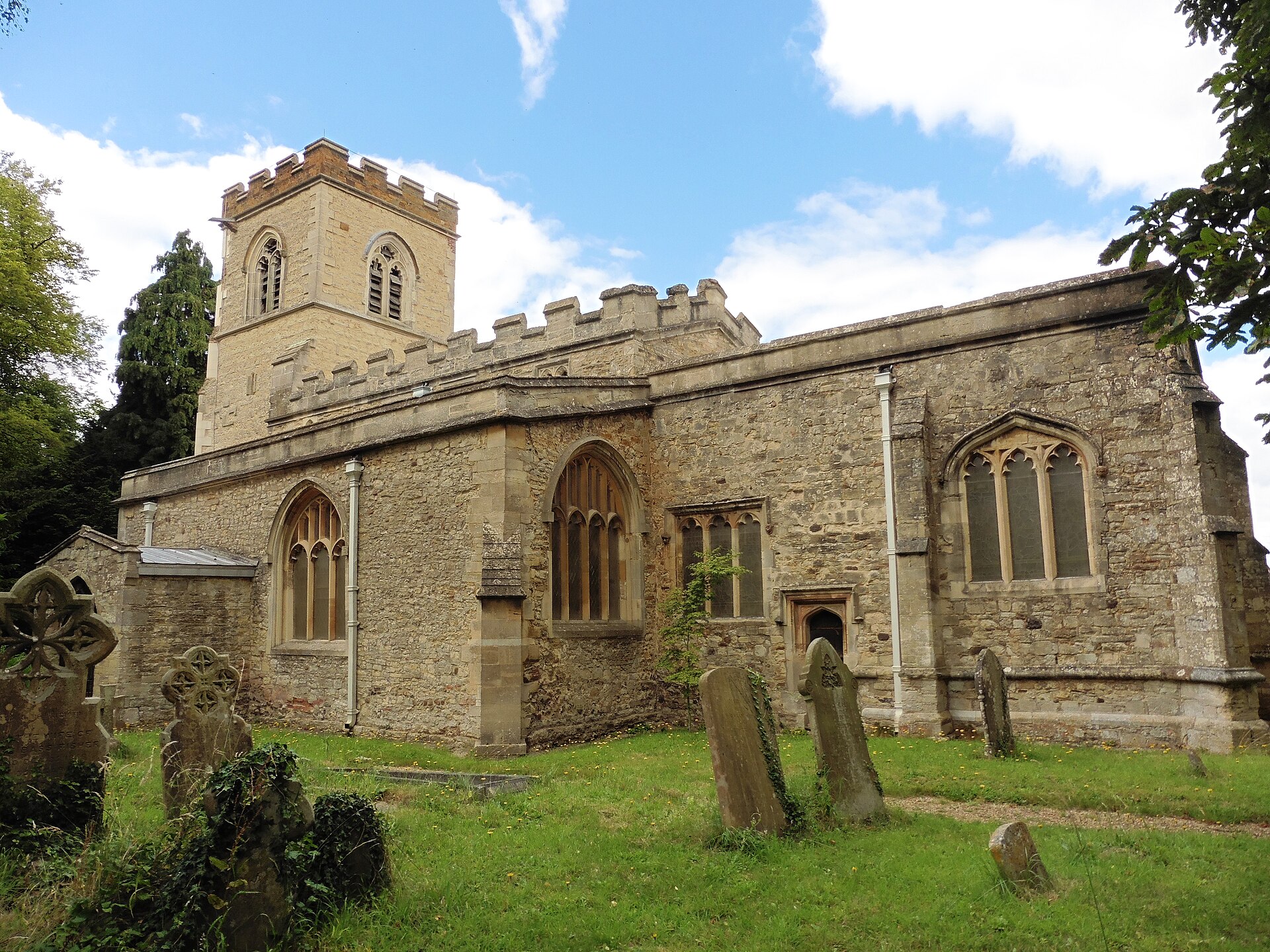
Its 1990s restorers worked "to make it appear as though we had never been on the site": conservation by near-total restraint rather than repair.
Sacred place · Medieval
Denbighshire
A roofless medieval church whose paper trail: a 1291 tax record and a 1535 valuation of £418: survives more fully than the building itself.
Fortified place · Medieval
Bedfordshire
Nobody has ever settled whether the earthwork on Quince Hill was a motte (a castle mound) or a ringwork: a rare case where the basic identity of a…
Fortified place · Iron Age
Hampshire
A hillfort (a defended enclosure on high ground, ringed with banks and ditches) and older Bronze Age (roughly 2500–800 BC, when metal tools first s…
Fortified place · Iron Age
Somerset
It watches the ancient crossing of the River Barle, half a mile from Dulverton.
Fortified place · Iron Age
Kent
Oldbury Camp is south-eastern England’s largest Iron Age (from around 800 BC up to the Roman conquest) hillfort, a 50-hectare Weald-route stronghol…
Fortified place · Medieval
Essex
Ongar Castle preserves a rare urban castle mound-and-yard complex whose moat, two enclosed yards and later mansion history reveal nearly a millenni…
Fortified place · Medieval
County Limerick
A late-Renaissance tower house whose corner turrets and fireplaces survive largely intact, and whose grounds gave up a hoard of prehistoric (from t…
Fortified place · Iron Age
Hampshire
An Iron Age oppidum whose buried perimeter still underlies a Winchester park: and whose eastern edge the Roman town wall of Venta Belgarum was late…
Fortified place · Medieval
County Galway
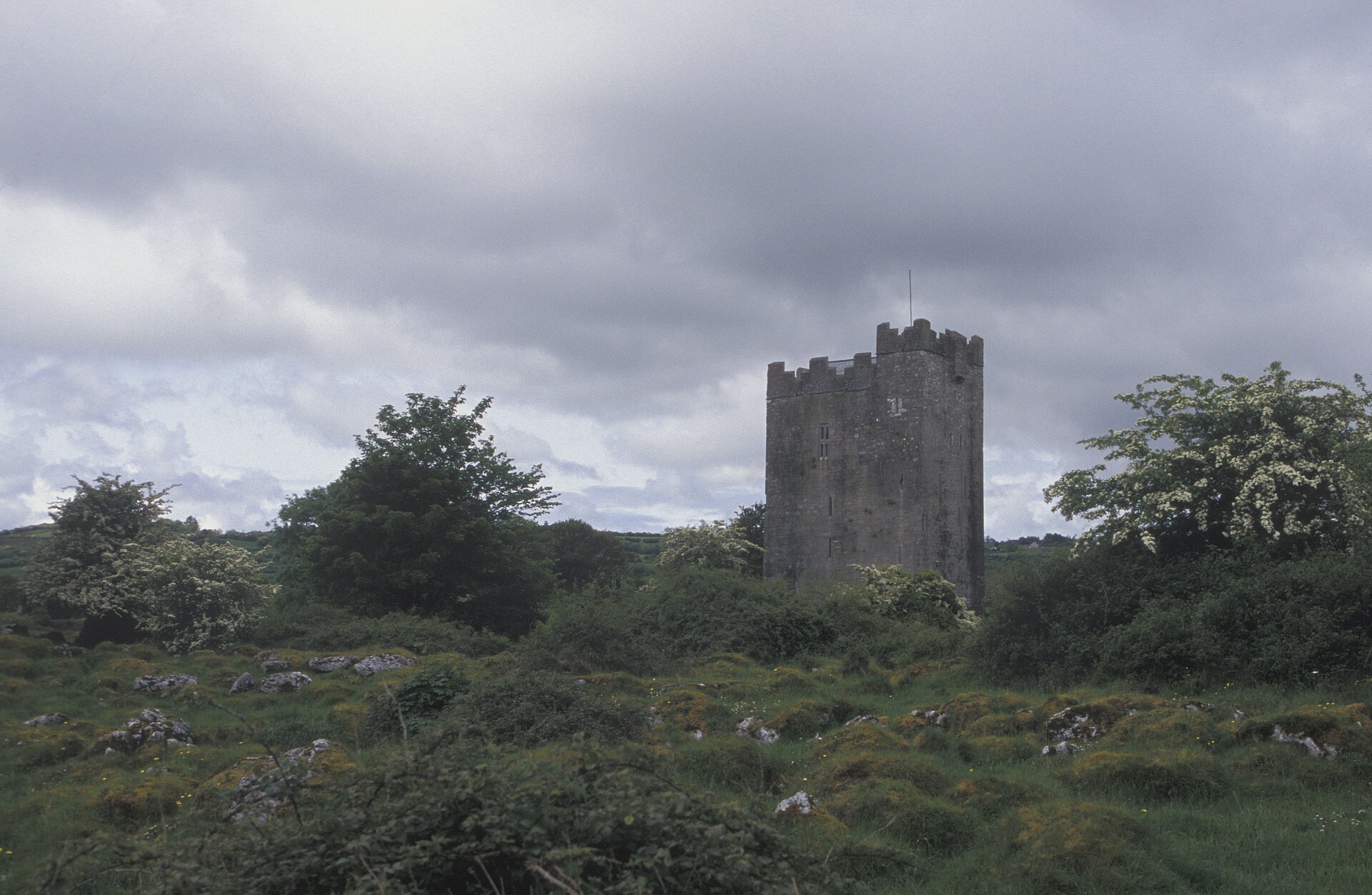
A working home, not a ruin: this Galway towerhouse survived a 17th-century siege and later became the lived-in house of a Leslie family and an Iris…
Briefer entries: recorded and worth knowing, with fuller pages to come.
Fortified place · Medieval
Kent
Newnham Castle is a compact Anarchy-period motte-and-bailey (an early Norman castle of a timber tower on an earth mound, with a walled yard alongsi…
Sacred place · Medieval
Lincolnshire
Newstead Priory records a medieval transition from hospital to Augustinian canonry, anchored by the River Gwash between Stamford and Uffington.
Sacred place · Medieval
Lincolnshire
Newstead-on-Ancholme Priory preserves a rare physical remnant of a small Henry II Gilbertine foundation: a vaulted former priory room incorporated…
Fortified place · Medieval
County Clare
Newtown Castle is uniquely shaped among Irish tower houses: a cylindrical tower rising from a square pyramidal base, now restored as part of the Bu…
Sacred place · Medieval
County Down
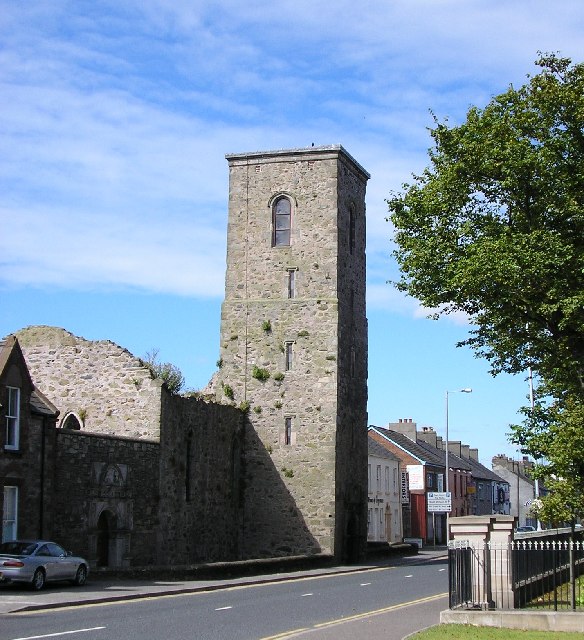
Newtownards Priory preserves a medieval Dominican church whose layered nave (the western body of the building, where the congregation gathered), cl…
Sacred place · Prehistoric
Devon
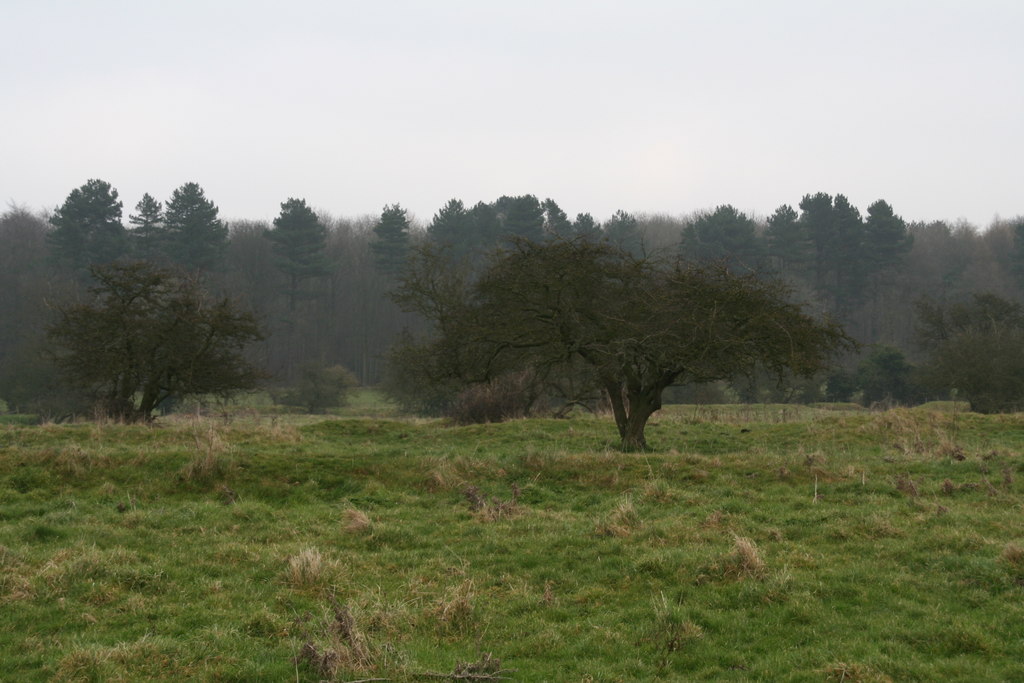
The Nine Maidens is a Bronze Age (the period from about 2500 to 800 BC) Dartmoor stone circle whose damaged burial setting, survival among clitter…
Fortified place · Iron Age
Fife
Norman’s Law pairs a scheduled defended settlement dating from from around 800 BC up to the Roman conquest with commanding views over Fife, the Tay…
Sacred place · Medieval
Lincolnshire
Nuncotham Priory preserves the earthworks of a Cistercian nunnery whose records reveal both the ordinary constraints of episcopal discipline and th…
Fortified place · Medieval
County Clare
O’Dea Castle is the restored tower-house centre of a County Clare clan stronghold whose history runs from medieval victory through Cromwellian dama…
Tomb or burial place · Prehistoric
Cornwall
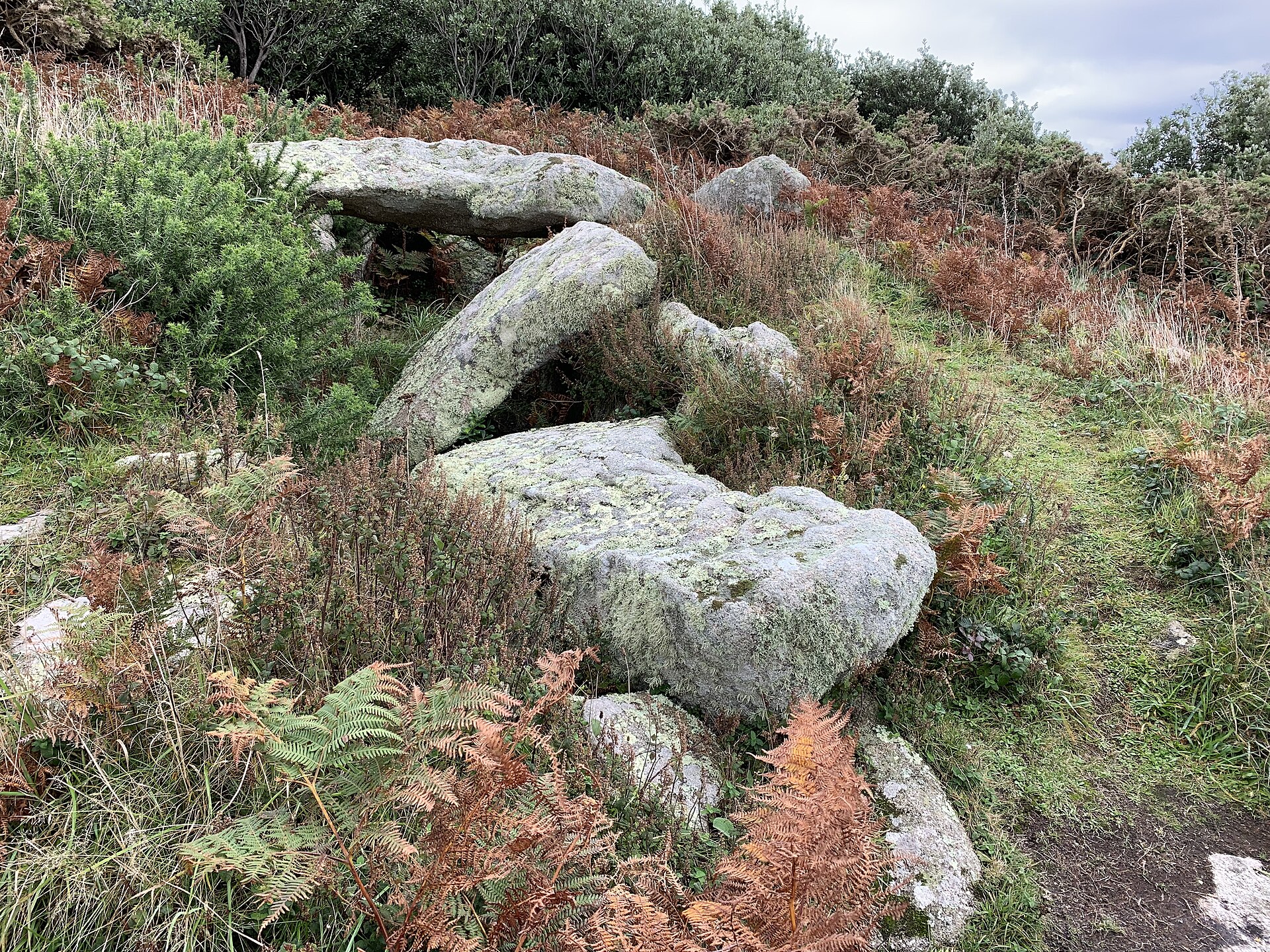
Obadiah’s Barrow: a burial mound of earth from from the era before writing arrived in these islands: is Gugh’s largest entrance grave, where a 1901…
Sacred place · Medieval
Isle of Anglesey
The Old Church of St Gwenllwyfo is a roofless medieval chapel whose reduced walls, lost furnishings and 12th-century font preserve the layered memo…
Fortified place · Iron Age
Shetland Islands
Construction of a perimeter road for Sumburgh Airport in the late 1970s sliced into a grassy mound at the southern tip of Shetland Mainland, exposi…
Fortified place · Medieval
County Antrim
Olderfleet Castle is a protected Larne tower whose changing identities: from medieval Bissett stronghold to possible warehouse: reflect centuries o…
No places match those filters.
Kinds of place
Ages
.jpg?width=800)

.jpg?width=800)

_-_geograph.org.uk_-_202248.jpg?width=800)
.jpg?width=800)













_-_geograph.org.uk_-_3090388.jpg?width=800)

.jpg?width=800)





_Bridgend_2948762_b59f41b8.jpg?width=800)













.jpg?width=800)