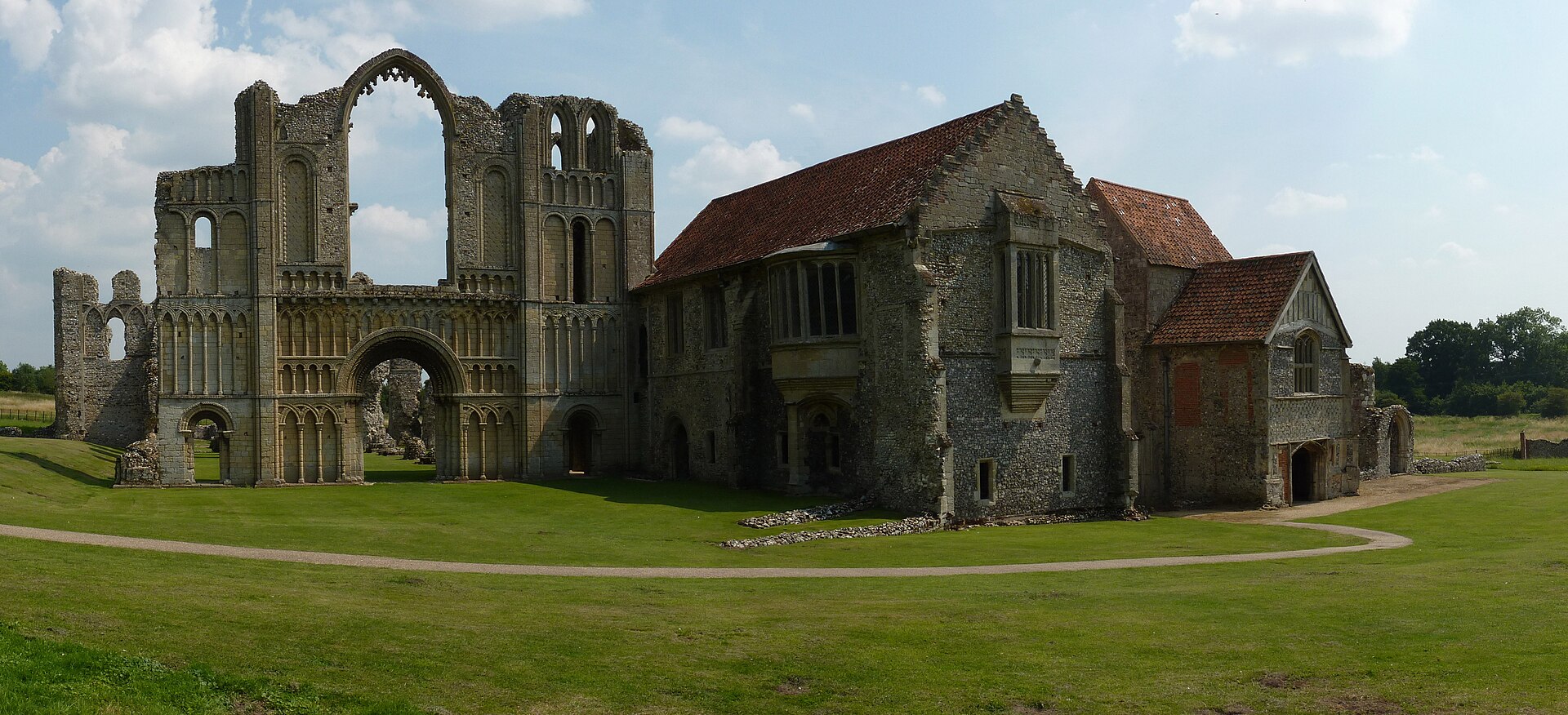
Sacred place · Medieval
Castle Acre Priory
Norfolk
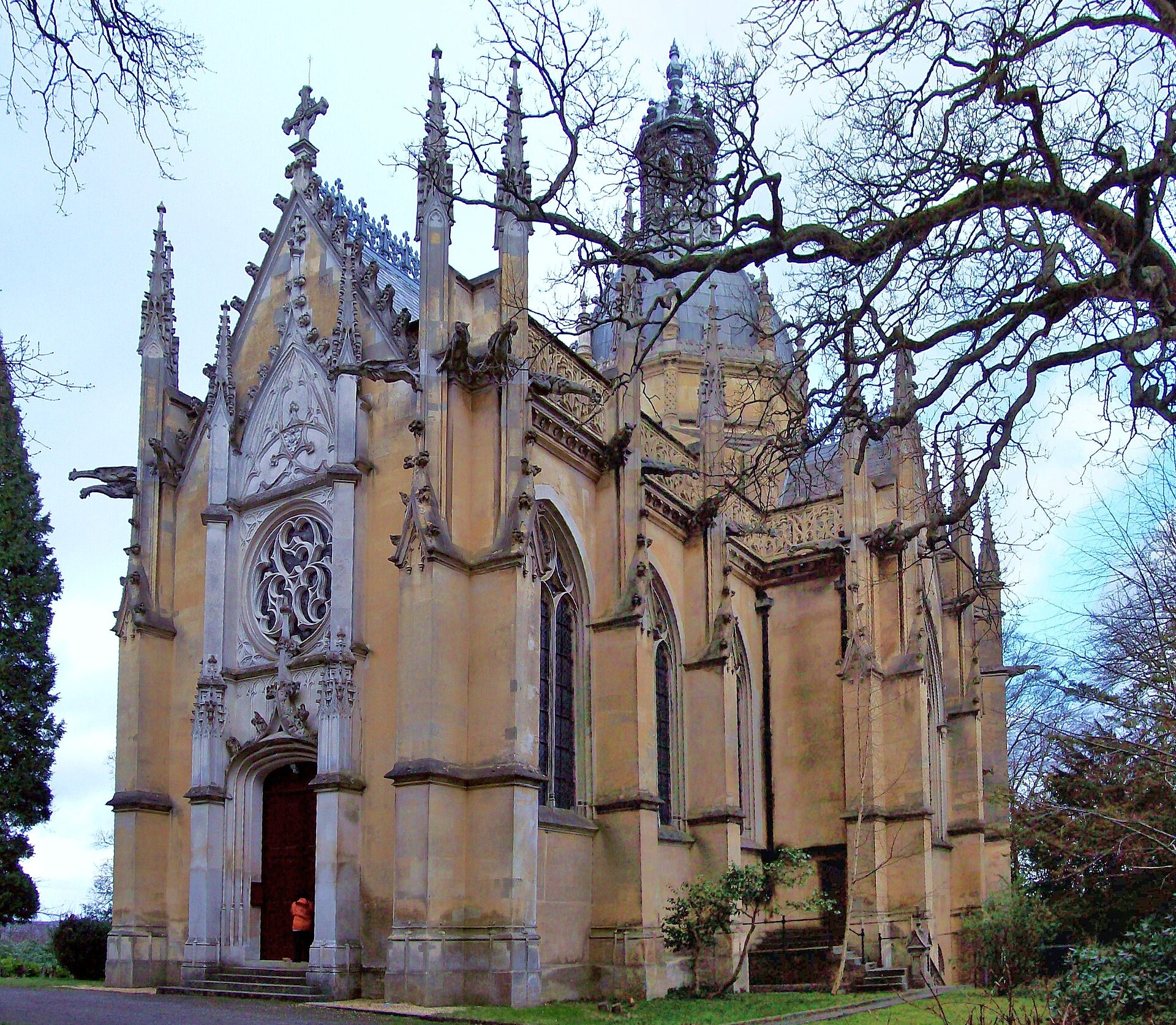
Castle Acre Priory is a major Cluniac ruin whose relocation from the castle, direct link to Burgundy, mid-fourteenth-century legal adaptation and r…
The directory
Page 12 of 47 in the full directory.
Browsing 100 places — search and the map cover the whole directory.
Sacred place · Medieval
Norfolk
Castle Acre Priory is a major Cluniac ruin whose relocation from the castle, direct link to Burgundy, mid-fourteenth-century legal adaptation and r…
Fortified place · Iron Age
Cornwall
Three concentric rings of bank and ditch around a summit that already held two burial mounds a thousand years before anyone thought to fortify it.
Fortified place · Medieval
Somerset
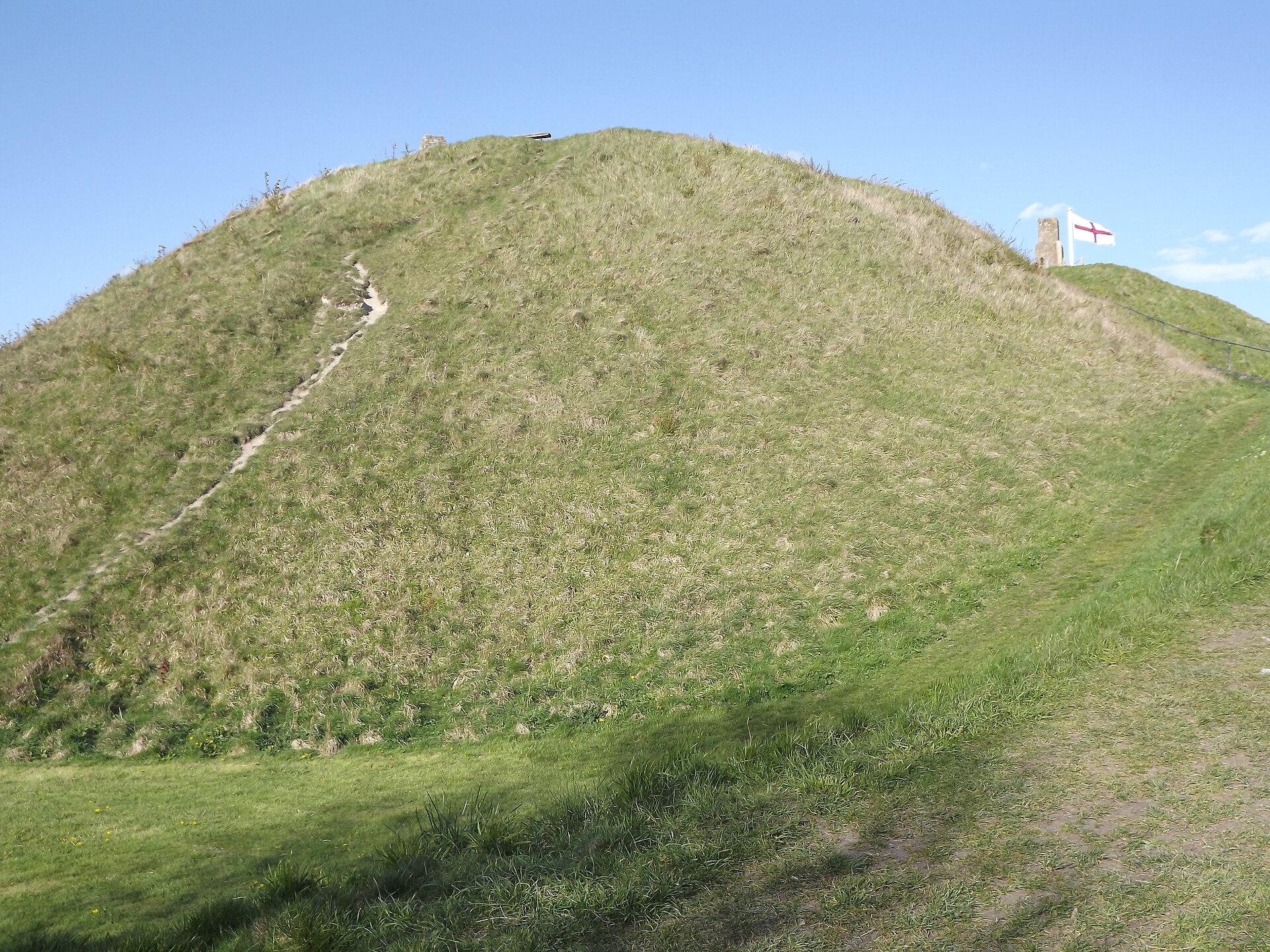
A Norman earthwork on a ridge above Weston-super-Mare that may not be a motte at all: the hollow in its top suggests a ringwork, a castle enclosure…
Tomb or burial place · Prehistoric
Orkney Islands
An unresolved Shapinsay structure that may be a burial mound or an underground passage connected with settlement, challenging easy readings of how…
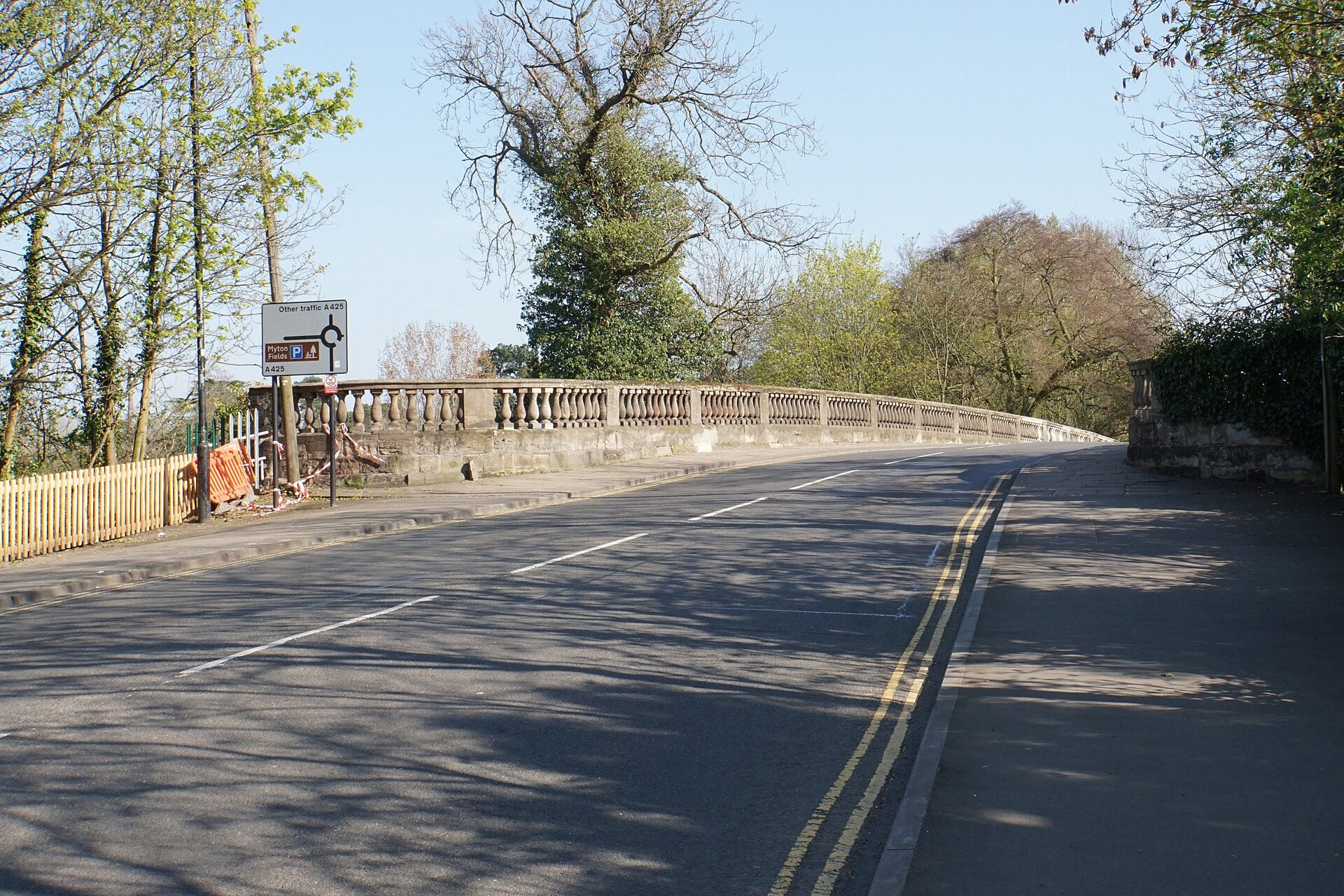
Crossing or structure · Medieval
Warwickshire
A single sandstone arch of 1790–93, built by act of Parliament to move Warwick's river crossing 400 metres upstream of the medieval one.
Fortified place · Medieval
Clackmannanshire
Castle Campbell was the lowland seat of Clan Campbell’s earls and dukes of Argyll, where a fifteenth-century tower grew into a royal and political…
Fortified place · Medieval
Cambridgeshire
A Domesday-era manor whose earthen motte (the great earth mound at the heart of an early castle) once carried the largest fortress in Cambridgeshir…
Fortified place · Medieval
County Mayo
One structure carries three successive hands - Anglo-Norman founders, a Gaelicised lordship, and a Cromwellian-era grantee - on the shore of Lough…
Fortified place · Iron Age
Devon
Castle Close is a modest but strategically placed Devon earthwork: a bank or ditch dug and heaped from the ground itself, with no masonry: whose li…
Fortified place · Medieval
Argyll and Bute
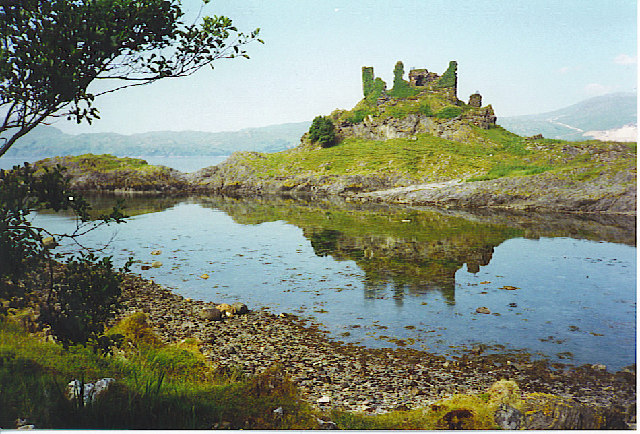
A 13th-century hall-castle on a Lismore promontory, raised on the site of an earlier Viking stronghold and named for a Danish prince said to haunt…
Fortified place · Medieval
Wiltshire
A keep with at least four walled yards attached to it, and possibly five: an unusual arrangement for a twelfth-century castle.
Building or ruin · Medieval
Fermanagh
Castle Coole is one of Ireland's most complete neo-classical estates, where a late-eighteenth-century mansion, concealed service system and layered…
Fortified place · Iron Age
Cumbria
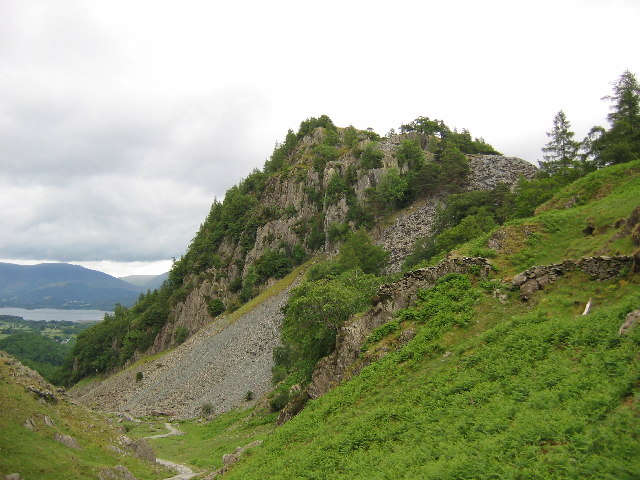
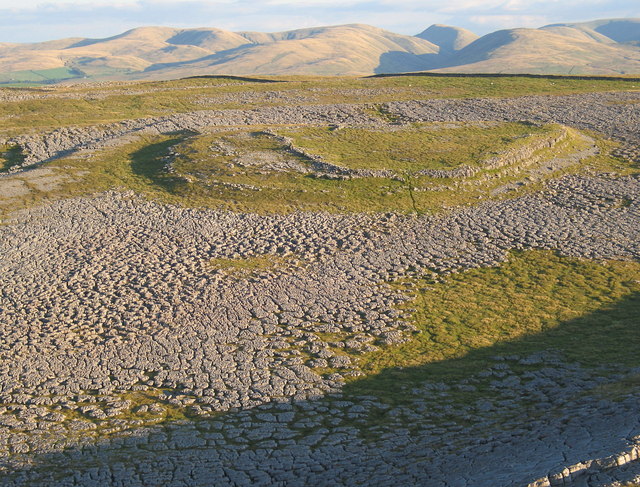
The summit fort was sliced in two by quarrying and now shares its rock outcrop with a First World War memorial: an ancient site reused as workshop,…
Fortified place · Iron Age
Wiltshire
Three concentric ramparts survive as earthworks on the hill above south-east Tisbury.
Fortified place · Medieval
County Cork
A tower house blown apart by gunpowder still stands two-thirds intact on its riverside rock, its spiral staircase surviving the collapse that later…
Fortified place · Iron Age
Cornwall
One of Cornwall's most closely investigated Iron Age (roughly 800 BC until the Roman conquest) hillforts, later made famous by a Civil War retreat…
Fortified place · Medieval
Devon
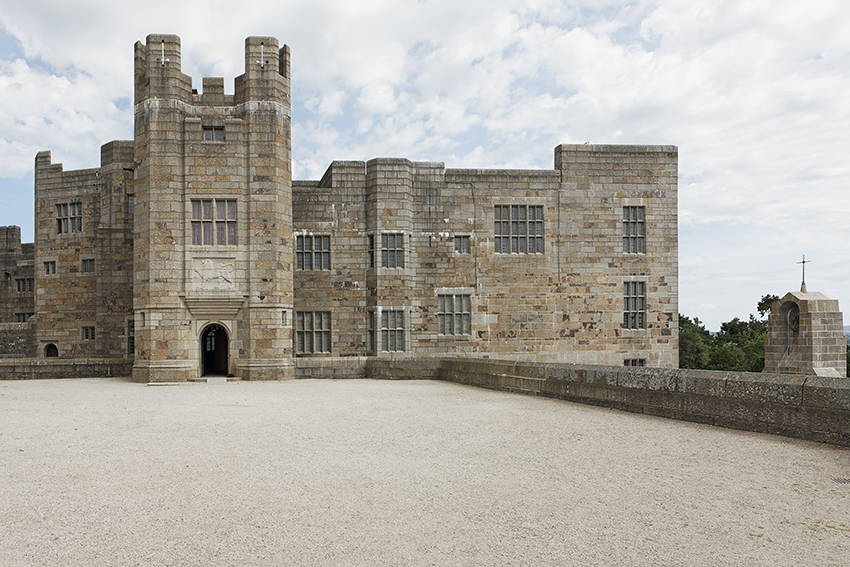
Castle Drogo is England's last castle, a twentieth-century granite house that transformed medieval and Tudor motifs into a deliberately modern Nati…
Fortified place · Iron Age
Devon
Castle Dyke is a hilltop fort in south Devon dating from roughly 800 BC until the Roman conquest, a compact but strategically placed earthwork: a b…
Sacred place · Prehistoric
North Yorkshire
A near-intact Neolithic: the first farming age, roughly 4000–2500 BC: henge, a circular enclosure ringed by a bank with its ditch set within, that…
Building or ruin · Roman
Pembrokeshire
Excavated by Mortimer Wheeler in 1922, the earthwork (a bank or ditch dug and heaped from the ground itself, with no masonry) turned out to hide a…
Building or ruin · Roman
Cumbria
Its west wall was raised eight feet thick on a natural cliff edge, prompting the archaeologist R. G. Collingwood to class it among the fortified ca…
Fortified place · Medieval
Aberdeenshire
The signed mason's mark of John Bell links this tower house to the same masonic family credited with Craigievar, Crathes and Midmar, the grandest o…
Fortified place · Roman
West Lothian
One of the best-preserved Roman earthworks in Scotland: under an acre, with two ditches that were once fifteen feet deep.
Fortified place · Medieval
County Waterford
A Victorian baronial castle built by an Anglo-Norman Catholic dynasty, sharing its architect and builder with Kylemore Abbey and, since 1998, home…
Fortified place · Medieval
County Galway
A Norman tower house whose owning family was said by W. B. Yeats to carry fairy blood, linking a modest Galway ruin to one of Ireland's most influe…
Fortified place · Medieval
County Cork
A great house that vanished within living memory, its ballroom-scale hall once displaying relics dug up during the building of a nearby railway line.
Fortified place · Medieval
Cumbria
Excavation eventually proved this was no medieval castle at all, but an Iron Age (the centuries before Rome arrived, from about 800 BC) and Romano-…
Fortified place · Medieval
Greater London
A medieval earthwork on an Oxford college's ancient deer park survives as both a scheduled monument and Kingston's highest-rated wildlife site: pro…
Fortified place · Iron Age
Hampshire
A single bank and ditch on a New Forest ridge that gave rise to a dragon legend still remembered in a village pub name a mile away.
Fortified place · Medieval
Wiltshire
A stone castle built for the king's own brother in 1253 was stripped to its footings within two centuries: earthworks above Mere are almost all tha…
Fortified place · Medieval
cornwall
Castle Horneck is a listed Georgian house near Penzance whose medieval name preserves only a tentative association with an earlier castle or fortif…
Fortified place · Medieval
Worcestershire
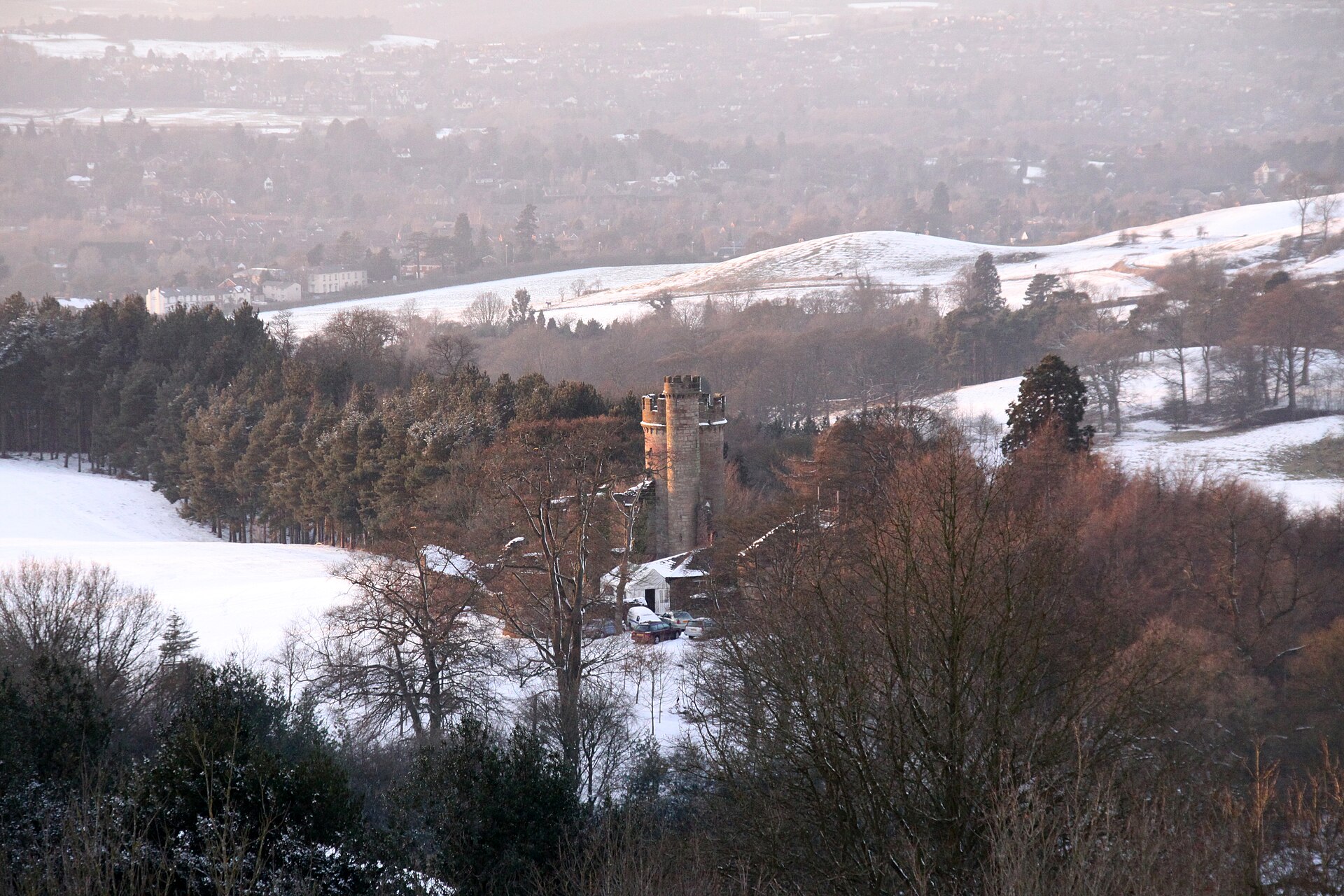
A castle built already ruined: raised as sham wreckage in the 1740s using stone reputedly stripped from a dissolved abbey (a monastery headed by an…
Fortified place · Medieval
Derbyshire
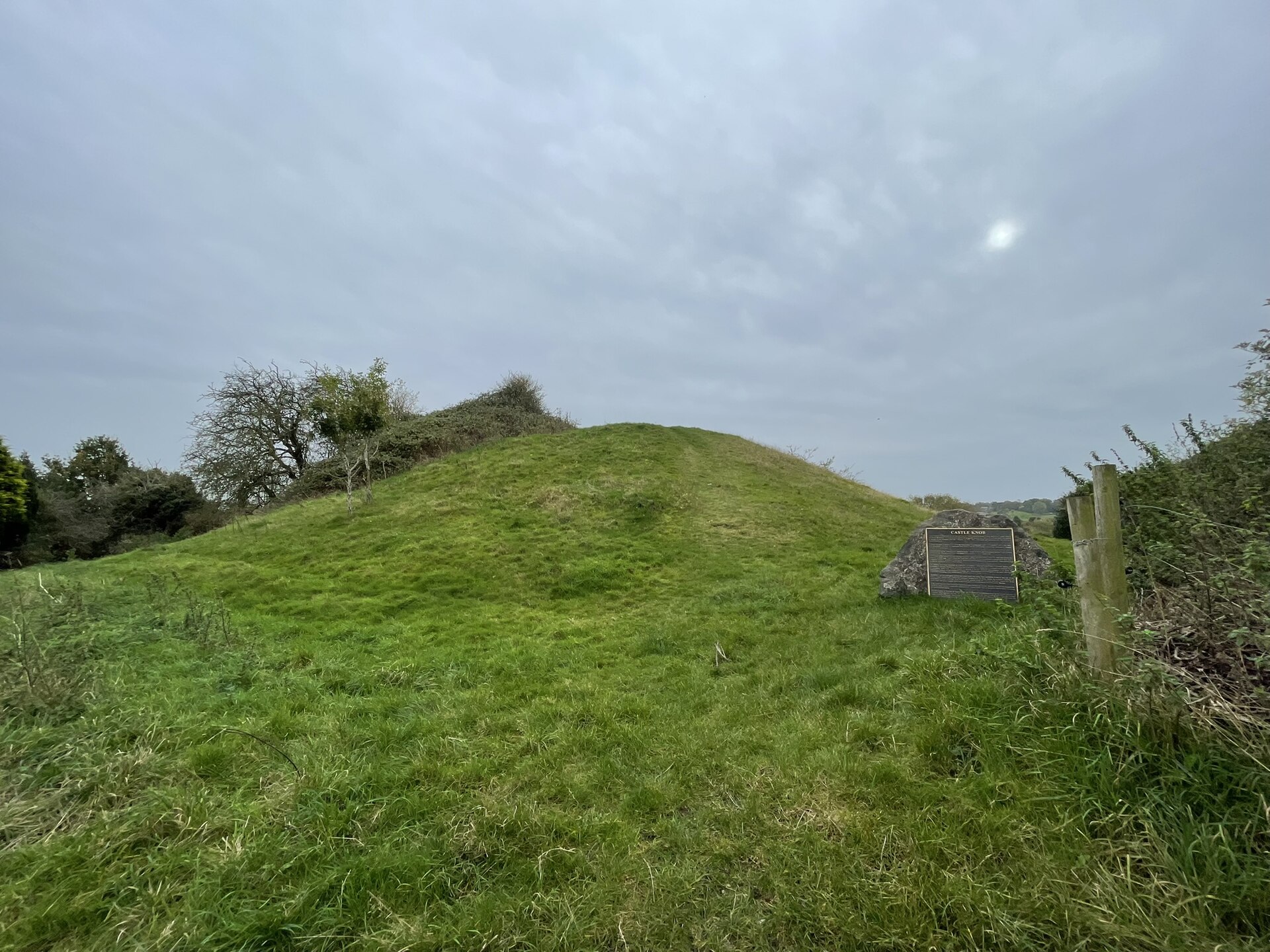
If built during the Anarchy, it would rank among Derbyshire's few surviving Norman castles: later repurposed as a Cold War nuclear-monitoring post.
Fortified place · Iron Age
Northumberland
Castle Knowe is a compact Iron Age hillfort, a defended settlement on high ground from the period before Rome arrived, in the Cheviots whose concen…
Fortified place · Prehistoric
Perth and Kinross
A contour fort above Abernethy, scheduled since 1964: older than the medieval lordship in the village below, and with no recorded connection to it.
Fortified place · Prehistoric
Perth and Kinross
A multiple-enclosure hillfort above Forgandenny whose banks and ditches are effectively its entire history: the written record has almost nothing t…
Fortified place · Medieval
County Kerry
A castle built into the middle of its own bridge, it held out for thirteen months under siege in 1599: longer than any other stronghold in Munster…
Fortified place · Medieval
Perth and Kinross
A sixteenth-century Z-plan seat of the Menzies chiefs, sold off in pieces after 1910 and bought back by the clan society half a century later.
Fortified place · Iron Age
derbyshire
An Iron Age promontory fort that needed to defend one side only: the gritstone edge does the rest: and was found in 1957 to have been rebuilt again…
Fortified place · Prehistoric
Somerset
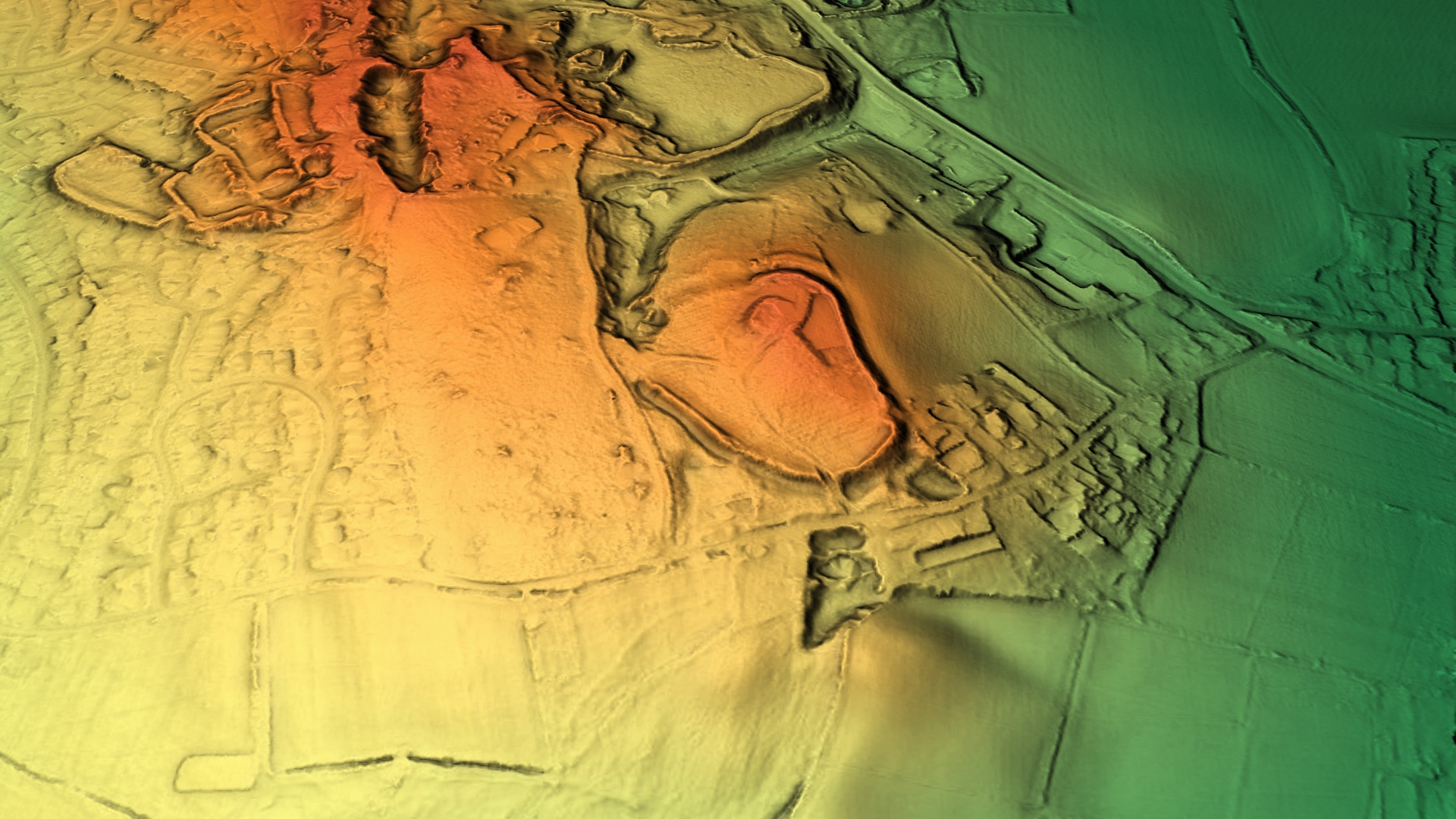
A castle named after a kennel for hunting dogs, whose earthworks are too big for a Norman castle: and which ended up as a base against poachers.
Fortified place · Medieval
Powys
A castle site near Old Radnor, marked by a ditched mound and an adjoining yard.
Fortified place · Medieval
Highland
The only home Queen Elizabeth the Queen Mother ever owned outright, rescued from near-ruin in 1952 and still kept in family use by King Charles III…
Fortified place · Iron Age
West Midlands
A hill fort with a house standing inside it, and a second entrance that only survives in the notes of an antiquarian: an early collector-scholar of…
Fortified place · Iron Age
Staffordshire
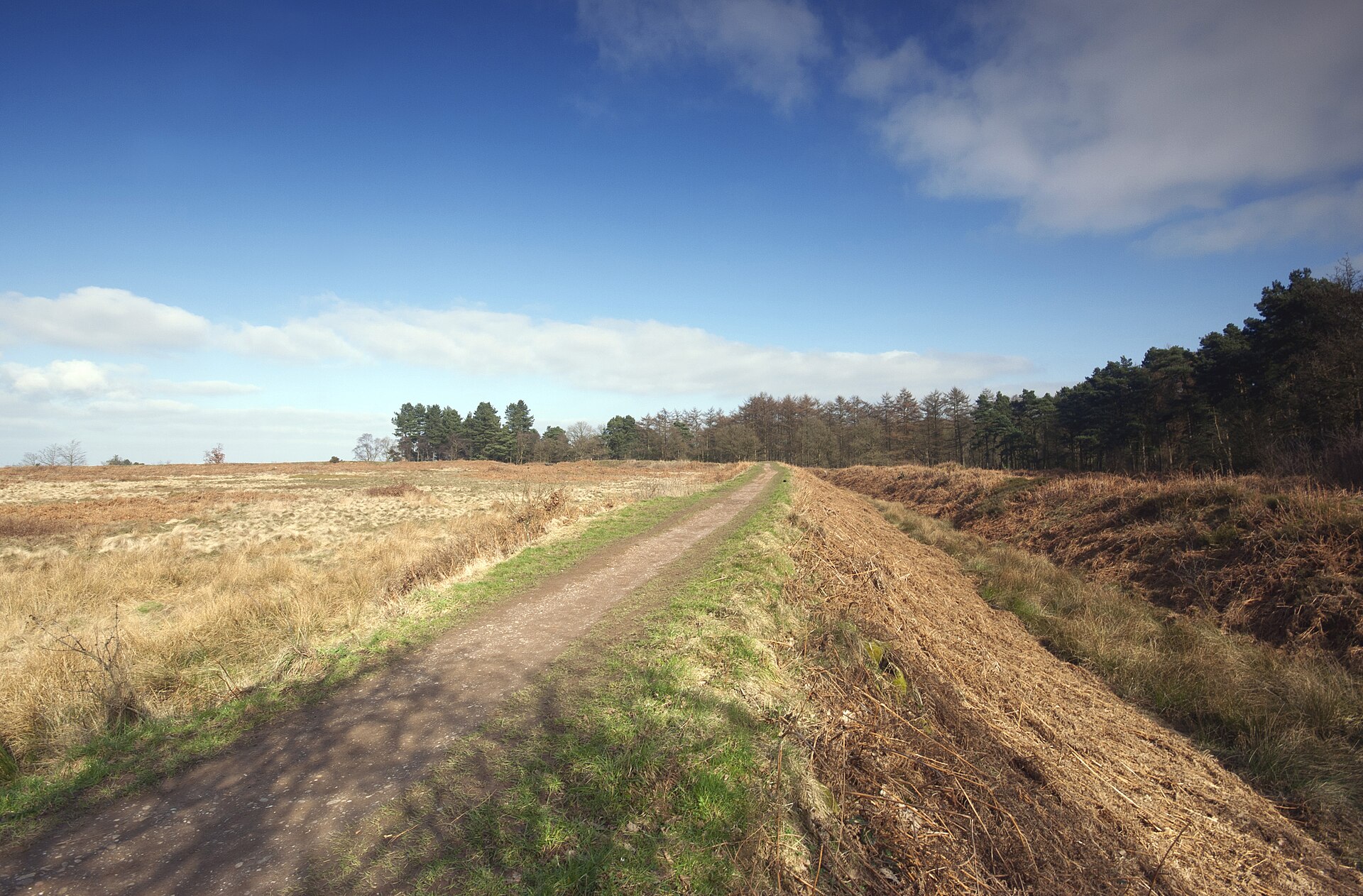
The highest point on Cannock Chase, held for five centuries and abandoned when Rome arrived: with a medieval hunting lodge inside the ring.
Fortified place · Iron Age
Wiltshire
Castle Rings is an Iron Age (the centuries before Rome arrived, from about 800 BC) settlement defended by banks and ditches on high ground. It hide…
Fortified place · Medieval
Norfolk
Castle Rising is one of Britain’s most impressive Norman castle landscapes: a finely carved keep, huge earthwork (earth moved and shaped into banks…
Fortified place · Medieval
County Louth
A widow's determination to secure her Irish lands with a stone fortress in 1236 produced not just a formidable border castle but one of Ireland's m…
Fortified place · Medieval
Isle of Man
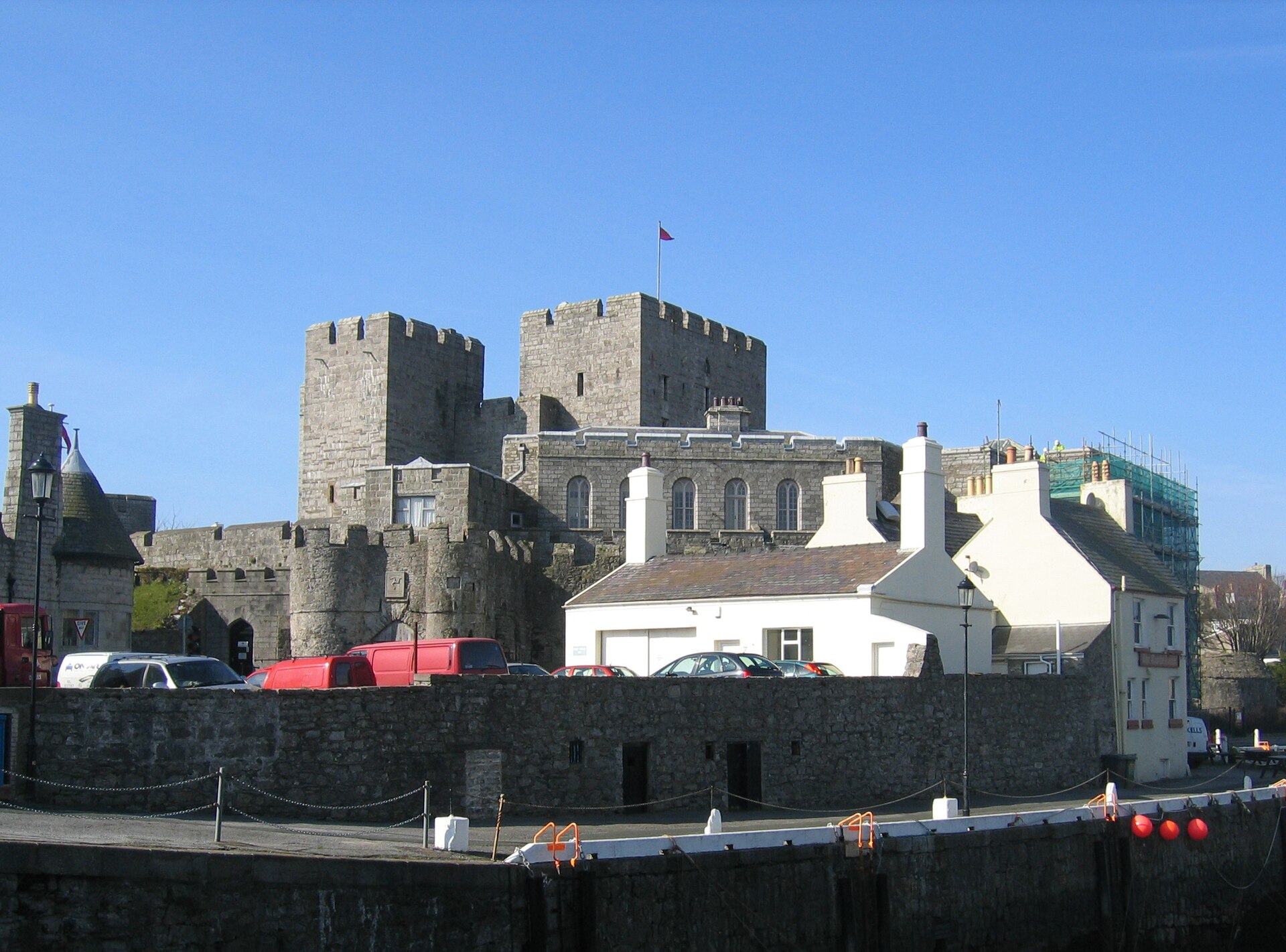
A working castle clock gifted by Elizabeth I in 1597 still keeps time above a fortress that served in turn as royal seat, prison and parliament hou…
Fortified place · Medieval
County Cork
A Norman tower house with 11-foot-thick walls became a refuge for early Quakers, hosting both George Fox and William Penn within a single decade of…
Sacred place · Medieval
Renfrewshire
A church served by a college of priests, near the eastern end of Castle Semple Loch.
Fortified place · Medieval
Argyll and Bute
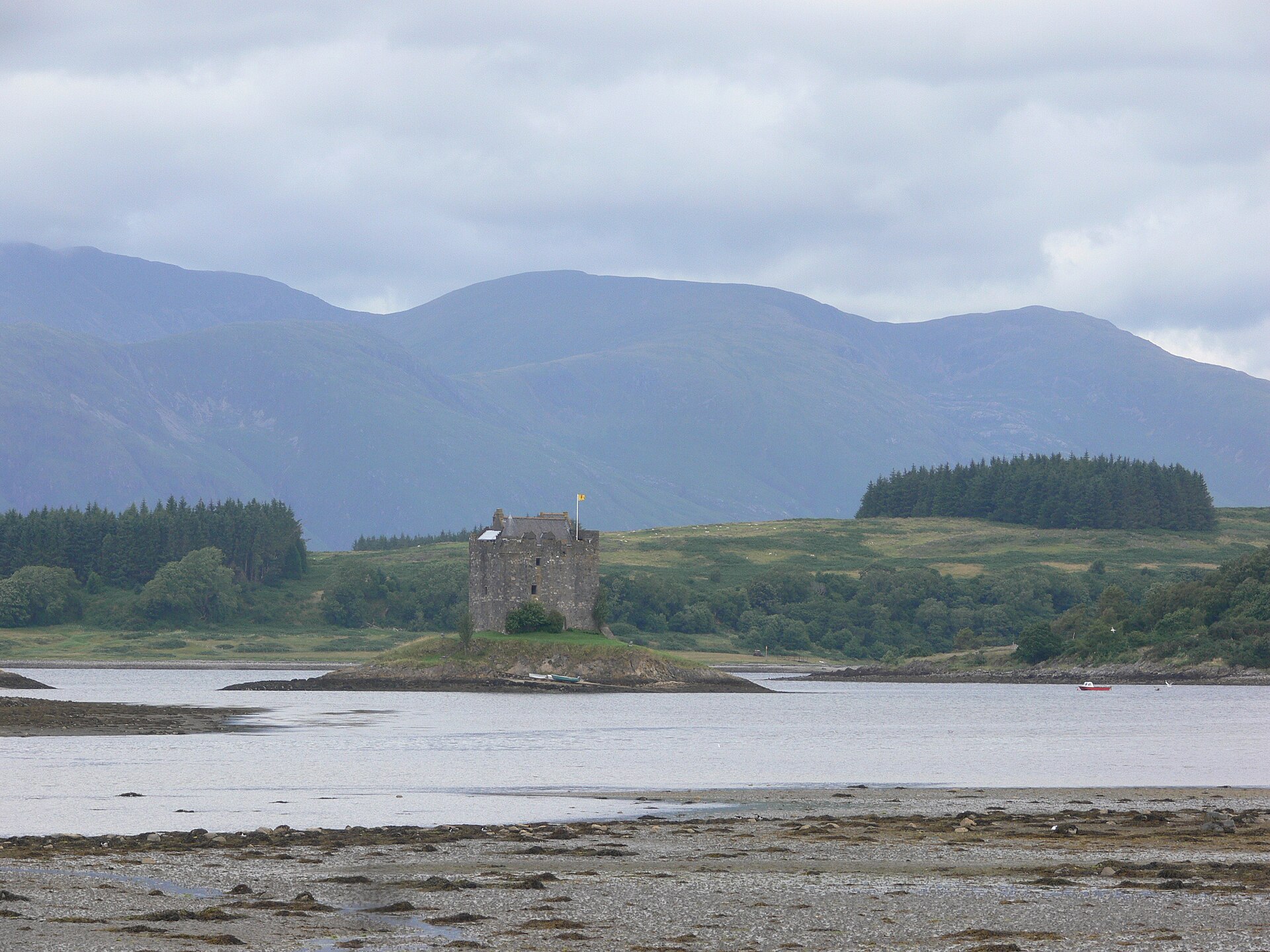
A four-storey tower house on a tidal islet reachable only at low tide, restored twice from ruin and now among the best-preserved medieval castles i…
Fortified place · Medieval
Highland
A stronghold whose Gaelic name means "dry castle" sits on an island that vanishes under the tide twice a day: and served as Clanranald's seat for s…
Fortified place · Medieval
Shropshire
A Mortimer castle destroyed in 1155 as punishment for its owner's rebellion: and a site that has never produced a single find.
Fortified place · Medieval
Powys
An early castle at Trecastle, built by Bernard de Neufmarche and later rebuilt.
Fortified place · Medieval
Gloucestershire
A 14-metre earthen motte (the earthen mound a castle was raised on) at Dymock records one family's rise and a king's determination to tear such pri…
Fortified place · Medieval
Worcestershire
A theatrical sham castle whose towers, mouldings and blocked doorway were built purely to be looked at - a Georgian answer to nearby Clent Castle,…
Fortified place · Roman
Falkirk
Castlecary Roman Fort anchors an Antonine Wall landscape where archaeological finds: altars, a bathhouse, children’s shoes and military inscription…
Sacred place · Medieval
County Kildare
Castledermot Abbey preserves the site of an early medieval (roughly AD 400–1100, between the Romans and the Normans) monastery and a later Francisc…
Fortified place · Roman
East Dunbartonshire
Castlehill marks an Antonine Wall fort whose surviving plantation masks important Sixth Legion distance slabs and evidence for the frontier’s const…
Fortified place · Medieval
County Galway
Castlekirk, or Hen's Castle, is an exceptionally early mortared Irish castle on a tiny Lough Corrib island, remembered equally for its turbulent hi…
Fortified place · Medieval
County Westmeath
Its Irish name is not martial at all: 'the castle of the losset', a farmer's compliment comparing the surrounding land to a kneading-trough heaped…
Sacred place · Medieval
County Cork
A friary founded by Anglo-Norman lords, dissolved by Henry VIII, handed on to an earl's daughter, then revived for the Dominicans: its stones chang…
Tomb or burial place · Prehistoric
County Cork
At over 13 metres long, it is the largest stone row: in both length and height: among more than 80 known examples across south-west Ireland.
Sacred place · Prehistoric
Cumbria
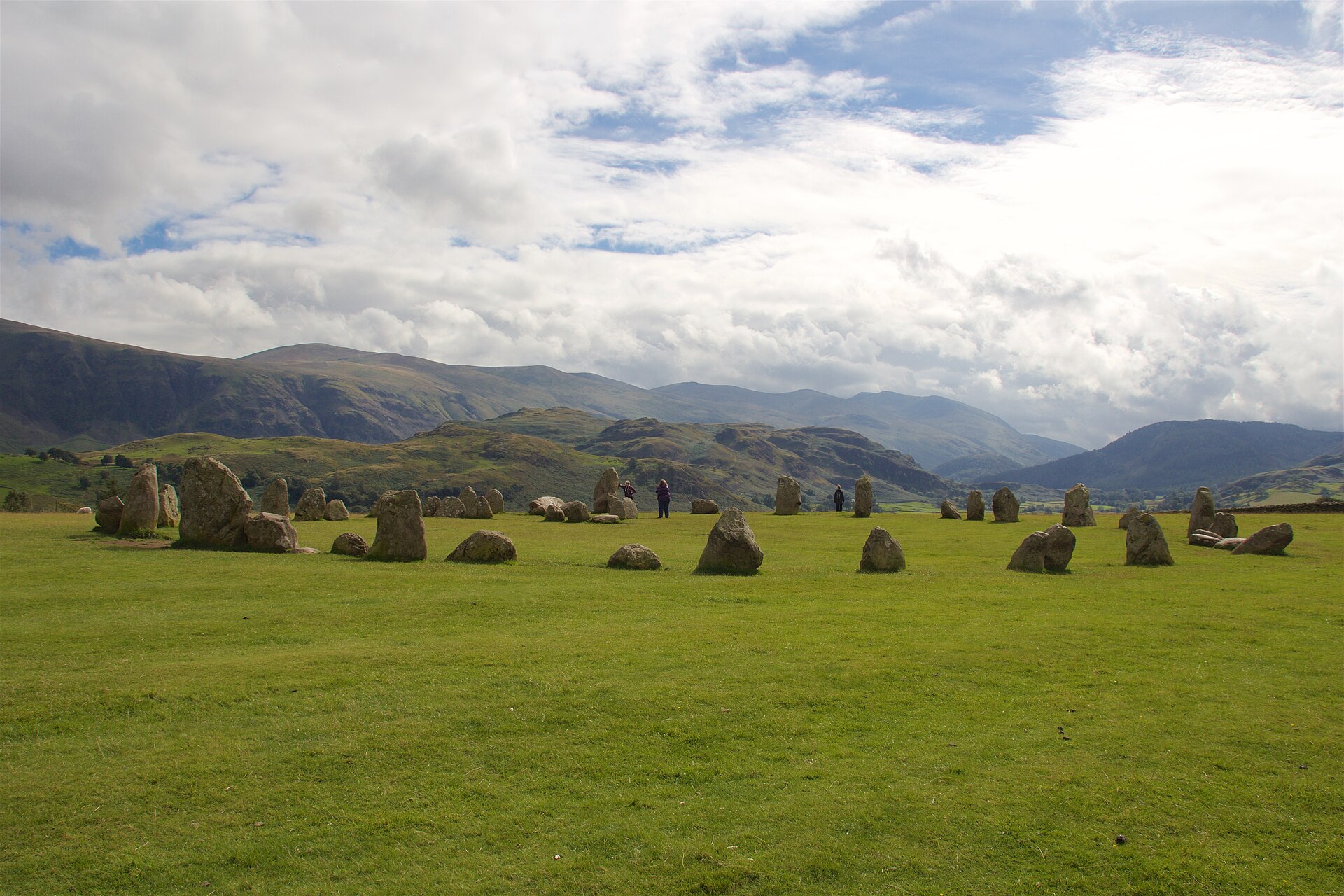
An internal rectangle of ten stones sits inside the ring, a feature almost unknown among British stone circles and never satisfactorily explained.
Fortified place · Medieval
Gwynedd
This World Heritage Site brings together Edward I’s Gwynedd castles and walls: exceptional late-medieval fortifications that were also instruments…
Fortified place · Iron Age
Somerset
Roman coins have been turned up on a hilltop fortified in the Iron Age, roughly 800 BC until the Roman conquest, and nobody has explained why.
Building or ruin · Roman
Greater Manchester
Castleshaw guarded a key Pennine pass on the Roman road between Chester and York, where a fort, later fortlet and civilian settlement reveal shifti…
Fortified place · Iron Age
Greater Manchester
Castlesteads is a scheduled Iron Age (the period from roughly 800 BC to the Roman conquest) promontory fort (a coastal spur defended by banks throw…
Fortified place · Medieval
Buckinghamshire
Built by a Flemish lord granted his manor by William the Conqueror, this timber stronghold was deliberately levelled by a royal commander in 1215 a…
Building or ruin · Medieval
Derbyshire
Nothing above ground survives to name it, yet the buried footings of a medieval hospital still lie protected under the turf at Castleton.
Fortified place · Medieval
Derbyshire
A ditch and bank cut into the hillside beneath Peveril Castle, tying the whole town of Castleton into its lord's medieval defences rather than leav…
Building or ruin · Roman
Cumbria
Its Latin name, Fortress of the Scouts, records a rare and specific Roman military role: this was the headquarters of the frontier's mounted reconn…
Building or ruin · Roman
North Yorkshire
A fort turned civilian town at a crossroads of Roman military roads, its continuity traceable in name from Cataractonium through Bede's Cetrecht to…
Ancient place · Medieval
South Yorkshire
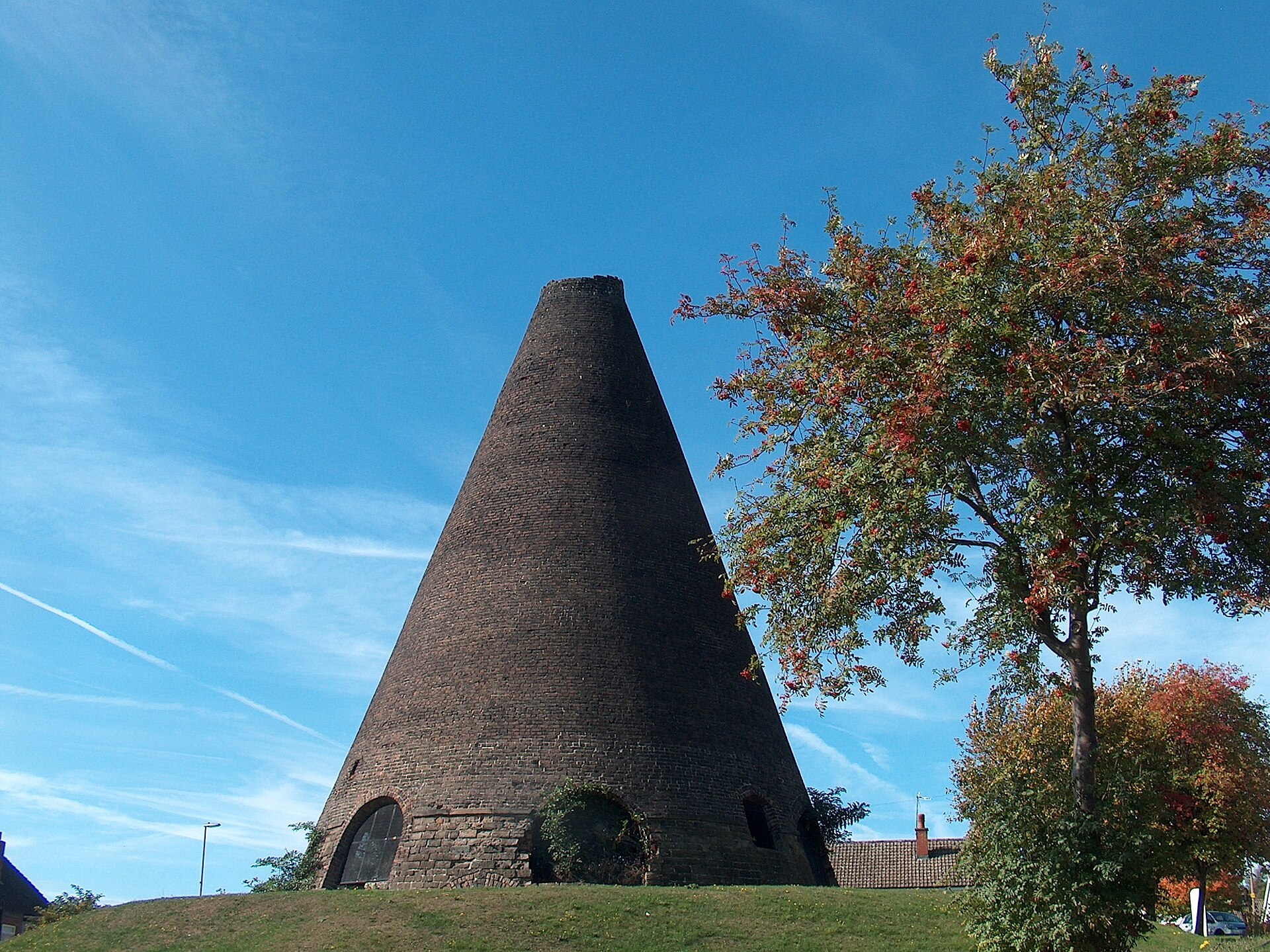
The oldest surviving glass cone in Western Europe, one of only four such furnaces left standing in Britain and the sole survivor in England outside…
Sacred place · Medieval
Northamptonshire
A Northamptonshire nunnery whose prioress, Margaret Rich, was sister to a canonised archbishop, and whose confiscated land later passed to the fami…
Sacred place · Medieval
Hampshire
Its 70,000 volumes were saved from being scattered in 1997 by a campaign of Catholic writers and noblemen, then found refuge for seven years inside…
Ancient place · Prehistoric
Staffordshire
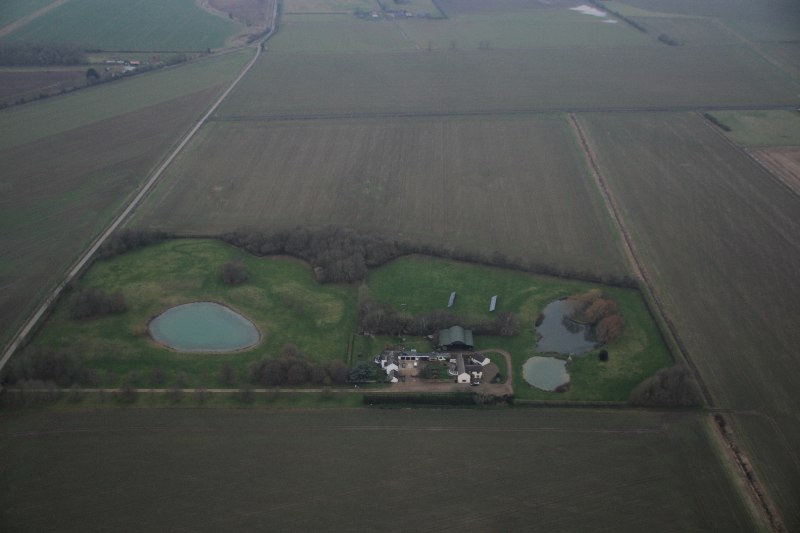
Nothing here is visible from the ground. A timber circle of 225 postholes and a monument nicknamed the sunburst are known only from the air.
Sacred place · Medieval
Lincolnshire
A vanished double house of nuns and canons that once held an entire island, a parish church, and grazing for four hundred sheep: now reduced to a s…
Tomb or burial place · Prehistoric
Shetland Islands
Along the bank of a burn on Shetland Mainland, the rock face at Catpund still carries the scars of centuries of quarrying, row upon row of hollows…
Crossing or structure · Roman
North Yorkshire
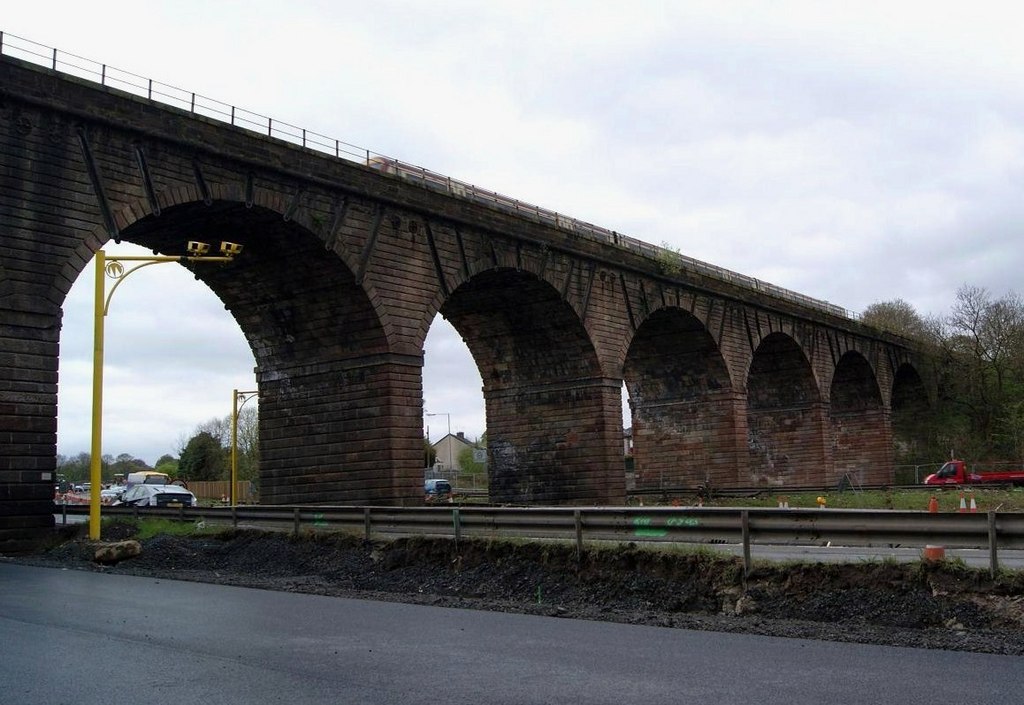
Its north arch and parapets have been repaired over the centuries, yet the bridge has never once been strengthened, so it keeps more of its origina…
Briefer entries: recorded and worth knowing, with fuller pages to come.
Fortified place · Medieval
County Fermanagh
Castle Balfour pairs a restored Plantation-era Scottish-style castle with evidence of an earlier ringfort, revealing deep continuity at Lisnaskea’s…
Fortified place · Medieval
County Tyrone
Castle Caulfield preserves substantial ruins of a Plantation-era house, exposing how Caulfield’s grant overlaid an older O’Donnelly and O’Neill lan…
Fortified place · Medieval
County Limerick
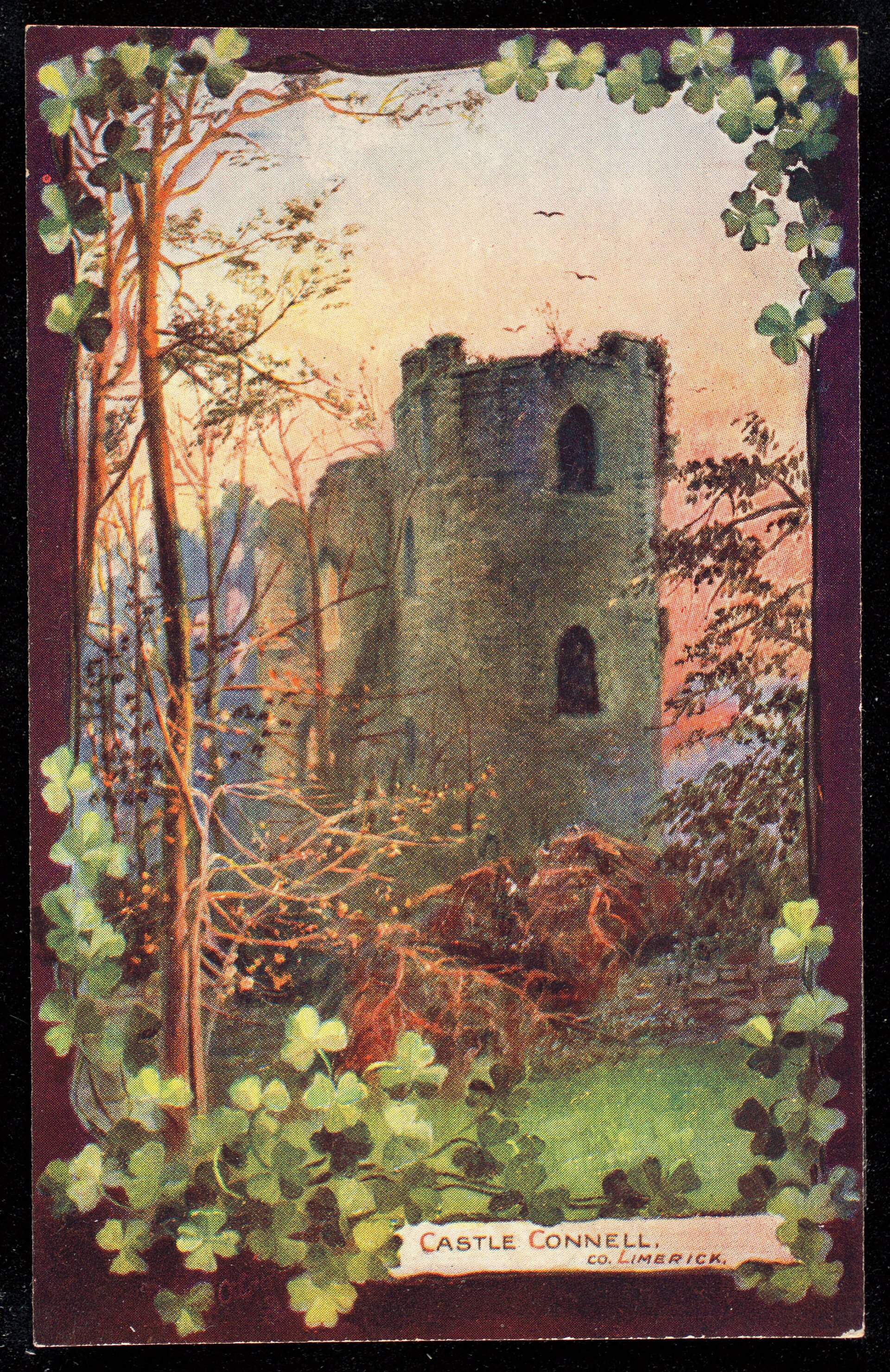
The ruins of Castle Connell stand on a rock above the River Shannon, visible from the road as it approaches the village of Castleconnell, about 11…
Fortified place · Medieval
County Kerry
A single stretch of medieval walling above the River Laune in Killorglin is all that survives of Castle Conway, a fortress that stood on this groun…
Building or ruin · Medieval
cornwall
A Cornish round: one of the small circular enclosures found almost nowhere else: with a later annexe whose ditch stops short of the original one.
Fortified place · Iron Age
Devon
Castle Head commands a tight bend of the River Tamar, where an Iron Age (the period from roughly 800 BC to the Roman conquest) promontory fort (a c…
Sacred place · Medieval
Essex
Castle Hedingham Priory was one of a small group of women-only southern English nunneries, whose brief, troubled history ends with the Dissolution…
Fortified place · Iron Age
West Yorkshire
A vitrified fort: its ramparts burned hot enough to fuse the stone. Such sites are rare in England and usual in Scotland.
Fortified place · Iron Age
Devon
Castle Hill, Torrington, identifies two separate elevated earthwork (banks and ditches raised from the earth rather than quarried stone) sites: the…
Fortified place · Medieval
Cumbria
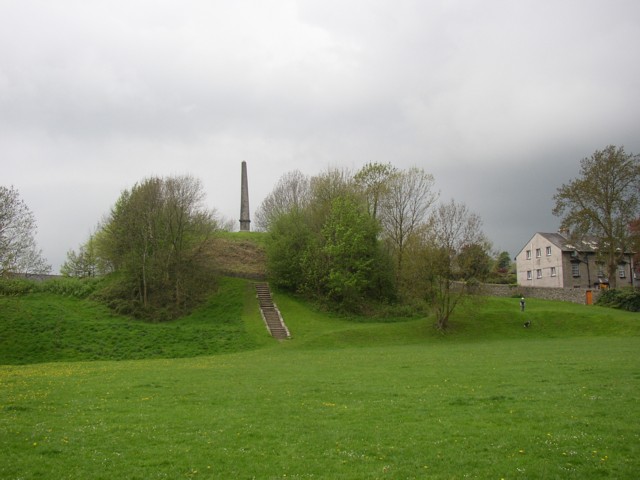
A steep, man-made mound rising over Kendal that once carried a timber Norman stronghold, now a public park with the earthworks still intact.
Fortified place · Iron Age
Midlothian
Castle Law is a scheduled Iron Age (the centuries before Rome arrived, from about 800 BC) hill fort in the Pentlands, preserving earthworks and a s…
Fortified place · Medieval
County Tipperary
Castle Otway preserves the ruins of an eighteenth-century Tipperary country house built against an older castle, shaped by the Otway family’s long…
Fortified place · Medieval
CAVAN
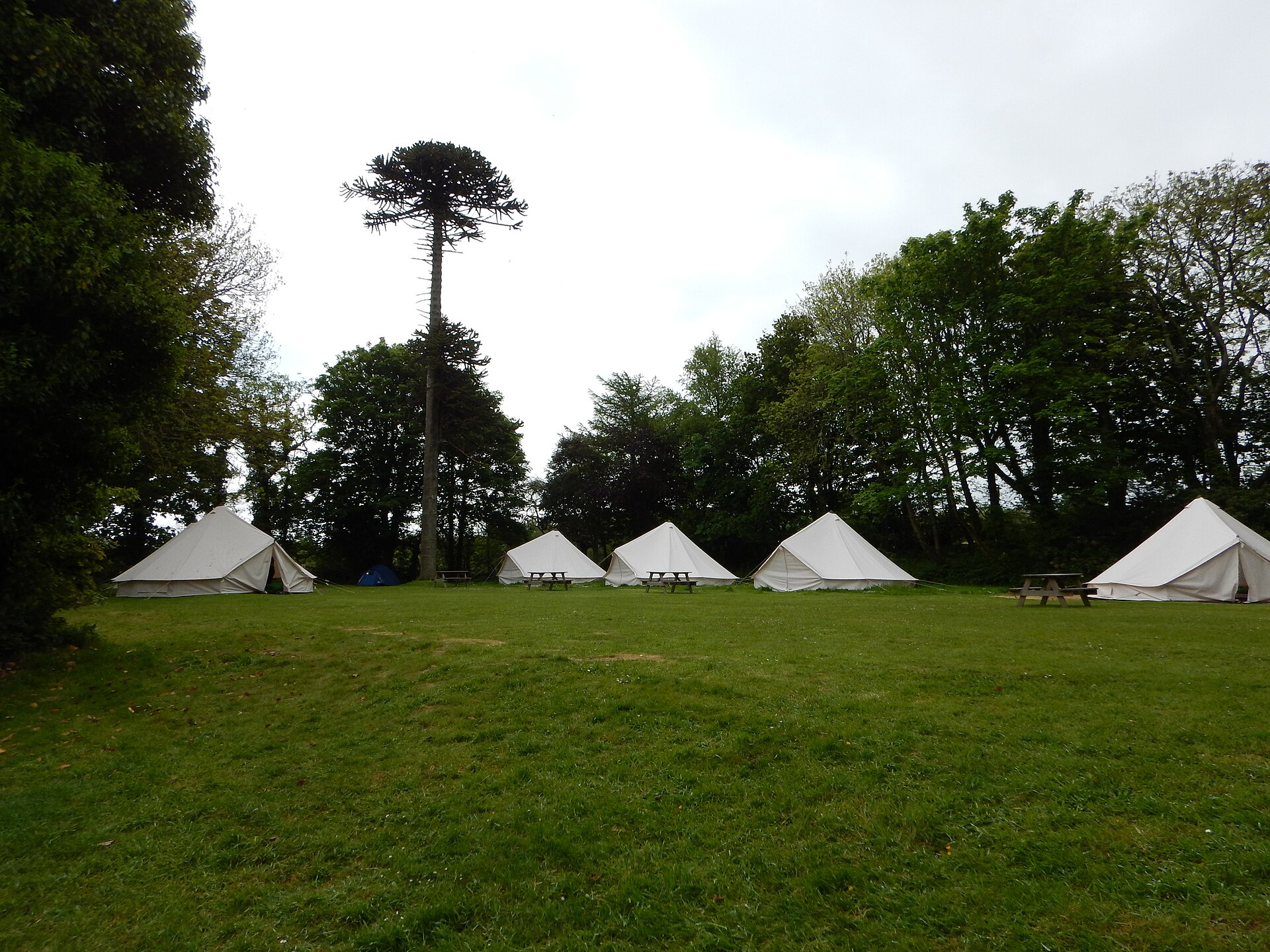
A ruined Plantation-era family seat beside Upper Lough Erne, whose grounds now host an international Scout centre across the Ireland–Northern Irela…
Fortified place · Medieval
County Antrim
Castle Upton turns a Plantation-era house into a layered record of Upton family politics, Robert Adam’s design and a major twentieth-century restor…
Fortified place · Medieval
county-clare
The authorities blew it up in 1827 to clear out illicit poitín makers. Three of the four walls were built well enough to survive the explosives.
Fortified place · Medieval
County Carlow
The last visible trace of Raymond le Gros, one of the Norman invasion's own commanders, who ruled this stretch of the Slaney valley from the mound…
Fortified place · Medieval
County Cork
A Norman tower still keeps its stone-vaulted roof intact after more than six centuries, even as vandals have stripped away its finer masonry.
Settlement · Medieval
Cheshire
A whole village vanished here, leaving nothing but earthwork (earth moved and shaped into banks and ditches rather than built up in stone) traces o…
Sacred place · Prehistoric
City of Edinburgh
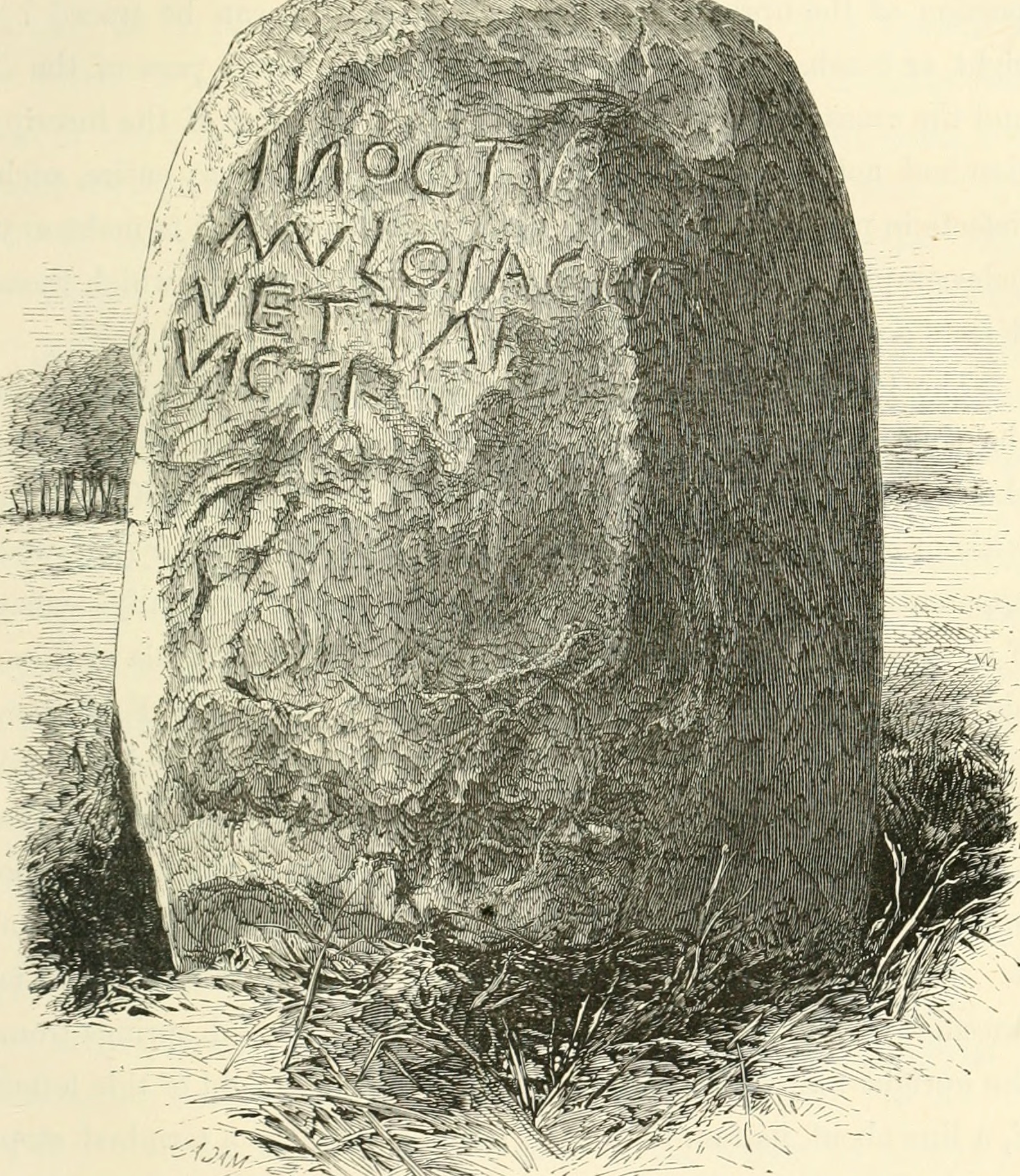
The Cat Stane combines a Bronze Age (roughly 2500–800 BC, when metalworking spread) standing stone with a fifth- or sixth-century Latin funerary in…
Fortified place · Iron Age
Angus
Two Iron Age hillforts crown the same ridge: fortified settlements built by communities living before and during the early centuries of recorded hi…
No places match those filters.
Kinds of place
Ages








_-_geograph.org.uk_-_1953850.jpg?width=800)