Fortified place · Iron Age
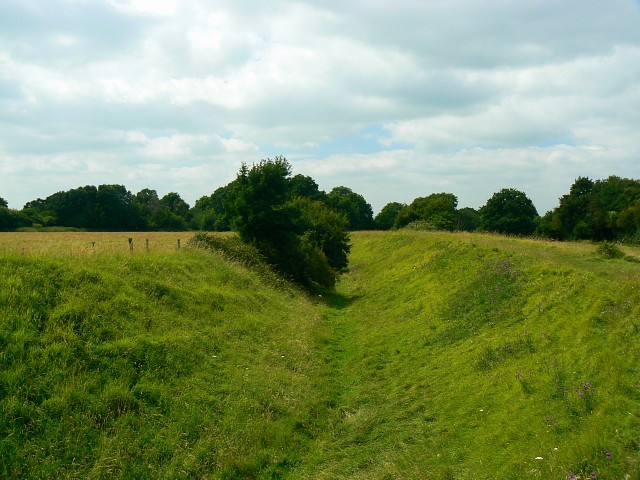
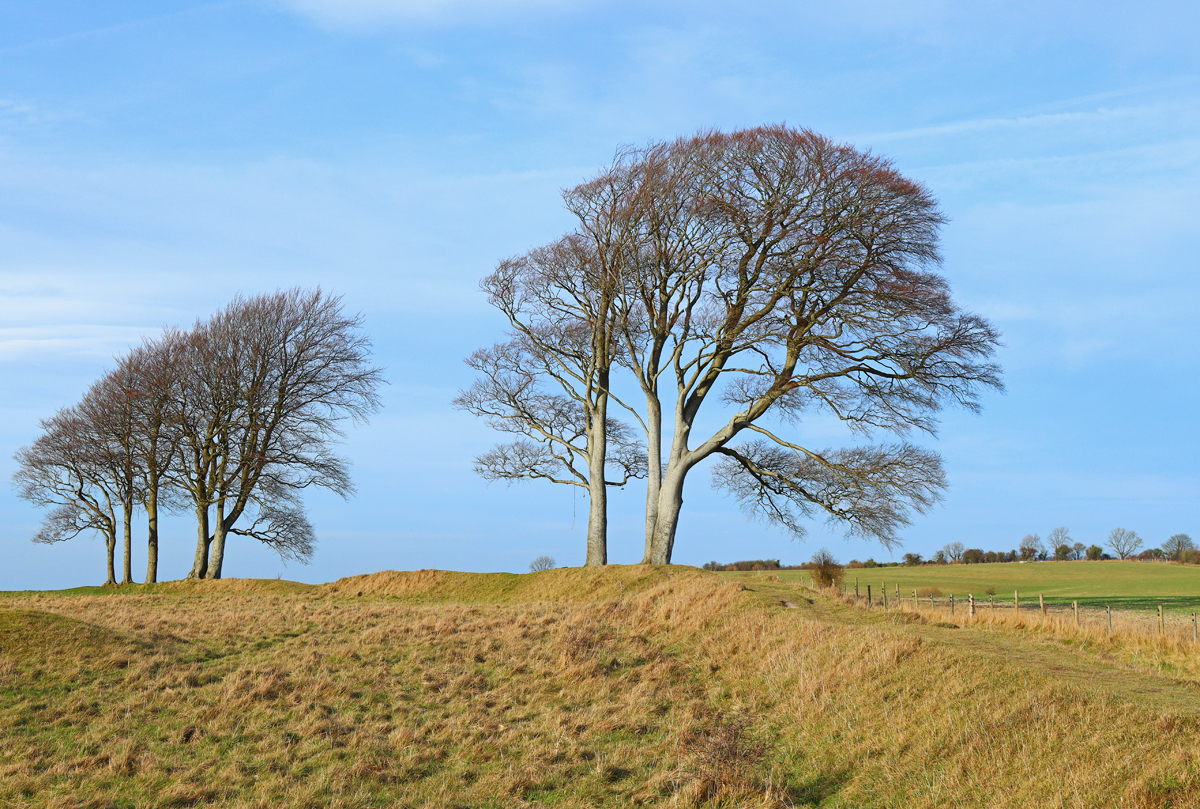
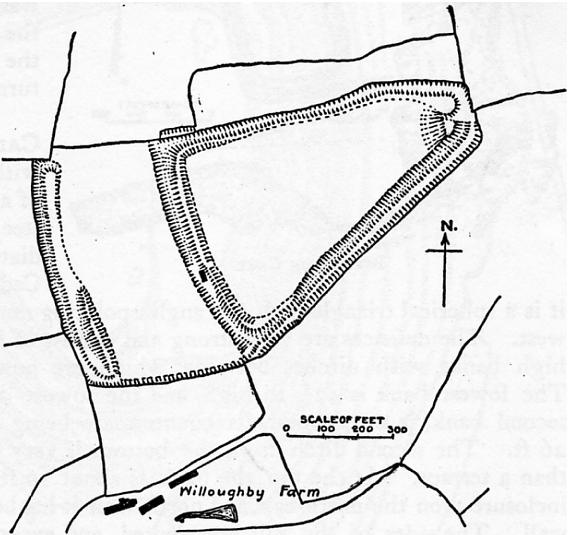
Ringsbury Camp
Wiltshire
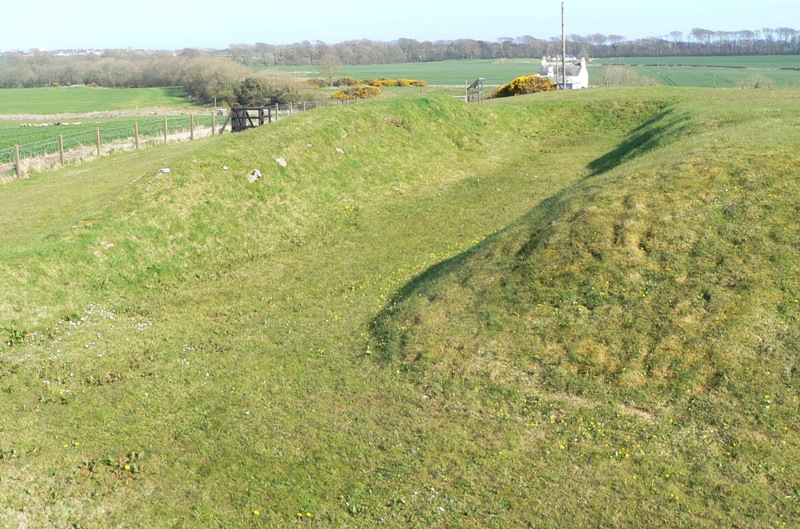
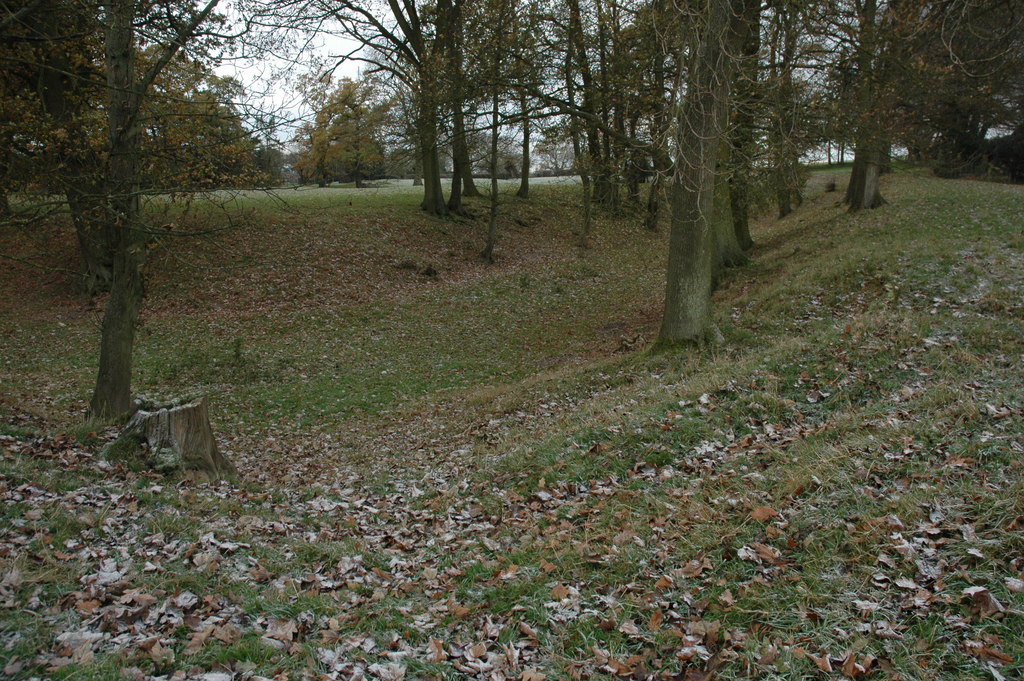
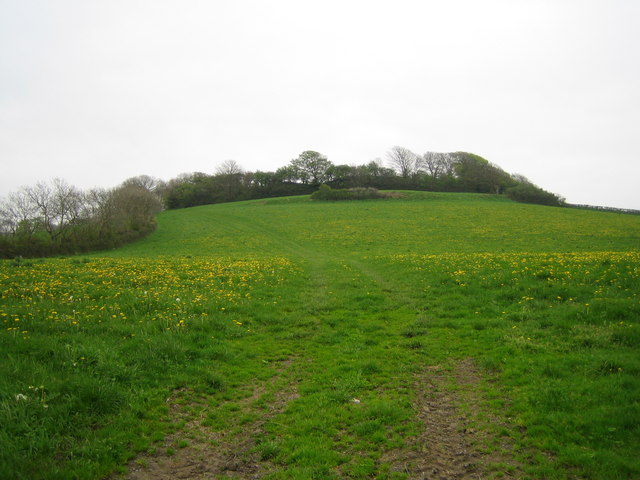
One historian has argued this modest Wiltshire earthwork is the true site of the Battle of Mount Badon, the battle that supposedly halted the Saxon…
- Some walking
The directory
Page 37 of 47 in the full directory.
Browsing 100 places — search and the map cover the whole directory.
Fortified place · Iron Age
Wiltshire
One historian has argued this modest Wiltshire earthwork is the true site of the Battle of Mount Badon, the battle that supposedly halted the Saxon…
Sacred place · Medieval
North Yorkshire
Ripley Market Cross preserves the steps of a fifteenth-century market marker, later transformed by a sundial after the market itself faded.
Fortified place · Medieval
Bedfordshire
A 20-foot earthen mound on private land near Bedford that historians cannot agree is a castle at all: one theory calls it a Norman stronghold, anot…
Settlement · Medieval
Dumfries and Galloway
Rispain Camp is one of Scotland’s major Iron Age (from about 800 BC until the Romans came) sites, where unusually well-preserved ramparts and excav…
Fortified place · Iron Age
Somerset
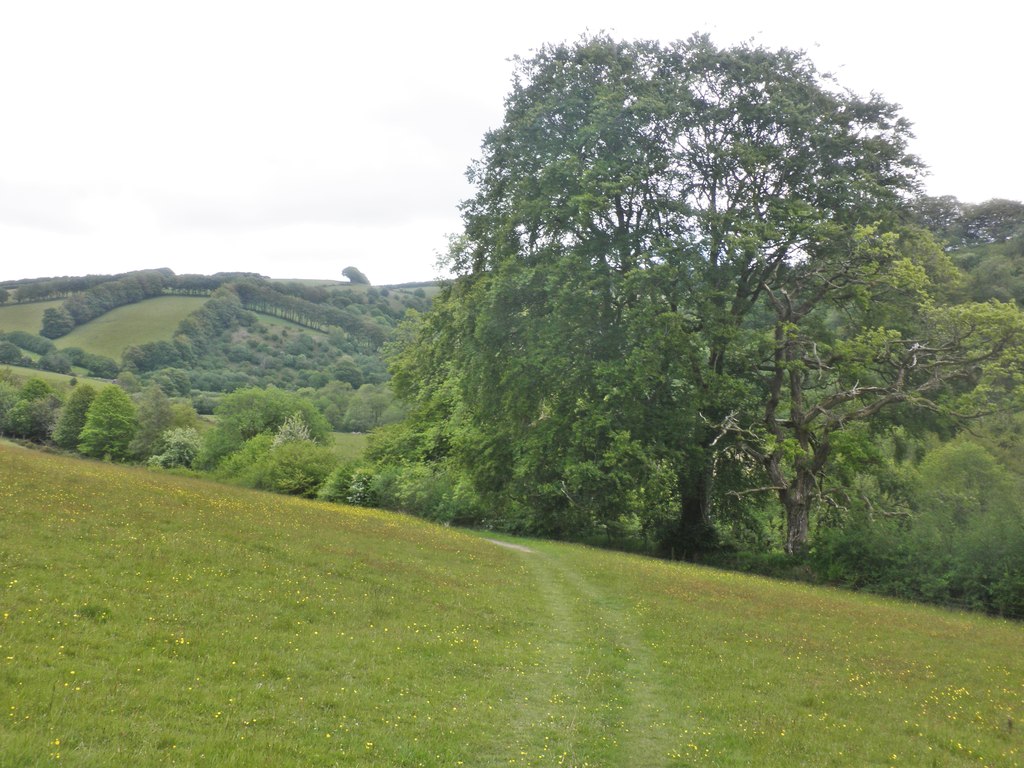
An almost square enclosure with rounded corners, seven-tenths of an acre, two miles west of Winsford.
Sacred place · Medieval
East Sussex
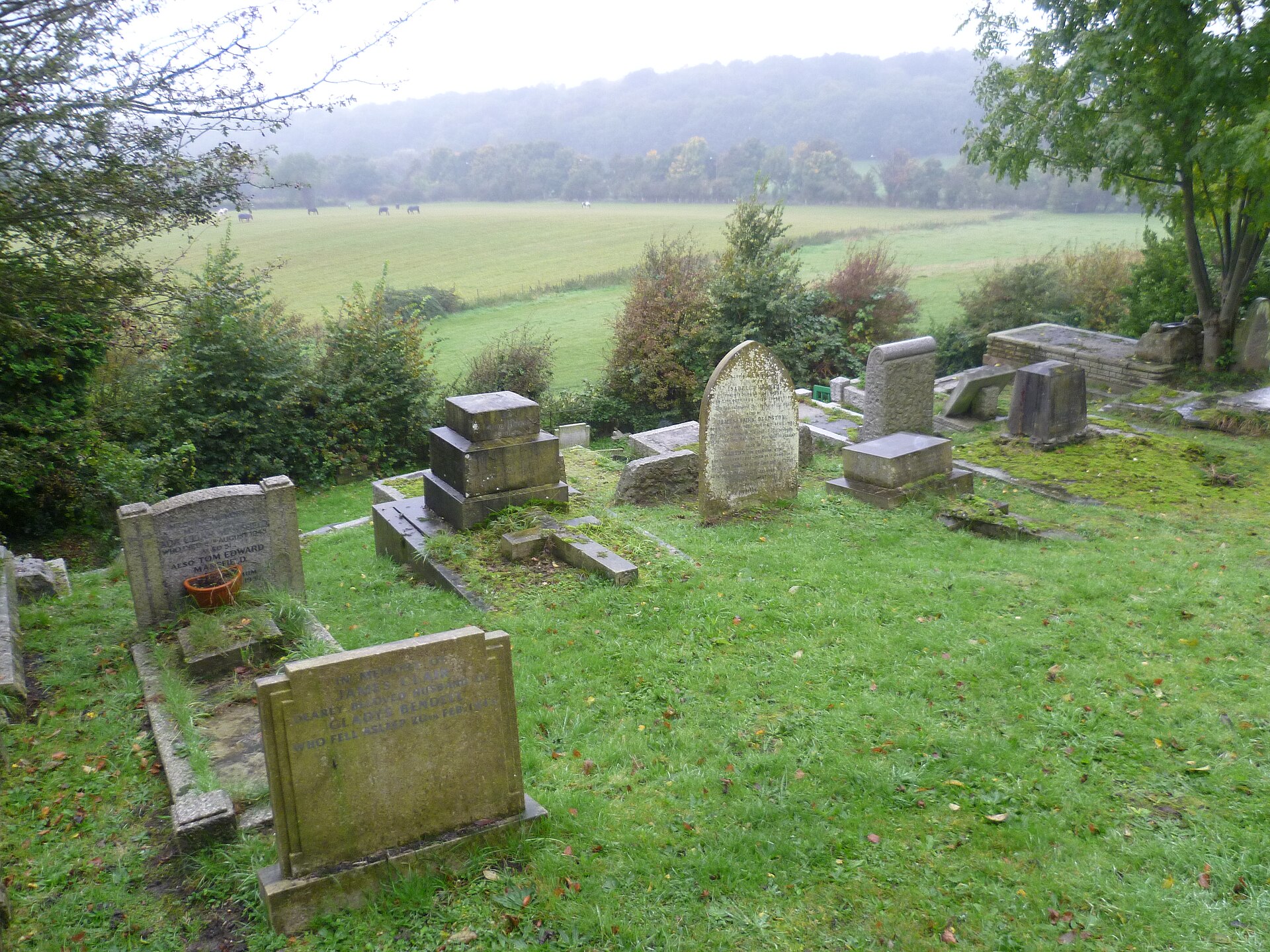
Robertsbridge Abbey preserves the small-scale history of a Cistercian house shaped by difficult coastal land, dissolution (Henry VIII's closure of…
Fortified place · Medieval
County Meath
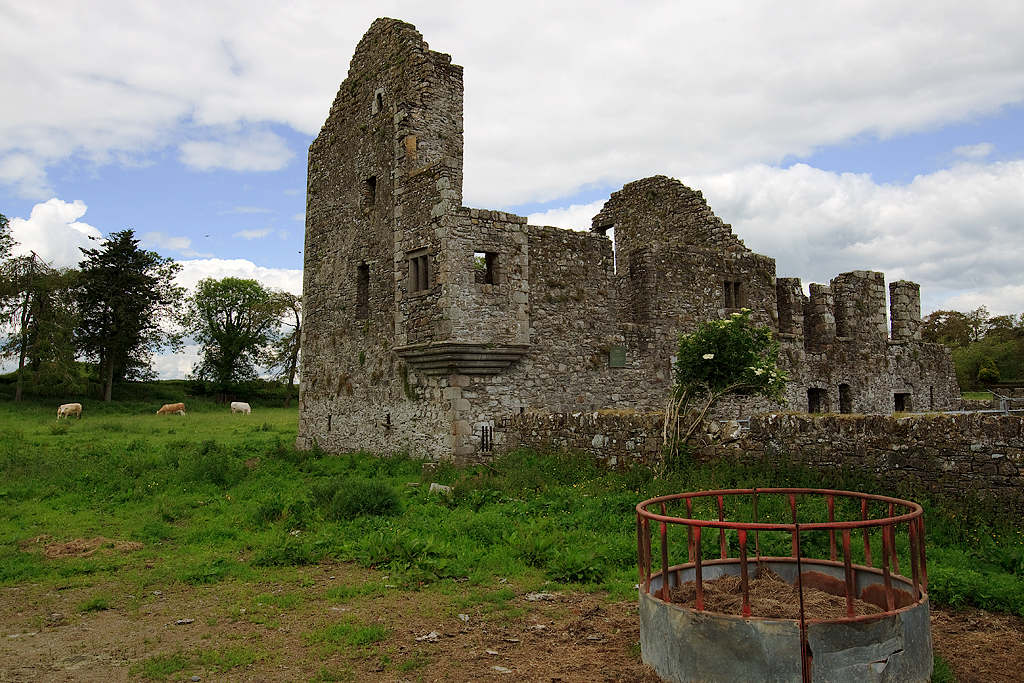
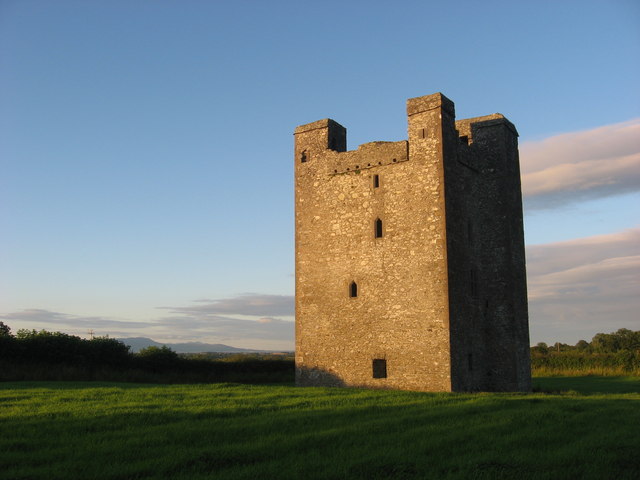
Its bartizans sit on corbelling styled after Scottish tower houses, and a 1930s folklore recording still names the gunman who made these ruins his…
Building or ruin · Prehistoric
Wiltshire
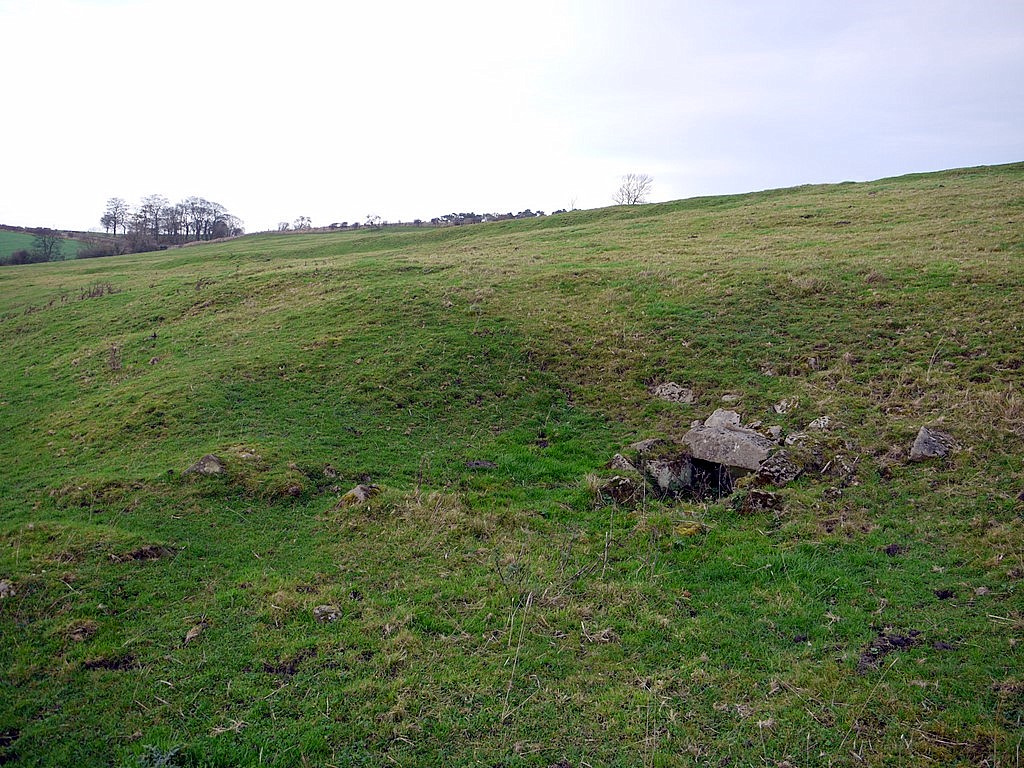
A single-causeway enclosure built centuries before Stonehenge existed, its lone entrance the rarest layout among Britain's Neolithic (the late Ston…
Sacred place · Prehistoric
Merseyside
Robin Hood’s Stone is a scheduled Bronze Age (roughly 2500–800 BC) standing stone in Liverpool, preserving cup-marked prehistoric (before written r…
Fortified place · Iron Age
Devon
Roborough Castle preserves a high Iron Age enclosure or hillfort: a settlement defended by banks and ditches on high ground, dating from roughly 80…
Sacred place · Medieval
Staffordshire
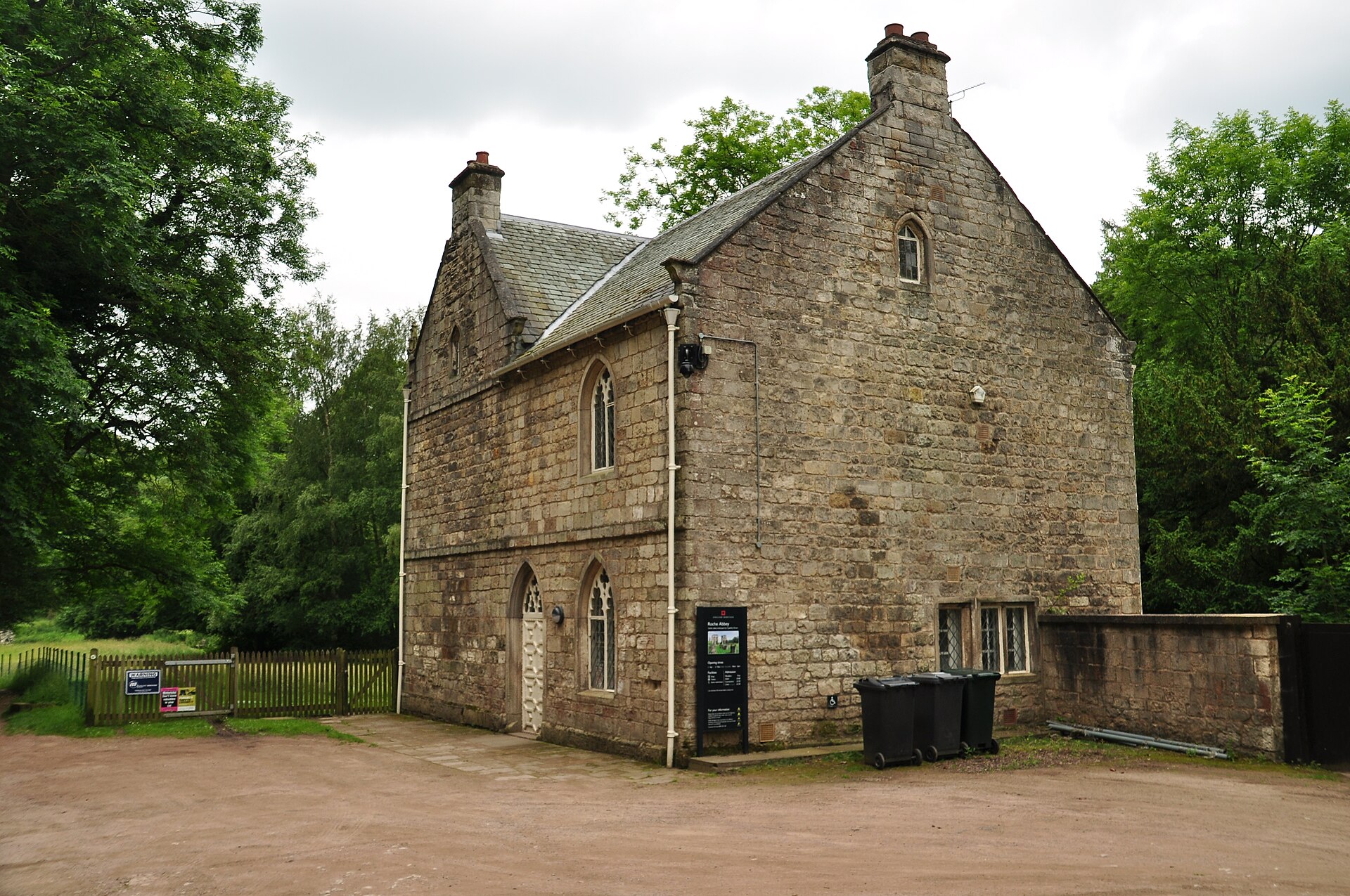
Nine monks including their head at the surrender. The buildings were dismantled for reusable material and the land sold to a Shropshire MP.
Fortified place · Medieval
Pembrokeshire
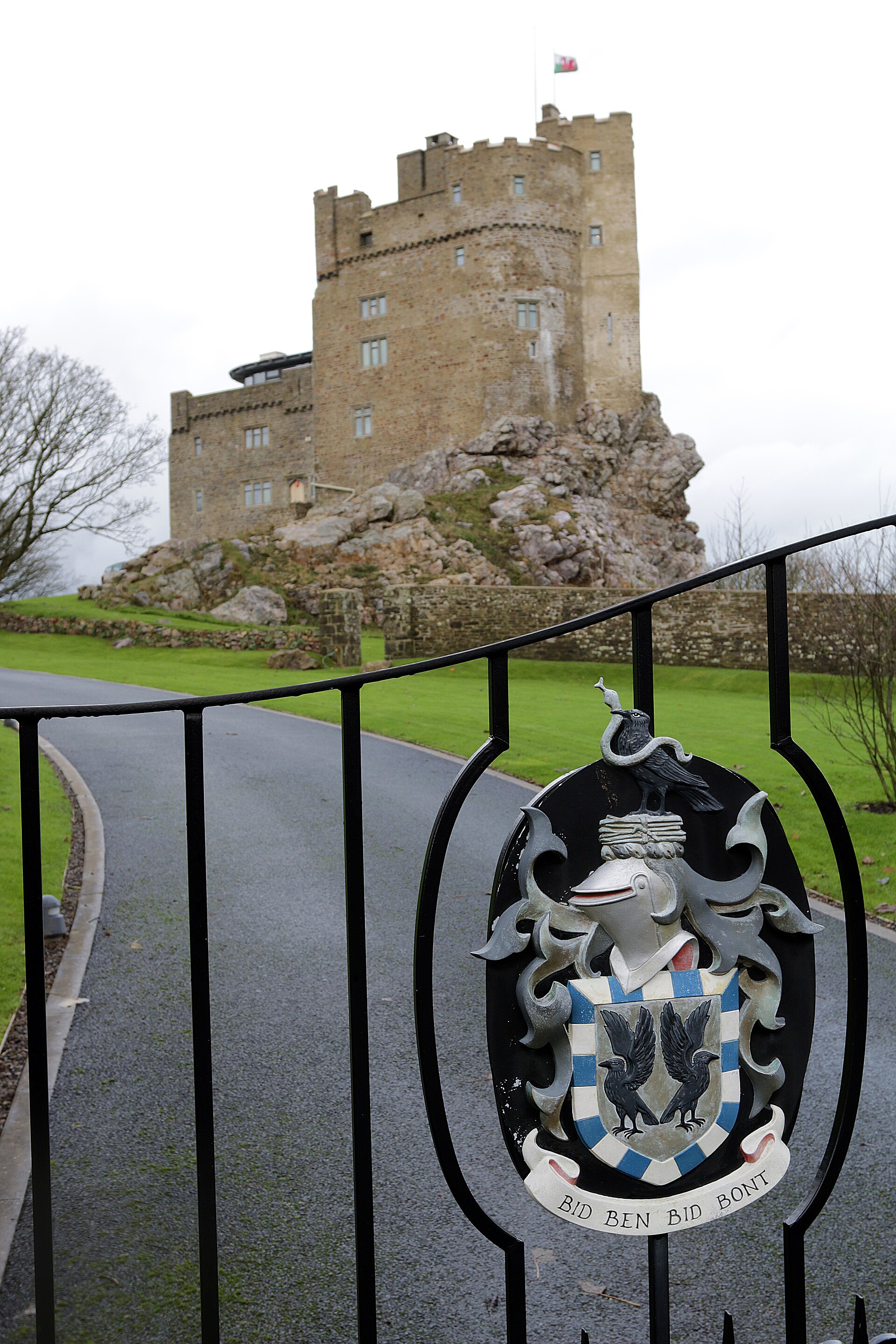
A thirteenth-century castle built by the Norman knight Adam de Rupe about 1200, near Haverfordwest.
Sacred place · Medieval
South Yorkshire
A 1546 grant listing lead and glass still lying on site shows the abbey (a religious community led by an abbot)'s stripping after the Dissolution (…
Fortified place · Medieval
Kent
The keep that survived a king's siege engines, a burning mine of forty fat pigs, and still stands taller than any other in England.
Ancient place · Medieval
Worcestershire
A moat and the plough-marked streets of a vanished village survive side by side at Rock - proof that a 1328 market grant once served a settlement f…
Fortified place · Pictish & early medieval
County Tipperary
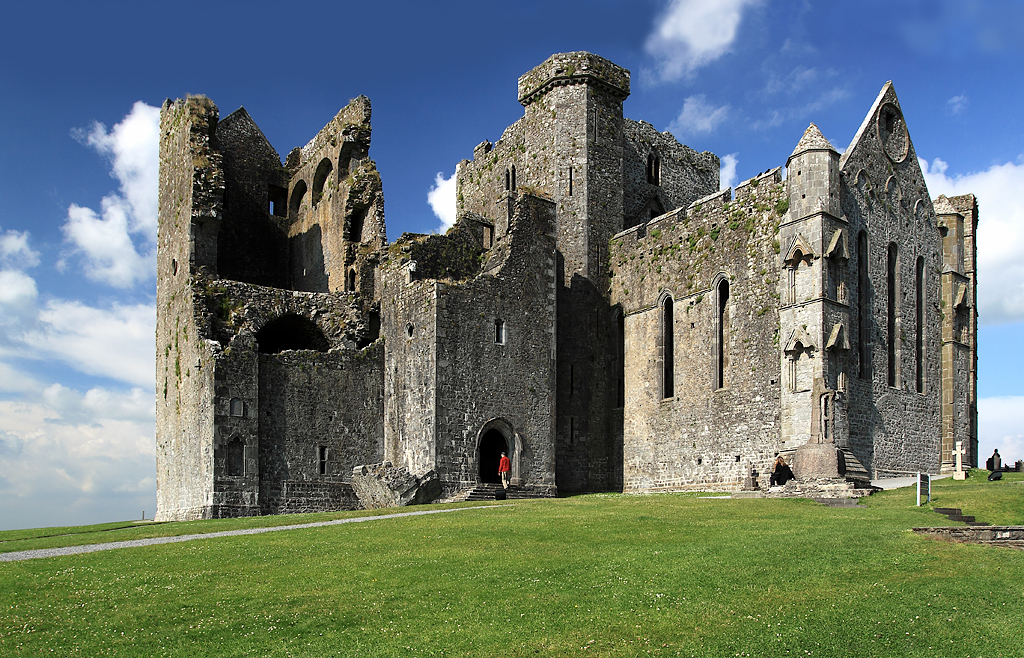
A limestone outcrop that held the crown of Munster for six centuries before its last king simply gave it to the Church: a rare handover from royal…
Fortified place · Medieval
County Mayo
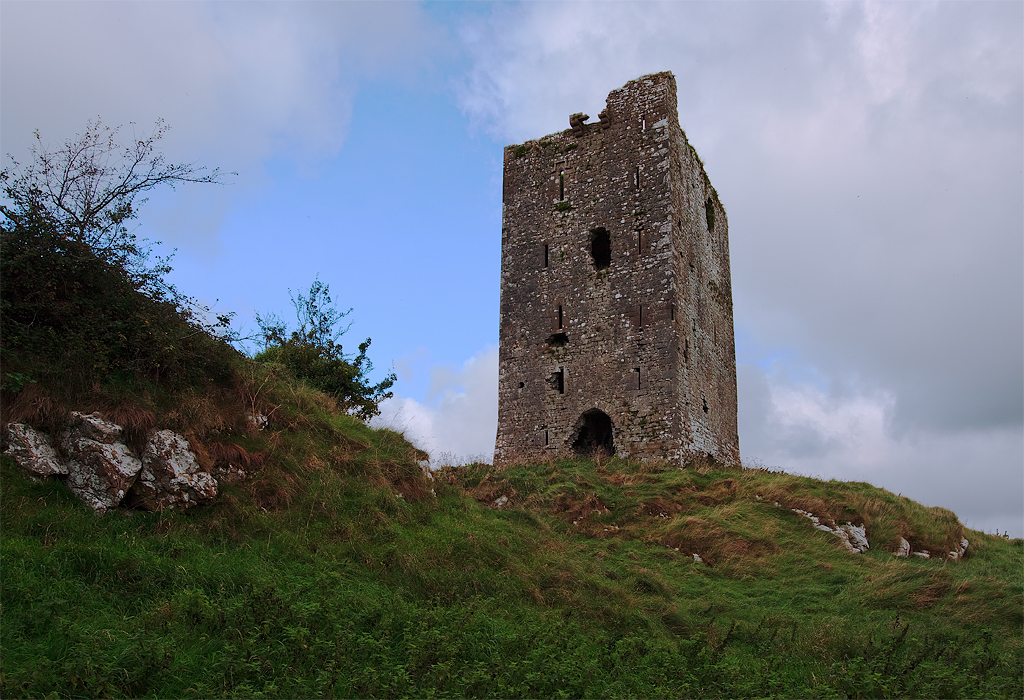
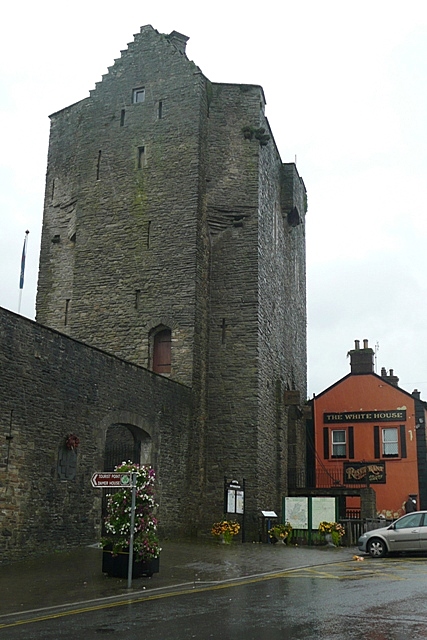
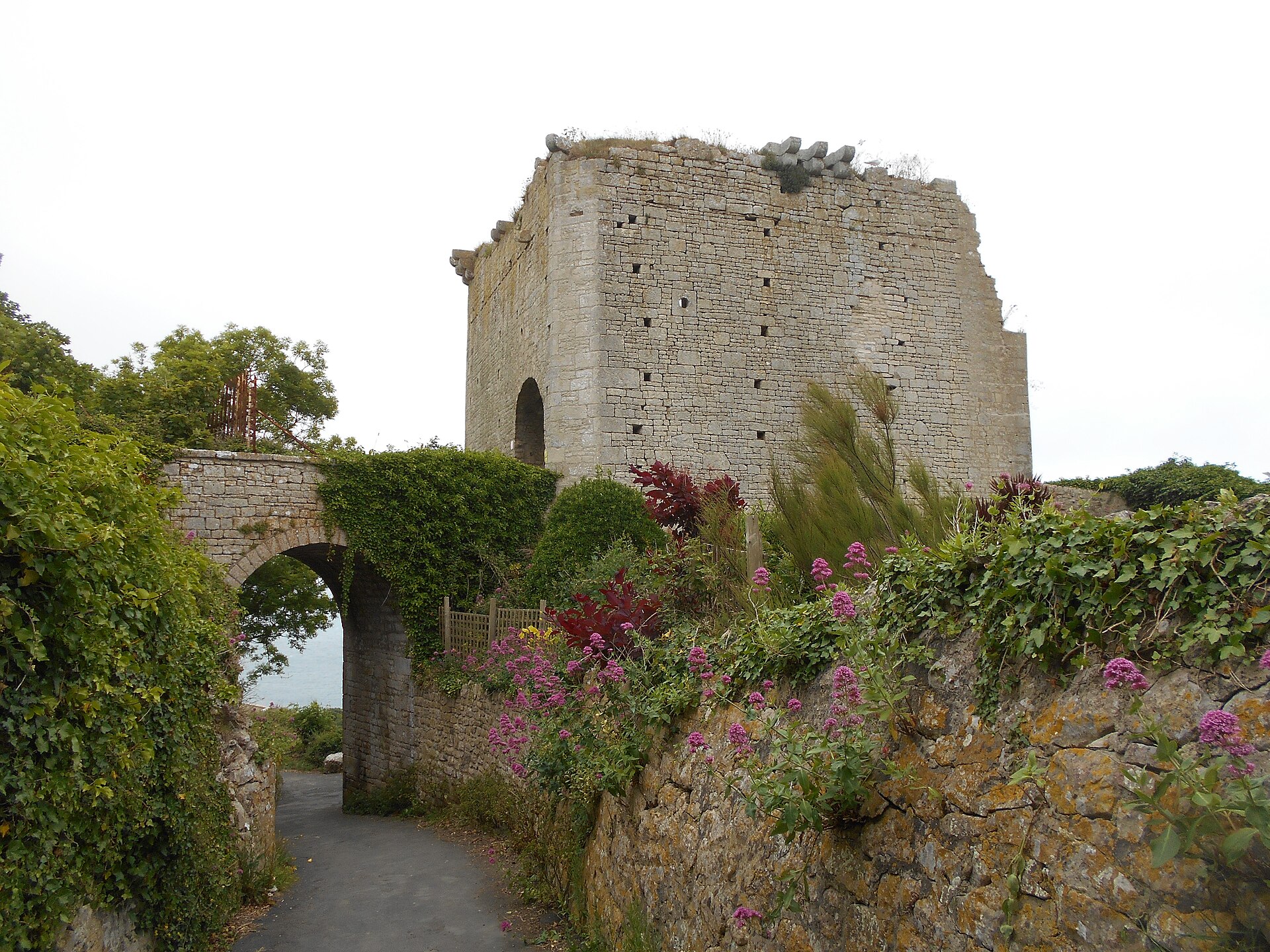
A modest four-storey tower on Clew Bay's shore carries an outsized reputation as the stronghold most tied to Grace O'Malley, the pirate queen, and…
Fortified place · Prehistoric
Northamptonshire
A working royal fortress for four centuries that became a family home for five more: its D-shaped gatehouse and earthworks still trace that entire…
Fortified place · Medieval
County Limerick
One of County Limerick's most structurally complete tower houses, with vaulted ceilings, a full spiral stair and ogee-headed window slits surviving…
Fortified place · Iron Age
Somerset
A defended hilltop in Selwood, protected by law and repaired after damage from off-road biking.
Fortified place · Iron Age
Somerset
An Iron Age hill fort - roughly 800 BC until the Roman conquest - with a second, smaller oval enclosure inside it, where most sites of this class h…
Carved stone · Pictish & early medieval
Moray
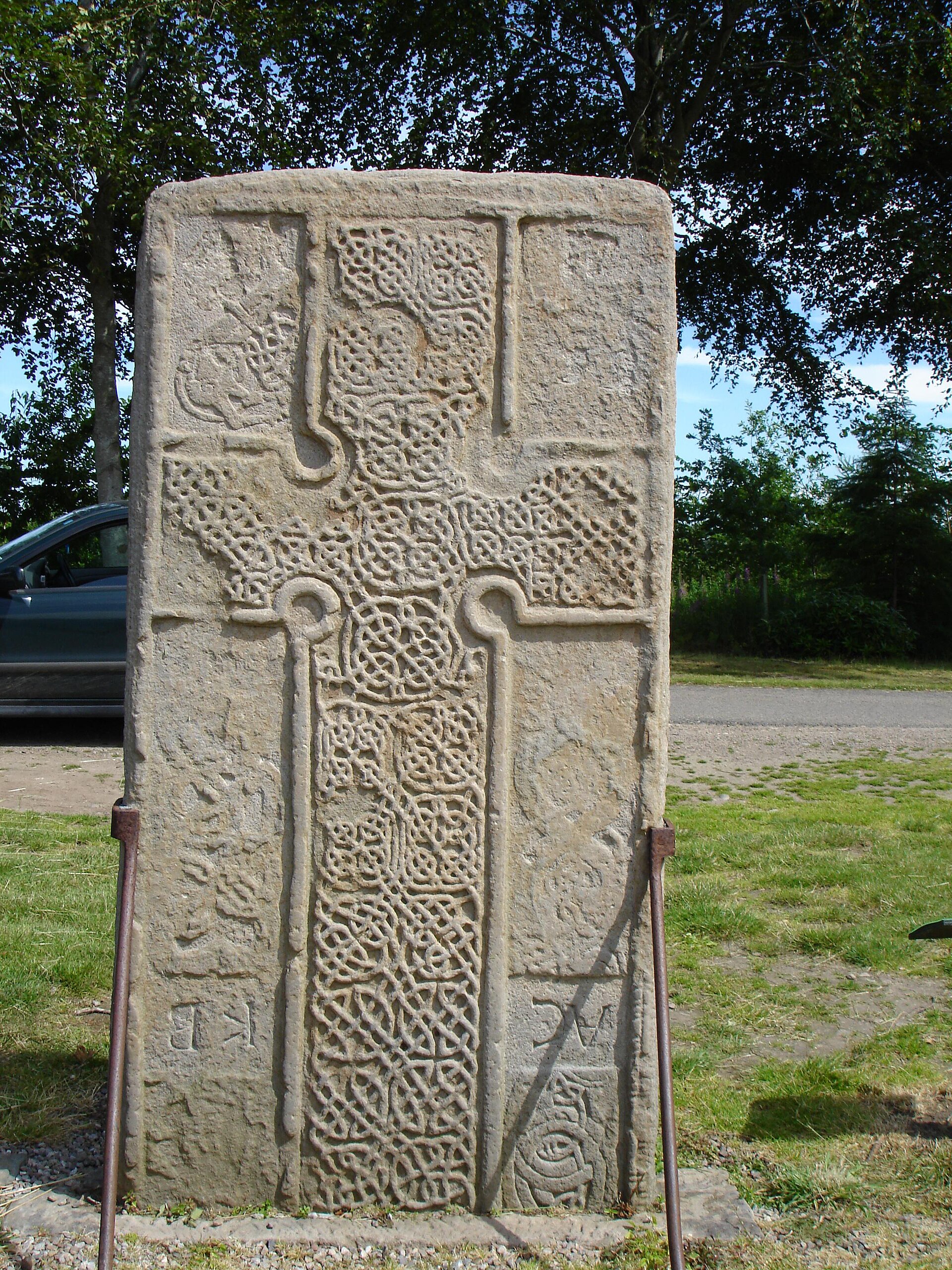
Its Ogham inscription is the longest to survive from Pictish (of the Picts, the people of northern and eastern Scotland from about AD 300 to 900) S…
Sacred place · Prehistoric
Warwickshire
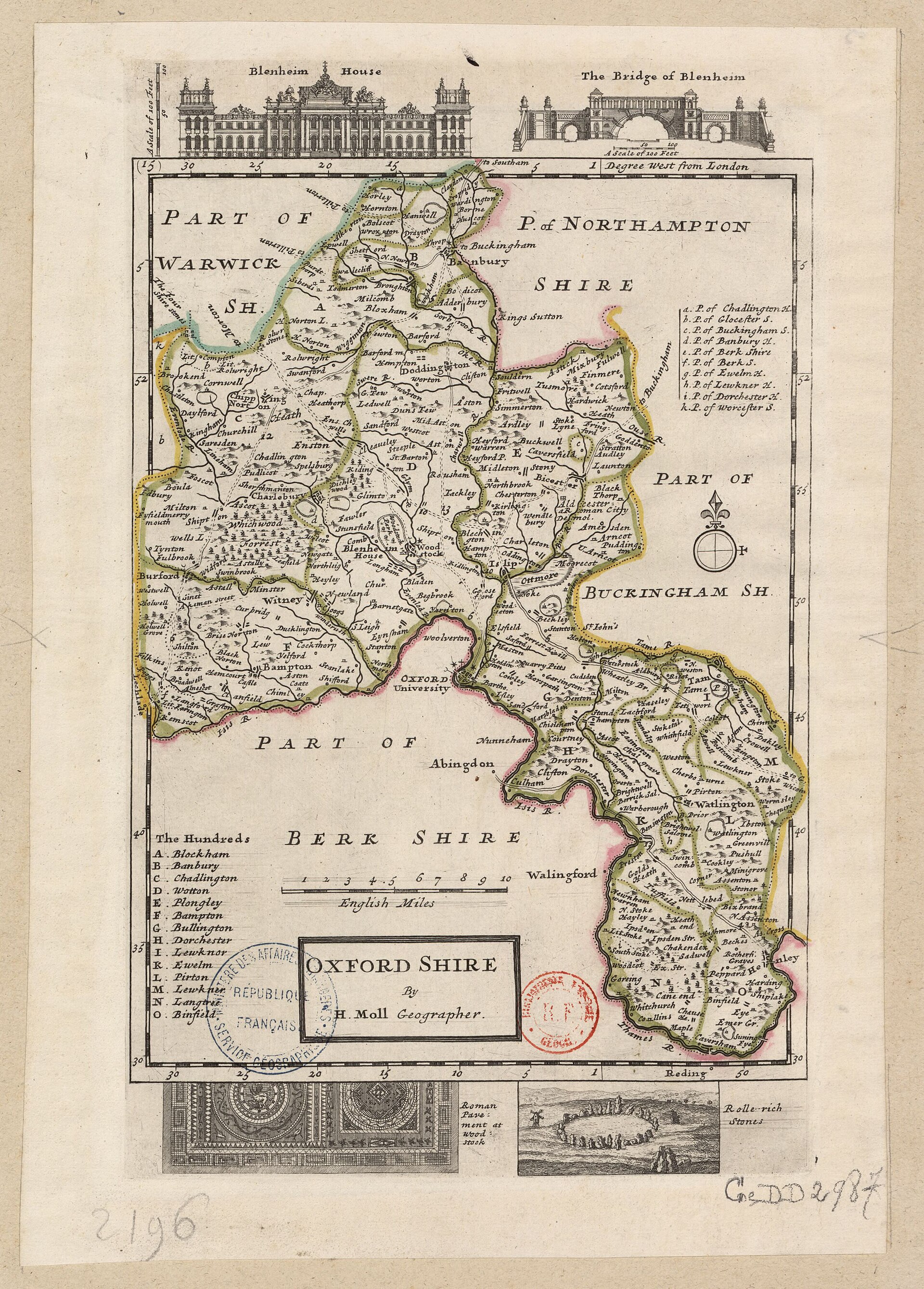
Three monuments of local oolitic limestone on the Oxfordshire border, known as the King's Men, the Whispering Knights and the King Stone.
Building or ruin · Roman
North Yorkshire
A working pub built directly over a legionary bath house, its caldarium still visible beneath the bar where soldiers of Rome's Ninth Legion once wa…
Building or ruin · Roman
Somerset
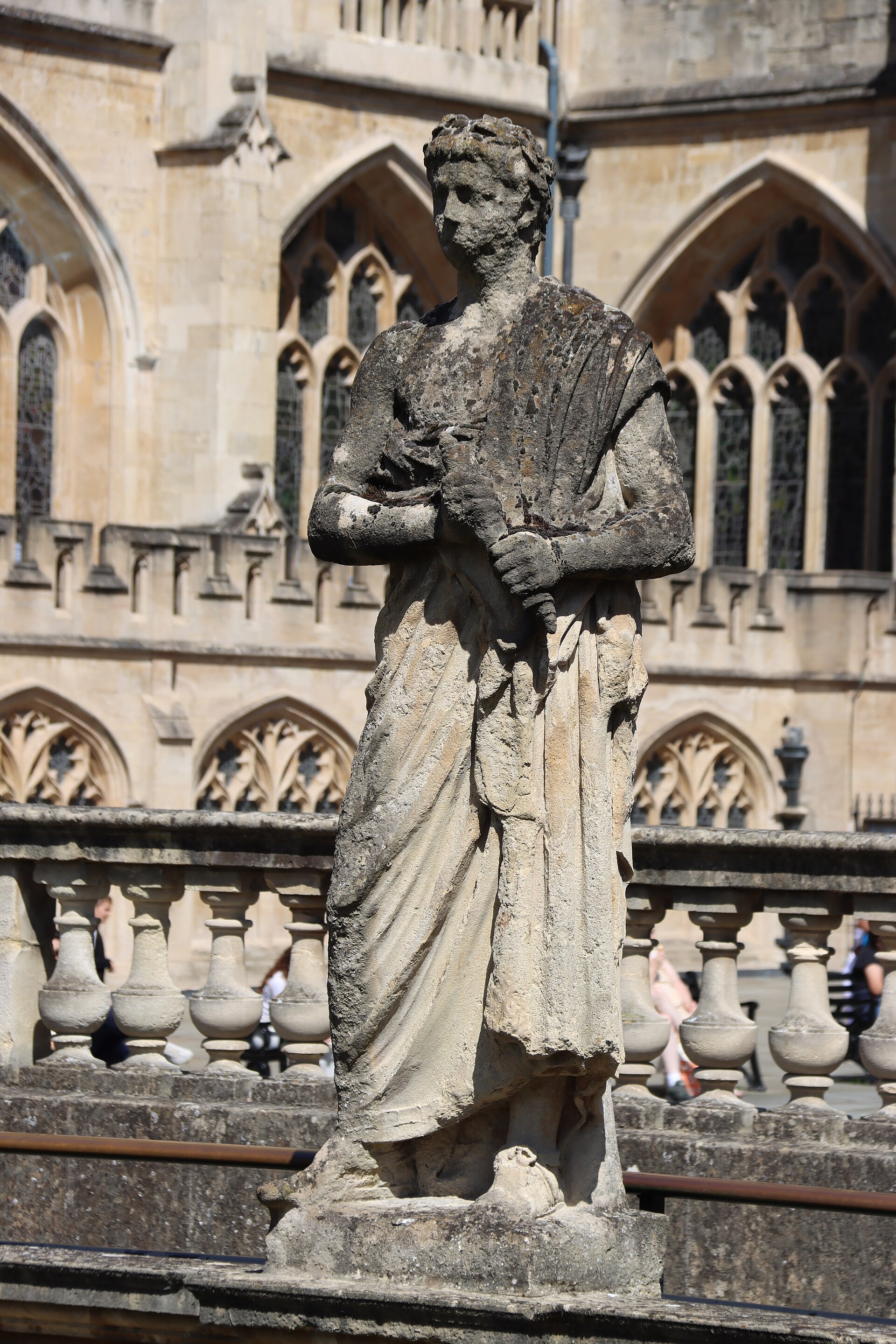
A public bathing complex around the sacred hot spring, with a temple raised here between AD 60 and 70.
Building or ruin · Roman
North Yorkshire
A single reassembled Roman column stands within sight of York Minster's towers: the last upright fragment of the legionary headquarters that once r…
Building or ruin · Roman
South Yorkshire
A working bridleway that still follows the exact line of a Roman road, letting a walker retrace Ermine Street on foot rather than read about it on…
Fortified place · Roman
South Yorkshire
A linear earthwork (a bank, ditch or mound shaped from soil rather than built in stone) running for miles north of Rotherham whose builders remain…
Building or ruin · Roman
Cambridgeshire
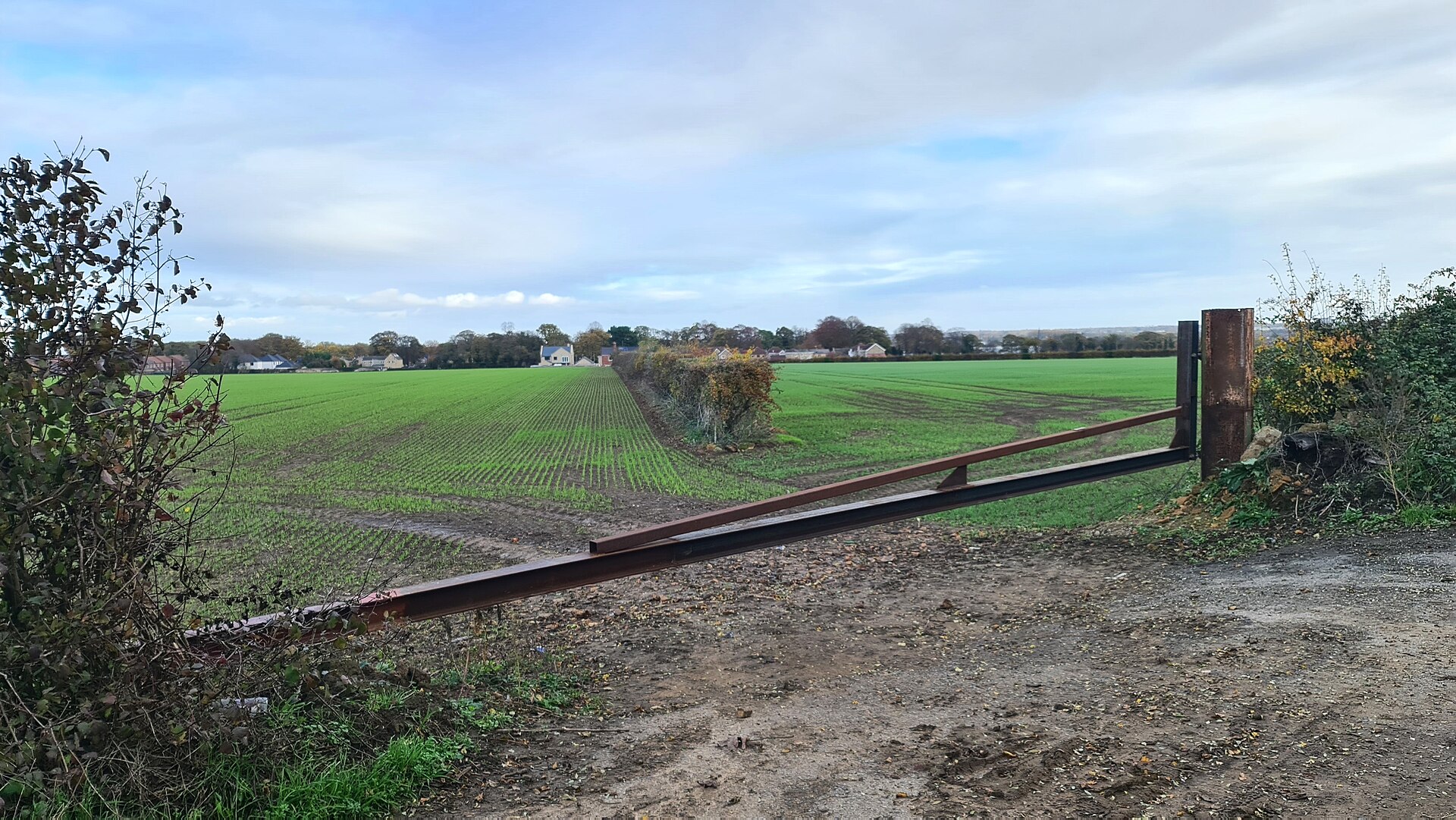
A hedge-lined green lane running for miles through open farmland turns out, on excavation, to be a working Roman road: one still walked as a public…
Building or ruin · Roman
Hertfordshire
A working stage where most Roman remains in Britain offer only an arena: proof that Verulamium supported genuine theatre, not just spectacle.
Building or ruin · Roman
Dorset
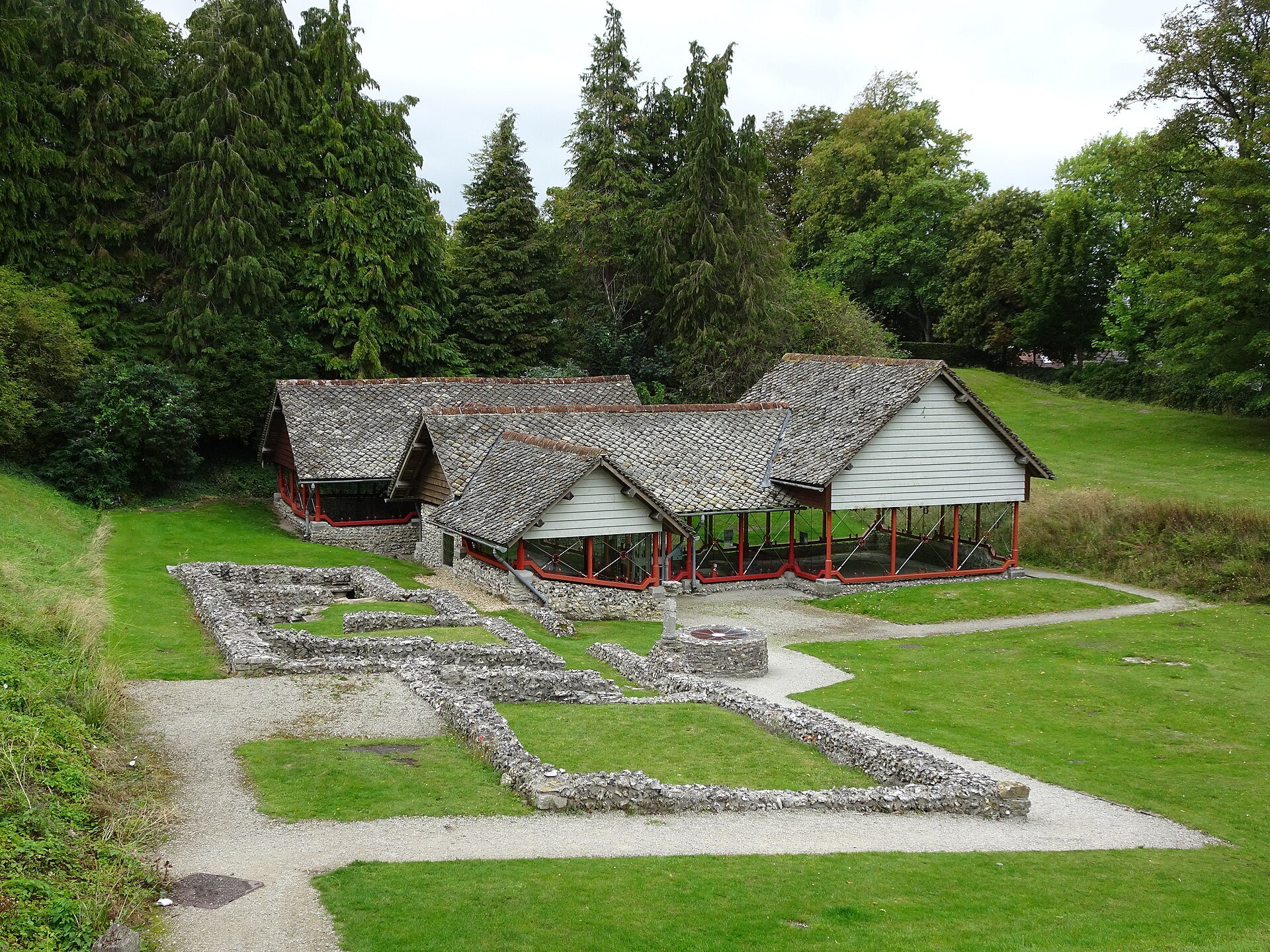
Dorchester’s Roman Town House is a rare scheduled domestic ruin where late Roman rooms, mosaics and town defences remain visible within a modern pu…
Building or ruin · Roman
Greater London
Wickham Court Farm is a scheduled Romano-British (Britain under Roman rule, AD 43–410) site beside the former London-to-Lewes route, where excavati…
Sacred place · Medieval
Hampshire
A Norman nunnery church that survived the Dissolution because the town bought it outright in 1544 for £100: now the largest parish church in Hampsh…
Sacred place · Medieval
County Roscommon
Its founder's tomb effigy, carved around 1290–1300, is one of only two royal effigies known to survive from medieval Ireland.
Fortified place · Medieval
County Tipperary
A 13th-century royal foundation whose gate tower, prison and Ormond-era plasterwork survive intact alongside one of only two Queen Anne staircases…
Sacred place · Medieval
County Tipperary
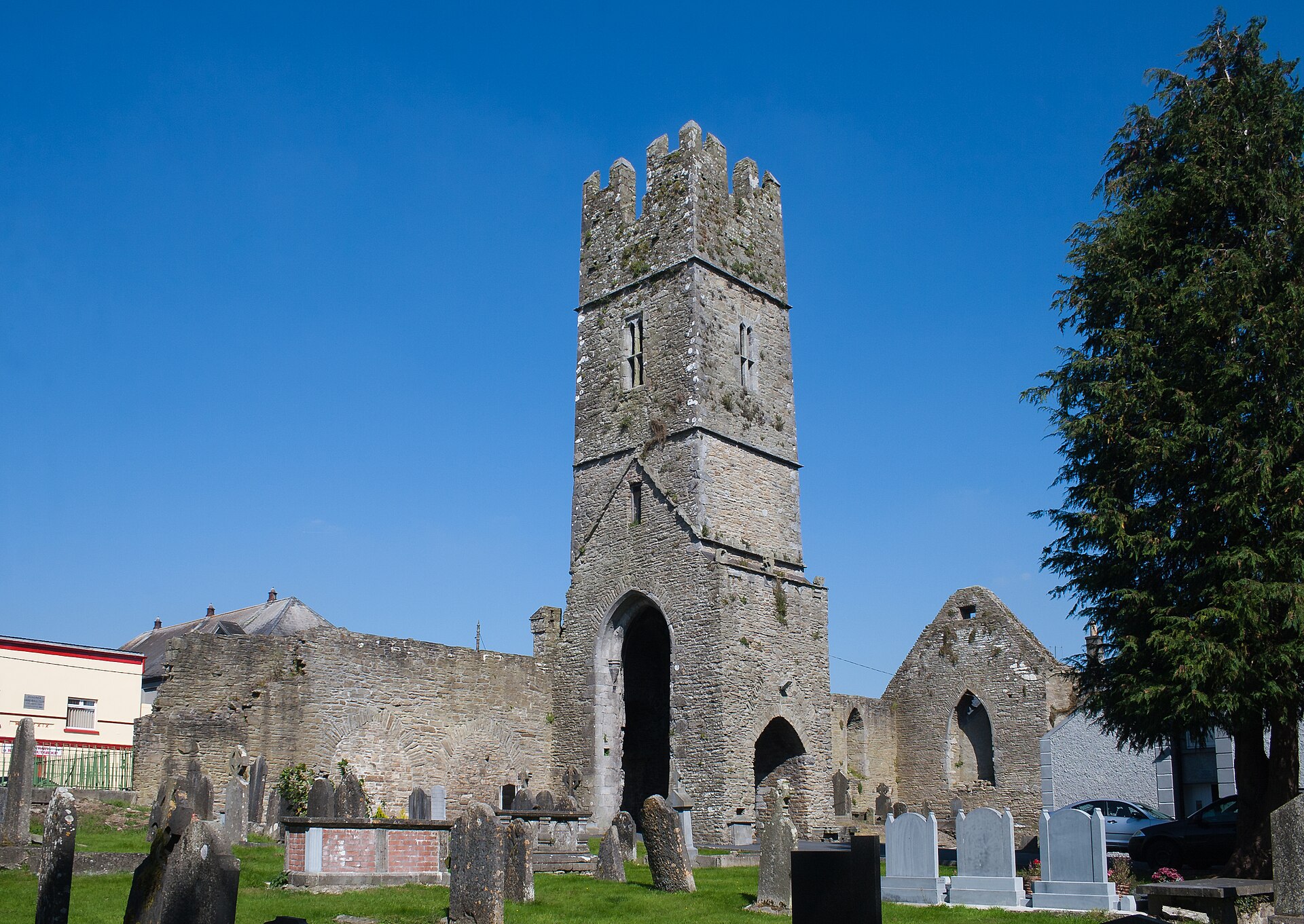
A crenellated bell tower on pointed arches and carved corbels is the last standing witness to a friary, a house of friars who worked among townspeo…
Carved stone · Pictish & early medieval
Highland
Fourteen carved fragments, including a slab showing Daniel in the lion's den, reveal a Pictish (of the Picts, the people of northern and eastern Sc…
Carved stone · Pictish & early medieval
Highland
Broken in two and hidden for centuries under a church floor, this cross-slab carries the only Pictish (of the Picts, the people of northern and eas…
Fortified place · Medieval
Midlothian
Roslin Castle combines the Sinclair family’s long medieval lordship, a rare Scots-prose manuscript connection, destructive episodes from the Rough…
Fortified place · Medieval
County Kerry
On the edge of Lough Leane, within what is now Killarney National Park, a square tower house of stone and Irish oak has stood since the late 15th c…
Sacred place · Medieval
County Galway
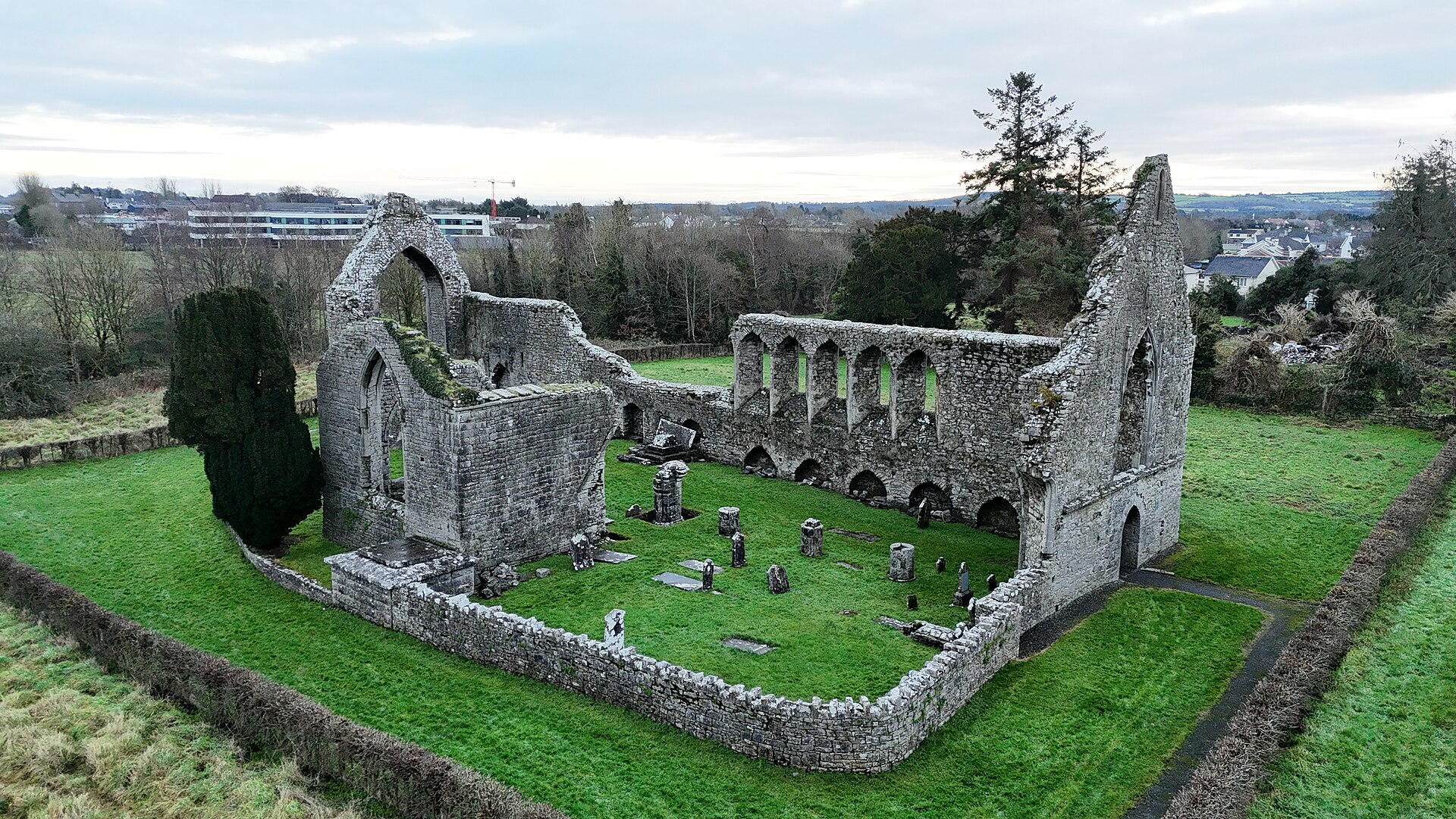
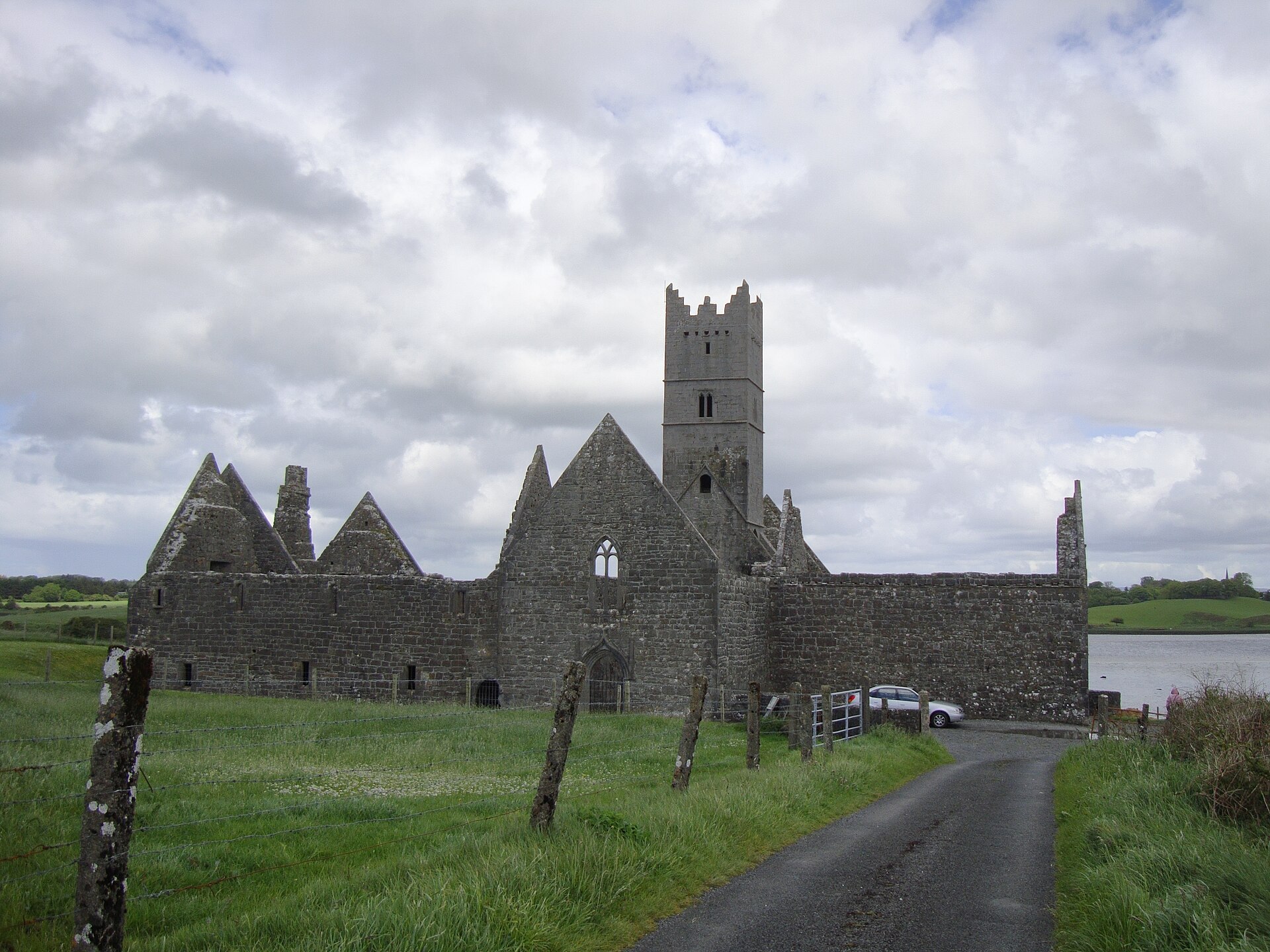
A working monastery reoccupied and expelled seven times over three centuries, its cloisters, kitchen and dormitories still standing more complete t…
Sacred place · Medieval
County Mayo
A carved Round Tower on its double piscina, a pair of basins near an altar for rinsing communion vessels, is a rare stone echo of Ireland's older m…
Sacred place · Medieval
Midlothian
Rosslyn Chapel is a superbly carved fifteenth-century collegiate church (a church staffed by a college of priests, without being a monastery) whose…
Fortified place · Medieval
County Monaghan
A decades-long rivalry over who could build the biggest room in County Monaghan left this Gothic mansion with three towers and more than 117 window…
Fortified place · Medieval
Oxfordshire
A fourteenth-century fortified manor house, of which a single tower survives in ruin.
Crossing or structure · Medieval
South Yorkshire
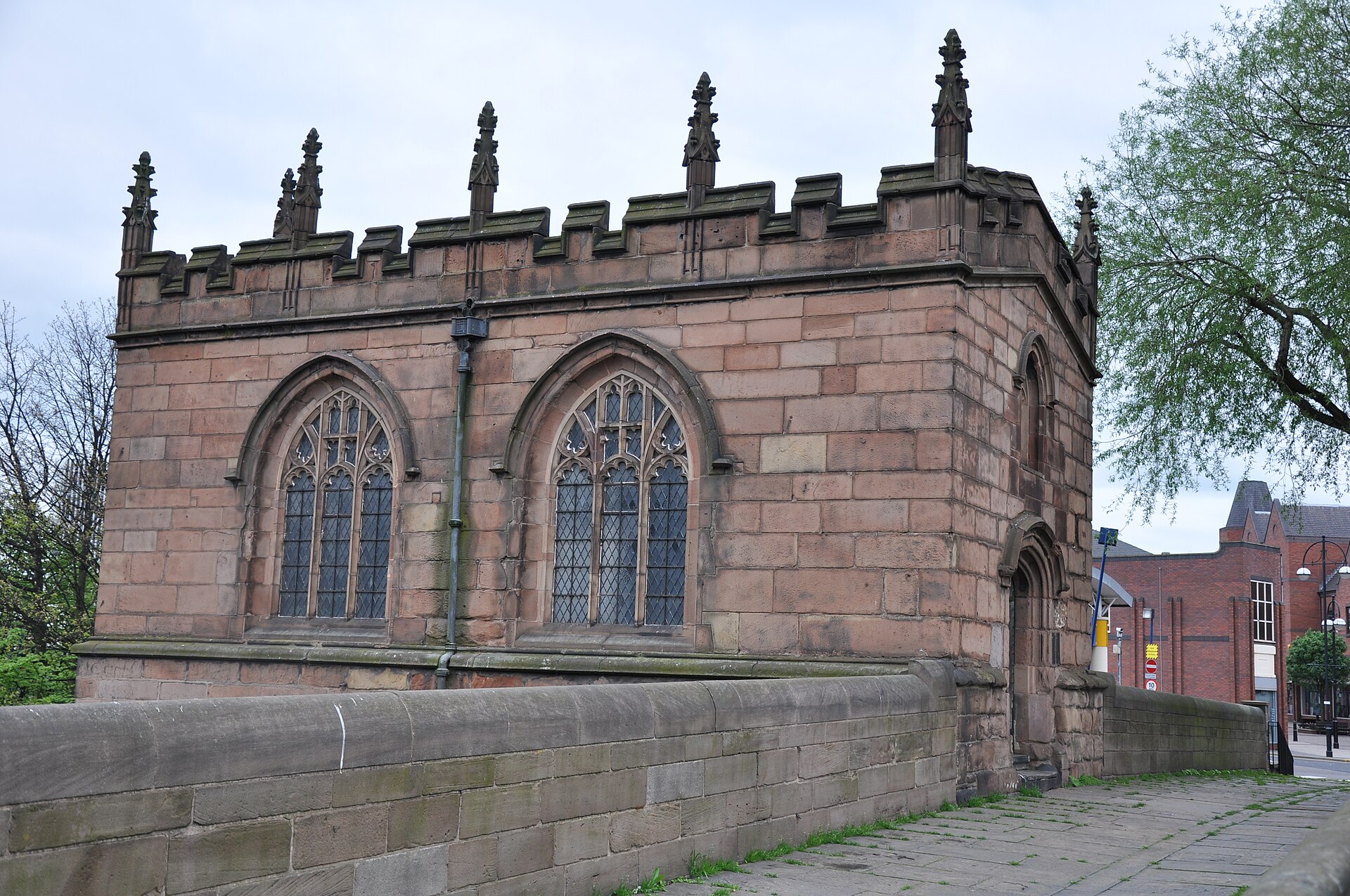
A medieval bridge chapel that became an almshouse, then the town gaol, then a shop: and is now the best preserved in England.
Building or ruin · Prehistoric
Wiltshire
A farming settlement lived on this hilltop for roughly four centuries, then Victorian archaeology's most methodical excavator carved his findings s…
Fortified place · Medieval
Argyll and Bute
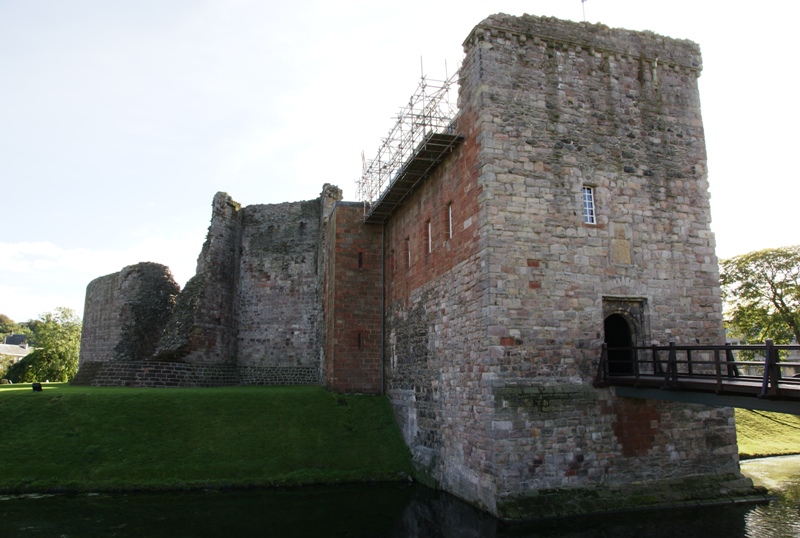
A huge circular curtain wall, some 42 metres in diameter and originally around 7.9 metres high, still stands on a low mound above the town of Rothe…
Fortified place · Medieval
Northumberland
Daniel Garrett’s 1755 sham castle survives as a Grade II* part of Wallington’s designed landscape, built to frame Sir Walter Blackett’s view rather…
Sacred place · Medieval
Leicestershire
One small chapel held the Knights Templar, then the Knights Hospitaller, then an abolitionist campaign hatched with Wilberforce, and the birth of a…
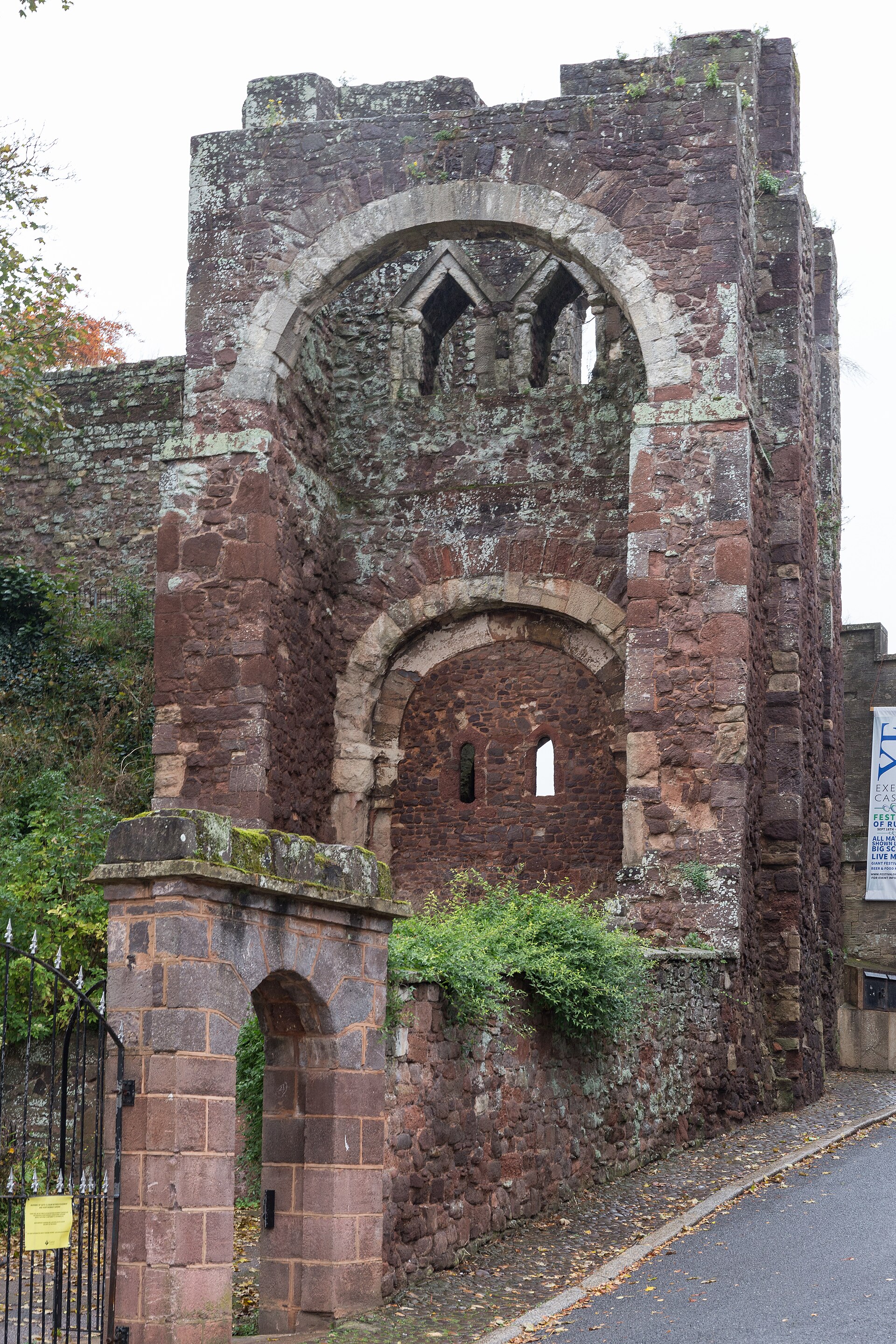
Fortified place · Medieval
Devon
Rougemont Castle is Exeter’s Norman stronghold, built after the 1068 rebellion and later transformed into a courthouse, prison and civic cultural s…
Fortified place · Medieval
North Yorkshire
A castle so thoroughly abandoned that its own successor is also a ruin: Rougemont gave way to Harewood Castle, which in turn gave way to Harewood H…
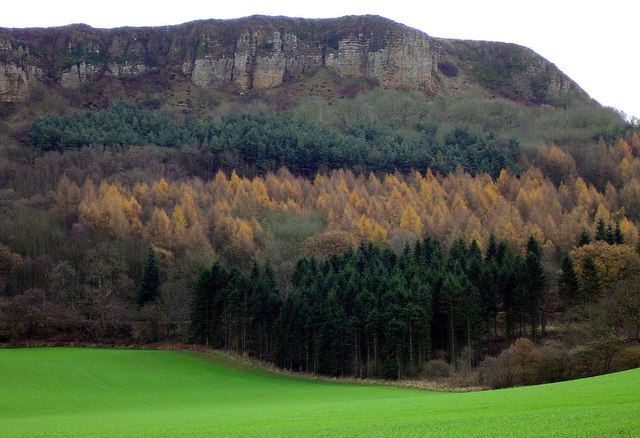
Fortified place · Iron Age
north-yorkshire
The Scots fought their way up this hillside in October 1322 and took the Earl of Richmond prisoner; Edward II fled Rievaulx so fast he left the Gre…
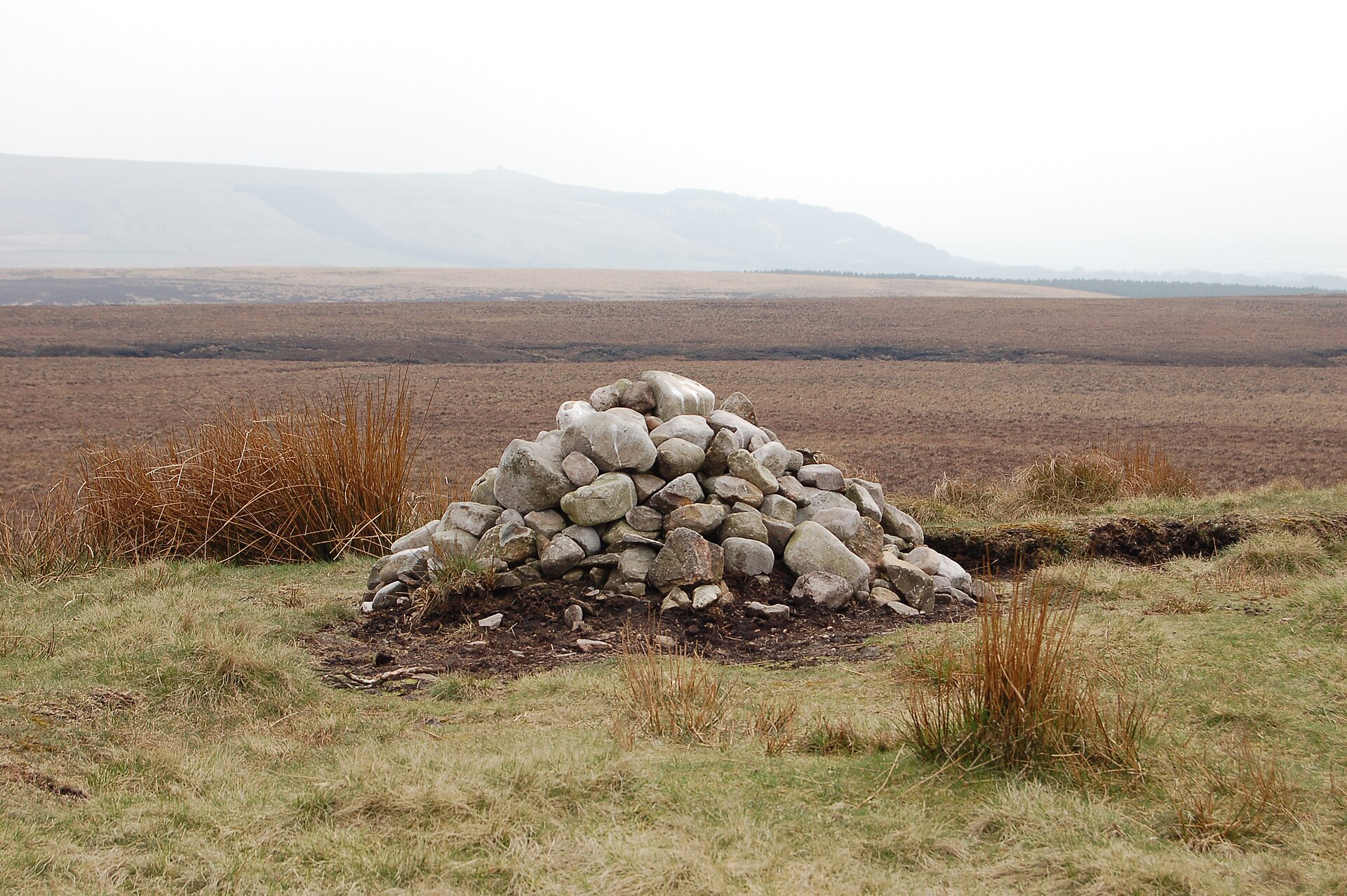
Tomb or burial place · Prehistoric
Lancashire
Round Loaf is a nationally important, unexcavated burial mound dating from the late Stone Age or the period from about 2500 to 800 BC, whose large…
Fortified place · Medieval
West Yorkshire
Land granted by William the Conqueror to Ilbert de Lacy for his part in the Harrying of the North, now a large urban park on the edge of Leeds.
Fortified place · Iron Age
Powys
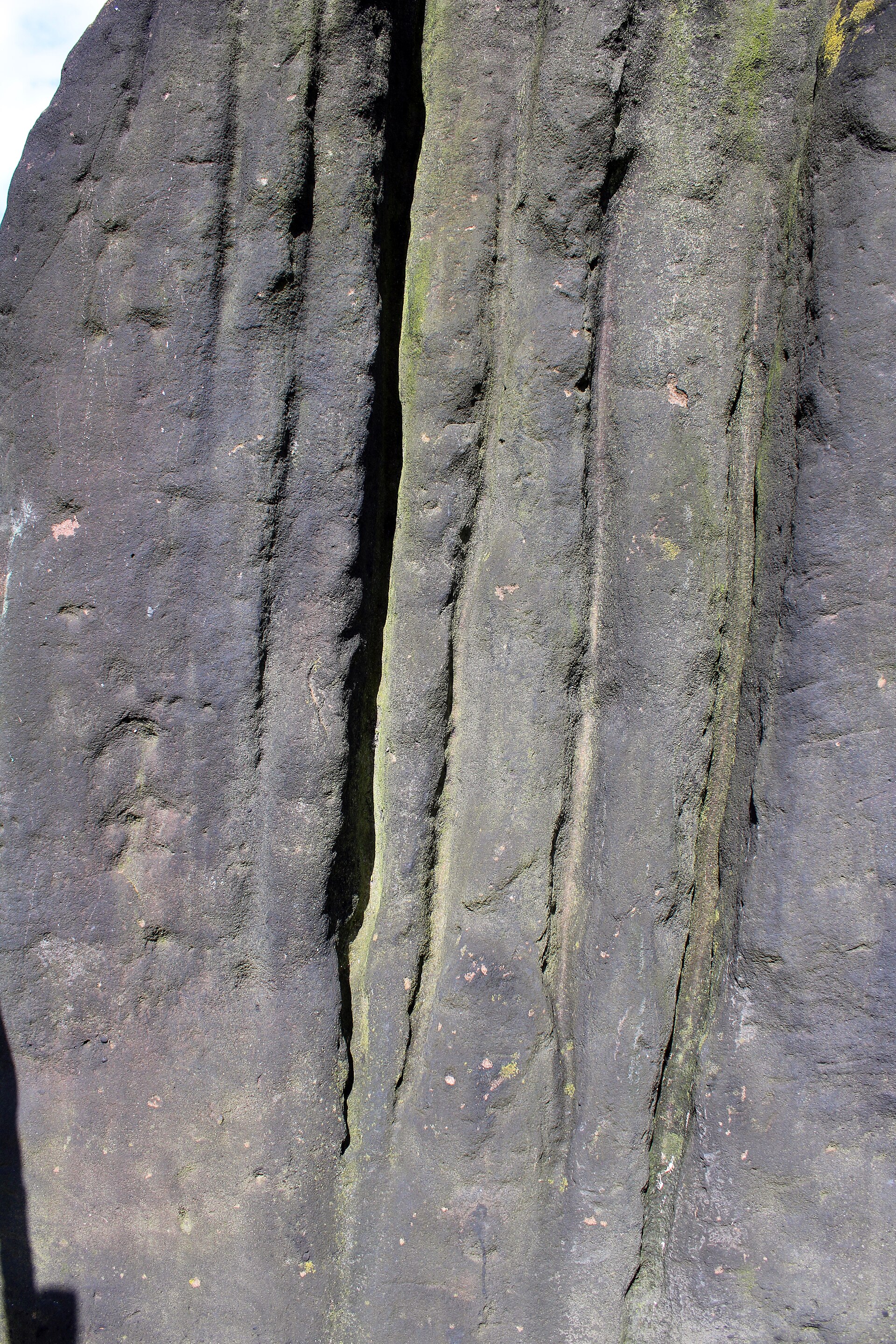
A volcanic hill too steep to plough, which is why its Iron Age fort: of the centuries from about 800 BC until the Romans came: its mountain pansies…
Fortified place · Iron Age
Wiltshire
A single chalk escarpment above Devizes carries a Bronze Age (roughly 2500–800 BC, when metalworking spread) settlement, an Iron Age (the centuries…
Ancient place · Prehistoric
Orkney Islands
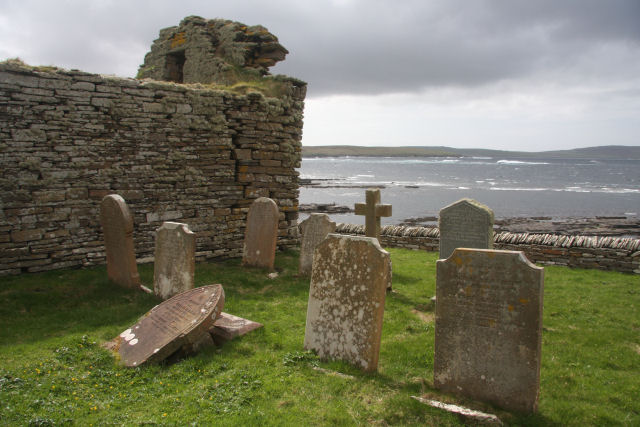
A small hilly island north of Mainland, whose density of remains has earned it a reputation of its own.
Fortified place · Medieval
Shropshire
Rowton Castle traces a seventeenth-century country house through the Lyster and Rowton families, wartime displacement of a London blind college, fi…
Fortified place · Medieval
Scottish Borders
A grassy mound is nearly all that remains of what was once one of the most fought-over fortresses on the Anglo-Scottish border, changing hands at l…
Fortified place · Roman
Devon
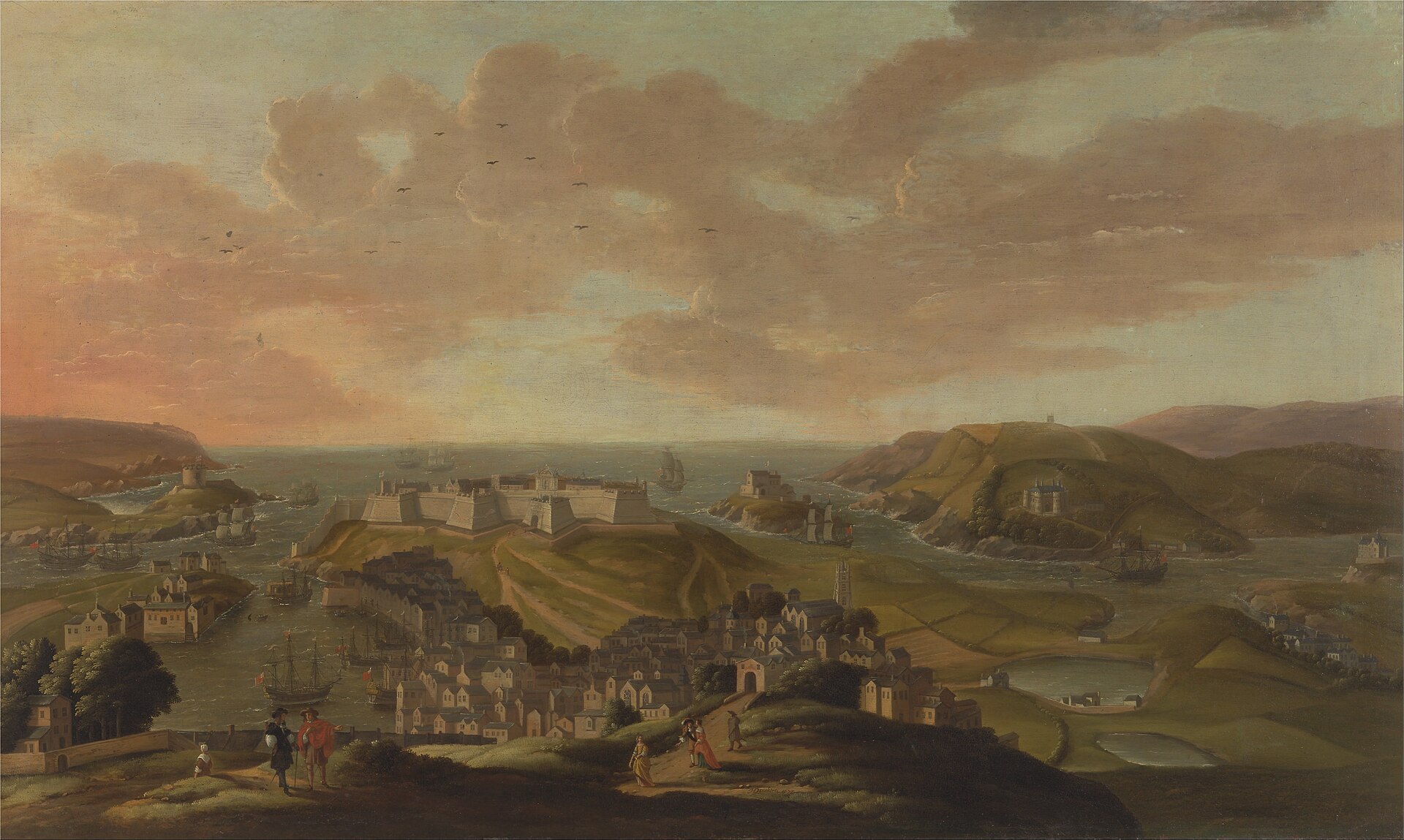
Plymouth’s Royal Citadel is a major seventeenth-century fortress that incorporated Drake’s defences and continues as an active military base overlo…
Building or ruin · Medieval
Greater London
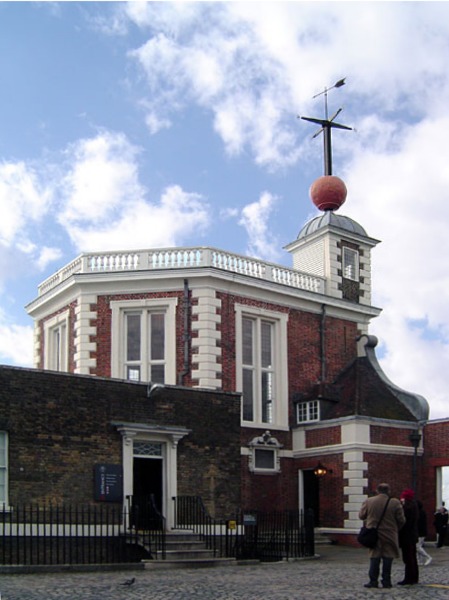
The Royal Observatory, Greenwich gave its name to Greenwich Mean Time and the prime meridian, making a hilltop scientific institution central to gl…
Sacred place · Medieval
Hertfordshire
A bell-shaped chamber cut into solid chalk is covered floor to ceiling in medieval carvings found nowhere else in Britain, yet nobody has ever prov…
Fortified place · Medieval
Gloucestershire
A Norman manor granted licence to crenellate in 1311, its stone walls and earthworks now reduced to grassy mounds behind a village church.
Fortified place · Iron Age
Scottish Borders
Three separate strongholds - an Iron Age (the centuries before Rome arrived, from about 800 BC) hillfort, a Roman signal station and an Early Medie…
Tomb or burial place · Prehistoric
Highland
A Neolithic chambered cairn shares this remote headland with an Iron Age dun and a rare medieval boat harbour: one of Skye's most densely layered a…
Fortified place · Iron Age
Somerset
A defended site on the Quantock Hills near Broomfield, on an easterly spur of the ridge.
Fortified place · Prehistoric
Pembrokeshire
A ring-shaped enclosure and ringed keep, raised as a defence in the centuries before Rome arrived.
Building or ruin · Roman
Northumberland
Rudchester’s lost Mithraic temple is known from five altars saved after a 1844 ploughing discovery, rare evidence for soldiers’ cult life beside Ha…
Sacred place · Prehistoric
East Riding of Yorkshire
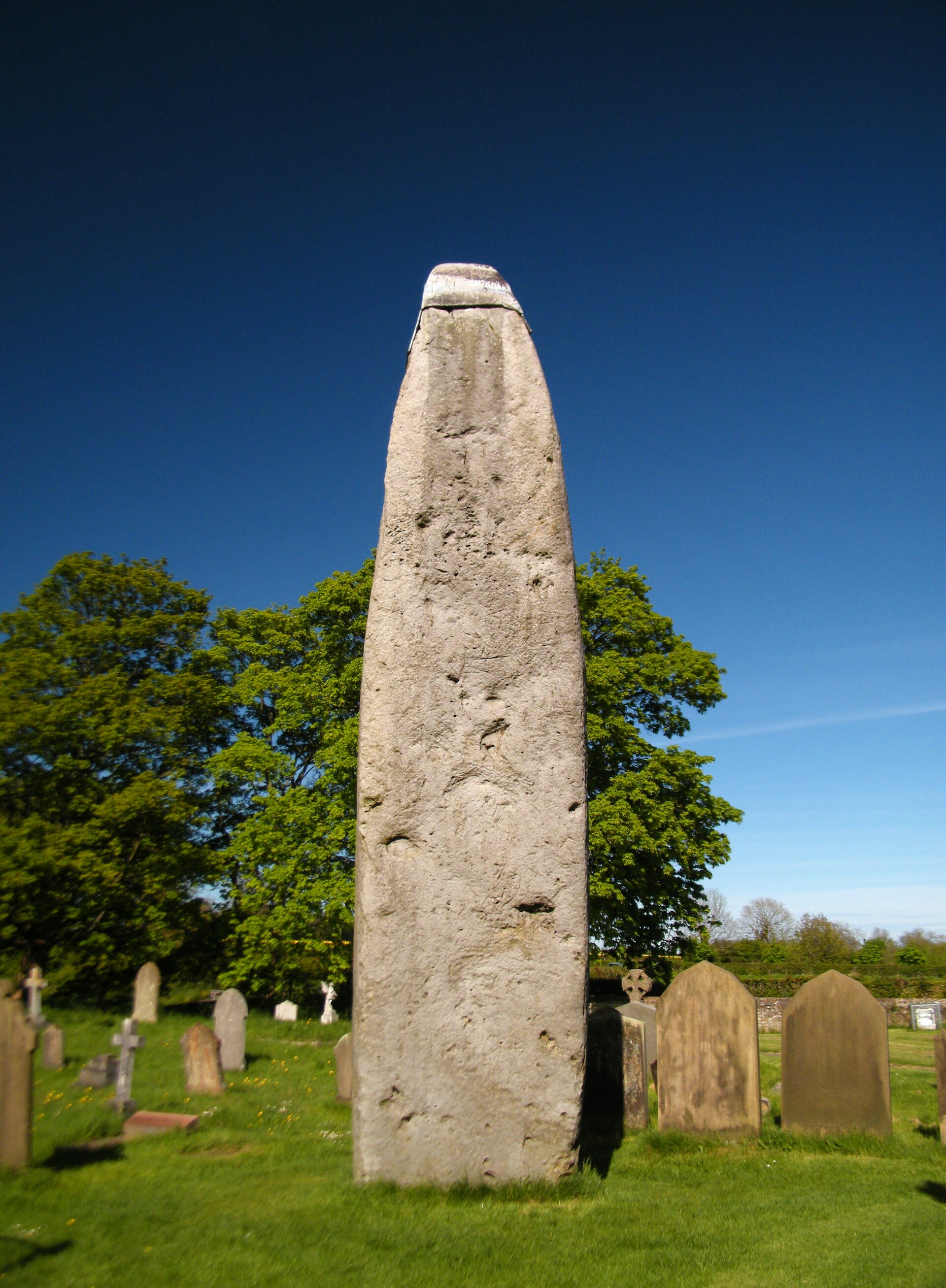
At over 25 feet, it is the tallest standing stone in Britain: and the Norman parish church beside it was built on already-sacred ground, not by coi…
Building or ruin · Roman
East Riding of Yorkshire
Rudston’s courtyard villa preserves Roman domestic life through its mosaics and bathhouse, while its fragile archaeology is threatened by continuin…
Sacred place · Medieval
Nottinghamshire
Rufford’s parkland ruins trace how a Cistercian estate displaced villages, became a Tudor country house and remains publicly accessible today.
Fortified place · Medieval
Dorset
Rufus Castle is Portland’s oldest surviving defensive structure, a late medieval cliff-top blockhouse whose ruins connect medieval warfare, coastal…
Fortified place · Medieval
Bedfordshire
A timber stronghold so thoroughly erased that only its earthwork (a bank, ditch or mound shaped from soil rather than built in stone) outline and a…
Sacred place · Medieval
Monmouthshire
The lone survivor of a vanished village: a Romanesque (the round-arched style that came before Gothic) chapel still standing above some twenty-five…
Fortified place · Medieval
Caerphilly
A 1626 mock castle built to look centuries older than it was, now a fire-scarred ruin whose gardens still carry national heritage status.
Fortified place · Medieval
Caerphilly
A Norman timber castle raised directly on top of an Iron Age (from around 800 BC up to the Roman conquest) hillfort (an Iron Age settlement defende…
Sacred place · Medieval
North Yorkshire
Ruther Cross preserves a small but protected trace of historic movement at the former meeting of Ruthergate and Hutton Lane in Guisborough.
Fortified place · Prehistoric
Denbighshire
A red sandstone stronghold built by a Welsh prince against the English crown that later imprisoned a Catholic martyr and hosted a future king the n…
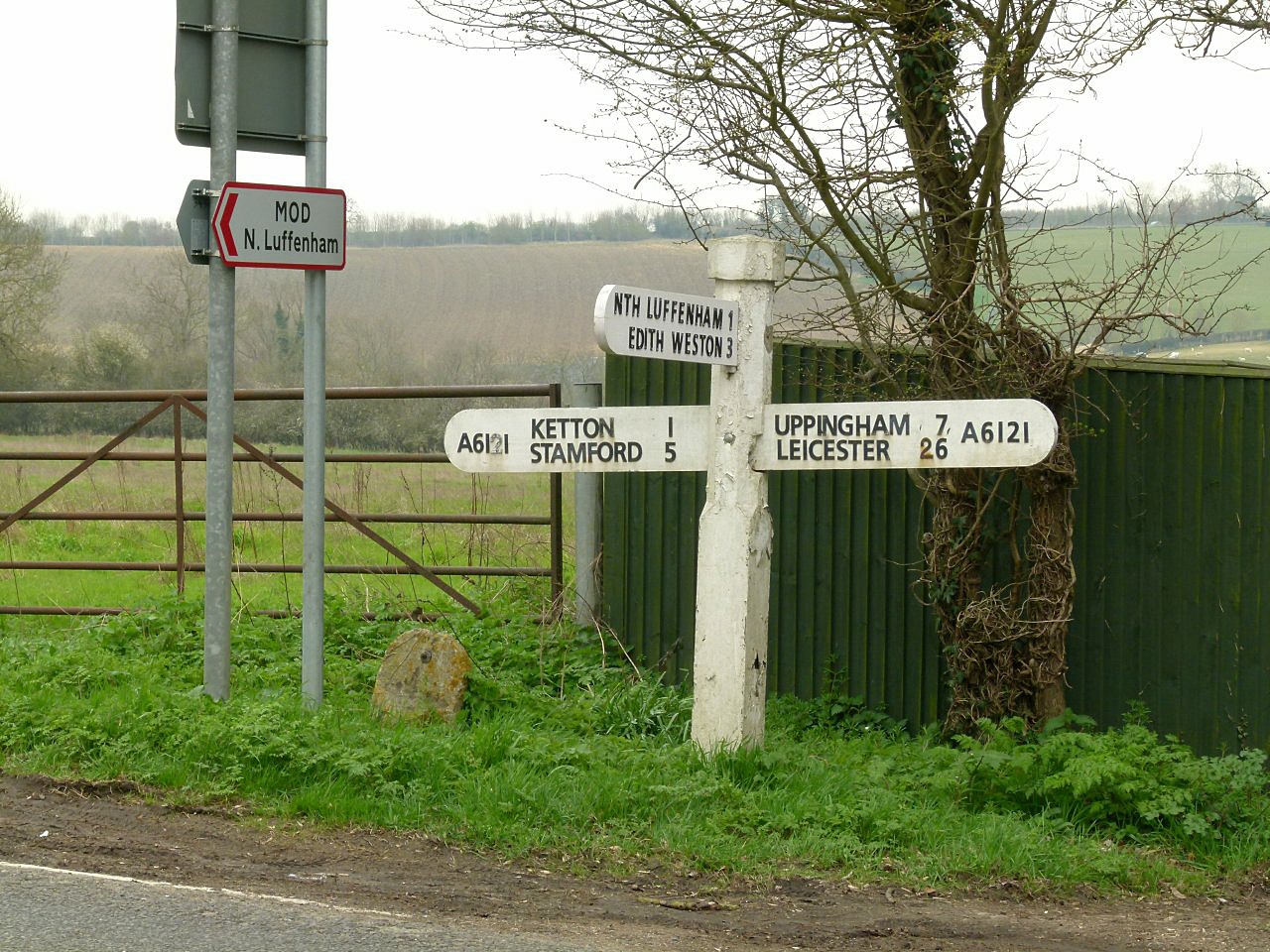
Building or ruin · Roman
Rutland
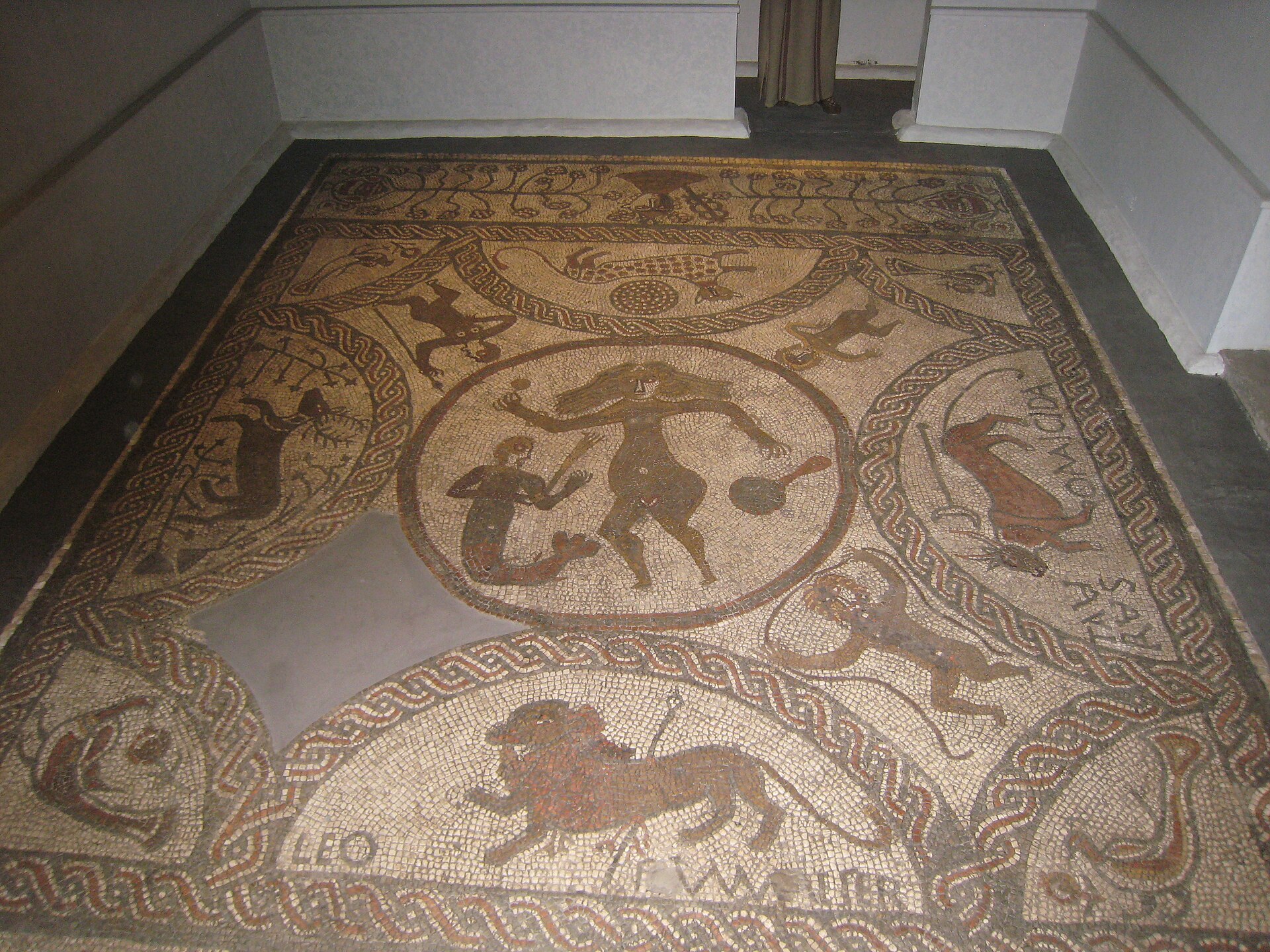
A Roman-period villa near Ketton, including a mosaic showing scenes from the Trojan War.
Sacred place · Medieval
Bedfordshire
A buried wall on the riverbank was built partly from a reused Roman column base: the clearest physical trace left of a monastic cell otherwise know…
Fortified place · Medieval
Shropshire
Ruyton-XI-Towns Castle records repeated rebuilding and destruction on the Welsh Marches, with its sandstone tower reused in cottages and church rep…
Sacred place · Medieval
East Sussex
Rye's only visible trace of a community of Augustinian friars is a single chapel that has since done duty as a barracks, a hall and a pottery studio.
Fortified place · Medieval
east-sussex
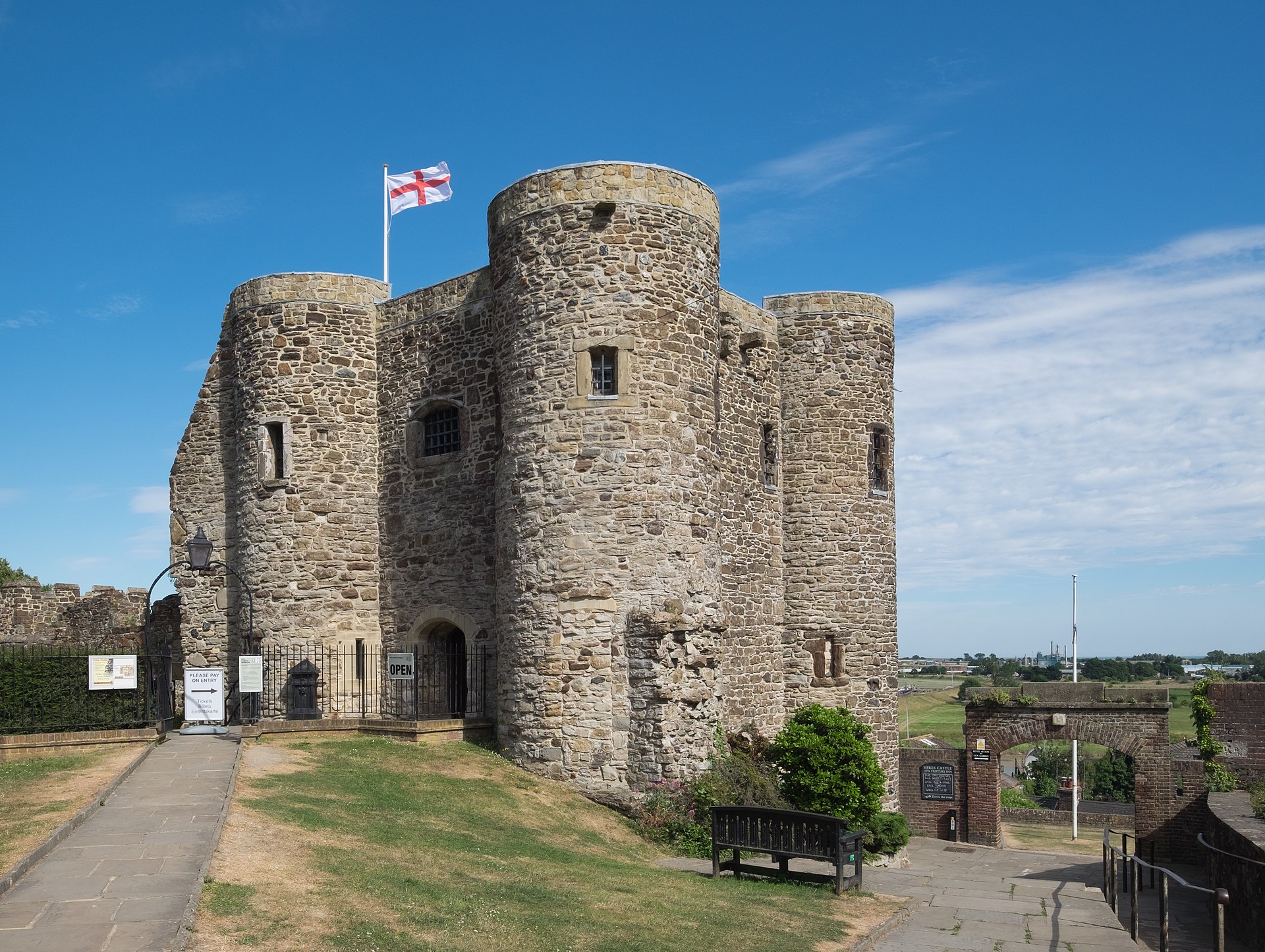
A rare survivor of Rye's medieval harbour defences, later reused as a courtroom and prison before becoming the town museum.
Fortified place · Medieval
Hertfordshire
A single moulded-brick gatehouse is all that survives of a manor whose 1683 occupants stood accused of plotting to kill a king.
Building or ruin · Medieval
Argyll and Bute
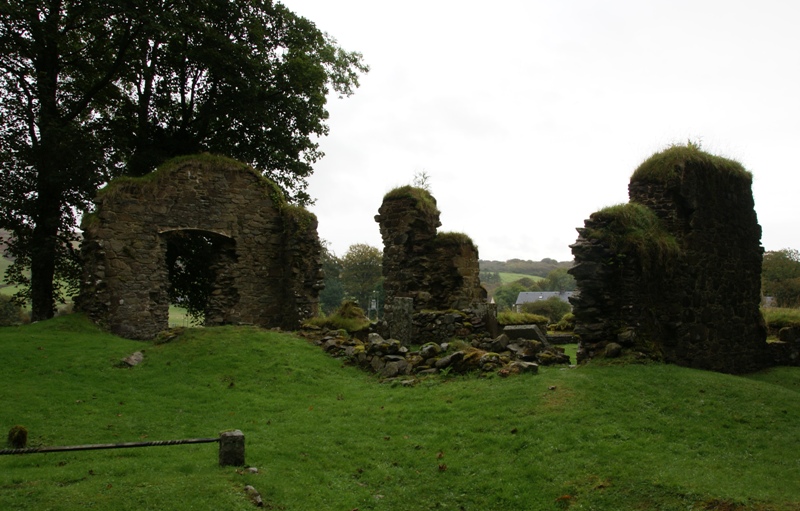
On a bluff above the confluence of Saddell Water and Allt nam Manach: the Water of the Monks: stand the fragmentary remains of a Cistercian monaste…
Fortified place · Medieval
County Kildare
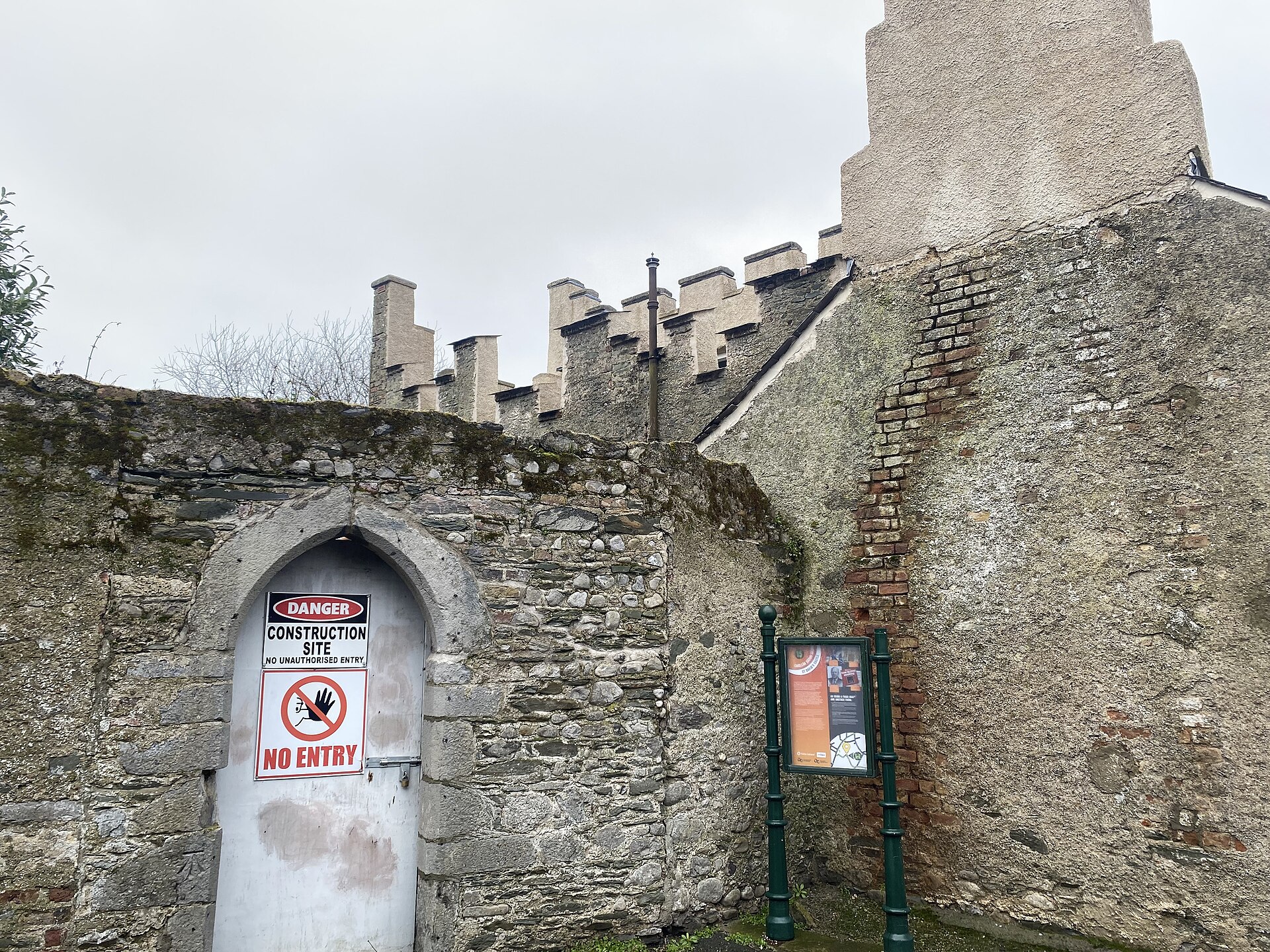
A medieval tower house folded into Naas's 15th-century town walls, later home to a surgeon who pioneered hypnosis in the operating theatre.
Briefer entries: recorded and worth knowing, with fuller pages to come.
Sacred place · Prehistoric
Devon
Ringmoor combines one of Devon’s long prehistoric (before written records reached Britain) stone rows with a cairn (a mound of piled stones, often…
Ancient place · Prehistoric
Orkney Islands
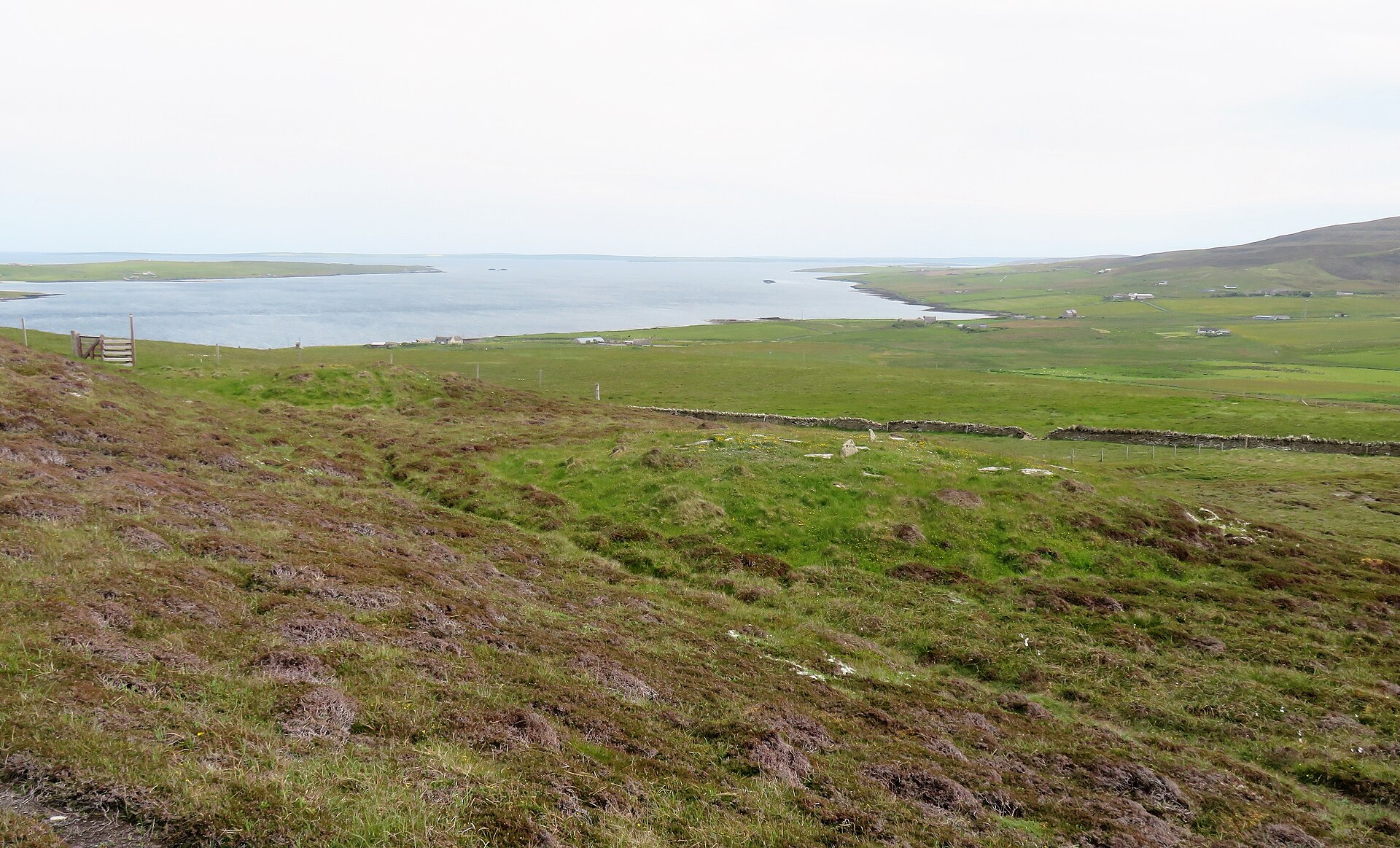
A settlement of the first farming age on Rousay, discovered in the winter of 1937.
Fortified place · Medieval
Greater Manchester
Rochdale Castle preserves the earthwork (a bank, ditch or mound shaped from soil rather than built in stone) outline of a post-Conquest motte-and-b…
Fortified place · Medieval
County Dublin
Roebuck reveals how a medieval elite estate could be repeatedly remade after rebellion, through Gothic fashion, and finally for a modern university.
Building or ruin · Roman
Berkshire
A Roman route linking Silchester with Bath whose line still appears in fragments, carrying later drovers and travellers long after imperial rule en…
Tomb or burial place · Prehistoric
Shetland Islands
At 450 metres, Ronas Hill is the highest point in the Shetland Islands, and its summit is crowned not just by a trig point but by a Neolithic chamb…
Fortified place · Medieval
County Louth
Roodstown’s unusually tall fifteenth-century tower house retains a roof-walk, murder-hole and fireplaces, revealing the ambition behind a Pale subs…
Fortified place · Medieval
Dorset
Round Island is a small private Poole Harbour island whose setting off the Arne Peninsula and narrow separation from Long Island give it a distinct…
Fortified place · Medieval
County Tyrone
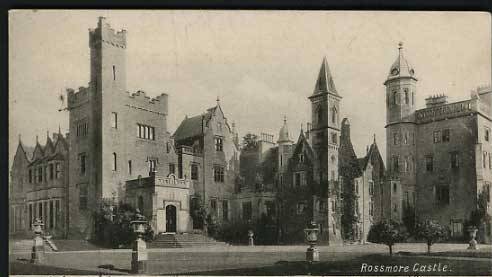
Roxborough Castle was a Charlemont seat transformed into a French-château-style country house before its destruction during the Irish revolutionary…
Sacred place · Medieval
Greater London
Ruislip Priory records the administrative reach of Normandy’s Bec Abbey into England: an alien-priory manor centre that later passed to the institu…
Sacred place · Medieval
Suffolk
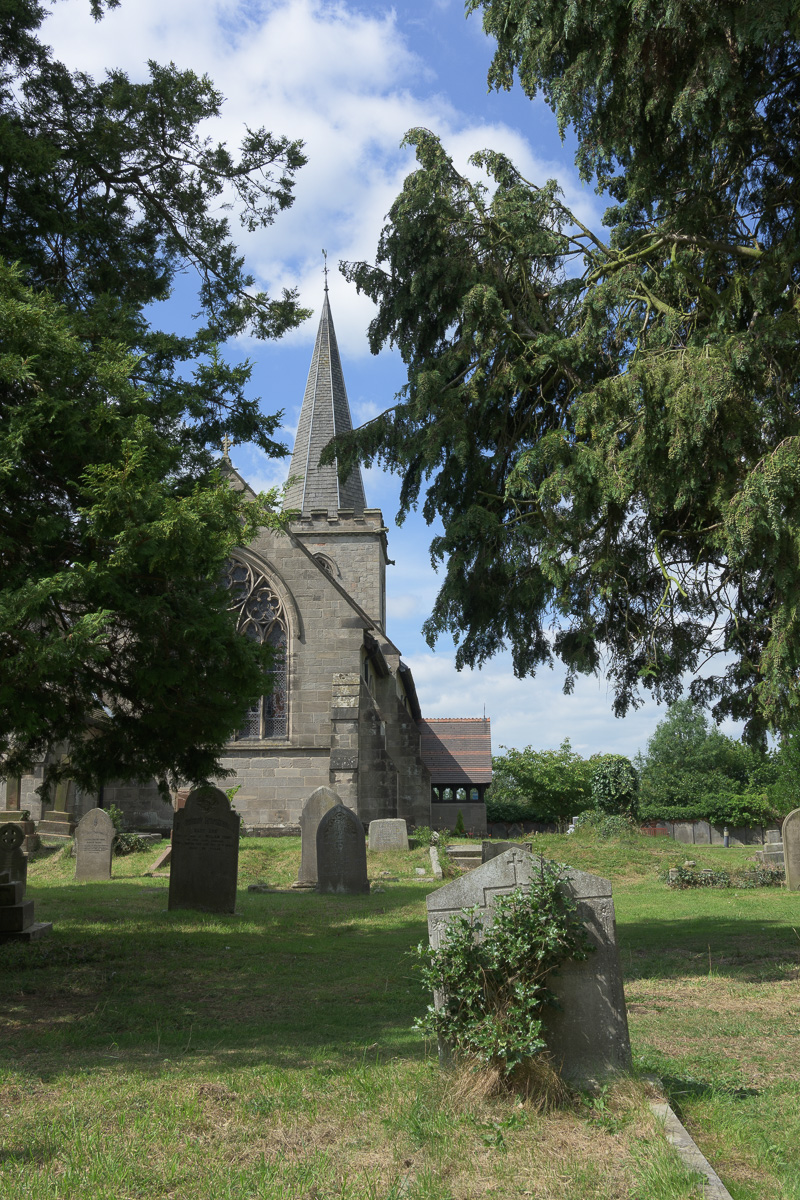
The monks here kept a particular devotion to St Bee, a Cumbrian saint, whom they commemorated at Michaelmas. Wolsey suppressed the house in 1528 to…
Sacred place · Medieval
Isle of Man
Rushen Abbey was the Isle of Man’s Cistercian centre of literacy and monastic life, where the Chronicle of Mann was compiled; its restored Ballasal…
Sacred place · Medieval
West Sussex
A Knights Templar estate of about 1228, run to fund the order's work in the east rather than as a monastery.
No places match those filters.
Kinds of place
Ages


.jpg?width=800)











.jpg?width=800)









.jpg?width=800)

.jpg?width=800)






.jpg?width=800)