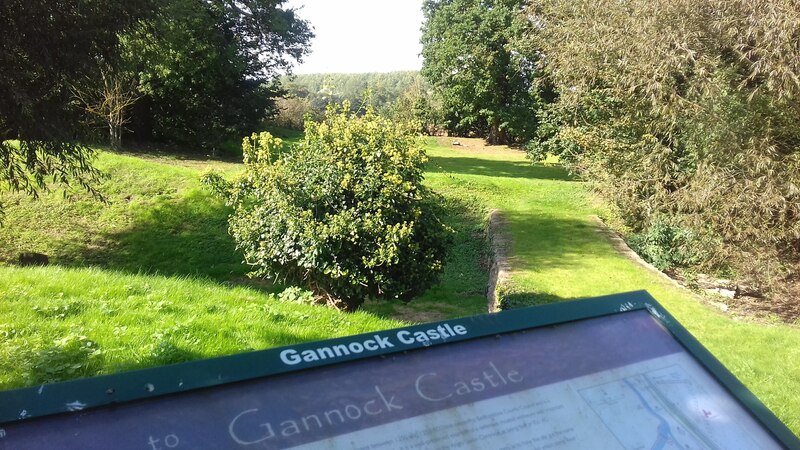
Fortified place · Medieval
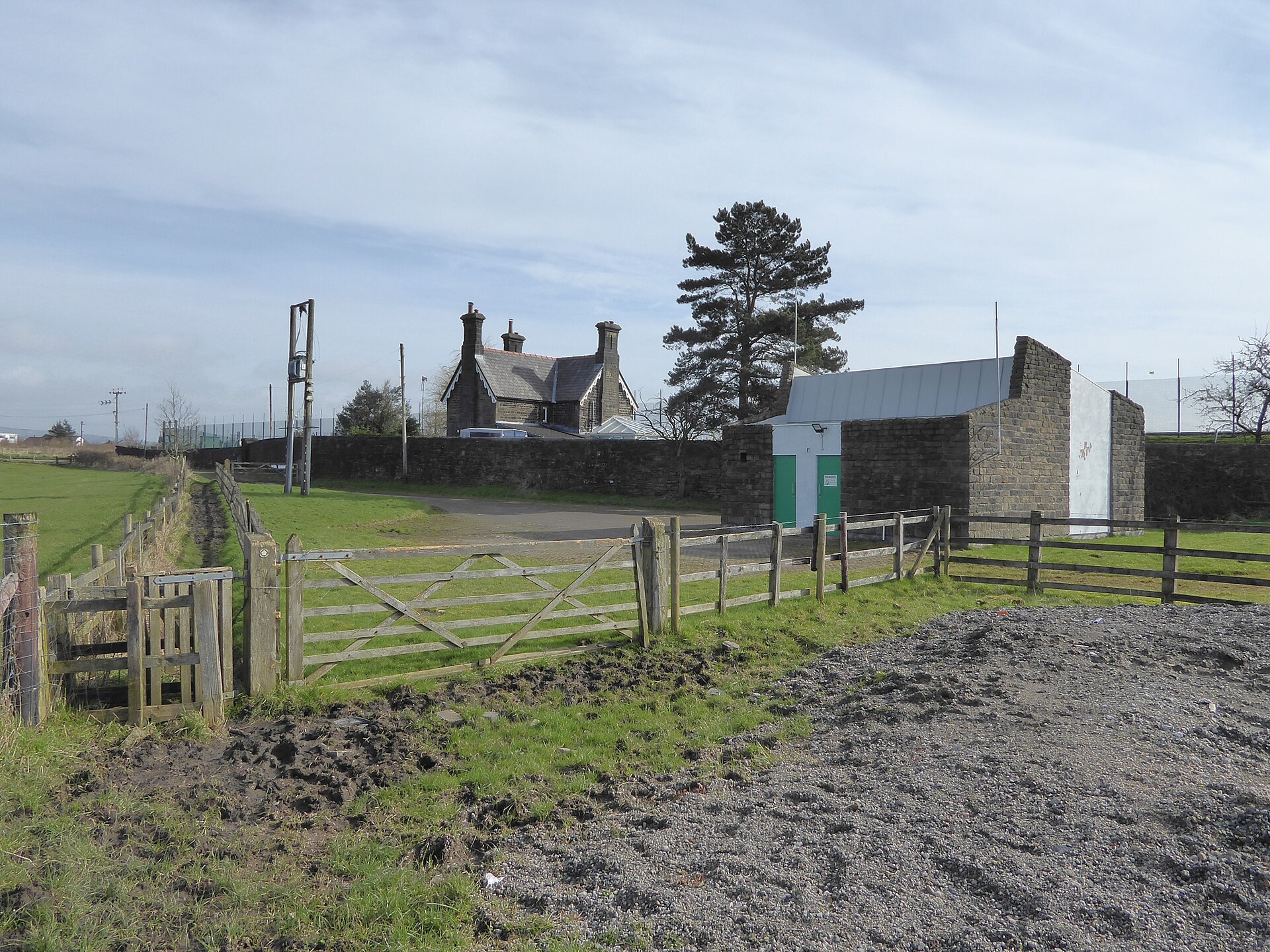
Gannocks Castle
Bedfordshire
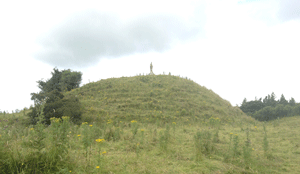
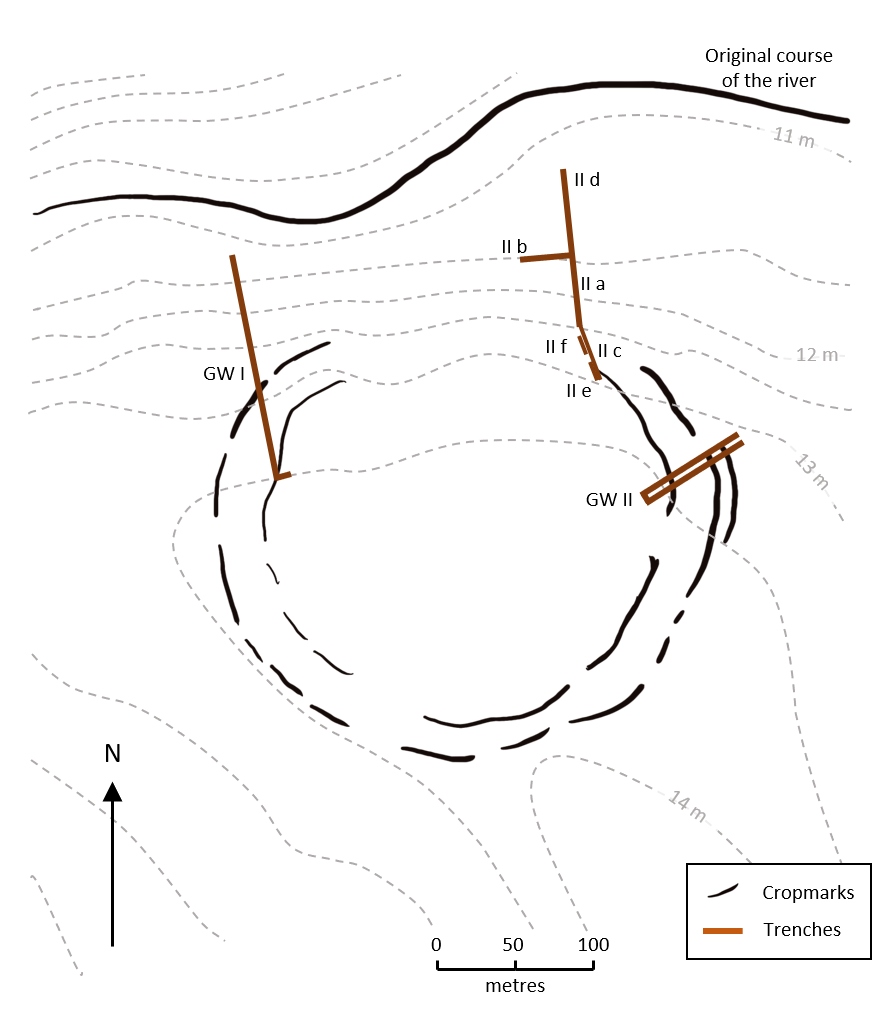
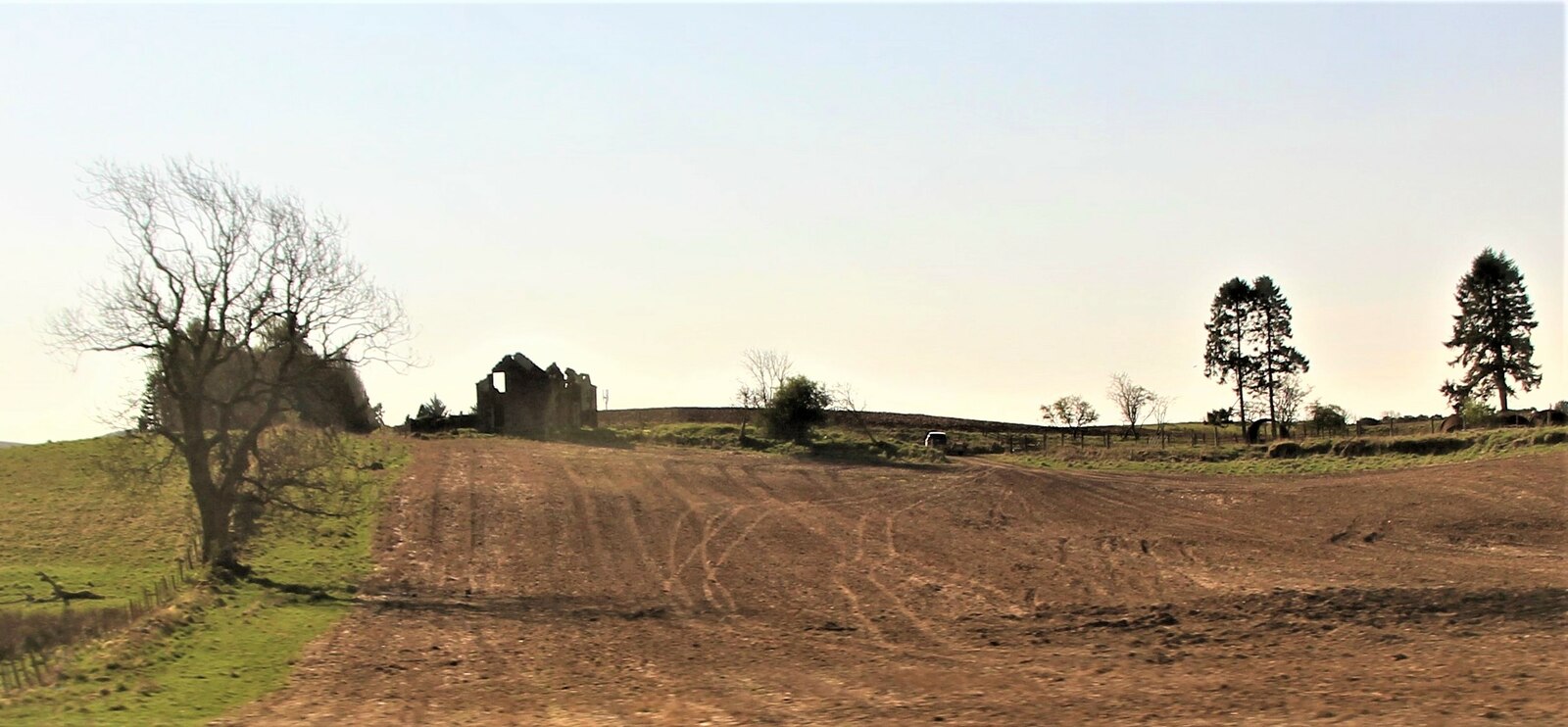
Its name promises a castle but hides a Norman fortified manor house, possibly raised over a Viking stronghold tied to a ninth-century battle for Te…
- Near Tempsford
- Easy path
The directory
Page 21 of 47 in the full directory.
Browsing 100 places — search and the map cover the whole directory.
Fortified place · Medieval
Bedfordshire
Its name promises a castle but hides a Norman fortified manor house, possibly raised over a Viking stronghold tied to a ninth-century battle for Te…
Fortified place · Medieval
County Galway
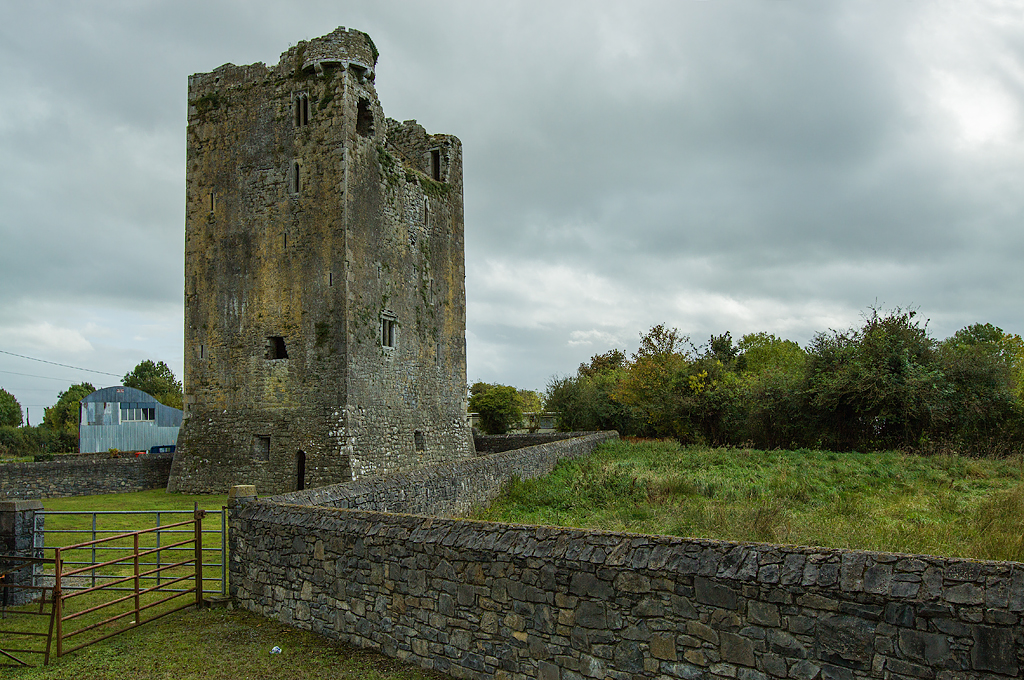
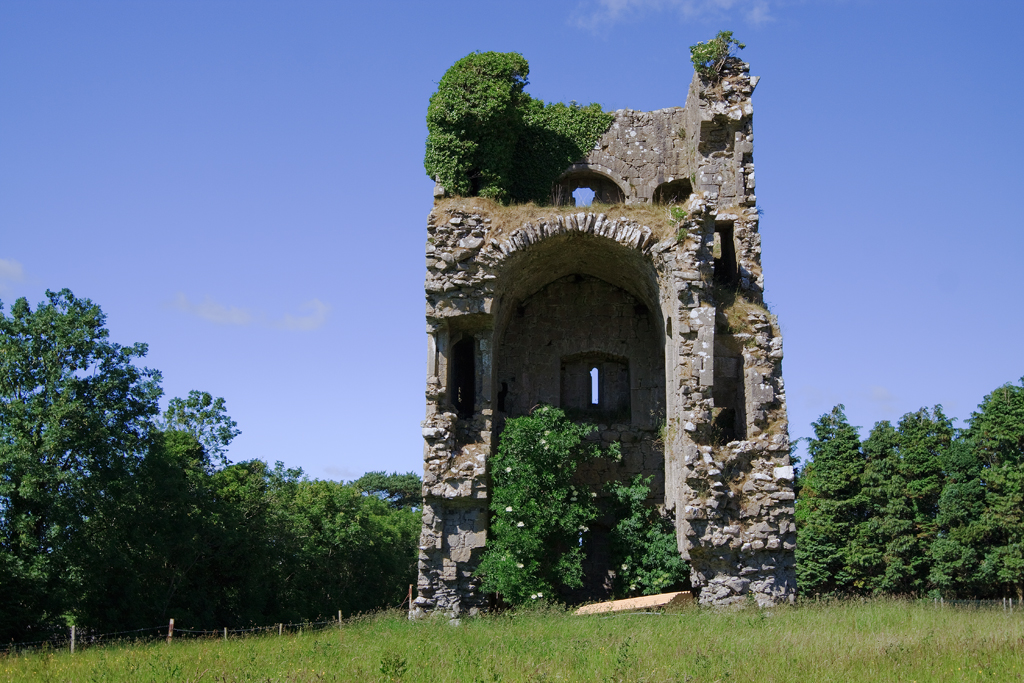
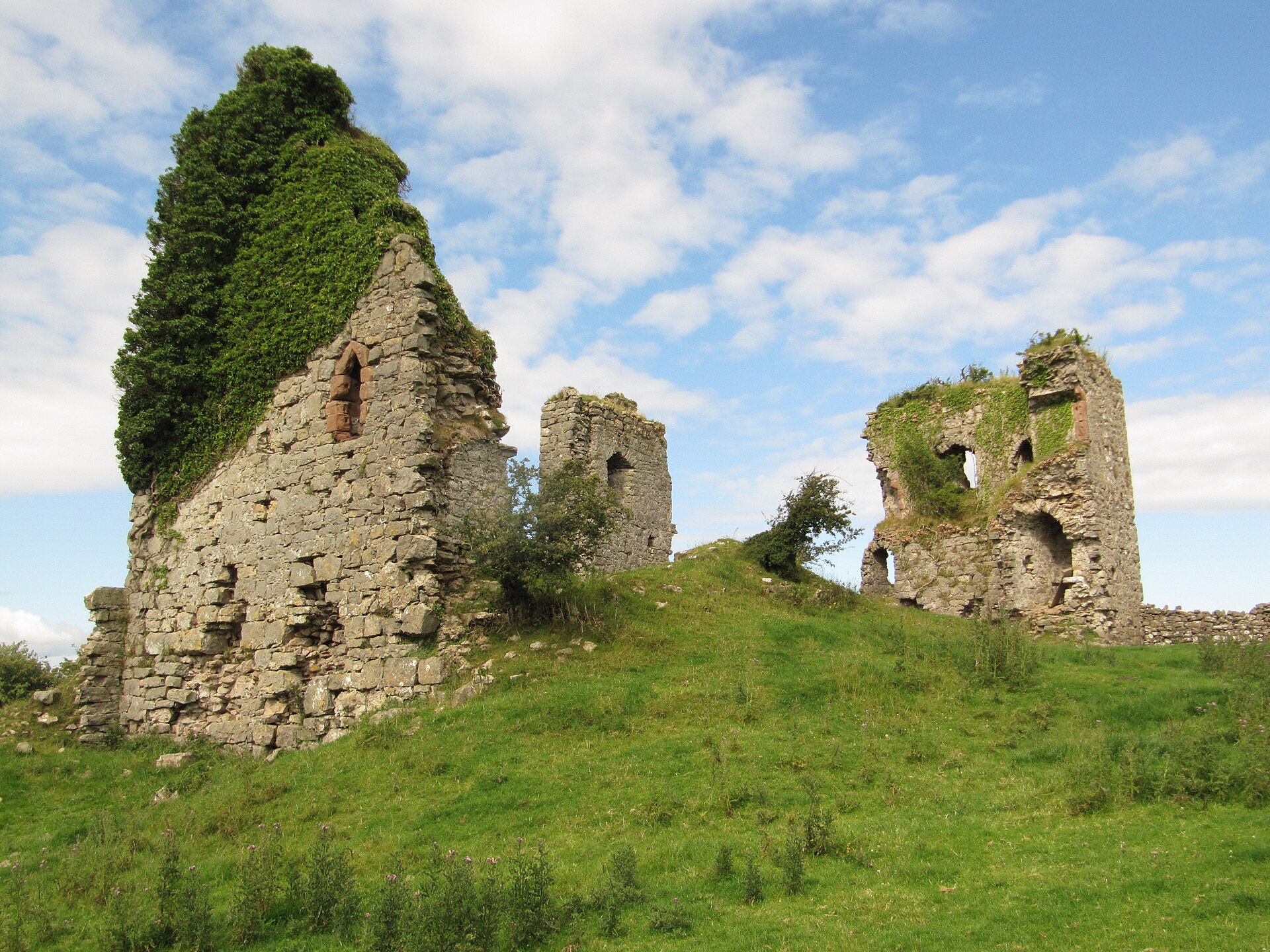
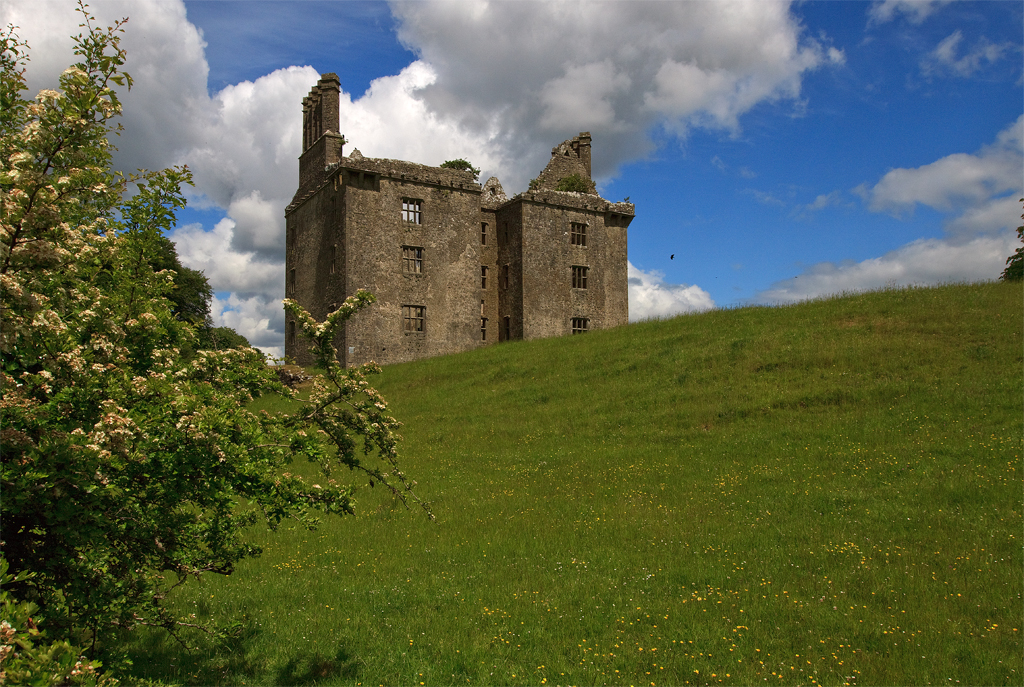
A tower house razed within five years of its completion, then re-inhabited three centuries later by an evicted family with nowhere else to shelter.
Sacred place · Medieval
Leicestershire
A Georgian mansion was built directly across the footprint of the vanished abbey church, its drains reusing the monks' own sewer: two buildings, fo…
Fortified place · Iron Age
Gwynedd
Garn Boduan is a major Llŷn Iron Age hillfort: a defended hilltop settlement of the Iron Age: where evidence for more than 170 roundhouses and perh…
Building or ruin · Medieval
herefordshire
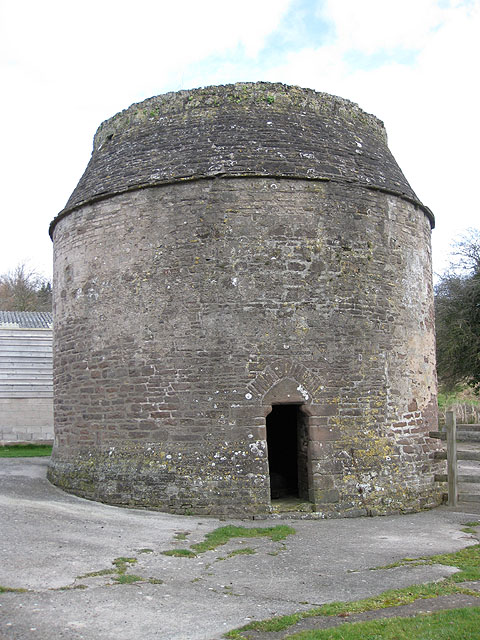
A circular Knights Hospitaller dovecote of 1326 with nineteen rows of nesting boxes, rebuilt on a Templar original and called by some the finest me…
Fortified place · Iron Age
Somerset
A house at Ashton Watering in the parish of Long Ashton, protected by law for its architecture.
Sacred place · Prehistoric
Surrey
Ten flagstones quarried near Thurso carry 2,000 years of quotation across a park shaped by Capability Brown: a millennium monument standing inside…
Tomb or burial place · Prehistoric
County Waterford
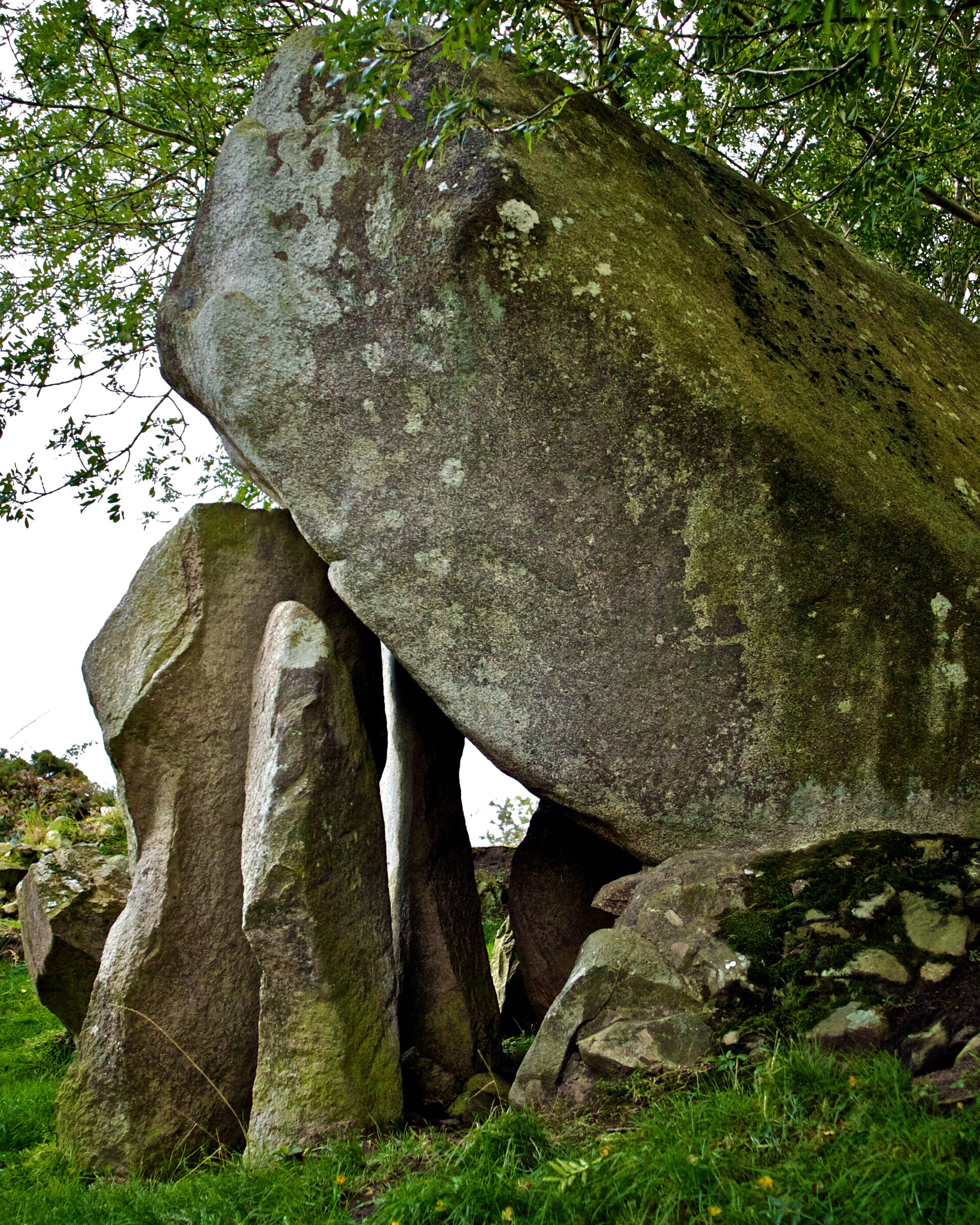
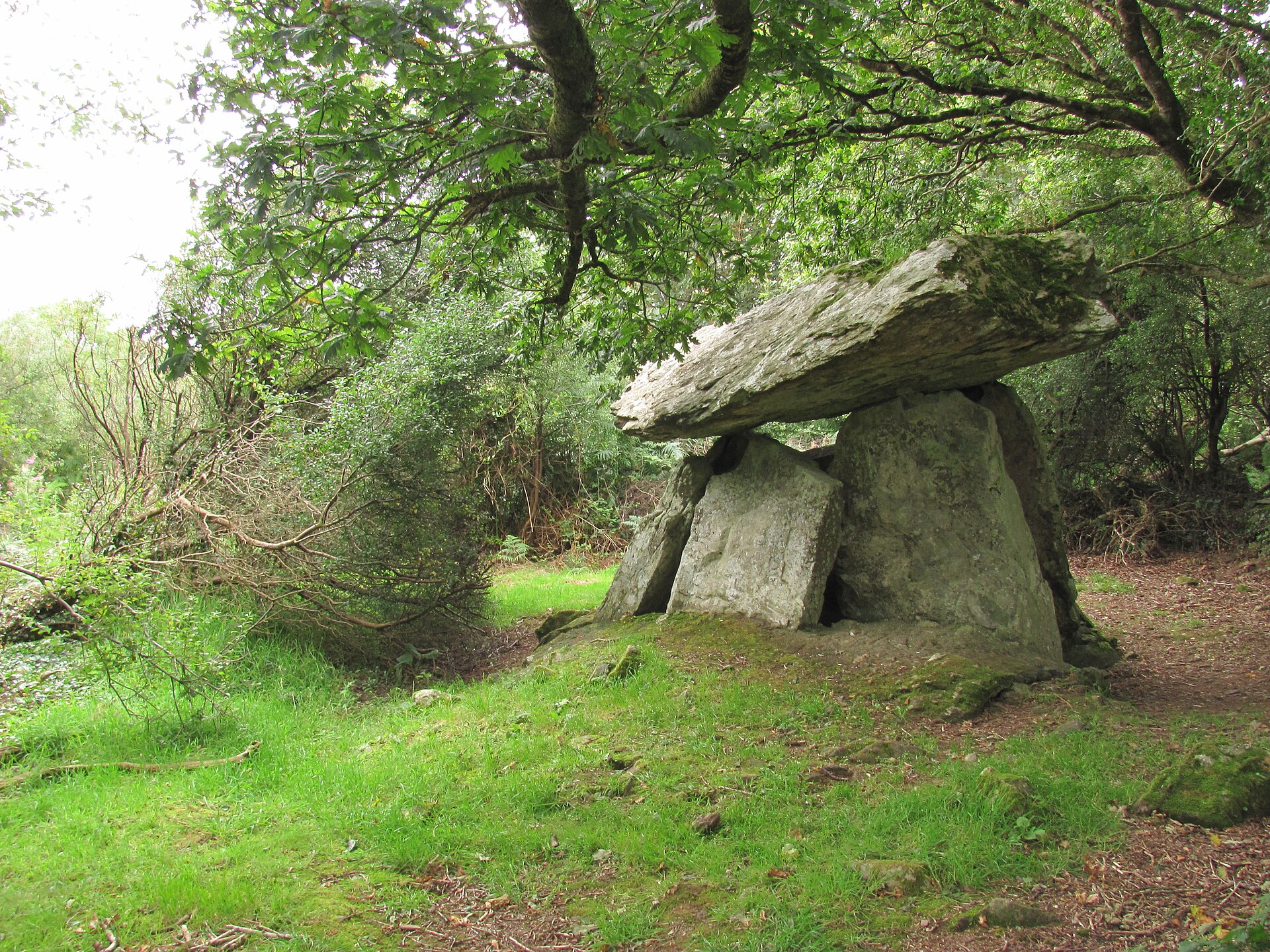
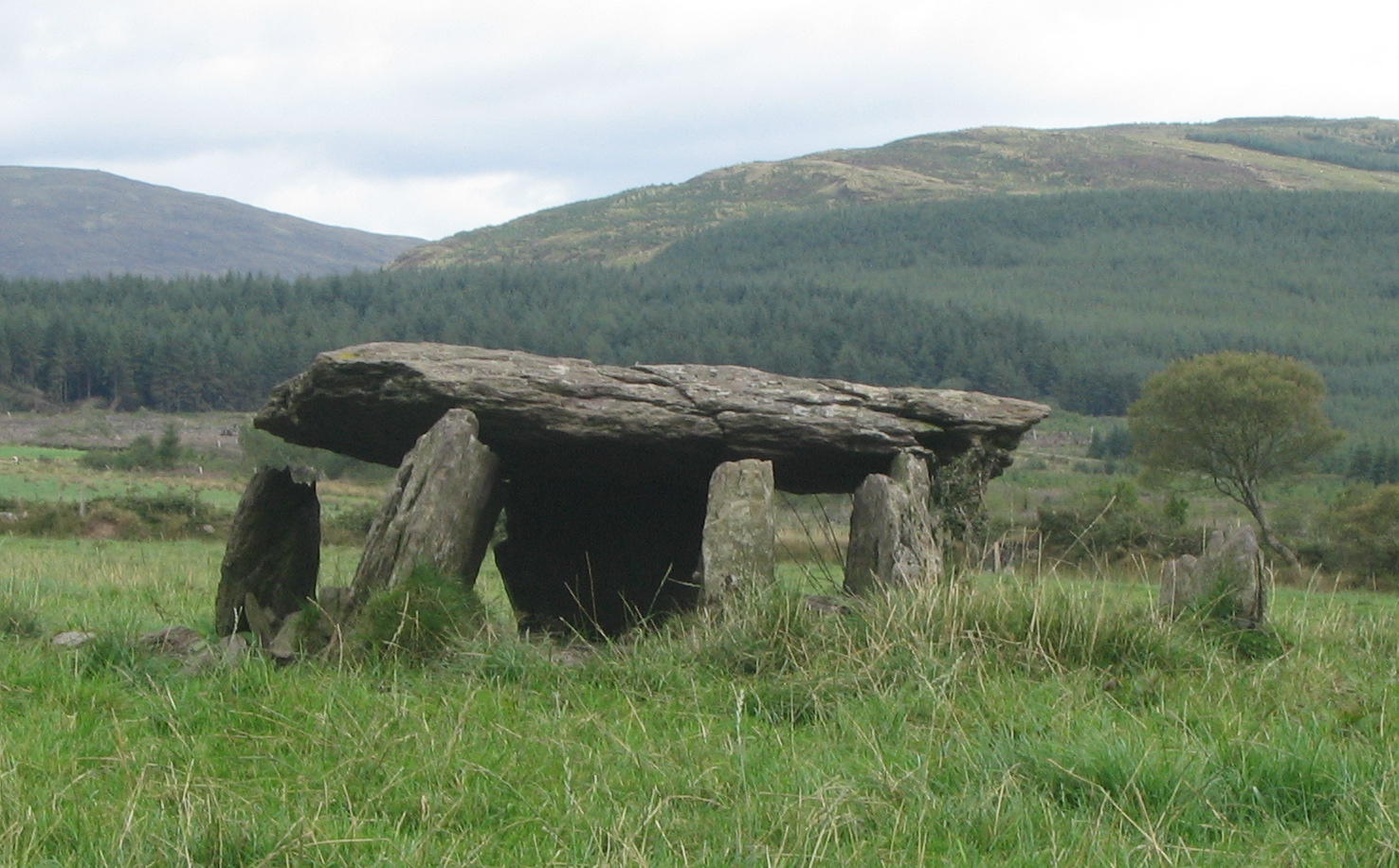
Its capstone spans over four metres across twin portal stones taller than a person: one of the finest surviving portal tombs in the region.
Building or ruin · Medieval
Derbyshire
Scheduled in 2013, the rake preserves an intact surface record of a lead vein worked as a single open trench rather than through scattered shafts a…
Building or ruin · Roman
Norfolk
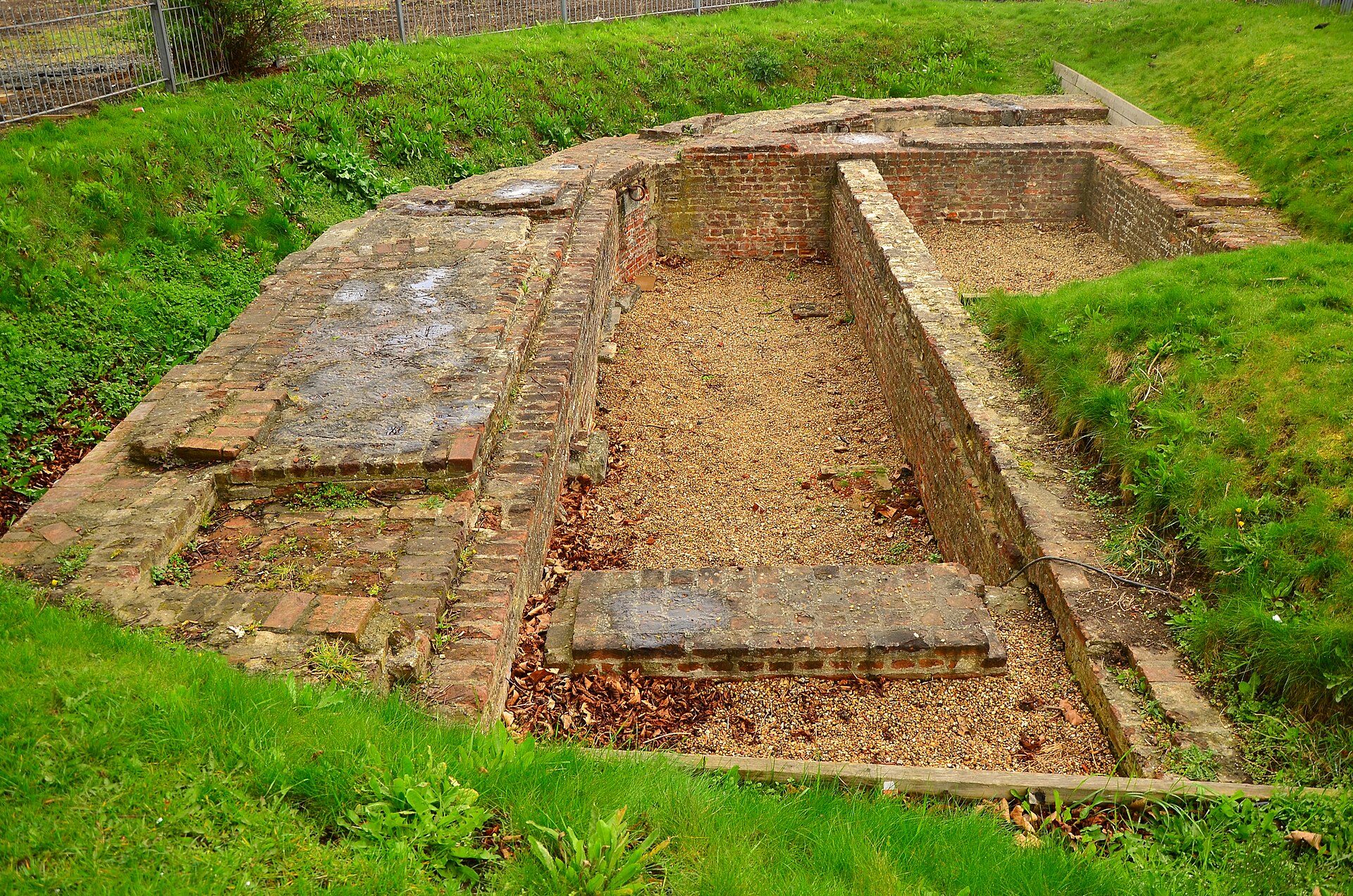
Gayton Thorpe Roman Villa is a scheduled Norfolk villa complex, where mosaics, heated rooms and detached bathhouses reveal a substantial rural esta…
Fortified place · Iron Age
Cornwall
Giant's Castle uses sea cliffs and a triple line of earthworks to defend a small Iron Age (roughly 800 BC until the Roman conquest) promontory on S…
Tomb or burial place · Prehistoric
County Down
One of Ireland's largest Neolithic (the late Stone Age, about 4000–2500 BC in Britain) henges, raised centuries before the pyramids, hiding a small…
Tomb or burial place · Prehistoric
Derbyshire
Two burial monuments share one mound: a late Stone Age oval mound, dating roughly 4000–2500 BC in Britain, and a later round mound from roughly 250…
Fortified place · Medieval
Devon
Gidleigh Castle is a rare fortified manor on Dartmoor’s edge, combining a fourteenth-century Prouz residence with later collapse, conservation and…
Building or ruin · Medieval
Greater Manchester
Gidlow Hall preserves the moated, partially surviving home of an Aspull family recorded from the 13th century, with visible fabric from its 1574 re…
Minor monument · Medieval
North Yorkshire
Giggleswick Market Cross preserves the village’s late-medieval market status and, through later relocation and competing local traditions, captures…
Sacred place · Medieval
North Yorkshire
A monastery founded as blood-price for a murdered king: the weregild for Oswine of Deira paid not in silver but in stone and prayer.
Fortified place · Medieval
North Yorkshire
Its Elizabethan Great Chamber was stripped for shipment to a Hollywood mogul's castle in 1930, then spent decades in storage before returning intac…
Sacred place · Prehistoric
Dumfries and Galloway
Twenty-six standing stones curve in a crescent above the bank of the White Esk near Eskdalemuir, in Dumfries and Galloway. The gap in the ring is n…
Sacred place · Medieval
North Yorkshire
Gisborough Priory was a wealthy Augustinian foundation rebuilt after catastrophic fire and then dismantled at the Dissolution (Henry VIII's closure…
Fortified place · Medieval
Angus
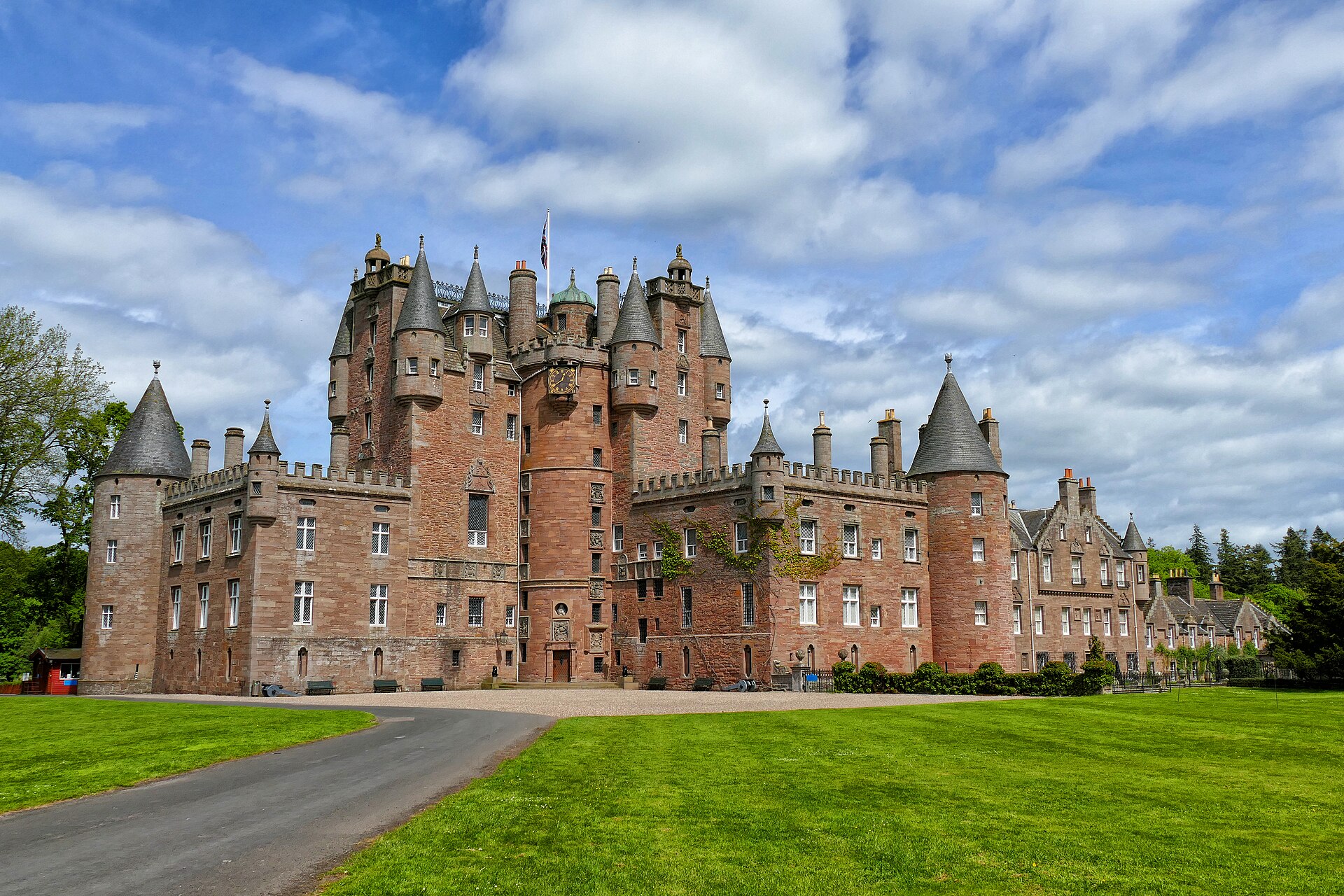
One family, the Lyons, has held this Strathmore estate since the 1370s, and its rooms have hosted a murdered king, a woman burned for witchcraft, a…
Fortified place · Medieval
Ceredigion
Ceredigion's only castellated Georgian country house, built as a Gothic Revival fantasy for a family whose fortunes came from local industry.
Tomb or burial place · Prehistoric
County Cork
Glantane East brings a wedge tomb: a Neolithic tomb whose chamber narrows and drops towards the back, from the late Stone Age roughly 4000–2500 BC…
Sacred place · Medieval
County Cork
A Dominican priory whose true founding date is disputed: left out of the order's own 1300 catalogue, which points to an origin nearer 1475 than the…
Crossing or structure · Roman
East Dunbartonshire
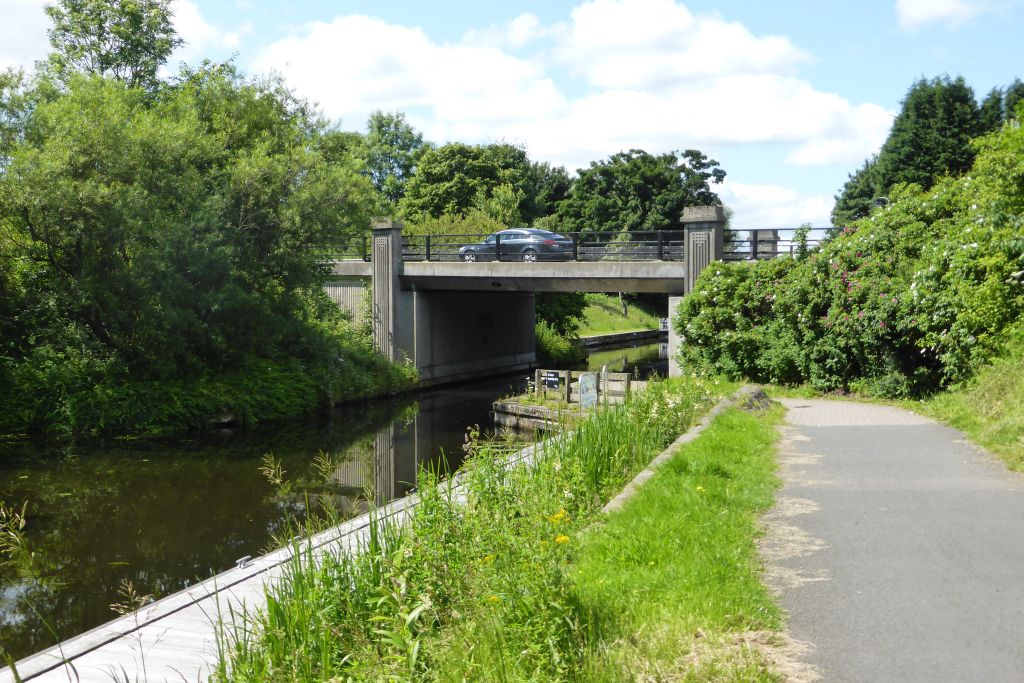
Glasgow Bridge marks a largely invisible Antonine Wall fortlet known through aerial evidence, beside a canal crossing that now connects Kirkintillo…
Building or ruin · Medieval
Glasgow City
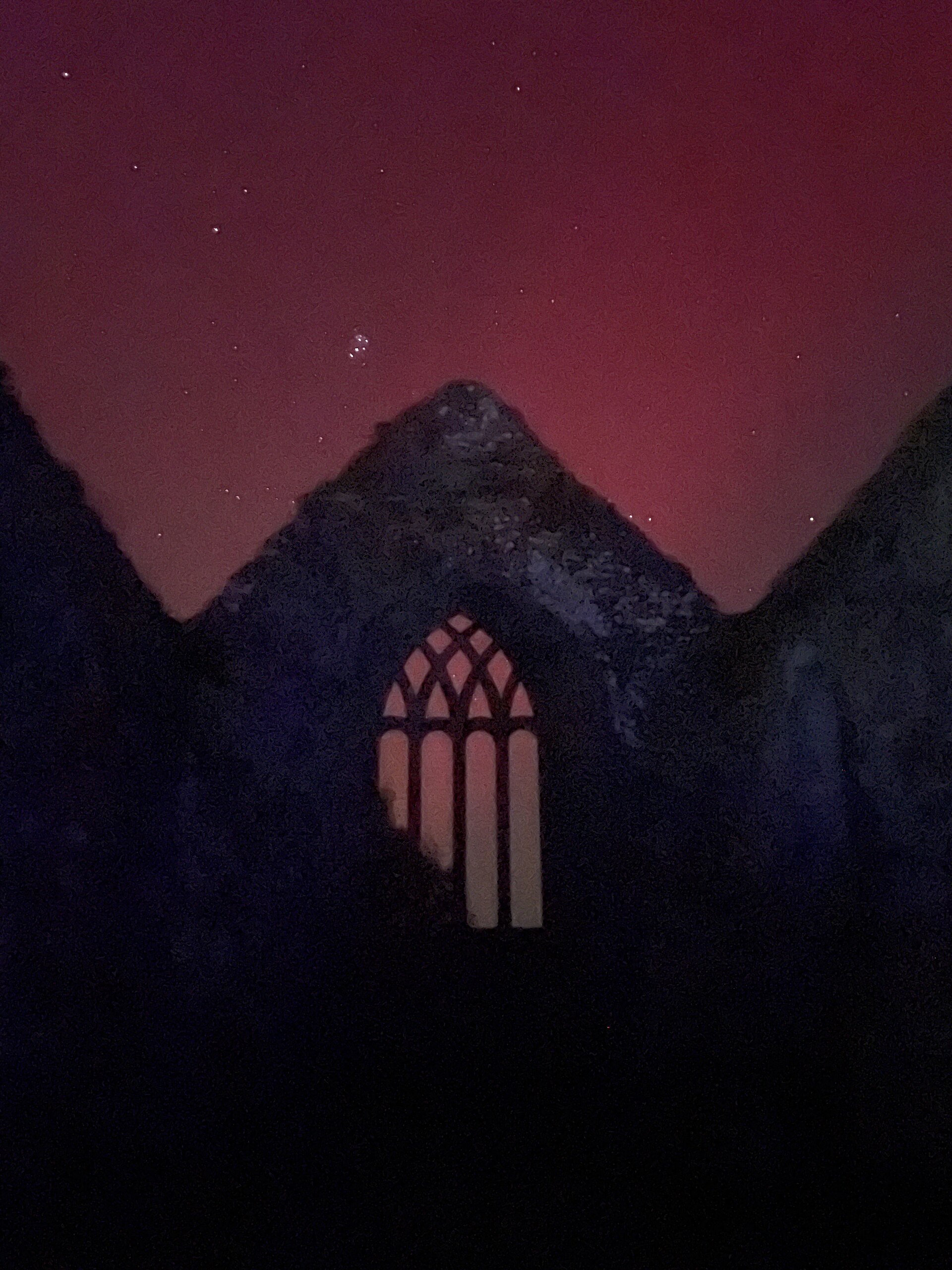
One of only two medieval Scottish cathedrals: alongside St Magnus in Orkney: to survive the Reformation (the sixteenth-century suppression of monas…
Sacred place · Medieval
Cornwall
Glasney College was medieval Cornwall's leading clerical and literary institution, and its destruction severed a major formal base for Cornish-lang…
Sacred place · Medieval
Somerset
Monks dug up King Arthur here in 1191, seven years after a fire destroyed the abbey, a monastery headed by an abbot, and pilgrim numbers collapsed.…
Fortified place · Iron Age
Somerset
Timber and a thousand tonnes of imported clay, laid on a swamp to make solid ground for up to 200 people. The wood is still down there, reburied to…
Fortified place · Medieval
Cumbria
Four sandstone-dressed towers still stand around a limestone enclosure abandoned within a century of being built, left untouched by any later rebui…
Tomb or burial place · Prehistoric
Argyll and Bute
A jet necklace recovered from one of its two Bronze Age (roughly 2500–800 BC) stone cists is a rare surviving trace of the personal ornaments burie…
Fortified place · Medieval
County Antrim
Glenarm Castle layers a thirteenth-century Bisset capital with the MacDonnell family’s 1636 estate, a long-lived centre of power on the Antrim coast.
Fortified place · Roman
Perth and Kinross
The Romans pulled it down themselves when they left. Aerial photography found it again in 1983.
Fortified place · Medieval
Aberdeenshire
In 1948 a local club bought the surrounding parkland just so the castle's setting would stay intact: a community rescue of a landscape, not the bui…
Sacred place · Medieval
County Wicklow
A single monastic settlement produced two cathedrals' worth of ruins, a 30-metre round tower, and a saint's cave-retreat, all set between two glaci…
Fortified place · Roman
Dumfries and Galloway
Roughly seven acres of Roman fort lie buried on the eastern bank of the River Dee, opposite the hamlet of Glenlochar in the parish of Balmaghie. Fo…
Sacred place · Medieval
Dumfries and Galloway
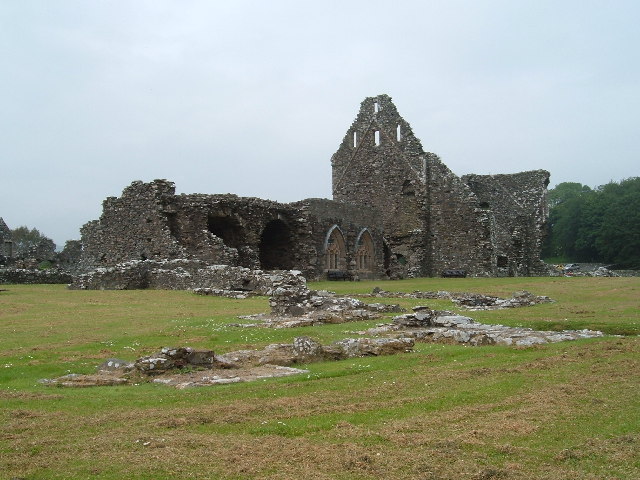
Glenluce Abbey preserves a Cistercian foundation in Galloway whose post-Reformation (the sixteenth-century closure of the monasteries) seizure, Ken…
Sacred place · Prehistoric
Dumfries and Galloway
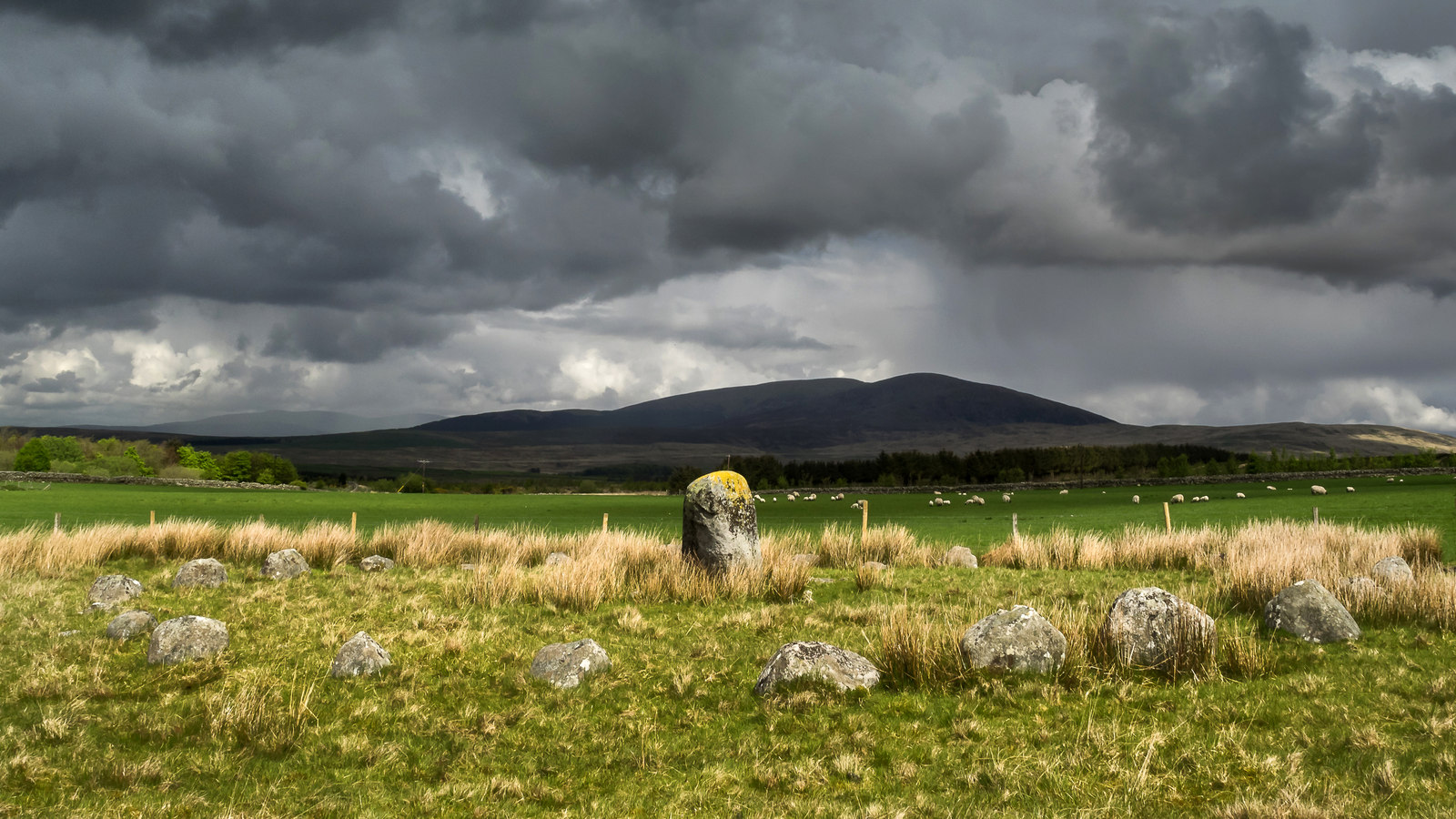
At the centre of an oval ring of 29 stones, two miles east of Creetown in Dumfries and Galloway, a single tall pillar stands upright. This arrangem…
Fortified place · Medieval
County Limerick
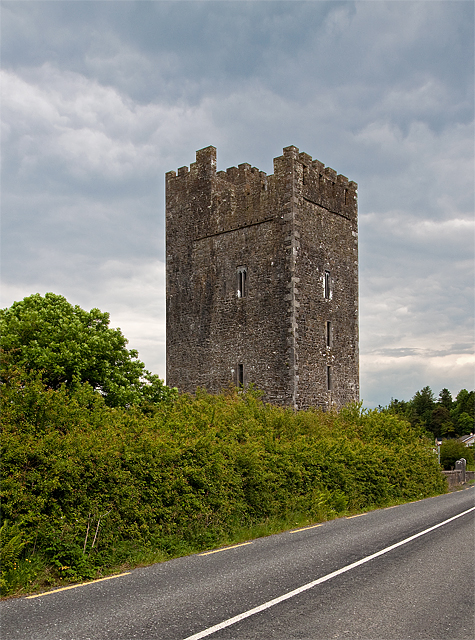
Glenquin Castle's square limestone tower rises six storeys beside the R515, about 2.4 kilometres west of Killeedy in County Limerick. The structure…
Sacred place · Medieval
County Limerick
A castle built new in the 1830s to look medieval later became a working Benedictine monastery whose monks charted commercial chant albums and sang…
Building or ruin · Roman
Gloucestershire
One of only a handful of coloniae in Roman Britain, and the likely provincial capital of Britannia Secunda: a rank Glevum shared only with York and…
Fortified place · Medieval
County Limerick
The Georgian house at Glin is one family's third seat on this spot by the Shannon: 700 unbroken years of the Knights of Glin, from tower house to h…
Fortified place · Medieval
County Galway
A mid-seventeenth-century Galway tower house, reputedly Ireland's last castle, whose intact defensive and domestic features survive despite an earl…
Building or ruin · Roman
Greater London
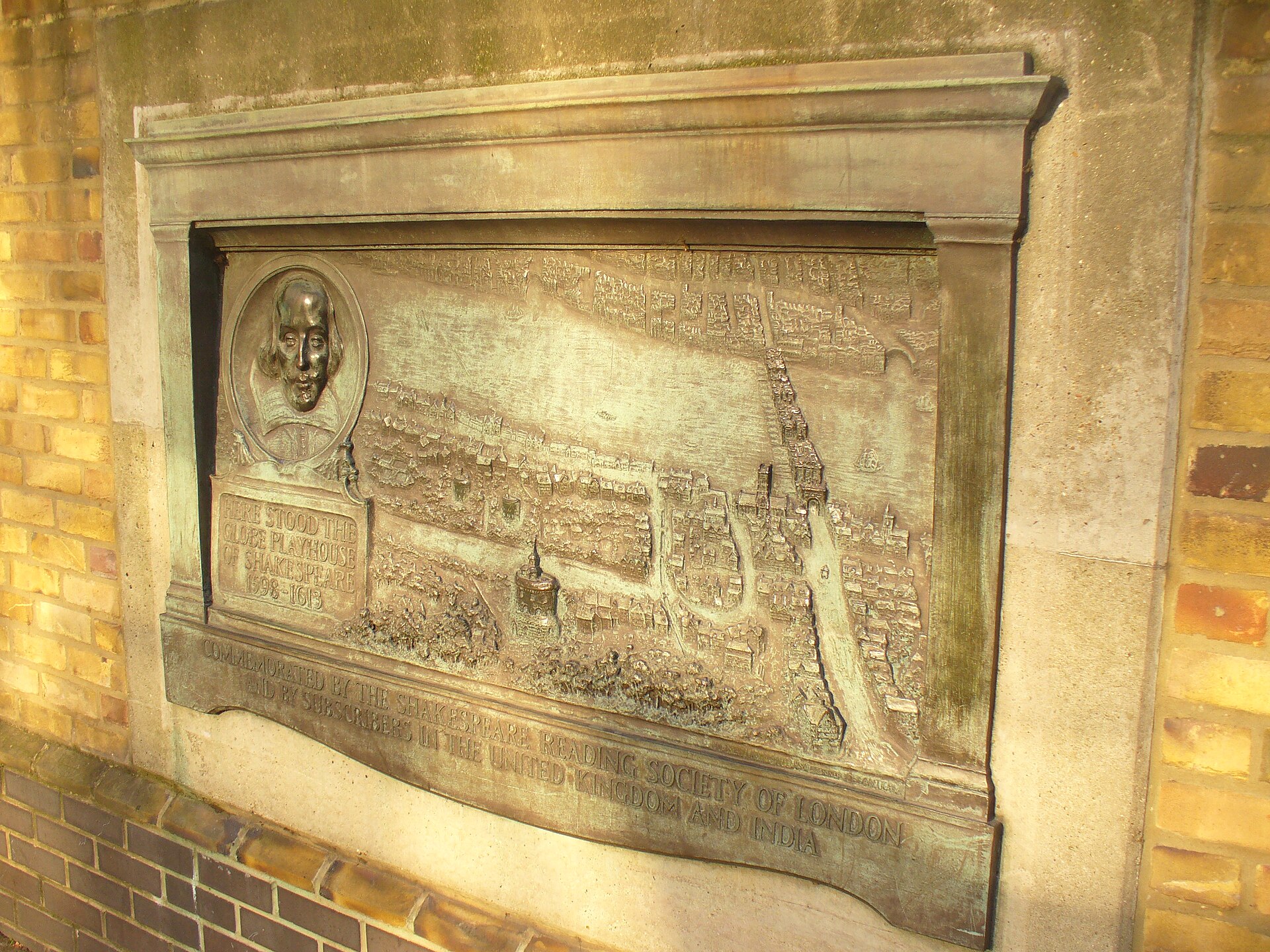
The playhouse built from another theatre stolen beam by beam over Christmas 1598: and found again under a Southwark car park in 1989.
Fortified place · Medieval
Derbyshire
A Norman stronghold raised by William Peverel on a ridge already old with Celtic use: the same builder responsible for Peveril Castle a dozen miles…
Fortified place · Medieval
East Sussex
Glottenham Castle preserves the earthwork (a bank, ditch or mound shaped from soil rather than built in stone) trace of a thirteenth-century moated…
Fortified place · Medieval
Gloucestershire
A Plantagenet prisoner with a rival claim to the crown was once held within it: yet the castle was so thoroughly erased that its foundations lay bu…
Sacred place · Medieval
Gloucestershire
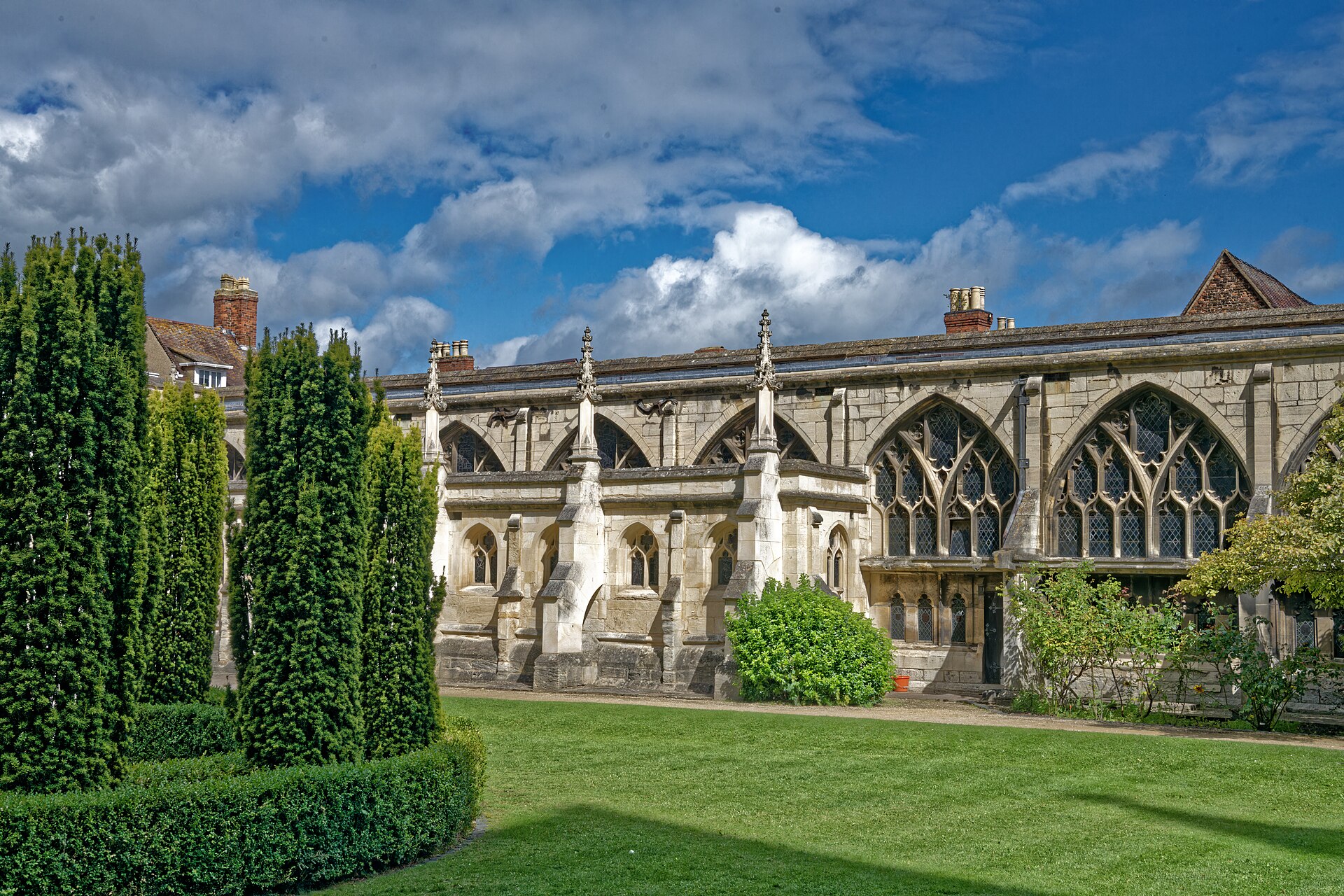
Its cloisters hold the earliest fan vaulting raised anywhere in England, built on wealth that pilgrims brought to the shrine of a murdered king.
Fortified place · Pictish & early medieval
Hampshire
One of England's earliest purpose-built cannon forts survives here fused onto a medieval town gate, its gunports still facing the water it was rais…
Fortified place · Iron Age
Cambridgeshire
A hillfort with Bronze Age origins borrowed its name from a lost giant: a chalk hill figure recorded in the 17th and 18th centuries, then never see…
Sacred place · Medieval
Newport
A Benedictine house whose monks wore white, not black, and whose farmland foundations still trace a 37-metre range beside a double-banked earthwork…
Fortified place · Medieval
Herefordshire
A square Norman keep survives at the heart of a fully concentric castle whose design influenced later English building, and which fell only after a…
Fortified place · Medieval
Herefordshire
A vanished antiquarian (an early collector-scholar of antiquities, working before modern archaeology)'s fantasy castle, built to outstare a real me…
Building or ruin · Prehistoric
Cornwall
Goonhilly Downs combines protected serpentinite heath with one of Britain's defining satellite-station landscapes, showing scientific infrastructur…
Fortified place · Iron Age
West Sussex
An Iron Age earthwork of two concentric circuits in Kingley Vale, dug three times in sixty years: a record of how archaeological method changed.
Fortified place · Iron Age
Hampshire
A promontory fort (a coastal spur defended by banks thrown across its neck) on a gravel spur above the Avon valley, all but erased in the 1950s and…
Sacred place · Medieval
Greater Manchester
Gorton Monastery is Edward Welby Pugin’s major Gothic Revival friary, a house of friars who worked among townspeople, church, saved from derelictio…
Carved stone · Pictish & early medieval
Cumbria
A single carved stone shows a Christian crucifixion and Norse gods sharing the same four faces, caught mid-way between two belief systems rather th…
Building or ruin · Prehistoric
Somerset
A long cave in Cheddar Gorge with large chambers, an underground river and evidence of very early occupation.
Fortified place · Iron Age
Somerset
An enclosure that may not be a hillfort, an Iron Age, roughly 800 BC until the Roman conquest, settlement defended by banks and ditches on high gro…
Sacred place · Medieval
Monmouthshire
Grace Dieu was the last Cistercian foundation in Wales: a poor, repeatedly displaced abbey (a monastery headed by an abbot) whose attacks, royal ti…
Fortified place · Prehistoric
County Longford
At 163 metres above sea level this is Ireland's highest motte, the great earth mound at the heart of an early castle, raised by a Norman knight dir…
Sacred place · Medieval
County Dublin
The modest ruin preserves how the monastic farm of All Hallows served an estate community, then became a site of repeated conservation and archaeol…
Fortified place · Medieval
County Kildare
Grange Castle preserves a protected tower house whose Irish name recalls the monastery’s outlying farm, making its setting as meaningful as its sur…
Tomb or burial place · Prehistoric
County Limerick
A carving invisible for millennia was found on one of its stones only in 2022: proof this Bronze Age (the period from about 2500 to 800 BC) circle…
Sacred place · Medieval
County Kilkenny
Grangefertagh layers a sixth-century foundation, a 31-metre round tower and a later Augustinian church around one of Kilkenny’s most unusual mediev…
Sacred place · Prehistoric
Inverclyde
A weathered mica-schist pillar above a shopping street carries a rare double legacy: a supposed Bronze Age (roughly 2500–800 BC, when metal tools f…
Fortified place · Medieval
County Mayo
One of only a handful of surviving strongholds of Gráinne Ní Mháille, the O'Malley seafarer whose Atlantic reach earned her the name of Ireland's p…
Fortified place · Medieval
Kent
Gravesend Blockhouse was a key Henry VIII Device fort protecting London’s Thames approach with Tilbury, and its changing guns, platforms and eventu…
Fortified place · Medieval
Suffolk
An earth mound 130 feet across the base and 24 feet high, with a surrounding ditch that some investigations suggest was added later.
Crossing or structure · Medieval
Bedfordshire
A single crossing shows nearly six centuries of continuous change in one structure: medieval stonework widened first in timber, then rebuilt in bri…
Fortified place · Medieval
Bedfordshire
A Norman timber stronghold that quietly became a farm: its motte, the great earth mound at the heart of an early castle, and bailey, the defended y…
Fortified place · Medieval
Essex
Great Canfield Castle’s surviving earthworks preserve a lowland Norman motte-and-bailey (a Norman earth-and-timber castle, a tower on a mound besid…
Building or ruin · Medieval
Oxfordshire
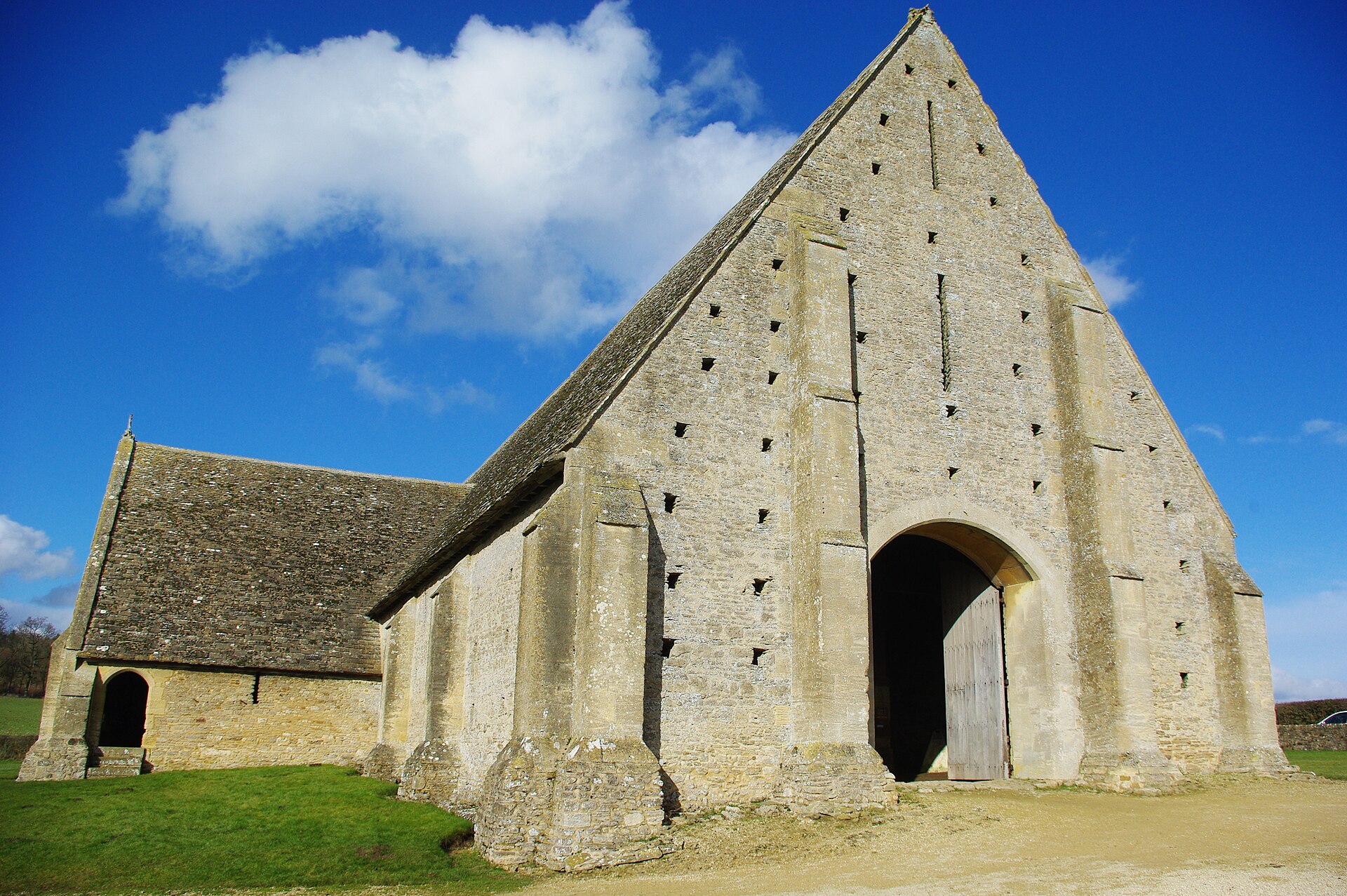
A working monastic barn from the 1290s survives almost complete, its timber roof still resting on the same pairs of posts a Cistercian granger once…
Building or ruin · Prehistoric
Cumbria
The scree below Pike of Stickle supplied a type of polished stone axe traded as far as Orkney and Cornwall, making this valley a working hub of Neo…
Sacred place · Medieval
Lincolnshire
A quiet Lincolnshire farm site passed in turn through Cistercian, Templar and Hospitaller hands before ending as a Pelham family holding: three cen…
Sacred place · Medieval
Lincolnshire
A Lincolnshire manor and church handed by charter to a Norman abbey, then sold on two centuries later to a Coventry priory: its status as priory or…
Sacred place · Medieval
Worcestershire
Its 15th-century stained glass forms the largest surviving display of its kind in England, saved partly through the patronage of a man who had help…
Settlement · Medieval
Monmouthshire
Great Manson Farm is an active sheep farm whose three listed buildings preserve a late-medieval hall adapted as a barn, an eighteenth-century farmh…
Building or ruin · Prehistoric
Cambridgeshire
Two ditches drawn as near-perfect circles, a rare geometric variant among Britain's causewayed enclosures, laid out beside a Cambridgeshire fen som…
Sacred place · Medieval
Cambridgeshire
A working parish church still carries a hidden Templar tombstone beneath its tower and a Templar cross on its outer wall, physical survivals of a p…
Building or ruin · Roman
Gloucestershire
Excavated, admired, then largely destroyed by rain and poor conservation within decades: its bath house mosaic and shrine room still survive to rew…
Briefer entries: recorded and worth knowing, with fuller pages to come.
Building or ruin · Roman
Norfolk
Gariannonum is a debated Saxon Shore fort identity, likely tied to Burgh Castle and/or Caister-on-Sea, revealing how Rome guarded the Yare estuary…
Building or ruin · Medieval
County Tyrone
Garvaghullion preserves a Scheduled Bronze Age wooden trackway found deep in a raised bog landscape heavily reduced by peat extraction.
Sacred place · Prehistoric
Cumbria
Two standing stones at the foot of Black Combe carry rare prehistoric (before any written account of Britain existed) cup and ring carvings, one st…
Sacred place · Medieval
Dorset
Gillingham Friary is a sparsely recorded possible Dominican house in Dorset, whose uncertain identification is itself an important limit on what ca…
Fortified place · Roman
Monmouthshire
Stamped into the fabric of roof tiles recovered from beneath the centre of Abergavenny is the mark of the Legio II (the Second Legion, whose base w…
Tomb or burial place · Prehistoric
Cambridgeshire
A wooded chalk knoll conceals a substantially intact Bronze Age: roughly 2500–800 BC: burial mound, sited to loom over the ancient Icknield Way below.
Sacred place · Medieval
Lincolnshire
A tiny Cistercian community of nuns that never grew beyond a handful of women, remembered chiefly through a bishop's blunt verdict: poor in means,…
Sacred place · Prehistoric
Cornwall
Goodaver's reconstructed ring remains a major Bodmin Moor stone circle, where its altered standing stones are themselves part of the record of twen…
Fortified place · Medieval
County Tyrone
Gortalowry is a rural–urban County Tyrone townland where a Scheduled rath (an early-medieval Irish farmstead ringed by an earth bank), church and f…
Fortified place · Medieval
County Armagh
Gosford Castle is Ulster’s largest nineteenth-century country house, tracing Plantation estate power, Norman Revival ambition, wartime use and inve…
Tomb or burial place · Prehistoric
County Down
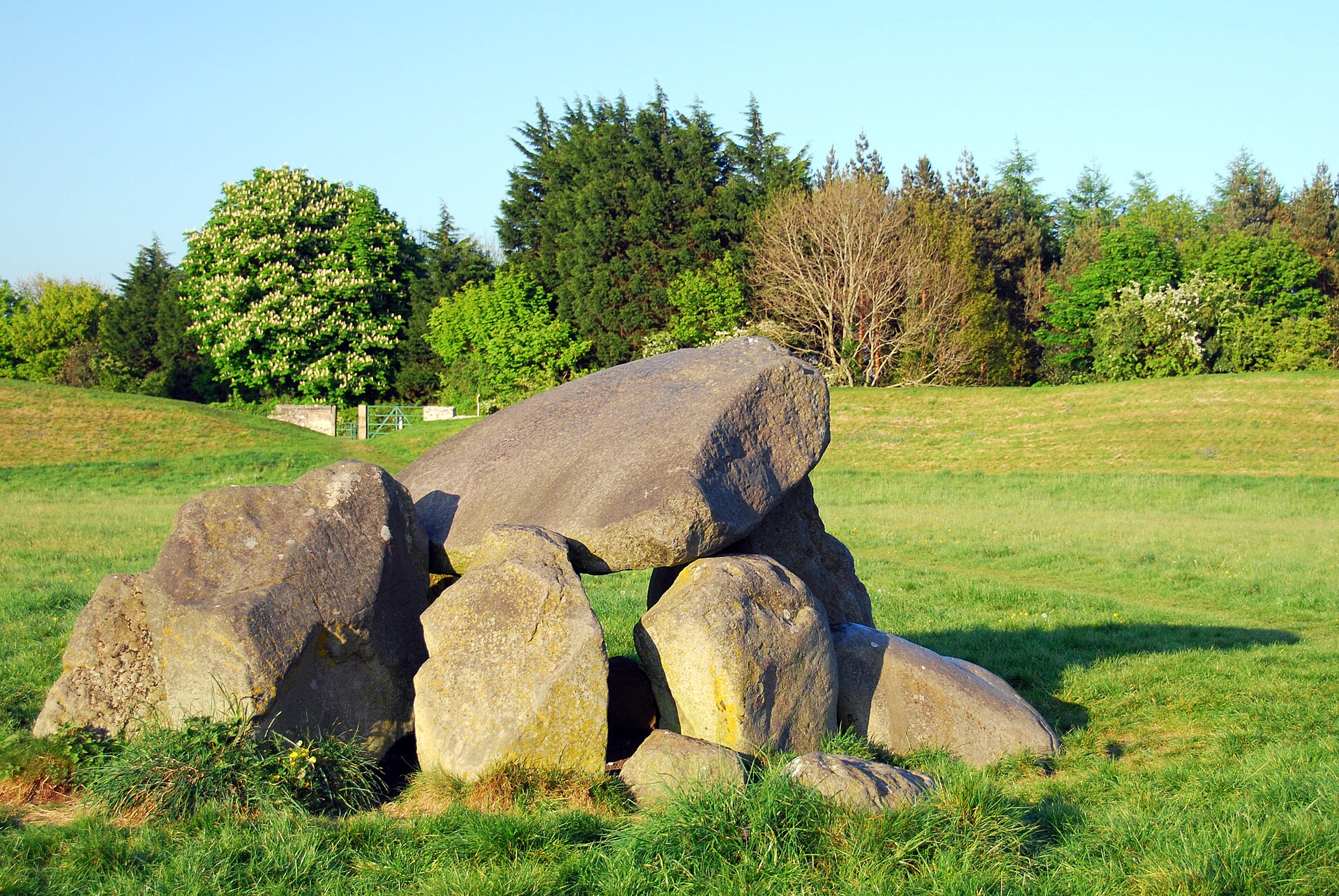
A granite capstone weighing many tons has slipped from its original level seat, tilting a late Stone Age burial chamber into the dramatic lean visi…
Fortified place · Medieval
County Kilkenny
Grace's Old Castle carries over eight centuries of Kilkenny civic history from a private Anglo-Norman town residence to gaol, courthouse and a buil…
Sacred place · Medieval
Warwickshire
The village is called Temple Grafton because of a clerical error under Henry VIII. The Templars were never here; the Hospitallers had been for thre…
Fortified place · Medieval
County Tipperary
Grallagh Castle is a protected late-medieval Tipperary tower house whose surviving bawn, battered walls and internal defensive features document a…
Sacred place · Prehistoric
North Ayrshire
The Grannie Stone is an enduring Irvine river landmark whose uncertain origin: glacial erratic or last stone-circle survivor: reveals how folklore,…
Sacred place · Medieval
Suffolk
Its head was summoned to Westminster in 1346 with the other alien priors, on pain of forfeiting the house, its lands and its goods.
Sacred place · Medieval
County Kildare
Great Connell was a powerful Augustinian priory, a monastery run by a prior, of the Pale, founded from Wales and later dismantled for Newbridge bar…
Building or ruin · Medieval
Greater Manchester
Great Haigh Sough is a 17th-century mine-drainage tunnel whose surviving portal records the engineering that prolonged coal workings and later shap…
No places match those filters.
Kinds of place
Ages







_09.png?width=800)
.jpg?width=800)





.jpg?width=800)