
A weathered mica-schist pillar above a shopping street carries a rare double legacy: a supposed Bronze Age (roughly 2500–800 BC, when metal tools first spread) origin and a direct link to Scotland's 1662 witch trials.
A flight of stone steps climbs from Kempock Street in Gourock, past a decorative iron archway, to a grey block of mica schist standing alone on the cliff above. Locals call it Granny Kempock, a name thought to come from its lumpen, hunched silhouette, said to resemble an old woman keeping watch over the Clyde. No one now knows for certain why it was put there, or by whom.
What survives instead is a thick layer of belief built up around the stone over centuries. Sailors leaving on long voyages and couples about to marry were said to walk seven times around it for good luck, a ritual still remembered locally long after its origins were forgotten. Scratched into its surface are initials and odd symbols left by generations of passers-by, some resembling mason’s marks, raising the possibility that the stone was once shaped and part of something larger.
The stone’s darkest chapter has nothing to do with luck. In the seventeenth century it became evidence in a witchcraft trial, and the story of the women condemned partly because of what they were said to have done around this stone has outlasted almost everything else remembered about it.
What follows is drawn from published sources, with each claim labelled by how firmly it is established.
The name
The stone is known locally as the 'Lang Stane' (long stone) of Gourock and, more affectionately, as Granny Kempock — a nickname popularly explained by its resemblance to a stooped old woman. The origin of 'Kempock' itself is not recorded.
History
Local tradition, recorded by the Reverend D. Macrae in 1880, holds the stone to be a Bronze Age standing stone dating from around 2000 BC, and it has separately been suggested that it may originally have served as an altar to the pagan god Baal, or as a memorial to an ancient battle. Its true age and purpose have never been established with certainty, and it is not known whether the stone always stood in its present position.
In 1662 the stone became entangled in one of Scotland's witch trials. Marie Lamont and a group of local women were accused of dancing around the stone on the sabbath with the declared intention of cursing shipping on the Clyde by casting the stone into the sea. Lamont and her coven were subsequently burned to death in the local area, one of the more chilling episodes in the west of Scotland's witch-hunt history.
Between the seventeenth and nineteenth centuries the stone accumulated a scatter of graffiti, mostly initials carved by passers-by. Alongside them are markings resembling navigation symbols, whose purpose remains unexplained; some have been read as mason's marks, though the stone's irregular, apparently unworked shape makes it unclear why anyone would have claimed such artistry on it, unless it once formed part of a larger structure such as the nearby Gourock Castle.
In 1880 the Reverend D. Macrae published Notes About Gourock, setting down in writing the customs already attached to the stone: that marriages in the district were not considered lucky unless the couple walked around the 'lang stane' for Granny Kempock's blessing, and that sailors and fishermen carried sand from the shore and circled the stone seven times, chanting for a safe voyage. Macrae's account remains the fullest surviving record of these traditions.
In 1987 the stone's witchcraft history was dramatised for television in Shadow of the Stone, a children's fantasy series written by Catherine Lucy Czerkawska and filmed in and around Gourock, bringing the story of Marie Lamont to a new audience three centuries after her death.
People
-
Marie Lamont
A local woman accused, with a group of others, of dancing around the stone in 1662 with intent to curse shipping on the Clyde; she was burned to death as a result.
-
Rev. David Macrae
Author of Notes About Gourock (1880), the principal written source for the stone's traditions and superstitions.
-
Catherine Lucy Czerkawska
Writer of the 1987 children's television series Shadow of the Stone, which dramatised the stone's witchcraft associations.
-
Shirley Henderson
Starred in Shadow of the Stone as a girl with a spiritual connection to Marie Lamont.
-
Alan Cumming
Played the boyfriend of the lead character in Shadow of the Stone.
Cultural influences
-
The stone became a focus for the sailing culture of Gourock and the Clyde, where sailors and fishermen were said to circle it before voyages for good fortune.
Connections
-
Gourock Castle
It has been suggested the stone may originally have formed part of a larger worked structure, possibly connected to the nearby castle, which could explain markings resembling mason's marks on an otherwise unworked stone.
-
Photo: Rosser1954 Roger Griffith / Wikimedia Commons / Public domain Noted alongside Granny Kempock as a comparable named standing stone in the wider record of Scottish folk-named megaliths.
-
Shadow of the Stone (1987)
The television series was filmed in and around Gourock specifically to dramatise the stone's 1662 witchcraft history.
In culture
-
Shadow of the Stone (1987)
A children's fantasy television series dramatising the witchcraft element of the stone's history, written by Catherine Lucy Czerkawska and starring Shirley Henderson and Alan Cumming, filmed on location in Gourock.
What to look for
-
The stone itself
A standing stone of grey mica schist of irregular, apparently unworked shape, set on a cliff above Kempock Street.
-
Carved initials and marks
Graffiti dating from the 17th to 19th centuries, mostly initials, alongside unexplained symbols resembling navigation marks or possible mason's marks.
-
The hole at the base
A hole roughly 2 cm across at the bottom of the stone, of unknown depth, which has prompted suggestions the stone may once have been used as an anchor stone or counterweight.
-
The iron archway
A decorative iron archway spanning the passageway that leads up the steps to the stone.
What is said
Folklore and tradition, recorded as what is said — not as established fact.
-
The lucky circuit
It was said that sailors setting out on a long voyage, and couples about to marry, would ensure good fortune by walking seven times around the stone.
-
Sand and song for a safe voyage
According to Rev. Macrae's 1880 account, sailors and fishermen were said to carry a basketful of sand from the shore and walk seven times round the stone chanting a particular song to secure a safe and prosperous voyage.
-
Altar to Baal
It has been suggested, without confirmation, that the stone once served as a pagan altar to Baal or as a memorial to an ancient battle.
Plan your visit
- Location
- 55.9614°N · 4.8198°W
- Access
- Reached on a public path
- Terrain
- Moderate walking
- Time needed
- About 30 minutes
Opening & admission
Free to visit by the public steps from Kempock Street or Castle Gardens in Gourock.
- A flight of steps winds up to the stone from Kempock Street below.
- The stone stands on a cliff behind Kempock Street.
- A decorative iron archway marks the passageway leading up to the stone.
Nearby places
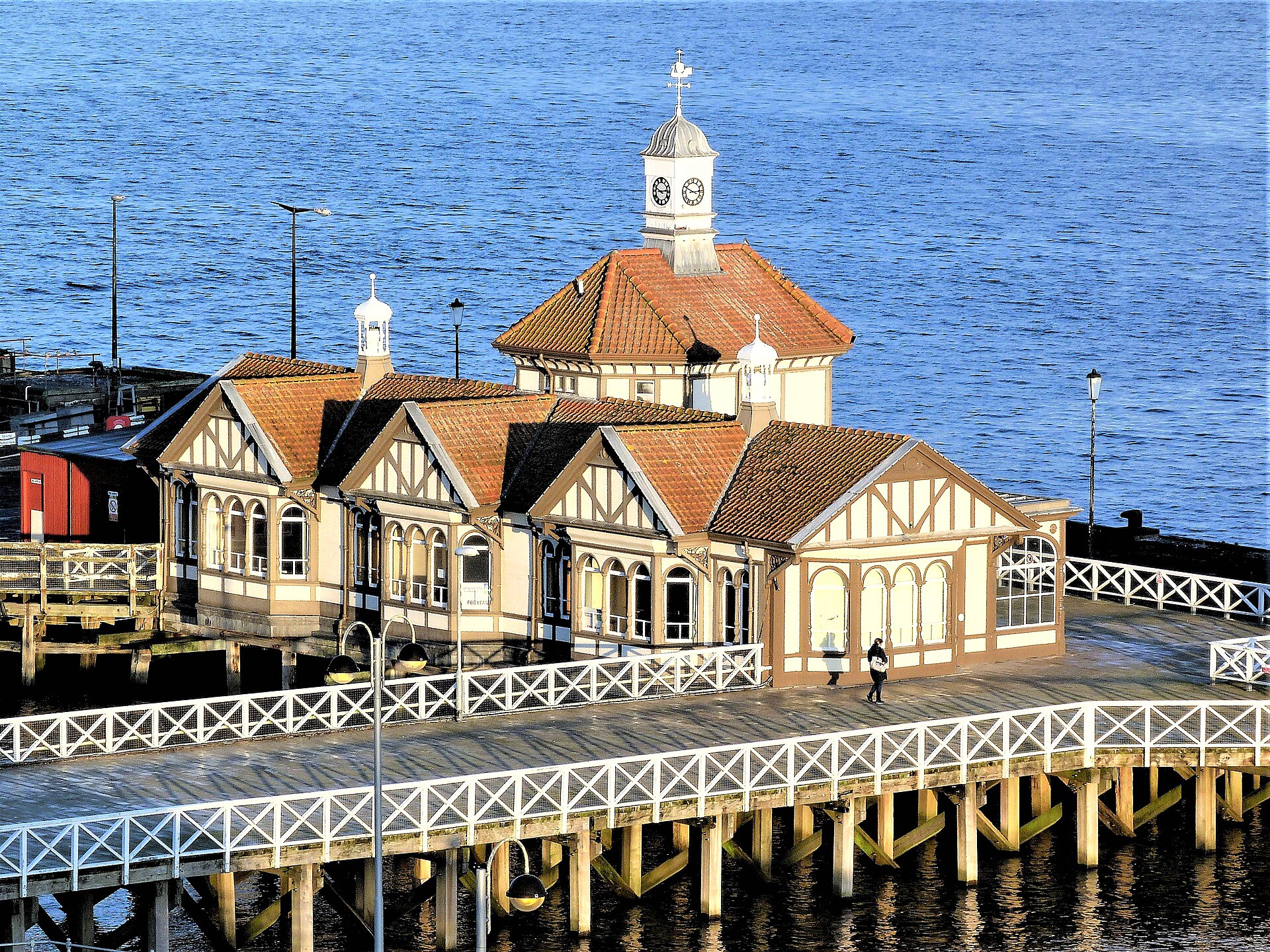
Fortified place · Medieval
Dunoon Castle
Argyll and Bute
A royal stronghold fought over by kings, besieged with English ships and troops, and hosted Mary, Queen of Scots for three days in 1563.
- Near Dunoon
- Some walking
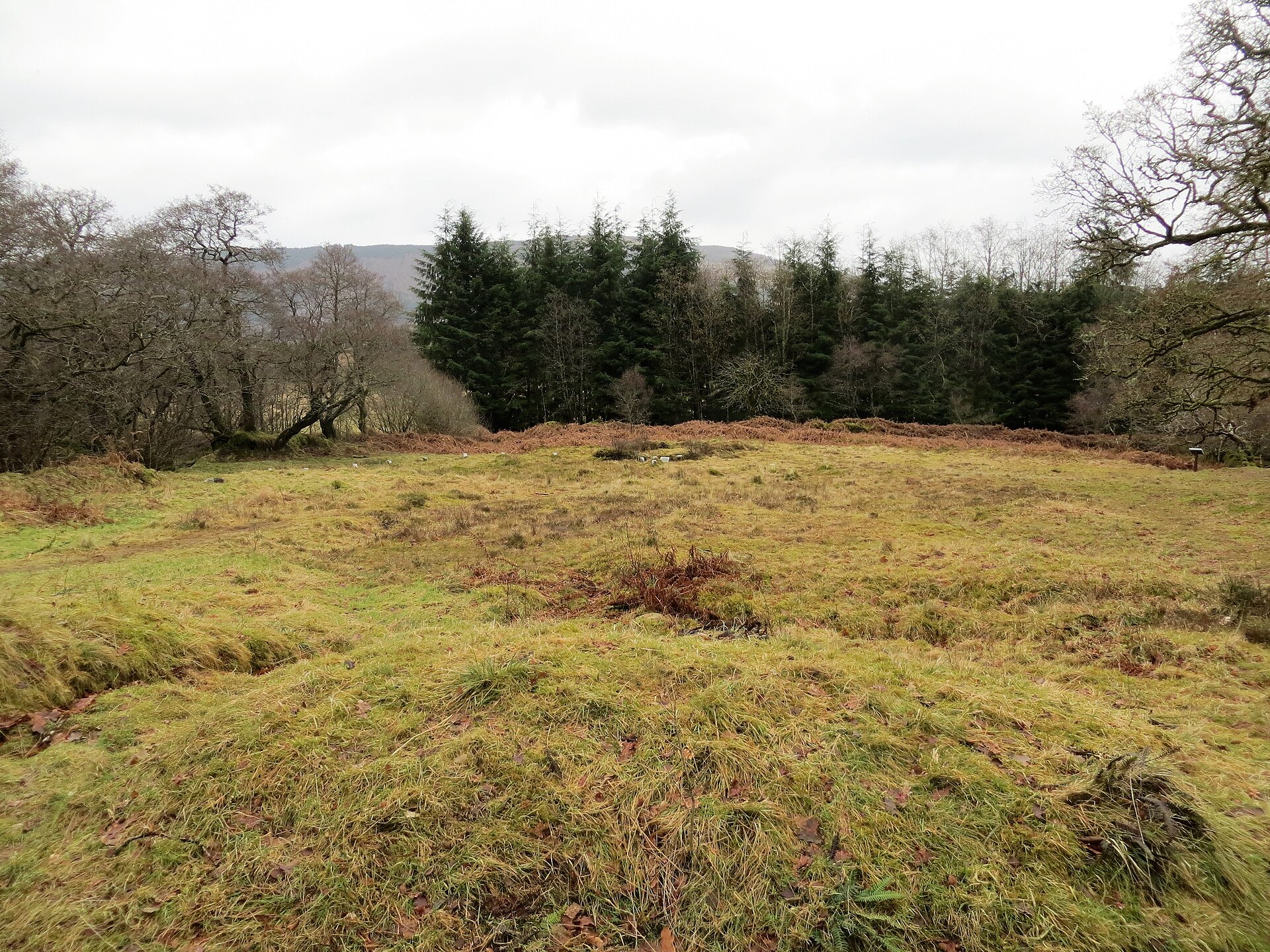
Sacred place · Prehistoric
Ardnadam Farm
Argyll and Bute
A field on the Cowal shore where a Neolithic tomb was read by nineteenth-century antiquarians as a Druidical altar, and by local tradition as the g…
- Near Dunoon
- Easy path
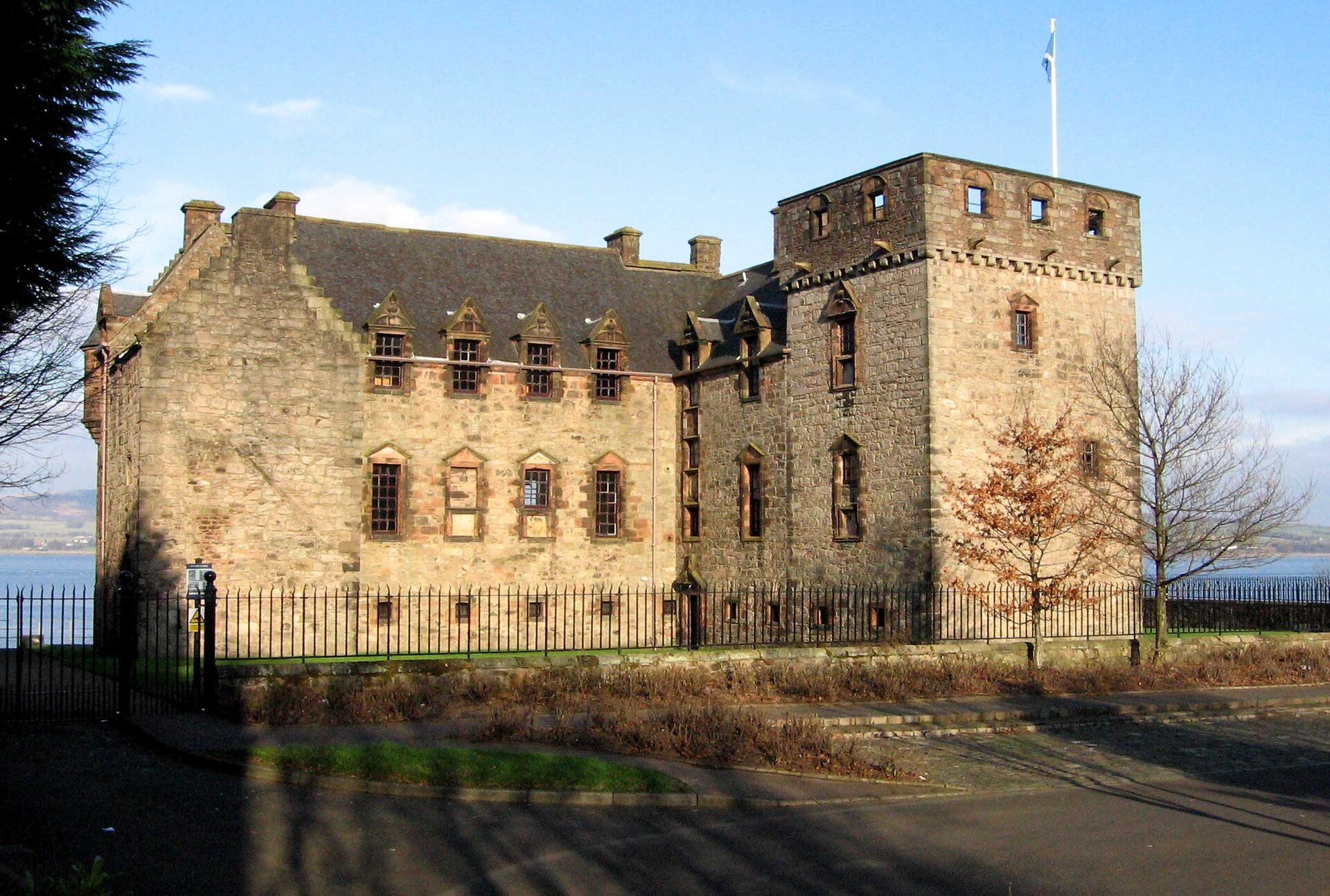
Fortified place · Medieval
Newark Castle, Port Glasgow
Inverclyde
Newark exposes the transformation of a defensive Maxwell tower into a Renaissance mansion, then into the harbour-side landmark around which Port Gl…
- Near Port Glasgow
- Easy path
Ancient tree · Medieval
Wallace Oak (Port Glasgow)
Inverclyde
Although the Wallace story cannot be confirmed, the lost oak’s storm-felled remains and memorial show how a local legend became durable civic memory.
- Near Inverclyde
The setting
Near Granny Kempock Stone, about 12 metres away.
Photo: Raibeart MacAoidh / Wikimedia Commons / CC BY-SA 2.0
Near Granny Kempock Stone, about 12 metres away.
Photo: Lairich Rig / Wikimedia Commons / CC BY-SA 2.0
Near Granny Kempock Stone, about 12 metres away.
Photo: Raibeart MacAoidh / Wikimedia Commons / CC BY-SA 2.0
Questions people ask
- What is the Granny Kempock Stone?
- A standing stone of grey mica schist on a cliff above Kempock Street in Gourock, Scotland, of uncertain age and original purpose.
- Why is it called Granny Kempock?
- The popular name is thought to come from the stone's resemblance to a stooped old woman; it is also known locally as the 'Lang Stane'.
- What is the stone's connection to witchcraft?
- In 1662 Marie Lamont and other local women were accused of dancing round the stone intending to curse shipping, and were burned to death.
- What are the markings on the stone?
- Mostly 17th- to 19th-century graffiti and initials, plus unexplained symbols some have linked to navigation marks or mason's marks.
- Has the stone appeared in film or television?
- Yes — its witchcraft history was dramatised in the 1987 children's series Shadow of the Stone, filmed in and around Gourock.
Sources
- Wikipedia: Granny Kempock Stone
- Macrae, Rev. David, Notes About Gourock (1880)
- Ordnance Gazetteer of Scotland, ed. F. H. Groome (1903)
- Wikidata: Granny Kempock Stone
Explore more: Sacred places · Prehistoric · Inverclyde
The Ancient Codex, in your pocket
Get the Pocket Codex app
Carry the directory with you — Granny Kempock Stone and thousands of ancient places across Britain and Ireland, offline, wherever you roam.