
Hailes Castle is a riverside Hepburn stronghold whose fourteenth-century towers, chapel and service rooms record border warfare and late medieval lordship in East Lothian.
Above the River Tyne, Hailes Castle forms a long, broken silhouette of towers and curtain wall. Its fine riverside site was also a strategic one, controlling a route towards Edinburgh and making the castle a repeated target in wars and raids.
The Hepburn family shaped Hailes through its most important centuries, though the castle later became a granary and its interior is currently fenced off for safety. The open ground still lets visitors read the scale of its medieval defences.
What follows is drawn from published sources, with each claim labelled by how firmly it is established.
History
Hailes began as a fortified tower house built by Hugo de Gourlay before 1300, one of Scotland’s earliest constructions of that type. After the de Gourlays’ support for England led to forfeiture, the castle was confirmed to Sir Adam de Hepburn. Sir Patrick Hepburn expanded it in the fifteenth century with major western and eastern towers above the River Tyne.
The castle withstood Harry Hotspur Percy in 1400, but an attack by Archibald Dunbar in 1443 was followed by a massacre of inhabitants. During the Rough Wooing it was occupied by the English after Pinkie in 1548, then retaken and slighted by Regent Arran. Mary, Queen of Scots visited in 1567 shortly before Carberry Hill, and Cromwell partly slighted it in 1650.
Within the curtain wall are a fourteenth-century keep and ranges added over the next two centuries. Surviving features include the massive West Tower, a roofless chamber thought to have been a chapel because of its ambry and piscina, and a vaulted bakehouse and brewhouse. The castle entered state guardianship in 1926 and is a scheduled monument.
People
-
Hugo de Gourlay
Founded Hailes as a fortified tower house before 1300, creating one of Scotland’s earliest surviving examples of the form.
Cultural influences
-
Hailes was shaped by its promontory above the River Tyne, where it controlled a strategic route toward Edinburgh.
Connections
-
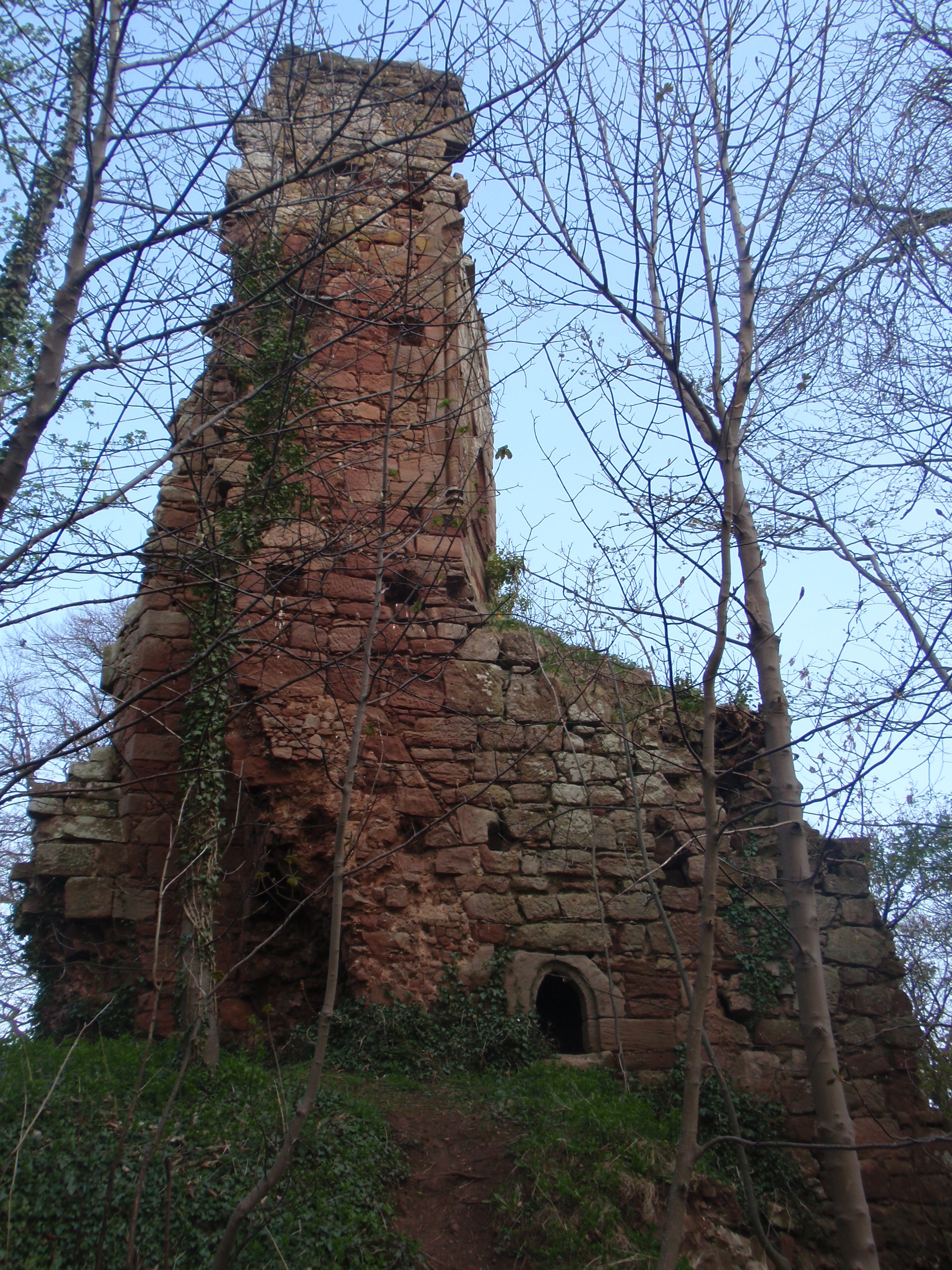
Photo: Brendandh / Wikimedia Commons / CC BY-SA 3.0 A comparable medieval stronghold in East Lothian, allowing comparison with Hailes’ baronial architecture and later history.
-
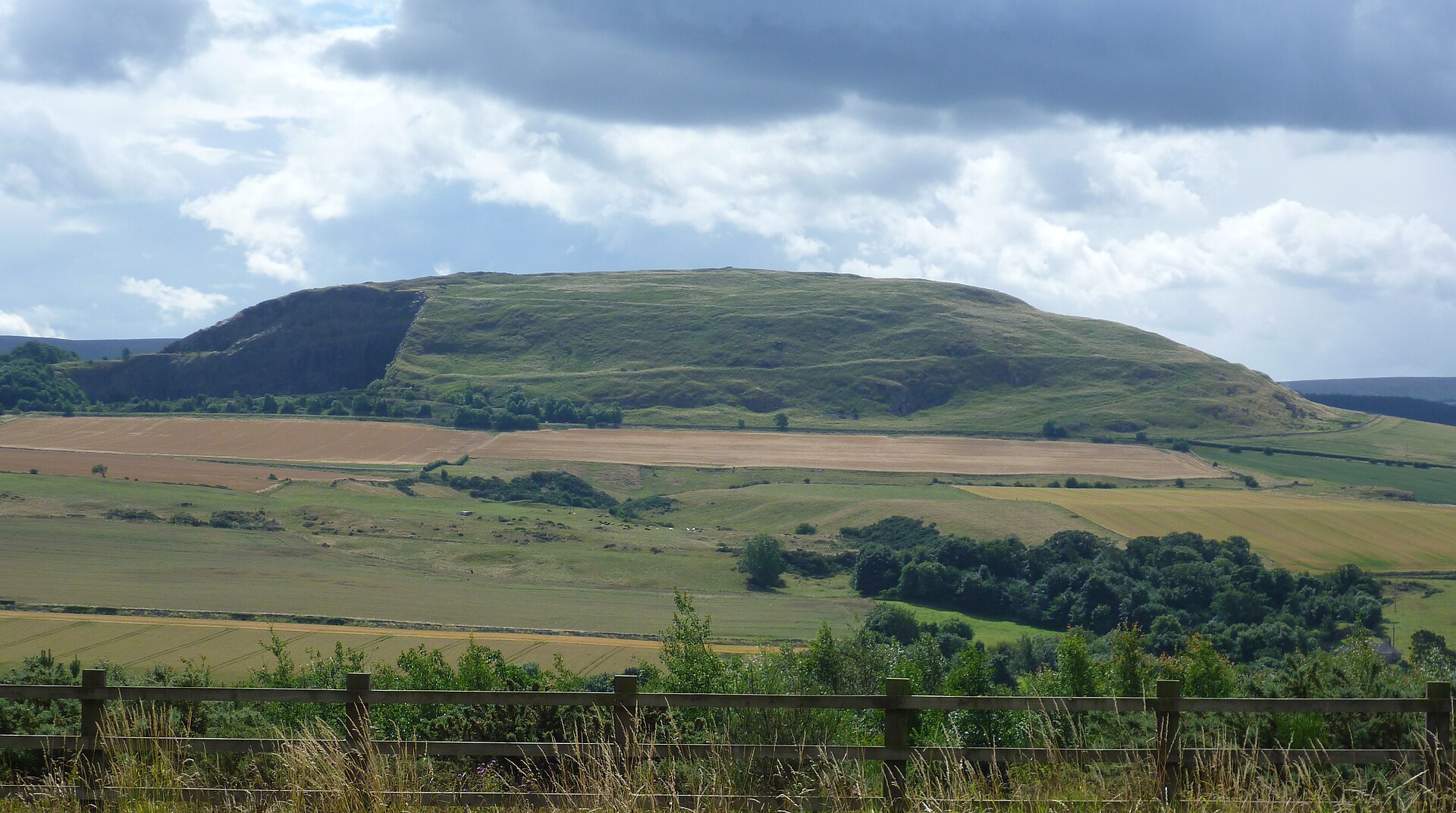
Photo: Kim Traynor / Wikimedia Commons / CC BY-SA 3.0 A major hillfort in the regional landscape, giving Hailes Castle a longer context of settlement and defence.
-
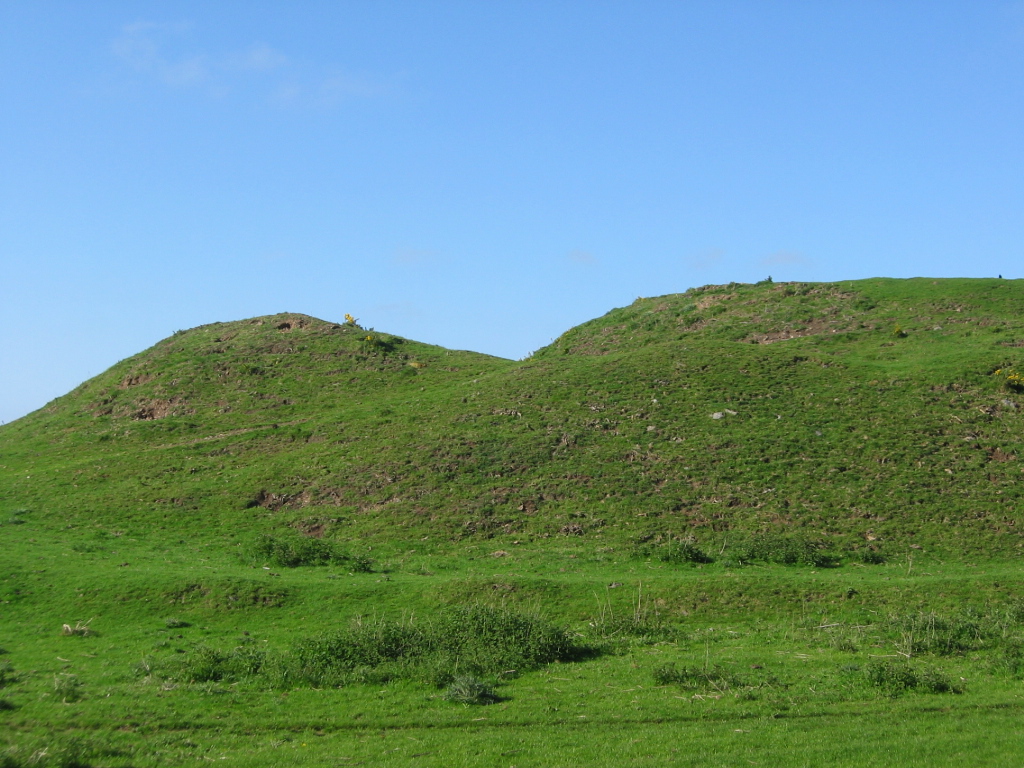
Photo: Renata (talk) / Wikimedia Commons / Public domain An earlier defended site in East Lothian, contrasting prehistoric hillfort construction with Hailes’ medieval masonry.
What to look for
-
The riverside range
From the River Tyne, follow the promontory and long north range that explain how Hailes combined a defensible riverside position with a substantial residence.
-
The West Tower
The massive West Tower, enlarged during the fifteenth-century Hepburn rebuilding, remains the most imposing vertical element of the surviving castle complex.
-
The chapel piscina
In the roofless chamber, look for the ambry and piscina that support its interpretation as a chapel despite the loss of its roof.
-
The bakehouse and brewhouse
The vaulted bakehouse and brewhouse reveal the practical service spaces that sustained the household within Hailes’ fortified enclosure.
Plan your visit
- Location
- 55.9724°N · 2.6841°W
- Nearest settlement
- Dunbar
- Time needed
- About 45 minutes
- Best time
- Visit in daylight and dry conditions, when the castle ruins and riverside setting can be viewed safely.
- What survives
- The riverside castle survives mainly as roofless ranges and towers; access inside has been closed since 2020 because of safety concerns.
- Facilities
- No dedicated visitor facilities are documented at the ruins; plan to use facilities in nearby settlements.
Opening & admission
Free entry; open year-round.
- Partial access restrictions currently affect the west end of the inner courtyard, west tower and east tower (doocot).
Nearby places
Settlement · Prehistoric
Traprain Law
East Lothian
The hill was already a place of burial by around 1500 BC and shows evidence of occupation and ramparts after 1000 BC; the ramparts were rebuilt and…
- Near East Linton
- 25 min walk from car park
- Some walking
Fortified place · Iron Age
Chesters Hill Fort
East Lothian
A settlement of some twenty roundhouses survives inside its ramparts and ditches: Historic Environment Scotland rates it one of the best-preserved…
- Some walking
Fortified place · Medieval
Yester Castle
East Lothian
Yester is remembered for its extraordinary underground Goblin Ha’, a surviving medieval hall bound to the enduring folklore of the ‘Wizard of Yester’.
- Near Dunbar
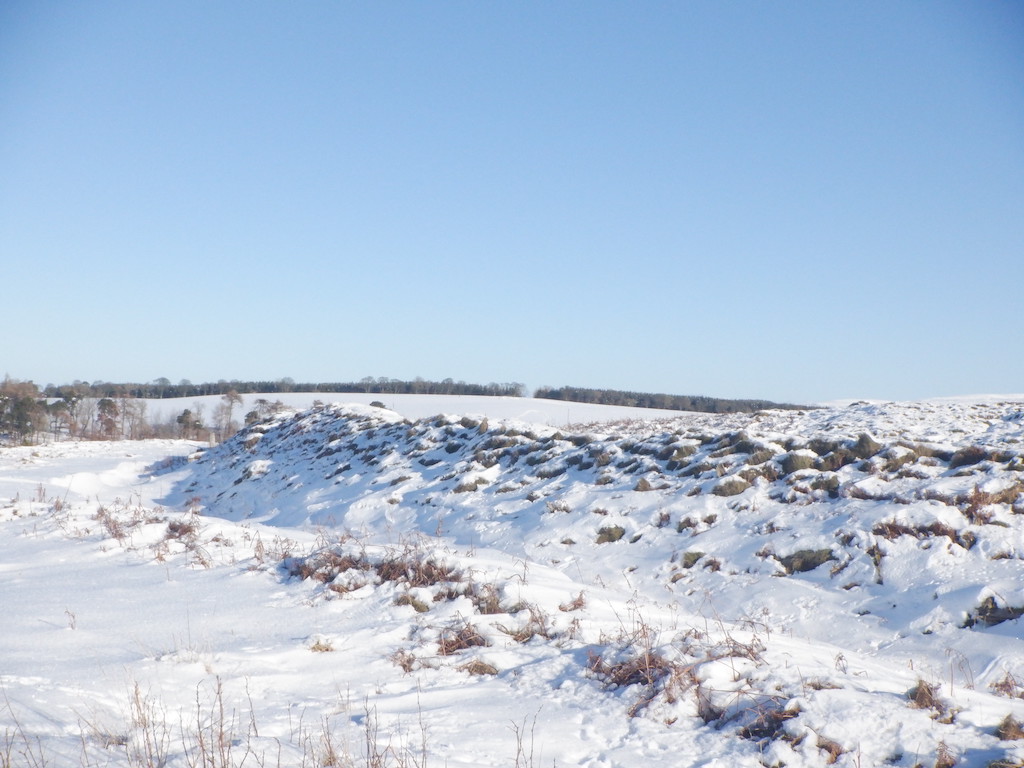
Fortified place · Iron Age
Black Castle, East Lothian
East Lothian
A double ring of earthen ramparts with two carefully placed causewayed entrances, sited between two other named hillforts in a dense East Lothian c…
- Some walking
Questions people ask
- When was Hailes Castle founded?
- Hugo de Gourlay founded it as a fortified tower house before 1300.
- Can visitors enter the castle interior?
- The surrounding land is open, but interior access has been closed since 2020 because of safety issues.
- Who most strongly shaped Hailes?
- The Hepburn family held it during the most important centuries of its history.
Sources
The Ancient Codex, in your pocket
Get the Pocket Codex app
Carry the directory with you — Hailes Castle and thousands of ancient places across Britain and Ireland, offline, wherever you roam.