
Yester is remembered for its extraordinary underground Goblin Ha’, a surviving medieval hall bound to the enduring folklore of the ‘Wizard of Yester’.
At Yester, the most complete surviving room is beneath the ground: the vaulted Goblin Ha’, or Goblin Hall. The ruin around it has been quarried away, but this vast undercroft (the vaulted storage space beneath a building) still gives physical form to centuries of stories about its supposed magical builder.
The castle began as a Giffard stronghold before passing to the Hays, who held the barony thereafter. Siege, abandonment and stone-robbing reduced the surface buildings, leaving the underground hall as both the site’s architectural core and its most compelling legend.
What follows is drawn from published sources, with each claim labelled by how firmly it is established.
The name
The medieval name Yestred derives from the Brythonic word ystrad, meaning a strath or dale.
History
Yester Castle lies 2.5 kilometres south-east of Gifford in East Lothian. The original stone keep was built before 1267 by Sir Hugo de Giffard, and after the Wars of Independence the site was rebuilt as a castle of enceinte. The only complete surviving structure is the underground Goblin Ha’, a scheduled ancient monument.
The barony passed from the Giffards to the Hay family in 1357 through Joanna Giffard’s marriage, and remained with them. The castle was burned by an English army in 1544 during the Rough Wooing, captured in 1548, and then abandoned by William Hay in favour of a new tower house at Yester House. By the late seventeenth century it had fallen into severe decay and was quarried for stone.
Sir Hugo de Giffard was remembered as the ‘Wizard of Yester’, reputedly a magician and necromancer. Folklore attributed the underground hall’s construction to magical or hobgoblin labour, though this is tradition rather than archaeological evidence. The surviving vault was still occupied by the Marquess’ falconer until 1737, and the castle was closed in 2021 after theft from supporting vault walls.
People
-
Sir Hugo de Giffard
The 13th-century lord of Yester, remembered in local tradition as the Wizard of Yester.
Cultural influences
-
The castles story is closely tied to the Giffard barony, which established a fortified centre at Yester in the 13th century.
Connections
-
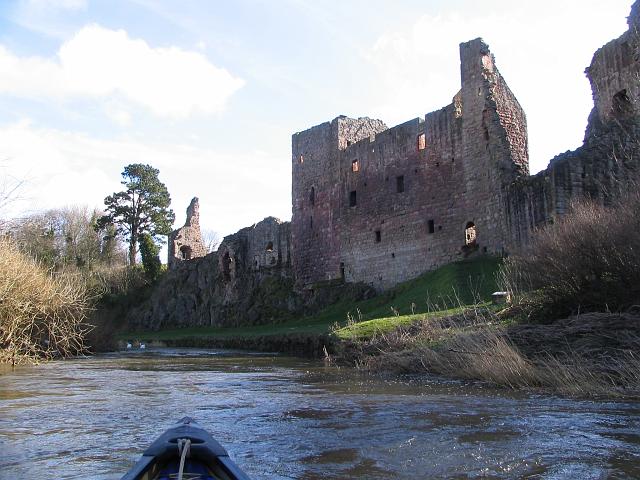
Photo: Alastair Seagroatt / Wikimedia Commons / CC BY-SA 2.0 A comparable medieval East Lothian castle, useful for reading Yester within the region’s network of baronial strongholds.
-
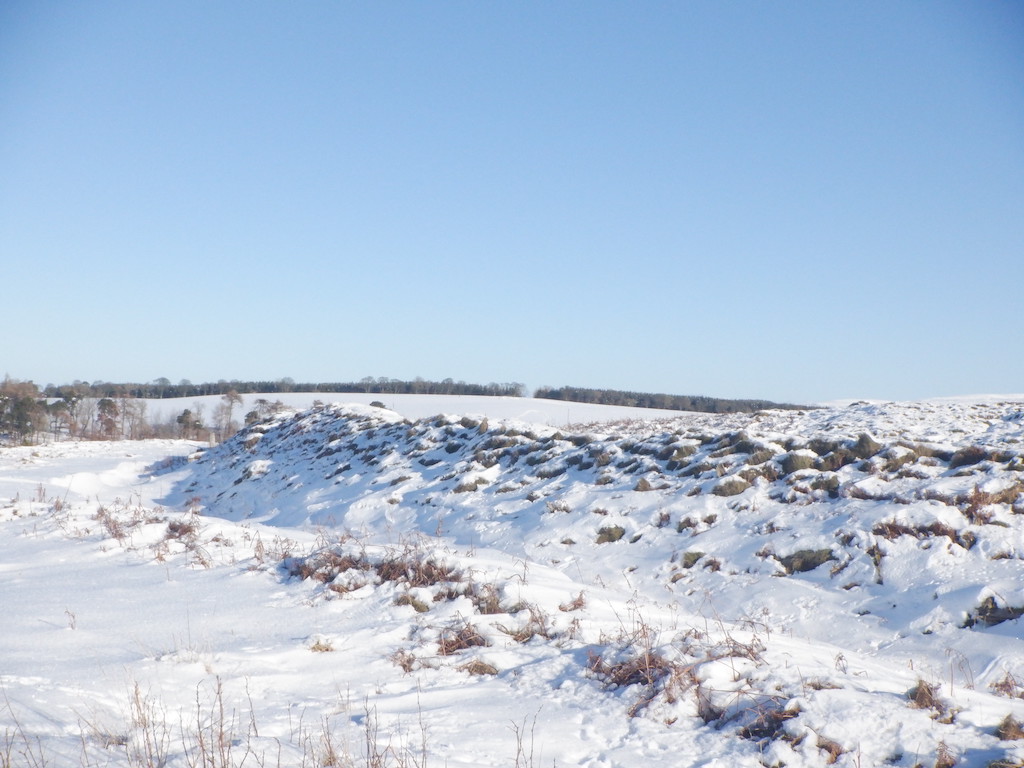
Photo: Richard Webb / Wikimedia Commons / CC BY-SA 2.0 An earlier defended site that gives Yester Castle a longer context of settlement and defence in East Lothian.
-
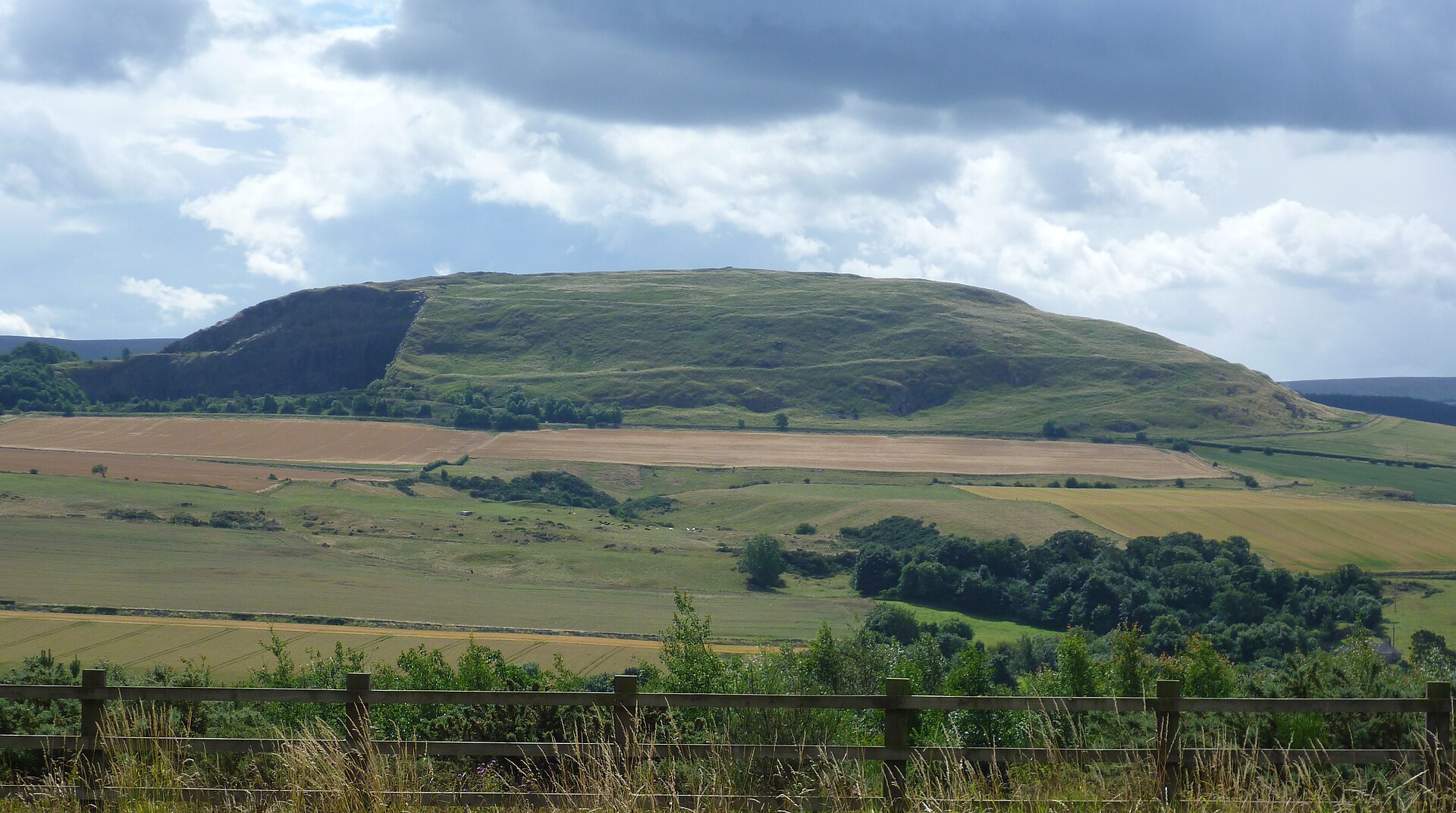
Photo: Kim Traynor / Wikimedia Commons / CC BY-SA 3.0 A major prehistoric hillfort whose long history contrasts with Yester’s medieval masonry and later castle tradition.
In culture
-
Marmion
Walter Scott drew on the legend of the Wizard of Yester in Marmion, where the Goblin Ha cave is associated with supernatural lore.
What to look for
-
The Goblin Ha’
The underground Goblin Ha’ is Yester’s only complete surviving structure, a vaulted hall whose scale gives the ruined castle its most memorable interior.
-
The ruins above
Above the vault, wooded ruins mark a castle of enceinte that was burned in 1544, abandoned for Yester House and later quarried for stone.
-
The Wizard’s vault
The vault’s pointed stone ribs and chamber are the fabric around which the Wizard of Yester tradition and stories of hobgoblin builders grew.
-
The setting near Gifford
The castle lies 2.5 kilometres south-east of Gifford in a wooded valley setting, making the surviving masonry feel deliberately secluded from the village.
What is said
Folklore and tradition, recorded as what is said — not as established fact.
-
The Wizard of Yester
Local tradition calls Sir Hugo de Giffard the Wizard of Yester and says he made a pact with a goblin to build the underground chamber known as Goblin Ha.
Plan your visit
- Location
- 55.8906°N · 2.7105°W
- Nearest settlement
- Dunbar
- Time needed
- About 45 minutes
Nearby places
Fortified place · Iron Age
Black Castle, East Lothian
East Lothian
A double ring of earthen ramparts with two carefully placed causewayed entrances, sited between two other named hillforts in a dense East Lothian c…
- Some walking
Settlement · Prehistoric
Traprain Law
East Lothian
The hill was already a place of burial by around 1500 BC and shows evidence of occupation and ramparts after 1000 BC; the ramparts were rebuilt and…
- Near East Linton
- 25 min walk from car park
- Some walking
Fortified place · Medieval
Hailes Castle
East Lothian
Hailes Castle is a riverside Hepburn stronghold whose fourteenth-century towers, chapel and service rooms record border warfare and late medieval l…
- Near Dunbar

Tomb or burial place · Prehistoric
Mutiny Stones
Scottish Borders
A Neolithic long cairn named after a devil's mittenful of stones: and reduced to less than half its remembered height by shepherds building walls.
- Rough ground
Questions people ask
- What survives at Yester Castle?
- The main complete survivor is the subterranean Goblin Ha’, also called Goblin Hall.
- Who built the original stone keep?
- It was generally attributed to Sir Hugo de Giffard before 1267.
- Why is Yester linked with magic?
- Sir Hugo de Giffard was remembered in folklore as the ‘Wizard of Yester’, and the hall was said to have been built by magical means.
Sources
The Ancient Codex, in your pocket
Get the Pocket Codex app
Carry the directory with you — Yester Castle and thousands of ancient places across Britain and Ireland, offline, wherever you roam.