A tower house burnt in a single 1647 siege and left roofless for nearly 360 years, until a worldwide clan fundraising effort helped bring the ruin back from collapse.
A roofless tower stands on a rocky spur at the southern tip of Kerrera, its scorched walls facing out across open water toward the Firth of Lorne. The stonework rises directly from the rock, with no level ground around it to soften the approach, so that from the sea the castle still reads as a lookout post as much as a home.
Gylen was built in 1582 by the Clan MacDougall, who chose the site precisely because it commanded the sound below. Its life as an occupied stronghold was brief: within six decades the tower house was under attack, and it never returned to domestic use after the fire that gutted it.
What survives today is largely the shape the flames left behind — thick walls open to the sky, kept standing through legal protection in the twentieth century and hands-on conservation in the twenty-first, paid for in part by descendants of the family who built it.
What follows is drawn from published sources, with each claim labelled by how firmly it is established.
History
In 1582 the Clan MacDougall raised Gylen Castle on a rocky promontory at the southern tip of the island of Kerrera, choosing a position that let its garrison watch the sea approach into the Firth of Lorne. The tower house was built as much for defence and display as for daily comfort, and its working life as a lived-in stronghold proved short.
The castle stood for barely six decades before it was drawn into national conflict. In 1647, during the Wars of the Three Kingdoms, Covenanter forces under General Leslie besieged Gylen, overwhelmed its defenders and set the building alight, leaving the tower house a burnt and roofless shell that was never rebuilt as a home. For nearly three centuries afterwards the ruin was left to the weather, its blackened walls standing empty above the shore while the rest of Kerrera settled into quiet farming use around it. No later owner attempted to restore it as a residence, and the castle's decay became part of the island's everyday landscape.
In 1931 the ruin was formally recognised as a scheduled monument, placing its surviving walls under legal protection and marking official acknowledgement that the burnt shell above the Firth of Lorne was a site worth safeguarding for the future, rather than being left to crumble away entirely on its exposed promontory. Conservation finally reached the castle in May 2006, when a £300,000 grant from Historic Scotland was combined with a further £200,000 raised by members of Clan MacDougall from around the world, funding work that stabilised the walls and secured the ruin the clan's ancestors had built more than four centuries earlier.
People
-
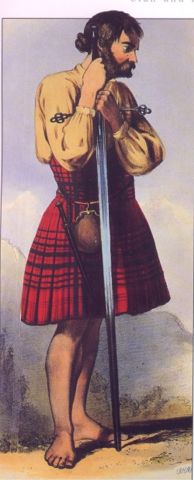
Portrait: The original uploader was Mjgm84 at English Wikipedia. / Wikimedia Commons / Public domain Clan MacDougall
Built Gylen Castle in 1582 and, over four centuries later, its worldwide members helped fund the 2006 conservation of the ruin.
-
General Leslie
Led the Covenanter forces that besieged and burned Gylen Castle in 1647 during the Wars of the Three Kingdoms.
Cultural influences
-
Kerrera promontory
The rocky spur at Kerrera’s south end shaped the castle as a lookout over the Firth of Lorne and its sea approaches.
Connections
-
Kerrera
Gylen Castle was built in 1582 on Kerrera’s southern tip, using the island’s rocky shore and views across the Firth of Lorne to combine residence with control of the sea route. The island setting remains visible in the ruin’s exposed walls and explains why the approach feels maritime rather than inland. Kerrera is therefore not just a location label but part of the castle’s defensive and architectural logic. The relationship also explains why the ruin’s surviving views are central to understanding its original purpose.
-
Firth of Lorne
The castle’s open outlook across the Firth of Lorne explains the maritime logic of its placement. The water was not merely scenery: it formed the approach, the field of view and the route the MacDougalls sought to watch from the rocky promontory.
What to look for
-
Promontory setting
The castle occupies a rocky promontory at the south end of Kerrera, with the tower house rising almost directly from the rock and open water on several sides.
-
Fire-scarred walls
The surviving walls date largely from the 1582 construction but bear the marks of the 1647 burning, standing roofless as a shell rather than a restored interior.
-
View over the Firth of Lorne
From the ruin, the site commands open views across the Firth of Lorne, the stretch of sea the castle's builders positioned it to watch.
Plan your visit
- Location
- 56.3794°N · 5.5565°W
- Terrain
- Rough ground — reasonable boots advised
- Time needed
- About 45 minutes
- Best time
- Daylight in dry, calm weather, allowing for the ferry crossing and uneven exposed ground on the promontory.
- What survives
- A conserved roofless tower-house ruin, stabilised in 2006 but still exposed on the coastal promontory.
- Facilities
- No dedicated visitor facilities are recorded at the ruin; plan facilities and ferry arrangements before crossing to Kerrera.
Opening & admission
No current admission or access details are recorded — check with the local ferry/access provider or Historic Environment Scotland before travelling.
- Reached only via the island of Kerrera, requiring a separate ferry crossing from the mainland
- Ruined site on a coastal promontory, so footing near the edges may be uneven
Nearby places
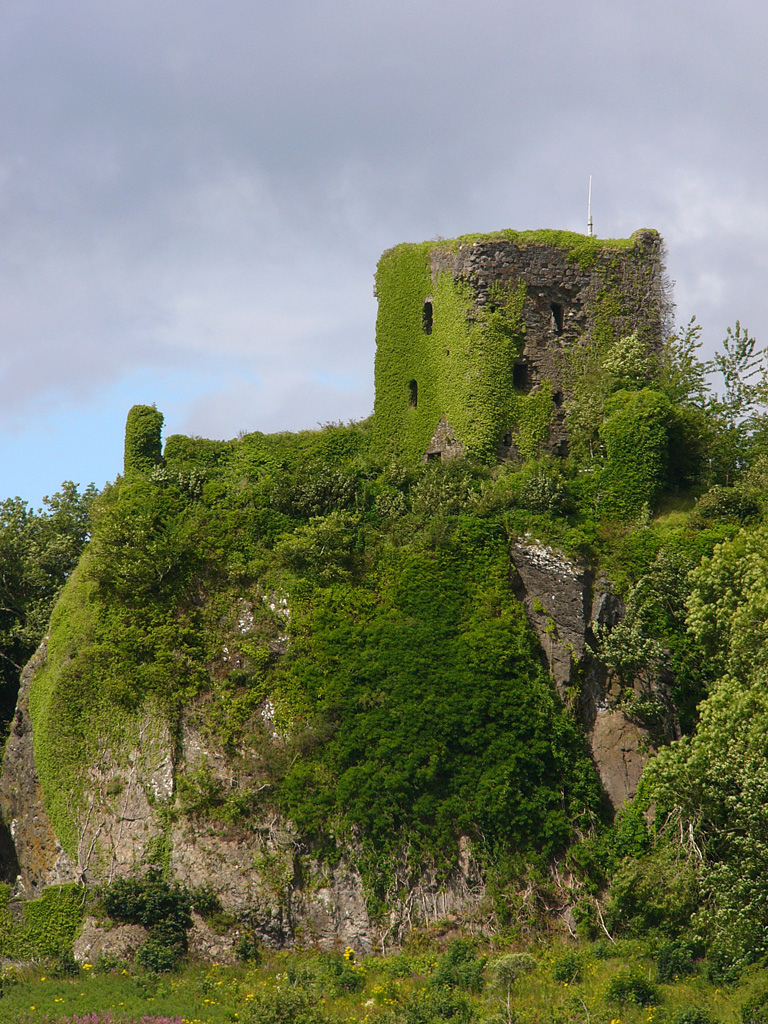
Fortified place · Medieval
Dunollie Castle
Argyll and Bute
The Irish annals name Dun Ollaigh three times over: attacked or burned in 686, 698 and 701: and then record it rebuilt in 714 by Selbach mac Fercha…
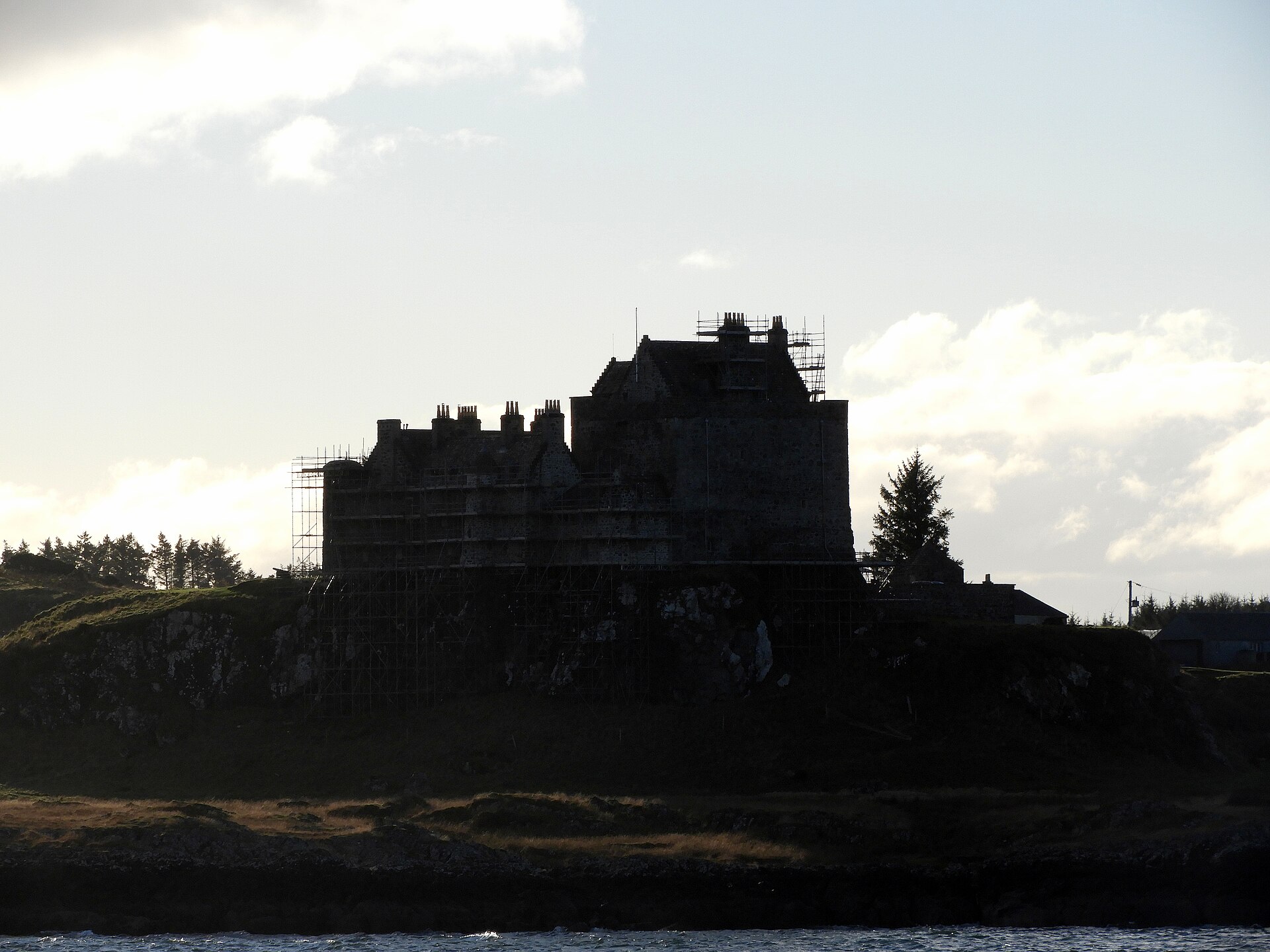
Fortified place · Medieval
Duart Castle
Argyll and Bute
A ruin stripped to its foundations after 1691 and rebuilt two centuries later by the very chief's descendant who lost it: a rare case of a clan sea…
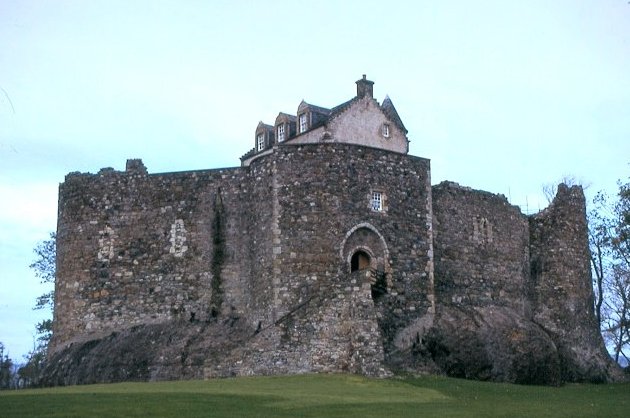
Fortified place · Medieval
Dunstaffnage Castle
Argyll and Bute
One of the oldest stone castles in Scotland, Dunstaffnage was raised in the second quarter of the 13th century by the MacDougall lords of Lorn and…
- Easy path
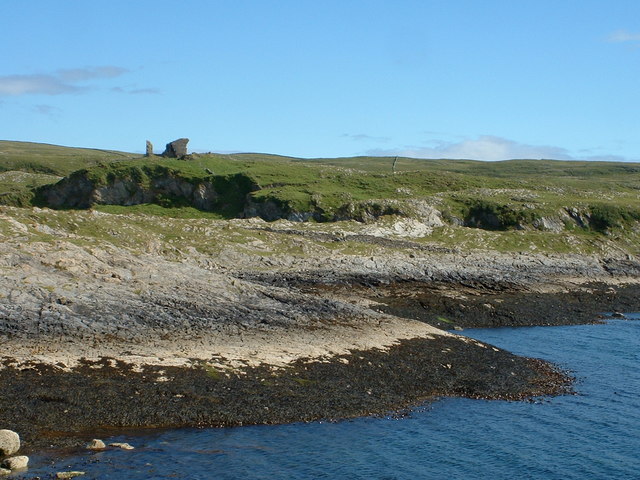
Building or ruin · Medieval
Achanduin Castle
Argyll and Bute
A single 1304 land grant is the earliest written trace of a stronghold long credited to the Bishop of Argyll, though excavation has since pointed t…
- Near Lismore
- Rough ground
Questions people ask
- When was Gylen Castle built?
- Gylen Castle was built in 1582 by Clan MacDougall on a promontory at the south end of the island of Kerrera.
- Why is Gylen Castle a ruin?
- Covenanter forces under General Leslie besieged and burned the castle in 1647 during the Wars of the Three Kingdoms, and it was never rebuilt as a home.
- Is Gylen Castle a protected site?
- Yes. It was made a scheduled monument in 1931, giving its surviving walls legal protection.
- Has Gylen Castle been restored?
- Conservation work was completed in May 2006, funded by a £300,000 Historic Scotland grant and £200,000 raised by Clan MacDougall members worldwide.
- Where is Gylen Castle located?
- It stands at the south end of the island of Kerrera, in Argyll and Bute, overlooking the Firth of Lorne.
Sources
- Wikipedia: Gylen Castle
- Historic Environment Scotland — scheduled monument record
Explore more: Fortified places · Medieval · Argyll and Bute
The Ancient Codex, in your pocket
Get the Pocket Codex app
Carry the directory with you — Gylen Castle and thousands of ancient places across Britain and Ireland, offline, wherever you roam.