Tomb of the Eagles is a late Stone Age burial chamber on South Ronaldsay, where human remains and eagle bones reveal changing funerary practices.
The eagles came later. That is the awkward fact behind the name of this tomb, and it emerged only after the name had become famous.
Isbister Chambered Cairn stands on a cliff edge on South Ronaldsay. Ronald Simison, a farmer, found it in 1958 while digging flagstones, took out some bones and skulls, and filled the site in again. Proper excavation began in 1976, and by the account published in 2002 an enormous amount of material was removed. Simison brought in the archaeologist John Hedges, who produced the technical report and a popular book — the book that gave the tomb its name. The Archaeological Journal reviewed it coolly, calling it reasonably well done while noting how very much better it might have been.
What came out of the ground was extraordinary regardless: 16,000 human bones from at least 324 individuals, with no intact skeleton among them. Mixed in were talons and bones from between eight and twenty birds, overwhelmingly white-tailed sea eagle, and the natural inference was that the eagle had been a totem for the community buried here.
Later research showed the bird material was deposited at a different, later time from the human bone. The two were never together. The tomb keeps the name, and the reading that produced it has not survived.
What follows is drawn from published sources, with each claim labelled by how firmly it is established.
History
The Tomb of the Eagles, properly Isbister Chambered Cairn, is a Neolithic chambered tomb standing on a cliff edge at Isbister on South Ronaldsay in Orkney. Its position on the cliff is as much a part of the monument as its contents. Ronald Simison, a farmer, found the site in 1958 while digging flagstones. He carried out a limited excavation, removed some bones and skulls, and then filled the site in again — which is how a great many Orkney sites were both discovered and disturbed. Digging flagstones is how a good many Orkney monuments have come to light.
A more extensive excavation began in 1976, and an enormous amount of material was removed according to a report published in 2002. Simison alerted the archaeologist John Hedges, who mounted a full study, prepared a technical report and wrote a popular book that fixed the tomb's name in the public mind. The Archaeological Journal's review of that book was cool, calling it reasonably well done and observing how very much better it might have been. The name it established has nonetheless outlasted the criticism.
The tomb held 16,000 human bones from at least 324 individuals, and not one intact skeleton. That combination — an enormous quantity of bone and no complete burials — is what makes the site archaeologically important. Mixed with the human remains were talons and bones from eight to twenty birds, predominantly the white-tailed sea eagle. The obvious reading was that the eagle was a totem animal for the people buried here.
Subsequent research undermined that. The bird material was added at a later date than the human bone, so the eagles and the people were not deposited together — and the name by which the tomb is universally known rests on a connection that the evidence no longer supports.
People
-
Ronald Simison
Farmer who found the cliff-edge chambered tomb while digging flagstones in 1958, then reburied the exposed bones and skulls.
-
John Hedges
Archaeologist alerted by Simison who mounted the fuller study, prepared the technical report and popularised the tomb’s modern name.
Cultural influences
-
The cairn held about 16,000 human bones from at least 324 people, showing sustained communal use rather than individual burial.
Connections
-
Isbister
The Tomb of the Eagles is located at Isbister on South Ronaldsay.
-
South Ronaldsay
The Tomb of the Eagles is located on South Ronaldsay in Orkney.
Discovery & excavation
Ronald Simison discovered the cairn while digging flagstones in 1958; more extensive excavation began in 1976.
What to look for
-
Sixteen thousand bones, no skeletons
The tomb produced 16,000 human bones from at least 324 individuals, and not one intact skeleton.
-
The eagles that came later
Talons and bones from eight to twenty birds, predominantly white-tailed sea eagle, were mixed with the human remains. The totem reading is now doubted: research indicates the bird material was added at a later date.
-
Found by a farmer cutting flagstones
Ronald Simison came on the site in 1958 while digging flagstones, removed some bones and skulls, and filled it in again. Full excavation began in 1976.
-
A cliff-edge position
The cairn sits on the cliff edge at Isbister on South Ronaldsay, which is as much a part of the monument as its contents.
Plan your visit
- Location
- 58.7450°N · 2.9169°W
- Nearest settlement
- South Ronaldsay
- Access
- Open access
- Terrain
- Moderate walking
- Time needed
- About 45 minutes
- What survives
- The cliff-edge cairn yielded a large disarticulated bone assemblage; the site closed to the public in 2020.
Opening & admission
Closed to visitors since 2020.
- The tomb is on private land at Isbister on South Ronaldsay; no public entry arrangement is currently advertised.
Nearby places

Ancient place · Prehistoric
Liddle Burnt Mound
Orkney Islands
An excavated cooking complex where a huge watertight tank, heated stones and animal bones make an otherwise disputed type of Bronze Age site unusua…
- Easy path
Building or ruin · Medieval
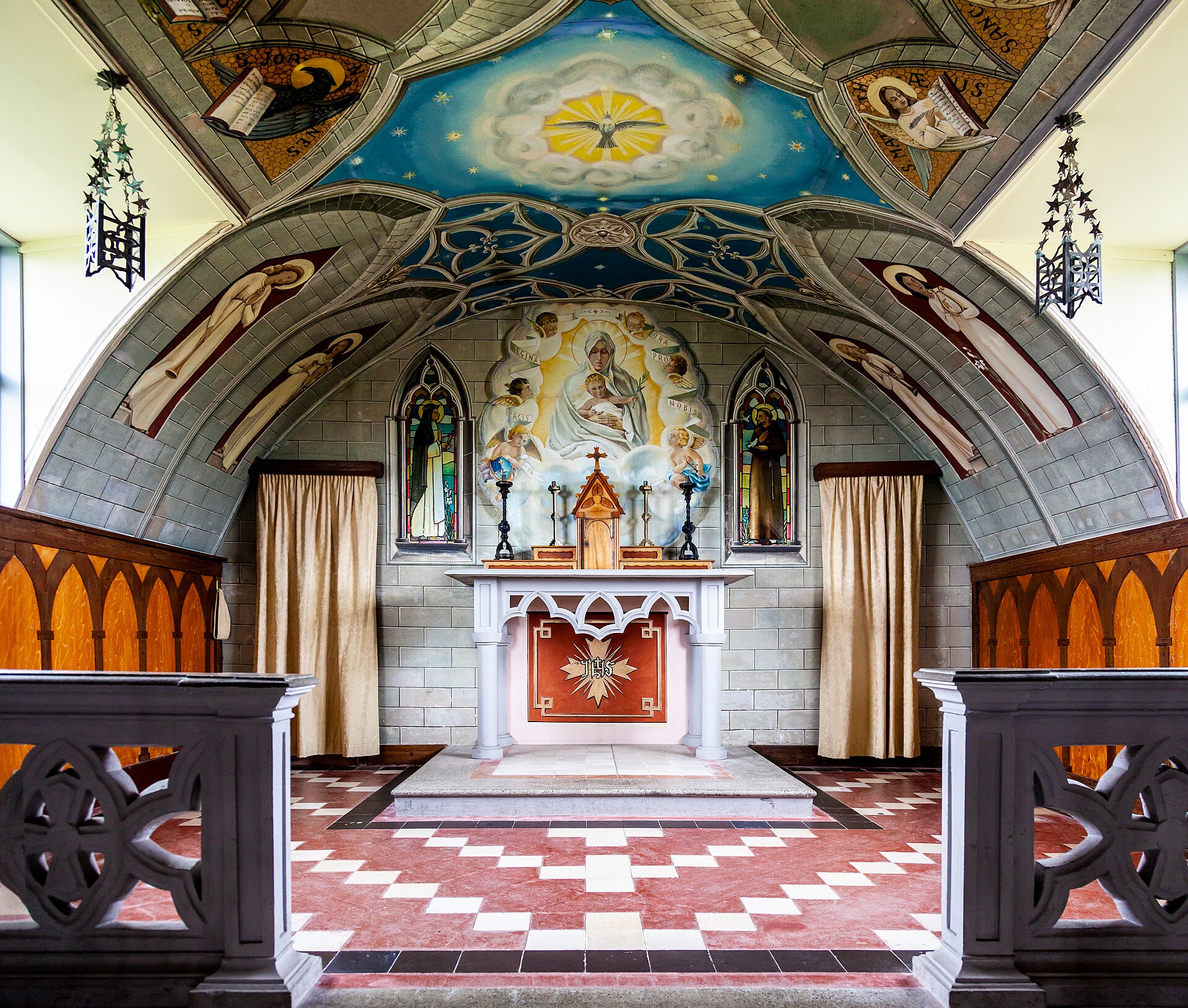
Italian Chapel
Orkney Islands
Two Nissen huts, joined end to end, decorated by a prisoner of war who stayed behind after his comrades were freed in order to finish the work.
Fortified place · Iron Age
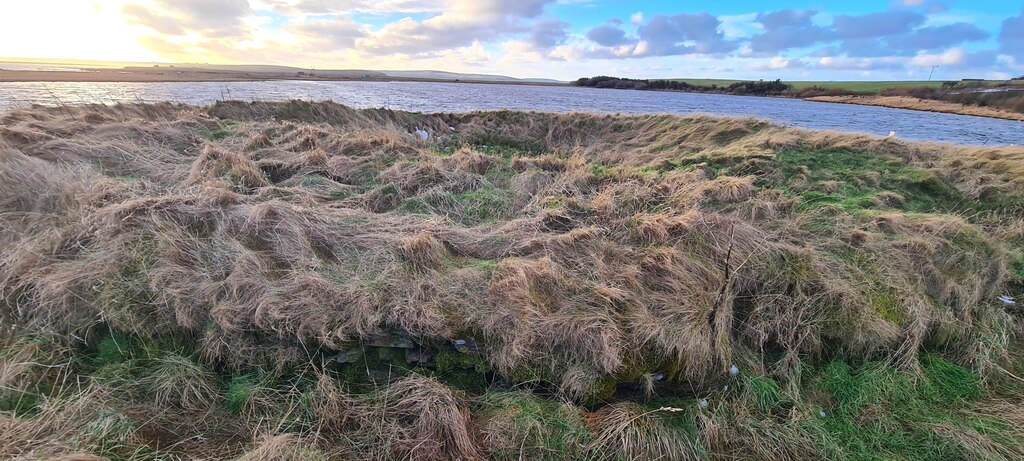
Broch of Ayre
Orkney Islands
The Ayre site is a broch, a tall circular tower of unmortared stone found only in Scotland, on Orkney Mainland.
- Easy path
Questions people ask
- Why is it called the Tomb of the Eagles?
- Because talons and bones from eight to twenty birds, predominantly white-tailed sea eagle, were found mixed with the human remains, and the eagle was thought to be a totem animal for the people buried here.
- Is that reading still accepted?
- No. Subsequent research indicated the bird material was added at a later time than the human bone, so the two were not deposited together.
- How many people were buried there?
- 16,000 human bones were recovered, from at least 324 individuals. Not one intact skeleton was found.
- Who found the tomb?
- Ronald Simison, a farmer, in 1958 while digging flagstones. He did a limited excavation and filled the site in again; full excavation began in 1976 under John Hedges.
Sources
- Review of Hedges, Tomb of the Eagles, in the Archaeological Journal
- Hedges, John W. Tomb of the Eagles — A Window on Stone Age Tribal Britain
- Wikipedia: Tomb of the Eagles
- Wikidata: Q1543831
- Canmore 9554 — SOUTH RONALDSAY, ISBISTER (animal burial(s) (neolithic)) (accessed 2026-08-03)
Explore more: Tomb or burial places · Prehistoric · Orkney Islands
The Ancient Codex, in your pocket
Get the Pocket Codex app
Carry the directory with you — Tomb of the Eagles and thousands of ancient places across Britain and Ireland, offline, wherever you roam.