
Nine stones lie fallen in an oval on high ground north-east of Lockerbie, none of them still standing. The setting, known as Whitcastles or Little Hartfell, measures about 55 metres by 45 metres and sits at grid reference NY 2240 8806, some 6½ miles from the town in the hills of Dumfries and Galloway.
Nine stones lie fallen in an oval on high ground north-east of Lockerbie, none of them still standing. The setting, known as Whitcastles or Little Hartfell, measures about 55 metres by 45 metres and sits at grid reference NY 2240 8806, some 6½ miles from the town in the hills of Dumfries and Galloway.
The largest of the stones rest to the north and south of the ring, an arrangement that ties the monument to a wider pattern. A recurring interest in the cardinal points marks the stone circles ranged around the Solway Firth, and the placing of the heaviest stones on a north-south axis at Whitcastles reflects that shared concern.
The circle was recognised for its archaeological importance in the twentieth century and given legal protection as a scheduled monument in 1937.
What follows is drawn from published sources, with each claim labelled by how firmly it is established.
The name
The site carries two names, Whitcastles and Little Hartfell, the latter drawn from the surrounding hill ground.
History
The circle was raised in prehistory as an oval setting of stones roughly 55 metres by 45 metres, with the largest stones deliberately placed to the north and south. This emphasis on the cardinal points is a feature shared by the stone circles of the Solway Firth region, suggesting the builders worked within a common local tradition. Over the intervening centuries all nine of the stones fell, so that the monument survives today as a scatter of recumbent stones rather than an upright ring. In 1937 the site was designated a scheduled monument, giving it statutory protection under the law governing ancient monuments.
Cultural influences
-
Whitcastles was shaped by the cardinal-point emphasis seen in stone circles around the Solway Firth, with its largest stones set to the north and south.
Connections
-
Stone circles of the Solway Firth
Whitcastles shares with these circles a marked interest in the cardinal points, expressed here through the placing of the largest stones to north and south.
What to look for
-
Nine fallen stones
All nine stones now lie recumbent rather than standing.
-
The oval setting
The stones form an oval measuring about 55 metres by 45 metres.
-
The largest stones
The heaviest stones lie to the north and south of the circle, on a cardinal axis.
Plan your visit
- Location
- 55.1808°N · 3.2200°W
- Nearest settlement
- Newton Stewart
- Access
- Open access
- Terrain
- Easy going
- Time needed
- About 45 minutes
Nearby places
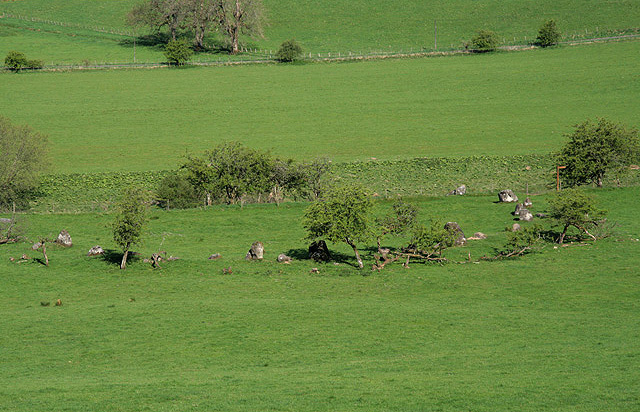
Sacred place · Prehistoric
Girdle Stanes
Dumfries and Galloway
Twenty-six standing stones curve in a crescent above the bank of the White Esk near Eskdalemuir, in Dumfries and Galloway. The gap in the ring is n…
- Easy path
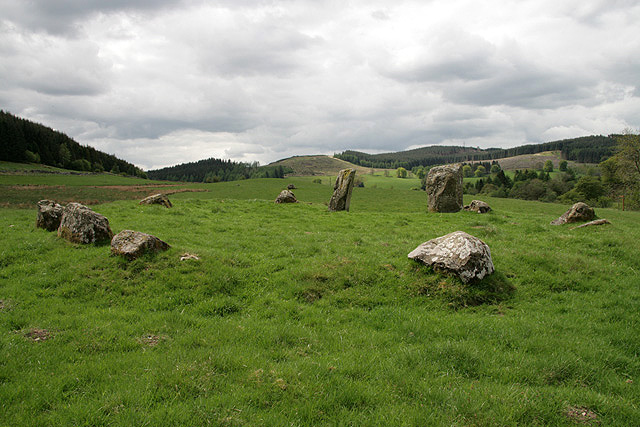
Sacred place · Prehistoric
Loupin Stanes
Dumfries and Galloway
A low platform was built up out of the ground beside Eskdalemuir before the twelve stones of the Loupin Stanes were set in an oval on top of it, at…
- Near Newton Stewart
- Easy path
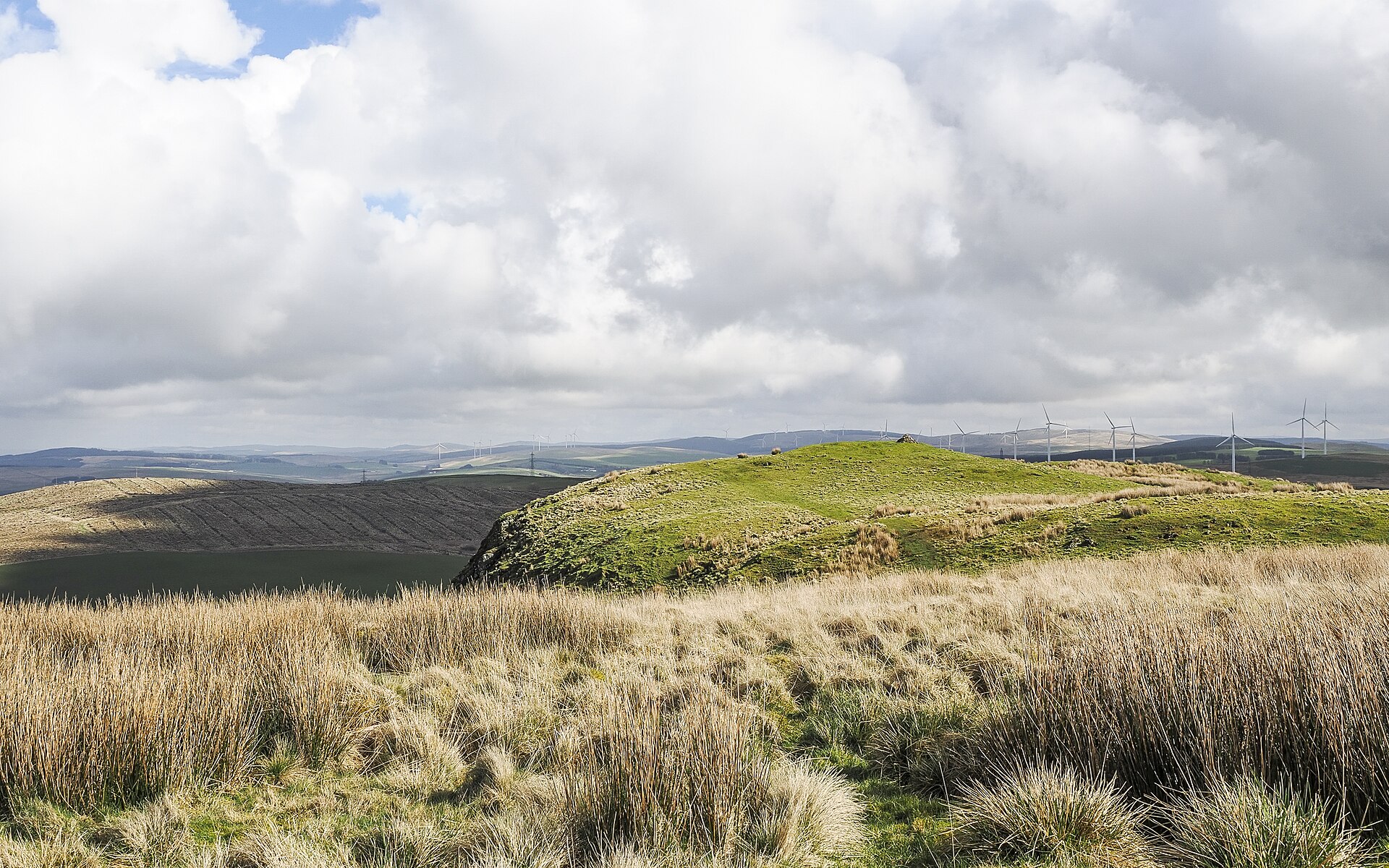
Fortified place · Roman
Burnswark Hill
Dumfries and Galloway
A swathe of hundreds of lead sling bullets lies scattered along the south-eastern flank of Burnswark Hill, marking the line where Roman slingers on…
- Some walking
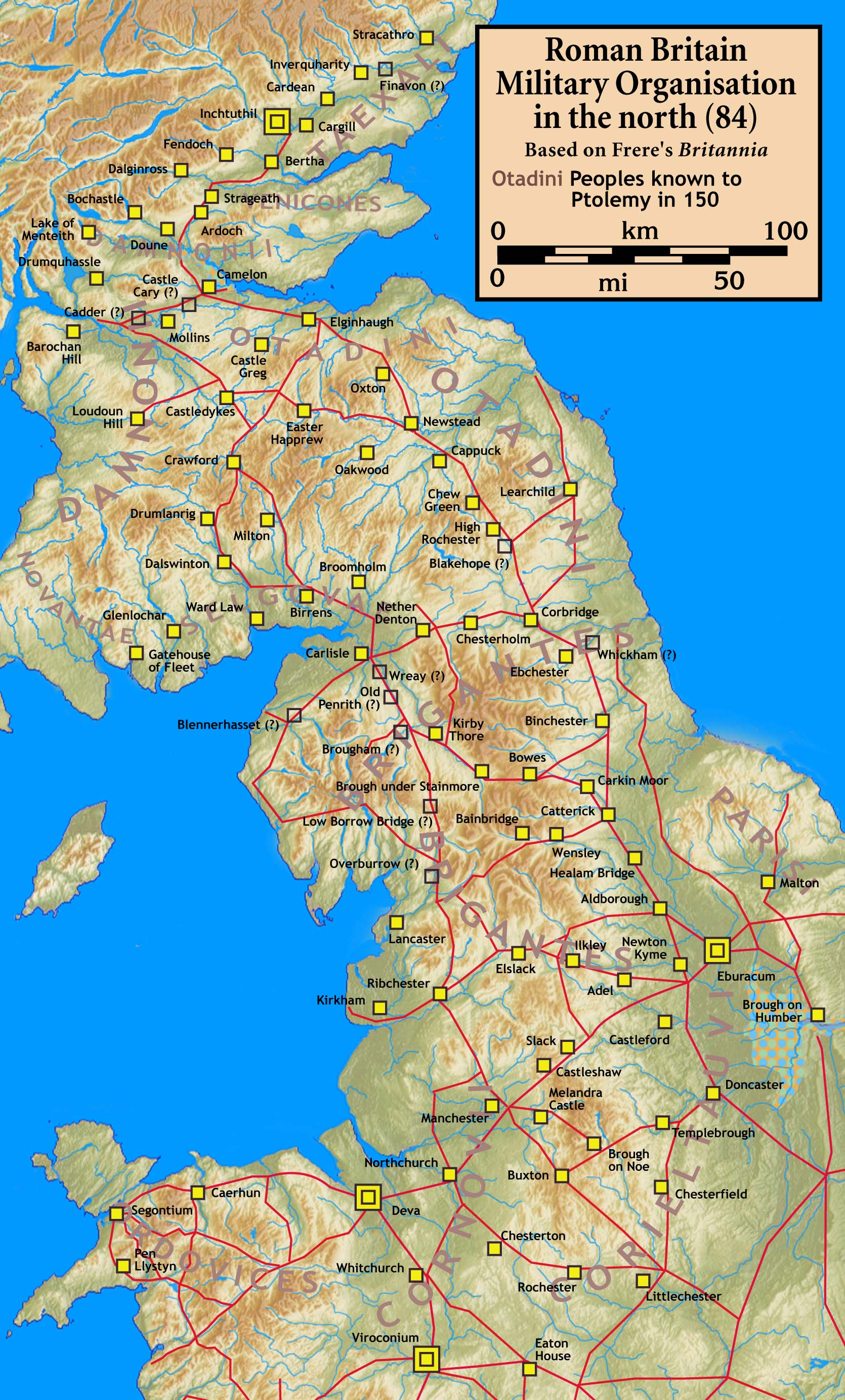
Fortified place · Roman
Birrens Roman Fort (Blatobulgium)
Dumfries and Galloway
More inscribed and sculptured Roman stones have been recovered from Birrens than from any other site in Scotland, and it is this dense scatter of a…
- Some walking
Questions people ask
- Where is Whitcastles stone circle?
- It stands on high ground about 6½ miles north-east of Lockerbie in Dumfries and Galloway, at grid reference NY 2240 8806.
- Is it also known by another name?
- Yes. The circle is called Whitcastles or Little Hartfell.
- How many stones are there and are they standing?
- There are nine stones, all of which have fallen. They lie in an oval measuring about 55 metres by 45 metres.
- Why are the largest stones on a north-south line?
- The largest stones lie to the north and south of the circle. An interest in the cardinal points is a common feature of the stone circles around the Solway Firth.
- Is the site protected?
- Yes. Whitcastles was designated a scheduled monument in 1937.
Sources
The Ancient Codex, in your pocket
Get the Pocket Codex app
Carry the directory with you — Whitcastles stone circle and thousands of ancient places across Britain and Ireland, offline, wherever you roam.