
Blackness Castle is a Firth of Forth fortress transformed from Crichton residence and state prison into an advanced artillery work, prison and ammunition depot—its narrow waterfront form earning it the name ‘the ship that never sailed’.
Blackness Castle projects on a rocky spit into the Firth of Forth, its north and south towers resembling the stem and stern of a ship with the central tower as its mast. This dramatic outline reflects a fortress repeatedly redesigned for royal power, imprisonment and artillery.
Sir George Crichton built the castle in the 1440s above the port that served Linlithgow. It passed to James II in 1453 and remained Crown property, becoming both a royal stronghold and a state prison for high-status captives.
Sir James Hamilton of Finnart’s 16th-century gun defences made Blackness one of Scotland’s most advanced artillery fortifications, though Cromwell’s army overwhelmed it in 1650. Today Historic Environment Scotland cares for a castle that also served as a military depot and has become a prominent film location.
What follows is drawn from published sources, with each claim labelled by how firmly it is established.
History
Sir George Crichton, Lord High Admiral of Scotland and Sheriff of Linlithgow, probably built Blackness Castle in the mid-1440s during conflict with the Black Douglases. First recorded in 1449, it combined a curtain wall, north tower, central tower and ditch, serving both as Crichton’s residence and a state prison. George Crichton handed Blackness and his lands to James II in 1453. His heir briefly captured the castle, but the King besieged and recovered it that year, establishing a Crown fortress that continued as a state prison and a guarded point near the royal residence at Linlithgow.
Between 1534 and 1540 Sir James Hamilton of Finnart transformed Blackness for artillery warfare. He thickened walls, opened gun ports, enlarged the south tower and created a sophisticated entrance with a caponier; this defensive passage allowed fire into the backs of attackers who had penetrated the gate. Cromwell’s New Model Army besieged the castle from land and sea in 1650, and the garrison soon surrendered because improved artillery outmatched Finnart’s defences. Blackness was repaired as a prison, became Scotland’s central ammunition depot in 1870, and entered state care after the depot closed in 1912.
People
-
Sir George Crichton
Lord High Admiral of Scotland who probably built Blackness in the mid-1440s as a residence, fortress and state prison.
-
James II
King who acquired Blackness in 1453 after besieging the castle and made it a Crown fortress guarding the Linlithgow shore.
-
Sir James Hamilton of Finnart
Master of Works who transformed Blackness for artillery warfare between 1534 and 1540 with gun ports, thickened walls and a caponier.
Cultural influences
-
The 16th-century redesign and later 1650 defeat demonstrate how gun technology shaped the castle.
Connections
-
Firth of Forth
Estuary shoreline on which the narrow castle projects, giving Blackness both its ship-like profile and its strategic artillery position.
-
Linlithgow
Royal burgh whose port at Blackness helped make the castle a Crown fortress and guarded point near the royal residence.
In culture
-
Television series using Blackness Castle as a filming location.
-
Franco Zeffirelli film that used the castle as a location.
What to look for
-
Stem, mast and stern form
North, central and south towers give the narrow shoreline castle its ship-like silhouette, known as the ship that never sailed.
-
Finnart’s spur and caponier
The dog-leg entrance and caponier allowed defenders to fire into attackers’ backs after they had penetrated the main gate.
-
Central tower prison
The five-storey central tower held important prisoners and retains fireplaces, garderobes and a vaulted basement from its prison use.
What is said
Folklore and tradition, recorded as what is said — not as established fact.
-
Popular legend speaks of a tunnel linking Blackness Castle with the House of the Binns, about two miles to the south, but no evidence for such a passage is given.
Plan your visit
- Location
- 56.0061°N · 3.5161°W
- Access
- Paid entry — managed visitor site
- Time needed
- About 90 minutes
- Best time
- Visit during published opening hours and in dry daylight, when the castle, grounds and Firth views can be explored comfortably.
- What survives
- The substantial fifteenth-century waterfront fortress survives with its towers, defensive walls and courtyards open for visitors to explore.
- Facilities
- Visitor facilities depend on the current heritage-site operation; check the official information before travelling.
Opening & admission
Paid entry; Historic Scotland members and eligible pass holders have included entry.
- Book a dated, timed ticket through Historic Scotland before travelling.
- Opening hours and short-notice closures are published on the official visit page.
Nearby places
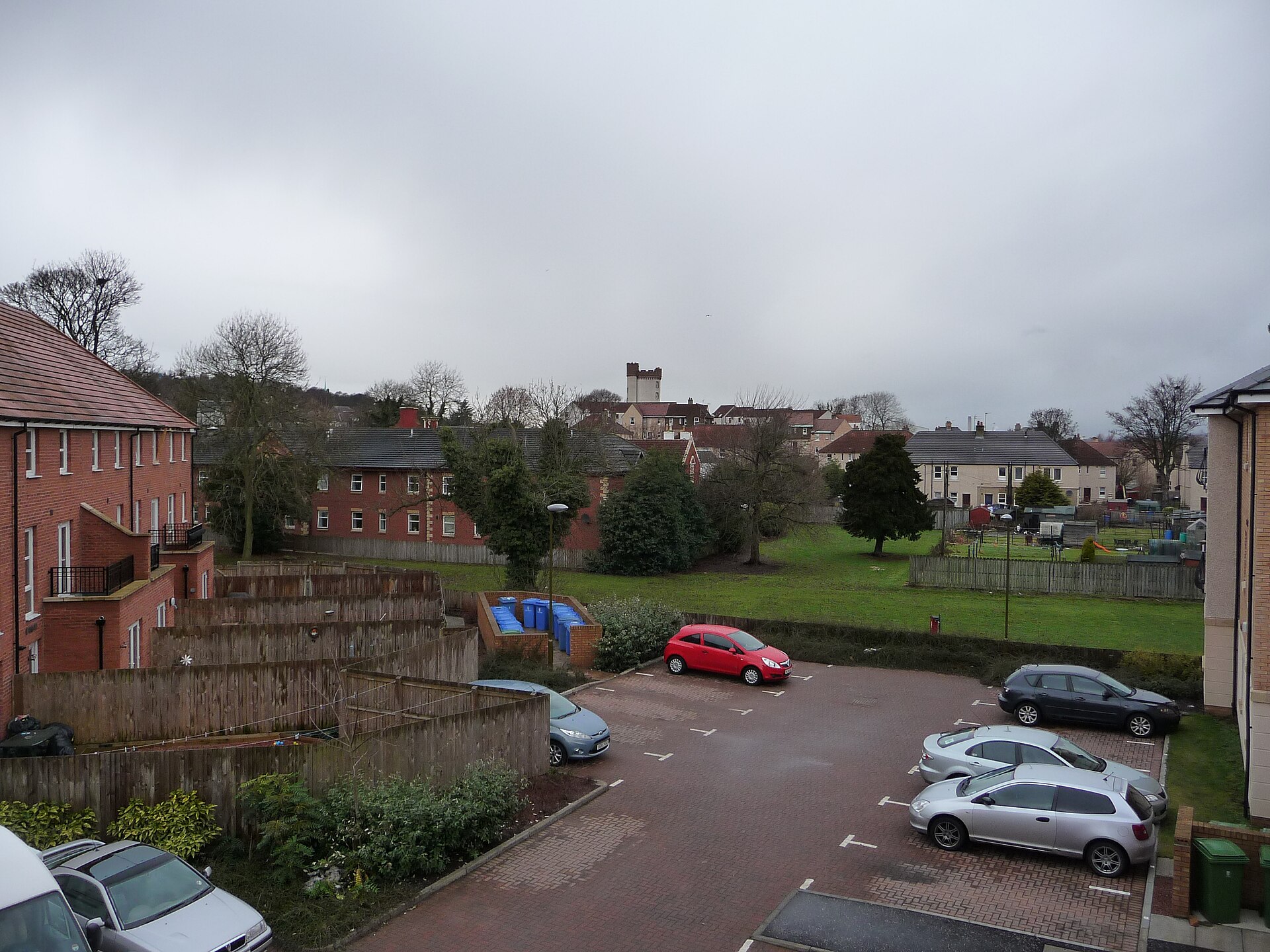
Building or ruin · Medieval
Bridgeness Slab
Falkirk
The Bridgeness Slab is the most detailed surviving Antonine Wall distance slab, combining a precise construction record with vivid Roman imagery of…
- Easy path
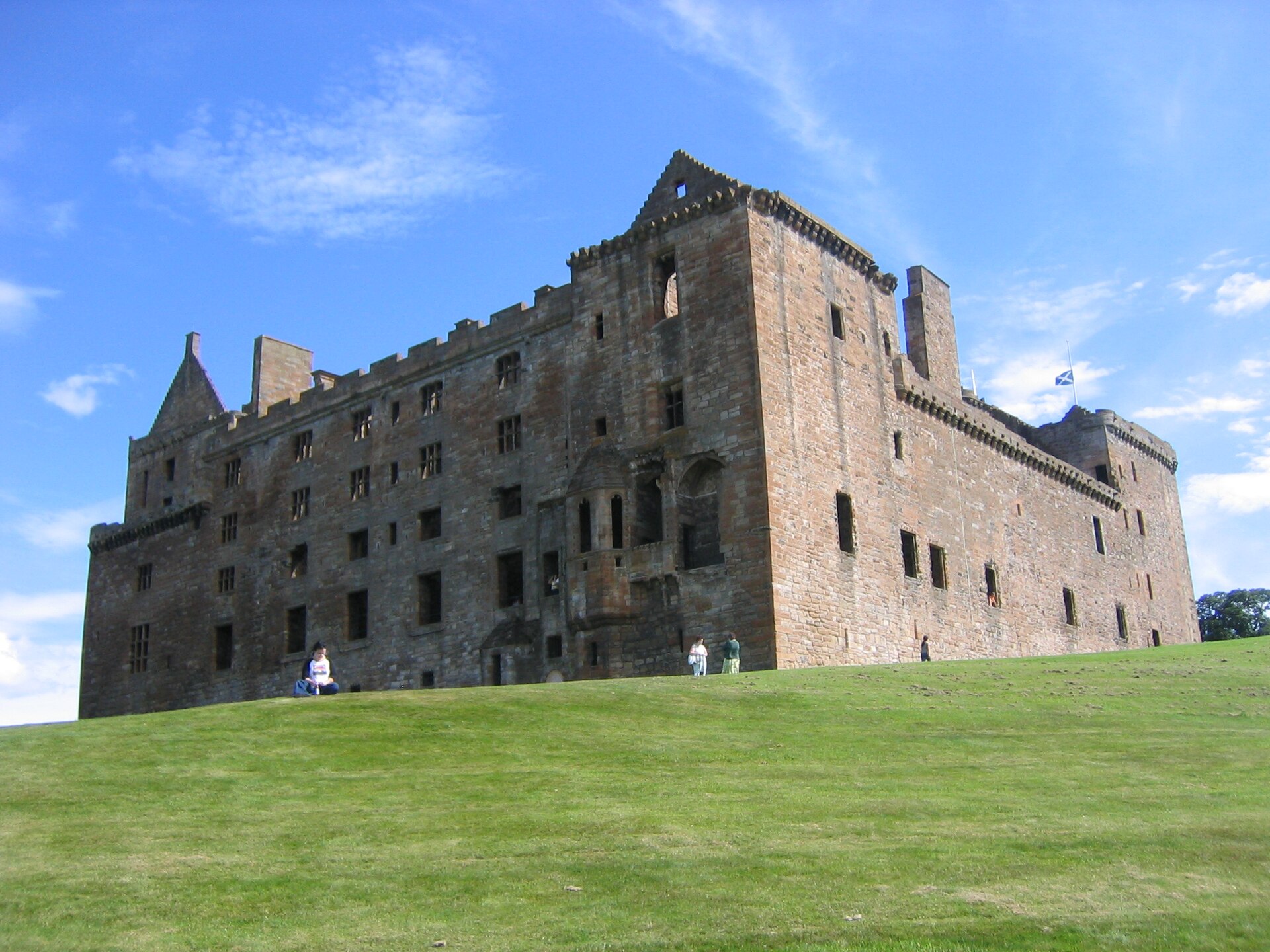
Building or ruin · Medieval
Linlithgow Palace
West Lothian
Taken back from the English by a hay merchant in 1313, birthplace of Mary Queen of Scots, and burned by accident in 1746.
- Near Linlithgow
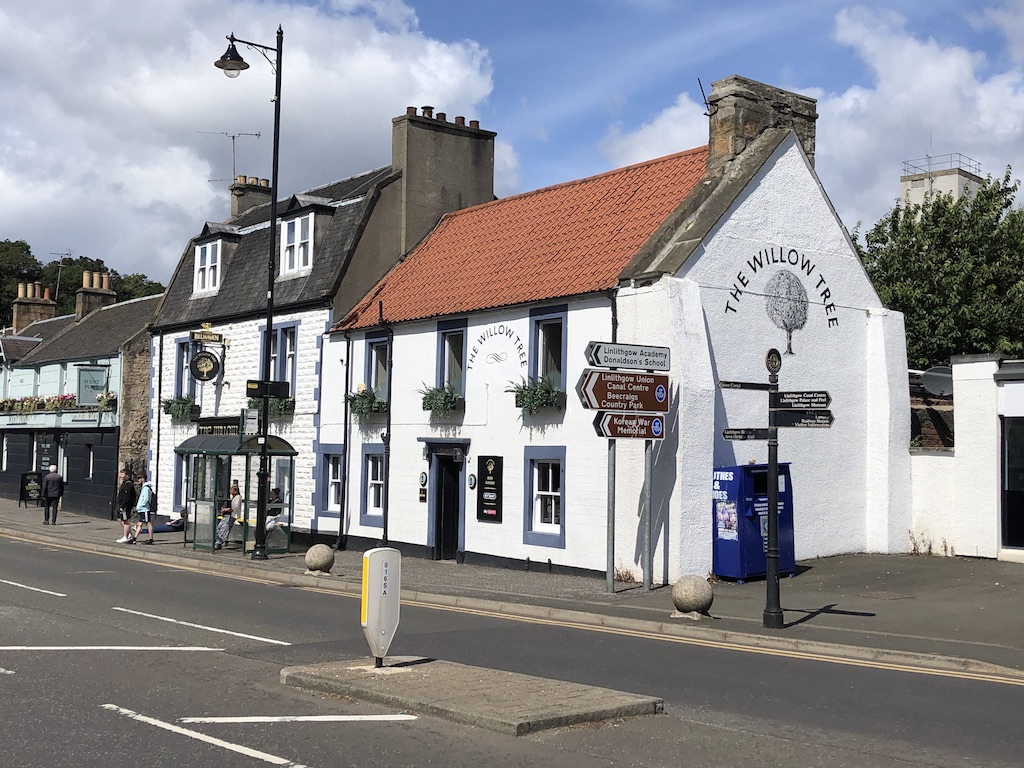
Ancient tree · Medieval
Katie Wearie's Tree
Perth and Kinross
Katie Wearie’s Tree was a named Linlithgow memorial to a drover girl, preserved in an early twentieth-century postcard even though little else is k…
- Near Perth and Kinross
The setting
Near Blackness Castle, about 7 metres away.
Photo: pudina / Wikimedia Commons / CC BY 3.0
Near Blackness Castle, about 9 metres away.
Photo: M J Richardson / Wikimedia Commons / CC BY-SA 2.0
Questions people ask
- Why is Blackness Castle called ‘the ship that never sailed’?
- Its narrow plan projects into the Firth of Forth, with the north and south towers likened to a ship’s stem and stern and the central tower to a main mast.
- Who built Blackness Castle?
- Sir George Crichton probably built it in the mid-1440s. The Crown acquired it in 1453, and Sir James Hamilton of Finnart substantially strengthened it in the 1530s.
- What roles has Blackness Castle had?
- It has served as a royal fortress, state prison, artillery fortification, garrison, prison for French prisoners of war and Scotland’s central ammunition depot.
Sources
The Ancient Codex, in your pocket
Get the Pocket Codex app
Carry the directory with you — Blackness Castle and thousands of ancient places across Britain and Ireland, offline, wherever you roam.