Newbattle Abbey links Cistercian settlement, early Scottish coal extraction, repeated Anglo-Scottish conflict, Reformation (the break with Rome that shut the religious houses in the 1530s) secularisation and an unusual twentieth-century conversion into a college for returning adult learners.
Newbattle Abbey occupies a valley beside the River South Esk in Midlothian. Cistercian monks from Melrose founded it in 1140 under the patronage of David I and his son Henry, creating a daughter house in a wider line descending from Rievaulx.
The monastery became prosperous, supported in part by coal mines and favoured by Scottish kings, but it suffered English attacks in 1385 and 1544. At the Reformation its remaining monks were pensioned and its lands passed into the Kerr family’s secular lordship.
Parts of the monastic range survive at the heart of a later house that was repeatedly rebuilt. Given to the nation in 1937, the building became Newbattle Abbey College, established to serve adults returning to education, while the monastic remains remain a scheduled monument.
What follows is drawn from published sources, with each claim labelled by how firmly it is established.
History
Monks from Melrose Abbey founded Newbattle in 1140 with King David I and his son Henry as patrons; its church was dedicated in 1234. Its institutional lineage ran from Newbattle to Melrose and then to Rievaulx. Rudolph, the first abbot, oversaw construction under Cistercian discipline, and the community at one point reached as many as 80 monks and 70 lay brothers.
Coal was one of the abbey’s principal incomes, and the monks were among Scotland’s first, perhaps its first, coal miners. A charter granting them a coal mine provides the earliest mentioned coal reference in Scotland. In 1531 the abbot agreed with Dunfermline’s abbot to work the Prestongrange mine so that water would drain from neighbouring mines towards the sea.
Newbattle repeatedly suffered English incursions. Royal forces burned the monastery and church in 1385, forcing the religious to flee or be carried away and leaving losses that required 40 years to repair. In 1544 the Earl of Hertford again destroyed part of the site, with damage apparently concentrated on the church, showing the abbey’s exposure in cross-border warfare.
By the Reformation only a few monks remained. The commendator Mark Kerr pensioned them, converted to Protestantism and retained the lands around the abbey; in 1587 the estate became a secular lordship for him. His son became Lord Newbattle in 1596 and Earl of Lothian in 1606, transforming a monastic endowment into a noble family seat.
The surviving monastic range was converted into a house, retaining the dorter undercroft. John Mylne modified it in 1650, followed by William Burn in 1836 and David Bryce in 1858. Philip Kerr, eleventh Marquess of Lothian, gave the property to the nation in 1937 for a College of Education for adults returning to learning; although funding was threatened in 1987, new support allowed it to survive.
People
-
.jpg?width=320)
Portrait: Unknown author / Wikimedia Commons / Public domain David I of Scotland
Royal patron who founded Newbattle with his son Henry in 1140 for monks from Melrose.
-

Portrait: Attributed to François-Nicolas Mouchet / Wikimedia Commons / Public domain Rudolph
First abbot who oversaw construction of the early monastic buildings under Cistercian discipline.
-

Portrait: Bain / Wikimedia Commons / Public domain Mark Kerr
Last commendator who converted to Protestantism and retained the estate lands as a secular lordship.
-
Philip Kerr, eleventh Marquess of Lothian
Eleventh Marquess of Lothian who gave the property to the nation for adult education in 1937.
Cultural influences
-
Its lineage, rules and valley setting shaped the abbey’s foundation and organisation.
-
The abbey’s mines and drainage agreement make it an early witness to the industry.
-
Ended the monastery and enabled the Kerr family’s secular lordship.
Connections
-
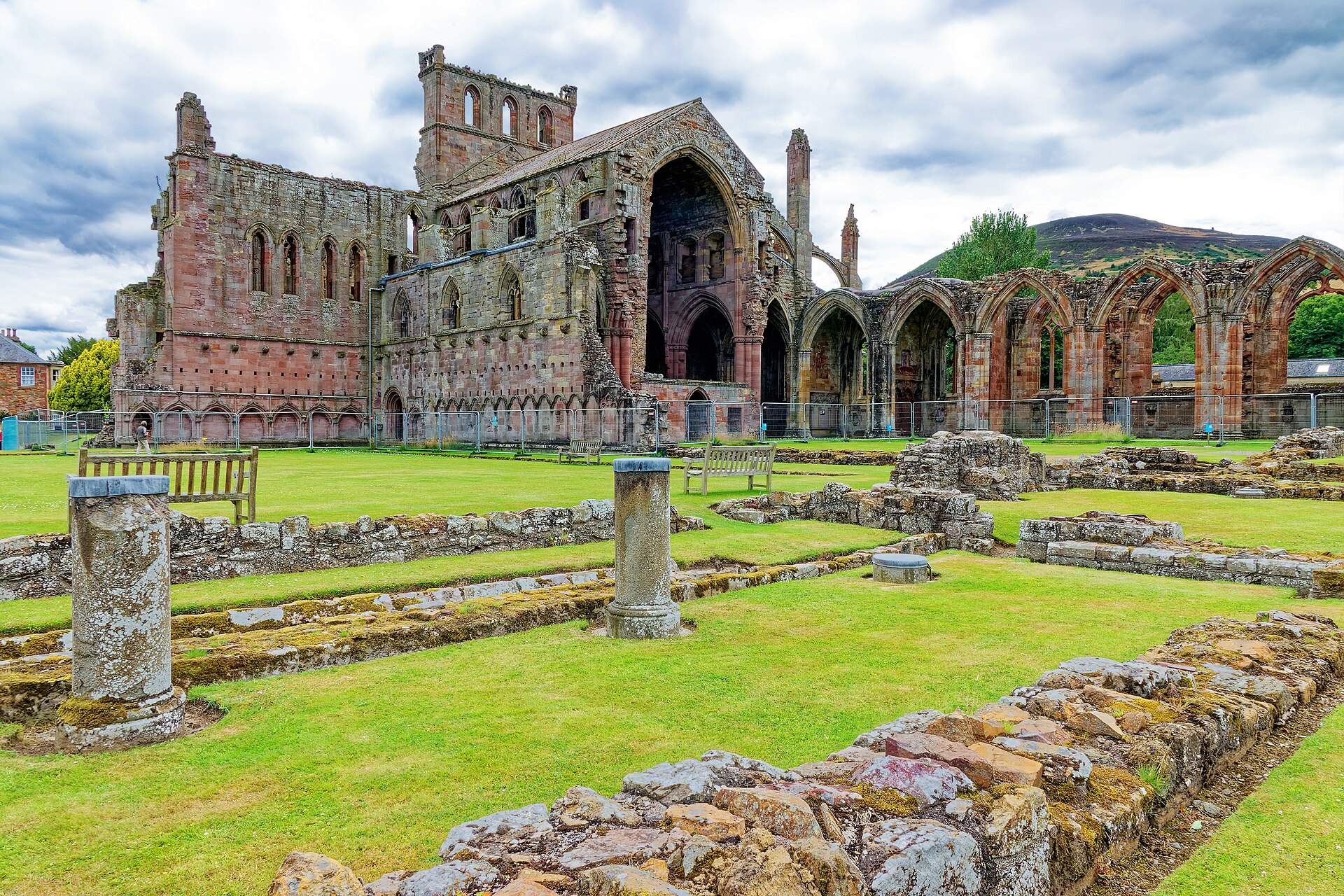
Photo: Holger Uwe Schmitt / Wikimedia Commons / CC BY-SA 4.0 Newbattle’s mother house, which supplied its founding Cistercian monks and established its institutional lineage.
-

Photo: Tilman2007/Dr. Volkmar Rudolf / Wikimedia Commons / CC BY-SA 4.0 The older Cistercian mother house of Melrose, making it the abbey’s ancestral house within the order.
-

Photo: Kim Traynor / Wikimedia Commons / CC BY-SA 3.0 Prestongrange
In 1531 Newbattle’s abbot agreed to work its coal mine to help drain neighbouring Dunfermline Abbey mines.
In culture
-
Living educational and events venue
The former abbey now serves as Newbattle Abbey College and hosts guided tours, weddings and other events.
What to look for
-
Dorter undercroft
The intact undercroft beneath the former dormitory survives in the core of the later country house.
-
Nineteenth-century chapel
A vaulted undercroft, perhaps from the abbey, became a chapel with a sixteenth-century font and parquet floor.
-
Seventeenth-century sundials
Two large octagonal seventeenth-century sundials stand in the garden behind the former abbey house.
Plan your visit
- Location
- 55.8919°N · 3.0668°W
- Nearest settlement
- Dalkeith
- Time needed
- About 90 minutes
- Best time
- During a booked guided tour or event, when the surviving monastic interiors can be seen.
- What survives
- The surviving monastic range forms the core of a substantially altered country house and college; the dorter undercroft remains intact.
- Facilities
- Newbattle Abbey College provides event and room-hire spaces, including guided tours.
Opening & admission
The abbey is an operating college and events venue; guided tours are advertised by Newbattle Abbey College.
- Arrange access or a tour through the college before travelling.
Nearby places
Fortified place · Roman
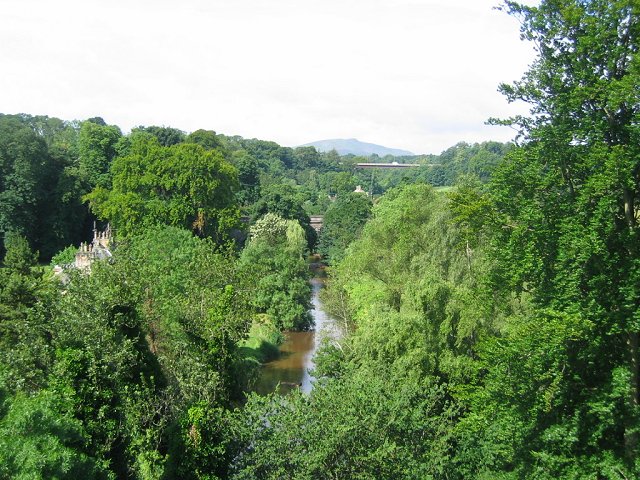
Elginhaugh
Midlothian
Elginhaugh is the Roman Empire’s most completely excavated timber-built auxiliary fort, offering rare evidence for a short Flavian occupation, mixe…
- Near Dalkeith
- Some walking
Fortified place · Roman
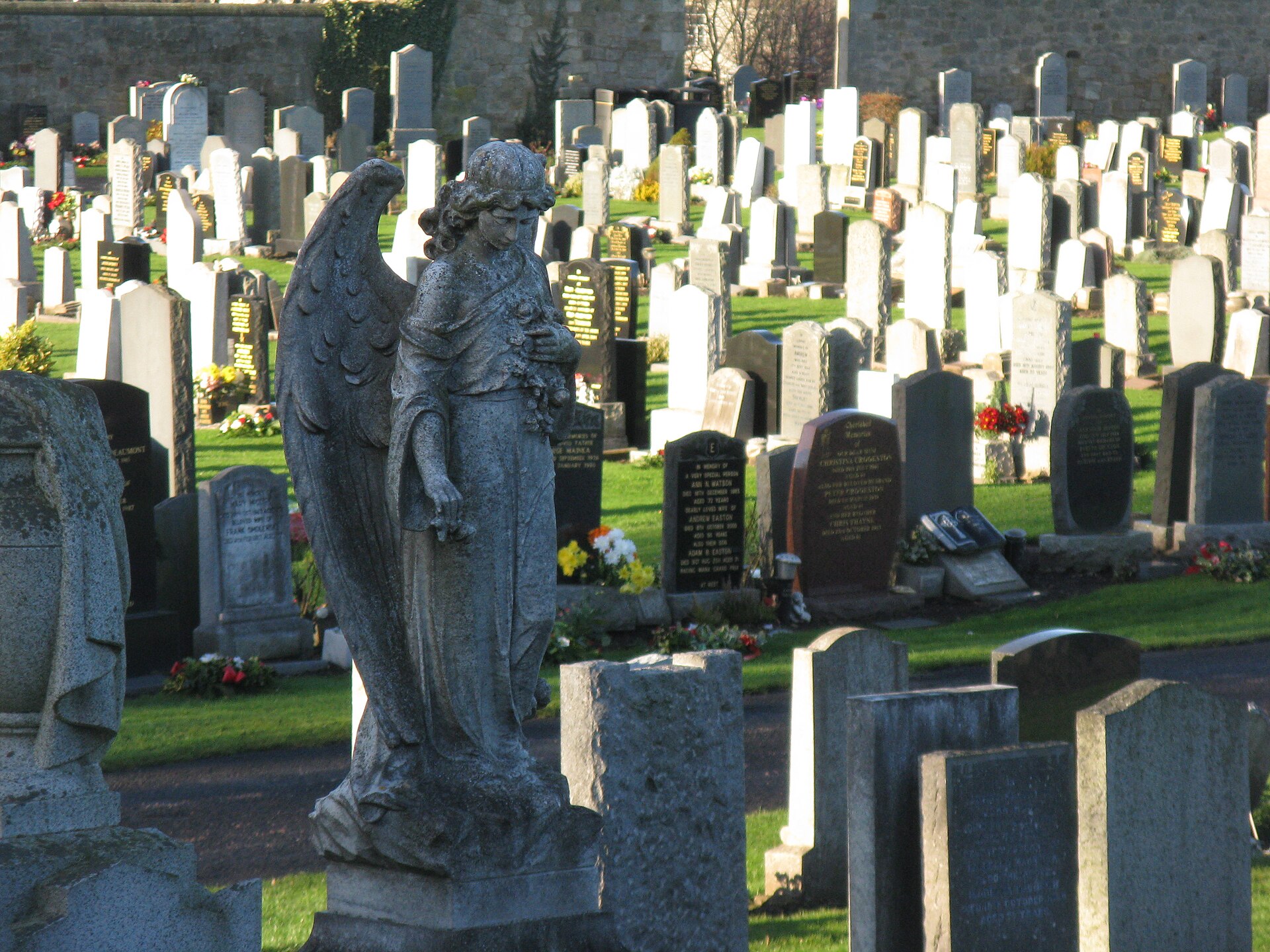
Inveresk Roman Fort
East Lothian
Inveresk is a large Antonine-period fort with a civilian settlement, cavalry evidence and Britain’s earliest dated Mithraeum, making it one of Scot…
- Near Dunbar
- Some walking

Fortified place · Medieval
Craigmillar Castle
City of Edinburgh
Craigmillar Castle is one of Scotland's best-preserved medieval castles, combining a Preston tower house and defensive courtyards with the pivotal…
- Near Edinburgh
- Some walking
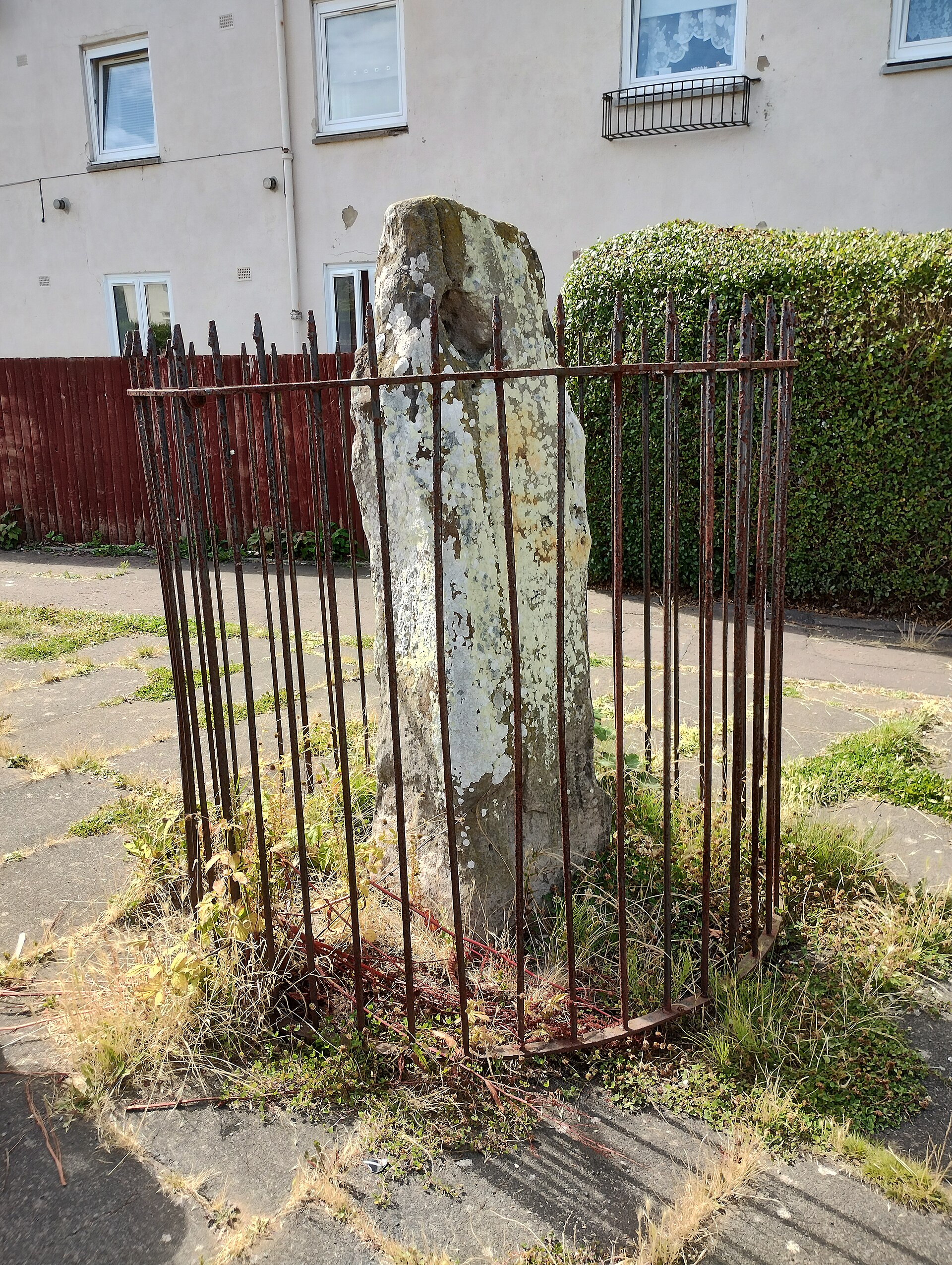
Sacred place · Prehistoric
Ravenswood standing stone
City of Edinburgh
The Ravenswood standing stone is a Bronze Age (roughly 2500–800 BC) monument whose repeated moves and survival within an Edinburgh housing estate m…
- Near Edinburgh
- Easy path
The setting
Near Newbattle Abbey, about 67 metres away.
Photo: Barbara Carr / Wikimedia Commons / CC BY-SA 2.0
Near Newbattle Abbey, about 154 metres away.
Photo: M J Richardson / Wikimedia Commons / CC BY-SA 2.0
Near Newbattle Abbey, about 166 metres away.
Photo: M J Richardson / Wikimedia Commons / CC BY-SA 2.0
Near Newbattle Abbey, about 180 metres away.
Photo: Richard Webb / Wikimedia Commons / CC BY-SA 2.0
Questions people ask
- Which abbey founded Newbattle?
- Monks from Melrose Abbey founded it in 1140; Melrose itself was a daughter house of Rievaulx Abbey.
- What is Newbattle Abbey’s connection with coal?
- Coal mining was a principal source of income, and its charters include the earliest mention of coal in Scotland.
- What is Newbattle Abbey used for now?
- After its 1937 gift to the nation, it became an educational institution serving adults returning to education.
Sources
The Ancient Codex, in your pocket
Get the Pocket Codex app
Carry the directory with you — Newbattle Abbey and thousands of ancient places across Britain and Ireland, offline, wherever you roam.