
Ancient tree · Medieval · Argyll and Bute
Robert the Bruce Yew
The Robert the Bruce Yew preserves a royal association in local tradition while clearly separating that enduring landscape memory from any unverified claim that the king visited.
The Robert the Bruce Yew is a living tree remembered through a royal name. Its heritage is not expressed through masonry but through the persistence of an association between a natural landmark, King Robert the Bruce and the surrounding landscape.
The available record identifies the tree as ancient or notable but does not establish a measured age, planting date or documented encounter with the king. The name therefore belongs to local historical memory, while the factual limits of the association remain important.
The yew’s value lies in that layered identity: a long-lived tree, a named place and a royal connection held together without requiring an unsupported claim that the king directly stood beneath it.
What follows is drawn from published sources, with each claim labelled by how firmly it is established.
The name
The recorded name identifies the yew through its traditional association with Robert the Bruce rather than a documented linguistic derivation.
History
The tree became known as the Robert the Bruce Yew, preserving a connection with King Robert the Bruce in the landscape. The available evidence does not record when the name arose or provide a contemporary account linking the king directly to the tree. Yews are long-lived trees and have often remained visible landmarks near historic settlements and religious places. No secure age or planting date is recorded for this specimen, so its antiquity should be understood as a recorded heritage status rather than a precise number of years.
The royal association gives the tree a strong place-name identity, but it remains an association rather than a verified event. That distinction keeps a local memory separate from an unsupported claim about medieval travel. The yew continues to function as a living landmark. Its significance comes from natural longevity, named recognition and the survival of a royal tradition in the Argyll landscape. The available record preserves that association without supplying a precise age or a dated visit by the king.
People
-
Robert the Bruce
The tree’s name preserves a traditional association with King Robert the Bruce; a contemporary visit is not established by the available record.
Cultural influences
-
Royal tradition
The tree’s heritage identity is shaped by the survival of a royal association in local naming, rather than by a documented medieval event.
Connections
-
Robert the Bruce
The yew’s name preserves a local tradition that Robert the Bruce sheltered beneath it with followers. That association gives the living tree its historical identity, while the lack of a contemporary account keeps the story in the realm of tradition; the tree itself remains the visitor’s tangible evidence. The connection is valuable precisely because it shows how royal memory can attach to a natural landmark without becoming verified biography. Its value lies in preserving the distinction between a memorable tradition and a proven event.
-
Scotland’s Yew Tree Heritage Initiative
The heritage initiative records the tree’s royal association while cautioning that the encounter cannot be proven. This links the place to modern conservation and interpretation work, showing how living trees are assessed as heritage without turning tradition into certainty.
What to look for
-
Named living yew
A living yew recognised through the recorded royal tradition in its name; current condition and access require local checking.
What is said
Folklore and tradition, recorded as what is said — not as established fact.
-
The Bruce shelter tradition
Local tradition says that Robert the Bruce and 200 followers sheltered beneath this yew while he was an outlaw in the early fourteenth century. Scotland’s Yew Tree Heritage Initiative notes that the association cannot be proven, although the tree’s recorded age makes it possible that it stood in Bruce’s lifetime.
Plan your visit
- Location
- General area near Arrochar, Argyll and Bute
- Nearest settlement
- Arrochar
- Access
- Reached on a public path
- Time needed
- About 15 minutes
- Best time
- Daylight, after checking current local guidance on the tree’s condition and access.
- What survives
- Living-tree condition and access should be checked against current local guidance before any visit copy is expanded.
- Facilities
- No dedicated visitor facilities are recorded for the tree.
This is a sensitive or fragile site, so we show only its general area. Please check official heritage sources for access before visiting, and take care not to disturb it.
Nearby places
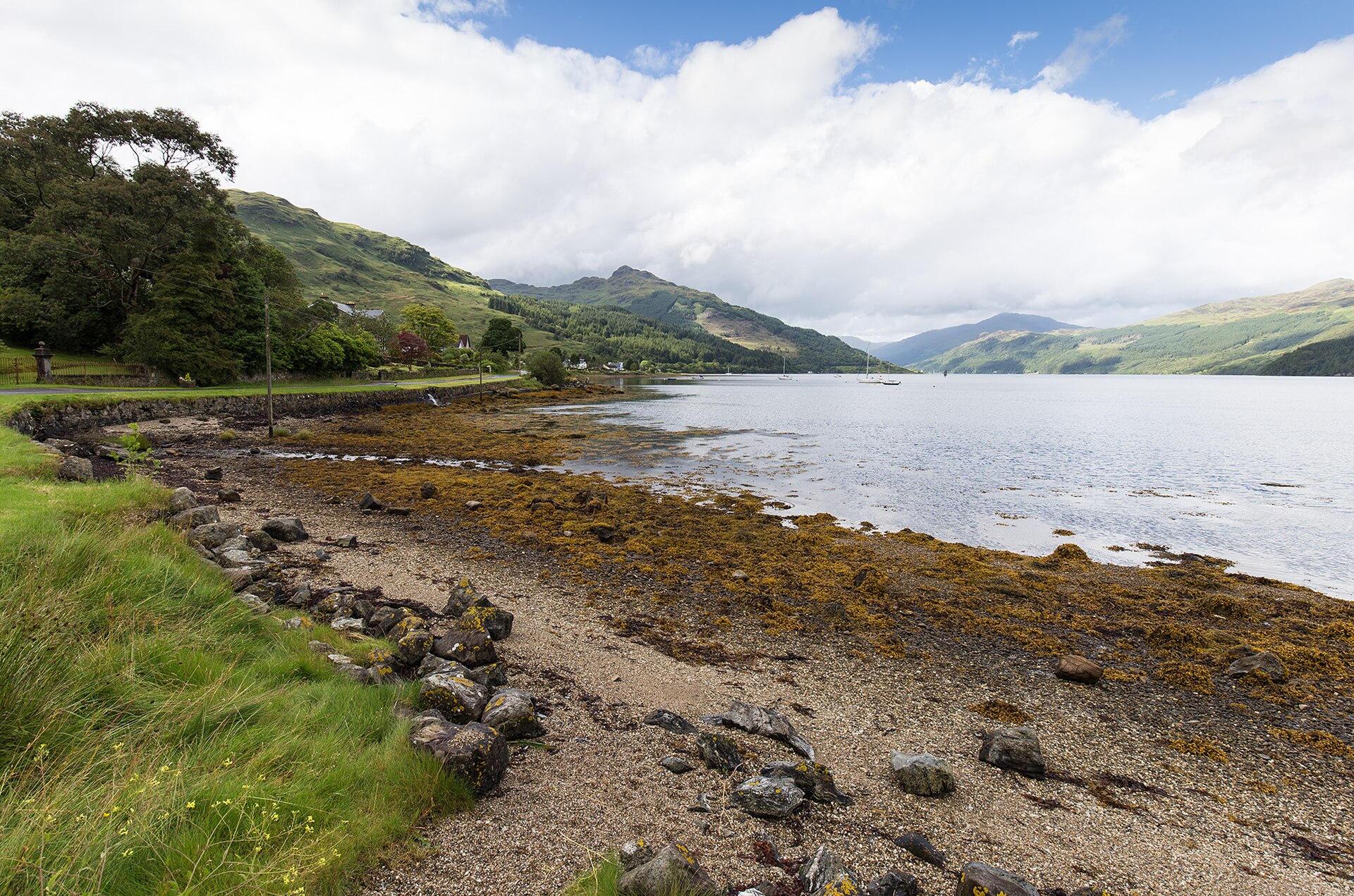
Fortified place · Medieval
Carrick Castle
Argyll and Bute
A Campbell stronghold built on a rock in Loch Goil, hosted a hunting king and a queen's overnight stay, then was deliberately burned by a Royal Nav…
- Near Carrick Castle
- Some walking
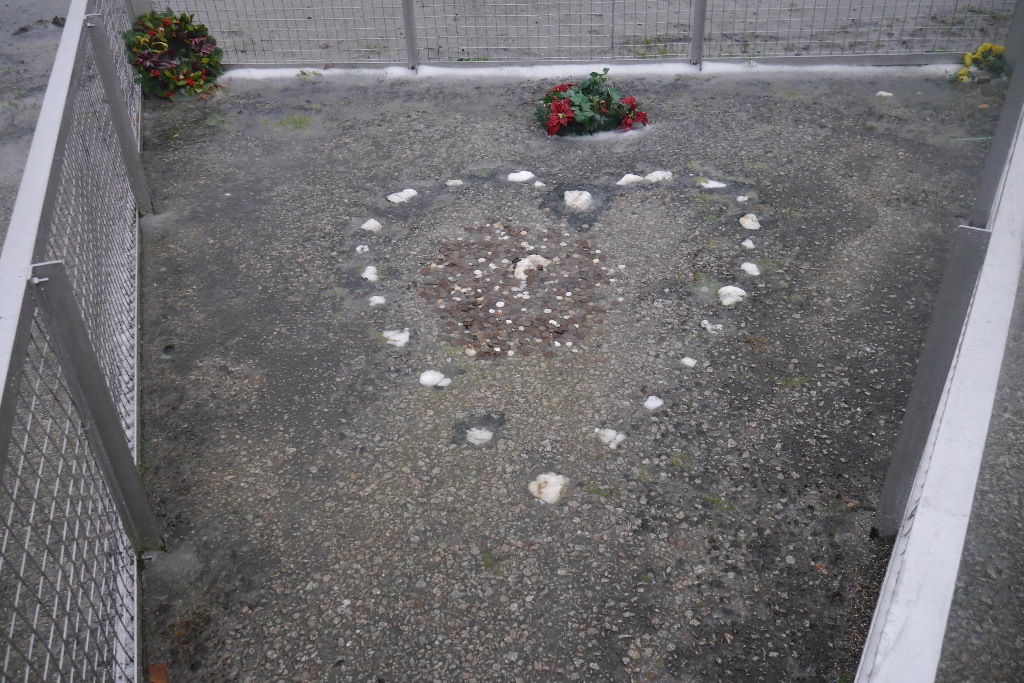
Building or ruin · Medieval
The Tinkers' Heart
Argyll and Bute
A heart of twenty-six quartz pebbles laid in a Loch Fyne field is, on current research, the only known permanent physical memorial to Scotland's Tr…
- Near Cairndow
- Easy path
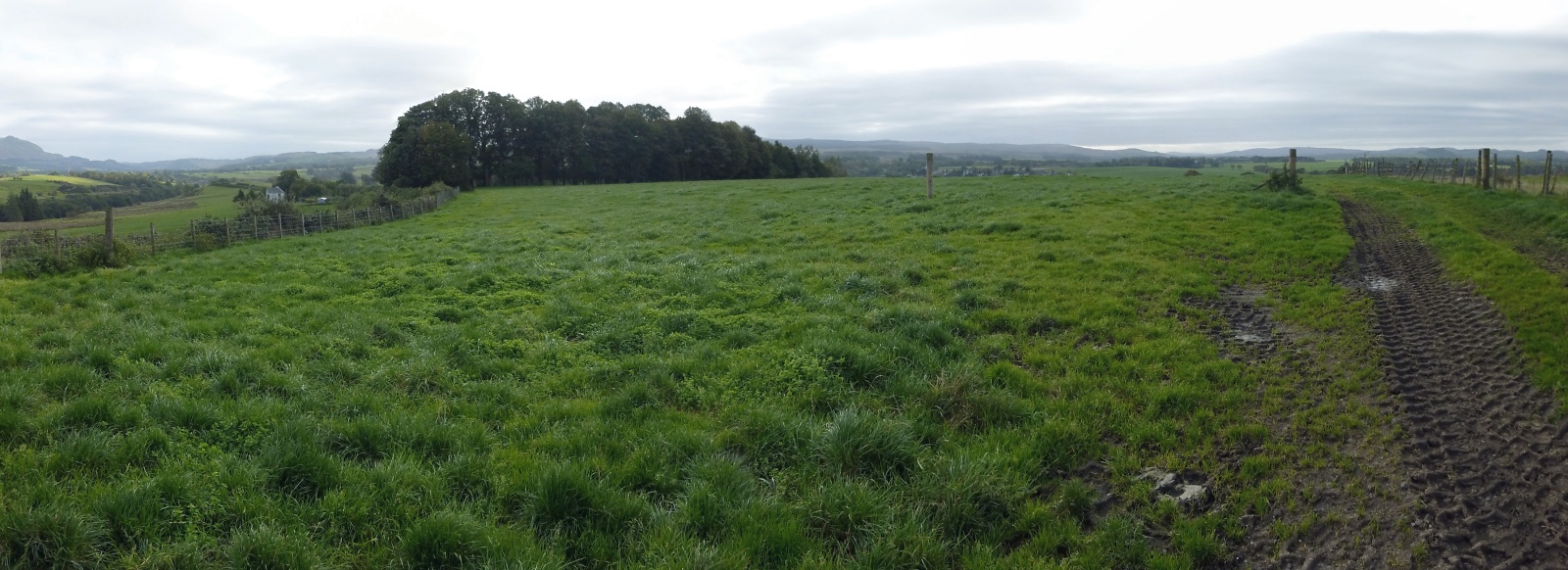
Fortified place · Roman
Drumquhassle
Stirling
A Flavian glen-blocker fort found from the air in the 1970s: and given a name chosen to be hard for the English to say.
- Near Drymen
- Some walking
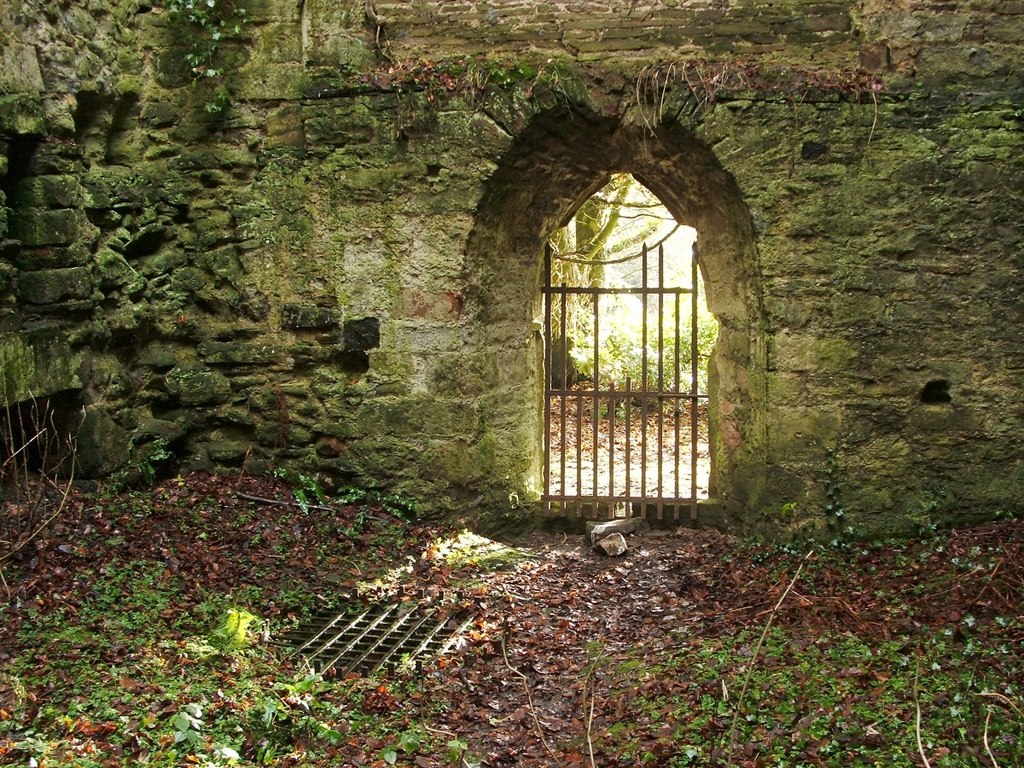
Fortified place · Medieval
Kilmahew Castle
Argyll and Bute
A roofless tower house north of Cardross that gave its name to eighteen generations of Napiers, among them the shipbuilding dynasty that built the…
- Near Cardross
- Some walking
Questions people ask
- What is the Robert the Bruce Yew?
- It is an ancient or notable yew recorded as a heritage feature in Argyll.
- Is Robert the Bruce directly documented at the tree?
- The available record preserves an association but does not establish a contemporary account of a visit.
- Is its age known?
- A secure measured age or planting date is not recorded.
Sources
The Ancient Codex, in your pocket
Get the Pocket Codex app
Carry the directory with you — Robert the Bruce Yew and thousands of ancient places across Britain and Ireland, offline, wherever you roam.