
St Ninian’s Cave is a Catholic pilgrimage site in Physgill Glen where early-medieval carved stones, rockfall-altered geology and modern film history meet around the memory of a Scottish saint.
A cave in the wooded Physgill Glen near Whithorn draws pilgrims through its traditional association with St Ninian. Rockfalls have reduced the entrance over time, changing the space that visitors encounter today.
Excavations in the 1880s and 1950s uncovered eighteen early-medieval carved stones. Most had been reused in a later wall, with others lying loose inside or at the cave mouth.
The cave also reached a wider audience as a location in the 1973 horror film The Wicker Man. Its lasting significance, however, rests on the carved stones and devotional connection.
What follows is drawn from published sources, with each claim labelled by how firmly it is established.
History
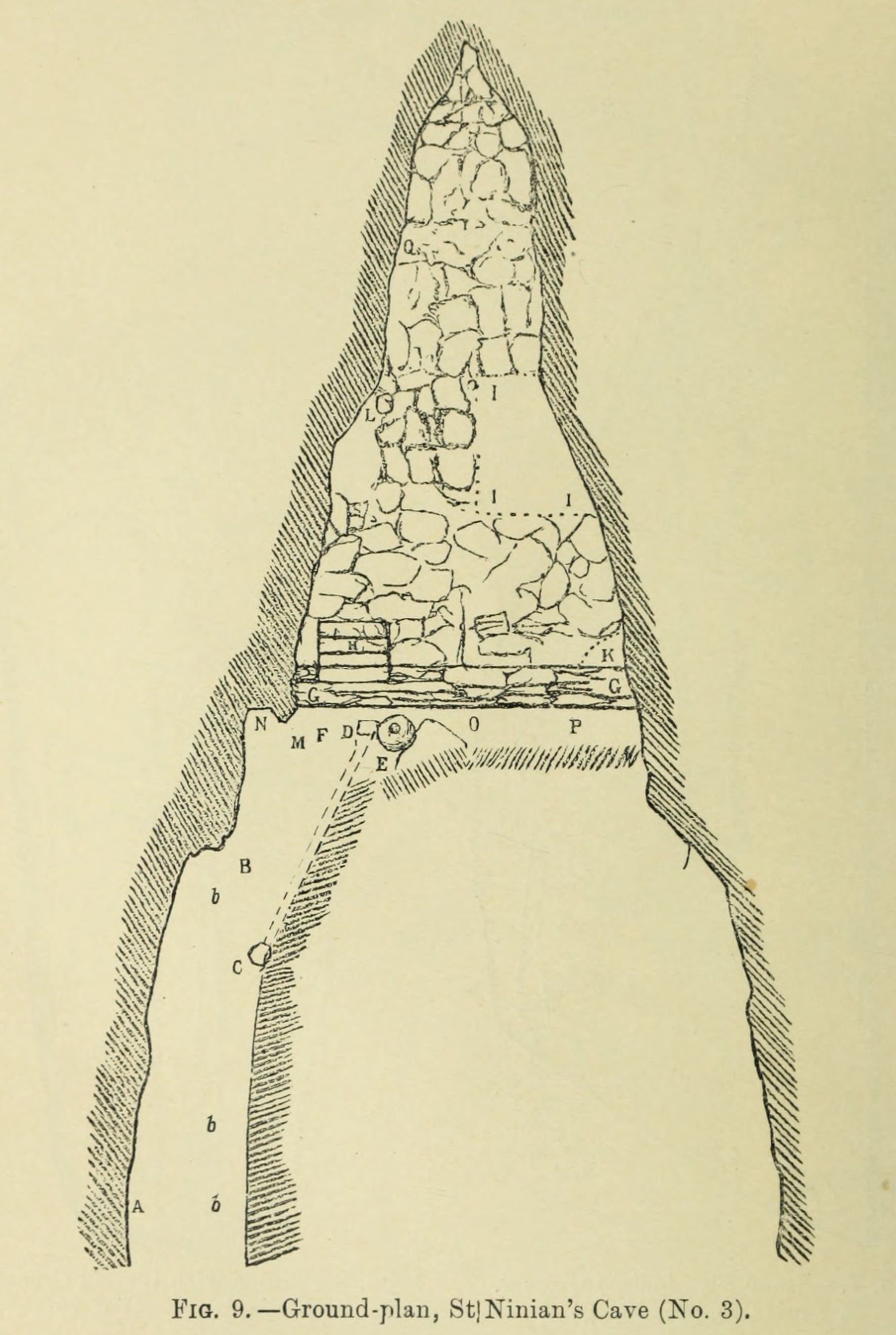
St Ninian’s Cave lies in Physgill Glen at Whithorn in Dumfries and Galloway. It is a place of Roman Catholic pilgrimage because of its association with the Scottish saint Ninian. When that association began, whether Ninian ever came here himself, and how the pilgrimage tradition took the shape it did are all unrecorded. What the cave carries is devotion attached to a name, not evidence for the life behind it. Its setting in the Whithorn area gives that association its principal historical context.
Excavations in the 1880s and again in the 1950s uncovered eighteen early-medieval carved stones. Most were built into a post-medieval wall, while others lay loose in the cave interior or at its entrance. Their recovery is nevertheless the strongest archaeological evidence connecting the cave with early Christian-period activity.
The cave entrance has been altered by rockfalls over time, diminishing the size of the cave. This physical change is important because it means the modern cavity is not necessarily the same in shape or accessibility as the one encountered by earlier users, excavators or pilgrims. It does establish that geology is an active part of the site’s history, not merely a static backdrop to its religious and archaeological associations.
In 1973, St Ninian’s Cave was used as a location for the horror film The Wicker Man. This gives the cave a modern cultural afterlife distinct from its early-medieval stones and pilgrimage tradition. Together, the devotional tradition, archaeological discoveries, changing rock face and screen appearance show a place repeatedly reinterpreted across different eras.
People
-
St Ninian
Scottish saint traditionally associated with the cave and its pilgrimage use.
-

Portrait: Unknown author / Wikimedia Commons / Public domain Saint Ninian
The cave’s long-standing pilgrimage tradition is attached to Saint Ninian’s name, although no record establishes that he personally visited the cave.
Cultural influences
-
The cave’s association with St Ninian established it as a place of Roman Catholic pilgrimage in the Whithorn area, while its carved stones preserve an early Christian archaeological context.
Connections
-
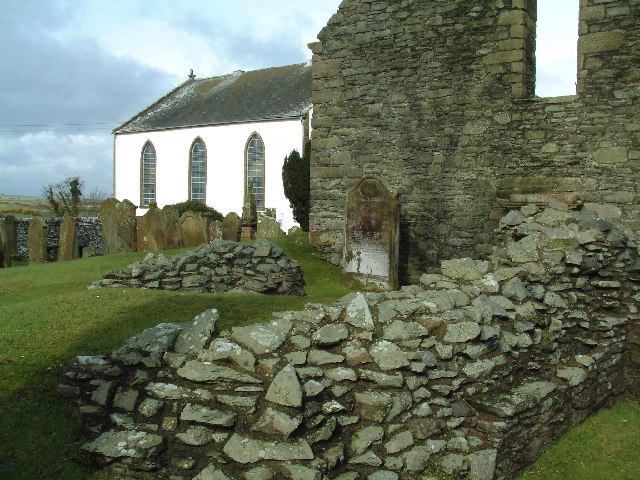
Photo: James Allan / Wikimedia Commons / CC BY-SA 2.0 Whithorn
St Ninian’s Cave lies in Physgill Glen within the Whithorn area, the principal historical setting for its pilgrimage tradition.
-
Physgill Glen
The cave occupies this coastal glen, whose rock face has repeatedly altered through falls that reduced the size of the entrance.
-

Photo: British Lion / Wikimedia Commons / Public domain The Wicker Man
The 1973 horror film used the cave as a location, giving the early-Christian and pilgrimage site a distinct modern screen afterlife.
-
Early-medieval carved stones
Eighteen carved stones recovered from a post-medieval wall and the cave interior provide the strongest archaeological evidence of early Christian activity here.
Discovery & excavation
Excavations in the 1880s and 1950s recovered eighteen early-medieval carved stones, most reused in a post-medieval wall and others loose in or near the cave.
In culture
-
The Wicker Man
The cave was used as a location in the 1973 horror film.
What to look for
-
Cave entrance
Rockfalls have reduced the entrance and the cave’s interior size.
-
Carved-stone context
Eighteen early-medieval stones were found in a later wall and loose around the cave.
-
Pilgrimage setting
The site is associated with St Ninian and remains a Roman Catholic pilgrimage place.
Plan your visit
- Location
- 54.6938°N · 4.4507°W
- Nearest settlement
- Whithorn
- Access
- Permission required
- Parking
- Parking available nearby — see the official getting-here page.
- Start point
- St Ninian’s Cave · Physgill, on the coast 4m south west of Whithorn on the A747.
- Time needed
- About 30 minutes
- Best time
- St Ninian's Cave is currently closed to allow for conservation works.
- What survives
- The cave is a coastal rock shelter with an entrance in the cliff face; its current internal condition cannot be inspected because the site is closed for conservation works.
- Facilities
- The cave is currently closed for conservation works; check official updates before planning a visit.
- Start point
- Physgill (Kidsdale) car park — Park at Physgill off the A747; a farm track leads down through the glen to the shore, then it is a walk along the shingle beach to the cave. Allow ~20-25 min each way. Cave currently closed for conservation works.
Opening & admission
Ticketed — check the official site for current prices
- St Ninian's Cave is currently closed to allow for conservation works.
Nearby places
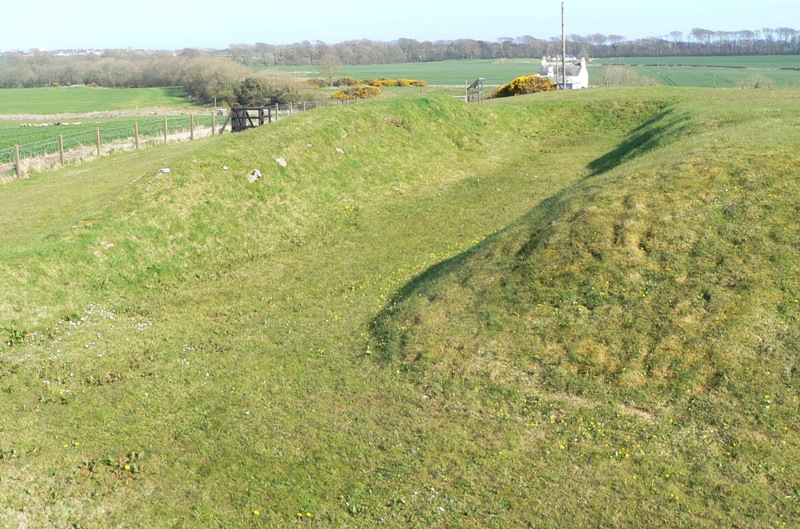
Settlement · Medieval
Rispain Camp
Dumfries and Galloway
Rispain Camp is one of Scotland’s major Iron Age (from about 800 BC until the Romans came) sites, where unusually well-preserved ramparts and excav…
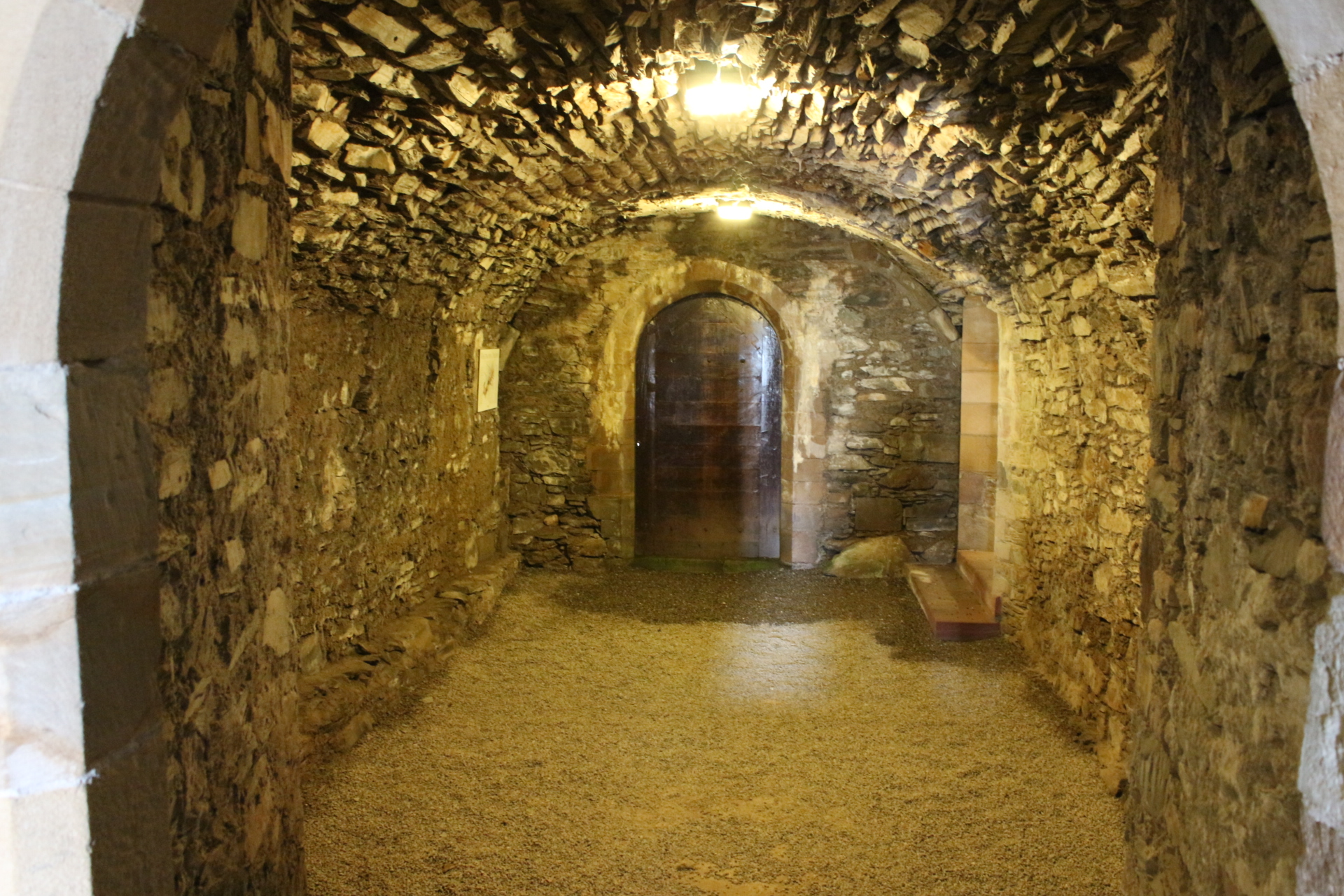
Sacred place · Pictish & early medieval
Whithorn Priory and Museum
Dumfries and Galloway
Whithorn was the location of the first recorded Christian church in Scotland: Candida Casa, the 'White/Shining House': built by Saint Ninian around…
- Near Newton Stewart
Sacred place · Prehistoric
Wren's Egg
Dumfries and Galloway
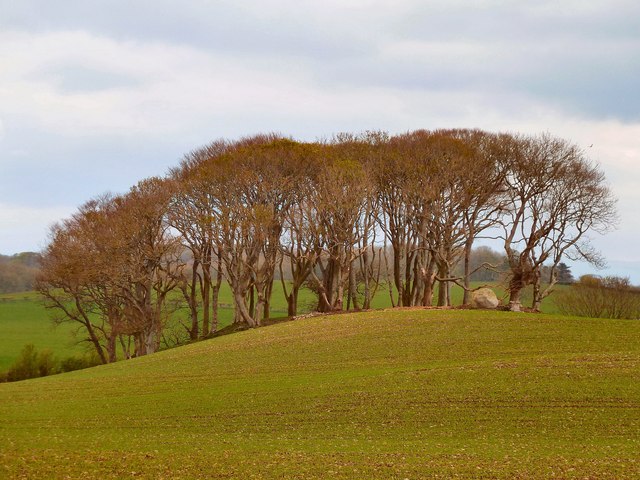
A large glacial erratic sits in a field in the parish of Glasserton, in what was historically Wigtownshire, and gives its name to the whole monumen…
- Easy path
Fortified place · Prehistoric
Barsalloch Fort
Dumfries and Galloway
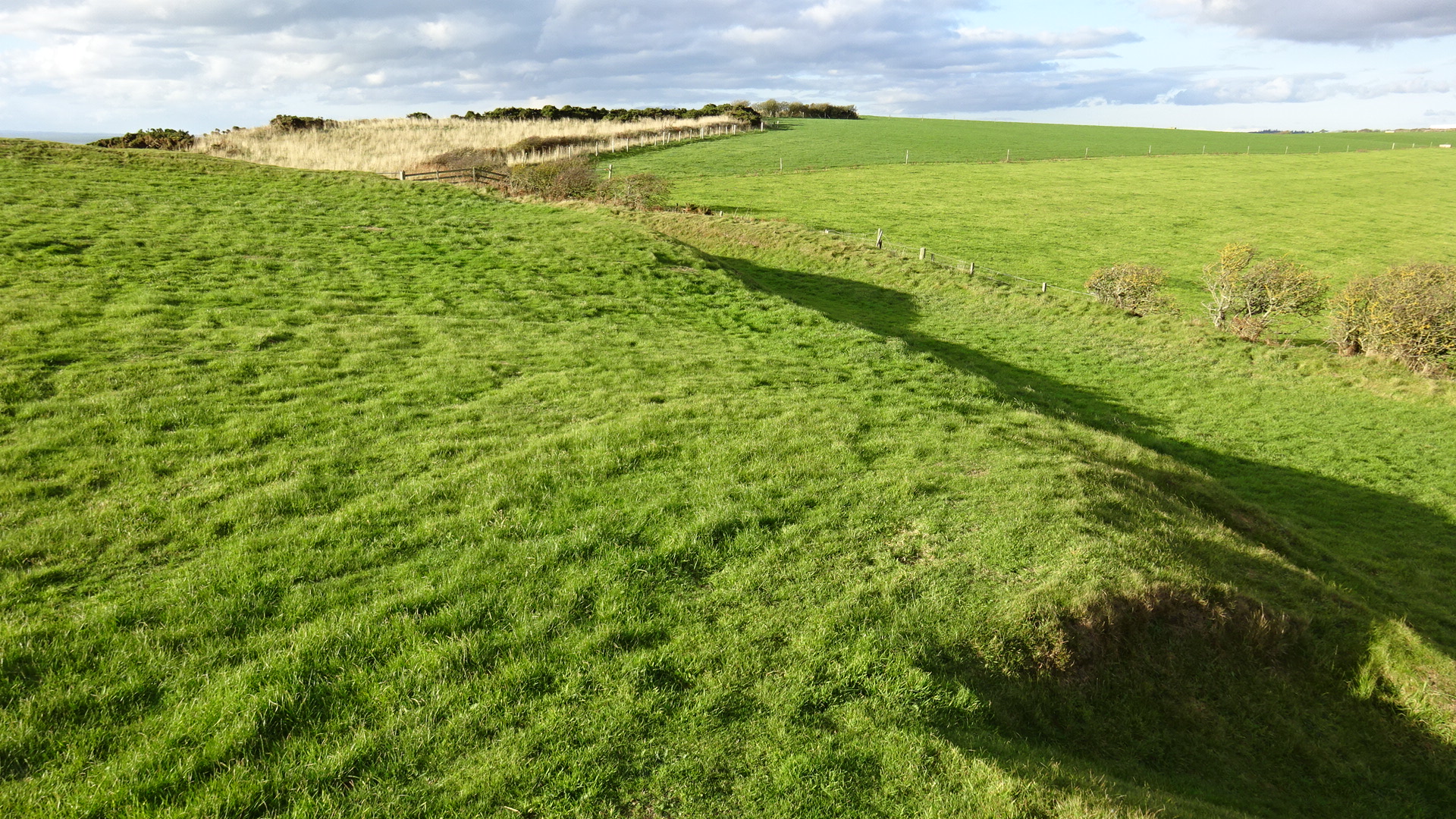
The site carries two widely separated chapters of the human past. Aspects of Barsalloch Fort are thought to date to the Mesolithic period, placing…
Questions people ask
- Why is St Ninian’s Cave a pilgrimage site?
- It is a Roman Catholic pilgrimage site because of its association with the Scottish saint Ninian.
- What was found in St Ninian’s Cave?
- Excavations uncovered eighteen early-medieval carved stones.
- Was St Ninian’s Cave used in a film?
- Yes. It was used as a location in the 1973 horror film The Wicker Man.
Sources
The Ancient Codex, in your pocket
Get the Pocket Codex app
Carry the directory with you — St Ninian's Cave and thousands of ancient places across Britain and Ireland, offline, wherever you roam.