Carved stone · Pictish & early medieval
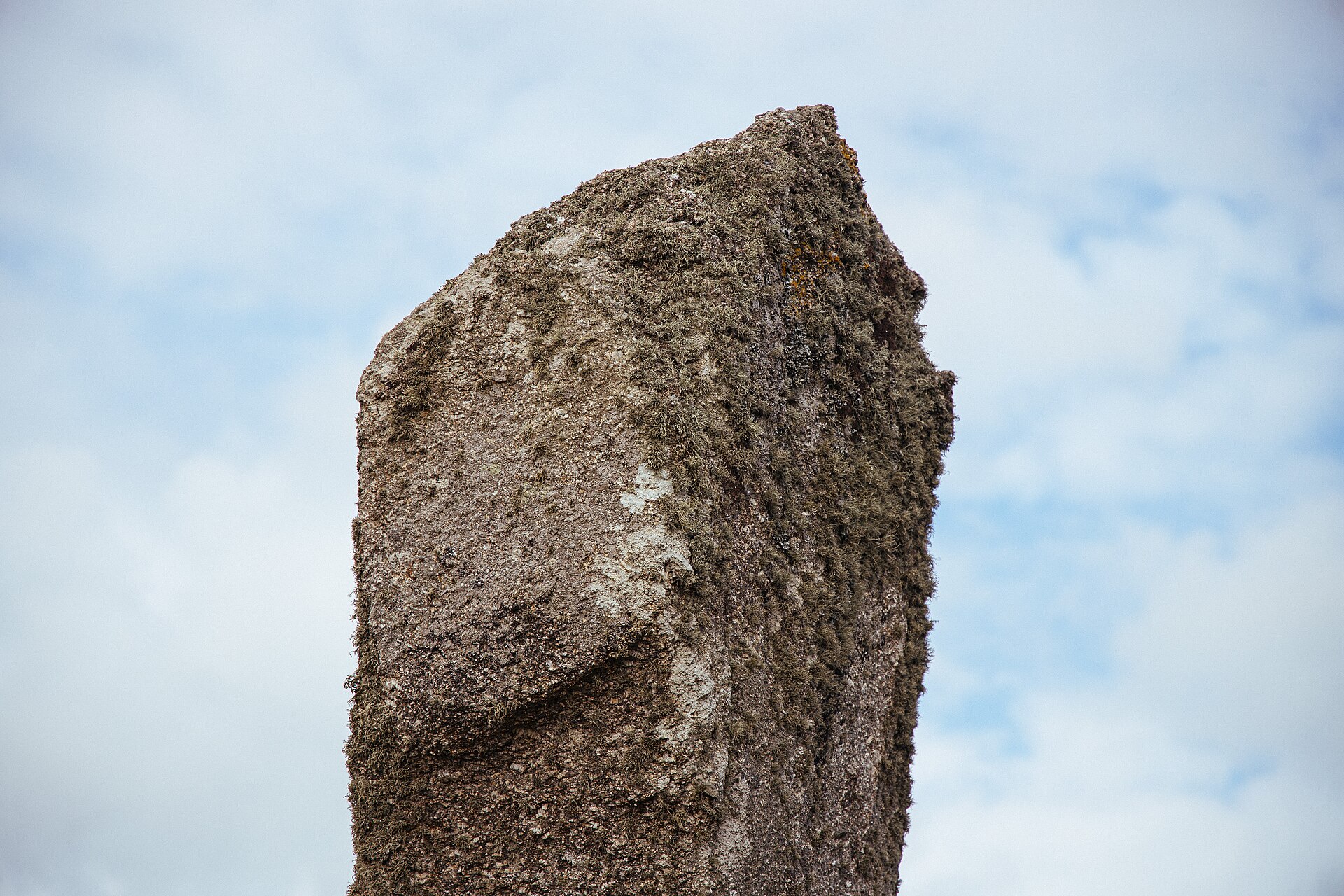
The Pipers, St Buryan
Cornwall
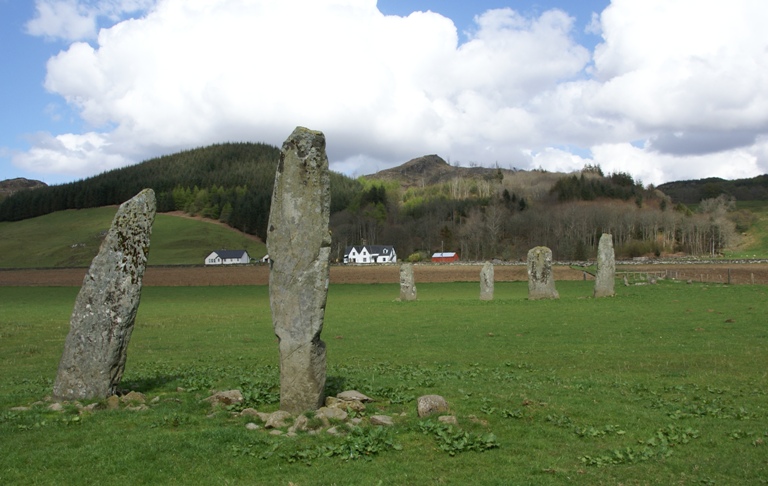
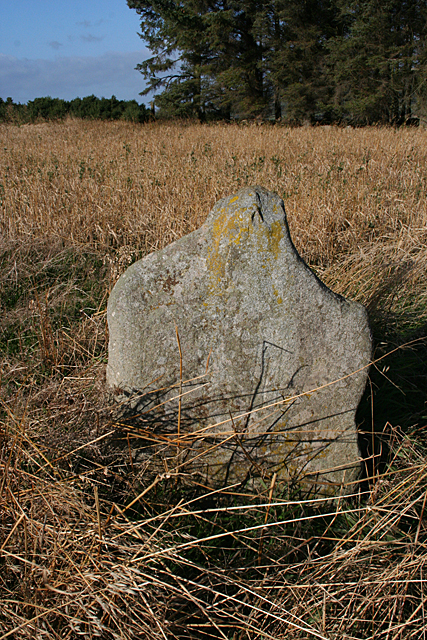
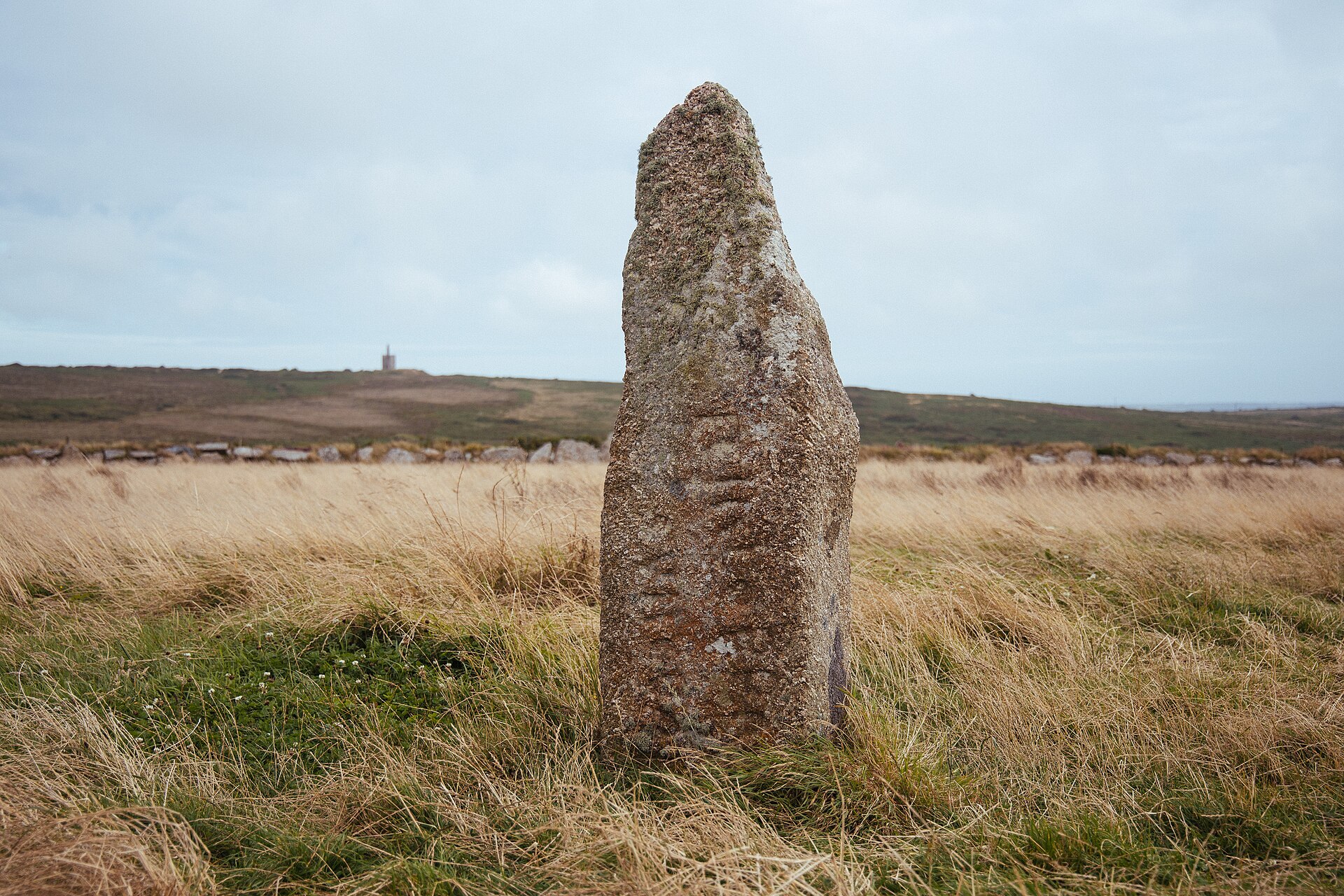
The Pipers near St Buryan are two exceptionally tall standing stones aligned toward the Merry Maidens, preserving a distinctive component of Penwit…
- Near St Buryan
- Easy path
The temporal lens · era 4 of 5
The carved stones, crosses and kingdoms of the early historic centuries.
Carved stone · Pictish & early medieval
Cornwall
The Pipers near St Buryan are two exceptionally tall standing stones aligned toward the Merry Maidens, preserving a distinctive component of Penwit…
Ancient place · Pictish & early medieval
Suffolk
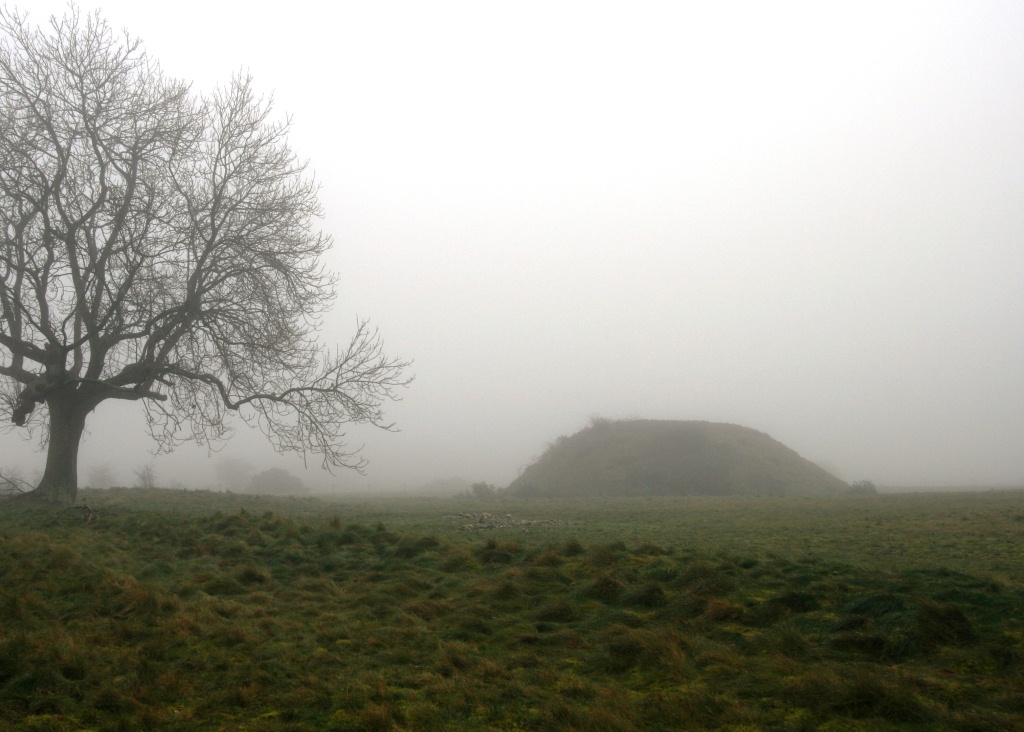
The richest burial ever found in Britain: a 27-metre ship dragged up from the river and buried whole, with a helmet, gold shoulder-clasps and a pur…
Carved stone · Pictish & early medieval
Angus
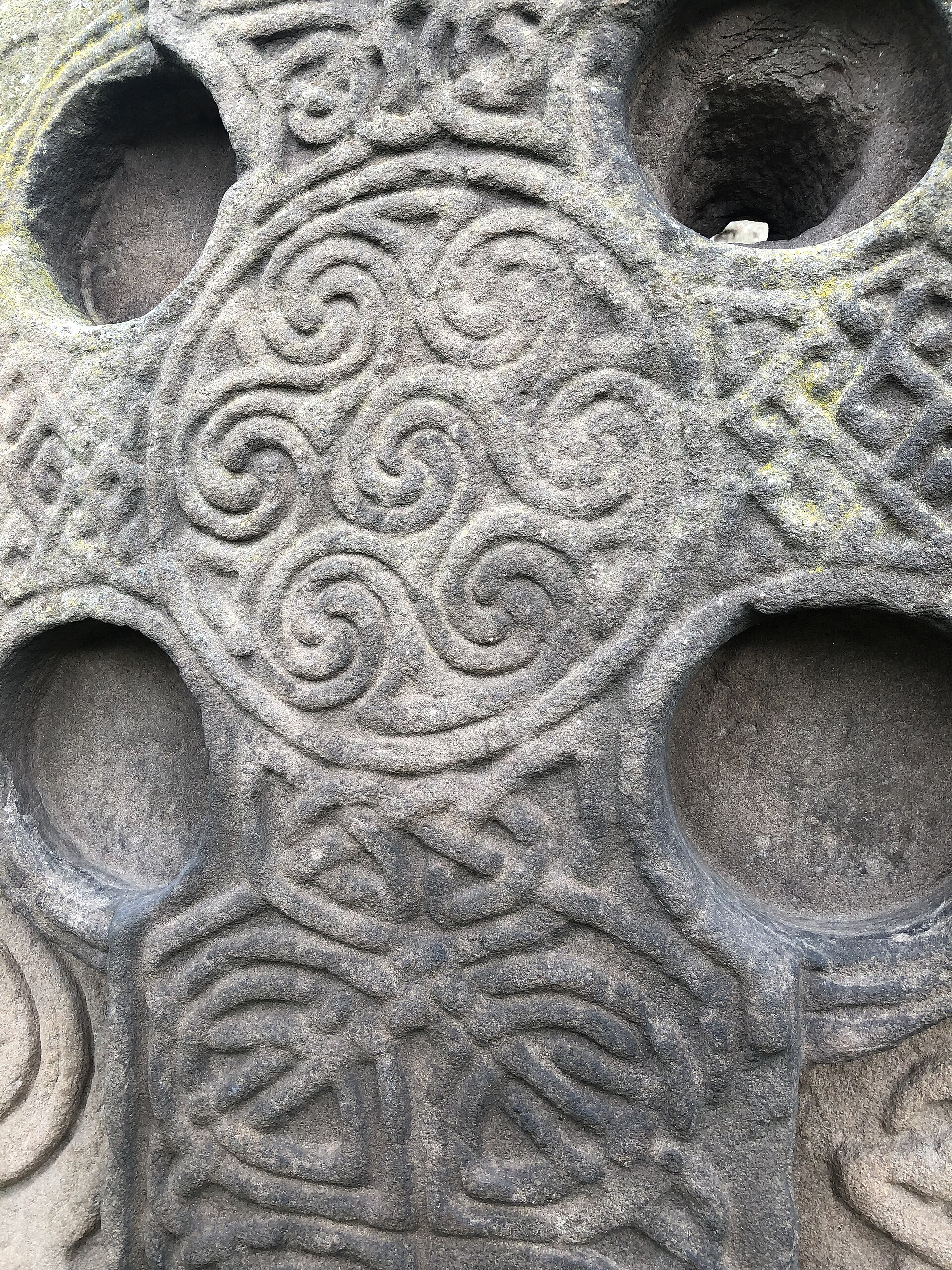
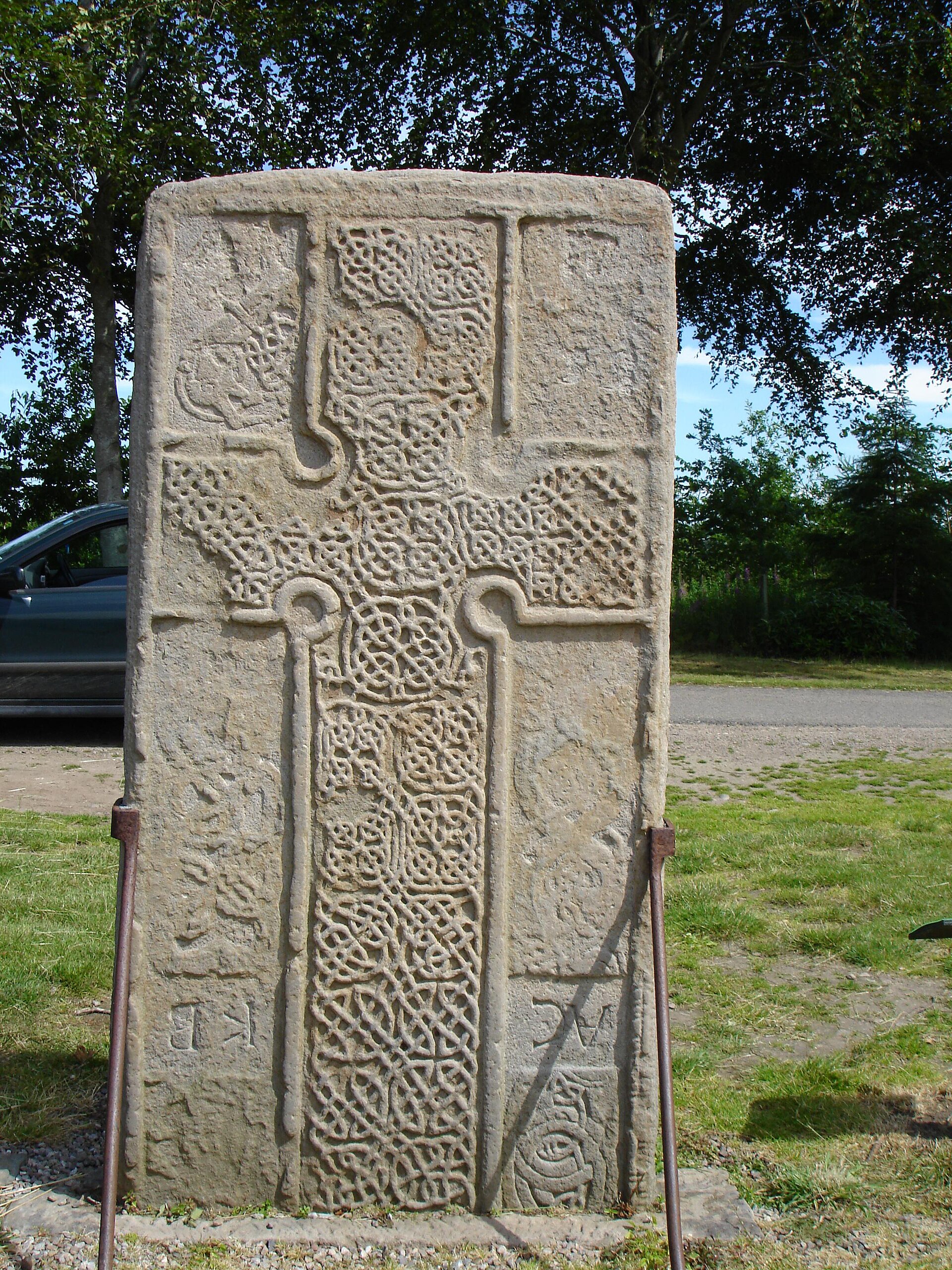
One of the most crowded cross faces in Pictish sculpture: axe-fighters, a cauldron with legs dangling from it, and a centaur share the stone with a…
Carved stone · Pictish & early medieval
Angus
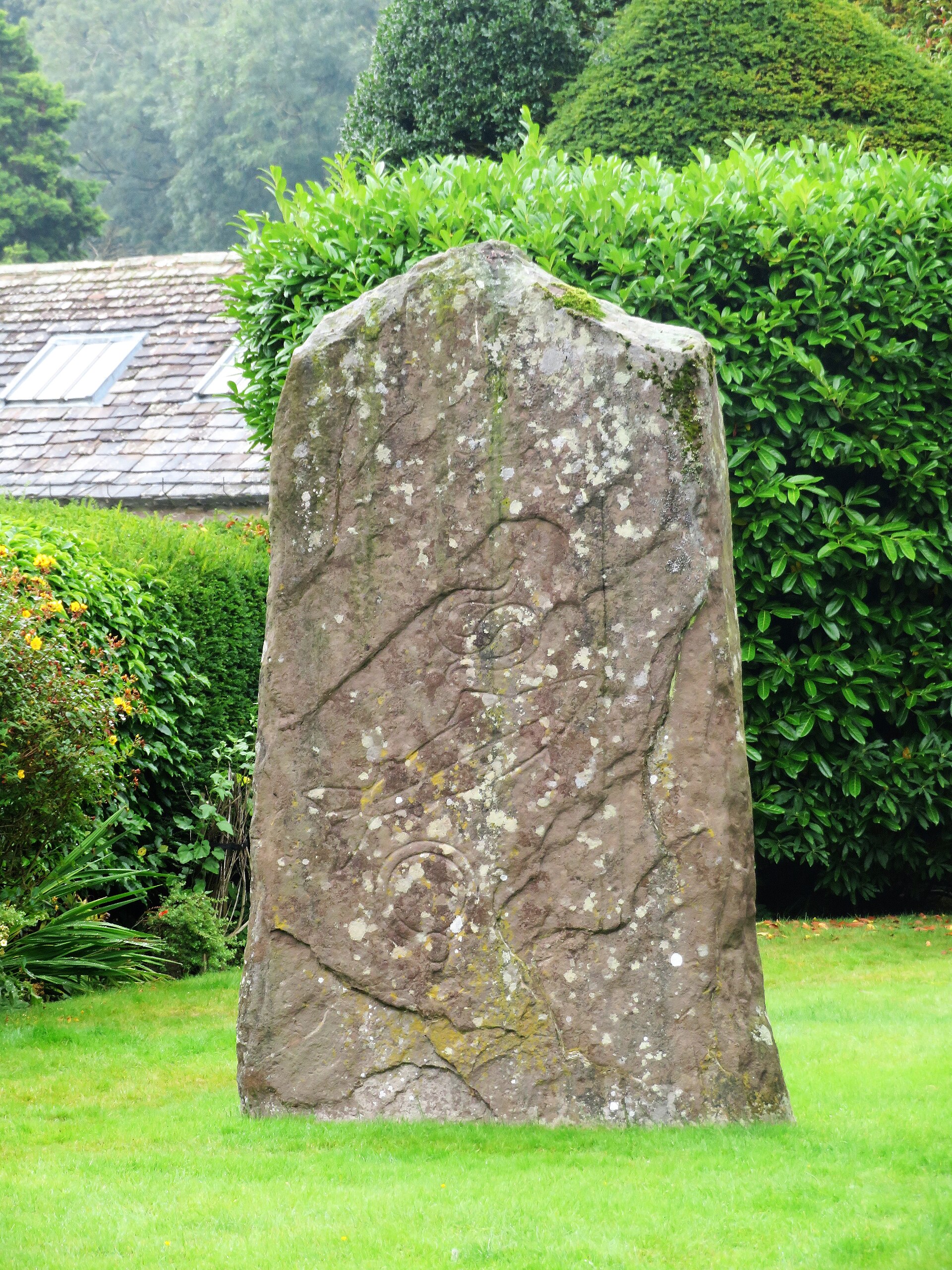
The stones were carved during the height of Pictish (of the Picts, the people of northern and eastern Scotland from about AD 300 to 900) power in A…
Carved stone · Prehistoric
Argyll and Bute
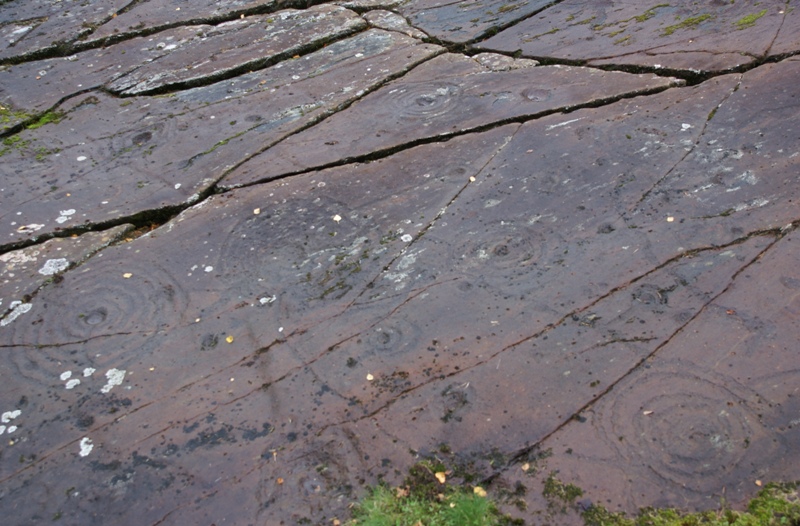
One of the densest and most elaborate concentrations of prehistoric (before written records reached Britain) cup and ring carvings anywhere in Scot…
Sacred place · Prehistoric
Argyll and Bute
One of the few places in Kilmartin Glen where a stone avenue, a circle and a henge: a circular enclosure from before any written account of Britain…
Carved stone · Pictish & early medieval
Aberdeenshire
Brandsbutt preserves the symbols of the Picts, people of northern and eastern Scotland from about AD 300 to 900, beside an Ogham inscription still…
Settlement · Prehistoric
Orkney Islands
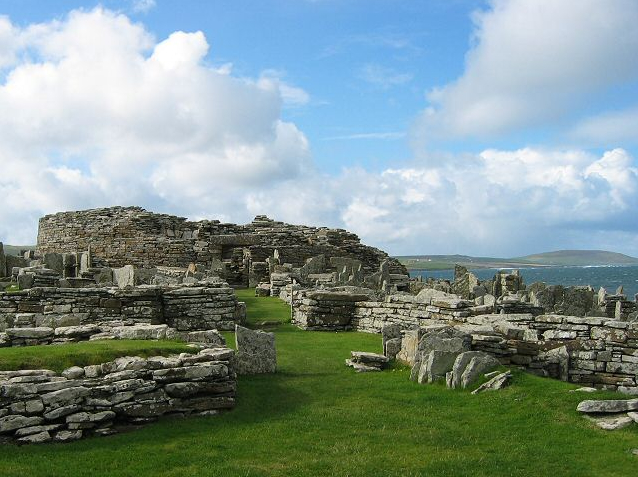
The Broch of Gurness is a stone tower and settlement on the north-east coast of Mainland Orkney, overlooking Eynhallow Sound.
Settlement · Pictish & early medieval
Orkney Islands
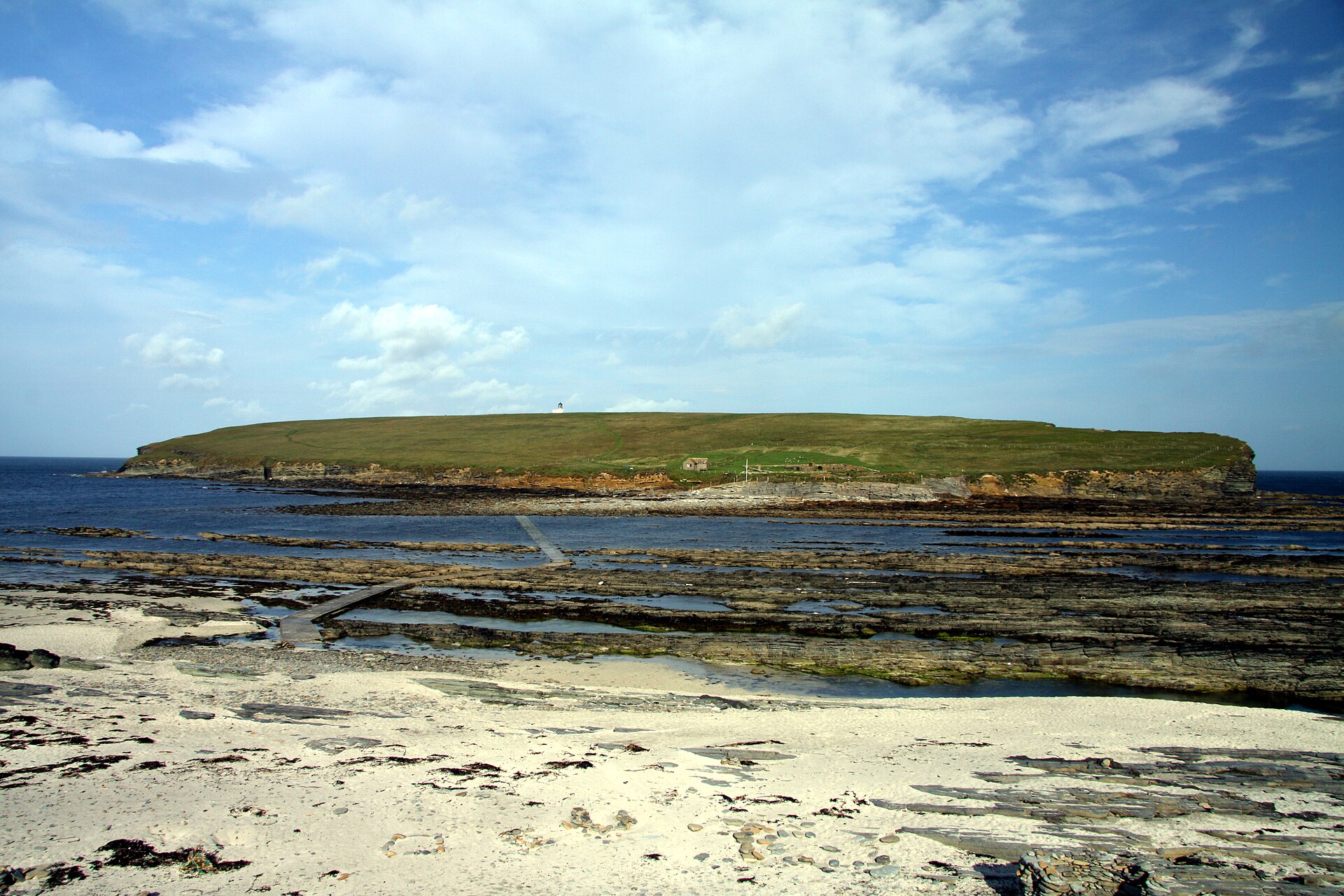
A tidal island where Pictish metalworkers: people of northern and eastern Scotland from about AD 300 to 900: Norse rulers and medieval pilgrims suc…
Fortified place · Iron Age
Moray
At roughly three times the size of any other early medieval (roughly AD 400–1100, between the Romans and the Normans) enclosed site in Scotland, th…
Fortified place · Iron Age
West Dunbartonshire
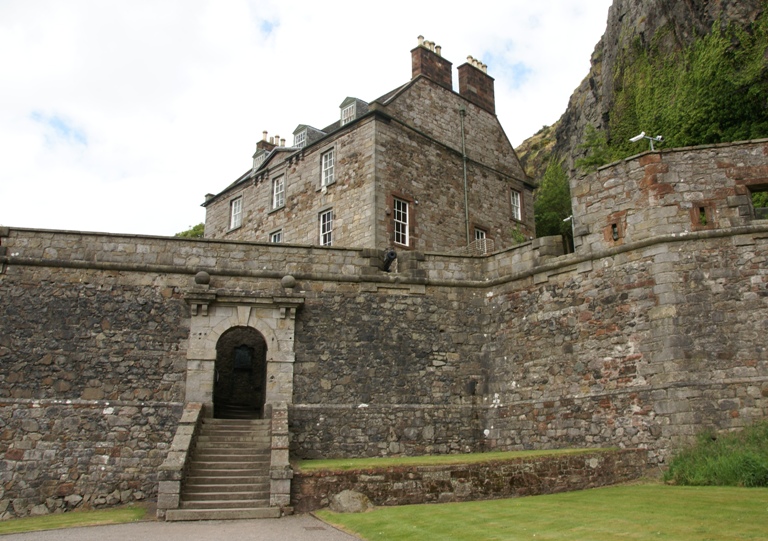
The longest recorded history of any stronghold in Scotland: capital of Strathclyde, taken by Vikings in 871 after its water failed.
Fortified place · Iron Age
Argyll and Bute
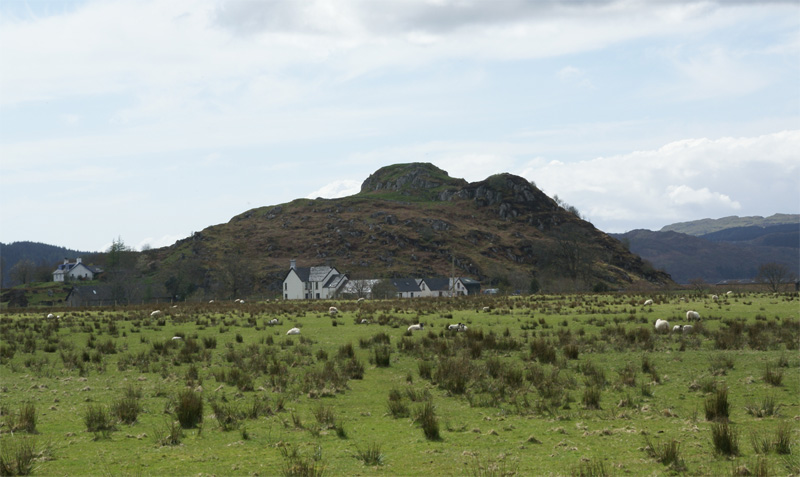
Dunadd is a hillfort in Argyll and Bute, occupied from the Iron Age and into the early medieval period, and believed to have been the capital of th…
Tomb or burial place · Prehistoric
Argyll and Bute
Dunchraigaig is an Early Bronze Age round cairn, about 30 m across, set a little apart to the south-east of the famous 2 km linear cemetery of cair…
Building or ruin · Pictish & early medieval
Argyll and Bute
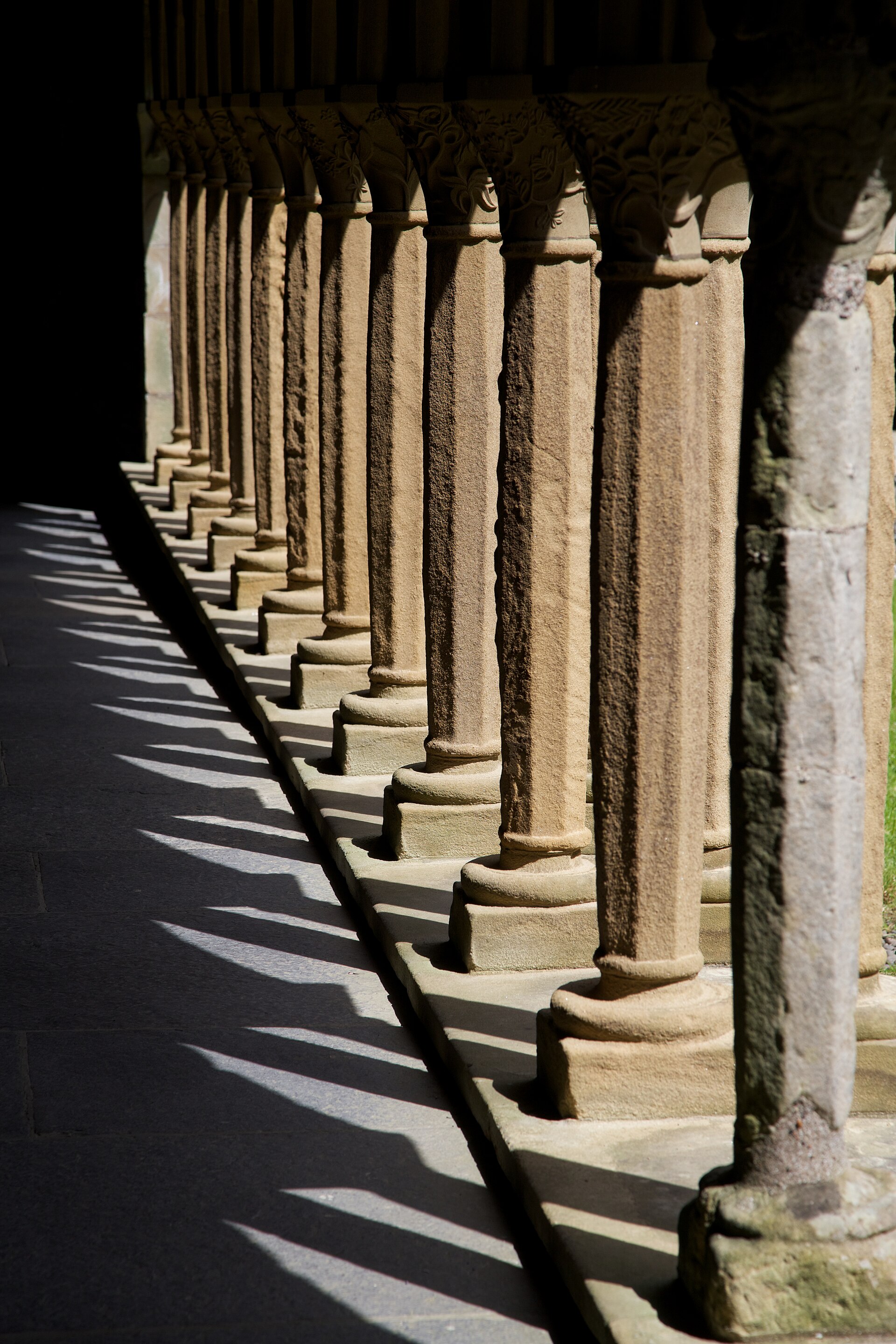
Saint Columba came to Iona from Ireland with twelve companions in 563, founding a monastery when Iona was part of the Kingdom of Dál Riata. It beca…
Settlement · Prehistoric
Shetland Islands
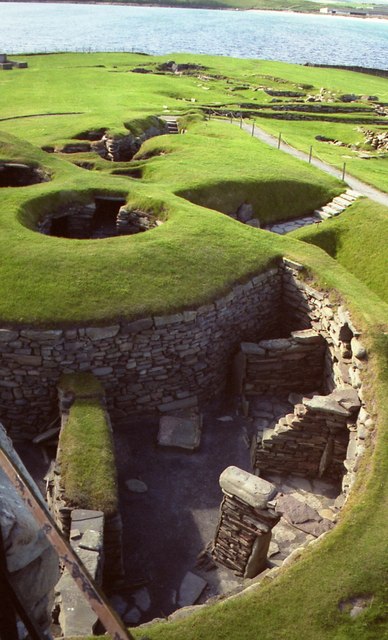
Jarlshof preserves an unusually complete sequence of human occupation, with remains dating from about 2500 BC to the seventeenth century AD.
Tomb or burial place · Pictish & early medieval
Argyll and Bute
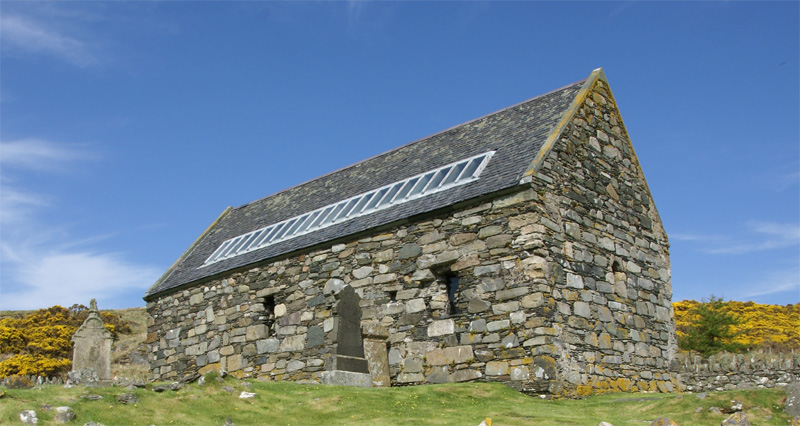
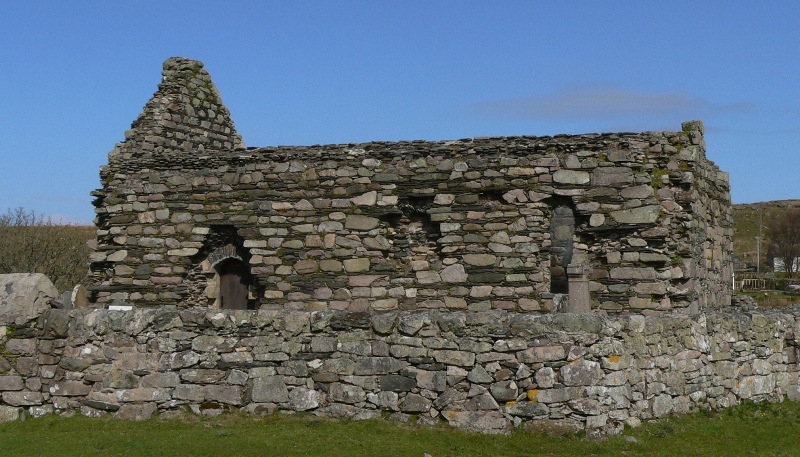
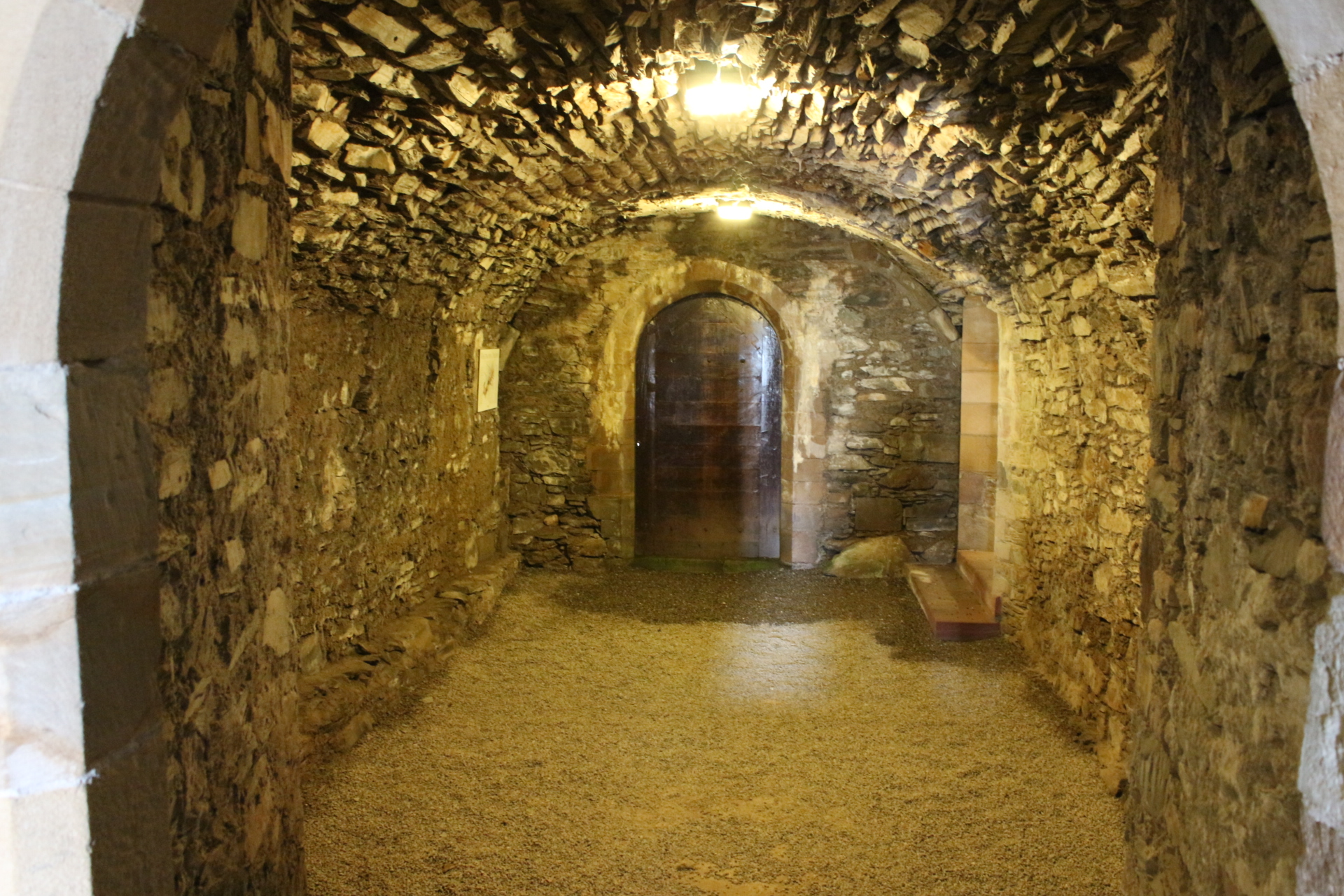
The chapel dates from the 11th century. Its now re-roofed structure houses an important collection of early stone sculpture, and the original Keill…
Tomb or burial place · Pictish & early medieval
Argyll and Bute
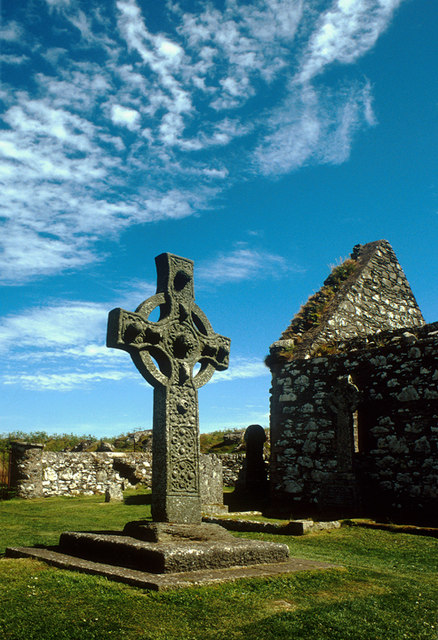
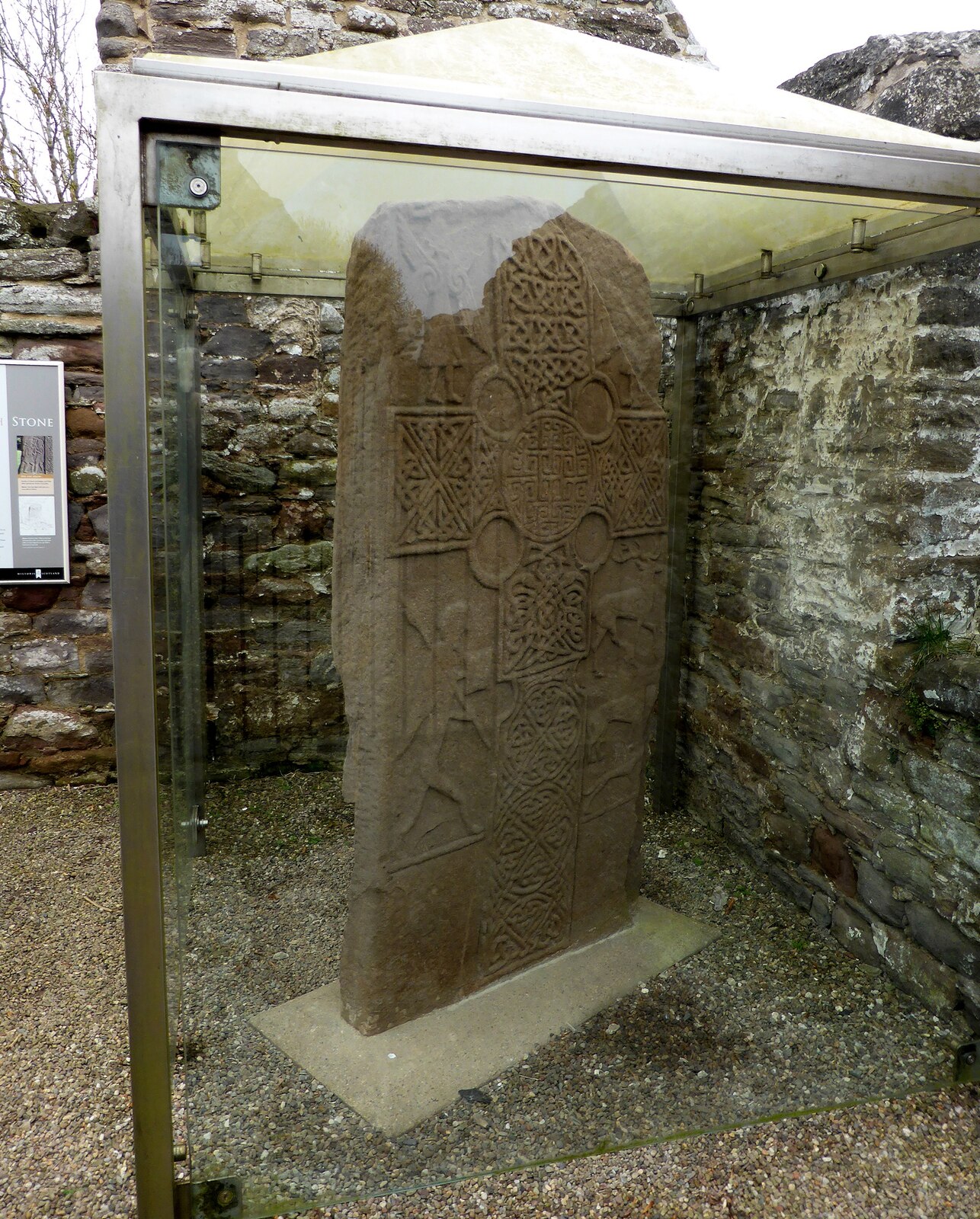
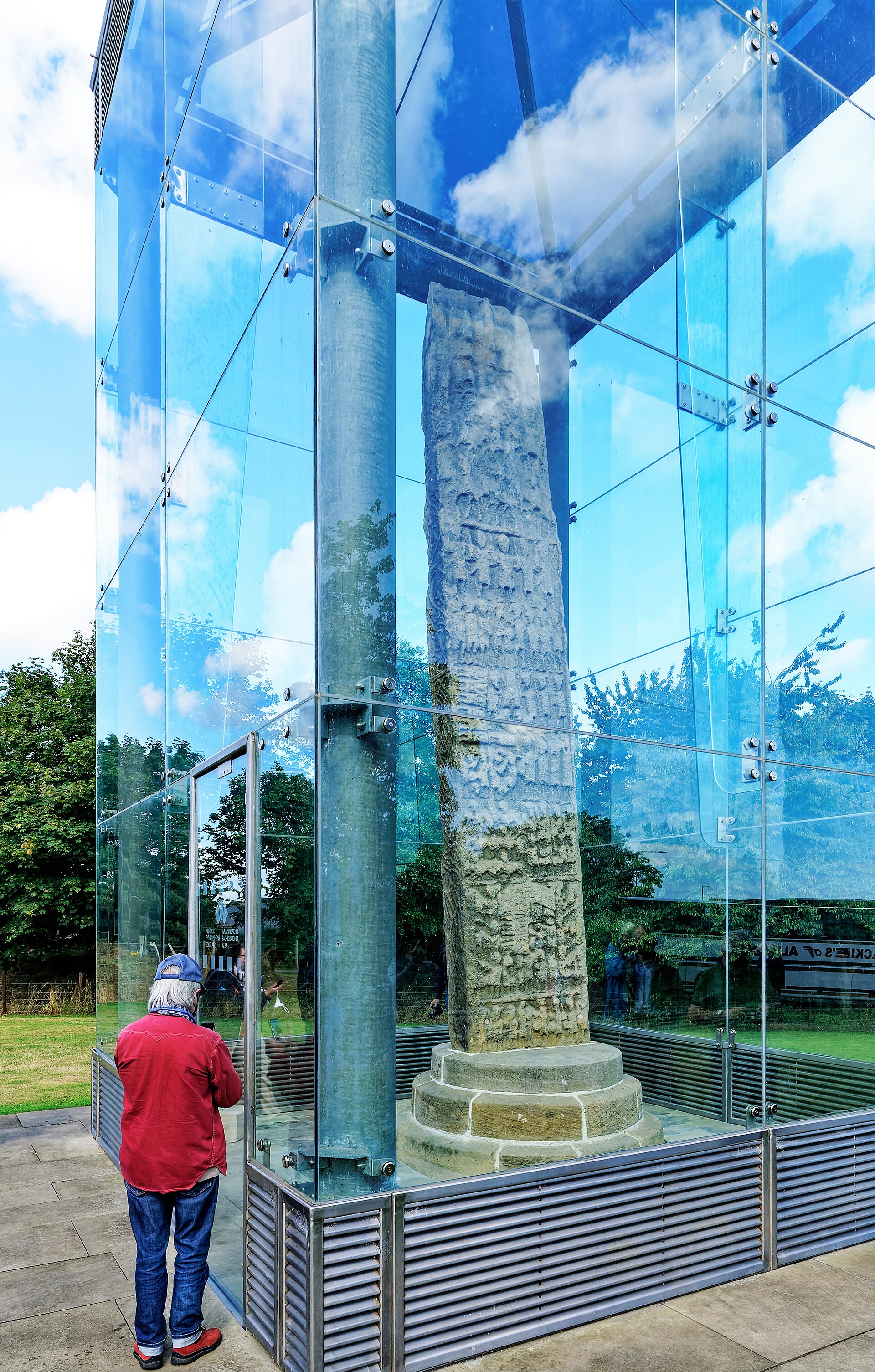
A single carved slab from around the 8th century, still standing almost undamaged in its churchyard: widely judged the finest surviving Celtic high…
Tomb or burial place · Pictish & early medieval
Argyll and Bute
Macmillan's Cross survives inside as one of the finest West Highland carvings anywhere: a clan chief and his hunting dogs cut into stone over six c…
Tomb or burial place · Prehistoric
Orkney Islands
The burial mound was built around 2800 BC by farming communities of central Orkney and contains a stone chamber associated with the Grooved Ware po…
Tomb or burial place · Prehistoric
Argyll and Bute
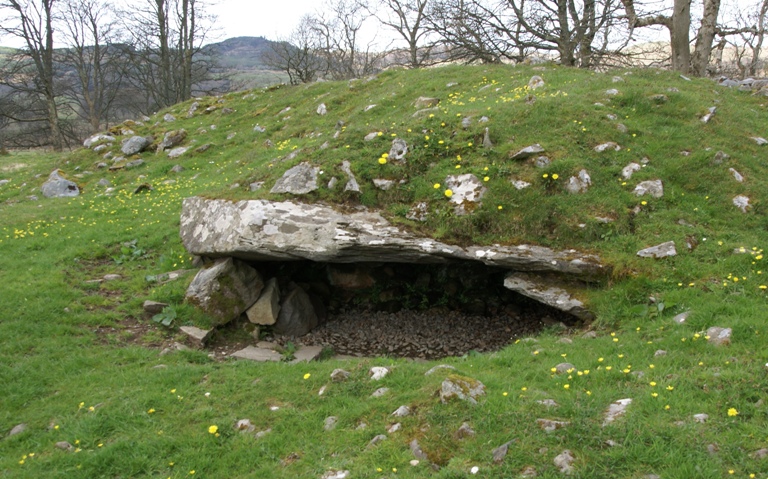
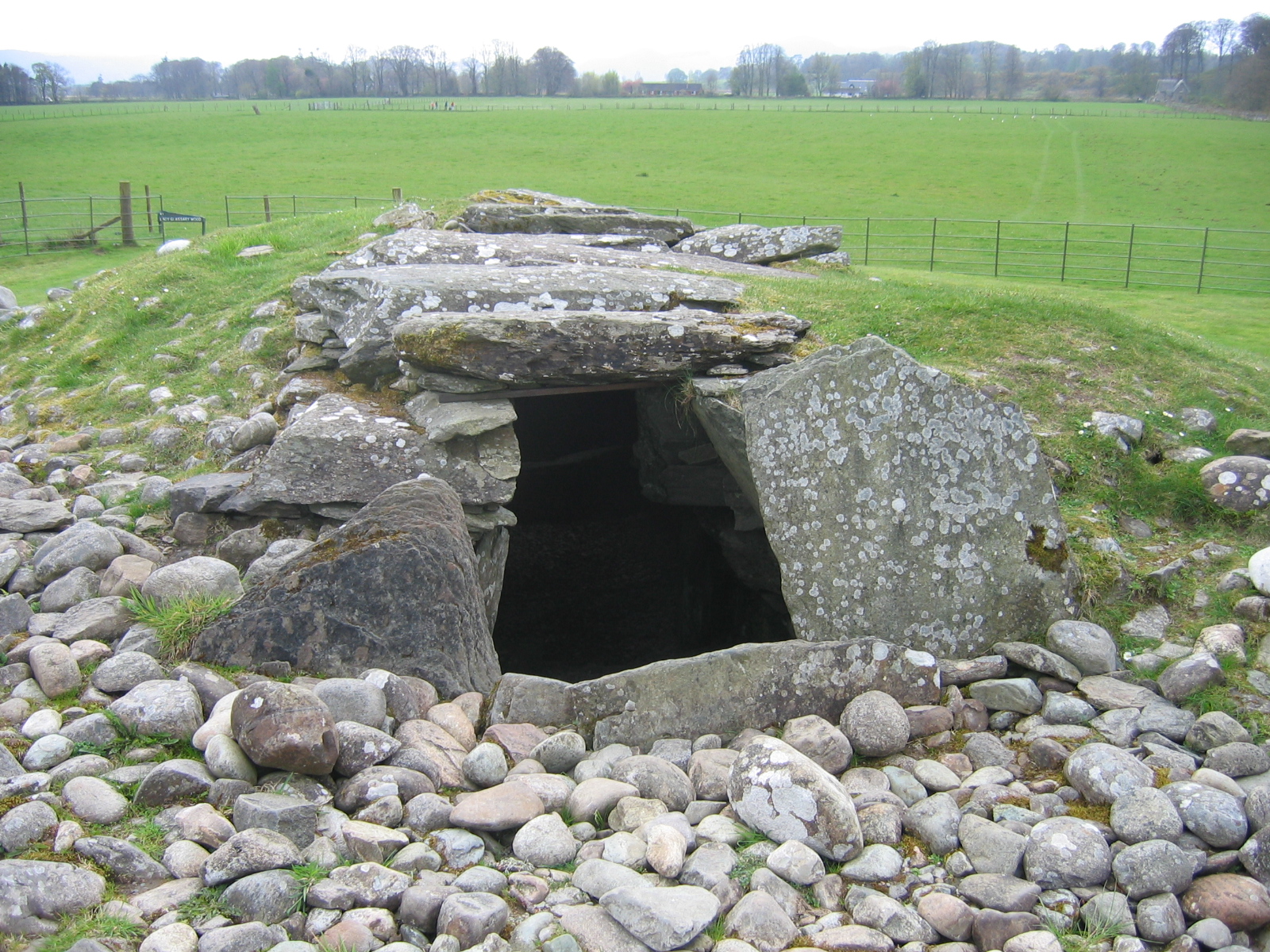
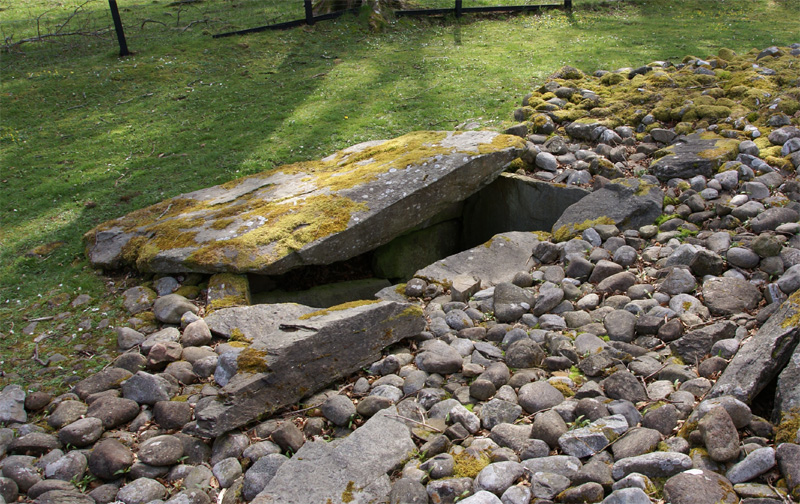
Nether Largie South is a Neolithic Clyde-type chambered cairn, a mound of piled stones often covering a burial, and the earliest monument in the Ki…
Carved stone · Pictish & early medieval
Aberdeenshire
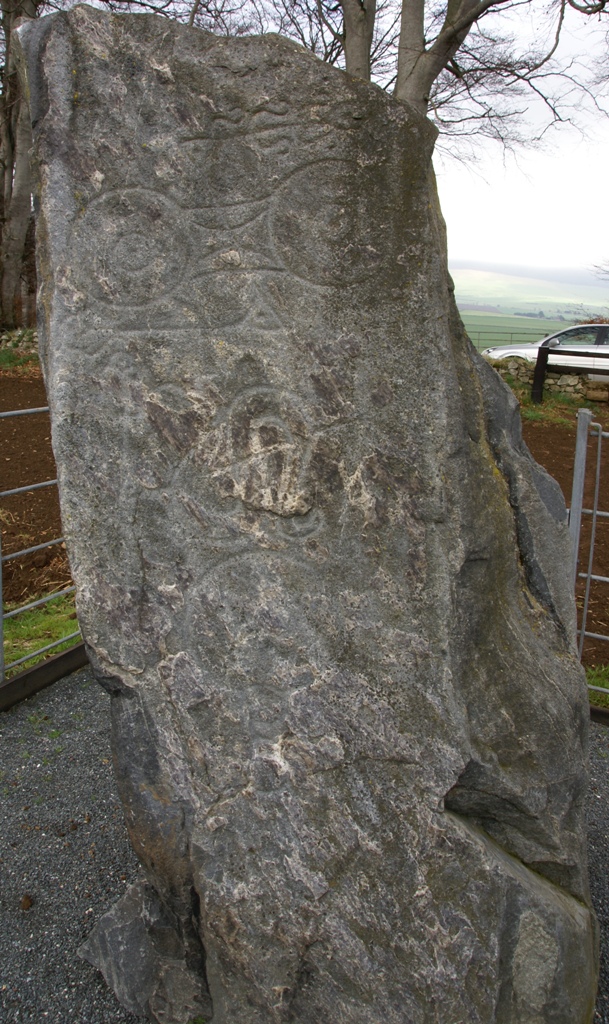
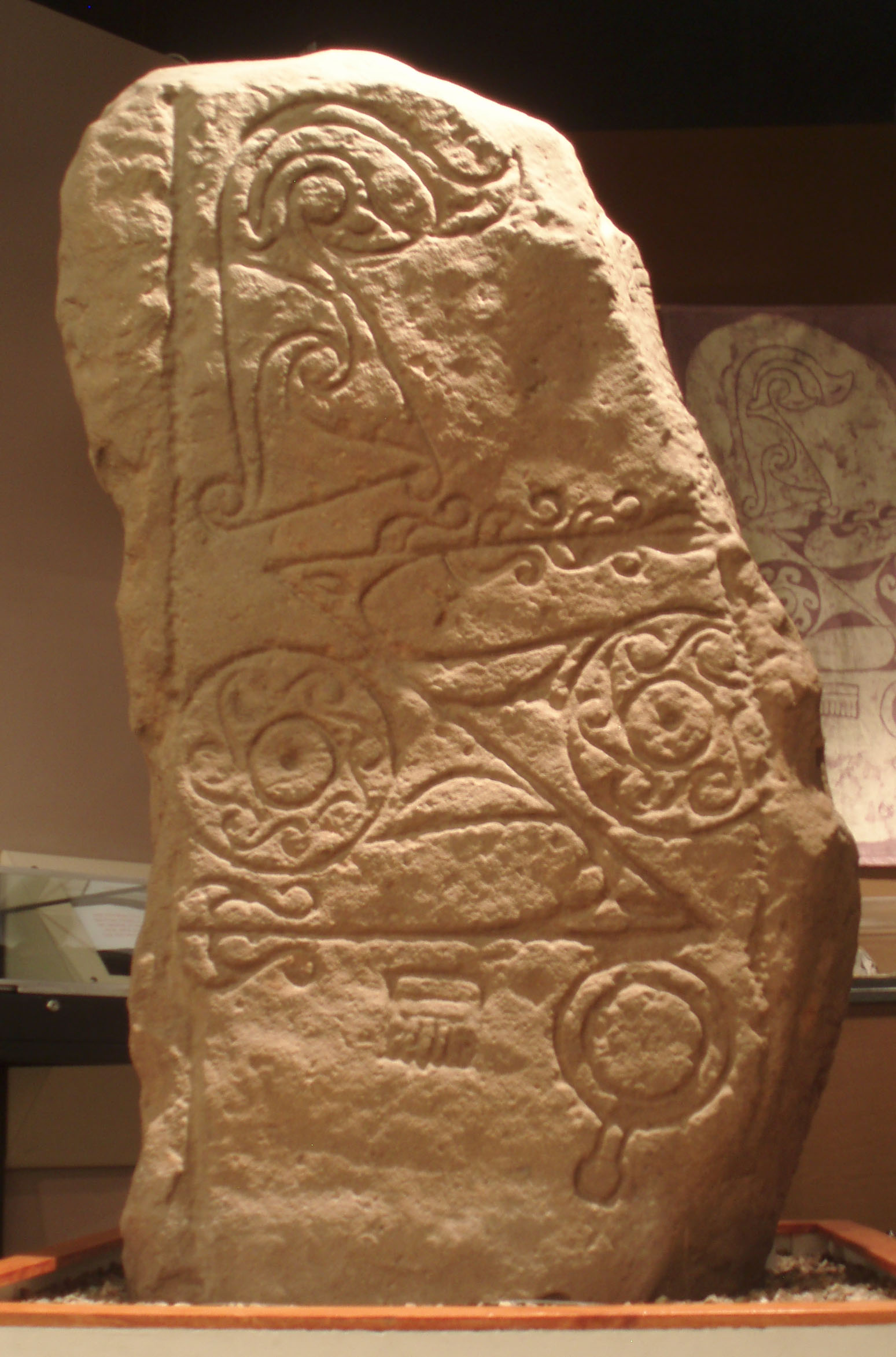
A double-disc, a serpent and a mirror cut into whinstone around AD 600: three of the clearest Pictish (of the Picts, the people of northern and eas…
Building or ruin · Pictish & early medieval
Angus
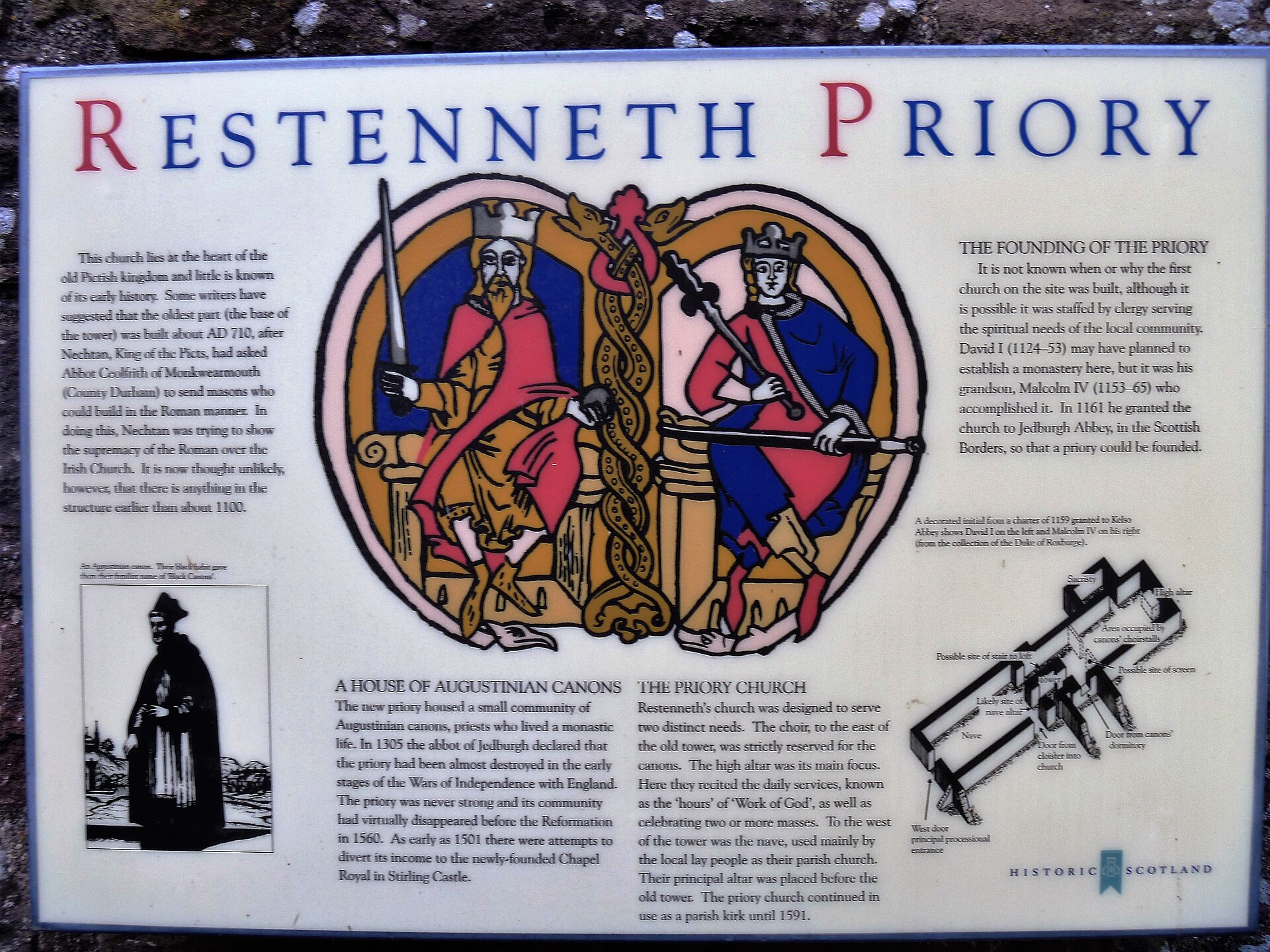
Restenneth Priory was a monastic house of Augustinian canons founded by Jedburgh Abbey, under the patronage of King Malcolm IV of Scotland, in 1153…
Tomb or burial place · Prehistoric
Argyll and Bute
The southernmost cairn (a mound of piled stones, often covering a burial) in Kilmartin Glen's five-mile chain of Bronze Age (roughly 2500–800 BC) b…
Carved stone · Pictish & early medieval
Dumfries and Galloway
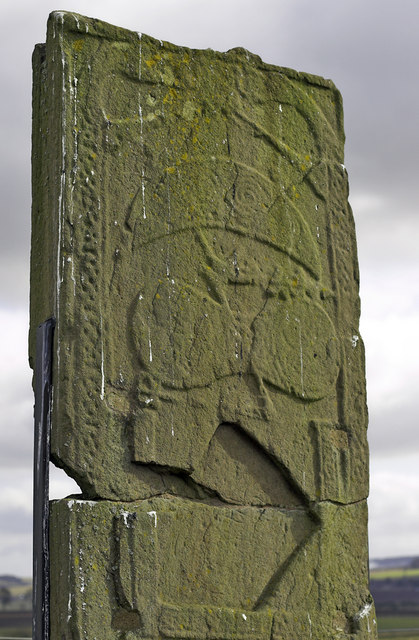
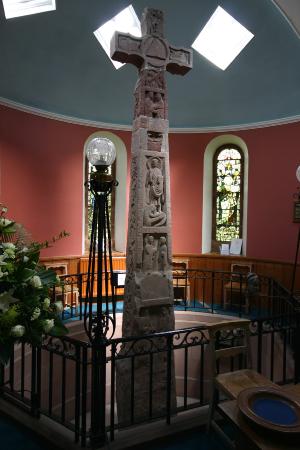
The Ruthwell Cross is a stone Anglo-Saxon cross probably dating from the 8th century, when Ruthwell: now in Scotland: was part of the Anglo-Saxon K…
Building or ruin · Pictish & early medieval
Fife
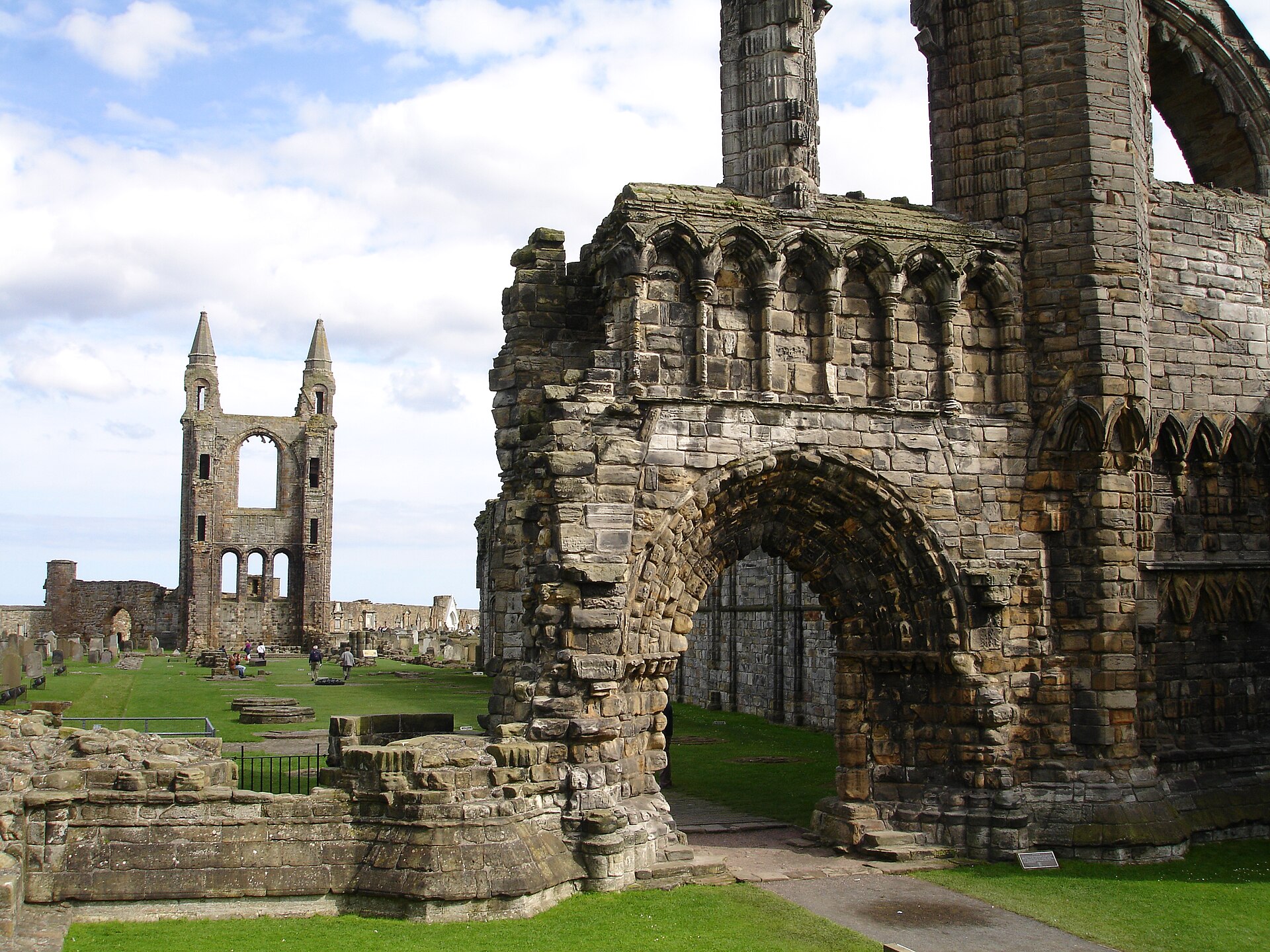
The Cathedral of St Andrew was founded in 1158 to provide more accommodation than the older church of St Regulus (St Rule) afforded, and became the…
Sacred place · Pictish & early medieval
Dumfries and Galloway
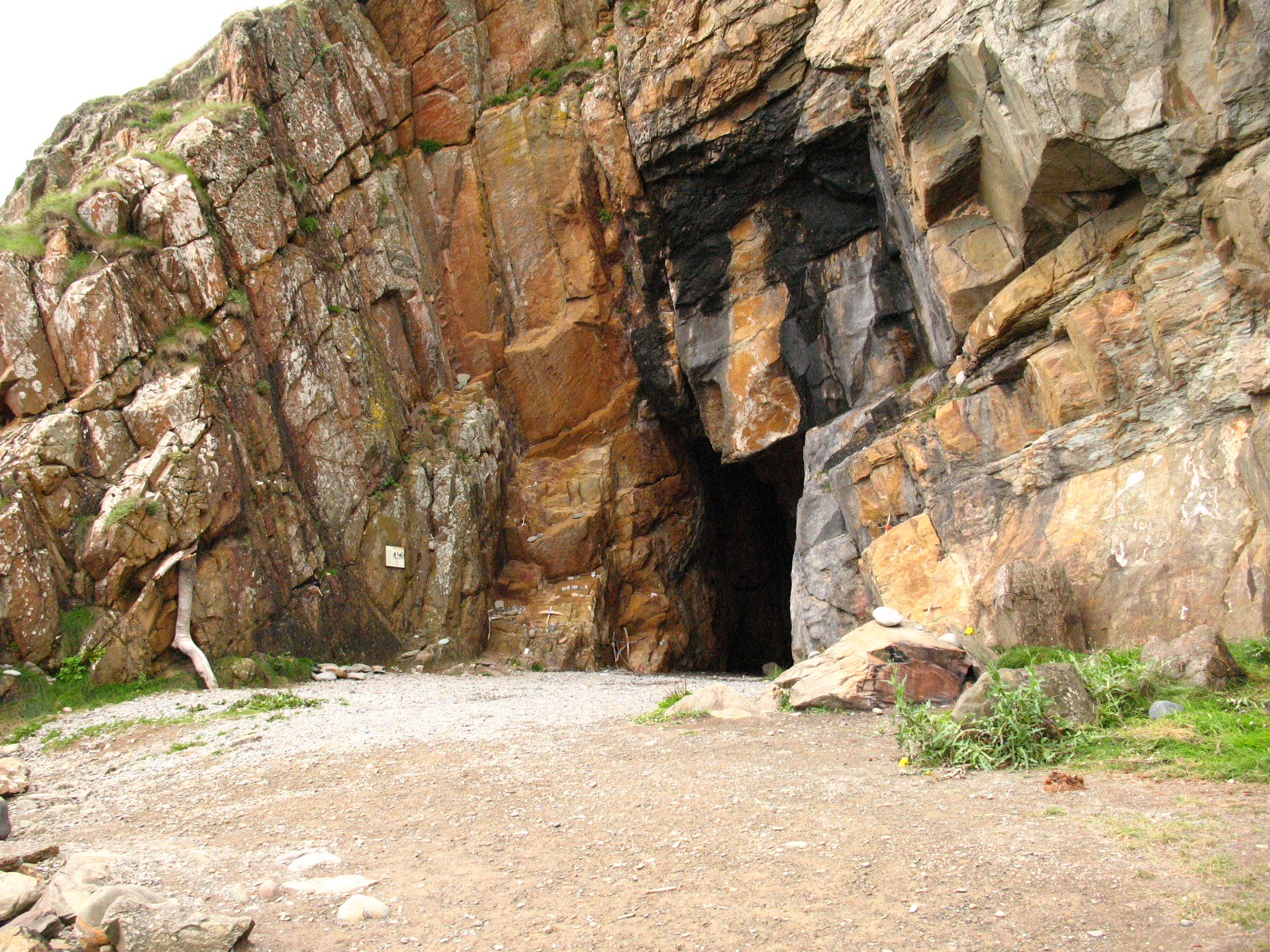
St Ninian’s Cave is a Catholic pilgrimage site in Physgill Glen where early-medieval carved stones, rockfall-altered geology and modern film histor…
Sacred place · Prehistoric
Argyll and Bute
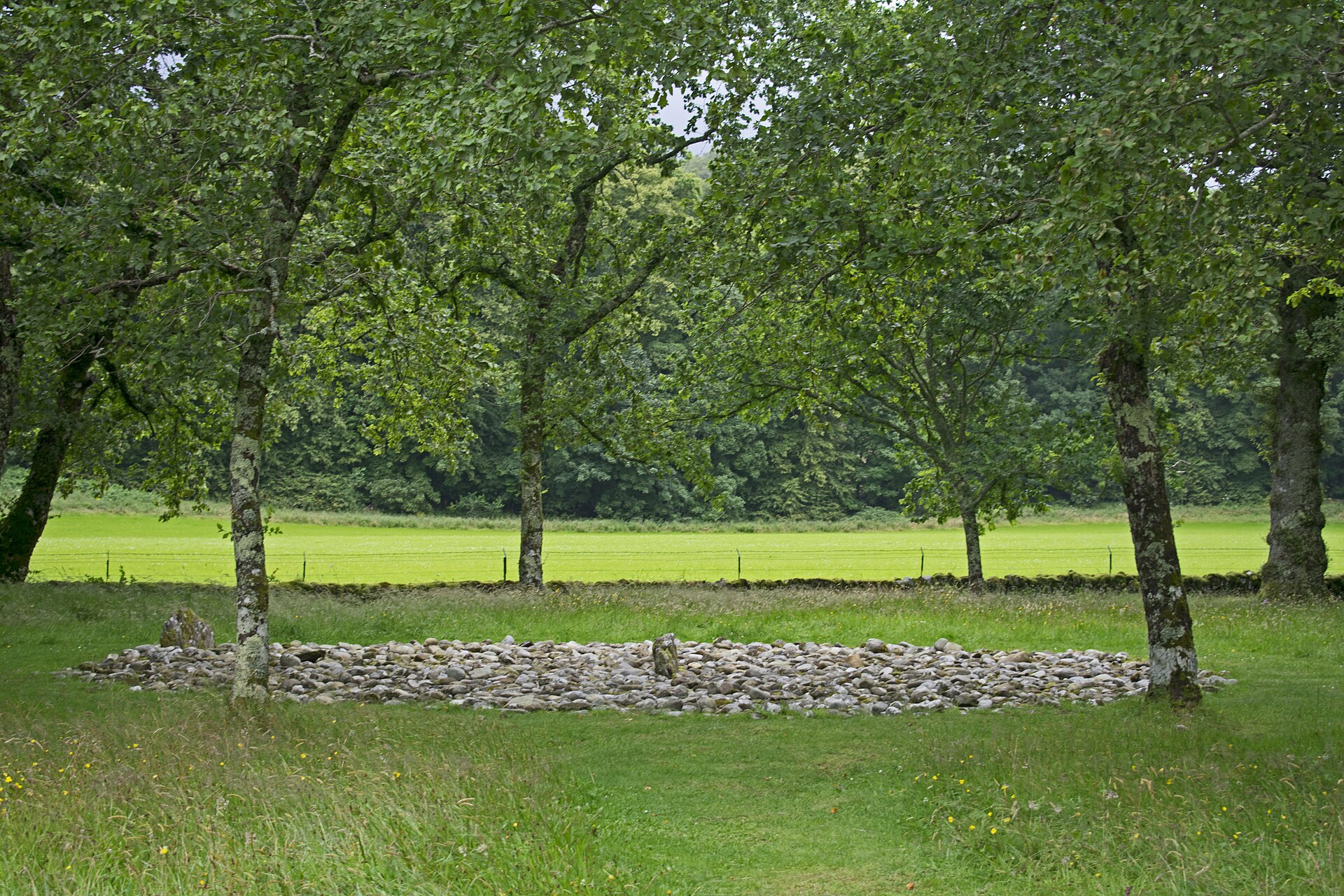
At the centre of the southern circle at Temple Wood lies a burial cist (a grave lined and capped with stone slabs), ringed by a smaller circle of s…
Tomb or burial place · Prehistoric
Orkney Islands
Twenty to thirty bowls were put in here, most of them already broken and already used: one sherd carried the impression of a barley grain.
Sacred place · Pictish & early medieval
Dumfries and Galloway
Whithorn was the location of the first recorded Christian church in Scotland: Candida Casa, the 'White/Shining House': built by Saint Ninian around…
Carved stone · Pictish & early medieval
Fife
The Abdie Stone is a rare Class I Pictish (of the Picts, the people of northern and eastern Scotland from about AD 300 to 900) monument in Fife who…
Carved stone · Pictish & early medieval
Highland
A single red sandstone boulder carries two carving traditions centuries apart: Bronze Age (roughly 2500–800 BC) cup-and-ring marks beneath a Pictis…
Carved stone · Pictish & early medieval
Aberdeenshire
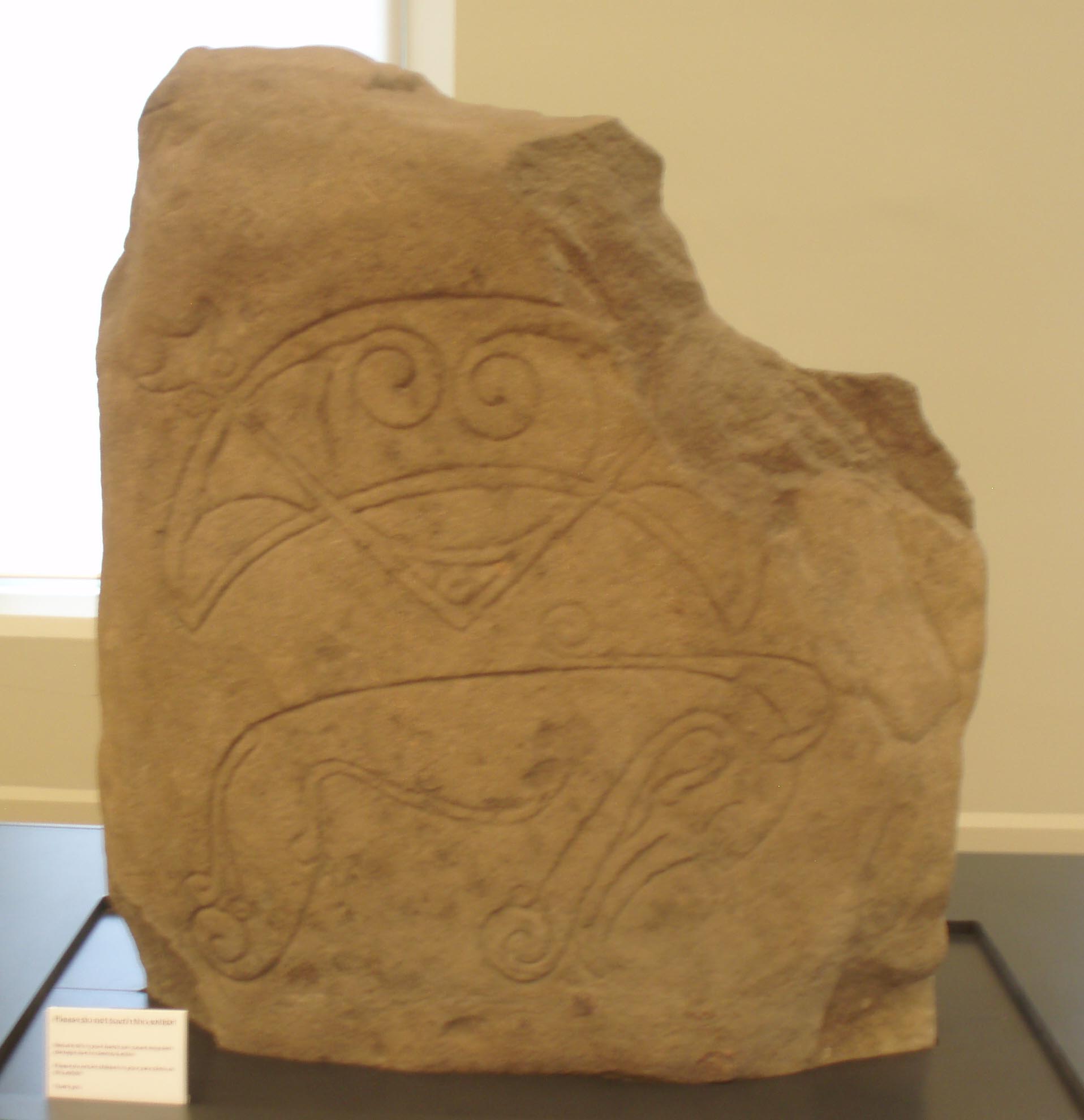
Carved with the Pictish beast, a tuning fork and a mirror, the stone ties this quiet Aberdeenshire field into the still-unresolved symbol tradition…
Tomb or burial place · Pictish & early medieval
Oxfordshire
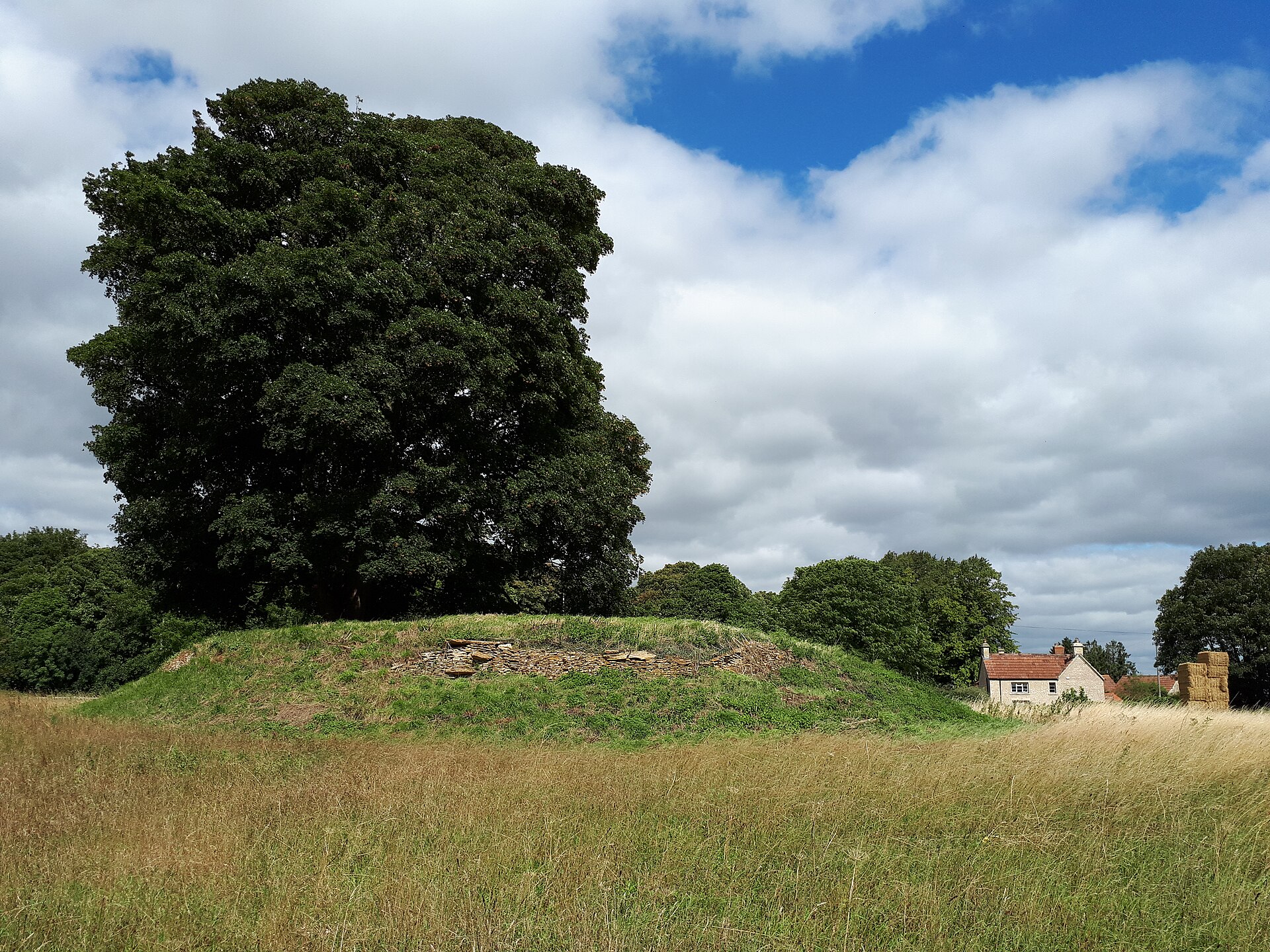
A seventh-century cremation burial yielded a Merovingian glass bottle, a silver bowl and gilded drinking-horn fittings: grave goods placing an obsc…
Carved stone · Pictish & early medieval
Angus
Only the lower half of this Pictish (of the Picts, the people of northern and eastern Scotland from about AD 300 to 900) cross slab survives, yet l…
Tomb or burial place · Pictish & early medieval
Derbyshire
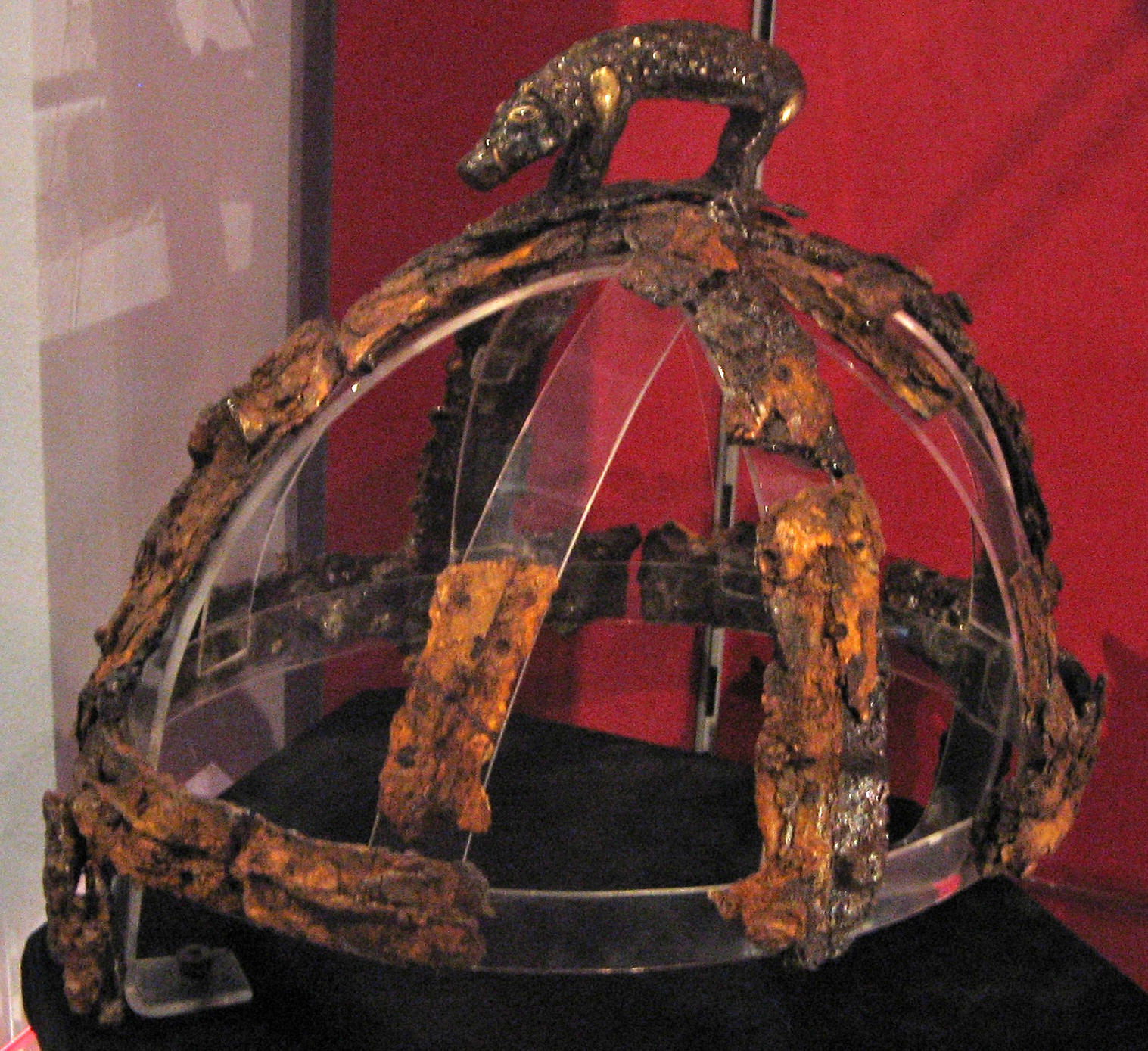
Its low mound in a Peak District field hid the first Anglo-Saxon helmet ever found: the one with a bronze boar glaring above a Christian cross.
Carved stone · Pictish & early medieval
Moray
The Birnie Symbol Stone preserves a compact seventh-century Pictish (of the Picts, the people of northern and eastern Scotland from about AD 300 to…
Building or ruin · Pictish & early medieval
Oxfordshire
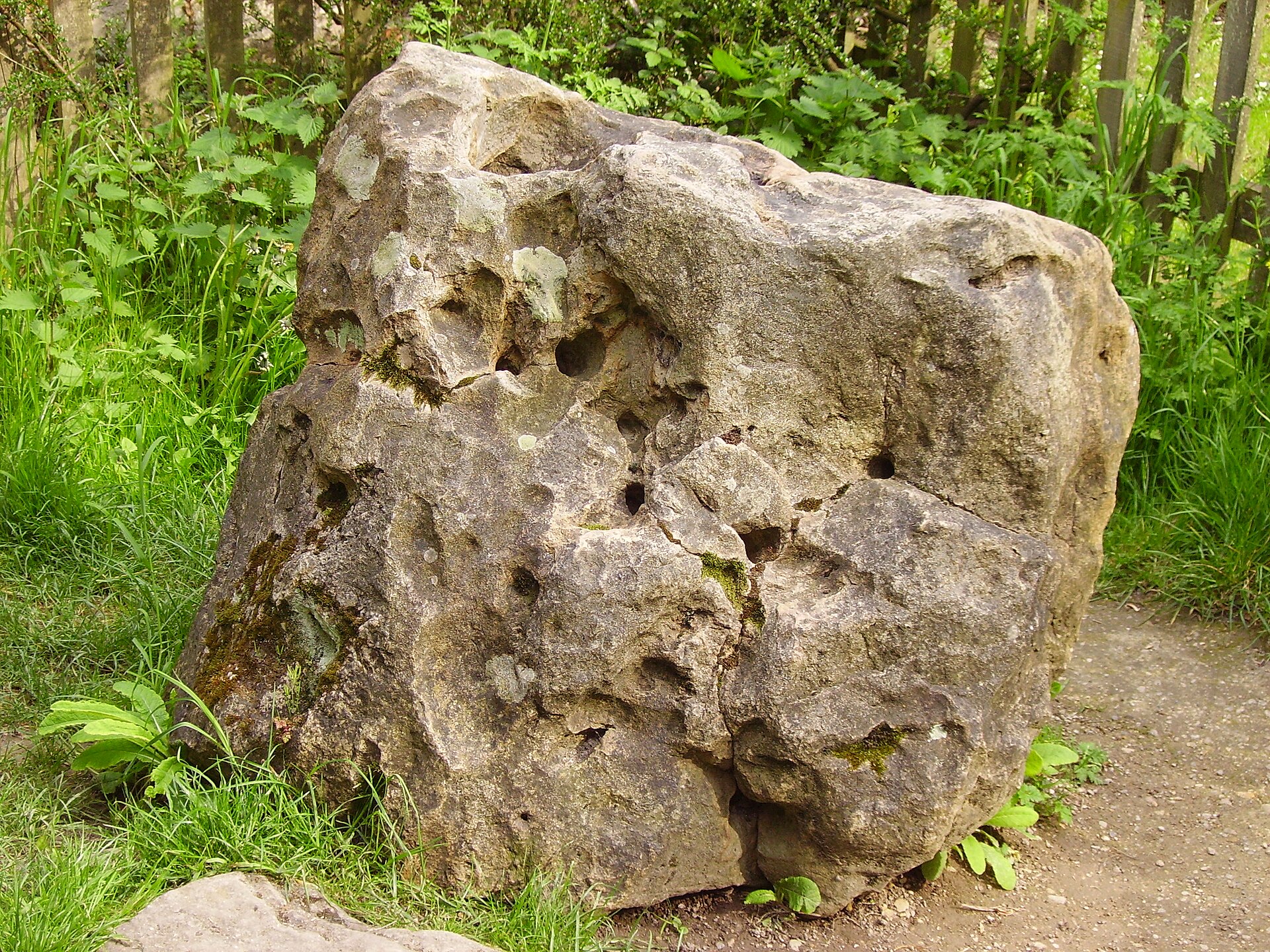
A pierced boulder said to have summoned King Alfred's army before Ashdown - and to have lent Thomas Hughes a piece of Victorian schoolboy slang.
Carved stone · Pictish & early medieval
Cheshire
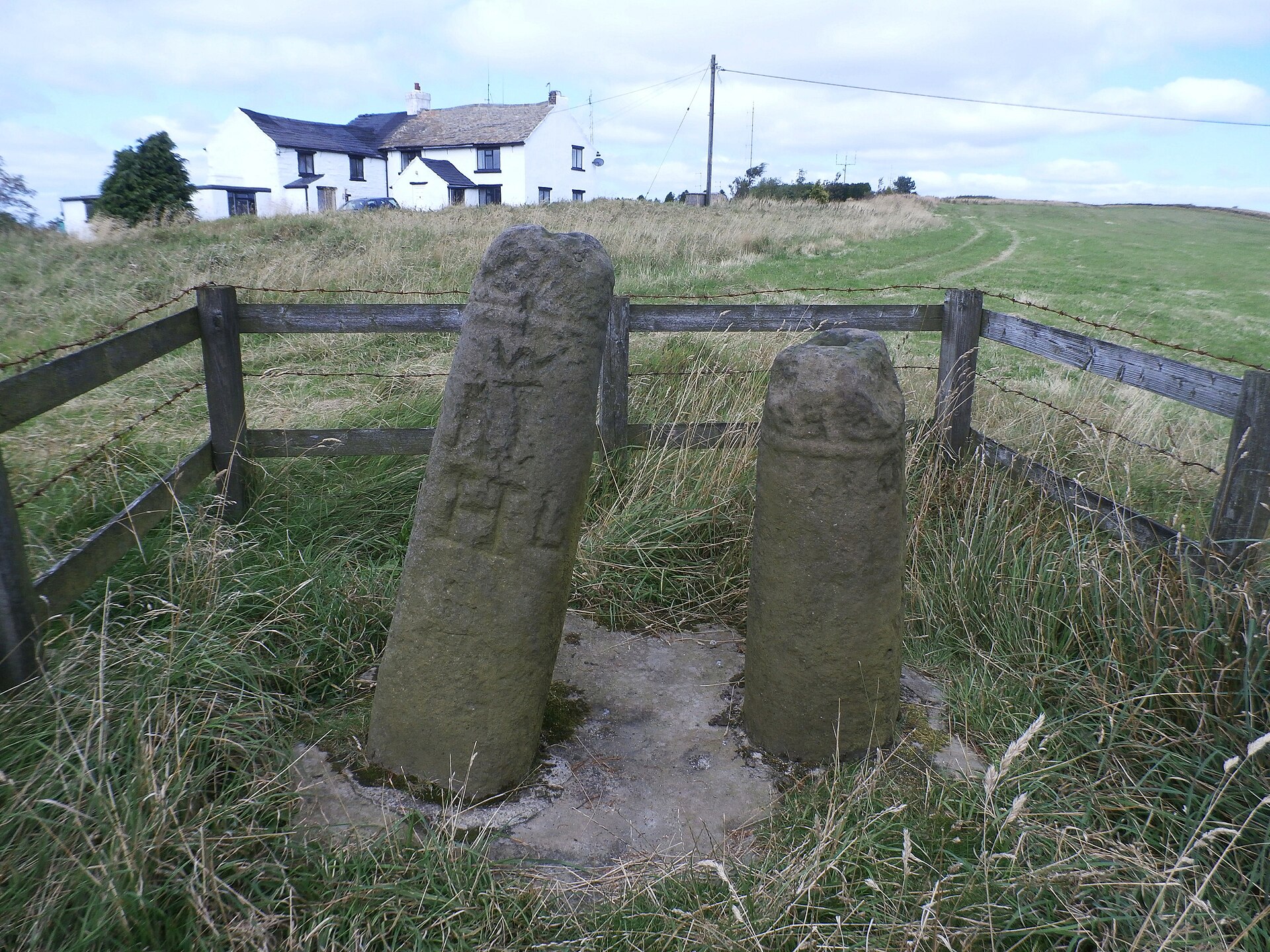
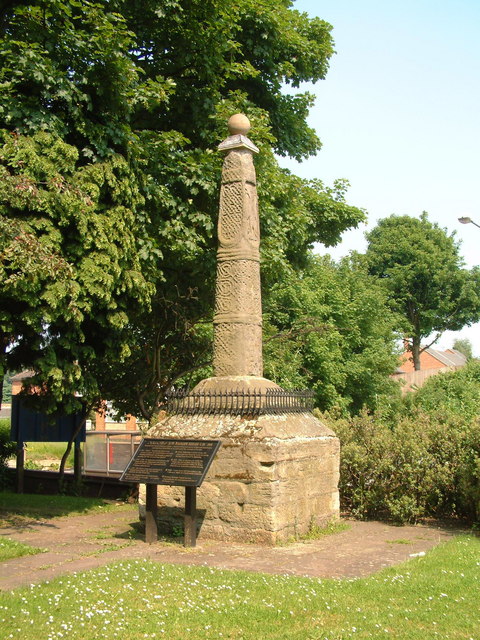
A round cross-section and an unusual pairing set these two Anglian shafts apart from almost every other stone cross of their age in England.
Fortified place · Pictish & early medieval
Cambridgeshire
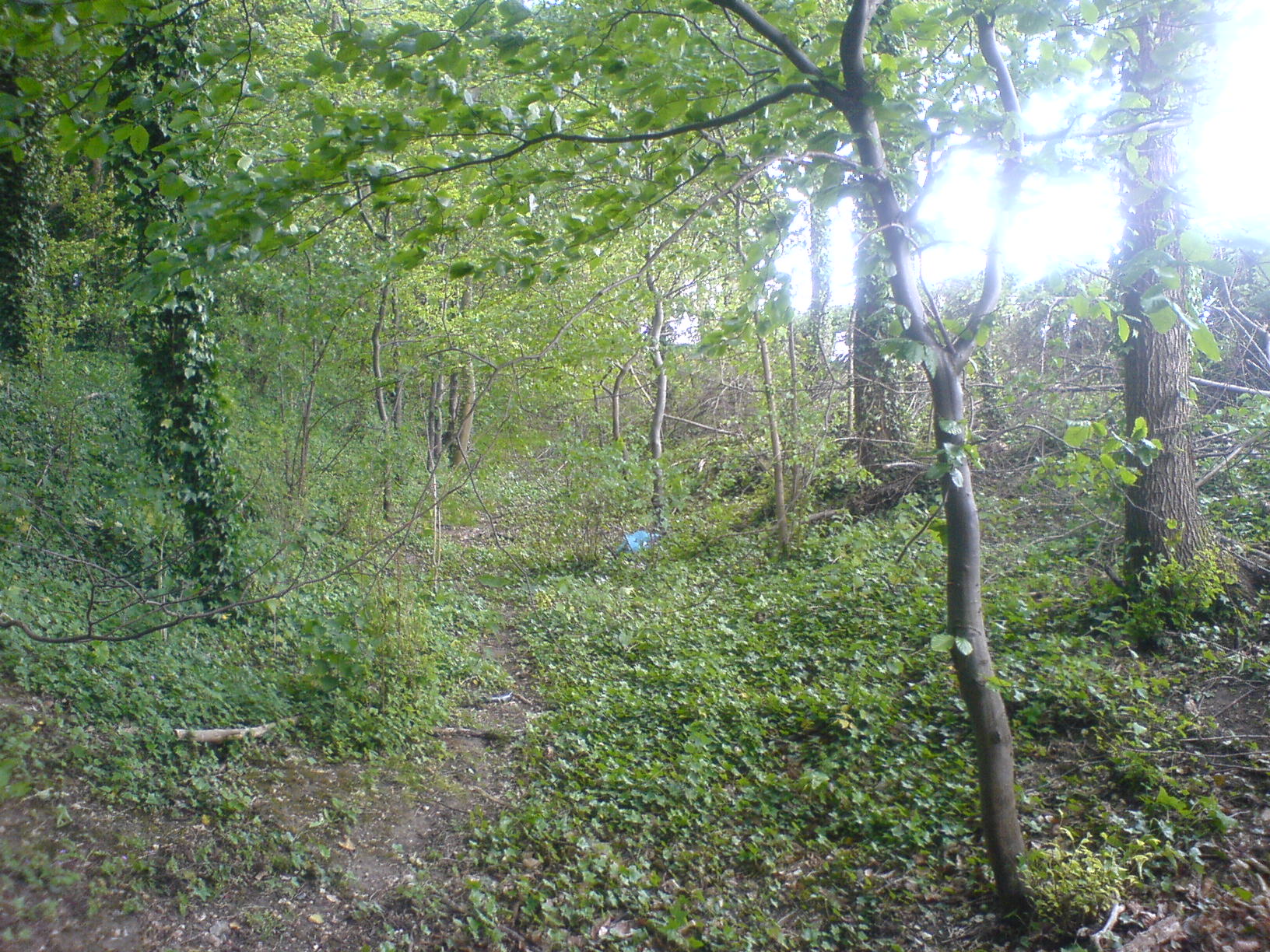
A surviving stretch of a lost linear frontier, still standing 2 to 3 metres high in woodland beside the old A11 where four sister earthworks once c…
Carved stone · Pictish & early medieval
City of Edinburgh
The only Pictish carving to show a man drinking: a bald, bearded rider on a tired horse, lifting a horn that ends in a startled bird's head, cut ju…
Carved stone · Pictish & early medieval
Aberdeenshire
Found in a field-clearance heap in 2001, its incised crescent-and-V-rod and triple disc symbols mark a seventh-century Pictish (of the Picts, the p…
Carved stone · Pictish & early medieval
Angus
One of only two intact freestanding crosses surviving in eastern Scotland, its carving points to Irish monastic influence rather than the Viking le…
Building or ruin · Pictish & early medieval
Dorset
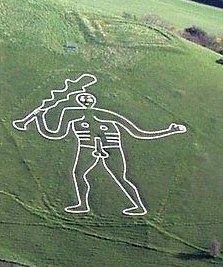
The Cerne Giant is one of England’s best-known hill figures, a monumental chalk image whose striking design and unresolved origins continue to driv…
Carved stone · Pictish & early medieval
Highland
A carved cross faces the sea while Pictish beasts and a hunting scene face the land on the reverse: a single stone holding two entirely different v…
Carved stone · Pictish & early medieval
Highland
A single monolith carries two separate ages of use: raised in the Bronze Age (roughly 2500–800 BC), then marked centuries later with Pictish (of th…
Carved stone · Pictish & early medieval
Highland
A carved eagle on a Pictish stone became, centuries later, the marker for a clan battle and the trigger for a seer's flood prophecy.
Carved stone · Pictish & early medieval
Highland
A Bronze Age pillar over three metres tall was reused two thousand years later as a canvas for Pictish carving: a salmon, a double-disc and a Z-rod…
Crossing or structure · Pictish & early medieval
Greater London
Built around 1175, this three-arched crossing over the Hogsmill is still carrying full modern traffic on its Norman stonework, making it one of Eng…
Sacred place · Pictish & early medieval
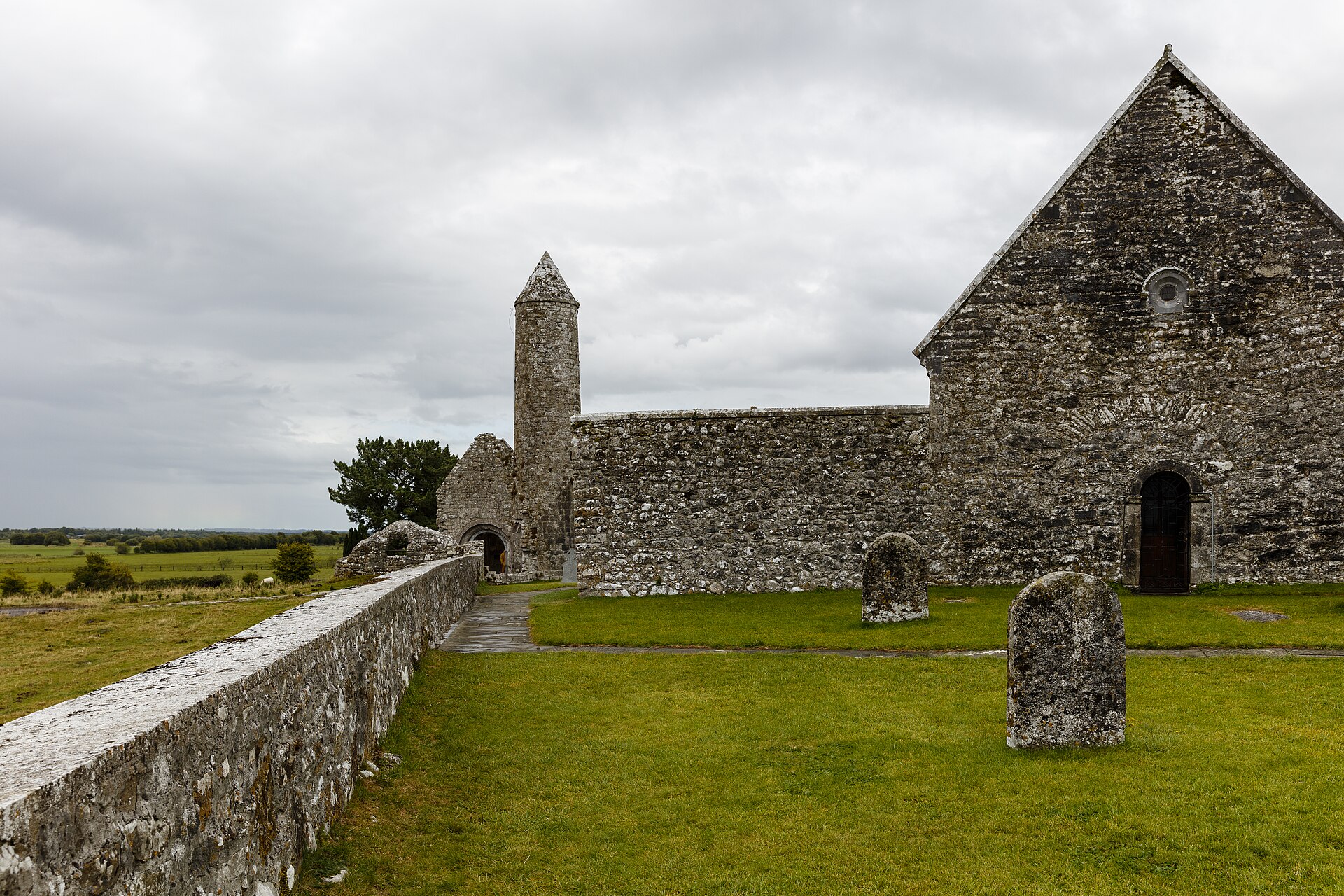
County Offaly
A river crossing where the Slighe Mhór met the Shannon drew high kings, scholars and craftsmen from across Europe for centuries, leaving Ireland's…
Carved stone · Pictish & early medieval
Moray
A Pictish symbol stone whose carver broke with convention, spreading incised emblems across two adjacent granite faces: an arrangement thought to b…
Carved stone · Pictish & early medieval
Angus
One of the few Pictish (of the Picts, the people of northern and eastern Scotland from about AD 300 to 900) stones datable to a precise reign, its…
Carved stone · Pictish & early medieval
Aberdeenshire
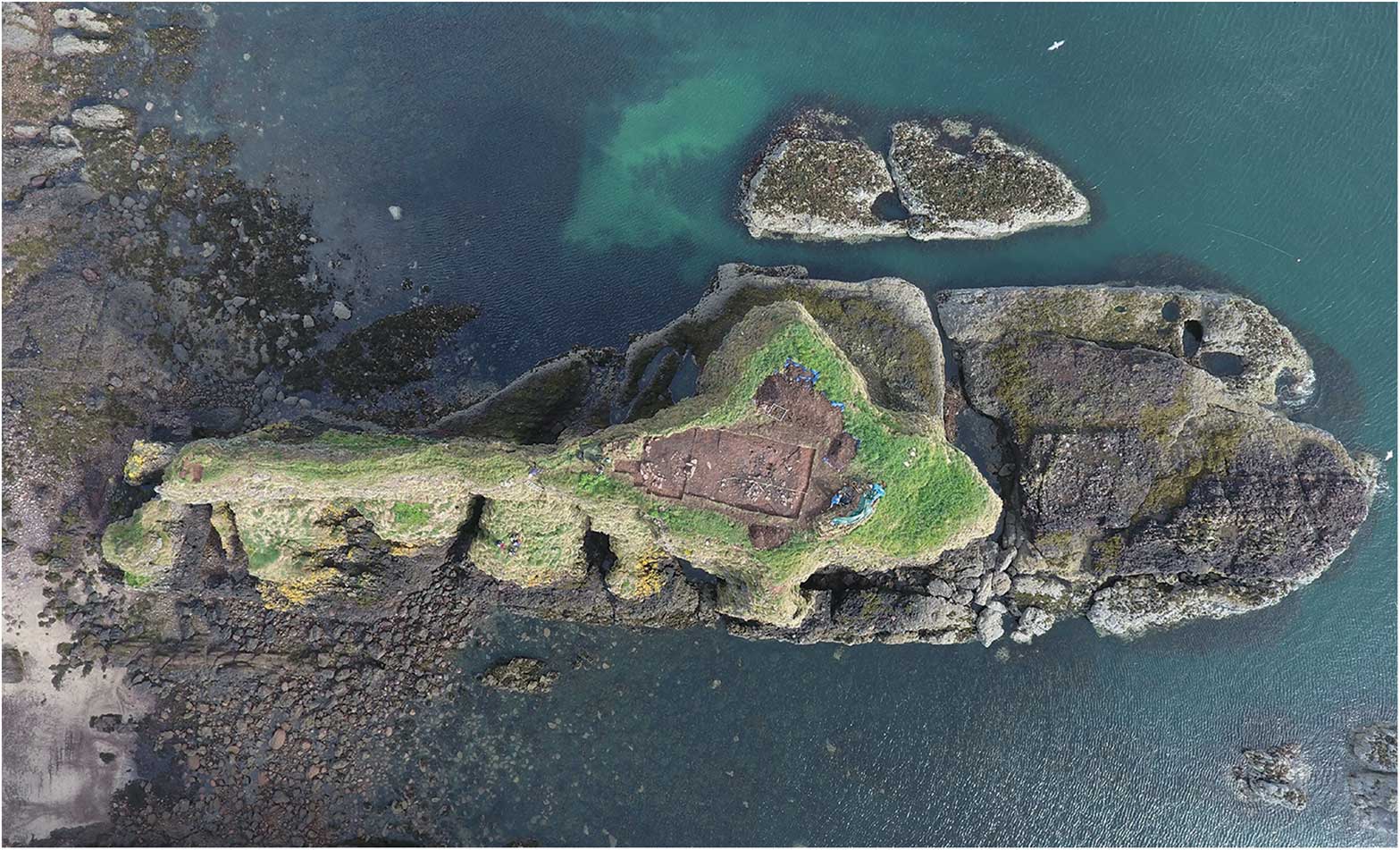
Radiocarbon-dated rampart (the raised bank thrown up around a fortified enclosure) timbers make this eroding sea stack the earliest known Pictish (…
Carved stone · Pictish & early medieval
Angus
Its carved flower motif is rare among Pictish (of the Picts, the people of northern and eastern Scotland from about AD 300 to 900) symbol stones, w…
Carved stone · Pictish & early medieval
Perth and Kinross
A Pictish high cross carrying the name of a king who reigned around AD 800: the fixed point from which the rest of Pictish sculpture is dated.
Carved stone · Pictish & early medieval
North Yorkshire
Carved from sandstone hauled some 60 miles from quarries near Whitby, the cross links a remote Yorkshire churchyard to the court art of Charlemagne…
Carved stone · Pictish & early medieval
Angus
Carved on both faces with warriors, hunters, angels and a figure entangled with severed heads, it survived only because Georgian antiquarians pulle…
Carved stone · Pictish & early medieval
Highland
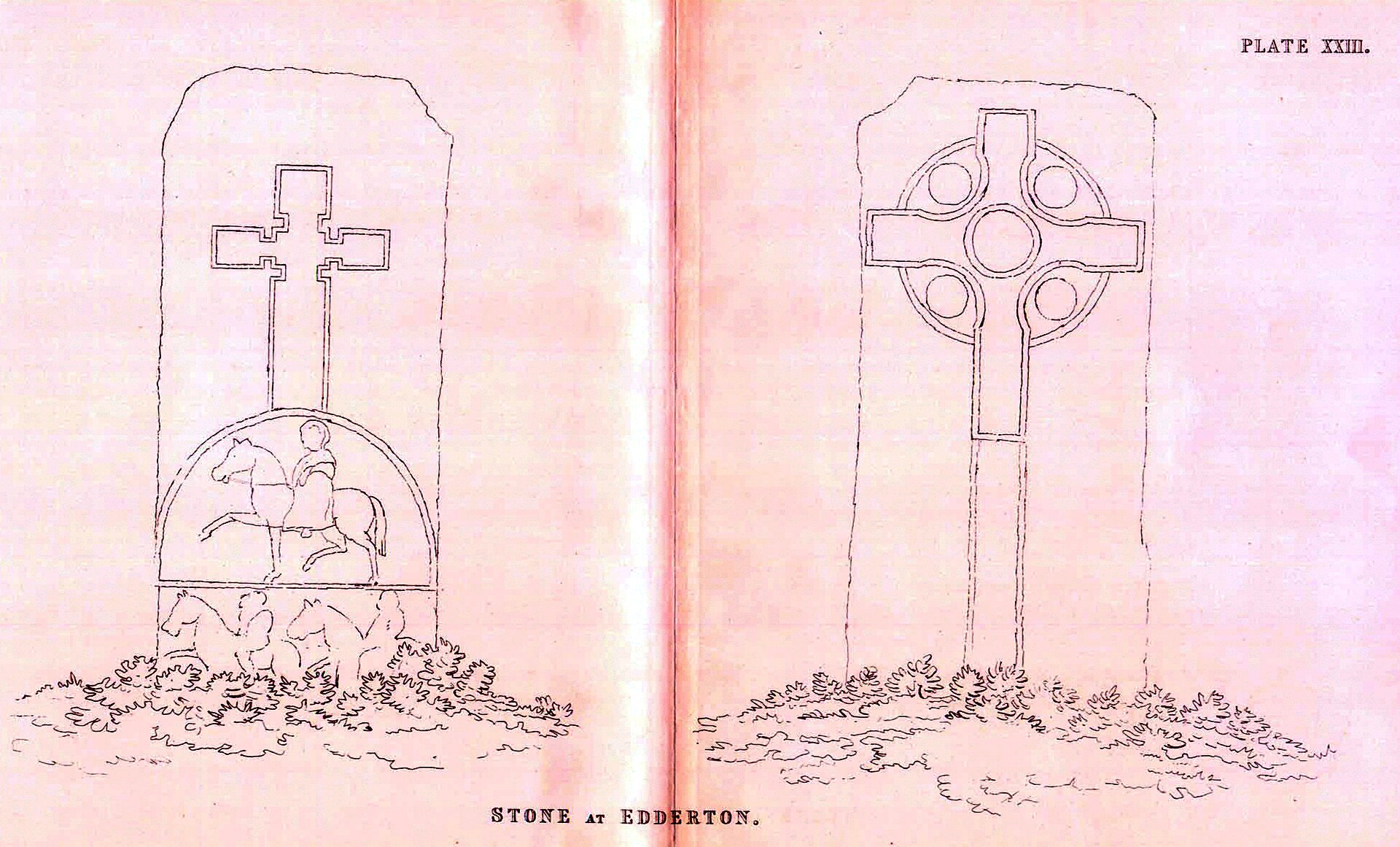
One slab, two scenes: a plain ringed cross on one face, three processing horsemen beneath a cross on the other, recently raised to reveal riders bu…
Carved stone · Pictish & early medieval
Moray
A tall granite Pictish (of the Picts, the people of northern and eastern Scotland from about AD 300 to 900) stone found buried beneath Elgin's old…
Building or ruin · Pictish & early medieval
Northamptonshire
A whole medieval village vanished here, yet its church furnishings survive scattered: in a London museum, in three neighbouring churches, and recas…
Carved stone · Pictish & early medieval
Aberdeenshire
For generations the stone served as ordinary paving in the church floor, its carved face walked over underfoot before being rediscovered and stood…
Carved stone · Pictish & early medieval
Highland
A carved salmon and the broken remains of a bird - rare survivors of a Pictish (of the Picts, the people of northern and eastern Scotland from abou…
Fortified place · Pictish & early medieval
Hampshire
One of England's earliest purpose-built cannon forts survives here fused onto a medieval town gate, its gunports still facing the water it was rais…
Carved stone · Pictish & early medieval
Cumbria
A single carved stone shows a Christian crucifixion and Norse gods sharing the same four faces, caught mid-way between two belief systems rather th…
Sacred place · Pictish & early medieval
Essex
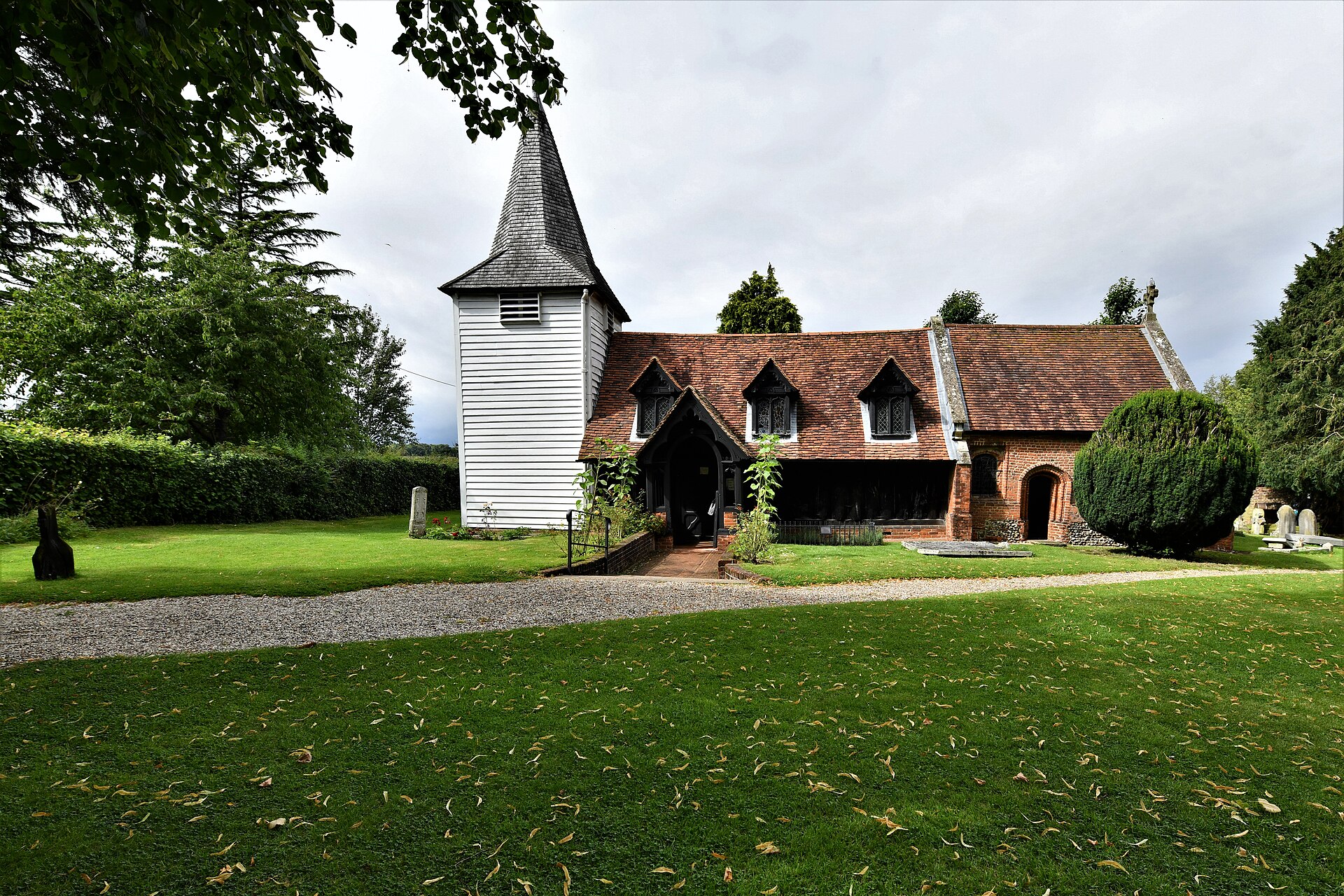
Greensted Church retains rare oak-wall construction from the late Anglo-Saxon or early Norman period, making it an exceptional survivor in debates…
Carved stone · Pictish & early medieval
Lancashire
A dismantled Anglo-Saxon cross reused as a sundial for two centuries, its surviving shaft carries what one archaeologist called the clearest carved…
Tomb or burial place · Pictish & early medieval
Lancashire
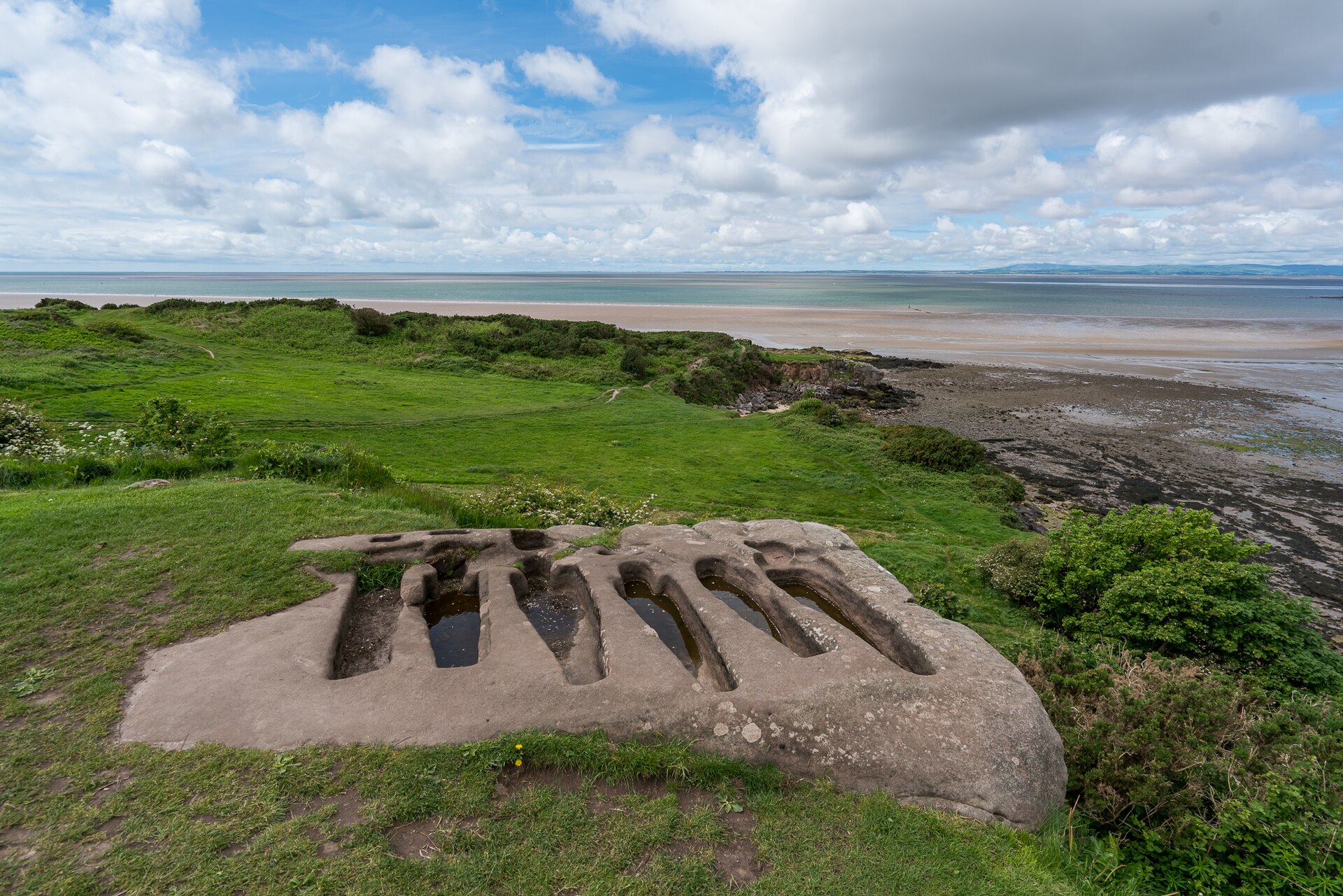
Eight graves cut straight into the bedrock, some shaped to the human body and fitted with sockets for stone or wooden crosses: a form of burial fou…
Carved stone · Pictish & early medieval
Highland
Broken by a storm, stripped for a memorial, and split between two museums and a modern replica, this Pictish (of the Picts, the people of northern…
Sacred place · Pictish & early medieval
Essex
Holy Trinity Church is Colchester’s oldest standing building and its only surviving Anglo-Saxon structure, preserving a rare Saxon tower, later med…
Carved stone · Pictish & early medieval
Angus
Its rear face still carries an older set of incised symbols beneath a later relief-carved cross: one of only two stones nearby known to have been r…
Carved stone · Pictish & early medieval
Cumbria
Carved in the early ninth century, it stands stylistically between the Bewcastle and Gosforth crosses, though its own runic inscription has never b…
Building or ruin · Pictish & early medieval
Leicestershire
King Lud’s Entrenchments is an unexcavated scheduled earthwork (a bank or ditch dug and heaped from the ground itself, with no masonry) within a cr…
Carved stone · Pictish & early medieval
Angus
The stones' Pictish symbols were carved as the symbol tradition itself was dying out: among the last such carvings made anywhere before it vanished…
Carved stone · Pictish & early medieval
Aberdeenshire
Carved in Ogam: an alphabet devised for Irish, not Pictish, speech: the stone has anchored more than a century of scholarly argument over how far I…
Carved stone · Pictish & early medieval
Aberdeenshire
A slab of red granite standing some three metres high, carved on every face with Christian crosses, Pictish beasts and a legend of the Devil's forf…
Carved stone · Pictish & early medieval
Perth and Kinross
Twenty-seven Pictish stones pulled from the ruins of a church that burned in 1869, now in the village schoolhouse: including one carved by the Pict…
Sacred place · Pictish & early medieval
Cornwall
Mên Scryfa preserves an early medieval (roughly AD 400–1100, between the Romans and the Normans) Latin inscription on a standing stone, connecting…
Fortified place · Pictish & early medieval
Greater Manchester
Nico Ditch is a six-mile early-medieval earthwork (a bank, ditch or mound shaped from soil rather than built in stone) crossing Greater Manchester…
Carved stone · Pictish & early medieval
Highland
A shattered, staple-mended slab carries the oldest known depiction of a European triangular harp alongside carving so fine it is thought to share c…
Sacred place · Pictish & early medieval
Hampshire
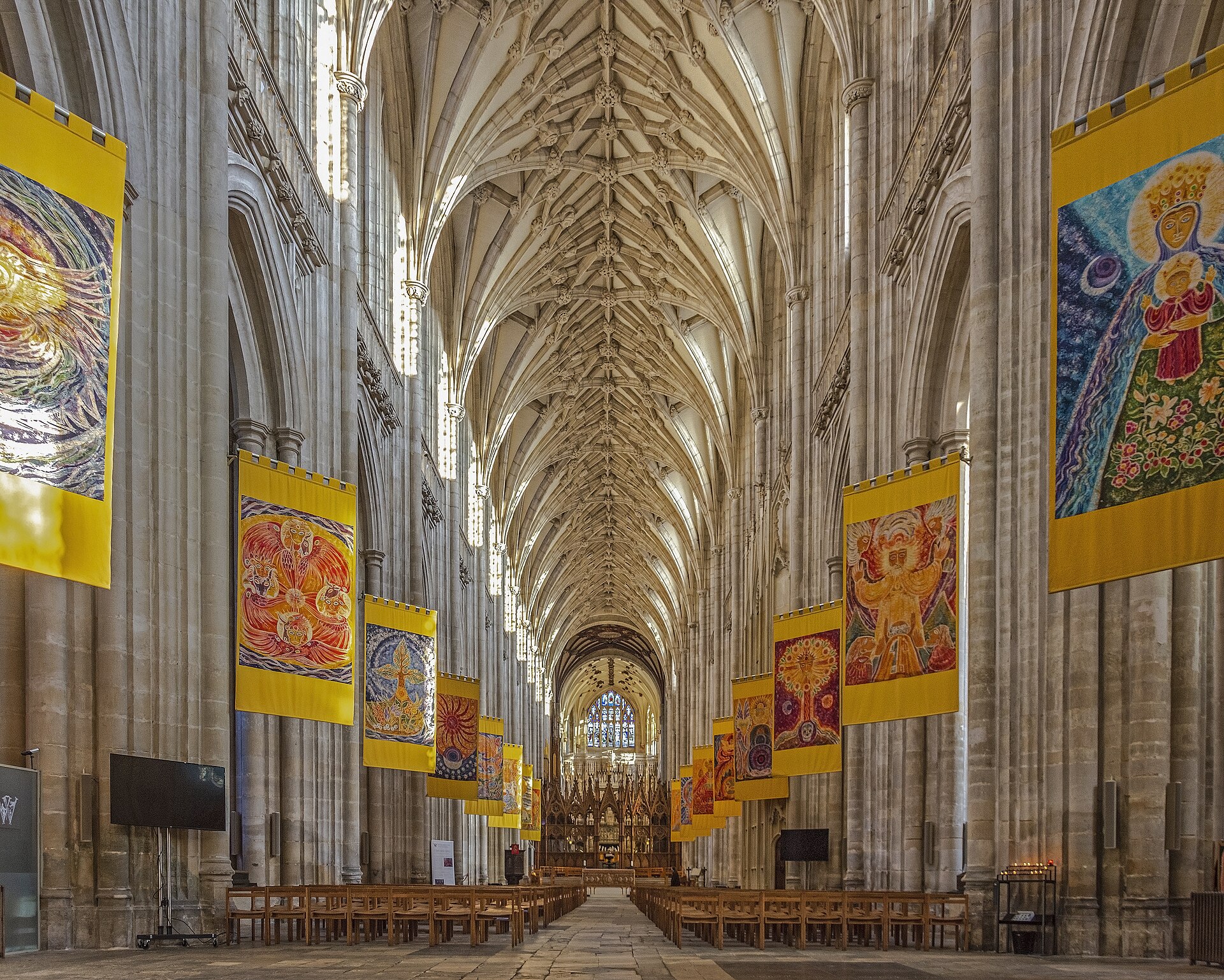
For over a century this was reputedly the largest church in Europe, and the resting place of Anglo-Saxon kings whose bones now lie in chests around…
Carved stone · Pictish & early medieval
Shetland Islands
Carved on a single face of stone left otherwise plain, the Papil Stone rises to a large, long-stemmed cross shaped like a fan, its shaft crowded be…
Carved stone · Pictish & early medieval
Highland
Roughly 200 carved stone fragments, most no bigger than a handspan, add up to one of the largest collections of Pictish (of the Picts, the people o…
Tomb or burial place · Pictish & early medieval
County Kerry
At the centre of a walled compound a kilometre east of Baile an Fheirtéaraigh, a single cross-inscribed standing stone rises from the grass, surrou…
Fortified place · Pictish & early medieval
County Tipperary
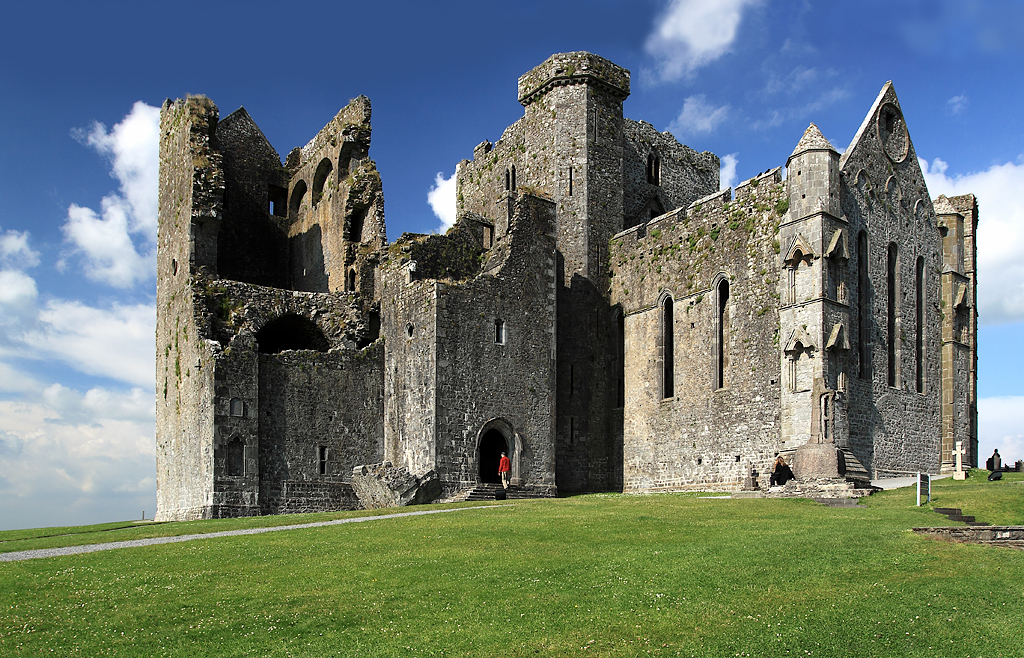
A limestone outcrop that held the crown of Munster for six centuries before its last king simply gave it to the Church: a rare handover from royal…
Carved stone · Pictish & early medieval
Moray
Its Ogham inscription is the longest to survive from Pictish (of the Picts, the people of northern and eastern Scotland from about AD 300 to 900) S…
Carved stone · Pictish & early medieval
Highland
Fourteen carved fragments, including a slab showing Daniel in the lion's den, reveal a Pictish (of the Picts, the people of northern and eastern Sc…
Carved stone · Pictish & early medieval
Highland
Broken in two and hidden for centuries under a church floor, this cross-slab carries the only Pictish (of the Picts, the people of northern and eas…
Sacred place · Pictish & early medieval
Cheshire
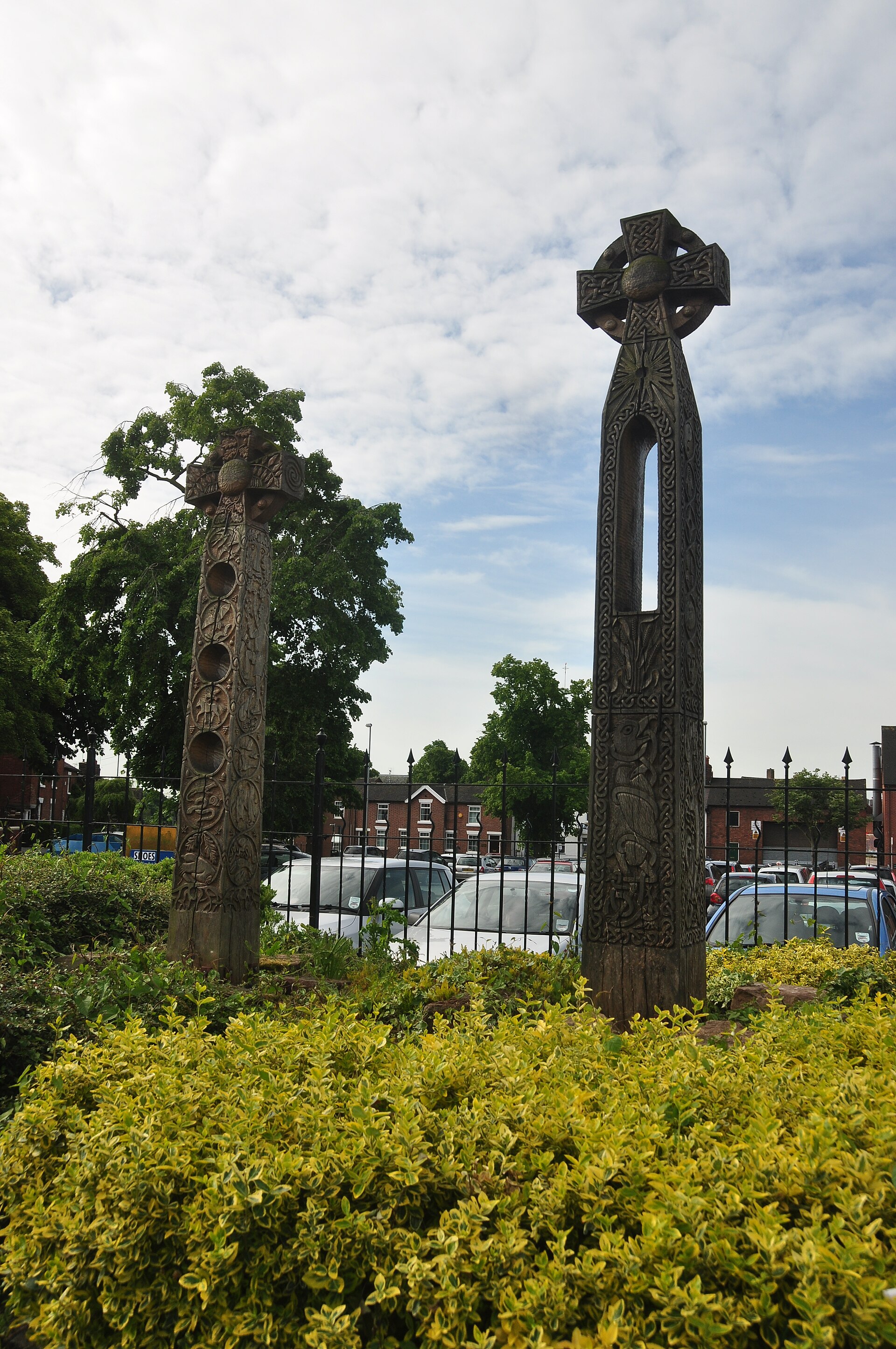
Sandbach’s paired ninth-century Anglo-Saxon crosses are an extraordinary public survival: carved with biblical scenes and interlace, dispersed afte…
Tomb or burial place · Pictish & early medieval
Kent
Described after its 1863 excavation as arguably the richest Anglo-Saxon burial ground yet discovered, it was later found to be far larger than the…
Sacred place · Pictish & early medieval
Cumbria
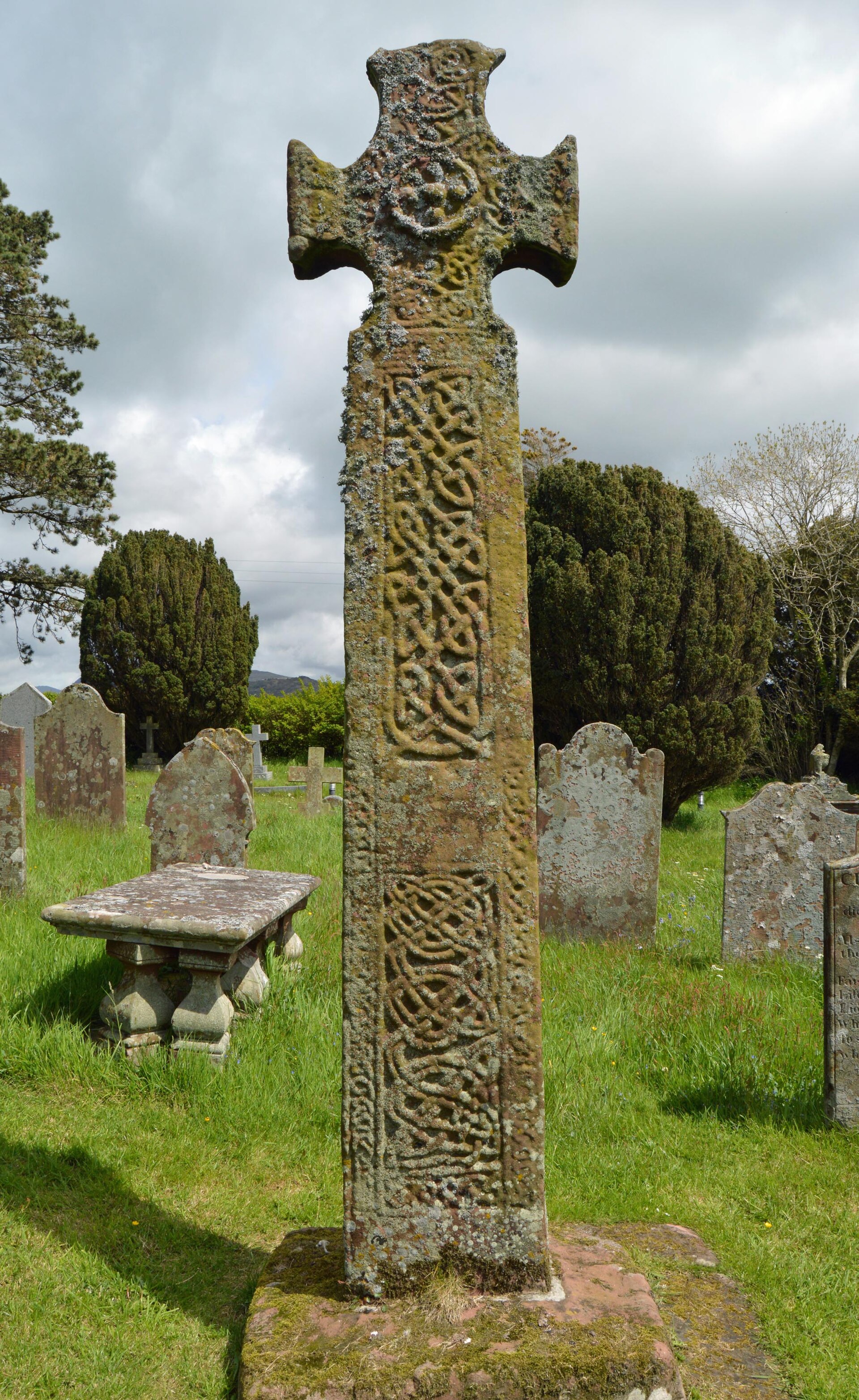
Two Anglo-Saxon cross-shaft monuments in the churchyard, the Giant's Grave and the Giant's Thumb, predate the present Georgian church by eight cent…
Building or ruin · Pictish & early medieval
Greater London
St Botolph’s Church, Ruxley is a rare intact medieval church ruin that survived 400 years as a farm building, preserving its form within a modern g…
Sacred place · Pictish & early medieval
North Yorkshire
A medieval parish church stands inside the ramparts of an Iron Age (roughly 800 BC until the Roman conquest) oppidum, its churchyard holding a 9th-…
Building or ruin · Pictish & early medieval
Lincolnshire
A working Anglo-Saxon tower still stands at the centre of a church rescued from vandalism and bat guano and restored at a cost of nearly £350,000.
Building or ruin · Pictish & early medieval
Dorset
St Martin’s Church is Dorset’s most complete Anglo-Saxon church, preserving early architecture, rare medieval wall paintings and later memorials wi…
Sacred place · Pictish & early medieval
Bristol
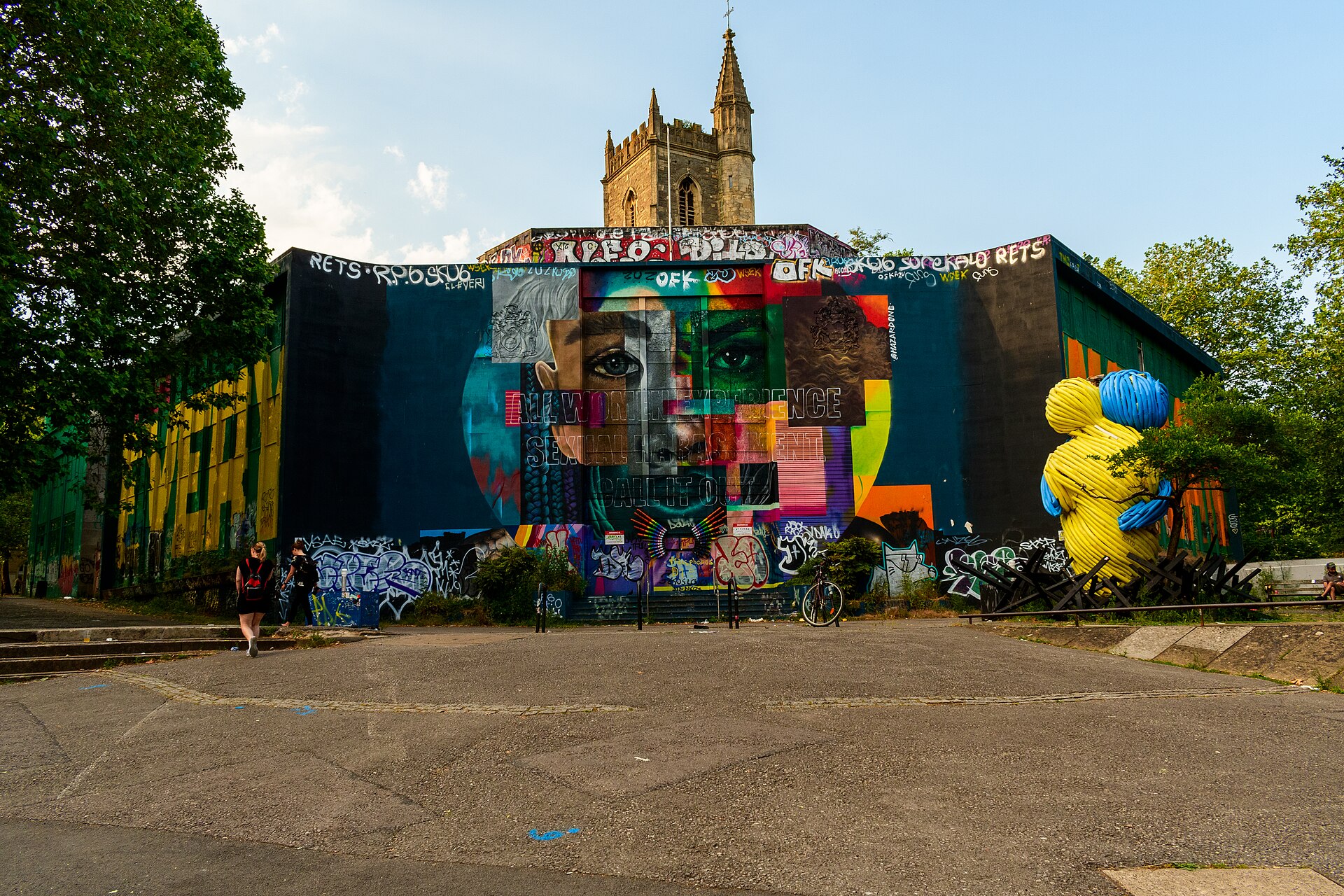
A single medieval tower stands alone in a modern park, the only fragment left after a night of bombing reduced the rest of the church to rubble.
Sacred place · Pictish & early medieval
Cumbria
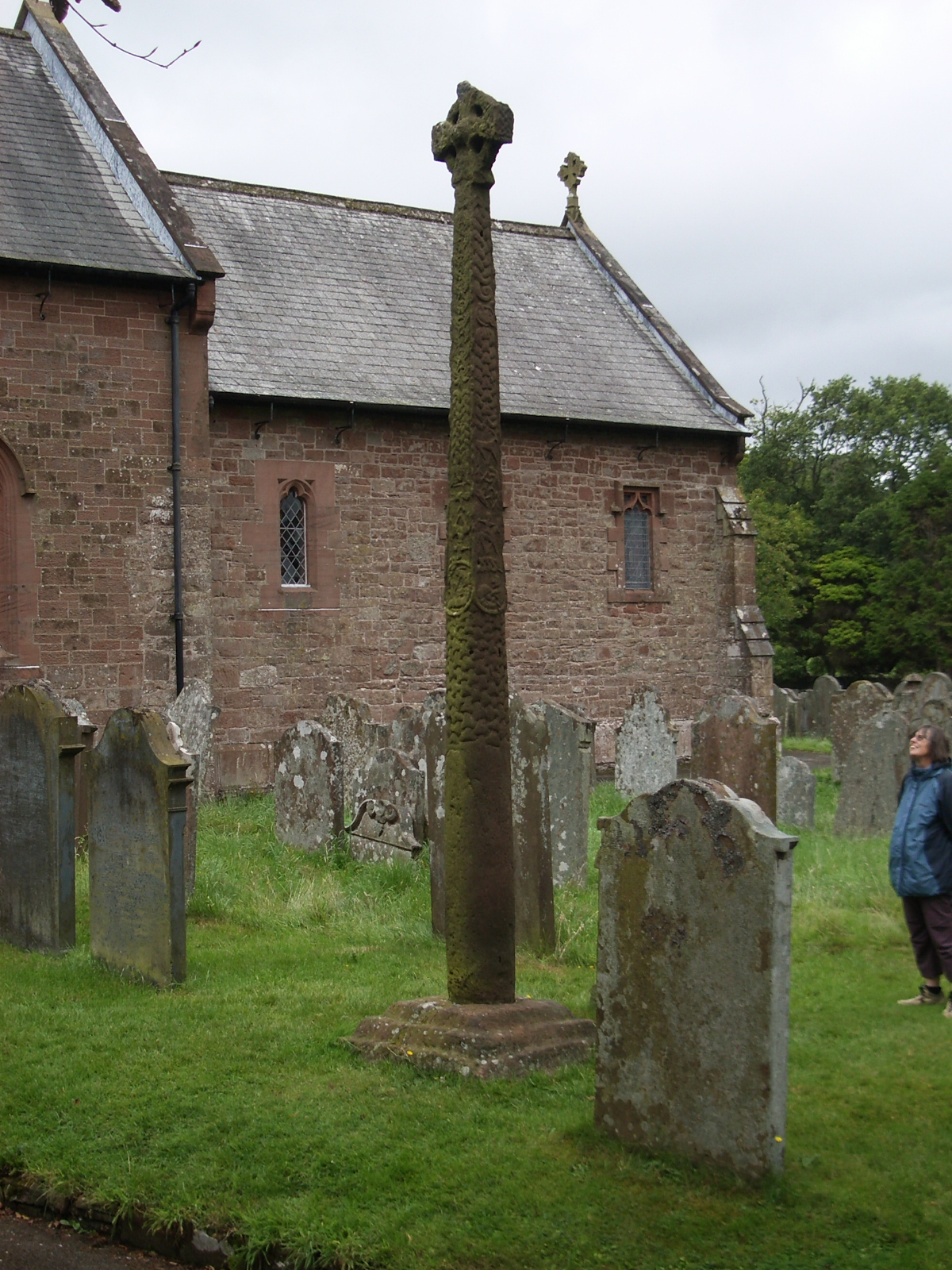
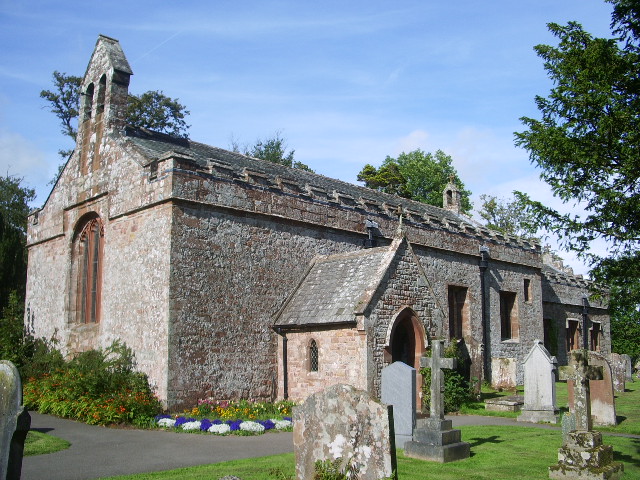
A scheduled Anglo-Saxon high cross stands in the churchyard beside a Grade I church whose windows carry a rare medieval Doom scene and Victorian gl…
Sacred place · Pictish & early medieval
Cheshire
St Oswald's Church, Winwick is a Grade I listed church whose medieval fabric, Anglo-Saxon cross fragment and later rebuilding preserve almost a mil…
Sacred place · Pictish & early medieval
Lancashire
The rock-cut tombs beside the ruin later reached a far wider audience than archaeology ever could, appearing on the cover of a Black Sabbath album,…
Sacred place · Pictish & early medieval
Lancashire
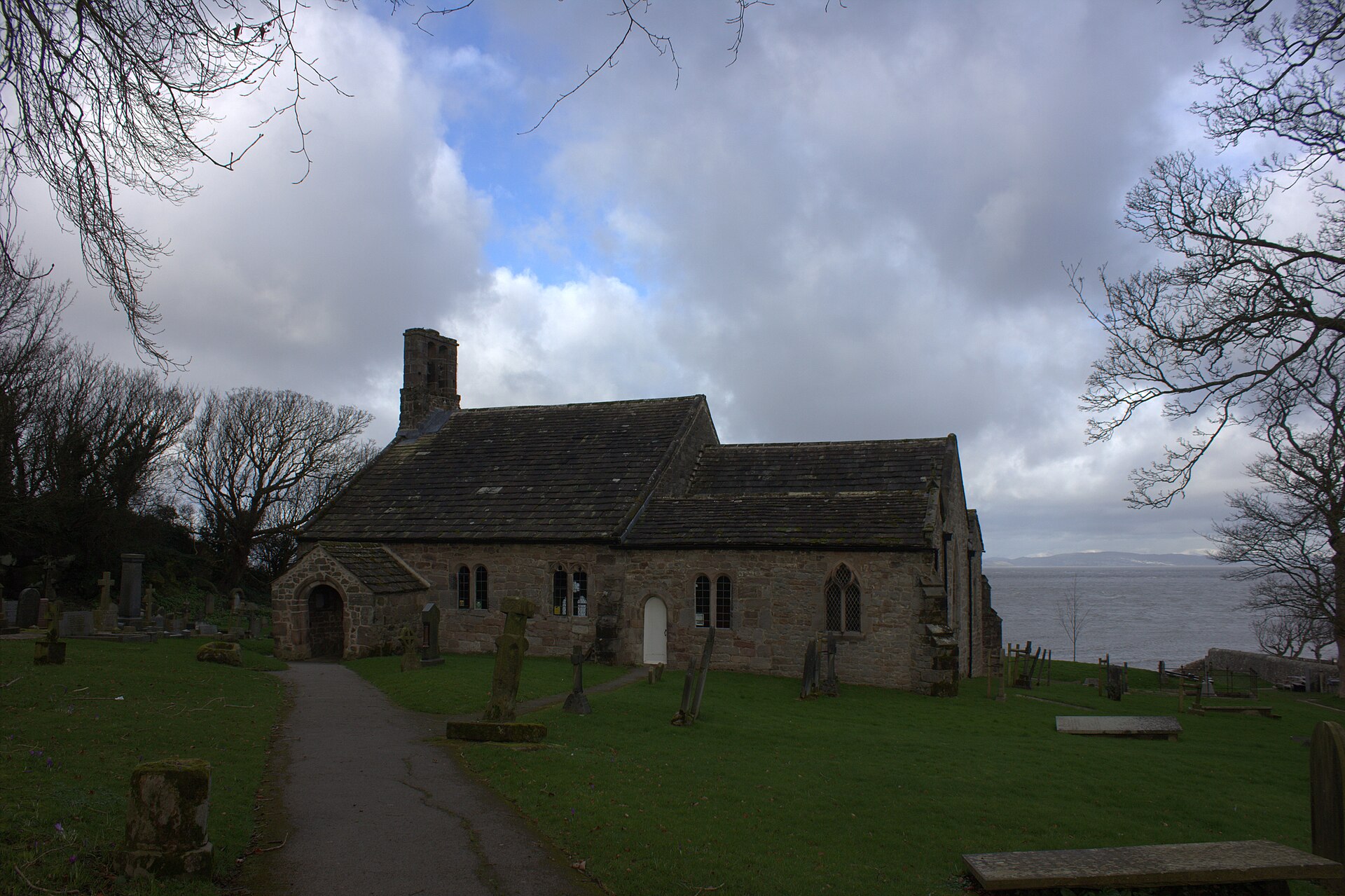
A blocked Anglo-Saxon doorway, an early Norman chancel arch and a carved Viking hogback stone sit inside one working parish church: three distinct…
Carved stone · Pictish & early medieval
Angus
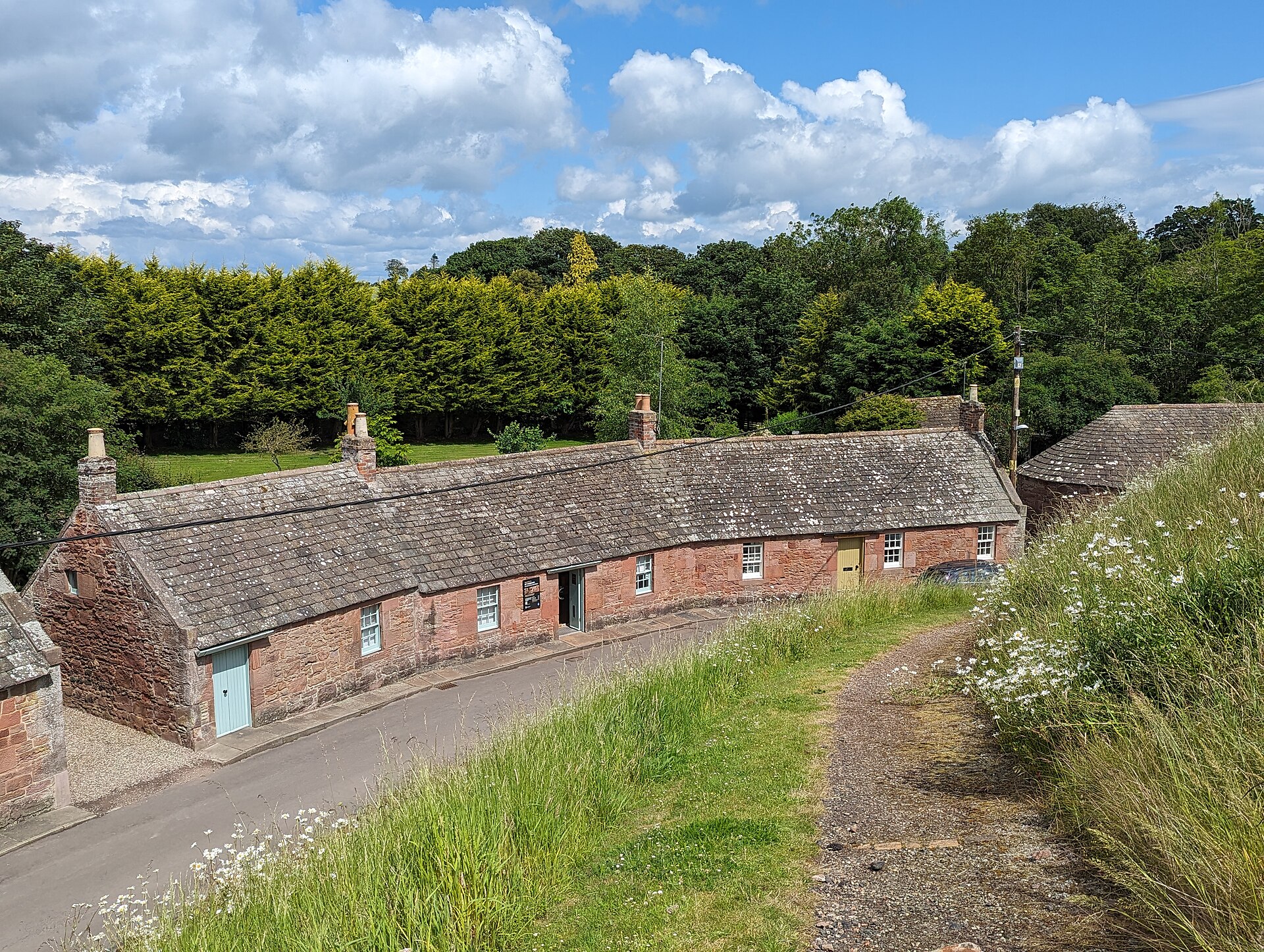
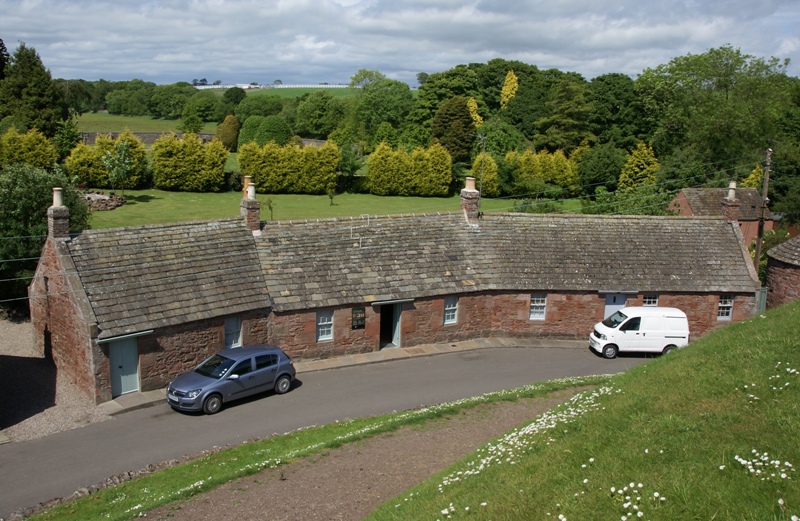
Two plain sandstone cottages beside an Angus church hold 38 carved Pictish (of the Picts, the people of northern and eastern Scotland from about AD…
Carved stone · Pictish & early medieval
Nottinghamshire
Pevsner called it by far the most important pre-Conquest monument in Nottinghamshire. Its shaft is round below and square above.
Carved stone · Pictish & early medieval
Angus
Carved with the Pictish beast and the crescent and V-rod, the stone was recycled as ordinary wall-stone for generations before Dundee Museums rescu…
Carved stone · Pictish & early medieval
Moray
At 6.5 metres tall it is the largest surviving Pictish (of the Picts, the people of northern and eastern Scotland from about AD 300 to 900) cross-s…
Tomb or burial place · Pictish & early medieval
Kent
Updown is a large seventh-century cemetery near the Kentish royal centre of Eastry, revealing Christian burial practice and long-distance ancestral…
Tomb or burial place · Pictish & early medieval
Lincolnshire
One grave held grave goods rivalling Sutton Hoo in craftsmanship: a runic silver bracteate, cruciform brooches, and cushion covers sewn with matchi…
Building or ruin · Pictish & early medieval
Greater London
Winchester Palace’s surviving hall and rose window recall a powerful bishop’s London residence on the Thames, where royal visitors, river supply, t…
Carved stone · Pictish & early medieval
West Midlands
Seven bands of vine scroll, animal and acanthus carving make this the only known English cross shaft worked in a rare southern continental Baroque…
Carved stone · Pictish & early medieval
City of Edinburgh
The Woodwrae Stone is a richly carved Class II Pictish (of the Picts, the people of northern and eastern Scotland from about AD 300 to 900) cross-s…
Briefer entries: recorded and worth knowing, with fuller pages to come.
Carved stone · Pictish & early medieval
Aberdeenshire
A Pictish symbol stone: the Picts held northern and eastern Scotland from about AD 300 to 900: carved with the enigmatic 'beast' and crescent-and-V…
Carved stone · Pictish & early medieval
Lincolnshire
Crowle Stone is a richly carved Anglo-Saxon cross shaft with a runic inscription, preserved through reuse in the Norman rebuilding of St Oswald’s C…
Tomb or burial place · Pictish & early medieval
Kent
Darenth Country Park protects a Saxon burial ground within a former hospital landscape, combining nationally important archaeology with chalk-grass…
Carved stone · Pictish & early medieval
Highland
A Pictish (of the Picts, the people of northern and eastern Scotland from about AD 300 to 900) symbol stone carved on both faces, possibly recut fr…
Carved stone · Pictish & early medieval
Aberdeen City
A rare survival: an incised pagan-era stone and a Christian cross-slab stand side by side under one roof, one still carrying an ogham inscription n…
Carved stone · Pictish & early medieval
Highland
Invereen’s accidental discovery saved a precisely carved Pictish stone: of the Picts, the people of northern and eastern Scotland from about AD 300…
Carved stone · Pictish & early medieval
Argyll and Bute
A rare assembly of medieval West Highland grave slabs kept together under one roof, in the direct care of Historic Environment Scotland, rather tha…
Building or ruin · Pictish & early medieval
North Yorkshire
The Kirkdale Sundial is an unusually precise mid-eleventh-century Old English monument: it dates St Gregory’s rebuilding to Edward and Tostig’s tim…
Building or ruin · Pictish & early medieval
Cornwall
Kit Hill is East Cornwall's dominant country-park summit, where prehistoric barrows, a Civil War redoubt and extensive mining remains trace the cha…
Carved stone · Pictish & early medieval
Shetland Islands
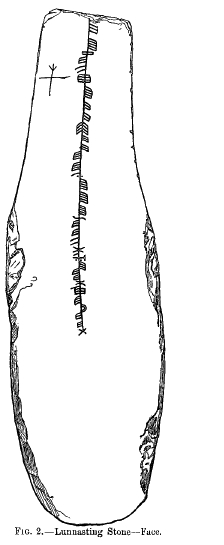
The Lunnasting stone is a slab of slate, 44 inches (1.1 m) long, about 13 inches (0.33 m) wide and just an inch (2.5 cm) thick, carrying an ogham i…
Building or ruin · Pictish & early medieval
Essex
Mucking is Britain’s largest excavation, exposing 3,000 years of settlement and one of the earliest, most extensive Anglo-Saxon communities and cem…
Building or ruin · Pictish & early medieval
County Down
Nendrum’s tide-mill remains are the earliest excavated of their kind, showing early medieval (roughly AD 400–1100, between the Romans and the Norma…
Carved stone · Pictish & early medieval
Highland
A carved crescent, v-rod and a pair of spirals fused into a pelta survive on a single stone that sat unknown until 1992: a Pictish (of the Picts, t…
Tomb or burial place · Pictish & early medieval
Norfolk
Spong Hill is the largest known Early Anglo-Saxon cremation cemetery, containing 2,259 cremations and 57 inhumations that reveal a regional burial…
Carved stone · Pictish & early medieval
Angus
St Orland’s in-situ cross-slab joins a richly interlaced Christian cross to symbols, hunters, a boat and beasts, preserving a remarkably complex pr…
Ancient place · Pictish & early medieval
Suffolk
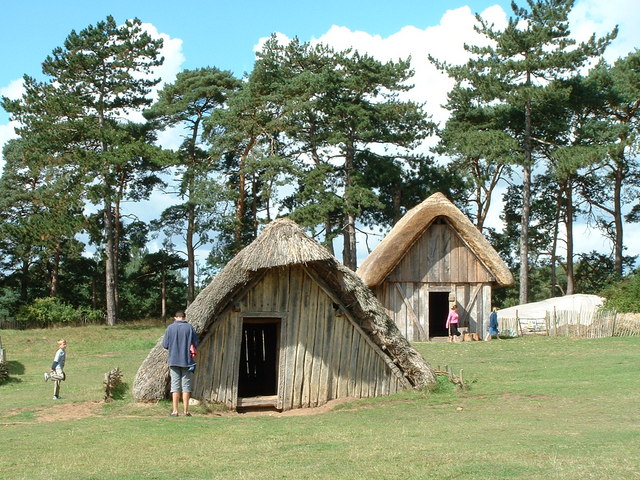
An archaeological site and open-air museum with traces of habitation from the first farmers onward.
Sacred place · Pictish & early medieval
County Fermanagh
White Island preserves an early medieval: roughly AD 400–1100, between the Romans and the Normans: Lough Erne church whose Romanesque: the round-ar…
No places match those filters.






%2C_Edderton_-_geograph.org.uk_-_915406.jpg?width=800)



.jpg?width=800)





.jpg?width=800)

_-_geograph.org.uk_-_276389.jpg?width=800)



.jpg?width=800)


_(geograph_5555392).jpg?width=800)
.jpg?width=800)