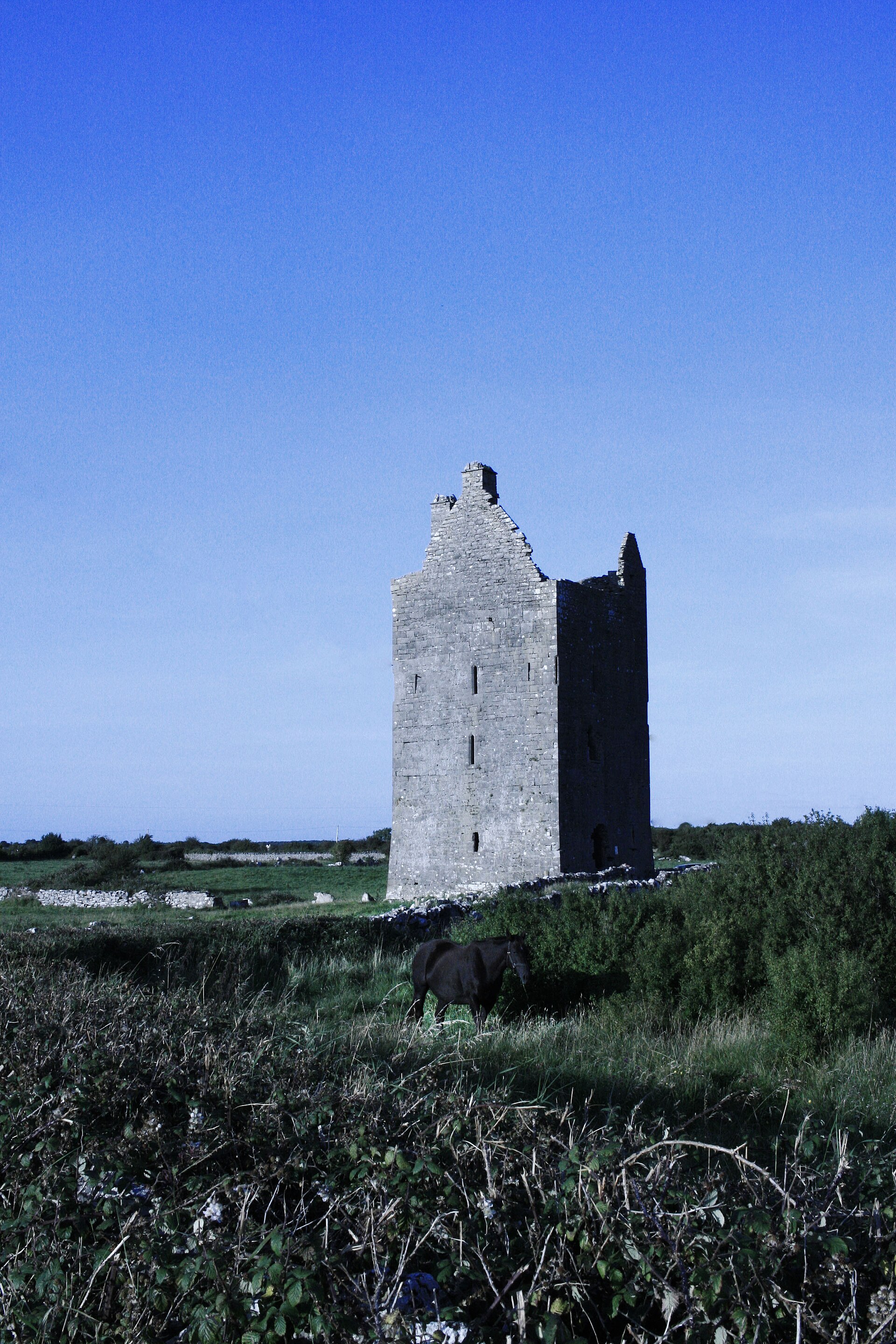
Fortified place · Medieval
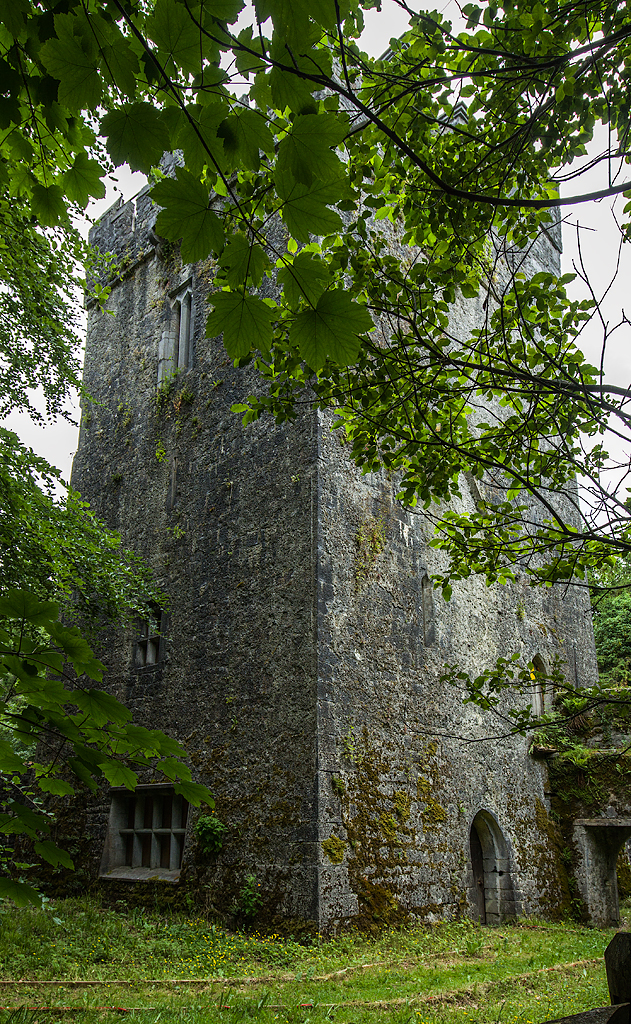
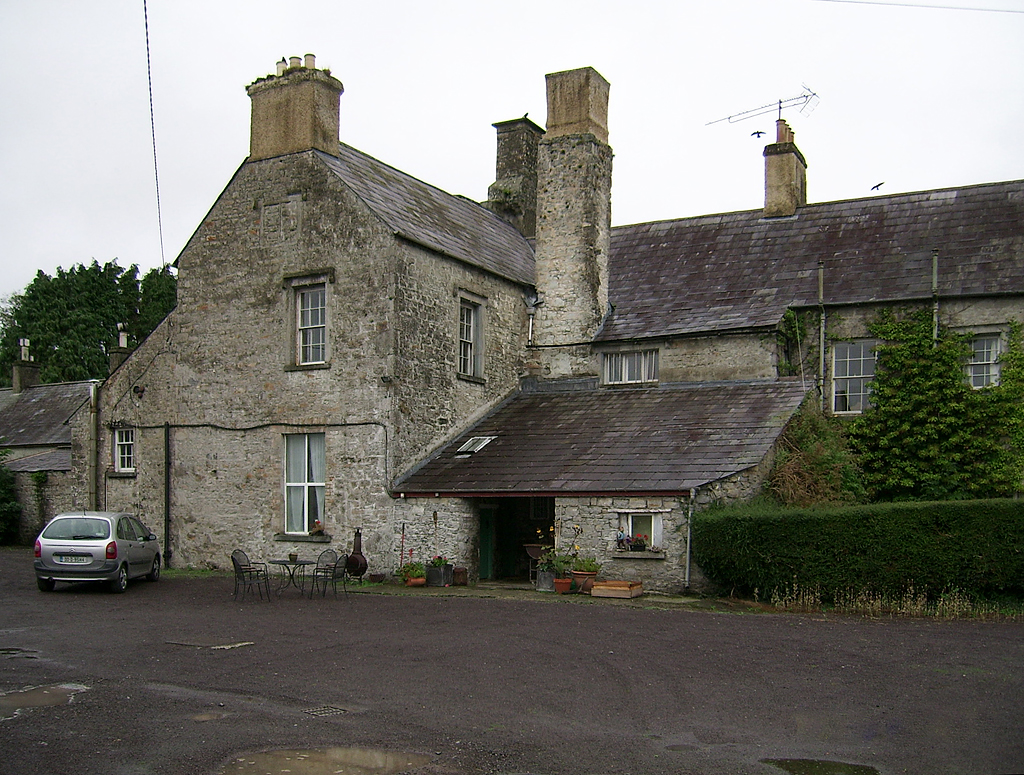
Drumharsna Castle
County Galway
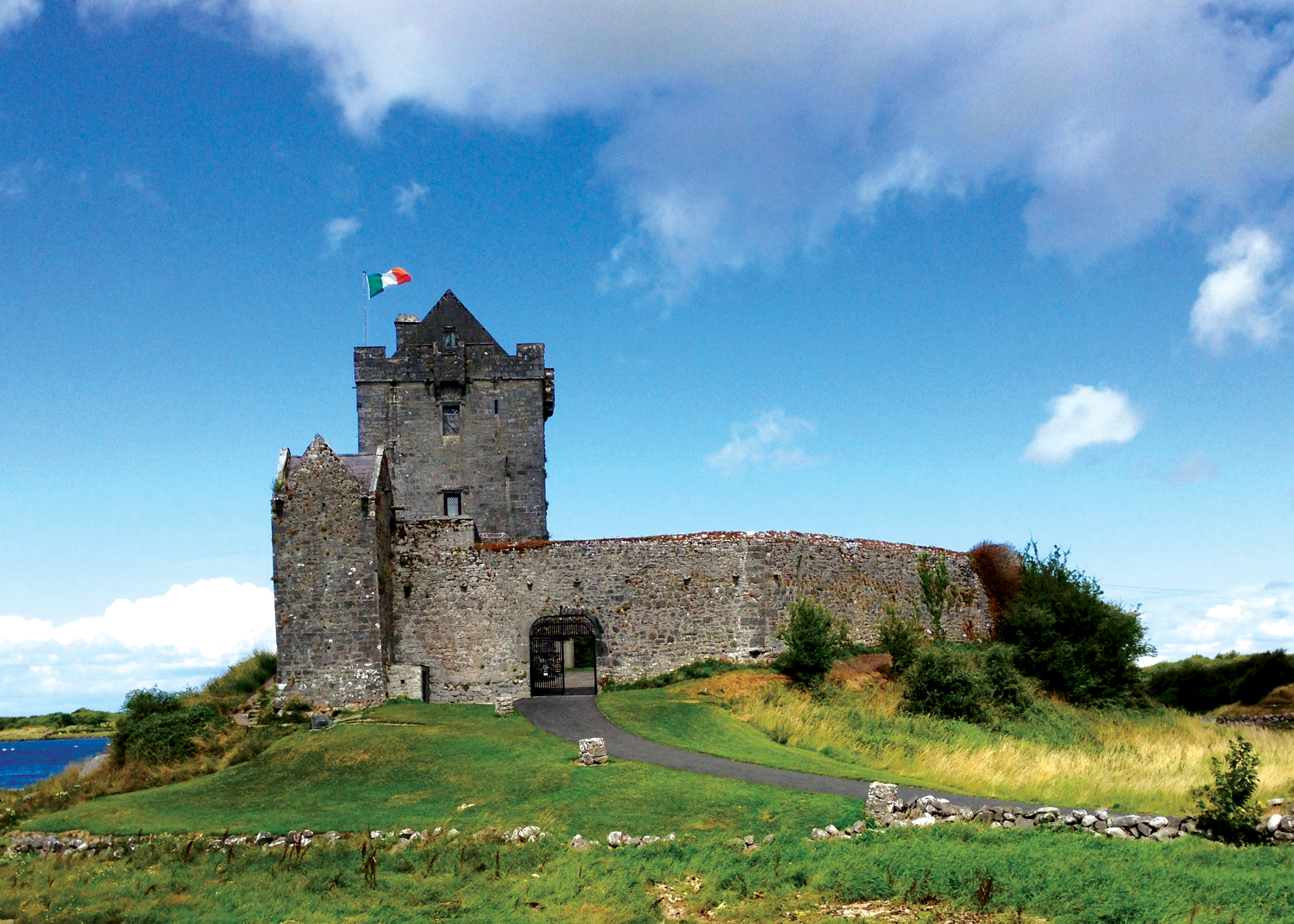
A tower house whose stones bore witness to one of the Irish War of Independence's most notorious atrocities: the torture and murder of the Loughnan…
- Near Gort
- Easy path
By type
Page 9 of 21.
Search and filters apply to these 100 places.
Fortified place · Medieval
County Galway
A tower house whose stones bore witness to one of the Irish War of Independence's most notorious atrocities: the torture and murder of the Loughnan…
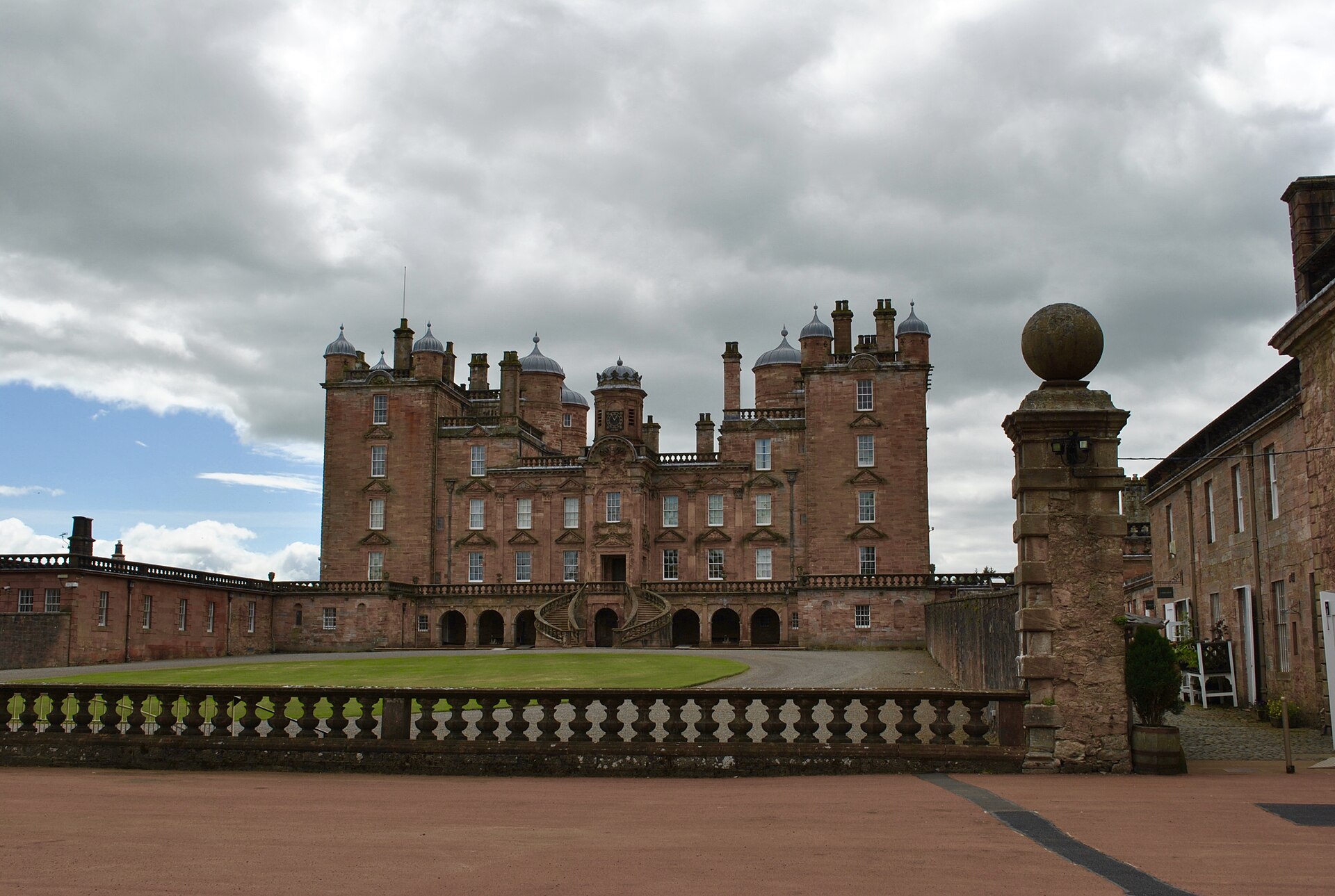
Building or ruin · Medieval
Dumfries and Galloway
Drumlanrig Castle is a major late-seventeenth-century Scottish Renaissance house whose pink sandstone architecture, designed landscape, art collect…
Fortified place · Roman
Stirling
A Flavian glen-blocker fort found from the air in the 1970s: and given a name chosen to be hard for the English to say.
Fortified place · Medieval
Carmarthenshire
The only native Welsh castle known to have grown to three full wards: a stronghold built, expanded and finally besieged by its own former builders'…
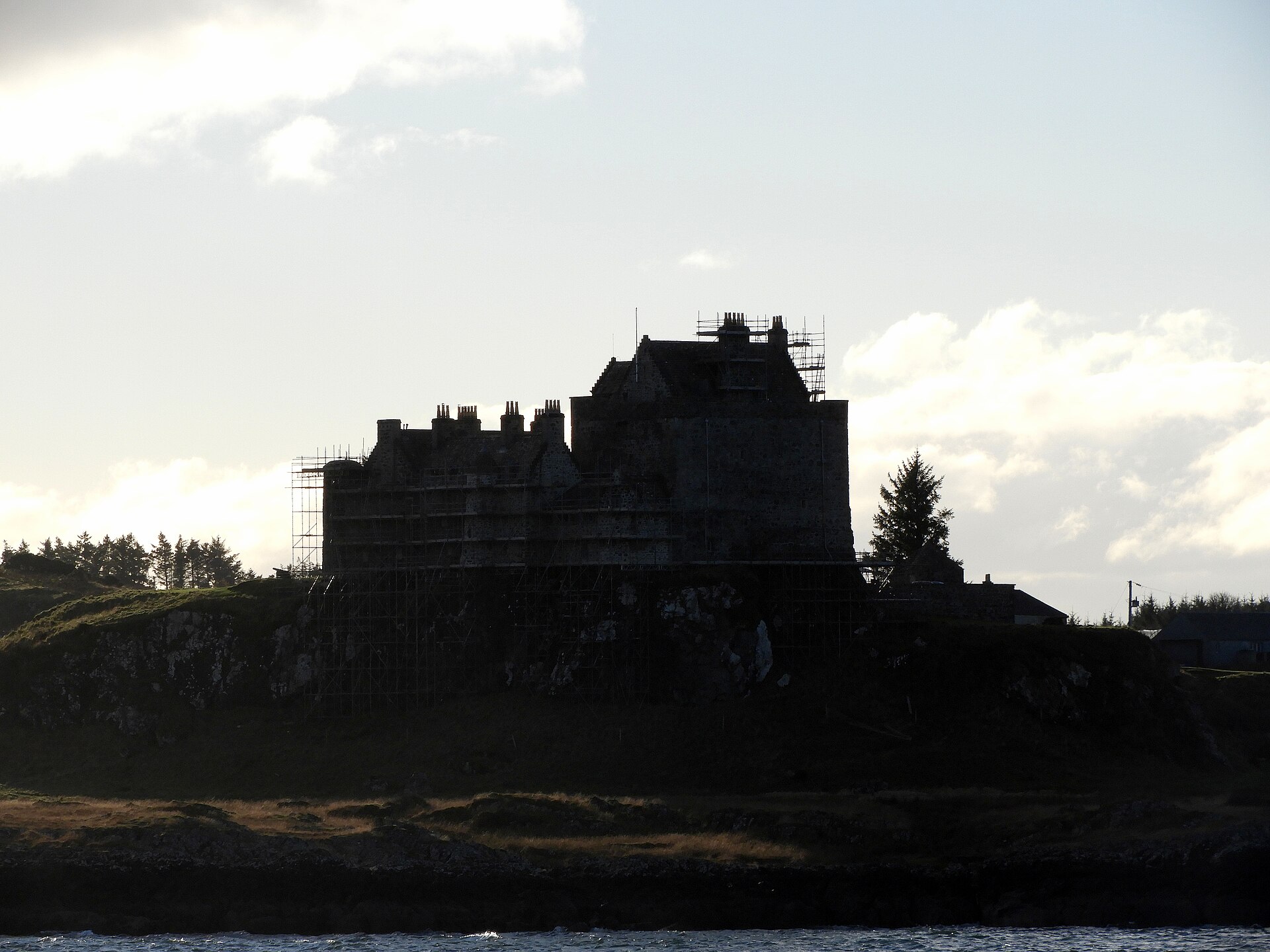
Fortified place · Medieval
Argyll and Bute
A ruin stripped to its foundations after 1691 and rebuilt two centuries later by the very chief's descendant who lost it: a rare case of a clan sea…
Fortified place · Medieval
Northumberland
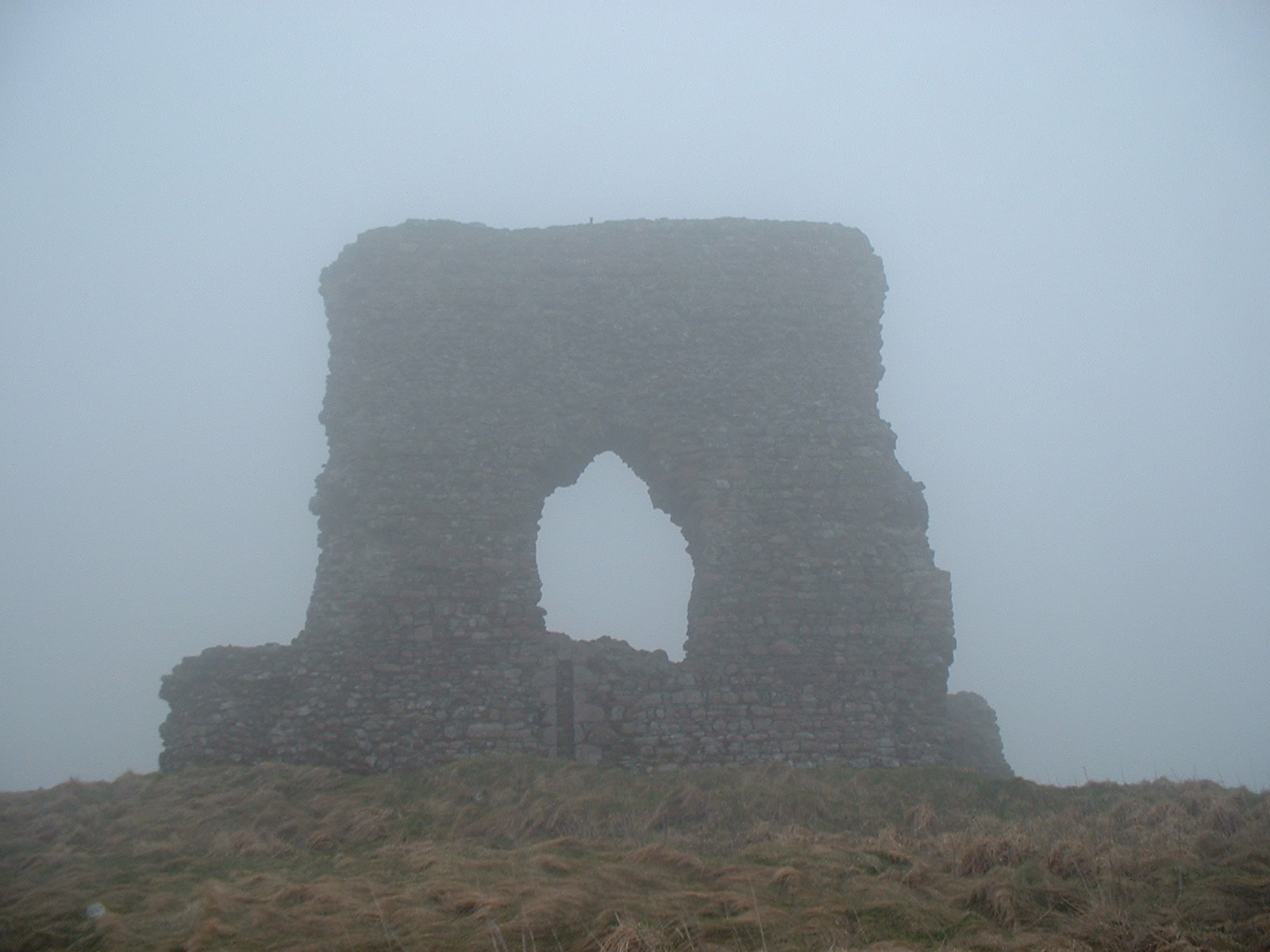
Duddo Tower preserves the ruin of a border manor whose medieval pele was destroyed in a Scottish attack and replaced by a sixteenth-century Claveri…
Fortified place · Medieval
West Midlands
A Norman castle of mound and walled yard, rebuilt in stone in the twelfth century and now a ruin above the town.
Fortified place · Iron Age
Dorset
Dudsbury Camp is a three-hectare defended settlement on the River Stour, dating from the period from roughly 800 BC to the Roman conquest. It retai…
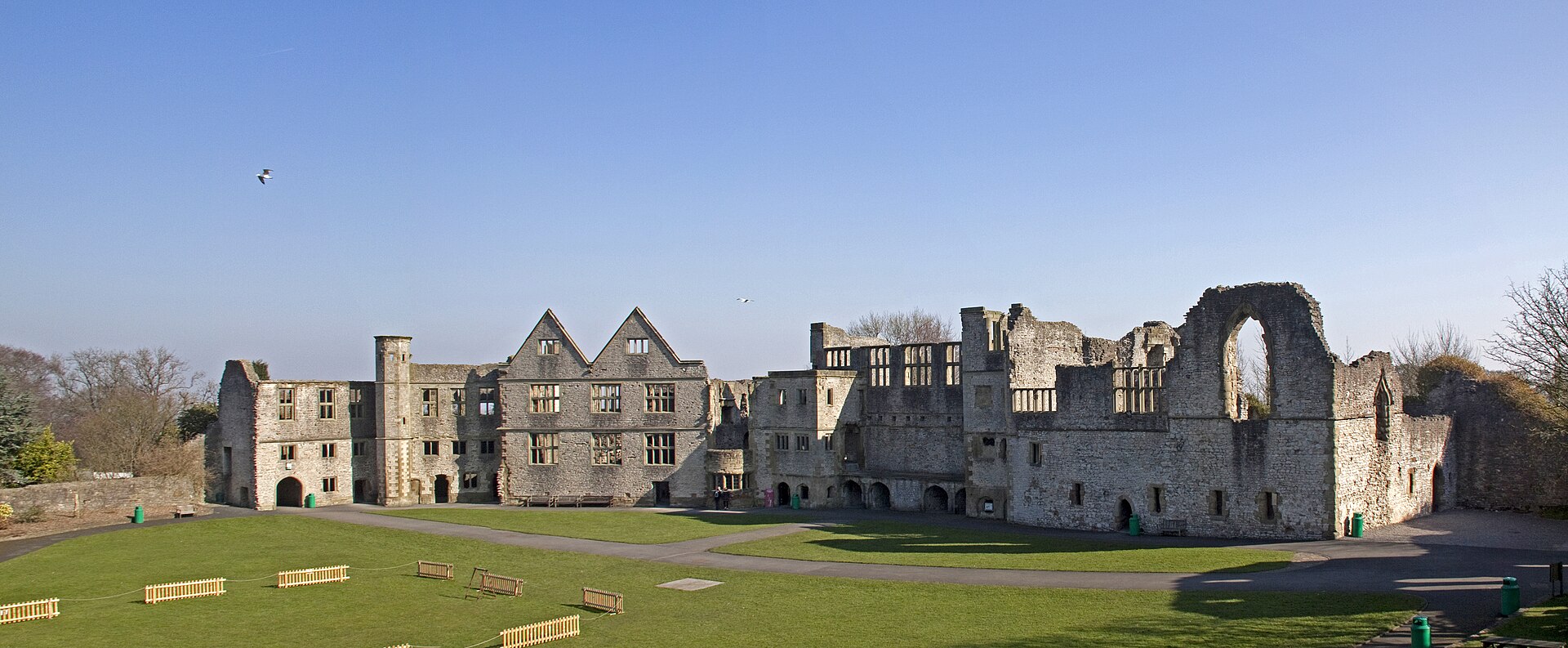
Fortified place · Medieval
Derbyshire
Excavation uncovered a keep almost the footprint of the White Tower of London: a Norman statement of power so thoroughly demolished by 1269 that on…
Fortified place · Medieval
Moray
Its stone tower still leans bodily off the earthen motte it was built on, frozen mid-collapse: a rare, visible lesson in why timber-age mounds made…
Fortified place · Iron Age
Perth and Kinross
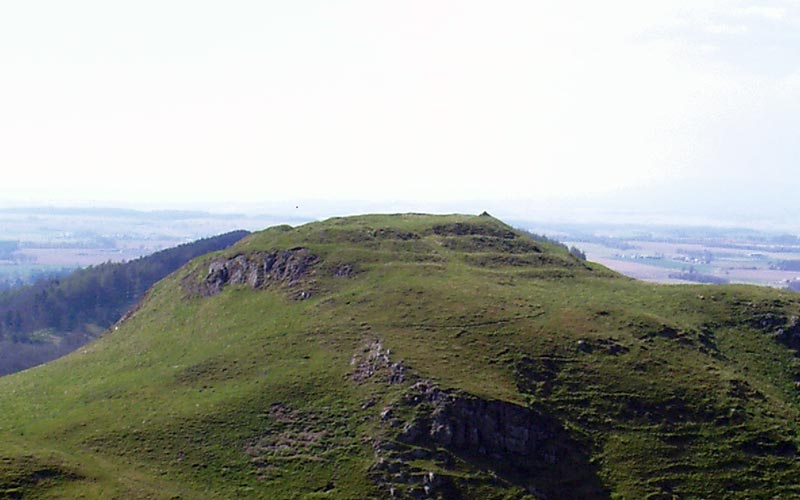
A burial cairn - a mound of stones raised over a grave - sits inside the ramparts of the fort on this summit.
Fortified place · Iron Age
Devon
Dumpdon Hill is one of Devon’s largest and clearest Iron Age (the centuries before Rome arrived, from about 800 BC) earthworks, where a prominent s…
Fortified place · Medieval
Argyll and Bute
Its Gaelic name preserves a guardian-dog legend rather than any battle record, and its ridge commands an open sightline across four separate lands.
Fortified place · Medieval
Argyll and Bute
Scorch marks still visible on its foundations appear to confirm a local legend of islanders burning out a tyrannical Norse chief's son from Coll's…
Fortified place · Iron Age
Outer Hebrides
Three stone causeways lace across Loch an Sticir on North Uist, carrying a single line of dry ground from the B893 road to a broch (a tall circular…
Fortified place · Medieval
Argyll and Bute
Reachable only by boat or cliff path, this ruined castle stands atop an earlier Gaelic fort and may have guarded a harbour built for Norse-age ships.
Fortified place · Iron Age
Highland
A countess spent six years hand-sifting its spoil heaps, and coins running from Henry II to George III show this Skye tower stayed in use long afte…
Fortified place · Iron Age
Outer Hebrides
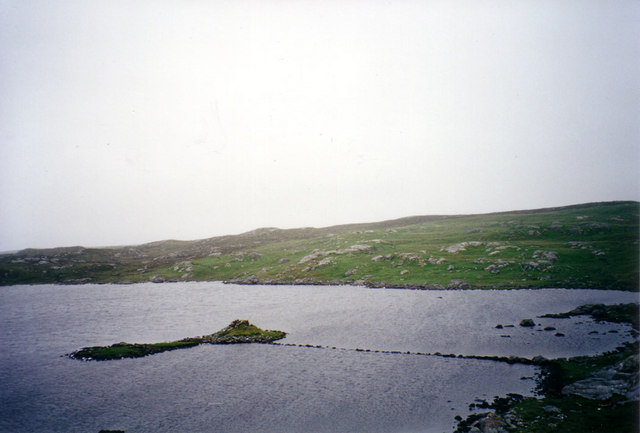
A thirty-metre stone causeway crosses the water of Loch Bharabhat to reach the islet on which Dun Bharabhat stands, its walls rising above the loch…
Fortified place · Iron Age
Highland
A drystone tower on Skye's Waternish coast still stands over two and a half metres high, with its internal gallery wall exposed to view along the e…
Fortified place · Iron Age
Outer Hebrides
On the south side of Dun Carloway the original wall still stands to 9.2 metres, and on the east side sections of the old wall reach close to nine m…
Fortified place · Medieval
Argyll and Bute
Tradition ties this hilltop fort to an exiled Irish king and to Columba's first Scottish church: one summit knotted into two founding legends.
Fortified place · Iron Age
Highland
A smaller broch or dun was built inside the ruins of an earlier hillfort on the same rocky knoll: two separate strongholds, one after the other, on…
Fortified place · Iron Age
Highland
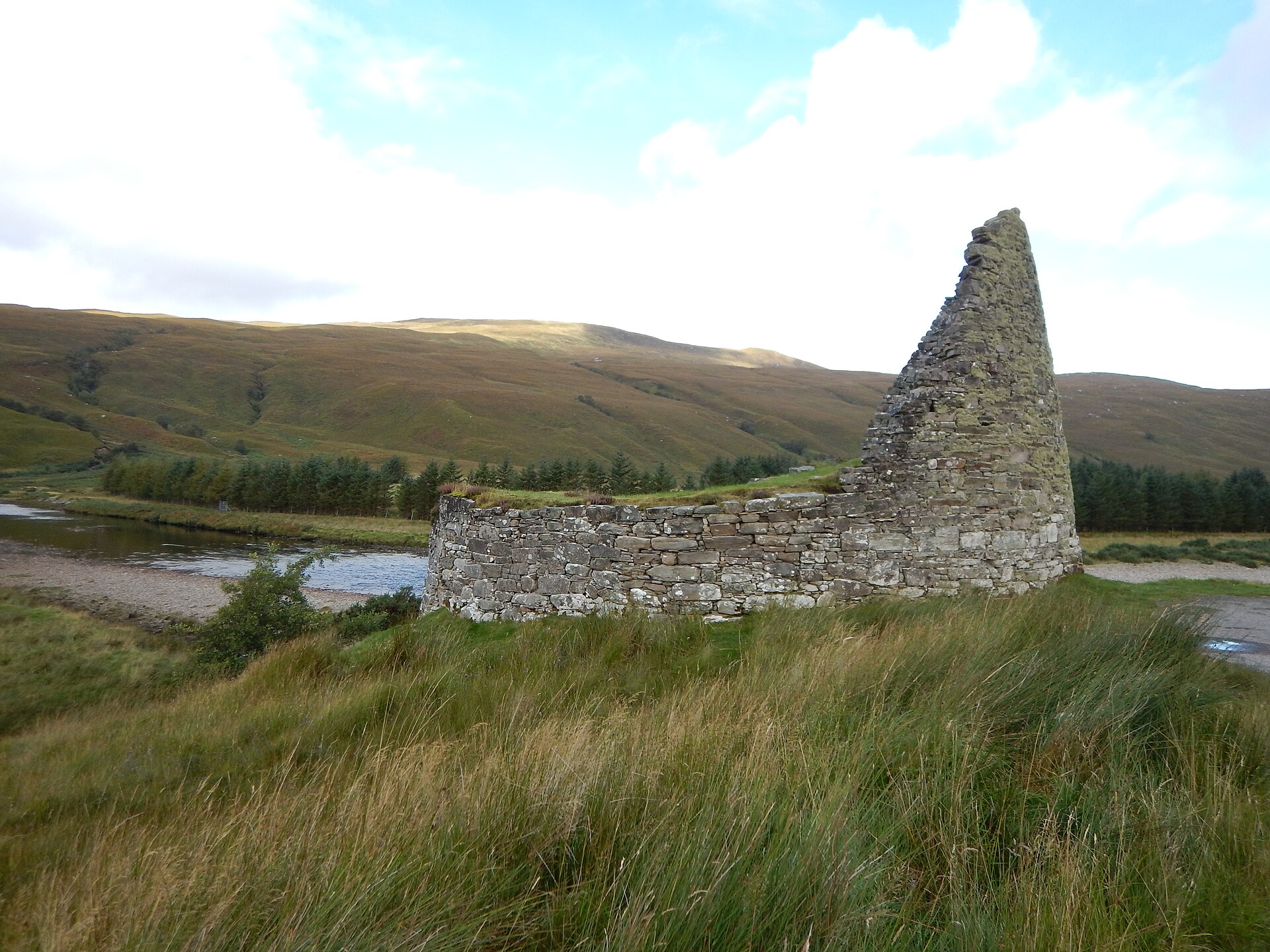
Above its blocked doorway, Dun Dornaigil's wall still climbs to nearly seven metres: among the tallest surviving drystone tower stonework anywhere…
Fortified place · Iron Age
Argyll and Bute
The name Dùn Dubh renders from Scottish Gaelic as "the black dun", and the early 20th-century antiquary Erskine Beveridge counted it among the four…
Fortified place · Medieval
Argyll and Bute
A hilltop stronghold on Colonsay carries a Norse name to this day: Fort of Eyvind: a rare physical trace of Viking-era rule surviving in the Hebrides.
Fortified place · Iron Age
Outer Hebrides
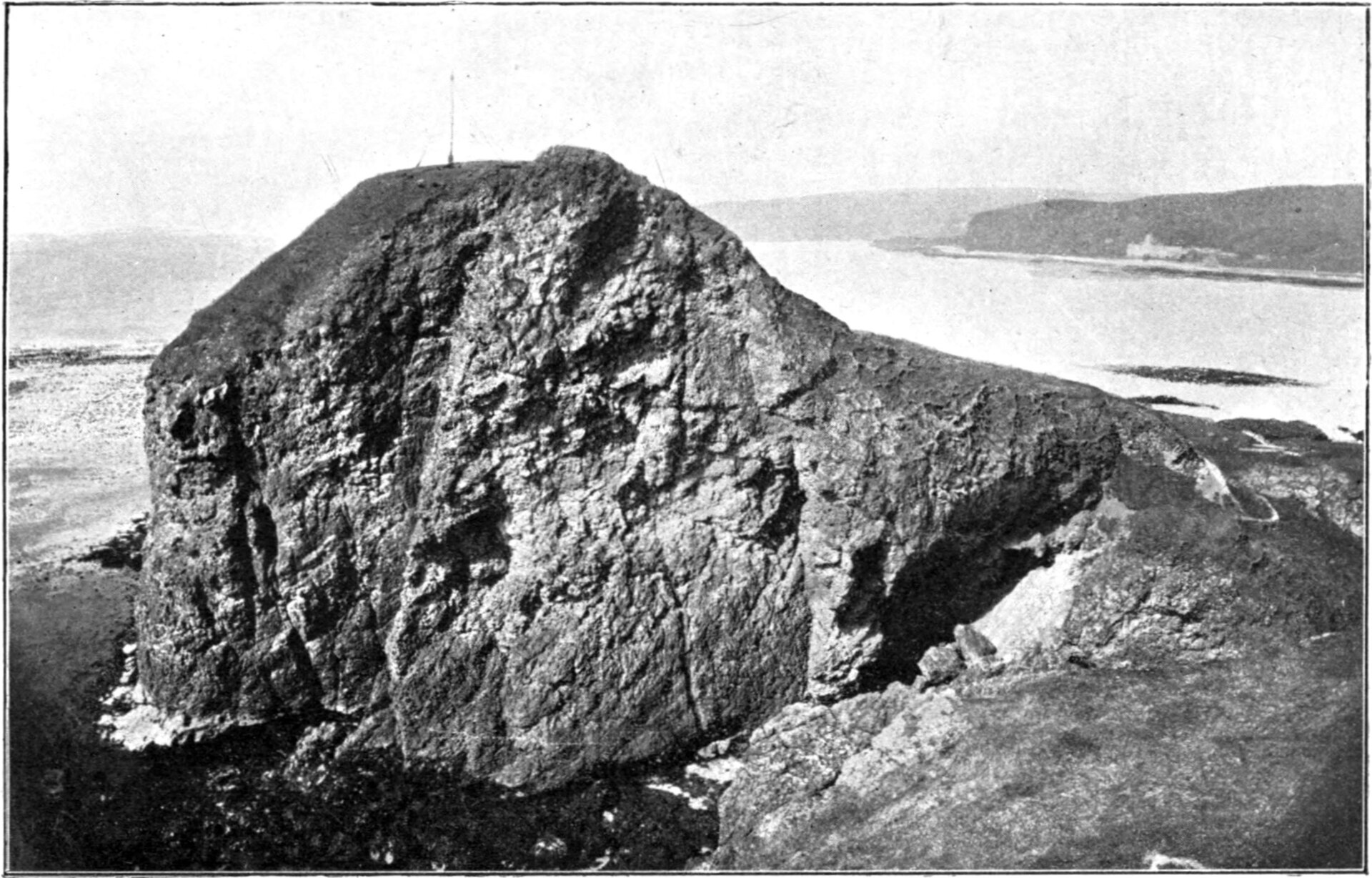
On an inter-tidal sea stack off the north-east coast of the Isle of Lewis, near the village of Knockaird (Cnoc Àrd) in the district of Ness (Nis),…
Fortified place · Iron Age
Highland
A double ring of vitrified (burnt so fiercely that the stone melted and set again) and rebuilt walls crowns a rock between two river valleys, with…
Fortified place · Iron Age
Highland
A double-walled stone tower dating the period from roughly 800 BC to the Roman conquest stands on a loch-side knoll near Dunvegan, excavated in 189…
Fortified place · Prehistoric
Argyll and Bute
The fort's own name, Fort of the Strangers, and a battle remembered on the beach just to its north, seem to point at the same event from two differ…
Fortified place · Iron Age
Highland
A rare surviving 'semi-broch': the transitional D-shaped form that shows how the great circular broch towers of the Highlands may have evolved.
Fortified place · Prehistoric
Argyll and Bute
A small Iron Age (the period from roughly 800 BC to the Roman conquest) stronghold on Islay whose very name is entangled with a Norse-Gaelic king w…
Fortified place · Iron Age
Highland
Its walls still rise close to four metres, with an intact mural gallery and lintel in place: one of Skye's better-preserved brochs, and one never d…
Fortified place · Iron Age
Argyll and Bute
Its Gaelic name, Middle Fort, hints at a lost network of strongholds along this stretch of Colonsay: of which this is now the only one still named.
Fortified place · Iron Age
Argyll and Bute
A drystone tower with an internal diameter of 9.2 metres and walls roughly 4.5 metres thick stands on a rocky knoll on the northern coast of Tiree,…
Fortified place · Iron Age
Argyll and Bute
Two potsherds incised with the figures of deer, lifted from Dùn Morbhaidh and now kept in the National Museum of Antiquities of Scotland, are among…
Fortified place · Medieval
Argyll and Bute
Its name fuses Gaelic and Norse in one word: a fort whose very label records the island passing from Gaelic to Viking hands and back again.
Fortified place · Iron Age
Highland
A stone roundhouse dating from the centuries before Rome arrived that Clan MacKinnon later refitted as its own stronghold, so the ruin carries two…
Fortified place · Medieval
Argyll and Bute
Two forts share one summit here: a compact Iron Age (the centuries before Rome arrived, from about 800 BC) dun with a single entrance, and beside i…
Fortified place · Iron Age
Highland
A vitrified (burnt so fiercely that the stone melted and set again) Iron Age (from about 800 BC until the Romans came) fort with a later dun built…
Fortified place · Iron Age
Highland
Its drystone wall still rises over ten metres without a scrap of mortar, making Dun Telve one of the tallest surviving brochs anywhere in Scotland.
Fortified place · Iron Age
Highland
Its stairway still climbs to a first-floor landing inside a wall four and a half metres thick: one of Scotland's most intact broch (a tall circular…
Fortified place · Medieval
Argyll and Bute
Its Gaelic name preserves a memory of owls in the glen below, while a brooch once kept by its owners carries a tradition linking the fort to Robert…
Fortified place · Iron Age
Outer Hebrides
On the southern edge of a promontory in South Uist stand the oval walls of Dun Vulan, known in Scottish Gaelic as Dùn Mhùlan or Dùn Mhaoilinn. The…
Fortified place · Medieval
County Laois
For over four centuries the Rock passed through Viking raiders, Norman marcher lords and the O'More kings of Laois: each in turn rebuilding the reg…
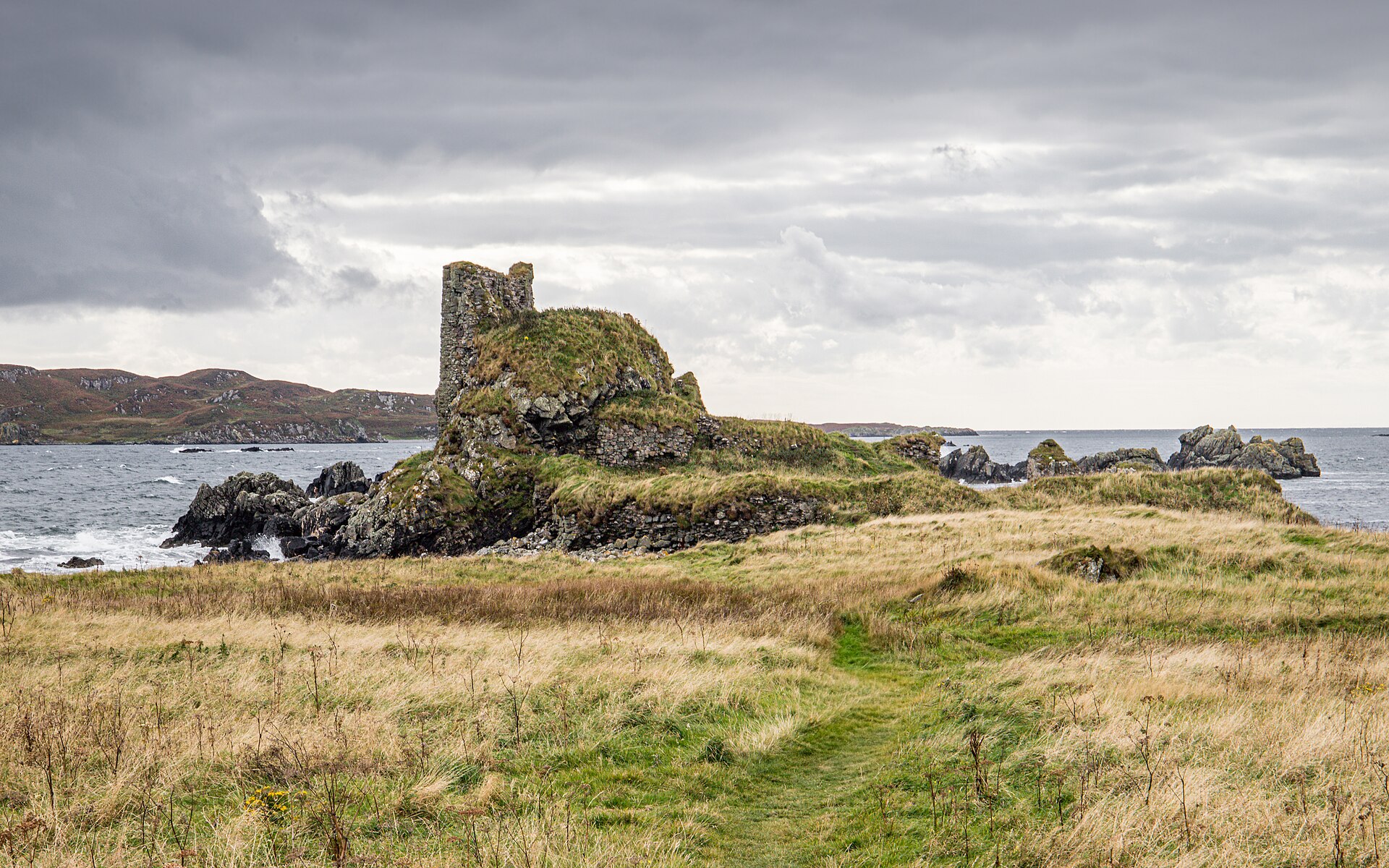
Fortified place · Medieval
County Antrim
Dunaneeny Castle joins MacDonnell clan power, a defensible Ballycastle headland, possible prehistoric (predating the written record in Britain) occ…
Fortified place · Prehistoric
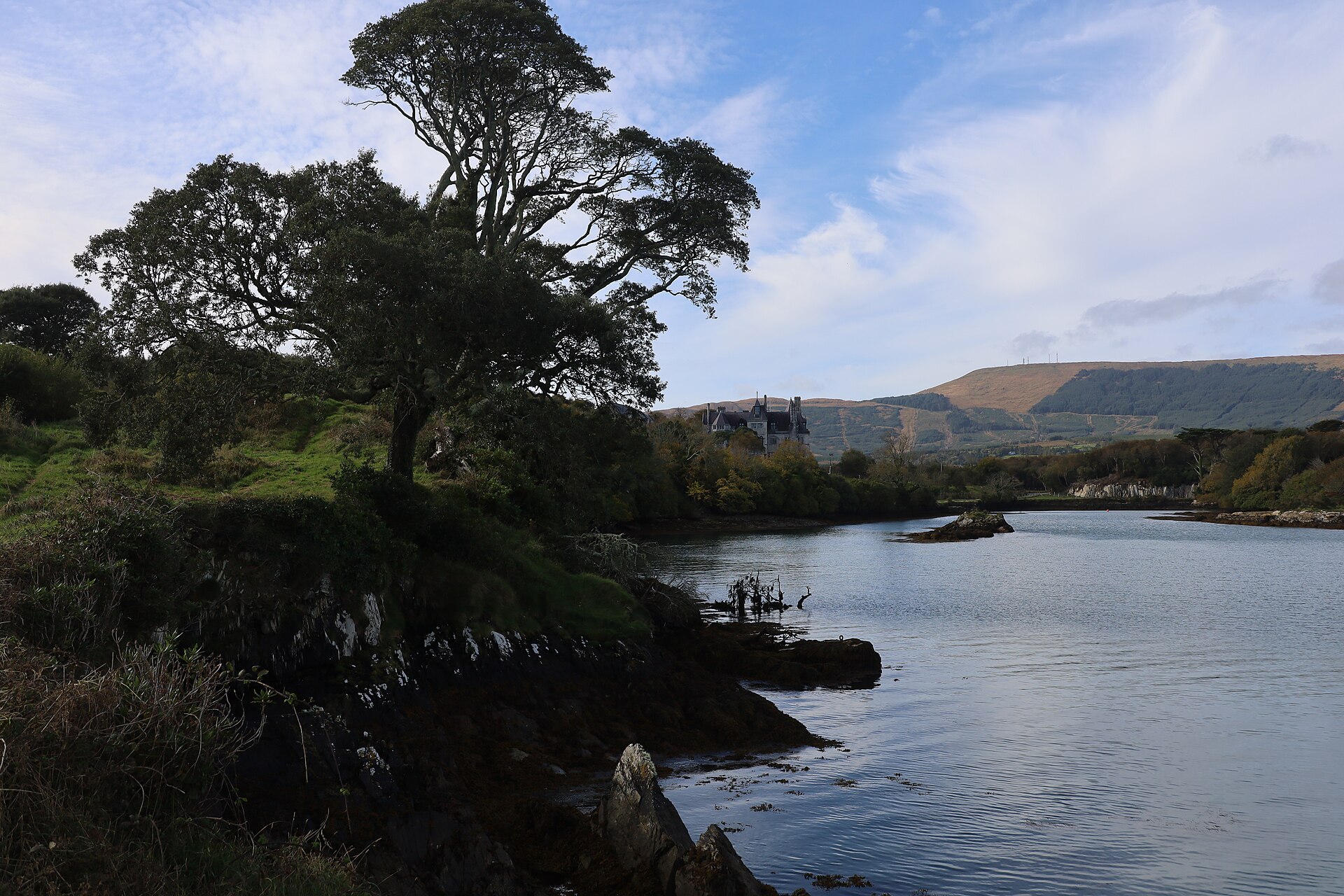
County Cork
A modest 1620s tower house masks a much longer story: a Bronze Age (roughly 2500–800 BC, when metalworking spread) ringfort, a Norman keep, and two…
Fortified place · Medieval
Argyll and Bute
A single narrow path is the only way in: sea guards the other three sides: and in 1647 that natural trap became the site of one of Scotland's blood…
Fortified place · Medieval
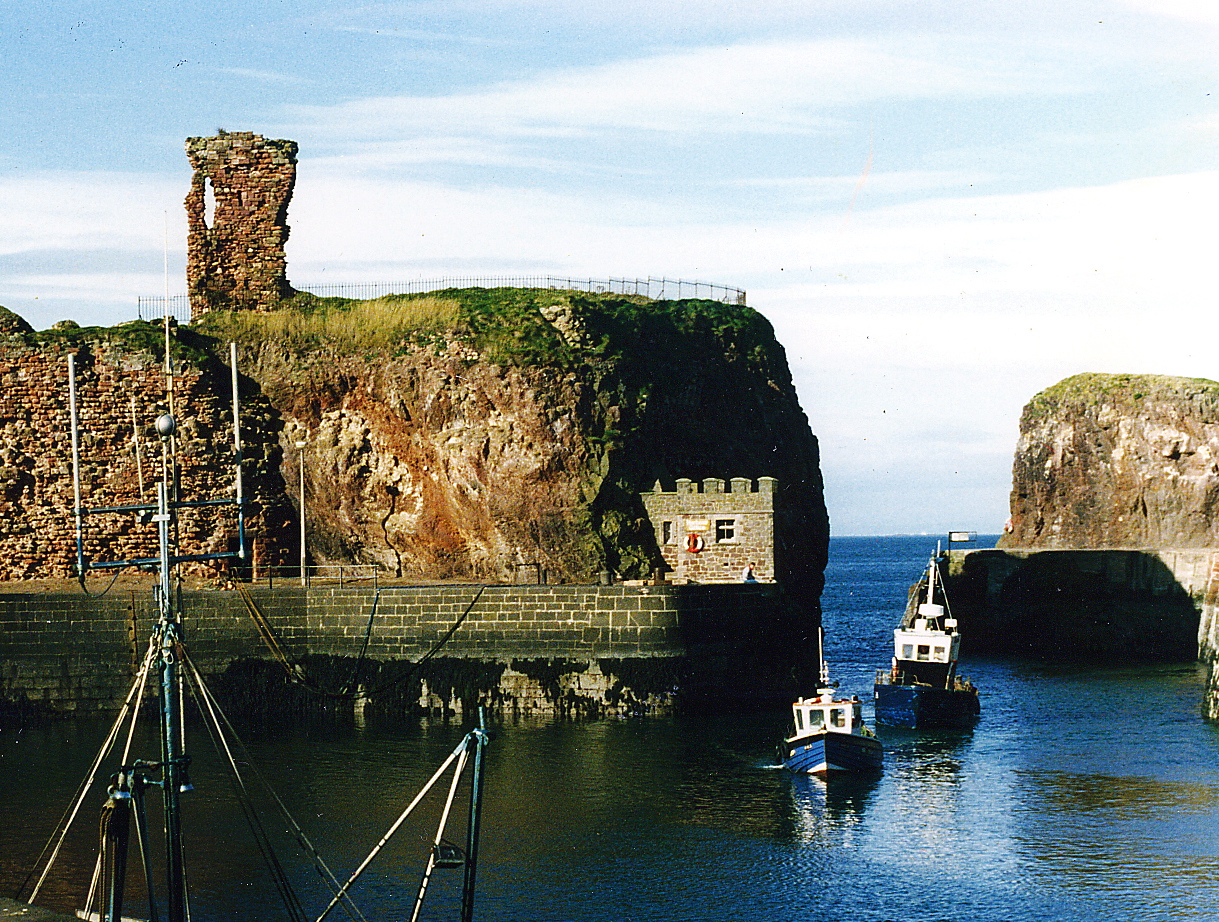
East Lothian
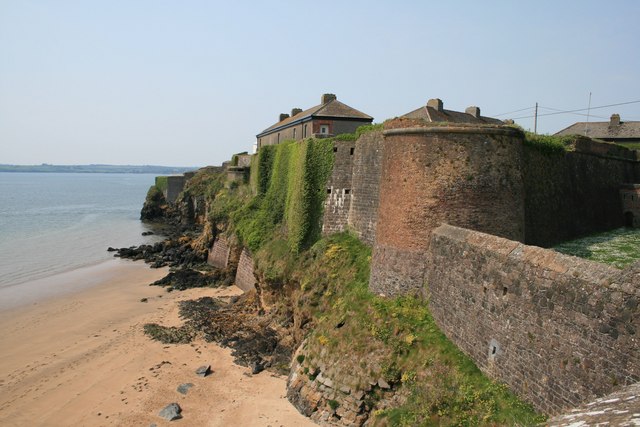
A red-stone stronghold so formidable it was besieged, rebuilt and fought over for a thousand years, then torn down so thoroughly no one could ever…
Fortified place · Medieval
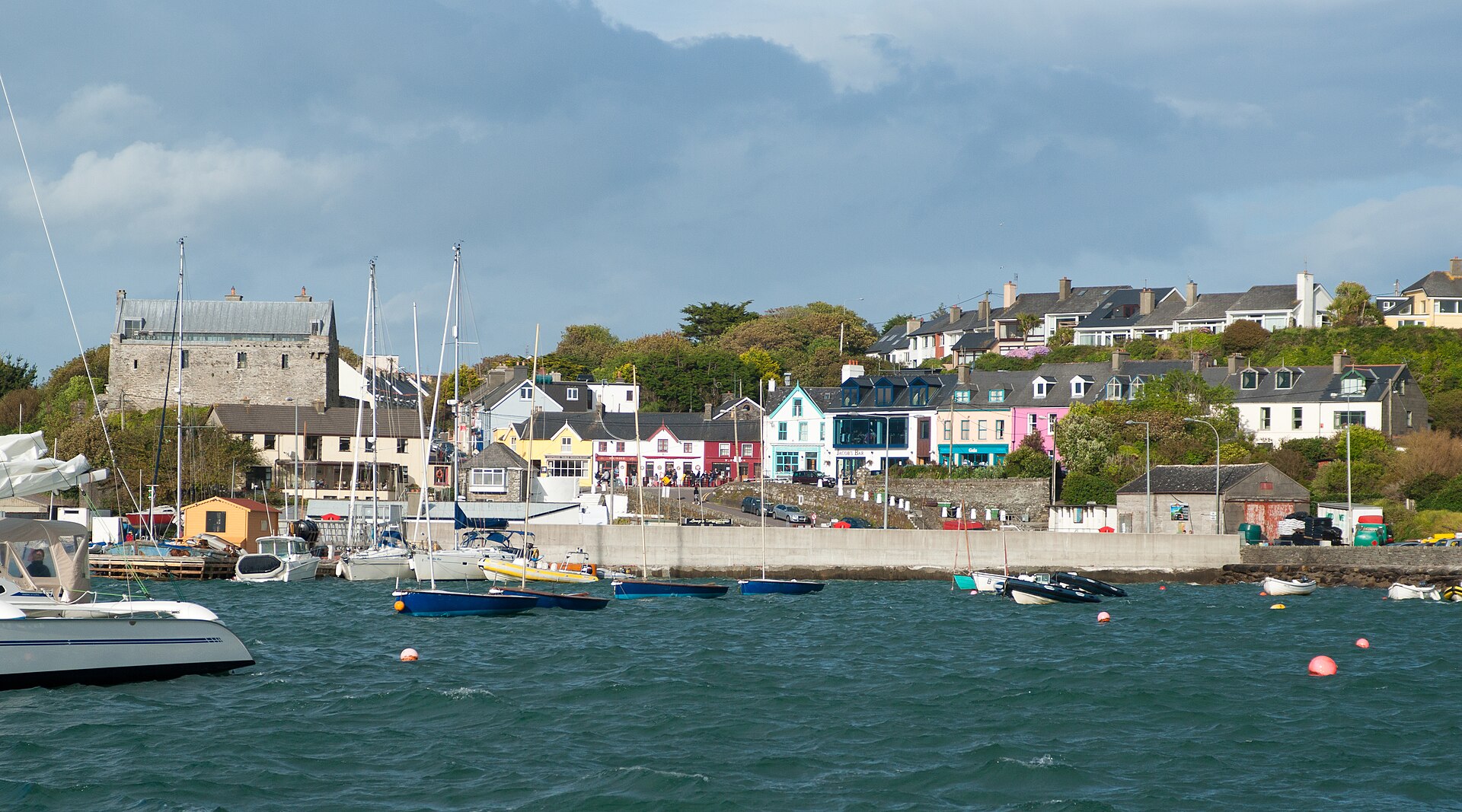
County Cork
A shattered tower house on Berehaven harbour where a two-week siege in 1602 broke the power of the O'Sullivan Bere clan and ended their control of…
Fortified place · Medieval
County Wexford
A star-shaped fort on a Waterford Harbour peninsula that hosted two fleeing and sheltering kings in the same year, and later gave its name to a reb…
Fortified place · Medieval
County Cork
A Tudor tower house deliberately reshaped into an ornamental ruin by Victorian stonemasons, and tied by local tradition to William Penn’s departure…
Fortified place · Iron Age
Somerset
A hill that looks like a mountain because everything around it is flat: with a barrow, a burial mound of heaped earth, raised in the Bronze Age, ro…
Fortified place · Medieval
South Ayrshire
A fourteenth-century royal residence on a hill between Kilmarnock and Troon.
Fortified place · Iron Age
Perth and Kinross
The Annals of Ulster record a siege here in 683 and the death of a king in 889 - a fort of the Picts, the people of northern and eastern Scotland f…
Fortified place · Iron Age
Highland
Two ramparts set barely six metres apart, likely braced by internal timbers, and traces of vitrification suggesting the fort was deliberately burne…
Fortified place · Roman
Dorset
Dungeon Hill is a scheduled hillfort dating from roughly 800 BC until the Roman conquest, where a surviving rampart: a defensive bank of earth or s…
Fortified place · Medieval
County Londonderry
Dungiven Castle layers Plantation bawn walls, an Ogilby nineteenth-century rebuilding and a remarkable afterlife as homes, army base, ballroom and…
Fortified place · Medieval
County Galway
A sixteenth-century tower still carrying the name of a legendary king of Connacht, now shut behind its own restored walls by a funding dispute with…
Fortified place · Medieval
County Kerry
A four-storey tower still stands roofless above Kenmare Bay, the seat from which one branch of the O'Sullivan Mór dynasty ruled before Cromwellian…
Fortified place · Medieval
County Cork
Three separate keeps, not one, linked by a wall running from sea cliff to a dammed lake: a defence built from the landscape itself, never recorded…
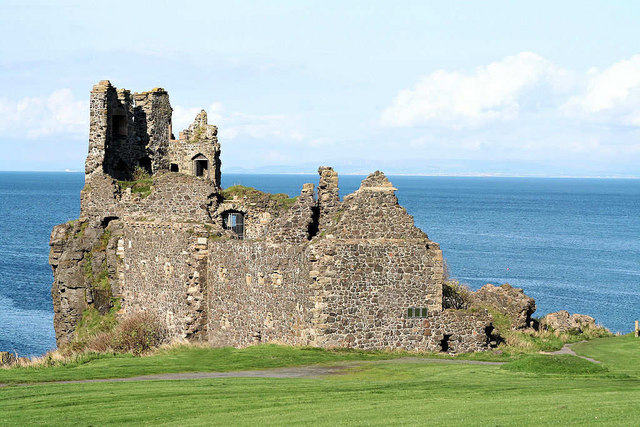
Fortified place · Medieval
Antrim
Dunluce Castle is a dramatic cliff-edge medieval stronghold whose MacQuillan and MacDonnell history, Armada connection and adjacent planned town ma…
Fortified place · Medieval
County Cork
A working dungeon, a rare adjoining five-storey tower, and an unbroken clan gathering founded to save it: Dunmanus punches well above its ruined wa…
Fortified place · Medieval
County Meath
A frontier keep on the western edge of The Pale, its ruined towers still standing over the Boyne where rival kings are said to have dined a day apa…
Fortified place · Medieval
County Galway
Dunmore Castle is a repeatedly rebuilt Galway stronghold whose compact hall-keep records Anglo-Norman defence, Gaelic attack, Tudor confiscation an…
Fortified place · Iron Age
Aberdeenshire
Its walls were quarried from a vitrified hillfort: an enclosure of the Iron Age, the centuries before Rome from about 800 BC, whose ramparts were b…
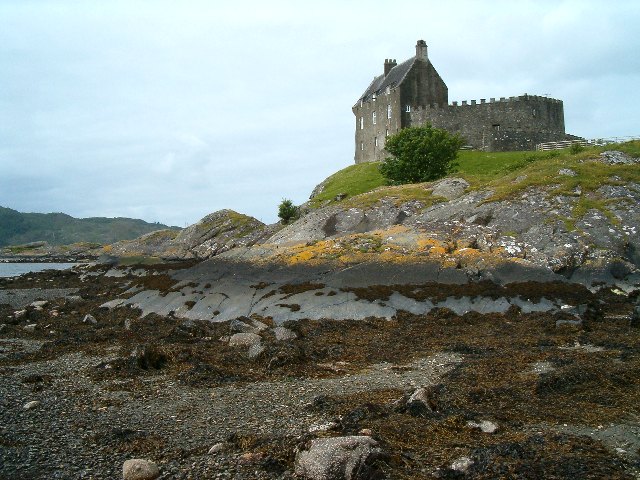
Fortified place · Medieval
Argyll and Bute
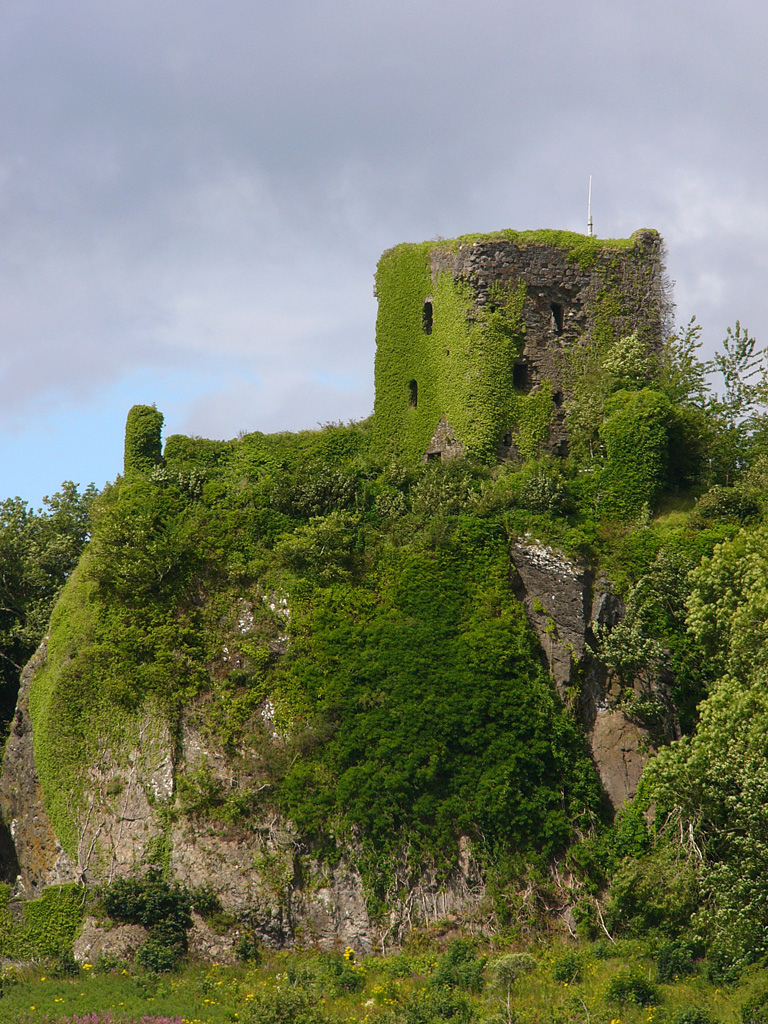
The Irish annals name Dun Ollaigh three times over: attacked or burned in 686, 698 and 701: and then record it rebuilt in 714 by Selbach mac Fercha…
Fortified place · Medieval
Argyll and Bute
A royal stronghold fought over by kings, besieged with English ships and troops, and hosted Mary, Queen of Scots for three days in 1563.
Fortified place · Medieval
Vale of Glamorgan
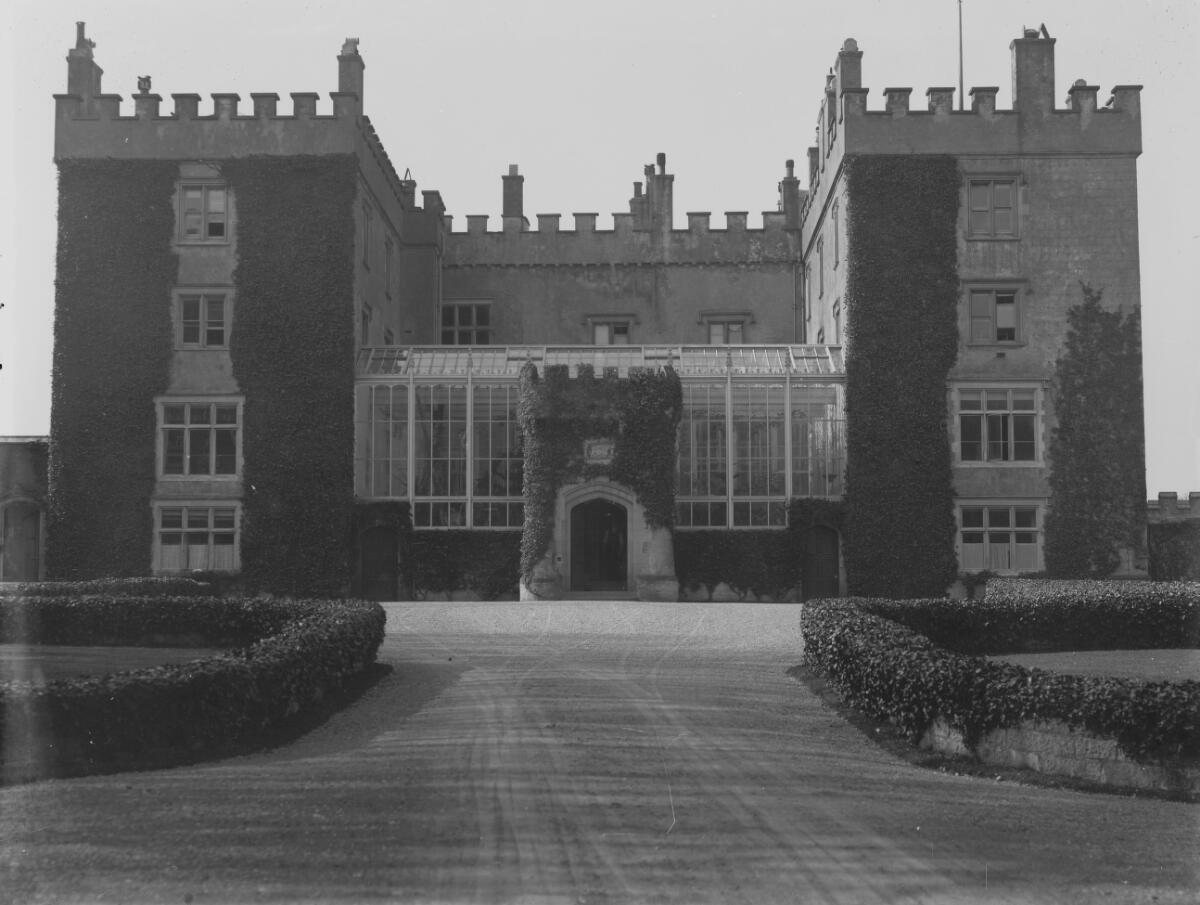
A Georgian castellated hunting lodge over a medieval manor and older fortifications, demolished in 1962 with its walled garden and gatehouse left s…
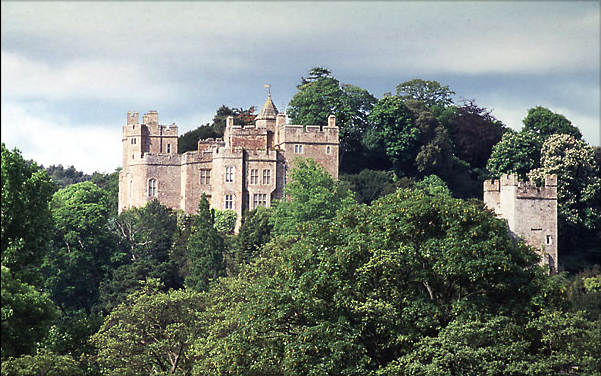
Fortified place · Medieval
Highland
A fourteenth-century keep with six-foot walls and stone-vaulted ceilings still survives at the core of the building Charles Barry expanded into the…
Fortified place · Medieval
County Galway
A 15th-century tower house whose great hall still carries tie beams and a groin vault rare in Irish castle building, kept alive by restoration rath…
Fortified place · Medieval
County Meath
Occupied by one family - the Cusacks, then the Plunketts by marriage - since building began around 1180, it ranks among the longest continuously he…
Building or ruin · Medieval
Highland
Its name comes not from a clan or a king but from Scáthach, the legendary warrior-woman said to have trained the Irish hero Cú Chulainn in the arts…
Fortified place · Iron Age
Perth and Kinross
Nineteenth-century antiquarians came here because of Macbeth and dug the hill fort apart. Little of value was learned.
Fortified place · Medieval
Argyll and Bute
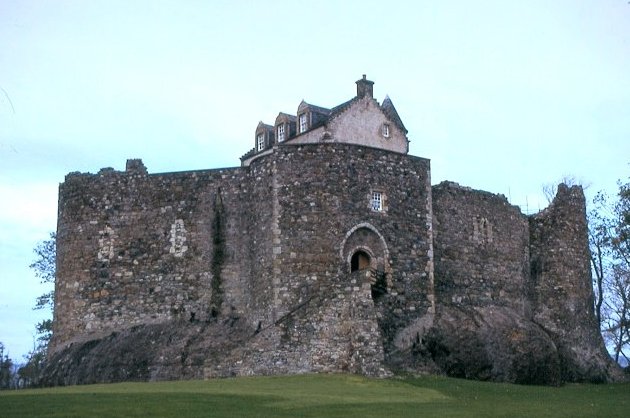
One of the oldest stone castles in Scotland, Dunstaffnage was raised in the second quarter of the 13th century by the MacDougall lords of Lorn and…
Fortified place · Medieval
Northumberland
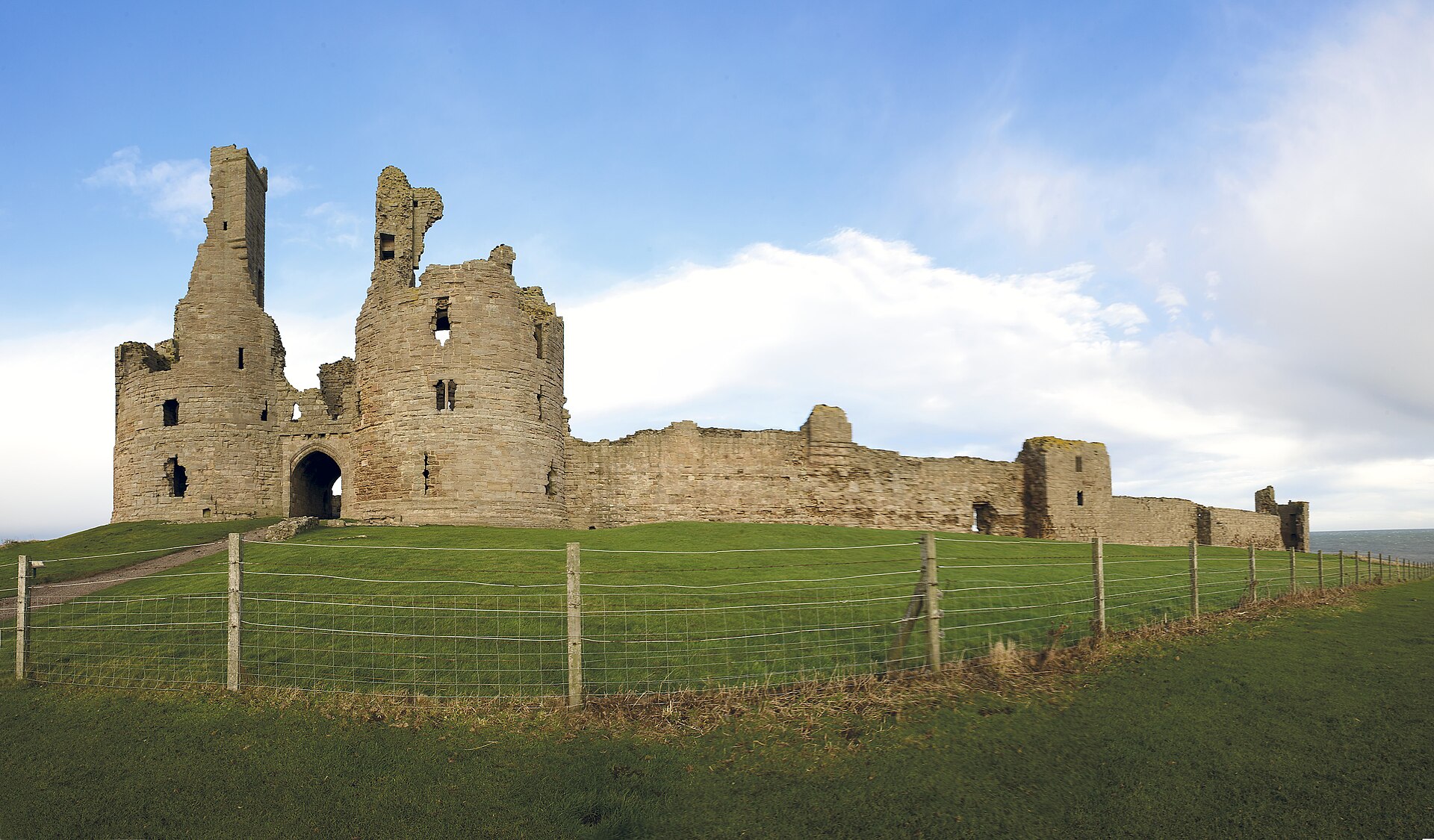
Dunstanburgh Castle is Northumberland’s largest castle: a dramatic coastal stronghold built as Thomas of Lancaster’s political refuge and status st…
Fortified place · Medieval
Somerset
Two families held the Tor for nine hundred years. The de Mohuns took it at the Conquest and the Luttrells kept it from the 1370s until 1976, so the…
Fortified place · Medieval
Argyll and Bute
A 13th-century curtain wall and 17th-century tower house fused into one lived-in home: held by only three families in eight centuries, still owned…
Fortified place · Medieval
South Ayrshire
A ruin on a rocky headland of the Carrick coast, five miles south of Ayr, on a site of the late thirteenth century.
Fortified place · Iron Age
Hampshire
Its single earthen rampart shows no trace of an accompanying ditch and never closes into a finished circuit: a Hampshire hillfort, an Iron Age: the…
Fortified place · Medieval
Argyll and Bute
A galley stronghold on Lagavulin Bay that anchored the Lord of the Isles' fleet and was fought over in five separate sieges within a single decade.
Fortified place · Medieval
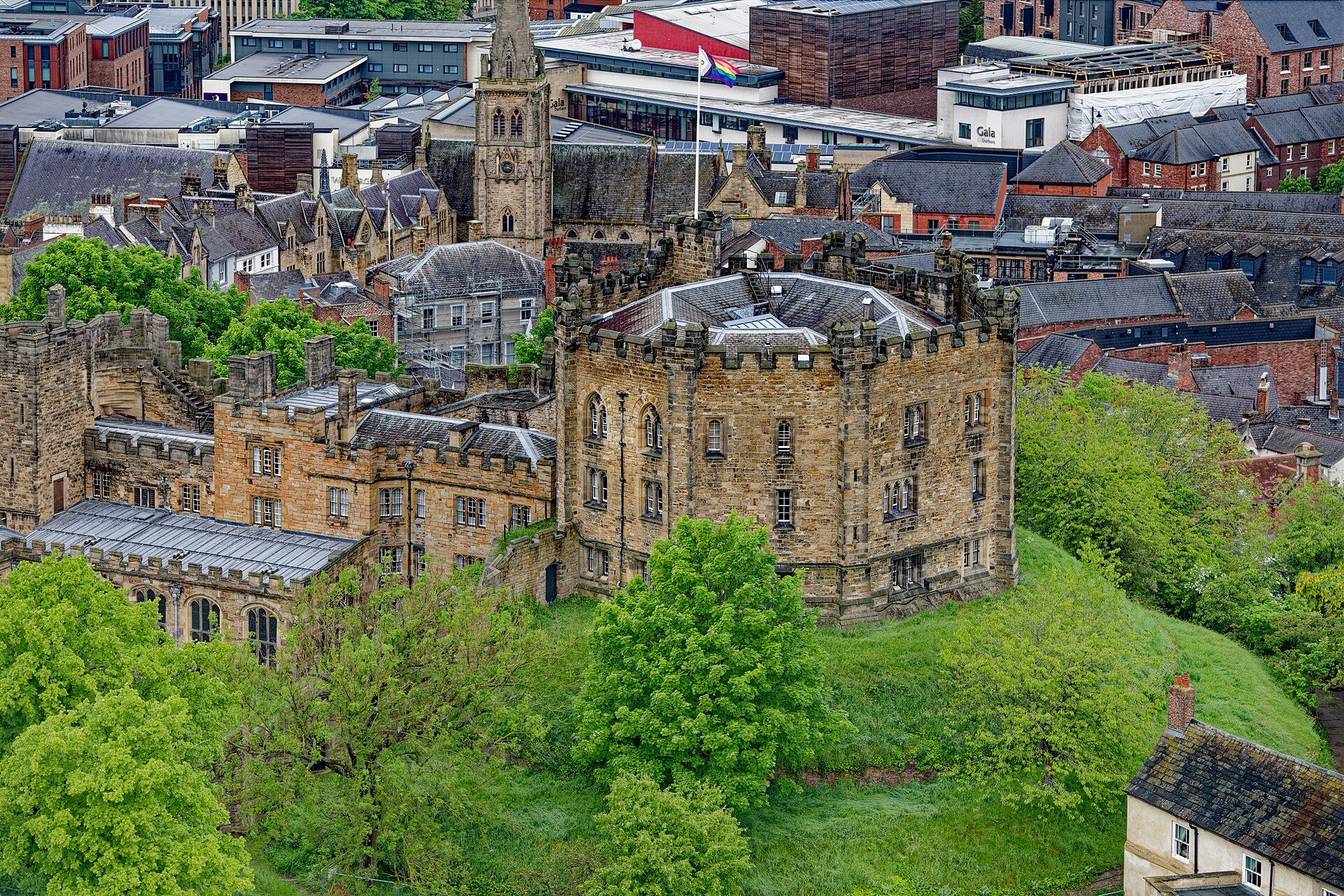
County Durham
For over seven centuries this was not a garrison but a working seat of government: home to prince-bishops who could raise armies, levy taxes and st…
Fortified place · Medieval
County Meath
A County Meath towerhouse inhabited without a break since 1420, its owners running from an Elizabethan Lord Deputy to a modern guest house and rest…
Fortified place · Roman
Aberdeenshire
The largest Roman marching camp yet found north of the Antonine Wall, revealed only by a chance aerial photograph after two millennia buried beneat…
Fortified place · Medieval
Herefordshire
A Domesday-era stronghold reduced to a mound and two water-filled ditches, yet its Civil War burning and a surviving gatehouse trace one family's f…
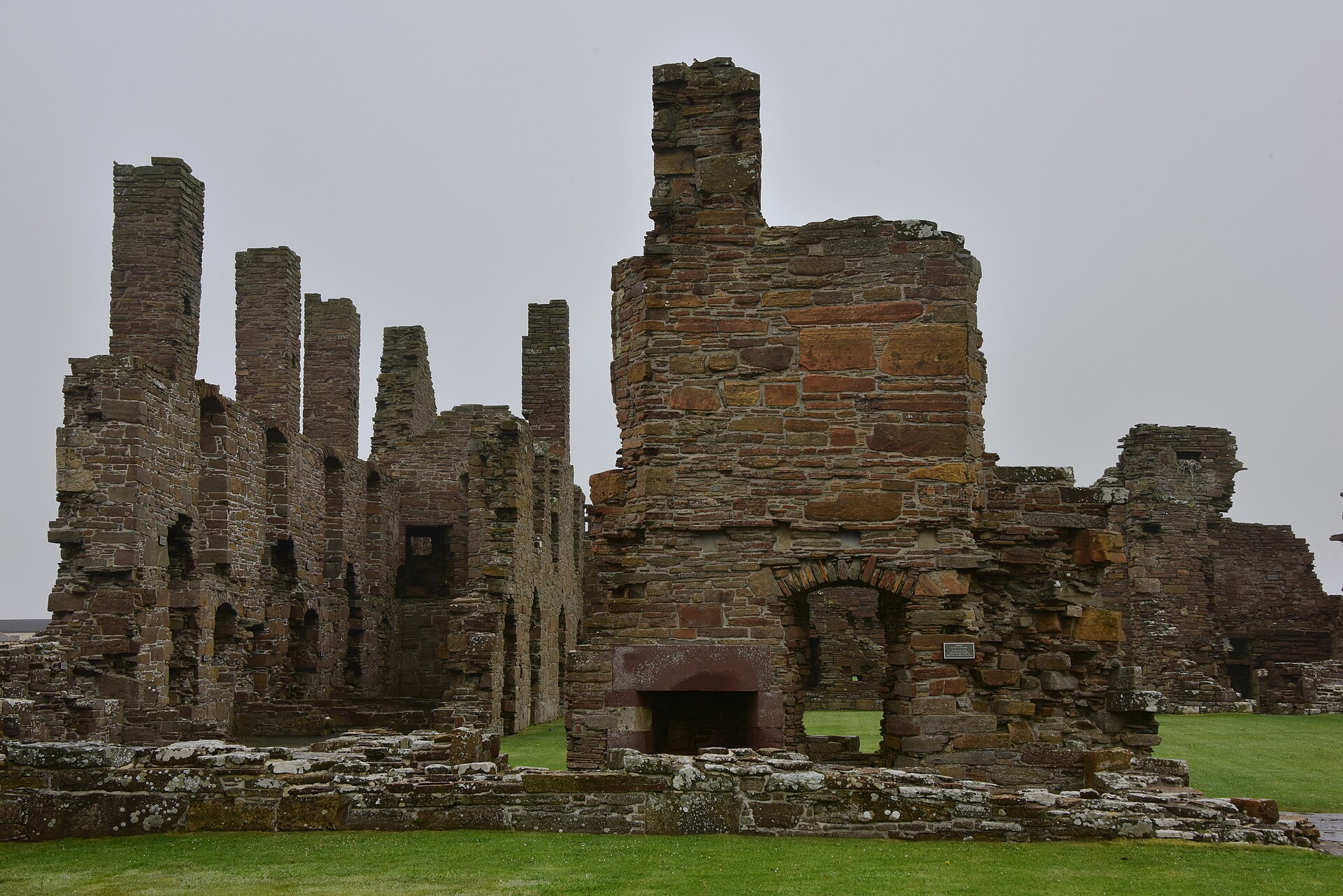
Building or ruin · Medieval
Orkney Islands
Robert Stewart’s fortress-palace embodies the political ambition of James V’s illegitimate son, combining ceremonial halls with gun-holed defences…
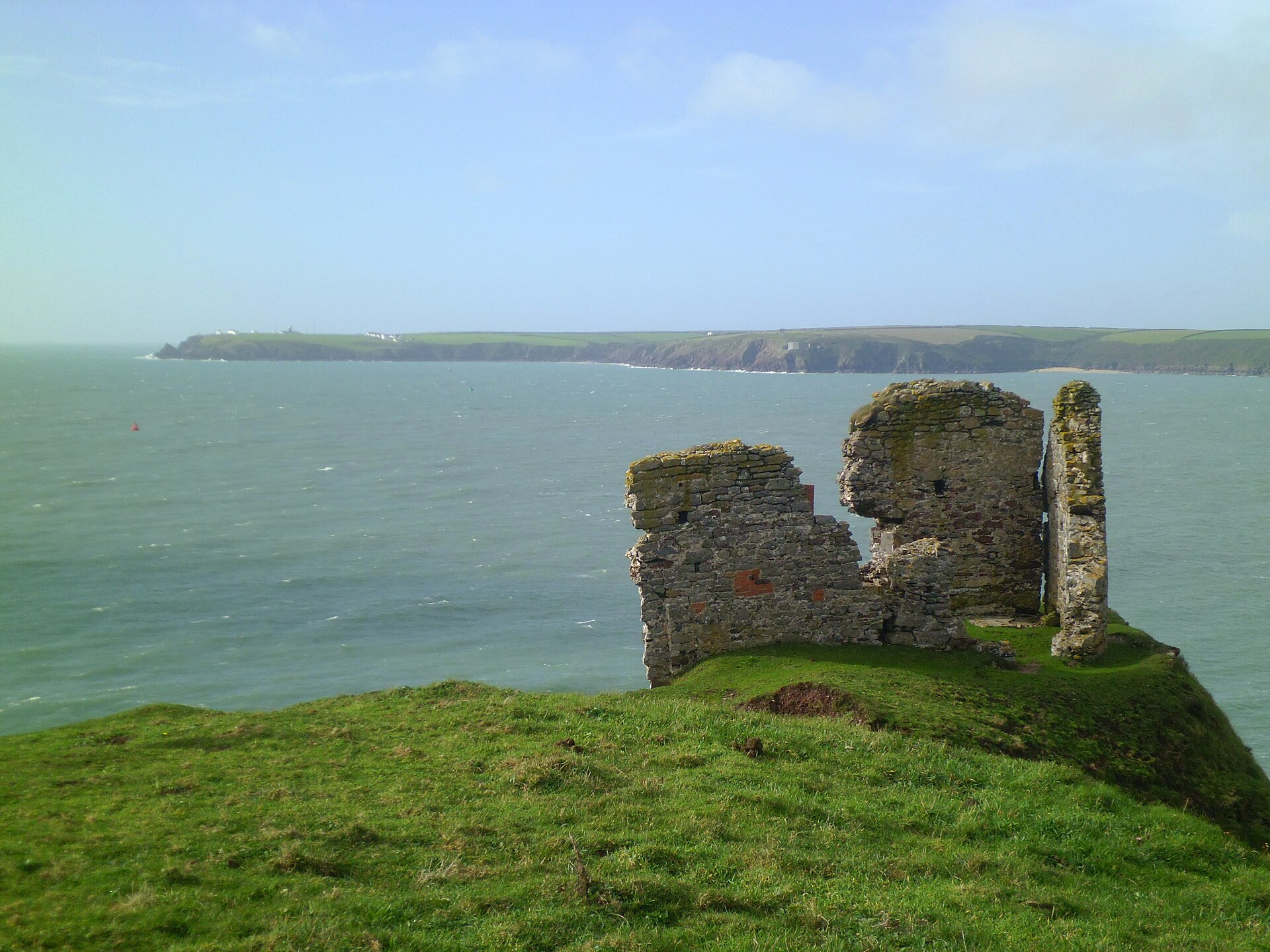
Fortified place · Medieval
Pembrokeshire
The East Blockhouse is the standing remnant of Henry VIII's 1539 Milford Haven pair in Wales; Second World War trenches cut into the Tudor gun-towe…
Fortified place · Iron Age
Somerset
Recorded as a hill fort of the Iron Age, roughly 800 BC until the Roman conquest, and considered to be a deserted post-medieval farmstead, from the…
Fortified place · Medieval
Vale of Glamorgan
Called a castle but never fortified as one: a manor house of the Berkerolles, destroyed in Llywelyn Bren's revolt and dismantled for its stone afte…
Briefer entries: recorded and worth knowing, with fuller pages to come.
Fortified place · Medieval
County Donegal
A Plantation-era castle at a River Finn ford, remembered above all as the site of the 1923 Drumboe massacre during the Irish Civil War.
Fortified place · Medieval
County Tyrone
Drumsonnus gives an otherwise ordinary townland a formally protected ancient enclosure, tying a small rural landscape to Northern Ireland’s archaeo…
Fortified place · Medieval
North Yorkshire
Duffield Castle survives as earthworks on the River Derwent floodplain, preserving the location of a documented medieval castle after its buildings…
Fortified place · Iron Age
Clackmannanshire
Dumyat’s Castle Law preserves an excavated hill fort with evidence for occupation from around 500 BC and again in the fifth to seventh centuries AD.
Fortified place · Iron Age
Highland
A cliff-edge Skye fort twice built and twice destroyed by fire: one of the clearest examples anywhere of the transitional "semi-broch (a tall circu…
Fortified place · Iron Age
Somerset
A rounded flat-topped hill of 178 metres on the limestone plateau south of Bath, close to the Fosse Way.
Fortified place · Medieval
County Down
Dundrum Castle is a layered Norman hill fortress whose keep, gatehouse and later Gaelic adaptations command Dundrum Bay and the approaches to Lecale.
Fortified place · Medieval
County Tyrone
Dungannon is worth seeking out for the way one hilltop concentrates Gaelic lordship, Plantation rebuilding, civil conflict and archaeology beneath…
Fortified place · Medieval
Greater Manchester
Dunham Castle is a documentary medieval castle whose surviving mound and former moat remain archaeologically uncertain, illustrating how later land…
Fortified place · Medieval
Antrim
Dunseverick Castle preserves an ancient coastal promontory with Iron Age (the centuries before Rome arrived, from about 800 BC), early Christian, V…
Fortified place · Iron Age
Dorset
Duropolis is a large Iron Age (the centuries before Rome arrived, from about 800 BC) settlement near Winterborne Kingston whose dense roundhouse pl…
Fortified place · Medieval
Isle of Wight
East Cowes Castle was John Nash’s celebrated Gothic Revival home, now demolished but remembered through its surviving gatehouse, icehouse, clock an…
No places match those filters.












.jpg?width=800)