
Fortified place · Iron Age
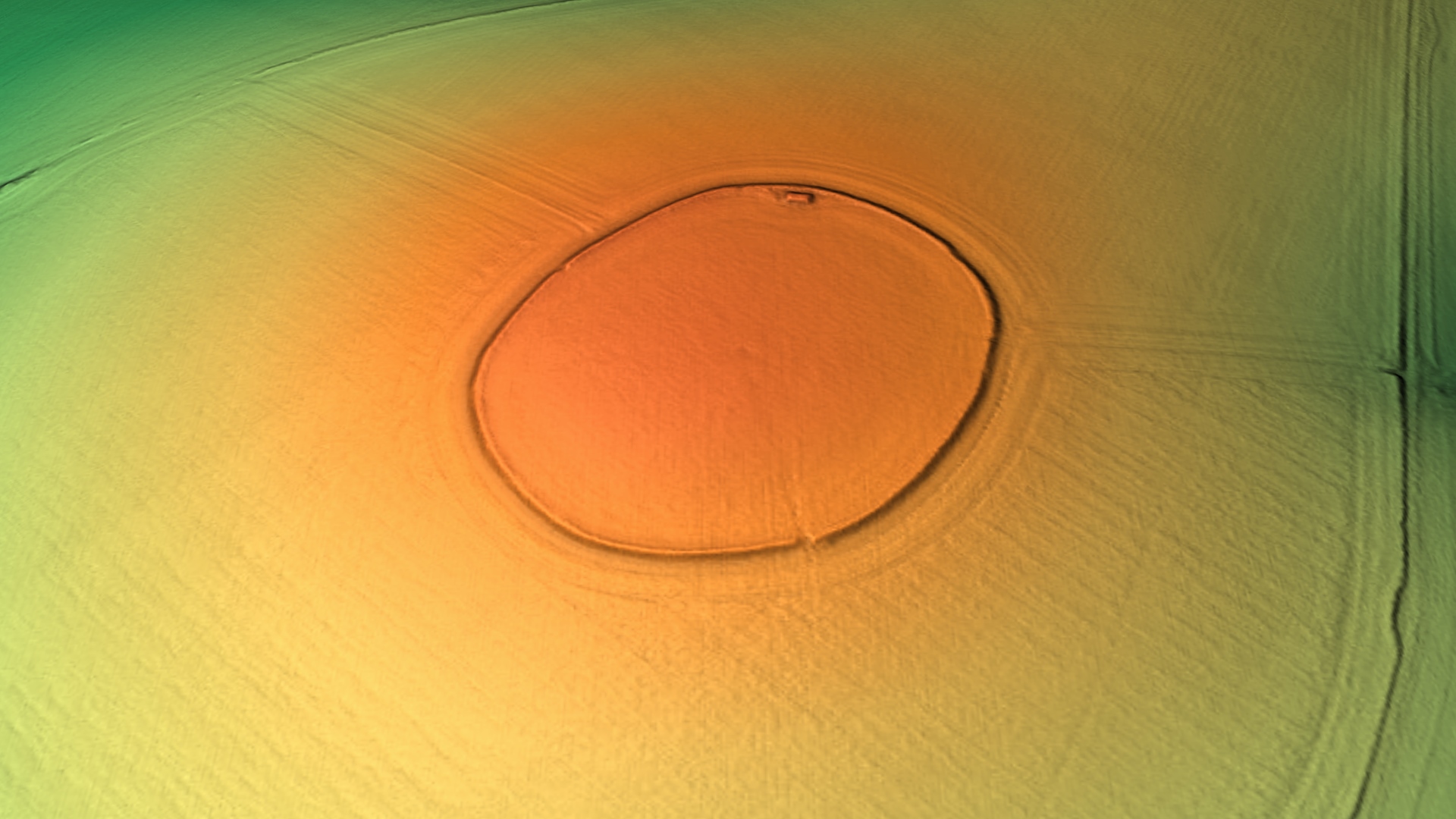
Cholesbury Camp
Buckinghamshire
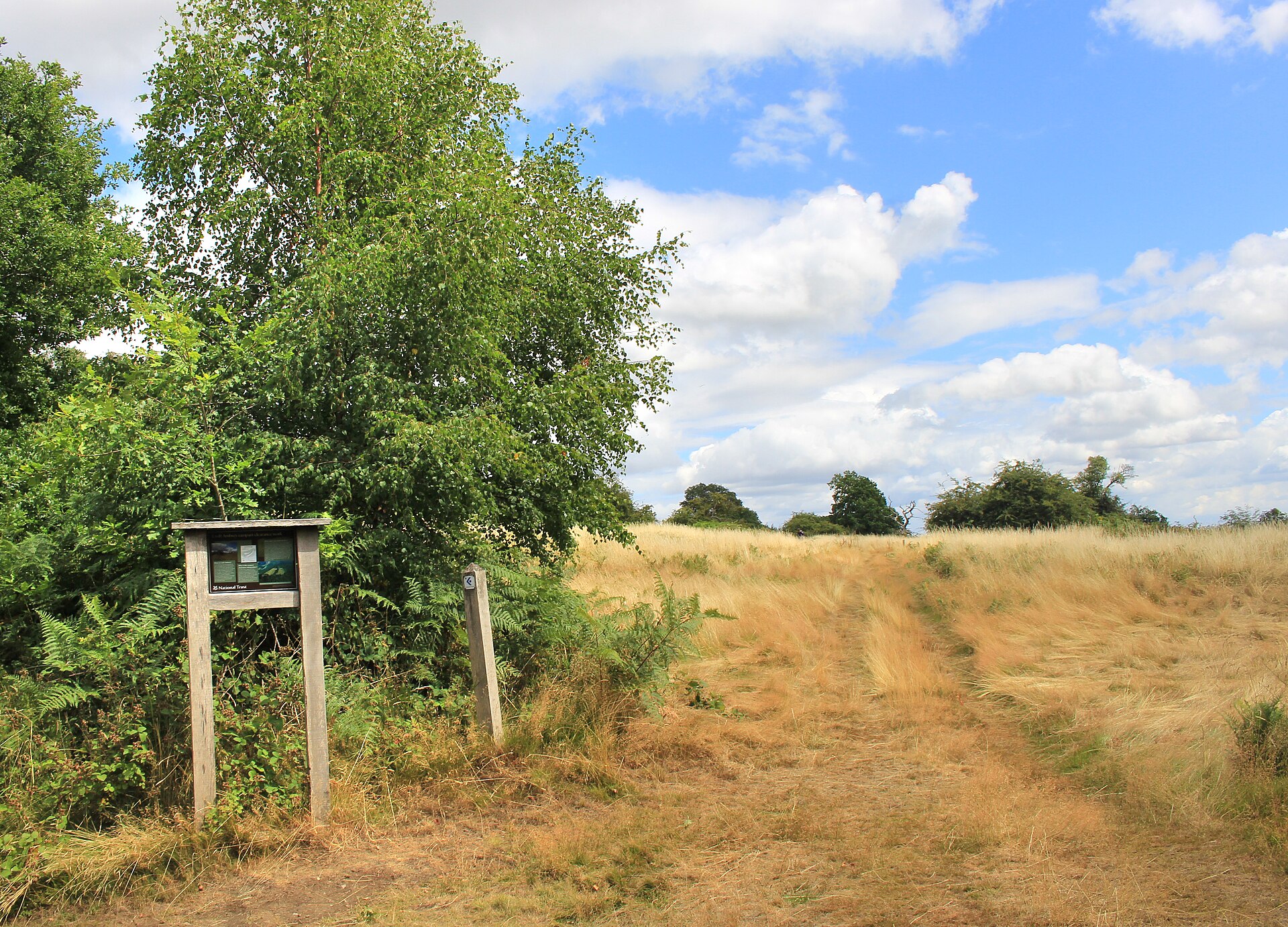
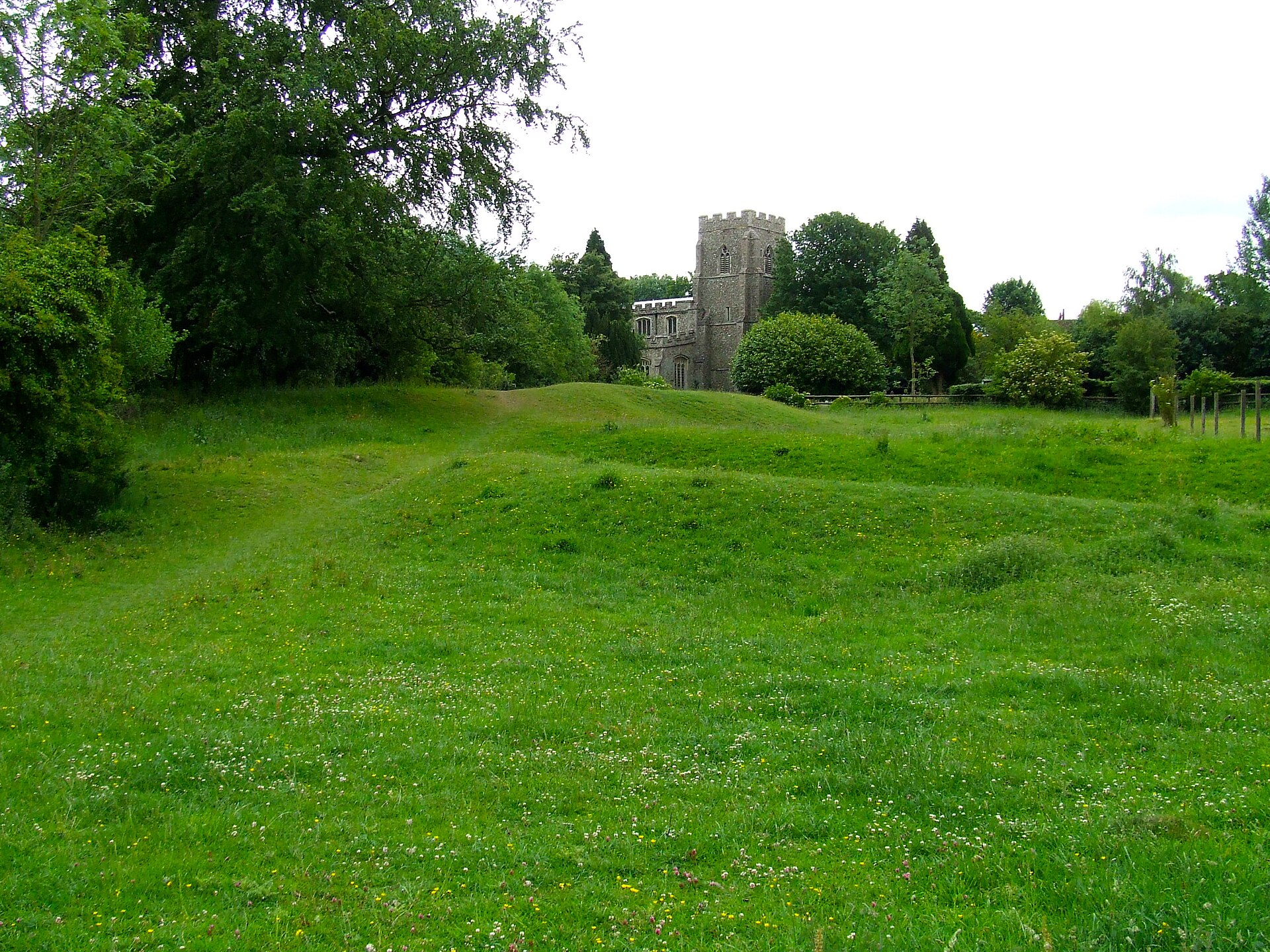
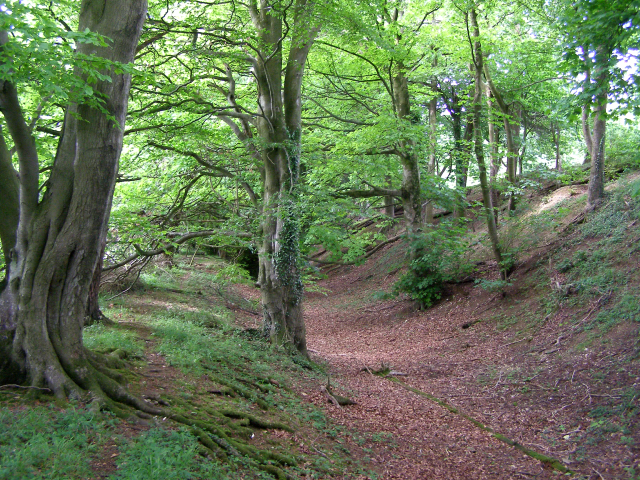
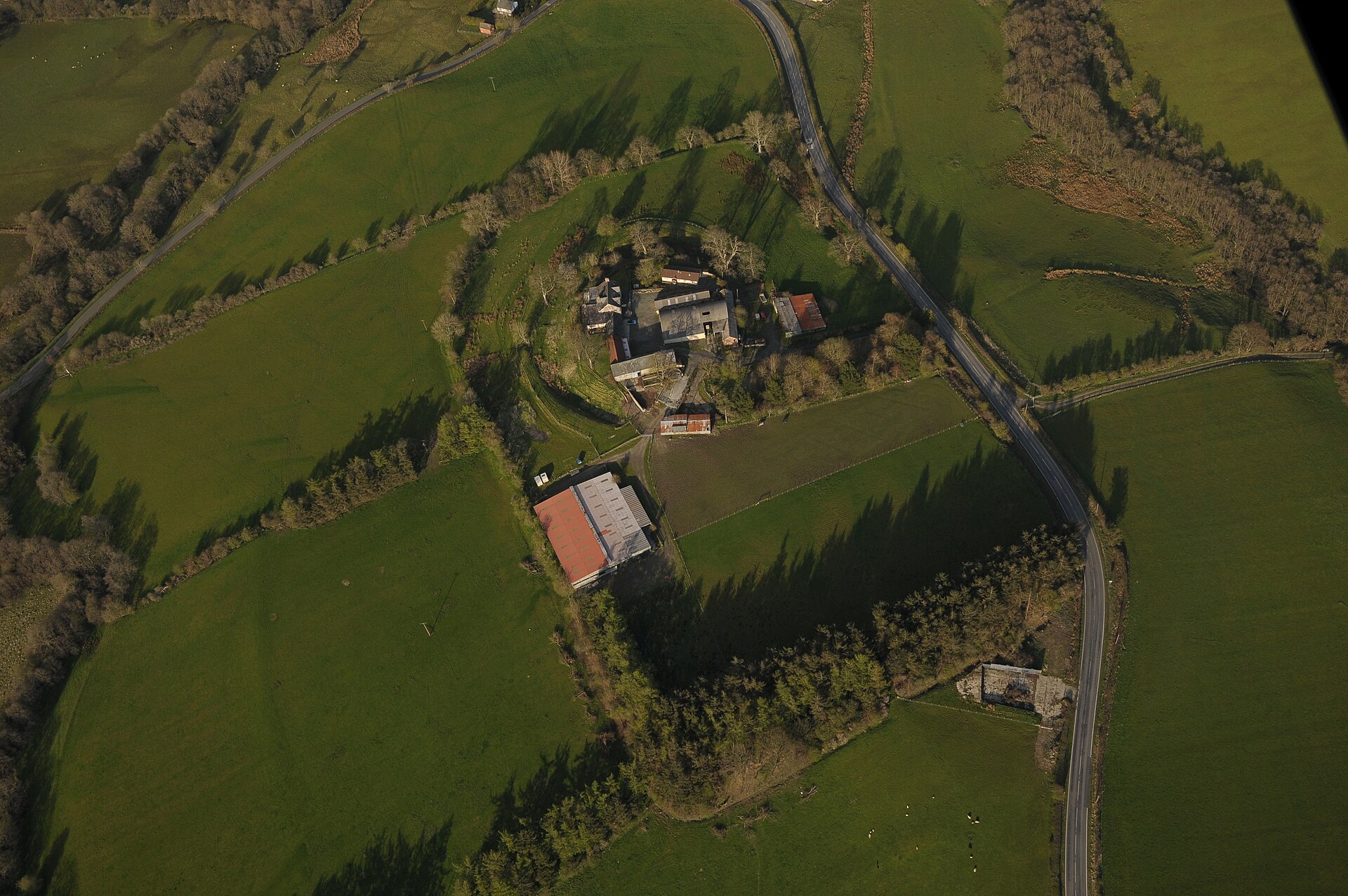
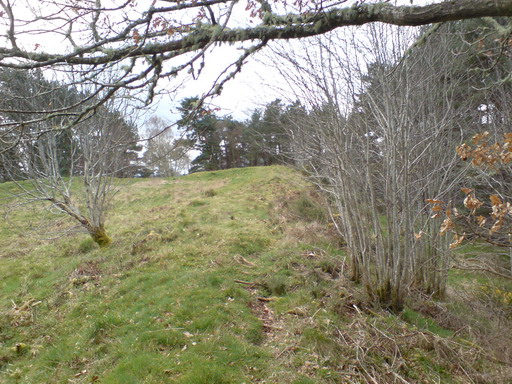
A double ring of beech-crowned earthworks still nearly a mile round, with the parish church and a Tudor manor sitting inside defences first thrown…
- Near Cholesbury
- Some walking
By type
Page 7 of 21.
Search and filters apply to these 100 places.
Fortified place · Iron Age
Buckinghamshire
A double ring of beech-crowned earthworks still nearly a mile round, with the parish church and a Tudor manor sitting inside defences first thrown…
Fortified place · Medieval
Dorset
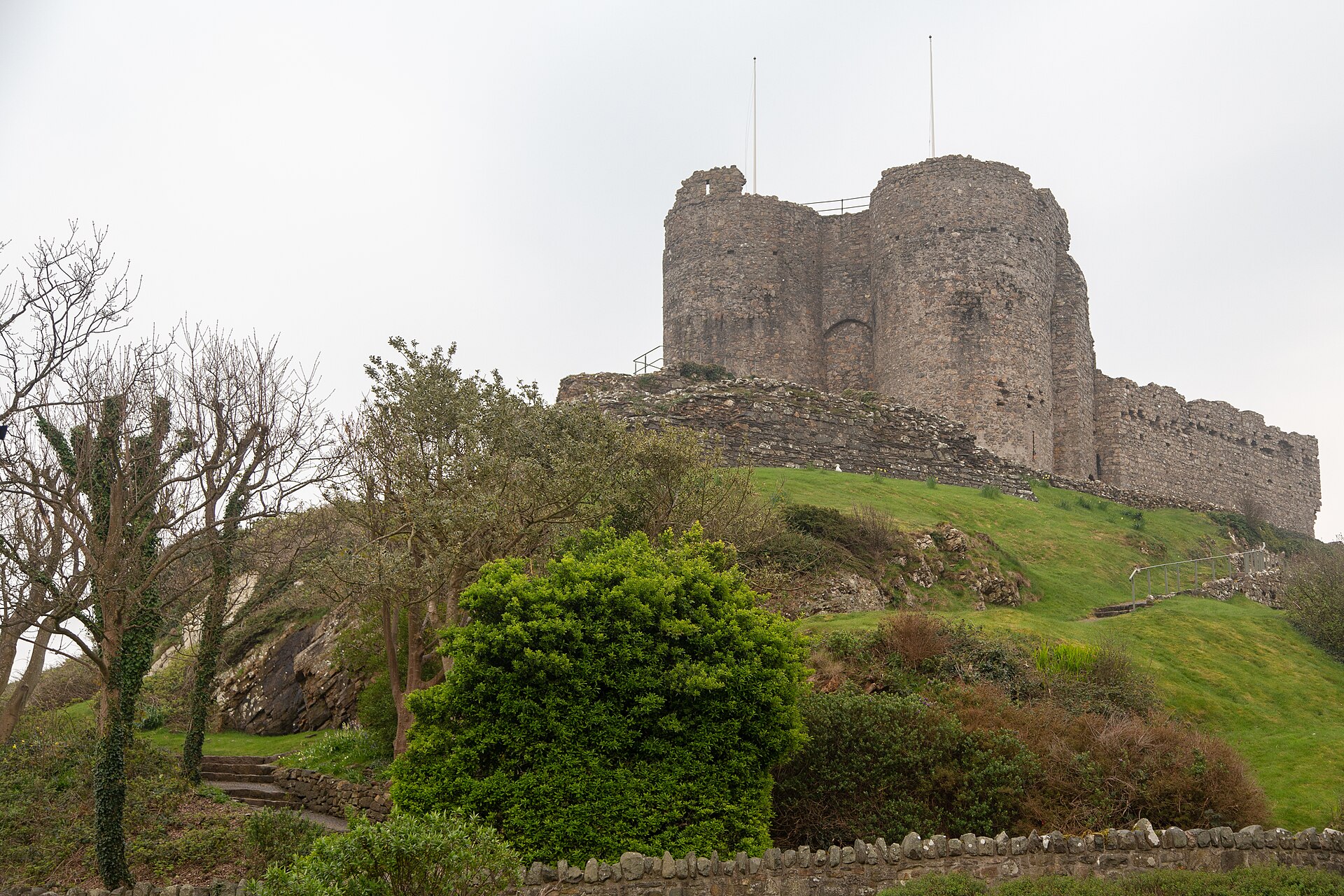
Christchurch Castle preserves Norman control of a key river crossing, with ruined keep walls and the adjacent Constable’s House forming an exceptio…
Fortified place · Iron Age
Cornwall
A large Cornish hillfort: an Iron Age settlement defended by banks and ditches on high ground, from around 800 BC up to the Roman conquest: beside…
Fortified place · Medieval
Pembrokeshire
Two stone towers crowning the gorge above the Teifi, the surviving core of a castle begun in banked earth.
Fortified place · Medieval
Gloucestershire
Historians still dispute whether Cirencester Castle survived beyond 1142 at all, turning the fortress's very ending into contested history rather t…
Fortified place · Prehistoric
West Sussex
Around 270 shafts were sunk into this hill over three centuries, some twelve metres deep, with galleries running out from the bottom of each.
Fortified place · Medieval
County Kilkenny
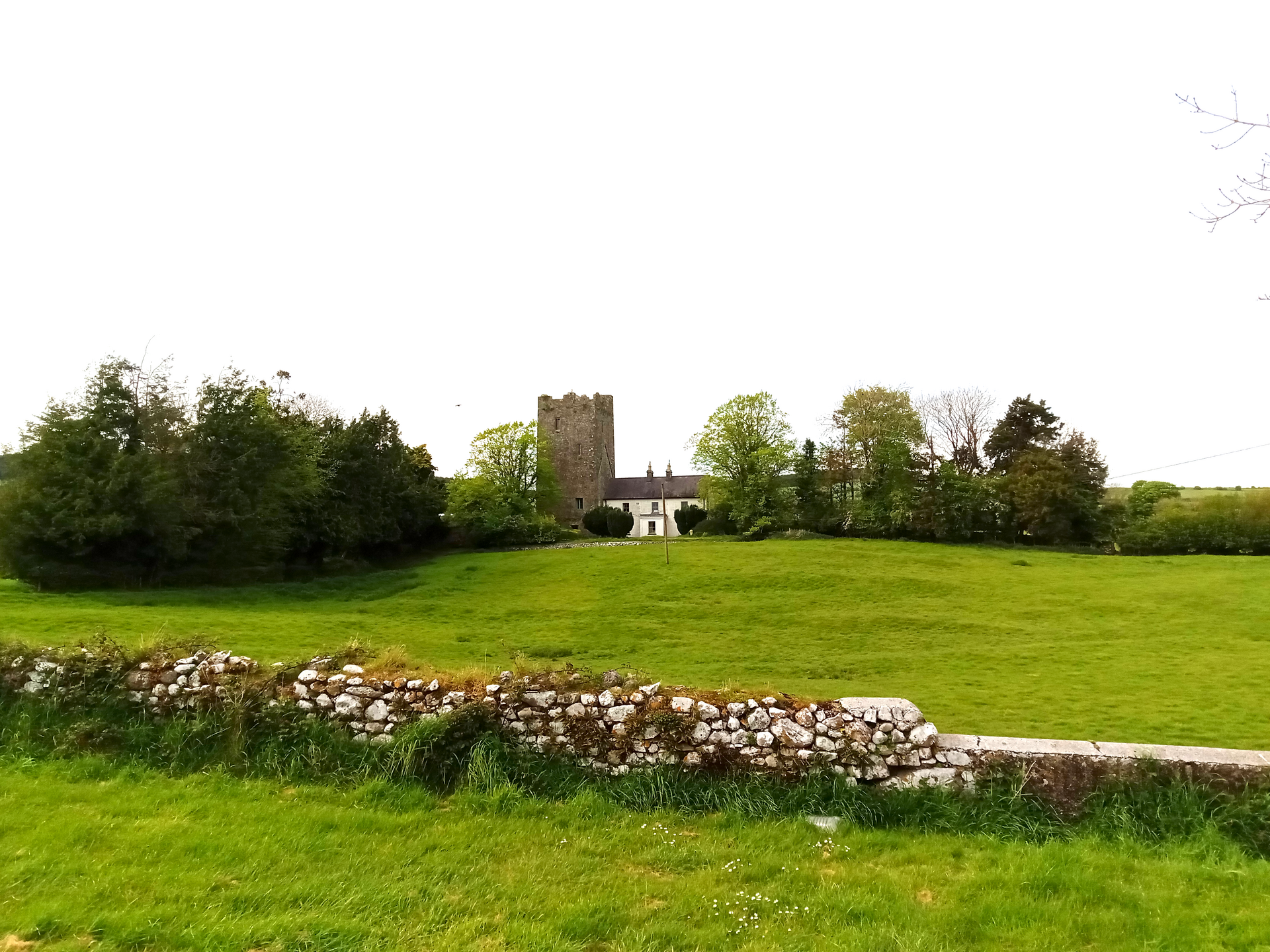
Clara Castle is a remarkably complete Kilkenny tower house whose original doors, oak beams, painted chamber and sophisticated security fittings mak…
Fortified place · Medieval
Suffolk
A ruined castle raised by Richard Fitz Gilbert soon after the Conquest, its mound and yard later rebuilt in stone.
Fortified place · Iron Age
Fife
Clatchard Craig was an important stronghold of the Picts, the people of northern and eastern Scotland from about AD 300 to 900, with evidence of el…
Fortified place · Iron Age
Somerset
Scrub and tree growth put this site on the Heritage at Risk Register - the threat to the earthwork, a bank and ditch shaped from soil rather than b…
Fortified place · Medieval
Monmouthshire
Clawdd-du preserves Monmouth’s medieval outer defence for Overmonnow: a broad, potentially floodable ditch and palisade that protected a Welsh-side…
Fortified place · Medieval
Norfolk
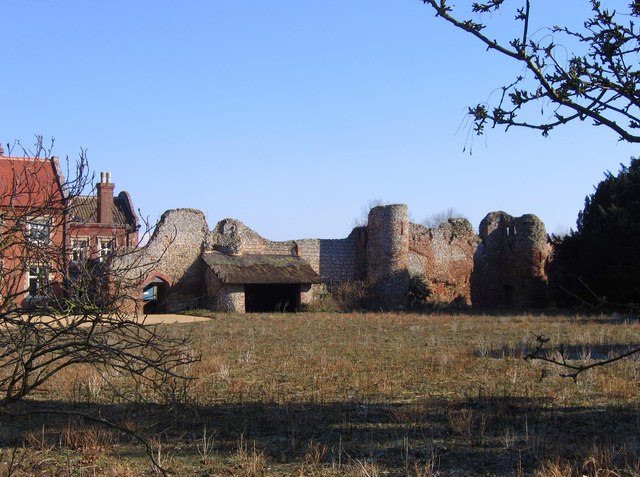
Claxton Castle is a rare Norfolk brick-castle ruin whose paired fourteenth-century licences to crenellate, later dismantling for Claxton Hall, surv…
Fortified place · Medieval
Dundee City
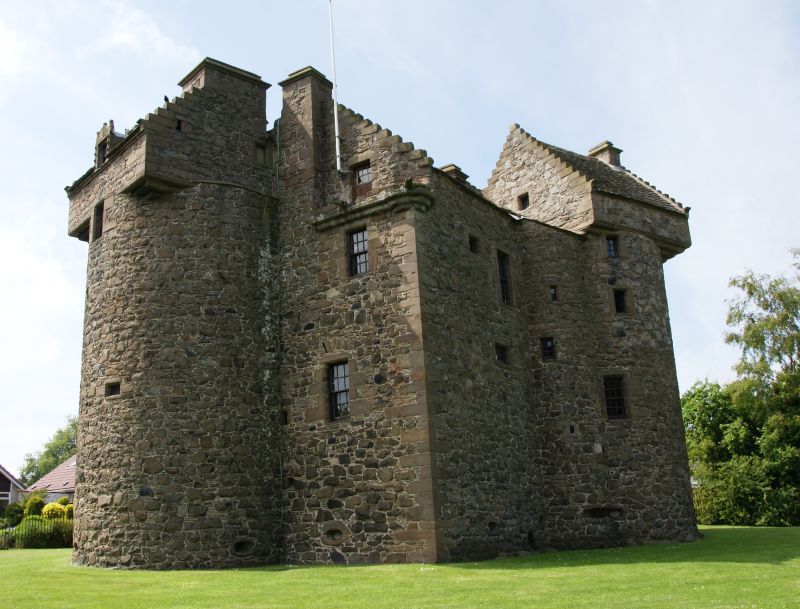
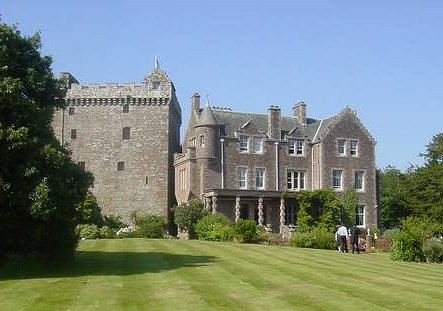
Claypotts Castle is one of Scotland’s best-preserved sixteenth-century Z-plan tower houses, combining a compact domestic residence with a striking…
Fortified place · Iron Age
Wiltshire
A single bank-and-ditch settlement above the Avon valley holds a Stone Age hand axe far older than the earthwork (a bank, ditch or mound shaped fro…
Fortified place · Roman
East Dunbartonshire
Cleddans confirms the Antonine Wall’s system of small interval fortlets, while its richly carved legionary slabs record the construction and imager…
Fortified place · Iron Age
Gloucestershire
An Iron Age hillfort (an upland enclosure defended by earthen banks) occupies the highest edge of the Cotswolds, sharing its escarpment with a Neol…
Fortified place · Iron Age
Somerset
A roughly oval defended hilltop above Goblin Combe, some 125 metres by 90.
Fortified place · Iron Age
Pembrokeshire
A rocky crown west of St Davids carrying traces of early farming and later settlement, a natural lookout over the peninsula.
Fortified place · Iron Age
Wiltshire
A chalk down west of Warminster carries an Iron Age (roughly 800 BC until the Roman conquest) fort, two burial mounds and a folklore of devils and…
Fortified place · Medieval
County Galway
Its 1935 transfer to a cooperative left the castle jointly owned by dozens of tenant families, an unusually communal ending for a Gothic Revival ge…
Fortified place · Medieval
Herefordshire
The mistress of a king, an abducted heiress forced into marriage, and a Marcher lord who made a royal messenger eat his own writ all passed through…
Fortified place · Medieval
North Yorkshire
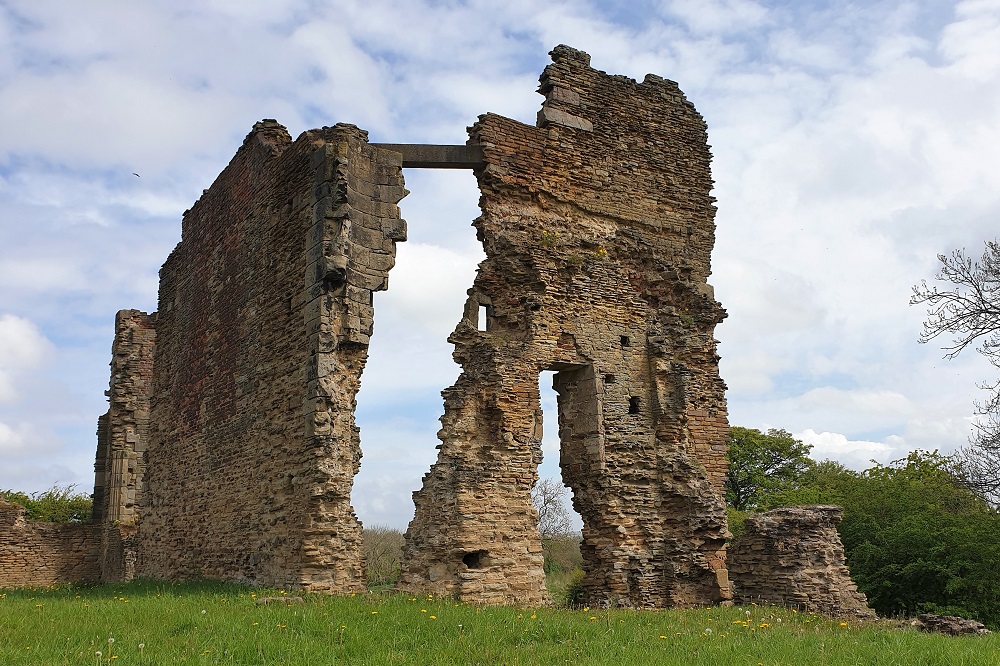
The present Grecian house was built from the very stone of the medieval stronghold it replaced, leaving only a single fragment of castle wall as wi…
Fortified place · Medieval
Lancashire
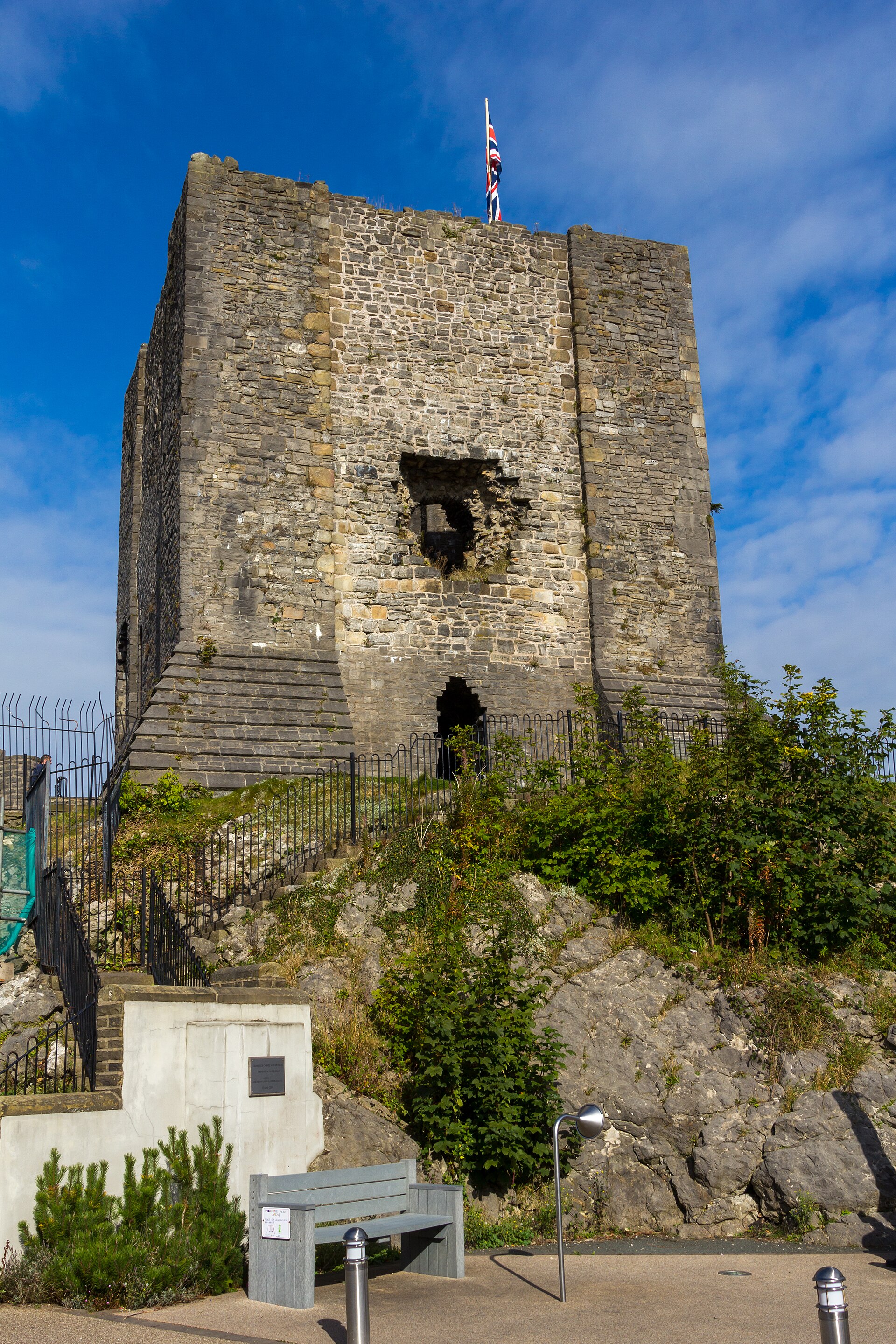
Its keep (the principal tower, built to be held even if the walls fell) is the second smallest surviving stone-built keep in England, yet from this…
Fortified place · Medieval
County Cork
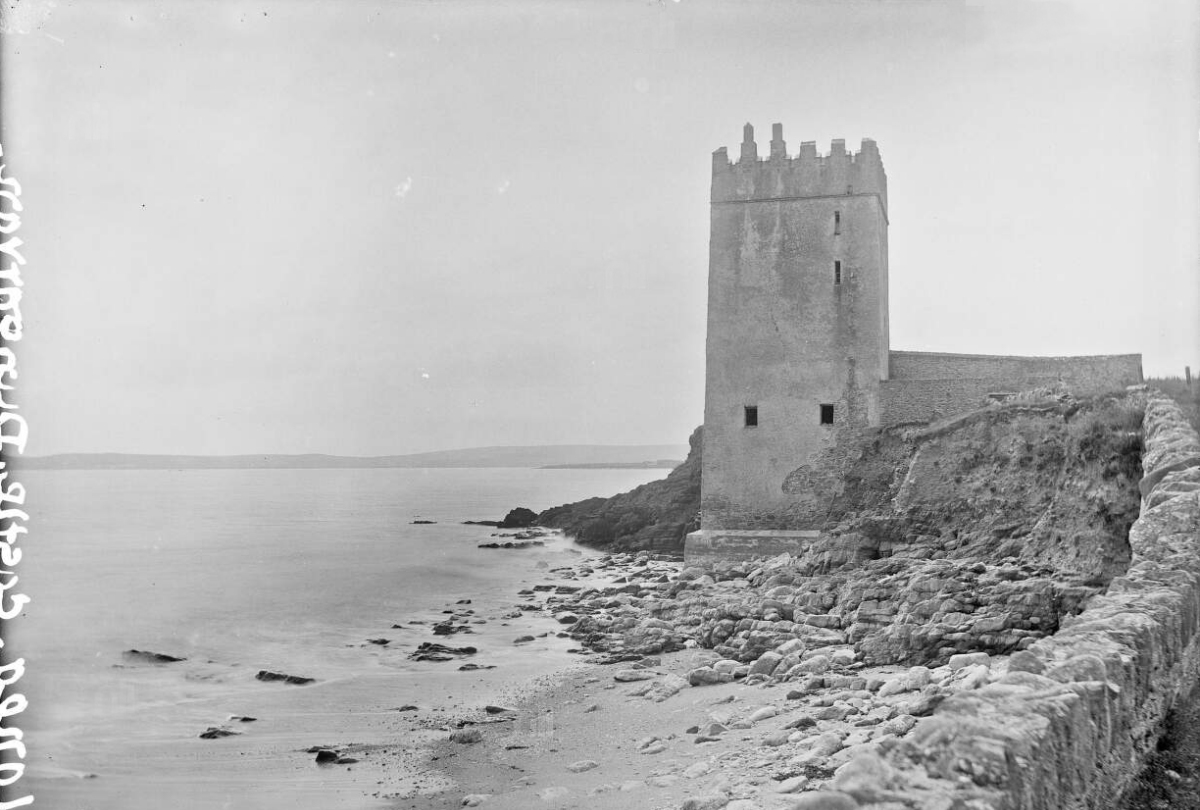
A tower house stranded on its own island in a lough deep enough for whales, abandoned so completely that its final chief's death simply erased it f…
Fortified place · Medieval
County Galway
A fire-gutted Georgian mansion and a 15th-century tower house share one estate held by a single family for nearly four centuries, from Irish gentry…
Fortified place · Medieval
County Westmeath
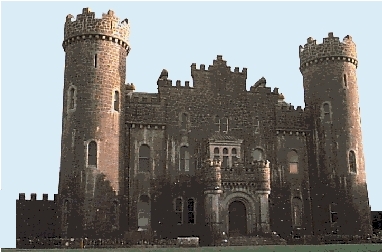
A Victorian baronial fantasy raised over a medieval stronghold, this castle later sheltered Holocaust orphan children before returning to private h…
Fortified place · Medieval
County Galway
The stonework of its O'Kelly tower house has vanished to foundations, yet the moat that defended it: two banks, a ditch and a separate earthen moun…
Fortified place · Medieval
Warwickshire
Ambrose Rookwood, one of the Gunpowder Plot conspirators, was living here in 1605.
Fortified place · Medieval
County Cavan
The last Confederacy stronghold to surrender, in 1653: with the cannon damage that took it still visible on the walls.
Fortified place · Medieval
Shropshire
Many of its arrowslits are fakes. The great tower looks formidable and could easily have been undermined.
Fortified place · Medieval
Swansea
Built in 1791, remodelled repeatedly, and said to have received Queen Victoria, Winston Churchill and Edward VIII as guests of the Vivian family.
Fortified place · Medieval
Monmouthshire
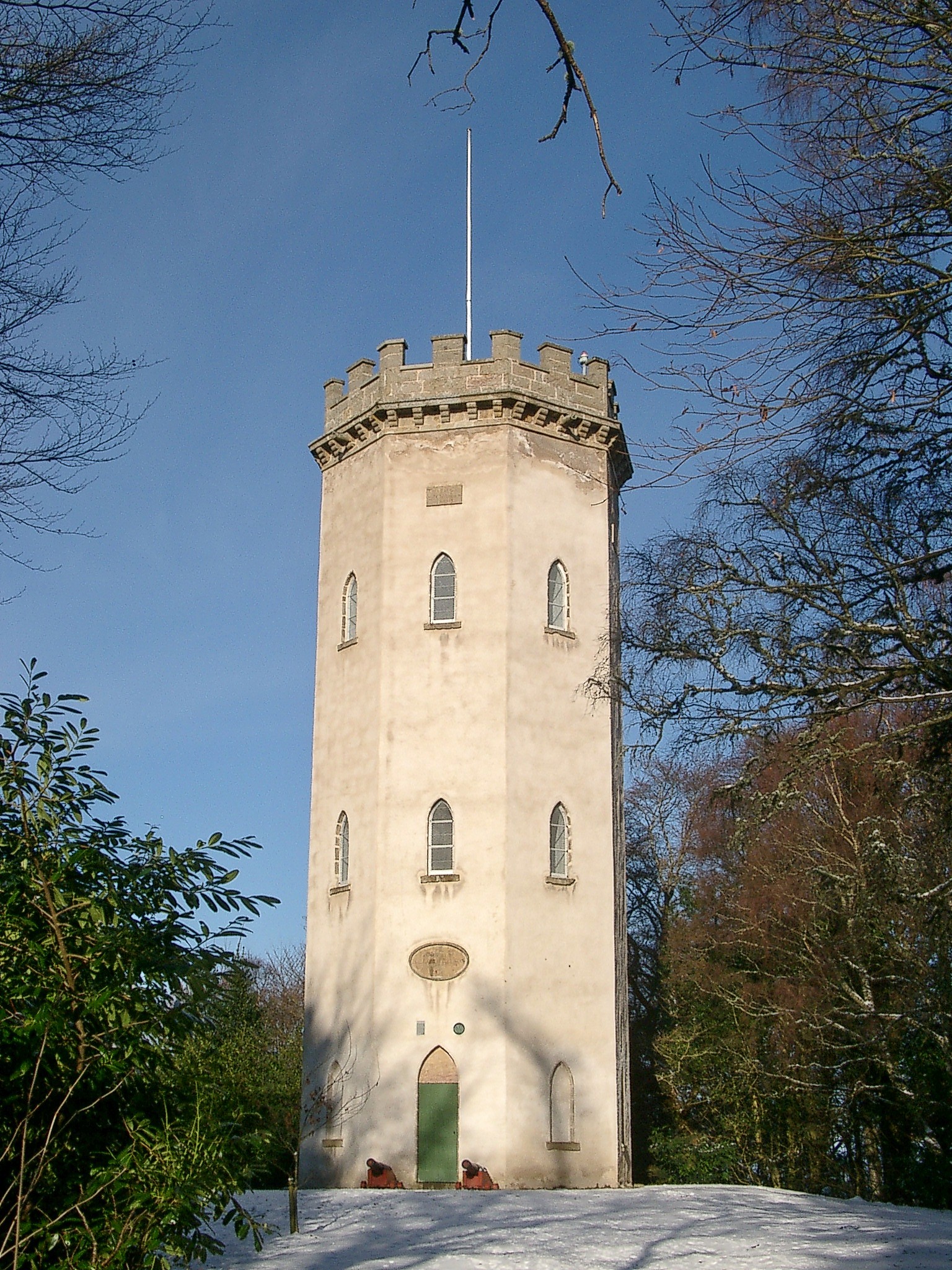
A grief-built folly on a Monmouthshire hilltop, its roofless round tower deliberately left as an empty shell purely to balance the view from a dist…
Fortified place · Medieval
Cumbria
Built partly from stone lifted out of the Roman fort at Papcastle, the castle has stayed in one family's hands since the 18th century and part of i…
Fortified place · Medieval
Kent
Cockham Wood Fort is a visible Medway shoreline defence built after the 1667 Dutch raid, marking the shift from Upnor Castle to a stronger protecti…
Fortified place · Medieval
Northumberland
Cockle Park Tower is a Grade I listed fifteenth-century tower house whose hunting-lodge origins and machicolated bartisans survive within Newcastle…
Fortified place · Medieval
Somerset
A castle with two baileys and a motte, the earthen mound a castle was raised on, standing seven metres high: and appearing in no document at all.
Fortified place · Iron Age
Wiltshire
Too slight to defend anything, with no evidence of anyone ever living inside it. What it was for is unknown, and so is when it was built.
Fortified place · Medieval
Derbyshire
A crumbling keep on the Erewash valley's edge once anchored the Grey dynasty that produced Lady Jane Grey, and a 2007 dig pulled a gold coin of Hen…
Fortified place · Medieval
Bridgend
Its round inner ward still traces the shape of a Norman ringwork rebuilt three times over: by conquest, by siege, and by a Tudor family turning a f…
Fortified place · Medieval
Essex
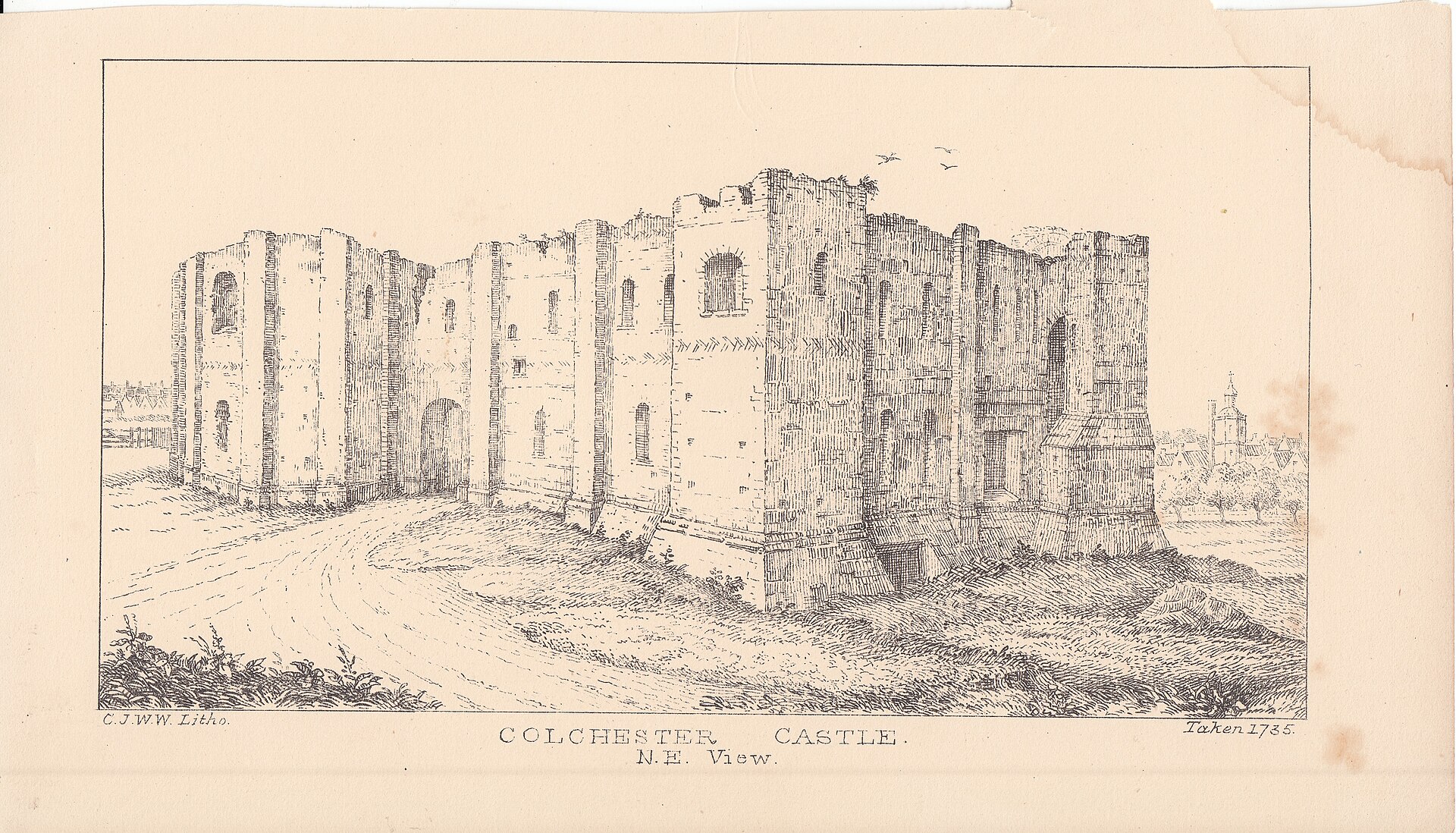
Colchester Castle is Europe’s largest surviving medieval keep, built by the Normans directly on the podium of Britain’s largest Roman temple.
Fortified place · Iron Age
Stirling
Cleared out just before 1870. A plan was drawn, and the excavation report never appeared.
Fortified place · Medieval
Powys
A castle destroyed by a Welsh prince, rebuilt under a king who stayed two seasons to watch the work, and rebuilt again eleven years later.
Fortified place · Medieval
Dumfries and Galloway
Comlongon Castle is an exceptionally complete south-west Scottish tower house, where Murray lordship, rich internal defensive detail and a later ba…
Fortified place · Medieval
Devon
Compton Castle combines a medieval manor, Tudor defensive front and the long Gilbert family history within a still-occupied National Trust property.
Fortified place · Iron Age
Dorset
Coney’s Castle is a protected defended settlement on a narrow Dorset ridge, dating from roughly 800 BC until the Roman conquest. Its ramparts, late…
Fortified place · Medieval
South Yorkshire
A private tower built to flaunt rank rather than defend it: six buttresses ring the drum-shaped keep in a design found nowhere else in England.
Fortified place · Medieval
Conwy
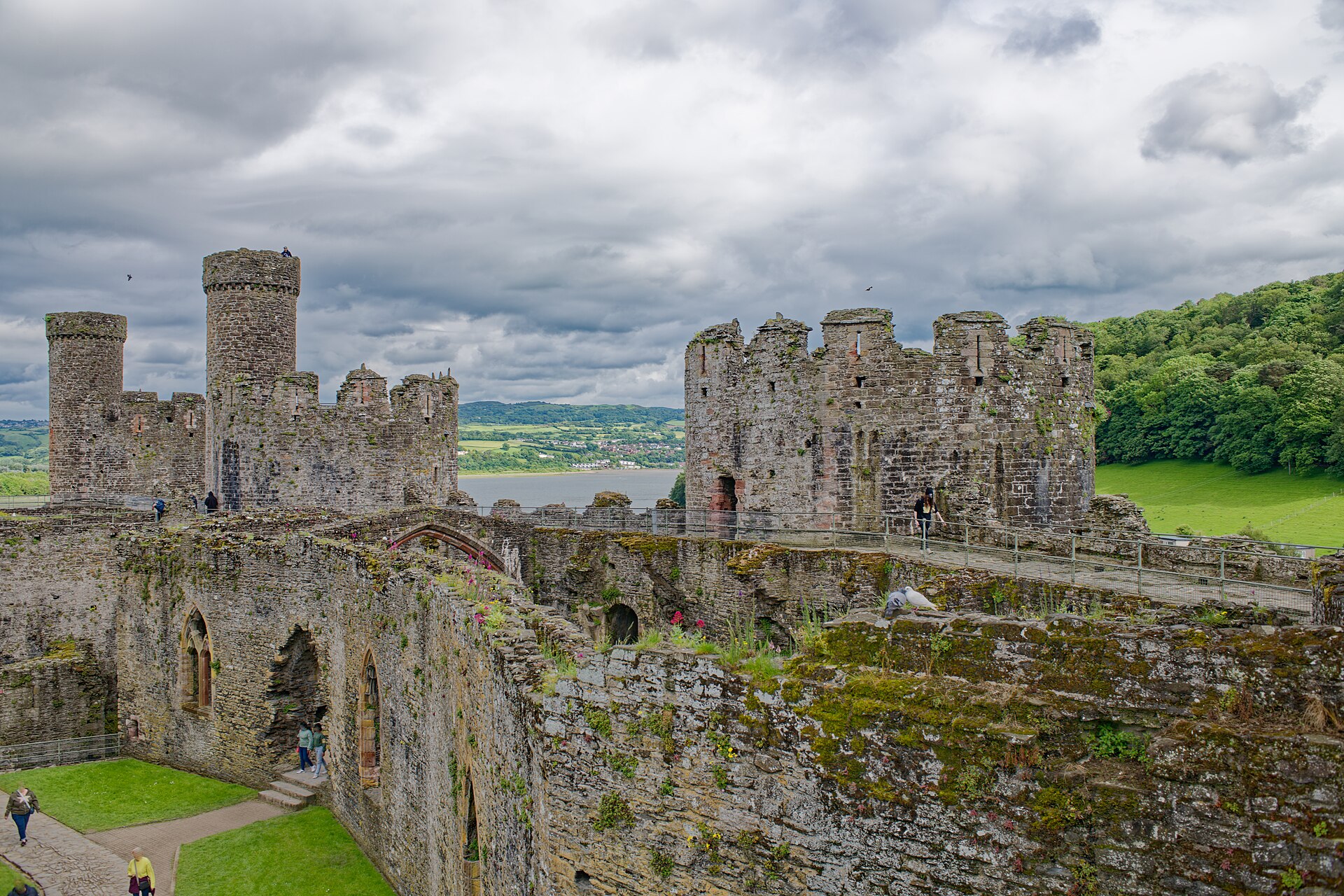
Conwy Castle is an exceptionally complete Edwardian fortress and royal residence, built with its walled town during the conquest of Wales. Its abbe…
Fortified place · Medieval
Conwy
Conwy’s town walls form one of Europe’s most complete medieval defensive circuits, built with the castle to enclose Edward I’s new town.
Fortified place · Iron Age
Somerset
A triangular fort with three feet of bank left on one side, half a mile from the M5.
Fortified place · Medieval
West Midlands
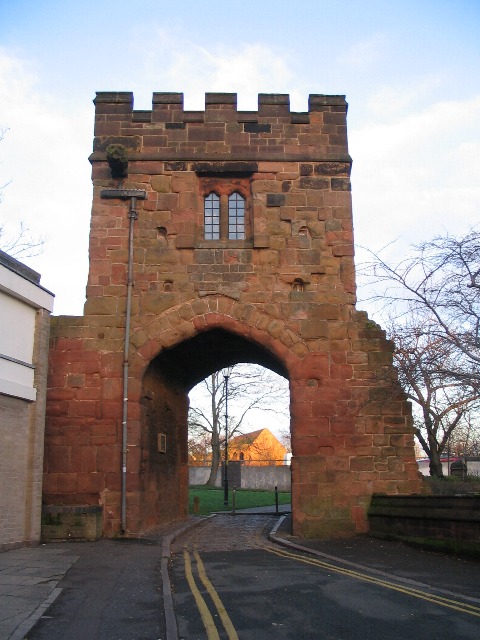
One of only two of Coventry's original twelve medieval town gates to survive: and the only one a road still runs through.
Fortified place · Medieval
County Wexford
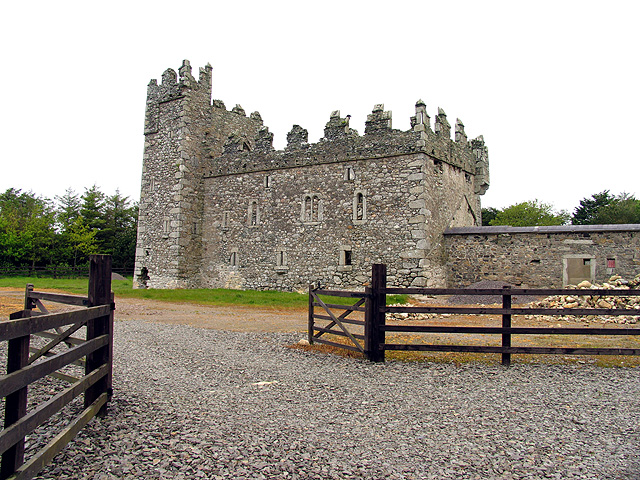
A tower house and hall house fused into a single building, still guarded by a murder-hole and a corner bartizan: a defensive pairing that survives…
Fortified place · Medieval
Kent
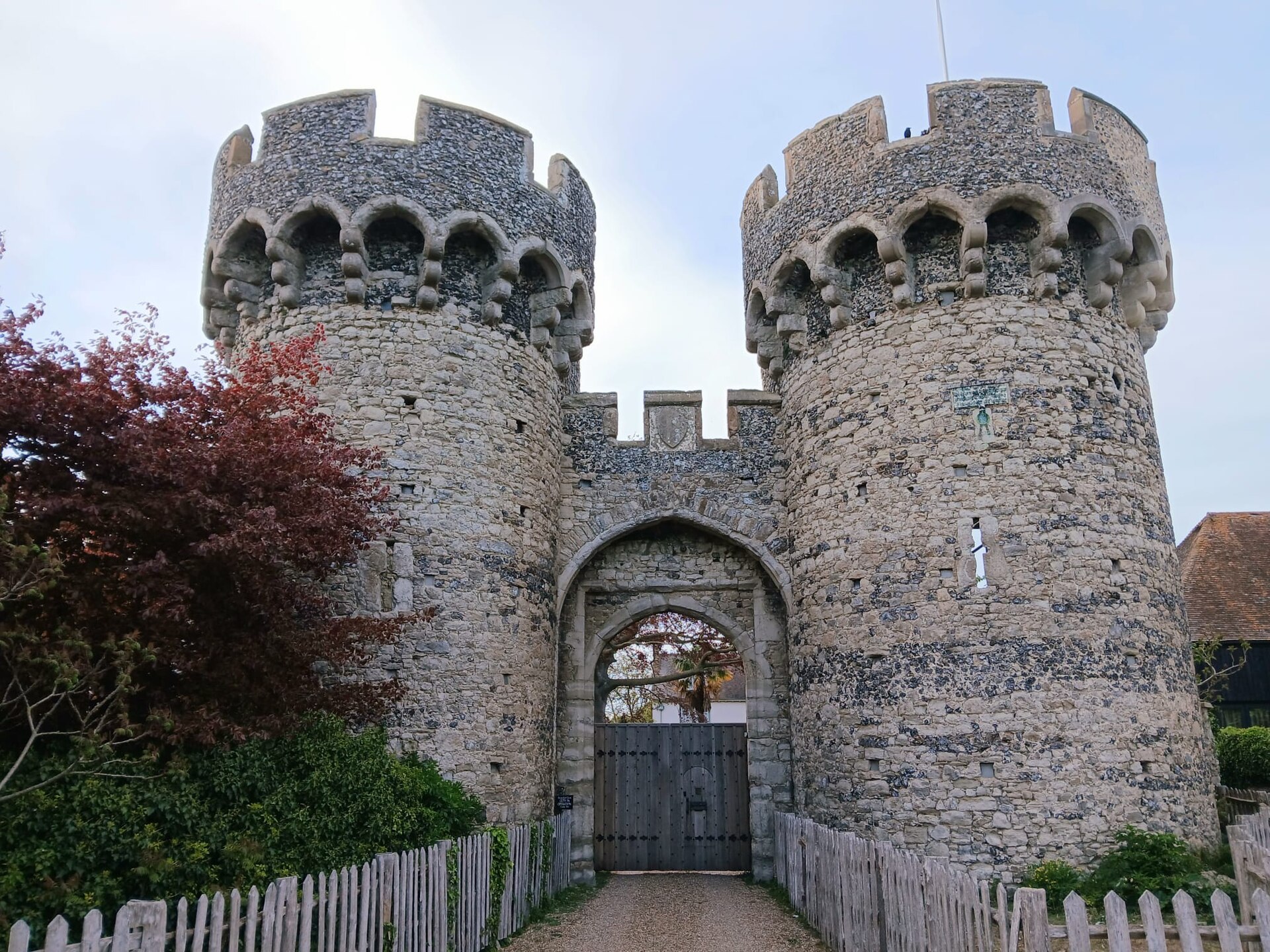
Cooling Castle is an innovative 14th-century Thames-estuary fortress, unusually built for gunpowder weapons and arranged as two independently defen…
Fortified place · Medieval
Northumberland
Corbridge Vicar’s Pele is a compact defensive vicarage built with stone from nearby Roman Coria, linking medieval border security directly to the t…
Fortified place · Medieval
Cumbria
Behind its confident Regency facade survives a 13th-century Salkeld tower and a cluster of Grade I listed follies: caves, a cascade, a garden templ…
Fortified place · Medieval
Dorset
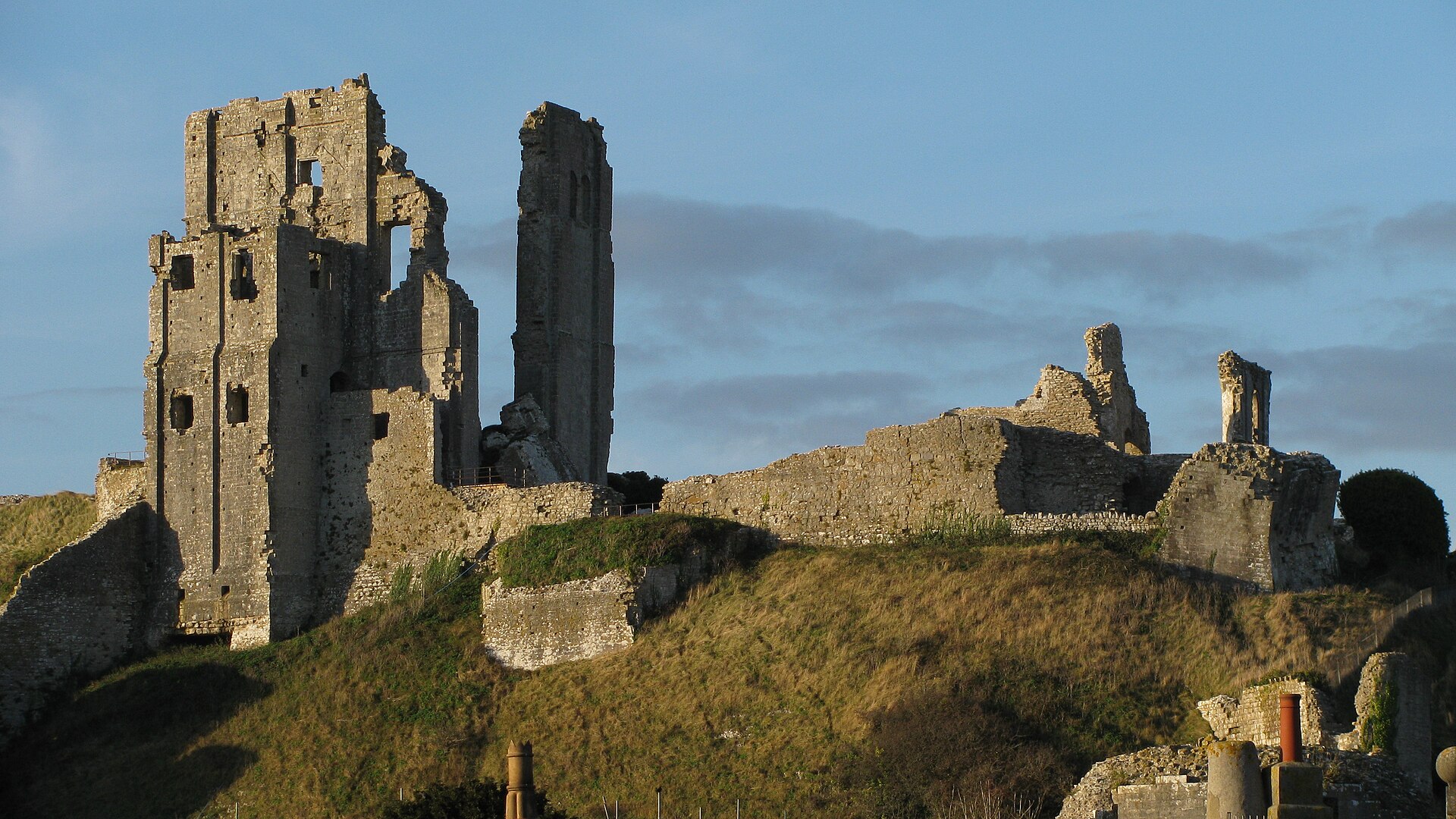
Corfe Castle is an exceptional early stone Norman fortress whose royal rebuilding, Lady Mary Bankes’s Civil War defence and Parliamentarian demolit…
Fortified place · Medieval
Aberdeenshire
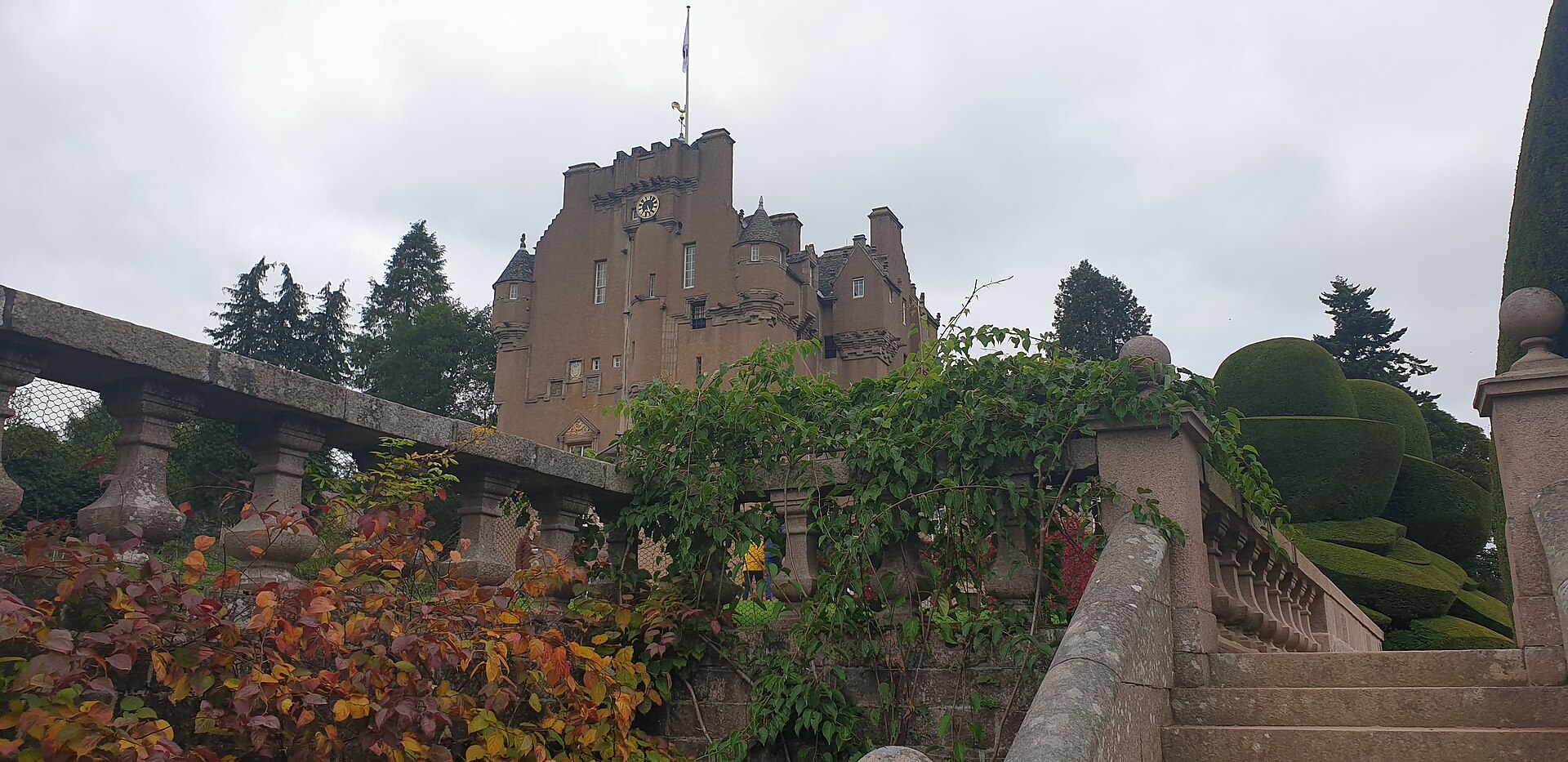
Burned three times over two centuries in family feuds and Jacobite risings, the tower was finally rebuilt as a government barracks to police the pa…
Fortified place · Medieval
County Durham
A small County Durham motte-and-bailey (an early Norman castle of a timber tower on an earth mound, with a walled yard alongside) whose remaining m…
Fortified place · Iron Age
Devon
Cotley Castle is a large hill fort from the period from roughly 800 BC to the Roman conquest, on the Haldon Hills ridge, set on high ground near Du…
Fortified place · Medieval
Dorset
Cotton Fort marks a now-lost coastal defence at Melcombe, where scarce evidence preserves the outline of an early modern rampart (the raised bank t…
Fortified place · Medieval
West Midlands
A royal prisoner and a monastery's expulsion both happened on this one plot: the castle itself is gone, but its surviving tower still carries both…
Fortified place · Iron Age
Somerset
An isolated hilltop in Exmoor ringed by a single bank and ditch, west-south-west of Exford.
Fortified place · Iron Age
Shropshire
An Iron Age defended settlement on a 262-metre summit at the Shropshire and Herefordshire boundary.
Fortified place · Medieval
County Clare
Craggaunowen combines a sixteenth-century tower house with an open-air archaeological museum, using reconstructed Irish buildings and boats to inte…
Fortified place · Iron Age
Carmarthenshire
A hillfort whose ramparts still carry the name of Vortigern, the warlord blamed for inviting the Anglo-Saxons into Britain, burned here in legend b…
Fortified place · Iron Age
Highland
Its stone rampart was fused to glass by fire in the 4th century, and tradition: never proven: casts it as the seat where a Pictish (of the Picts, t…
Fortified place · Iron Age
Powys
One of the highest hill forts in Wales, on a summit that also carries the remains of slate quarrying.
Fortified place · Iron Age
Neath Port Talbot
Craig Ty-Isaf is a compact but well-defined scheduled hillfort, an Iron Age: the centuries before Rome arrived: settlement defended by banks and di…
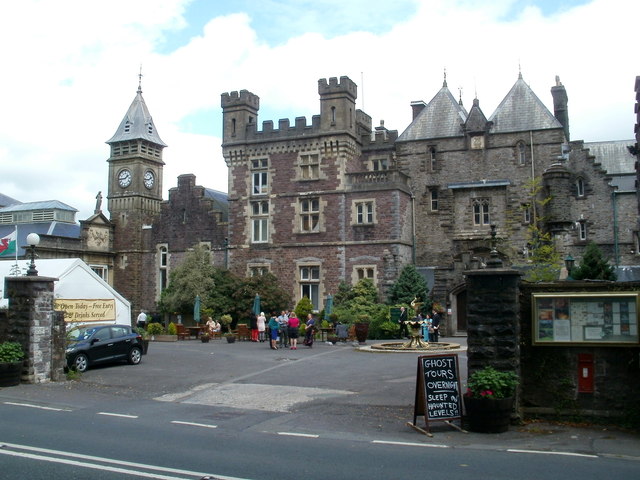
Fortified place · Medieval
Powys
An opera singer's private estate with its own theatre, its own railway carriage and its own electricity: later a tuberculosis sanatorium for sixty…
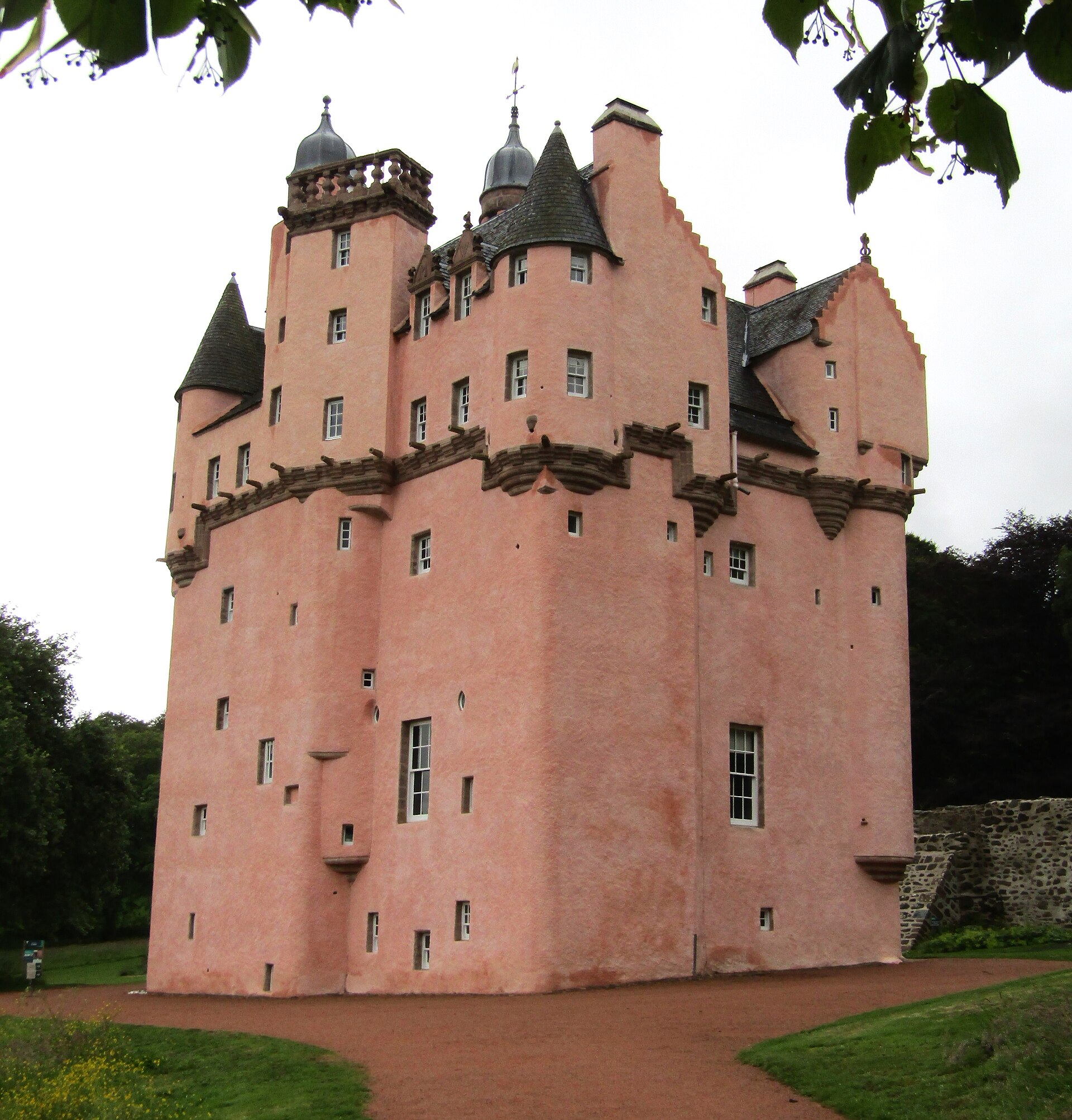
Fortified place · Medieval
Aberdeenshire
A merchant's Baltic trading fortune built a seven-storey pink tower whose plasterwork ceilings rank among Scotland's finest, and whose silhouette r…
Fortified place · Medieval
City of Edinburgh
Craigmillar Castle is one of Scotland's best-preserved medieval castles, combining a Preston tower house and defensive courtyards with the pivotal…
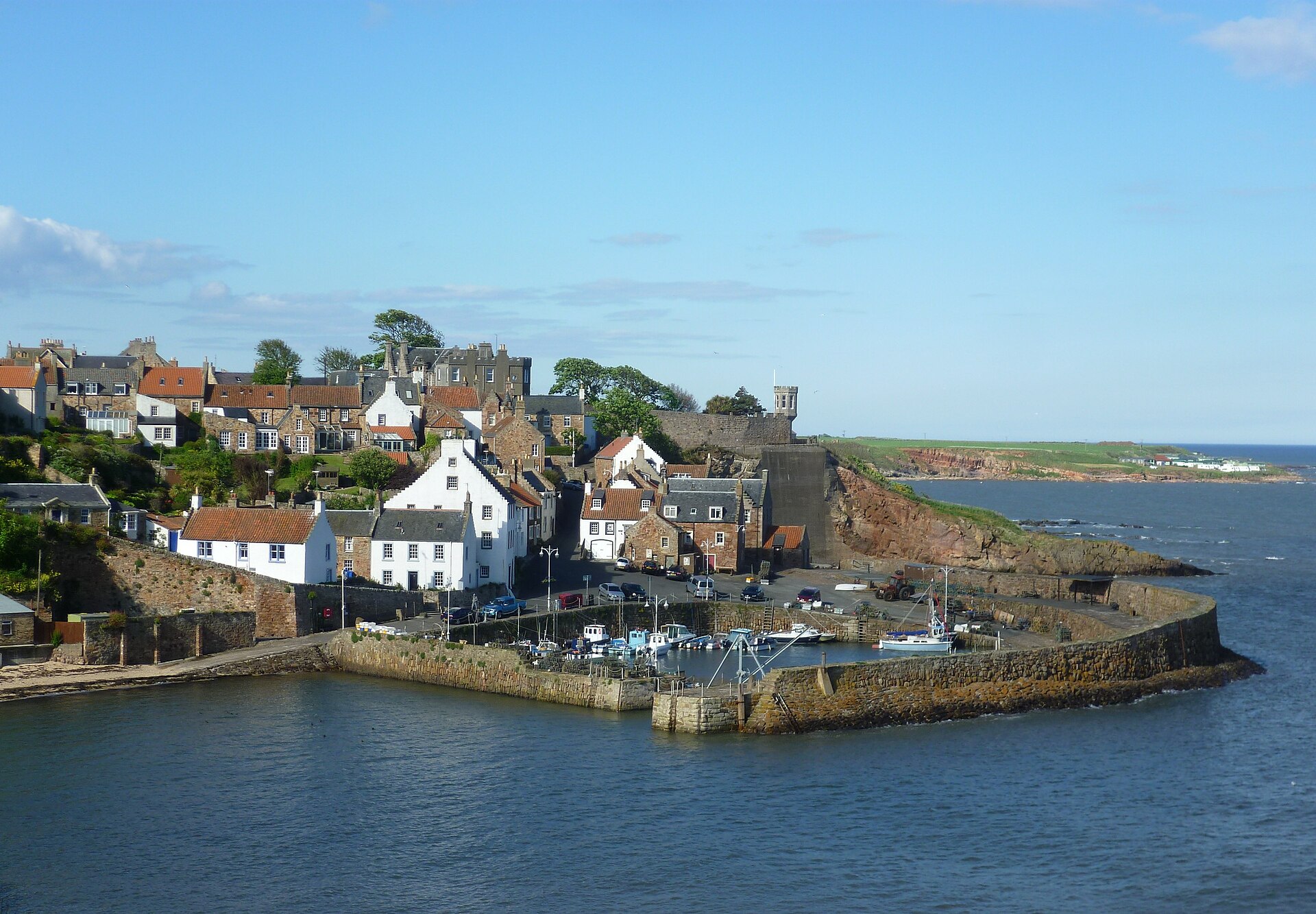
Fortified place · Medieval
Fife
Crail Castle survives mostly as a moat and a short wall, but its records connect a vanished royal castle to the early history of one of Fife’s medi…
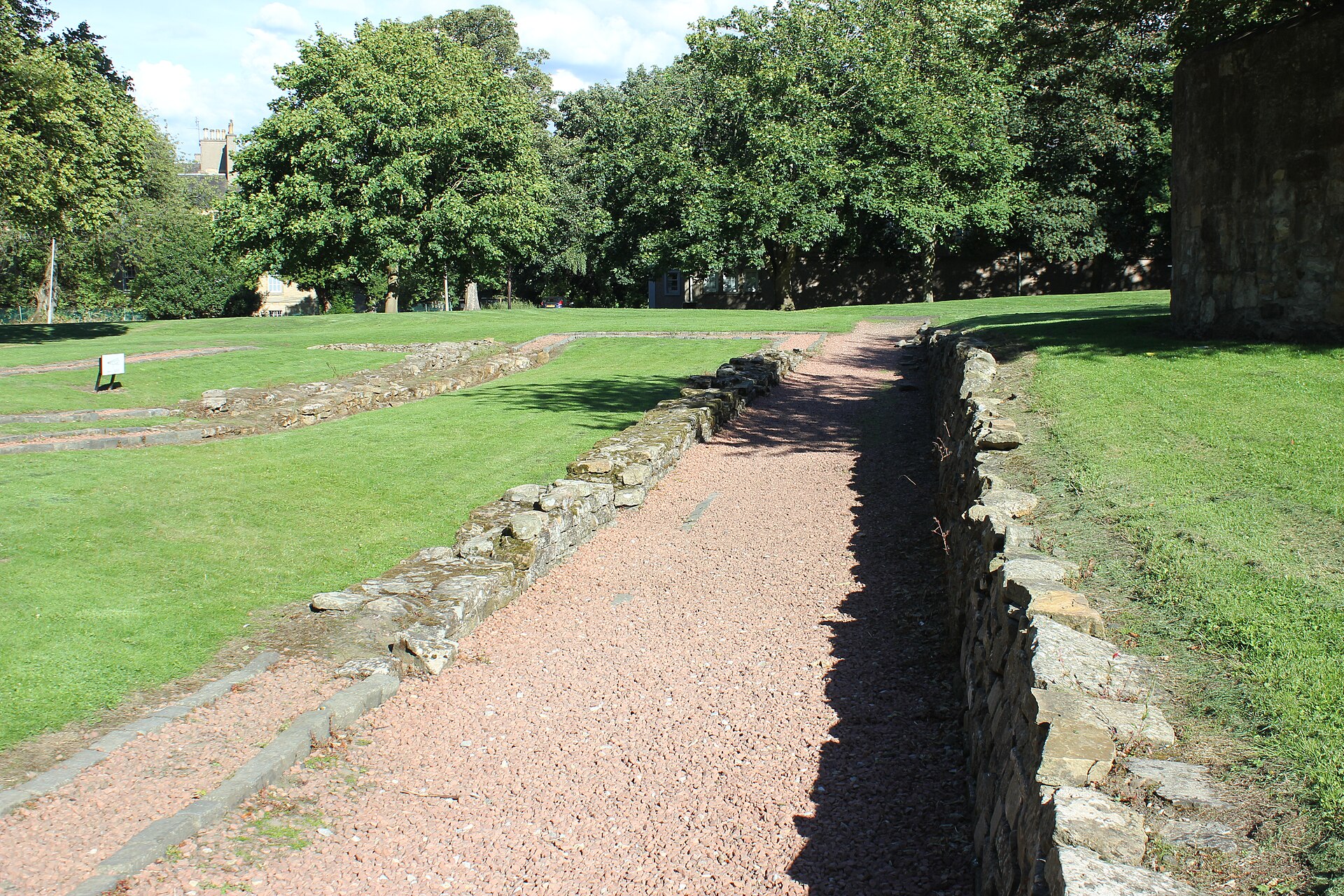
Fortified place · Roman
City of Edinburgh
Cramond Roman Fort preserves evidence of Rome's Antonine and Severan campaigns at the River Almond, including inscriptions, a long-used road and th…
Fortified place · Iron Age
Devon
Cranbrook Castle is an Iron Age (from around 800 BC up to the Roman conquest) hill fort on a high Devon hilltop overlooking the Teign valley and ne…
Fortified place · Iron Age
Devon
Cranmore Castle is a large enclosure above Tiverton, dating from from about 800 BC until the Romans came, whose unusual siting raises important que…
Fortified place · Medieval
Aberdeenshire
Beneath a 16th-century Burnett tower house lies Warren Field, where pits dug some 10,000 years ago form what analysis in 2013 identified as the wor…
Fortified place · Medieval
North Yorkshire
A 15th-century tower house whose foundations conceal a monastic site and a motte-and-bailey (an early Norman castle of a timber tower on an earth m…
Fortified place · Iron Age
Herefordshire
One of the largest hillforts in the West Midlands, its ramparts sheltered a working timber settlement for over three centuries and later gave a Sax…
Fortified place · Iron Age
Somerset
A Romano-Celtic temple on the highest ground at Lamyatt Beacon, in use from AD 250 to 375, and a hill fort at the other end of the same hill.
Fortified place · Medieval
Pembrokeshire
Three buildings on the bank of the River Cresswell that once made a fortified manorial complex around a rectangular court.
Fortified place · Medieval
Northumberland
Cresswell Pele Tower is a well-preserved three-storey response to Border Reiver risk whose defensible stair, altered access, and recent new roof ma…
Fortified place · Medieval
Somerset
A hilltop called a castle since 1839, which may be a Norman motte, a manor house, or somebody's folly.
Fortified place · Medieval
Gwynedd
Criccieth Castle is a Welsh-built coastal stronghold later adapted by Edward I, where a nearly full-height twin gatehouse overlooks the ruins of a…
Fortified place · Medieval
Midlothian
Crichton Castle preserves the rise and fall of two powerful Scottish families, a Reformation (the sixteenth-century closure of the monasteries)-era…
Fortified place · Medieval
Powys
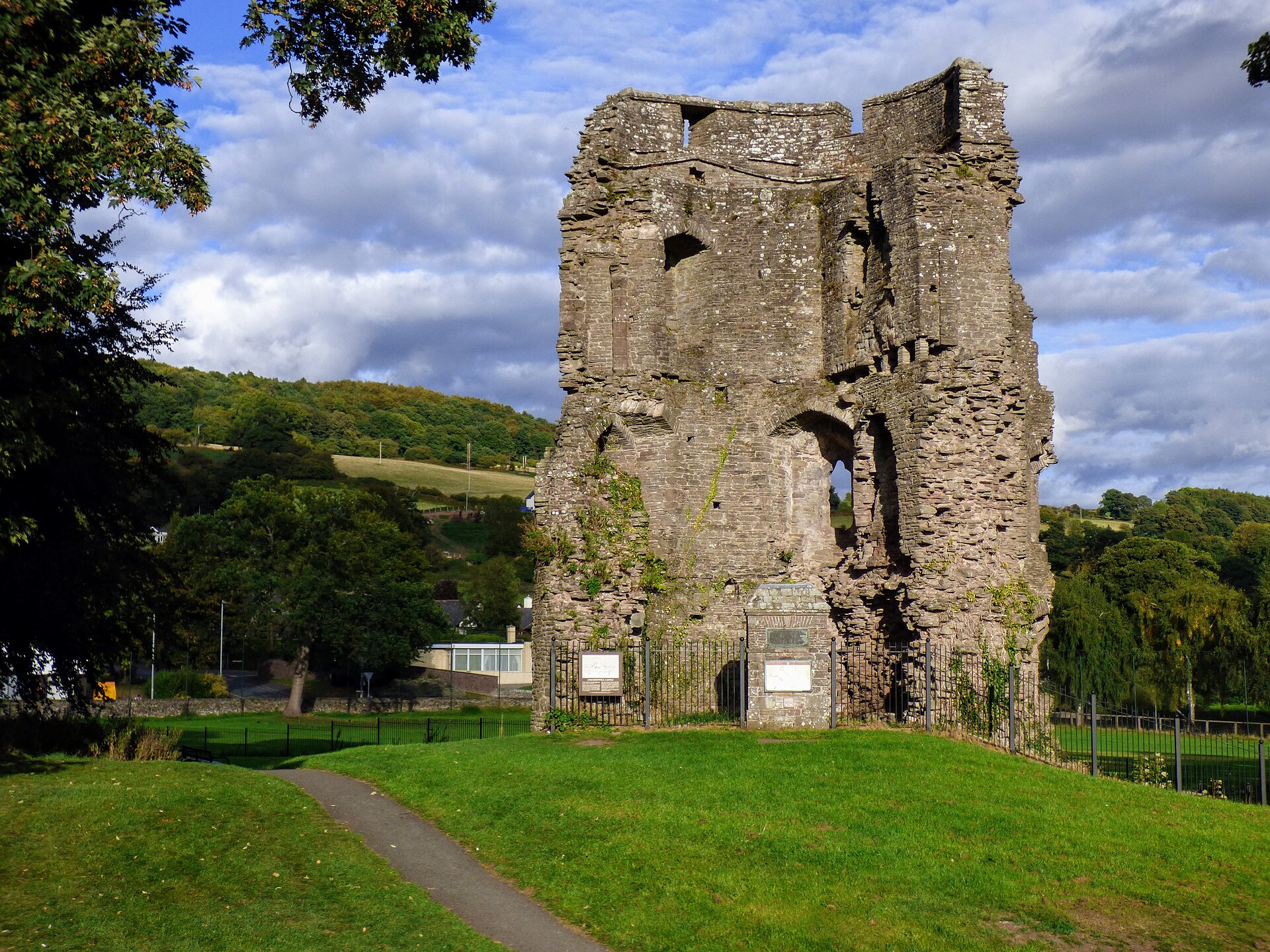
Ruined castle walls on a spur above Crickhowell, at the meeting of a stream and the River Usk.
Fortified place · Iron Age
Herefordshire
Its two gateways were rebuilt so often over six centuries that archaeologists counted twenty successive sets of gateposts: among the most heavily r…
Briefer entries: recorded and worth knowing, with fuller pages to come.
Fortified place · Medieval
County Armagh
Clare Castle preserves a ruined Plantation tower and bawn whose unfinished construction, 1641 attack and 1785 fire trace a troubled estate history.
Fortified place · Medieval
Essex
Clavering Castle is a rare pre-Conquest ringwork, where Norman, Anglo-Saxon and possible earlier defensive layers survive as earthworks beside the…
Fortified place · Medieval
County Carlow
Clogrennane Castle is a ruined River Barrow stronghold whose history traces Butler power, Tudor rebellion and later transformation into a country-h…
Fortified place · Medieval
County Kilkenny
Clomantagh Castle is a restored fifteenth-century Butler tower house where a Sheela na gig and later domestic additions carry medieval symbolism in…
Fortified place · Medieval
County Waterford
A castle-like ruin on Clonea Beach turned out to be barely two centuries old, not medieval: and a single 1990 storm finished off in one night what…
Fortified place · Medieval
County Carlow
Clonmore Castle is a late-thirteenth-century Anglo-Norman courtyard castle whose trefoil window and surviving plan remain visible despite severe iv…
Fortified place · Medieval
County Galway
A working medieval tower house that never became a ruin for long: after decades of decay it was patched, re-roofed and put back to use as a home, t…
Fortified place · Medieval
Down
A County Down motte-and-bailey: an early Norman castle of a timber tower on an earth mound, with a walled yard beside it: whose 1951–52 excavation…
Fortified place · Iron Age
Shetland Islands
Clumlie Broch stands on a low rise amid flat arable ground in Dunrossness, on southern Shetland Mainland, roughly eight kilometres north of Sumburg…
Fortified place · Iron Age
Moray
Cluny Hill brings together a confirmed prehistoric (before written records reached Britain) hillfort (an upland enclosure defended by earthen banks…
Fortified place · Medieval
Devon
Colcombe Castle was a Courtenay seat near Colyton whose later history ties dynastic rivalry, Civil War destruction and the survival of a few fragme…
Fortified place · Medieval
County Londonderry
A short run of entries in the Annals of Ulster records Coleraine’s castle being built, destroyed and perhaps rebuilt within fourteen years of war.
Fortified place · Prehistoric
Cornwall
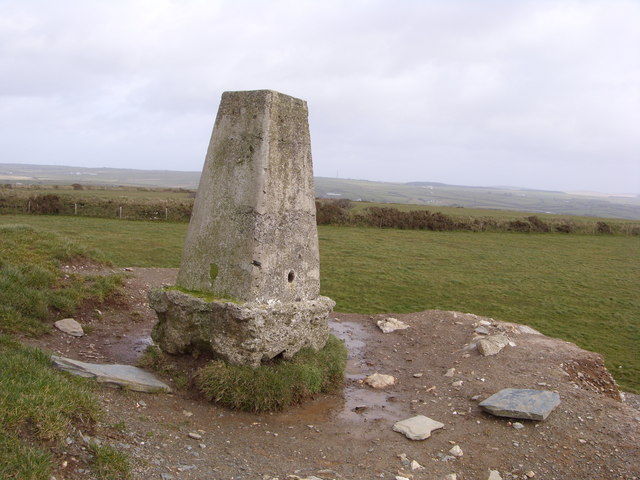
Tintagel parish's highest point, where an unexcavated Bronze Age barrow: roughly 2500–800 BC, when metalworking spread, and a prehistoric burial mo…
Fortified place · Medieval
County Armagh
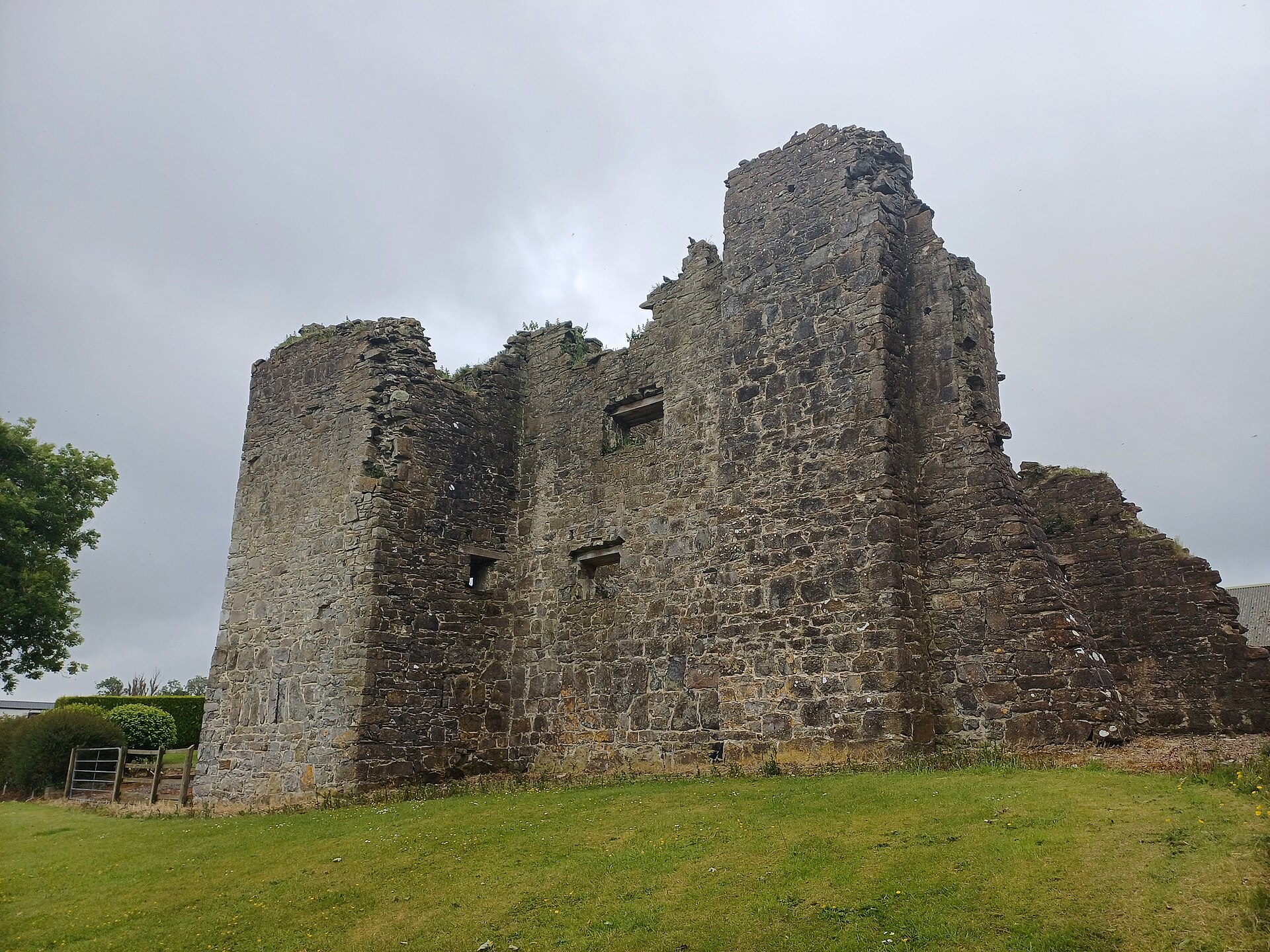
Creevekeeran Castle preserves a rare three-storey wall on a rocky County Armagh outcrop, a protected fragment whose survival defines the site.
Fortified place · Medieval
Fermanagh
Crevenish Castle is a rare Plantation-period Fermanagh house-and-bawn whose brief history traces settler ambition, rebellion-era transfer and rapid…
No places match those filters.

.jpg?width=800)




















.jpg?width=800)