
Fortified place · Iron Age
Cadson Bury
Cornwall
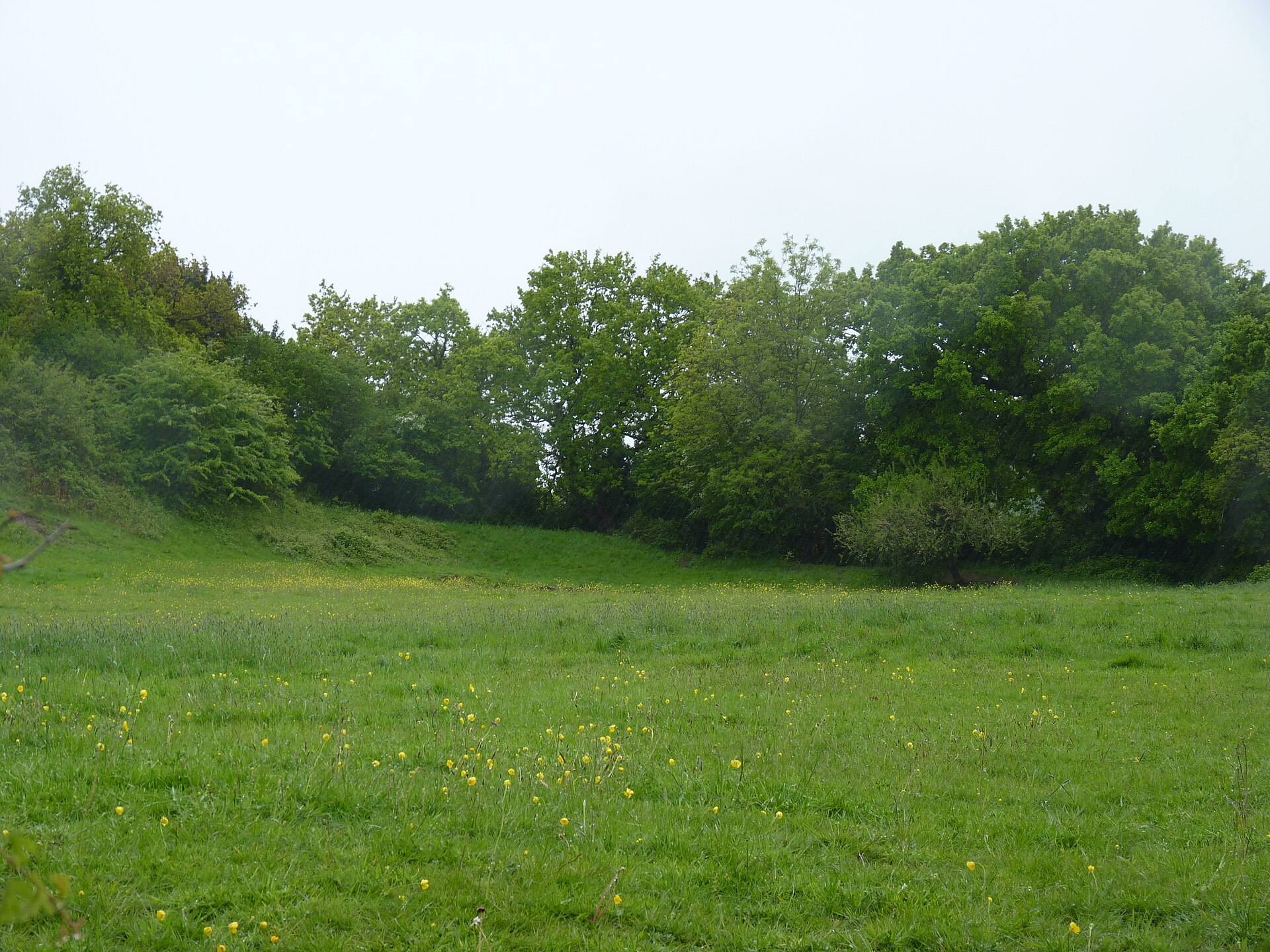
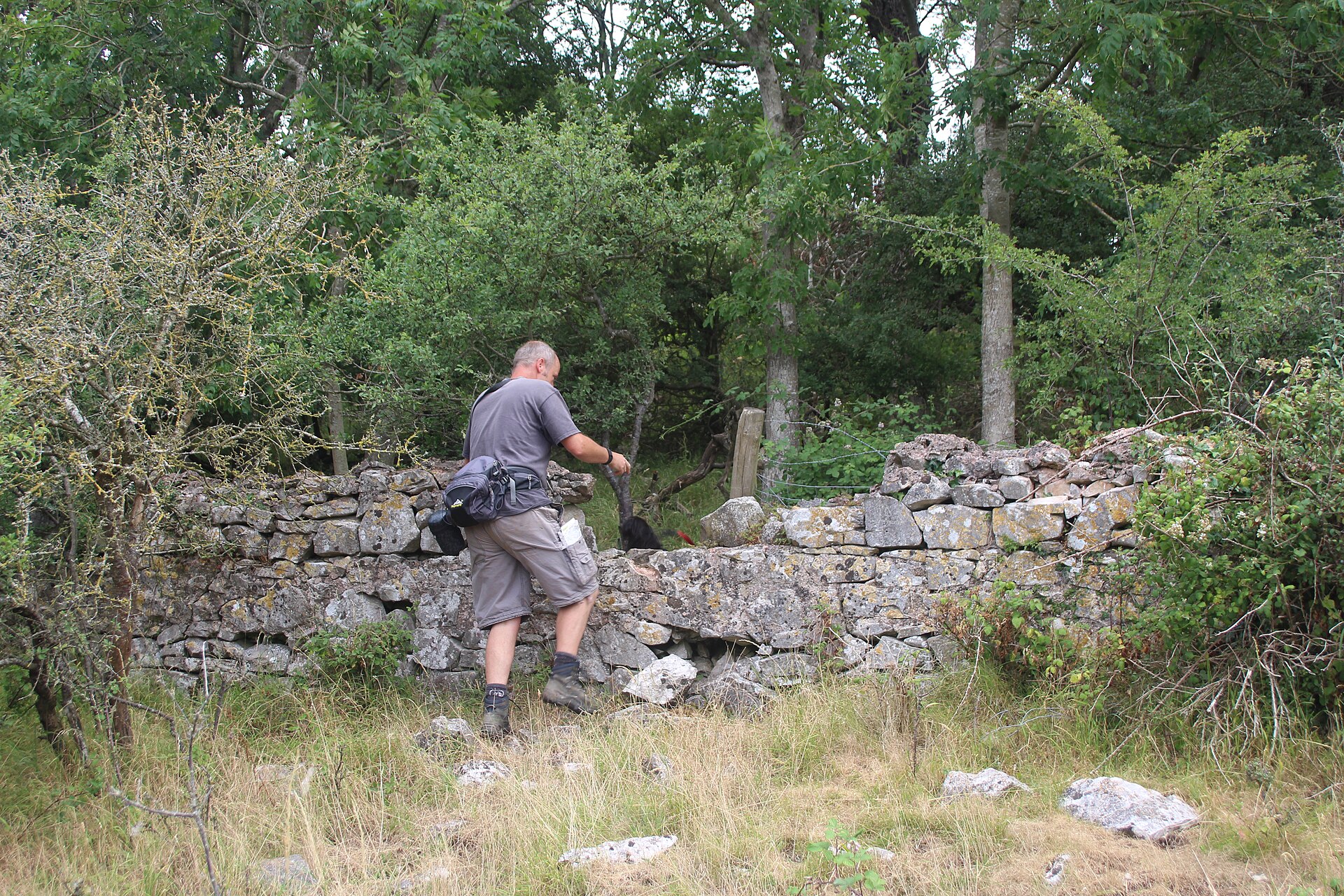
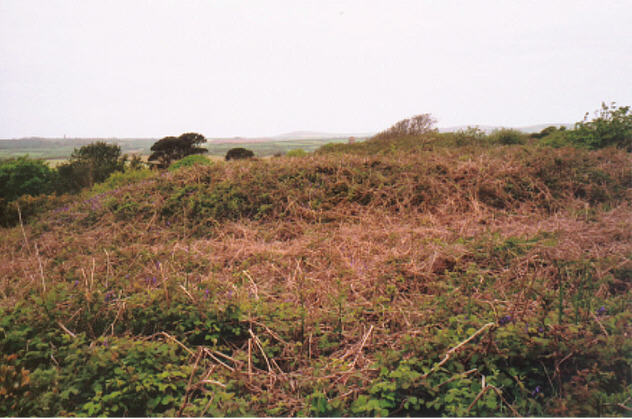
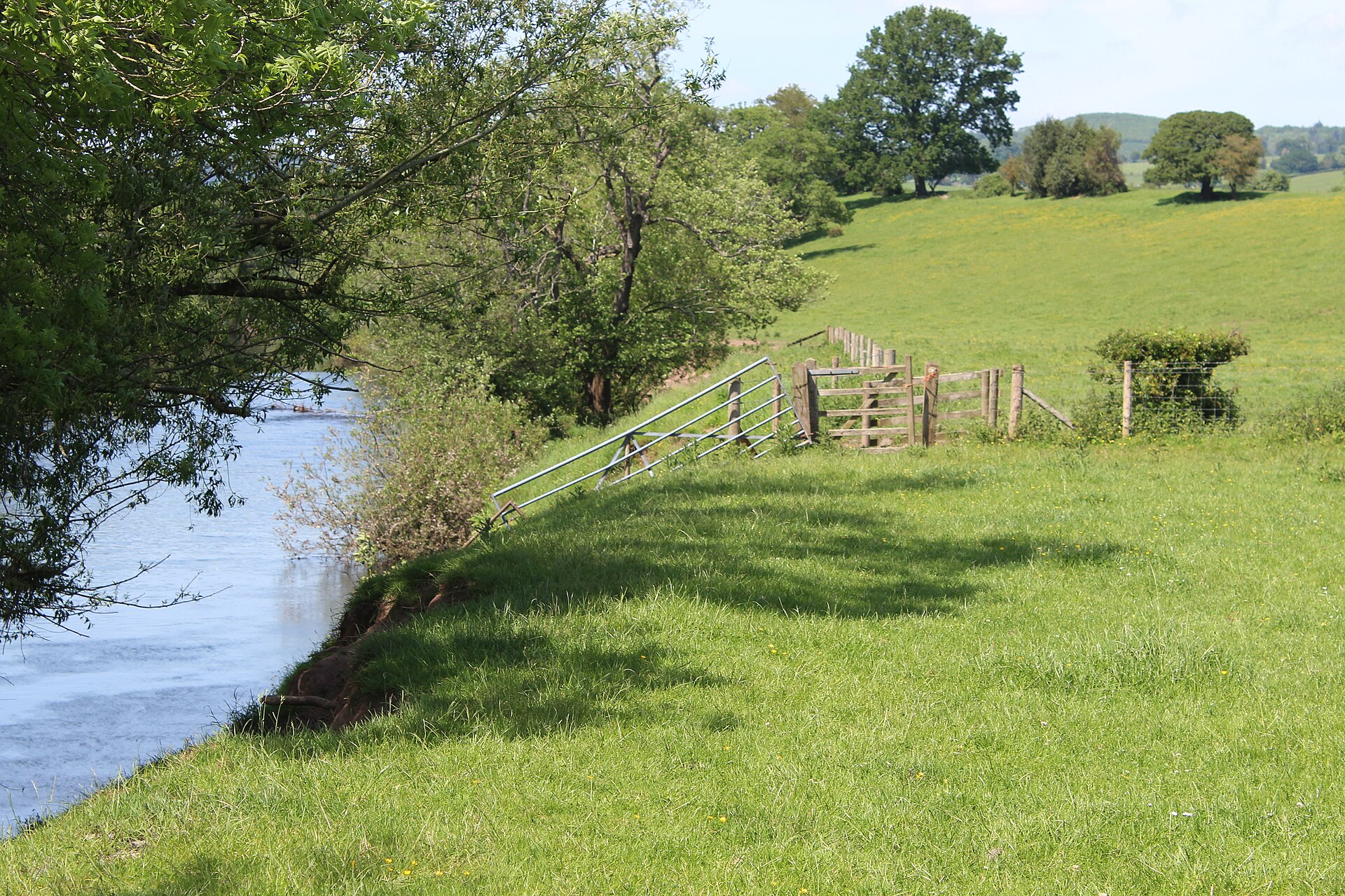
A single bank and ditch ringing 2.5 hectares above the Lynher, with opposed entrances east and west and not one house platform visible inside it.
- Near Penzance
- Some walking
By type
Page 5 of 21.
Search and filters apply to these 100 places.
Fortified place · Iron Age
Cornwall
A single bank and ditch ringing 2.5 hectares above the Lynher, with opposed entrances east and west and not one house platform visible inside it.
Fortified place · Iron Age
Conwy
A small, little-investigated hillfort: a defended hilltop settlement of the Iron Age: above the Conwy valley whose double defences still hold the p…
Fortified place · Iron Age
Cornwall
The inner wall of Caer Bran was once a circular stone-lined rampart (a defensive embankment ringing the site) twelve feet thick, enclosing a space…
Fortified place · Iron Age
Shropshire
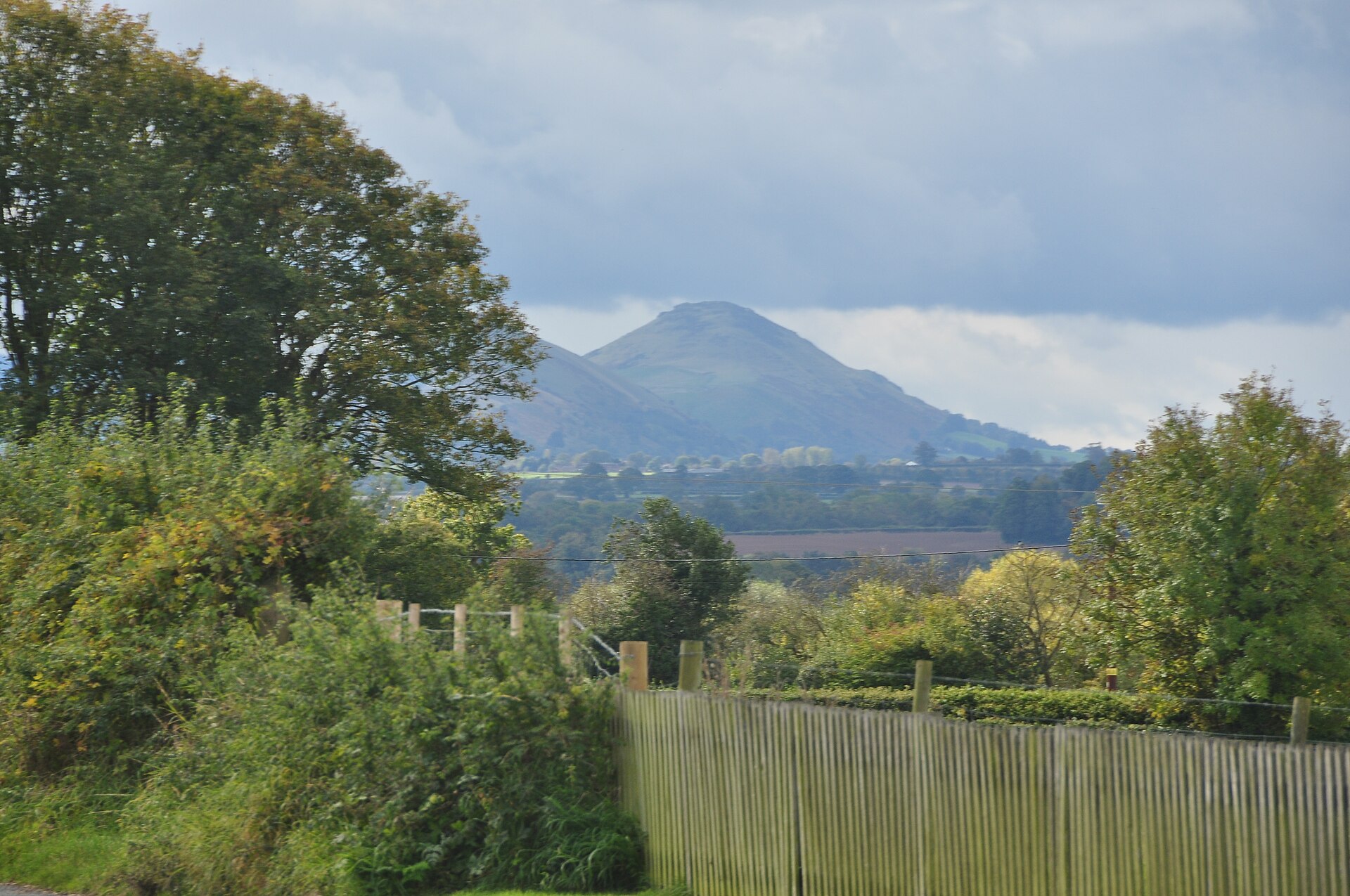
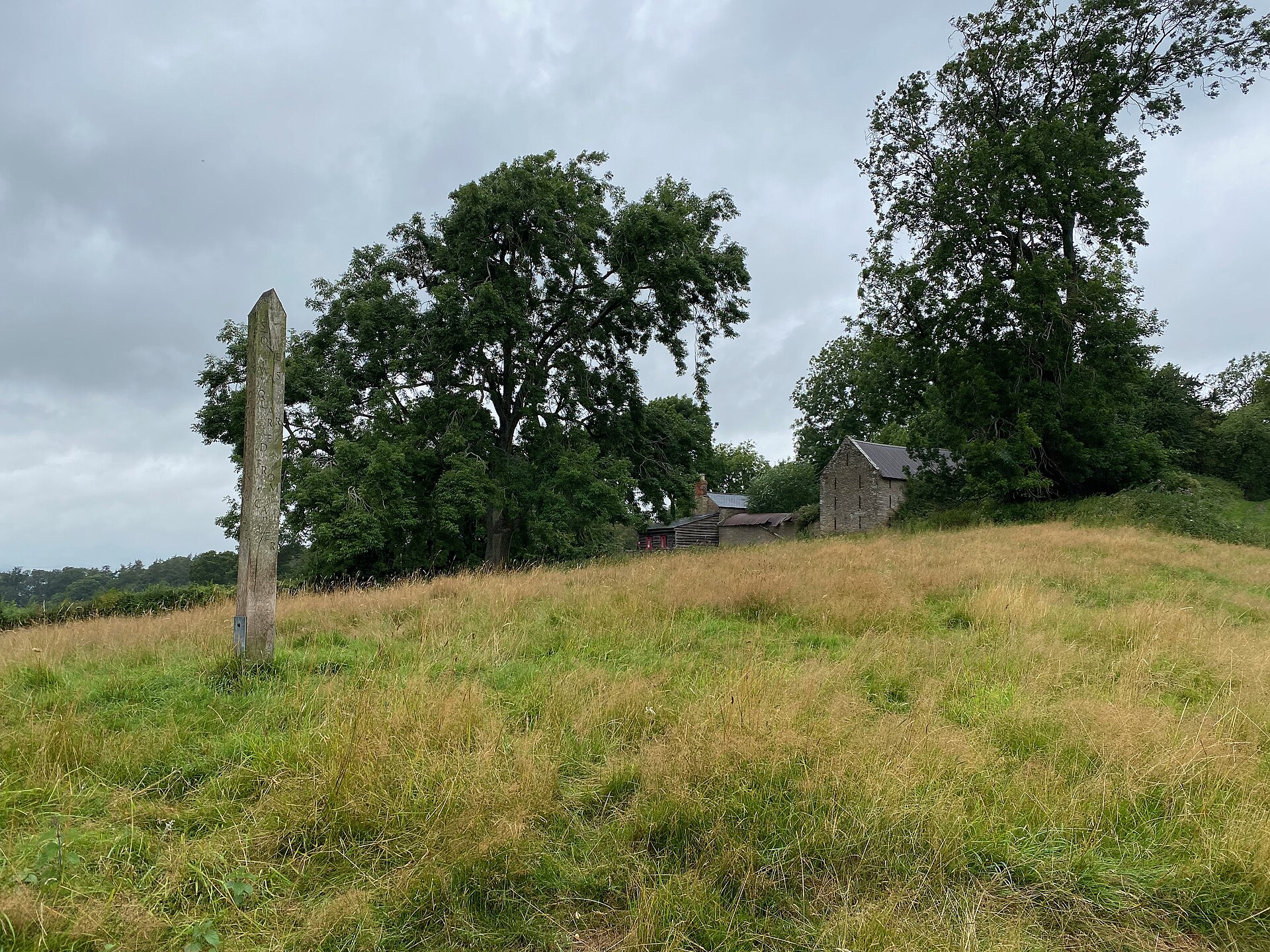
A hill above Church Stretton, named for Caradog and distinct from the fort near Bucknell.
Fortified place · Iron Age
shropshire
Two Shropshire hillforts sixteen miles apart carry this name, and both are claimed as the site of Caratacus's last battle against Rome.
Fortified place · Medieval
Cardiff
A nine-metre earthen mound still rises inside a working school's grounds, one of the few Norman-period defences to survive Cardiff's expansion larg…
Fortified place · Iron Age
Denbighshire
A dry-stone rampart (a defensive embankment ringing the site) nearly three hectares in extent, still remembered as the muster point where Owain Gly…
Fortified place · Iron Age
Gwynedd
Caer Euni is a compact, expanded Iron Age hillfort: a settlement defended by banks and ditches on high ground from roughly 800 BC until the Roman c…
Fortified place · Roman
Isle of Anglesey
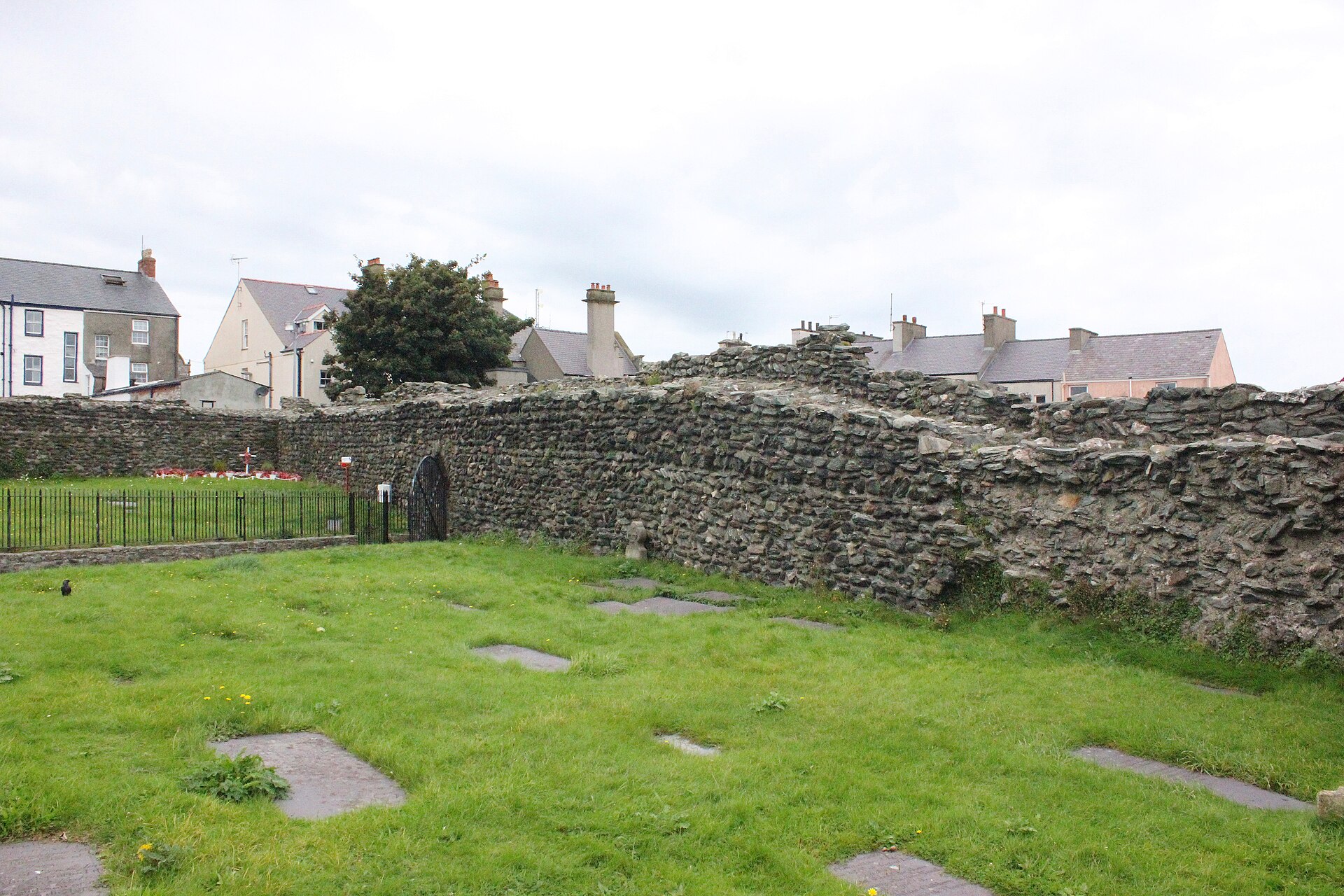
Caer Gybi is a rare Roman coastal fortlet at Holyhead whose substantial walls were reused for St Cybi’s monastery, linking late Roman defence with…
Fortified place · Roman
isle-of-anglesey
A double-banked enclosure on marshy ground west of Brynsiencyn where an 1865 dig found a Roman coin, a bronze brooch and Samian pottery: and, above…
Fortified place · Iron Age
isle-of-anglesey
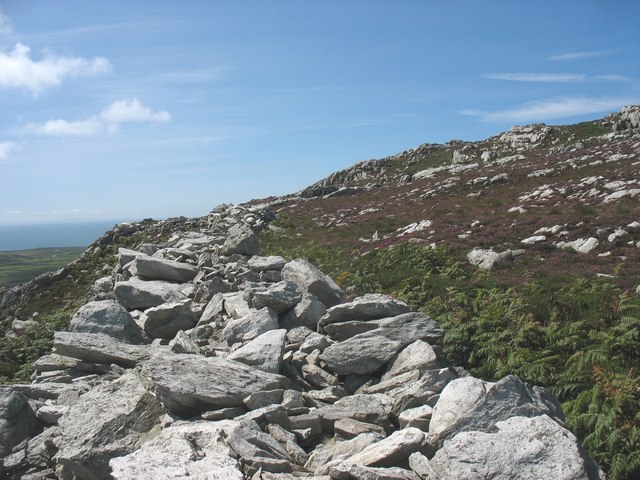
An Iron Age hillfort on the summit of Holyhead Mountain whose ruined ramparts still stand three metres high, with the footings of a later tower: a…
Fortified place · Iron Age
Cardiff
A ruined medieval church and an unrecorded castle mound sit inside the ramparts, three layers of settlement stacked on one Cardiff ridge.
Fortified place · Prehistoric
Flintshire
The last castle built by a Welsh ruler before the conquest of 1282, it changed hands from Dafydd ap Gruffydd to an English queen within six years,…
Fortified place · Medieval
Dumfries and Galloway
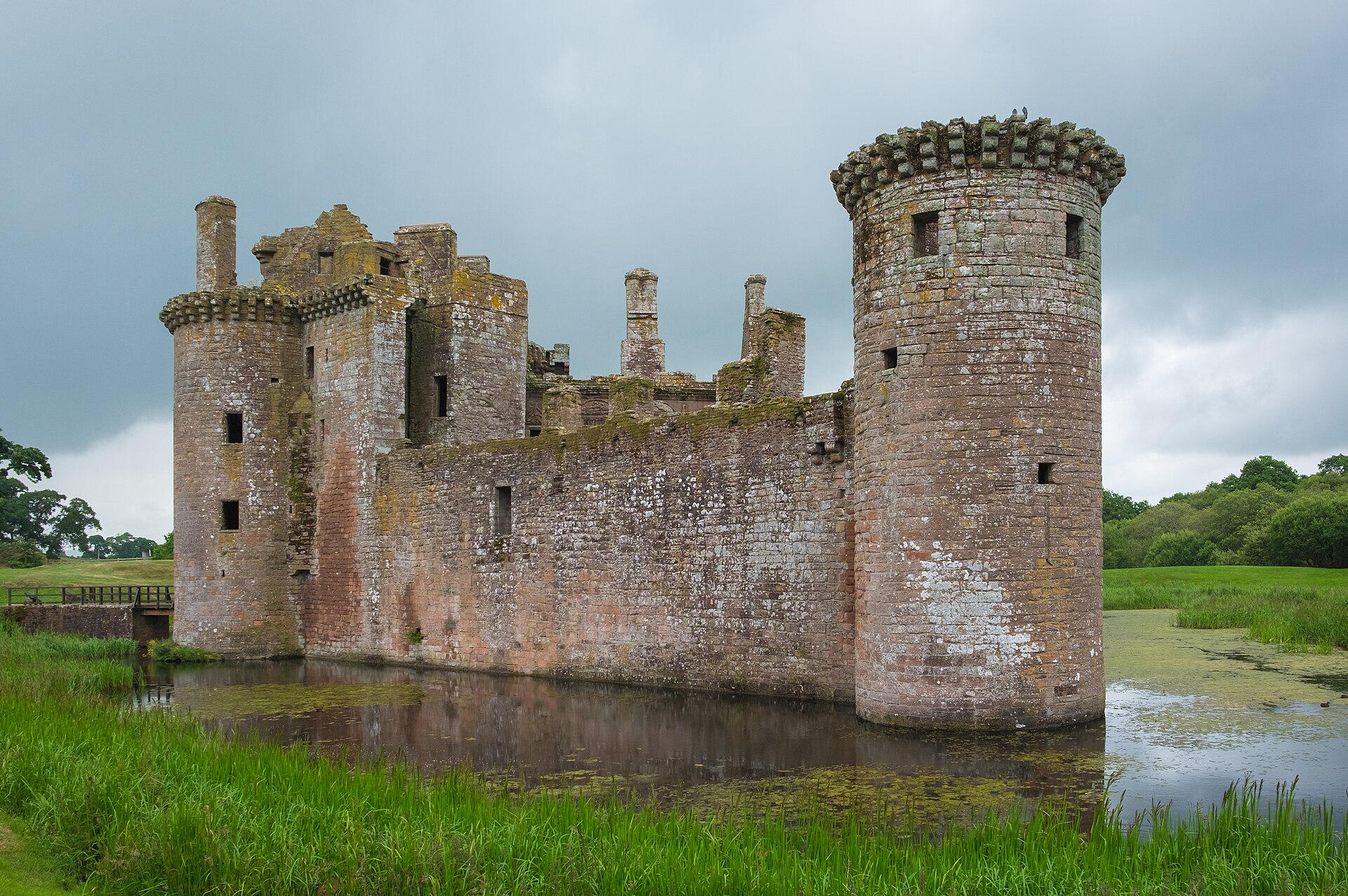
Caerlaverock is the UK’s only triangular castle, retaining a moat, great gatehouse and Renaissance lodging amid a history of sieges, rebuilding and…
Fortified place · Roman
Newport
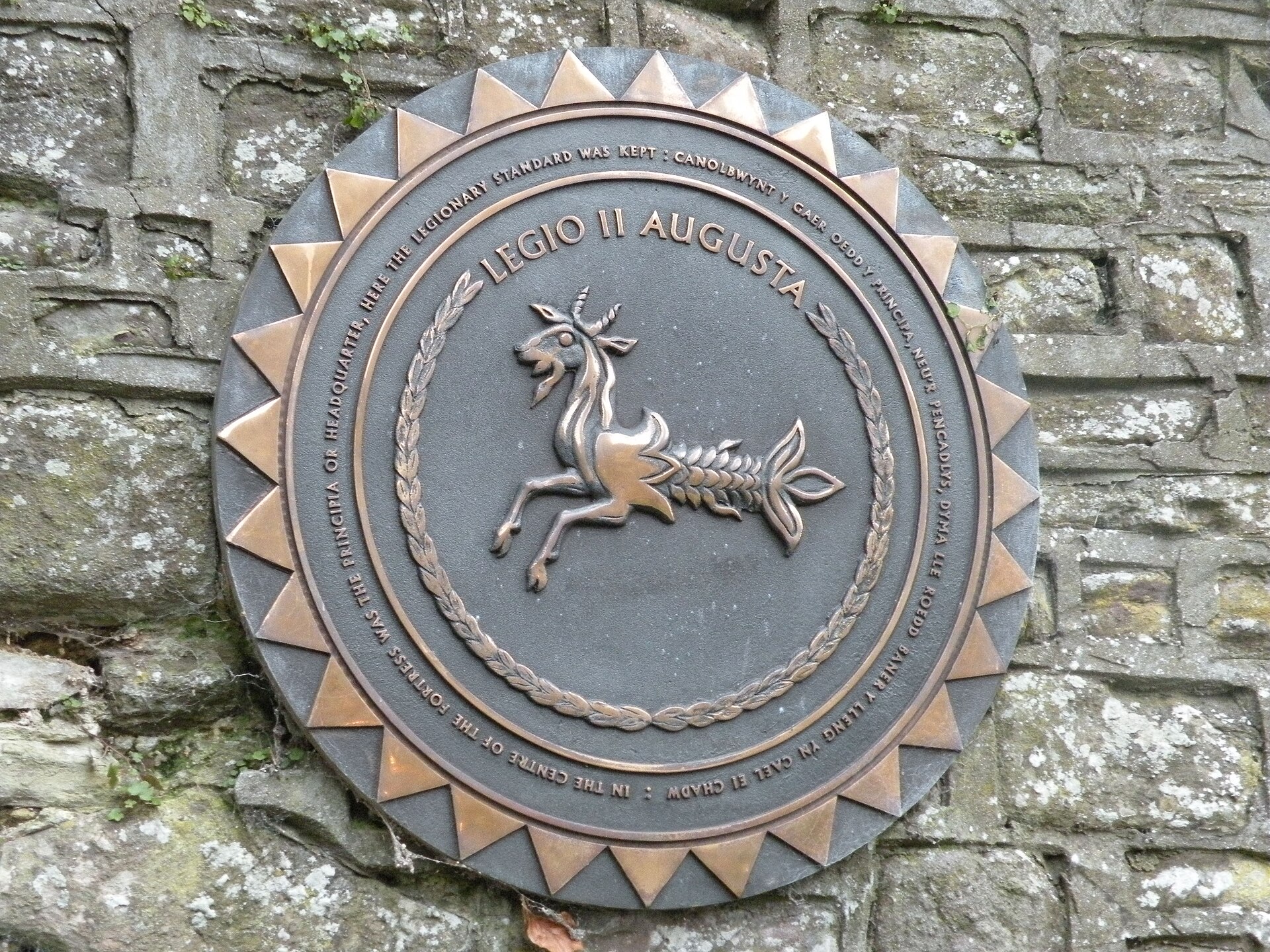
Caerleon is one of only three permanent legionary fortresses in Roman Britain, with unusually accessible remains of its baths, amphitheatre and bar…
Fortified place · Medieval
Gwynedd
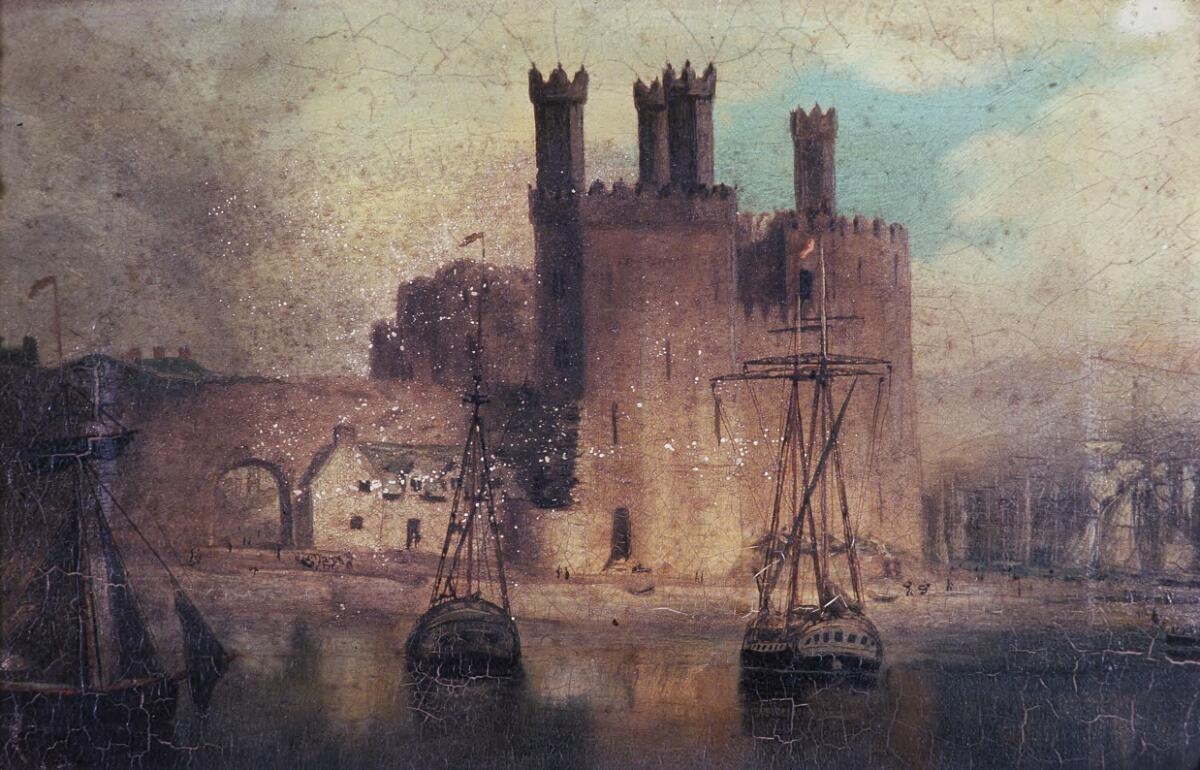
Caernarfon Castle is Edward I’s monumental administrative fortress in north Wales, a deliberately Roman-imperial design whose defences, unfinished…
Fortified place · Medieval
Gwynedd
Caernarfon’s town walls are an unusually intact Edwardian circuit, built with the castle to establish a new administrative capital and still defini…
Fortified place · Medieval
Caerphilly
Britain's first concentric castle, ringed by artificial lakes so elaborate one historian called them the most sophisticated water defences in the c…
Fortified place · Iron Age
Berkshire
A mile-long rampart shaped like an oak leaf, built by hand on ground too poor to farm: one of the largest hillforts in southern England, sustained…
Fortified place · Iron Age
Surrey
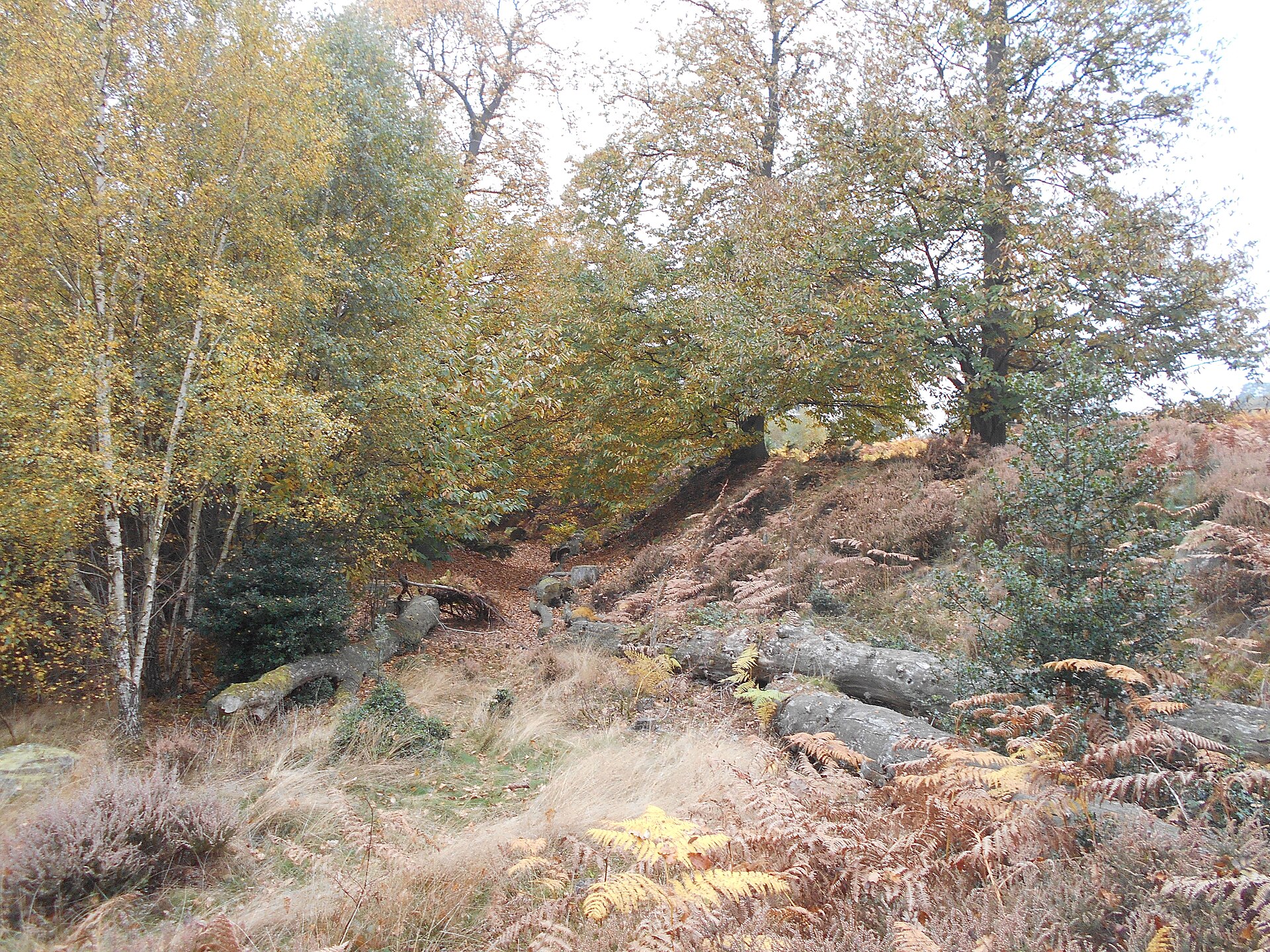
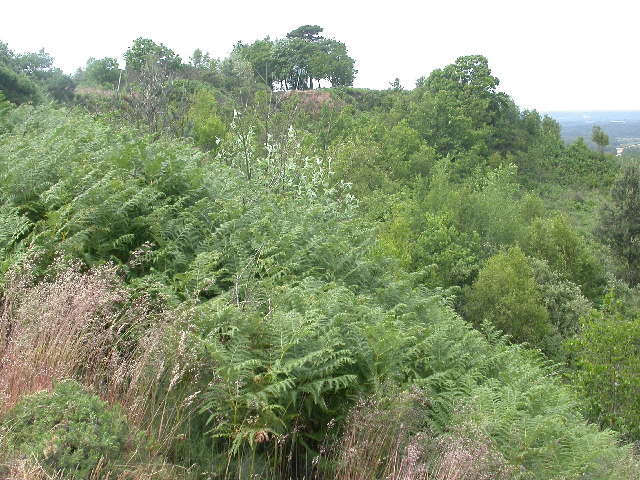
One of the largest multivallate hillforts in southern England, its Iron Age (roughly 800 BC until the Roman conquest) ramparts were later reused wh…
Fortified place · Medieval
County Mayo
Taken into Irish state care in 1918, this Mayo tower house survives today chiefly as a protected National Monument, its stone walls the last clear…
Fortified place · Medieval
County Tipperary
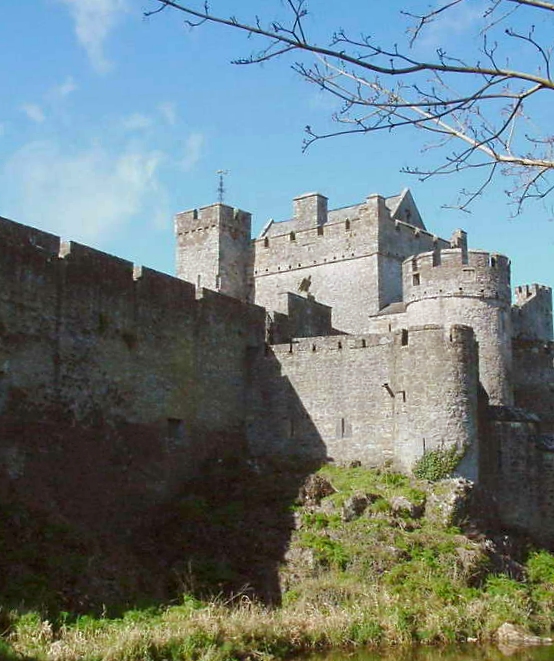
One of the largest castles in Ireland, built on a river island where a stone-fort name, a royal siege, a notorious murder trial and a Cromwellian s…
Fortified place · Medieval
Bedfordshire
Its entire village died with the Black Death in 1348, then lay forgotten until 20th-century excavation uncovered the earthworks of a Norman motte,…
Fortified place · Medieval
Aberdeenshire
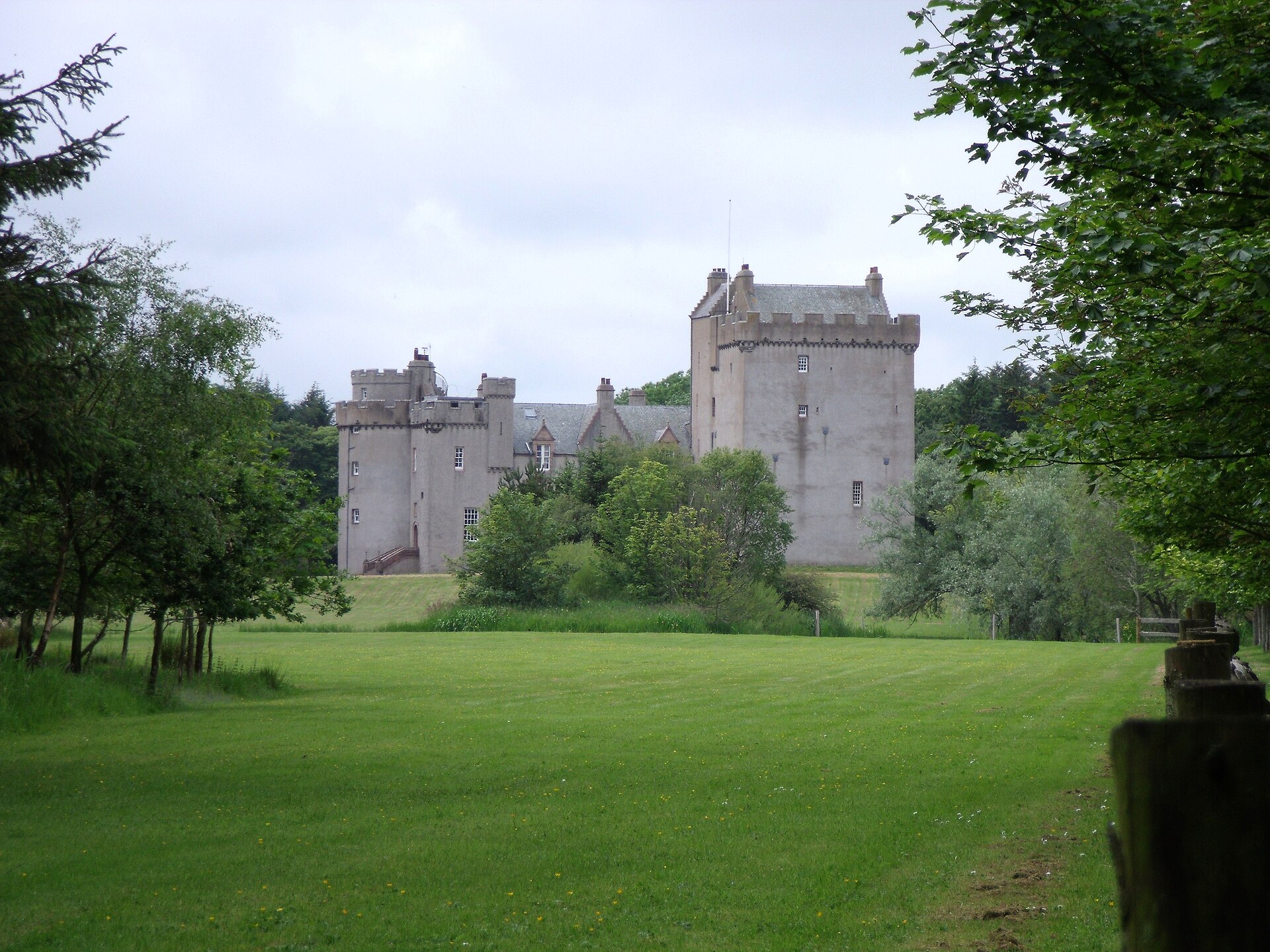
One of nine strongholds historian W. Douglas Simpson grouped as the castles of the Knuckle, Aberdeenshire's rocky north-east headland, and still he…
Fortified place · Medieval
Argyll and Bute
A single fortress split across two separate islets in the Treshnish Isles, held in turn by the heirs of Somerled and the Macleans of Duart for over…
Fortified place · Iron Age
Highland
A drystone tower still rising over its own five-step internal stair and a triangular lintel massive enough to have never needed a keystone.
Fortified place · Medieval
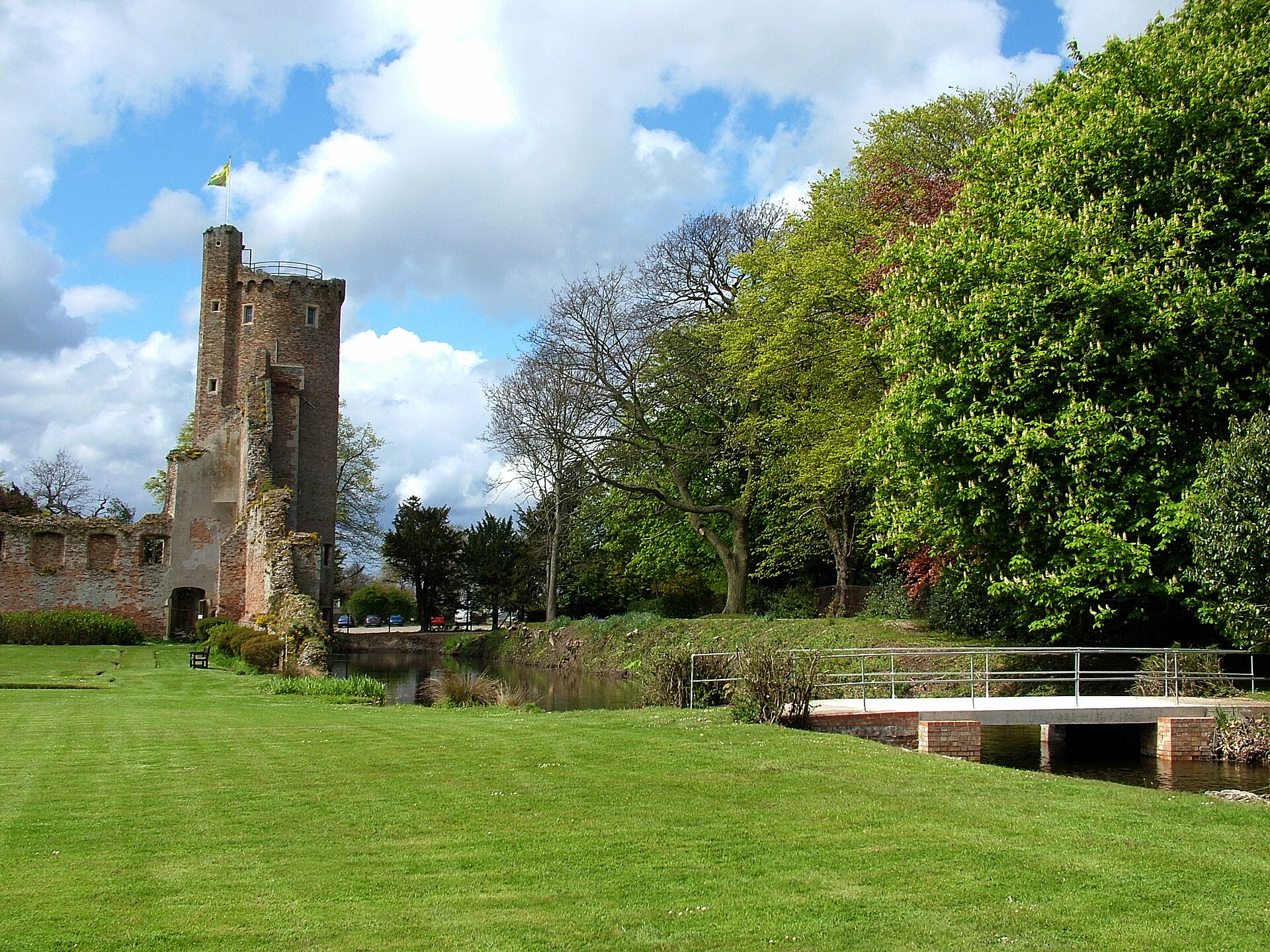
Norfolk
Caister Castle is a rare fifteenth-century moated castle whose Fastolf and Paston ownership stories, 1469 siege and rich documentary record in the…
Fortified place · Medieval
Monmouthshire
A Norman stronghold rebuilt by the king's own uncle in the 1380s, then rescued from farmyard ruin by a Victorian family who filled its towers with…
Fortified place · Medieval
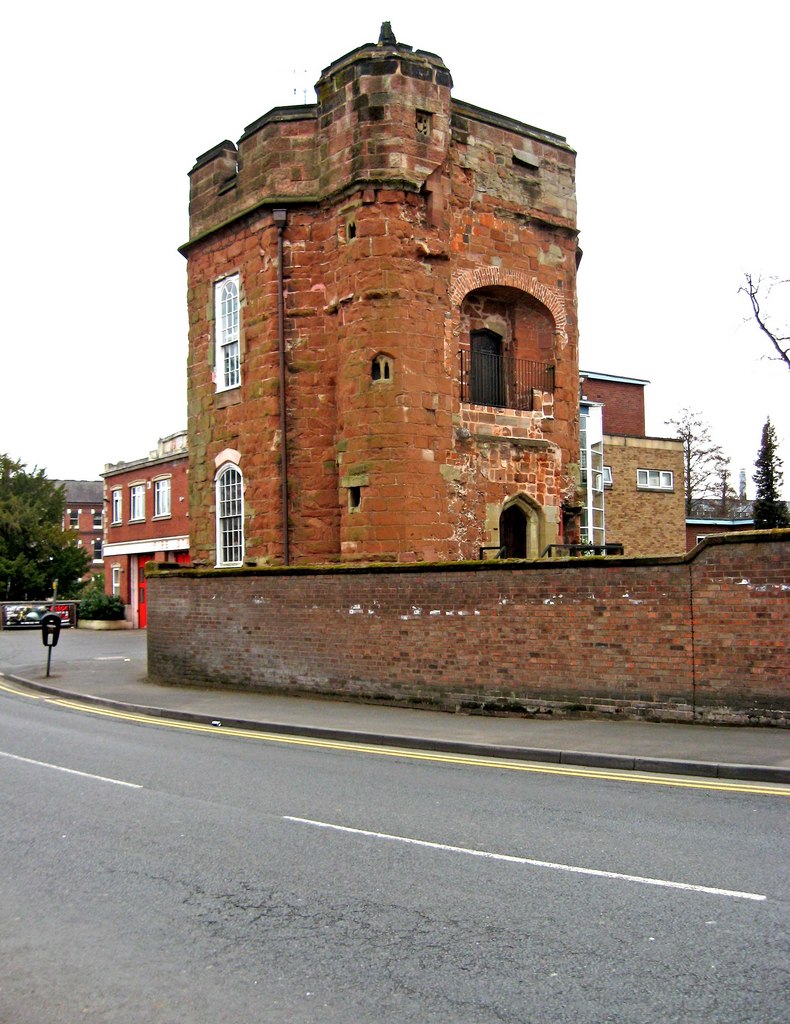
Worcestershire
One tower is all that survives of a courtyard castle once laid out like Stokesay in Shropshire: four towers around a yard, now reduced to a single…
Fortified place · Prehistoric
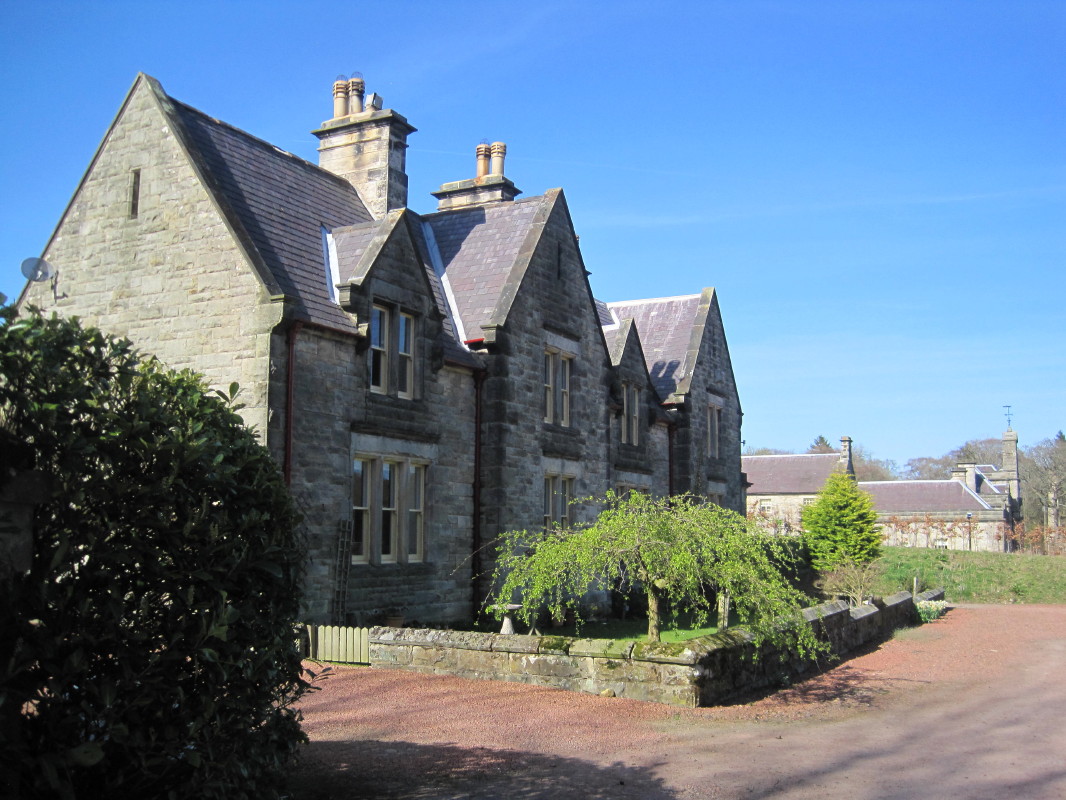
Northumberland
Callaly Castle layers a medieval pele tower within a long-evolving country house, revealing how Northumberland’s defensive residences were transfor…
Fortified place · Medieval
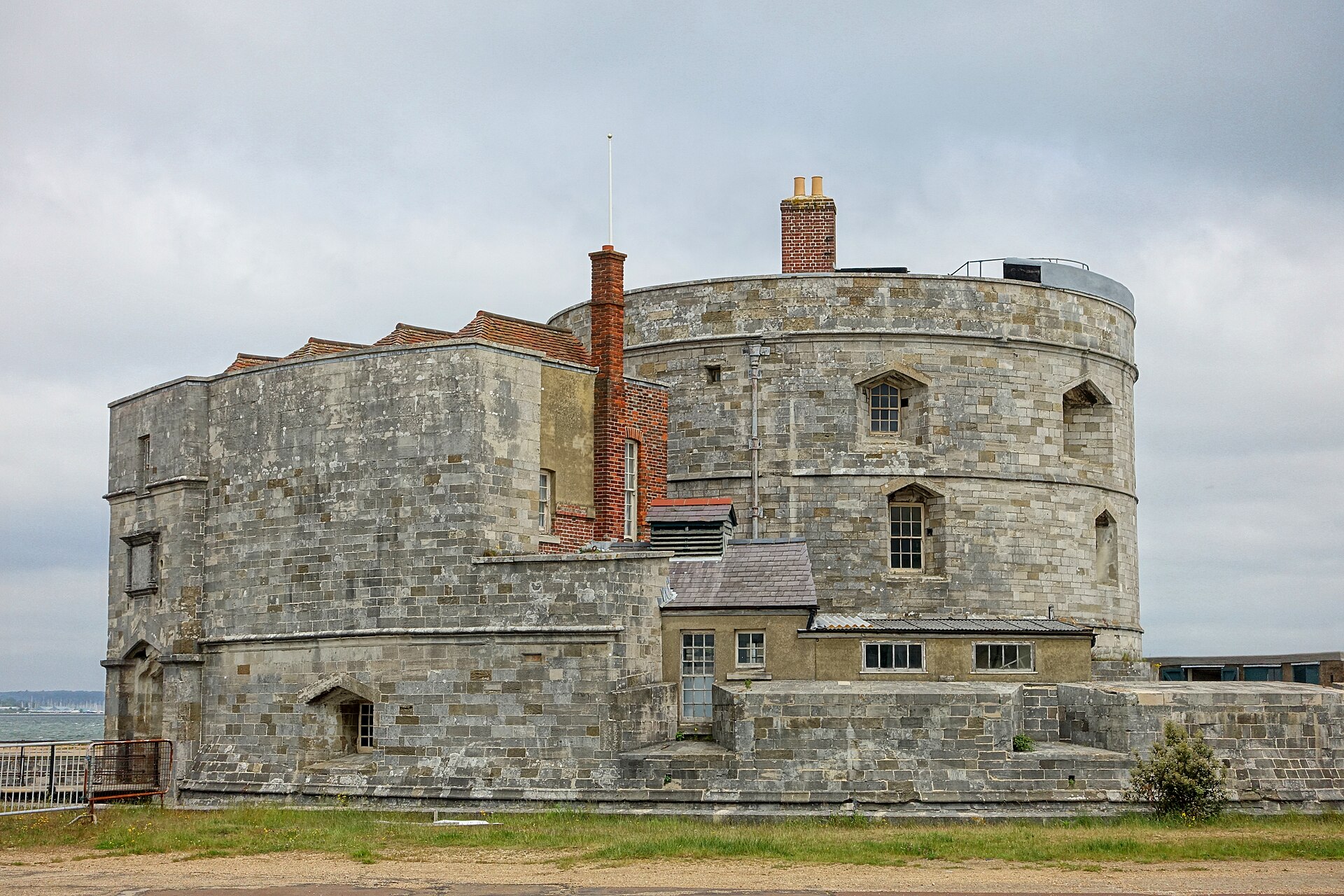
Hampshire
One of Henry VIII's Device Forts still standing almost exactly where the Tudor navy needed it, later reinvented three times over: as a smuggling wa…
Fortified place · Medieval
West Midlands
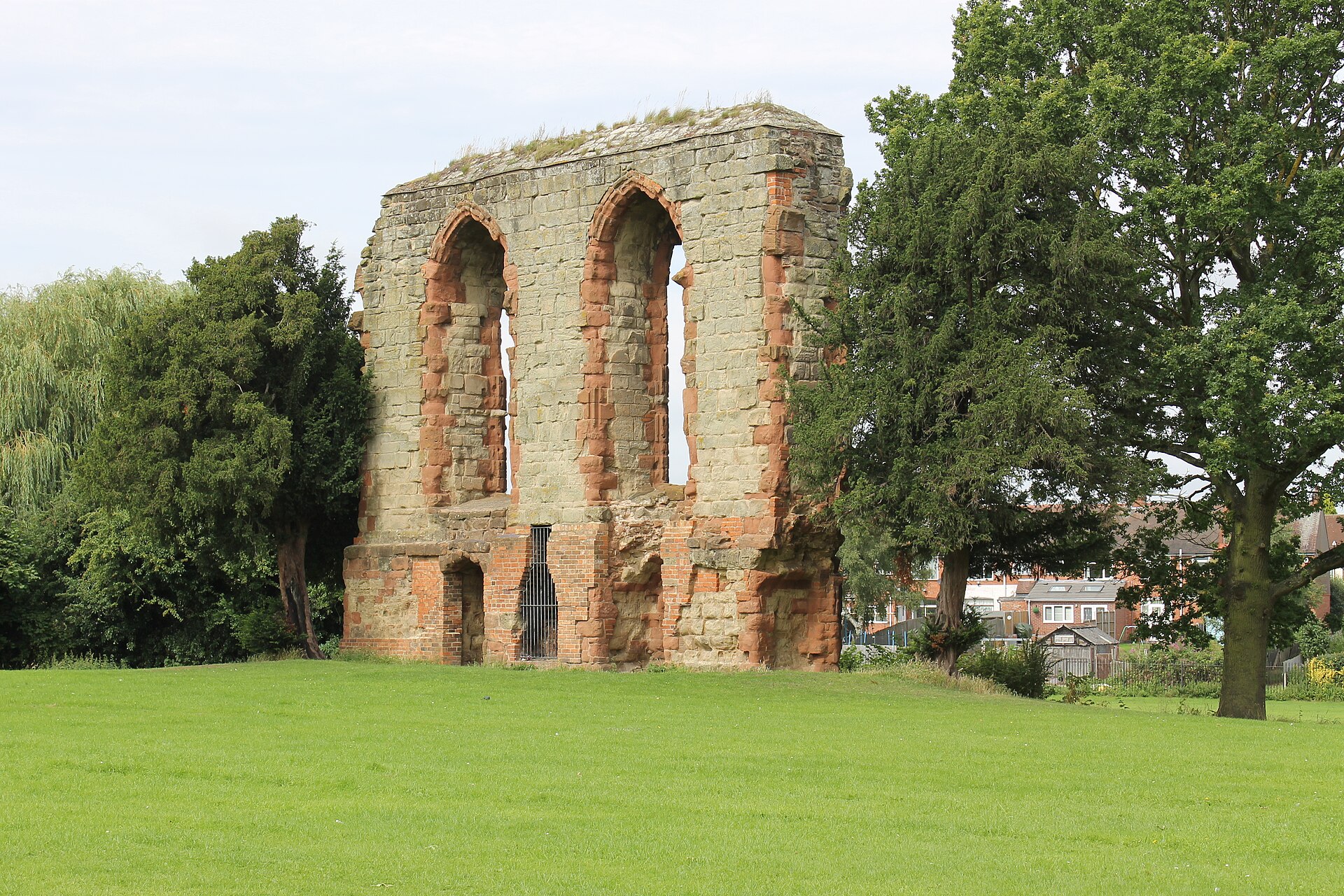
One large fragment of sandstone wall is all that is left of a house restyled as a castle in 1305 and held by the Mowbrays until 1481.
Fortified place · Medieval
Outer Hebrides
A ruined castle occupies a small islet off the island of Calbhaigh, at the eastern approaches to Loch Boisdale on South Uist, reached only by a cau…
Fortified place · Medieval
East Sussex
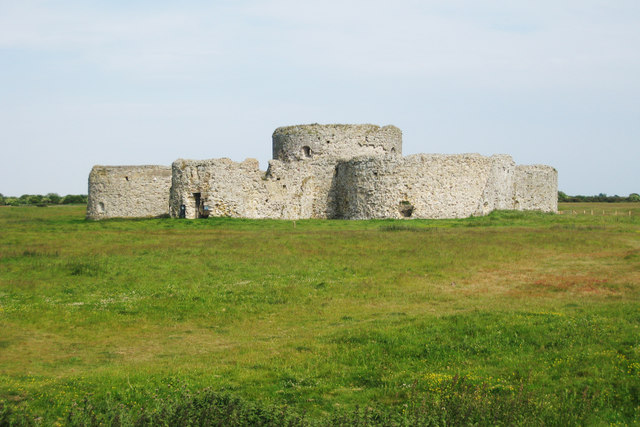
A Device Fort built by Henry VIII that was already obsolete before it was finished, then left stranded a mile inland as the sea it was built to gua…
Fortified place · Medieval
Cambridgeshire
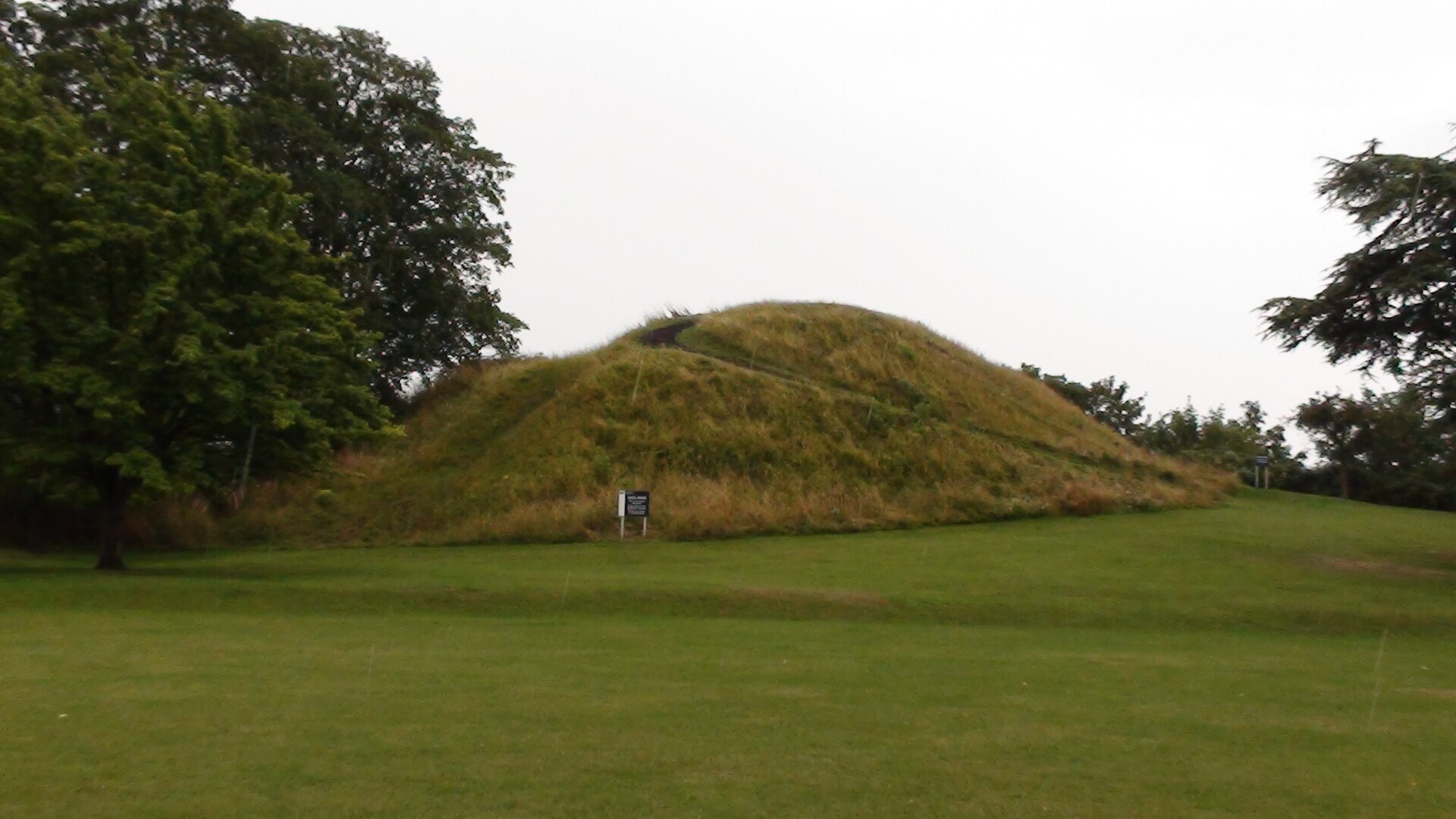
A single earthen mound on the city's highest ground is all that survives of a royal fortress that Edward I once rebuilt at a cost topping £2,630 in…
Fortified place · Medieval
Bridgend
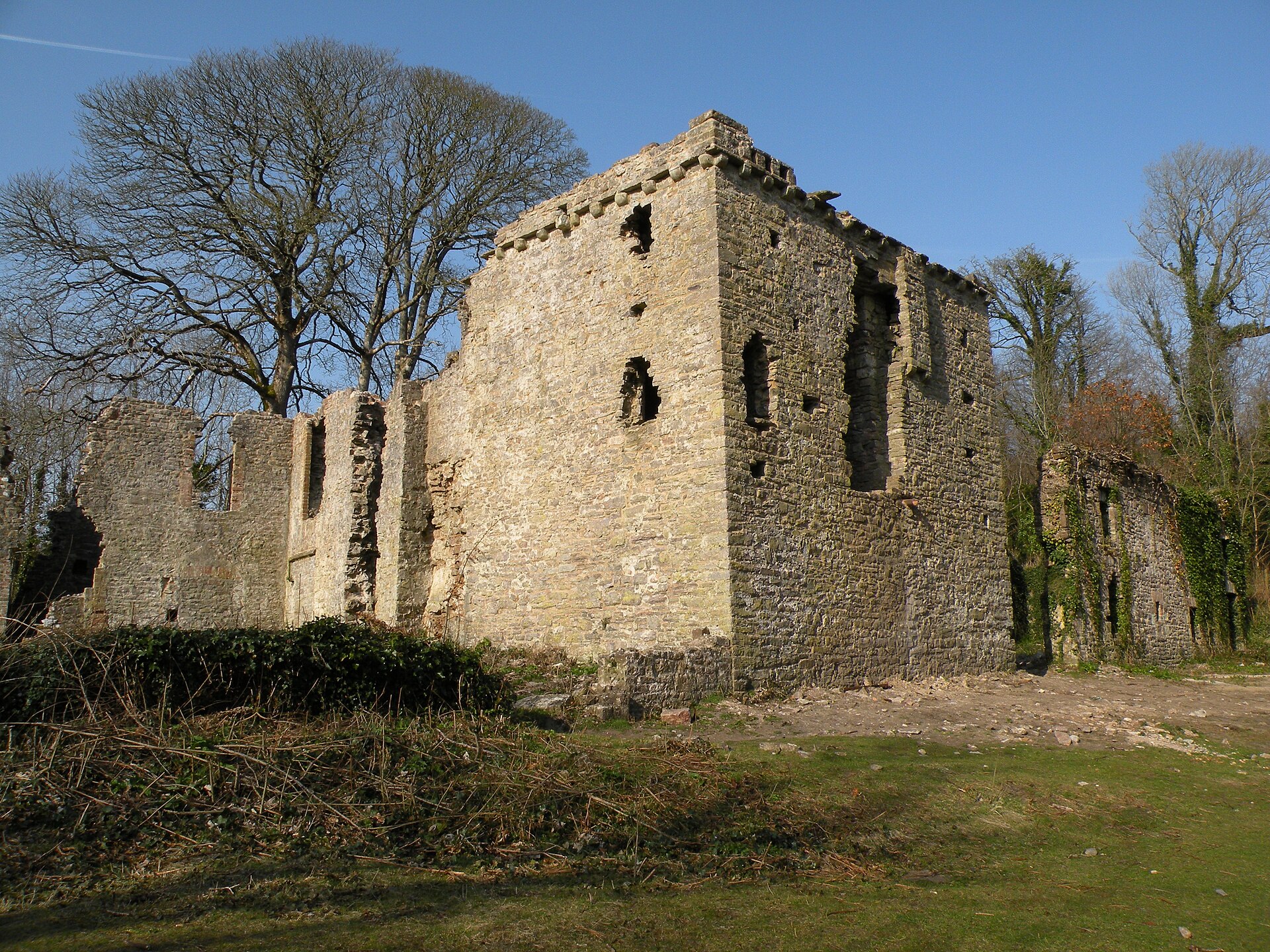
A fortified manor abandoned to the sand, spared the fate of neighbouring Kenfig Castle only by the extra few feet of ground it happened to stand on.
Fortified place · Iron Age
Somerset
A hilltop held through the Bronze Age, roughly 2500-800 BC, and the Iron Age, from about 800 BC until the Romans came - argued over as the site of…
Fortified place · Medieval
Kent
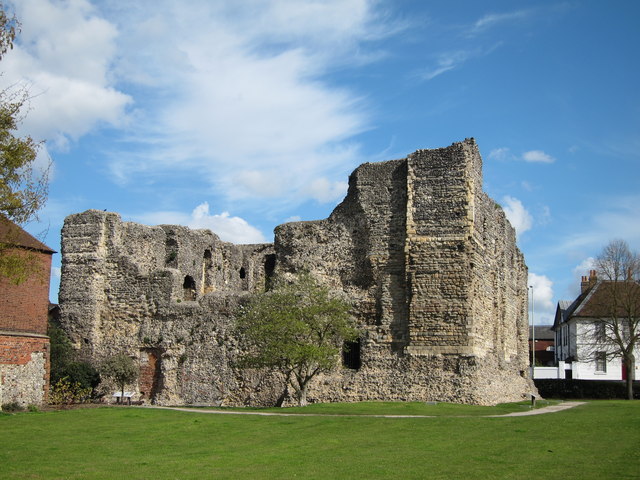
Canterbury Castle is a major Norman royal stronghold on the Dover–London road, whose Henry I keep, later jail use and industrial damage preserve th…
Fortified place · Iron Age
Herefordshire
Its Domesday-era name records it as a lookout post above the Wye: a purpose the double ramparts still make obvious a thousand years on.
Fortified place · Medieval
Cornwall
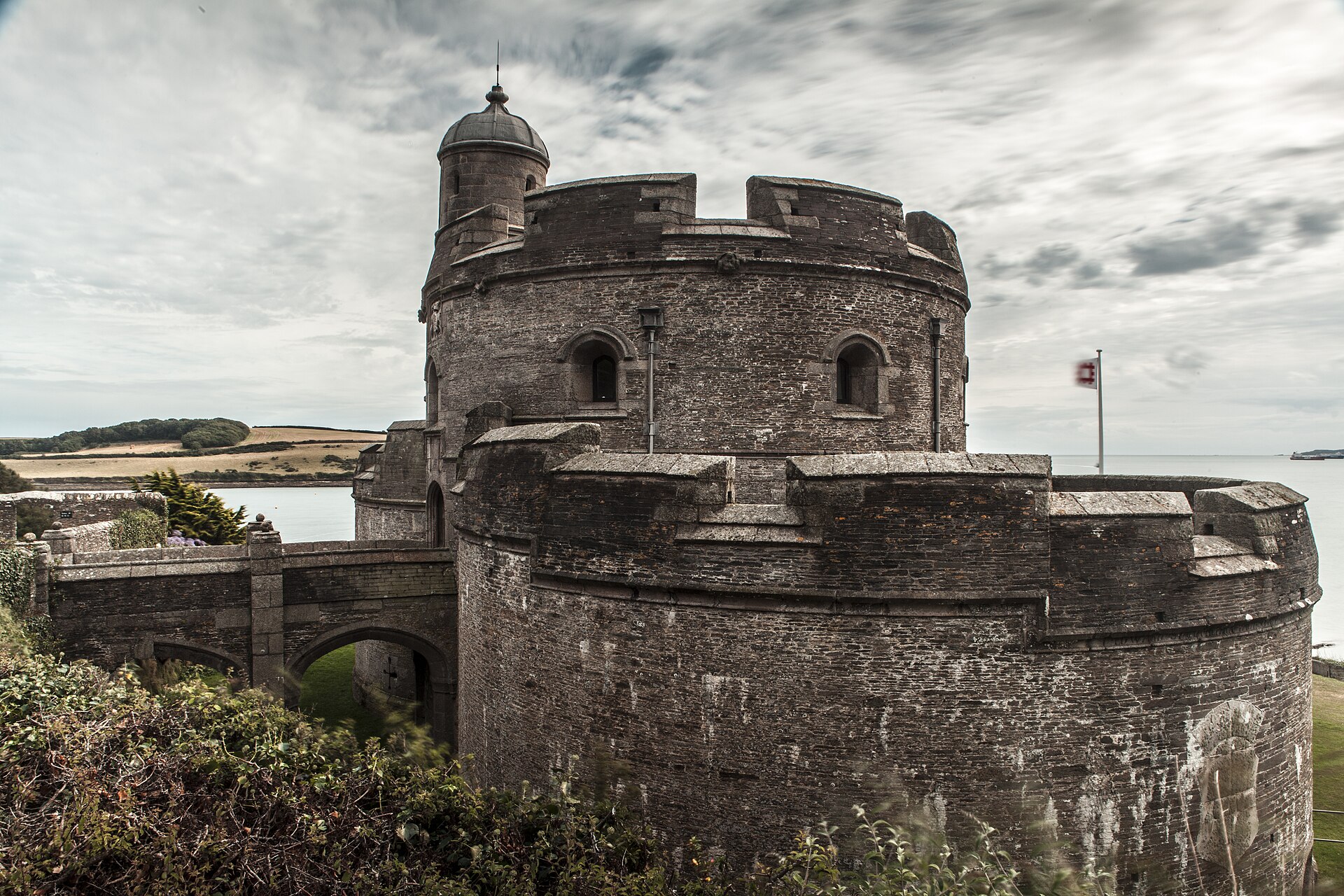
St Mawes pairs an unusually ornate Henrician clover-leaf artillery fort with Pendennis across the Carrick Roads, showing how Tudor coastal defence…
Fortified place · Medieval
Cardiff
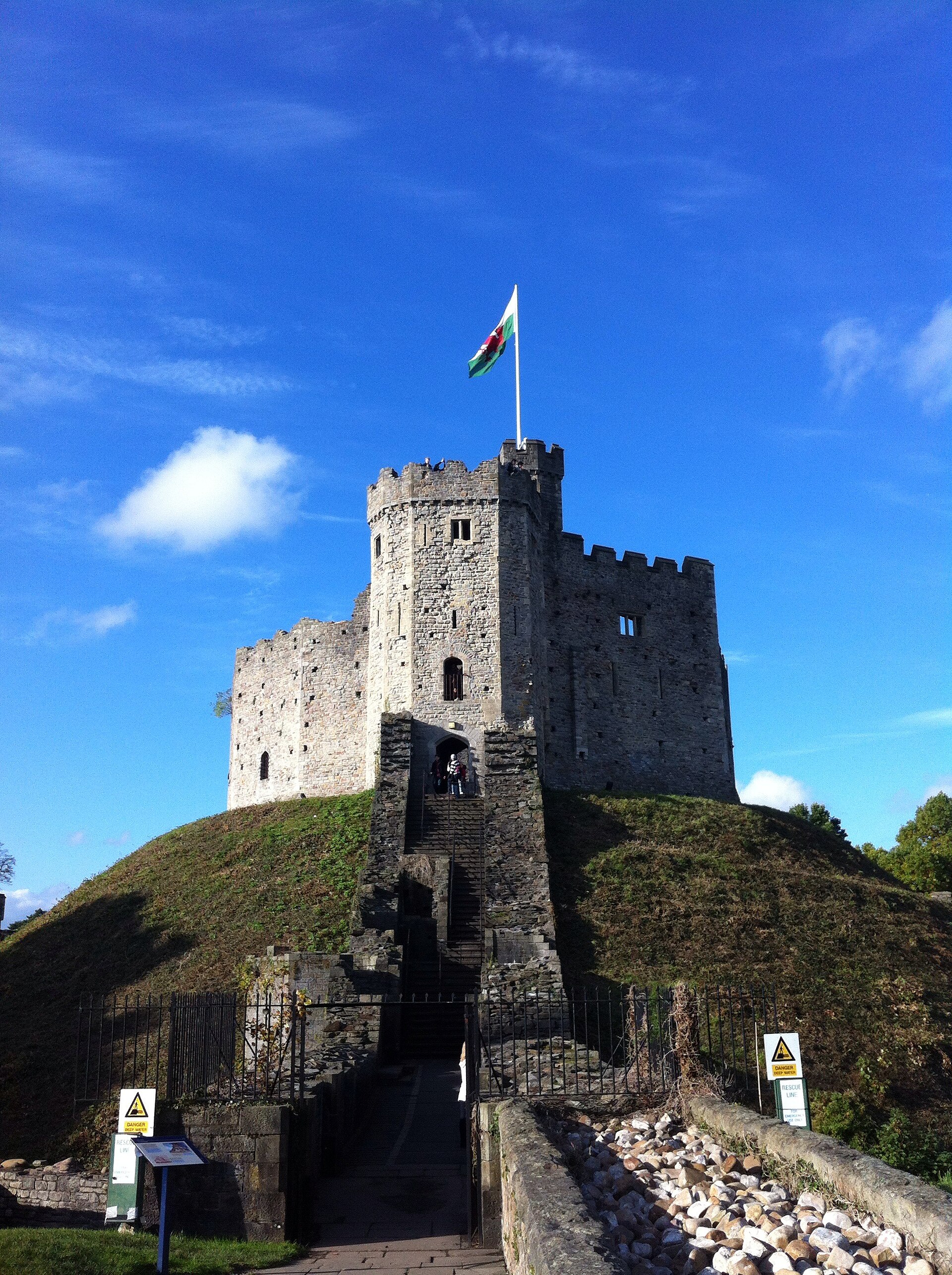
A Roman fort, a Norman motte (the earthen mound a castle was raised on) with the largest earth mound built anywhere in Wales, and a Victorian fanta…
Fortified place · Roman
Cardiff
Beneath the mock-medieval towers of Cardiff Castle lie the walls of a Roman fort whose original Latin name has never been settled. Candidates drawn…
Fortified place · Medieval
Ceredigion
A working medieval fortress became a private Regency house, then a near-ruin occupied by one woman for sixty years: until Cardigan itself brought i…
Fortified place · Medieval
Dumfries and Galloway
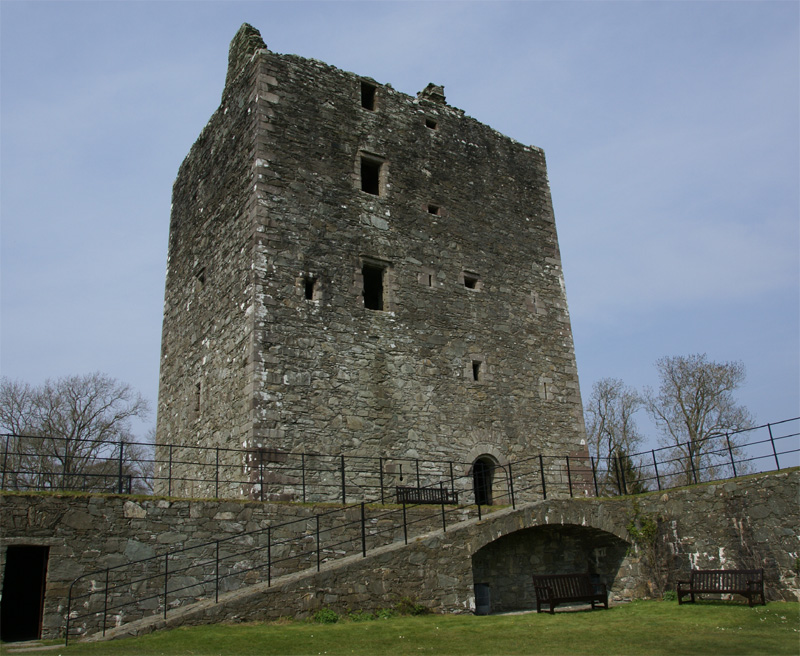
Cardoness Castle is a remarkably preserved fifteenth-century Galloway tower house whose MacCulloch history, Gordon feud and state protection make i…
Fortified place · Medieval
Pembrokeshire
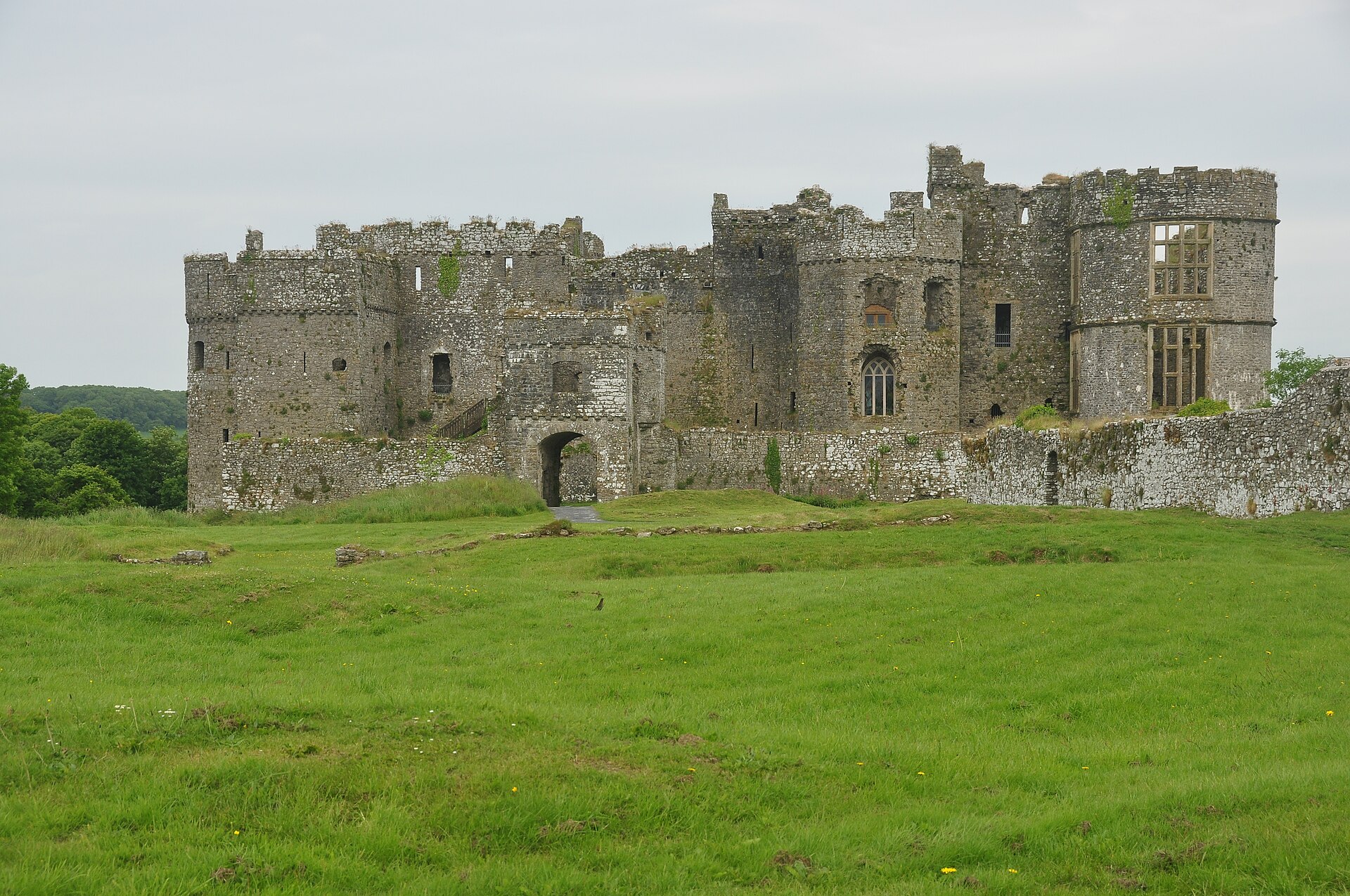
Walls of Carboniferous limestone rising above a tidal millpond, carrying more than nine centuries of building.
Fortified place · Medieval
Isle of Wight
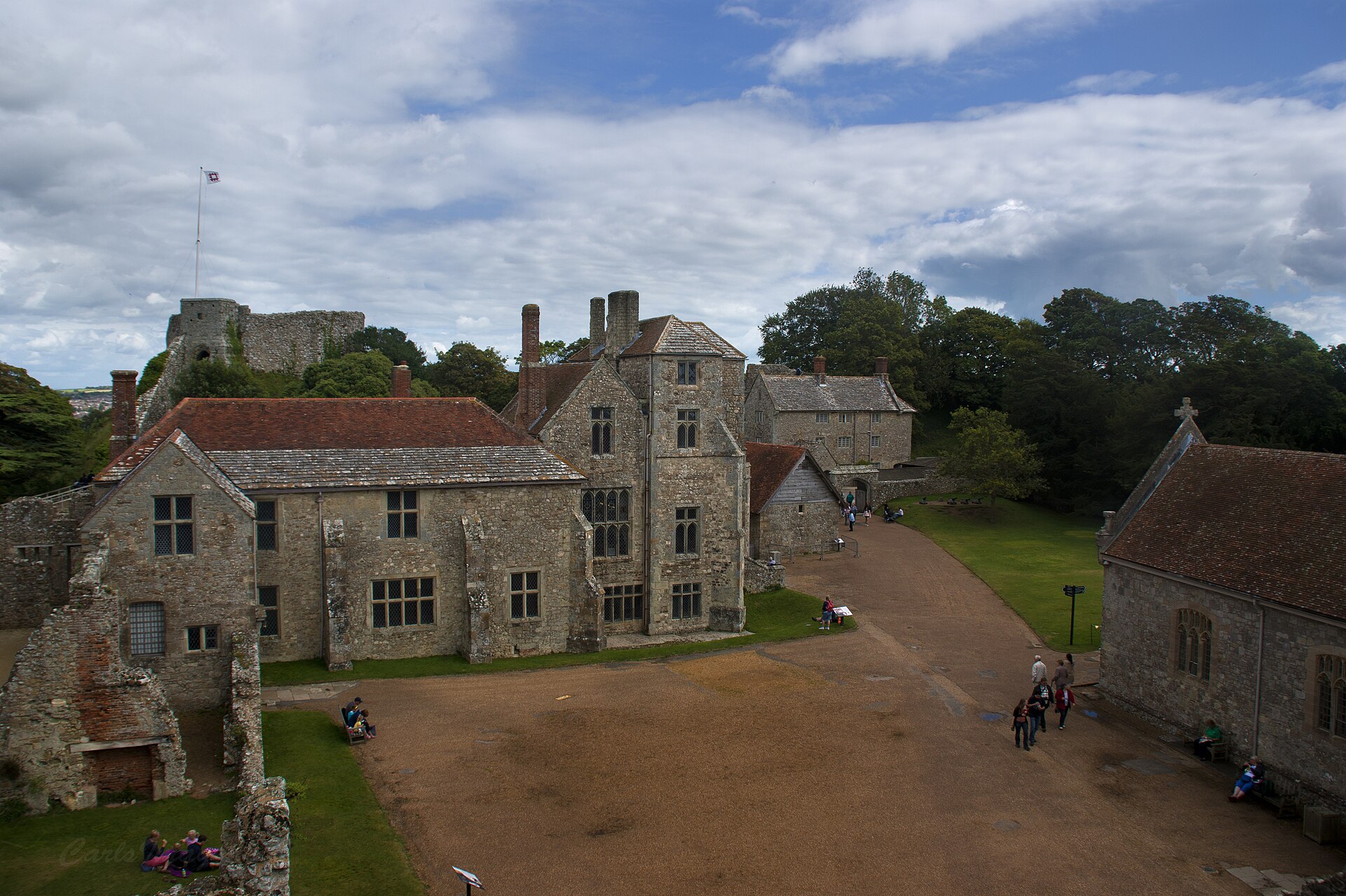
Carisbrooke Castle is the Isle of Wight’s strongest historic fortress, evolving from early defensive occupation to an Elizabethan bastioned fort an…
Fortified place · Iron Age
South Yorkshire
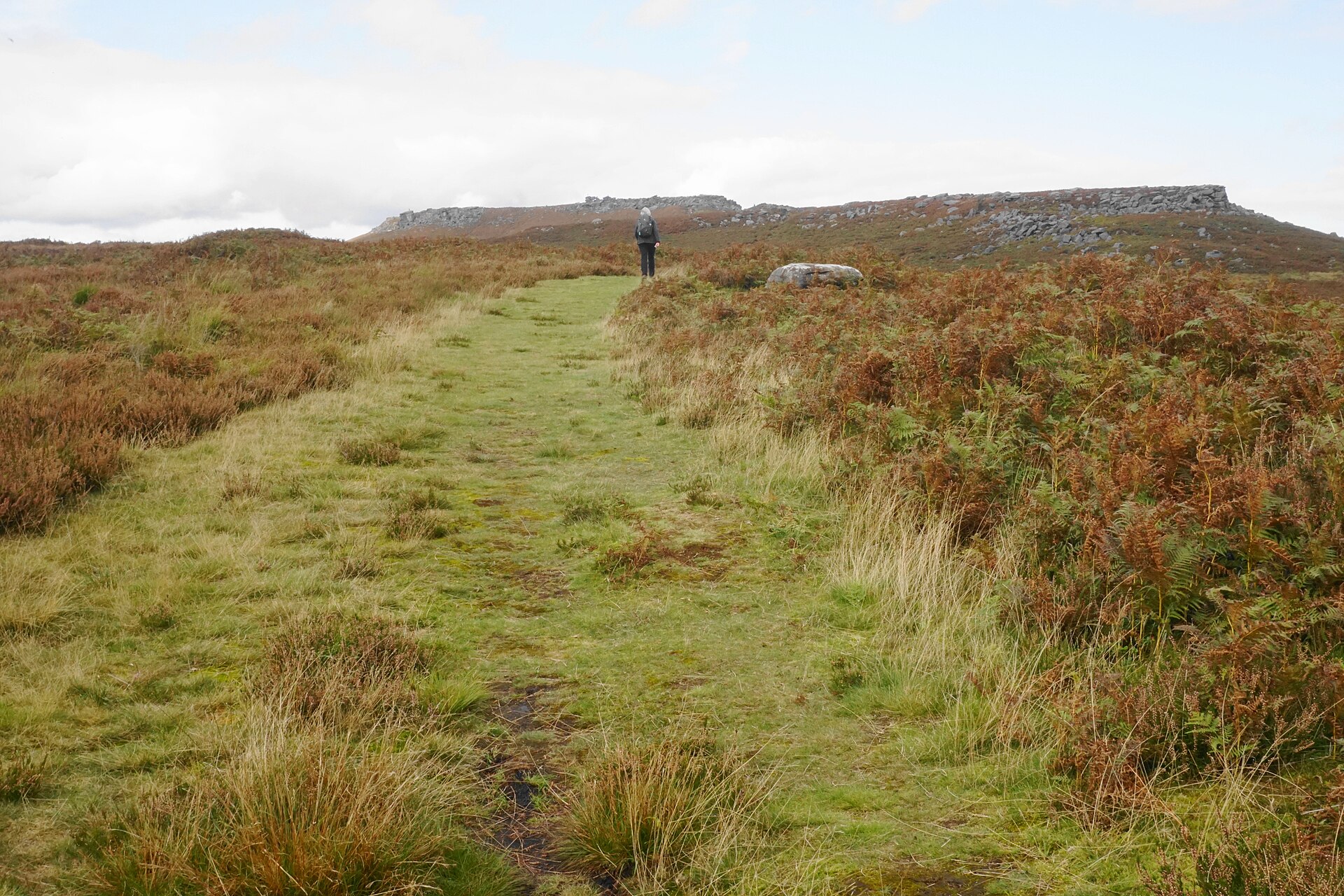
A rampart (an encircling bank built for defence) described as unlike anything else in Northern England, guarding a cliff-edge enclosure whose build…
Fortified place · Medieval
Cumbria
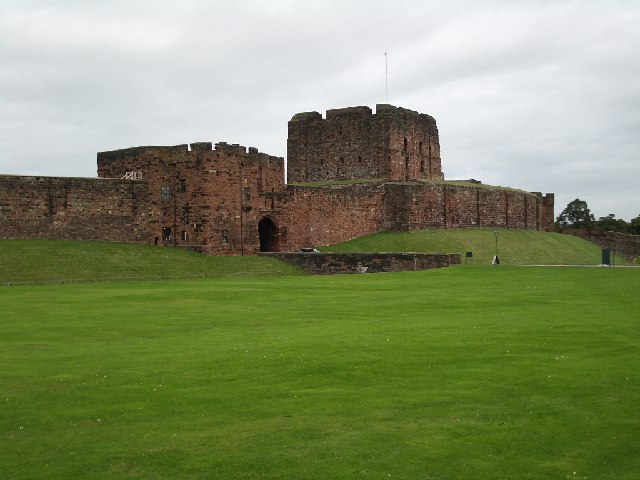
A working stone keep (the great tower at a castle's heart) raised in the 1120s and fought over for the next 600 years, ending as the last English f…
Fortified place · Medieval
County Carlow
Carlow Castle was Ireland’s first towered keep, a bold early-thirteenth-century design now reduced to its western wall and two corner towers.
Fortified place · Medieval
Lincolnshire
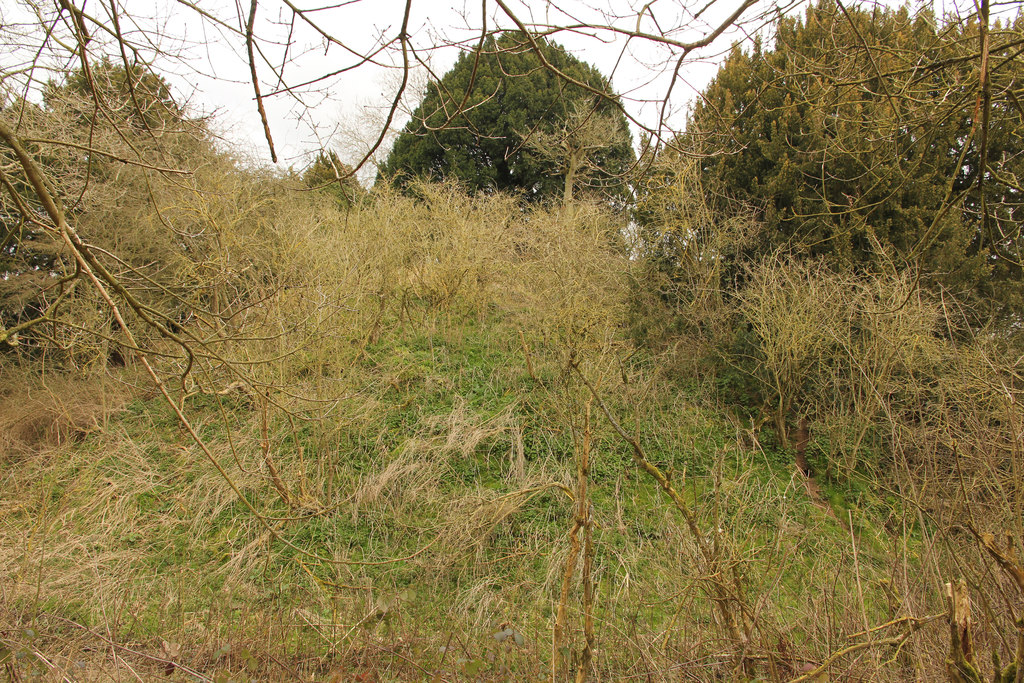
Carlton Castle, known as Castle Hill, marks the site of a once substantial twelfth-century motte-and-bailey (an early Norman castle of a timber tow…
Fortified place · Medieval
Carmarthenshire
A castle destroyed and rebuilt at least six times in a single century, then site of a royal death that put a Tudor on the English throne a generati…
Fortified place · Medieval
Cornwall
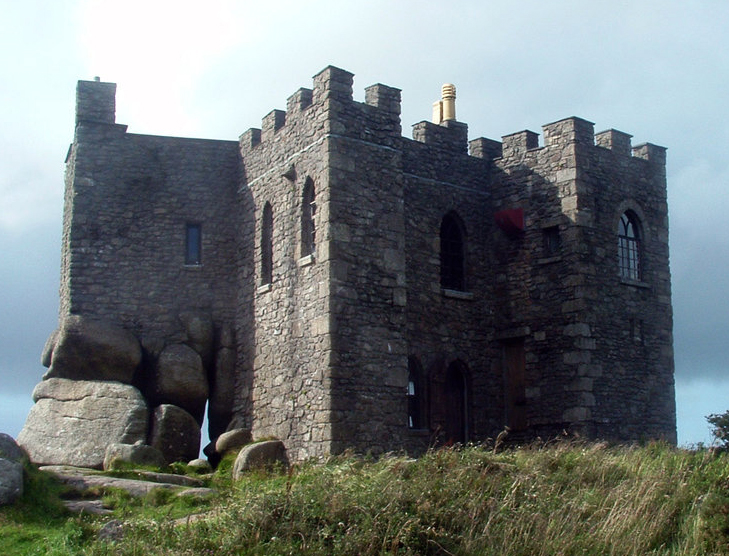
Carn Brea turns a medieval chapel into a fantastical Basset hunting lodge perched directly on summit boulders, leaving possible earlier masonry vis…
Fortified place · Iron Age
Highland
Excavated twice a century apart, its walls conceal a Bronze Age burial that predates the broch by centuries: the tower was built over an older grav…
Fortified place · Medieval
Argyll and Bute
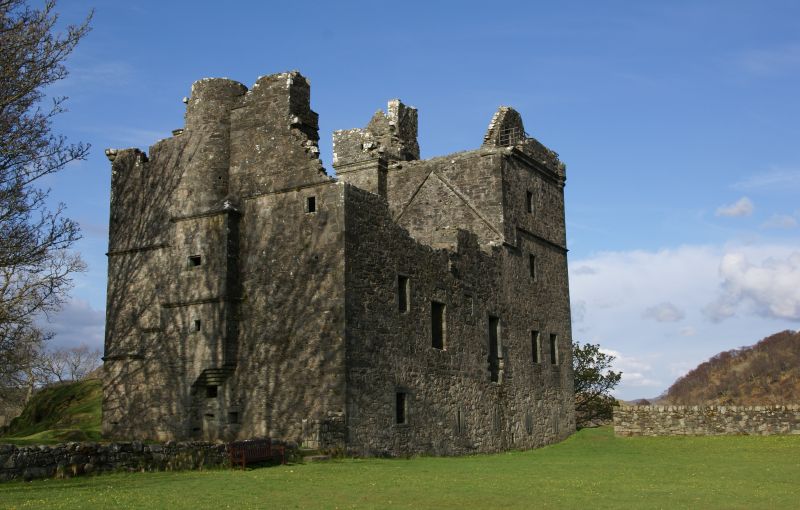
A ruined 16th-century tower house stands on raised ground about 2 kilometres north of Kilmartin, at the head of Kilmartin Glen in Argyll and Bute.…
Fortified place · Medieval
Gwynedd
Carndochan Castle is a small Welsh stone castle on the Lliw Valley ridge, whose incomplete historical record is sharpened by recent excavation and…
Building or ruin · Roman
Perth and Kinross
A thirty-acre Roman fort at the meeting of the Tay and the Earn, held from the late second century into the early third.
Fortified place · Prehistoric
Carmarthenshire
A cave beneath the walls holds its own freshwater spring, running deep into the hillside: the detail that let a fortress survive on a waterless lim…
Fortified place · Medieval
Powys
A Marcher castle that changed hands at least six times in 135 years, was probably a silver mine as well as a fortress, and was traded once for a pr…
Fortified place · Medieval
Argyll and Bute
A Campbell stronghold built on a rock in Loch Goil, hosted a hunting king and a queen's overnight stay, then was deliberately burned by a Royal Nav…
Fortified place · Medieval
County Donegal
A rock accessible only at low tide gave one clan control of Inishowen's coast for four centuries, then hid the peninsula's last great lord as he pl…
Fortified place · Medieval
County Mayo
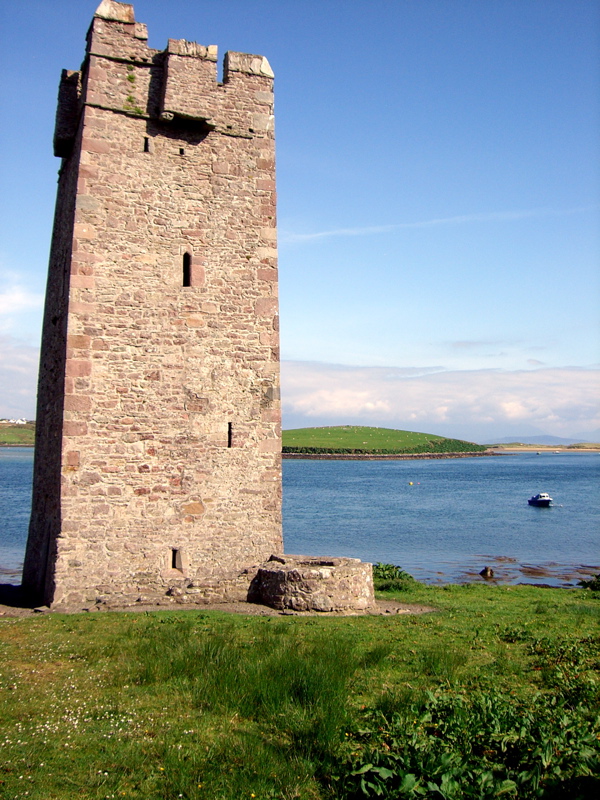
A four-storey tower built to watch a narrow sea-passage became one of the strongholds of Grace O'Malley, the sixteenth-century pirate queen of the…
Fortified place · Medieval
County Cork
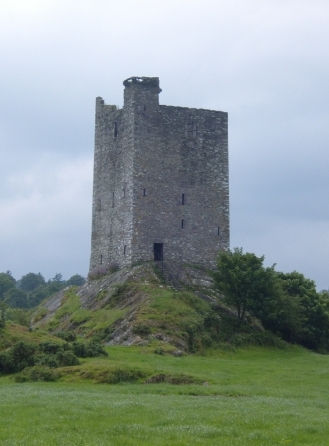
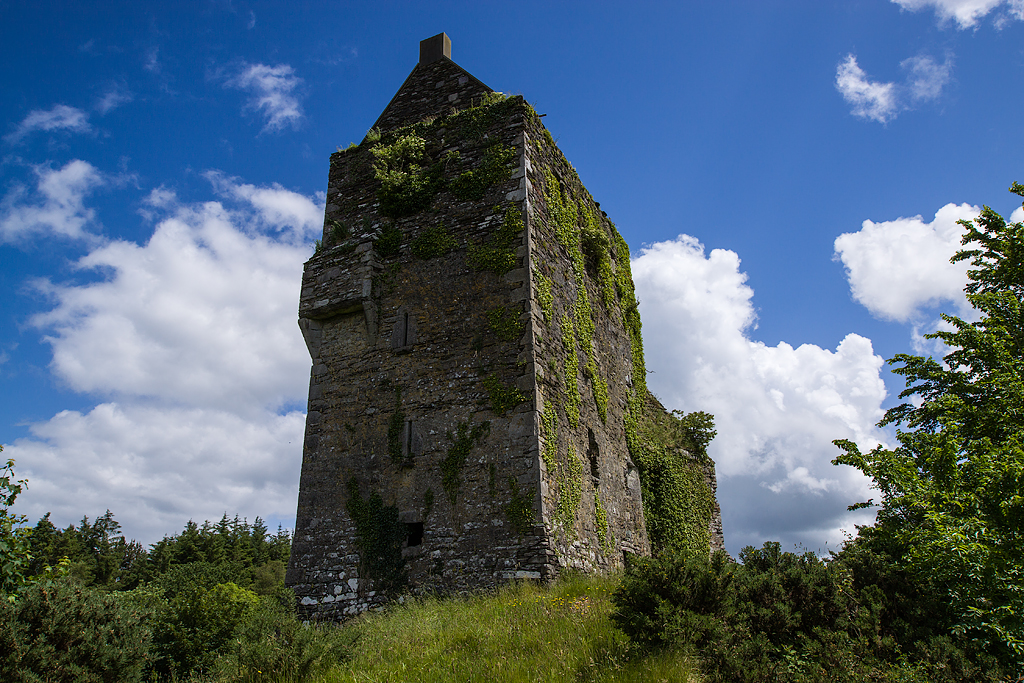
A tower house perched directly over the Ouvane river, built by an O'Sullivan Beare chief and captured in the campaign that followed Kinsale: now a…
Fortified place · Medieval
County Cork
A five-storey tower raised by one branch of the MacCarthys just as another rebuilt Blarney nearby: and a refuge for a lord pardoned by Elizabeth I…
Fortified place · Medieval
County Cork
One of only three Cork tower houses built with a triangular gun-loop bastion called a redan, and the only one where a dig turned up coins two centu…
Fortified place · Medieval
County Cork
Carrigrohane Castle overlooks the River Lee from a Cork cliff edge, combining a MacCarthy-associated stronghold, Confederate-Wars decline, nineteen…
Fortified place · Iron Age
Cumbria
A rare outcrop of gabbro in a range of crumbling slate, its summit crowned by an Iron Age hillfort, a defended hilltop settlement from the centurie…
Fortified place · Medieval
Dumfries and Galloway
Carsluith Castle is a sixteenth-century Galloway tower house whose Lindsay and Brown history, Catholic recusancy and surviving hall-and-stair archi…
Fortified place · Medieval
Northumberland
Cartington Castle is a partly restored Northumberland ruin whose medieval pele tower, Royalist siege, and nineteenth-century conservation trace cen…
Fortified place · Medieval
Somerset
A castle a king abandoned the siege of Bristol to attack: and starved out rather than broke into.
Fortified place · Medieval
Aberdeenshire
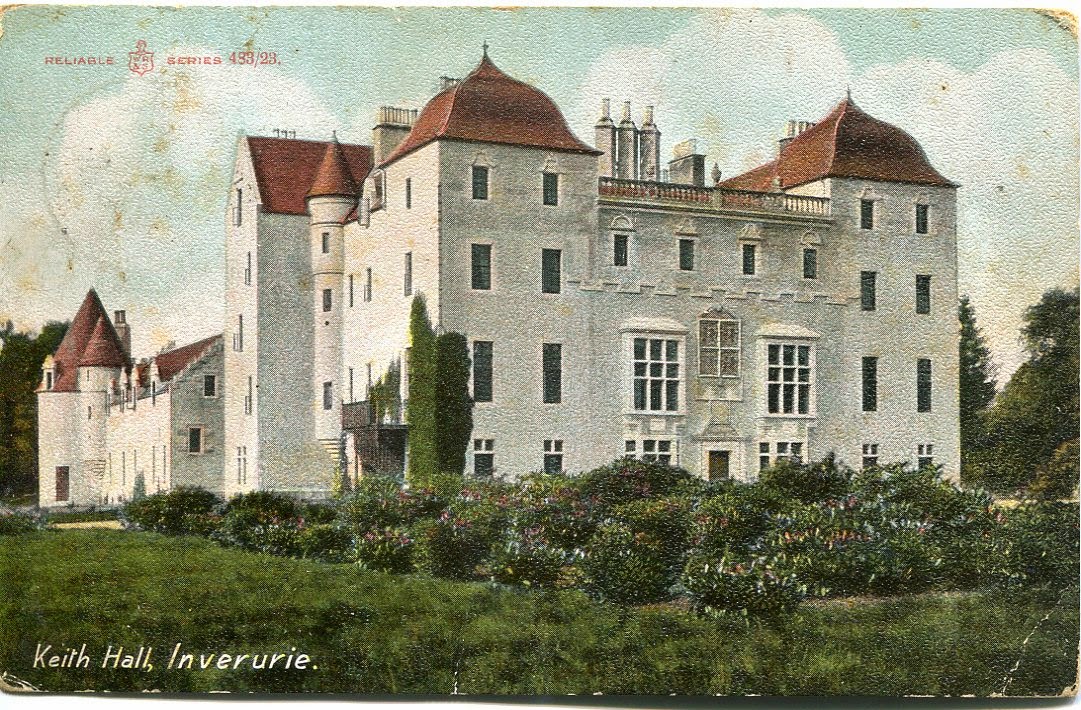
A timber tower's mound and moat still trace the outline beneath Keith Hall, a mansion that grew from Z-plan castle to Georgian seat over seven cent…
Fortified place · Iron Age
Cornwall
Castallack Round preserves the rampart (a defensive bank of earth or stone) of a Cornish enclosed settlement and the remains of a later courtyard h…
Fortified place · Medieval
Isle of Anglesey
A Norman stronghold that lost a pitched siege to a returning Welsh prince in 1094, with 124 defenders killed: one of the rare Anglesey castles whos…
Fortified place · Medieval
Monmouthshire
A Welsh ruler's fortified court, wiped out in one night of retribution for a Christmas massacre at Abergavenny Castle in 1175.
Fortified place · Iron Age
Conwy
Castell Caer Seion is an Iron Age (roughly 800 BC until the Roman conquest) Conwy hillfort (a defended hilltop settlement of the Iron Age) with a r…
Fortified place · Iron Age
Conwy
An Iron Age hillfort (a hilltop site enclosed by ramparts of earth) in woodland above Abergele, noted by antiquaries alongside the traces of a Roma…
Fortified place · Medieval
cardiff
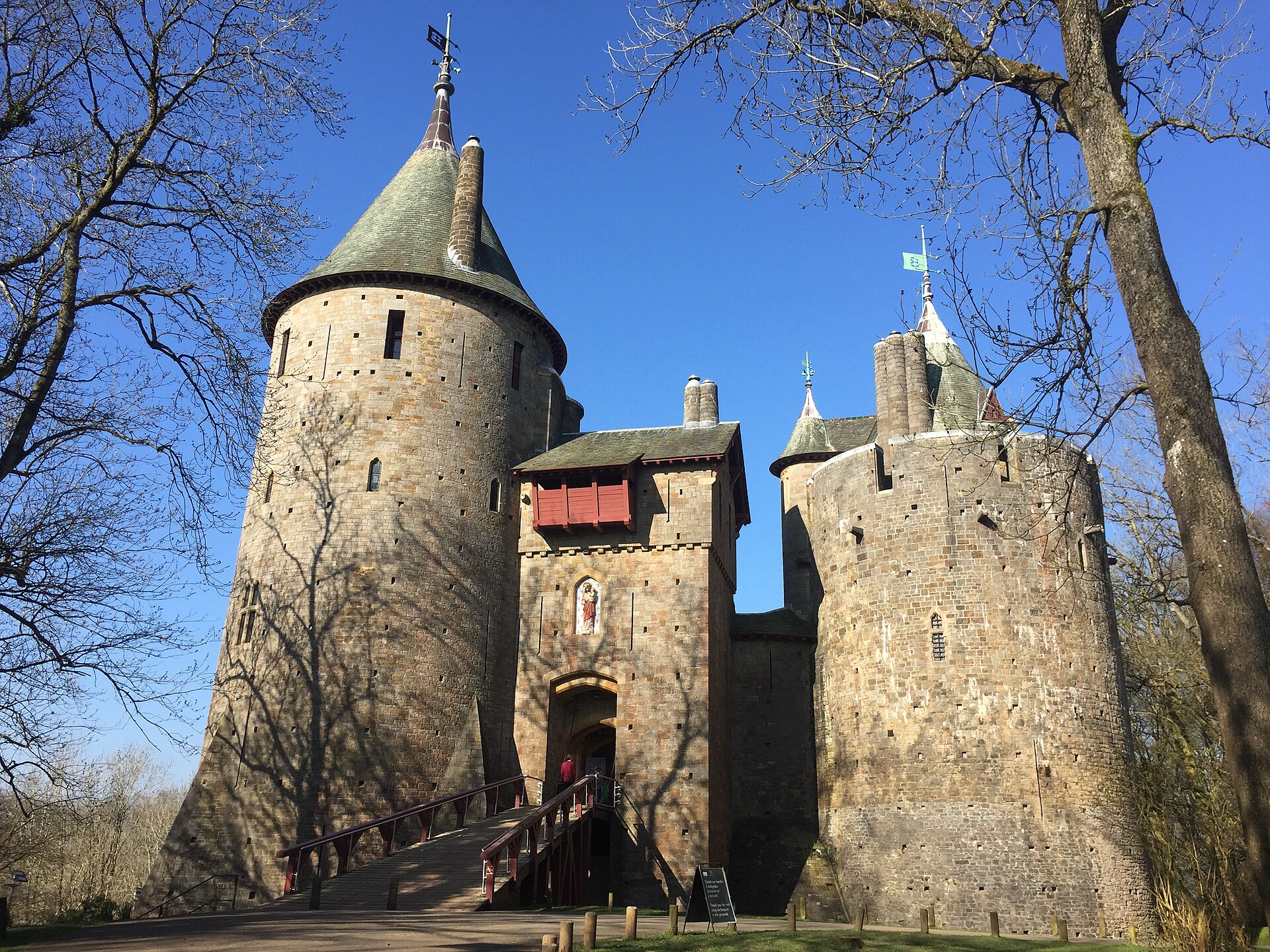
Three Victorian-roofed towers rise from the remains of a thirteenth-century stronghold, making Castell Coch a deliberate meeting of medieval ruin a…
Fortified place · Prehistoric
Powys
The highest castle in England or Wales, built in stone inside the ramparts of an Iron Age hillfort a thousand years older: a defended hilltop settl…
Fortified place · Prehistoric
Denbighshire
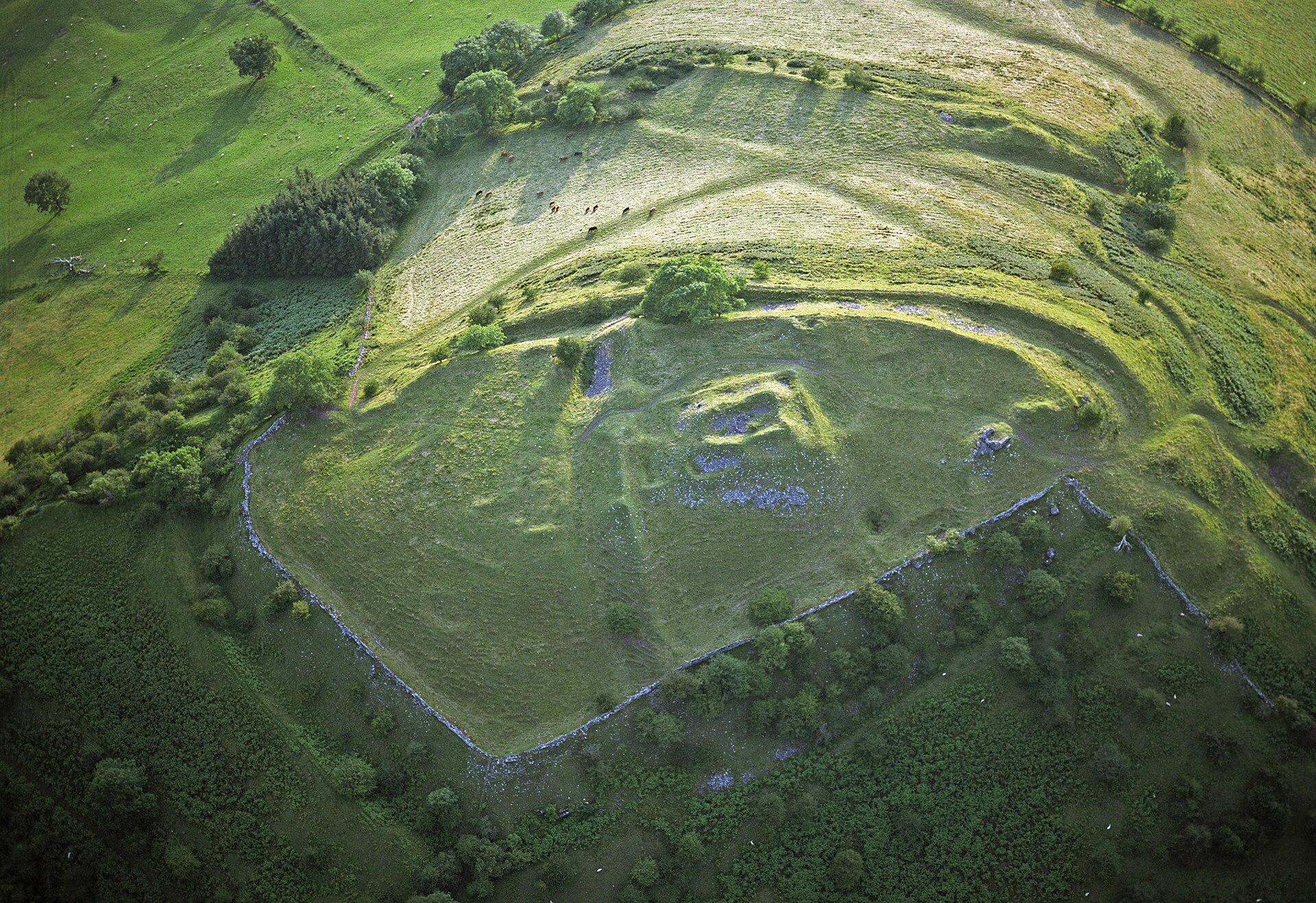
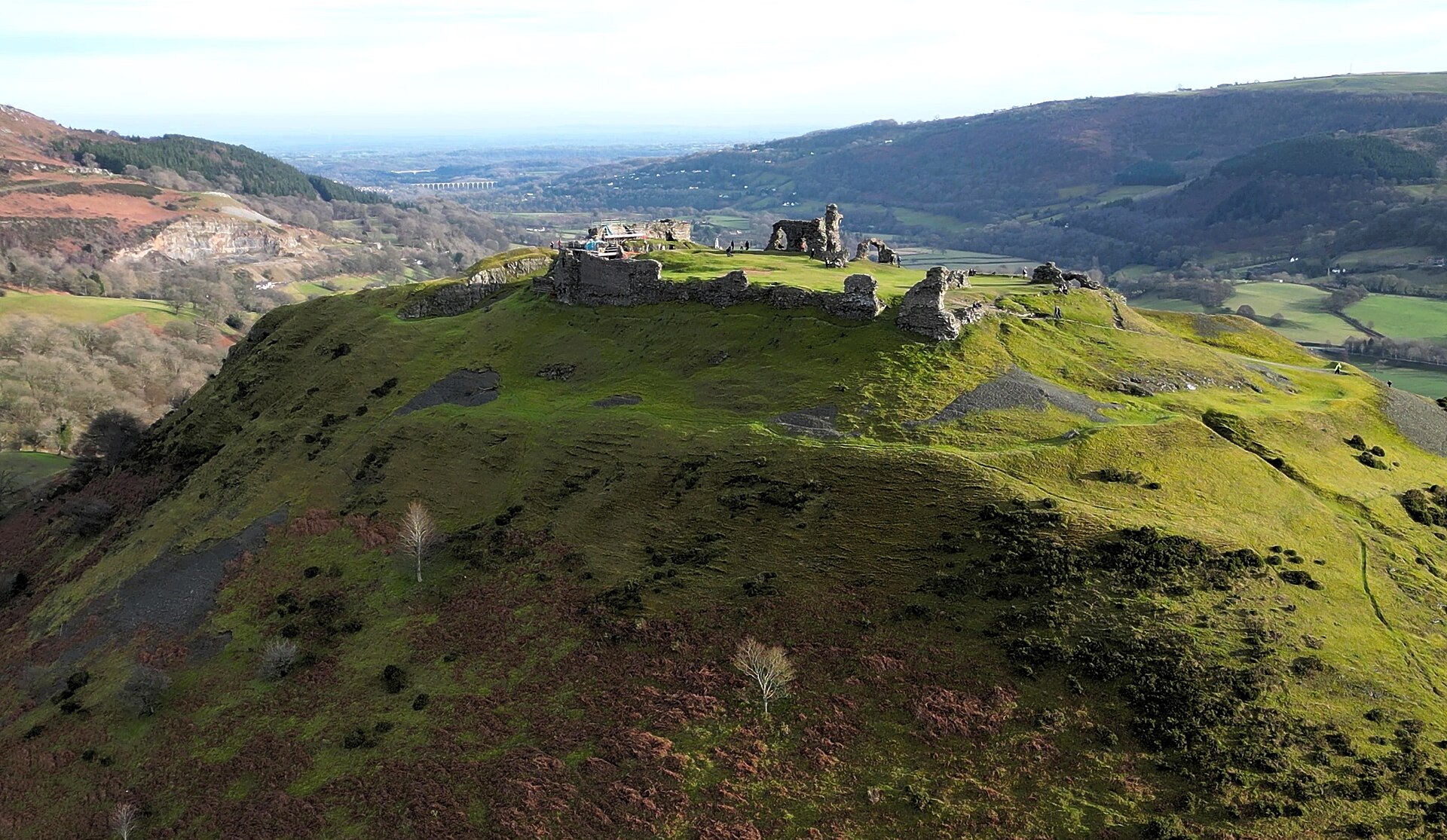
A ruined stone castle crowning an Iron Age hillfort, built by a Welsh prince as a buffer against England: then burned by its own defenders rather t…
Fortified place · Medieval
Powys
A castle of Llywelyn ap Gruffudd that appears once in the documents, in 1271, and is never mentioned again.
Fortified place · Medieval
Ceredigion
A Norman motte still stands unbreached by a single stone wall: its timber tower long gone but the earthworks and ditches that ringed it remain almo…
Fortified place · Iron Age
Pembrokeshire
Four roundhouses and a granary reconstructed on their excavated foundations inside a defended enclosure of the pre-Roman centuries.
Fortified place · Medieval
Newport
Castell Meredydd preserves a compact, contested thirteenth-century Welsh castle where Morgan ap Hywel resisted marcher pressure, a round tower and…
Fortified place · Medieval
carmarthenshire
Castell Moel preserves two uncertain stories at Llangain: the overgrown remains of a late-medieval hall house and a reported earlier castle mound n…
Fortified place · Iron Age
Ceredigion
A farmer's spade here turned up the Penbryn Spoons, a pair of Iron Age (roughly 800 BC until the Roman conquest) bronze divination tools now held i…
Fortified place · Medieval
ceredigion
Castell y Bere is Llywelyn the Great's long, rock-bound castle in the Dysynni Valley, later captured by Edward I and abandoned after a Welsh revolt.
Fortified place · Iron Age
Lancashire
Castercliff is a scheduled Iron Age (the period from roughly 800 BC to the Roman conquest) multivallate hillfort, a settlement defended by multiple…
Fortified place · Iron Age
Wiltshire
A very large enclosure on the Wiltshire downs from the Iron Age, from about 800 BC until the Romans came, which may never have been defensive and w…
Fortified place · Medieval
Norfolk
Castle Acre is an exceptional planned medieval landscape where a Norman castle, Cluniac monastery, deer park and walled settlement were consciously…
Fortified place · Iron Age
Cornwall
Three concentric rings of bank and ditch around a summit that already held two burial mounds a thousand years before anyone thought to fortify it.
Fortified place · Medieval
Somerset
A Norman earthwork on a ridge above Weston-super-Mare that may not be a motte at all: the hollow in its top suggests a ringwork, a castle enclosure…
Fortified place · Medieval
Clackmannanshire
Castle Campbell was the lowland seat of Clan Campbell’s earls and dukes of Argyll, where a fifteenth-century tower grew into a royal and political…
Fortified place · Medieval
Cambridgeshire
A Domesday-era manor whose earthen motte (the great earth mound at the heart of an early castle) once carried the largest fortress in Cambridgeshir…
Briefer entries: recorded and worth knowing, with fuller pages to come.
Fortified place · Medieval
County Galway
A working family home today, this five-storey tower house stood roofless for two centuries before a stonemason bought and rebuilt it by hand, nail…
Fortified place · Prehistoric
County Kildare
Carbury Castle layers a Norman castle mound, medieval fortress and Colley manor on the ancestral landscape of the Dukes of Wellington.
Fortified place · Iron Age
Cornwall
Carn Euny preserves the visible stone houses and a 20-metre fogou of a settlement occupied from the Iron Age (from around 800 BC up to the Roman co…
Fortified place · Medieval
County Antrim
Carra layers a late-medieval coastal residence over ground used for flint working in the middle Stone Age, roughly 9000–4000 BC, and became the sce…
Fortified place · Medieval
County Antrim
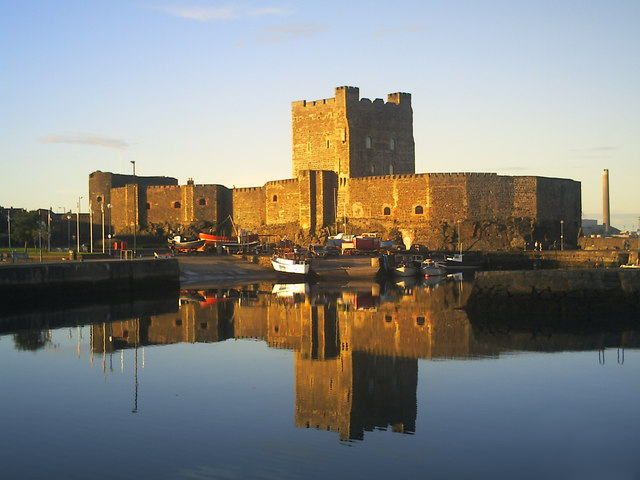
Carrickfergus Castle is a rare, deeply layered Norman waterfront fortress whose changing defences map centuries of power on Belfast Lough.
Fortified place · Medieval
County Dublin
Carrickmines matters because its Anglo-Norman frontier defences, massacre history and M50 campaign made buried archaeology a public argument about…
Fortified place · Medieval
County Limerick
Carrigogunnell Castle sits on an outcrop of volcanic trap rock near the village of Clarina, County Limerick, its ruined keep still overlooking the…
Fortified place · Medieval
County Fermanagh
Castle Balfour pairs a restored Plantation-era Scottish-style castle with evidence of an earlier ringfort, revealing deep continuity at Lisnaskea’s…
No places match those filters.





.jpg?width=800)




.jpg?width=800)






_-_geograph.org.uk_-_4070919.jpg?width=800)