Fortified place · Medieval
Llandovery Castle
Carmarthenshire
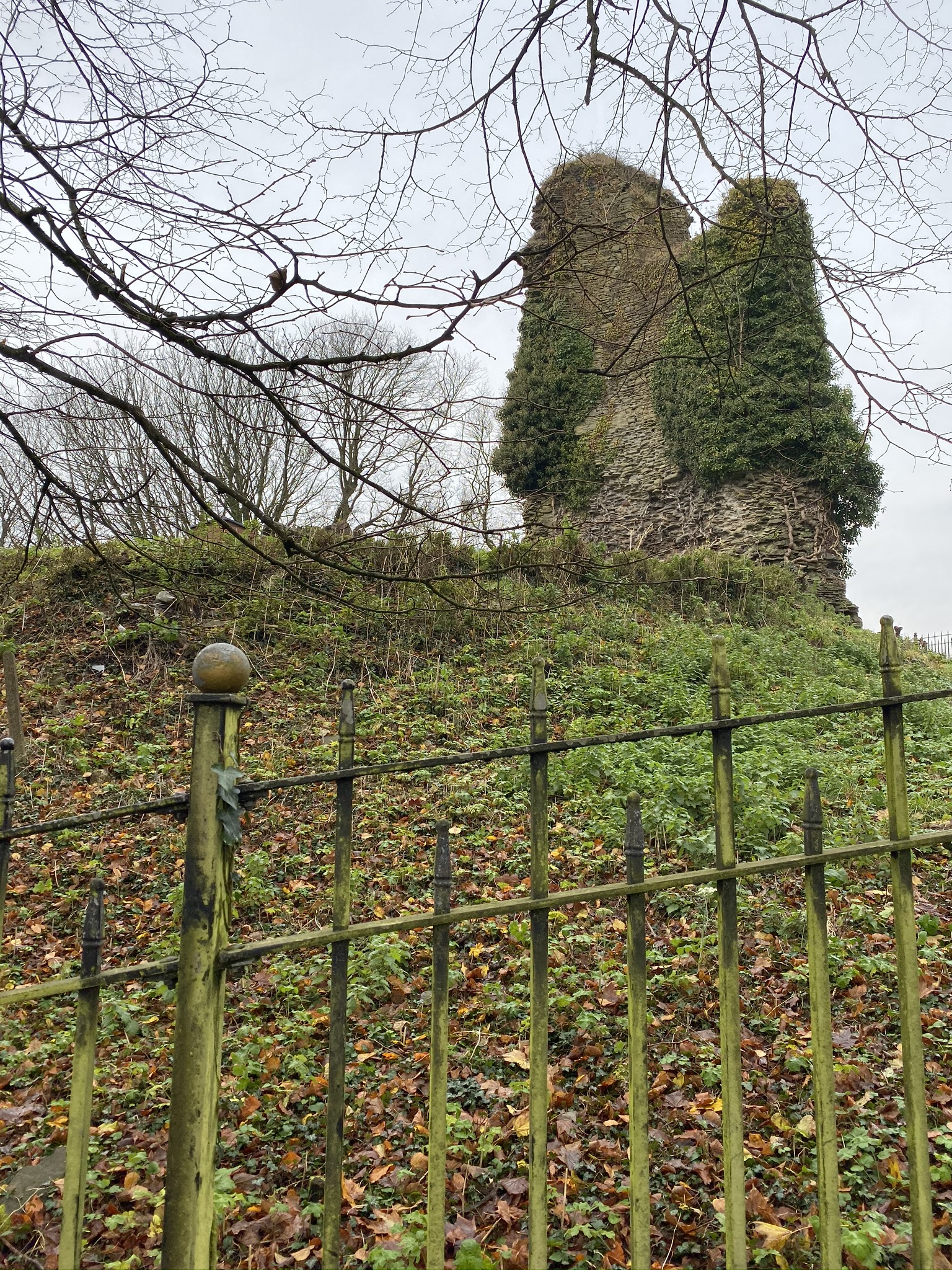
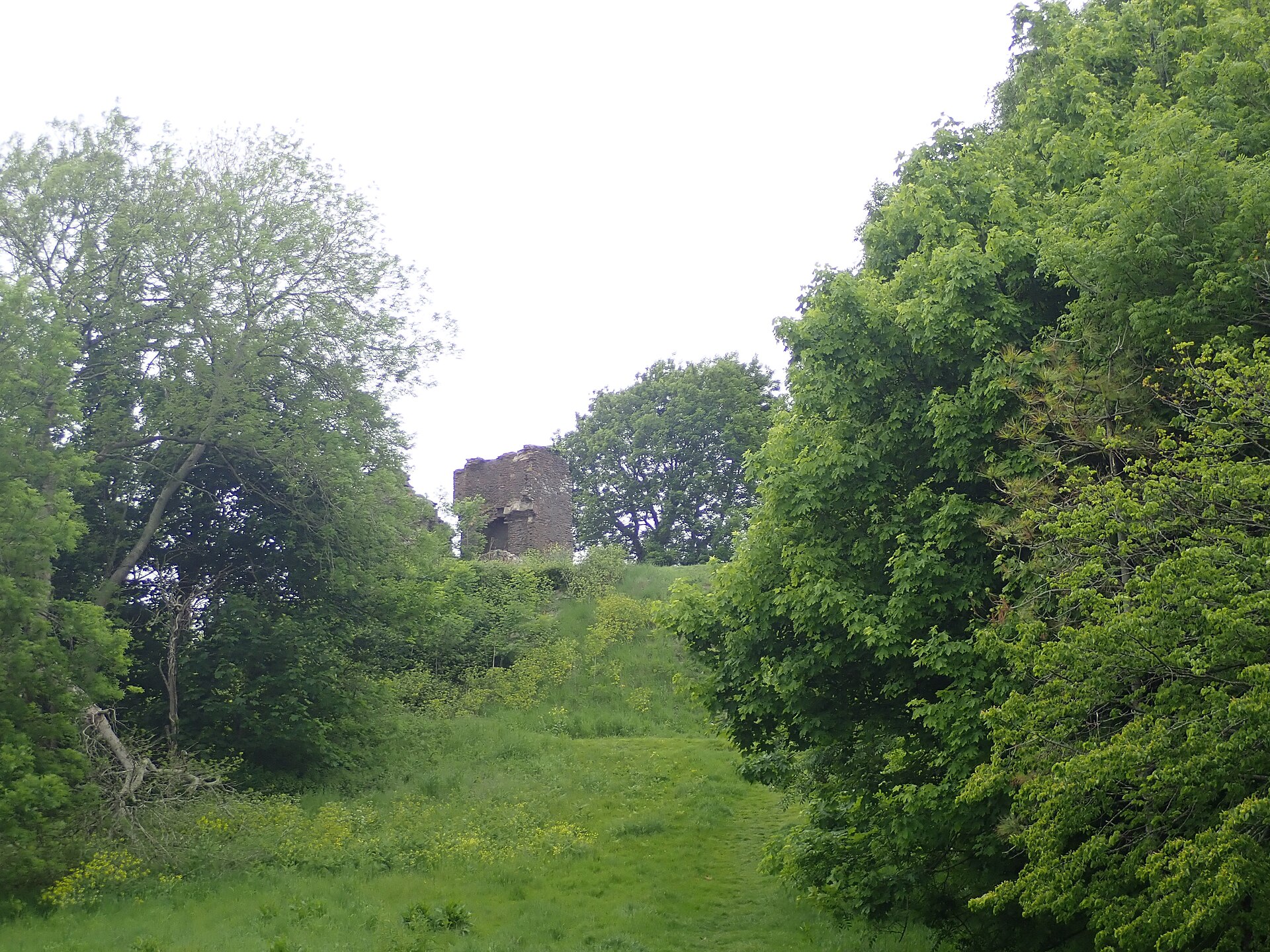
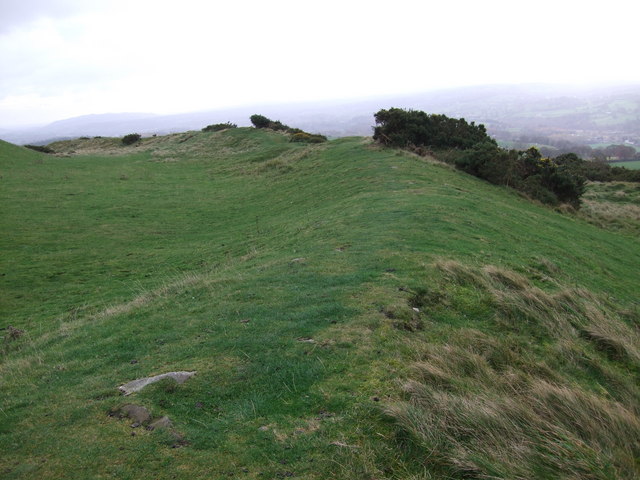
A knoll above the River Towy changed hands so many times between Norman lords and Welsh princes that its stone keep endured barely two centuries be…
- Near Llandovery
- Some walking
By type
Page 14 of 21.
Search and filters apply to these 100 places.
Fortified place · Medieval
Carmarthenshire
A knoll above the River Towy changed hands so many times between Norman lords and Welsh princes that its stone keep endured barely two centuries be…
Fortified place · Medieval
Powys
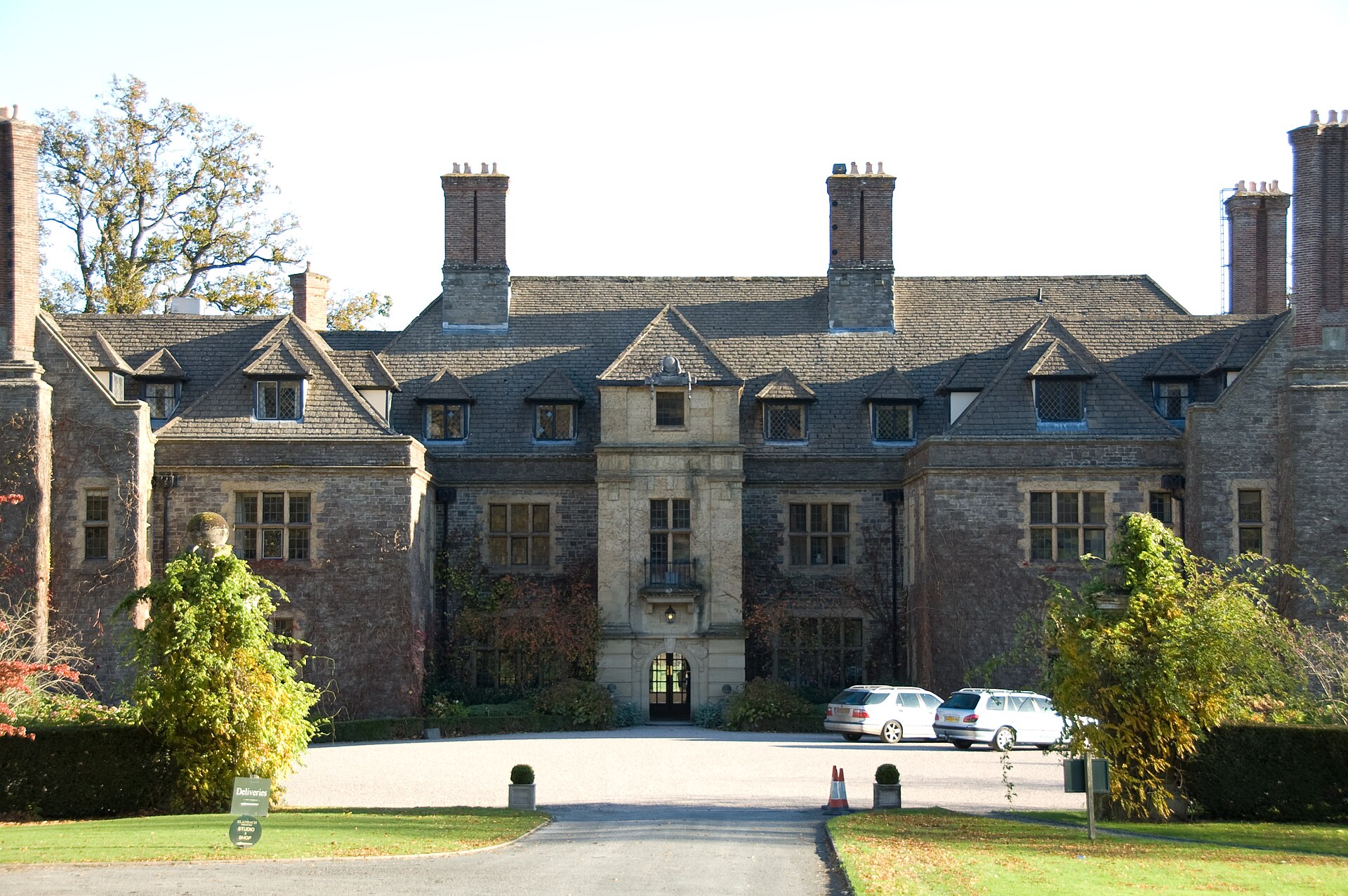
A house given to the church in 560, rebuilt by the architect of Portmeirion, and lost once to a gambling debt.
Fortified place · Medieval
Bridgend
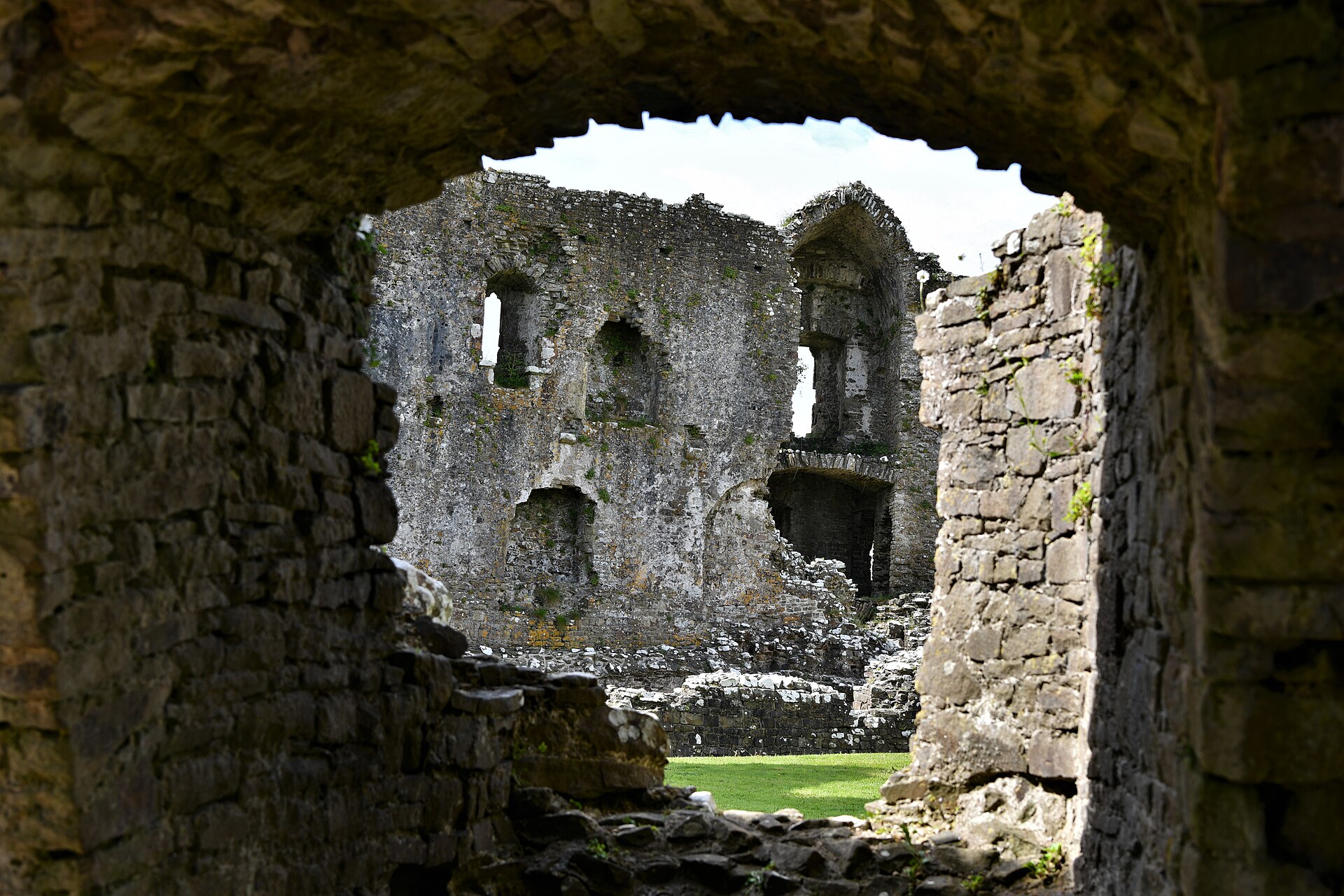
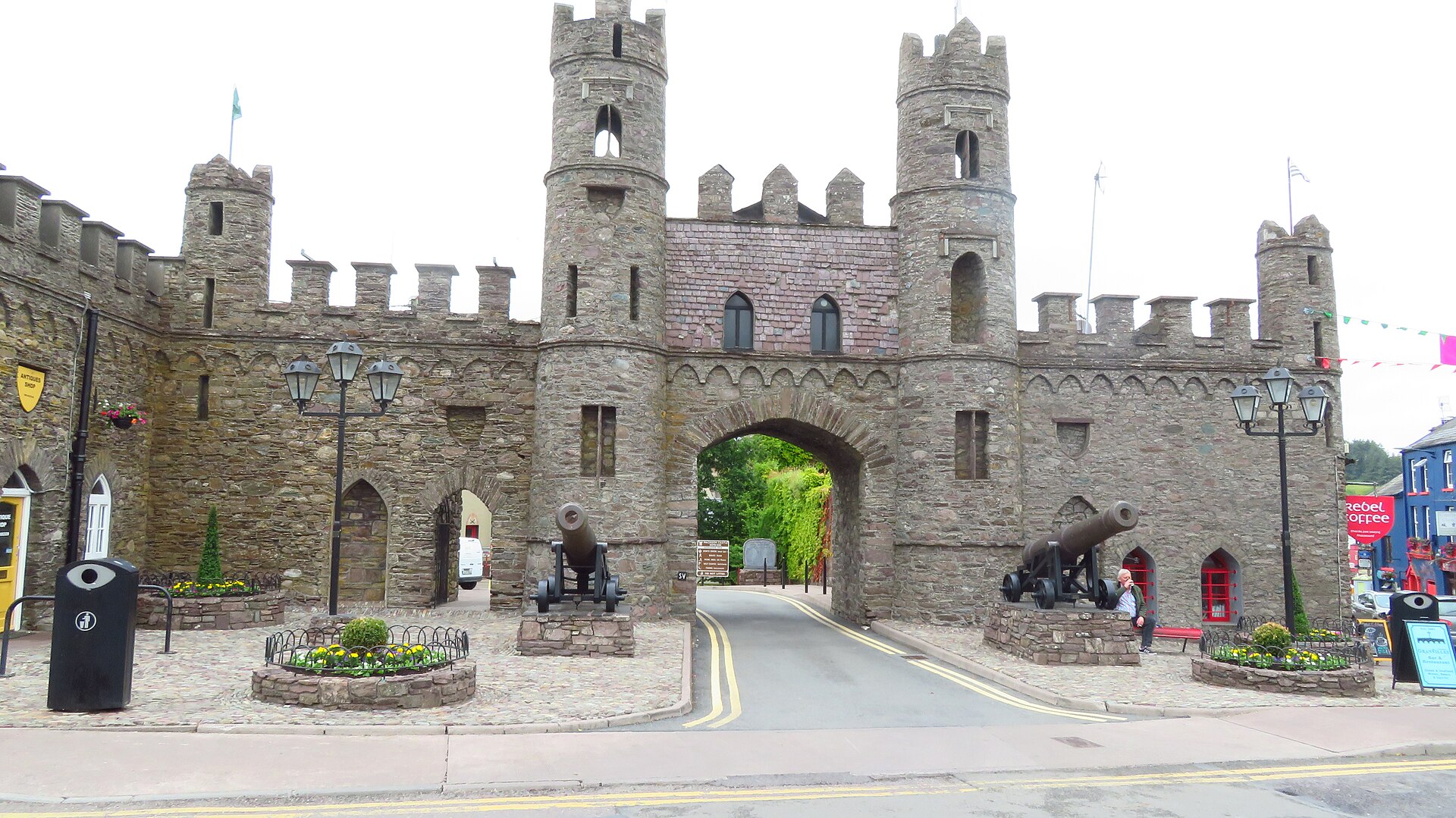
Its ruined gatehouse was built to echo the great twin towers of Caerphilly Castle, planting a miniature of Wales's mightiest fortress on a remote G…
Fortified place · Prehistoric
Carmarthenshire
Its earthwork (a mound or ditch formed by moving soil, not by building) rings predate the stone castle by well over a thousand years, and the site…
Fortified place · Medieval
Powys
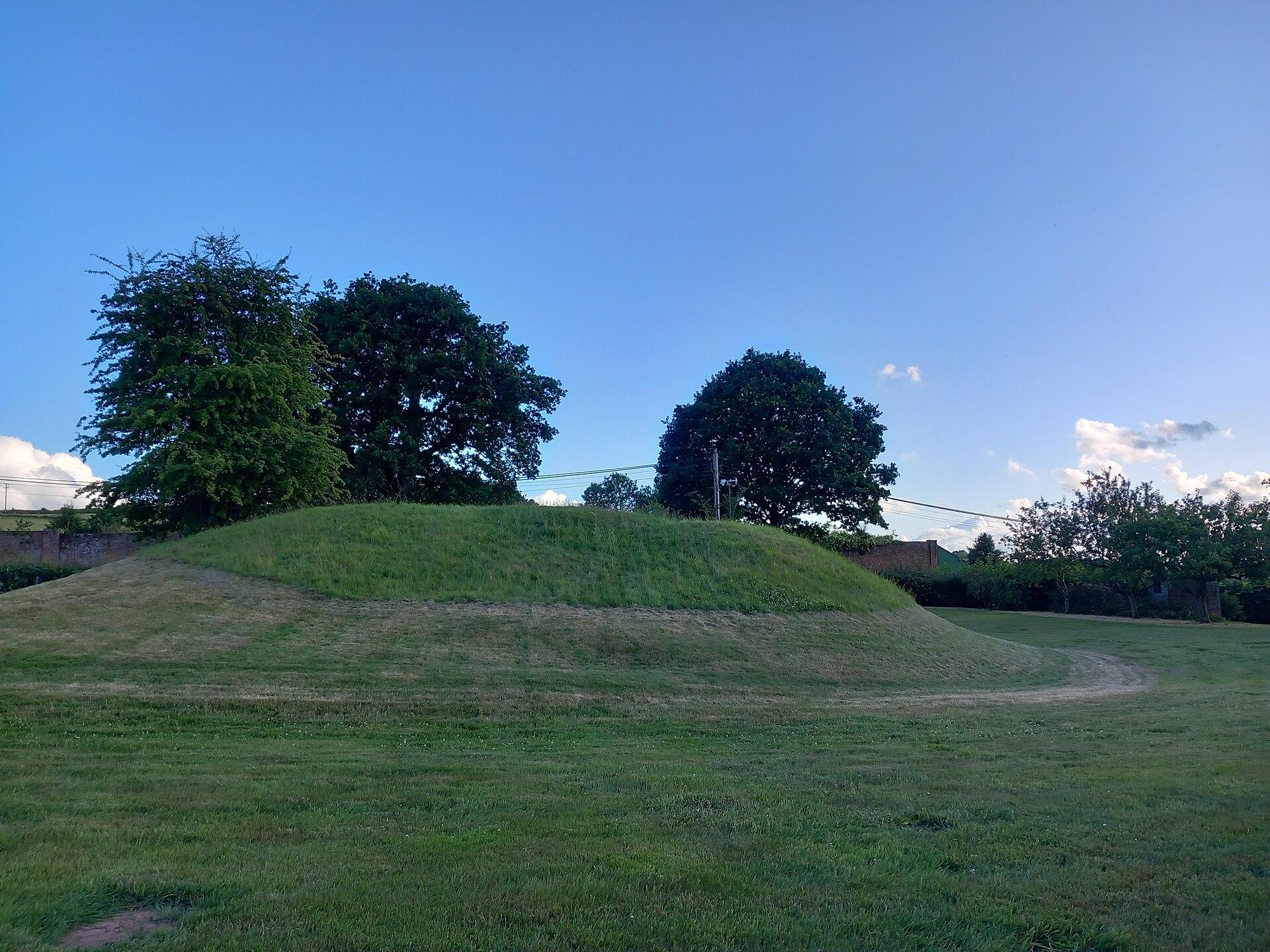
Leland found a tower here in the 1530s, four centuries after the earth mound was raised: and the uneven top may be the rubble of it.
Fortified place · Medieval
Rhondda Cynon Taf
Who built it, and when, has never been determined. Antiquaries have argued for a Welsh lord, a Norman earl, and the son of Henry I.
Fortified place · Medieval
Pembrokeshire
Llawhaden Castle is a ruined medieval bishops’ castle above the River Cleddau, with a gatehouse, towers and surviving defensive walls.
Fortified place · Iron Age
Rhondda Cynon Taf
A hillfort above Tonyrefail ringed by a single rampart, a bank of earth and stone raised for defence, one of four in the county borough and one of…
Fortified place · Iron Age
Powys
A hillfort: a defended enclosure on high ground, ringed with banks and ditches: with a bronze and iron smithy built into the back of its own rampar…
Fortified place · Iron Age
Cardiff
A double-ringed Iron Age (from about 800 BC until the Romans came) stronghold above Pentyrch, its earthworks still legible on the ground despite ce…
Fortified place · Medieval
Argyll and Bute
A Clan Donald stronghold so thoroughly reduced that its island now looks bare from the shore, yet its walls changed hands four times in fewer than…
Fortified place · Iron Age
Orkney Islands
A shallow loch whose shrinking water exposed a Bronze Age house, while its shores bring together Iron Age, prehistoric and modern water-supply arch…
Settlement · Medieval
Perth and Kinross
Besieged in 1335 by an English force that dammed the loch to drown it. The captain went off to a saint's festival, and the defenders broke the dam.
Fortified place · Medieval
Dumfries and Galloway
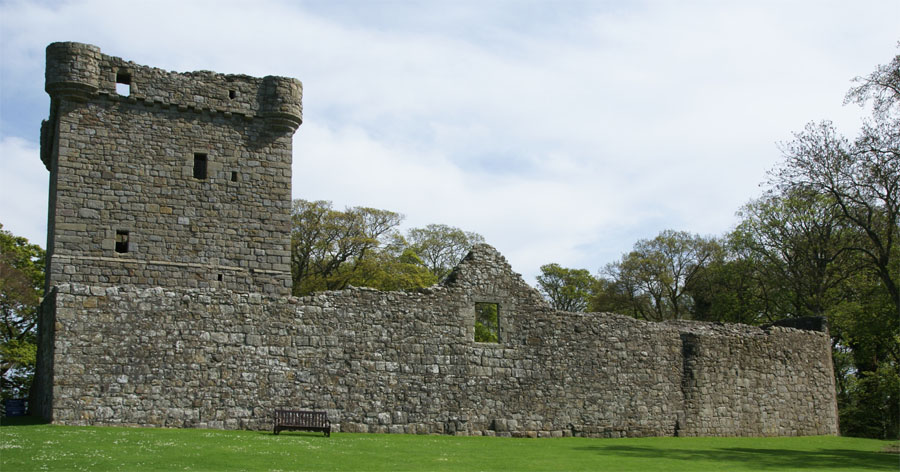
Lochmaben Castle anchors the Bruce lordship of Annandale and records centuries of border conflict, royal rebuilding and repeated sixteenth-century…
Fortified place · Medieval
Argyll and Bute
A staircase inside is said to be carved from a sacred yew felled on nearby Bernera Island: timber that reportedly survived at least two fires which…
Fortified place · Medieval
North Ayrshire
Lochranza’s waterside tower links thirteenth-century lordship with Robert the Bruce’s reported 1306 landing, James IV’s island campaign and later a…
Fortified place · Medieval
Somerset
A castle site at Carberry Hill where excavations found a stone chamber, pottery and a sword fragment.
Fortified place · Iron Age
Somerset
A possible defended settlement of the pre-Roman centuries, three and a half kilometres south-west of Dunster.
Fortified place · Medieval
Wiltshire
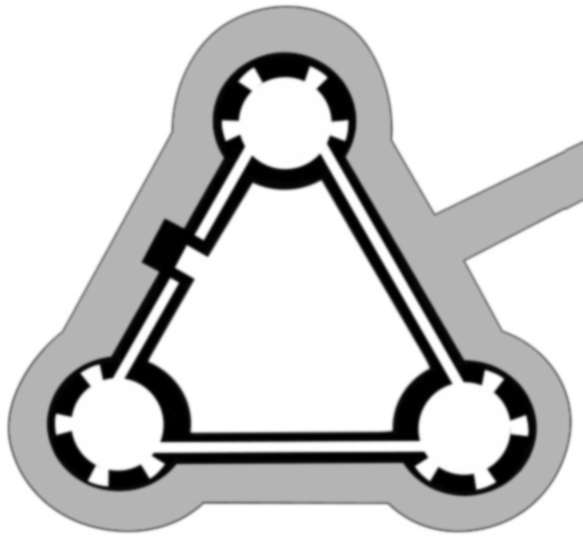
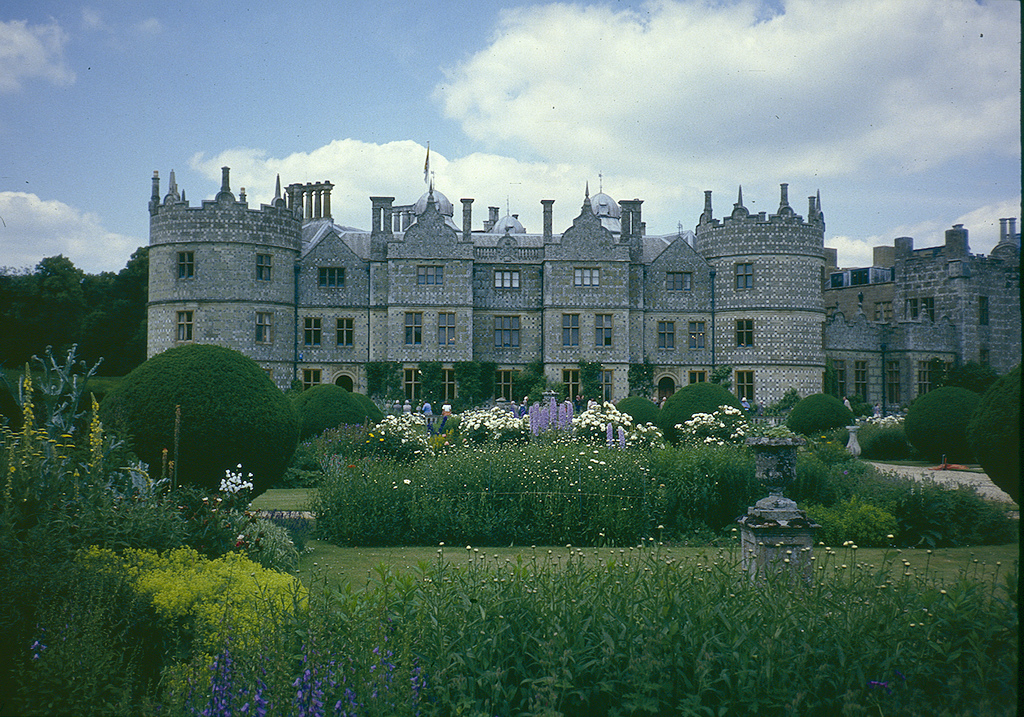
A rare Elizabethan prodigy house built to a triangular Swedish plan, its completion reputedly funded by silver and gold salvaged from a wrecked Spa…
Fortified place · Medieval
Cambridgeshire
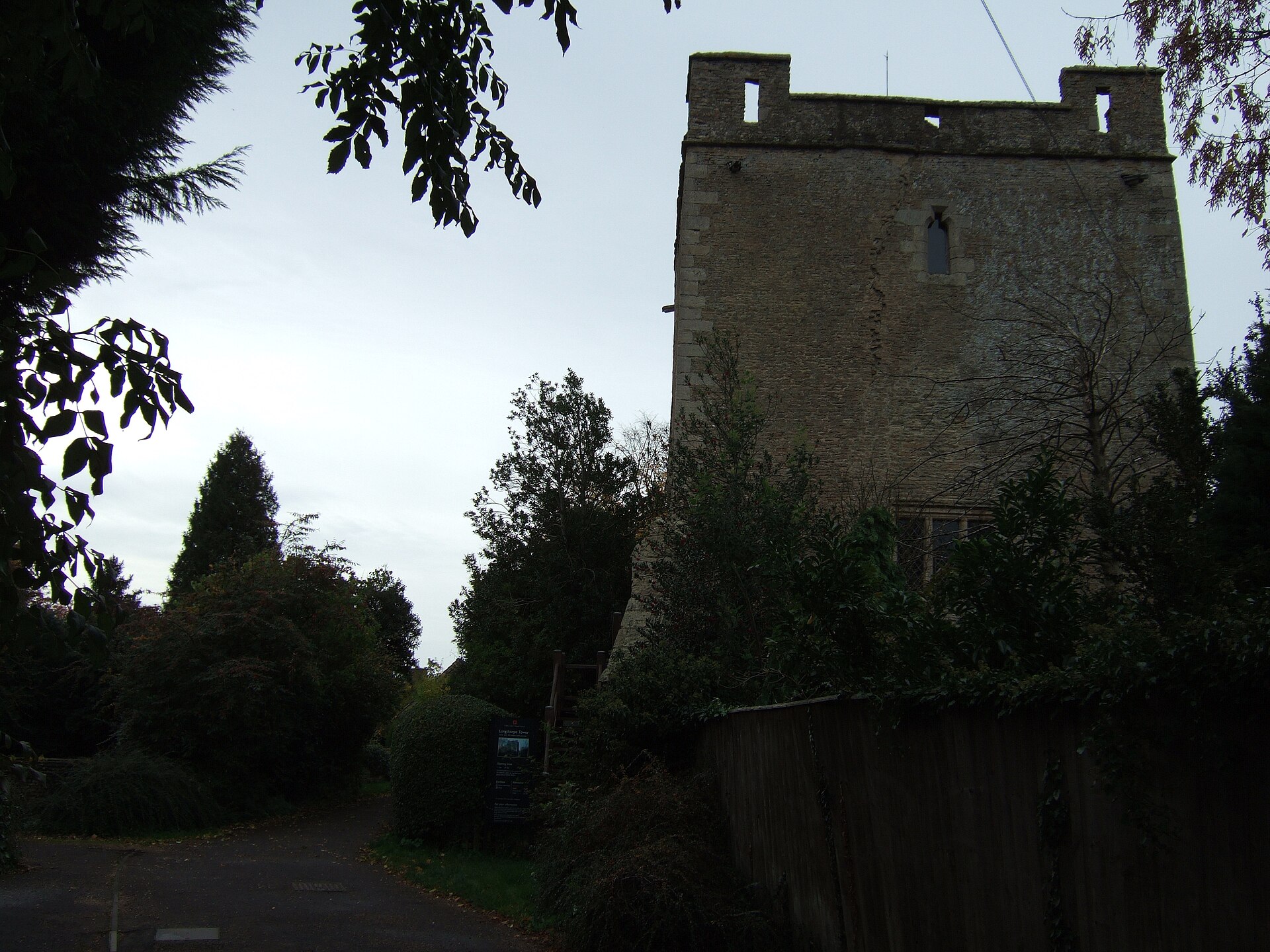
Beneath centuries of whitewash, Longthorpe Tower hid one of England's most complete sets of 14th-century domestic wall paintings, unseen until the…
Fortified place · Medieval
Herefordshire
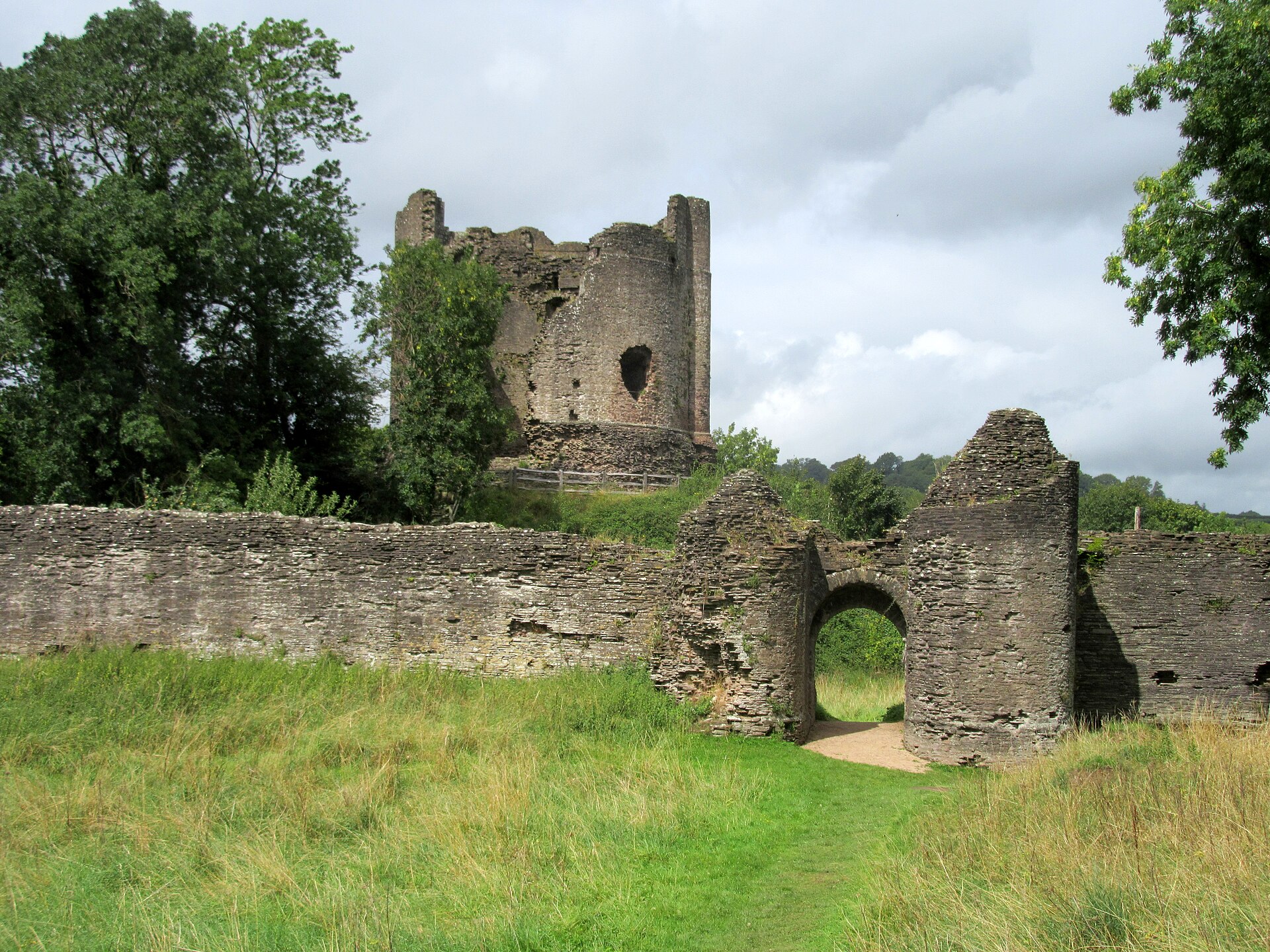
A circular stone keep with three evenly spaced turrets and 5-metre-thick walls, a design shared with only Skenfrith and Caldicot in the Welsh Marches.
Fortified place · Medieval
County Tipperary
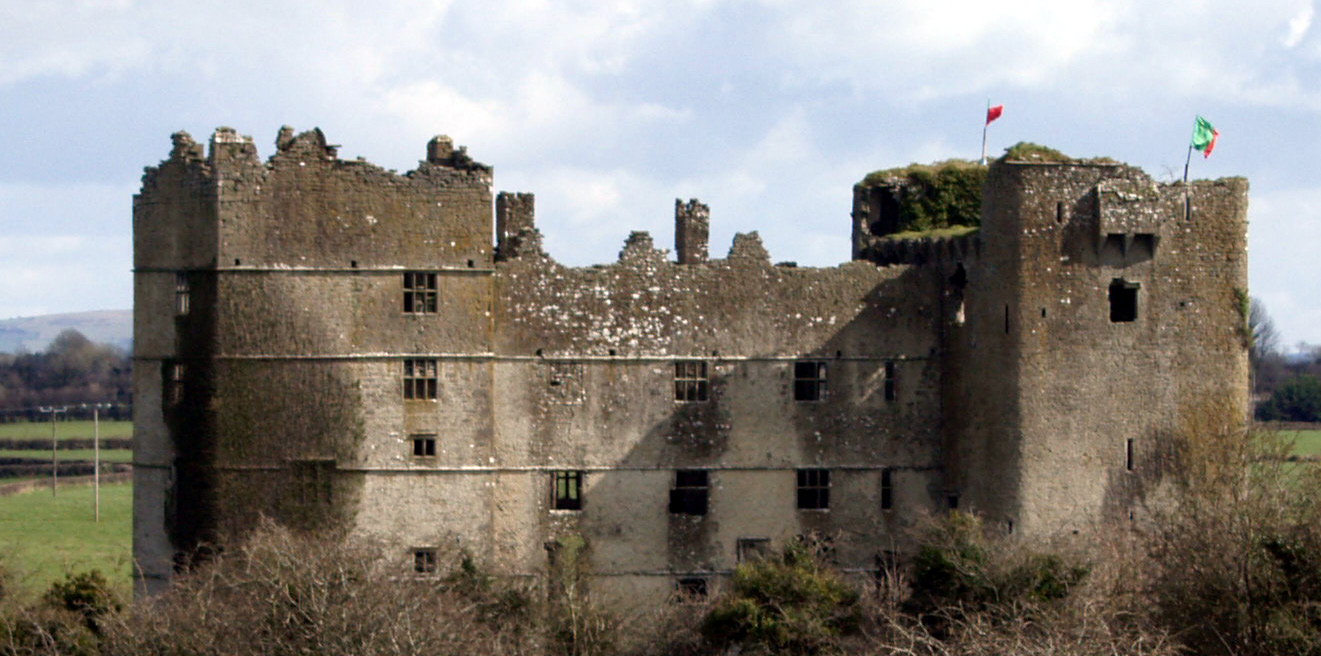
One family held an unbroken line of barons here for over five centuries, from a 1204 marriage dowry to the title's extinction in 1722: a rare span…
Fortified place · Medieval
Swansea
A ruined fortification raised by Henry de Beaumont about 1106 to command a road and a crossing of the Loughor.
Fortified place · Iron Age
Essex
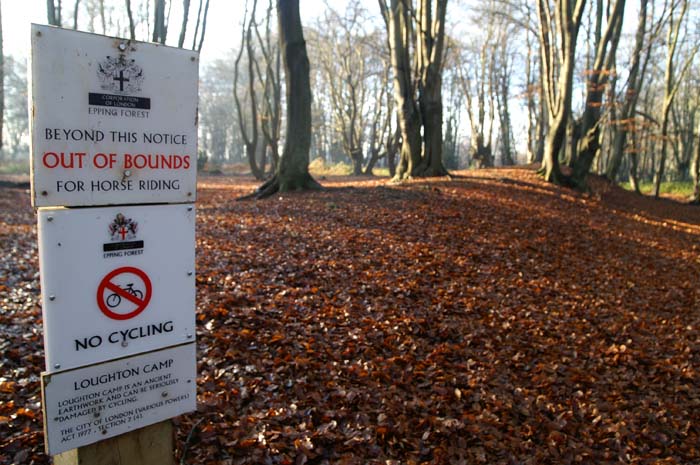
Loughton Camp is a scheduled Iron Age hillfort: a hilltop site enclosed by ramparts of earth, dating from the period from roughly 800 BC to the Rom…
Fortified place · Medieval
County Londonderry
Low Rock Castle’s short history runs from a battlemented Portstewart house and a notable military birth to its unauthorised demolition in 2001.
Fortified place · Medieval
Cumbria
A Norman lord's earthwork (a mound or ditch formed by moving soil, not by building) stronghold and the planned village beside it were abandoned tog…
Fortified place · Medieval
Wiltshire
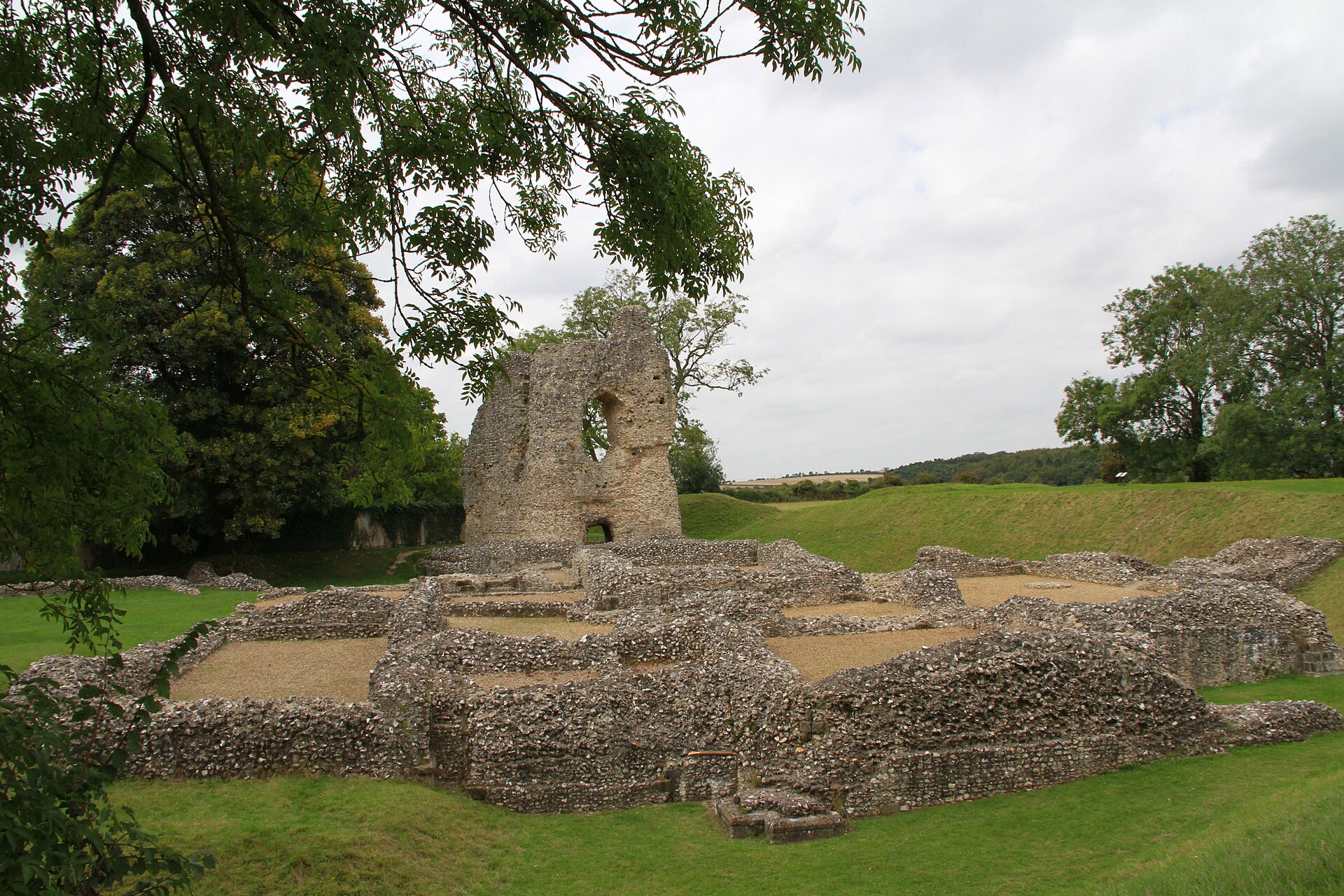
Three broken stretches of standing wall are nearly all that remain of a royal hunting lodge Henry III visited more than twenty times, set inside ea…
Fortified place · Medieval
Shropshire
Ludlow Castle grew from one of England’s first masonry castles into the administrative capital of Wales and the Marches; its surviving chapel, hall…
Building or ruin · Medieval
East Lothian
Luffness preserves a house within a former fortification, where medieval Lindsay power, a short-lived 1549 French–Scottish fort and later country-h…
Fortified place · Medieval
Dorset
Lulworth Castle is a rare Jacobean mock fortress whose long Weld-family history includes royal and exiled guests, a pioneering post-Reformation (th…
Fortified place · Medieval
County Durham
A manor house turned fortress in 1389 whose builder was executed within a decade for plotting against a king: and whose castle still bears his fami…
Fortified place · Roman
Warwickshire
A Roman fort of unknown name on the south-eastern edge of Coventry, now open to the public.
Fortified place · Medieval
Kent
Lympne Castle is a Grade I listed fortified manor that preserves an archdeacon’s medieval residence above Romney Marsh, rebuilt in the 1360s beside…
Fortified place · Medieval
Fife
MacDuff’s Castle preserves the changing fortunes of Fife’s medieval elite, from the MacDuff earls and Wemyss family to Colville rebuilding, while i…
Fortified place · Medieval
Derbyshire
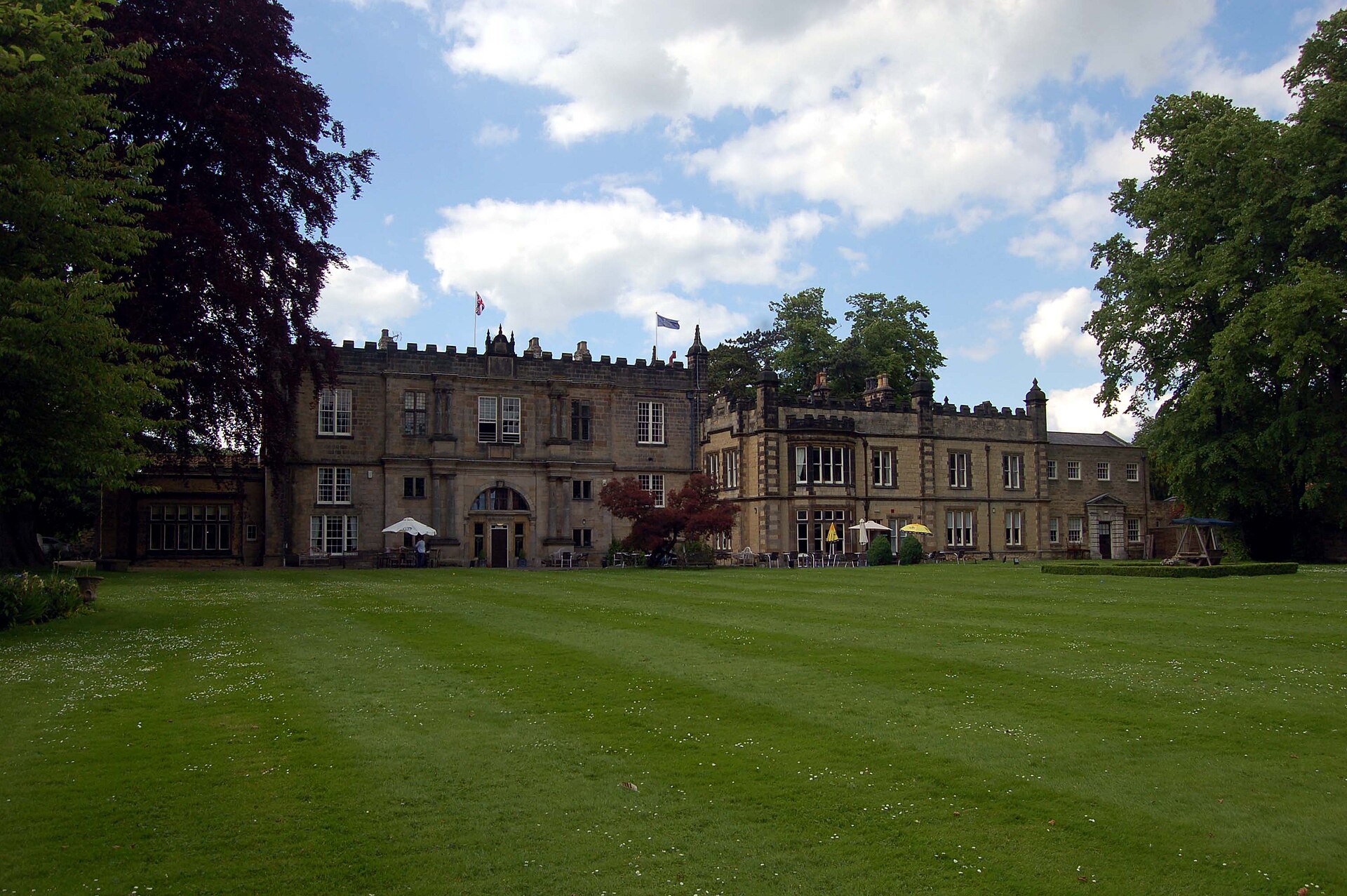
A single battlemented gatehouse is almost all that survives of a manor house grand enough to be mistaken for a castle: and historians still argue o…
Fortified place · Medieval
Dumfries and Galloway
MacLellan’s Castle is a late sixteenth-century Scottish L-plan tower house whose unfinished rooms and ‘Laird’s Lug’ reveal elite domestic life in K…
Fortified place · Medieval
Gwynedd
Madryn Castle represents a layered Llŷn estate history: an early castle tradition, a Tudor house, a later Gothic rebuilding and a surviving Grade I…
Fortified place · Iron Age
Cornwall
Maen Castle is a coastal Iron Age promontory fort: a coastal spur defended by banks thrown across its neck, the centuries before Rome arrived, from…
Fortified place · Iron Age
Somerset
An Iron Age defended settlement on the Dundry Down ridge south of Bristol, known also as Maes Tump.
Fortified place · Iron Age
Somerset
A hillfort whose name is half Welsh and half English: recorded in 705 as the boundary fort, on the frontier it describes.
Fortified place · Iron Age
Bedfordshire
A 1913 dig found a pit packed with the disarticulated bones of some fifty people, sealed inside an entrance cut through a rampart, a defensive emba…
Fortified place · Iron Age
Cheshire
One of only seven Iron Age hillforts in Cheshire, and the outlier of the group: its double bank was judged unusually strong defence for so small a…
Fortified place · Iron Age
County Durham
An Iron Age promontory fort (a headland cut off by ramparts to make a defensible enclosure) east of Durham whose steep slopes and surviving earthwo…
Fortified place · Iron Age
North Yorkshire
Possibly one of only two banjo enclosures in northern England, entered along a rare funnelled avenue whose original purpose still divides archaeolo…
Fortified place · Medieval
County Cork
Three castles on one site: a thirteenth-century ruin, a fortified house built for defence in the round, and a Victorian mansion.
Fortified place · Medieval
Wiltshire
The monks petitioned King John to have it demolished, and he agreed. Archaeology has still not found where in the town it stood.
Fortified place · Medieval
North Yorkshire
Fought over by English and Scottish kings alike, Malton was seized, slighted and finally destroyed by Robert the Bruce: yet its gatehouse still sta…
Fortified place · Prehistoric
Derbyshire
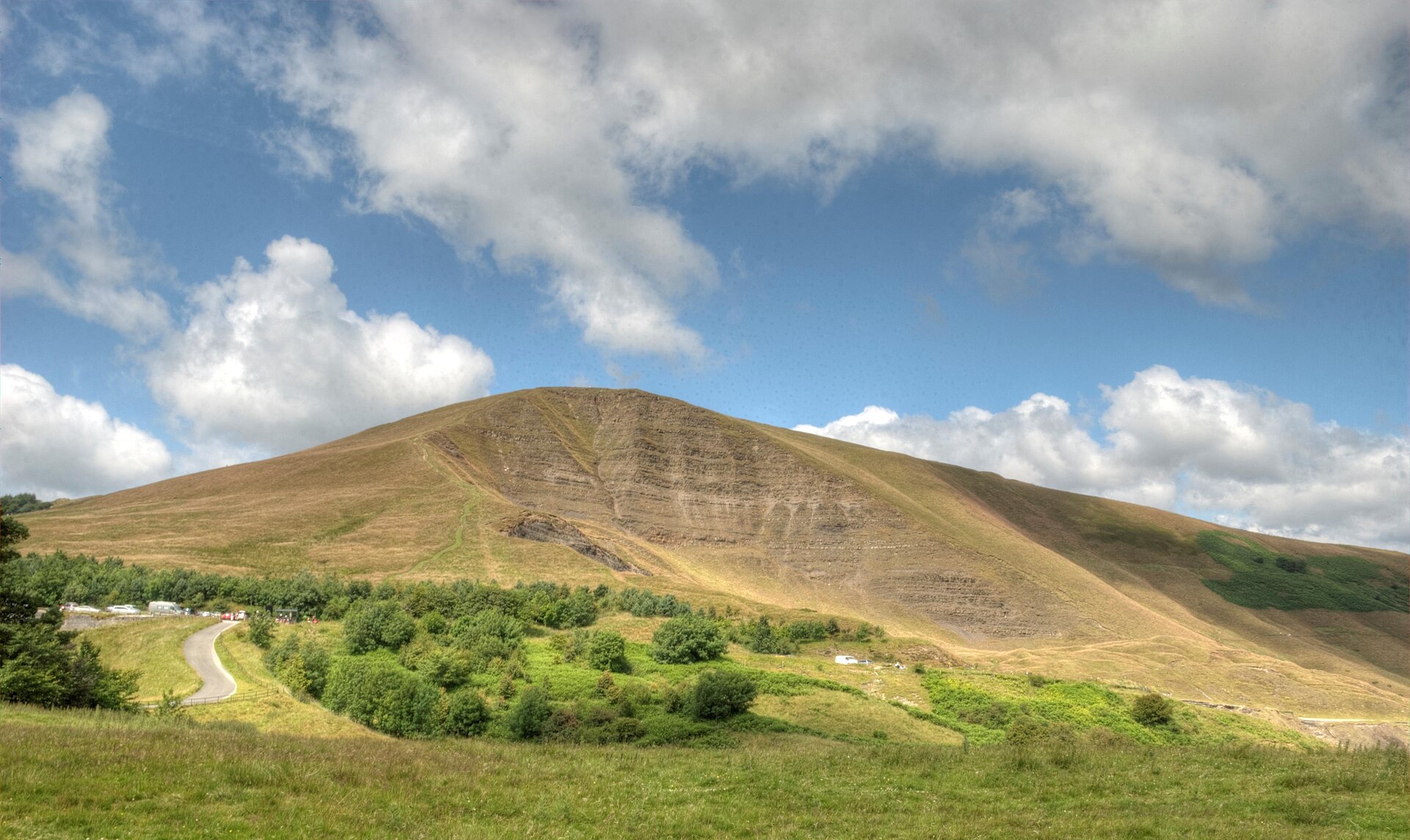
The summit rampart is being eaten by the hillside it stands on: the landslip behind the hill's "Shivering Mountain" nickname has been gnawing at th…
Fortified place · Medieval
County Monaghan
Its builders raised a Norman fortress directly over the traditional capital of the Gaelic kingdom of Airgíalla, turning the site itself into a decl…
Fortified place · Medieval
Pembrokeshire
A Norman castle founded in the late eleventh century by the Anglo-Norman de Barry family, south-west of Tenby.
Fortified place · Prehistoric
Neath Port Talbot
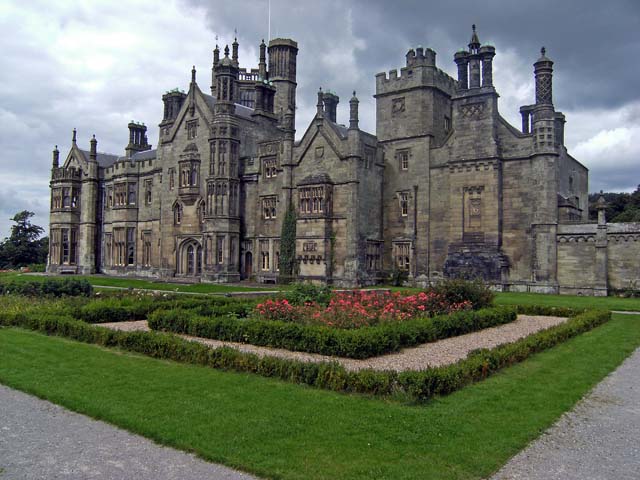
Margam Castle is a Grade I Tudor Revival house built by wealth from the early Port Talbot development, embedded in a 4,000-year estate landscape an…
Fortified place · Medieval
North Yorkshire
A moated manor still owned by battlements first licensed in 1310, its restored chapel hosted a wedding in 2001: the first since 1487.
Fortified place · Medieval
Wiltshire
The mound beneath Marlborough Castle was raised around 2400 BC, making the Norman stronghold that came later only the latest occupant of a monument…
Fortified place · Medieval
Dorset
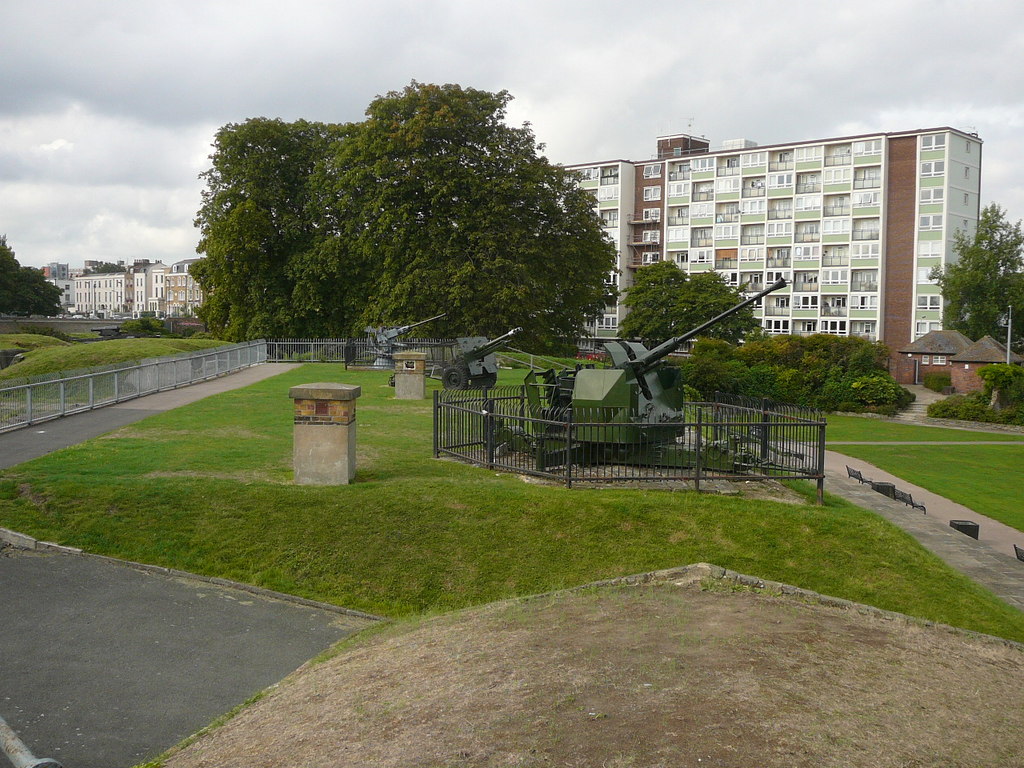
Marshwood Castle is a scheduled remnant of the medieval Honour of Marshwood, where motte-and-bailey (an early Norman castle of a timber tower on an…
Fortified place · Medieval
Powys
The capital of Powys for some three hundred years, abandoned for Welshpool in 1212 and destroyed the year after.
Fortified place · Medieval
County Kilkenny
Maudlin Castle is the defensive remnant of one of medieval Ireland's principal leper hospitals, where a later tower house preserves the difficult s…
Fortified place · Medieval
Cambridgeshire
Maxey’s double-moated manor earthworks preserve the wetland setting of a late medieval fortified house, briefly home to Margaret Beaufort before he…
Fortified place · Medieval
County Kildare
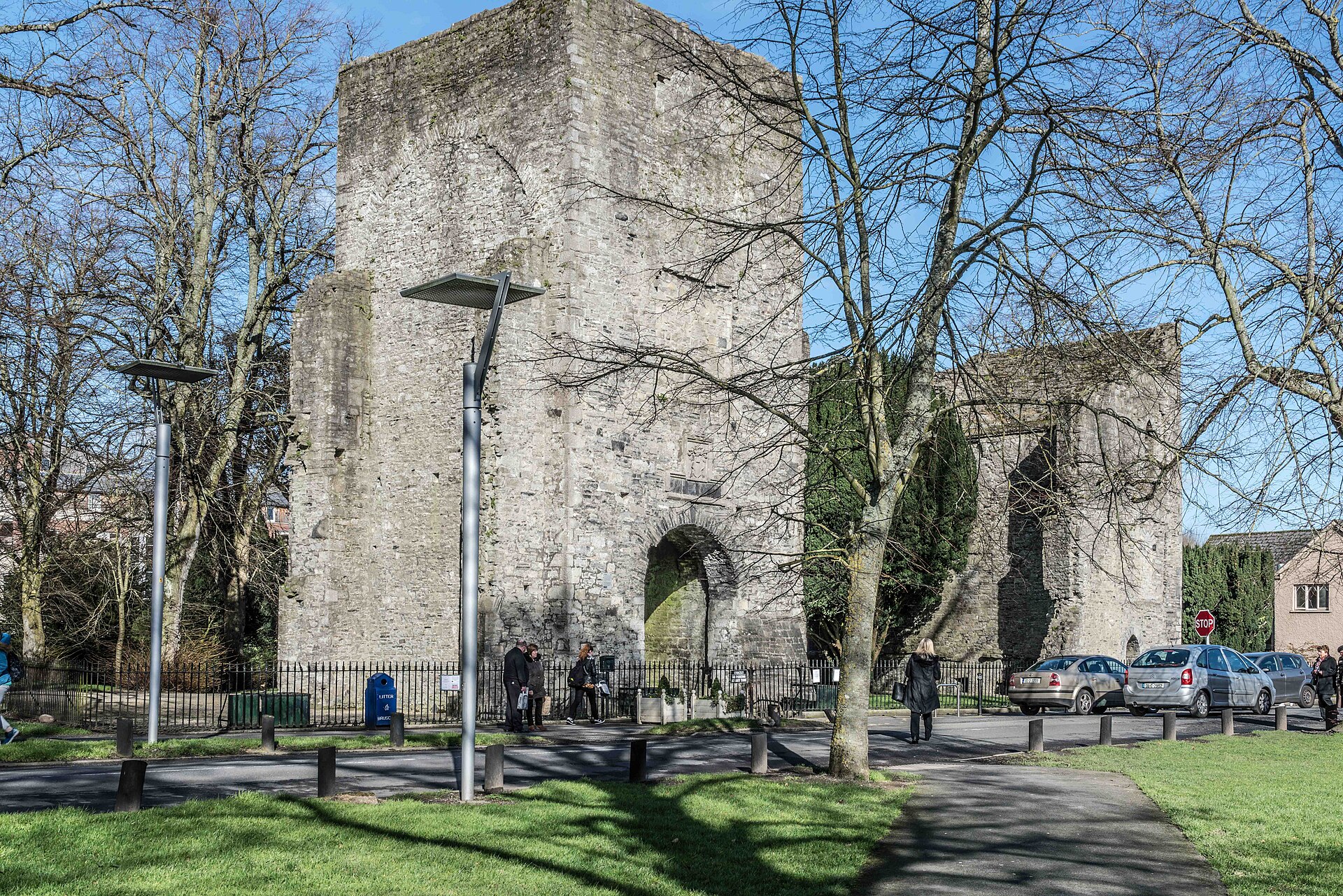
Maynooth’s gatehouse and Solar Tower are the survivors of the Fitzgerald earls’ principal residence, damaged in the rebellion that ended their medi…
Fortified place · Medieval
County Roscommon
A 2019 dig beneath the visible ruin found an older, far thicker wall and Gaelic finds spanning six centuries: proof the island was refortified agai…
Fortified place · Iron Age
Somerset
A settlement at Meare on the Somerset Levels, occupied from about 300 BC to AD 100.
Fortified place · Medieval
Derbyshire
Fifteen metres of surviving rubble wall are folded into a Melbourne farm building, the last visible fragment of a castle that held a captured Frenc…
Fortified place · Iron Age
Wiltshire
A single ring bank hides two collisions of history at once: an Iron Age (the centuries before Rome arrived, from about 800 BC) stronghold whose eas…
Fortified place · Iron Age
Devon
Membury Castle is a hillfort, a settlement defended by banks and ditches on high ground during the Iron Age, the centuries before the Roman conques…
Fortified place · Medieval
County Galway
A Blake-family stronghold on the Corrib whose grand 18th-century additions ended in a single catastrophic fire in 1910, claiming a life never accou…
Fortified place · Prehistoric
Hampshire
A bishop's castle of the 1130s was raised inside a long-abandoned Iron Age hillfort, a defended settlement on high ground from the period before th…
Fortified place · Medieval
County Galway
A well-preserved Galway tower house near Merlin Park University Hospital, associated with the Lynch family and retaining a rare sheela na gig carving.
Fortified place · Medieval
Suffolk
A licence to crenellate in 1342, three moated courts, and by 1562 a bakehouse, brewhouse, malting house and aisled hall inside the walls.
Fortified place · Medieval
North Yorkshire
A childhood home turned royal seat: Richard III married into the family here and made Middleham his main residence before losing throne and son wit…
Fortified place · Medieval
Norfolk
Middleton Mount shows a common but important Norman strategy: placing a castle mound and enclosed yard on an existing Anglo-Saxon estate centre: wh…
Fortified place · Medieval
Somerset
A Gothic Revival house of 1775 south of Bath, given a three-towered plan by John Carter.
Fortified place · Iron Age
Orkney Islands
An exceptionally well-preserved broch where a spring-fed tank, roasting hearth and converted workshop spaces make everyday life in an Iron Age coas…
Fortified place · Iron Age
Herefordshire
Unusually, its ramparts enclose two separate summits and the valley between them, encircling a community of around 1,500 people who lived here unti…
Fortified place · Iron Age
Devon
Milber Down is a hillfort, a defended enclosure on high ground, ringed with banks and ditches during the Iron Age, the centuries before the Roman c…
Fortified place · Medieval
Suffolk
The chronicle of Jocelin of Brakelond records a village granted to a man because he could defend it against this castle's castellan.
Fortified place · Iron Age
Scottish Borders
A small hillfort of the Iron Age, roughly 800 BC until the Roman conquest: a settlement defended by banks and ditches on high ground: with up to si…
Fortified place · Medieval
Cumbria
A single family, the Hudlestons, held this stronghold for over six centuries, riding out the Wars of the Roses and a Civil War siege that finally b…
Fortified place · Medieval
Northumberland
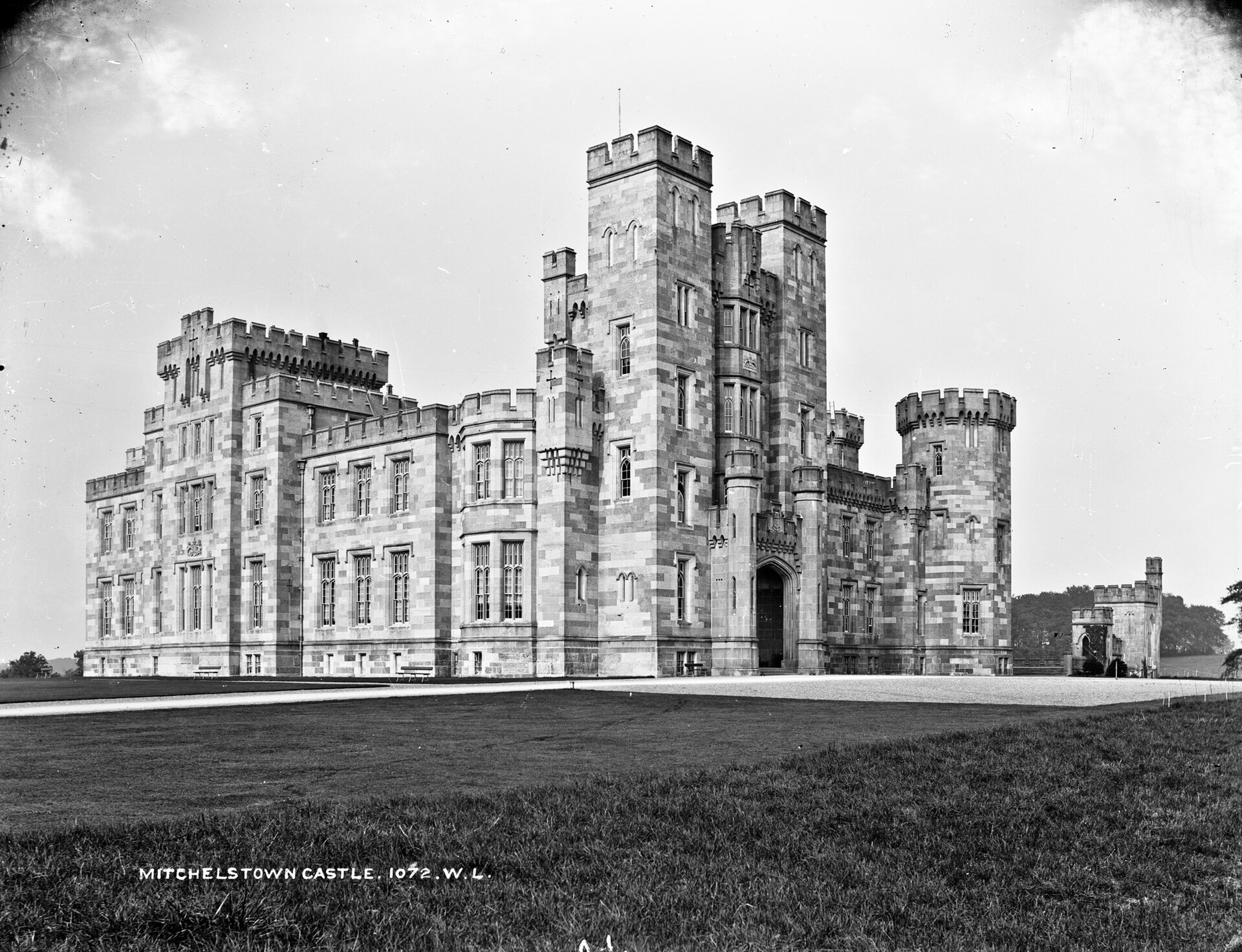
Mitford’s ruined hilltop, reshaped in Norman times into an earthen castle mound, became the setting for kidnapping, rebellion and destruction by 1323.
Fortified place · Iron Age
Aberdeenshire
Excavation found an intact crucible and iron slag inside the ramparts: proof this granite summit was a working metalworking centre, not just a look…
Fortified place · Iron Age
Flintshire
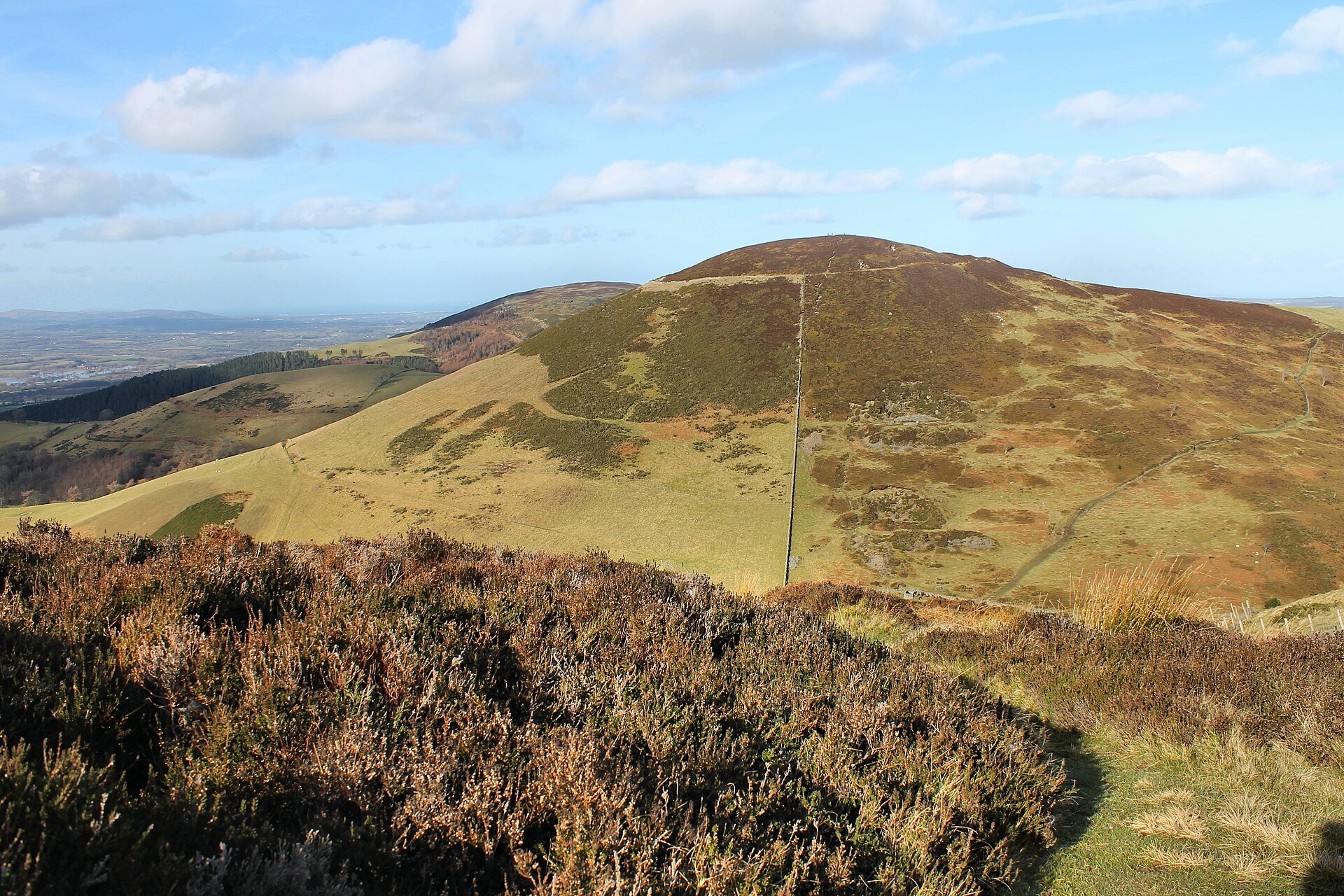
Its double rampart (a defensive bank of earth or stone) on the one gentle approach, and a single bank everywhere the slope already did the work, sh…
Fortified place · Iron Age
Denbighshire
An Iron Age hillfort crowns a limestone ridge above Dyserth, its northern flank sheared away by quarrying: a fort half-consumed by the very stone i…
Fortified place · Iron Age
Denbighshire
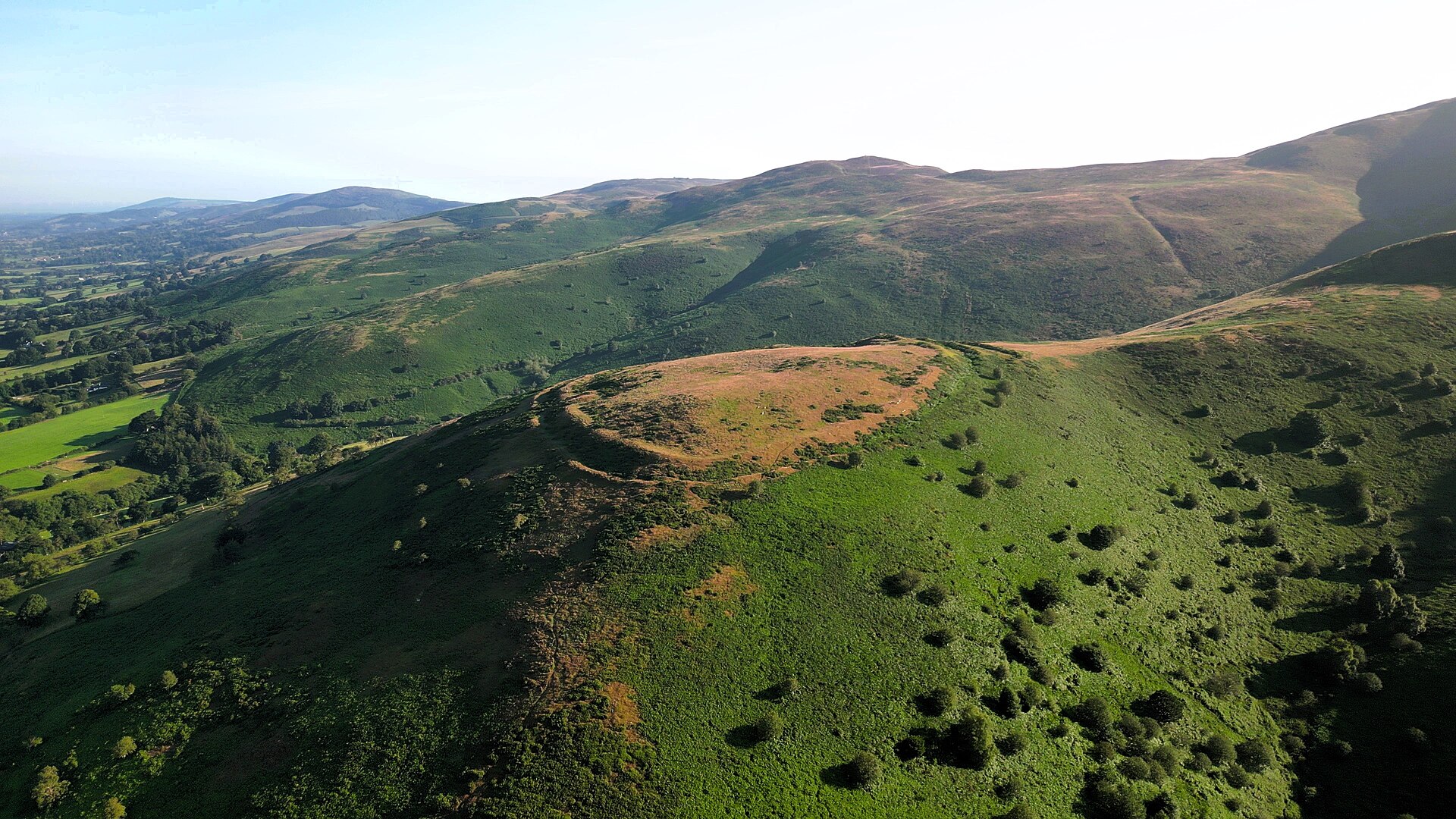
The smallest of the six Clwydian Range hillforts, sited lowest of the chain yet at the strategic confluence of the Wheeler and Clwyd rivers where O…
Fortified place · Iron Age
Denbighshire
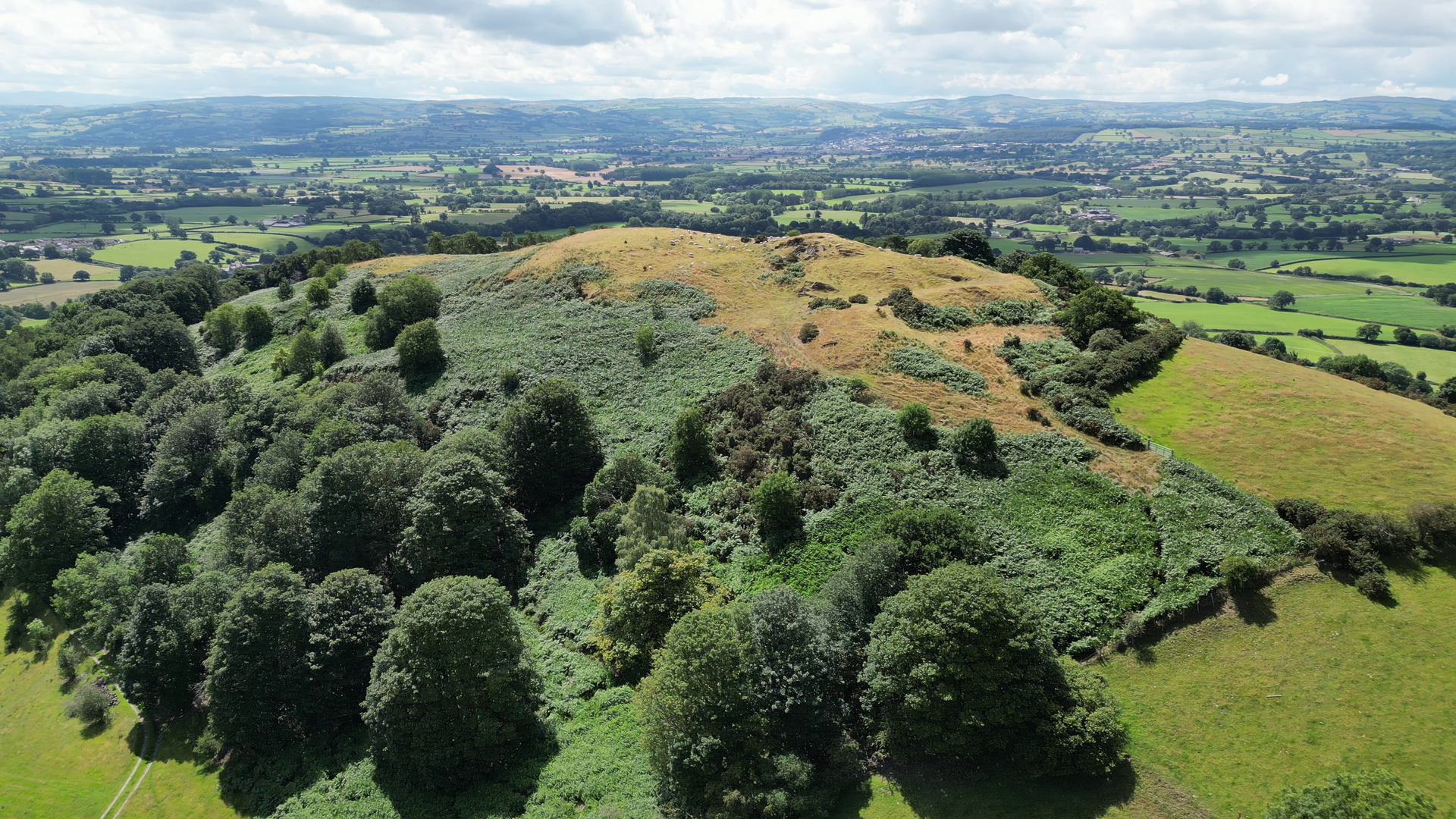
One of six linked hillforts strung along the Clwydian Range, yet built lower and off the main ridge: a deliberate break from the chain's usual patt…
Fortified place · Iron Age
Denbighshire
Excavation here found two roundhouses of different periods still preserved beneath the turf, proof that this hilltop was lived on, not just fortified.
Fortified place · Iron Age
Flintshire
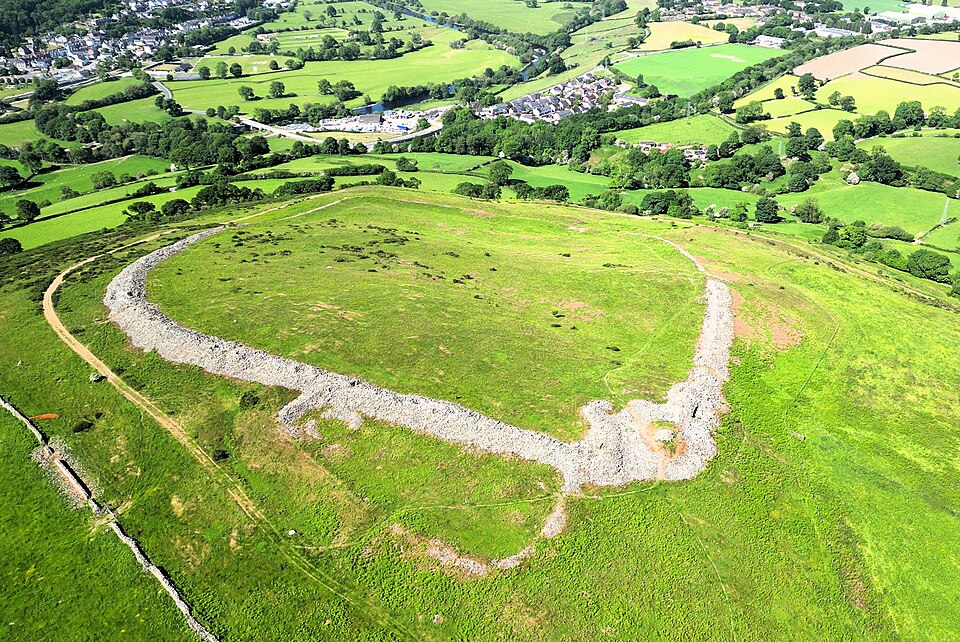
A timber long house sunk beneath the ramparts pushed activity on this summit back a thousand years before any defences existed, long before the for…
Briefer entries: recorded and worth knowing, with fuller pages to come.
Fortified place · Iron Age
Outer Hebrides
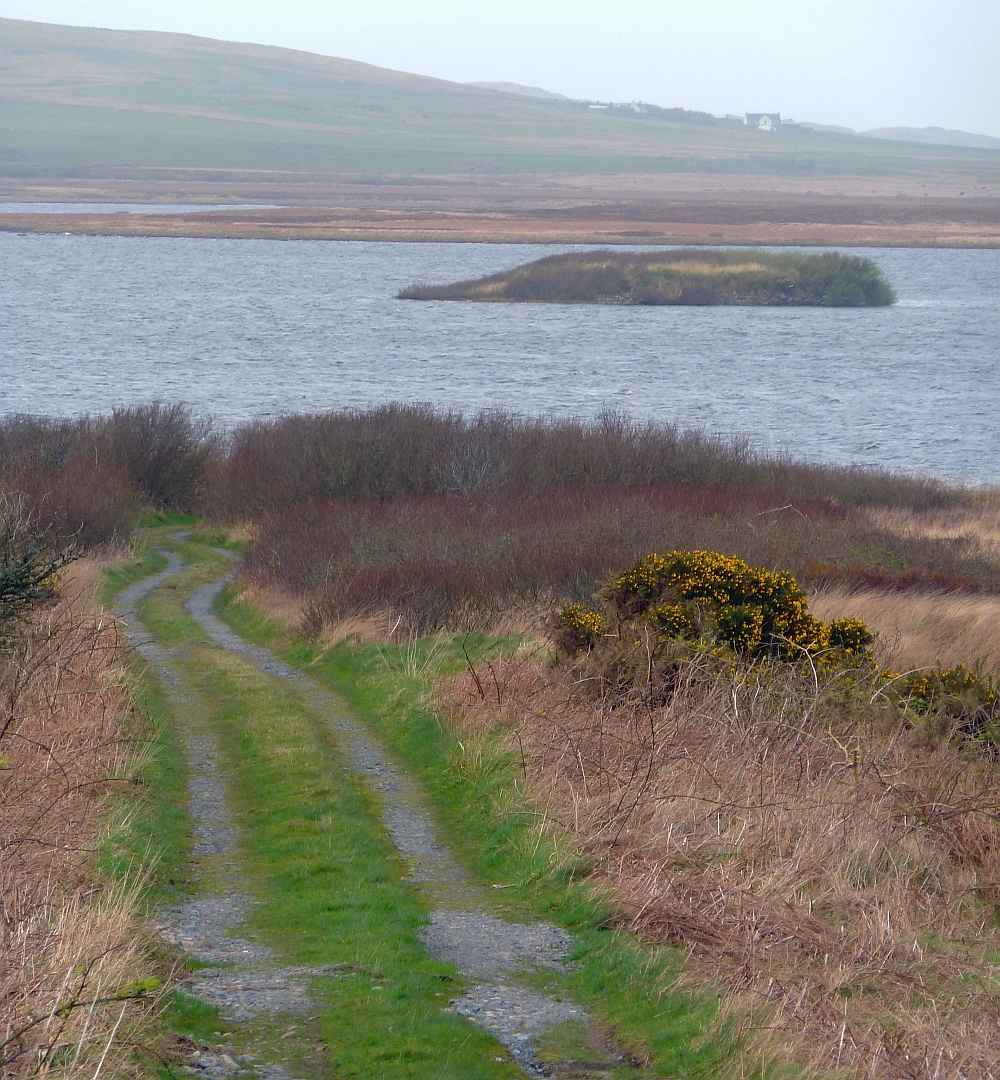
Loch na Berie sits some 400 yards from the shore of the Isle of Lewis, its broch (a tall circular tower of unmortared stone, found only in Scotland…
Fortified place · Iron Age
Hampshire
Ploughing has worn its single rampart to a soil mark across most of the site: only a fragment under trees still stands as an earthwork, a hillfort…
Fortified place · Medieval
Devon
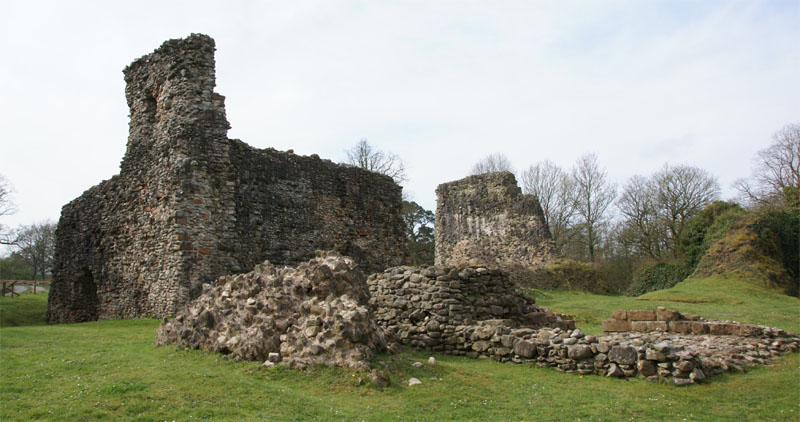
Lydford Castle charts Norman control, medieval tin and forest law, imprisonment and the long afterlife of ‘Lydford Law’ in one of England’s earlies…
Fortified place · Medieval
County Cork
A Muskerry lordship castle reshaped by war, confiscation and nineteenth-century town planning, with its gatehouse and river-side ruins still embedd…
Fortified place · Medieval
County Down
Mahee Castle is a compact Strangford Lough tower house whose causeway position, layered archaeology, and twentieth-century repairs reveal a changin…
Fortified place · Iron Age
County Tyrone
Mallabeny’s large Scheduled hillfort (a hilltop enclosure ringed by earth ramparts) preserves a substantial ancient enclosure within a small County…
Fortified place · Medieval
Greater London
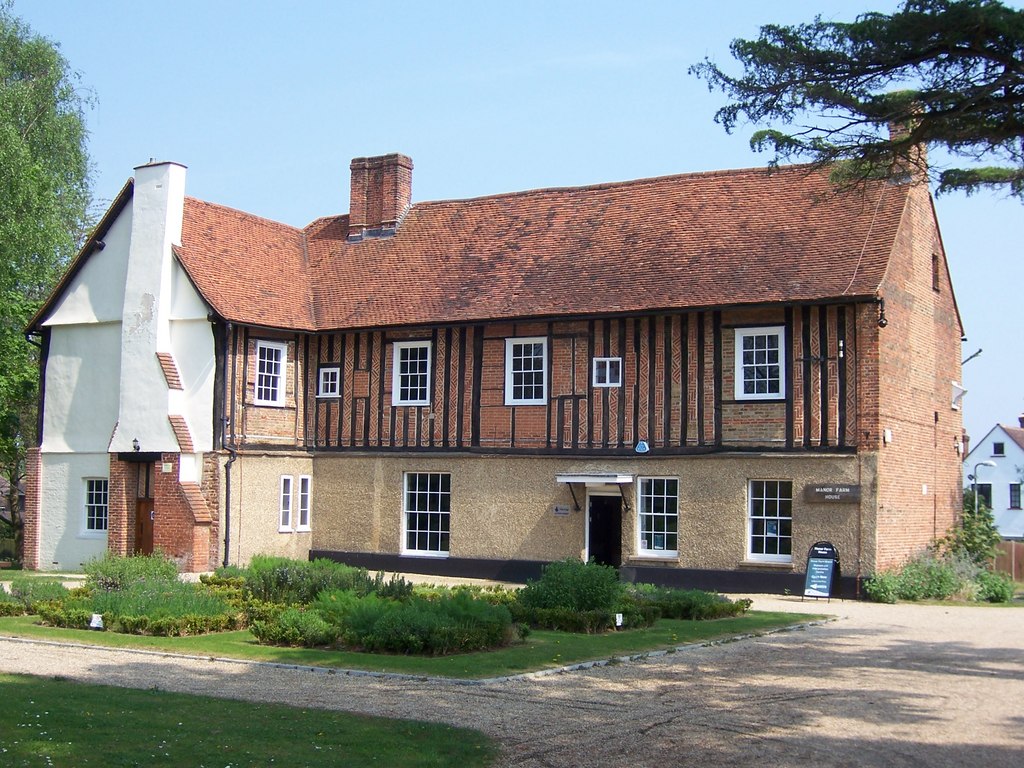
Manor Farm, Ruislip is an unusually complete public medieval farm landscape, combining a Norman-era moat, a 13th-century aisled barn and a manorial…
Fortified place · Medieval
County Down
Margaret’s Castle is a protected fifteenth-century tower-house fragment whose turrets, murder-hole and vaulted ground floor help explain Ardglass’s…
Fortified place · Medieval
County Sligo
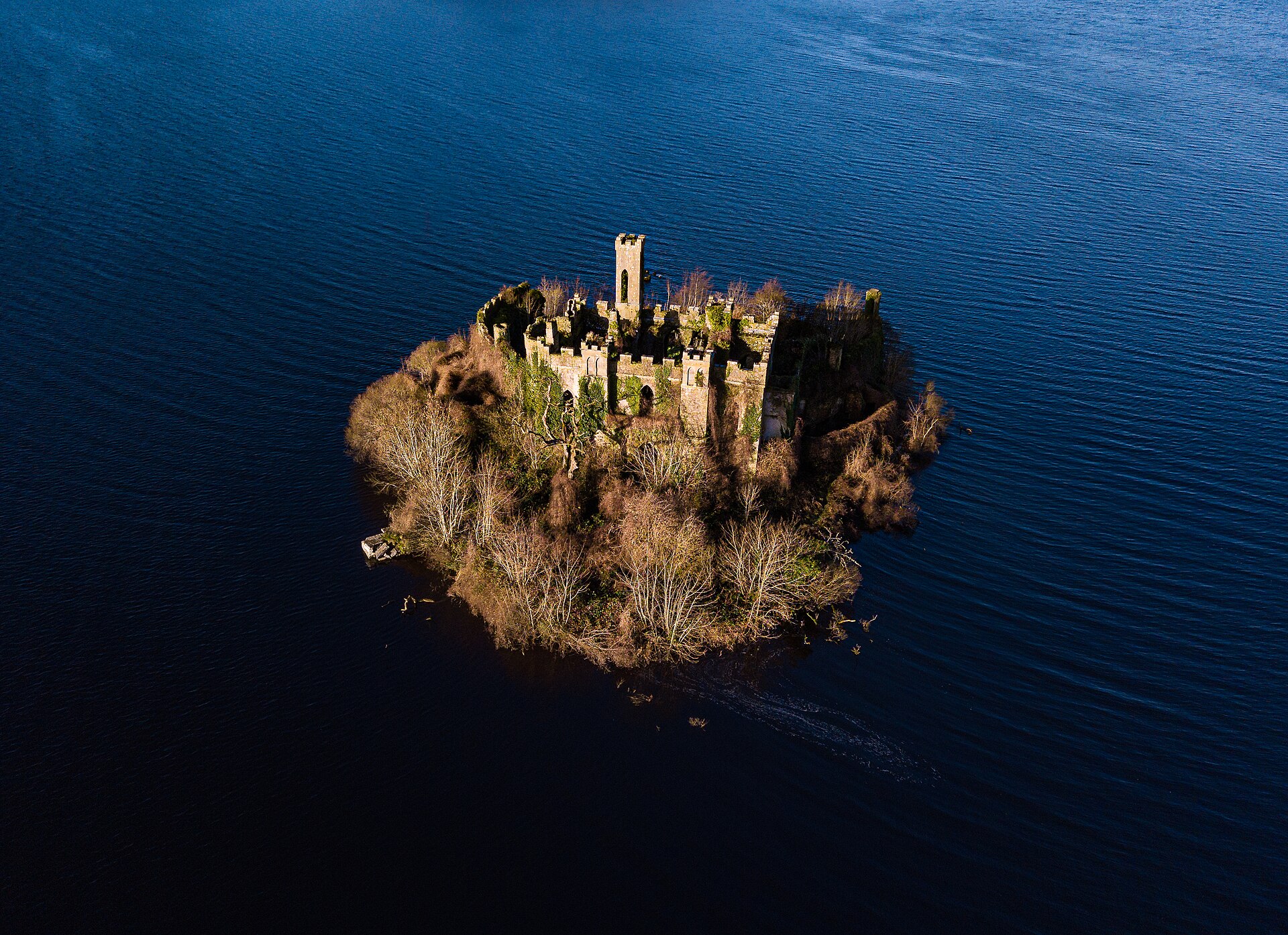
A Cooper family seat on the River Unshin whose nineteenth-century observatory hosted the world's largest refracting telescope and discovered astero…
Fortified place · Medieval
County Westmeath
Its close resemblance to Talbot's Castle in Trim is the main evidence for dating this ruin, making it a rare architectural echo of a documented Mea…
Fortified place · Iron Age
Greater Manchester
Mellor hill fort is Greater Manchester’s only hill fort, preserving an Iron Age settlement: from the centuries before Rome arrived: above the Chesh…
Fortified place · Medieval
Essex
Mersea Fort was a Henry VIII coastal artillery fort guarding the River Colne and Colchester, with a later life in civil war defence, oyster governa…
Fortified place · Medieval
Kent
Milton Blockhouse was a heavily armed but short-lived Henry VIII Device fort on the Thames, illustrating the scale of Tudor emergency defence for L…
Fortified place · Medieval
Gloucestershire
A large Norman motte-and-bailey (an early Norman castle of a timber tower on an earth mound, with a walled yard alongside) stronghold whose defende…
Fortified place · Medieval
County Cork
The site of Ireland's largest neo-Gothic house, whose 1922 burning ended a long Kingston family seat and supplied stone for Mount Melleray Abbey.
Fortified place · Iron Age
Devon
Mockham Down is a high Iron Age (roughly 800 BC until the Roman conquest) hillfort (a hilltop enclosure ringed by earth ramparts) whose multiple di…
No places match those filters.






.jpg?width=800)








Jun2004.jpg?width=800)
.jpg?width=800)








.JPG?width=800)
.JPG?width=800)