
Fortified place · Medieval
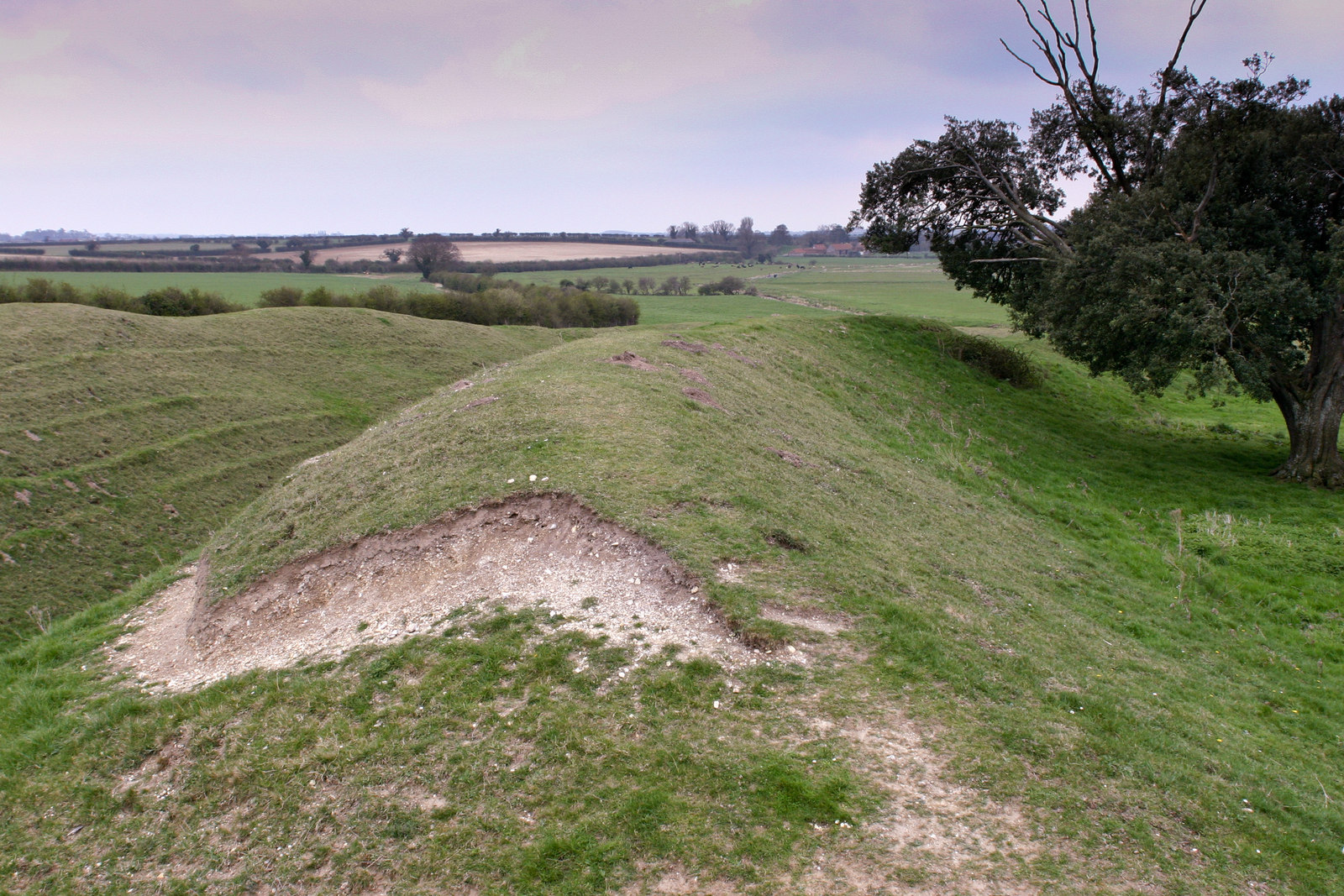
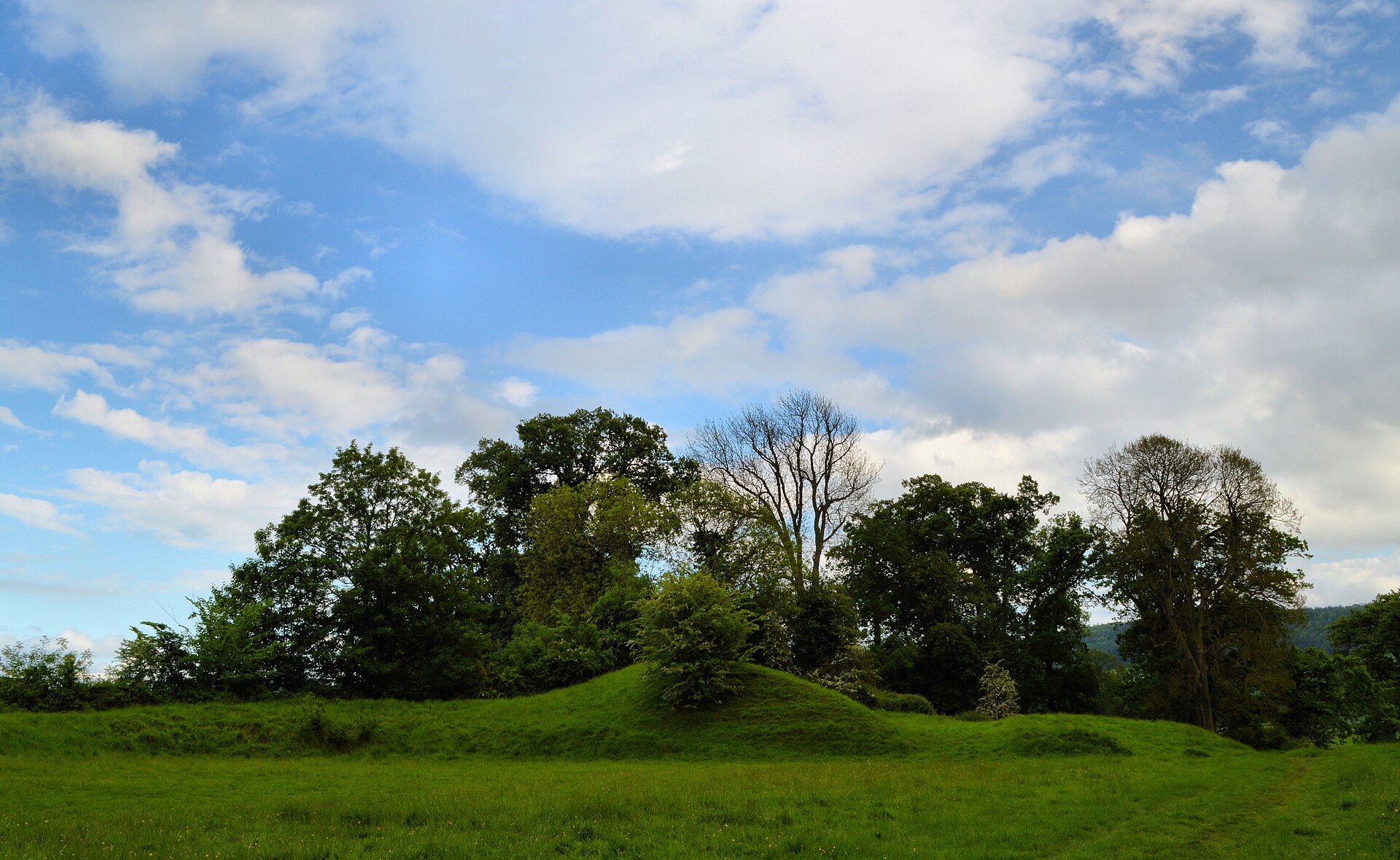
Twthill, Rhuddlan
denbighshire
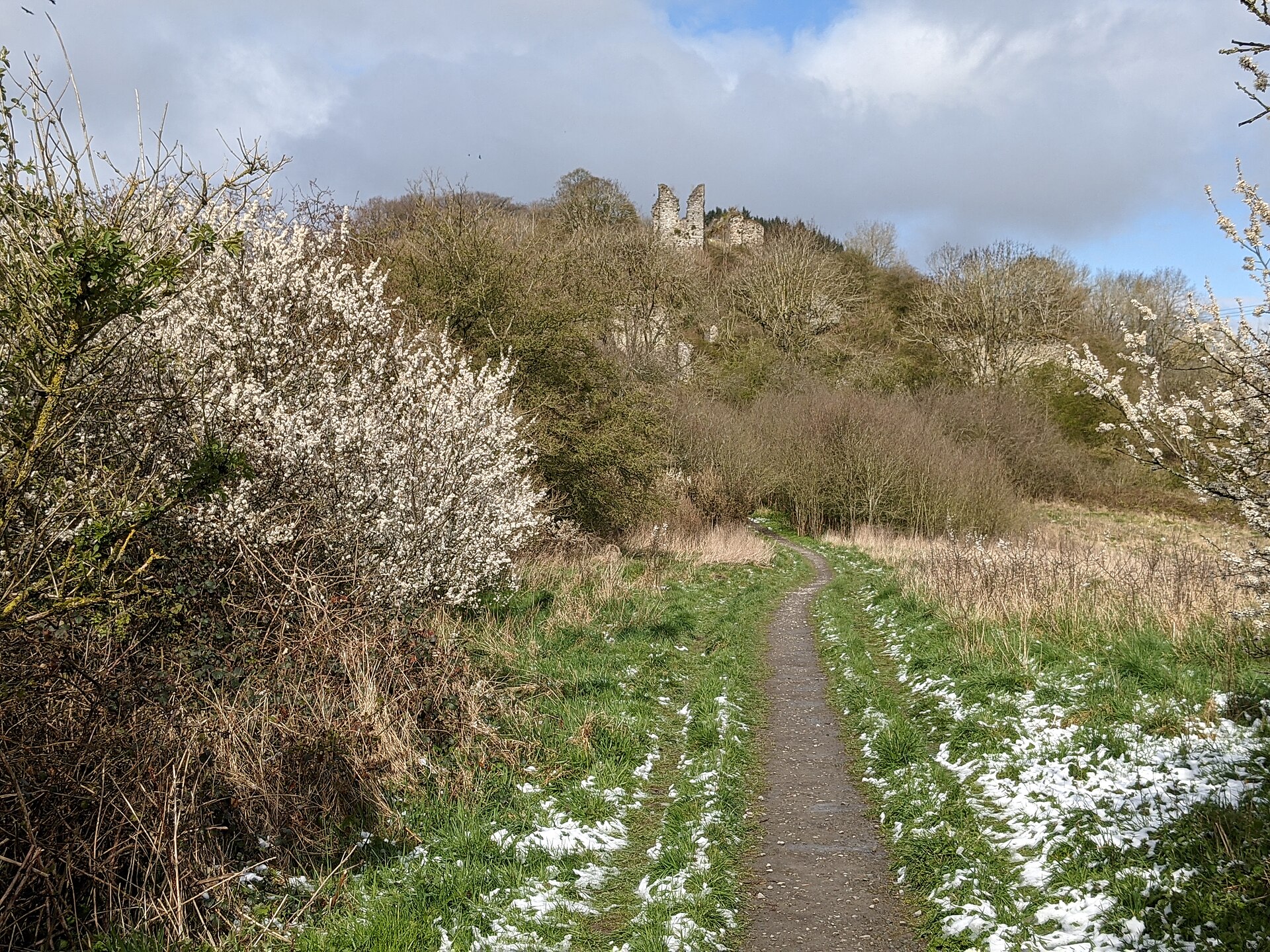
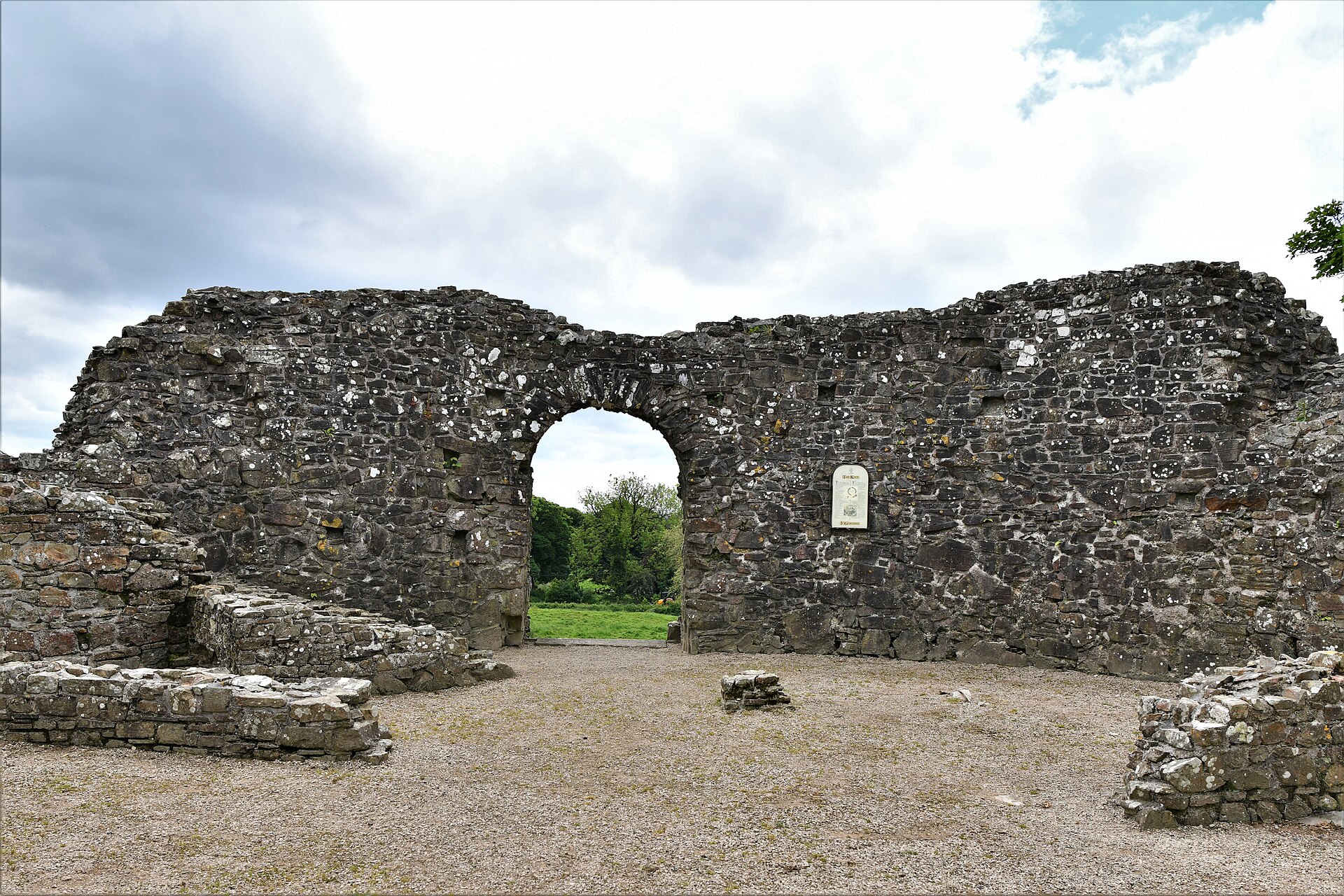
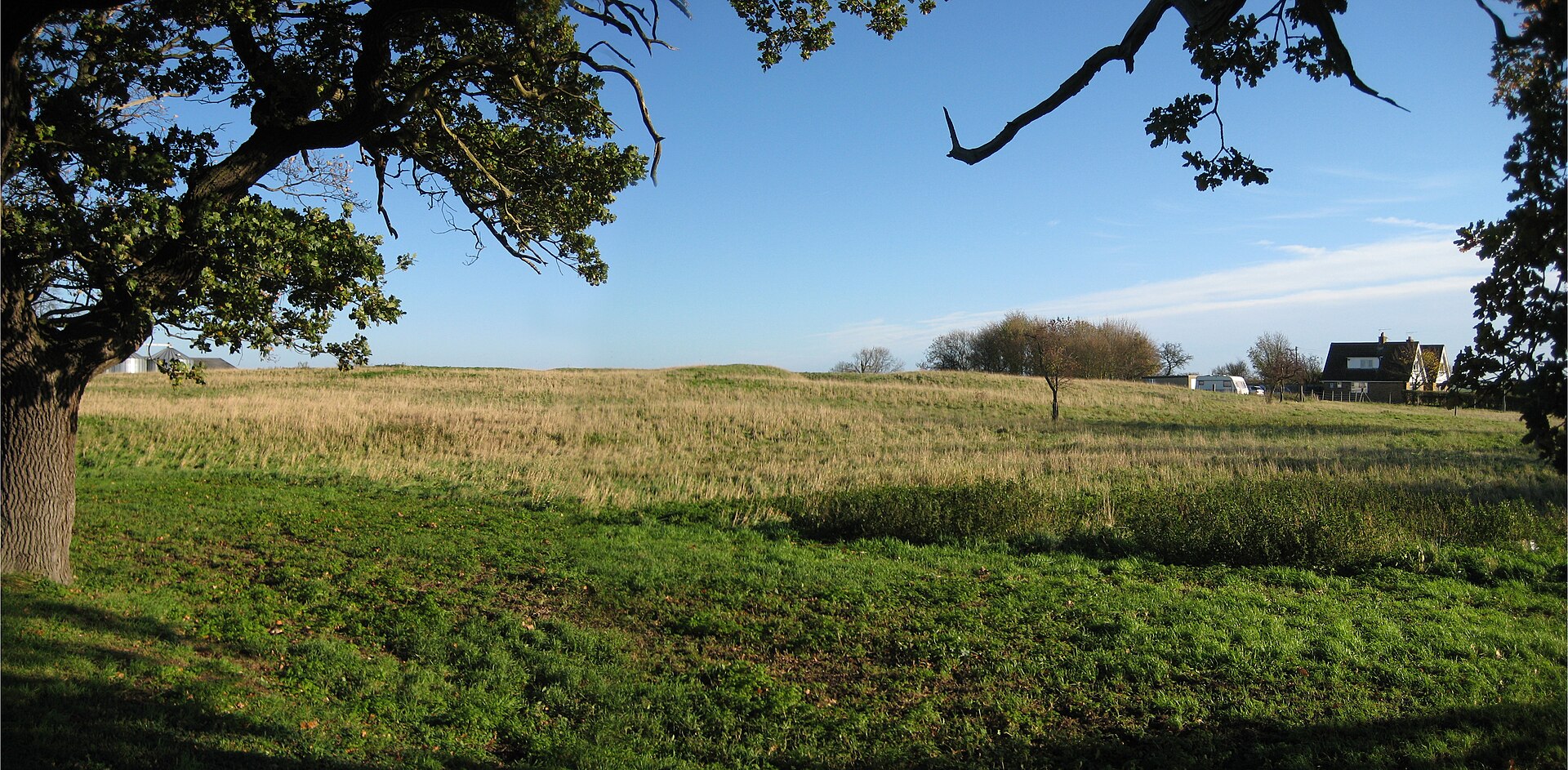
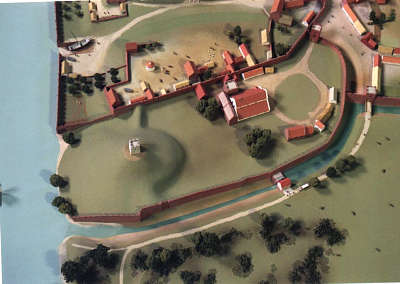
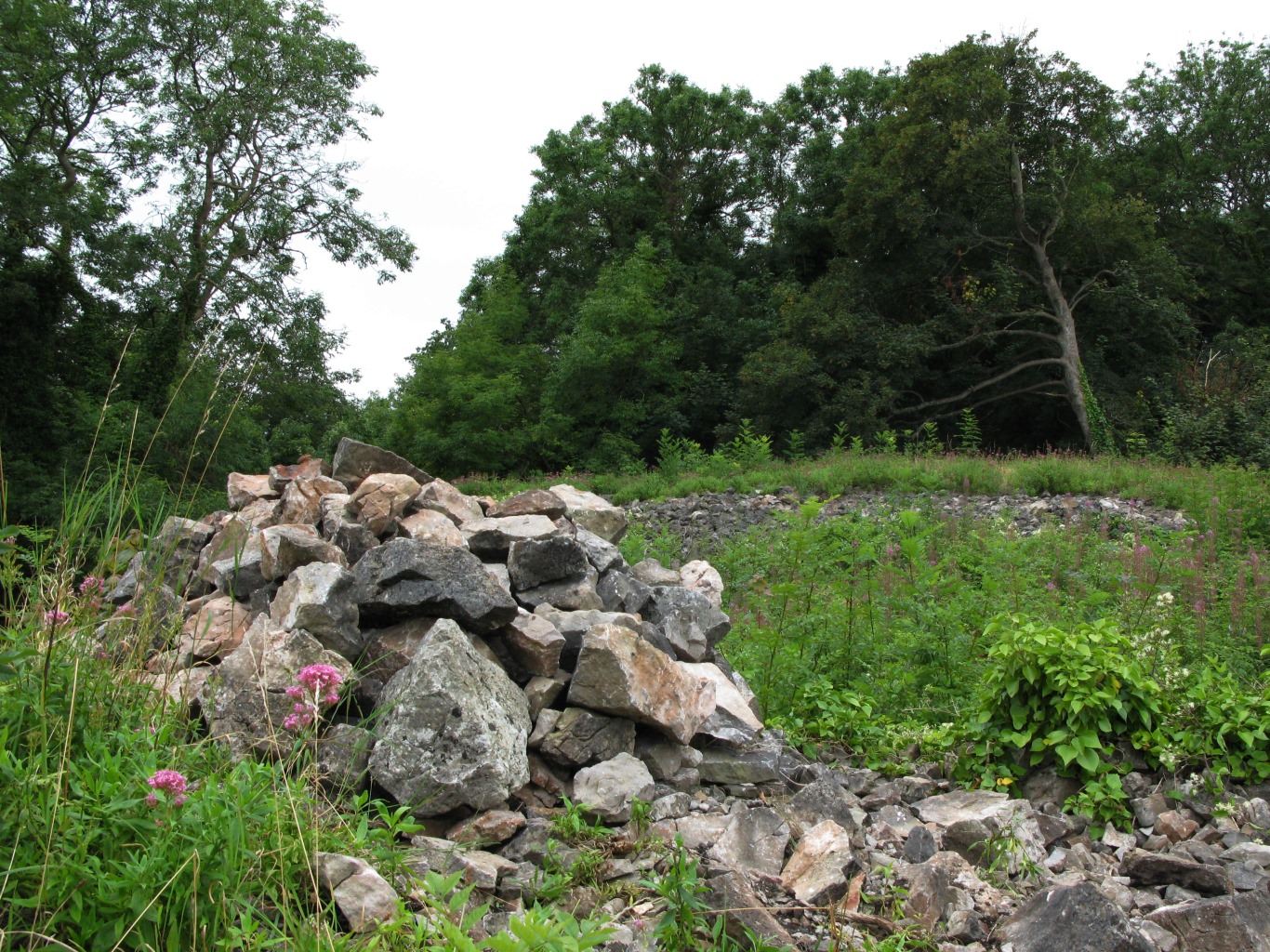
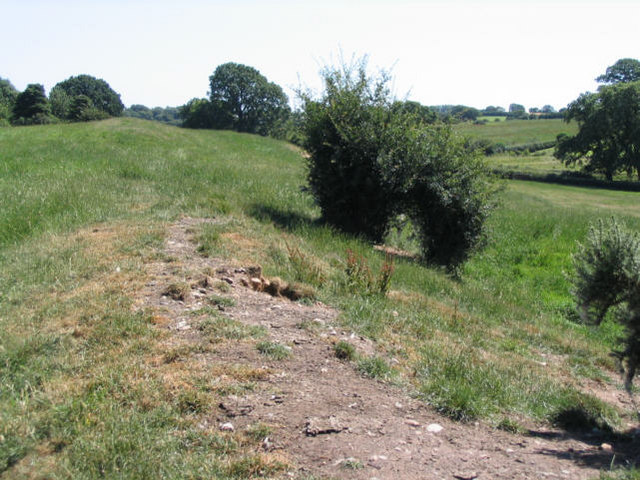
The Norman earthwork that held North Wales before Edward I's stone castle replaced it 300 yards away: with a borough, a church and a mint beside it…
- Near Denbigh
By type
Page 20 of 21.
Search and filters apply to these 100 places.
Fortified place · Medieval
denbighshire
The Norman earthwork that held North Wales before Edward I's stone castle replaced it 300 yards away: with a borough, a church and a mint beside it…
Fortified place · Iron Age
Dumfries and Galloway
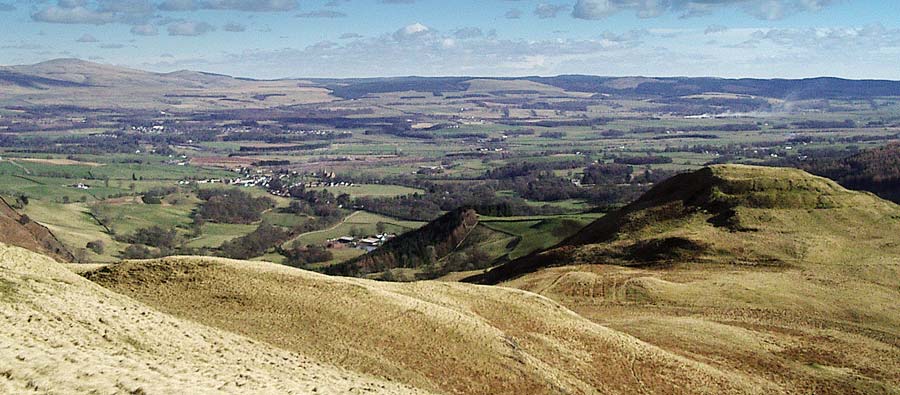
Three ditches and two ramparts, some of them cut directly into the rock, guard the only gentle approach to Tynron Doon. On its other three sides th…
Fortified place · Medieval
County Westmeath
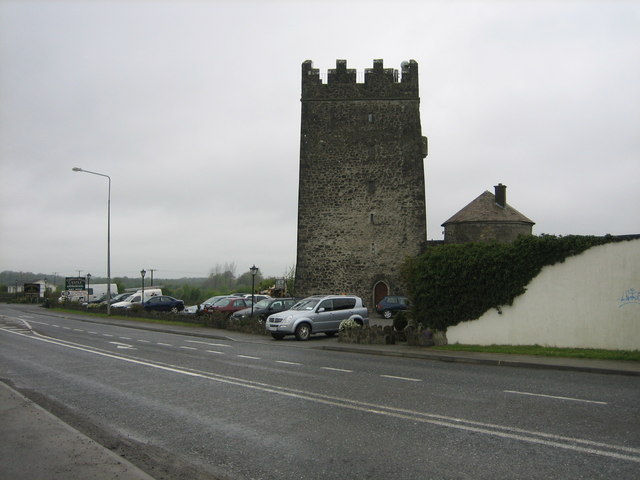
The only Tyrrell castle to survive, and the namesake of the 1597 battle that gave the town its name: now a working restaurant with a 1280 roof beam…
Fortified place · Iron Age
Oxfordshire
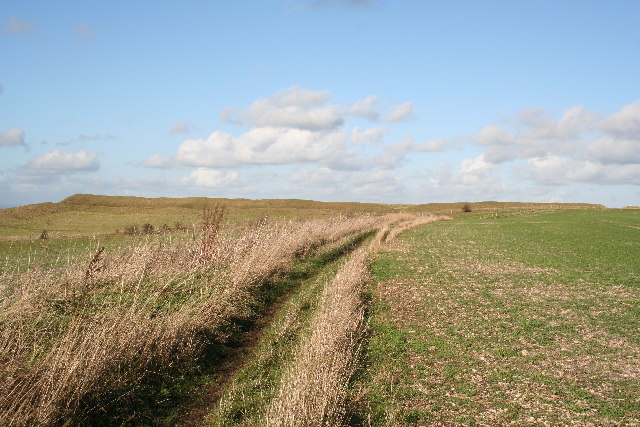
An Iron Age hillfort: a defended settlement on high ground: whose ramparts still carry a facing of white sarsen stone, standing directly beside the…
Fortified place · Iron Age
Gloucestershire
Its double rampart (an encircling bank built for defence), terraced for over a mile around a 13-hectare hilltop, ranks it among the largest and bes…
Fortified place · Medieval
Kent
Upnor Castle guarded Chatham’s Medway anchorage, endured the 1667 Dutch raid, and then became one of England’s leading naval ammunition depots.
Fortified place · Medieval
North Yorkshire
Upsall Castle preserves the fragmented remains of a Scrope quadrangular castle, revealing how fortification, family succession and reuse reshaped o…
Fortified place · Medieval
Pembrokeshire
A fortified mansion near a creek of the Cleddau whose chapel is older than the castle, and whose gardens outlived two owners, a national park and a…
Fortified place · Medieval
Herefordshire
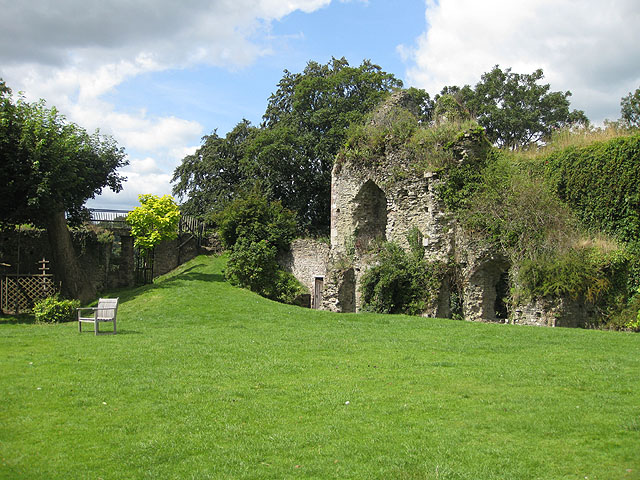
A fifteenth-century room from this ruin was shipped to Kansas and rebuilt inside a university library, while the chapel's altar with its five carve…
Building or ruin · Medieval
Highland
Blown up in 1692 to deny it to Jacobite forces, its shattered gatehouse and leaning tower still mark almost four centuries of siege along the Great…
Fortified place · Medieval
Monmouthshire
A private family home built inside the ruins of a Marcher stronghold, with disarmed WWII naval mines standing as garden ornaments beside a medieval…
Fortified place · Iron Age
Hertfordshire
Tasciovanus, the first ruler in Britain known to have struck coins bearing his own name, chose this hill as the seat from which he governed the Cat…
Fortified place · Iron Age
Devon
Voley Castle is a rare Devon slight univallate hillfort: a defended hilltop settlement: whose unusual outer earthwork, a bank or ditch shaped from…
Fortified place · Iron Age
Somerset
A promontory fort guarding the Mendip mining district: and probably an outwork of the larger camp across the river.
Fortified place · Iron Age
Somerset
Wain's Hill is a compact defended settlement dating from the period from roughly 800 BC to the Roman conquest. Its natural slopes and surviving eas…
Fortified place · Medieval
West Yorkshire
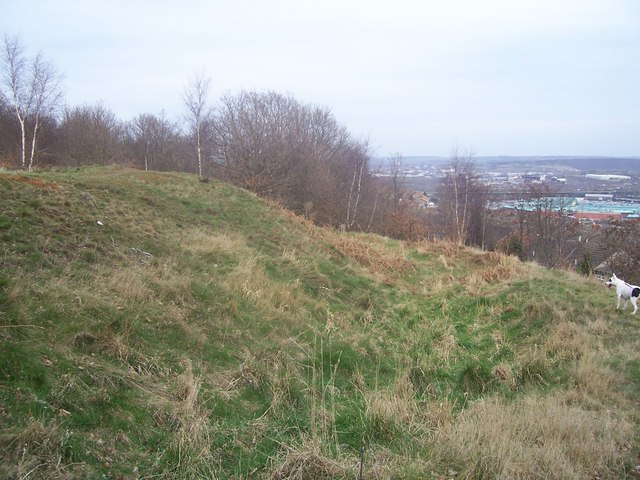
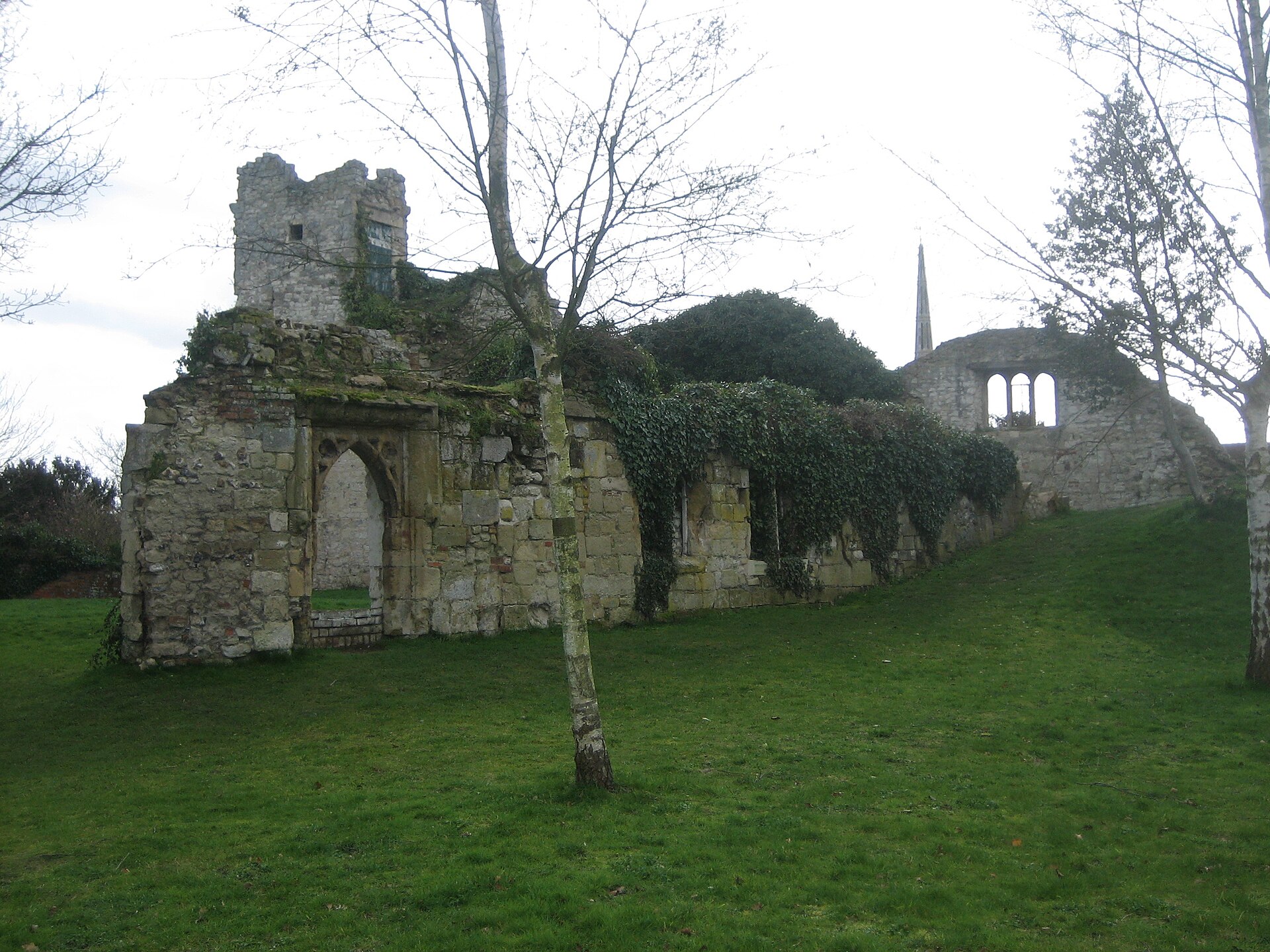
A motte: the earthen mound a castle was raised on: and two baileys in a Wakefield park, probably built without royal permission and abandoned befor…
Fortified place · Iron Age
Berkshire
The ground beneath its ramparts is the highest natural point in South East England, and on a clear day the view reaches all the way to The Shard in…
Fortified place · Medieval
Essex
Walden Castle is a rare physical trace of the Anarchy in Essex, showing how Geoffrey de Mandeville used castles to control territory before royal p…
Fortified place · Iron Age
Dumfries and Galloway
Wallace's House is an earthen rampart (an encircling bank built for defence) raised on a promontory near Lochmaben in Dumfries and Galloway. The de…
Fortified place · Medieval
Oxfordshire
A castle so strong it was never taken by force in nearly six centuries of use: only surrendered by treaty or siege attrition, then deliberately lev…
Fortified place · Medieval
Kent
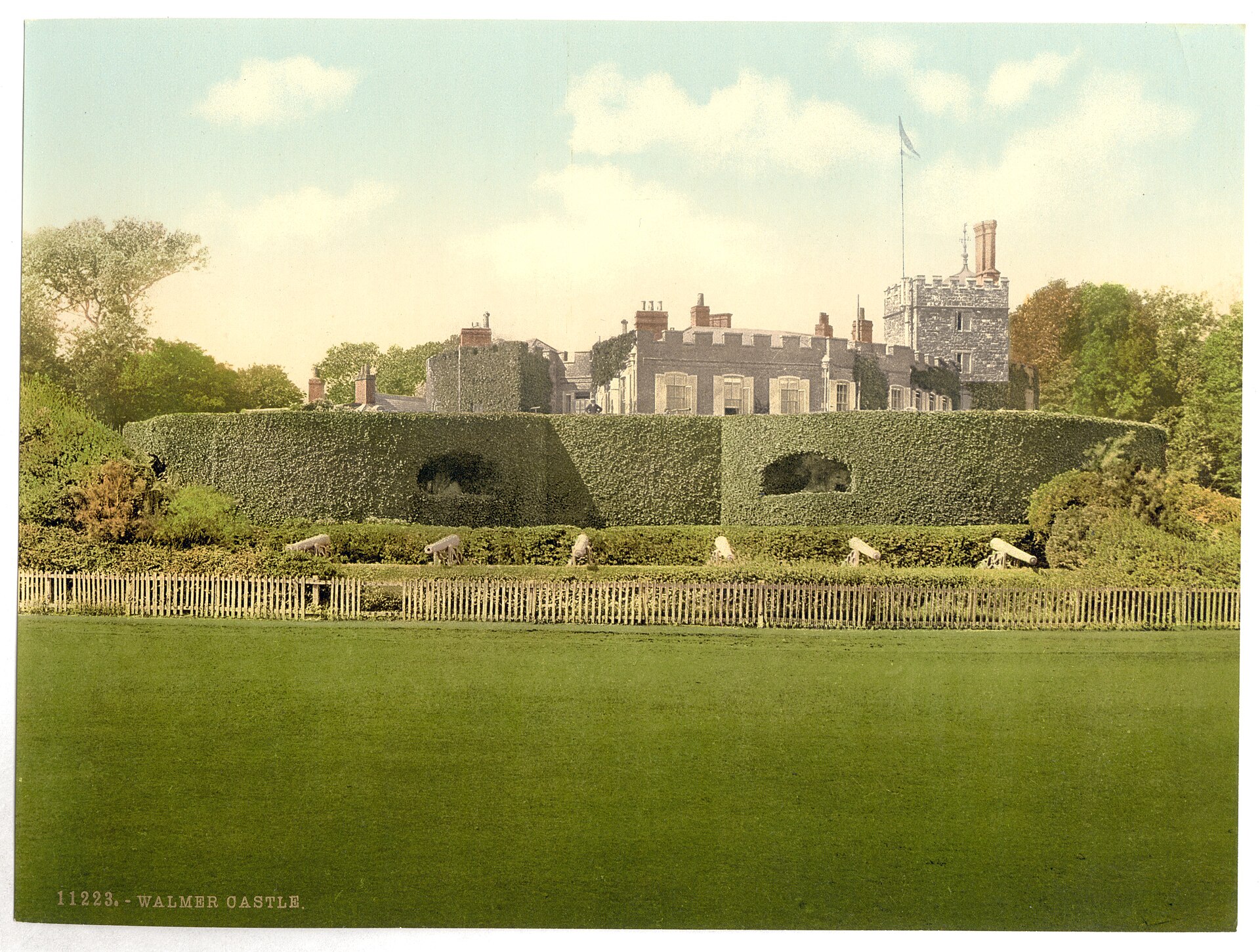
Walmer Castle is a Henrician artillery fort transformed into the official residence of the Lord Warden of the Cinque Ports and a major historic gar…
Fortified place · Iron Age
Somerset
A castellated hunting lodge of 1615, derelict as a farm dairy by 1791, and rebuilt as a five-bedroom house in 1979.
Fortified place · Medieval
County Durham
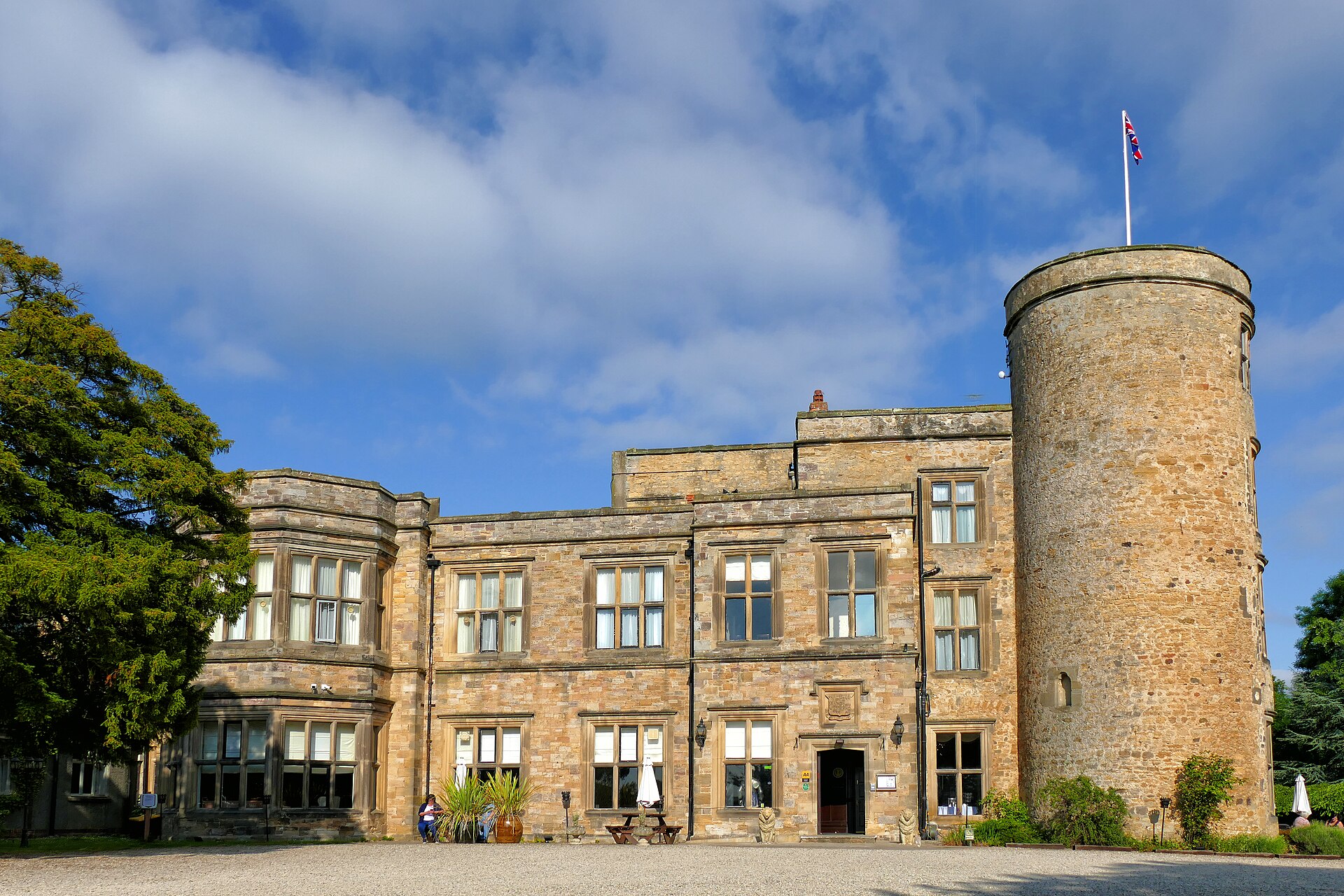
A working manor house rebuilt almost entirely around 1600 while keeping one medieval tower: and the only County Durham castle where a Scottish king…
Fortified place · Iron Age
Cambridgeshire
A vanished Iron Age hillfort: a defended hilltop settlement from from around 800 BC up to the Roman conquest: whose earthworks later became the sta…
Fortified place · Iron Age
Cambridgeshire
The most important of three Iron Age hillforts: settlements from the centuries before Rome arrived, from about 800 BC: guarding the Gog Magog Hills…
Fortified place · Iron Age
Herefordshire
A shaft sunk some 33 metres into the hilltop during the late Bronze Age (roughly 2500–800 BC, when metalworking spread) lies within earthworks late…
Fortified place · Medieval
Hampshire
A single octagonal turret, deliberately spared by its Parliamentarian besiegers as a landmark for ships in Langstone Channel, is almost all that re…
Fortified place · Medieval
Wiltshire
Under siege for five days in 1643, its 61-year-old chatelaine held it with only twenty-five men: the ruin standing today is the mark of two wartime…
Fortified place · Medieval
Dorset
Wareham’s Walls and Castle preserve a major Anglo-Saxon burh, a Norman motte-and-bailey (a Norman earth-and-timber castle, a tower on a mound besid…
Fortified place · Iron Age
Norfolk
Warham Camp is Norfolk’s best-preserved hillfort, an Iron Age: the centuries before Rome arrived: settlement defended by banks and ditches on high…
Fortified place · Medieval
Northumberland
A ruined castle raised around an earthen mound at the west end of the village, known also as Carham Castle.
Fortified place · Medieval
Northumberland
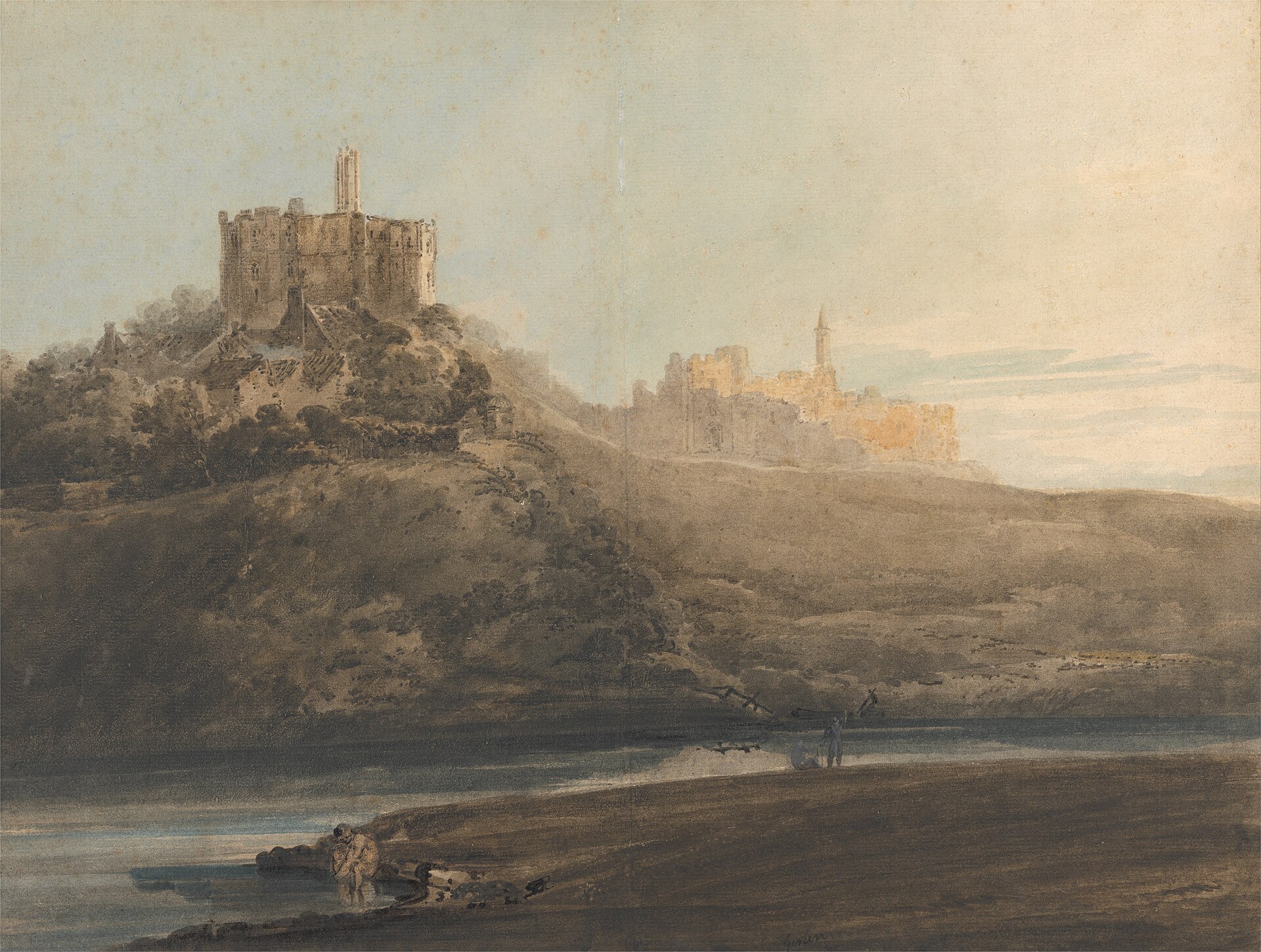
Warkworth Castle’s Percy keep, river-loop setting and later restoration show how a border stronghold became the defining landmark of a Northumbrian…
Fortified place · Medieval
Warwickshire
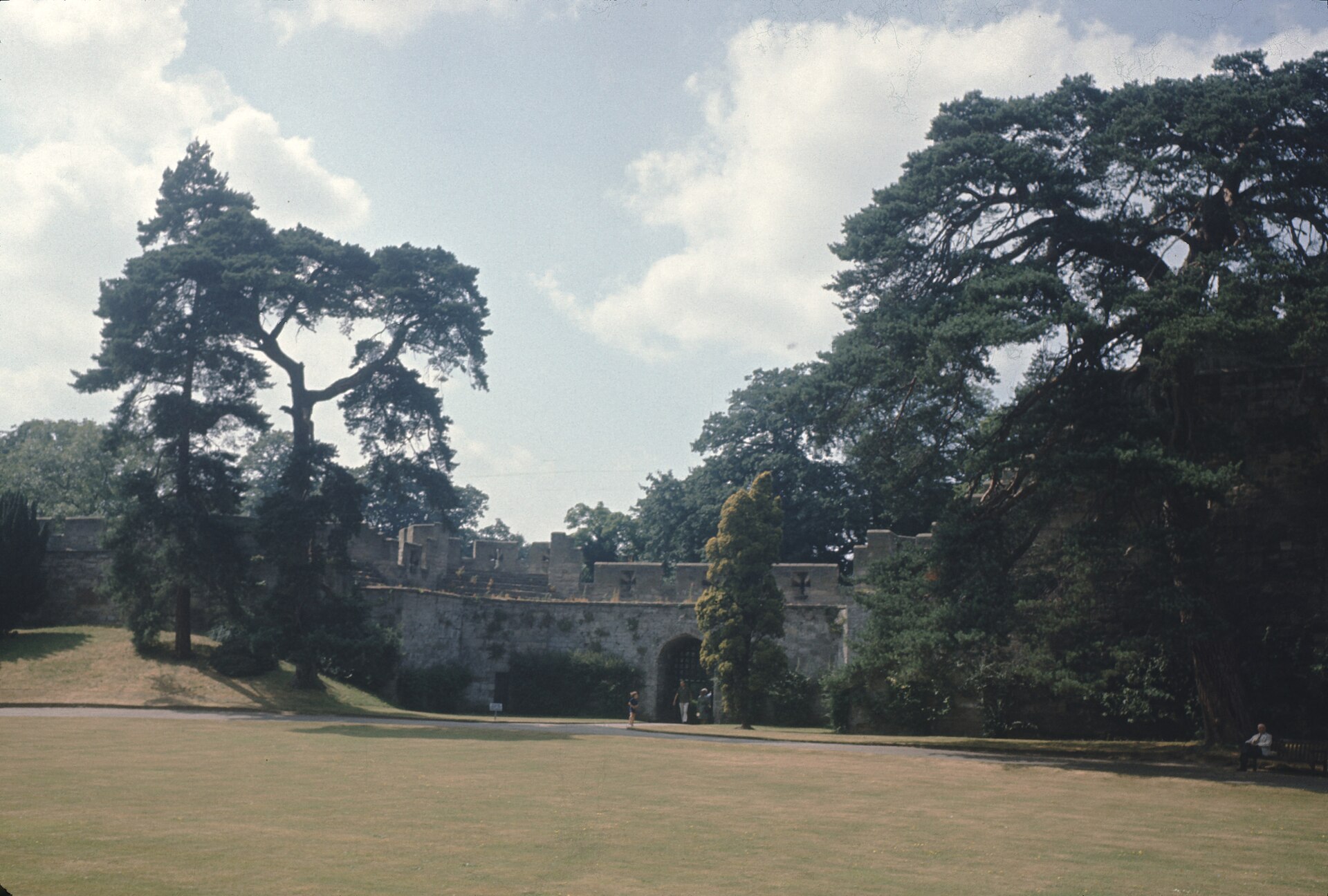
Fortified against the Danes in 914, held a king prisoner in 1469, and nearly lost altogether to a fire in 1871.
Fortified place · Iron Age
Devon
Wasteberry Camp records an Iron Age hillfort: a hilltop enclosure ringed by earth ramparts: on low Devon woodland above Silverbridge Lake, preservi…
Fortified place · Medieval
Wrexham
A second great frontier earthwork running alongside Offa's Dyke, judged the more sophisticated of the two: now mostly a hedge line and a cropmark.
Fortified place · Medieval
Greater Manchester
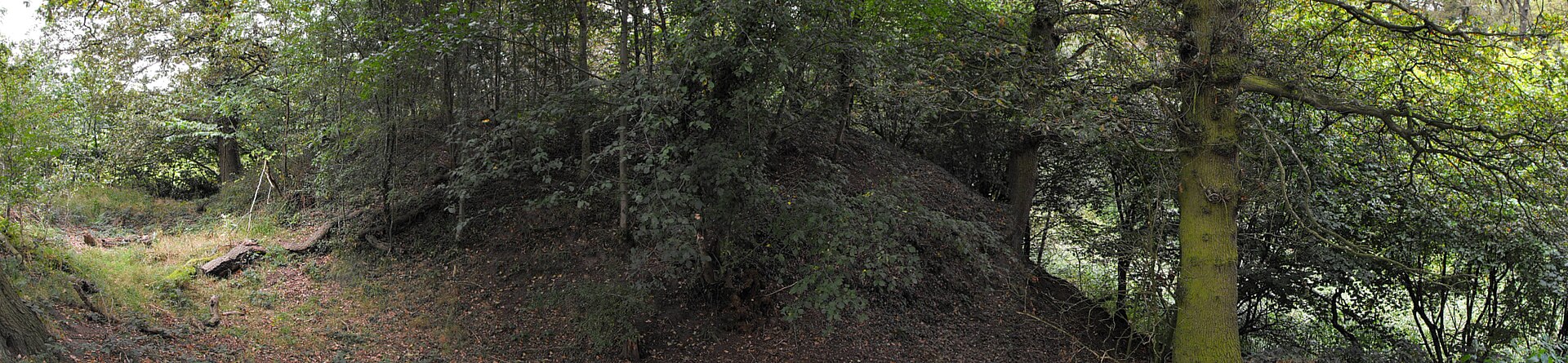
Watch Hill Castle is Trafford’s only scheduled monument: legally protected for its archaeological importance: : a well-defined medieval castle moun…
Fortified place · Roman
Falkirk
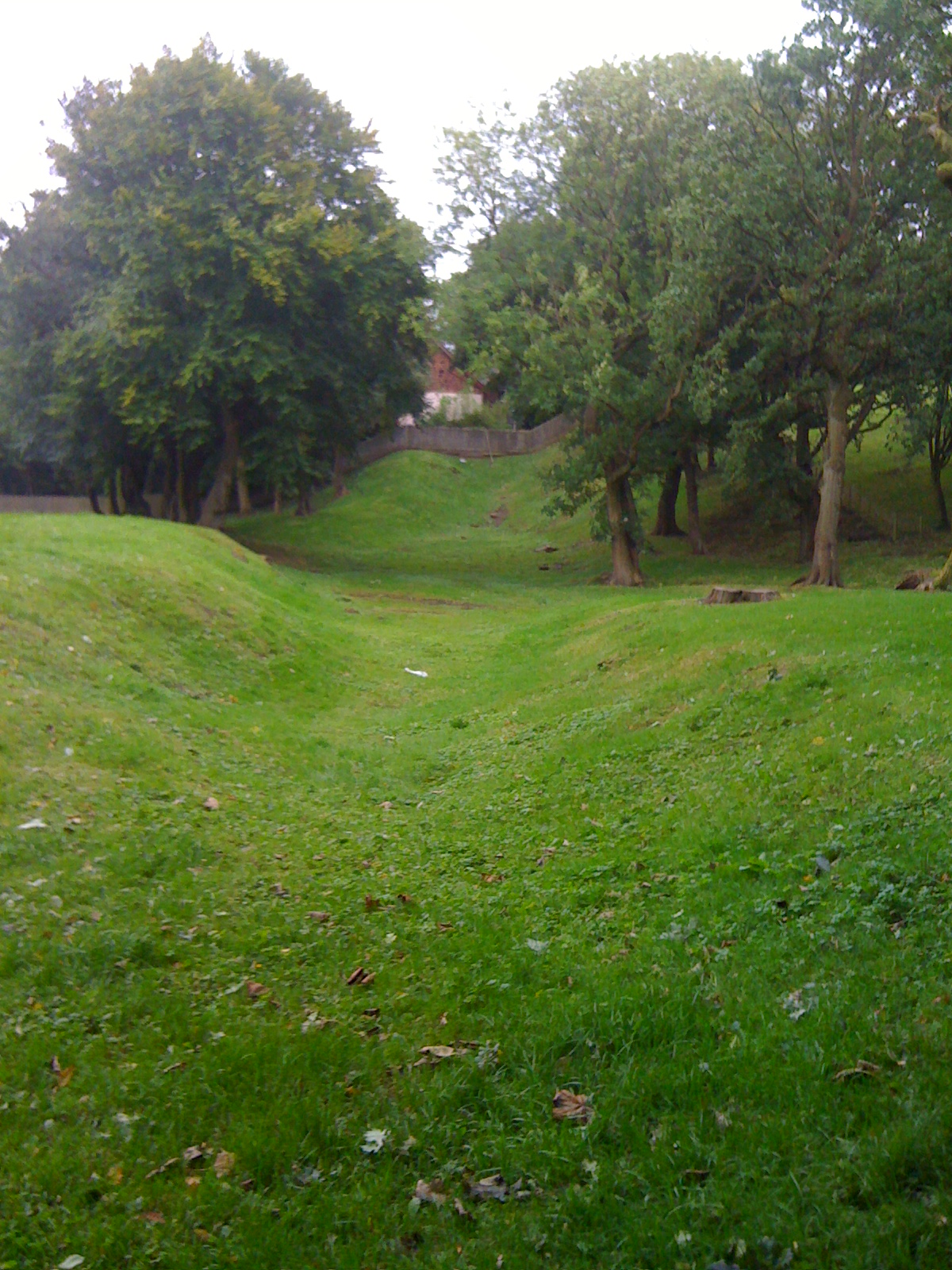
Watling Lodge contains a notably well-preserved stretch of Antonine Wall ditch, showing the frontier’s local defensive landscape between the Roman…
Fortified place · Medieval
Shropshire
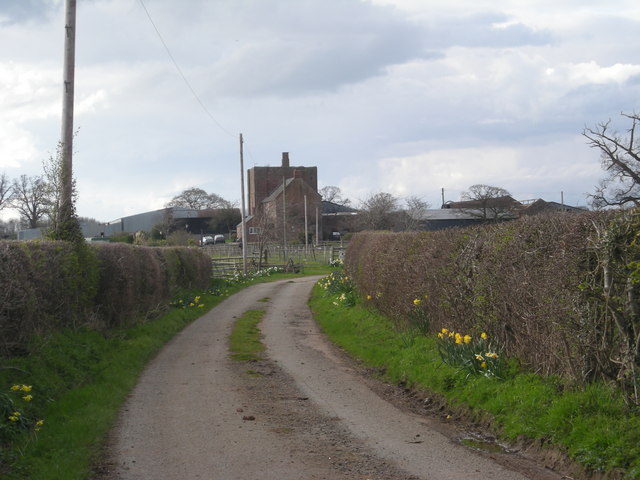
A ruined thirteenth-century fortified manor house standing within a moated enclosure near the Powys boundary.
Fortified place · Medieval
Hertfordshire
A deliberate valley-floor stronghold rather than a hilltop one, built to hold a river crossing: and the only English bishop's castle King John chos…
Fortified place · Medieval
Norfolk
Weeting Castle is a rare surviving twelfth-century high-status manor house, not a true fortress: its keep (the castle's main tower, and its stronge…
Fortified place · Iron Age
Gloucestershire
A hillfort remembered less for its earthworks than for the battle local tradition places here: the last stand of the Dobunni against Rome.
Fortified place · Medieval
South Yorkshire
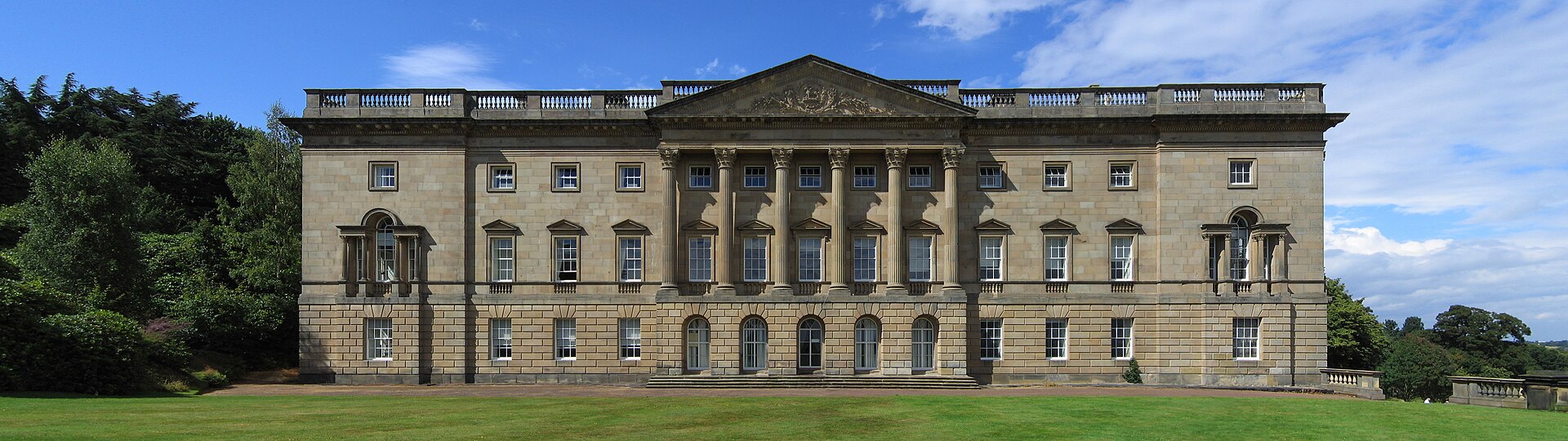
A rejected heir's revenge in stone: built to outshine the rival estate six miles away that should have been his, its Baroque east front still start…
Fortified place · Medieval
Vale of Glamorgan
Robert Adam's only building in Wales. A fire in 1910 destroyed most of it; what was restored is now a golf clubhouse.
Fortified place · Medieval
Swansea
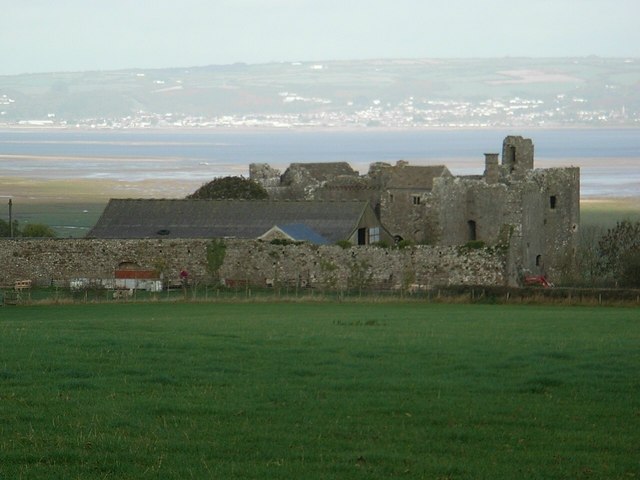
A fourteenth-century fortified manor above the Llanrhidian saltmarshes, with a hall recess made for hanging tapestry.
Fortified place · Medieval
Herefordshire
Its owners' 1208 defiance of King John here cost the de Lacy dynasty every castle they held, from Ludlow to Trim in Ireland.
Fortified place · Medieval
West Midlands
A single moated platform on the edge of Birmingham carries a thousand years of continuous building, from a possible Anglo-Saxon shrine to a license…
Fortified place · Medieval
Merseyside
West Derby Castle was the Norman predecessor to Liverpool Castle, and its buried remains chart how the foundation of Liverpool shifted military and…
Fortified place · Iron Age
Somerset
Westbury Camp is a settlement defended in roughly 800 BC until the Roman conquest in the Mendip Hills. Its damaged banks still reveal how quarrying…
Fortified place · Medieval
Kent
Westenhanger Castle is a rare fortified quadrangular manor with royal associations, Armada-era command use and a continuing programme of conservation.
Fortified place · Medieval
Kent
Westgate condenses Canterbury’s Roman approach, medieval fear of invasion and four centuries of imprisonment into the largest surviving city gate i…
Fortified place · Medieval
Buckinghamshire
Deliberately destroyed on royal orders in the 1170s, its earthworks survived so intact that a rescue dig only found them in 1985, when a swimming p…
Fortified place · Iron Age
East Riding of Yorkshire
A dry valley floor concealed three Iron Age burials of young adults laid out on dismantled chariots: among the most significant Middle Iron Age gra…
Fortified place · Medieval
Monmouthshire
One of three castles built to guard a single Marches valley, its curtain walls and moat-ringed towers survive almost complete: a rare, undisturbed…
Fortified place · Iron Age
Scottish Borders
Four concentric rampart (the raised bank thrown up around a fortified enclosure) lines and at least 29 round-house platforms make this one of the l…
Fortified place · Medieval
Greater London
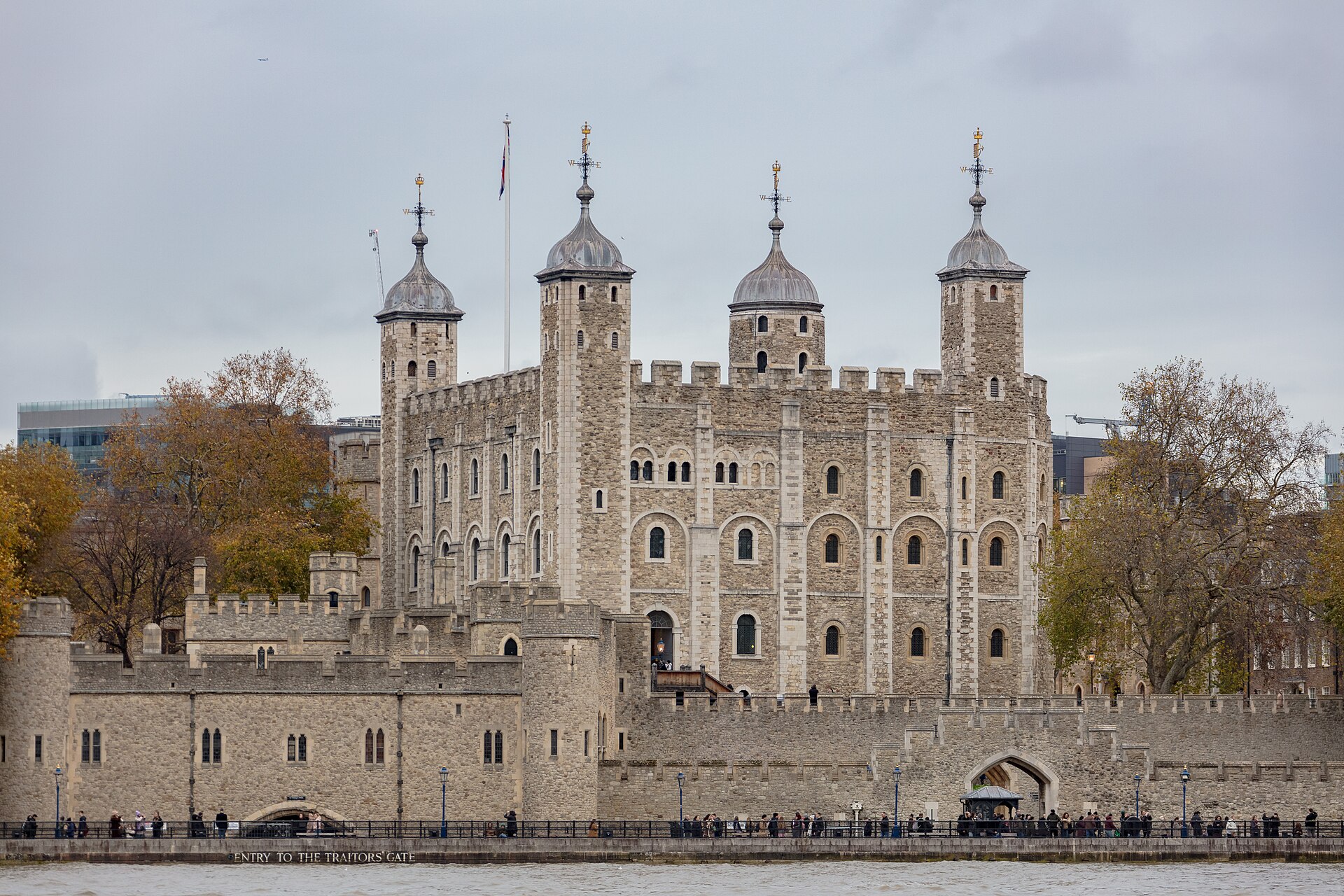
The White Tower is the monumental Norman keep at the heart of the Tower of London: a royal residence, fortress and later armoury whose scale, chape…
Fortified place · Medieval
Shropshire
A Marcher castle whose outer bailey held two water gardens in the fourteenth century: with a viewing mound that may be the oldest of its kind in En…
Fortified place · Prehistoric
Worcestershire
A single earthwork: a bank, ditch or mound shaped from soil rather than built in stone: carries four distinct occupations: a mound from from the er…
Fortified place · Medieval
North Yorkshire
A motte (a steep artificial mound built to carry a timber tower)-and-bailey (an early Norman castle of a timber tower on an earth mound, with a wal…
Fortified place · Medieval
Northumberland
Widdrington Castle’s vanished tower survives in engravings and earthworks, linking royal visits, Jacobite forfeiture and centuries of rebuilding to…
Fortified place · Medieval
Herefordshire
Left in private hands, it escaped the tidying-up that stripped most great English castles bare: what survives is a genuinely wild ruin, not a manic…
Fortified place · Prehistoric
Hertfordshire
Its earthwork rings have vanished from the ground entirely, surviving only as ghostly cropmarks in aerial photographs: one link in a chain of six m…
Fortified place · Medieval
Herefordshire
In 1292 a widow lied to a king about this castle's age to claim rights it never held: the real history, of Marcher lords, ransom, and civil-war rui…
Fortified place · Medieval
Cambridgeshire
A sham medieval castle built deliberately as a ruin, its four-storey Gothic tower carries a poem shared with a private literary manuscript written…
Fortified place · Medieval
Hampshire
For more than three centuries after the rest of the castle was torn down, its Great Hall alone kept functioning as one of England's most consequent…
Fortified place · Iron Age
South Yorkshire
Its rampart timbers were found vitrified: burned with such intensity that the stone facings fused, evidence archaeologists read as a trace of real…
Fortified place · Medieval
Berkshire
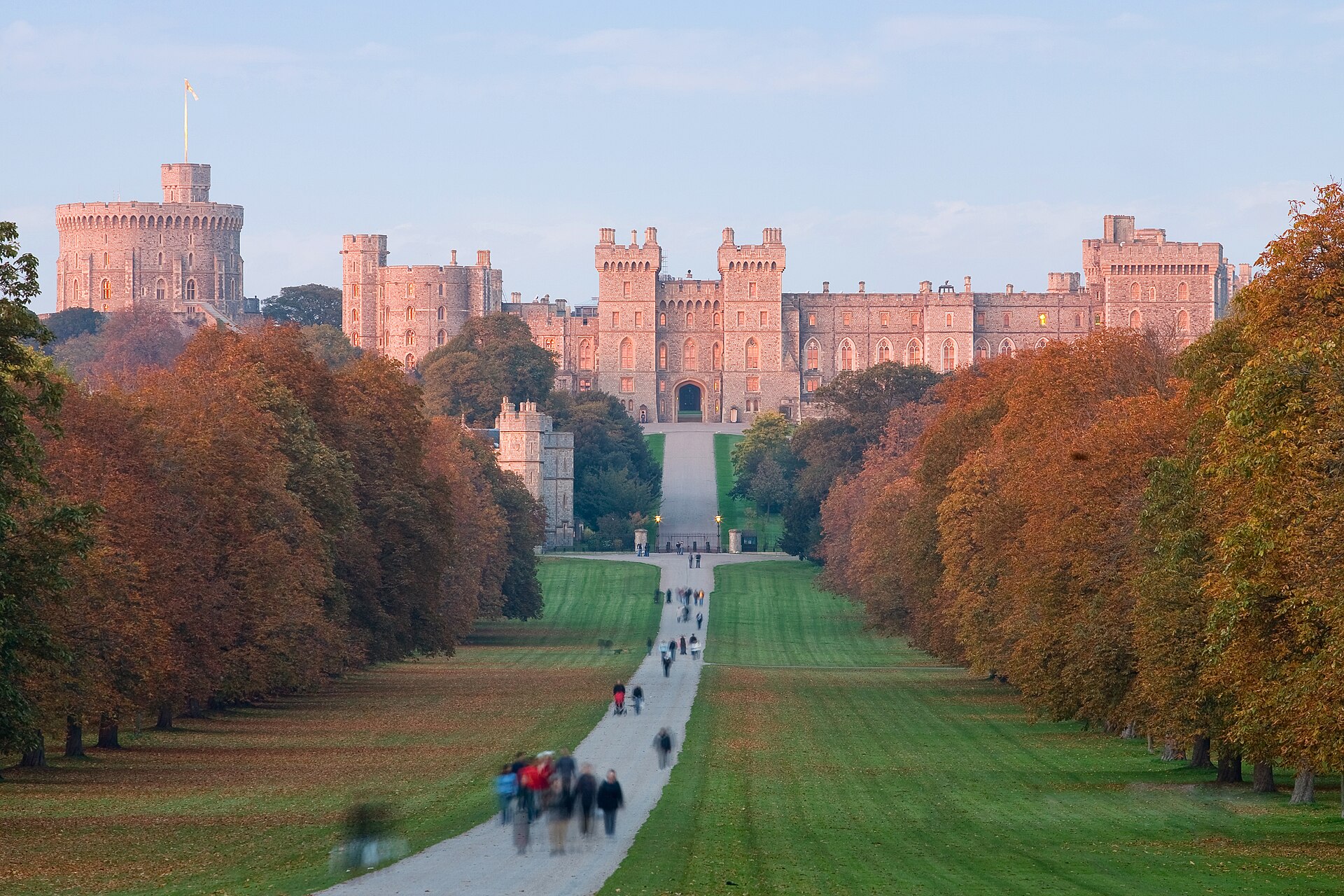
Nearly a millennium of continuous royal occupation on one chalk mound above the Thames: the longest-occupied palace in Europe, rebuilt again and ag…
Fortified place · Iron Age
Wiltshire
Its ramparts were never built to one plan: three incomplete, irregular phases of construction, probably raised by separate work gangs, show a fort…
Fortified place · Medieval
Cambridgeshire
A Norman stronghold rebuilt as a bishop's palace, then a notorious prison holding future Gunpowder Plotters, before vanishing entirely under a Rege…
Fortified place · Medieval
Pembrokeshire
A castle of earth mound and walled yard in the Pembrokeshire village of the same name.
Fortified place · Iron Age
Oxfordshire
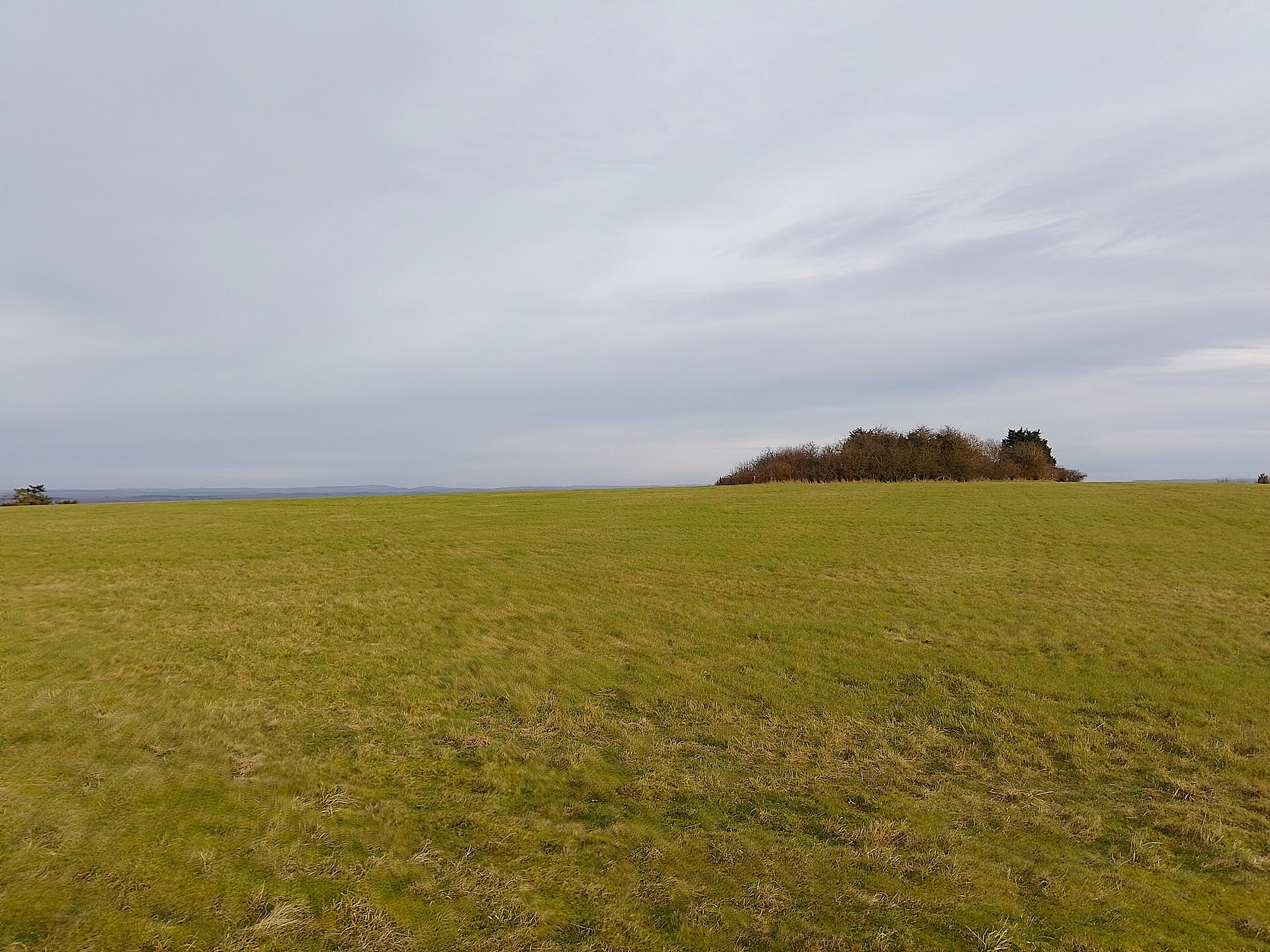
Two rounded hills above the flat Thames valley, each crowned with beeches planted in the 1740s.
Fortified place · Medieval
County Durham
A fortified manor licensed in 1410 that survived a devastating 1796 fire only to be rebuilt as a Georgian showpiece, and now serves as the clubhous…
Fortified place · Medieval
Hampshire
A bishop's fortified palace on a river island, besieged twice in real medieval wars and later the venue for a royal wedding breakfast.
Fortified place · Iron Age
Devon
Woodbury Castle is an Iron Age hillfort: an Iron Age settlement defended by banks and ditches on high ground: commanding broad views of the Exe Est…
Fortified place · Iron Age
Worcestershire
An Iron Age hillfort (an upland enclosure defended by earthen banks) where two armies faced off in 1405 and Glyndŵr's Welsh and French forces withd…
Fortified place · Iron Age
Dorset
Woodbury Hill combines an Iron Age hillfort: a defended hilltop settlement dating from from around 800 BC up to the Roman conquest: with a medieval…
Fortified place · Iron Age
Devon
Woodbury near Stoke Fleming marks an Iron Age promontory hillfort: an Iron Age settlement defended by banks and ditches on high ground, dating from…
Fortified place · Iron Age
Cheshire
A 1951 excavation gave rare hard data for a Cheshire hillfort: the rampart's original height, stone facing and even its slingstones: where earthwor…
Fortified place · Medieval
Cambridgeshire
A castle whose builder was never recorded, yet whose earthworks: moat, bailey and mound, plus fishponds: still trace a working residence born out o…
Fortified place · Iron Age
Somerset
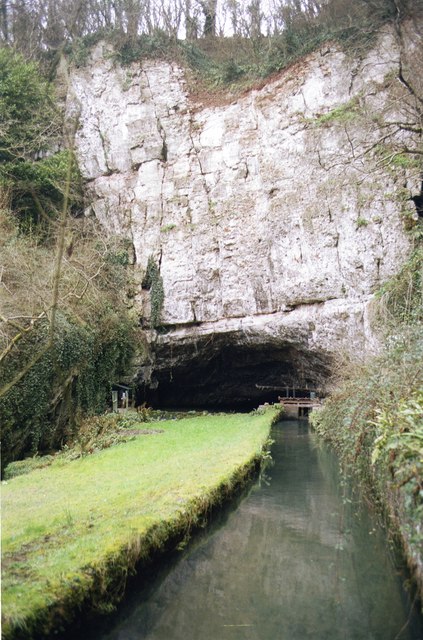
Wookey Hole combines a living underground river with 45,000 years of human and animal evidence, pioneering cave diving and an industrial paper-maki…
Fortified place · Iron Age
Hampshire
Its southern rampart carries a crude flint-and-chalk horse, the only hill figure of its kind in Hampshire, cut into a hilltop enclosure still guard…
Fortified place · Iron Age
Dorset
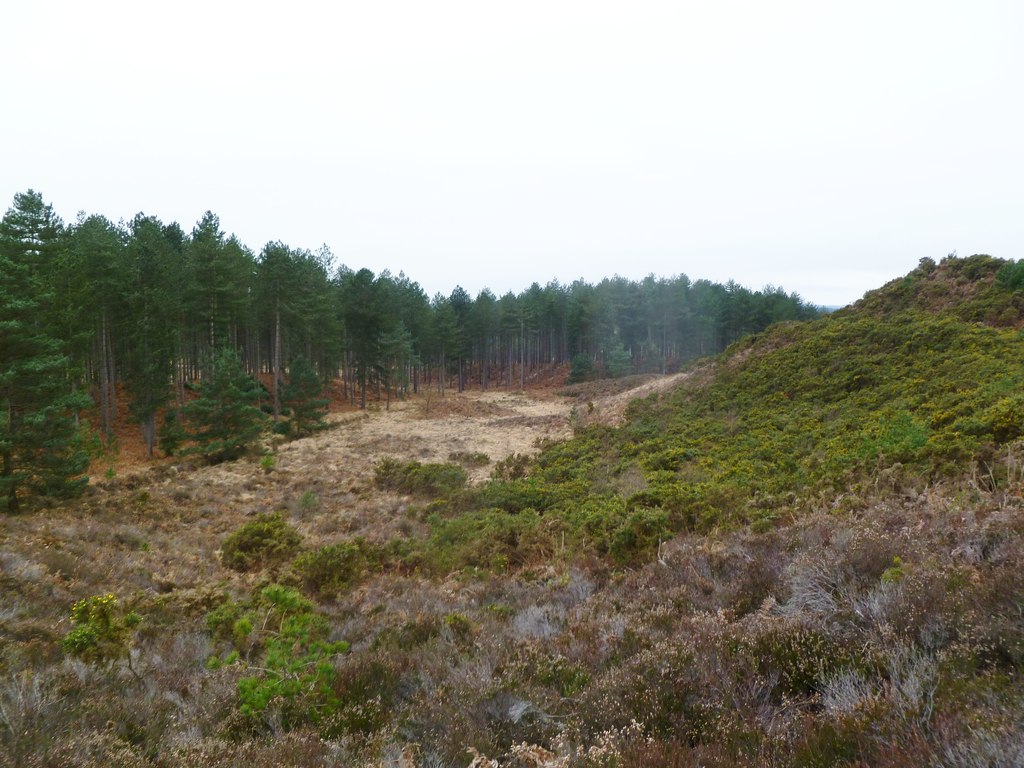
Woolsbarrow preserves a rare slight univallate hillfort: a hilltop enclosure ringed by earth ramparts: on Dorset heath, with much of its defensive…
Fortified place · Iron Age
Devon
Wooston Castle is an Iron Age hillfort: a hilltop enclosure ringed by earth ramparts: above the Teign Valley, forming part of a documented local cl…
Fortified place · Medieval
Worcestershire
Built by cutting into the cathedral's graveyard, the castle drew a formal curse from an archbishop, and later held its own king prisoner during a b…
Fortified place · Iron Age
Somerset
Worlebury Camp is a heavily defended hilltop settlement dating from from around 800 BC up to the Roman conquest. Its pits, weapons and human remain…
Fortified place · Medieval
Norfolk
Wormegay’s large castle mound and outer enclosure commanded a Fen causeway and headed an East Anglian estate whose holders owed castle-guard servic…
Briefer entries: recorded and worth knowing, with fuller pages to come.
Fortified place · Medieval
County Cork
Tynte’s Castle retains a fortified late-medieval merchant tower in Youghal’s centre, its 1643 refurbishment and later prison use recording the town…
Fortified place · Medieval
Greater Manchester
Ullerwood Castle is a little-documented early medieval (roughly AD 400–1100, between the Romans and the Normans) stronghold on Manchester’s souther…
Fortified place · Medieval
West Midlands
A moated manor house rebuilt by a baron as his personal 'new castle' in the 1380s, entertained a noblewoman and her children, then vanished so comp…
Fortified place · Iron Age
Somerset
Walton Common preserves a rare Somerset banjo enclosure, an easily overlooked Iron Age (from around 800 BC up to the Roman conquest) earthwork (a b…
Fortified place · Iron Age
Cornwall
Warbstow Bury is one of Cornwall's largest Iron Age (from around 800 BC up to the Roman conquest) earthworks, with double ramparts, deep ditches an…
Fortified place · Medieval
Northumberland
Wark in Tyndale’s surviving motte and enclosure preserve a castle’s long occupation despite the loss of its medieval buildings from view today.
Fortified place · Medieval
Northamptonshire
Weedon Lois Castle was the baronial centre of Weedon, a late-eleventh-century Norman ringwork, a castle enclosure ringed by a bank, held by the Pin…
Fortified place · Medieval
Berkshire
Built for show rather than defence, this Norman lord's mound was later reshaped into a garden viewpoint for the house that replaced it: a castle tu…
Fortified place · Prehistoric
County Kildare
White’s Castle compresses Athy’s changing civic life into one river tower: a guarded crossing, a harsh gaol, a barracks and a private home.
Fortified place · Roman
East Dunbartonshire
Wilderness Plantation is an Antonine Wall interval fortlet identified from the air and excavated in the 1960s, helping show how the frontier was st…
Fortified place · Medieval
Gloucestershire
Winchcombe Castle was a short-lived Anarchy-period motte (the great earth mound at the heart of an early castle)-and-bailey, built for Empress Mati…
Fortified place · Iron Age
Devon
Wind Hill records a heavily defended Iron Age (roughly 800 BC until the Roman conquest) spur enclosure above the East Lyn valley near Lynmouth, whe…
Fortified place · Iron Age
Devon
Windbury Head preserves the surviving southern ramparts of an Iron Age (from around 800 BC up to the Roman conquest) coastal hillfort (an upland en…
Fortified place · Prehistoric
County Kildare
Woodstock preserves the river crossing that preceded bridge-centred Athy, with a hall-keep remodelled for firearms then contested in the Confederat…
Fortified place · Medieval
Cardiff
The jelly-mould ceiling of the Arab Room at Cardiff Castle, drawn in a Moorish style from William Burges's studies of Islamic art in Spain and Sici…
No places match those filters.










.jpg?width=800)