Fortified place · Iron Age
Oldberry Castle
Somerset
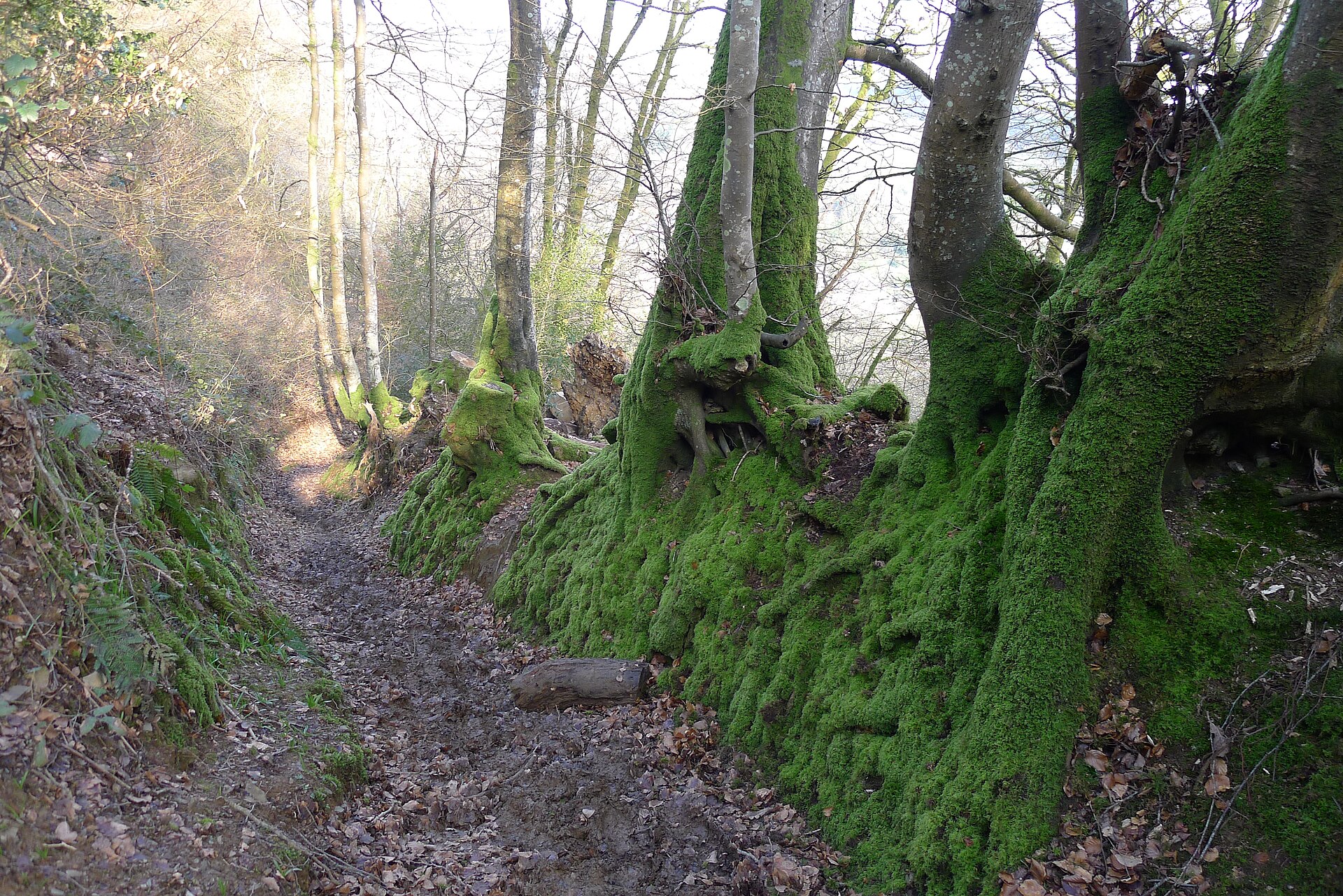
It watches the ancient crossing of the River Barle, half a mile from Dulverton.
- Some walking
By type
Page 16 of 21.
Search and filters apply to these 100 places.
Fortified place · Iron Age
Somerset
It watches the ancient crossing of the River Barle, half a mile from Dulverton.
Fortified place · Iron Age
Kent
Oldbury Camp is south-eastern England’s largest Iron Age (from around 800 BC up to the Roman conquest) hillfort, a 50-hectare Weald-route stronghol…
Fortified place · Medieval
Essex
Ongar Castle preserves a rare urban castle mound-and-yard complex whose moat, two enclosed yards and later mansion history reveal nearly a millenni…
Fortified place · Medieval
County Limerick
A late-Renaissance tower house whose corner turrets and fireplaces survive largely intact, and whose grounds gave up a hoard of prehistoric (from t…
Fortified place · Iron Age
Hampshire
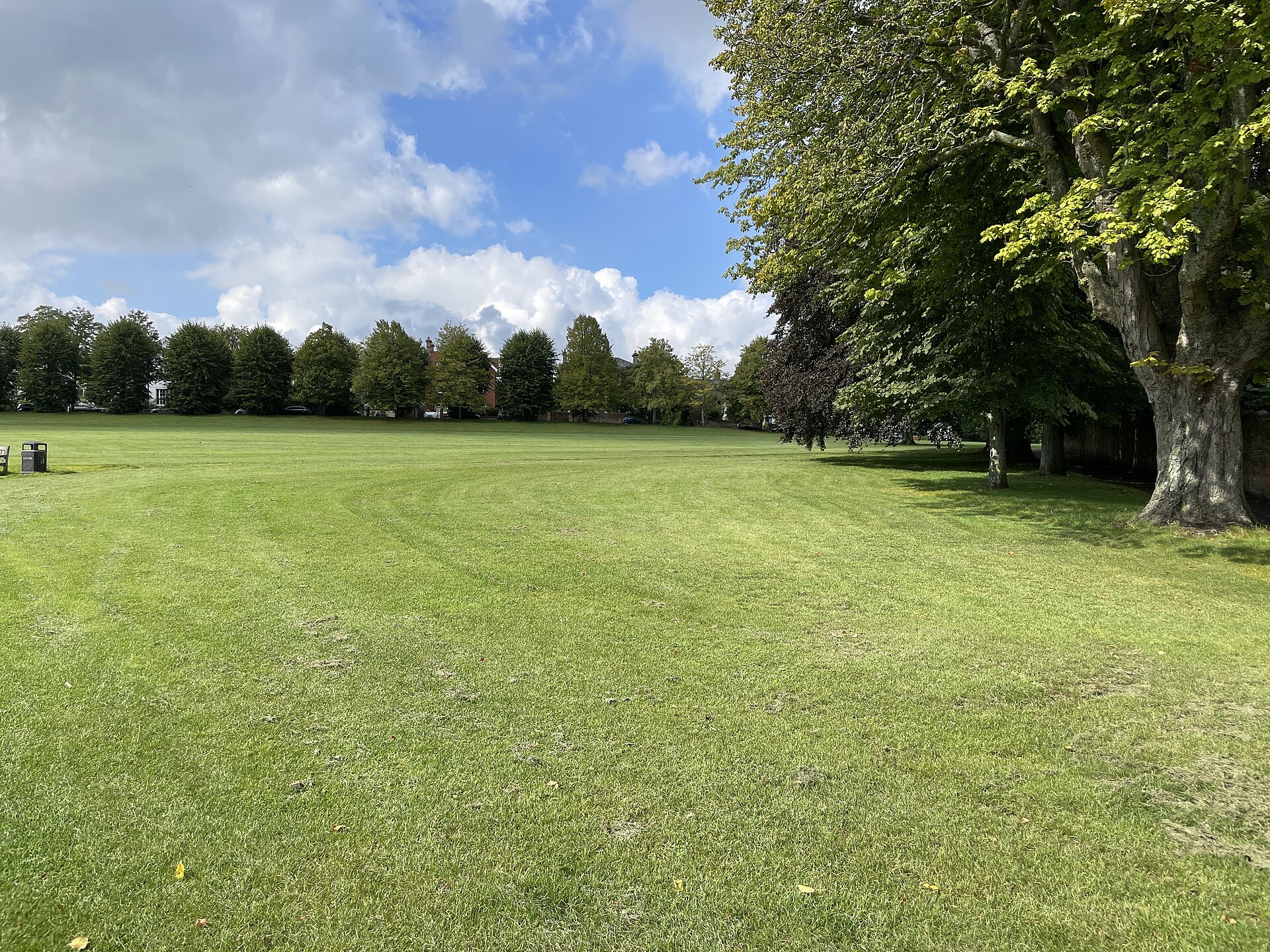
An Iron Age oppidum whose buried perimeter still underlies a Winchester park: and whose eastern edge the Roman town wall of Venta Belgarum was late…
Fortified place · Medieval
County Galway
A working home, not a ruin: this Galway towerhouse survived a 17th-century siege and later became the lived-in house of a Leslie family and an Iris…
Fortified place · Medieval
Dumfries and Galloway
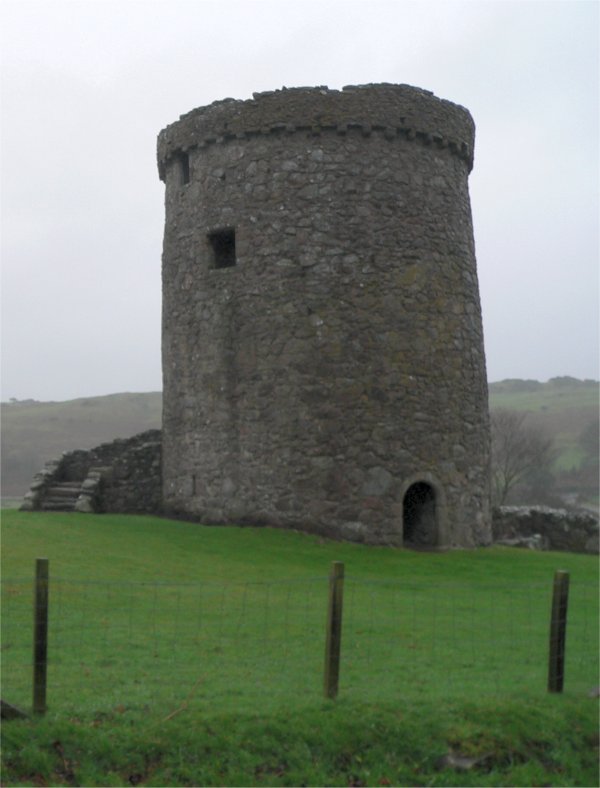
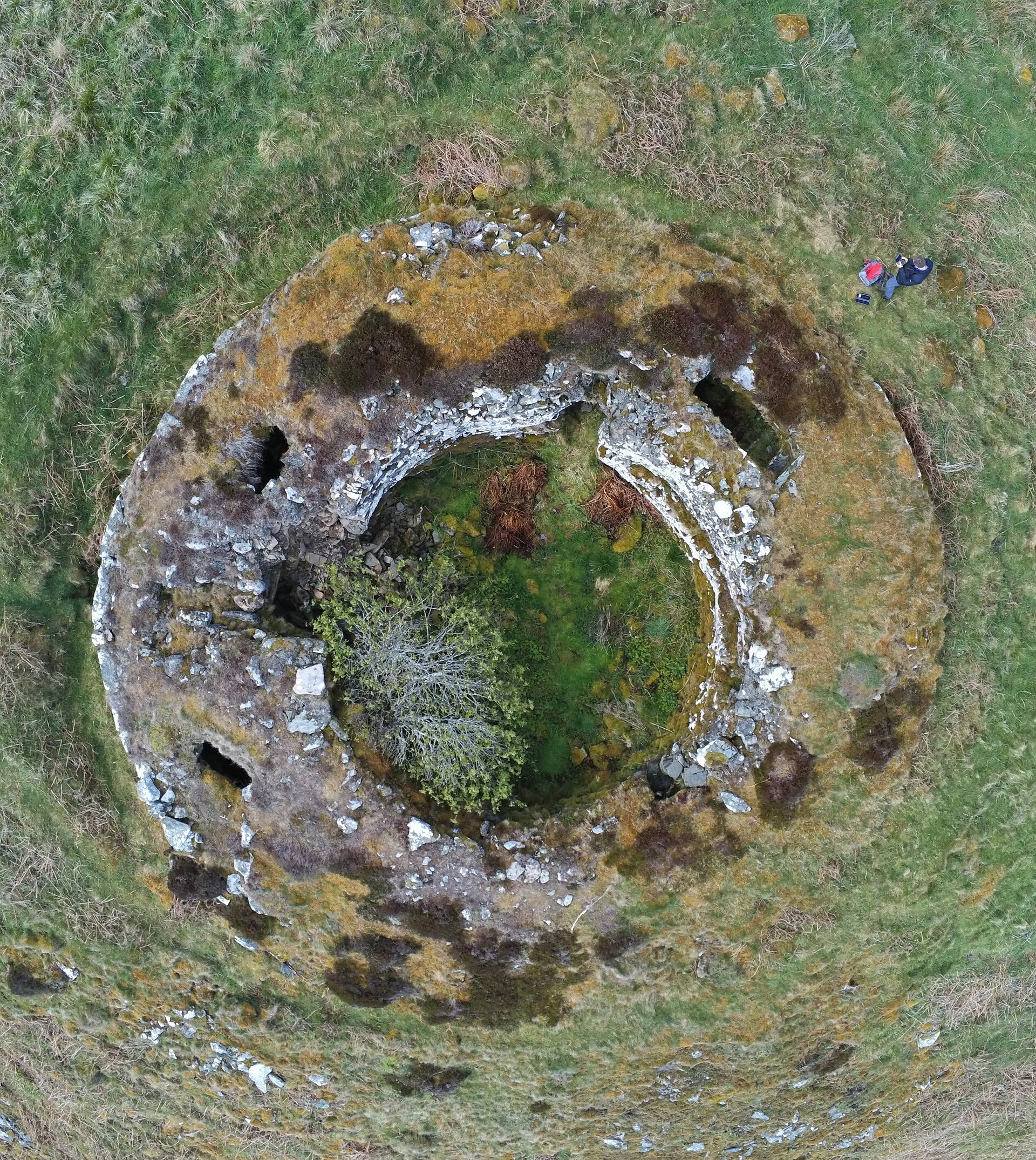
Orchardton is Scotland’s only cylindrical tower house, a deliberate fifteenth-century revival of an obsolete form within a later, more domestic tow…
Fortified place · Medieval
Suffolk
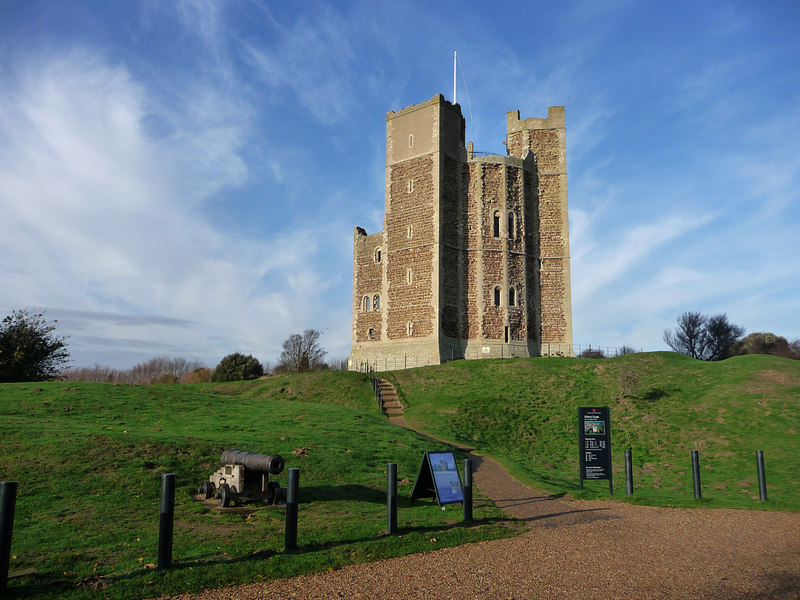
A round keep of a design unmatched in England, raised by Henry II to check the power of the Bigods.
Fortified place · Medieval
Outer Hebrides
A T-plan, two-storey mansion house on South Uist, Ormacleit Castle stood as the seat of Clanranald for barely a decade before fire reduced it to th…
Fortified place · Medieval
County Tipperary
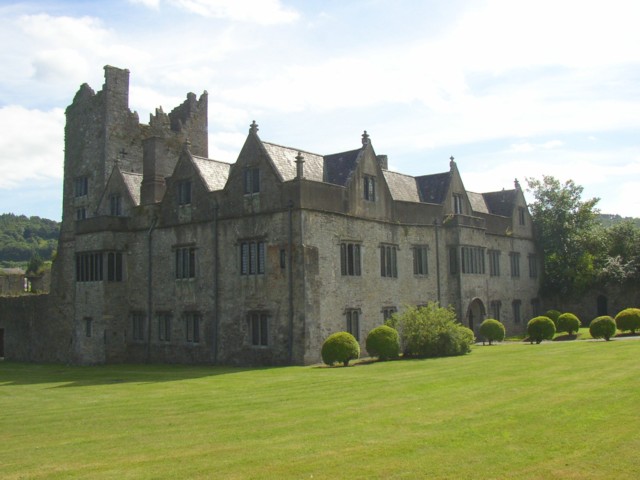
A fortified bawn on the River Suir grew a Tudor manor house grafted onto its medieval towers: the first Elizabethan-style residence built in Irelan…
Fortified place · Medieval
Shropshire
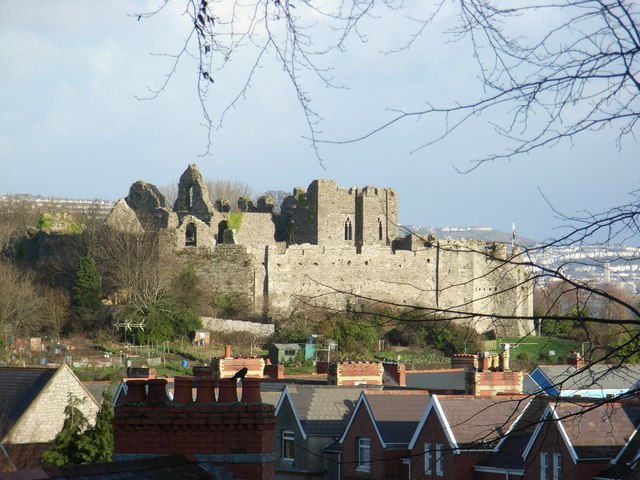
Oswestry Castle preserves a Welsh-Marcher stronghold whose name, ownership and repeated attacks track the border’s shifting politics, while its mot…
Fortified place · Medieval
Northumberland
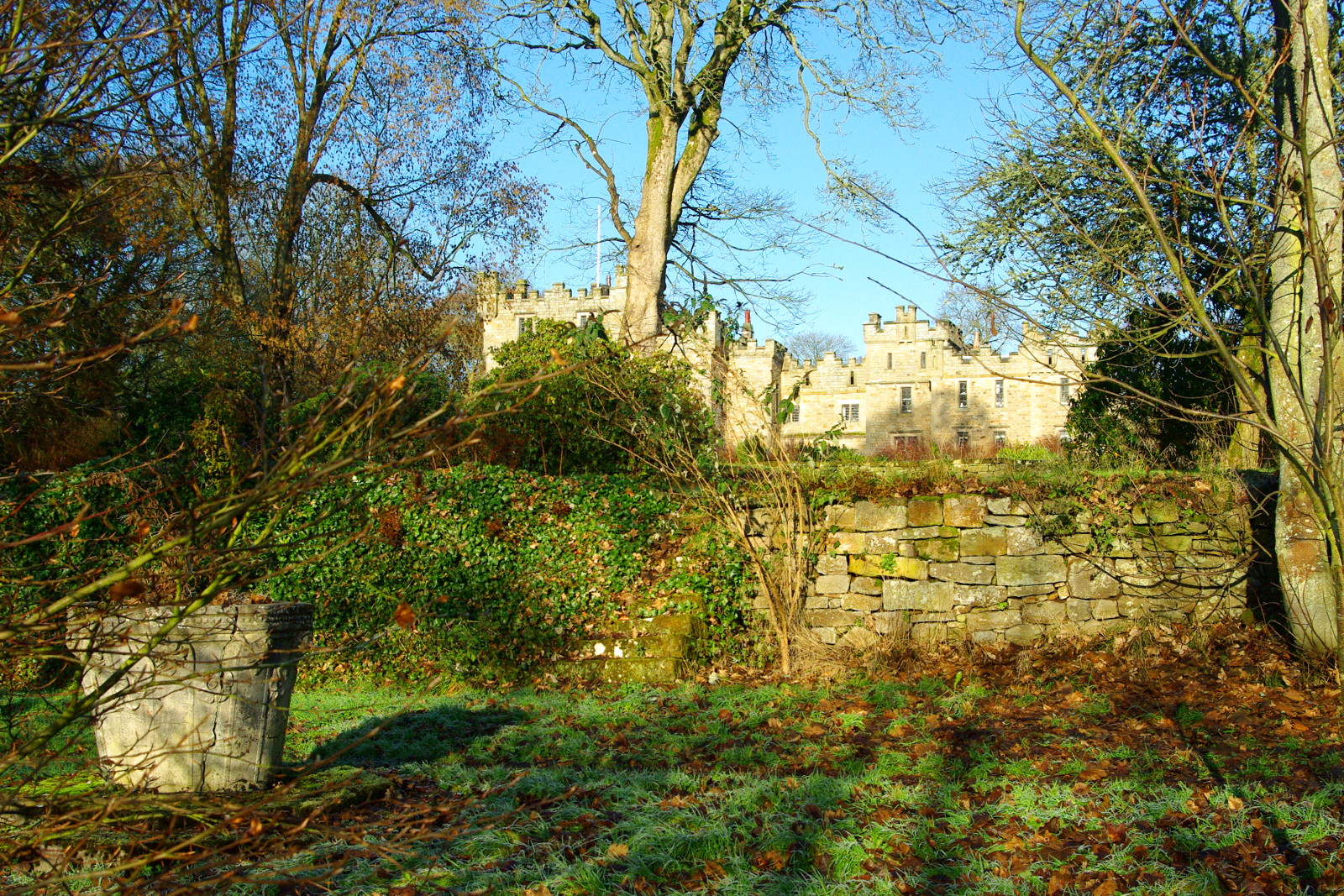
Otterburn layers an 1830 country-house rebuild over a medieval tower, beside a frontier river and burial circles from before written records reache…
Fortified place · Iron Age
Highland
One of the best-preserved brochs on the Caithness coast, with its entrance passage still roofed by its original stone lintels after more than two t…
Fortified place · Medieval
Lincolnshire
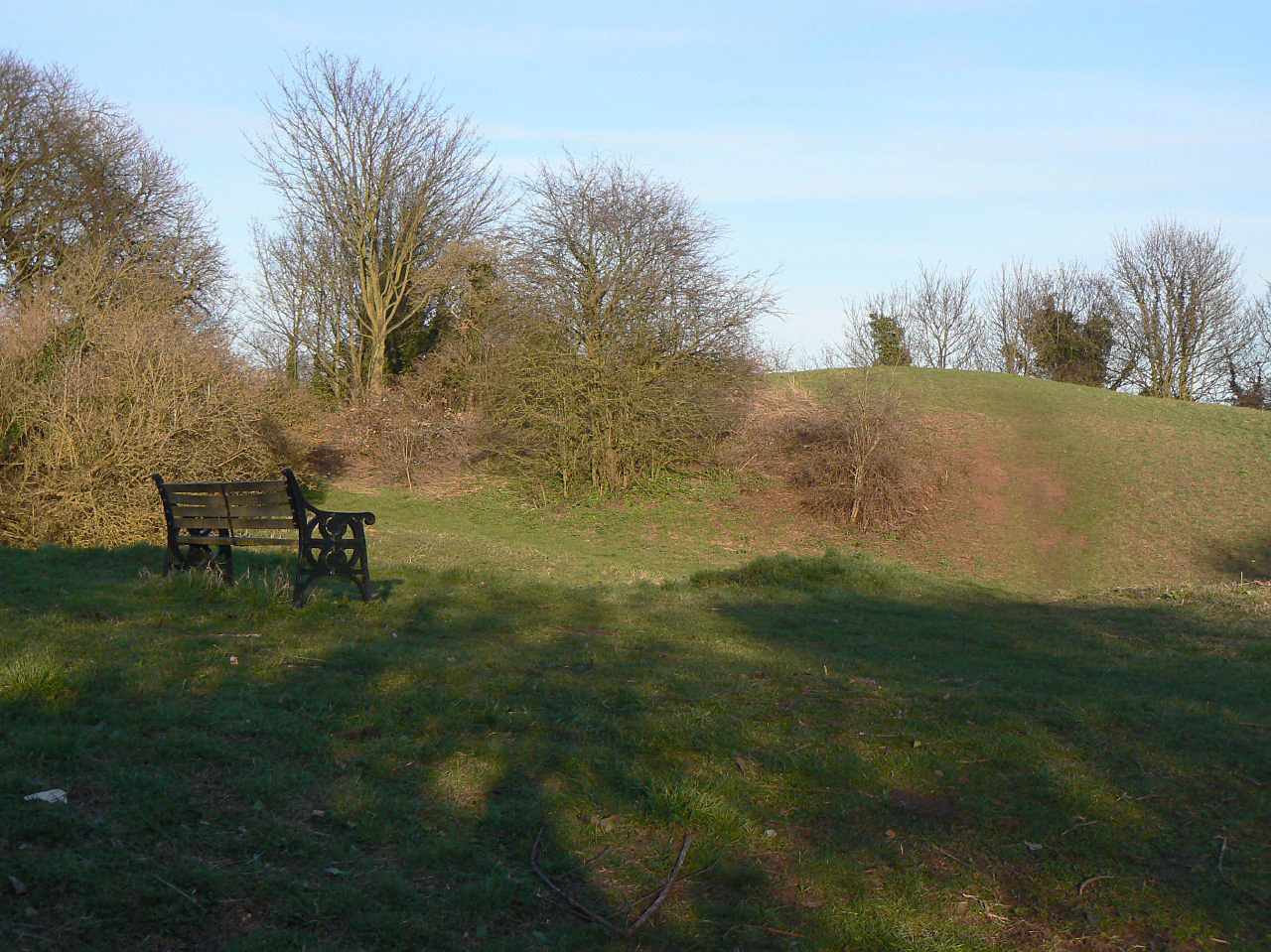
Owston Ferry Castle preserves the motte (the earthen mound a castle was raised on) of a repeatedly dismantled Norman stronghold, rebuilt in 1173 fo…
Fortified place · Medieval
Oxfordshire
A large, partly ruined medieval castle on the western side of central Oxford, its timber work rebuilt in stone.
Fortified place · Medieval
Oxfordshire
A rare English example of genuine concentric double-walling, possibly inspired by Crusader experience of Near Eastern fortresses or by masons retur…
Fortified place · Medieval
Swansea
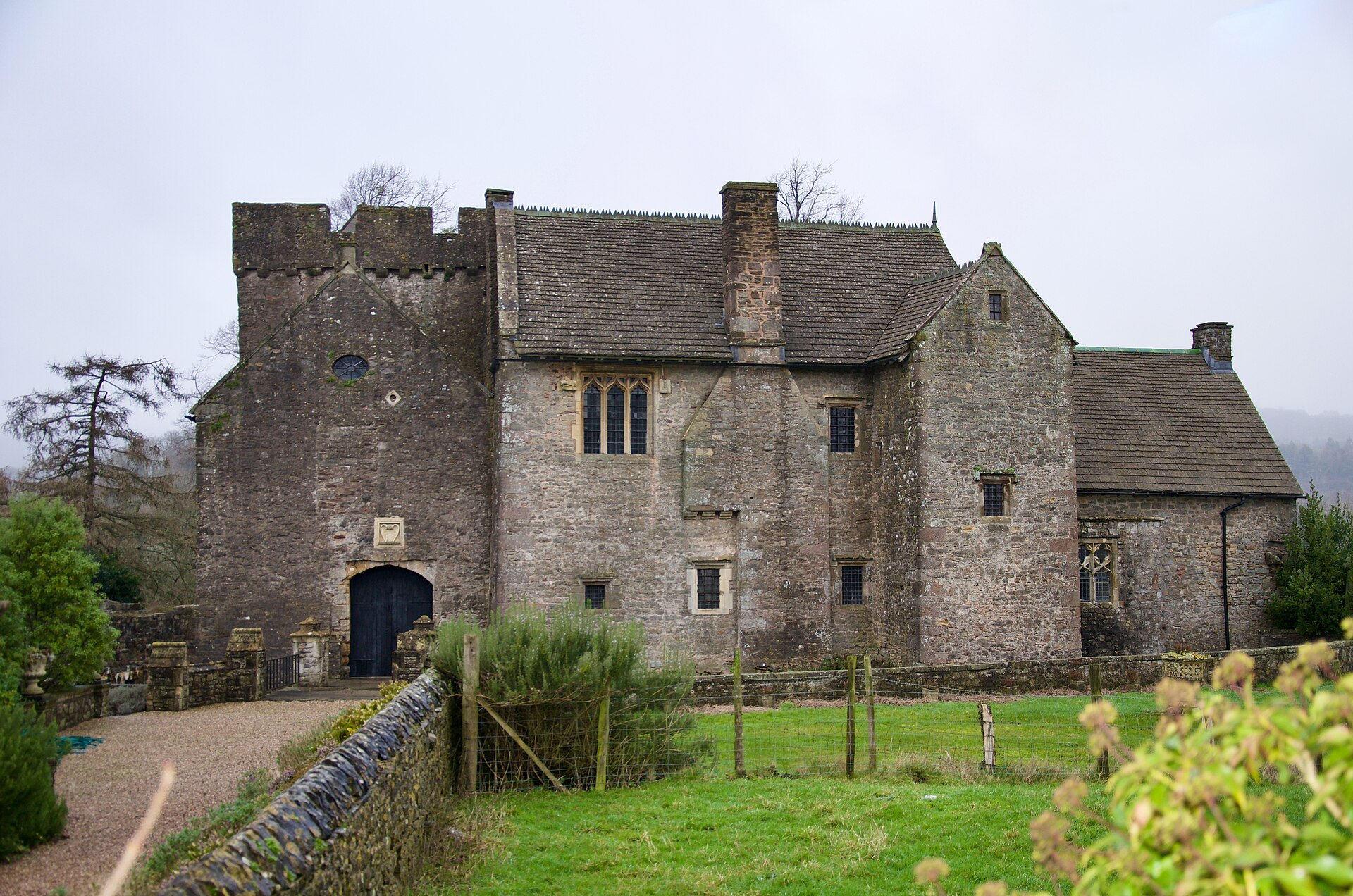
A castle in name only. What stands is a grand Tudor fortified manor house, and building its east range may have bankrupted the man who raised it.
Fortified place · Medieval
Swansea
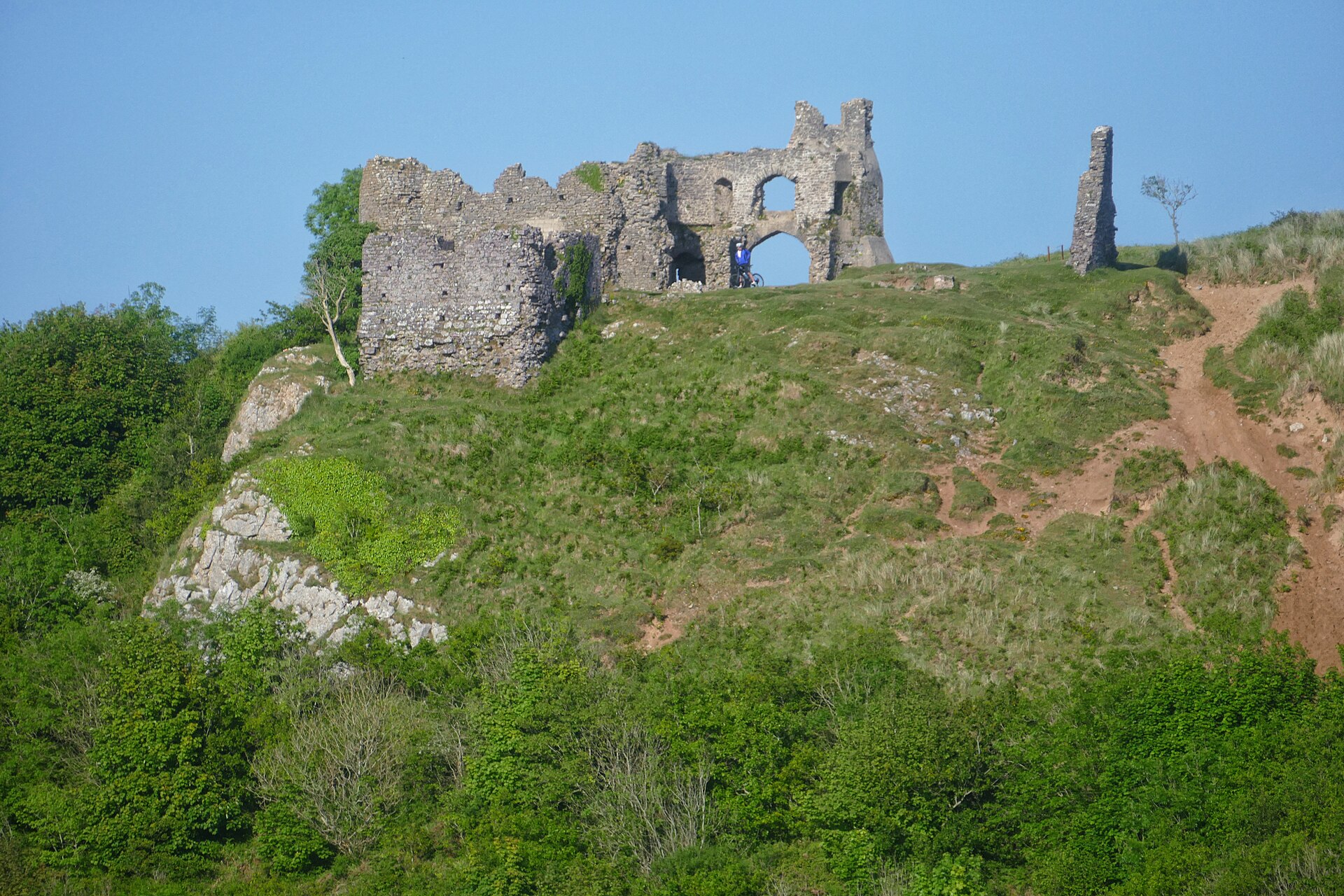
Burnt by the Welsh in 1116, probably destroyed again in 1137, and lost with its owners' line in 1215: rebuilt each time.
Fortified place · Iron Age
Cornwall
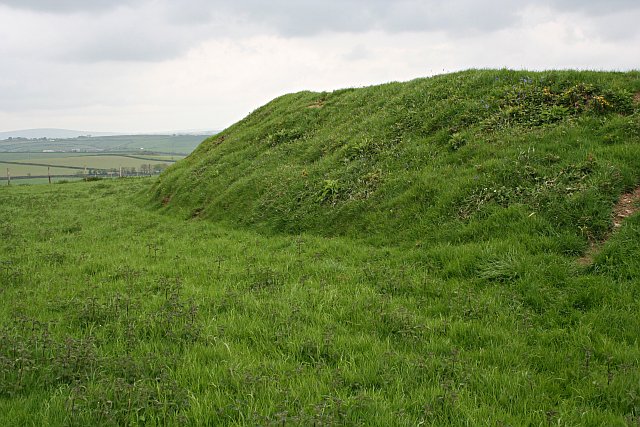
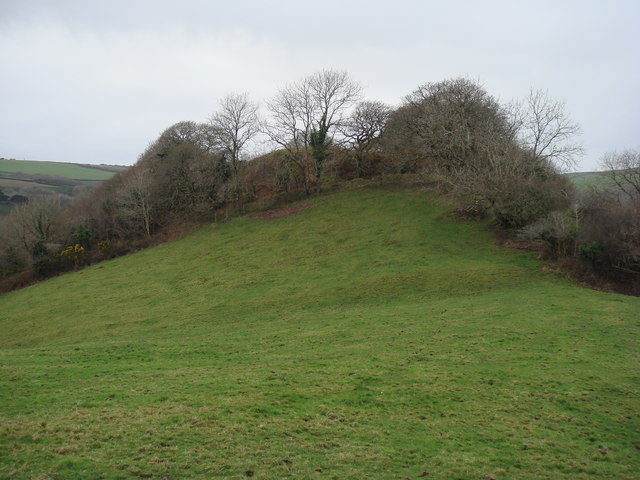
Padderbury Top is a compact Cornish defended settlement whose surviving rampart, a defensive bank of earth or stone, and aerial traces preserve a l…
Fortified place · Medieval
Powys
A castle besieged by two Welsh armies and taken by neither, held for a time by a woman, and rebuilt in stone by a king to fight Llywelyn the Great.
Fortified place · Medieval
County Galway
Its bawn: the perimeter wall with four corner towers and a working gatehouse: survives almost complete, letting the whole defensive layout of a Bur…
Fortified place · Iron Age
Isle of Anglesey
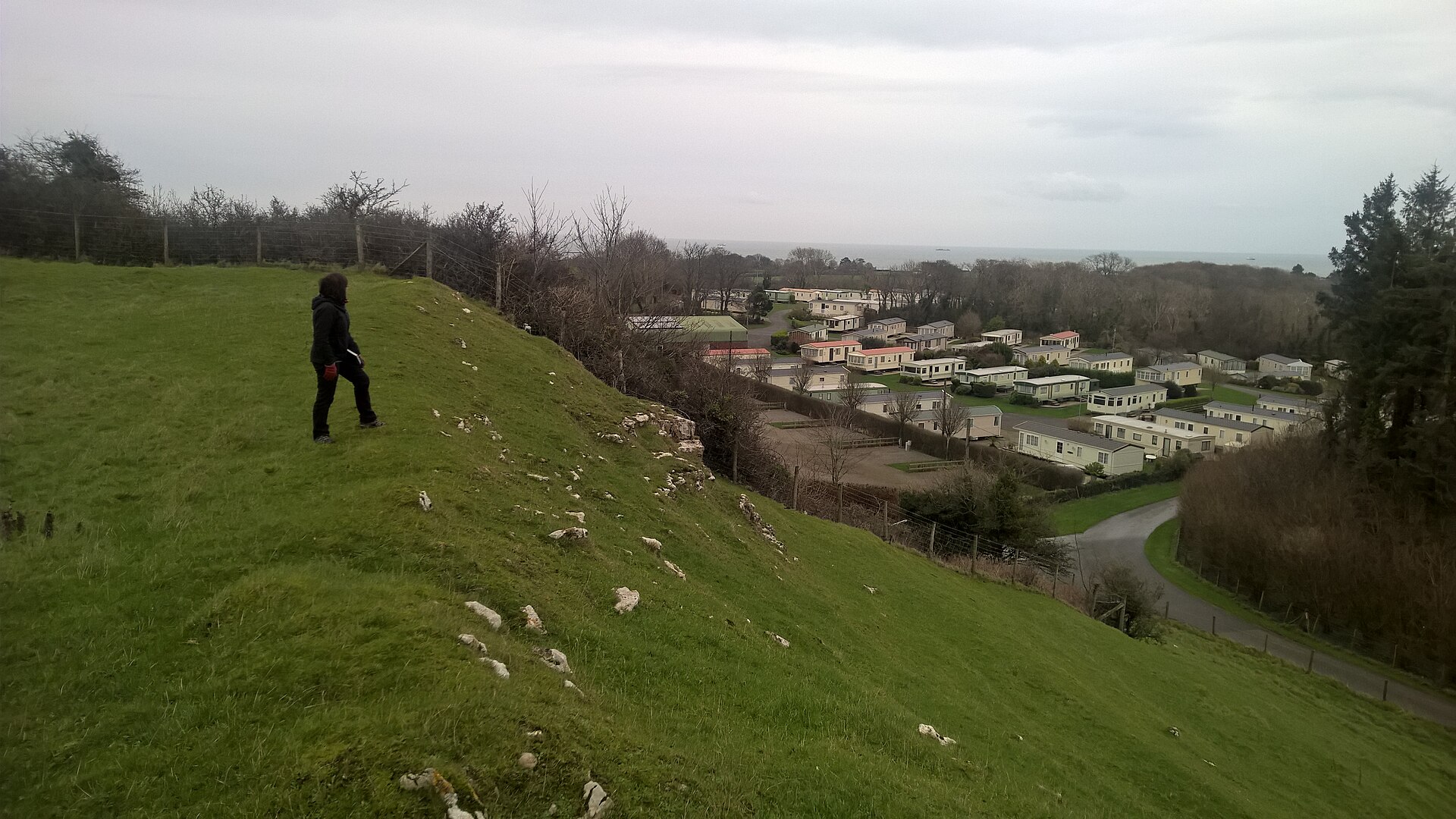
Parciau is a cliff-edged Anglesey hillfort: a defended hilltop settlement: where a dense settlement of hut circles and late Roman finds suggest ren…
Fortified place · Medieval
County Leitrim
A Gaelic tower house, a Plantation manor and a wartime prison all stand on the same patch of lakeshore: one site holding three centuries of conques…
Fortified place · Medieval
West Midlands
Photographed by the government in case bombing destroyed it, Peddimore Hall survived the Second World War intact: a moated manor whose earthworks p…
Fortified place · Medieval
Pembrokeshire
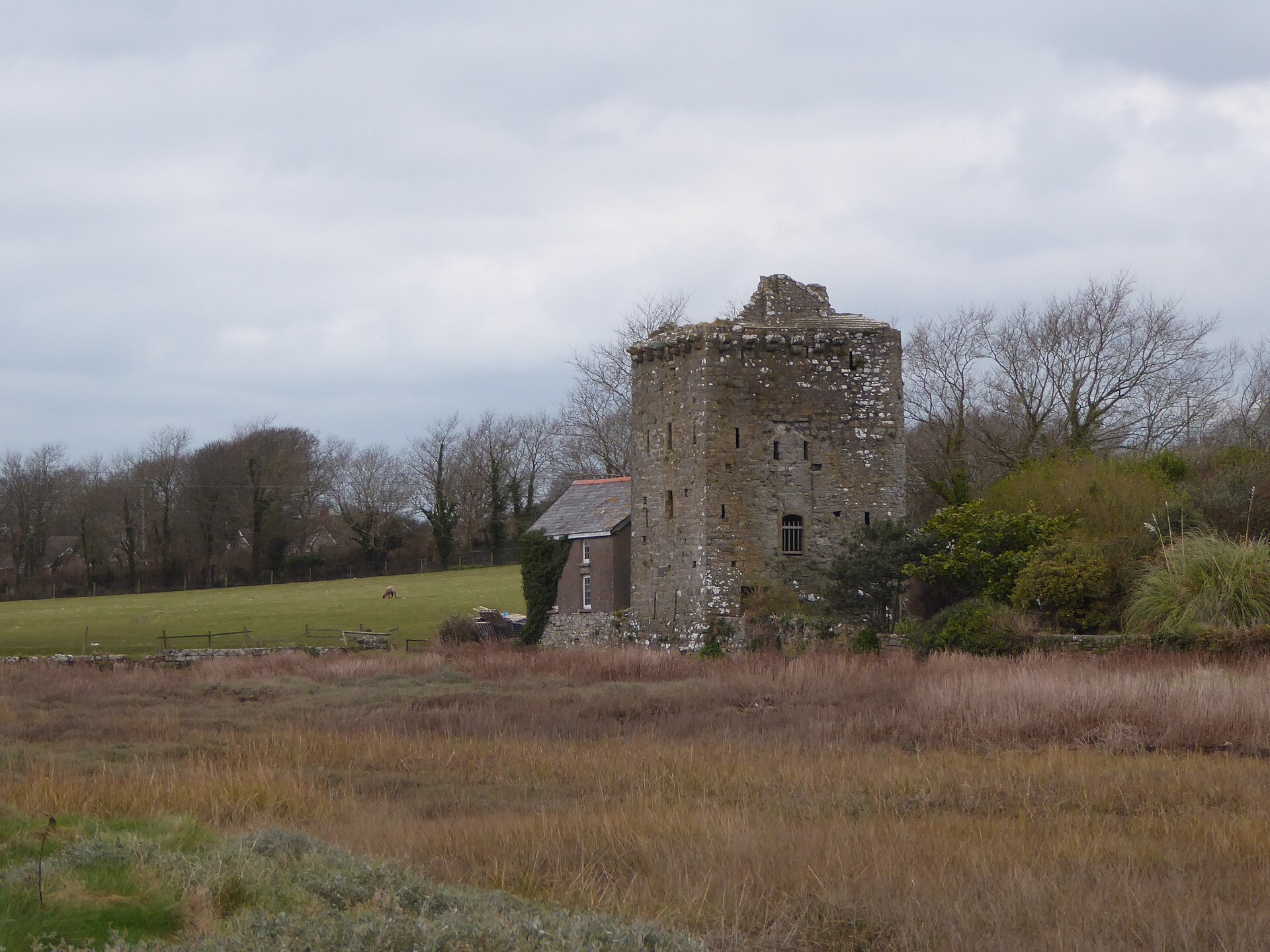
The only pele tower to survive anywhere in Wales, its rubble walls still carrying corbels for a vanished parapet walk and machicolations above a mo…
Fortified place · Medieval
Herefordshire
A four-storey round tower keep behind a working moat once sheltered a hunted Catholic priest, later canonised as a martyr, ahead of his 1679 execut…
Fortified place · Medieval
Pembrokeshire
A medieval castle in the town centre, the original family seat of the Earldom of Pembroke.
Fortified place · Medieval
Monmouthshire
Pen y Clawdd is a scheduled double-moated mound whose archaeology complicates the simple label ‘castle’, preserving evidence of both a possible ear…
Fortified place · Iron Age
Conwy
A Conwy Valley hillfort: an Iron Age settlement defended by banks and ditches on high ground, the period from roughly 800 BC to the Roman conquest:…
Fortified place · Iron Age
Powys
An Iron Age fort on a flat summit above Brecon, one of several strung along the Usk Valley, with a Victorian brickworks on its flank.
Fortified place · Medieval
Newport
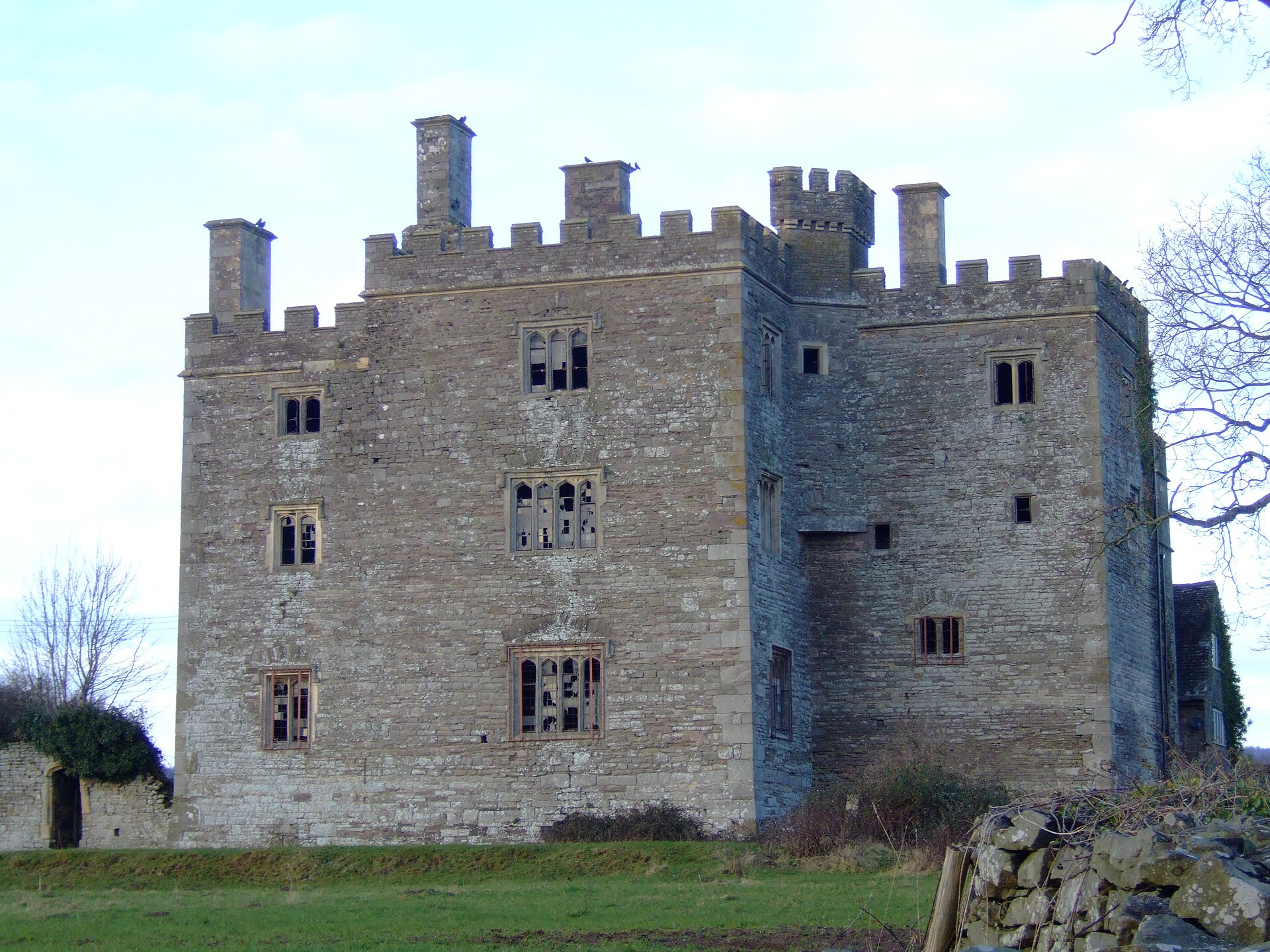
Pencoed Castle is an imposing but derelict Tudor mansion near Newport, where a thirteenth-century tower survives within the ambitious sixteenth-cen…
Fortified place · Medieval
Cornwall
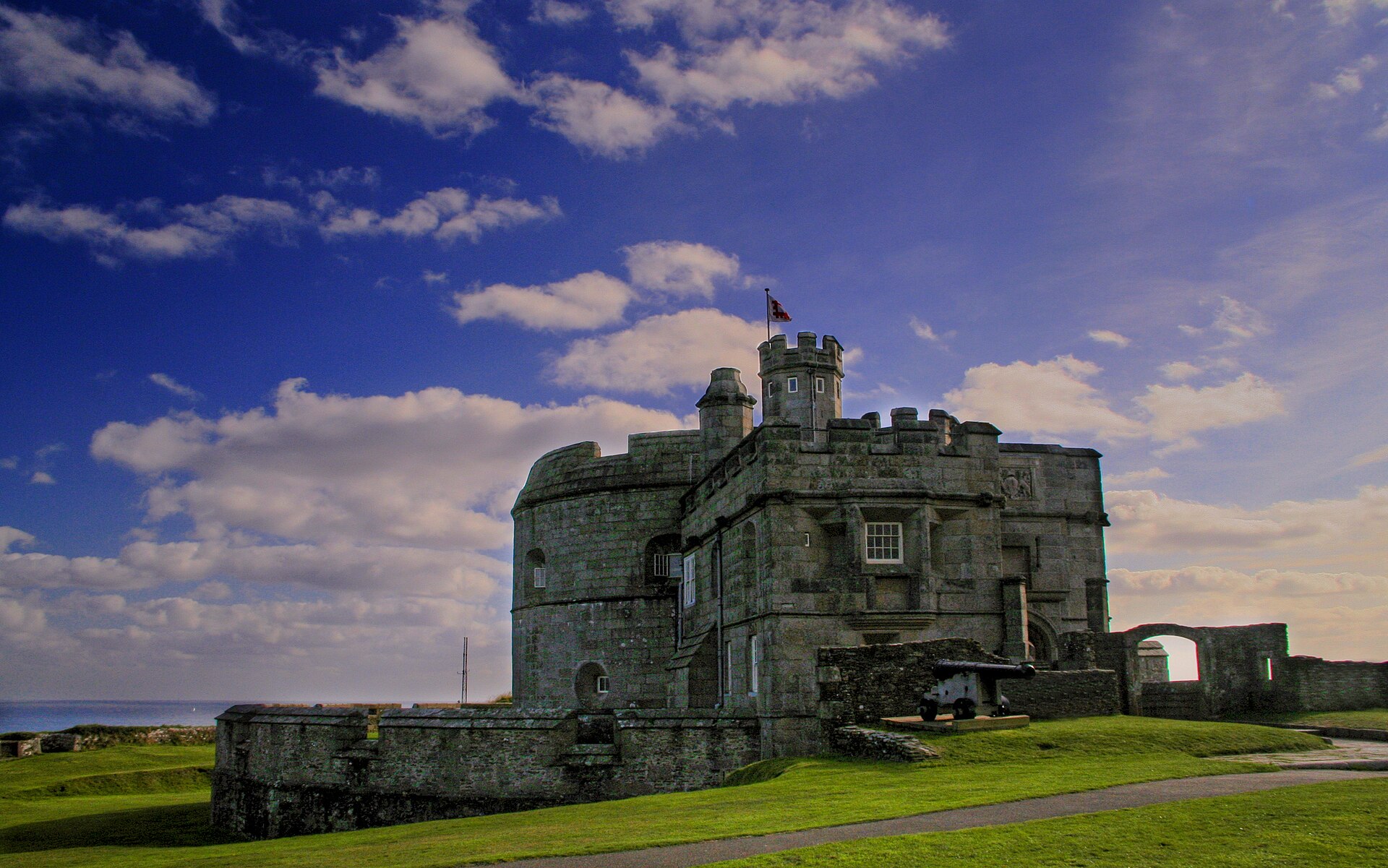
Pendennis Castle is a major Henrician coastal fort whose layered batteries defended Carrick Roads from the sixteenth century to the Second World War.
Fortified place · Medieval
Cumbria
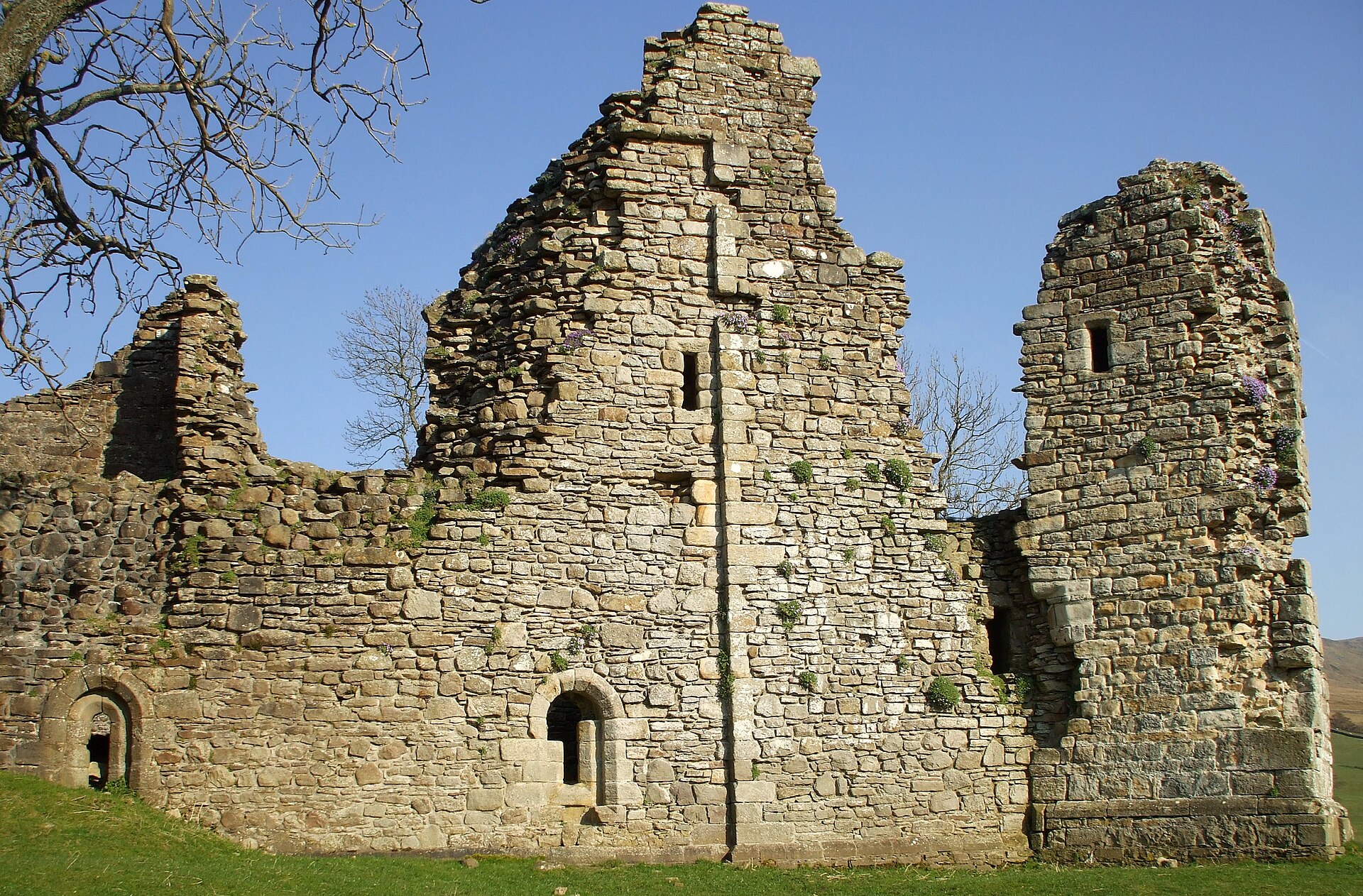
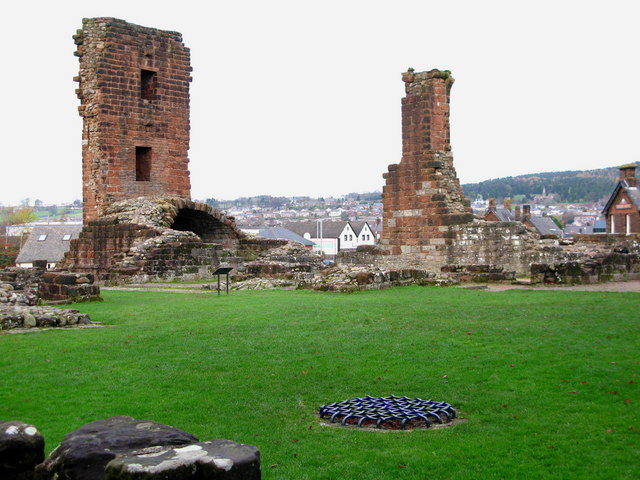
A Norman stronghold that took the name of a legendary king centuries after it was built, and was restored by a woman who kept it as one of her favo…
Fortified place · Medieval
Cornwall
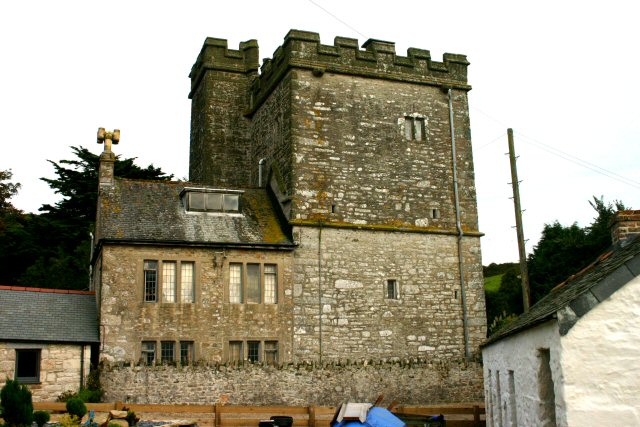
Pengersick Castle is a rare surviving late-medieval Cornish tower house, enlarged into a fortified manor by families tied to local office and Saint…
Fortified place · Medieval
Newport
Penhow Castle is a Grade II* early-twelfth-century fortified manor repeatedly remodelled over nine centuries, retaining an early tower and notably…
Fortified place · Medieval
Swansea
A blockhouse at 1,213 feet, probably the 'New Castle of Gower' attacked and destroyed in 1252: sited to watch the ridge route and warn Swansea.
Fortified place · Medieval
Vale of Glamorgan
Six courses of herringbone masonry near the base: an early Norman signature, and the argument for this being one of the first Norman buildings in G…
Fortified place · Medieval
Swansea
The Braose family rebuilt the walls in stone at the turn of the fourteenth century. Sand dunes buried the site soon afterwards and it was abandoned.
Fortified place · Roman
Scottish Borders
Camps A and B here are among the best-preserved Roman marching camps in Scotland, and Camp B was deliberately rebuilt inside Camp A rather than lai…
Fortified place · Medieval
Gwynedd
Penrhyn Castle is Thomas Hopper’s monumental Neo-Norman country house, whose architecture, art and estate landscape are inseparable from wealth dra…
Fortified place · Medieval
Swansea
A thirteenth-century castle of the de Penrice family, successor to a ringwork: an early castle defended by a circular bank and ditch rather than a…
Fortified place · Medieval
Cumbria
Ownership passed from the Neville 'Kingmaker' line to a future king, then to a Dutch earl gifted the estate by a Dutch-born monarch, a chain of gra…
Fortified place · Medieval
Cornwall
Penstowe Castle is a scheduled Cornish early Norman castle with a timber tower on an earthen mound and a bailey, the walled yard beside it; its unu…
Fortified place · Iron Age
Powys
A third of a hectare defended by five concentric ramparts: and a spring at the foot of the slope that probably explains why.
Fortified place · Medieval
Lancashire
Penwortham Castle is a Scheduled Ancient Monument marking a post-Conquest motte (a steep artificial mound built to carry a timber tower) that guard…
Fortified place · Iron Age
Flintshire
At 26 hectares its ramparts enclose one of the largest hillfort (a hilltop enclosure ringed by earth ramparts) interiors in Wales, and a 2017 dig p…
Fortified place · Iron Age
Berkshire
Excavations found only a handful of storage pits inside its bank: evidence this was a lightly held fort, perhaps garrisoned only for a season at a…
Fortified place · Medieval
Cambridgeshire
Built by a Norman abbot to defend himself against his own monks, this earthwork (banks and ditches raised from the earth rather than quarried stone…
Fortified place · Medieval
East Sussex
A Roman shore fort turned Norman stronghold turned WWII strongpoint: three separate armies fortified the same walls seventeen centuries apart, each…
Fortified place · Medieval
Derbyshire
A square tower on Castleton’s limestone crag is the surviving core of a Domesday-listed stronghold that John of Gaunt later stripped for building s…
Fortified place · Iron Age
North Yorkshire
A gamekeeper out rabbiting turned up corroded iron that proved to be a chariot dating from the centuries before Rome arrived, from about 800 BC, bu…
Fortified place · Medieval
North Yorkshire
A rare survivor: one of the few English castles left largely untouched by the Wars of the Roses, and the place a deposed king was held before his f…
Fortified place · Medieval
Pembrokeshire
A medieval castle built at the end of the thirteenth century by a Flemish knight, near Haverfordwest.
Fortified place · Medieval
Cumbria
An abbot built this fortress to police his own abbey's smuggling as much as to repel invaders: and briefly it hosted a boy-king's court before the…
Fortified place · Medieval
Staffordshire
A Norman castle on high ground above the River Dove, near the present village of Pilsbury.
Fortified place · Iron Age
Buckinghamshire
A village club that rebuilt itself twice from a folded predecessor, working its way from parish leagues to county cup glory without ever losing its…
Fortified place · Iron Age
Buckinghamshire
A date carved into its timber frame makes this the oldest precisely dated windmill in the British Isles, and tree-ring science has since shown its…
Fortified place · Iron Age
Somerset
An earthwork overlooked by its own hill by fifty metres: which is why it is probably a stock enclosure rather than a fort.
Fortified place · Medieval
Essex
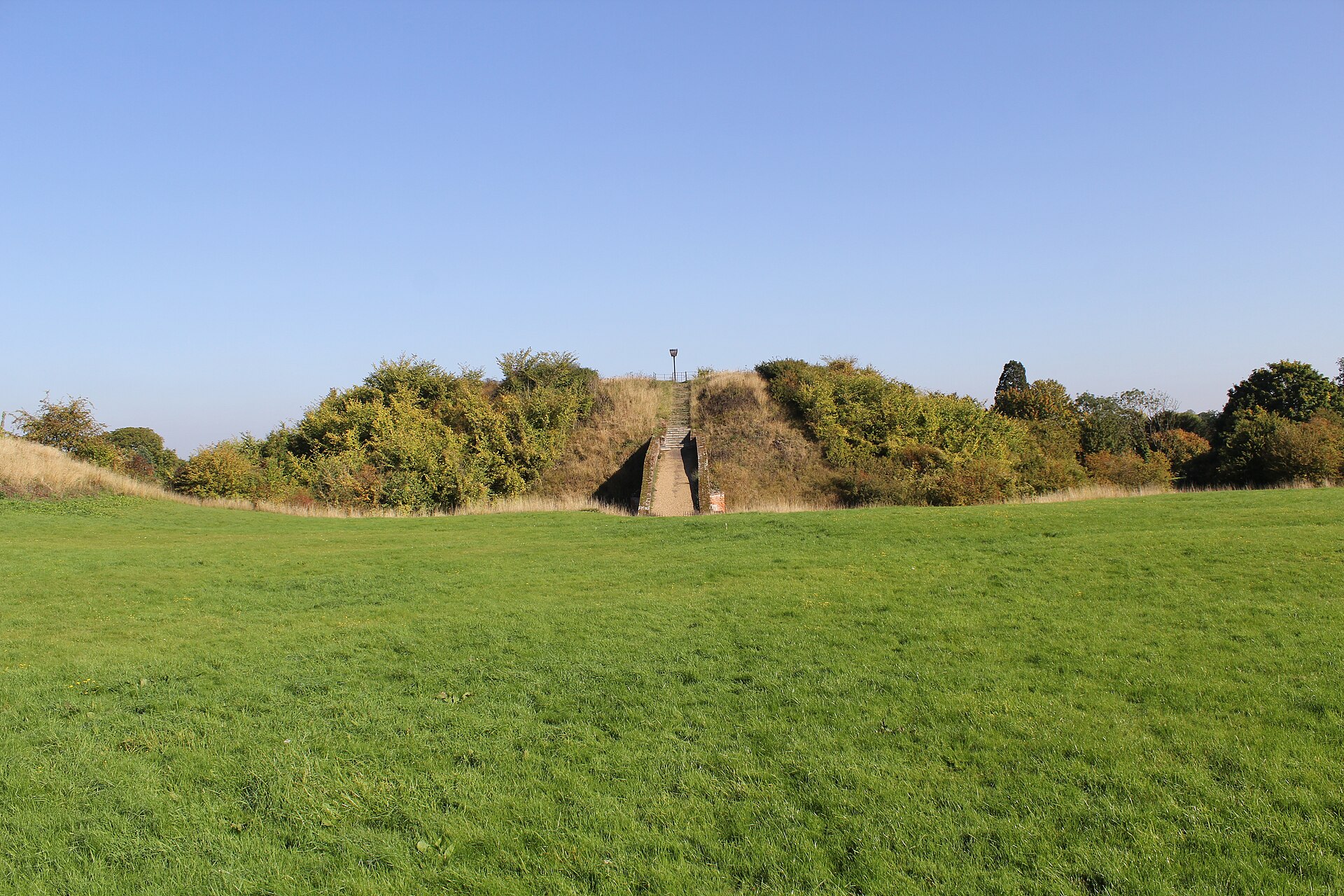
Pleshey is one of England’s best-preserved castle mound-and-yard complexes, its 15-metre mound and intact earthworks revealing how a wooden fortres…
Fortified place · Medieval
Devon
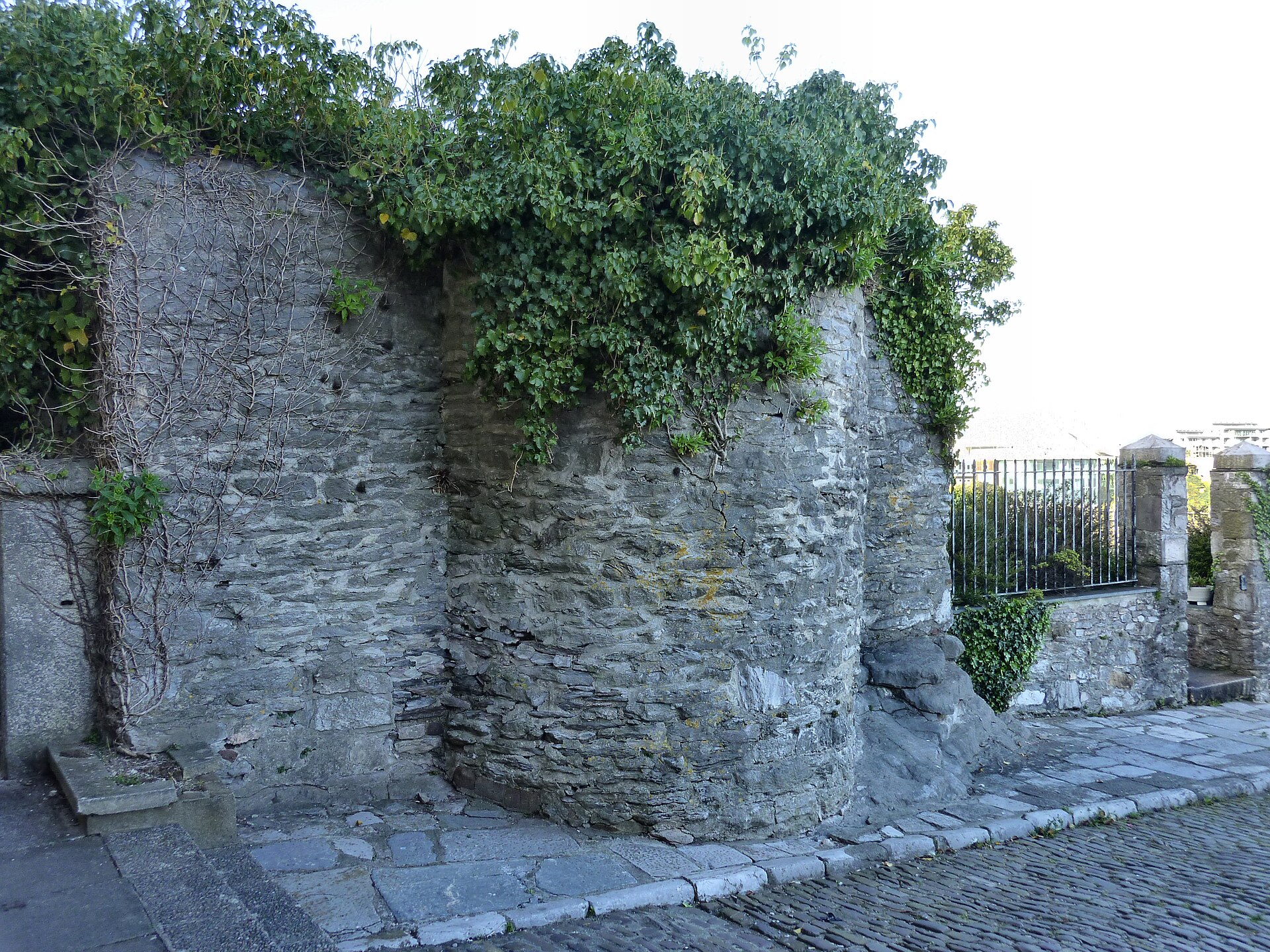
Plymouth Castle was a town-run fifteenth-century harbour defence whose four towers survive in Plymouth’s civic identity even though only a small ga…
Fortified place · Iron Age
East Riding of Yorkshire
A warrior here was buried lying on his own shield, Britain's first known shield burial, and a nearby grave held the country's only chariot buried c…
Fortified place · Medieval
Bedfordshire
A castle named in the Domesday Book of 1086 whose earthworks and building foundations still lie in a farmer's field behind a 17th-century manor house.
Fortified place · Medieval
West Yorkshire
The castle where Richard II is thought to have died, built about 1070 by Ilbert de Lacy and besieged repeatedly in the Civil War.
Fortified place · Roman
Somerset
A bank of layered yellow and grey clay running between two former swamps, with an entrance that appears to be original.
Fortified place · Medieval
Pembrokeshire
One half of a matched pair of Milford Haven forts, its hexagonal ramparts and eleven-gun casemates now stand fenced inside a working oil refinery r…
Fortified place · Iron Age
Lancashire
Portfield Hillfort is a rare north-west English enclosure later enlarged with additional banks, with excavations revealing use from the late Stone…
Fortified place · Medieval
gwynedd
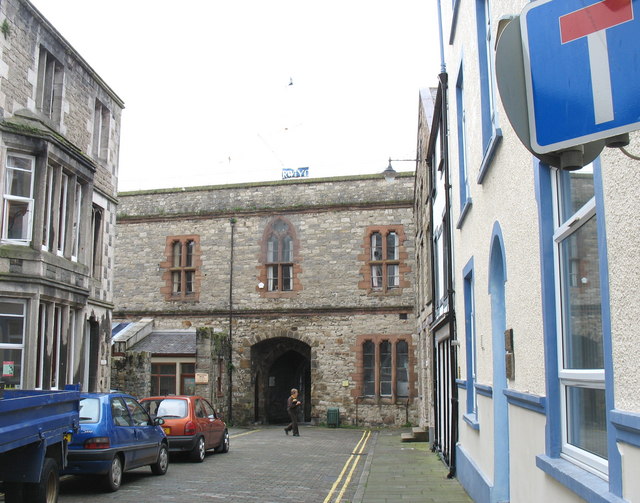
The seaward gate of Edward I's walled town at Caernarfon, badly damaged in the Welsh revolt of 1294 and repaired at a cost of £1,195: a third of wh…
Fortified place · Medieval
Powys
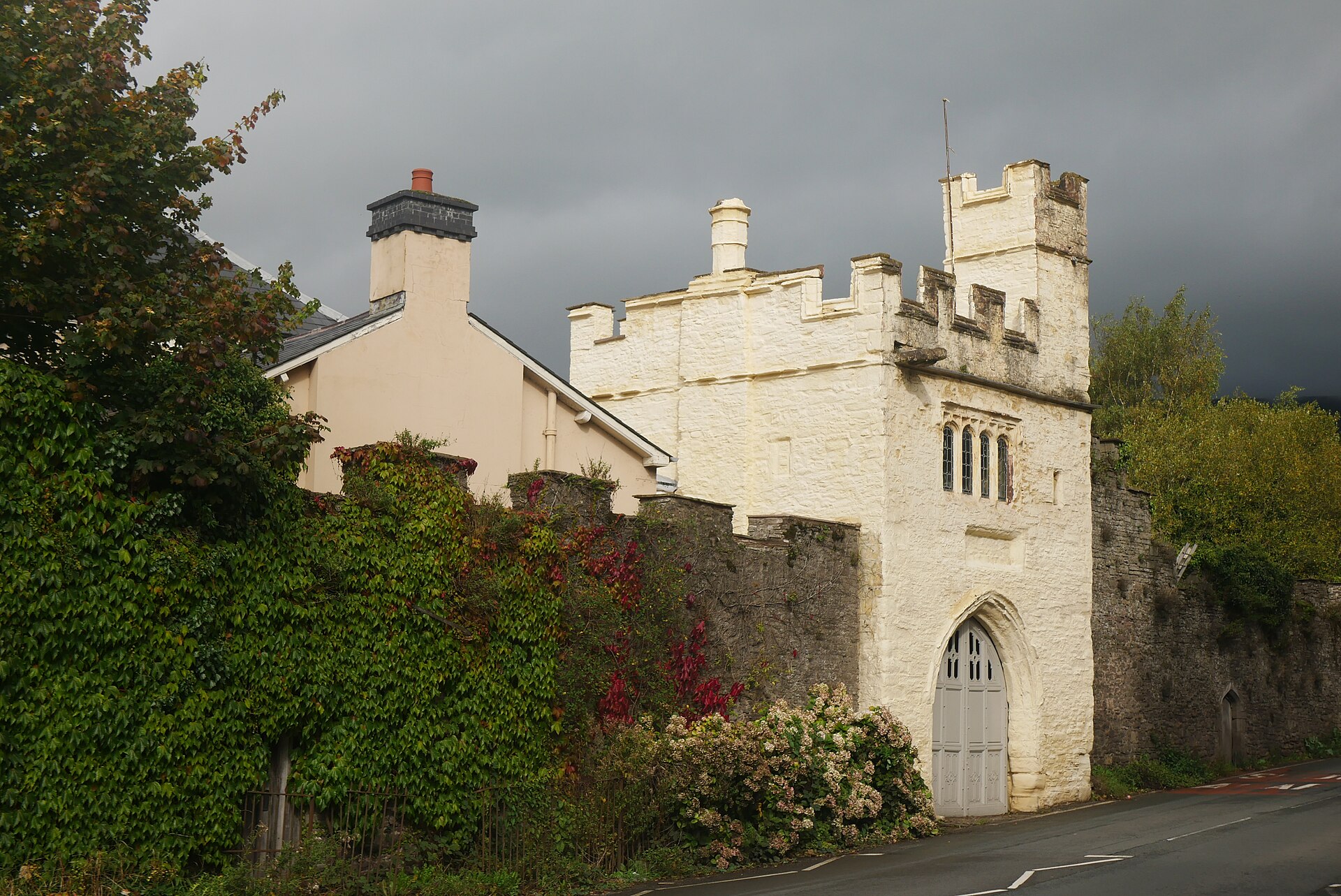
A fifteenth-century gatehouse in central Crickhowell, built for the Herbert family.
Fortified place · Iron Age
Essex
Portingbury Hills is an enigmatic Hatfield Forest monument where evidence from before the Roman conquest, later alteration and contested astronomic…
Fortified place · Medieval
Dorset
Portland Castle is one of Henry VIII’s best-preserved coastal artillery forts, built to defend Portland Roads and later adapted through civil war,…
Fortified place · Medieval
County Galway
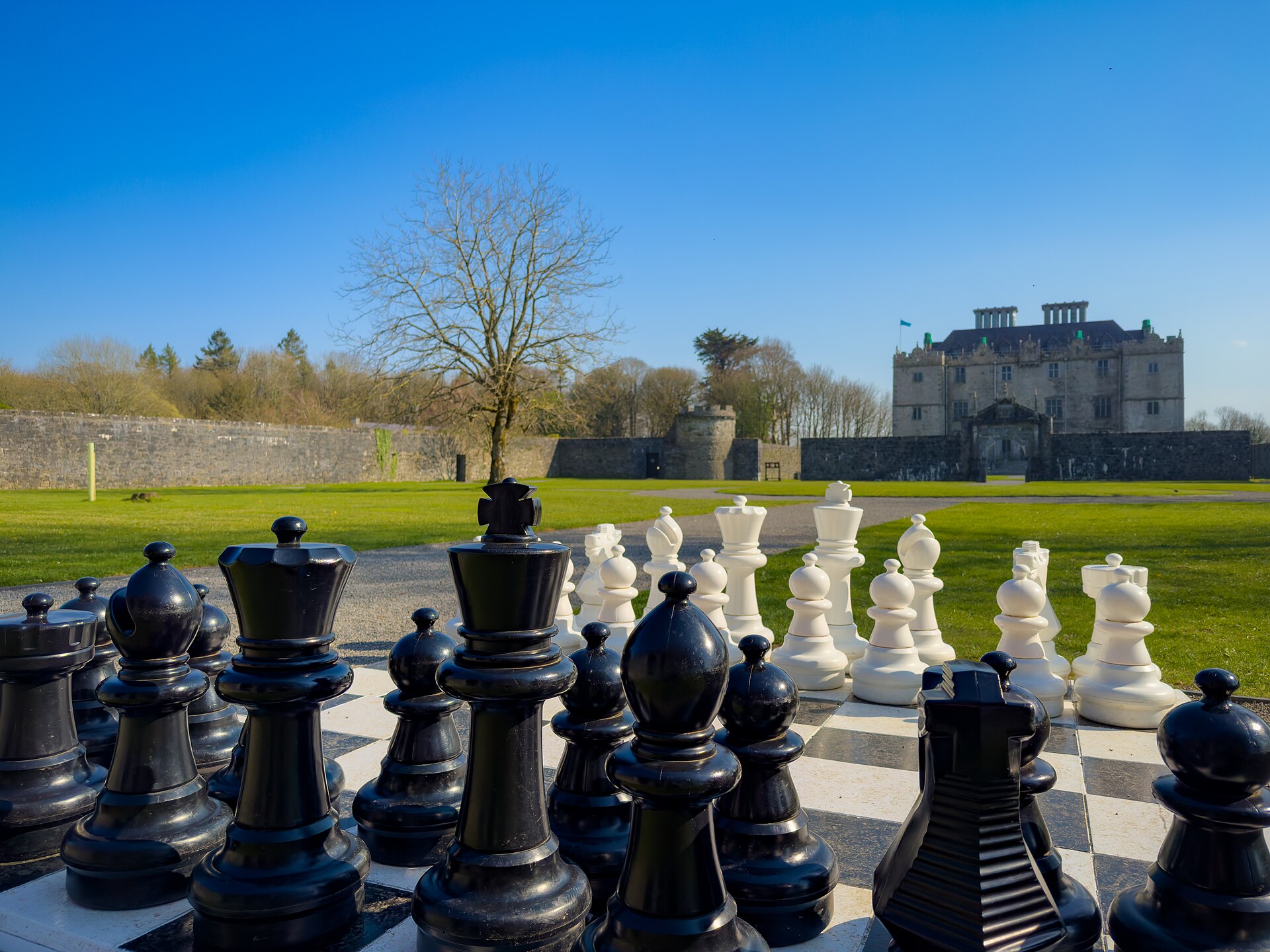
Richard Burke’s 1610–17 house brought Renaissance planning, Italianate detail and defensive towers to Ireland, making Portumna a deliberate stateme…
Fortified place · Iron Age
Herefordshire
Herefordshire's hills hold dozens of Iron Age (from about 800 BC until the Romans came) strongholds, and Poston Camp's quiet earthworks near Vowchu…
Fortified place · Medieval
Devon
Powderham Castle is a Grade I listed fortified manor that has remained the Courtenay family’s Devon seat through medieval conflict, Civil War damag…
Fortified place · Medieval
Powys
A Marches castle built by a Welsh prince rather than a Norman baron, whose owners were exiled for thirty years and finished the garden anyway.
Fortified place · Medieval
Denbighshire
Built in 1165 and destroyed within two years, the castle's short life ended not in ruin but in retreat: the Banastre family abandoned Wales for Lan…
Fortified place · Medieval
East Lothian
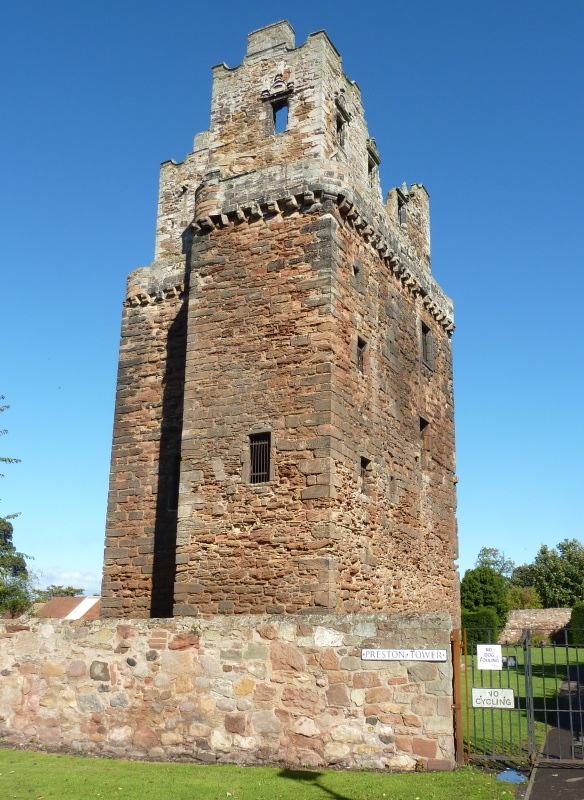
Preston Tower is a rare layered survivor in Prestonpans: a medieval keep enlarged in 1626, repeatedly burned in conflict and accident, and now rest…
Fortified place · Iron Age
Devon
Prestonbury Castle is an Iron Age Dartmoor-edge hillfort: an Iron Age settlement defended by banks and ditches on high ground, dating from from aro…
Fortified place · Iron Age
Cornwall
Prideaux Castle is a small multivallate Iron Age hillfort: an upland enclosure defended by earthen banks, from from around 800 BC up to the Roman c…
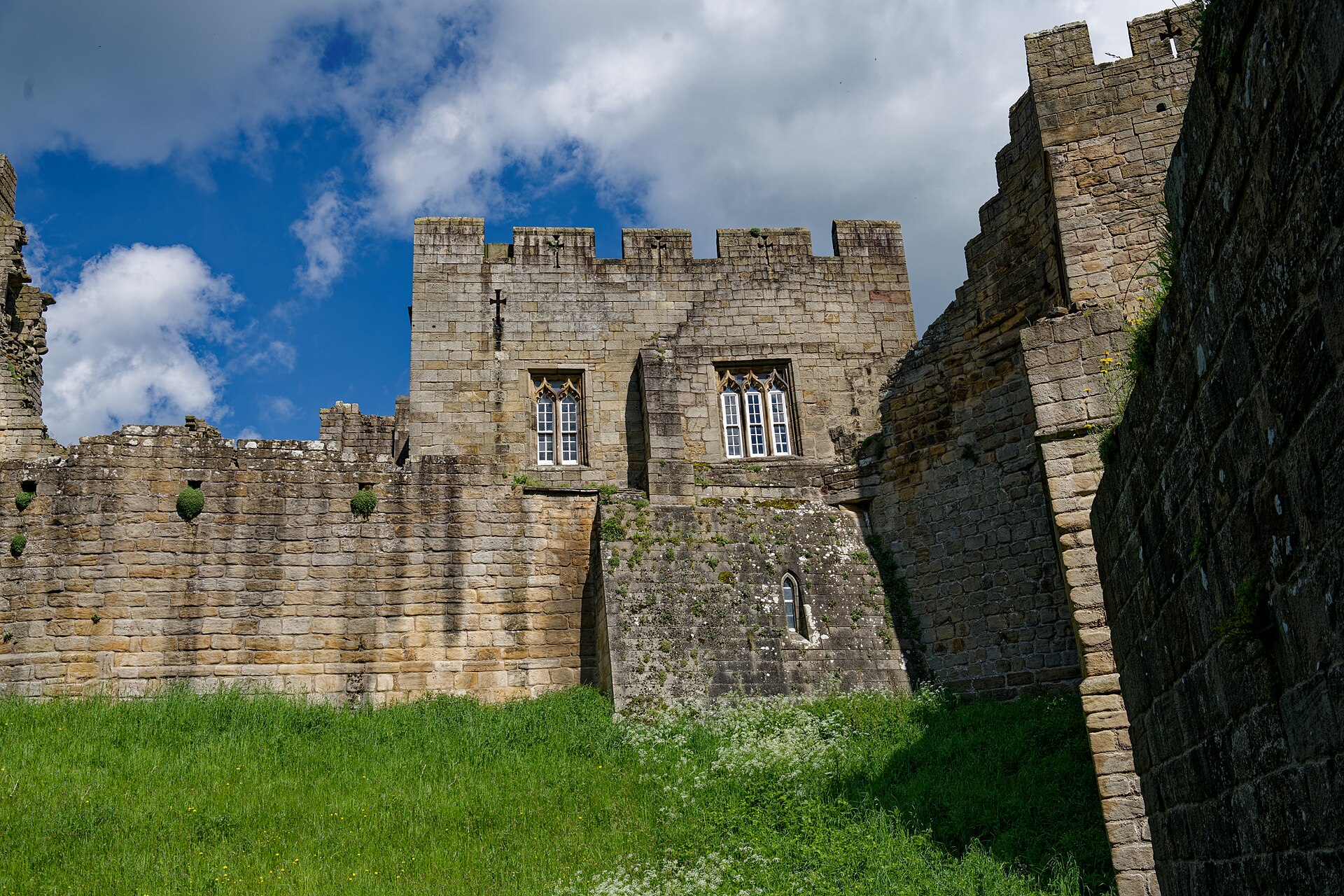
Fortified place · Medieval
Monmouthshire
The only substantial survivor of a Benedictine priory founded around 1135: a gatehouse whose windows suggest it may have been built after the monks…
Fortified place · Medieval
Northumberland
Prudhoe records a castle sharpened by failure: William the Lion’s two unsuccessful attacks prompted upgrades from timber palisade to stone keep and…
Fortified place · Medieval
Cheshire
A grassy mound beside a border stream once carried enough weight that a Wirral manor owed its lord the duty of mending its wooden defences.
Fortified place · Iron Age
Hampshire
One ridge, three settlements: a farming landscape dating roughly 2500–800 BC, a later fort raised over an older palisade, then a Roman coda of coin…
Fortified place · Medieval
Kent
Queenborough Castle was England’s first concentric castle and the only new royal castle of the Late Middle Ages, though it now survives only as ear…
Briefer entries: recorded and worth knowing, with fuller pages to come.
Fortified place · Medieval
County Antrim
Olderfleet Castle is a protected Larne tower whose changing identities: from medieval Bissett stronghold to possible warehouse: reflect centuries o…
Fortified place · Medieval
County Tyrone
Oughtdoorish brings together a large Tyrone townland, a protected rath (a ringfort, a farmstead enclosed by a circular bank and ditch), and a name…
Fortified place · Medieval
County Kerry
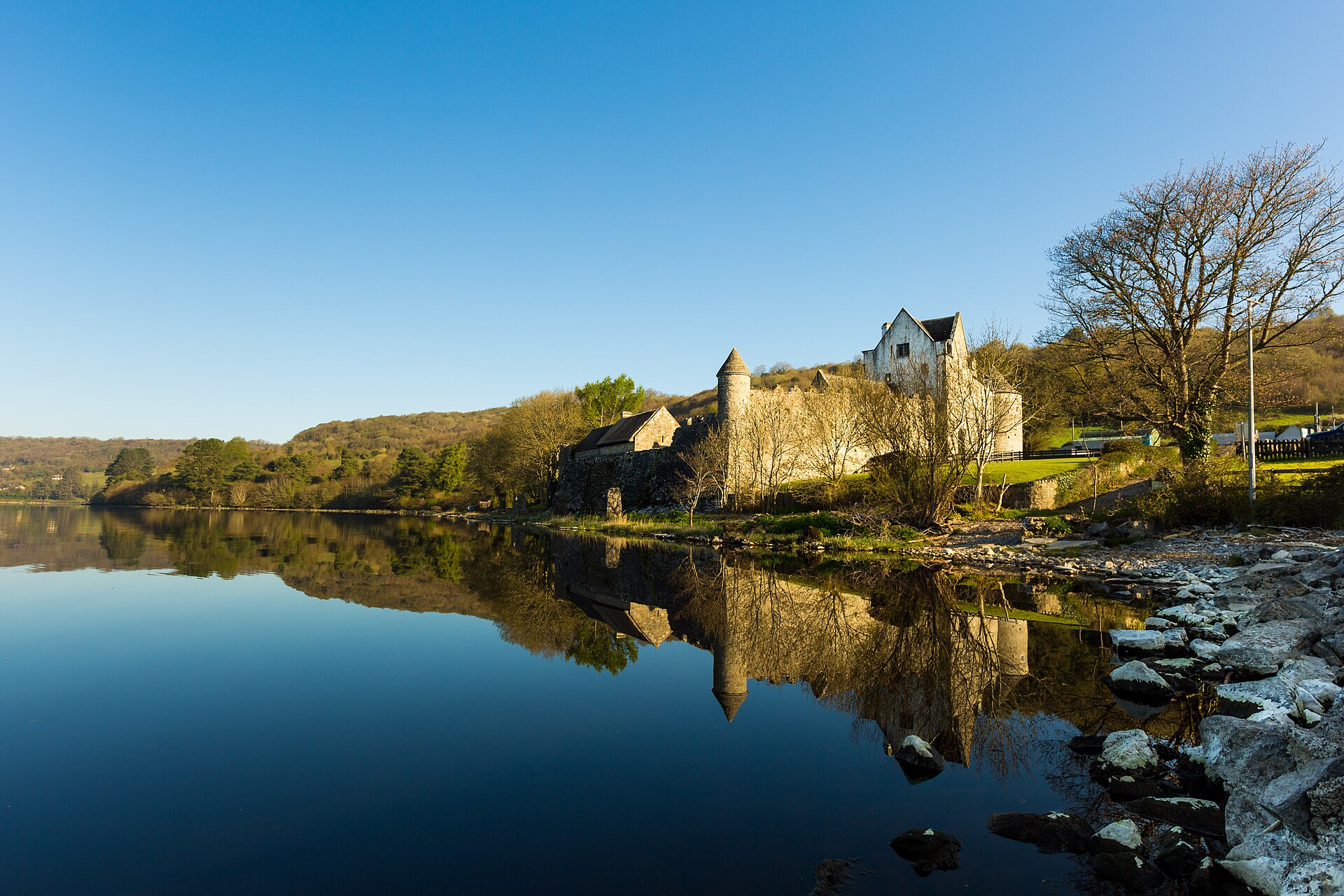
The keep (the great tower at a castle's heart) at Parkavonear breaks with the standard Norman pattern before a visitor even reaches the door: inste…
Fortified place · Medieval
Isle of Man
Peel Castle layers a Norse 11th-century fortress over an older Celtic monastic island and the cathedral of Sodor and Man; its intact outer walls, e…
Fortified place · Iron Age
Ceredigion
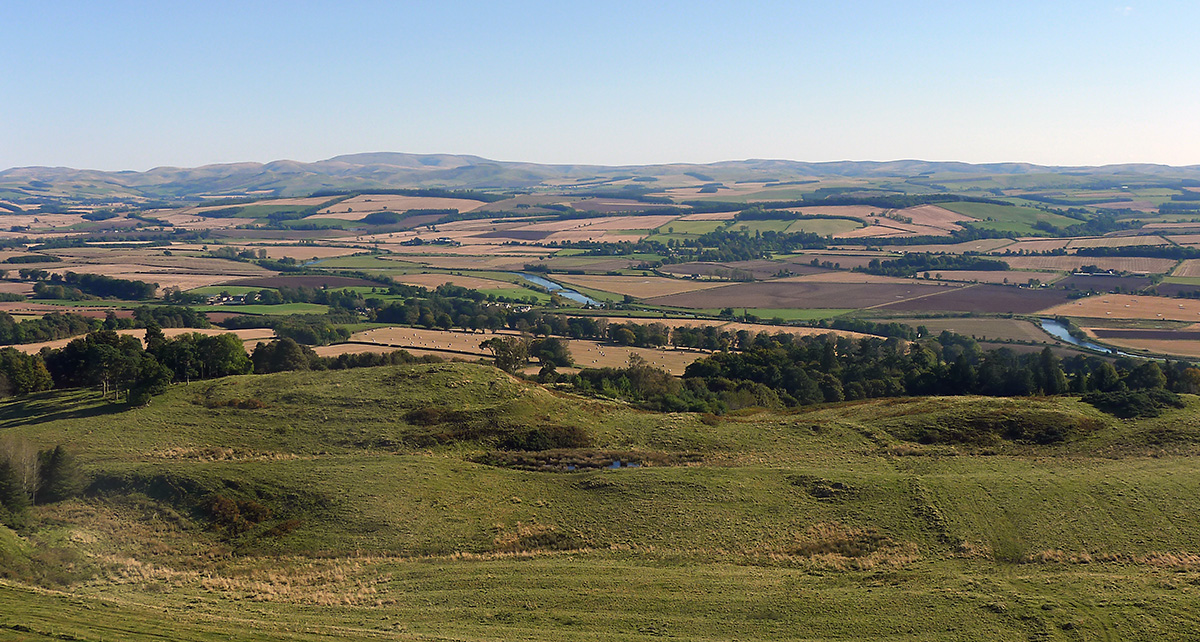
Cardigan Bay's pre-eminent hillfort: a defended hilltop settlement of the Iron Age, the centuries before Rome arrived from about 800 BC: formed by…
Fortified place · Iron Age
Scottish Borders
A 237-metre hill near Ancrum carrying both an ancient defended settlement and the Waterloo Monument.
Fortified place · Medieval
swansea
Leslie Alcock's excavation found a timber gateway burnt down and rebuilt as a drystone gate tower: and suggested the rebuild was Welsh work on a No…
Fortified place · Medieval
County Cork
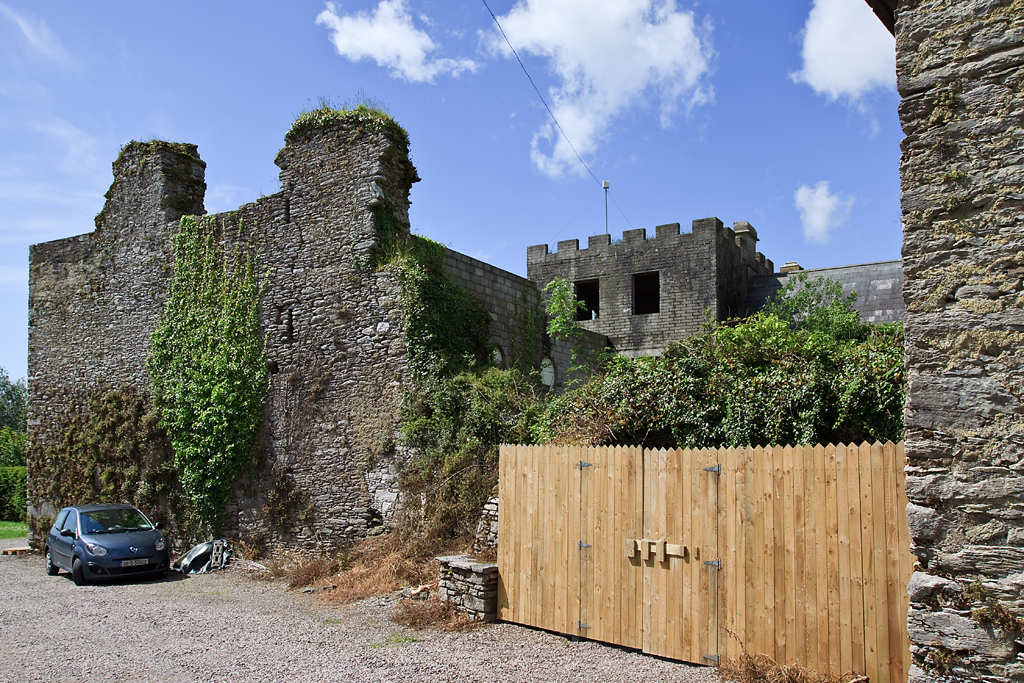
Penn Castle retains a fifteenth-century Power-family tower within later rebuilding, linking a medieval defensive core to Admiral William Penn’s res…
Fortified place · Iron Age
Devon
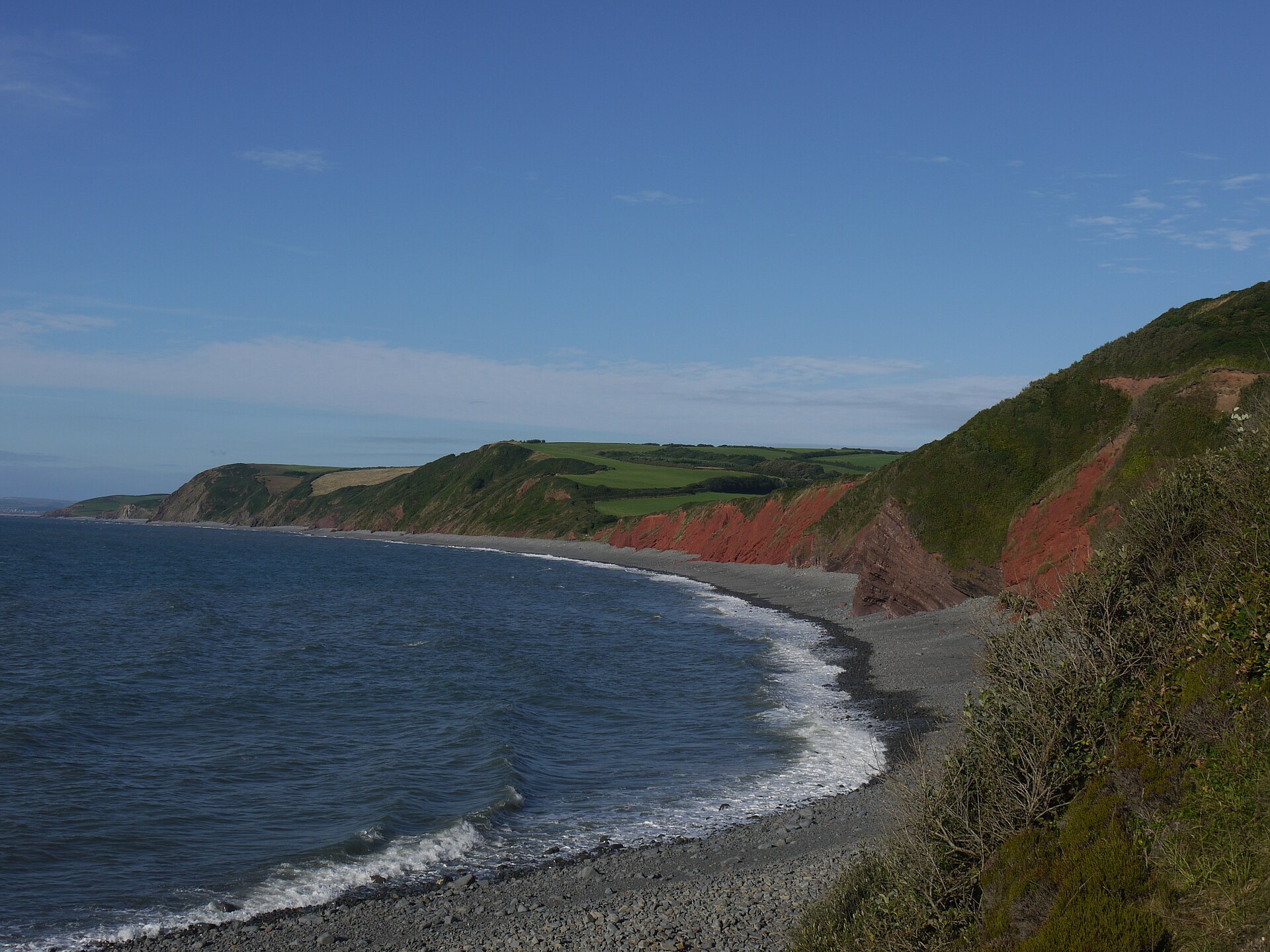
Peppercombe combines a deep North Devon coastal valley, rare red Permian outlier geology and the poorly defined remains of an Iron Age hillfort: a…
Fortified place · Iron Age
Dorset
Pilsdon Pen is Dorset’s second-highest hill and a major Durotrigian hillfort, an Iron Age (the centuries before Rome arrived, from about 800 BC) se…
Fortified place · Medieval
Essex
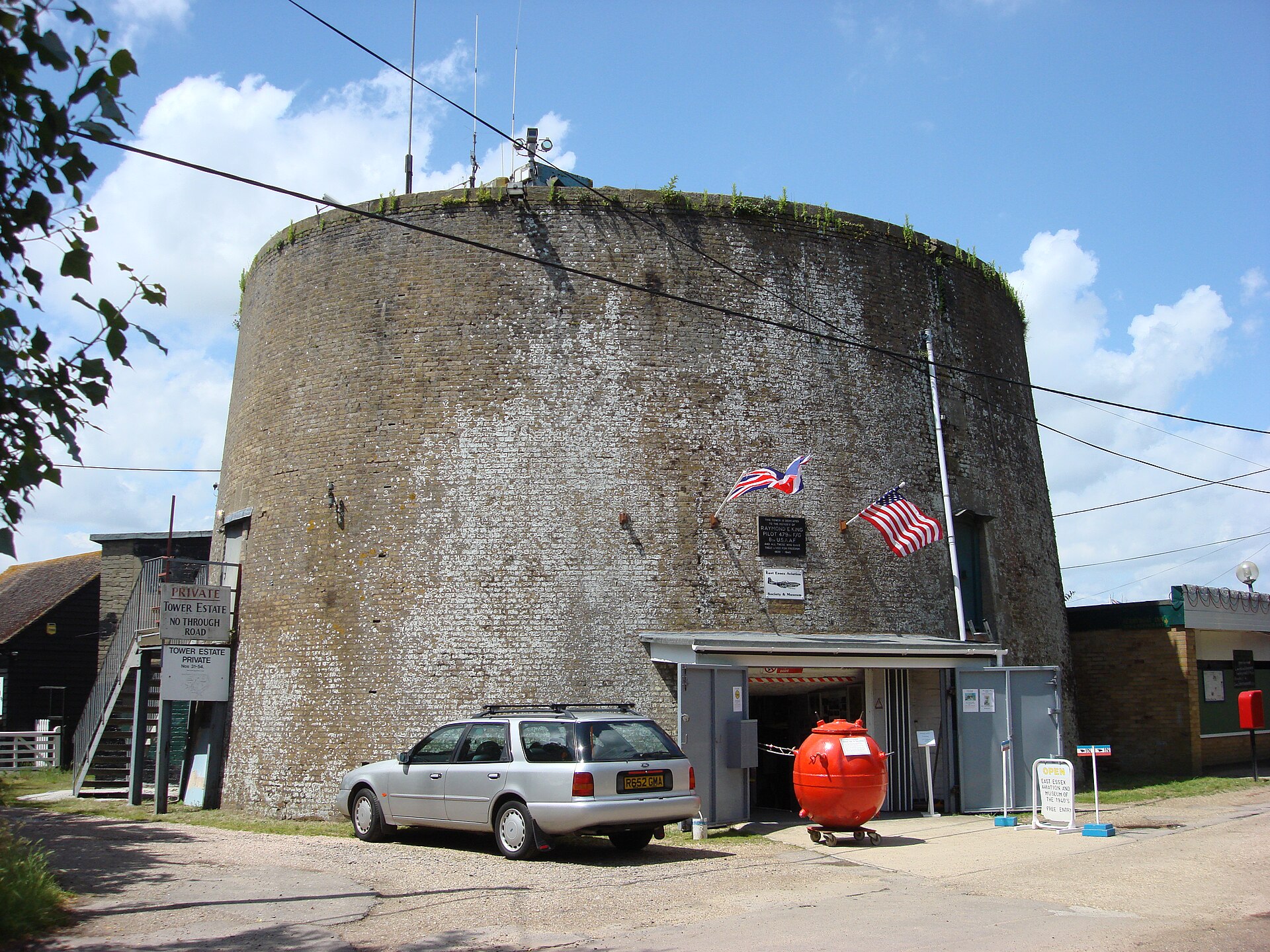
Point Clear’s Martello Tower is the earliest and most southerly east-coast example, transformed from a Napoleonic defence into a museum preserving…
Fortified place · Medieval
Northumberland
Ponteland lets you drink in a fourteenth-century tower house that survived Scottish raiding, Jacobean rebuilding, dereliction, and conversion into…
Fortified place · Medieval
County Down
Portaferry makes the changing role of a harbour tower unusually legible: defensive circulation survives beside evidence of a 1635 repair that resto…
Fortified place · Medieval
County Fermanagh
Portora Castle guards a narrow Lough Erne outlet and preserves a Plantation-era bawn, gun-looped flankers, and traces of later domestic use.
Fortified place · Medieval
Lancashire
Preston Castle preserves the recorded location of a lost castle built around an artificial mound and enclosed yard, whose surviving earthworks outl…
Fortified place
Dorset
The Purbeck Mineral and Mining Museum keeps the Isle of Purbeck’s ball-clay industry legible through rebuilt mine structures, locomotives and the h…
Fortified place · Medieval
County Limerick
A tower house destroyed in the very rebellion that ended Geraldine rule in Munster, its ruin marking a hinge point in west Limerick's history.
No places match those filters.



.jpg?width=800)






















.jpg?width=800)



%2C_October_2009.JPG?width=800)