Fortified place · Medieval
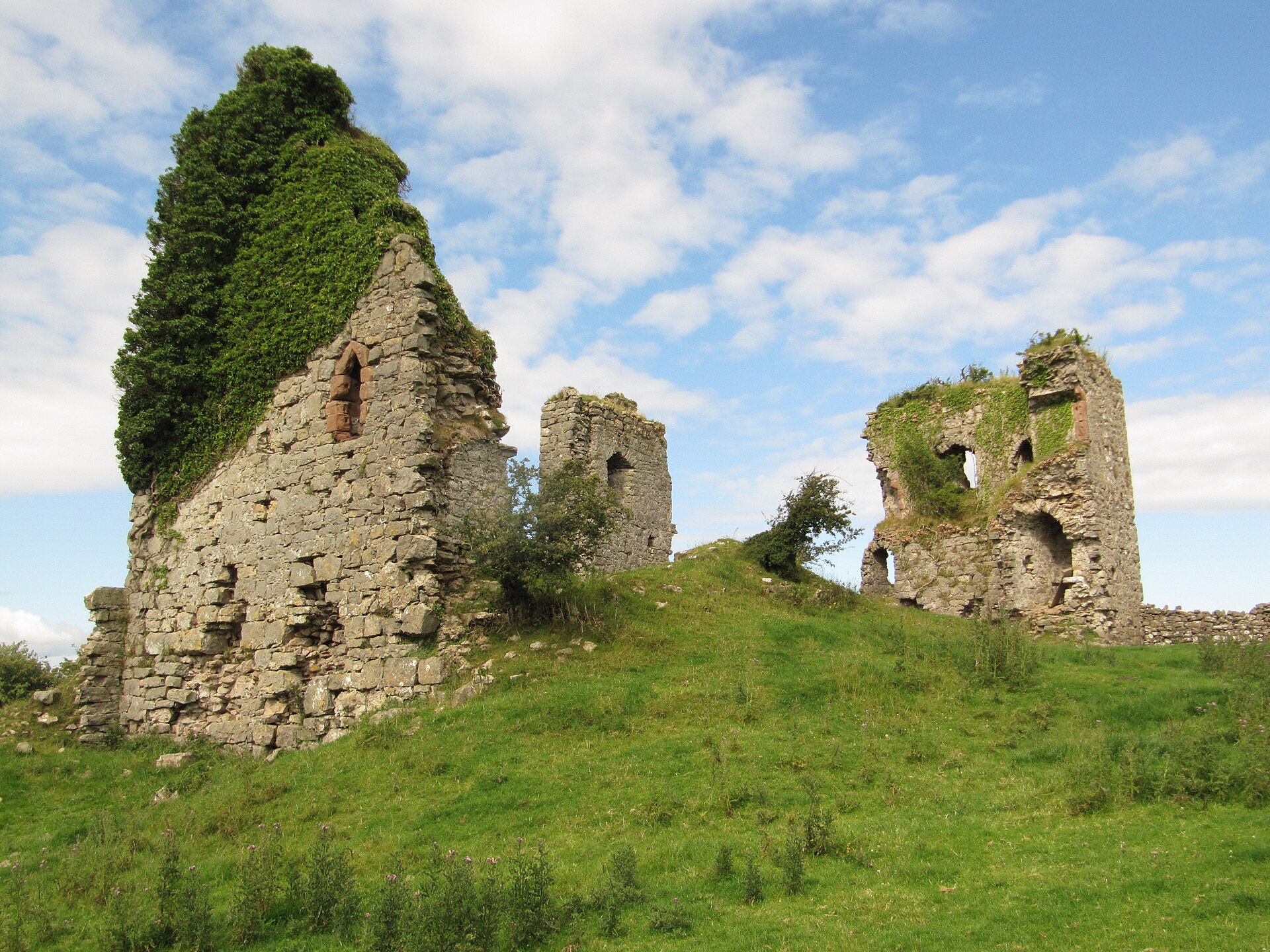
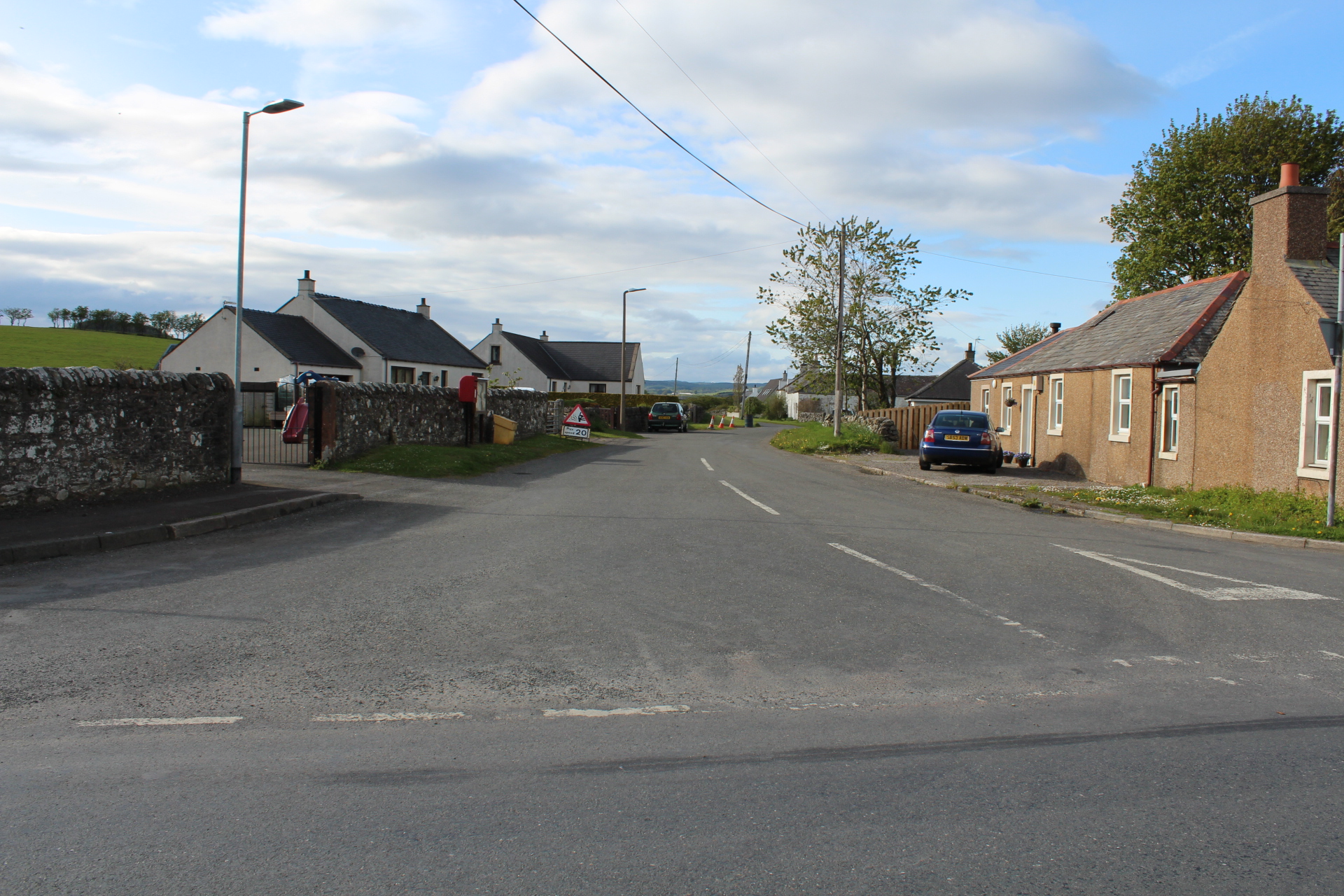
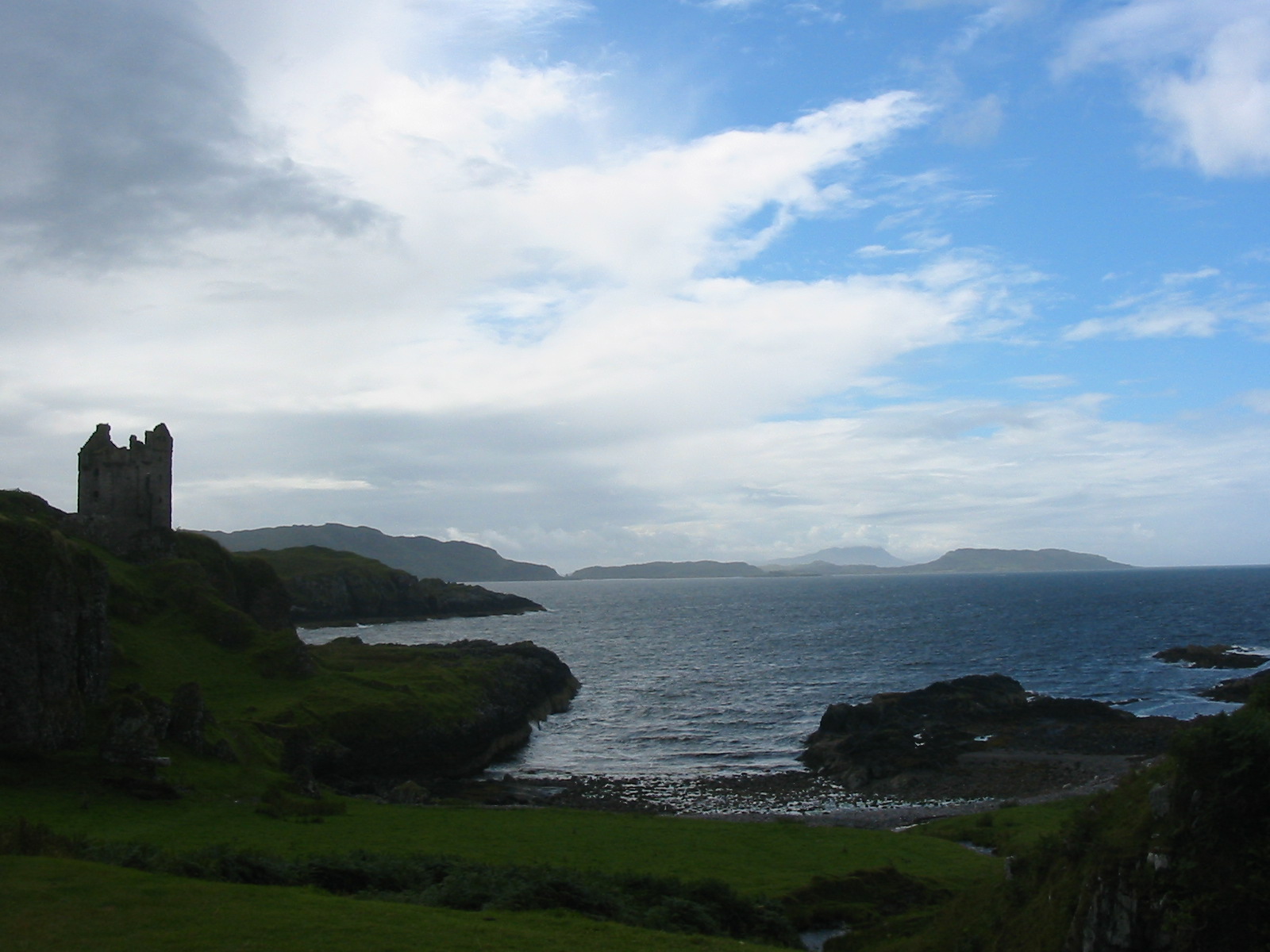
Gleaston Castle
Cumbria
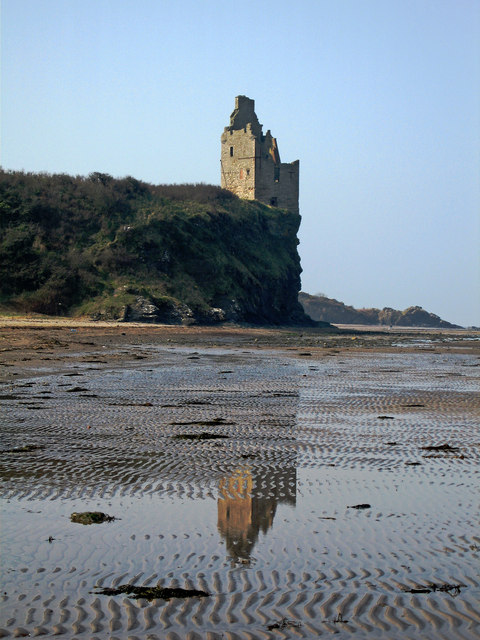
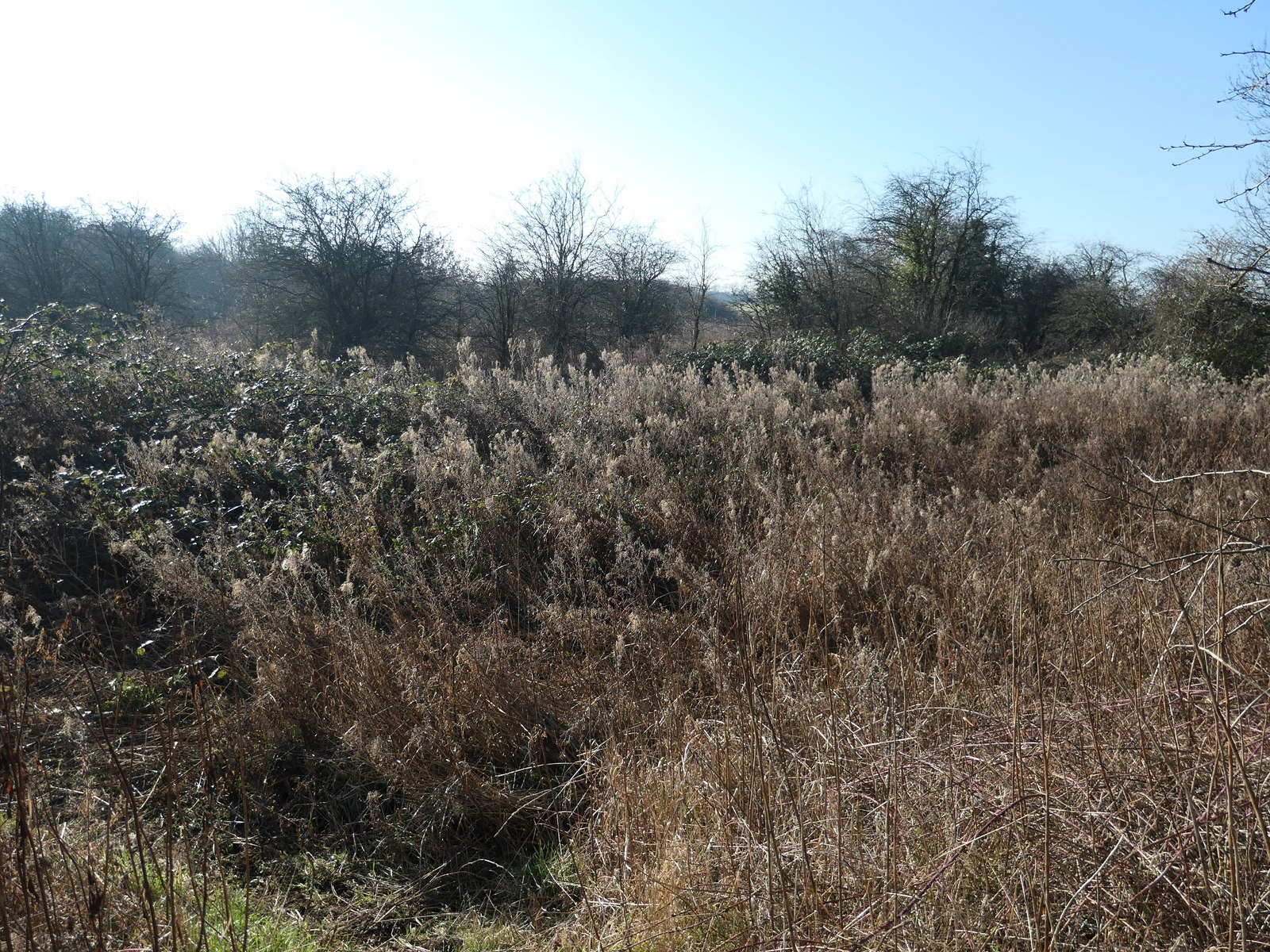
Four sandstone-dressed towers still stand around a limestone enclosure abandoned within a century of being built, left untouched by any later rebui…
- Near Ulverston
- Rough ground
By type
Page 11 of 21.
Search and filters apply to these 100 places.
Fortified place · Medieval
Cumbria
Four sandstone-dressed towers still stand around a limestone enclosure abandoned within a century of being built, left untouched by any later rebui…
Fortified place · Medieval
County Antrim
Glenarm Castle layers a thirteenth-century Bisset capital with the MacDonnell family’s 1636 estate, a long-lived centre of power on the Antrim coast.
Fortified place · Roman
Perth and Kinross
The Romans pulled it down themselves when they left. Aerial photography found it again in 1983.
Fortified place · Medieval
Aberdeenshire
In 1948 a local club bought the surrounding parkland just so the castle's setting would stay intact: a community rescue of a landscape, not the bui…
Fortified place · Roman
Dumfries and Galloway
Roughly seven acres of Roman fort lie buried on the eastern bank of the River Dee, opposite the hamlet of Glenlochar in the parish of Balmaghie. Fo…
Fortified place · Medieval
County Limerick
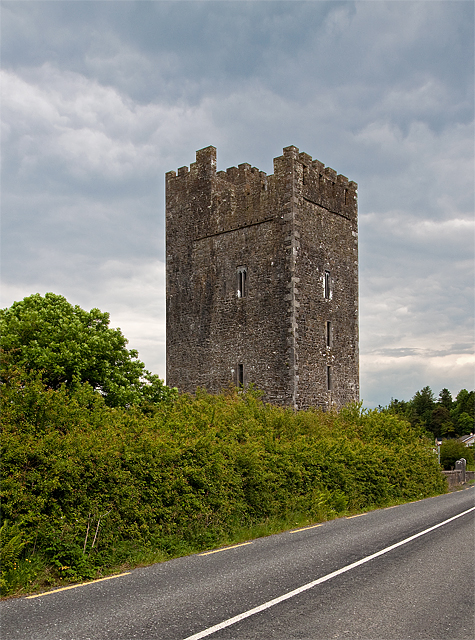
Glenquin Castle's square limestone tower rises six storeys beside the R515, about 2.4 kilometres west of Killeedy in County Limerick. The structure…
Fortified place · Medieval
County Limerick
The Georgian house at Glin is one family's third seat on this spot by the Shannon: 700 unbroken years of the Knights of Glin, from tower house to h…
Fortified place · Medieval
County Galway
A mid-seventeenth-century Galway tower house, reputedly Ireland's last castle, whose intact defensive and domestic features survive despite an earl…
Fortified place · Medieval
Derbyshire
A Norman stronghold raised by William Peverel on a ridge already old with Celtic use: the same builder responsible for Peveril Castle a dozen miles…
Fortified place · Medieval
East Sussex
Glottenham Castle preserves the earthwork (a bank, ditch or mound shaped from soil rather than built in stone) trace of a thirteenth-century moated…
Fortified place · Medieval
Gloucestershire
A Plantagenet prisoner with a rival claim to the crown was once held within it: yet the castle was so thoroughly erased that its foundations lay bu…
Fortified place · Pictish & early medieval
Hampshire
One of England's earliest purpose-built cannon forts survives here fused onto a medieval town gate, its gunports still facing the water it was rais…
Fortified place · Iron Age
Cambridgeshire
A hillfort with Bronze Age origins borrowed its name from a lost giant: a chalk hill figure recorded in the 17th and 18th centuries, then never see…
Fortified place · Medieval
Herefordshire
A square Norman keep survives at the heart of a fully concentric castle whose design influenced later English building, and which fell only after a…
Fortified place · Medieval
Herefordshire
A vanished antiquarian (an early collector-scholar of antiquities, working before modern archaeology)'s fantasy castle, built to outstare a real me…
Fortified place · Iron Age
West Sussex
An Iron Age earthwork of two concentric circuits in Kingley Vale, dug three times in sixty years: a record of how archaeological method changed.
Fortified place · Iron Age
Hampshire
A promontory fort (a coastal spur defended by banks thrown across its neck) on a gravel spur above the Avon valley, all but erased in the 1950s and…
Fortified place · Iron Age
Somerset
An enclosure that may not be a hillfort, an Iron Age, roughly 800 BC until the Roman conquest, settlement defended by banks and ditches on high gro…
Fortified place · Prehistoric
County Longford
At 163 metres above sea level this is Ireland's highest motte, the great earth mound at the heart of an early castle, raised by a Norman knight dir…
Fortified place · Medieval
County Kildare
Grange Castle preserves a protected tower house whose Irish name recalls the monastery’s outlying farm, making its setting as meaningful as its sur…
Fortified place · Medieval
County Mayo
One of only a handful of surviving strongholds of Gráinne Ní Mháille, the O'Malley seafarer whose Atlantic reach earned her the name of Ireland's p…
Fortified place · Medieval
Kent
Gravesend Blockhouse was a key Henry VIII Device fort protecting London’s Thames approach with Tilbury, and its changing guns, platforms and eventu…
Fortified place · Medieval
Suffolk
An earth mound 130 feet across the base and 24 feet high, with a surrounding ditch that some investigations suggest was added later.
Fortified place · Medieval
Bedfordshire
A Norman timber stronghold that quietly became a farm: its motte, the great earth mound at the heart of an early castle, and bailey, the defended y…
Fortified place · Medieval
Essex
Great Canfield Castle’s surviving earthworks preserve a lowland Norman motte-and-bailey (a Norman earth-and-timber castle, a tower on a mound besid…
Fortified place
Dorset
Green Island combines protected Poole Harbour habitat with archaeological evidence of former trading activity, making a small private island import…
Fortified place · Medieval
South Ayrshire
A sixteenth-century tower on a headland fortified since before the Romans, and the place a Kennedy set out from on the morning he was murdered.
Fortified place · Medieval
Lancashire
One of the last two Royalist strongholds left standing in Lancashire, held through a bitter siege until May 1645, its towers pulled down soon after…
Fortified place · Medieval
Scottish Borders
Built for comfort rather than combat, its four-storey L-plan shell still carries an original iron yett, corbelled turrets and a kitchen with meat h…
Fortified place · Iron Age
Devon
Greenway Camp is a recorded Iron Age promontory fort: a coastal spur defended by banks across its neck: above the Dart Estuary, showing how elevate…
Fortified place · Medieval
County Clare
A Cromwellian land grant handed the O'Lochlainn chief's tower house to the Martyn family, whose descendants steered the estate through farming decl…
Fortified place · Iron Age
Dumfries and Galloway
Grennan Hill rises outside the village of Penpont in Dumfries and Galloway, and it carries on its summit the remains of an Iron Age (from about 800…
Fortified place · Medieval
Norfolk
Gresham Castle is a moated fortified manor whose disputed fifteenth-century possession, vividly recorded in the Paston Letters, connects Norfolk ea…
Fortified place · Medieval
Cumbria
A working private estate rather than a ruin, Greystoke traces an unbroken line of ownership back to a wooden tower raised within a year of the Norm…
Fortified place · Iron Age
Berkshire
A hillfort (a hilltop enclosure ringed by earth ramparts) built around a spring said to have never run dry, its ramparts so imposing that Saxon set…
Fortified place · Medieval
Leicestershire
A 1960s excavation found a stone tower built inside the earthen mound itself: evidence this ruined Leicestershire manor was once important enough f…
Fortified place · Medieval
Monmouthshire
One of only three castles ever bound into a single Marcher lordship, its stone hall building was modelled so closely on a lord's residence in Dorse…
Fortified place · Iron Age
Wiltshire
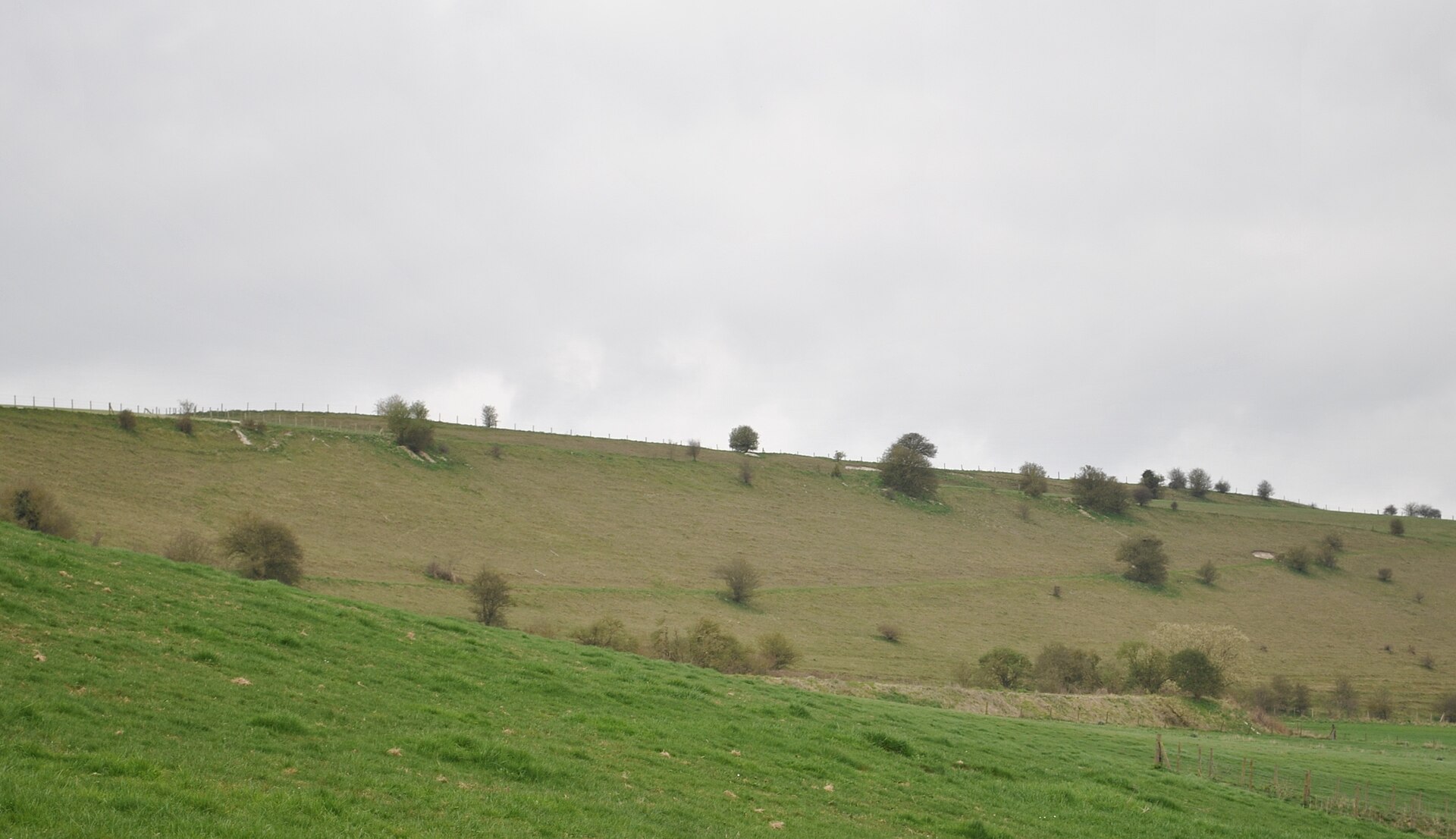
Five human skeletons were found inside its banks, and a circular enclosure shows within it on aerial photographs.
Fortified place · Medieval
Surrey
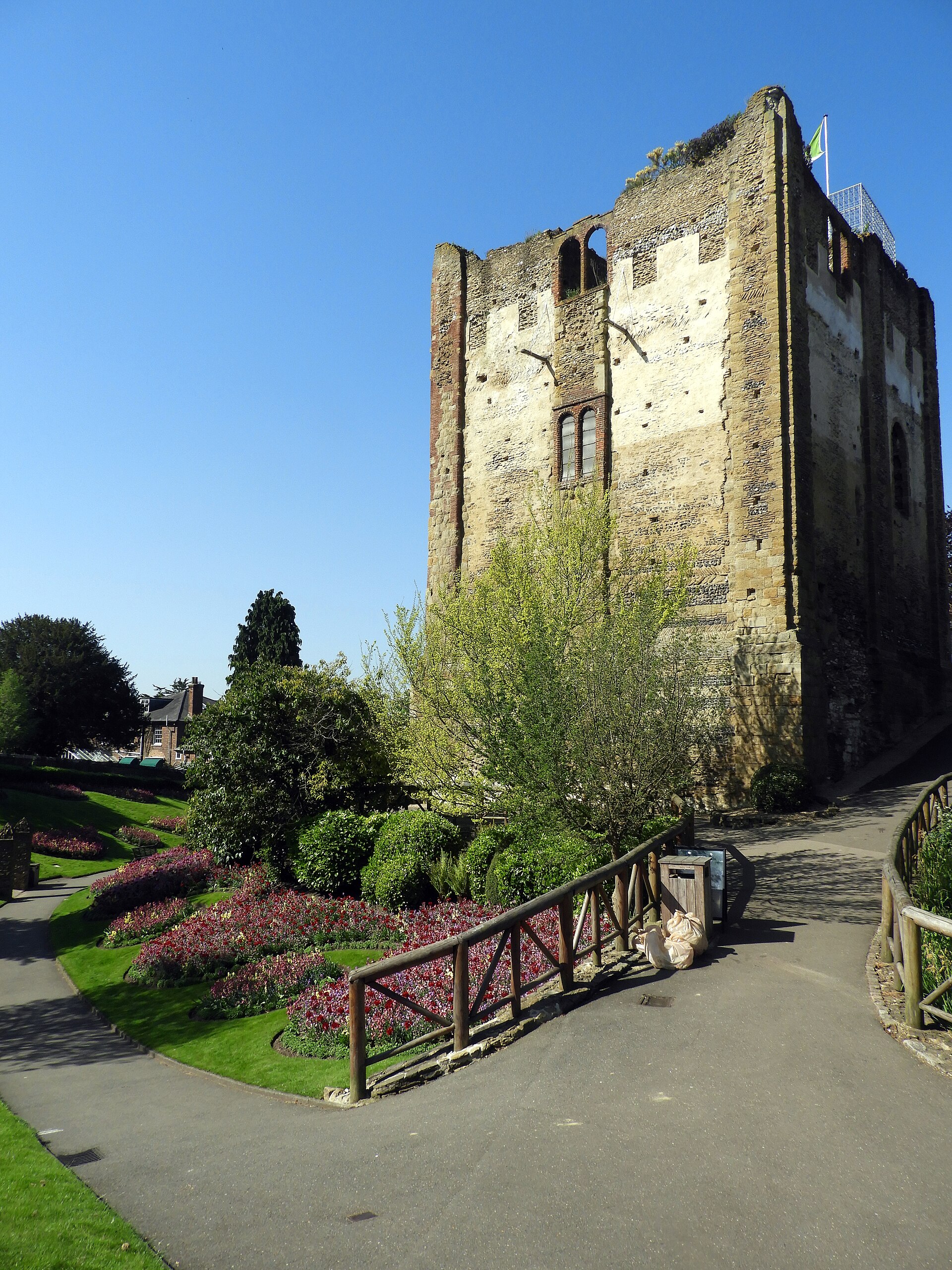
A Norman keep that became a royal palace under Henry III, painted green with gold and silver stars: then quietly served two centuries as the shared…
Fortified place · Iron Age
Cornwall
Gurnard's Head is a geologically ancient Penwith headland whose Iron Age (roughly 800 BC until the Roman conquest) fort, medieval chapel, fishing e…
Fortified place · Medieval
Conwy
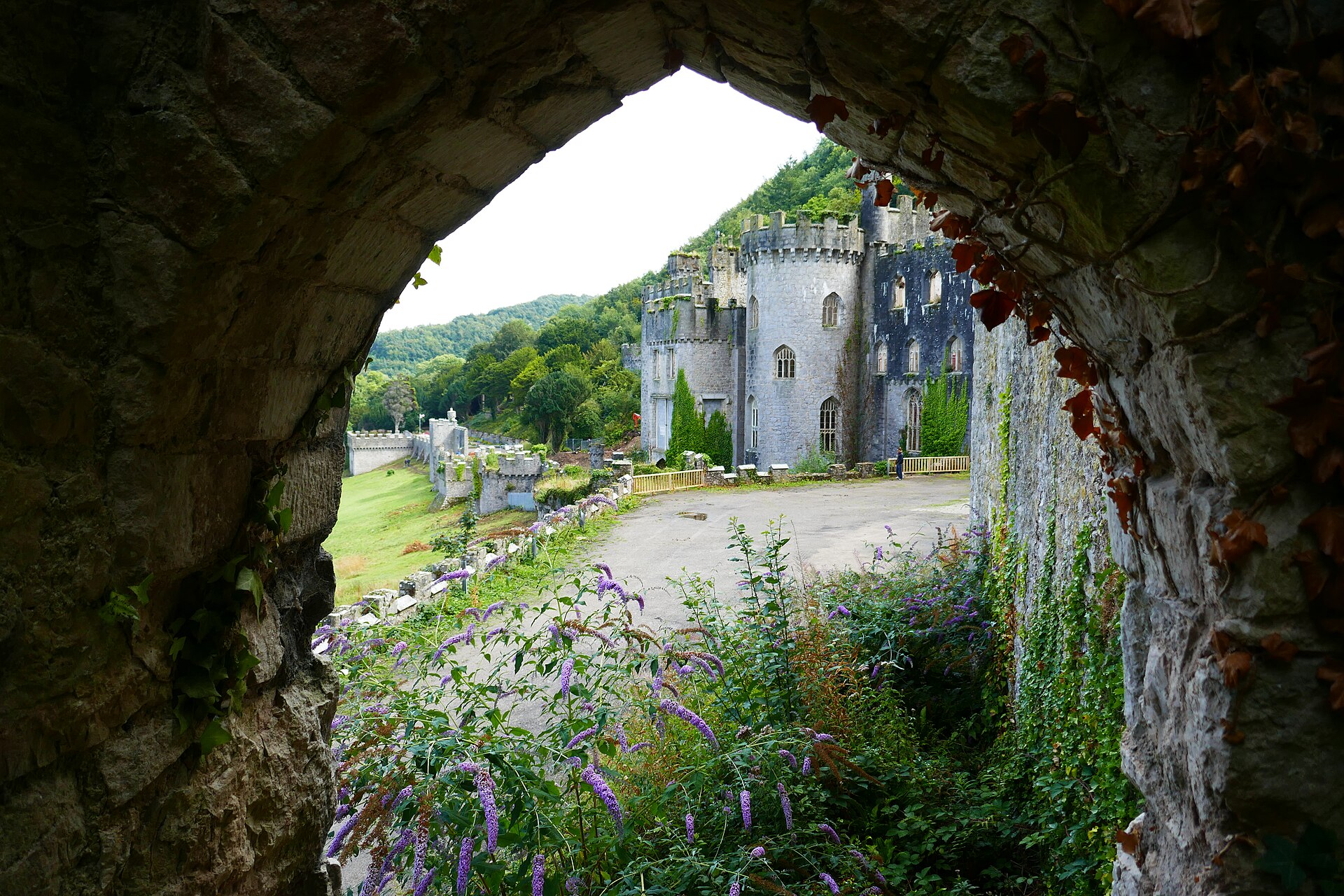
Gwrych Castle is a Grade I listed Gothic Revival country house whose dramatic nineteenth-century design, Kindertransport refuge and near-loss befor…
Fortified place · Medieval
Conwy
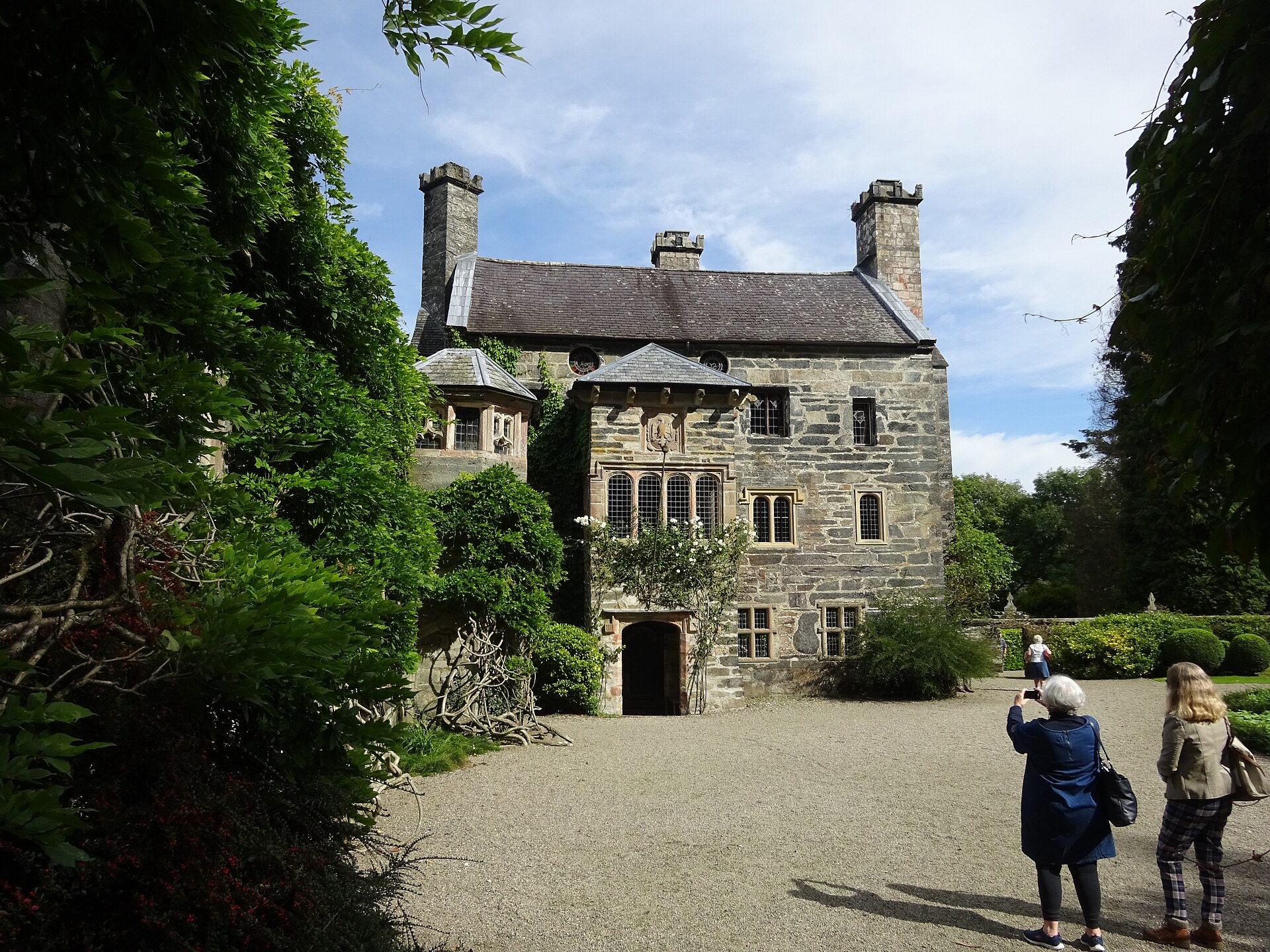
Gwydir Castle is a fortified Tudor manor in the Conwy valley whose reused abbey (a religious community led by an abbot) fabric and powerful Wynn fa…
Fortified place · Medieval
Argyll and Bute
A tower house burnt in a single 1647 siege and left roofless for nearly 360 years, until a worldwide clan fundraising effort helped bring the ruin…
Fortified place · Medieval
Essex
Hadleigh Castle is a Thames-side royal fortress whose dramatic ruins record medieval power, Edward III’s architectural ambition, long-term coastal…
Fortified place · Medieval
East Lothian
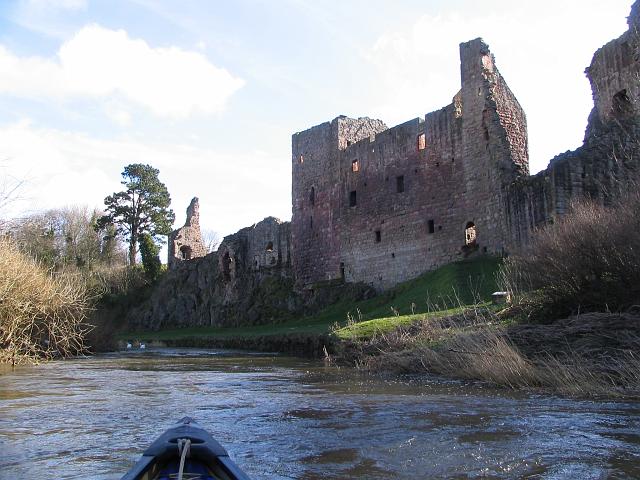
Hailes Castle is a riverside Hepburn stronghold whose fourteenth-century towers, chapel and service rooms record border warfare and late medieval l…
Fortified place · Medieval
Gloucestershire
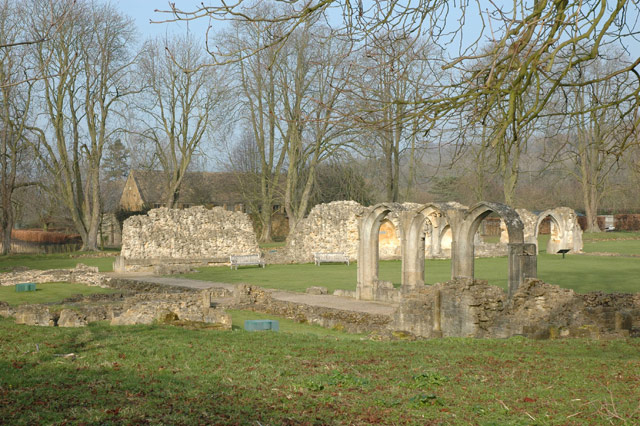
A stronghold raised for one purpose and cleared for another: reinforced during the Anarchy, then likely dismantled within a century to make room fo…
Fortified place · Medieval
Somerset
A Norman ringwork above Frome whose bailey was never finished: built to hold a river and a Roman road.
Fortified place · Medieval
Leicestershire
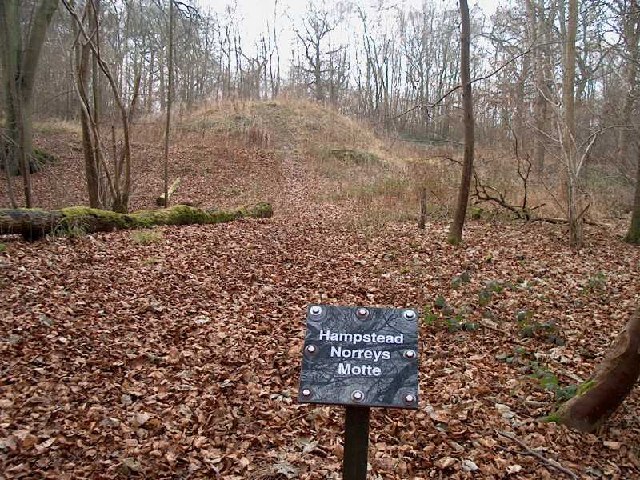
Hallaton Castle survives as a remarkably large castle mound and enclosed yard, preserving a Norman estate centre long after its buildings disappeared.
Fortified place · Iron Age
Cornwall
Halliggye Fogou is Cornwall's largest and best-preserved subterranean Iron Age (from around 800 BC up to the Roman conquest) passage complex, later…
Fortified place · Medieval
Cheshire
A castle that hosted a king, imprisoned Catholic recusants, and ended its working life as a Georgian courtroom now serving pints as The Castle pub.
Fortified place · Medieval
Northumberland
Halton Castle preserves a four-storey pele tower beside Hadrian’s Wall, adapted through manor-house rebuilding into the long-held residence of the…
Fortified place · Iron Age
Devon
Halwell Camp marks an Iron Age hillfort: a settlement defended by banks and ditches on high ground: on a pass above the Devon village of Halwell, p…
Fortified place · Medieval
Worcestershire
A hoard of gold and silver, hidden in an earlier alarm and forgotten, lay buried beneath the vaults of this Worcestershire stronghold until a 17th-…
Fortified place · Iron Age
Somerset
A defended hilltop occupied across several early periods and again in Roman and medieval times.
Fortified place · Iron Age
Hampshire
A single stretch of heathland carries a defensive ditch from the Iron Age, a Tudor coastal castle now eaten by the sea, and gun platforms from two…
Fortified place · Iron Age
Dorset
Hambledon Hill is a major Dorset landscape with causewayed enclosures and long burial mounds from the late Stone Age, later overlaid by an extensiv…
Fortified place · Medieval
Berkshire
A chalk mound long mistaken for a prehistoric (before written records reached Britain) burial mound turned out, on closer inspection, to be the ear…
Fortified place · Medieval
South Yorkshire
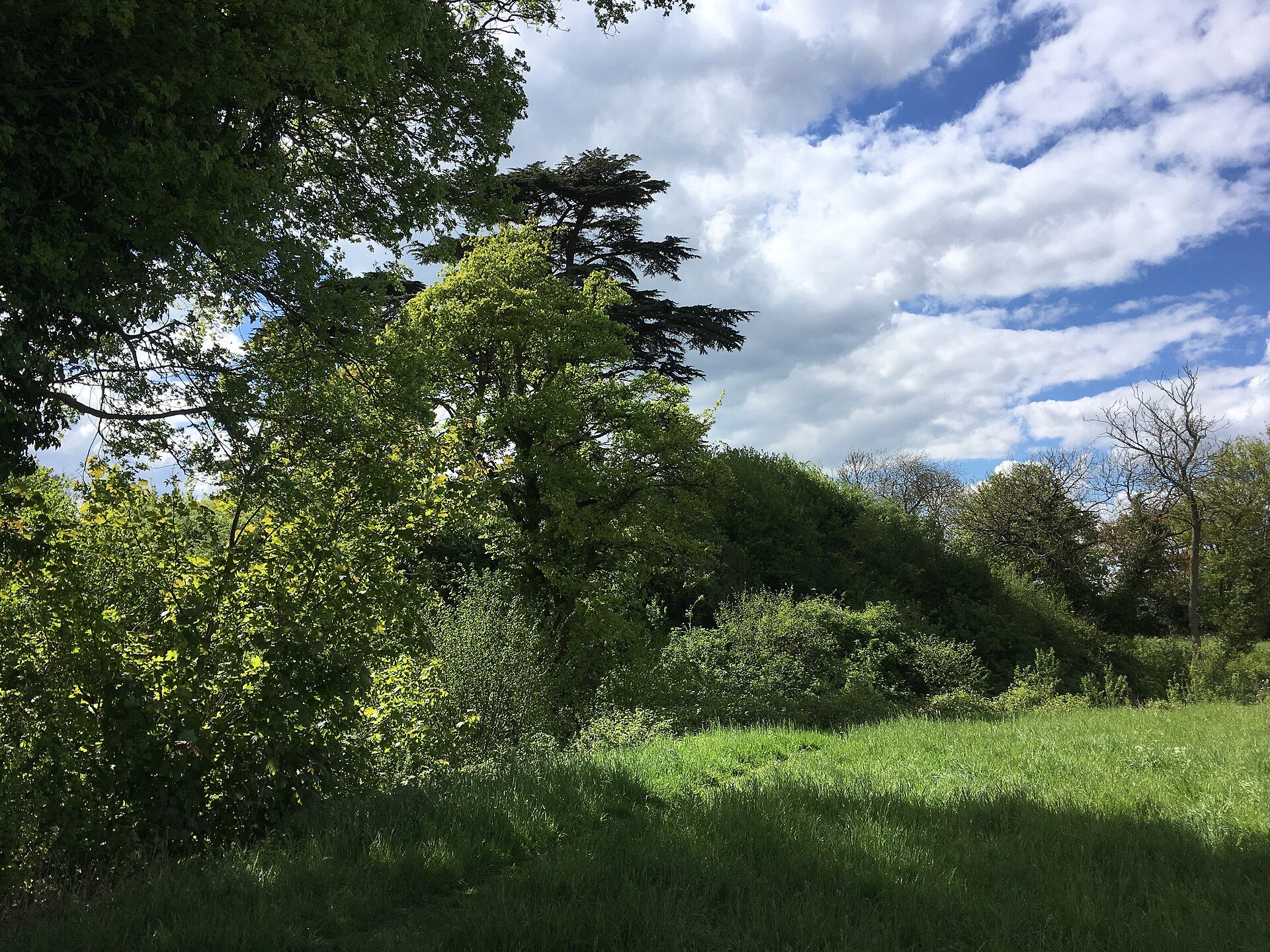
A grass-grown mound and its water-filled ditch are all that remain of a Norman lord's stronghold, abandoned within two centuries for a fortified ho…
Fortified place · Medieval
Worcestershire
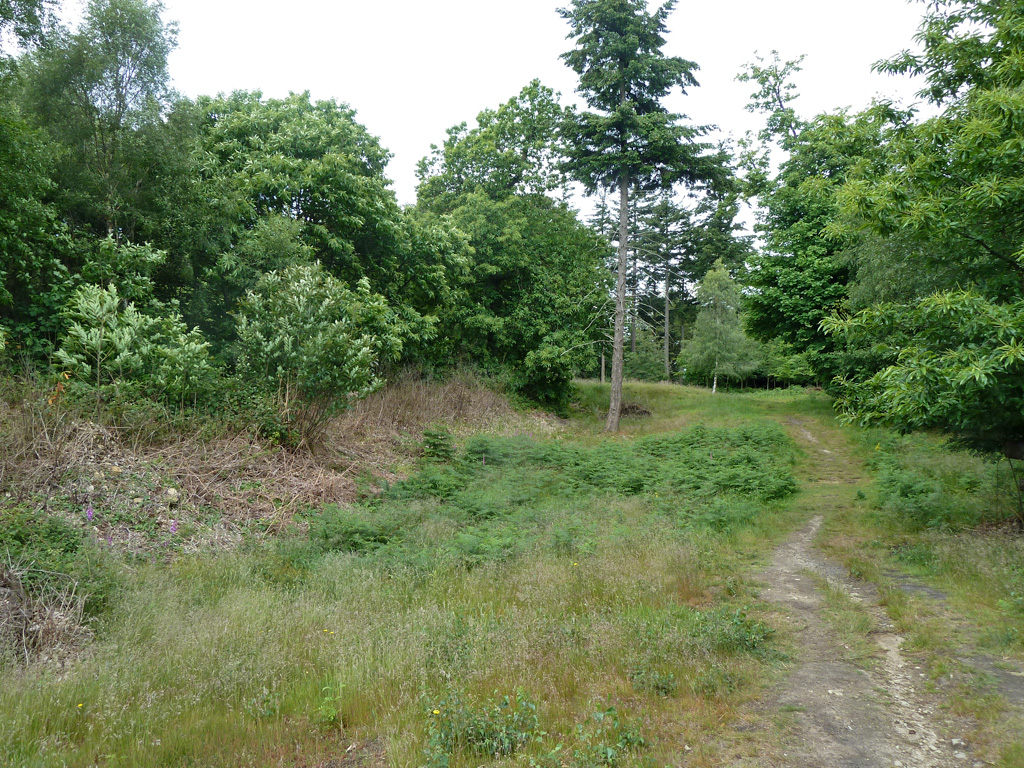
The fortress that gave a Worcestershire village its name has vanished so completely that a stand of conifers and a dry ditch are all that mark wher…
Fortified place · Medieval
Northumberland
Harbottle Castle is a Coquet Valley border stronghold repeatedly captured, rebuilt, and used by March wardens, with a direct connection to the Tudo…
Fortified place · Iron Age
Oxfordshire
A pair of concentric banks and ditches folded into a hidden curve of the scarp rather than set to command it, seemingly built to be missed, not seen.
Fortified place · Medieval
West Yorkshire
Put up for sale in 1656 as 'an upstanding source of stone and timber'. Turner painted it several times in 1797.
Fortified place · Medieval
Gwynedd
Harlech Castle is Edward I’s sea-supplied Welsh stronghold, later Owain Glyndŵr’s headquarters and the last mainland Royalist fortress to surrender…
Fortified place · Medieval
North Yorkshire
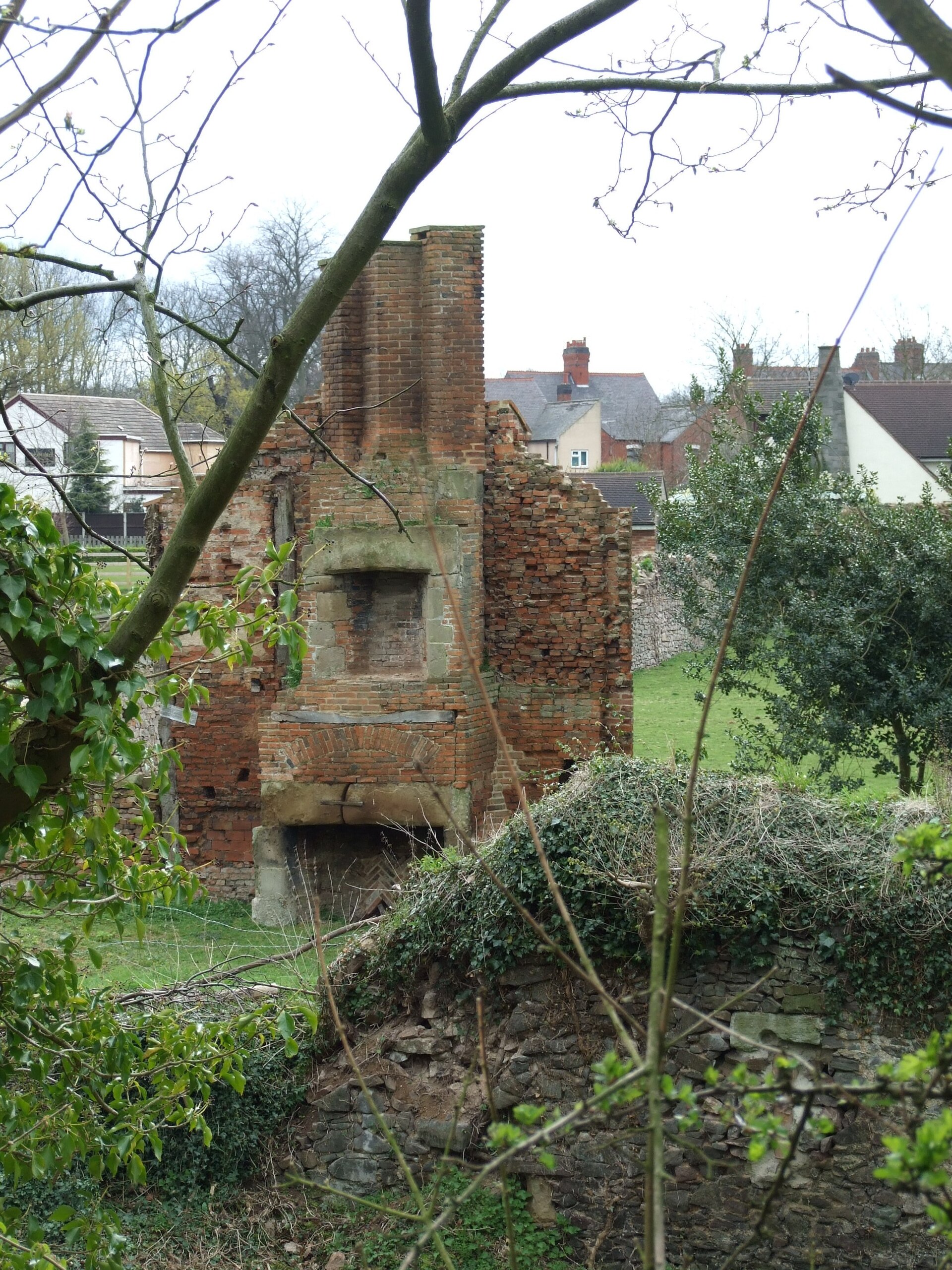
Hidden within Grade II* farm buildings, Harlsey preserves fifteenth-century keep fabric, barrel-vaulted rooms and a chimney remnant shaped by centu…
Fortified place · Medieval
Worcestershire
A working bishop's palace for nearly 800 years, whose Civil War siege ditch lay hidden until cropmarks revealed it in 2022: history still surfacing…
Fortified place · Medieval
Cumbria
A stronghold whose owner was hanged, drawn and quartered for treason, later rebuilt as an Elizabethan house on the Scottish Marches, then quarried…
Fortified place · Medieval
Warwickshire
Excavated in 2000 without archaeological supervision, and robbed of curtain wall in 2016. Ten thousand years earlier people came here for flint.
Fortified place · Iron Age
Surrey
A single 24-metre entrance passage, cut through reinforced ramparts and ditches, shows how deliberately this Surrey hillfort (a defended enclosure…
Fortified place · Medieval
East Sussex
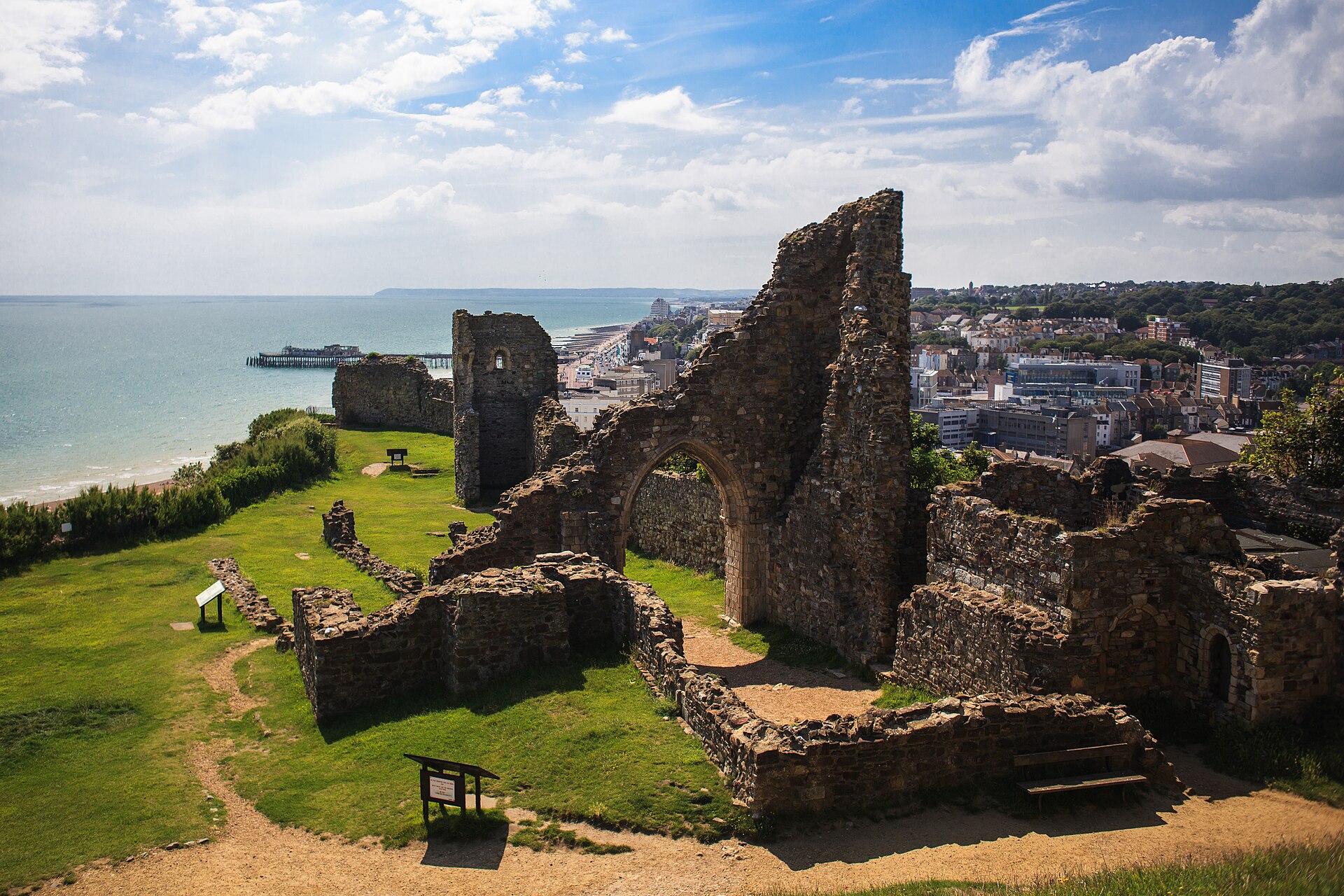
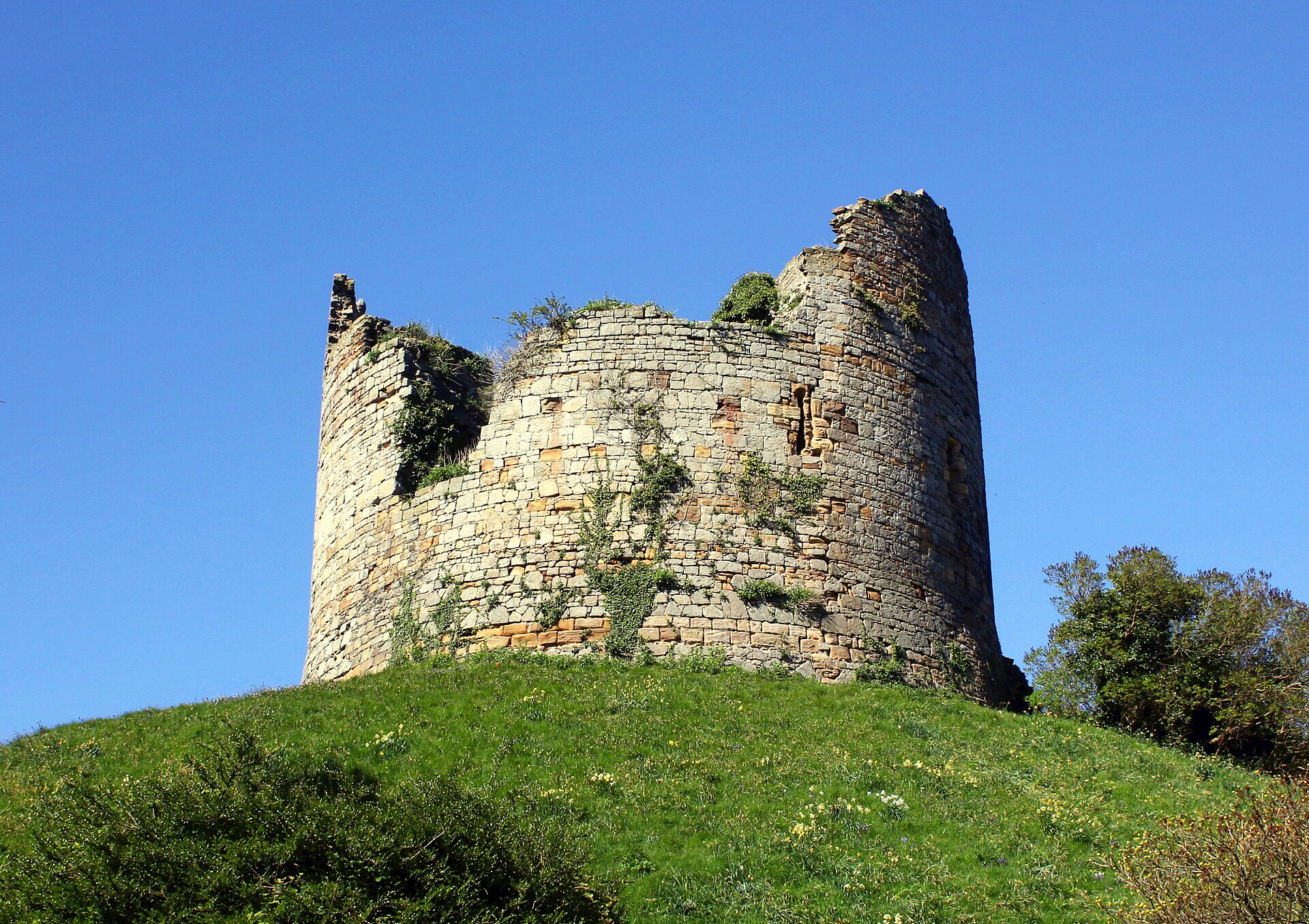
A castle raised in days on the eve of 1066 and then, for seven centuries since, slowly surrendered to the sea that made the town below it worth def…
Fortified place · Medieval
Suffolk
A medieval castle in the village north-west of Stowmarket.
Fortified place · Medieval
Northumberland
Haughton Castle turns a thirteenth-century tower house, once ruined and vulnerable to reivers, into a Grade I listed North Tyne mansion shaped by J…
Fortified place · Medieval
Pembrokeshire
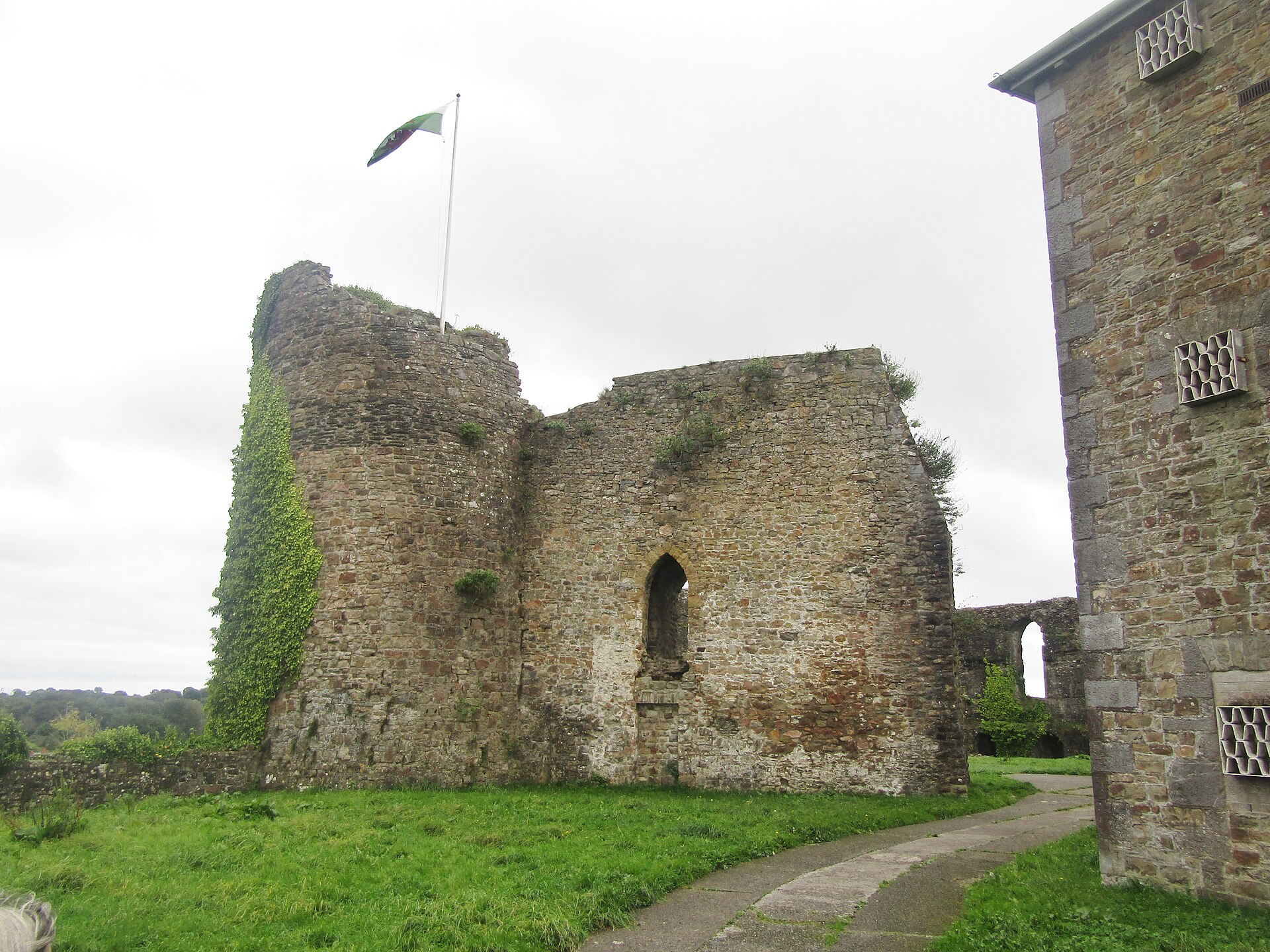
A castle holding an isolated ridge-end position in the middle of the town.
Fortified place · Medieval
Northumberland
Haw Hill is the mound of Morpeth’s first castle, preserving the original de Merlay motte-and-bailey (an early Norman castle of a timber tower on an…
Fortified place · Medieval
Flintshire
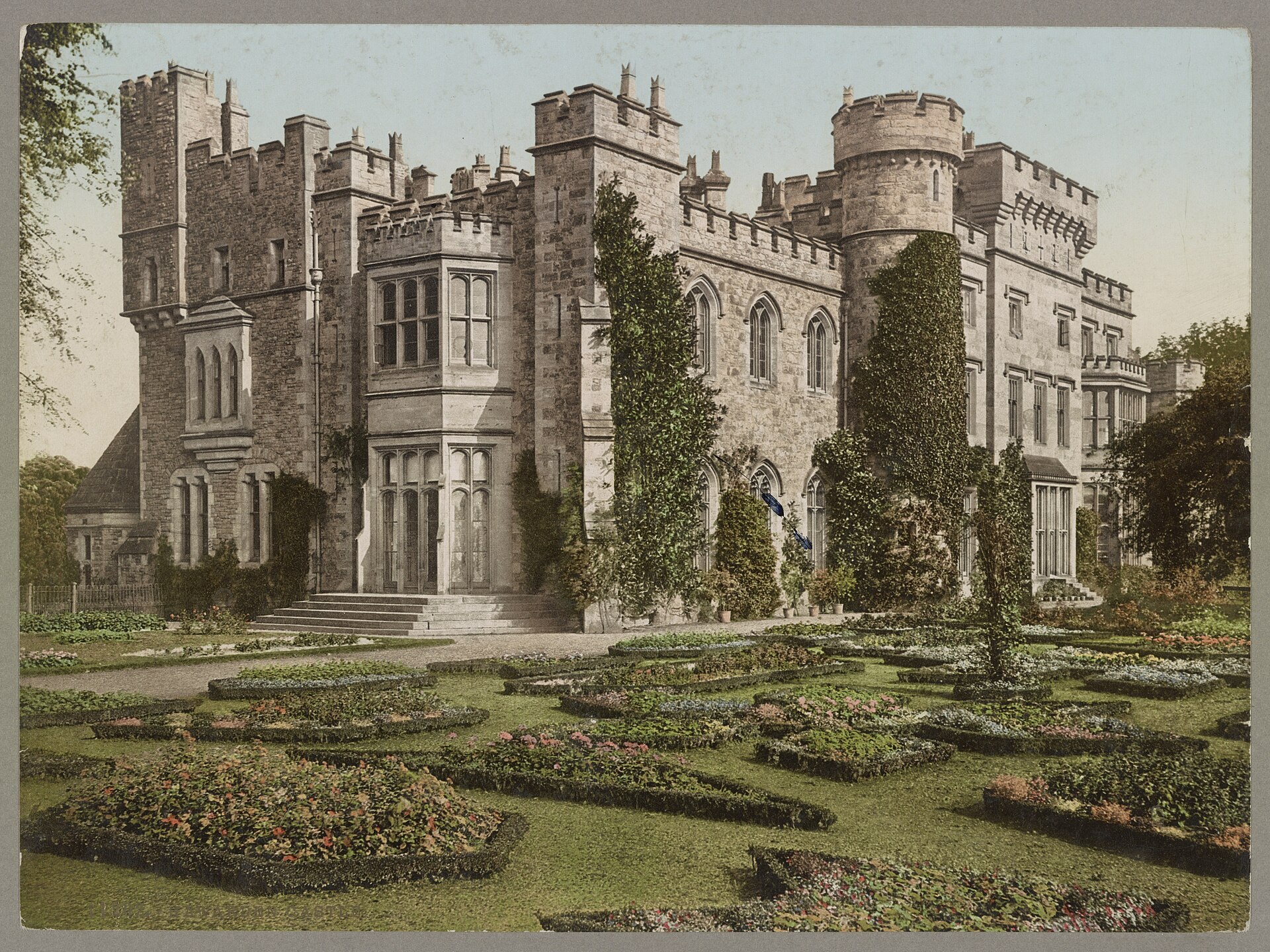
A plain Georgian mansion built for a country baronet was later reworked into a castellated Gothic house and became the home where Britain's four-ti…
Fortified place · Prehistoric
Flintshire
Its capture one Easter morning in 1282 lit the fuse for the war that ended Welsh independence: a border stronghold whose fall reshaped a nation's f…
Fortified place · Iron Age
Devon
Hawkesdown Hill is a scheduled Iron Age hillfort: a settlement defended by banks and ditches on high ground: above the Axe Estuary, whose surviving…
Fortified place · Medieval
Buckinghamshire
One of only around 200 surviving ringworks in Britain, its oval bank and ditch still rise almost to their original height, entrance causeway intact.
Fortified place · Medieval
Powys
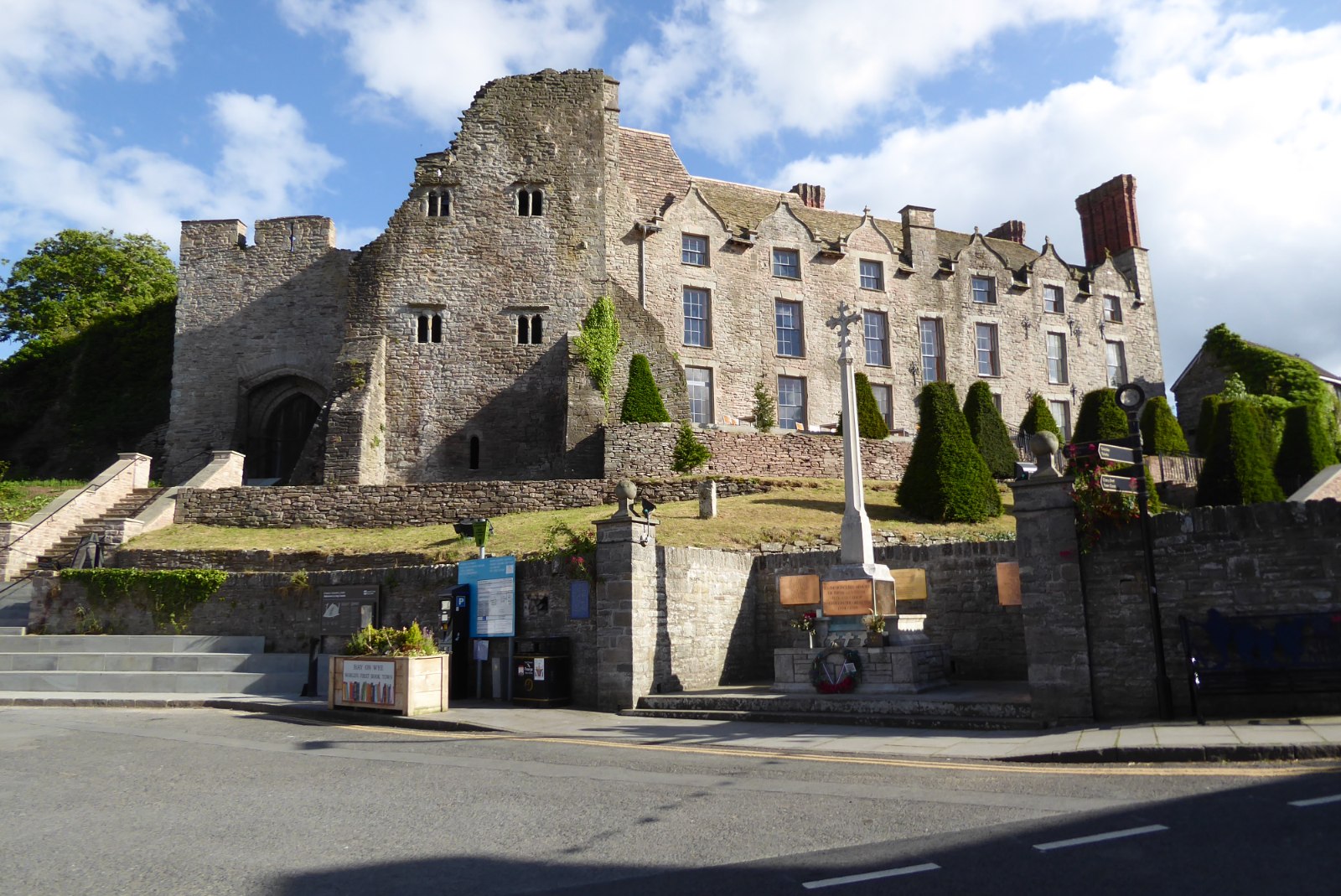
Attacked and burnt at least five times in three centuries, gutted by fire twice in the twentieth, and opened to the public for the first time in it…
Fortified place · Medieval
Powys
The first castle at Hay, raised within five years of the Battle of Brecon: now a mound beside a cattle market.
Fortified place · Medieval
Cumbria
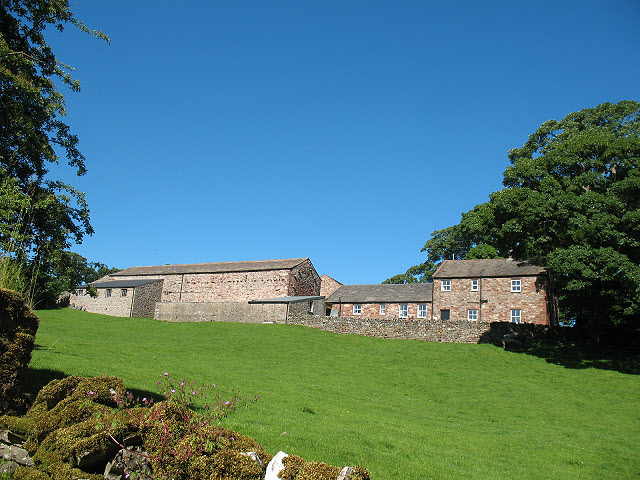
A working farmhouse today, the castle carries a shield and inscribed stone slab reading its Musgrave owners' devotion in Latin, and a tradition tha…
Fortified place · Medieval
Northumberland
Heaton Castle preserves fragmentary evidence of a de Grey quadrangular castle destroyed in a Scottish raid and adapted into a bastle (a fortified f…
Fortified place · Medieval
Essex
Hedingham Castle contains one of England’s best-preserved Norman keeps, where an exceptional ashlar (smooth-dressed stone laid in even courses)-fac…
Fortified place · Medieval
Staffordshire
Held for Charles I, destroyed by Parliament in the 1640s, and now on the Heritage at Risk Register in very bad condition, privately owned and closed.
Briefer entries: recorded and worth knowing, with fuller pages to come.
Fortified place · Medieval
County Donegal
A Scottish-baronial Donegal mansion built after the Derryveagh Evictions and later given to the Irish nation as the heart of Glenveagh National Park.
Fortified place · Roman
Monmouthshire
Stamped into the fabric of roof tiles recovered from beneath the centre of Abergavenny is the mark of the Legio II (the Second Legion, whose base w…
Fortified place · Medieval
County Tyrone
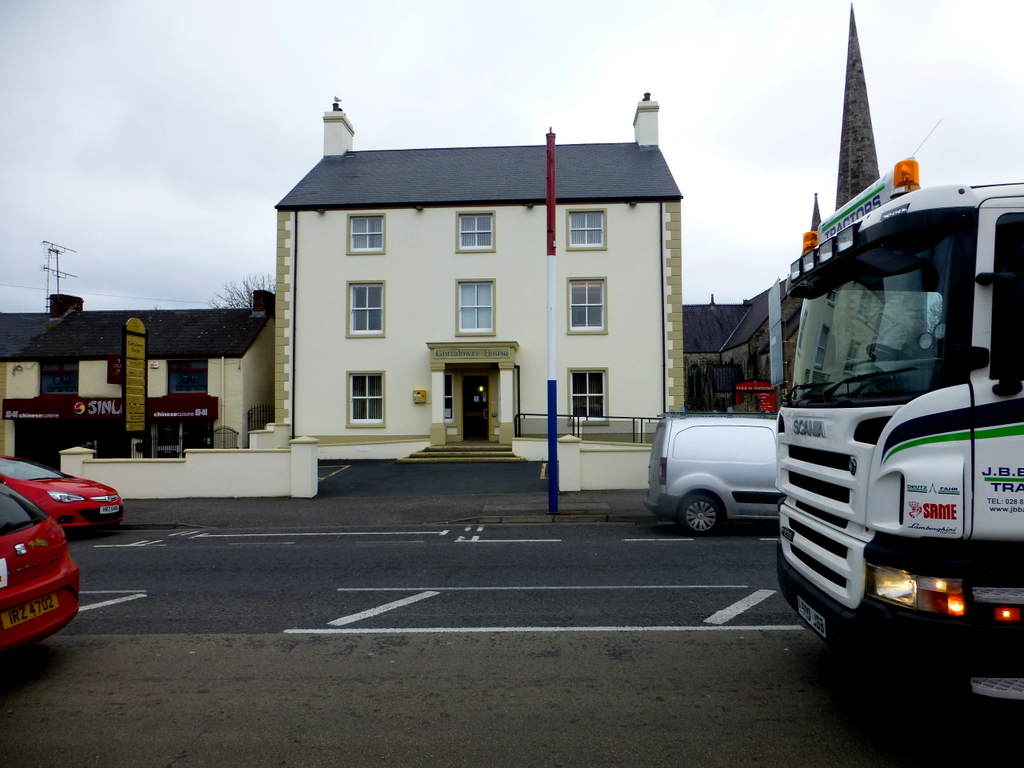
Gortalowry is a rural–urban County Tyrone townland where a Scheduled rath (an early-medieval Irish farmstead ringed by an earth bank), church and f…
Fortified place · Medieval
County Armagh
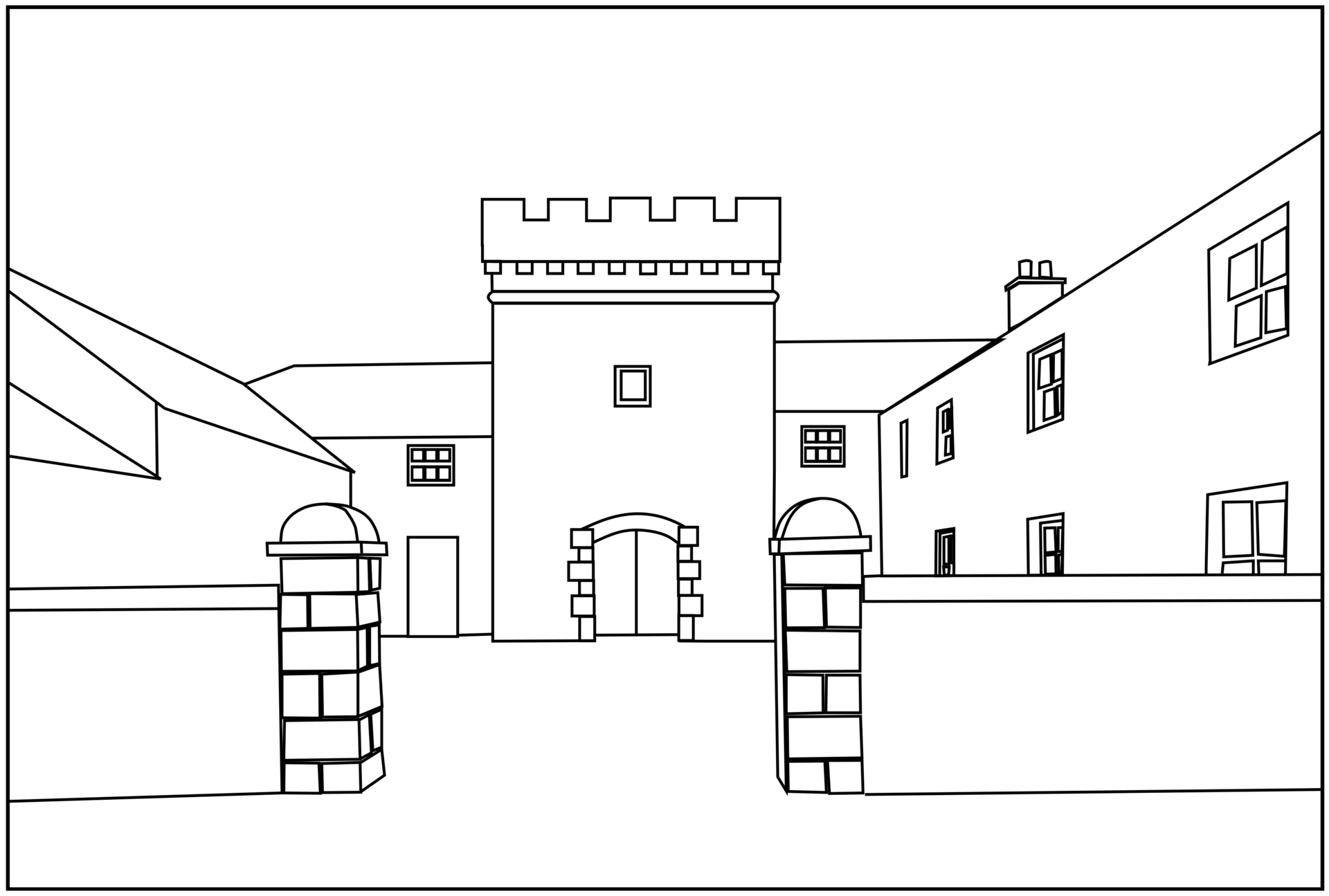
Gosford Castle is Ulster’s largest nineteenth-century country house, tracing Plantation estate power, Norman Revival ambition, wartime use and inve…
Fortified place · Medieval
County Kilkenny
Grace's Old Castle carries over eight centuries of Kilkenny civic history from a private Anglo-Norman town residence to gaol, courthouse and a buil…
Fortified place · Medieval
County Tipperary
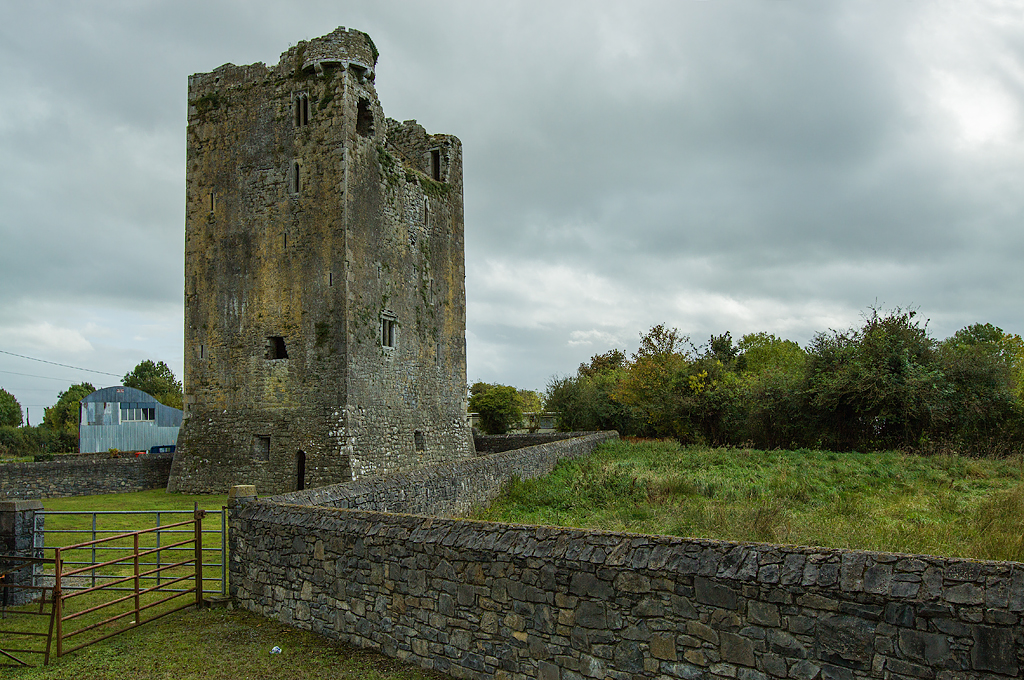
Grallagh Castle is a protected late-medieval Tipperary tower house whose surviving bawn, battered walls and internal defensive features document a…
Fortified place
Isle of Man
Greeba Castle is a 1849 Gothic castellated residence on the Isle of Man whose association with novelist Hall Caine, neighbouring Greeba Towers and…
Fortified place · Iron Age
Pembrokeshire
A promontory framed by sandstone cliffs on the Pembrokeshire south coast, some five kilometres from the nearest village.
Fortified place · Medieval
County Down
Greencastle guards Carlingford Lough’s narrow entrance, where a thirteenth-century stone castle, earlier motte (a steep artificial mound built to c…
Fortified place · Medieval
Greater London
Greenwich Castle marks the hilltop predecessor of the Royal Observatory: a royal hunting lodge linked to Duke Humphrey of Gloucester and Henry VIII…
Fortified place · Roman
Greater London
Grim’s Ditch is a surviving London earthwork (banks and ditches raised from the earth rather than quarried stone) whose ridge-top line, possible la…
Fortified place · Medieval
Devon
The Haldon Hills are a long Devon ridge where prehistoric (before any written account of Britain existed) monuments, historic routes, extraction, c…
Fortified place · Medieval
Flintshire
Halkyn Castle is a well-preserved early castellated mansion in Flintshire, designed for the Grosvenor family and surrounded by a historic park and…
Fortified place · Medieval
Northumberland
Nothing of it stands. What survives is a street called Castle Hill, a drive of the same name, and some possible remnants of a fortified bank.
Fortified place · Medieval
Hertfordshire
A medieval moat, scheduled as a nationally important monument, survives quietly inside a modern wetland reserve of reed beds, wildflower meadow and…
Fortified place · Medieval
County Tyrone
Harry Avery’s Castle is a rare Gaelic Irish stone castle whose twin D-towers adapt gatehouse imagery into a distinctive late medieval tower house.
Fortified place · Prehistoric
Armagh
Haughey's Fort is a large late Bronze Age (roughly 2500–800 BC) hilltop enclosure near Armagh, whose concentric ditches preserve an earlier ceremon…
No places match those filters.


.jpg?width=800)













.JPG?width=800)



.jpg?width=800)



_63.jpg?width=800)




.jpg?width=800)

_(14780060514).jpg?width=800)
_02.jpg?width=800)
.jpeg?width=800)