
Comlongon Castle is an exceptionally complete south-west Scottish tower house, where Murray lordship, rich internal defensive detail and a later baronial mansion preserve six centuries of changing residence.
A red-sandstone tower and baronial mansion stand west of Clarencefield, south-east of Dumfries. Comlongon Castle combines a late medieval stronghold with a later house built in dialogue with its older architecture.
The Murrays of Cockpool built the tower in the later fifteenth or early sixteenth century, replacing their earlier nearby castle. It remained part of their estate until 1984.
After restoration, tower and mansion became a hotel and wedding venue. The business entered administration in 2019, and what becomes of the property has not been settled since.
What follows is drawn from published sources, with each claim labelled by how firmly it is established.
History
In the early fourteenth century, Thomas Randolph, Earl of Moray, granted the lands of Comlongon to his nephew William de Moravia, ancestor of the Murrays of Cockpool. The Murrays built Comlongon to replace their earlier Cockpool Castle, whose earthworks remain at Cockpool Farm to the south-west. Construction is attributed either to Cuthbert of Cockpool in the later fifteenth century or to his son John Murray after a building licence around 1500. The tower was certainly present in 1508, when documents created the Barony of Cockpool.
Comlongon’s red sandstone tower is described as exceptionally complete. It measures about 15 by 13 metres and rises 18 metres to its corbelled parapet, supported by a stone plinth on what was marshy ground. The entrance retains its original yett, an iron lattice gate, leading through walls up to 4.1 metres thick into a vaulted cellar with a well. Two spiral stairs lead to the hall and parapet, making the building’s defensive and domestic arrangements unusually easy to read.
The first-floor hall has a large fireplace with the Royal Arms of Scotland above it and an elaborately decorated aumbry with a carved cinquefoil surround. A second fireplace served a narrow kitchen, once separated by a timber screen. The thick walls contain twelve mural chambers, bed recesses, a guardroom, a cell and access to a dark dungeon. Before 1624, the western parapet was roofed to form a gallery. These details show the tower as a carefully equipped elite residence, though the many wall chambers also required later structural reinforcement.
The Murray family retained Comlongon until 1984, with descendants becoming Viscounts Stormont in 1621 and Earls of Mansfield in 1776. An eighteenth-century mansion was replaced by the present Scottish Baronial house around 1900, designed by John M. Bowie and James Barbour. The house was a Barnardo’s children’s home from 1939 to 1952, then later restored with the tower as a hotel. The business entered administration in April 2019. The tower and castle are category A listed buildings.
People
-
Cuthbert of Cockpool
Traditionally attributed as builder of the tower in the later fifteenth century.
-
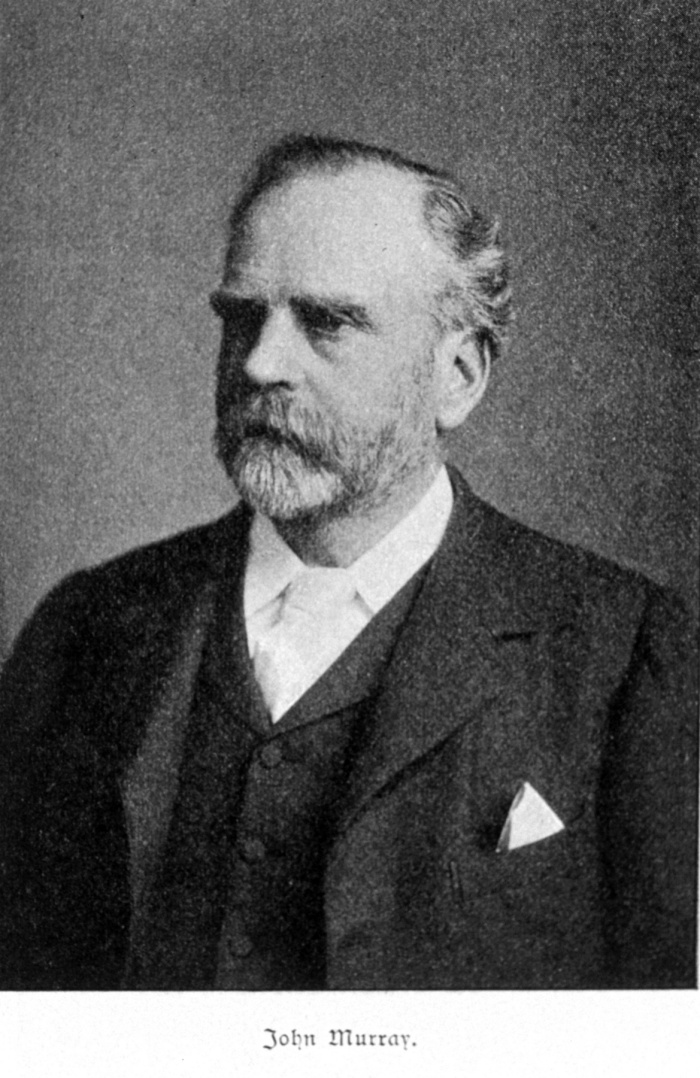
Portrait: New York: Popular Science Pub. Co., publisher / Wikimedia Commons / Public domain John Murray
Received a building licence around 1500 and held the Barony of Cockpool in 1508.
-
Thomas Randolph, Earl of Moray
Granted the Comlongon lands to William de Moravia in the early fourteenth century.
-
John M. Bowie
Co-designed the 1900 Baronial mansion with James Barbour.
Cultural influences
-
Comlongon was shaped by the Murrays of Cockpool, who built it to replace their earlier castle, and by its marshy setting, which required a stone plinth beneath the tower.
Connections
-
Cockpool Castle
The Murrays built Comlongon to replace this earlier castle, now surviving as earthworks.
-
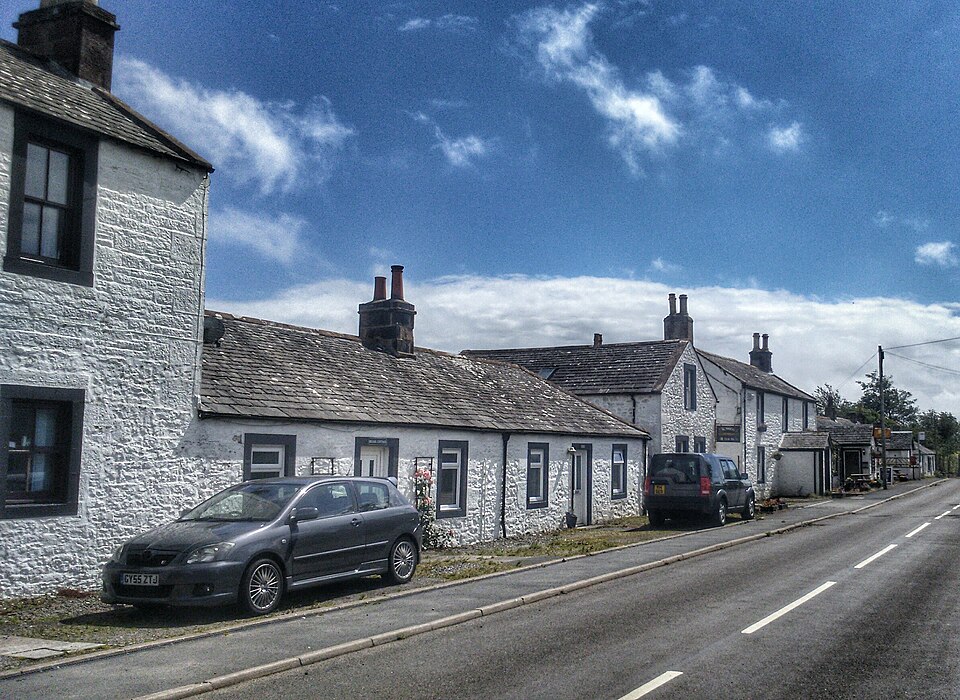
Photo: Allmhurach / Wikimedia Commons / CC BY-SA 4.0 Clarencefield
Comlongon lies about one kilometre west of this village.
-
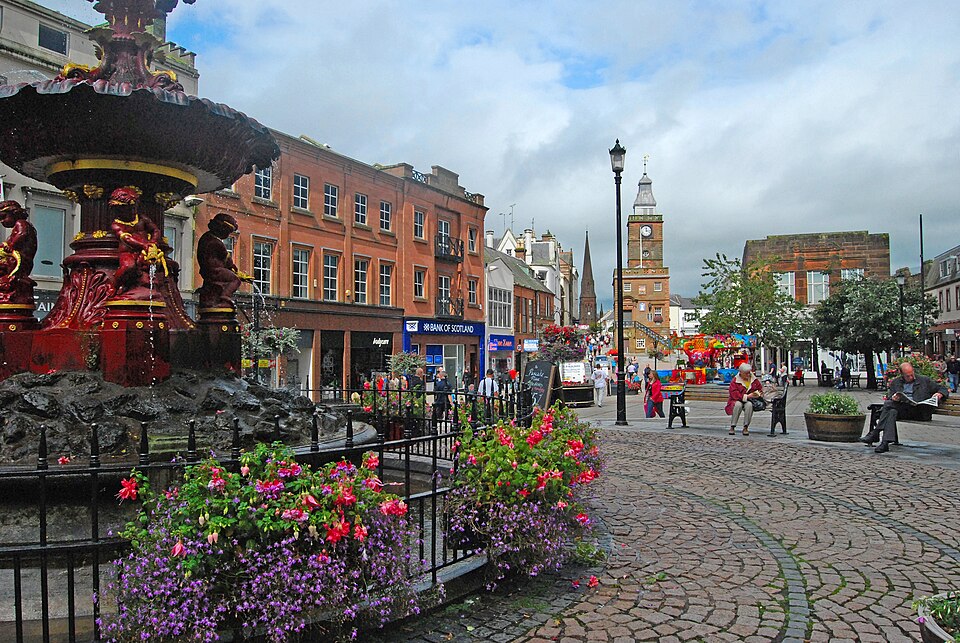
Photo: cisko66 / Wikimedia Commons / CC BY 3.0 Dumfries
The castle lies about ten kilometres south-east of the town.
-
Murrays of Cockpool
The family built and retained the estate until 1984.
What to look for
-
Original yett
The iron lattice gate survives before the tower entrance, a defensive barrier leading through walls up to 4.1 metres thick.
-
Great hall fireplace
The first-floor hall fireplace carries the Royal Arms of Scotland, a ceremonial marker within the tower’s principal domestic room.
-
Mural chambers
Twelve chambers, bed recesses and service spaces are built into the exceptionally thick walls, revealing how the compact tower accommodated household life.
Plan your visit
- Location
- 55.0066°N · 3.4409°W
- Nearest settlement
- Newton Stewart
- Time needed
- About 45 minutes
Nearby places
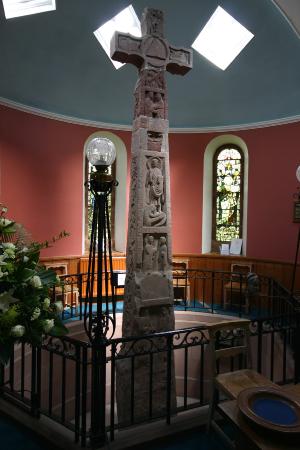
Carved stone · Pictish & early medieval
Ruthwell Cross
Dumfries and Galloway
The Ruthwell Cross is a stone Anglo-Saxon cross probably dating from the 8th century, when Ruthwell: now in Scotland: was part of the Anglo-Saxon K…
- Near Ruthwell
- Easy path
Minor monument · Medieval
Dovecot, Denbie
Dumfries and Galloway
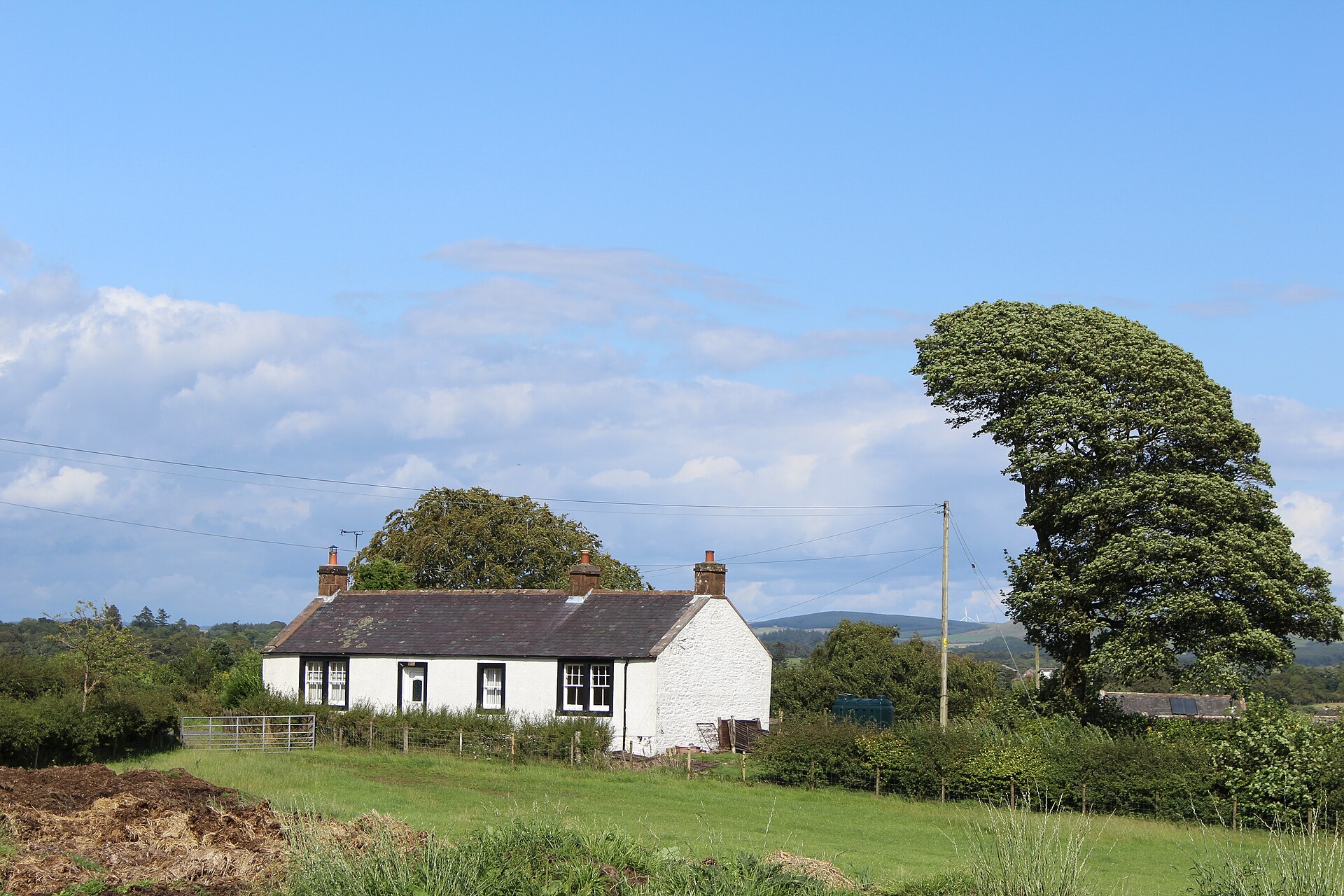
Denbie’s dated 1775 pigeon house turns estate food supply into architectural display, combining an octagonal lantern, J C datestone and nesting box…
- Near Denbie
Fortified place · Medieval
Caerlaverock Castle
Dumfries and Galloway
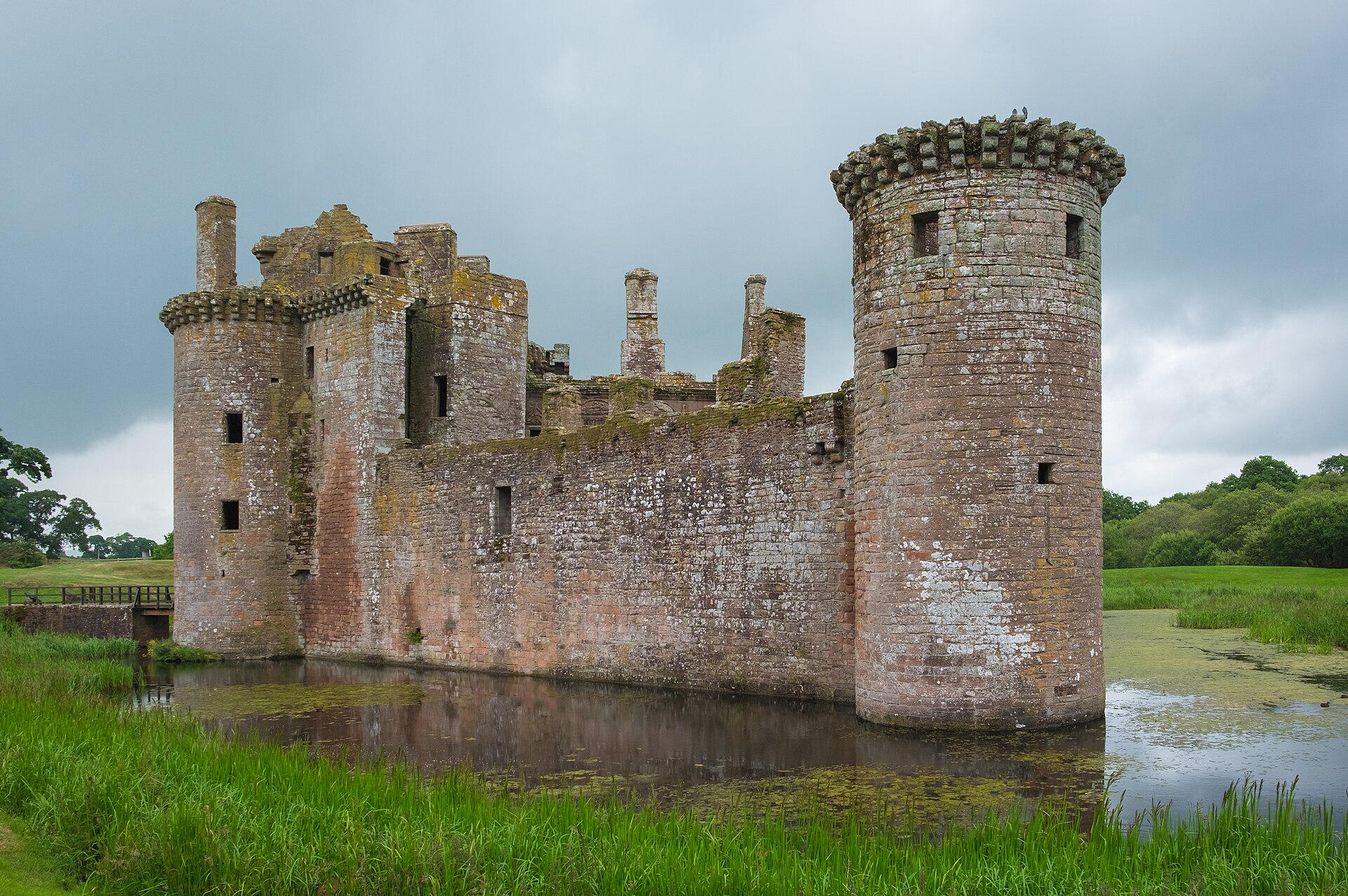
Caerlaverock is the UK’s only triangular castle, retaining a moat, great gatehouse and Renaissance lodging amid a history of sieges, rebuilding and…
- Easy path
Fortified place · Medieval
Repentance Tower
Dumfries and Galloway
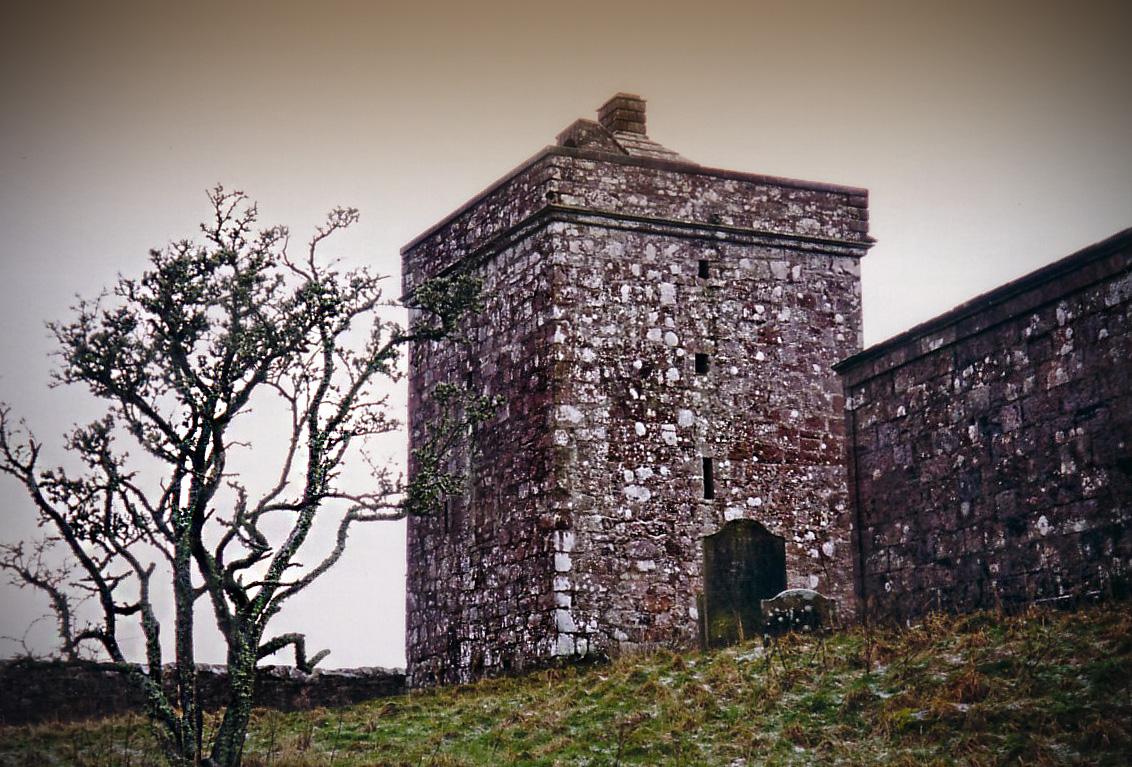
Repentance Tower is a rare mid-sixteenth-century Border watchtower, built for warning rather than living and still marked by its enigmatic ‘REPENTA…
Questions people ask
- When was Comlongon Castle built?
- It was built in the late fifteenth or early sixteenth century and is documented by 1508.
- Who built Comlongon Castle?
- It was built by the Murrays of Cockpool, possibly Cuthbert of Cockpool or his son John Murray.
- What is notable inside Comlongon’s tower?
- It retains an original yett, vaulted cellar, grand hall, mural chambers, bed recesses and a dungeon.
Sources
The Ancient Codex, in your pocket
Get the Pocket Codex app
Carry the directory with you — Comlongon Castle and thousands of ancient places across Britain and Ireland, offline, wherever you roam.