Sorbie Tower is the ancestral stronghold of Clan Hannay, a late-sixteenth-century fortified house whose surviving lower levels preserve a rare Galloway tower without the usual parapet walk.
A rubble-built L-shaped tower stands east of Sorbie in Dumfries and Galloway. Sorbie Tower was the ancient seat of Clan Hannay and remains a focused landmark in the Machars landscape.
The fortified house was built in the late sixteenth century, possibly by Patrick Hannay, a poet and courtier at the court of James VI. Its form survives only to second-floor level.
After the tower became ruinous in the eighteenth century, it was returned to Clan Hannay in 1965. The scheduled monument can be viewed externally and, by arrangement, entered from Garlieston village.
What follows is drawn from published sources, with each claim labelled by how firmly it is established.
History
Sorbie Tower is a fortified tower house about one mile east of the village of Sorbie in Dumfries and Galloway. It was the ancient seat of Clan Hannay and was built in an L-shaped plan from rubble in the late sixteenth century. The known form and clan association establish the tower’s place in the region’s late-medieval and early-modern lordly landscape without requiring an unrecorded construction date.
Patrick Hannay was a member of the family and a poet and courtier at the court of James VI. His possible connection to the tower links a local fortified residence with a figure active in royal literary and courtly life. The careful interpretation is therefore that his family identity and possible building role form part of the tower’s recorded tradition, not a fully documented architectural biography.
The tower was sold to the Earl of Galloway in 1677. When the last member of the Hannay line died in 1748, the building became ruinous. This sequence shows the end of direct family occupation and the beginning of the tower’s long afterlife as a ruin.
In 1965, Sorbie Tower’s owner gave it to Clan Hannay. It remains standing to second-floor level and is unusual for this type of building in having no wall walk or parapet. The site is a scheduled monument and there are plans for restoration. It can be viewed from outside without charge; entry inside can be arranged through the village shop in Garlieston. These present arrangements keep a fragile family stronghold accessible while acknowledging its incomplete and ruined state.
People
-
Patrick Hannay
Clan member, poet and courtier at James VI’s court; possibly built the tower.
-
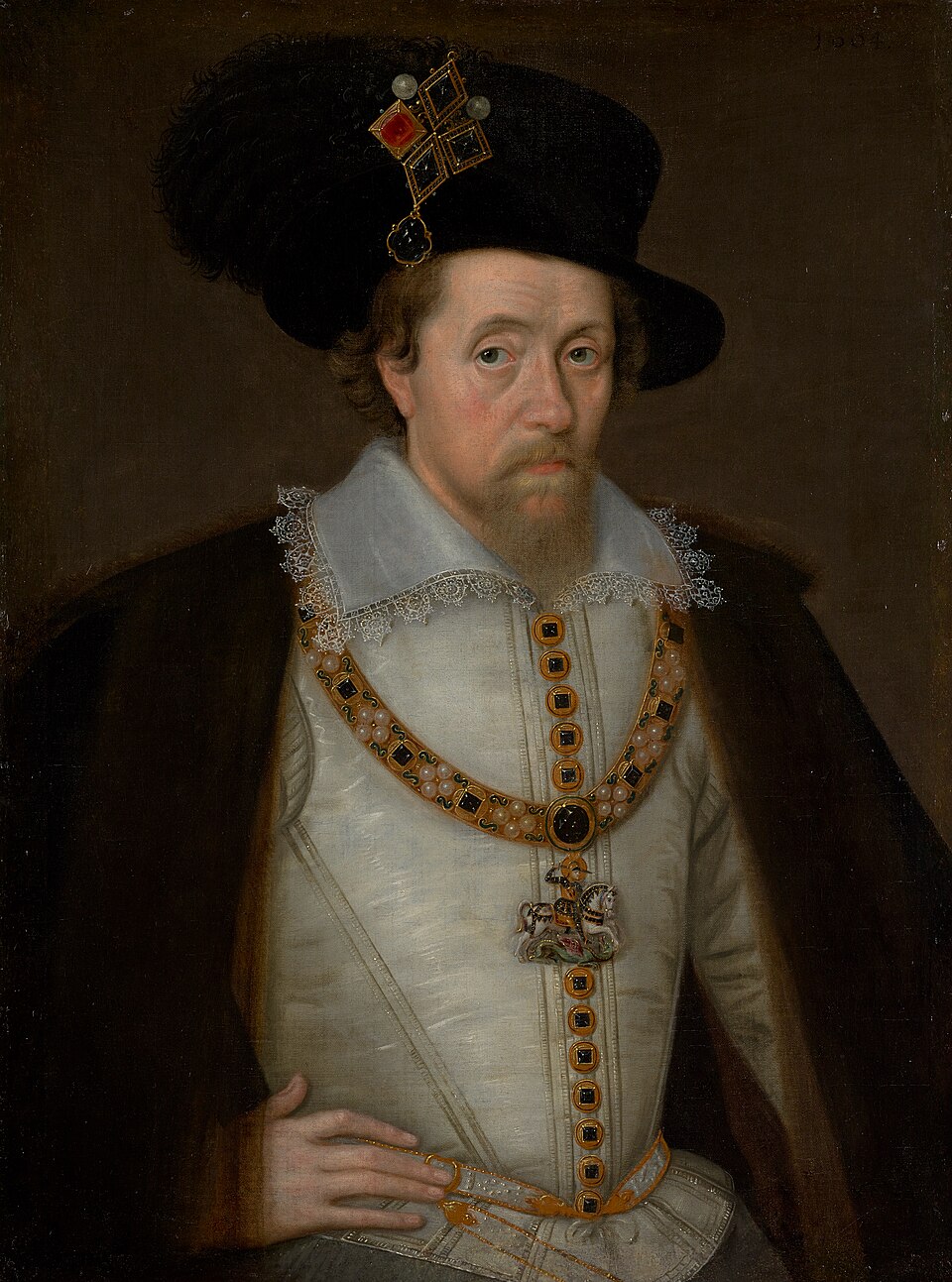
Portrait: John de Critz / Wikimedia Commons / Public domain James VI
Patrick Hannay served at his court.
Cultural influences
-
Sorbie’s L-plan tower expressed the territorial seat of Clan Hannay before the loss of the family line turned it into a long-standing ruin.
Connections
-
Clan Hannay
Sorbie Tower was the clan’s ancient seat and was returned to it in 1965.
-

Photo: Wikijoe / Wikimedia Commons / FAL Sorbie
The tower lies about one mile east of this village.
-

Photo: David Hawgood / Wikimedia Commons / CC BY-SA 2.0 Garlieston
Visitors may arrange entry through the village shop.
-
Earl of Galloway
Bought the tower in 1677.
Discovery & excavation
The tower survives to second-floor level, its L-plan rubble walls showing a late-sixteenth-century house without the wall walk or parapet of many comparable towers.
What to look for
-
L-plan rubble tower
The late-sixteenth-century fortified house has an L-shaped rubble plan, the characteristic form of Clan Hannay’s former territorial seat.
-
Second-floor survival
The ruined building survives only to second-floor level, making its incomplete profile a direct reminder of the tower’s long decline after family occupation ended.
-
Missing parapet walk
Unlike many comparable Scottish tower houses, Sorbie has no wall walk or parapet, an unusual detail visible in the surviving upper walls.
Plan your visit
- Location
- 54.7941°N · 4.4111°W
- Nearest settlement
- Sorbie
- Access
- Visible from a public way
- Time needed
- About 30 minutes
- Best time
- Visit in daylight and dry conditions, when the tower and surrounding landscape can be viewed safely.
- What survives
- The ruined tower stands to second-floor level, with no wall walk or parapet; its condition limits entry despite continuing restoration plans.
- Facilities
- No dedicated visitor facilities are documented at the tower; plan to use facilities in nearby settlements.
Opening & admission
Exterior viewing is free; interior entry may be arranged locally through the village shop in Garlieston. Confirm current arrangements before travelling and do not enter the ruin without permission.
Nearby places
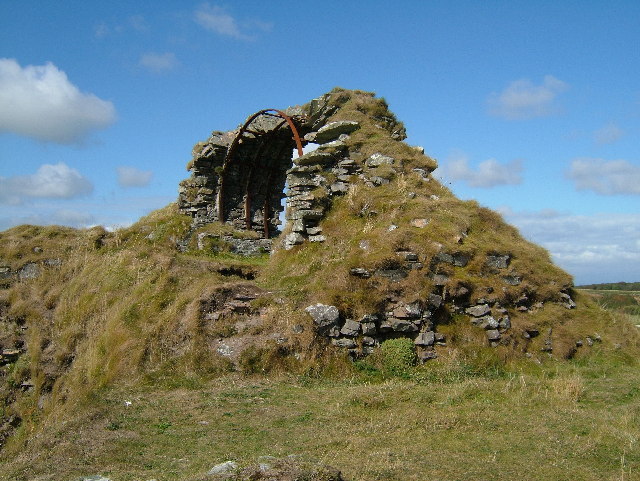
Fortified place · Medieval
Cruggleton Castle
Dumfries and Galloway
Cruggleton Castle is a rare multi-period coastal stronghold where excavations revealed occupation from the Iron Age (roughly 800 BC until the Roman…
- Near Newton Stewart
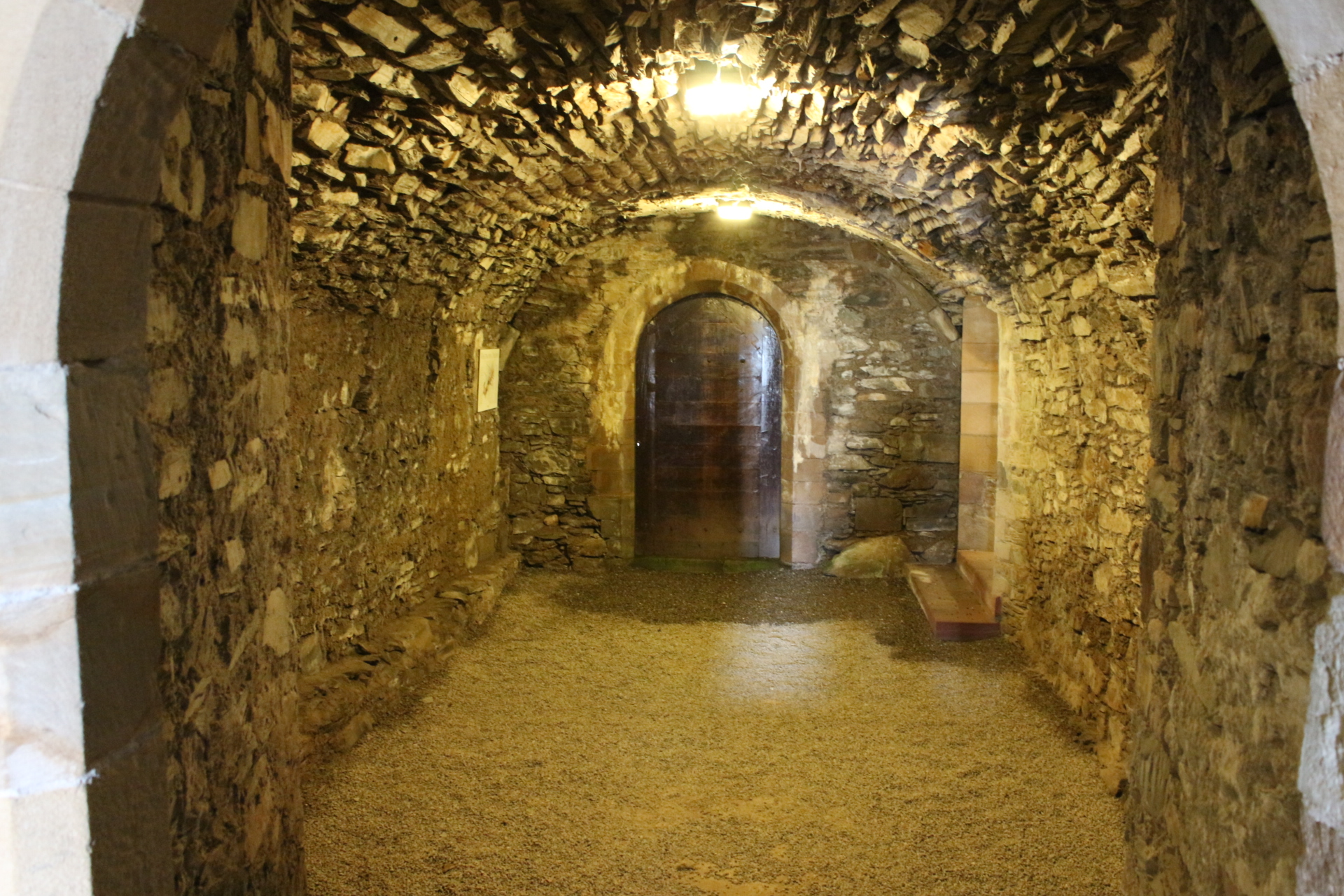
Sacred place · Pictish & early medieval
Whithorn Priory and Museum
Dumfries and Galloway
Whithorn was the location of the first recorded Christian church in Scotland: Candida Casa, the 'White/Shining House': built by Saint Ninian around…
- Near Newton Stewart
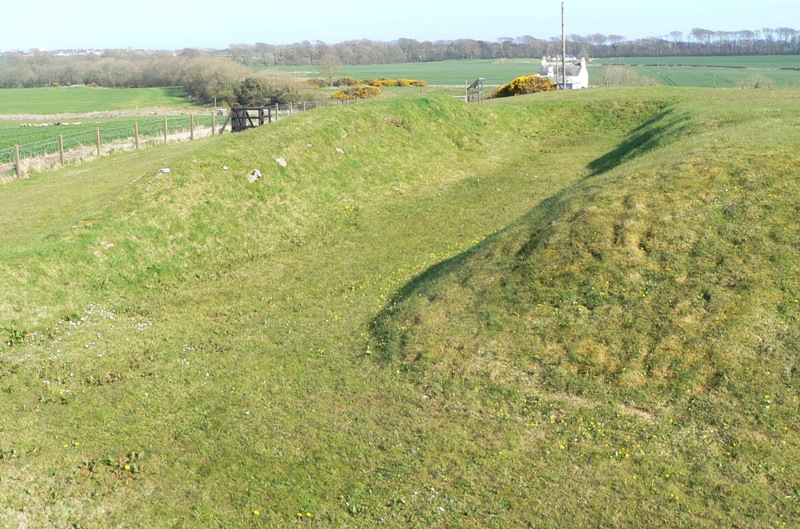
Settlement · Medieval
Rispain Camp
Dumfries and Galloway
Rispain Camp is one of Scotland’s major Iron Age (from about 800 BC until the Romans came) sites, where unusually well-preserved ramparts and excav…
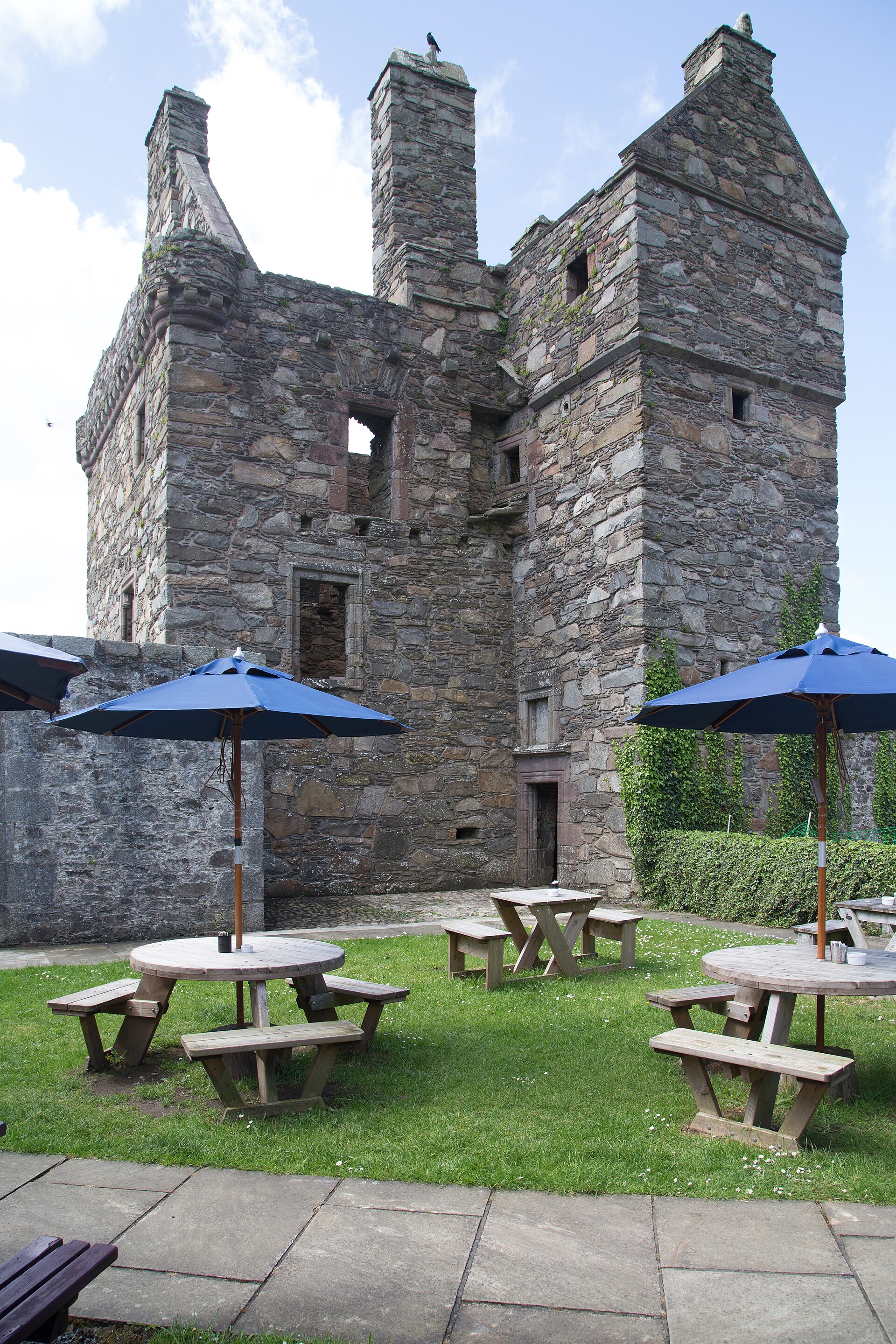
Fortified place · Medieval
Carsluith Castle
Dumfries and Galloway
Carsluith Castle is a sixteenth-century Galloway tower house whose Lindsay and Brown history, Catholic recusancy and surviving hall-and-stair archi…
- Near Newton Stewart
Questions people ask
- Who owned Sorbie Tower?
- It was the ancient seat of Clan Hannay, sold to the Earl of Galloway in 1677 and given back to the clan in 1965.
- When was Sorbie Tower built?
- It was built in the late sixteenth century, possibly by Patrick Hannay.
- Can Sorbie Tower be visited?
- It can be viewed outside for free; entry inside may be arranged through the Garlieston village shop.
Sources
The Ancient Codex, in your pocket
Get the Pocket Codex app
Carry the directory with you — Sorbie Tower and thousands of ancient places across Britain and Ireland, offline, wherever you roam.