A single Border stronghold ties together a witchcraft forfeiture, Mary Queen of Scots' most reckless ride, and generations of Douglas and Hepburn power struggles.
A grey tower rises alone in the valley of the Hermitage Water, its walls close and almost windowless, so that even on a bright day the building seems to hold its own shadow. Local memory once called this valley the bloodiest in Britain, and the castle itself the guardhouse set to watch over it — a name that has stuck through nearly eight centuries of sieges, imprisonments, and one very famous horseback ride.
The first fortification here was a timber motte and bailey (an earthen mound topped with a wooden stronghold, its yard enclosed by a ditch and palisade), raised around 1240 by Nicholas de Soulis. His descendant William de Soulis lost the estate roughly eighty years later, accused of witchcraft and of plotting against King Robert I; local tradition holds that his own tenants seized him and boiled him in lead at a nearby stone circle, though the historical record instead has him dying a prisoner at Dumbarton Castle. The stone castle now standing largely dates from the later fourteenth century, raised for William Douglas, 1st Earl of Douglas, possibly with the help of a mason who had worked on Durham Cathedral.
Under the Hepburn Earls of Bothwell the castle became entangled with one of Scotland’s most notorious royal scandals: in 1566 Mary, Queen of Scots rode from Jedburgh to visit the wounded Earl of Bothwell here, only weeks after giving birth to the future James VI, and married him the following year. Passed later to the Scotts of Buccleuch, the castle lost its purpose after the Union of the Crowns in 1603 and slid into ruin, before passing into state care in 1930; it is now looked after by Historic Environment Scotland and opens to visitors each summer.
What follows is drawn from published sources, with each claim labelled by how firmly it is established.
The name
The name is thought to derive from the Old French l'armitage, meaning guardhouse, reflecting the castle's role watching over Liddesdale, once known as the bloodiest valley in Britain and the site itself styled the 'Strength of Liddesdale'.
History
Around 1240 Nicholas de Soulis raised the first stronghold in the valley of the Hermitage Water, a timber motte and bailey (an earthen mound with a fortified enclosure) built in the Norman style then common along the border. The de Soulis family held it for roughly eighty years, until William de Soulis, a descendant, was accused of plotting against King Robert I and forfeited the estate around 1320 amid suspicions of witchcraft.
In 1338 the castle's English occupant, Sir Ralph de Neville, was besieged by Sir William Douglas, the Knight of Liddesdale, known as the Flower of Chivalry for his prowess as a soldier rather than any romantic gallantry. Once in possession, Douglas used the castle to imprison and starve to death Sir Alexander Ramsay of Dalhousie, a rival for royal favour, an act that darkened the fortress's reputation for generations to come.
After the Battle of Neville's Cross the castle passed briefly into English hands under William Dacre, 2nd Baron Dacre, before William Douglas, 1st Earl of Douglas, secured it following the killing of the Knight of Liddesdale by a kinsman. It was this Earl who oversaw construction of most of the stone castle that survives today, work possibly guided by John Lewin, master mason of Durham Cathedral. The Black Douglases held Hermitage until 1455, when the ninth Earl's forfeiture passed their lands to the rival Red Douglas line.
In 1492 the Earl of Angus, suspected by James IV of dealing too closely with England, surrendered Liddesdale and Hermitage to the Crown, which granted them to Patrick Hepburn, 1st Earl of Bothwell. The Hepburns held the castle through the sixteenth century; in 1591 Bothwell's nephew Francis Stewart, keeper of Hermitage, was arrested over his supposed involvement in the North Berwick witch trials, and after a brief pardon was attainted again in 1593, returning the castle once more to the Crown.
In October 1566, weeks after giving birth to the future James VI, Mary, Queen of Scots rode from Jedburgh to Hermitage to visit James Hepburn, 4th Earl of Bothwell, who lay wounded there after a violent clash with the border reiver John Elliot of Park. The journey, undertaken at speed across dangerous country, later fed suspicion of the pair's relationship; Bothwell married Mary the following year, shortly after the murder of her husband, Lord Darnley.
In 1594 James VI granted the forfeited castle to Sir Walter Scott of Buccleuch, a noted border reiver and Warden of the West March who had led the raid on Carlisle Castle to free the prisoner Kinmont Willie Armstrong. Hermitage lost its military purpose after the Union of the Crowns in 1603 and fell into decay, standing as a ruin by the early eighteenth century; the fifth Duke of Buccleuch carried out repairs in 1820 to stabilise the remains.
The Scott family retained ownership until 1930, when Hermitage Castle passed into the care of the nation and later became the responsibility of Historic Environment Scotland. It is now protected as a scheduled monument and opens to visitors between April and October each year, its walls still dominating the lonely valley once known, in local memory, as the guardhouse of the bloodiest valley in Britain.
People
-
Nicholas de Soulis
Built the original timber motte and bailey around 1240.
-
William de Soulis
Descendant of Nicholas de Soulis who forfeited the castle around 1320 over alleged witchcraft and a plot against Robert I.
-
Sir William Douglas, Knight of Liddesdale
Besieged and captured the castle in 1338 and imprisoned Sir Alexander Ramsay of Dalhousie there.
-
William Douglas, 1st Earl of Douglas
Oversaw construction of most of the present stone castle in the later fourteenth century.
-
Patrick Hepburn, 1st Earl of Bothwell
Received the charter of Liddesdale and Hermitage Castle from the Crown in 1492.
-
James Hepburn, 4th Earl of Bothwell
Held the castle when Mary, Queen of Scots rode from Jedburgh to visit him there in 1566.
-

Photo: Unidentified painter / Wikimedia Commons / Public domain Mary, Queen of Scots
Made a famous ride from Jedburgh to Hermitage in 1566 to visit the wounded Earl of Bothwell.
-
Francis Stewart, 1st Earl of Bothwell
Keeper of the castle who was arrested in 1591 over the North Berwick witch trials and forfeited it in 1593.
-
Sir Walter Scott of Buccleuch
Border reiver granted the castle by James VI in 1594 after leading the raid on Carlisle Castle.
Connections
-
Durham Cathedral
John Lewin, master mason at Durham Cathedral, is thought to have helped design the stone castle built for the 1st Earl of Douglas.
-
Dragsholm Castle, Denmark
James Hepburn, 4th Earl of Bothwell, was imprisoned there after fleeing Scotland, and died there insane.
-
Fårevejle Church, Denmark
Bothwell's mummified body was for a time displayed at this church near Dragsholm Castle.
-
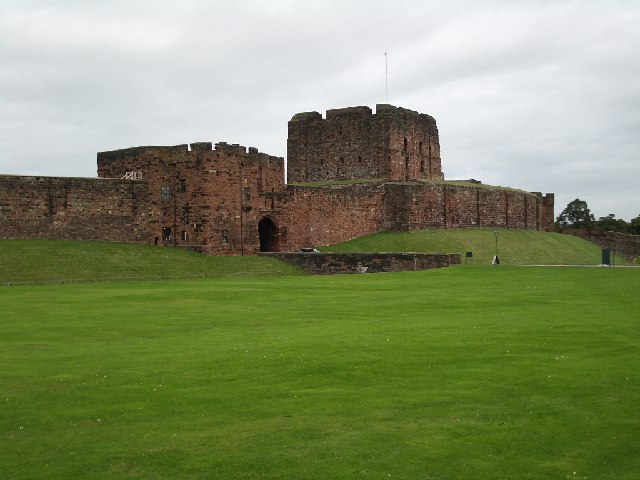
Photo: John Gibson / Wikimedia Commons / CC BY-SA 2.0 Sir Walter Scott of Buccleuch, later granted Hermitage, led the raid on Carlisle Castle to free the border reiver Kinmont Willie Armstrong.
-
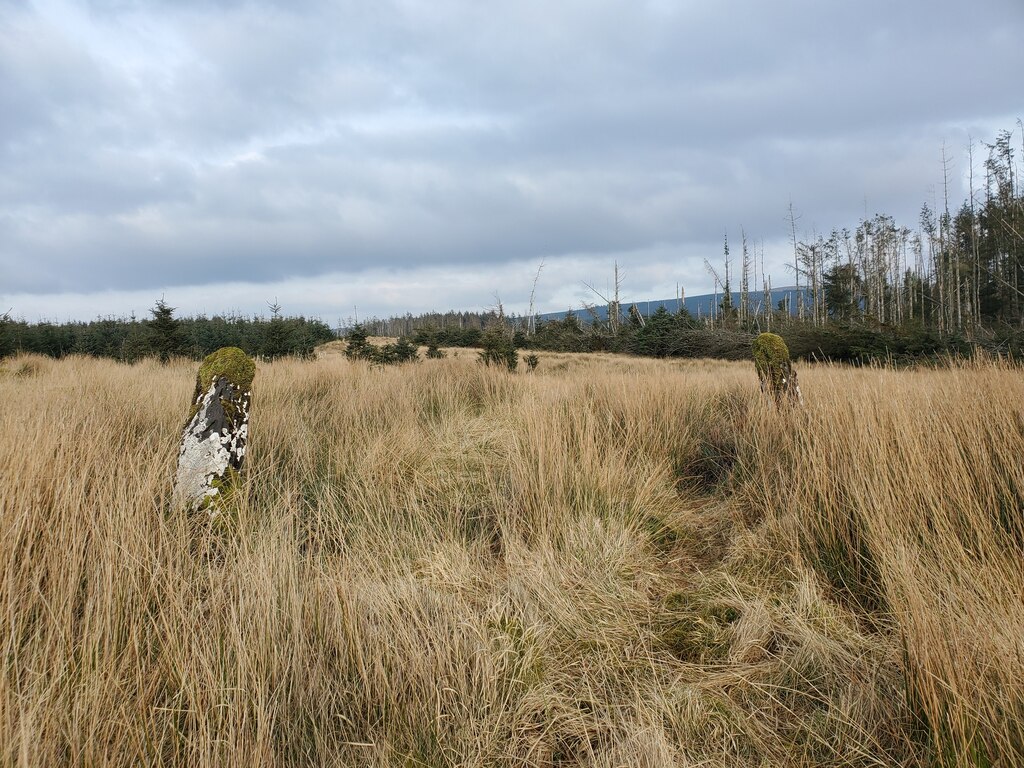
Photo: Sarah Dalrymple / Wikimedia Commons / CC BY-SA 2.0 Local tradition places William de Soulis's legendary death by boiling at this nearby megalithic stone circle.
What to look for
-
The stone tower and curtain walls
Most of the surviving stone structure dates from the later fourteenth century, built for William Douglas, 1st Earl of Douglas, on a grim, almost windowless scale.
-
Earthworks of the original stronghold
Traces of the earlier timber motte and bailey raised by Nicholas de Soulis around 1240 can still be read in the ground around the standing castle.
-
Ninestane Rig stone circle
A megalithic stone circle nearby is the setting for the local legend of William de Soulis's death by boiling in lead.
What is said
Folklore and tradition, recorded as what is said — not as established fact.
-
Redcap Sly
Local ghostlore holds that the castle is haunted by Redcap Sly, said to be William de Soulis's familiar spirit.
-
The ghost of Mary, Queen of Scots
Tradition also holds that Mary, Queen of Scots haunts the castle, a legend tied to her famous 1566 visit to the wounded Earl of Bothwell.
-
The boiling of de Soulis
Local tradition holds that William de Soulis's own tenants seized him and had him boiled to death in lead at the nearby Ninestane Rig stone circle, though the historical record instead shows he died a prisoner at Dumbarton Castle.
Plan your visit
- Location
- 55.2556°N · 2.7933°W
- Time needed
- About 45 minutes
Opening & admission
Tickets are required; current prices are published by Historic Environment Scotland.
- Open daily 10am–4pm from 1 April to 30 September; last entry is 30 minutes before closure.
- Closed from 1 October to 31 March.
Nearby places
Sacred place · Prehistoric
Ninestane Rig
Scottish Borders
Legend says the lord of Hermitage Castle was boiled alive here in 1320, in a cauldron slung between the two big stones.
- Rough ground
Tomb or burial place · Prehistoric
Devil's Lapful
Northumberland
Devil’s Lapful is one of the few surviving long cairns in Northumberland, preserving a large Stone Age communal burial monument within Kielder Forest.
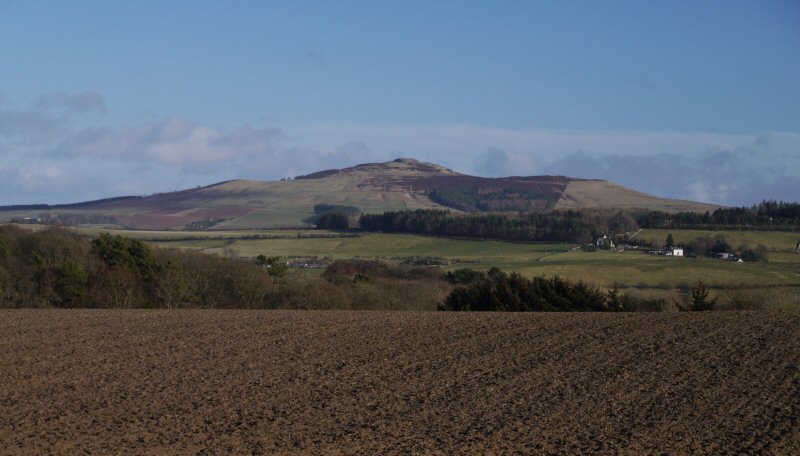
Fortified place · Iron Age
Rubers Law
Scottish Borders
Three separate strongholds - an Iron Age (the centuries before Rome arrived, from about 800 BC) hillfort, a Roman signal station and an Early Medie…
- Rough ground
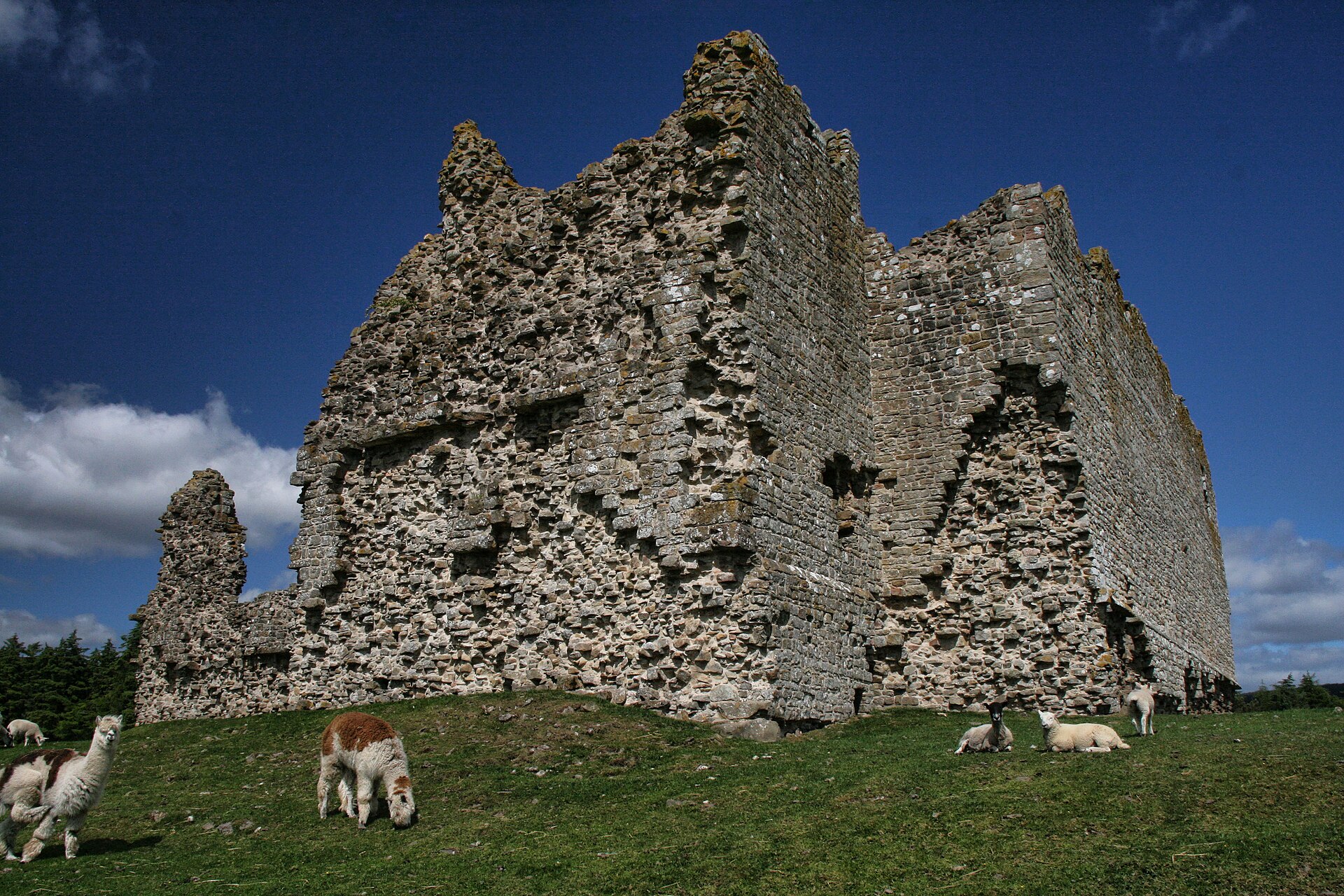
Fortified place · Medieval
Bewcastle Castle
Cumbria
Its dry moat still follows the ditch of the Roman fort it replaced, and a rigged football match here once became the trigger for a Border reiver am…
- Near Brampton
- Rough ground
Questions people ask
- Why is Hermitage Castle called the guardhouse of the bloodiest valley in Britain?
- The name reflects Liddesdale's violent border history and the castle's role guarding it; Hermitage itself may derive from the Old French l'armitage, meaning guardhouse.
- Did William de Soulis really get boiled in lead at Ninestane Rig?
- That is a local legend, not documented fact; records instead show he died a prisoner at Dumbarton Castle after being forfeited around 1320 over alleged witchcraft.
- Why did Mary, Queen of Scots ride to Hermitage in 1566?
- She travelled from Jedburgh to visit James Hepburn, 4th Earl of Bothwell, wounded there in a clash with the reiver John Elliot of Park, weeks after giving birth to James VI.
- Who built the stone castle that survives today?
- Most of the present structure was raised for William Douglas, 1st Earl of Douglas, in the later fourteenth century, possibly assisted by a mason from Durham Cathedral.
- Can visitors go inside Hermitage Castle?
- Yes. Historic Environment Scotland cares for the scheduled monument and opens it to visitors between 1 April and 31 October each year; it is closed in winter.
Sources
The Ancient Codex, in your pocket
Get the Pocket Codex app
Carry the directory with you — Hermitage Castle and thousands of ancient places across Britain and Ireland, offline, wherever you roam.